Sicily

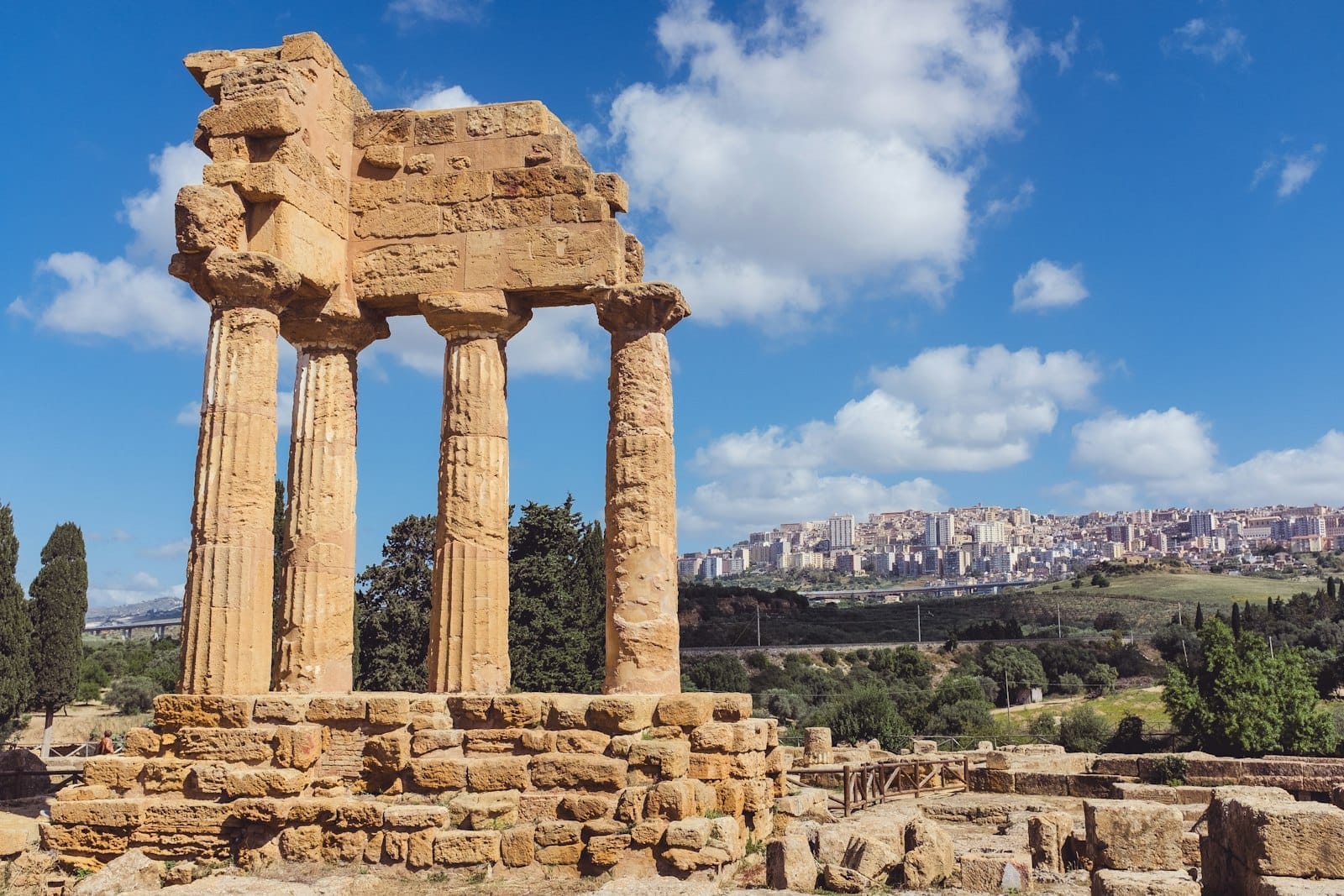
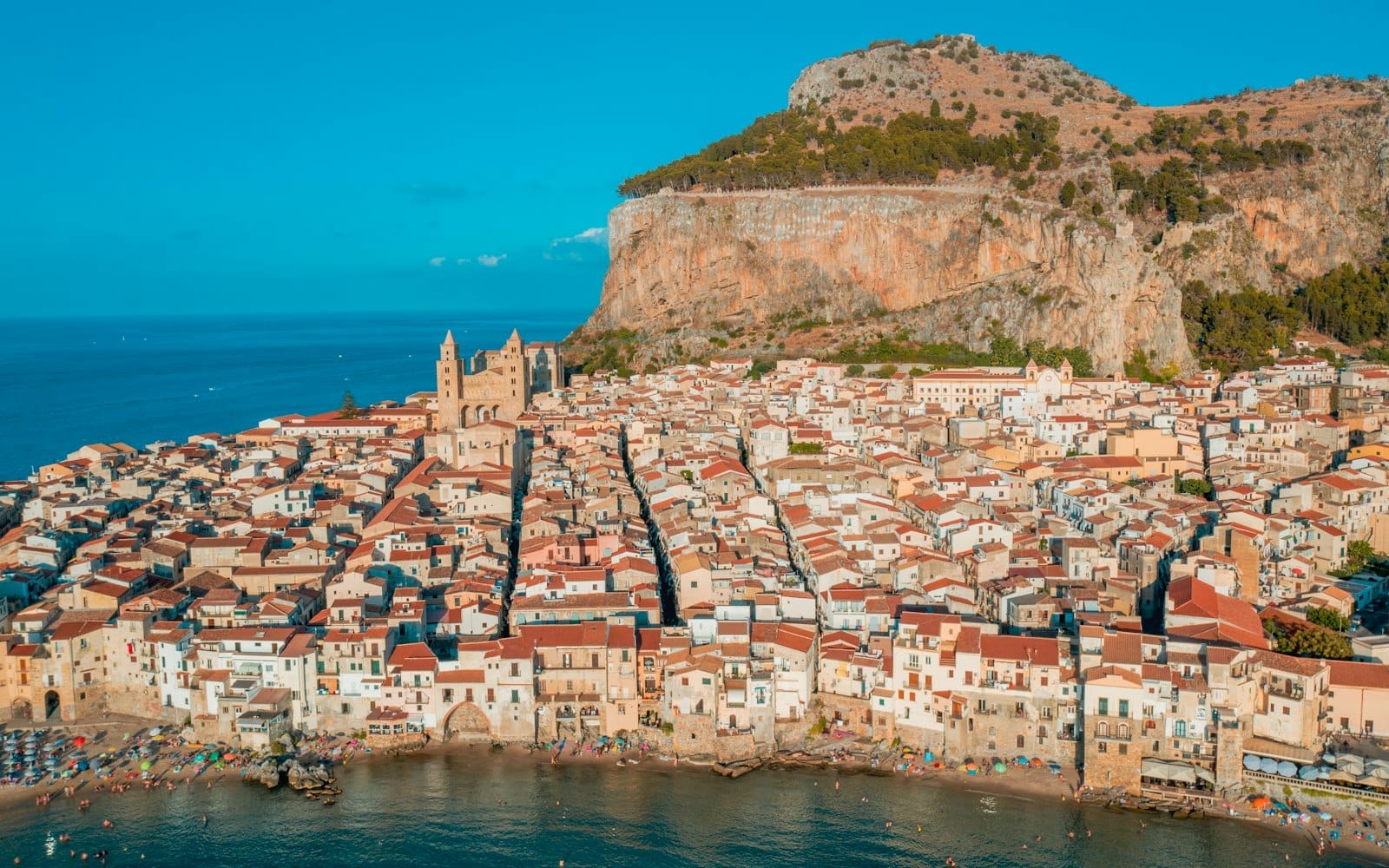
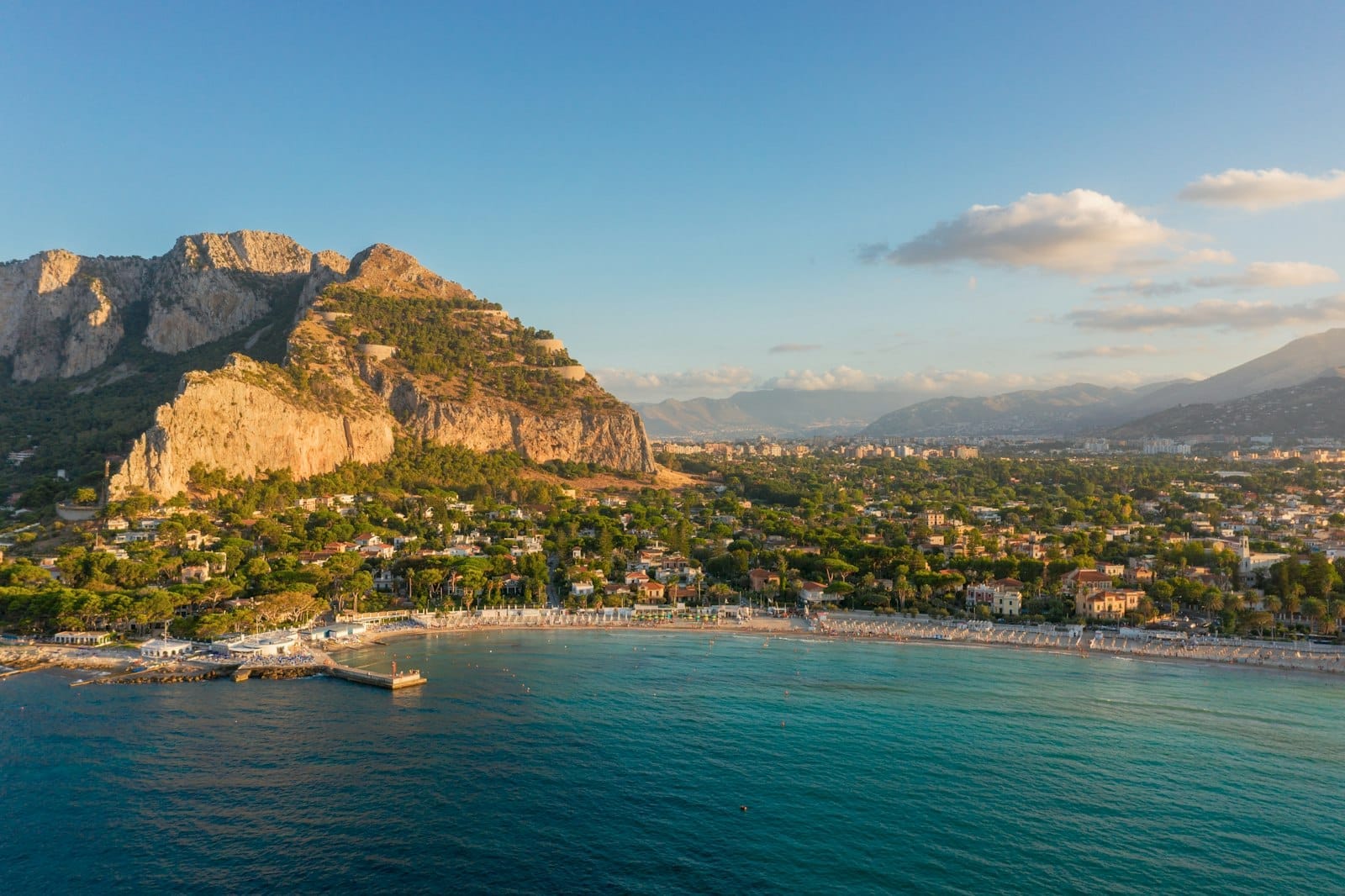
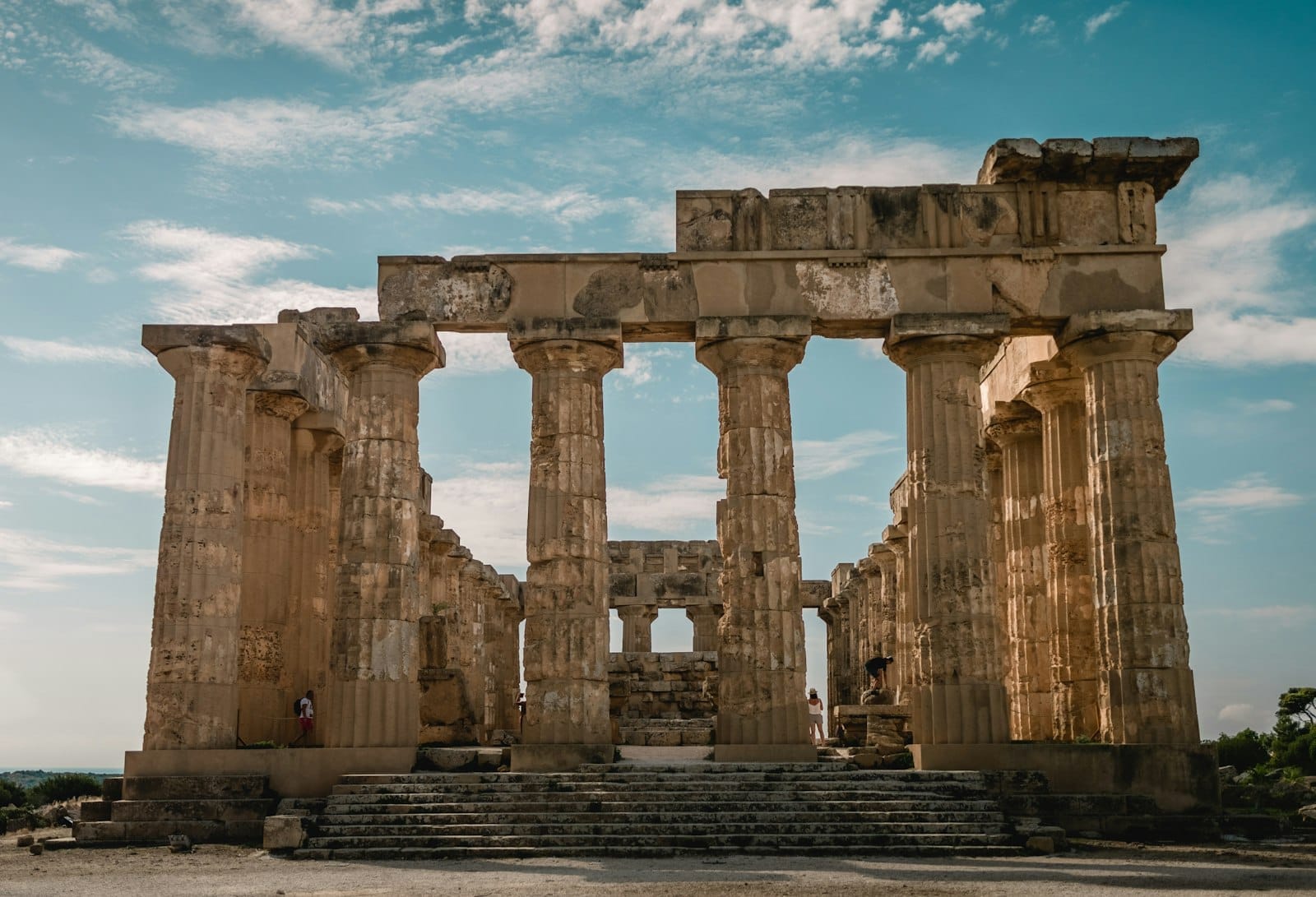
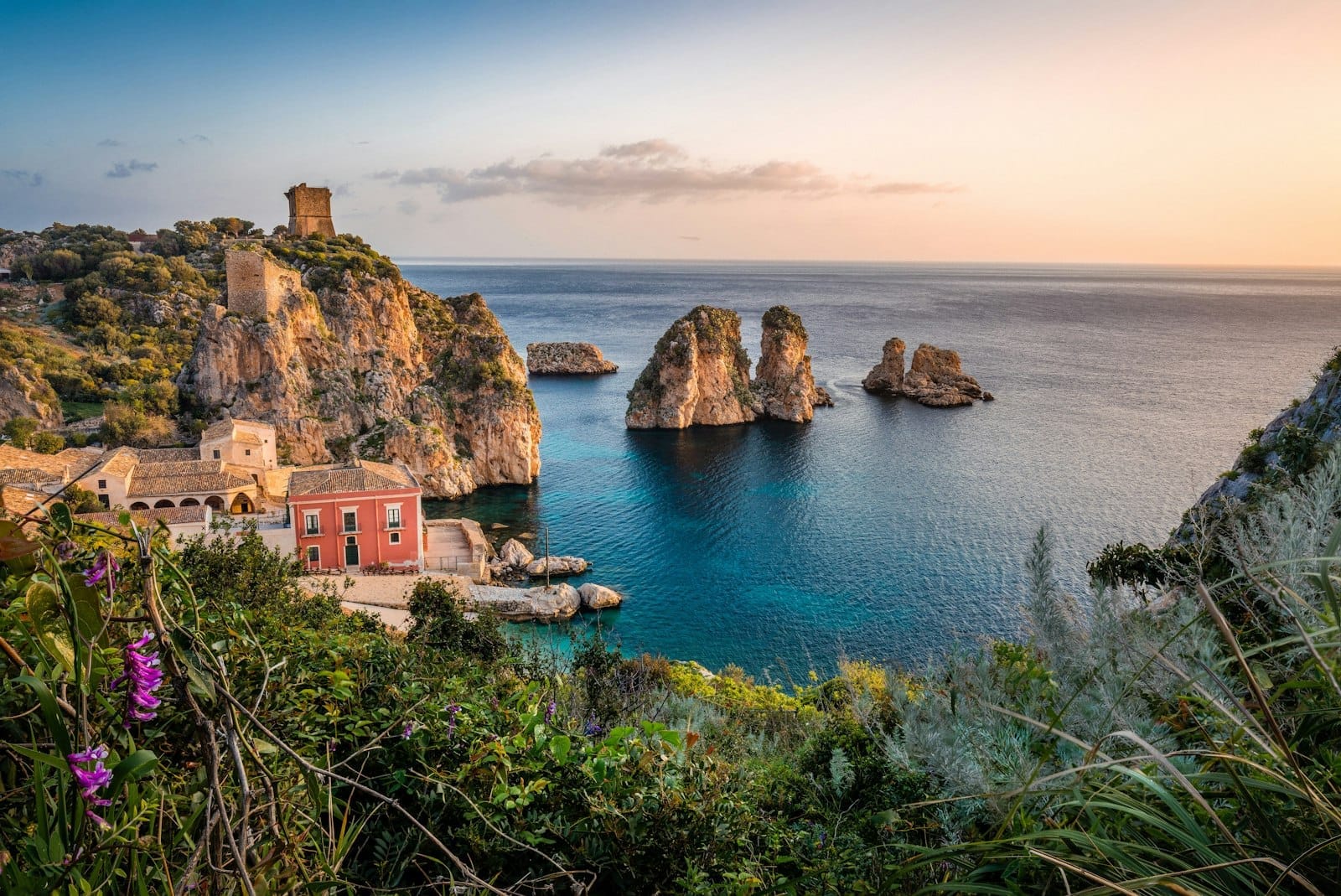
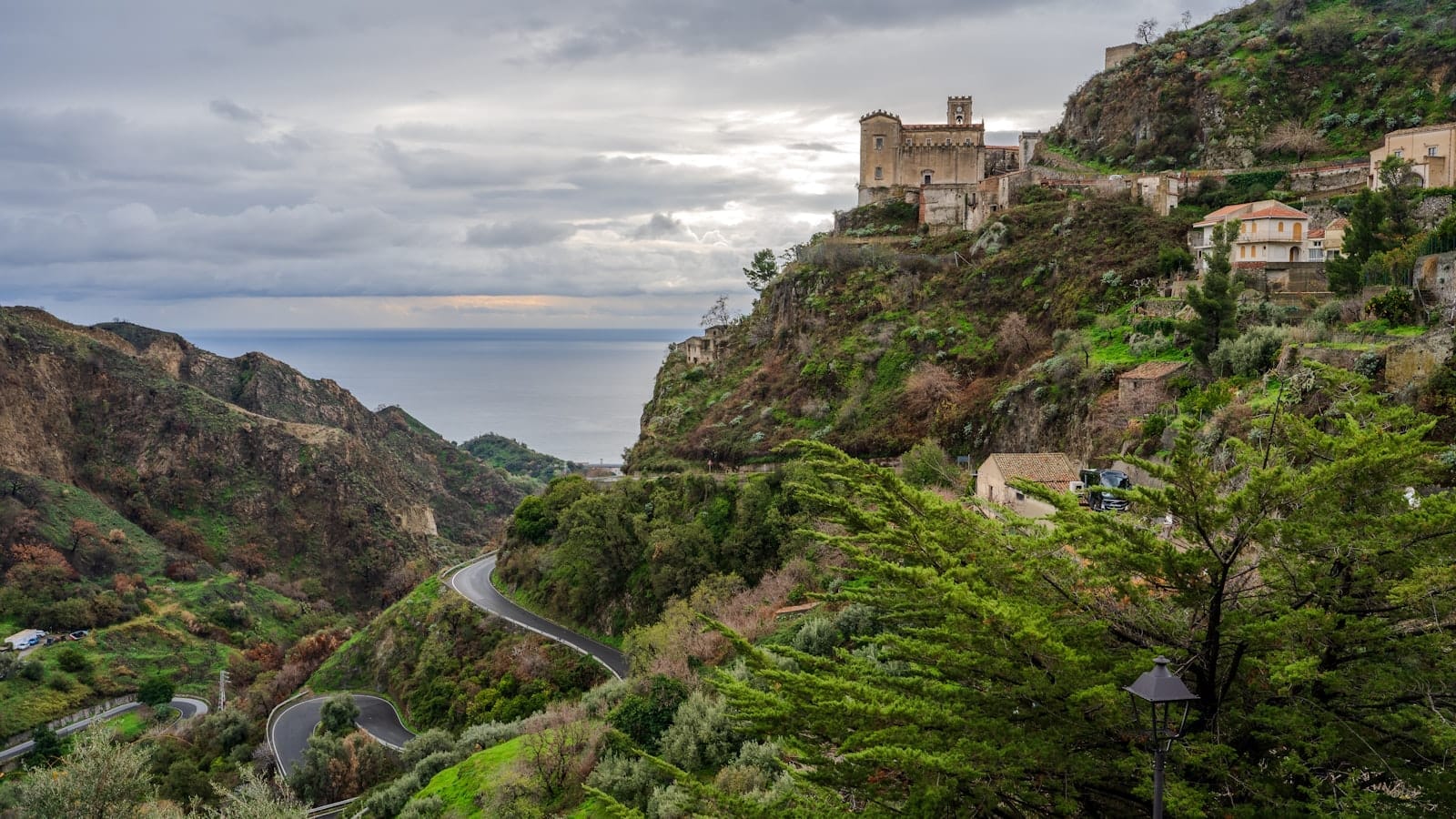
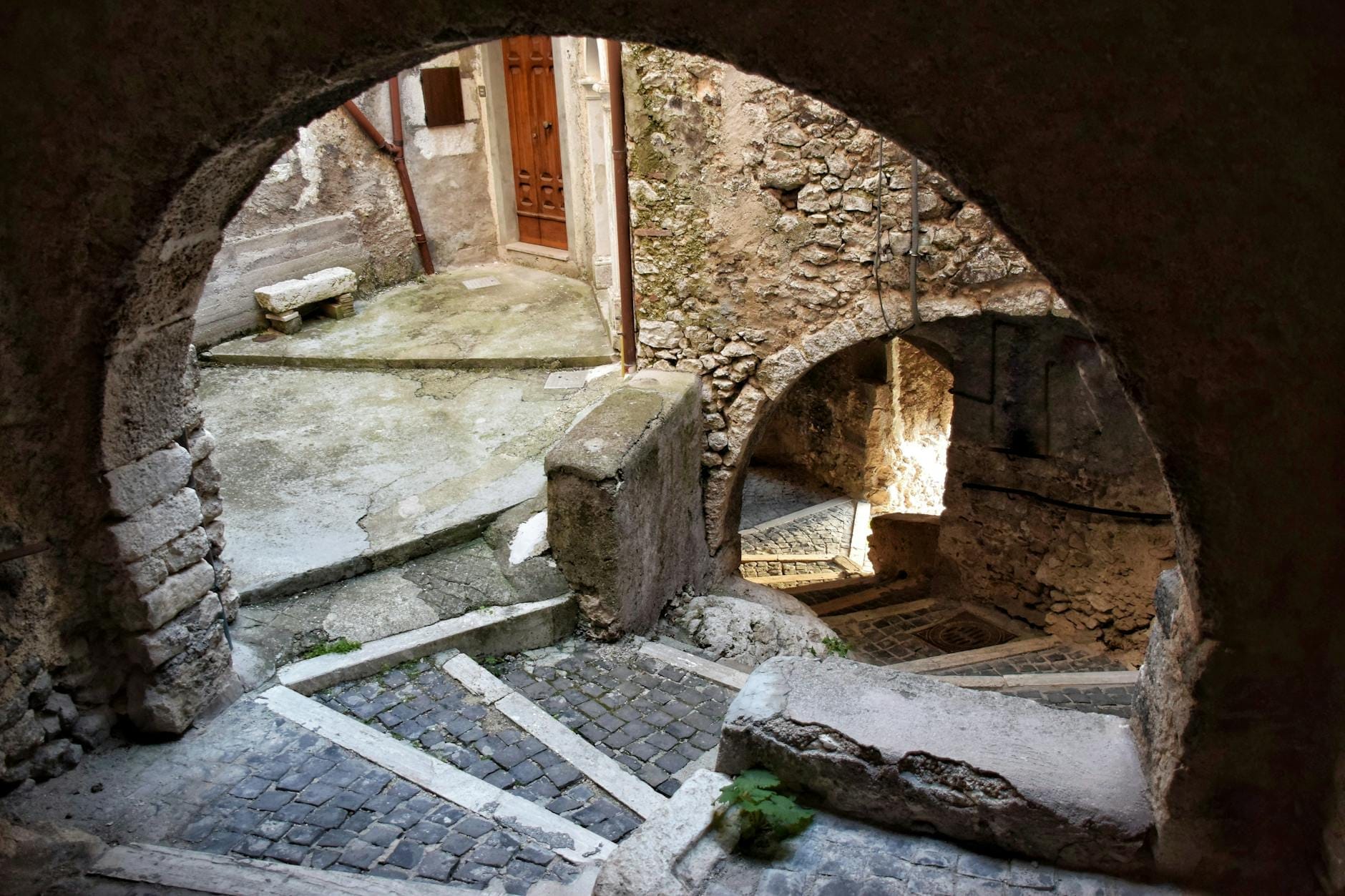
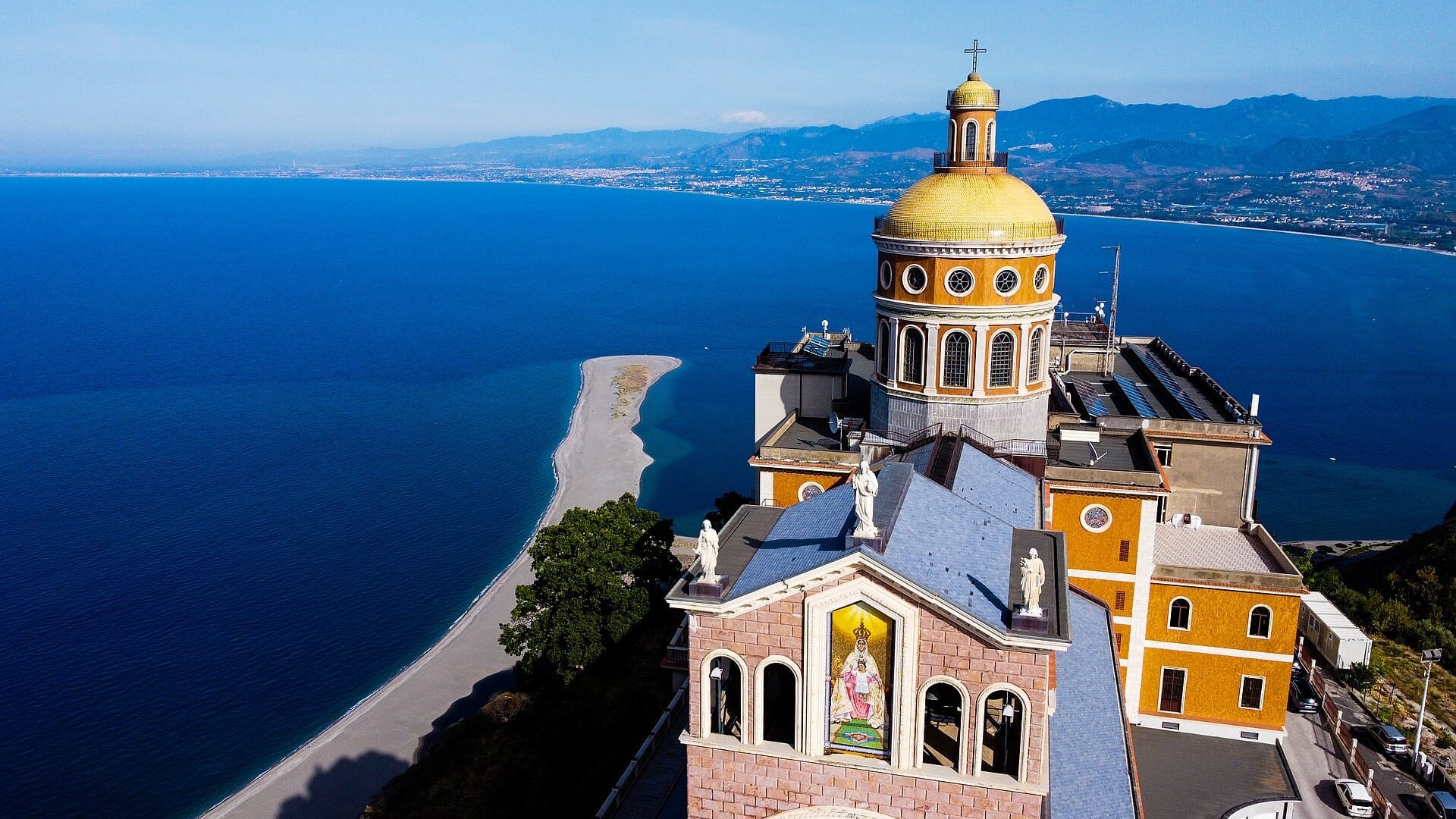
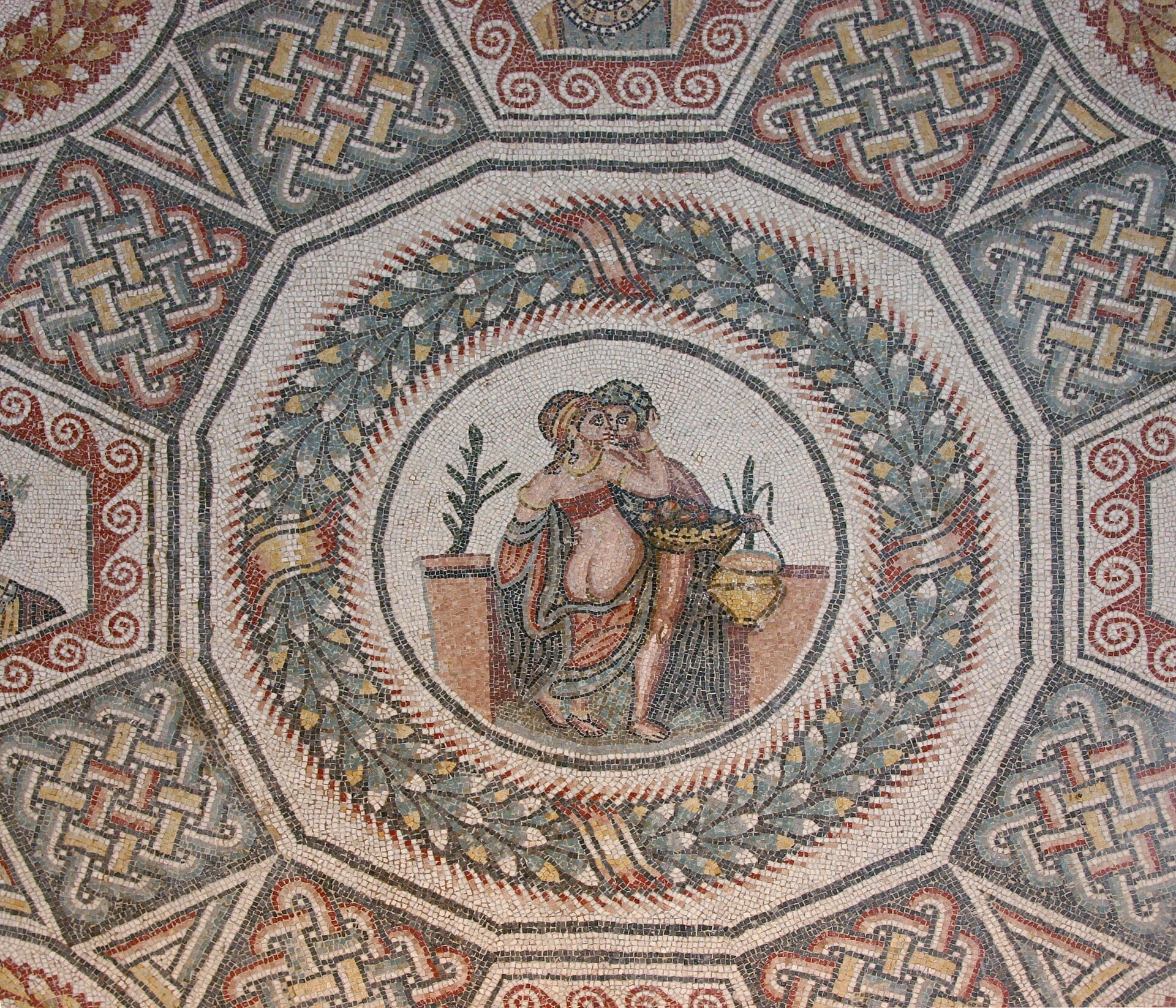
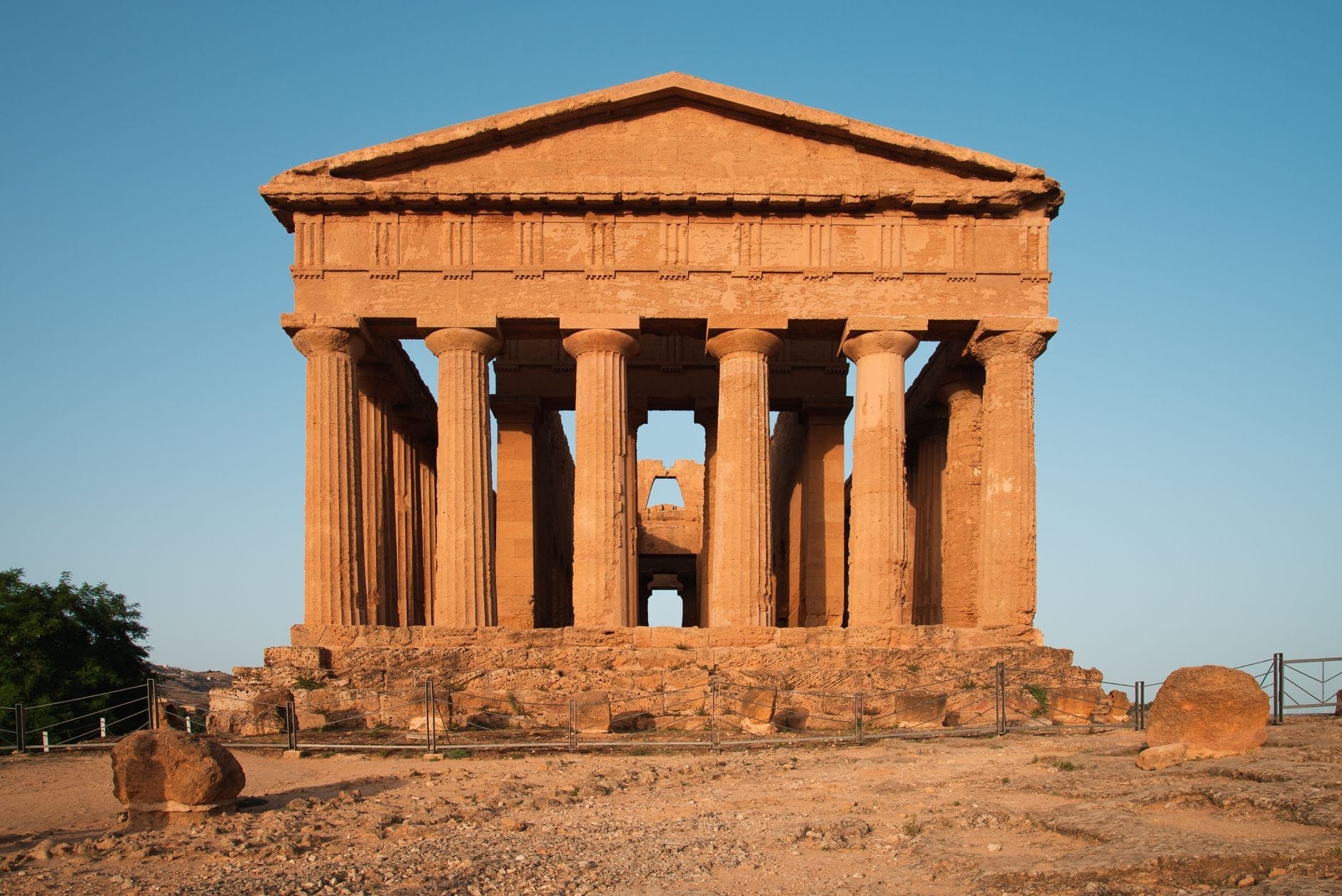
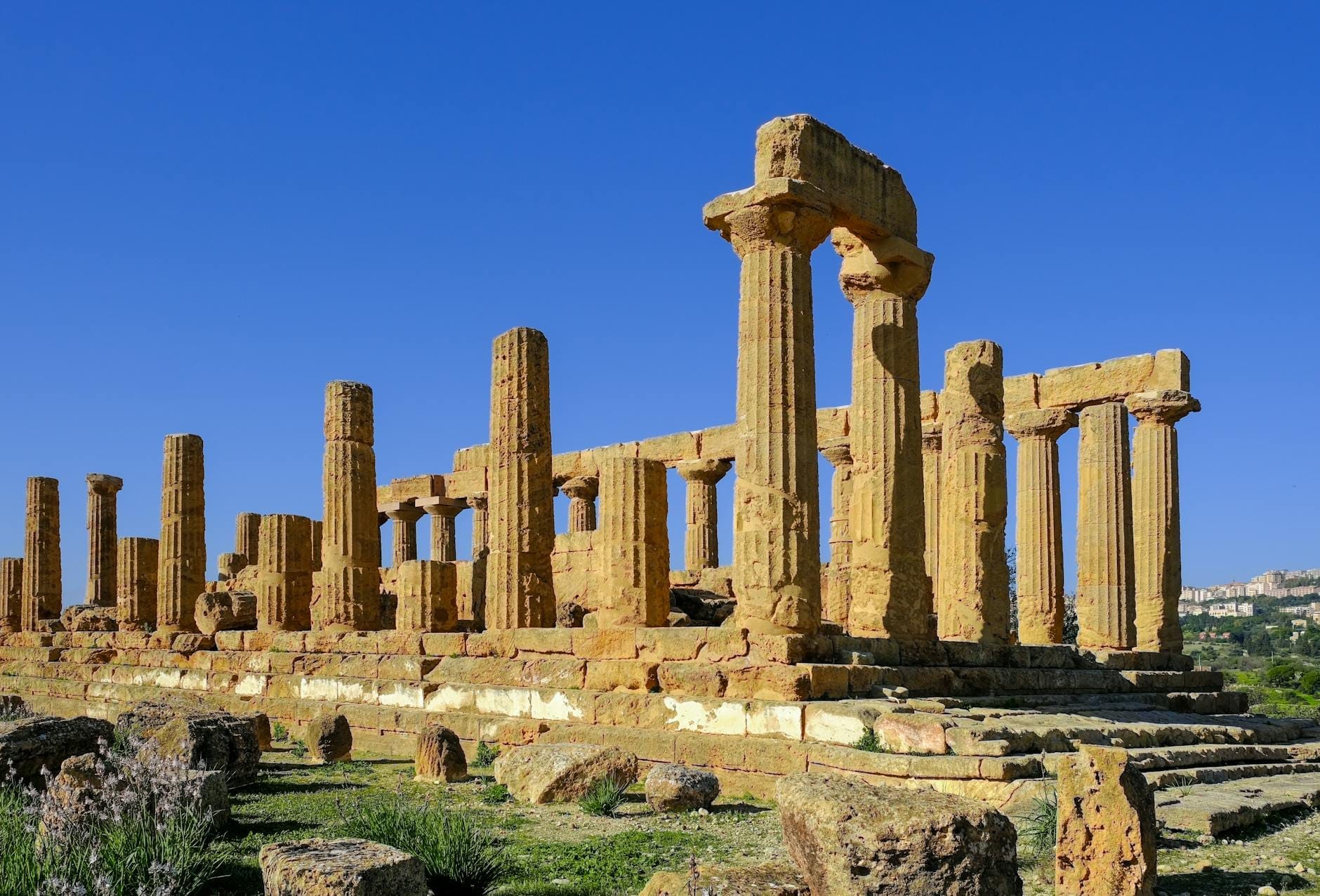
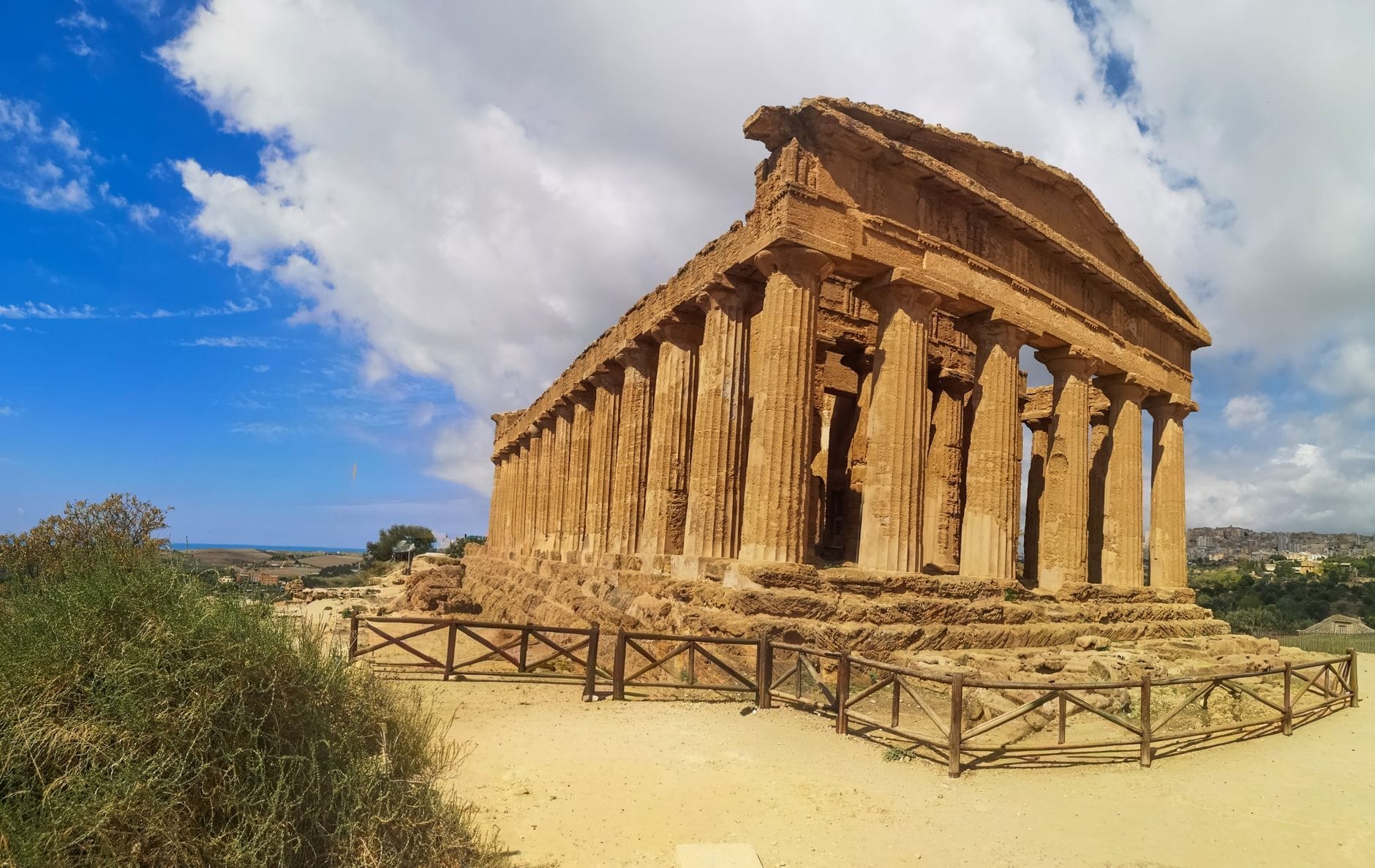
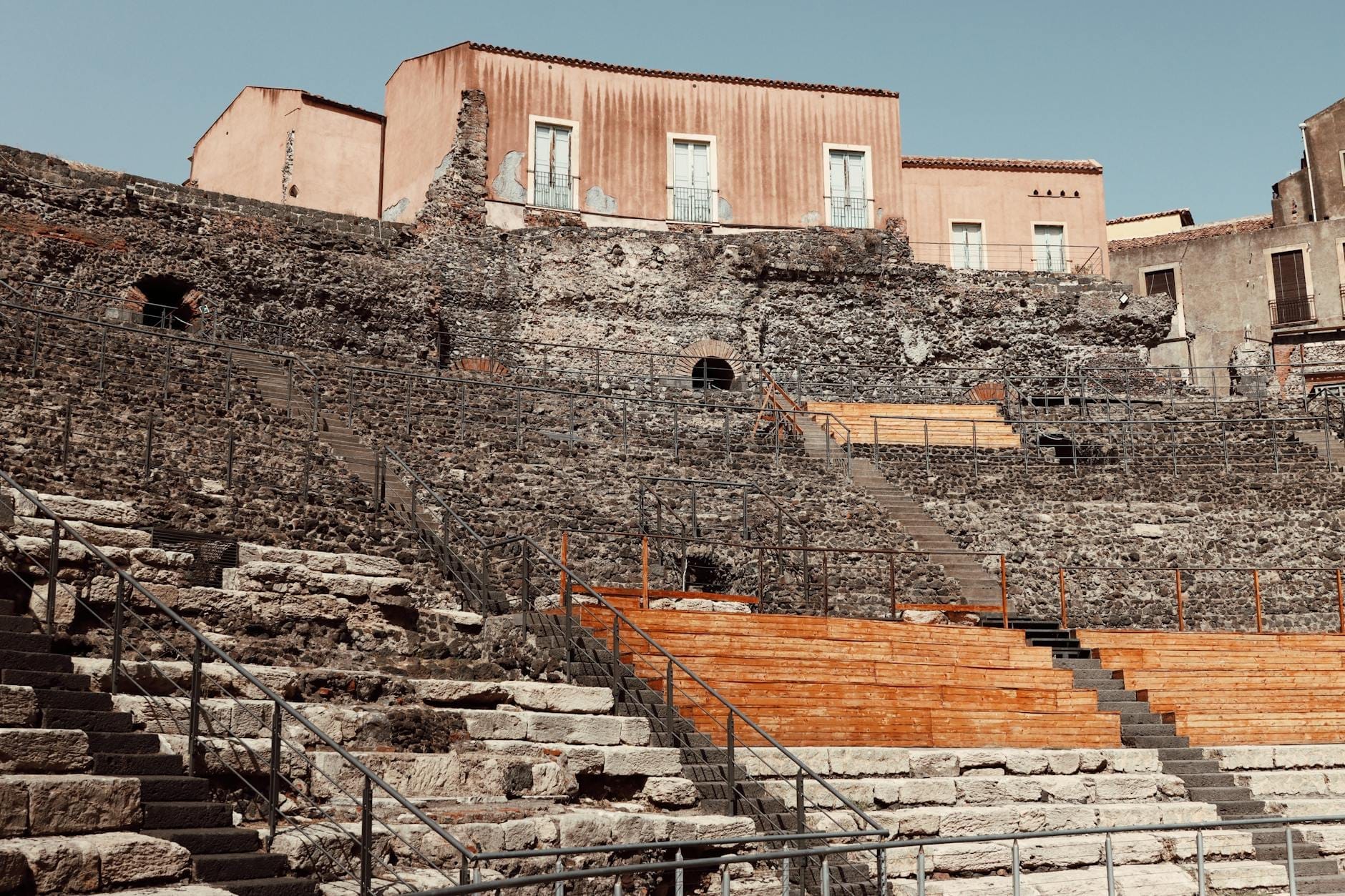
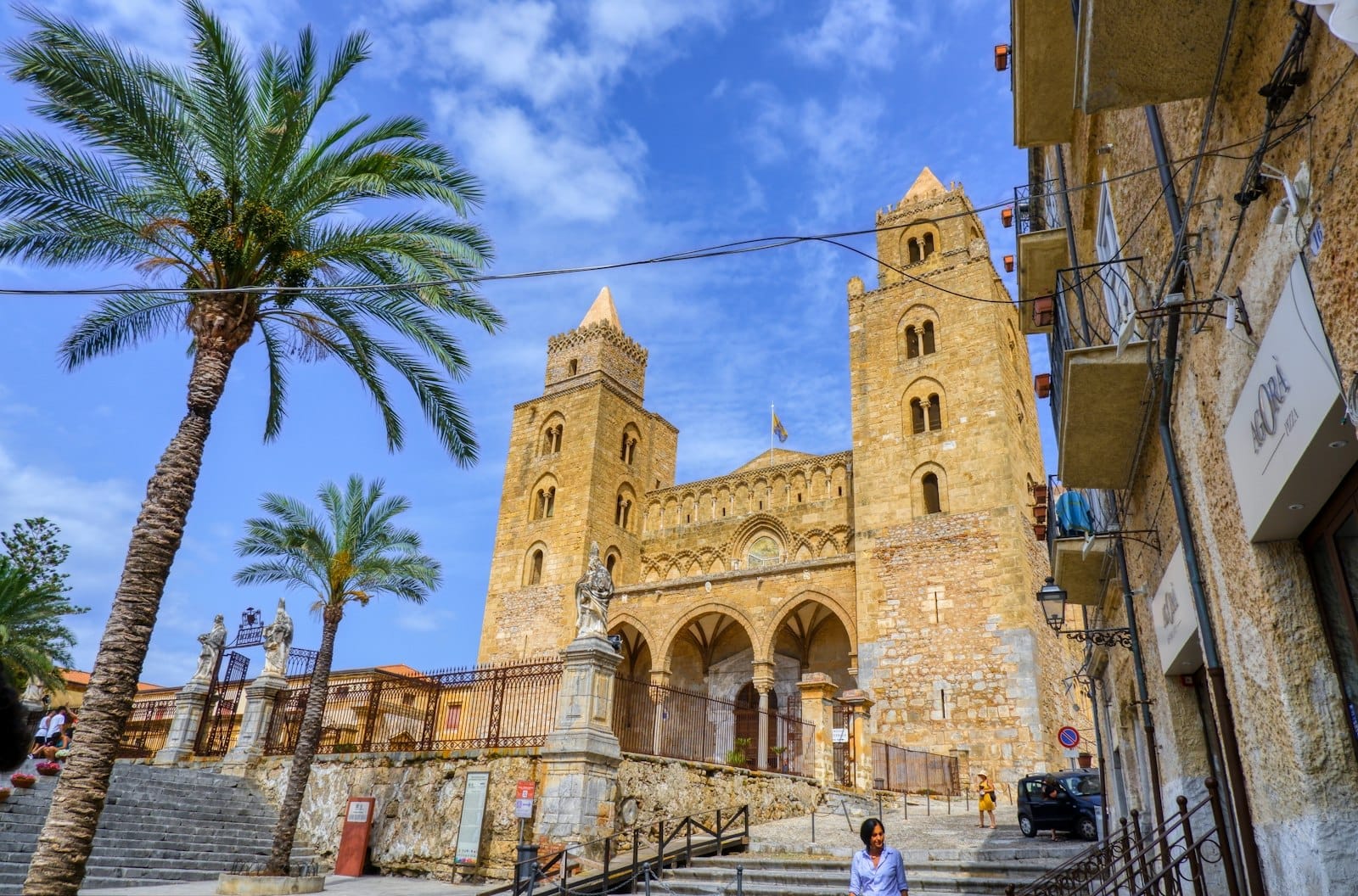
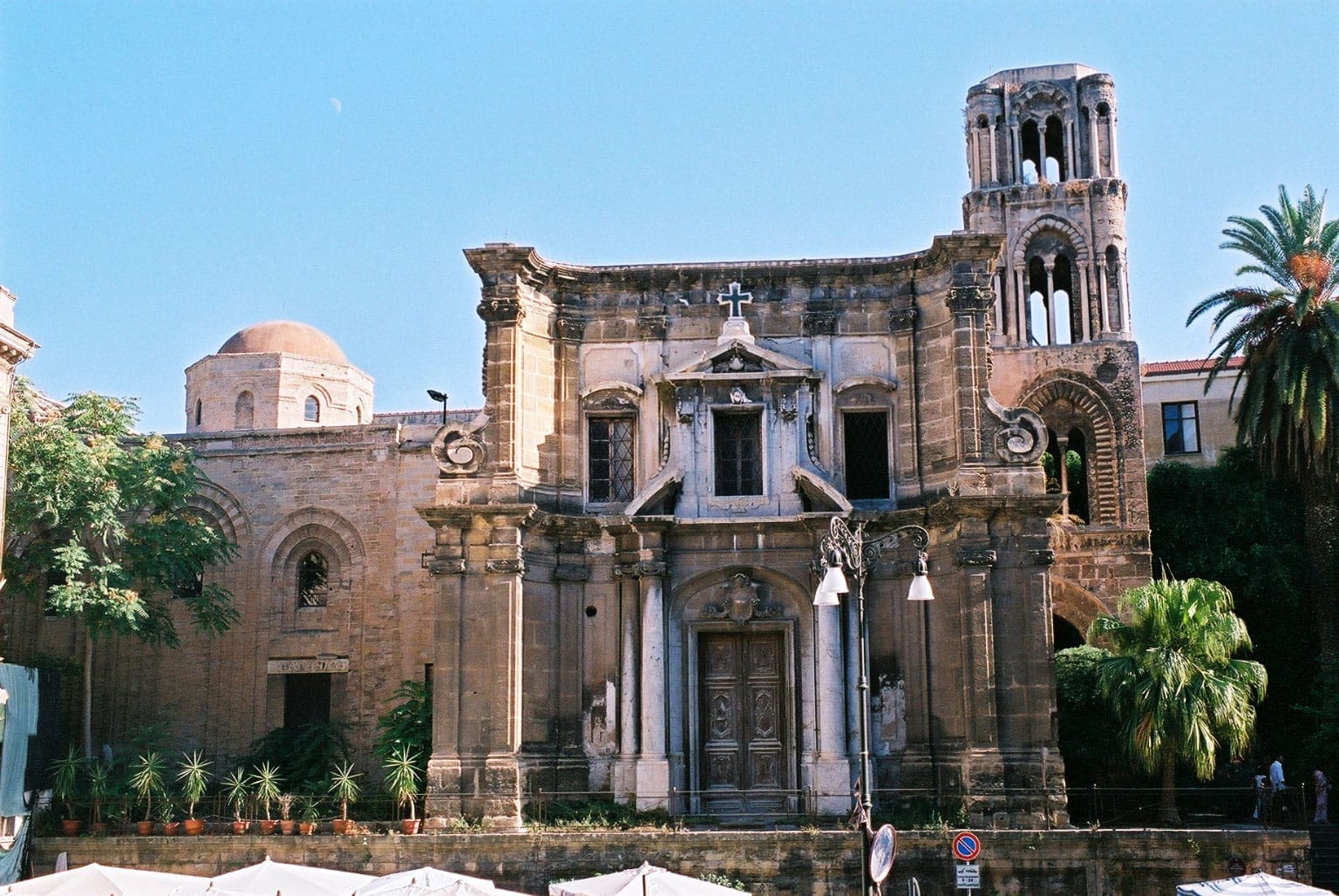
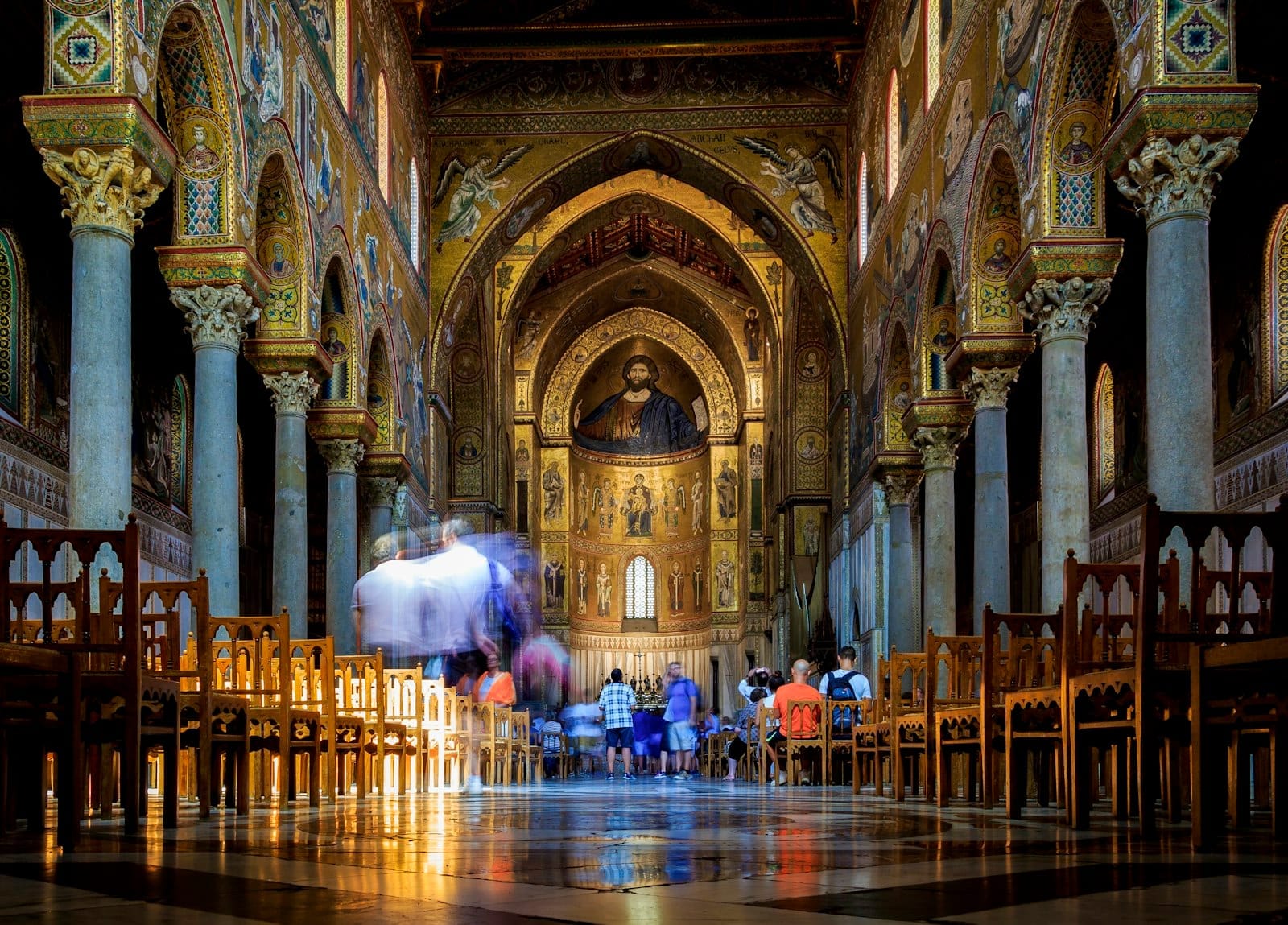
Sicily is the Mediterranean's largest island and one of Europe's most layered destinations, where ancient Greek temples, Arab-Norman cathedrals, Baroque hill towns, and active volcanoes share space with world-class beaches and a street food culture unlike anywhere else in Italy. Every civilization that ever ruled the island left its mark, creating a density of UNESCO World Heritage Sites and architectural wonders that rivals any destination on the continent.

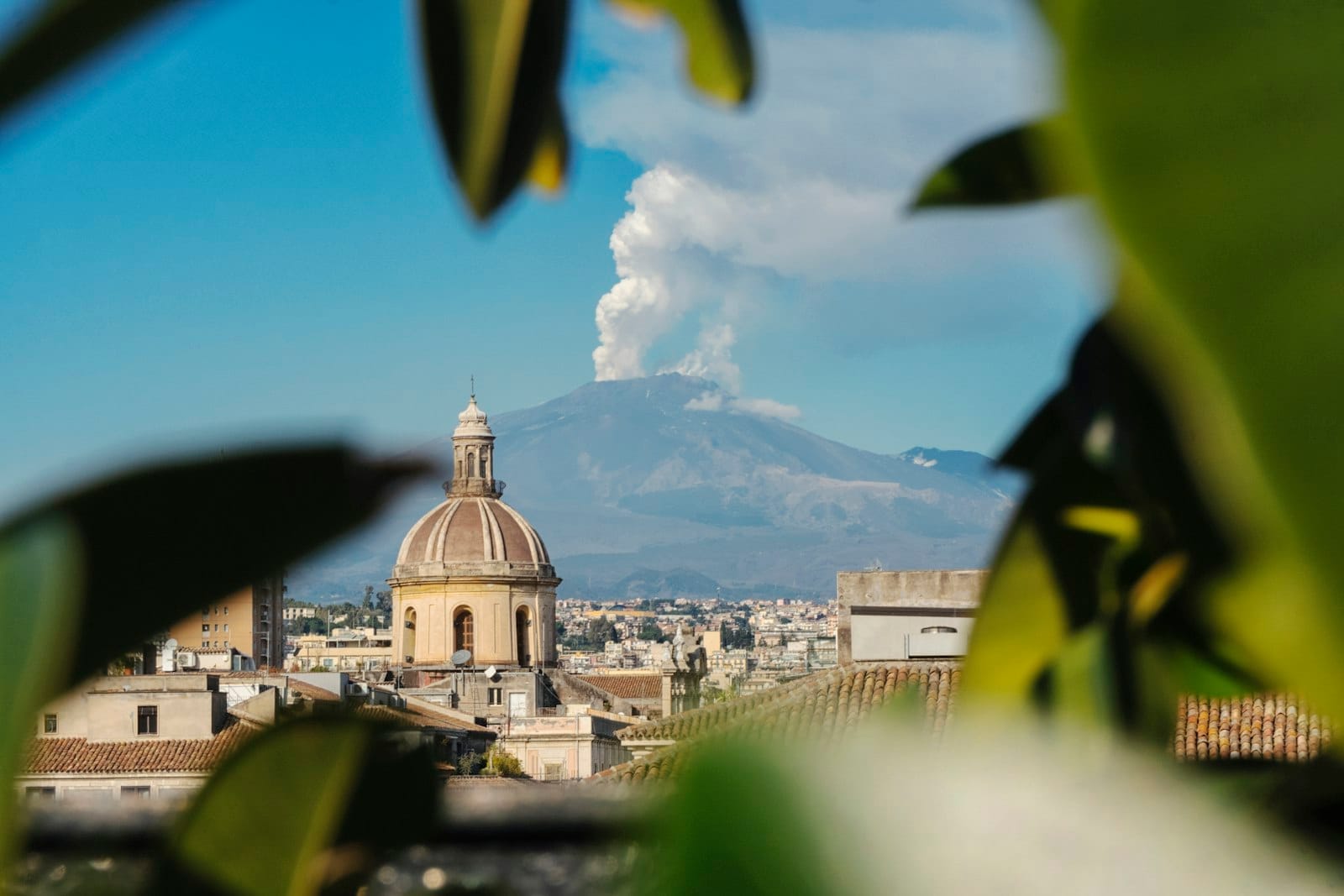
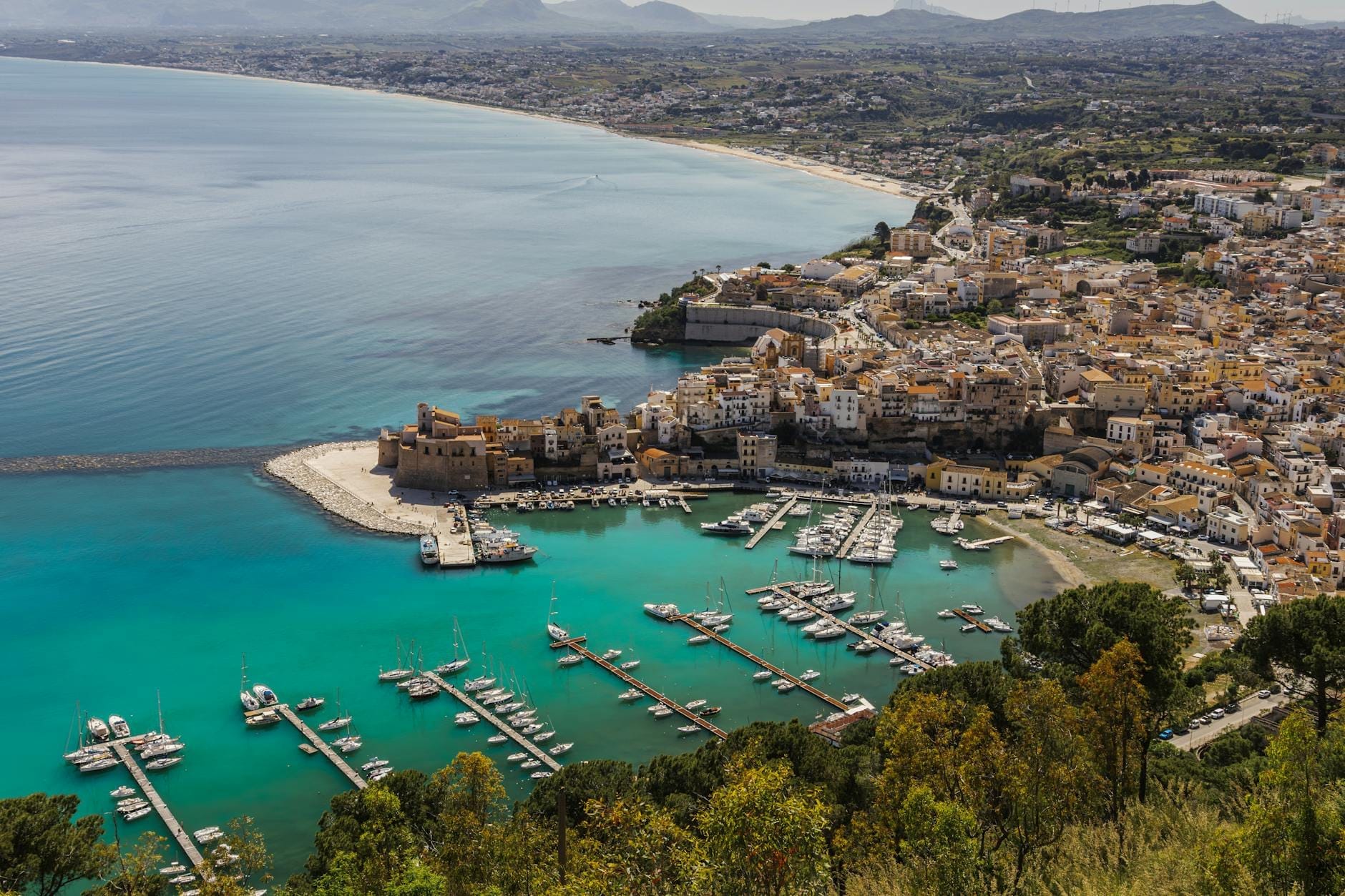
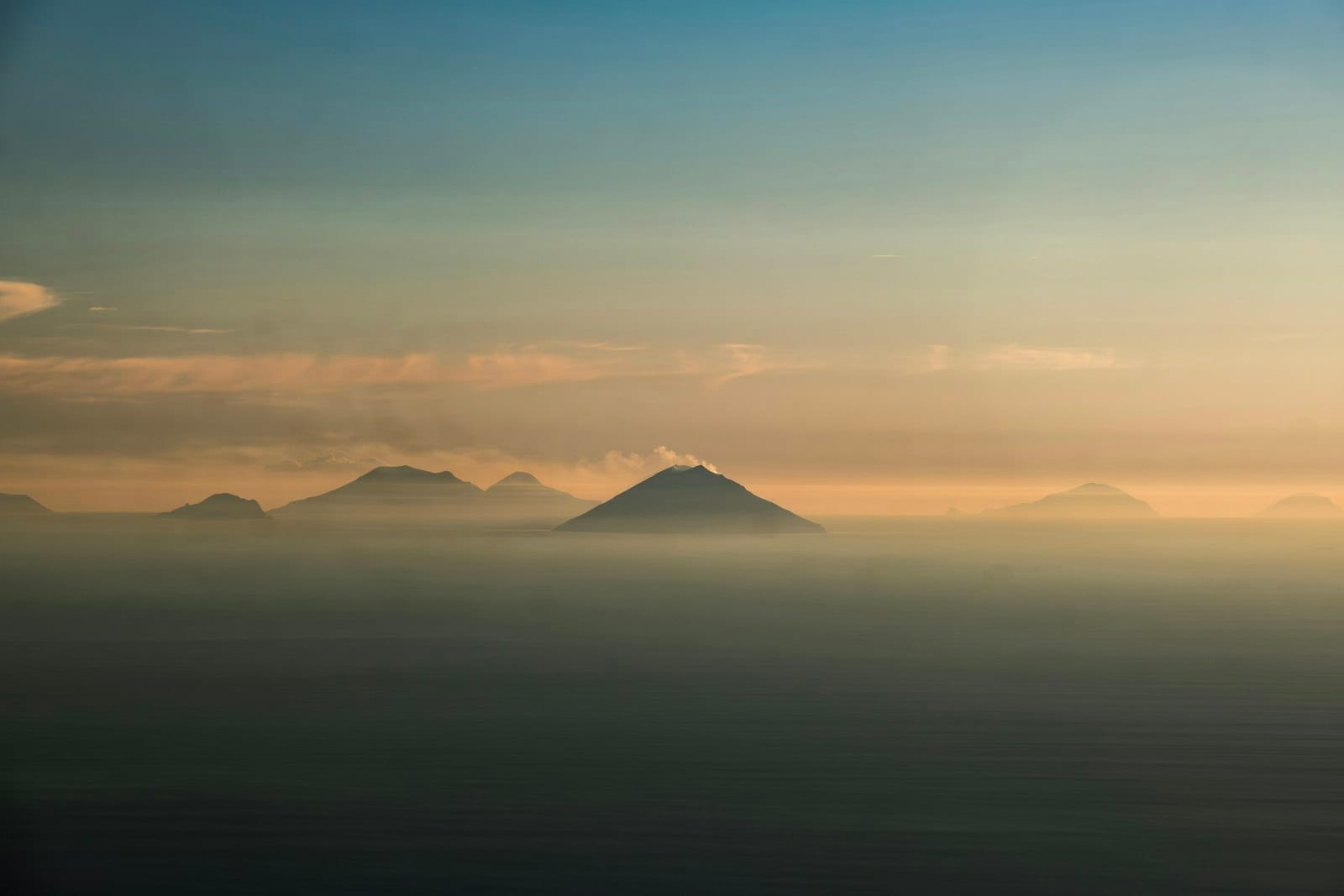
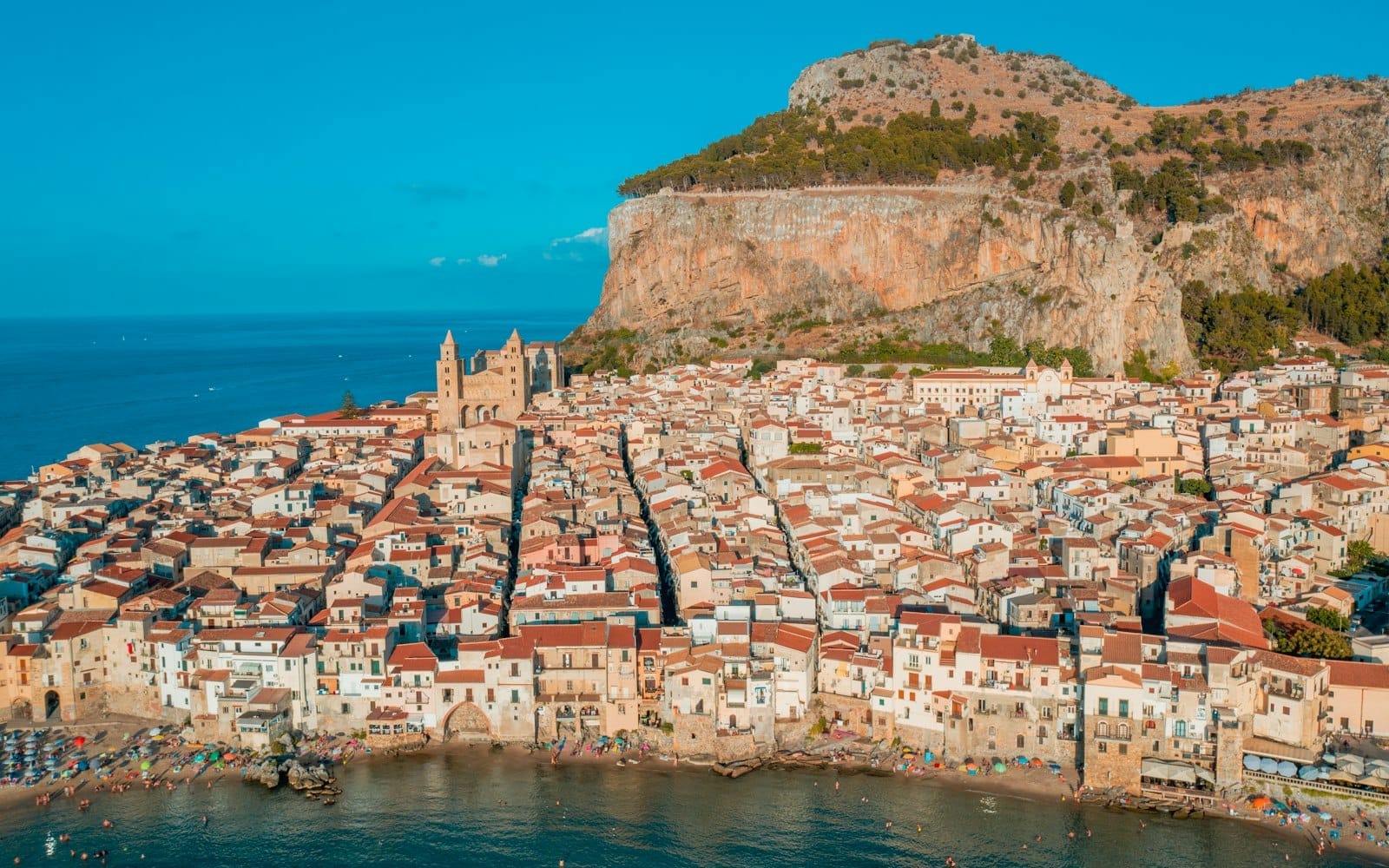
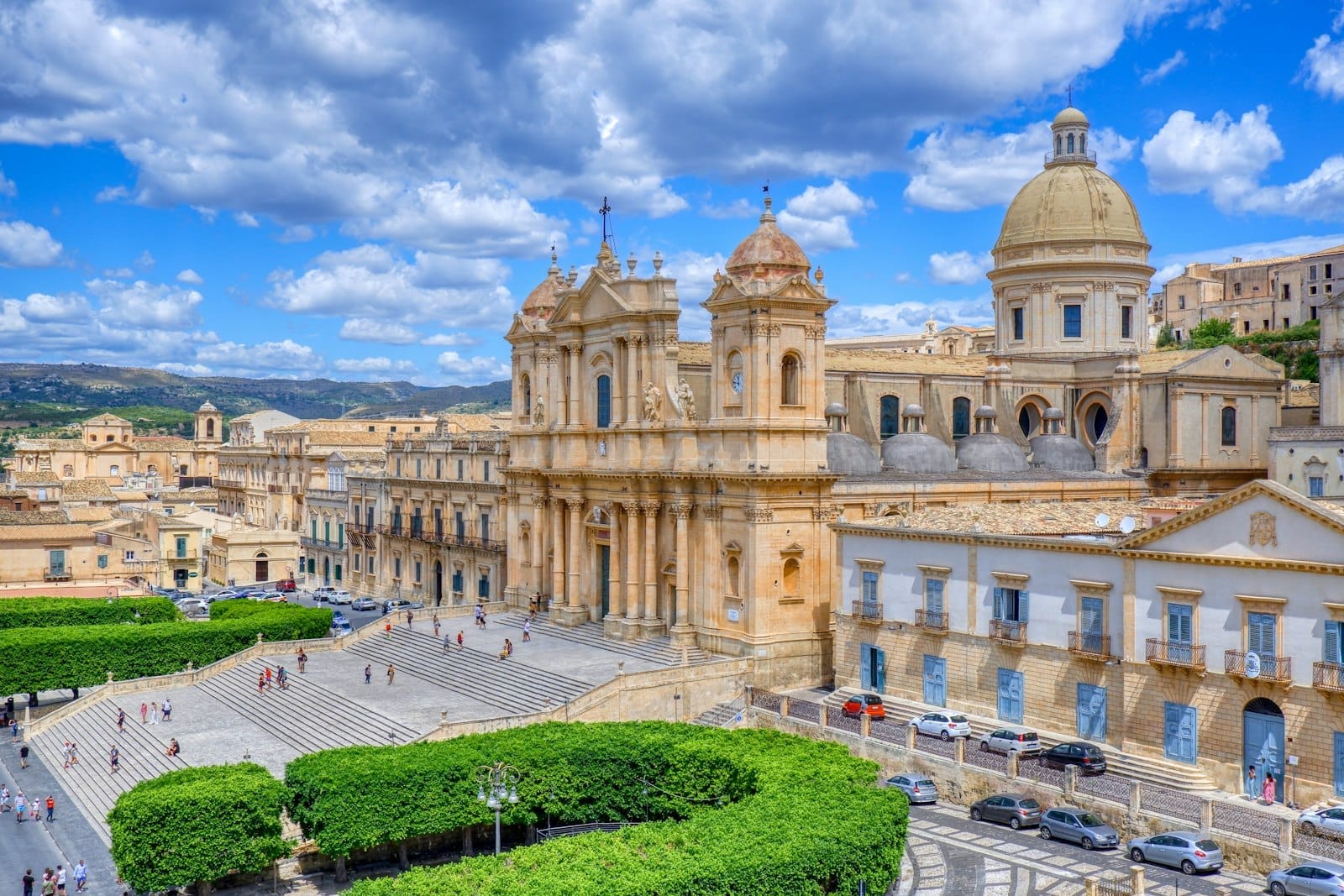
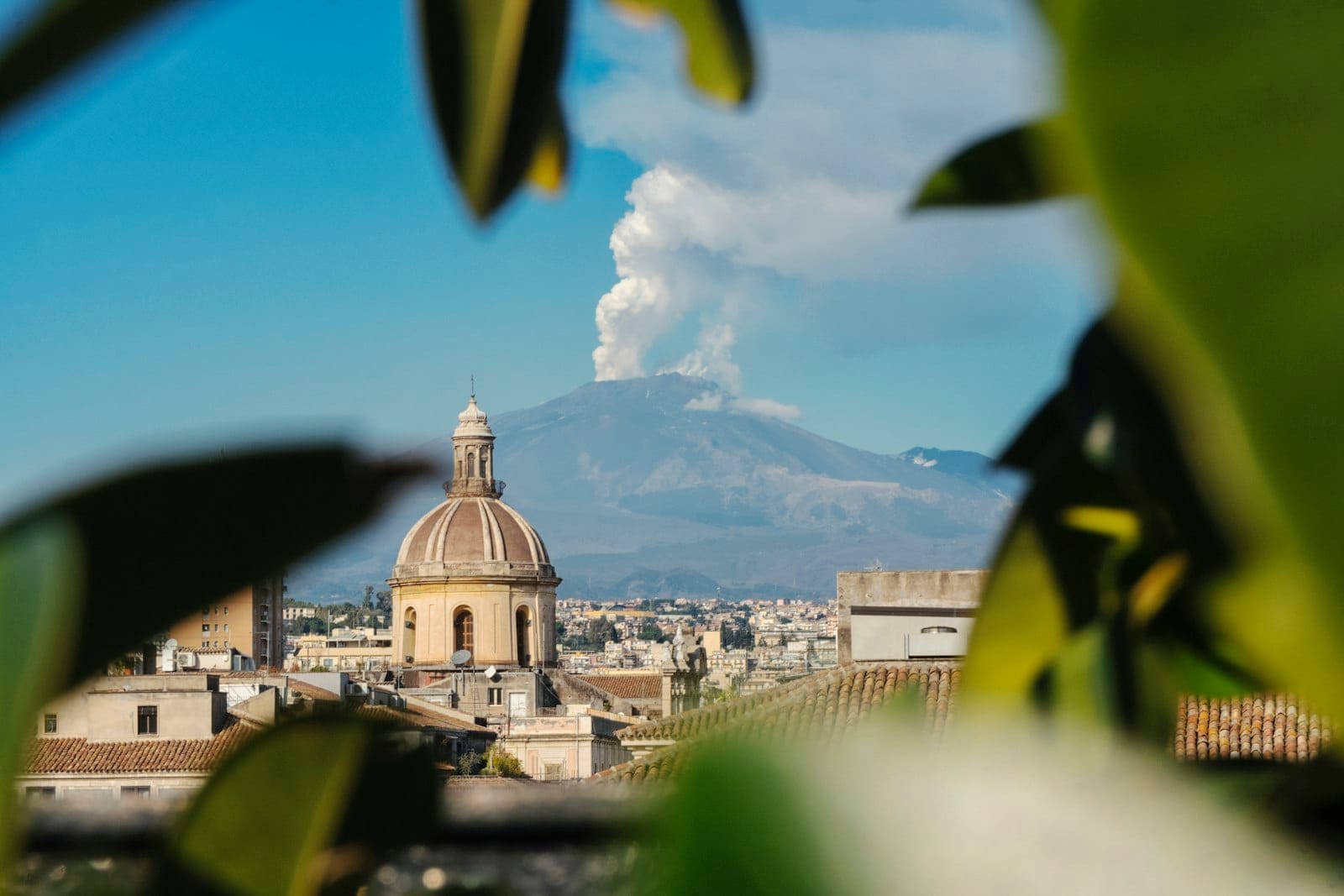
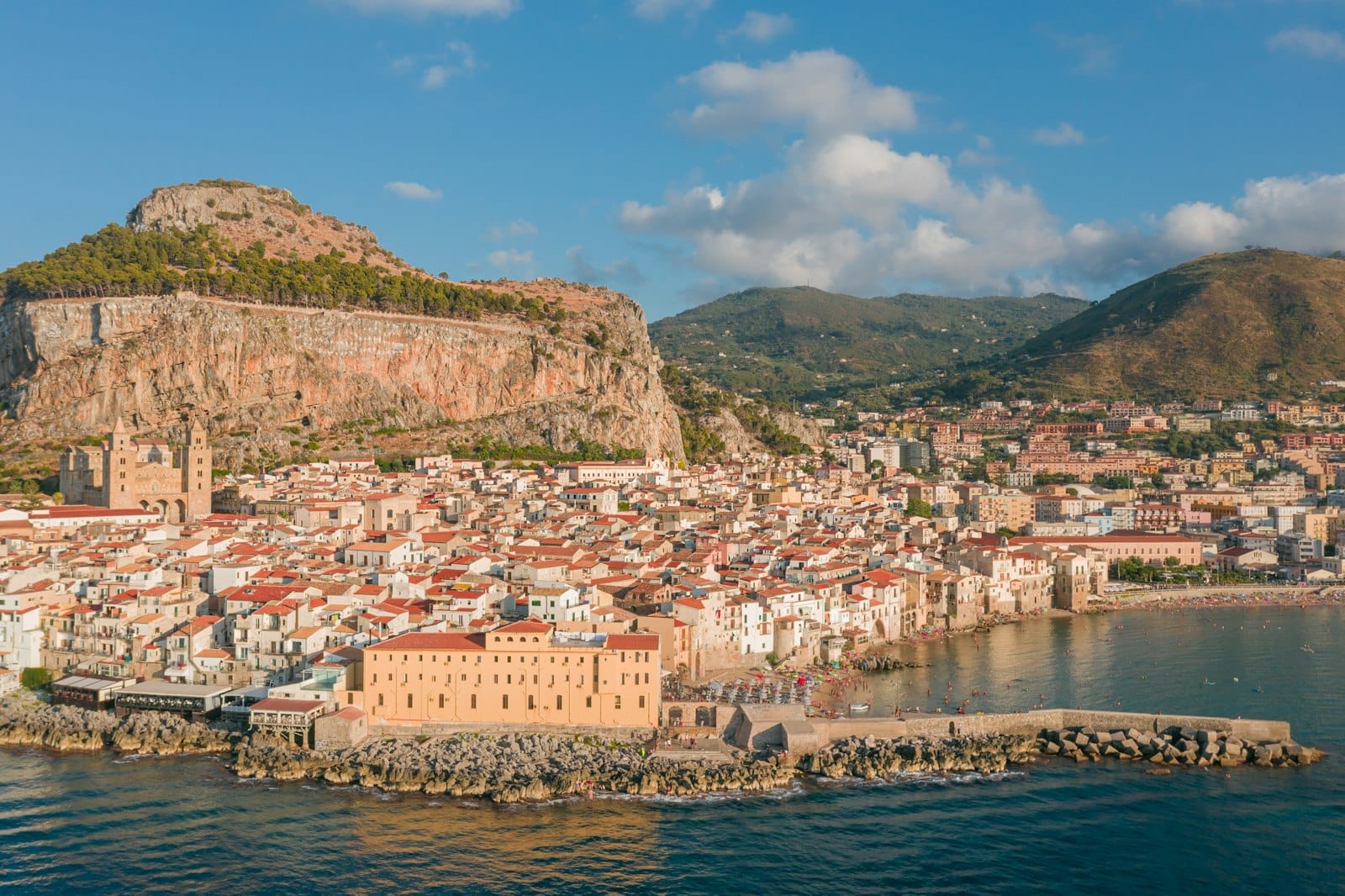
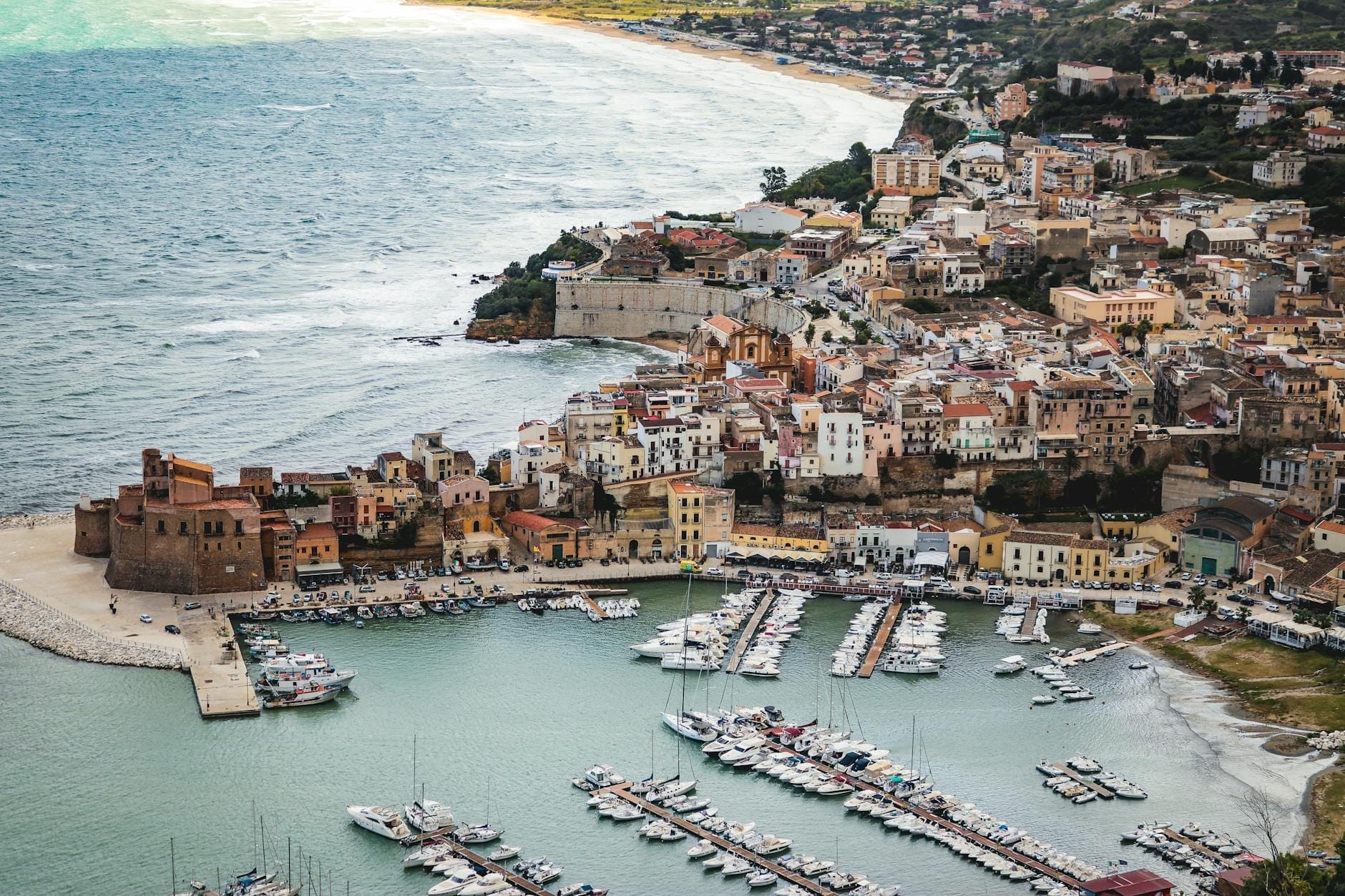
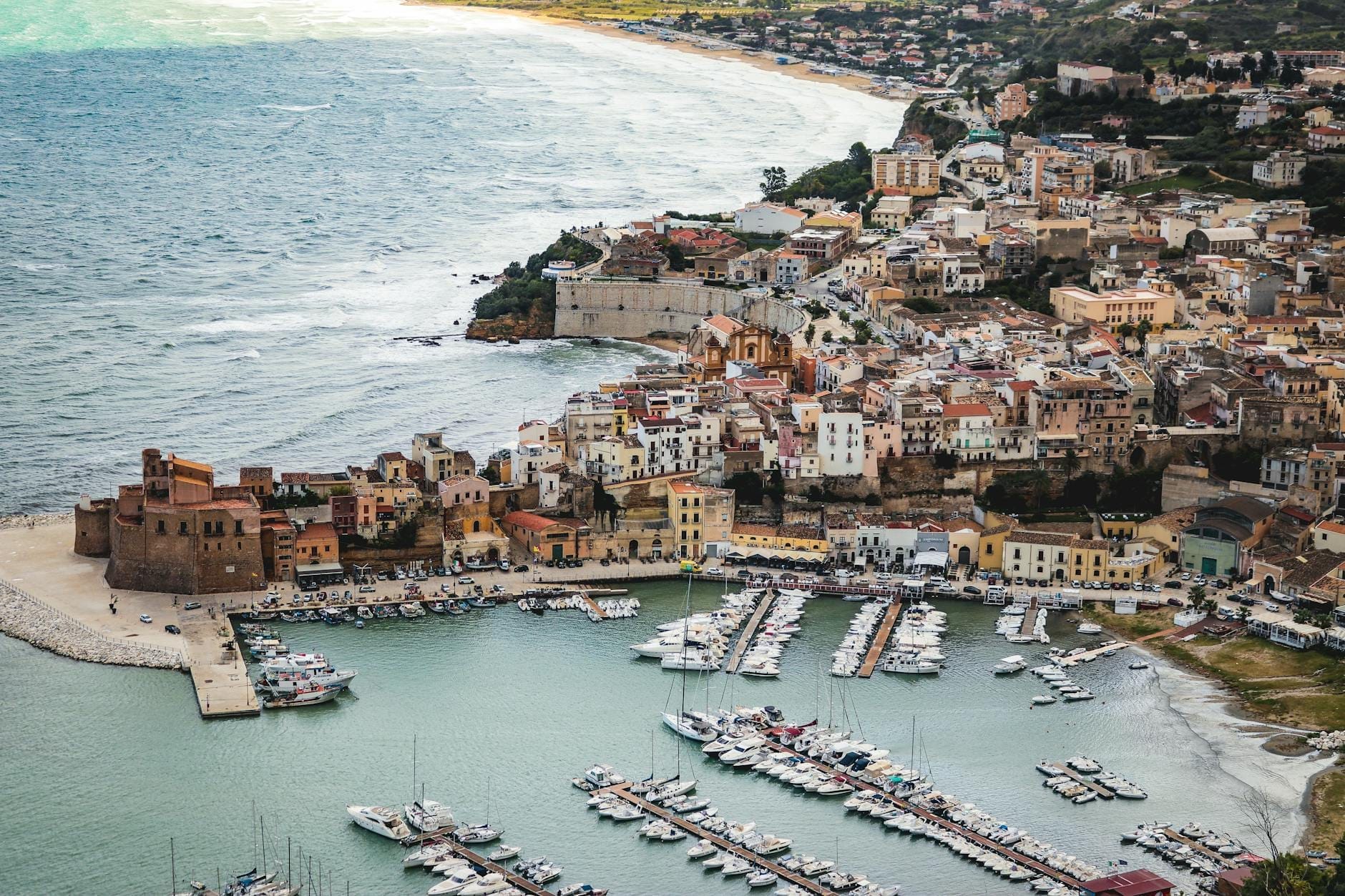
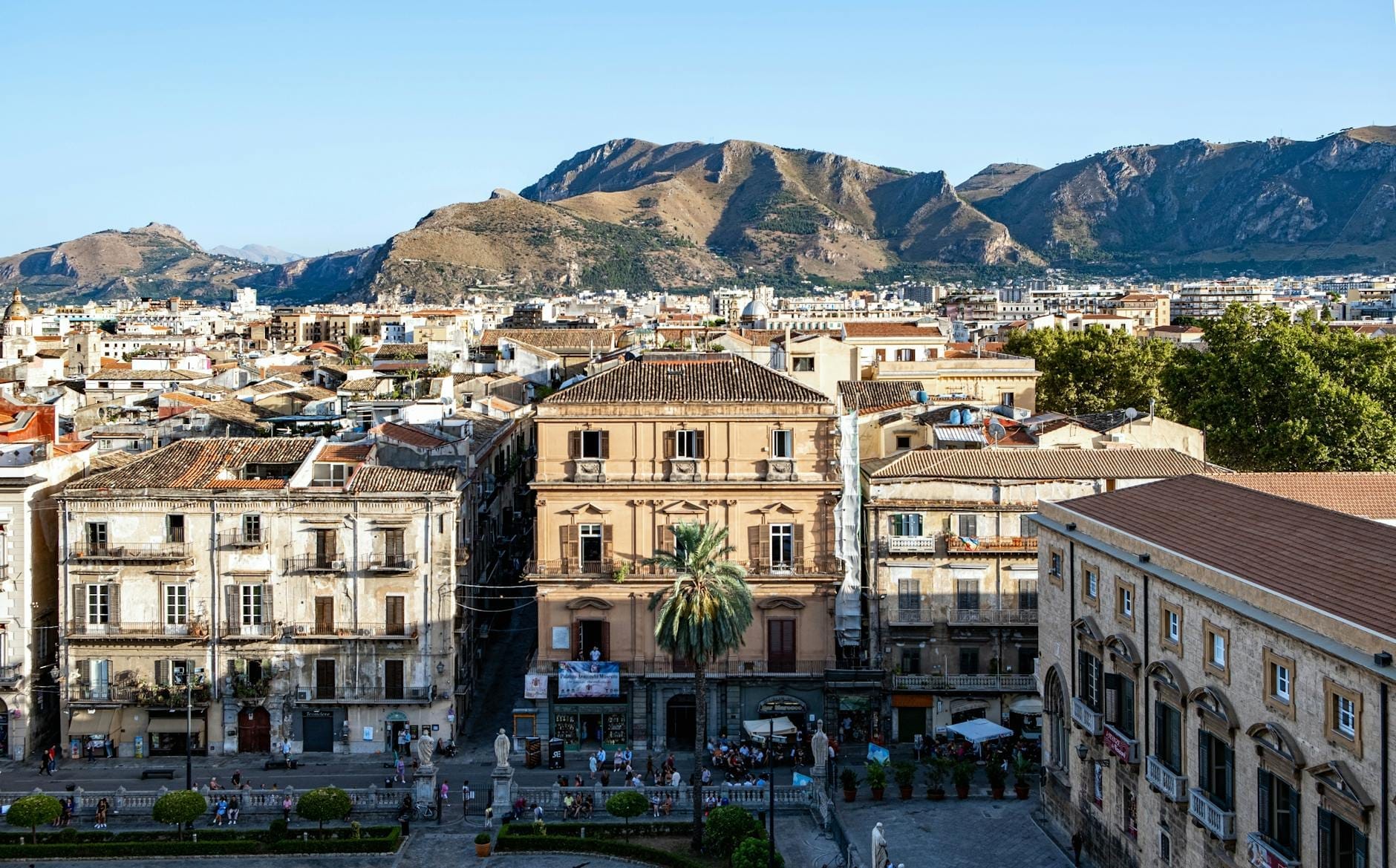
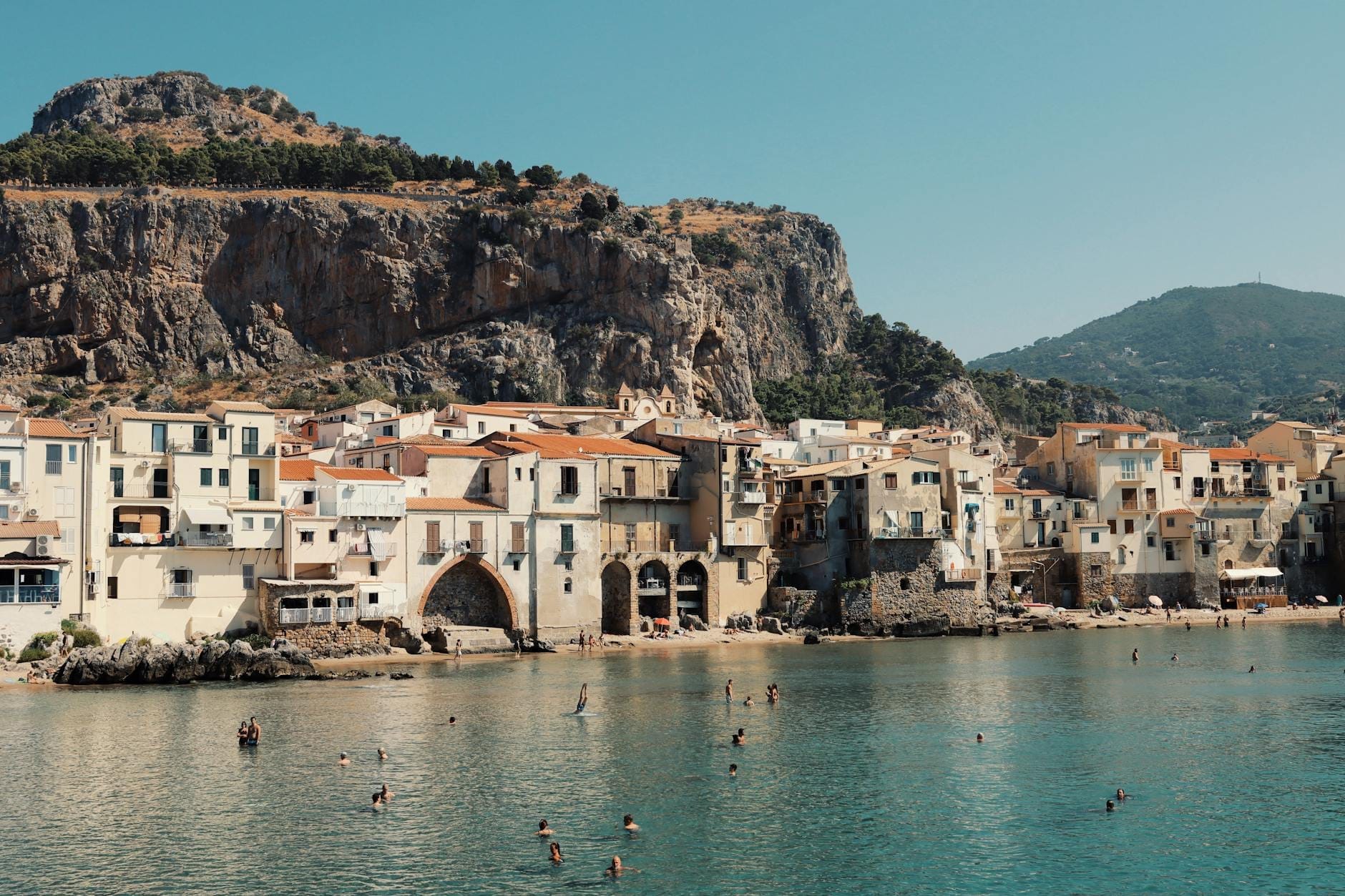
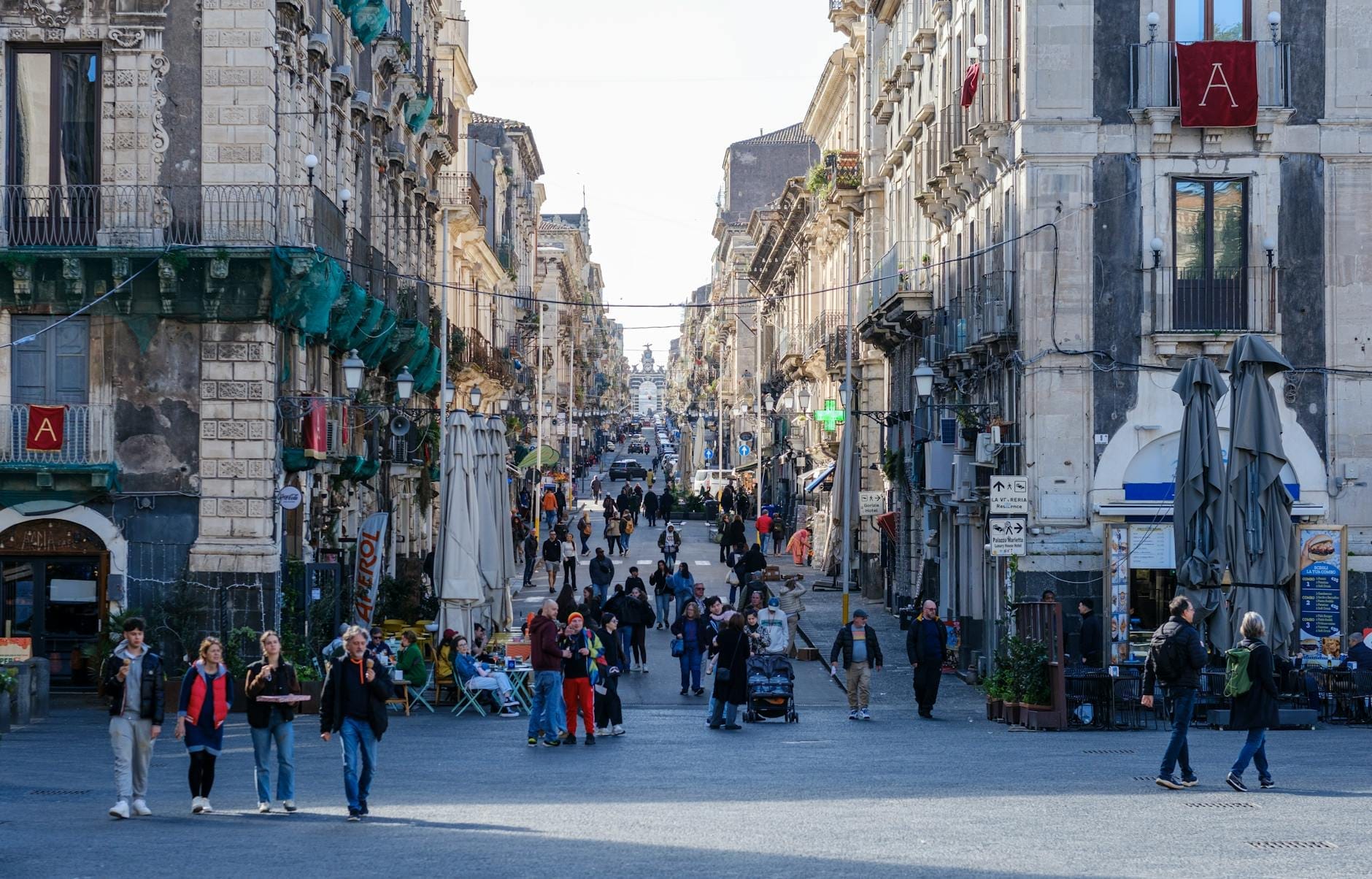
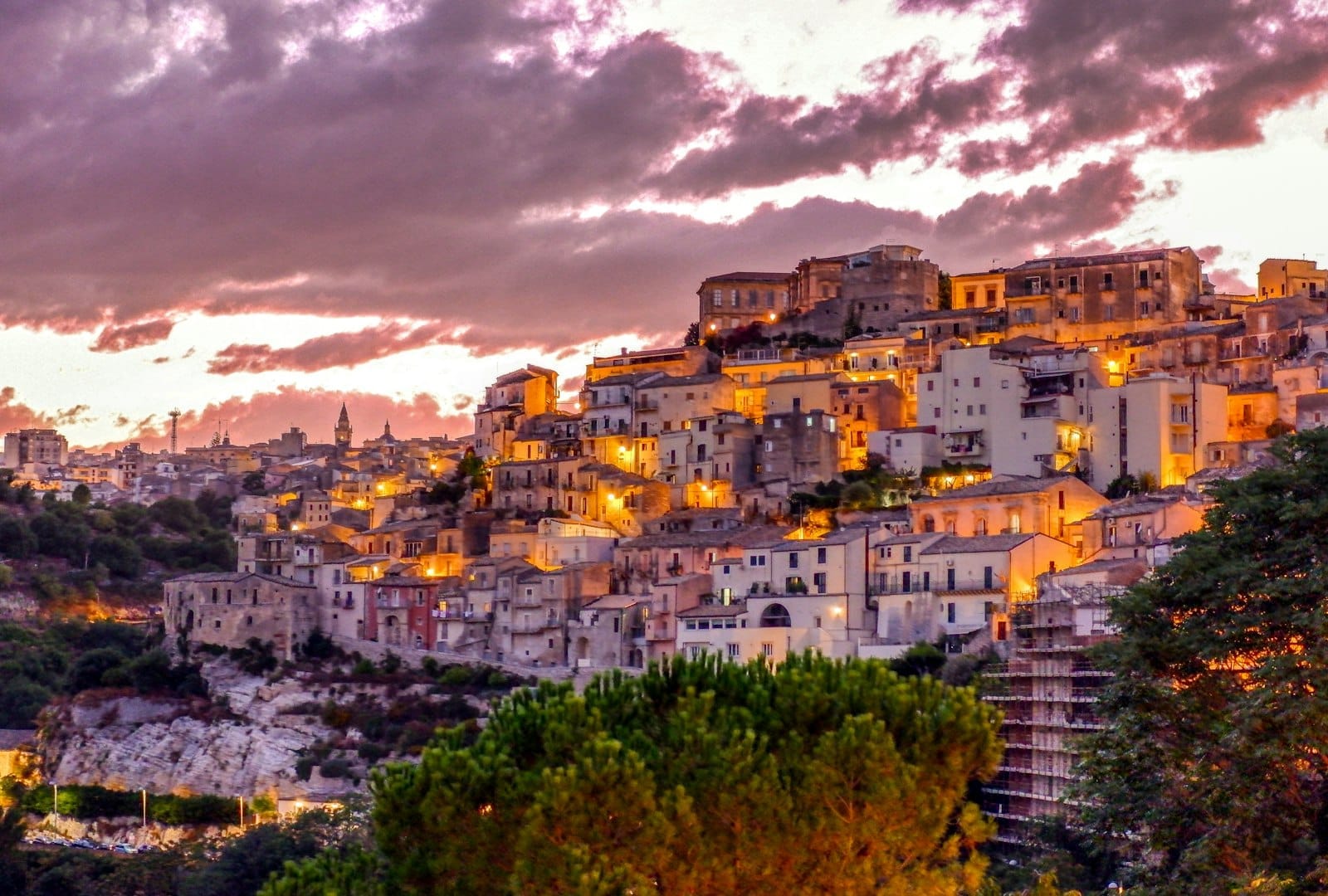
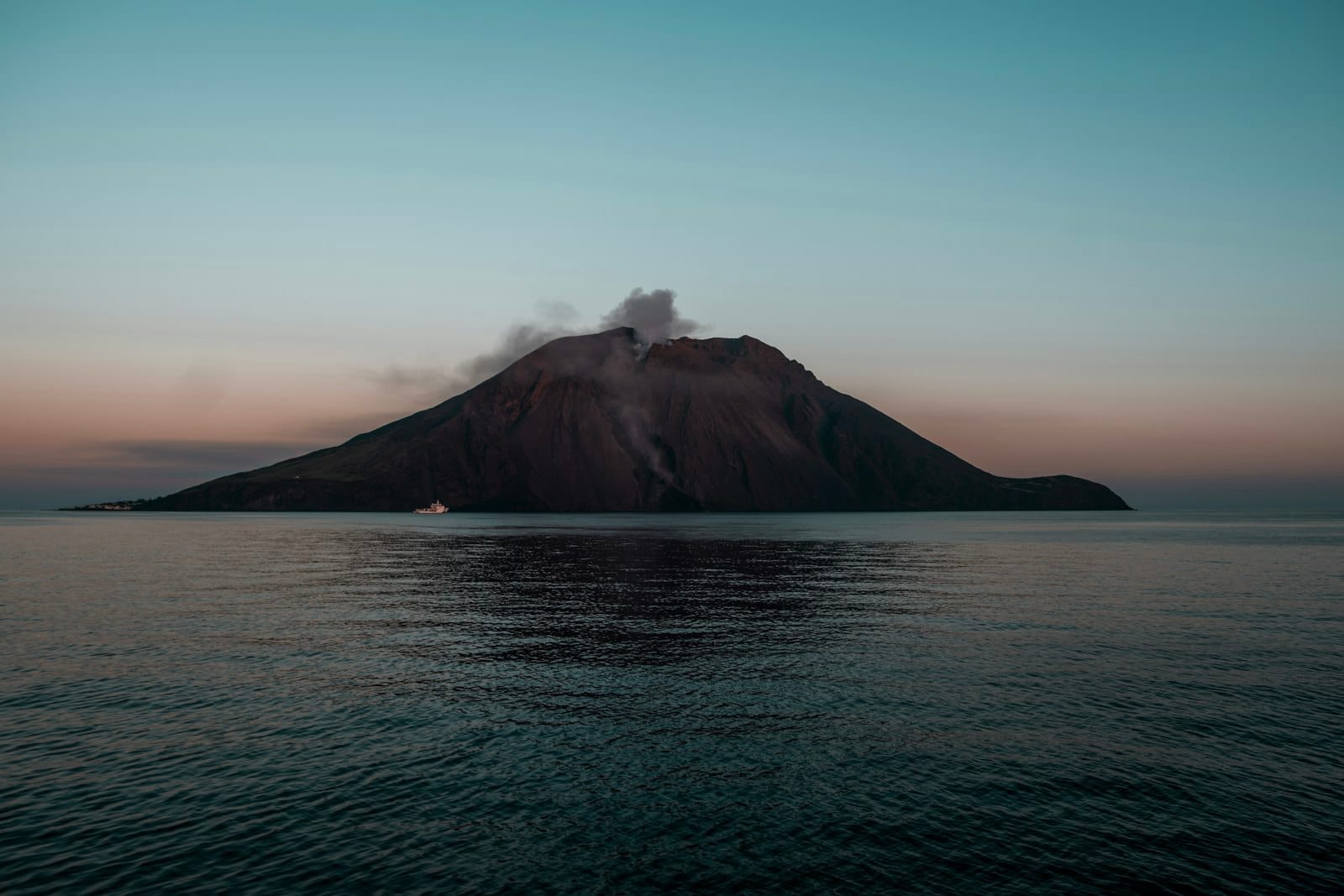
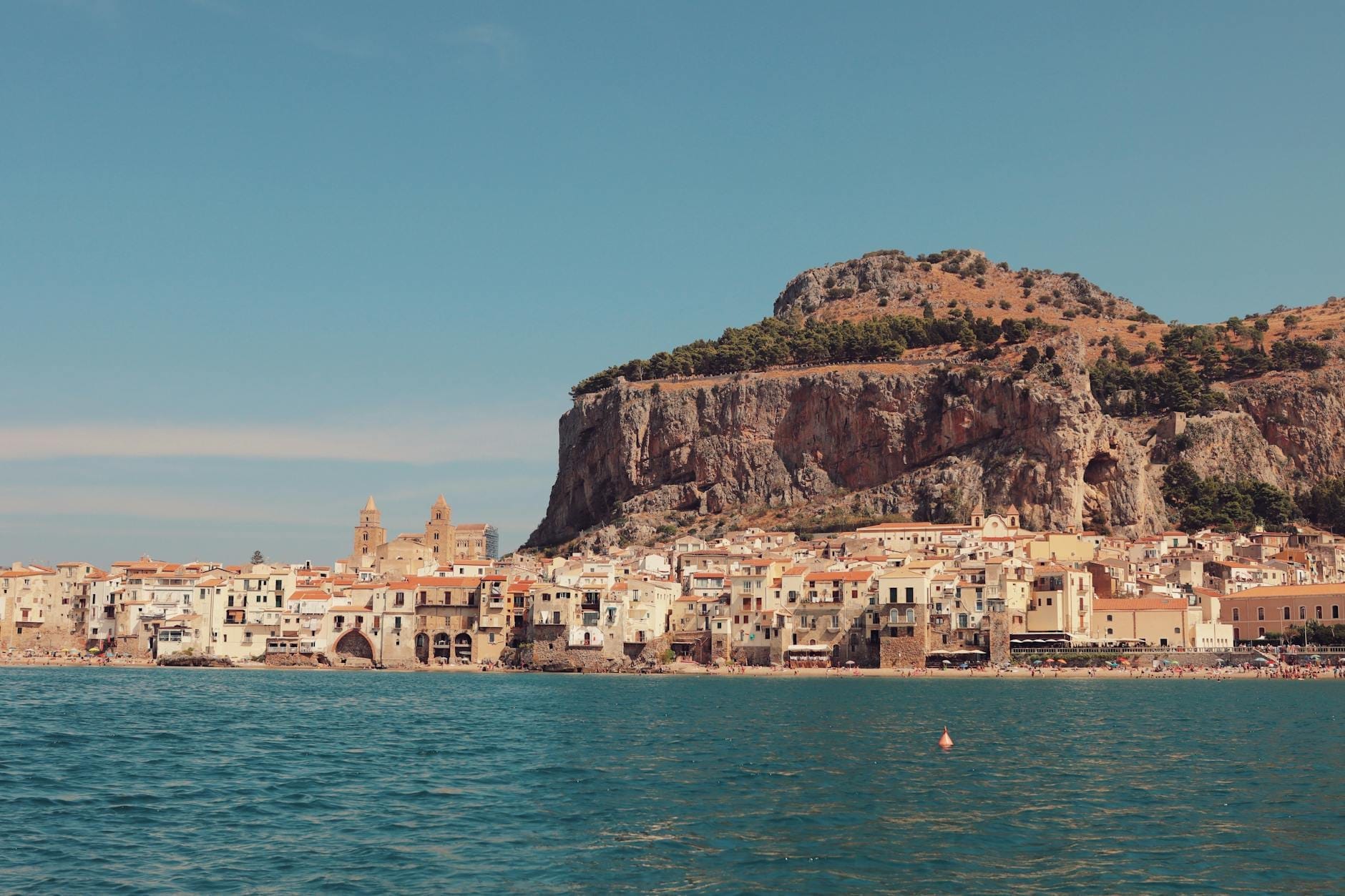
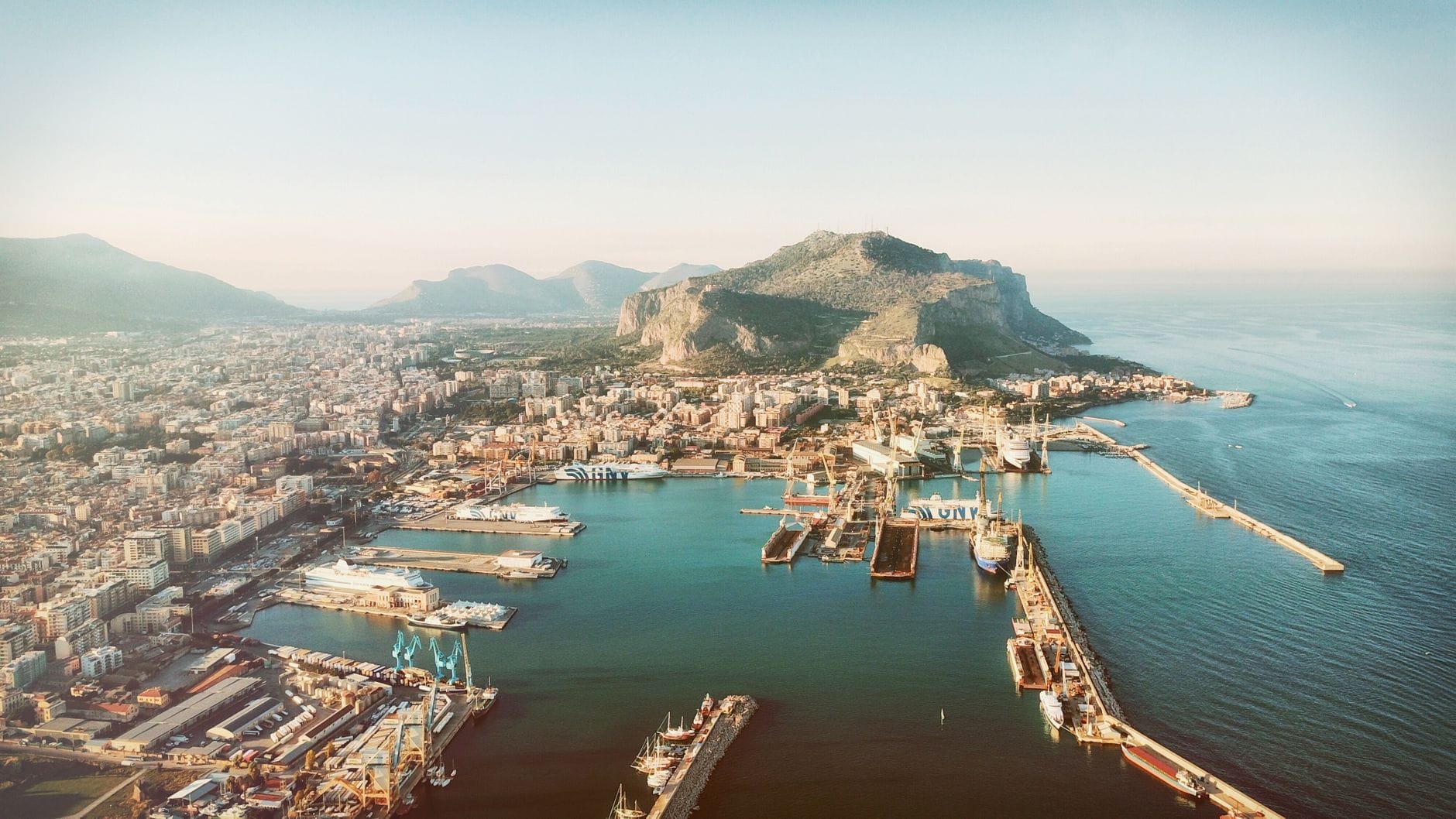
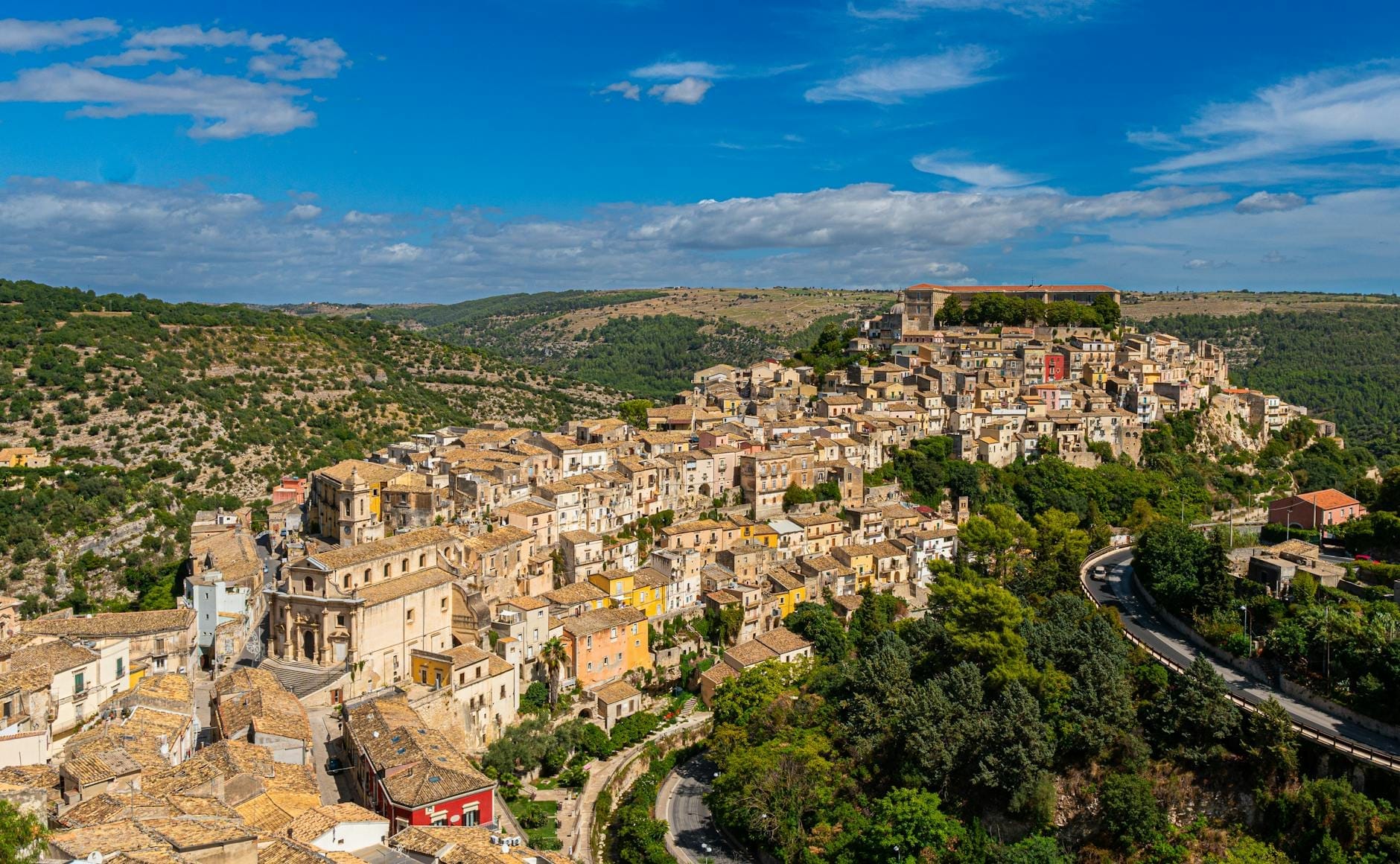
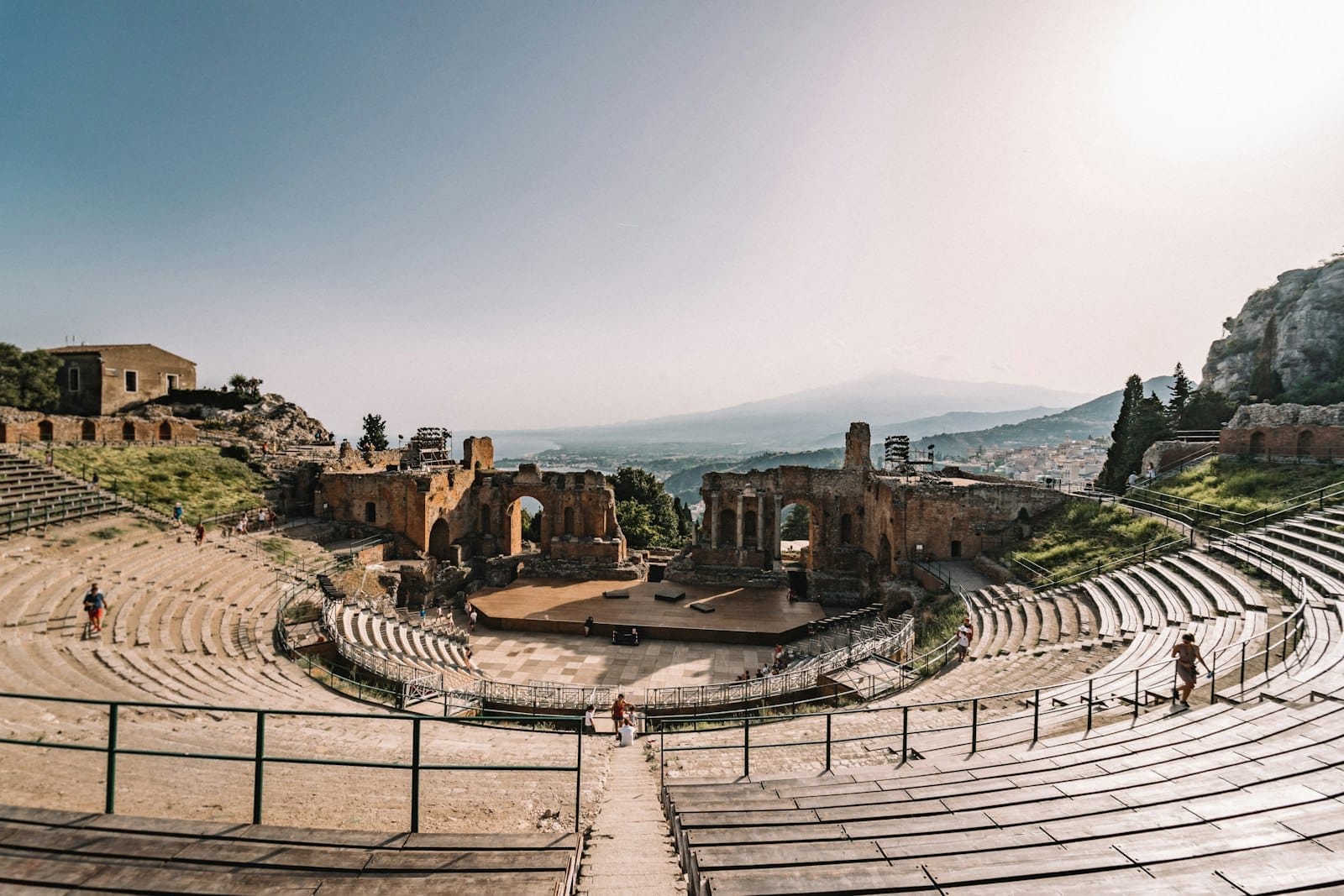
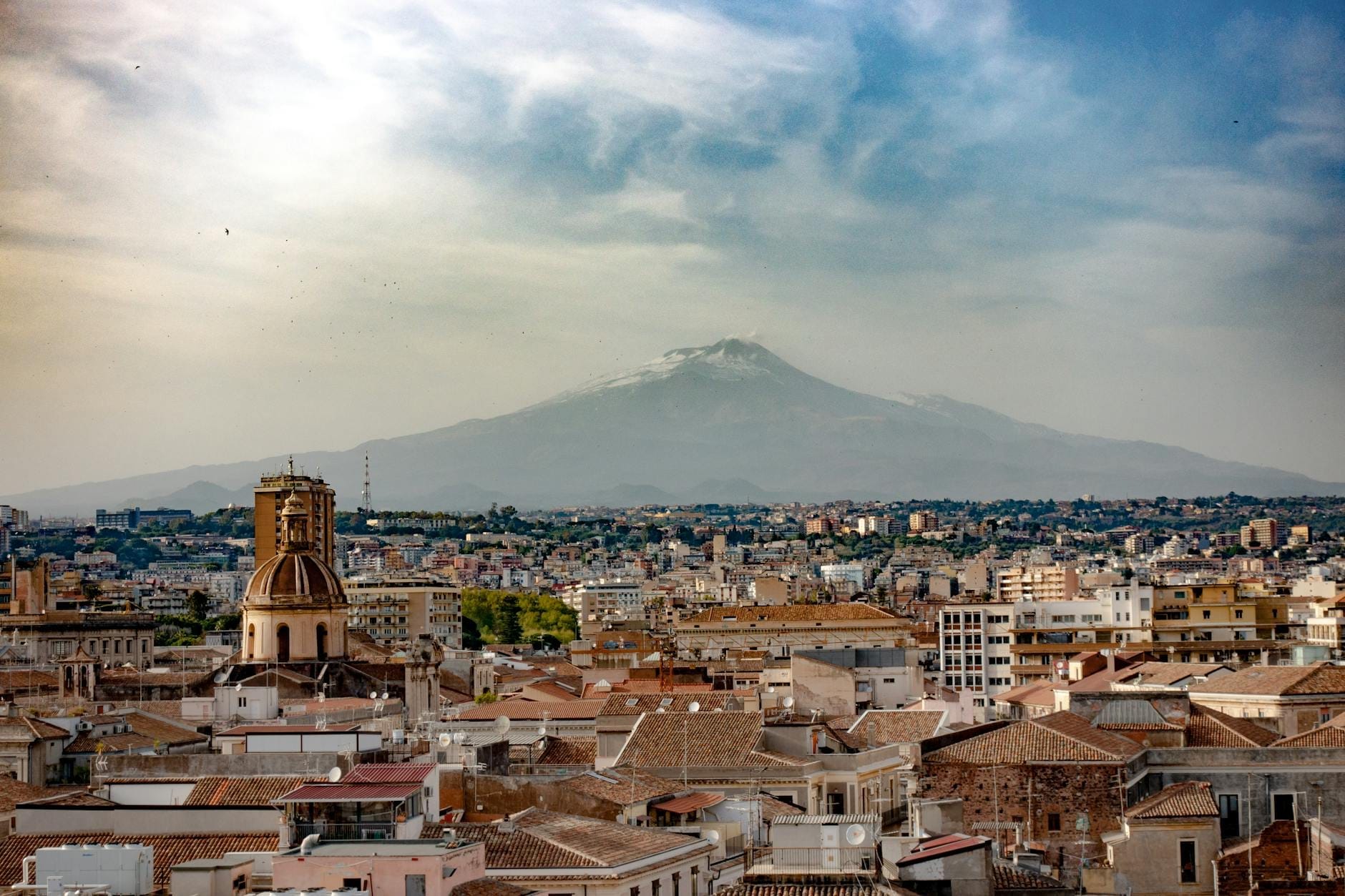
Wide view of a Sicilian city with traditional buildings in the foreground and the iconic Mount Etna volcano in the background under a dramatic sky.

SicilyTravel Essentials

Currency
Euro (EUR)
Language
Italian (Sicilian dialect widely spoken)
Best time
May–June & September–October
Plug
Type F/L, 230V

Overview

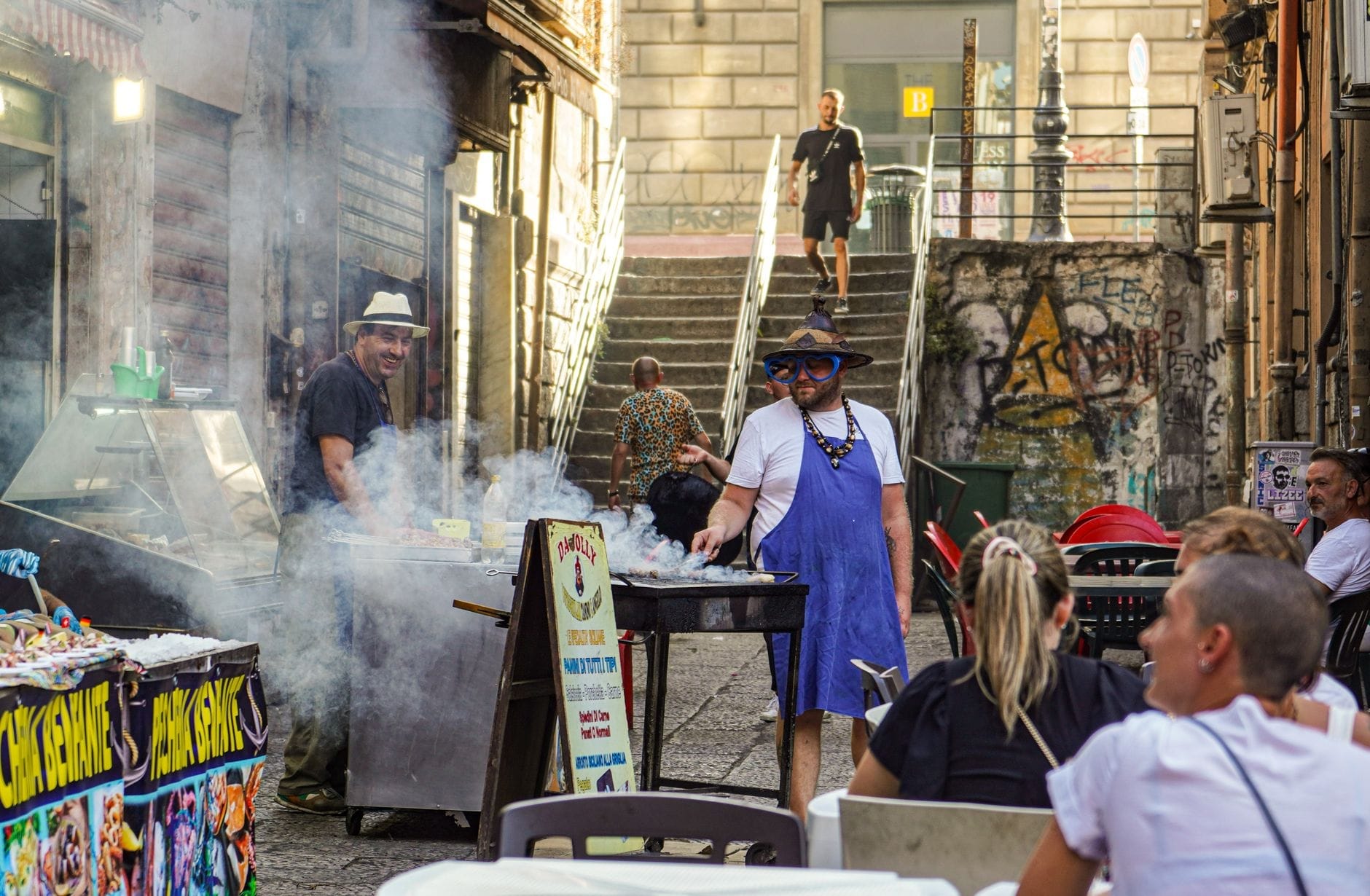
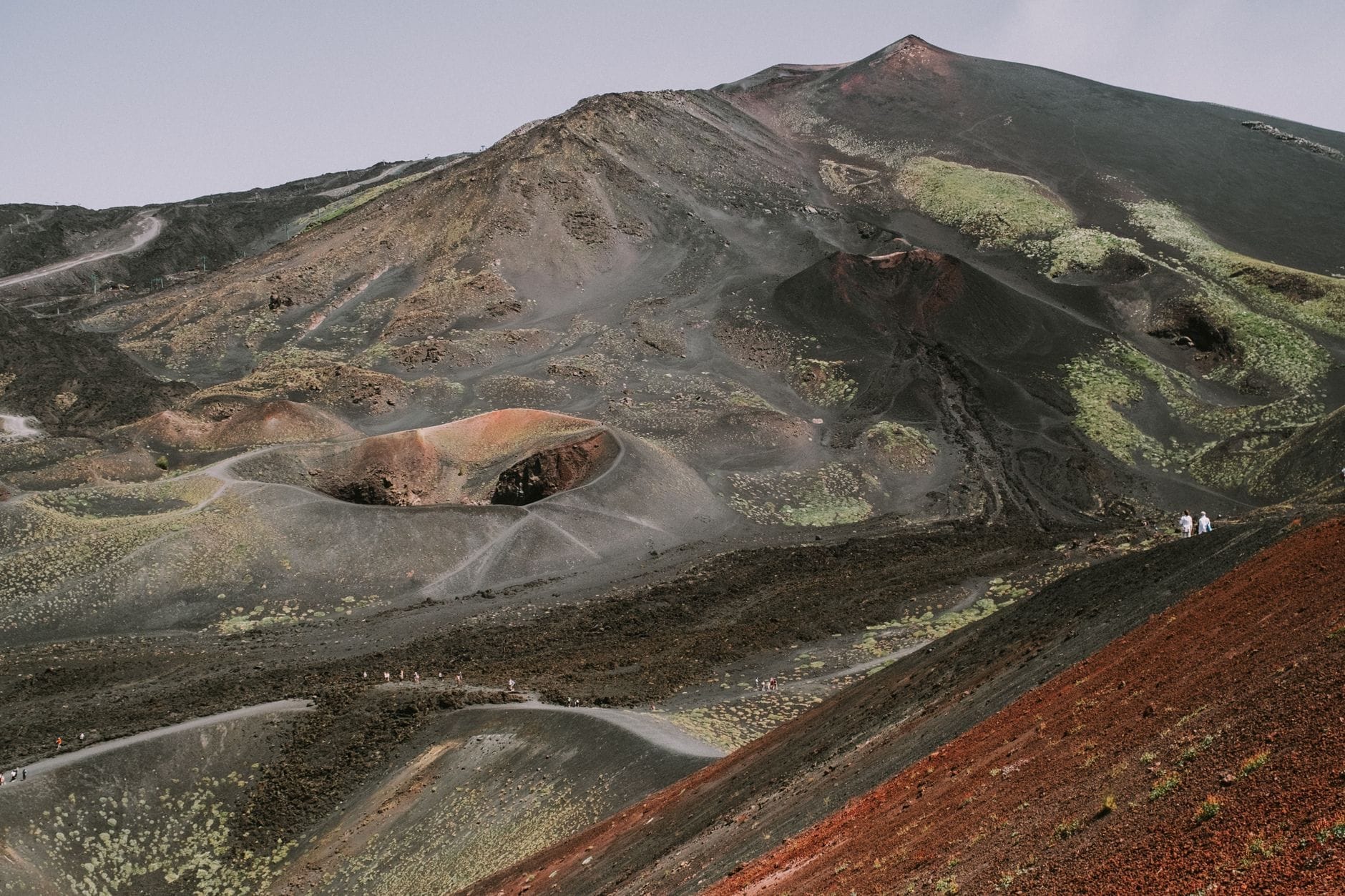
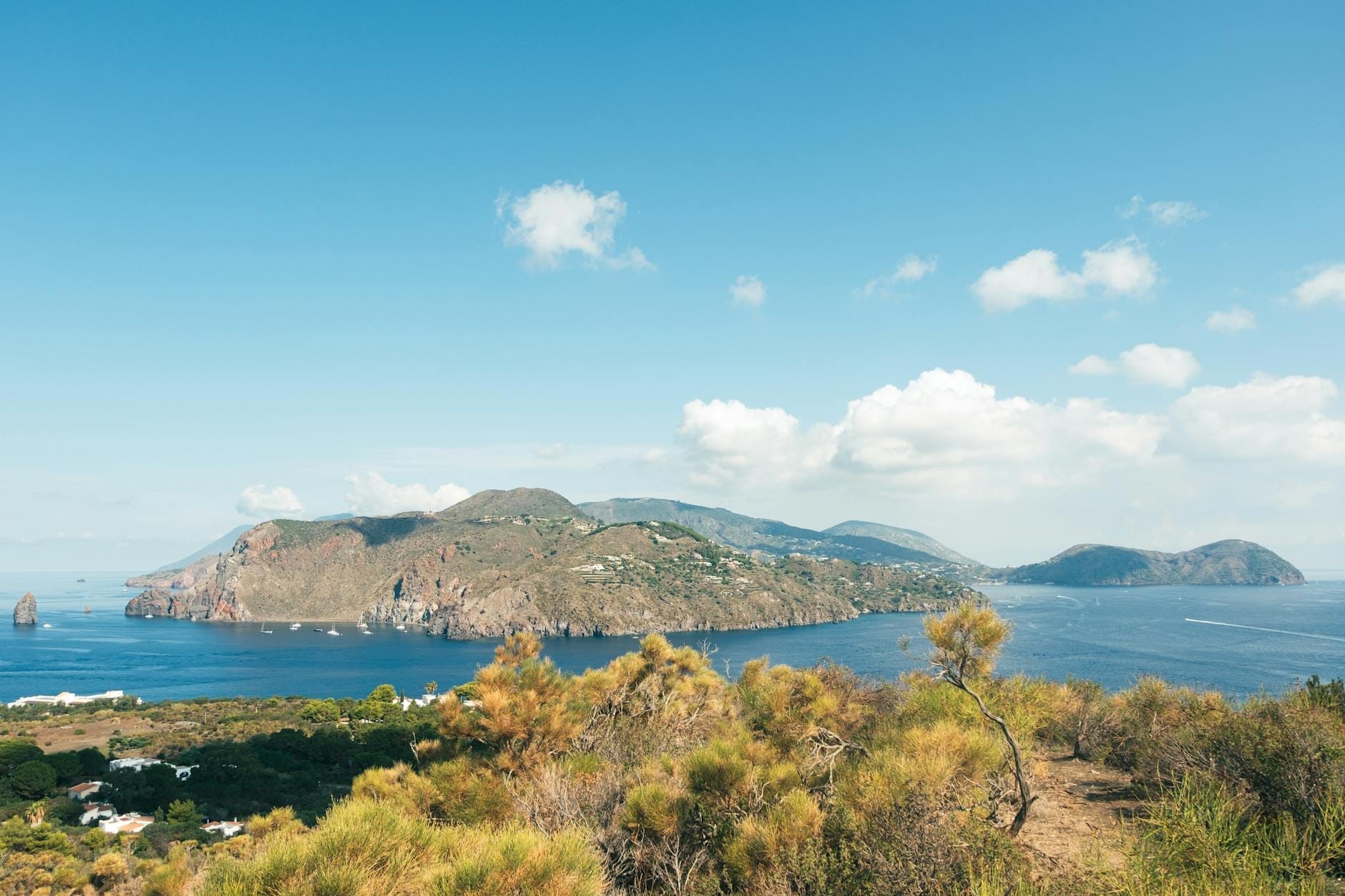
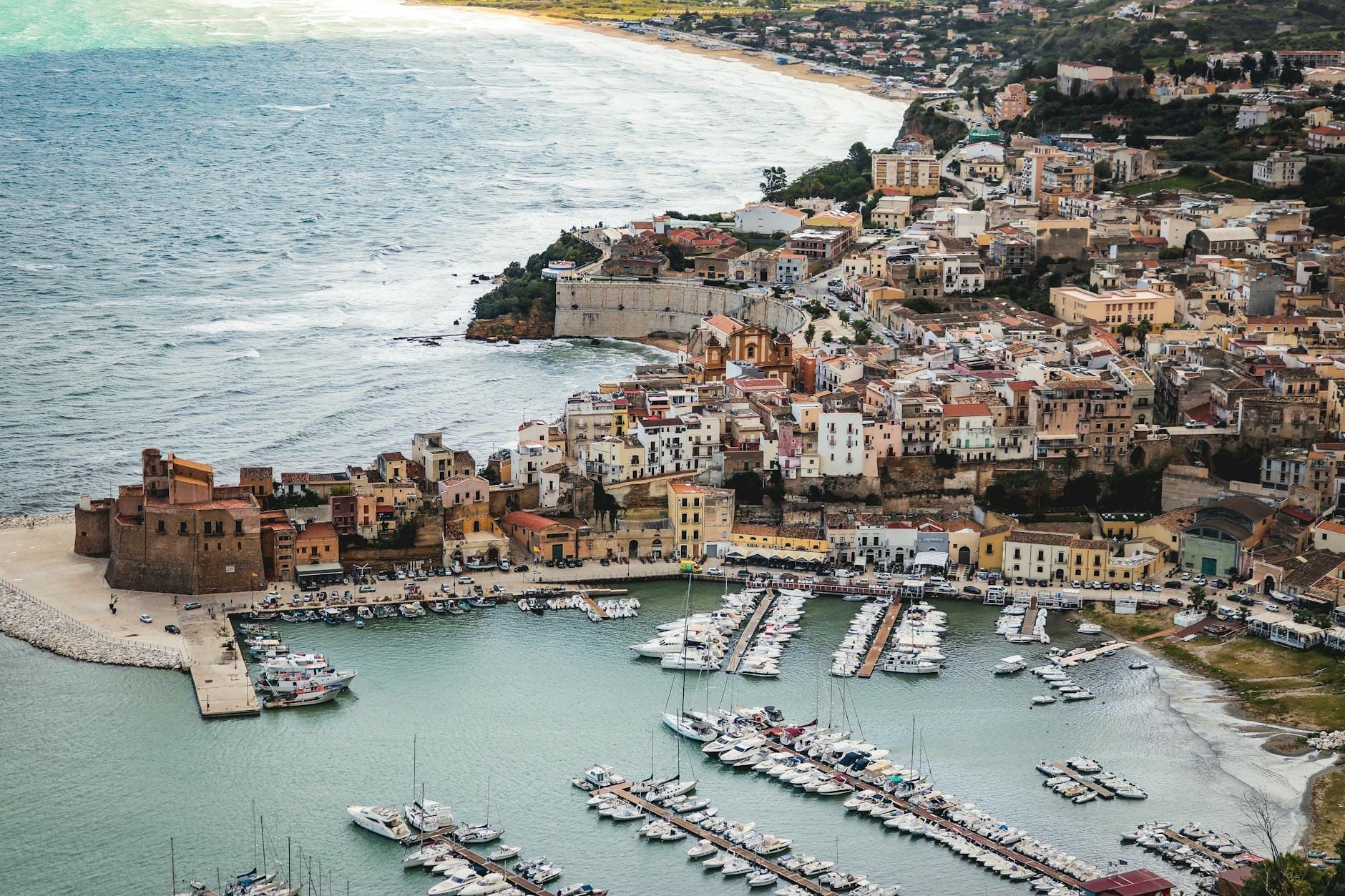
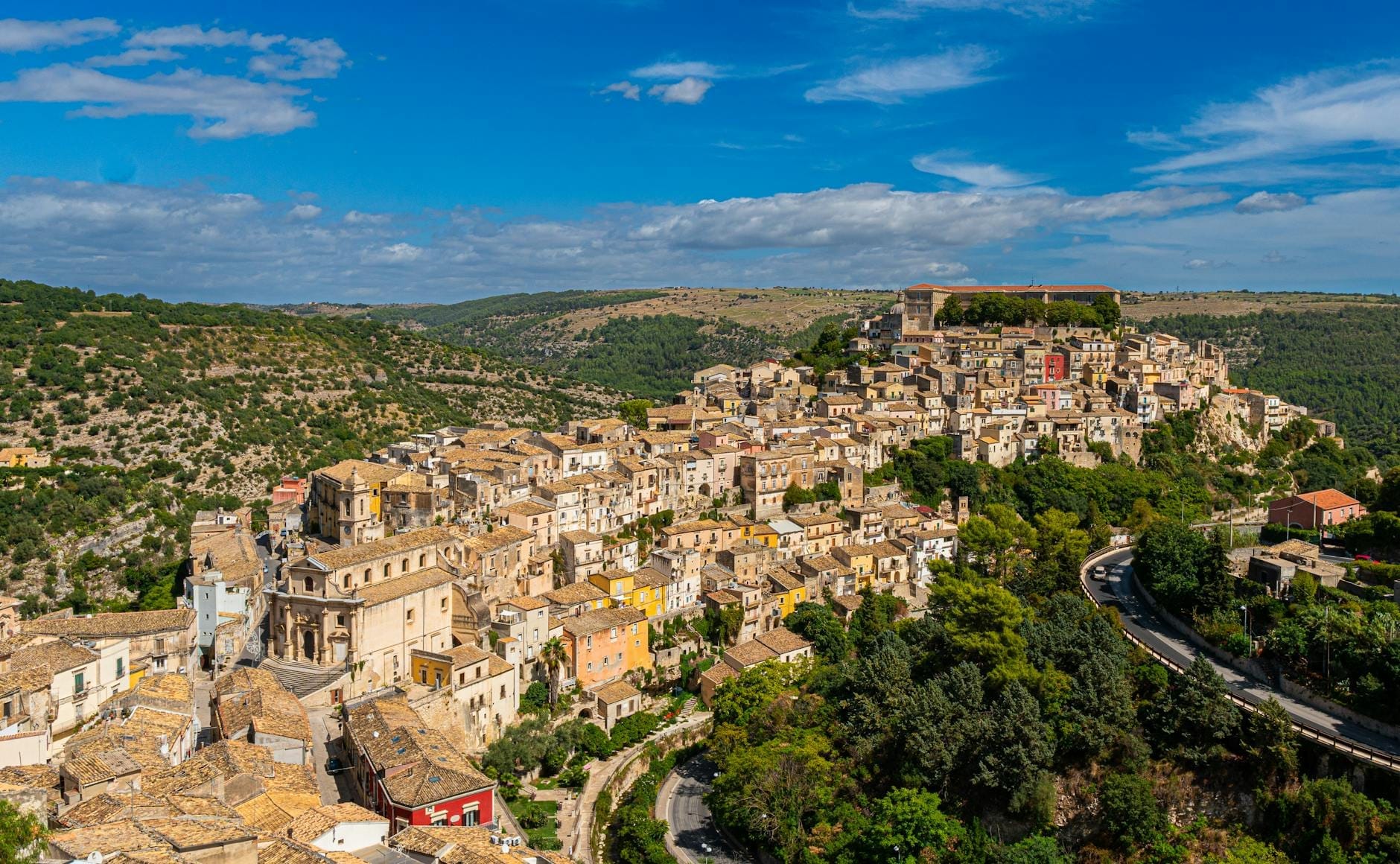
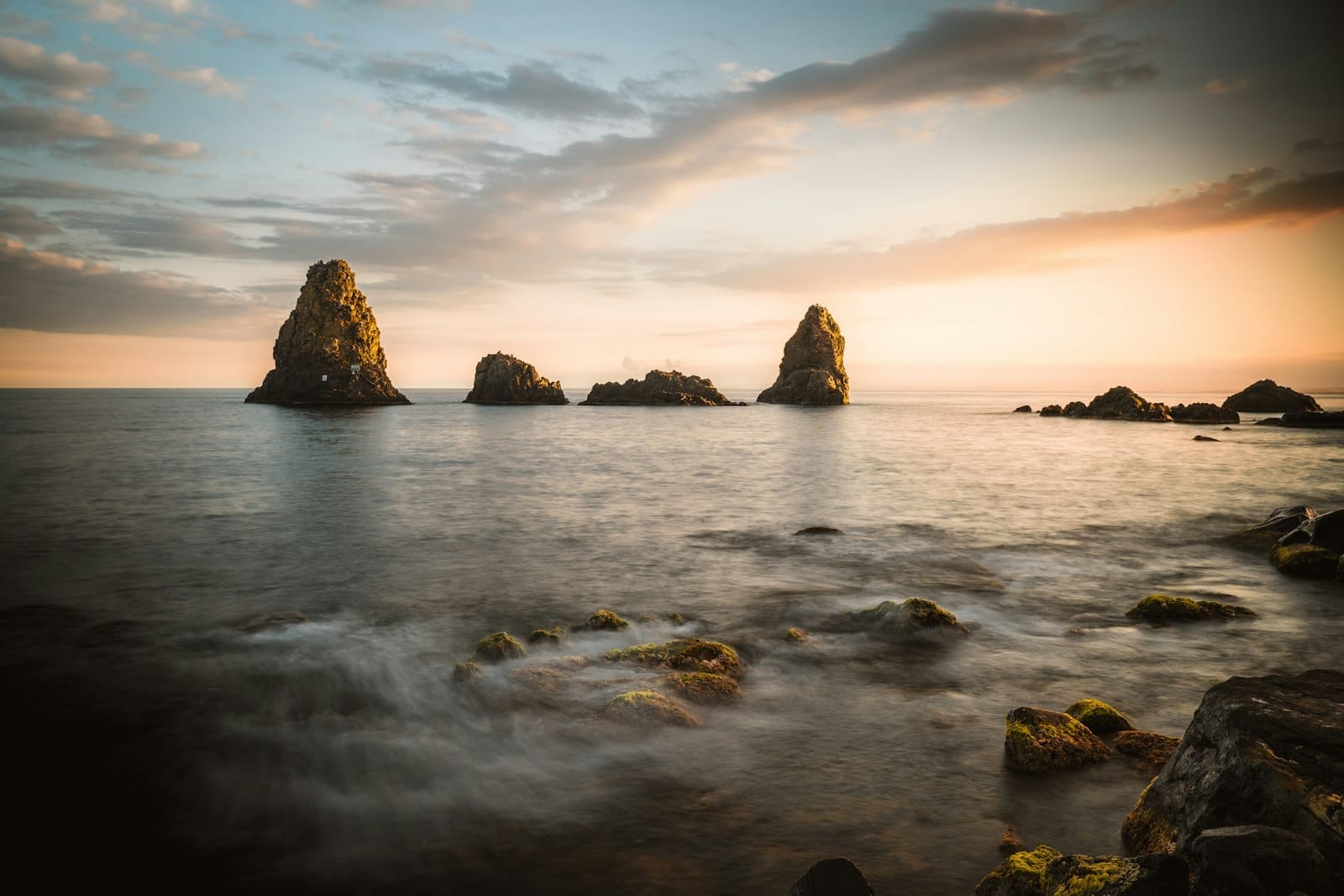
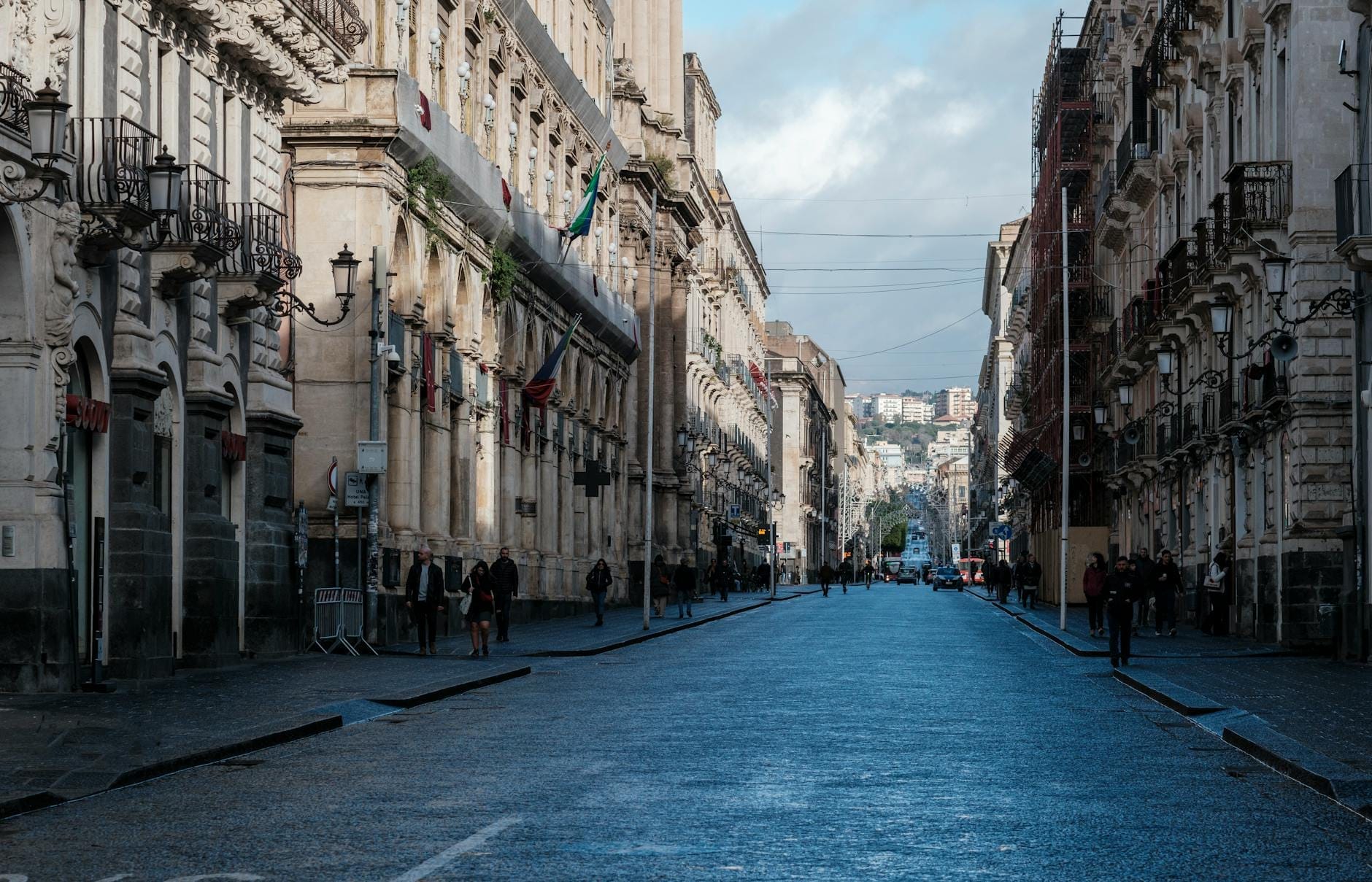
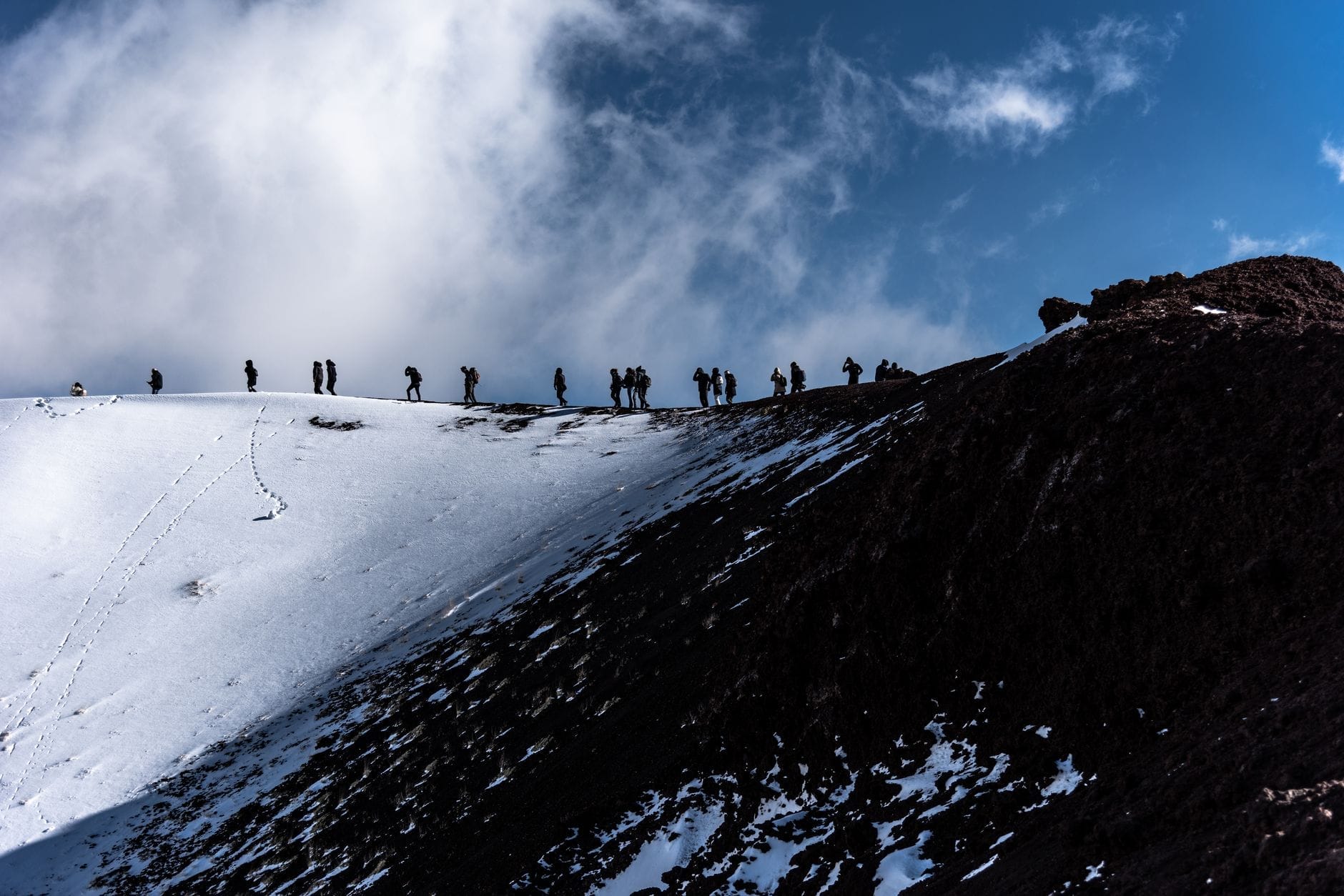
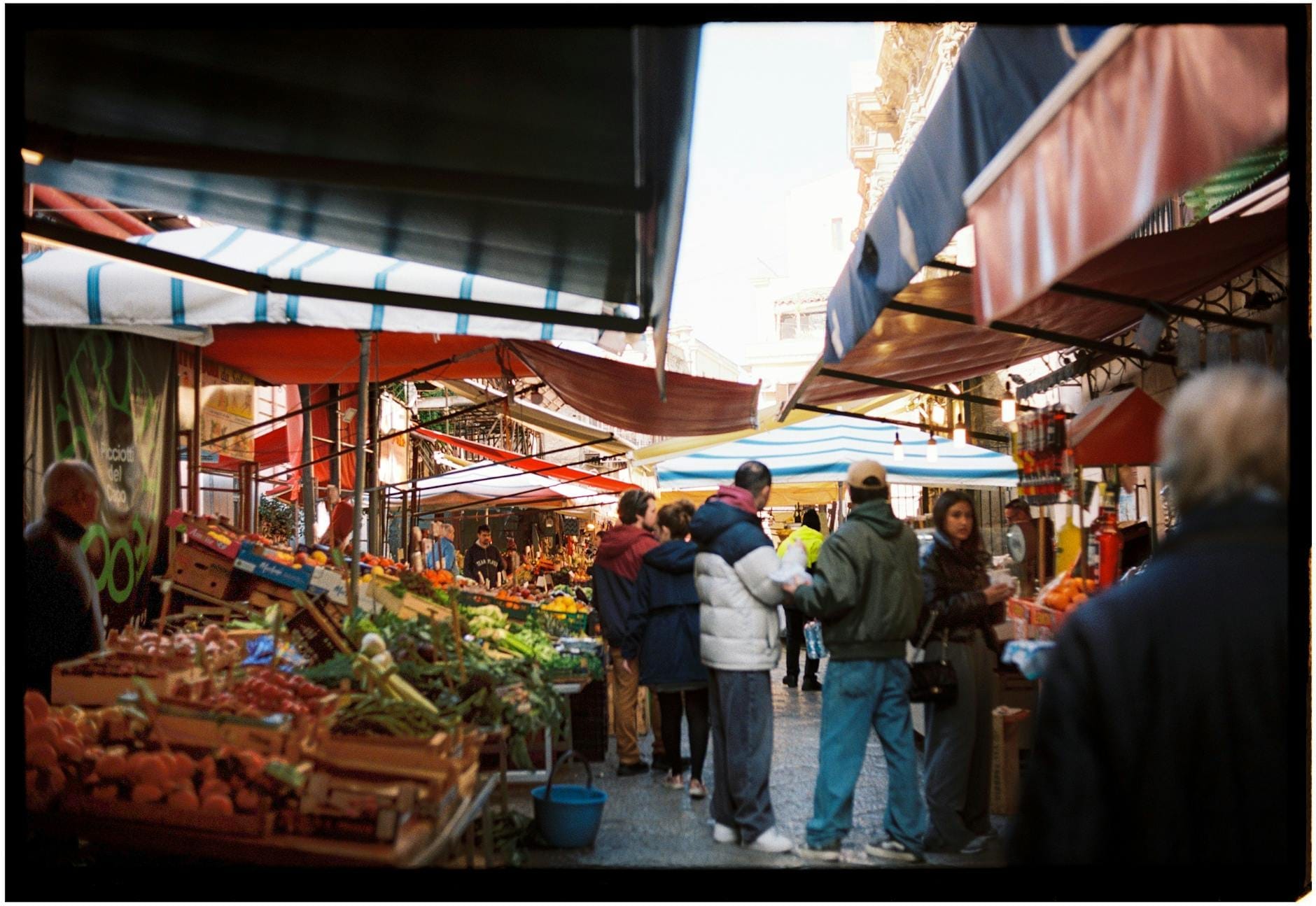
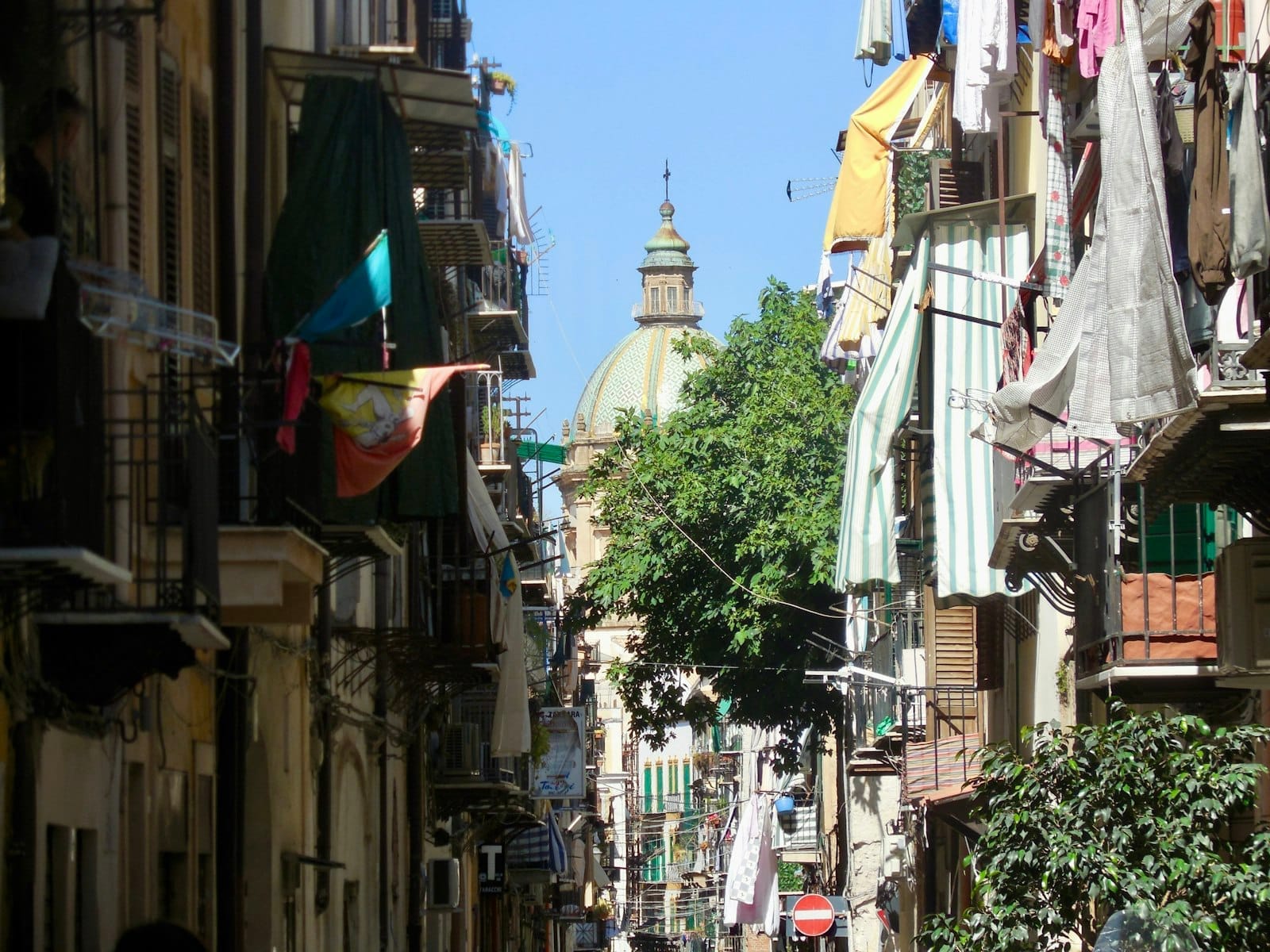
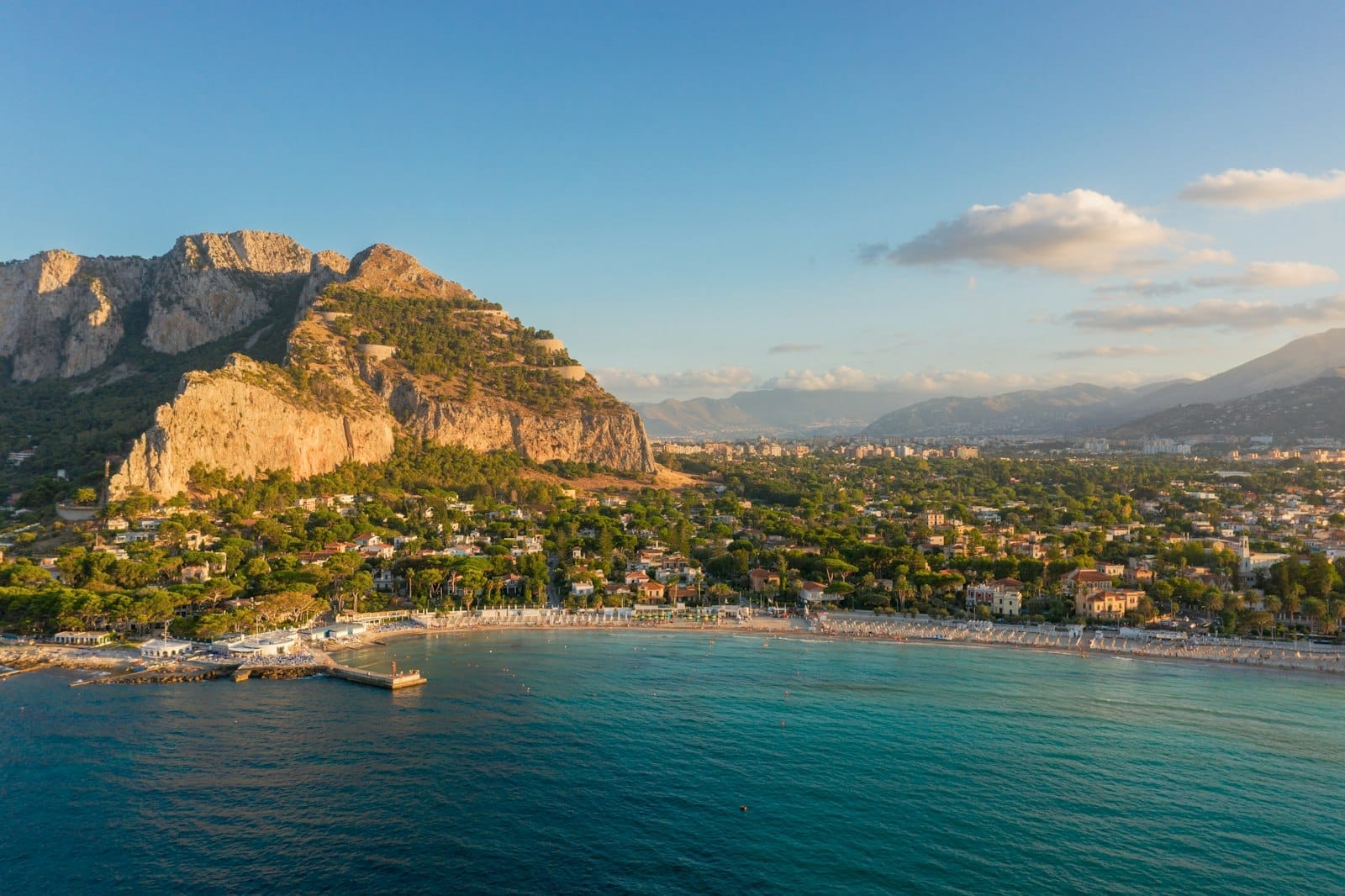
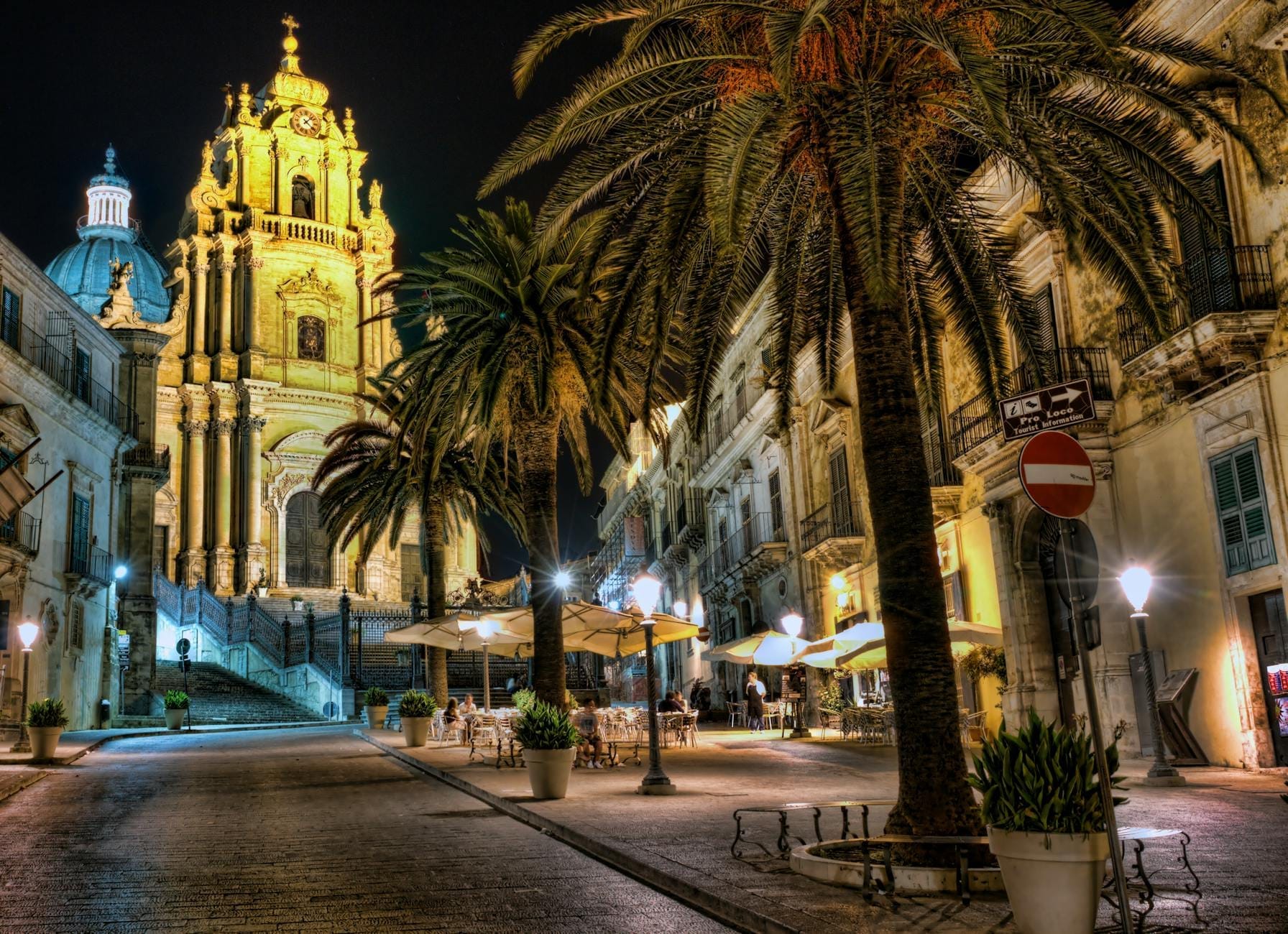
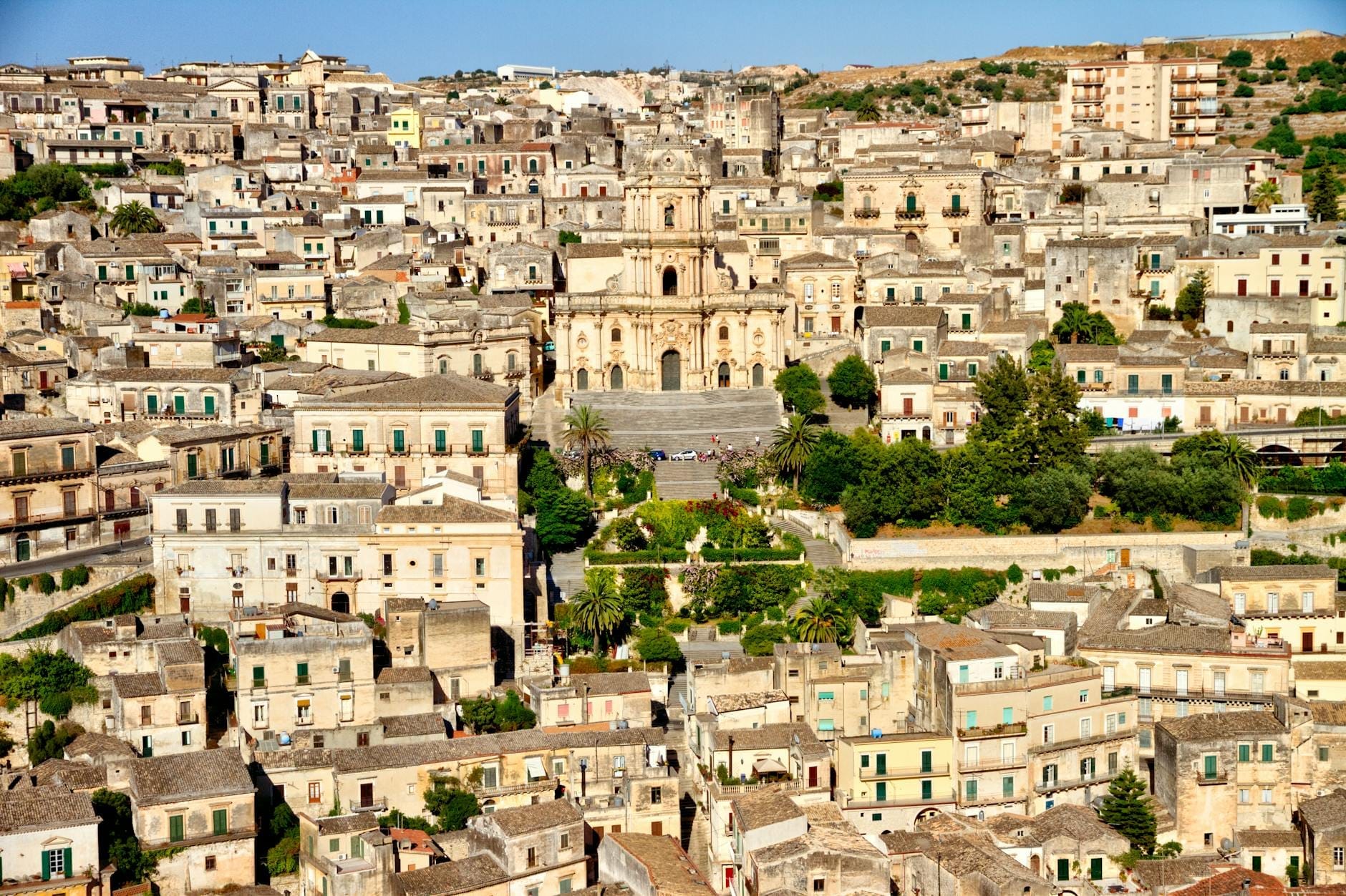
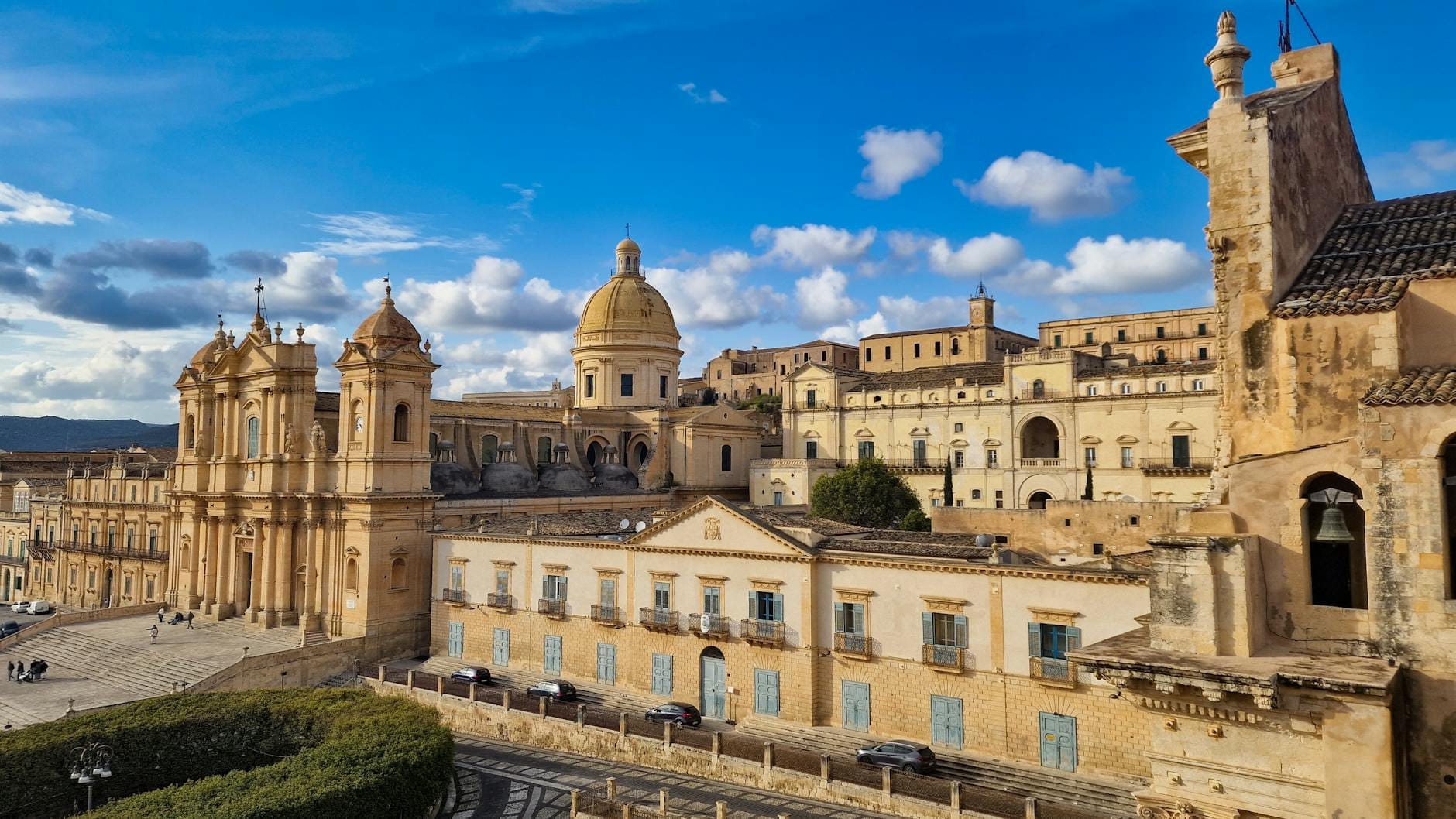
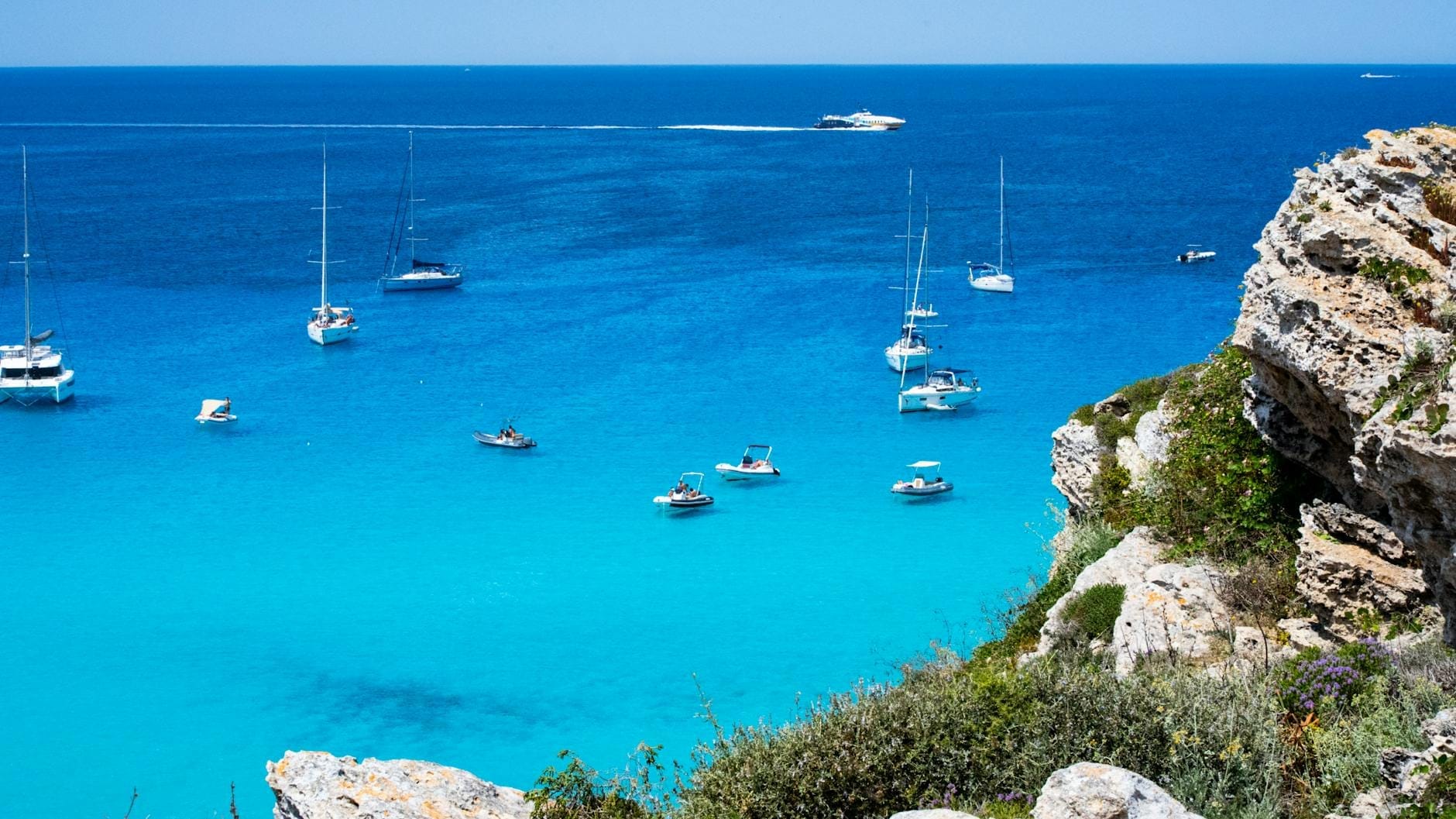
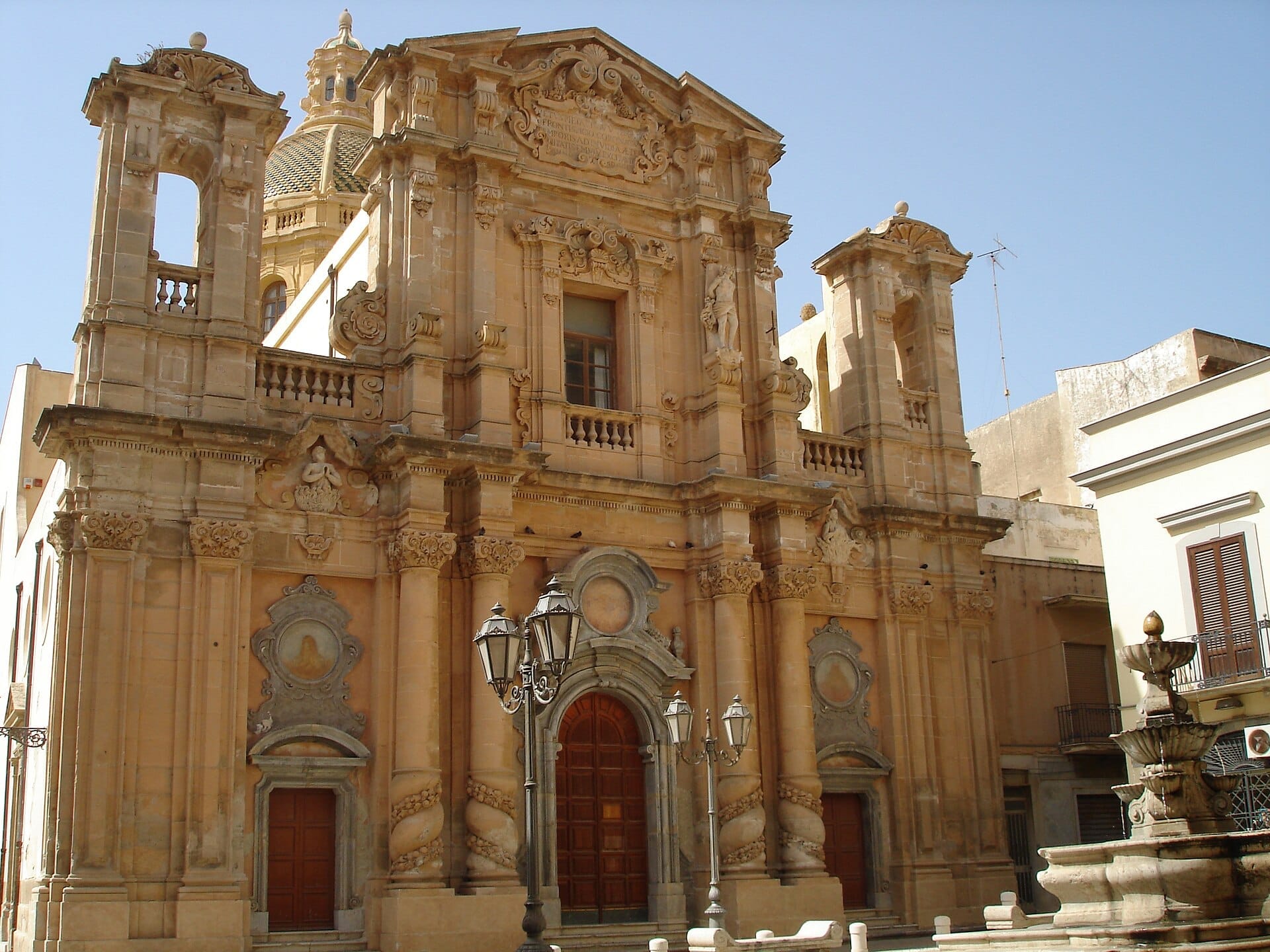
Jutting off the toe of Italy's boot, Sicily has been a crossroads of civilizations for three millennia — Greeks, Romans, Arabs, Normans, Spanish, and more all left indelible imprints on its art, architecture, language, and cuisine. The island rewards travelers with an extraordinary range of experiences: hiking the lava fields of Mount Etna, swimming off the turquoise waters of the Egadi Islands, wandering the Baroque streets of Noto and Ragusa, and eating your way through Palermo's raucous street markets. Whether you come for a focused city break in Palermo or Catania, a coastal road trip, or a full two-week island circuit, Sicily consistently over-delivers on every front.

Why visit Sicily

Sicily packs more history, natural drama, and culinary depth into one island than most countries manage in an entire territory — from UNESCO Greek temples and active volcanoes to some of the Mediterranean's finest beaches and street food.

At a glance

  • Largest island in the Mediterranean Sea at 25,711 km²
  • Capital city: Palermo, population approx. 650,000
  • Home to 7 UNESCO World Heritage Sites
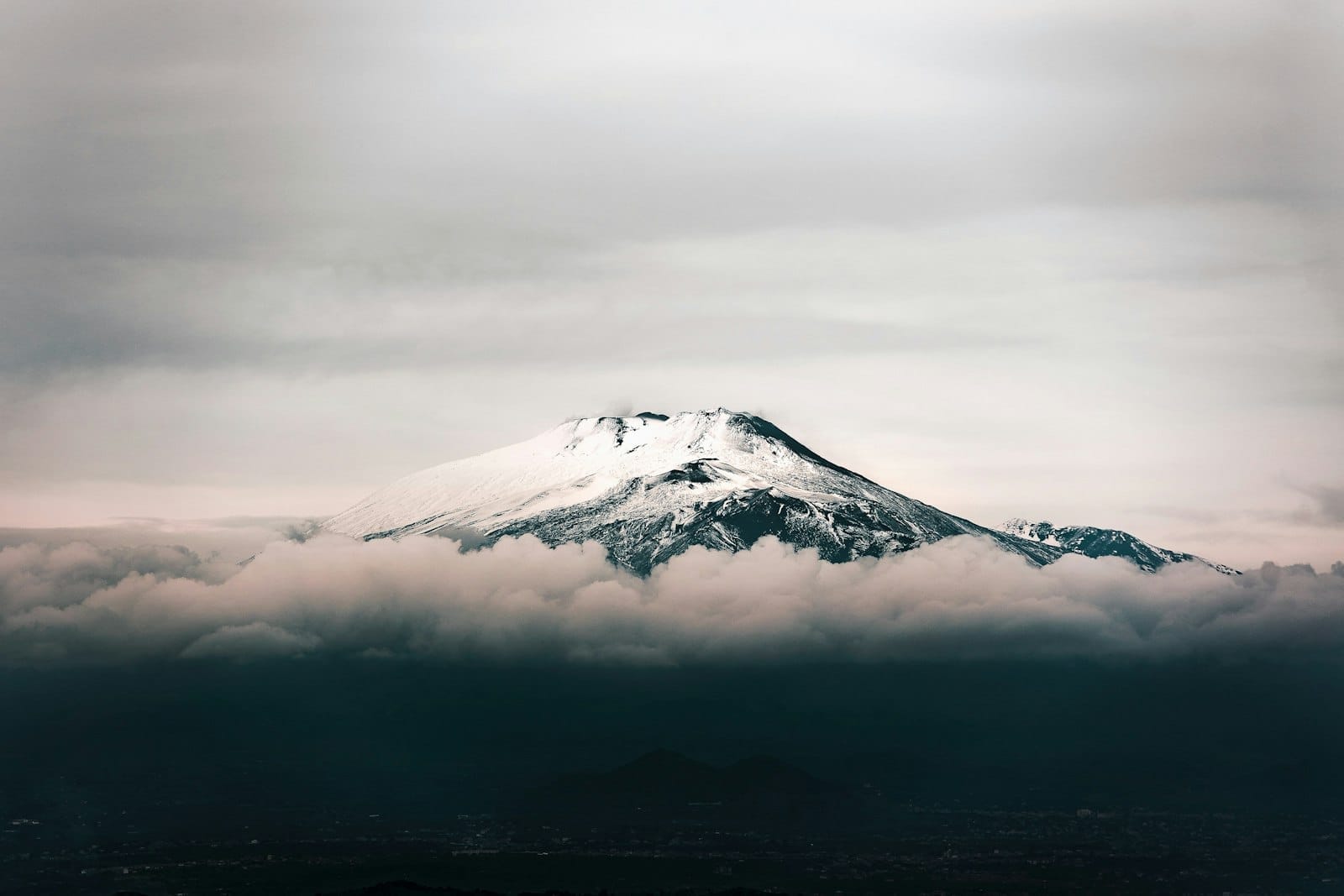
  • Mount Etna is Europe's tallest and most active volcano
  • Surrounded by three seas: Tyrrhenian, Mediterranean, and Strait of Sicily
  • Part of Italy but with its own autonomous regional government

Best time to visit Sicily

The best time to visit Sicily is May–June or September–October, when temperatures are warm but not oppressive, crowds are manageable, and the sea is swimmable. July and August bring peak heat, peak prices, and packed beaches, while spring and autumn offer the ideal balance of weather and value. Read our best time to visit guide.

Places to visit in Sicily

Guides

Top attractions in Sicily

🛫 From Sicily to Malta

Malta sits just 90 km south of Sicily and is reachable by direct ferry from Pozzallo or Catania — making it the most natural next stop after exploring the island. Both destinations share layers of ancient history, Mediterranean coastlines, and a deeply embedded food culture.

Explore our Malta guide