Sicily Road Trip: The Ultimate Self-Drive Guide
Sicily rewards self-drive travel more than almost any other Mediterranean destination. This guide covers everything you need to plan a confident road trip: the best routes, realistic driving times, car rental tips, ZTL zone warnings, seasonal advice, and the stops that genuinely justify the detour.
Plan and book this trip
Tools from our partner Travelpayouts help you compare flights and hotels. If you book through them, we may earn a commission at no extra cost to you.
Flights
Hotels map
TL;DR
- A full loop of Sicily by car takes 10 to 14 days comfortably; one week covers either the east or west side well.
- Pick up your rental at Palermo (PMO) or Catania (CTA) airport — both have all major car hire brands and are the natural start points for west or east itineraries.
- ZTL restricted zones in historic centers will fine you via automatic plate recognition — always park outside and walk in.
- Shoulder season (April to June, September to October) gives you the best balance of weather, road conditions, and manageable crowds.
- A car is essential for reaching the Valley of the Temples, the baroque towns of the southeast, and most coastal beaches beyond the main rail corridor.
Why Sicily Is Built for a Road Trip
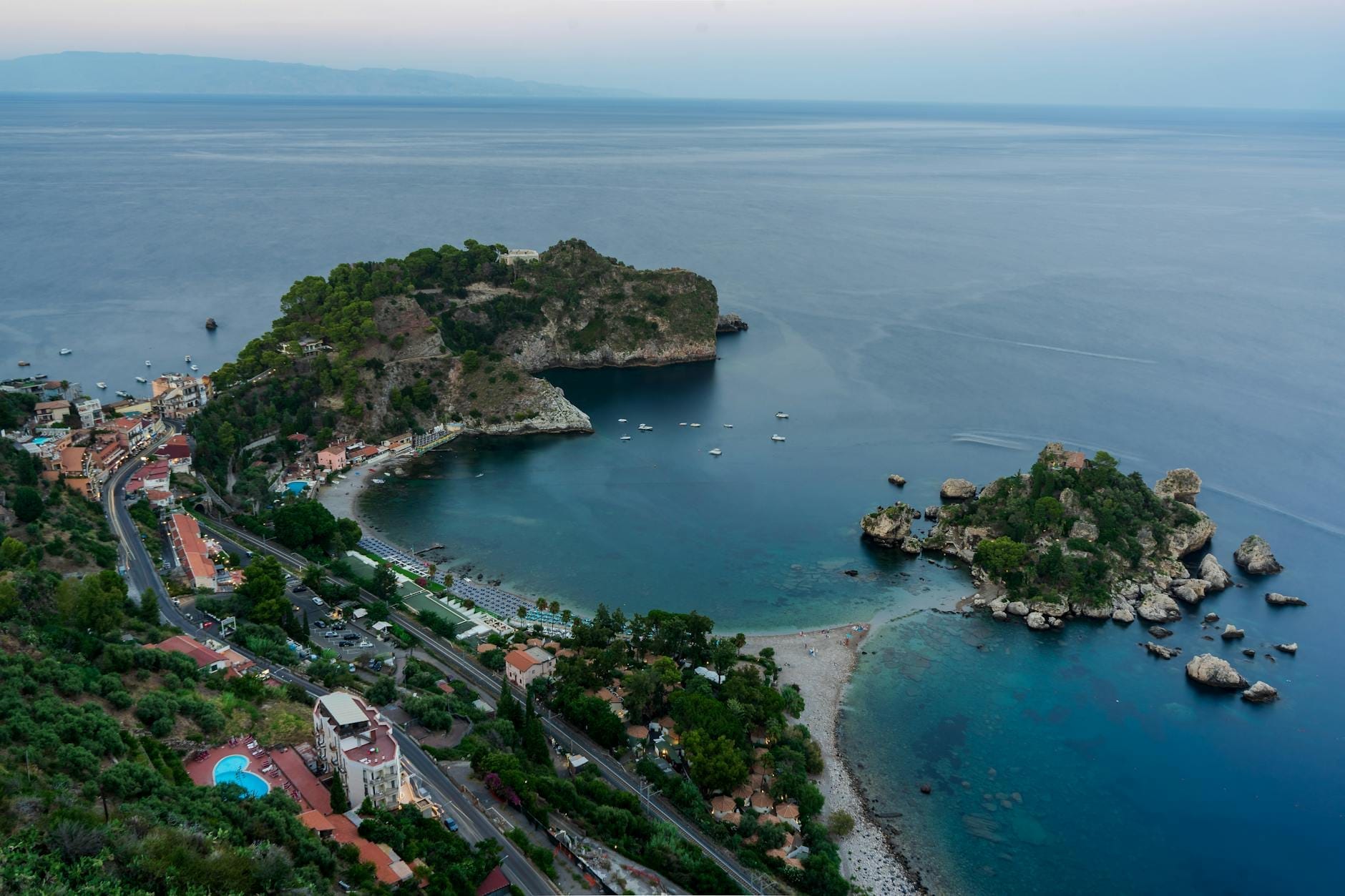
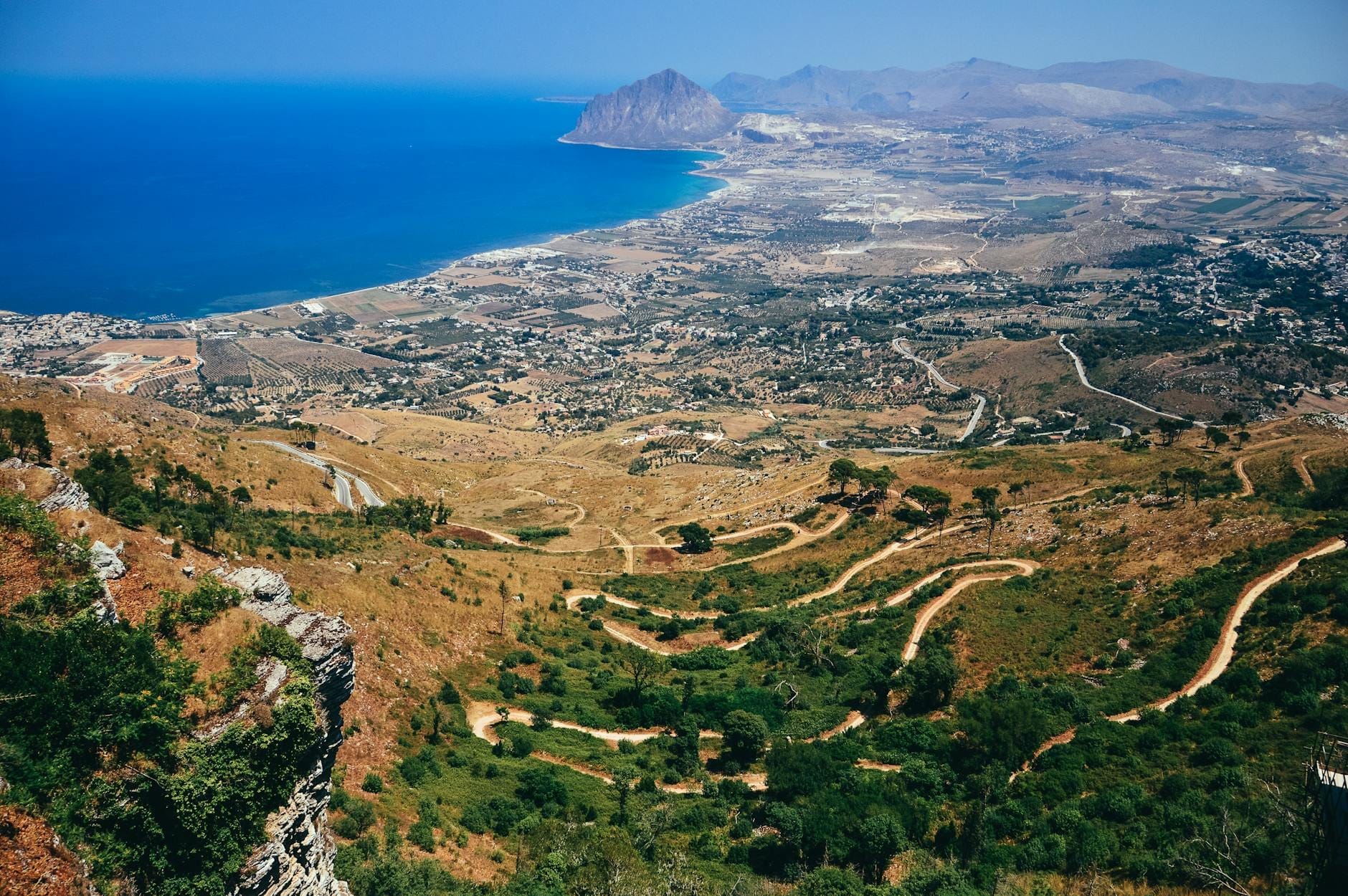
Sicily is the largest island in the Mediterranean, covering roughly 25,700 km² with around 1,484 km of coastline. Its public transport network — Trenitalia regional trains, AST buses, and various municipal services — connects the main cities but leaves vast stretches of the interior and the most rewarding coastal detours effectively unreachable without your own wheels. The practical reality of getting around Sicily is that a car unlocks the island's full range: Baroque hilltowns, isolated Greek temples, sea-stack coastlines, and the lunar slopes of Etna.
The island's roughly triangular shape (the ancient name Trinacria refers to its three capes) makes it naturally suited to a loop itinerary. The main autostrada network follows the north coast (A20) and connects Palermo with Catania inland (A19), while the A18 runs along the east coast between Messina and Catania, so long driving stages between major hubs are fast. The slower, more rewarding driving happens on the SP and SS provincial roads that cut inland and along secondary coastlines — and those are precisely the routes that make a Sicily road trip memorable rather than merely efficient.
ℹ️ Good to know
Sicily operates on Central European Time (CET, UTC+1) in winter and Central European Summer Time (CEST, UTC+2) in summer. The currency is the euro (EUR). Emergency services: dial 112.
Renting a Car in Sicily: What You Actually Need to Know
All major international rental companies — Europcar, Hertz, Avis, Enterprise, and the Sicilian specialist Sicily by Car — operate desks at Palermo Falcone Borsellino (PMO, about 35 km northwest of the city center) and Catania Fontanarossa (CTA, around 4 to 5 km from central Catania). Smaller Trapani Birgi (TPS) and Comiso (CIY, serving the Ragusa area) have more limited choice and less competitive pricing.
- Manual vs automatic Automatic transmission cars are a minority in the Italian rental fleet and cost significantly more. If you cannot drive manual, book an automatic early — availability is tight, especially in peak season.
- One-way rentals Picking up in Palermo and dropping off in Catania (or vice versa) is a popular and logical option. Most companies charge a one-way fee — confirm the exact amount at booking, as it varies widely between operators.
- Insurance coverage Basic third-party insurance is included by law, but collision damage waiver (CDW) and theft protection are usually extras. Check whether your credit card covers this before paying for the rental company's supplementary products.
- Fuel policy Full-to-full policies are standard and fair. Avoid prepaid fuel deals — you will almost always pay more than you use.
- Car size A compact or small-medium car is the right choice for Sicilian roads. Larger vehicles become a liability in hilltowns like Ragusa Ibla, Erice, or narrow village lanes.
⚠️ What to skip
ZTL (Zona a Traffico Limitato) zones cover the historic centers of Palermo, Catania, Siracusa/Ortigia, Taormina, and several smaller towns. Cameras read your plate automatically. Fines arrive weeks later as a nasty postal surprise. Always park outside the ZTL boundary and walk or take a taxi in. In Siracusa, the Molo Sant'Antonio car park on the mainland side is a reliable option — Ortigia is a 10-minute walk across the bridge.
How Long Does a Sicily Road Trip Take? Realistic Timings
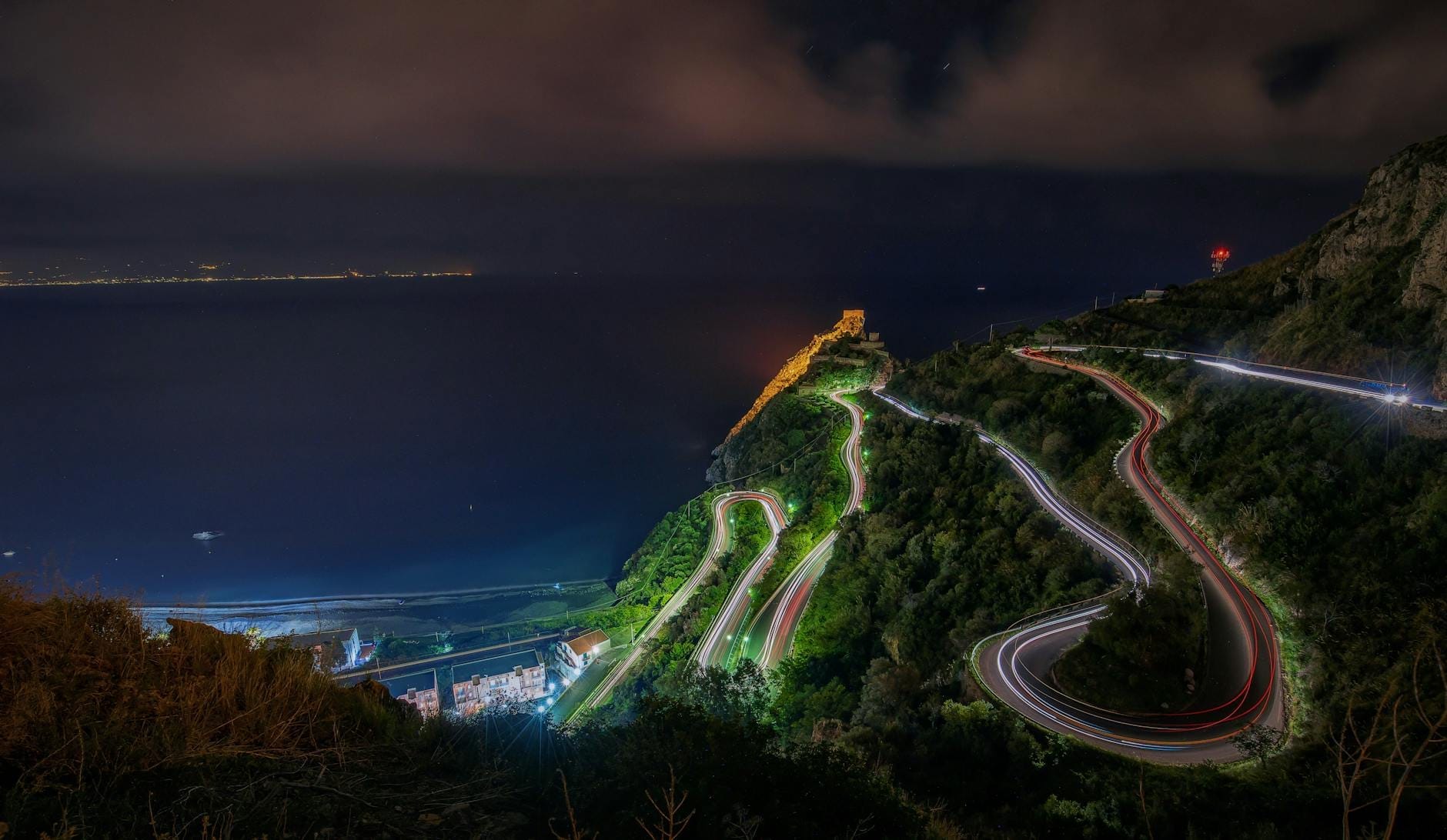
The single biggest mistake first-time visitors make is underestimating the island's scale. Sicily is larger than Wales but significantly smaller than the Netherlands. Driving distances that look modest on a map are often on winding provincial roads through hilly terrain, and the combination of slow-moving agricultural traffic, small-town speed limits, and the inevitable coffee stop means your actual travel time regularly runs 30 to 50 percent longer than a navigation app suggests.
- Palermo to Cefalù About 70 to 75 km via the A20 autostrada, roughly 1 hour. An easy first day drive from Palermo airport.
- Taormina to Rifugio Sapienza (Etna trailhead) Around 45 minutes. A worthwhile morning excursion before or after exploring the coast.
- Noto to Ortigia (Siracusa) Around 40 minutes, about 35 km via the SS115. A natural pairing for the southeastern Baroque circuit.
- Noto to Marzamemi Around 30 minutes south. Worth building into a lazy afternoon.
- Agrigento to Selinunte Around 1.5 hours, roughly 100 km along the south coast SS115. Spectacular coastal driving but plan for a full day.
- Palermo to Agrigento Around 2 hours via the A19 and SS640. An easy day trip but a full day destination.
As a realistic framework: one week works well for either the east (Catania, Etna, Taormina, Siracusa, Ragusa, the southeast coast) or the west (Palermo, Cefalù, Trapani, Marsala, Agrigento). A full island loop needs 10 to 14 days to do it without the trip feeling like a driving marathon. For detailed day-by-day planning, the one-week Sicily itinerary and the two-week Sicily itinerary are practical starting points.
The Best Routes: East, West, and the Full Loop

Rather than prescribing a single 'correct' road trip, it helps to think of Sicily in three distinct driving circuits, each with its own character and pace.
The eastern circuit is the most popular for first-timers and the most concentrated in terms of major sights per kilometer. Fly into Catania, drive north to Taormina and spend time at the Greek theatre and the coastline below. Detour up to Mount Etna via the Rifugio Sapienza for the cable car and crater walk. Then loop south through Siracusa and Ortigia, the Baroque towns of Ragusa Ibla, Modica, and Noto, before returning to Catania via the Vendicari nature reserve and the fishing village of Marzamemi.
The western circuit rewards slower travel. Base yourself briefly in Palermo to absorb its Arab-Norman architecture and chaotic street food markets, then drive east along the A20 to Cefalù before reversing west toward Trapani. The salt pans south of Trapani, the ruins at Segesta and Selinunte, and the long south-coast drive to Agrigento make this a more varied itinerary than the east but with more driving between the highlights.
The full loop connects both circuits, typically running clockwise from Palermo: north coast to Cefalù, east to Taormina and Etna, south through the Baroque southeast, west along the south coast past Agrigento and the Valley of the Temples, then back north through Marsala, Trapani, and Palermo. Allow 12 to 14 days and plan for at least two nights at each major stop — one-night stands leave you exhausted and surface-level.
✨ Pro tip
Pick up your car at the airport and return it to the same or opposite airport — never pick it up from a city-center branch if you can avoid it. City-center driving in Palermo and Catania is genuinely stressful: aggressive traffic, confusing one-way systems, and ZTL zones waiting to catch you out.
When to Go: Seasons, Crowds, and Road Conditions
Sicily's Mediterranean climate means hot, dry summers and mild, wet winters. For road trippers, the practical window is wide, but the best time to visit Sicily depends heavily on what you prioritize. Each season has genuine trade-offs.
- Spring (April to June) The best overall window for a road trip. Daytime temperatures typically 17 to 24°C on the coast. Wildflowers blanket the countryside and archaeological sites. Roads and car parks at even popular spots are manageable. Sea temperatures climb enough for swimming from late May.
- Summer (July to August) Hot — coastal highs of 28 to 32°C, hotter inland. Coastal roads around San Vito Lo Capo, Cefalù, and Mondello become heavily congested. Car parks at beach destinations fill by mid-morning. Not recommended for a driving-heavy itinerary, though the evenings are spectacular and the island is fully alive.
- Autumn (September to October) Second-best window, arguably better than spring for the sea (still warm into October). Harvest season brings the island's food culture to the foreground. Early October sees temperatures around 22 to 25°C on the coast with noticeably fewer cars on secondary roads.
- Winter (November to March) Coastal cities stay mild (14 to 16°C daytime highs in Palermo and Catania), and sites like Agrigento and Selinunte are virtually crowd-free. However, some beach services and rural accommodation close entirely, mountain roads can be hazardous, and Etna access may be limited by snow. Not for everyone, but experienced travelers who want solitude will find it.
What to Actually Stop For: The Non-Negotiables and the Honest Assessments
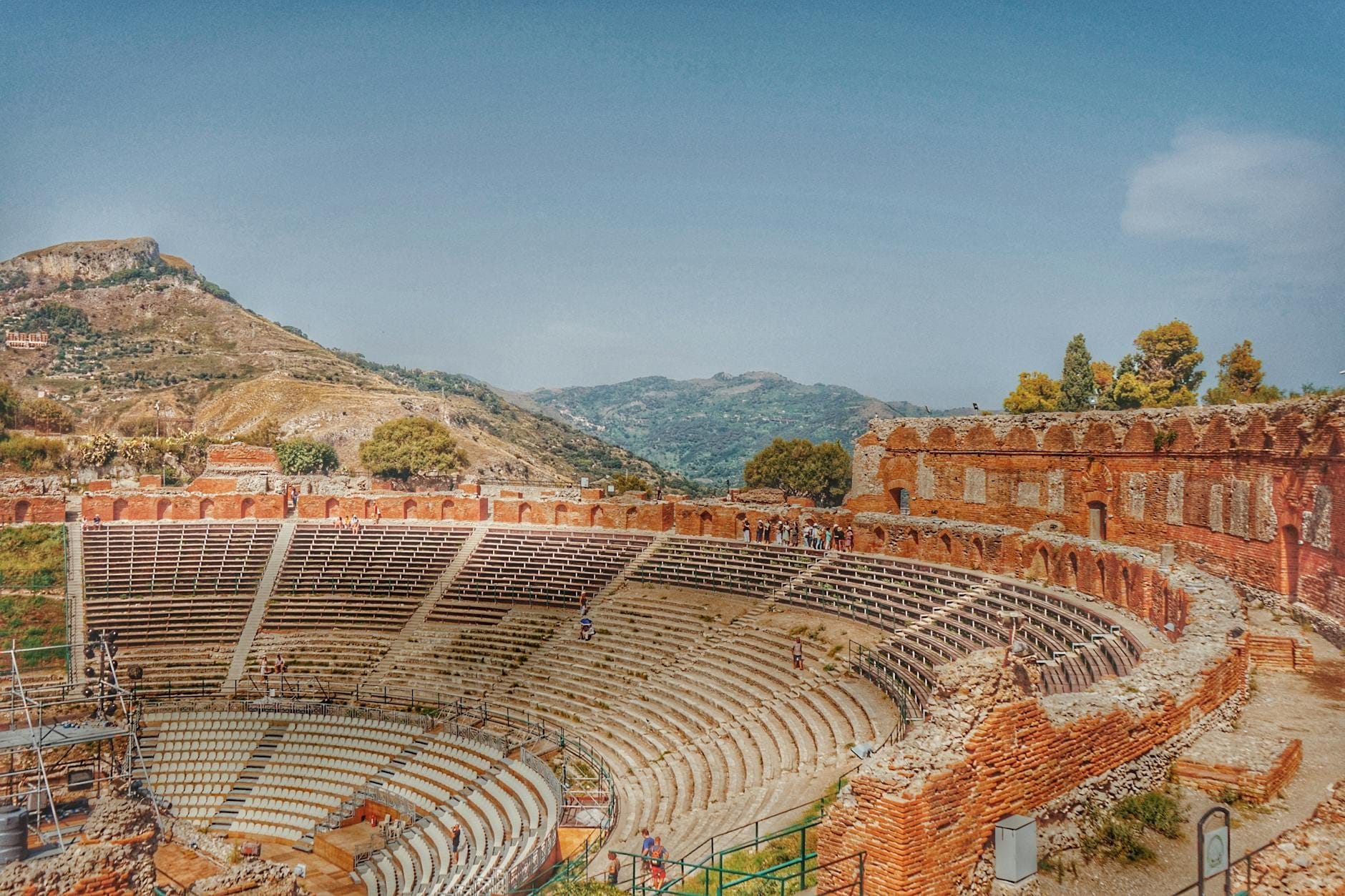
Taormina is the island's most famous town and arguably its most overhyped. The Greek theatre with its backdrop of Etna is genuinely extraordinary (standard admission around €14 outside special exhibitions; book ahead in summer). The main street, Corso Umberto, is expensive and tourist-saturated. Visit for the theatre, the views, and a morning walk before the tour buses arrive — then move on rather than paying premium prices to stay overnight.
Agrigento's Valley of the Temples is the reverse: genuinely underrated in the sense that most people allocate half a day and find it transforms into a full-day experience once they're there. The Temple of Concordia is one of the best-preserved Greek temples anywhere in the world, and the site covers several square kilometers. Come early, before the heat and the coaches. Without a car, getting here from Agrigento town involves a bus or taxi — it's one of the clearest arguments for renting.
The Baroque southeast — Noto, Ragusa Ibla, Modica, Scicli — is the road trip's best reward for unhurried driving. These towns sit on ridges and river gorges connected by winding provincial roads that are slow but scenic. Ragusa Ibla in particular is the kind of place where you park outside the lower town, walk in, and simply refuse to leave. Budget two nights minimum for the zone. The cold-process chocolate of Modica is worth the detour on its own terms.
💡 Local tip
At Monreale Cathedral (entrance from around €8, with extras for the cloister and roof), arrive before 9am to see the Byzantine mosaics without tour groups. The complex sits about 8 km southwest of Palermo — easy to combine with an airport pickup on arrival day before driving north toward Cefalù.
Western Sicily's archaeological sites — Segesta and Selinunte — are genuinely off the main tourist circuit despite being world-class. Selinunte covers a vast area of temples and acropolis ruins right on the sea and gets a fraction of the visitors that Agrigento receives. The combination of scale, sea air, and the poppies growing between the columns in spring is one of the most affecting archaeological experiences in the Mediterranean.
FAQ
Do I need an international driving permit to rent a car in Sicily?
EU licence holders do not need an International Driving Permit (IDP) in Italy. Visitors from outside the EU, including the USA, Canada, Australia, and the UK, are officially required to carry an IDP alongside their national licence when driving in Italy. Check the current requirements with the Italian consulate or your rental company before travel, as enforcement practices vary.
Is it safe to drive in Sicily?
Yes, though it requires adjustment. City driving in Palermo and Catania is chaotic by northern European standards, with aggressive lane changes and creative use of junctions. Rural and motorway driving is straightforward. The main practical hazards are ZTL zones (automatic fines), narrow hilltop village roads, and unmarked speed bumps on secondary roads. Allow extra time and avoid driving into historic centers entirely.
Can I do a Sicily road trip without a car and use public transport?
You can cover the main cities — Palermo, Catania, Taormina, Siracusa — by Trenitalia regional trains and intercity buses. However, the Valley of the Temples, Selinunte, Segesta, Ragusa Ibla, most beaches, and the rural interior are poorly served or not served at all by public transport. A car is not optional if you want a complete experience of the island.
How much does a Sicily car rental typically cost?
Prices vary significantly by season, booking lead time, and car category. As a general range, small to medium cars in shoulder season run roughly €25 to €60 per day from airport desks when booked in advance. July and August rates are considerably higher. One-way fees, additional driver fees, and insurance add-ons can materially increase the total — always compare the fully loaded price, not the headline rate.
Is a Sicily road trip suitable for families with children?
Yes, particularly in spring and early autumn when the heat is manageable. The flexibility of a car makes family travel significantly easier — you can stop at beaches, control meal timing, and carry equipment without relying on schedules. Child seats must be arranged at the time of booking; availability for infant seats in particular can be limited, so confirm early. For family-specific planning, the dedicated guide to Sicily with kids covers logistics in detail.