Two Weeks in Sicily: The Complete 14-Day Itinerary
Sicily rewards travelers who give it time. This complete 14-day itinerary covers the island's east coast highlights, Baroque south, ancient Greek south, and the layered history of the west, with practical routing advice, seasonal tips, and practical guidance on trade-offs.
Plan and book this trip
Tools from our partner Travelpayouts help you compare flights and hotels. If you book through them, we may earn a commission at no extra cost to you.
Flights
Hotels map
TL;DR
- Two weeks in Sicily is enough to cover the major regions, but not everything: expect to prioritize and accept trade-offs.
- The most efficient route runs east to west: Catania, Taormina, Mount Etna, Syracuse, the Baroque southeast, Agrigento, and Palermo, with a possible detour through Trapani and western Sicily.
- A rental car is the single best decision you can make for this trip. Public transport covers the main cities but fails badly in the rural southeast and interior.
- Spring (April to June) and early autumn (September to October) offer the best conditions for both ruins and driving. Summer is hot, crowded, and expensive.
- Check the best time to visit Sicily guide before locking in dates.
How to Structure Two Weeks in Sicily
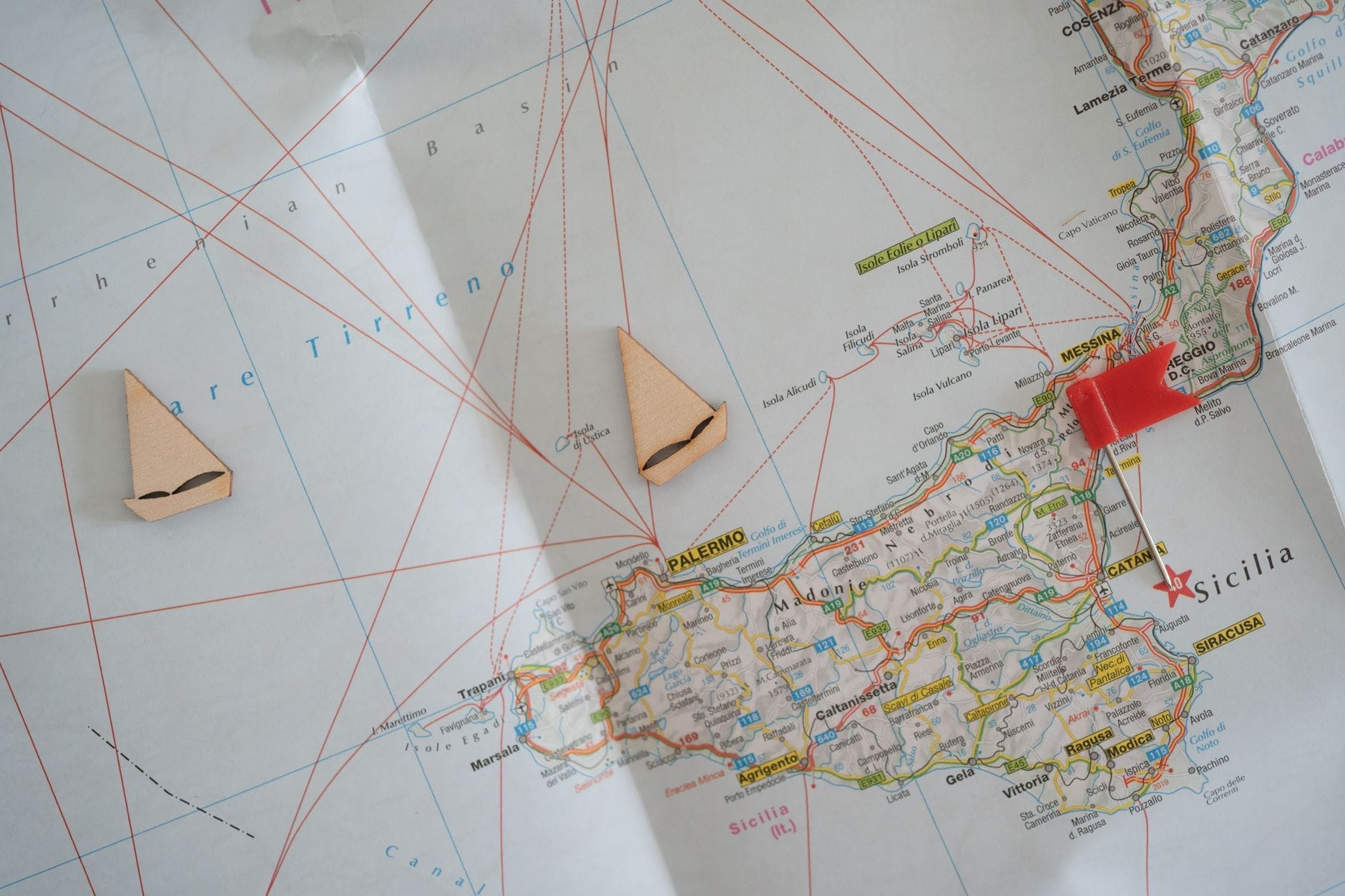
Sicily is the largest island in the Mediterranean at roughly 25,711 square kilometres, and that scale has real implications for planning. The island is triangular in shape, sometimes called Trinacria, and its major archaeological, natural, and cultural sites are spread across all three corners. A 14-day itinerary cannot cover everything. What it can do is deliver one genuinely complete experience of the island, provided you make deliberate choices about routing.
The most logical structure is a one-way route from east to west, flying into Catania (IATA: CTA, roughly 6–7 km from the city centre) and out of Palermo (IATA: PMO, about 30 km northwest of the city). This avoids doubling back and keeps daily driving distances manageable. If a one-way car rental is not practical, the loop works too, though it adds a couple of extra driving days. For context on getting between regions efficiently, the getting around Sicily guide covers train, bus, and car options in detail.
💡 Local tip
Book a rental car before you arrive, especially for travel between May and September. Availability tightens quickly, and prices at the airport counter during peak season can be significantly higher than pre-booked rates. An automatic transmission is worth the premium if you're not confident with a manual on narrow Sicilian roads.
Days 1 to 4: Catania, Taormina, and Mount Etna
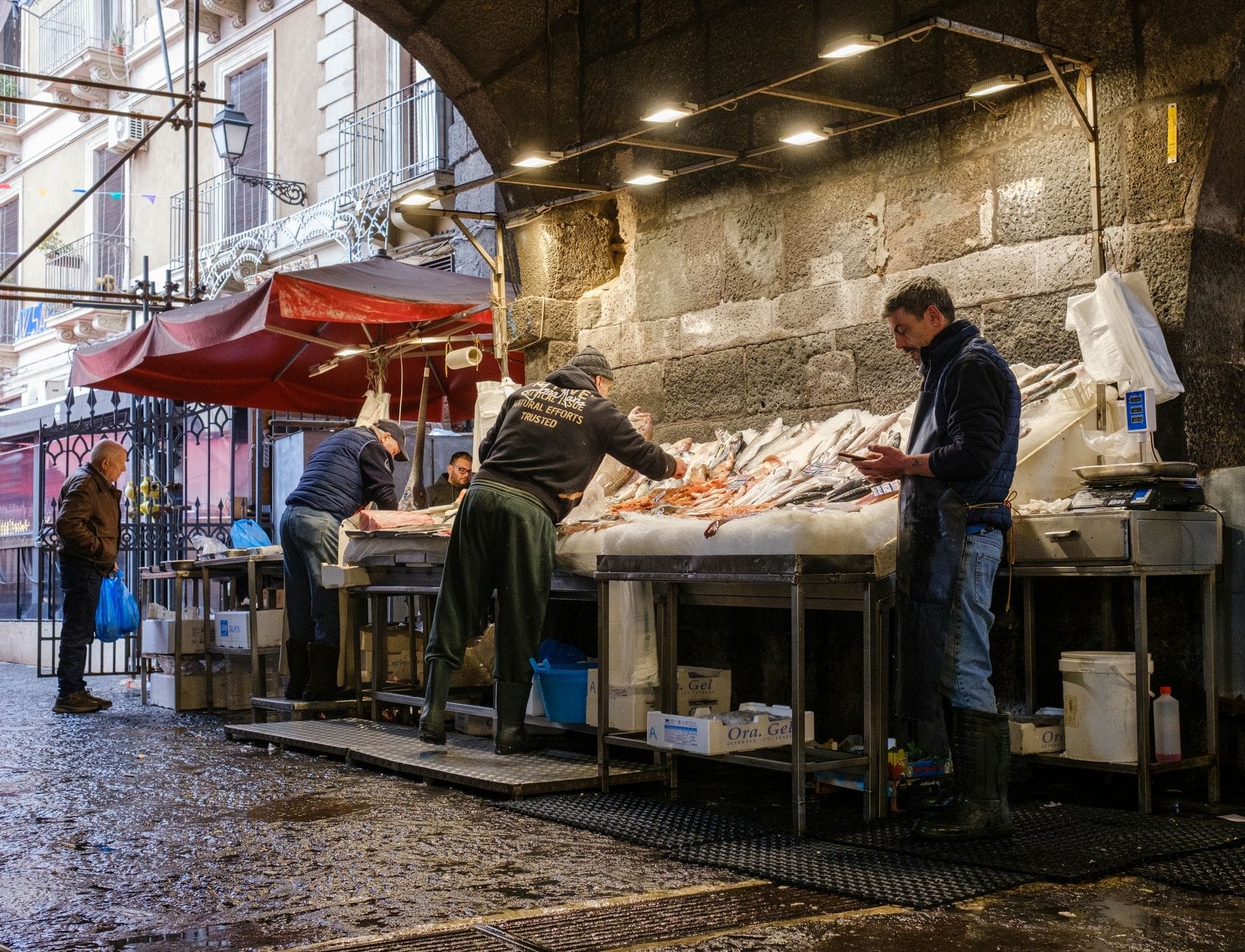
Catania makes a strong opening base. It's a working Baroque city built largely from black lava stone, with a fish market that has been trading for centuries and a cathedral dedicated to Sant'Agata at its centre. Spend your first day recovering from travel and exploring the Piazza del Duomo and the Catania fish market. The market is most active in the early morning; by 10am it starts to wind down.
Day two belongs to Taormina, 50 km north up the coast. The Greek Theatre of Taormina is the single most photogenic ancient site in Sicily, positioned on a hillside with views of Etna behind the stage. Arrive early, before 9am if possible, to beat the tour groups that arrive mid-morning. The main pedestrian strip, Corso Umberto, is charming but overpriced for meals. Eat at a side street trattoria instead.
Dedicate day three to Mount Etna. Europe's largest active volcano rises to around 3,357 metres and is an UNESCO World Heritage site. Cable car access from the south side gets you to roughly 2,500 metres; guided 4WD excursions or guided hikes go higher. The summit crater zone requires a licensed guide. Don't skip this: the lunar landscape of the higher slopes and the views across the Ionian coast are unlike anything else on the island.
⚠️ What to skip
Mount Etna's summit trails can close with little notice due to volcanic activity or weather. Check conditions through the Etna Sud or Etna Nord visitor centres before heading up. Even in summer, temperatures above 2,000 metres can drop sharply; bring a layer regardless of how hot it is in Catania.
Use day four for the Alcantara Gorge, carved by a river through ancient basalt columns, before driving south toward Syracuse. The gorge is about 15 km west of Taormina and works well as a mid-morning stop on a travel day. In summer, you can wade into the narrow canyon; water temperatures stay cold year-round.
Days 5 to 7: Syracuse and the Baroque Southeast
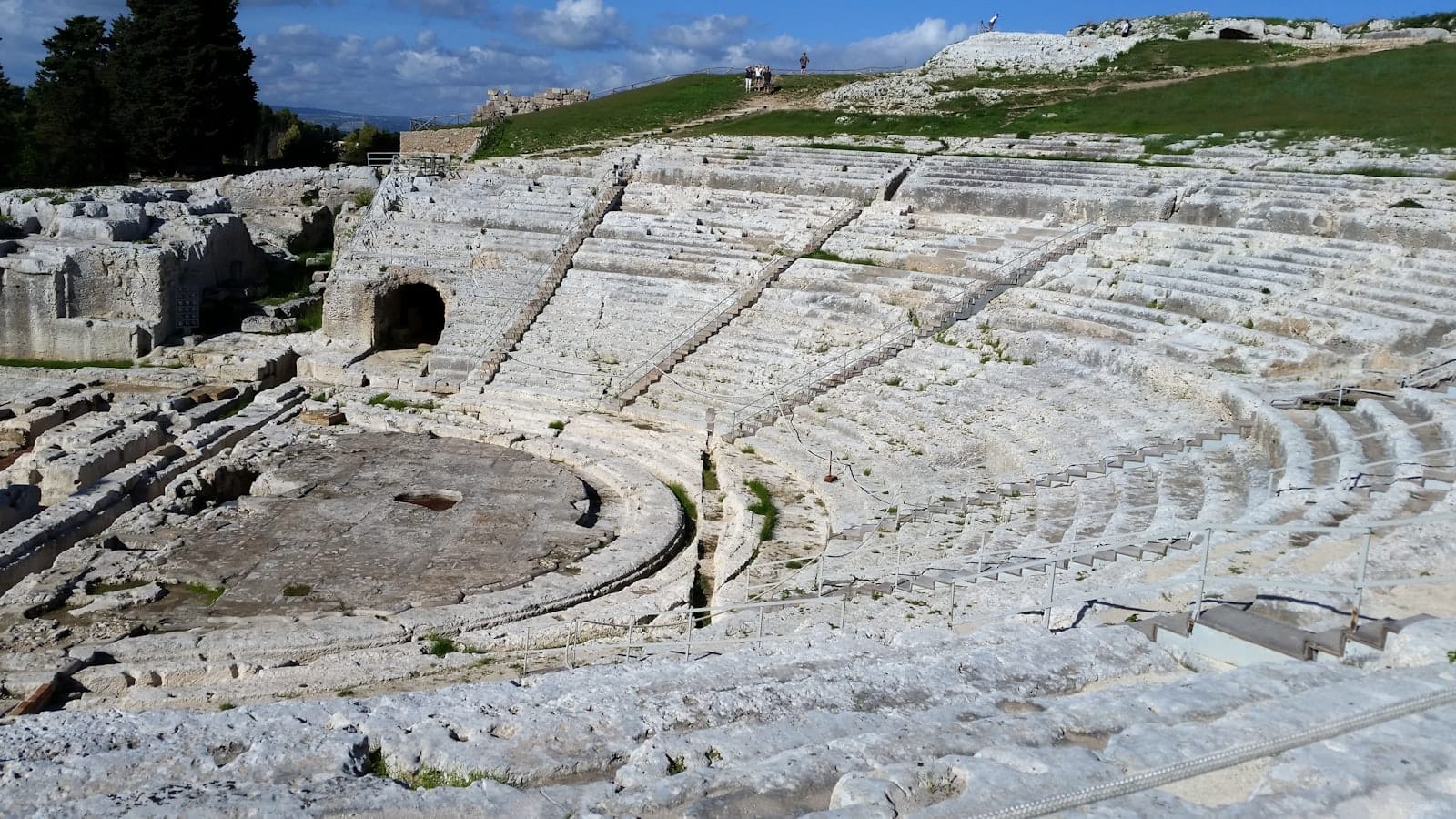
Syracuse was once considered one of the greatest cities in the ancient world, rivalling Athens in population and influence. Two full days here is not excessive. The main archaeological zone, the Neapolis Archaeological Park, contains a Greek theatre that could seat around 14,000 people and the strange carved limestone cavity known as the Ear of Dionysius, named by Caravaggio when he visited in the 17th century. The acoustics inside are genuinely remarkable.
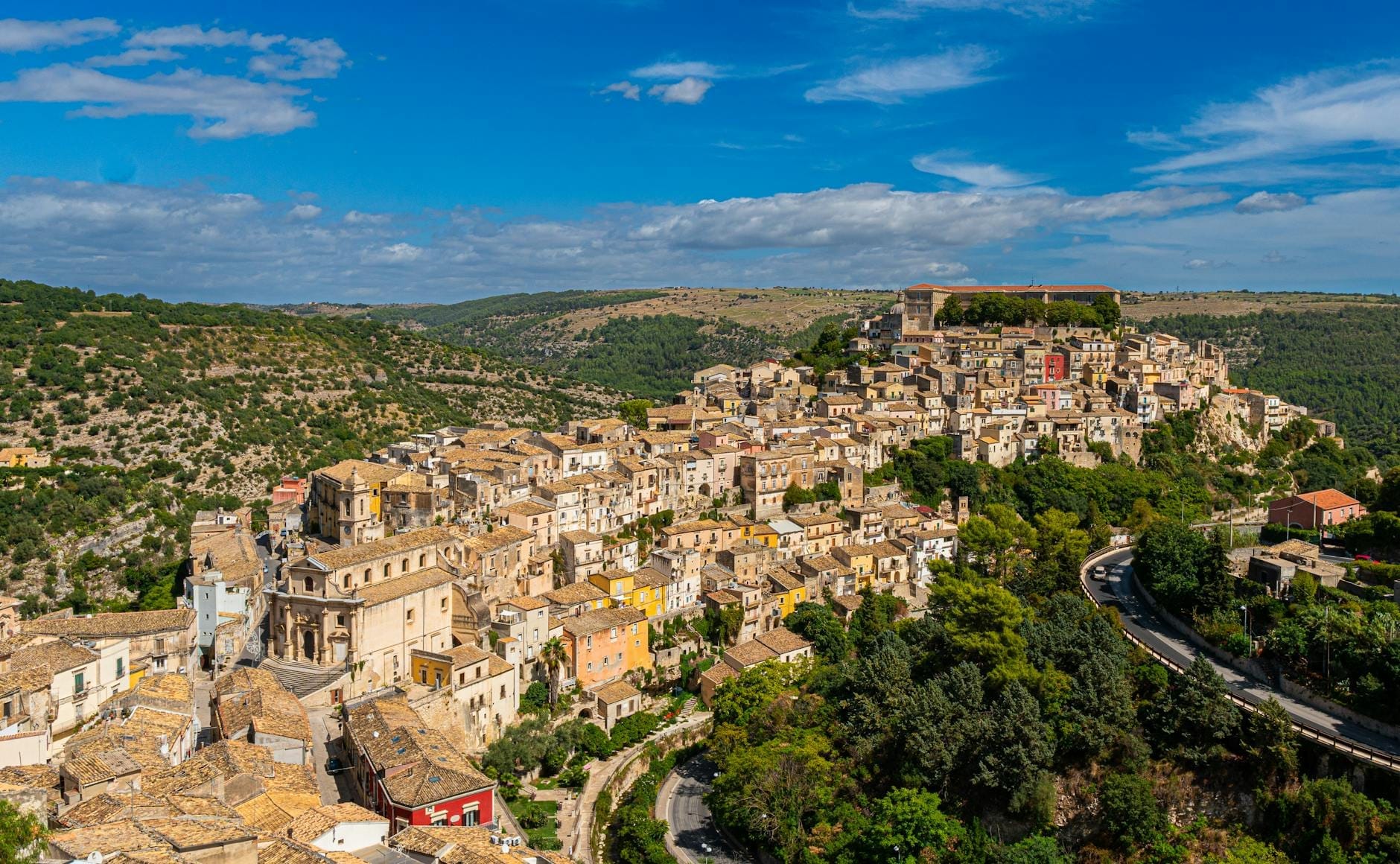
The historic island of Ortigia is where most visitors stay, and with good reason. This small limestone island, connected to the mainland by two short bridges, packs in a Norman cathedral built over a Greek temple, a Baroque piazza, fresh fish restaurants, and a morning market. Stay here rather than the modern mainland city if at all possible.
From Syracuse, the Baroque southeast is a straightforward day trip. Ragusa Ibla and Noto are the two standouts. Noto's main street, Via Nicolaci, is one of the finest examples of Sicilian Baroque architecture in Italy and is considerably less visited than Ragusa. The Noto Cathedral collapsed in 1996 and was painstakingly restored, with reconstruction completed by 2007. Visit Modica too if time allows: the town is famous for its grainy, untempered chocolate, made without cocoa butter in a method preserved from pre-colonial Mesoamerican technique.
Days 8 to 10: Agrigento and the Southern Coast
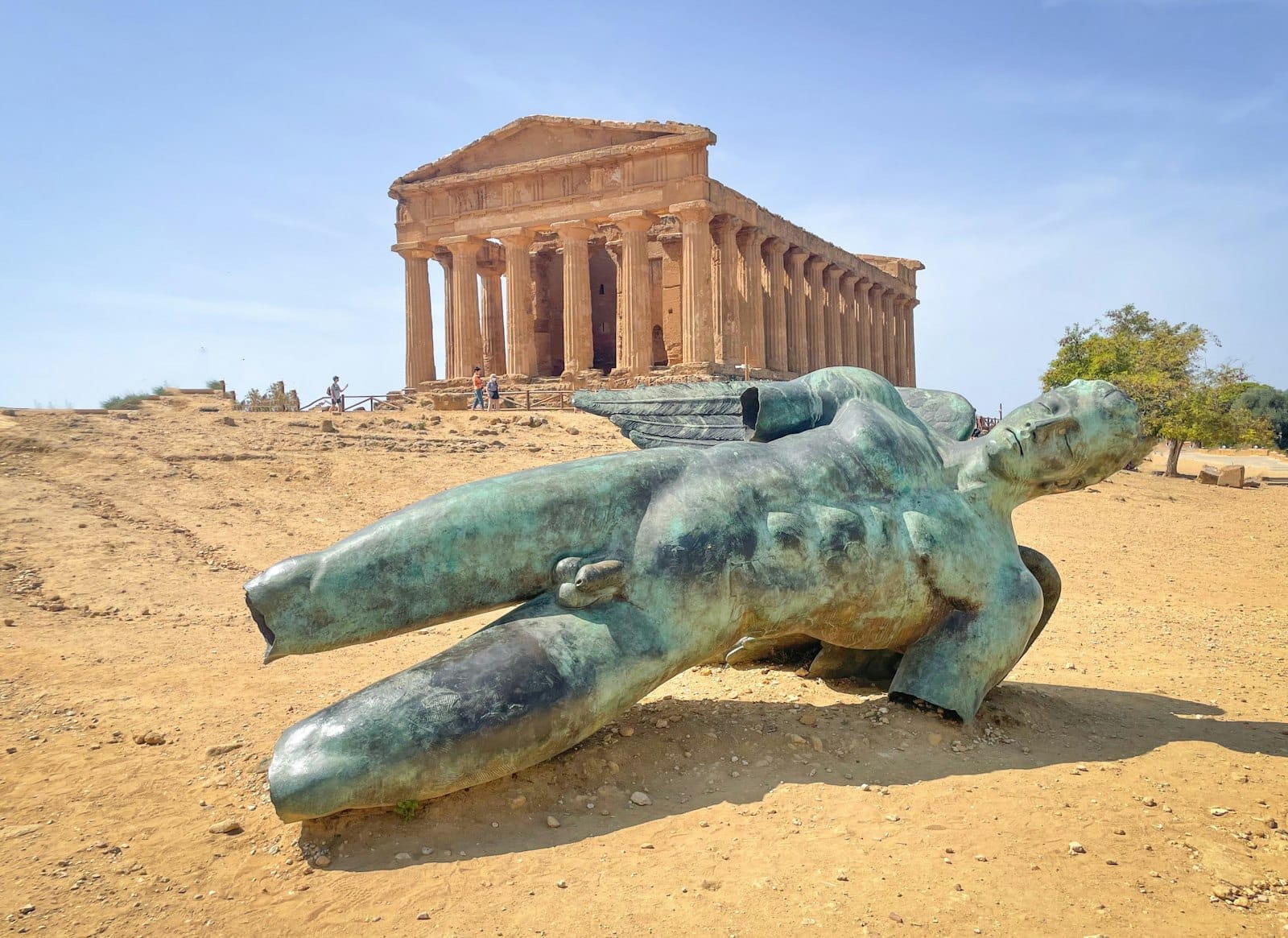
The drive from Syracuse to Agrigento takes roughly three hours by the most direct route. The Valley of the Temples at Agrigento is one of the best-preserved collections of ancient Greek temples outside Greece itself. The Temple of Concordia is particularly striking: it survived largely intact because it was converted into a Christian church in the 6th century. Plan two to three hours for the site. It opens early and evening visits in summer are available and highly recommended, when the heat drops and the temples are lit.
Two stops on the southern coast deserve space in your schedule. The Scala dei Turchi is a striking white marl cliff formation west of Agrigento, with a beach at its base that gets very busy in July and August but is relatively quiet in spring and autumn. The fishing village of Marzamemi further east is better known among Sicilians than foreign tourists, built around an old tuna fishing facility and good for a slow lunch.
✨ Pro tip
The interior of Sicily, particularly Piazza Armerina with its Villa Romana del Casale, is easily overlooked in favour of coastal highlights. The Roman mosaics at the Villa Romana are genuinely world-class, covering over 3,000 square metres, and the site rarely gets as crowded as the coastal sites. Route it in as a half-day stop between Agrigento and Palermo.
Days 11 to 14: Western Sicily and Palermo
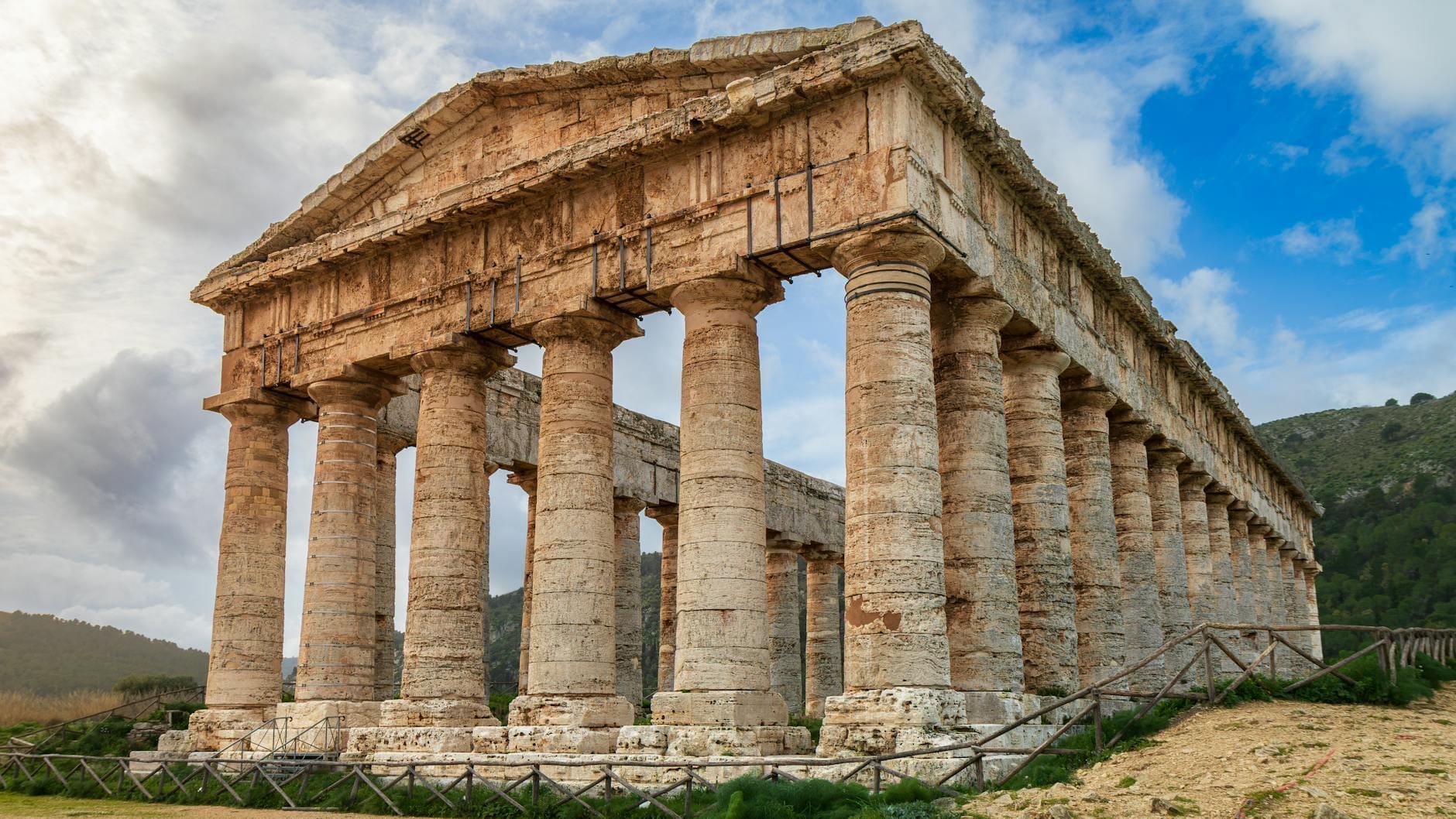
Western Sicily packs a different cultural density than the east: Phoenician, Greek, Arab, Norman, and Spanish layers all visible within a short radius. The ancient Greek temple at Segesta stands in near-perfect isolation on a hilltop, with no other buildings visible from the site. The nearby theatre has views down to the Gulf of Castellammare. Selinunte, further south, contains some of the largest Greek temple ruins in the world by footprint and is significantly less visited than Agrigento or Segesta.
Trapani is a useful overnight base for the west. The salt pans between Trapani and Marsala are particularly photogenic at sunset, when the shallow water turns pink and orange around the old windmills. From Trapani, the Egadi Islands (Favignana, Levanzo, Marettimo) are accessible by ferry or hydrofoil and make a credible day trip if you want clear-water swimming without the crowds of the main beaches.
Reserve the final three days for Palermo. The capital is complex and deserves more than a single day. The Arab-Norman architecture, including the Palatine Chapel inside the Norman Palace and the Monreale Cathedral a short drive south, represents a unique fusion of Byzantine, Islamic, and Norman traditions found nowhere else on earth. The Monreale mosaics cover around 6,300 square metres of gold ground and require a full morning. Don't rush it.
Palermo's street food scene is one of the most distinctive in Italy. The Ballarò market in the Albergheria quarter operates daily and is the place to try panelle (chickpea fritters), sfincione (thick Sicilian pizza), and arancine. The Sicily street food guide covers the full range. For the darker side of Palermo, the Catacombs of the Capuchins holds over 8,000 preserved bodies displayed in corridors beneath a convent, a deeply strange and genuinely memorable experience.
Logistics, Practicalities, and What to Know Before You Go
- Car rental Essential for the southeast, interior, and western Sicily. Train and bus coverage exists between Palermo, Catania, Messina, and Syracuse, but rural areas between these hubs are poorly served. Book in advance; a one-way rental from Catania to Palermo is widely available.
- Currency and payments Sicily uses the euro (EUR). Card payments are accepted widely in cities and tourist areas, but smaller towns, markets, and some rural agriturismo still prefer cash. Carry some at all times.
- Language Italian is the official language; Sicilian dialect is still spoken at home across much of the island. English is common in tourist areas but drops off significantly outside them. A few basic Italian phrases go a long way.
- Electricity and plugs 230V, 50Hz. Italy uses Type C and Type L plugs. Bring a universal adapter if you're travelling from the UK, US, or Australia.
- Tipping Not mandatory. A coperto (cover charge) is often added to restaurant bills. Rounding up or leaving a euro or two for good service is appreciated but never expected.
- Emergency services The single European emergency number 112 covers police, fire, and medical across Italy including Sicily.
- Fly into Catania (CTA), out of Palermo (PMO) for the cleanest east-to-west route
- Ortigia (Syracuse) is the best single base on the island; book accommodation early for peak season
- April to June and September to October give the best balance of weather, crowd levels, and prices
- The Valley of the Temples is worth an evening visit in summer when the site is lit and cooler
- Avoid driving in central Palermo if you can: ZTL (restricted traffic zones) are strictly enforced and rental car fines arrive weeks later
- Modest clothing is required at churches and religious sites across the island: shoulders and knees covered
- Tap water in Sicily's cities is generally safe to drink unless signposted otherwise
ℹ️ Good to know
Two weeks does not cover all of Sicily. Standard 14-day itineraries require choosing between the Aeolian Islands (which add at least two days and a ferry from Milazzo) and the main circuit. If islands are a priority, consider dropping one of the western Sicily stops or adding days to the trip. The Aeolian Islands guide covers logistics for that detour in detail.
Seasonal Considerations for a 14-Day Trip
Timing affects the quality of this itinerary more than most people expect. Sicily has a classic Mediterranean climate: hot, dry summers and mild, wet winters along the coast. For a two-week circuit covering ruins, mountain hiking, and city walking, summer in Sicily has real drawbacks. July and August daytime temperatures regularly reach 32 to 36°C inland; hiking Etna becomes uncomfortable, ruins offer little shade, and popular sites like Taormina and Cefalù are genuinely overwhelmed with visitors.
April, May, June, and September are the months that experienced travellers consistently favour. Coastal sea temperatures in September are still warm enough for swimming (around 24-26°C), the crowds at archaeological sites are manageable, and the light in late afternoon is exceptional for photography. October is excellent for the interior and western Sicily, though some beach-focused services start to wind down. Winter travel is possible and cheap, but several outdoor sites have reduced hours and the weather on the north coast can be genuinely wet and grey for days at a stretch.
FAQ
Is two weeks enough time for Sicily?
Two weeks covers the main highlights of Sicily's east, south, and west comfortably, but not exhaustively. You will need to make choices, typically between spending more time in cities versus rural areas, or between the main island circuit and adding the Aeolian Islands. Most travellers find 14 days satisfying rather than rushed, particularly if they use a rental car and avoid backtracking.
Do I need a car for a 14-day Sicily itinerary?
For the itinerary described here, yes. Train connections between Palermo, Catania, Messina, and Syracuse are workable, but the southeastern Baroque towns, Agrigento, the Segesta and Selinunte temples, and the interior sites around Piazza Armerina are all significantly easier by car. Without a car, you will spend considerable time on infrequent buses or pay for private transfers.
What is the best month for a two-week Sicily trip?
May and September are the two most consistently recommended months. May brings warm but not oppressive temperatures (typically 22-26°C on the coast), wildflowers in the interior, and manageable crowds. September retains warm sea temperatures for swimming while dropping the summer peak crowds and heat. April is also excellent but can bring occasional rain, particularly in the north.
Should I start in Catania or Palermo?
Starting in Catania and finishing in Palermo is the more logical routing for a one-way east-to-west itinerary. Catania airport is smaller and quicker to navigate, and the eastern coast (Taormina, Etna, Syracuse) makes for a strong opening sequence. If you prefer to start in Palermo, the itinerary simply reverses, though the west-to-east direction is slightly less popular with travellers who want to end in the more relaxed atmosphere of Ortigia.
Can I include the Aeolian Islands in a 14-day Sicily itinerary?
It is possible, but something else has to give. Ferries and hydrofoils to the Aeolian Islands depart from Milazzo on the northeast coast, roughly an hour from Messina. A minimum visit to the islands (say, Lipari and Stromboli) requires two to three days including travel time. Most travellers who want a proper Aeolian experience either extend their trip to 16 to 18 days or plan a dedicated islands trip separately.