Visiting Sicily in Summer: What to Expect
Summer in Sicily runs from June through September and brings hot weather, packed beaches, vibrant festivals, and peak travel prices. This guide covers everything you need to know: when to go, what to expect from the heat and crowds, which beaches and islands are worth it, and how to plan smarter than most visitors do.
Plan and book this trip
Tools from our partner Travelpayouts help you compare flights and hotels. If you book through them, we may earn a commission at no extra cost to you.
Flights
Hotels map
TL;DR
- Summer in Sicily (June to August) means temperatures of 28 to 32°C on the coast, occasionally higher during sirocco wind events — plan outdoor sightseeing for mornings.
- July and August are the most crowded months, driven by both international tourists and Italian domestic holidaymakers during Ferragosto — book accommodation and car rentals months in advance.
- June and September offer the best balance: warm seas, lighter crowds, and lower prices than peak summer — see our guide on the best time to visit Sicily for a full seasonal breakdown.
- Sea temperatures reach about 25°C in late summer, making it ideal for swimming and snorkeling, especially around the Aeolian Islands and western beaches.
- Midday closures (roughly 13:30 to 16:30) are widely observed during peak summer — plan meals, visits, and errands around this rhythm.
Summer Weather in Sicily: The Honest Picture
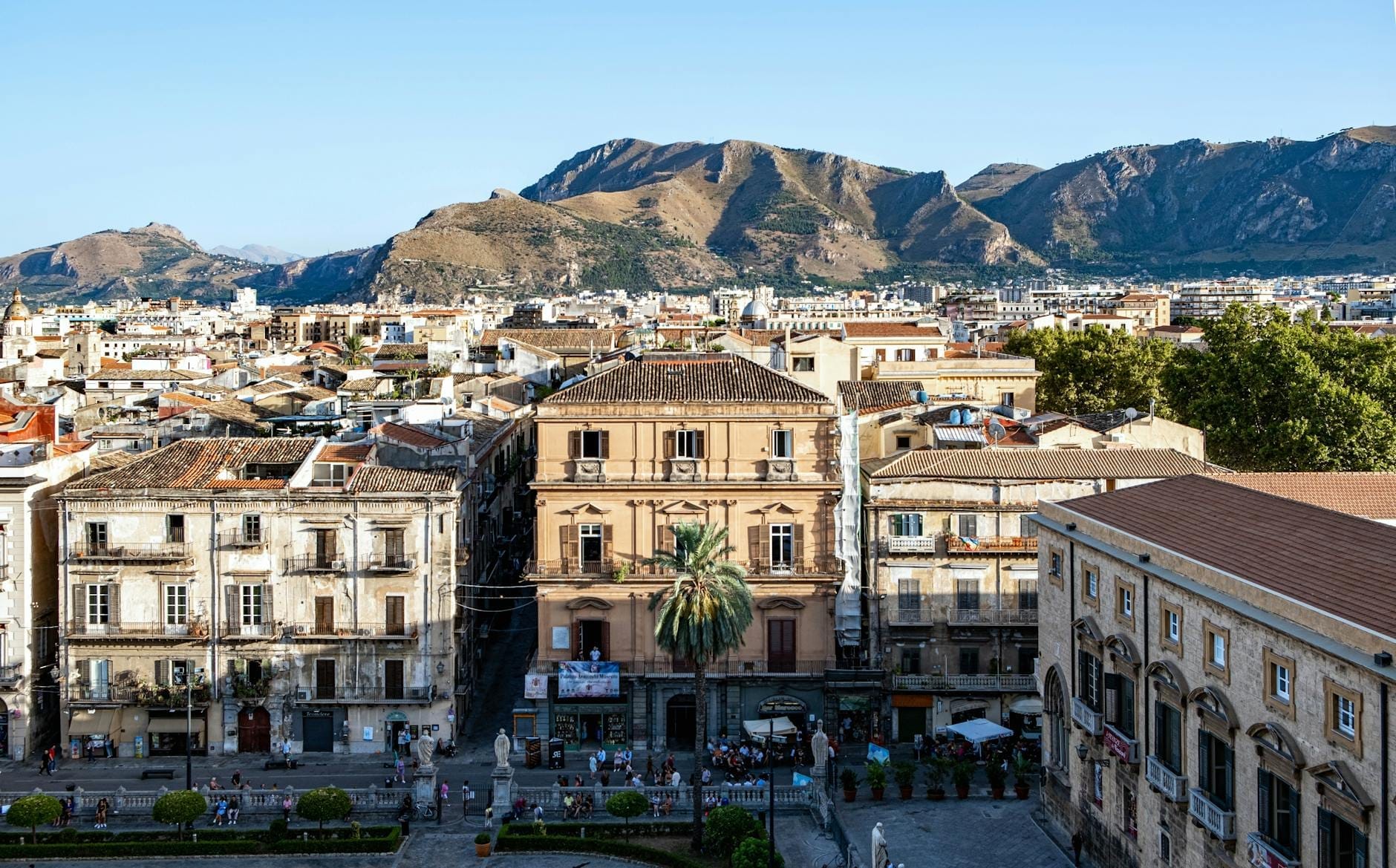
Sicily has a classic Mediterranean climate: summers are hot and almost entirely dry, with very little rainfall between June and August. Coastal cities like Palermo and Catania regularly hit daytime highs of 30 to 32°C in July, and the heat intensifies further inland. Ragusa, in the southeast, can reach similar temperatures despite its elevated position. The sirocco, a hot wind that blows north from the Sahara, can push temperatures above 38°C for days at a time — these episodes feel genuinely brutal, especially in cities where narrow baroque streets offer little shade.
The good news: sea temperatures are excellent. By late June the water is already around 22 to 23°C, and by mid-July it reaches about 25°C — warm enough to swim comfortably for hours. Evenings cool slightly, particularly in hilltop towns, which is why places like Taormina and Castelmola become popular escapes from the coastal heat. Even at elevation, nights rarely drop below 20°C in August.
⚠️ What to skip
If you're planning to hike Mount Etna in summer, go early. By 10am the sun on the upper craters is intense and shade is nonexistent above 2,000m. Start before 7am if possible, carry at least 2 litres of water per person, and check volcanic activity status with the Istituto Nazionale di Geofisica e Vulcanologia (INGV) before any crater hike.
Hill towns and interior villages offer noticeably more manageable temperatures than the coast in peak summer. If your priority is sightseeing over beach time, basing yourself somewhere like Ragusa Ibla or the Madonie mountains gives you cooler evenings and a genuine escape from the August coastal chaos.
Crowds and Costs: What Peak Season Actually Looks Like
One of the most common misconceptions about summer in Sicily is that August is somehow quieter because locals go on holiday elsewhere. The opposite is true. Ferragosto (the August 15 national holiday and the surrounding holiday period) is when Sicilians and visitors from across Italy and abroad converge on the coast simultaneously. Popular beaches become genuinely overcrowded, hire cars are booked weeks in advance, and budget accommodation in Taormina or Cefalù can cost two to three times the shoulder-season rate.
The Aeolian Islands are a particular flashpoint. The AeoliansThe main island of Lipari in July and August can feel overrun, with day-trippers from the Sicilian coast adding to the pressure. If you're set on visiting in summer, book your ferry and accommodation months in advance, and consider basing yourself on Salina or Filicudi rather than Lipari for a calmer experience.
- June (Early Summer) Warm days of 24 to 28°C, sea temperatures rising through 22°C, fewer crowds than July or August, good availability for accommodation and car rental. The best month for combining sightseeing with beach time.
- July Full peak season begins. Temperatures 28 to 32°C on the coast. Popular beaches and islands get crowded from the second week onward. Festivals are active throughout. Book everything in advance.
- August (Ferragosto) The most intense month: highest prices, highest temperatures, and maximum crowds at coastal resorts. Some inland restaurants and shops close entirely. Not recommended for first-time visitors unless you plan carefully.
- September Arguably the best summer month. Temperatures ease to 26 to 29°C, sea still warm at 24 to 25°C, crowds thin after the first week, and prices drop. Harvest festivals begin in wine country.
✨ Pro tip
If you're visiting in August and can't avoid peak dates, focus on inland Sicily: the baroque towns of Noto, Modica, and Ragusa Ibla are far less overrun than coastal resorts, and the heat is the same. You'll eat better, pay less, and move more freely.
Best Beaches and Coastal Areas for Summer
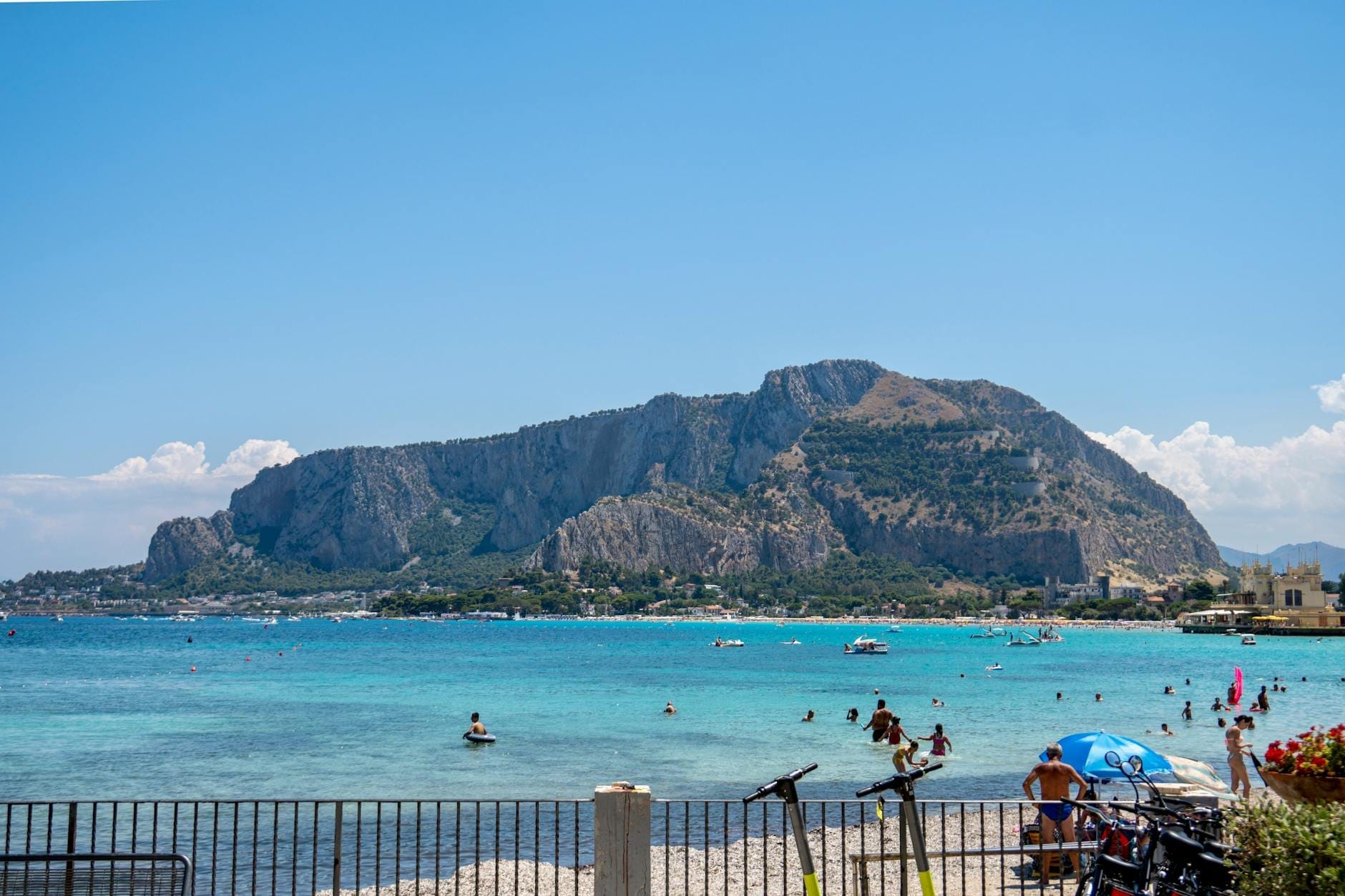
Sicily's coastline stretches roughly 1,500 kilometres, and the quality varies enormously. The most famous beaches fill up fast in summer, but knowing which ones to choose and when to arrive makes a significant difference.
- Scopello and the Zingaro Nature Reserve (Northwest) The Riserva Naturale dello Zingaro is Sicily's first nature reserve, with car-free coves and clear turquoise water. Arrive before 9am in summer or you'll queue for parking. The nearby tonnara (tuna fishing station) at Scopello is one of the most photographed spots on the island.
- San Vito Lo Capo (Northwest) A long sandy beach with some of the finest white sand in the Mediterranean. Very popular with Italian families in August, but the town has good infrastructure. The Cous Cous Fest takes place here in September.
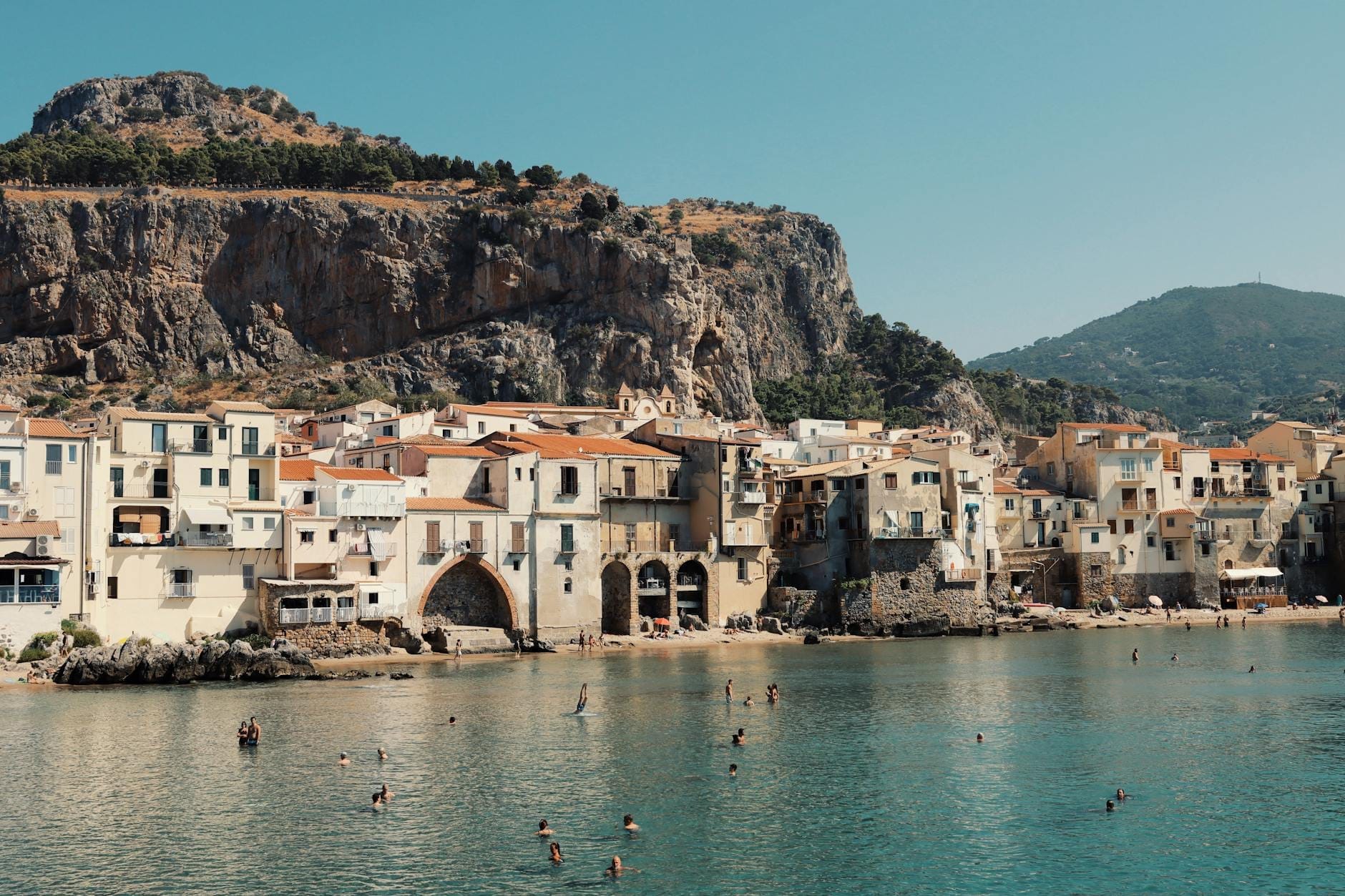
- Cefalù (North Coast) Compact beach in front of a beautiful Norman town, but it gets extremely crowded in summer. The cathedral and the rocky La Rocca above the town are worth combining with an early morning beach visit before the crowds arrive.
- Isola Bella, Taormina (East Coast) A small nature reserve on a near-island connected to the shore by a narrow sandbar. Iconic, but the access path charges an entry fee and queues build fast. Visit before 9am or after 5pm.
- Vendicari Nature Reserve (Southeast) A series of quiet lagoon-backed coves south of Noto, with cleaner water than most of the coast. Significantly less crowded than the famous beaches to the north. No facilities beyond parking, so bring everything you need.
- Favignana Island (Egadi Islands, West) A short ferry from Trapani, Favignana offers crystal-clear water and is best explored by bicycle or scooter. Fewer day-trippers than the Aeolians, and the water quality is exceptional.
If you're choosing between beach destinations on Sicily's coast, the west and south consistently outperform the north for water clarity. The stretch around Scala dei Turchi near Agrigento, the white marl cliff above a curved bay, is one of the most striking natural formations on the island. It is not undiscovered, but it remains genuinely impressive.
Summer Festivals and Events Worth Planning Around
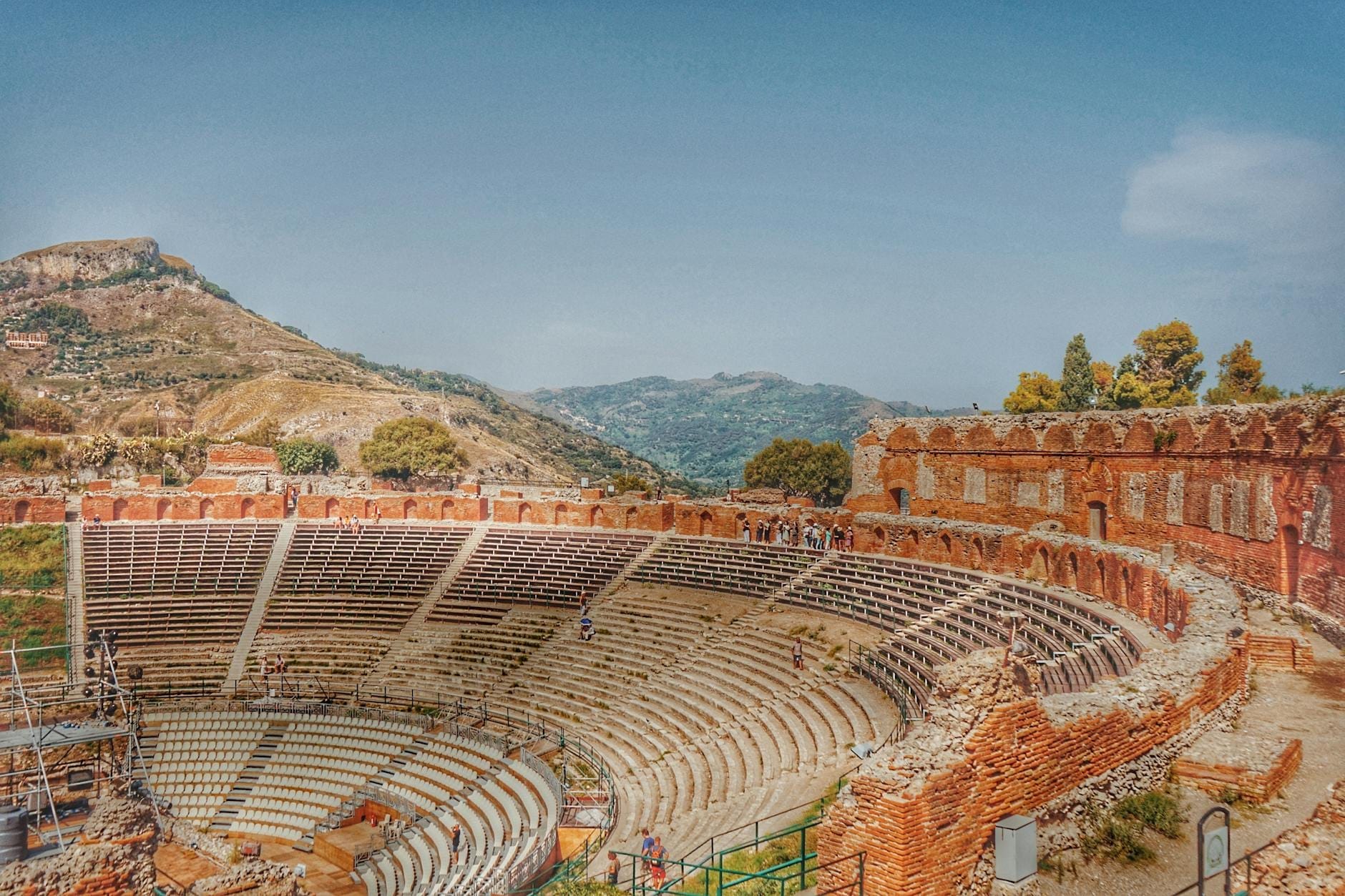
Sicily's summer festival calendar is one of its genuine strengths. The combination of ancient theatres, warm evenings, and a deeply rooted culture of public celebration produces events that are worth building an itinerary around, not just stumbling upon.
The most prestigious summer event is the Taormina Arte festival, which runs from July through September and uses the Greek Theatre in Taormina as its main venue. Opera, classical music, contemporary dance, and international film screenings take place against a backdrop of Etna and the sea. Tickets sell out for headline performances, so book well ahead.
- Festa di Santa Rosalia, Palermo (early July): The city's most important religious festival, with a massive candlelit procession along the main corso and fireworks over the sea. The street food scene around the Vucciria and Ballarò markets intensifies for the entire week.
- Luglio Musicale Trapanese (summer): Outdoor opera, ballet, and classical concerts in Trapani's Villa Margherita gardens. A lower-key alternative to Taormina Arte, and far less crowded.
- Infiorata di Noto (late May into June): Not strictly summer, but Noto's flower festival draws visitors who stay through June. The baroque streets carpeted in flower petals are worth seeing if you're there early in the season.
- Cous Cous Fest, San Vito Lo Capo (September): An international food festival celebrating the North African culinary influence on western Sicily. Free entry, serious cooking competitions, and a genuinely festive atmosphere.
- Estate a Siracusa (June to August): Classical theatre performances at the Greek theatre in Neapolis, one of the best-preserved ancient performance spaces in the world. The Istituto Nazionale del Dramma Antico organises the programme.
ℹ️ Good to know
Festival dates shift year to year. Always confirm current programming directly with the organising body before booking travel around a specific event. The Visit Sicily official tourism portal (visitsicily.info) maintains a seasonal events calendar.
Practical Logistics for a Summer Trip
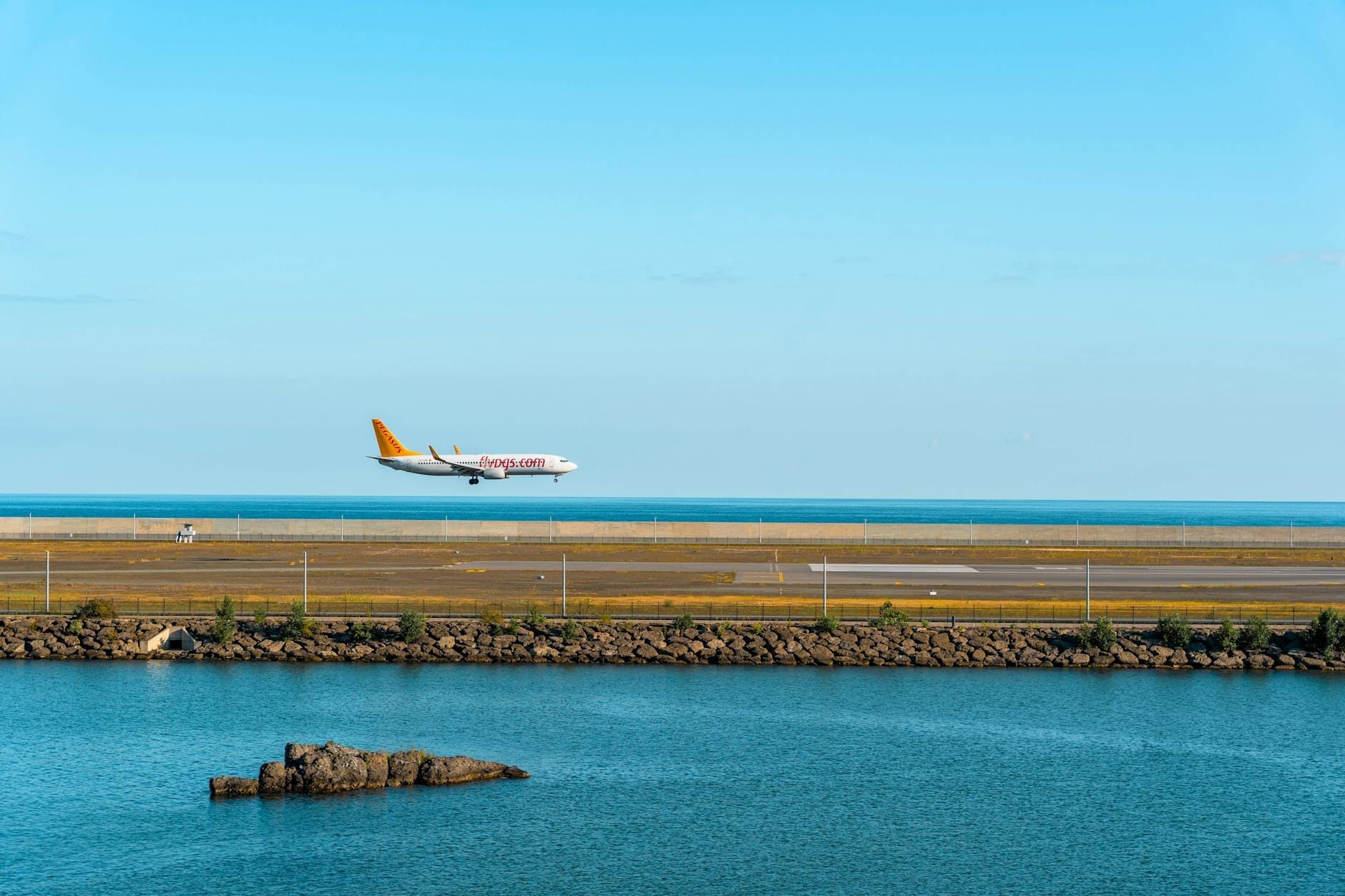
Getting around Sicily in summer requires planning. The island's two main airports, Palermo Falcone e Borsellino (PMO) and Catania Fontanarossa (CTA), handle the bulk of international arrivals. CTA is closer to the east coast and Etna; PMO covers the west and north. For a detailed comparison of airport options and ground transport, see the Sicily airports guide.
A hire car is by far the most flexible way to explore the island, especially if you're visiting beaches, smaller towns, or wine country in the interior. In summer, car hire prices spike significantly and availability in July and August can be genuinely limited at the last minute. Book at least six to eight weeks ahead for peak dates. For route planning and regional logistics, the Sicily road trip guide covers the island's main driving routes in detail.
Midday closure (chiusura pomeridiana) is a practical reality in summer. Many small shops, some museums, and some restaurants close from around 13:00 to 16:00 or 16:30. This is not an obstacle if you plan around it: use the midday heat for lunch, a long meal, or a beach break, and schedule sightseeing for mornings before 11am and late afternoons from 5pm onward. Archaeological sites like the Valley of the Temples and Selinunte can be brutal in direct noon sun — the temperature on exposed stone in July can exceed 40°C.
💡 Local tip
Tap water in Sicily is generally safe to drink in most towns, and most towns have public drinking fountains marked 'acqua potabile'. Carry a refillable bottle — it saves money and reduces plastic waste on beaches and hiking trails. At restaurants, asking for 'acqua del rubinetto' (tap water) is perfectly acceptable, though some establishments may push bottled water.
For visitors on tighter budgets, summer is the hardest time financially, but savings are possible if you book early and prioritise free or low-cost attractions. The Sicily on a budget guide outlines which experiences are genuinely worth paying for and where to save.
Is Summer Actually the Right Time to Visit Sicily?
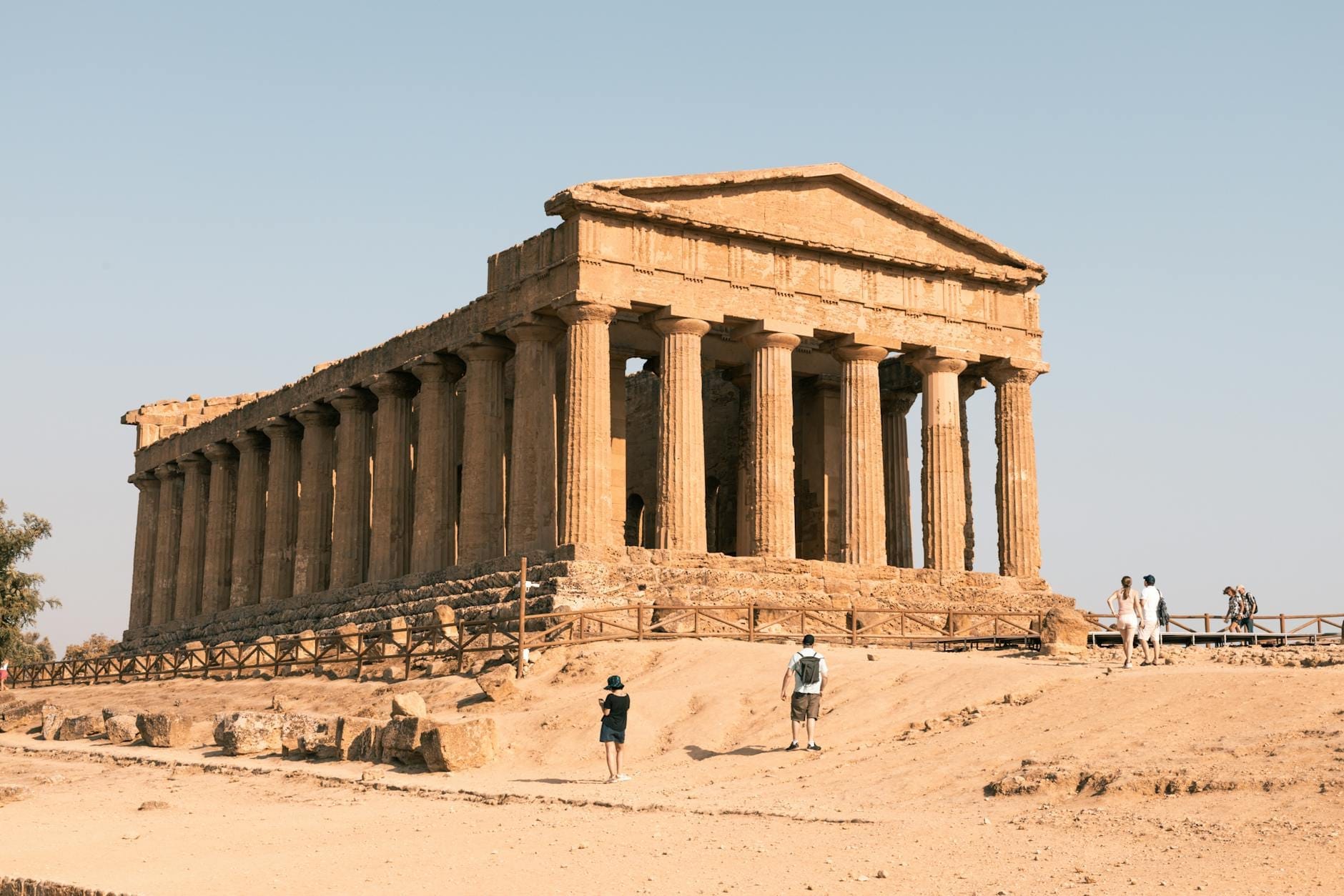
Summer has real drawbacks that travel marketing rarely acknowledges. The heat is genuine and relentless during peak weeks, especially in cities where the stone radiates warmth through the night. If your priority is exploring cities on foot, visiting archaeological sites, or driving through the interior, you will find June and September far more comfortable than July and August. The shoulder months also give you access to almost everything summer offers: warm sea, open beaches, active festivals, and long daylight hours.
That said, summer is not a bad time to visit Sicily if you go in knowing what to expect. The island feels alive in a way that it doesn't in winter. Festivals run constantly, beaches are open and warm, restaurants have extended hours, and the Aeolian Islands are at their most accessible. The trick is to pace yourself, accept the heat as a feature rather than a problem, and resist the instinct to cram in too much sightseeing between 11am and 5pm.
For most visitors, September is the quiet standout: the sea is still around 25°C, the worst of the crowds have gone home after the first week, harvest festivals are starting in wine regions like the Etna DOC zone, and accommodation prices fall noticeably. If you have flexibility, shift your dates by even two weeks into September and the experience improves considerably. For a broader look at how Sicily performs across all seasons, the guide to the best time to visit Sicily covers each month in detail.
FAQ
Is Sicily too hot in August?
For beach holidays, August is fine if you time activities correctly: swim in the morning, rest during the midday heat (typically 13:00 to 17:00), and explore in the evening. For city sightseeing or hiking, August can be genuinely uncomfortable, with coastal temperatures of 30 to 34°C and occasional sirocco events pushing above 38°C. If you're heat-sensitive or plan heavy sightseeing, June or September are significantly more manageable.
How far in advance should I book for summer in Sicily?
For July and August, especially around Ferragosto (around August 15), book accommodation and car hire at least three to four months ahead. Popular places like Taormina, Cefalù, and the Aeolian Islands sell out earlier. For June and September, six to eight weeks is usually sufficient, though earlier is always better for the best properties.
What are the best beaches in Sicily to visit in summer?
For clear water and manageable crowds, the Zingaro Nature Reserve and Favignana Island in the west are top choices. In the southeast, Vendicari Nature Reserve has excellent water quality with fewer visitors than northern beaches. Scala dei Turchi near Agrigento is dramatically beautiful but popular — arrive before 9am. The Aeolian Islands are worth the ferry trip for snorkeling around Vulcano and Panarea.
Do things close during the summer midday in Sicily?
Yes. Many small shops, some restaurants, and certain museums observe a midday closure of roughly two to three hours, typically from 13:00 to 16:00 or 16:30. Archaeological sites remain open but become extremely hot during these hours. Major tourist attractions in cities generally maintain longer opening hours in summer, but smaller towns follow traditional rhythms. Plan accordingly: mornings and evenings are your active sightseeing windows.
Is it worth visiting Sicily in summer if I don't like beaches?
Yes, but you'll need to be selective. The baroque towns of the Val di Noto (Noto, Modica, Ragusa Ibla) are less beach-focused and remain interesting in summer, as do Palermo's markets and Arab-Norman monuments and the Greek ruins at Agrigento and Selinunte. Schedule ruins visits for 8am to 11am maximum. The summer festival calendar, including classical theatre at Syracuse and Taormina, is also a legitimate draw independent of beach culture.