Sicily Airports: Which One to Fly Into and How to Get Around
Sicily has four main airports, and choosing the right one can save hours of overland travel. This guide covers Palermo (PMO), Catania (CTA), Trapani (TPS), and Comiso (CIY) in detail, including airport-to-city transfers, route availability, and which gateway suits each part of the island.
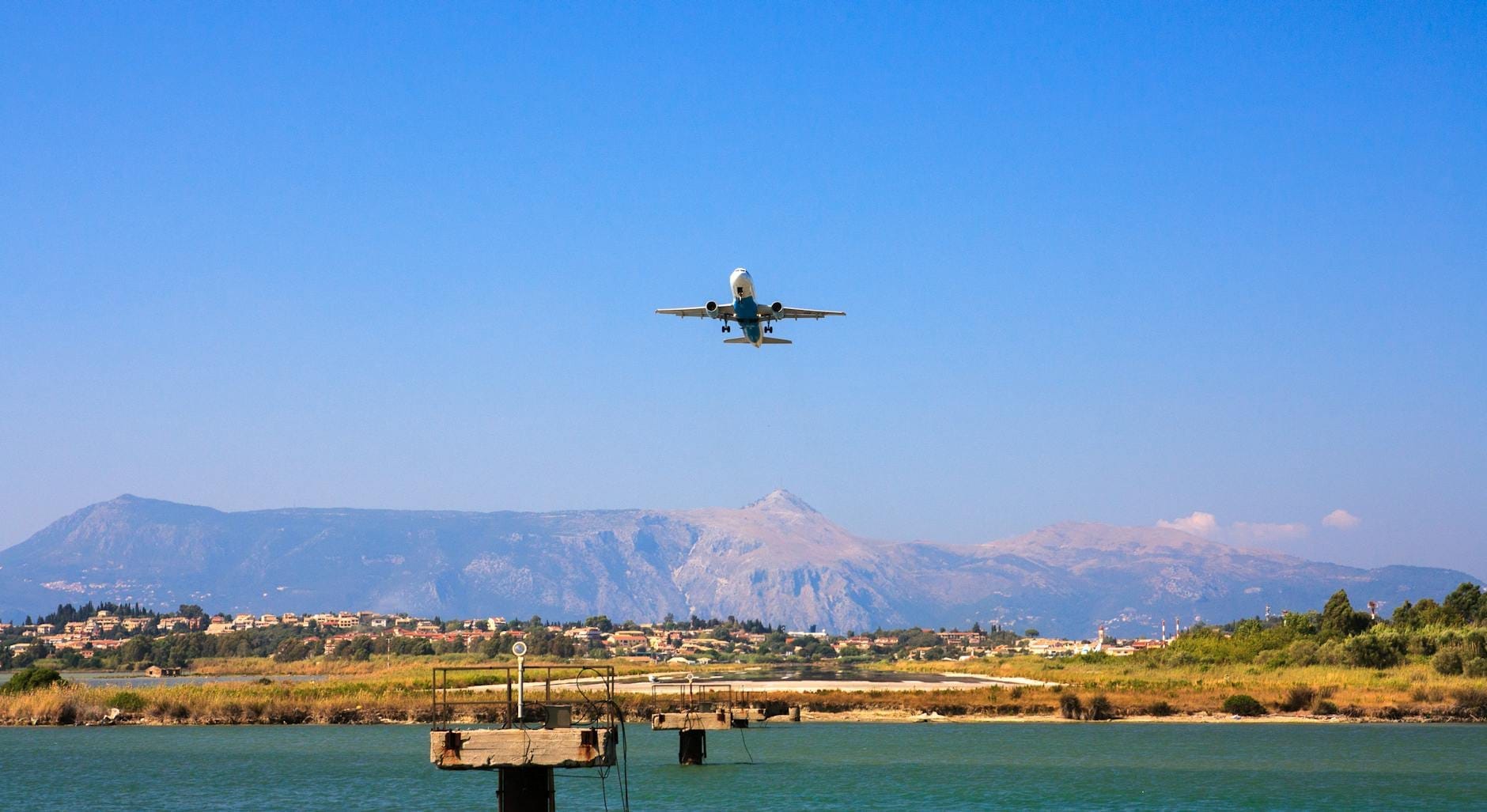
Plan and book this trip
Tools from our partner Travelpayouts help you compare flights and hotels. If you book through them, we may earn a commission at no extra cost to you.
Flights
Hotels map
TL;DR
- Sicily has four main airports: Palermo (PMO), Catania (CTA), Trapani (TPS), and Comiso (CIY). Catania is the busiest overall.
- Your choice of airport should be driven by your itinerary: CTA for the east coast, PMO for the north and northwest, TPS for the west, CIY for the southeast baroque towns.
- Renting a car is the most practical way to connect airports to rural destinations. See our guide to getting around Sicily for full logistics.
- Palermo and Catania have the widest choice of international and year-round flights. Trapani and Comiso rely heavily on seasonal, low-cost routes.
- Ferries from mainland Italy arrive at Palermo and Messina, giving you two additional entry options if flying doesn't suit your dates or budget.
Sicily's Four Main Airports at a Glance
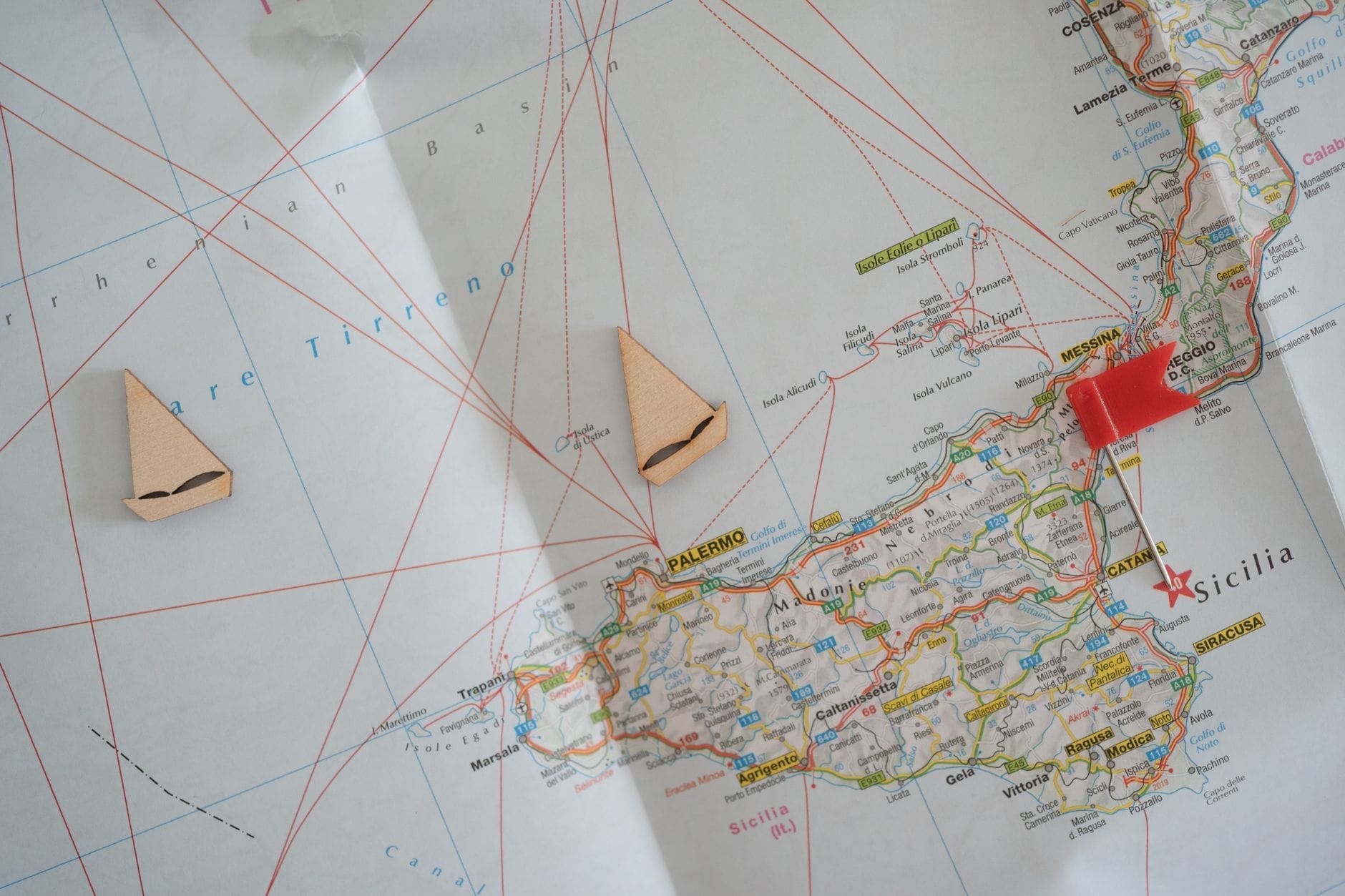
Most travelers assume Sicily has one or two airports. In fact, the island is served by four commercial airports, each oriented toward a different region. Understanding that geography upfront is what separates a smooth trip from a frustrating one. Arriving into Palermo when your hotel is in Ragusa means a 3-plus hour drive. Flying into Catania when you plan to start in Trapani is an equally avoidable mistake.
- Palermo Falcone-Borsellino Airport (PMO) Located at Punta Raisi, about 35 km northwest of Palermo city centre. Best for: Palermo, Cefalù, Madonie mountains, and the entire north coast. IATA code: PMO.
- Catania Fontanarossa / Vincenzo Bellini Airport (CTA) Sicily's busiest airport, just 5-6 km south of Catania city centre. Best for: Taormina, Mount Etna, Syracuse, and the Val di Noto baroque towns. IATA code: CTA.
- Trapani-Birgi / Vincenzo Florio Airport (TPS) Located 15-20 km south of Trapani. Best for: Trapani, Erice, Marsala, and ferry connections to the Egadi Islands. Primarily low-cost and seasonal routes. IATA code: TPS.
- Comiso / Pio La Torre Airport (CIY) Serves southeastern Sicily, roughly 15 km from Ragusa. Best for: Ragusa Ibla, Modica, Scicli, and the Iblean coast. Few routes, mostly from Italian cities. IATA code: CIY.
ℹ️ Good to know
Lampedusa (LMP) and Pantelleria (PNL) also have airports, but they serve their respective islands exclusively, with domestic and seasonal routes mainly from Palermo, Catania, or Milan. If you're heading to either island, you'll likely transit through one of the four main airports first.
Palermo Airport (PMO): The North Coast Gateway
Palermo Falcone-Borsellino is Sicily's second-busiest airport and the main international entry point for the island's capital. The airport name honors Giovanni Falcone and Paolo Borsellino, two anti-mafia magistrates assassinated in separate attacks in 1992. Flights operate year-round from major Italian hubs including Rome, Milan, and Naples, plus various European cities. Palermo itself is a 45-60 minute journey from the terminal, depending on which transport option you choose.
- Train (Trinacria Express): The regional train service between the airport and Palermo Centrale (currently branded simply as the airport–city rail link rather than “Trinacria Express”) connects the airport directly to Palermo Centrale and intermediate stations. Journey time around 45-60 minutes. Most cost-effective option for solo travelers heading to the city centre.
- Bus (Prestia e Comandè): Airport shuttle to central Palermo. Travel time roughly 50 minutes depending on traffic. Drops off at multiple stops including Via Libertà and the central station.
- Taxi: Official taxis operate from a designated rank outside arrivals. Fares to central Palermo are regulated; expect a metered or fixed rate depending on destination and time of day. Verify current rates at the airport or with the official Palermo taxi authority.
- Car rental: All major agencies have desks at the terminal. If you plan to explore the Madonie mountains, Cefalù, or drive west toward Trapani, collecting a car at PMO makes logistical sense.
PMO is also the most practical arrival point if your first stop is Cefalù, which sits about 70 km east of the airport along the A20 motorway. A direct drive takes roughly 45-50 minutes in light traffic, far faster than routing through central Palermo.
Catania Airport (CTA): Sicily's Busiest and Most Flexible
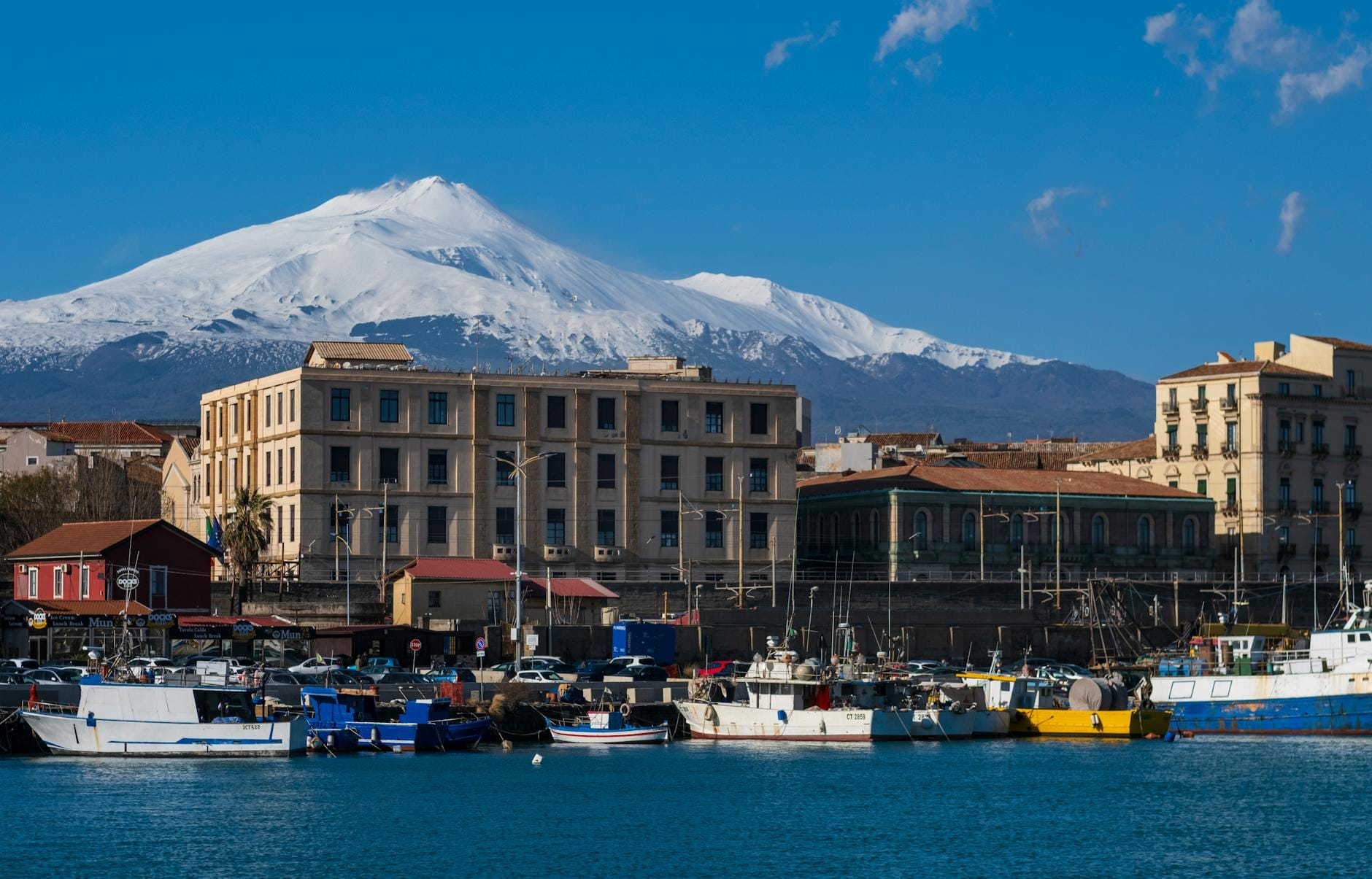
Catania Fontanarossa, officially named Aeroporto Vincenzo Bellini, is the island's largest airport by passenger volume and the one most likely to offer the widest range of routes, particularly from Northern Europe. It sits unusually close to the city centre, which is an advantage Palermo's airport cannot match. Getting from the terminal to Catania's central area takes around 15-20 minutes by taxi in normal traffic.
CTA is the logical choice if your itinerary focuses on eastern Sicily: Taormina is about 45-50 km north, Syracuse is roughly 60 km to the south, and the slopes of Mount Etna are practically on the airport's doorstep. For first-time visitors doing a full island loop, starting in Catania and ending in Palermo (or vice versa) is a popular strategy that avoids backtracking.
- ALIBUS: The city's dedicated airport shuttle runs frequently between the terminal, Catania Centrale railway station, and the port. Journey time around 20 minutes to the centre. Most practical option for travelers without luggage-heavy plans.
- Taxi: Fixed/regulated rates apply between the airport and central Catania. Fast and convenient given the short distance.
- Metro (FCE Circumetnea): Catania has a metro line that connects to broader city transit, but as of now it does not have a station at the airport itself, so you must use bus, taxi, or car to reach the city before connecting to the metro.
- Car rental: Major agencies operate on-site. Catania is an excellent base for a road trip up the Etna slopes, or for heading south along the baroque coast.
💡 Local tip
If you're flying into Catania but ending your trip in Palermo, book a one-way car rental from CTA to PMO. Sicily's motorway system (primarily the A19, with A18 and A20 serving other island routes) connects the two cities in around 2.5–3 hours of driving time in normal conditions. This is far more efficient than doubling back, and one-way car hire between Sicilian airports is widely available from major rental companies.
Trapani (TPS) and Comiso (CIY): Smaller Airports Worth Knowing
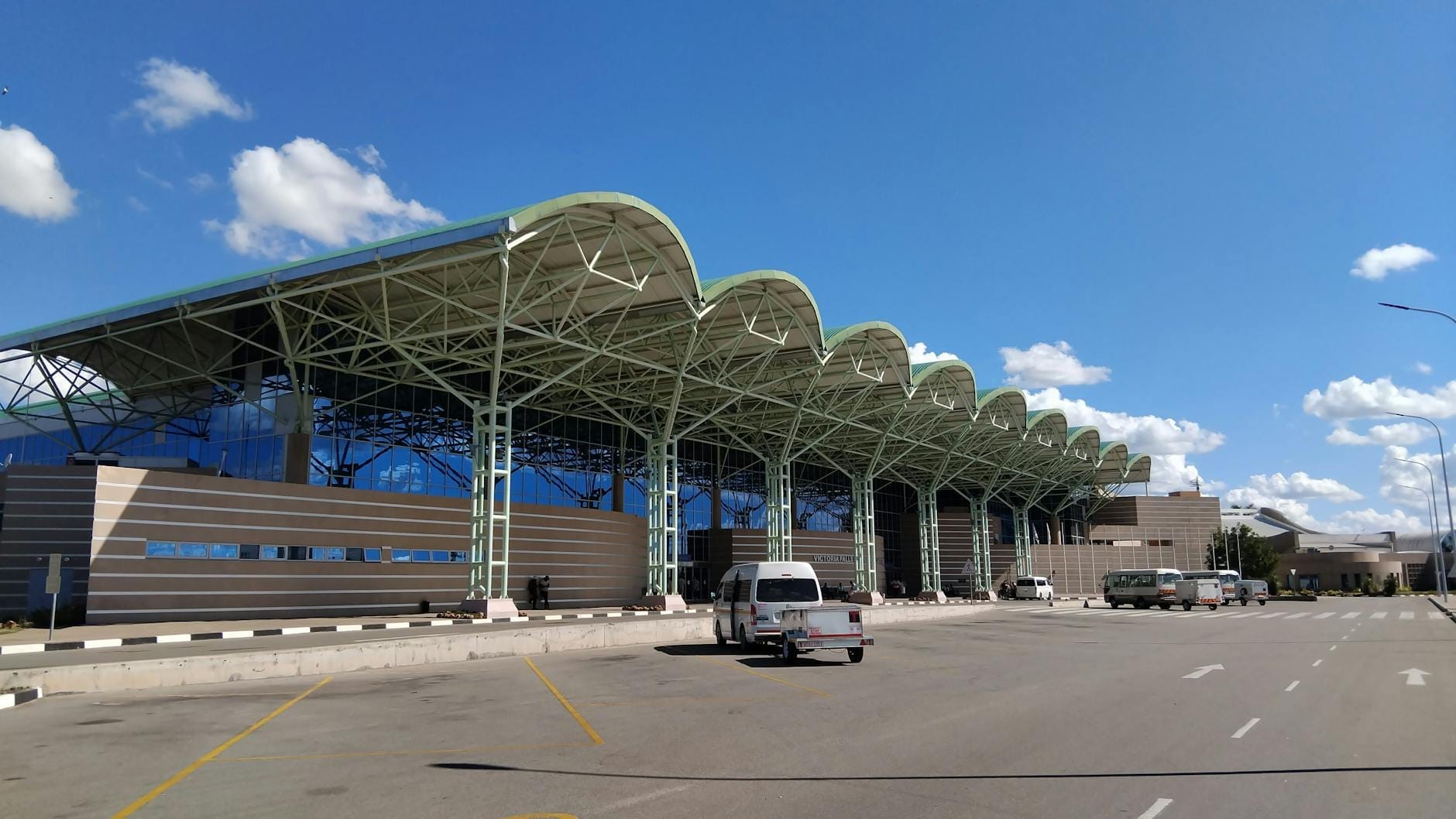
Trapani-Birgi and Comiso are smaller airports that suit specific itineraries well, but should not be treated as equivalent alternatives to Palermo or Catania. Route availability is narrower, frequencies are lower, and several connections are summer-only. That said, if your trip is anchored in western or southeastern Sicily, these airports can save significant driving time.
Trapani airport (TPS) is particularly useful for travelers planning to explore the salt pans, Marsala, or the nearby Egadi Islands. Ferry services to Favignana and Marettimo depart from Trapani's port, which is roughly 15-20 km from the airport at Birgi. Low-cost carriers including Ryanair operate here, so fares can be competitive from certain European cities.
Comiso (CIY) is the smallest of the four and serves a genuinely useful niche: the southeastern baroque cluster. If your trip centers on Ragusa Ibla and the Val di Noto UNESCO towns, arriving at Comiso instead of Catania cuts your ground transfer from over an hour to under 20 minutes. Routes are mostly from Rome and Milan; international connections are limited.
⚠️ What to skip
Some routes at Trapani and Comiso operate only between April and October. Before booking flights into either airport, confirm the route is available on your specific travel dates. Check the airline's schedule directly, not just the airport website, as seasonal suspensions are not always clearly flagged.
Route Availability: What Flies Where
Sicily receives year-round flights from all major Italian cities, including Rome Fiumicino, Milan Malpensa, Milan Linate, Turin, Bologna, Venice, and Naples. At least one of the four airports will have a connection from any major Italian hub on any given day. The picture gets more complicated for international routes.
European connections are strongest at Catania and Palermo. Cities like London Gatwick, London Stansted, Paris, Munich, Frankfurt, Amsterdam, Barcelona, and Brussels have regular or seasonal service to one or both airports. Catania tends to attract more charter and leisure traffic from Northern Europe in summer, while Palermo has a broader year-round European footprint. Neos Air launched a direct New York JFK to Palermo route in 2023, operating seasonally (typically twice weekly in peak season), which is currently Sicily's only non-stop transatlantic connection. Travelers from North America otherwise typically route through Rome Fiumicino or Milan Malpensa.
Summer brings the highest frequency of flights, particularly at Trapani and Comiso, where several routes only operate June through September. If you're traveling in shoulder season, April-May or October, check availability carefully. Our guide on the best time to visit Sicily covers how seasonal timing affects not just weather but also transport options and prices.
Arriving by Sea: Ferries as an Alternative Entry
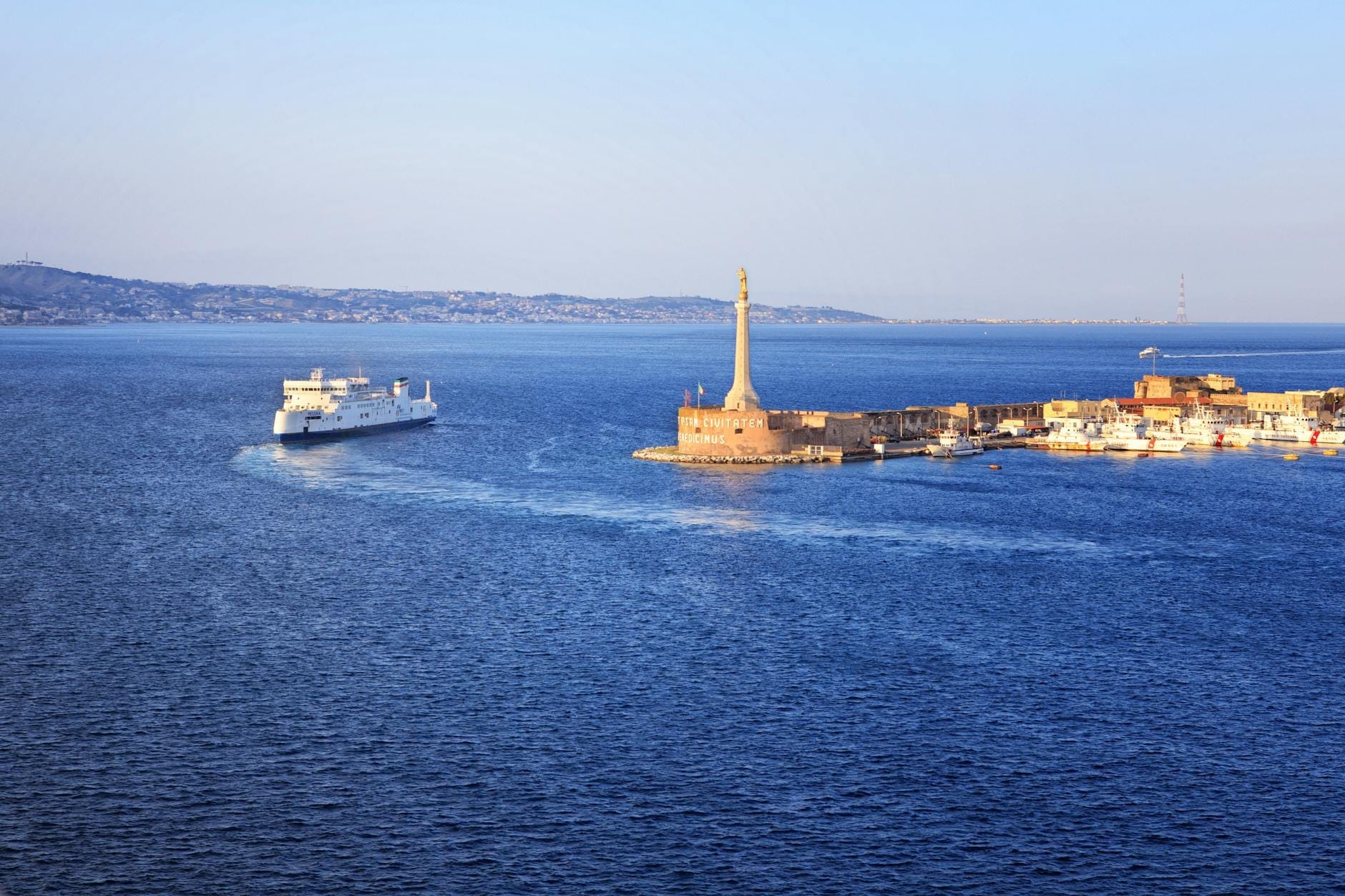
Flying is not the only way in. Several ferry routes connect mainland Italy to Sicily, and for travelers coming by train from Northern Italy or from other parts of Europe, arriving by sea is a genuine option worth considering.
- Naples to Palermo: Overnight ferries operated by companies including GNV and Grimaldi Lines. Crossing time around 10-11 hours. A practical choice if you're combining Sicily with a Naples or Amalfi itinerary.
- Genoa / Civitavecchia / Salerno to Palermo: Longer overnight crossings are available from Genoa and Civitavecchia; Salerno currently has services to other Sicilian ports (such as Messina), so routes and ports should be checked for your dates. Useful if you're traveling by car.
- Reggio Calabria or Villa San Giovanni to Messina: The shortest crossing at just about 20–35 minutes, depending on the specific service. Trains from Rome and beyond cross the Strait of Messina this way, with carriages loaded onto ferries. This is how Trenitalia long-distance services enter Sicily.
- Civitavecchia (Rome's port) to Palermo: Overnight option for travelers based in Rome who prefer not to fly.
Messina, reached via the ferry crossing from the mainland, is a useful arrival point if you're planning to work your way south along the east coast toward Taormina and Catania. It also connects naturally to the Sicily road trip route for those entering with their own vehicle.
FAQ
What is the airport code for Palermo, Sicily?
Palermo's airport code is PMO. The full official name is Palermo Falcone-Borsellino Airport, located at Punta Raisi about 35 km northwest of the city centre. Catania's code is CTA, Trapani's is TPS, and Comiso's is CIY.
Which Sicily airport should I fly into?
It depends on your itinerary. Fly into Catania (CTA) for Taormina, Mount Etna, Syracuse, and the southeast baroque towns. Choose Palermo (PMO) for the capital, Cefalù, and the north coast. Use Trapani (TPS) for western Sicily and the Egadi Islands. Consider Comiso (CIY) if you're spending most of your time in Ragusa and the Val di Noto.
How far is Catania airport from Taormina?
Catania airport (CTA) is approximately 50-55 km from Taormina by road, typically a 45-60 minute drive depending on traffic. Buses and shared transfers also connect the airport to Taormina, making CTA the most practical arrival point for that destination.
Does Sicily have direct flights from the UK?
Yes. Several UK airports including London Gatwick, London Stansted, Manchester, and (in some seasons) Edinburgh have direct seasonal and year-round flights to Palermo (PMO) and Catania (CTA), primarily with Ryanair, easyJet, and Jet2. Availability varies by season; summer has the widest choice.
Is there public transport from Palermo airport to the city centre?
Yes. The Trinacria Express regional train runs between the airport and Palermo Centrale, taking around 45-60 minutes. The Prestia e Comandè bus shuttle is another option, also taking about 50 minutes. Taxis operate from the terminal with regulated fares. All three options are well-established; verify current timetables and prices before travel as these are subject to change.