Siracusa (Syracuse) sits on Sicily's southeastern coast, combining a UNESCO-listed Greek archaeological zone with the compact island quarter of Ortigia, where Baroque architecture rises directly from ancient foundations. It is one of the most historically consequential cities in the Mediterranean world, and one of the most rewarding places to spend several days in Sicily.
Siracusa is the city where a Greek temple became a cathedral and a freshwater spring became a myth. Once the most powerful city in the western Greek world, it now draws visitors with two utterly distinct zones: the Neapolis Archaeological Park on the mainland, and the island of Ortigia, a Baroque quarter laced with narrow lanes and sea light that changes color by the hour.
Orientation
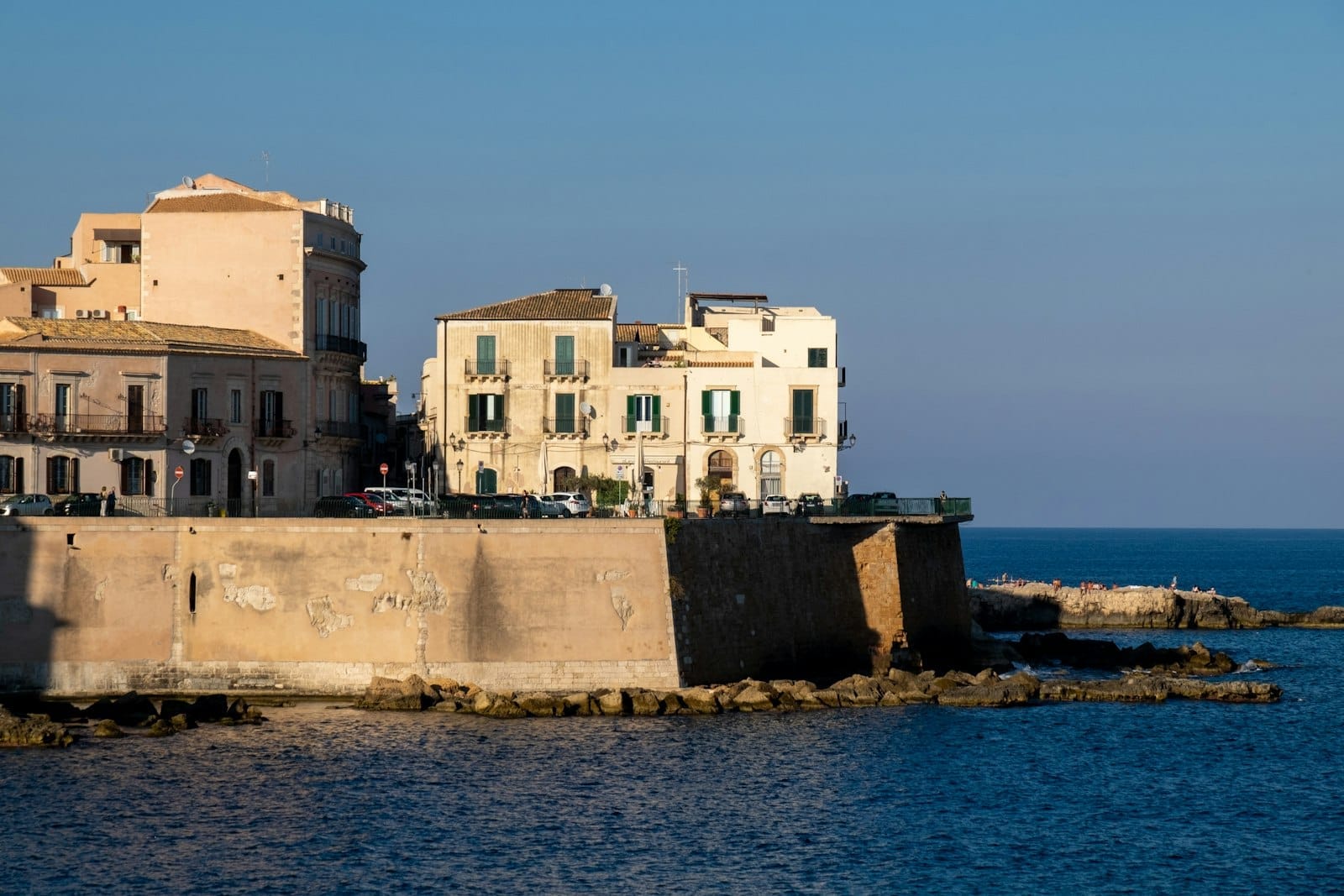
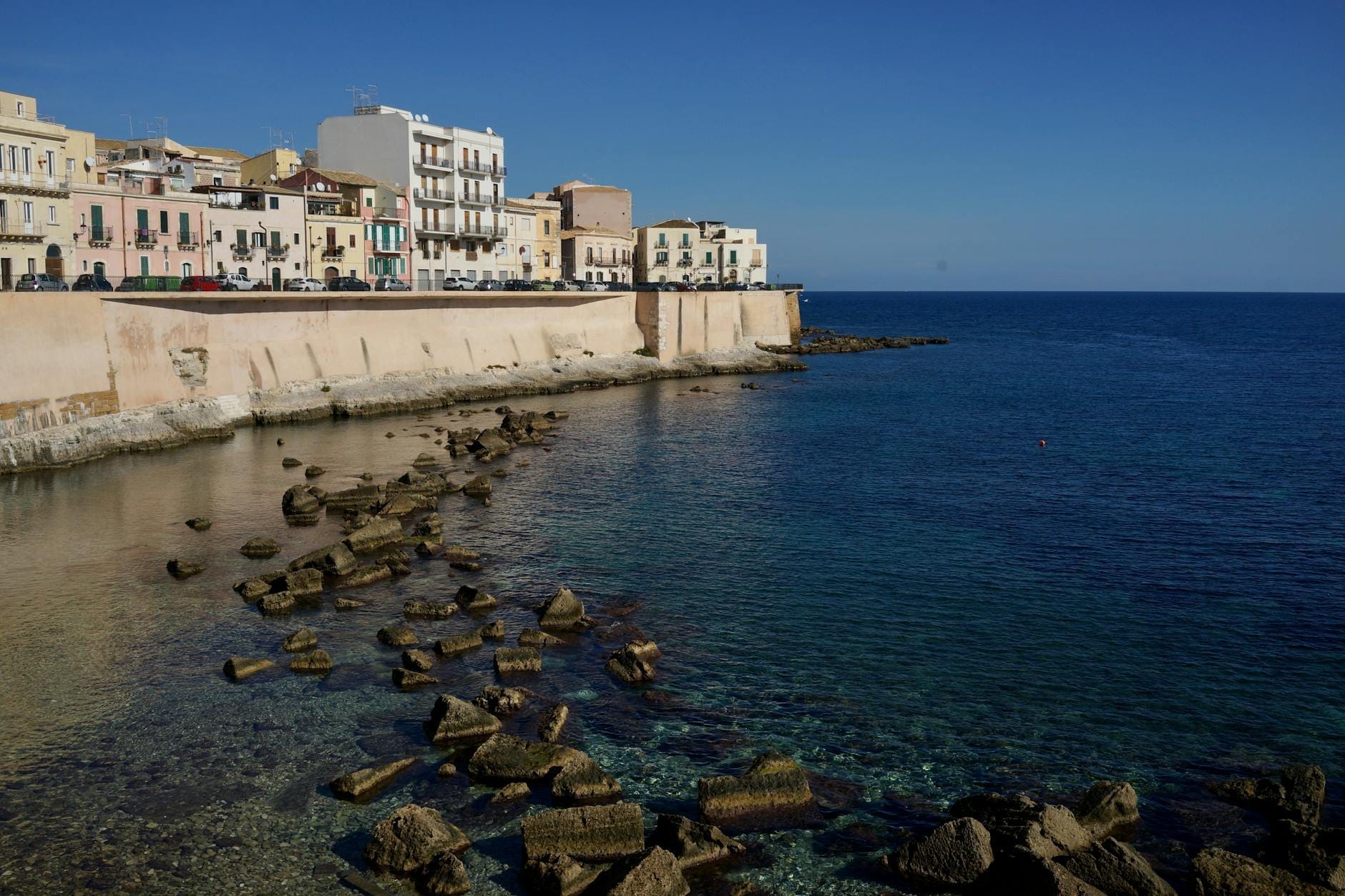
Siracusa occupies the southeastern coast of Sicily, roughly 65 km south of Catania along the Ionian shore. The city divides into two very different zones that most visitors navigate separately. On the mainland sits the modern city, with its railway station, residential neighborhoods, and the Neapolis Archaeological Park to the northwest. Separated from the mainland by a narrow channel and connected by two short bridges is Ortigia, the original Greek settlement and historic heart of the city, a compact island roughly 1 km wide and 1.5 km long.
Ortigia is where you will spend most of your time. Its southern tip faces open sea, its western side fronts a working harbour, and its eastern edge looks across to the mainland city across the Porto Piccolo. Walking from the bridge entry at the northern tip of Ortigia to the southern seafront promenade takes about fifteen minutes at a relaxed pace. The archaeological park is around 3 km northwest of Ortigia by road, an easy bus ride or taxi journey from the island.
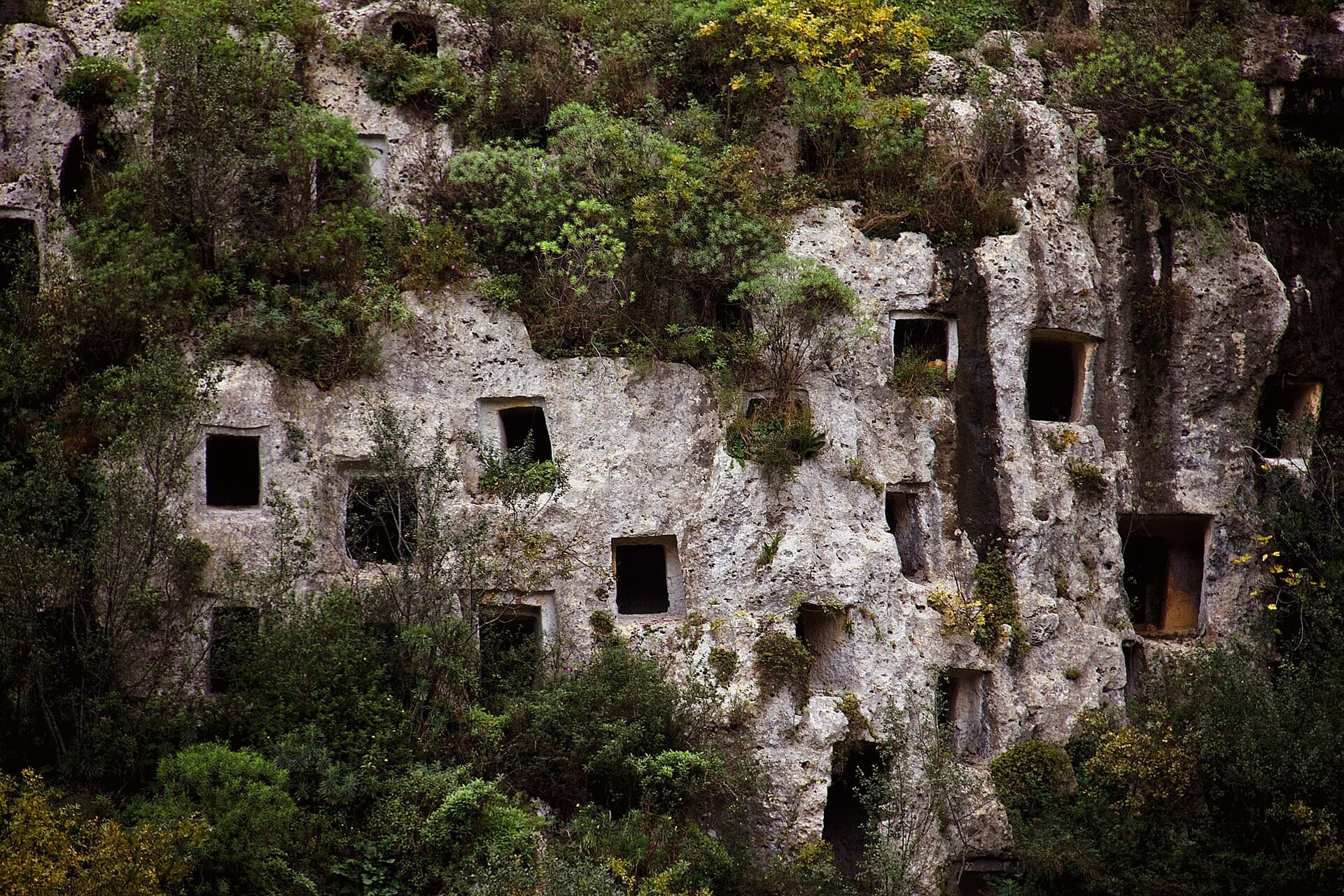
The entire municipality covers about 204 km² and holds a population of roughly 118,000. Together with the nearby rock-cut necropolises of Pantalica, the city forms a UNESCO World Heritage Site that reinforces just how deep the historical layers here run. For travelers building a southeastern Sicily itinerary, Siracusa pairs naturally with Ragusa Ibla and Noto, all within an hour's drive.
Character & Atmosphere
Ortigia operates on a different clock from the rest of Sicily. Early mornings belong entirely to residents: the fish market on Via della Pescheria fills with noise and salt smell around 7am, vendors laying out swordfish, sea urchins, and crates of mussels while the stone alleys around them are still in shadow. By 9am the first tourist groups are moving toward Piazza Duomo, but the residential streets one block away remain quiet enough that you can hear shoes on cobblestones.
Midday in summer is when the city earns its reputation for heat. The pale limestone buildings of Ortigia trap warmth, and Piazza Duomo becomes almost theatrical under full sun, its Baroque facades bleached to cream and gold. This is not the moment to visit the archaeological park; that is a morning or late-afternoon task. The Sicilian habit of a long lunch pause between roughly 1pm and 4pm makes perfect sense here: locals disappear, shutters close, and the smarter strategy is a long meal in the shade and a rest before the late afternoon.
After 5pm the island reopens. The Lungomare Alfeo, the waterfront promenade on the eastern edge of Ortigia, fills with people walking slowly and watching the light on the water. The Baroque stonework turns amber, then rose, as the sun drops behind the mainland. This is the hour when the city shows why it keeps drawing visitors back: the Piazza Duomo empties of tour groups and fills with locals drinking aperitivo, and the cafes around the square set out chairs that face the cathedral's facade as if it were a stage set.
After dark, Ortigia is pleasant and feels safe by the normal standards of Italian provincial cities. The area around Piazza Duomo and Via della Maestranza stays lively until late. The backstreets toward the southern tip of the island are darker and quieter, though not threatening. Normal awareness around valuables is advisable in crowded market and tourist areas, consistent with any Italian city.
💡 Local tip
Book Piazza Duomo and the Cathedral for the very end of the afternoon, not the middle of the day. The light from the west in the last two hours before sunset is exceptional, and the tour bus crowds have thinned by then.
What to See & Do
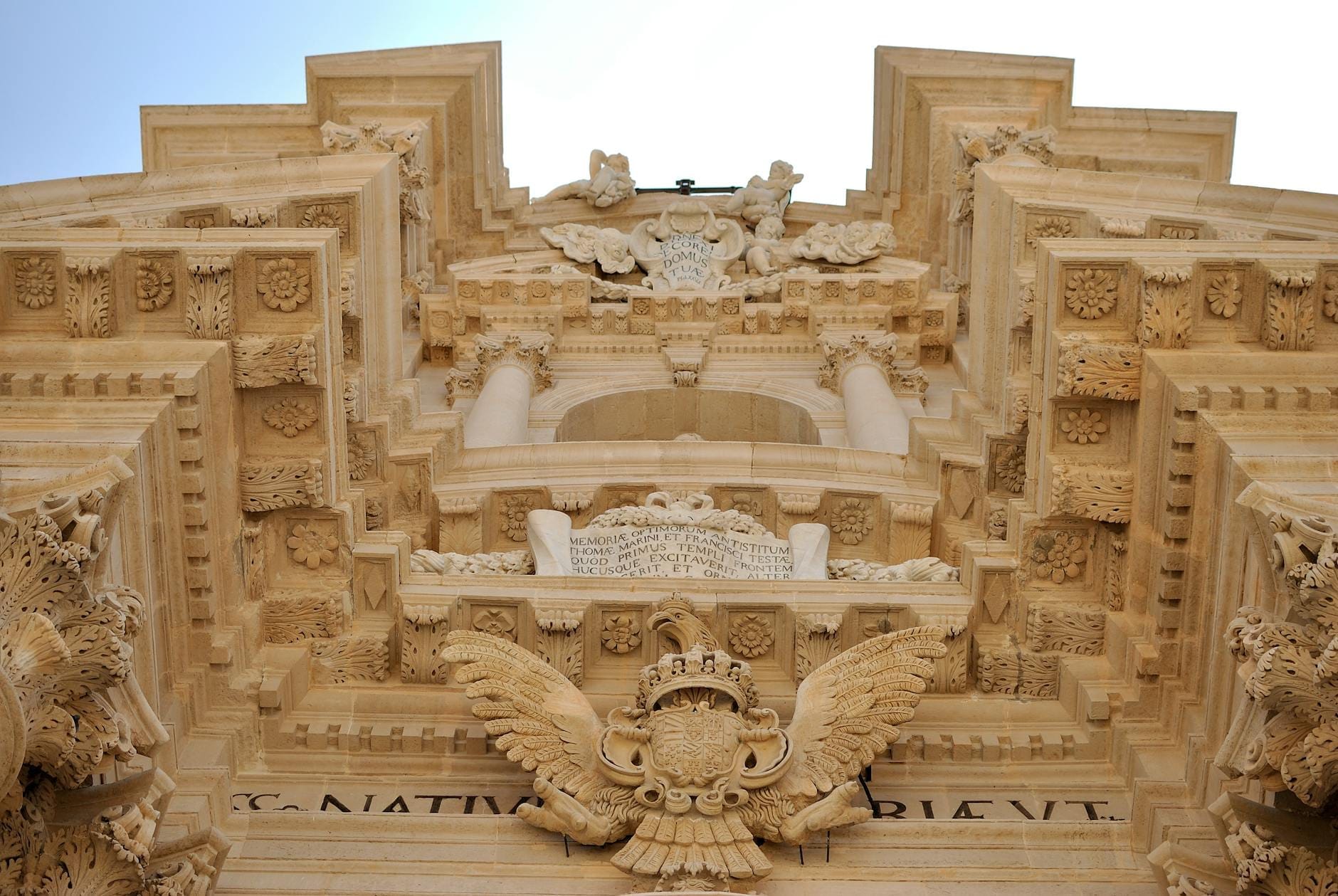
The concentration of significant monuments in such a small area is genuinely unusual. On Ortigia, the Cathedral of Syracuse is the single most important building: a 5th-century BC Greek temple to Athena, traditionally dated to around 480–470 BC, absorbed into a Norman church, later given a Baroque facade, with the original Doric columns still visible inside the nave walls. The Piazza Duomo that surrounds it is among the finest Baroque squares in Italy, with a coherence of scale and material that Palermo's grander squares lack.
At the northern entry to Ortigia, the ruins of the Temple of Apollo stand in their own small square, one of the earliest Doric stone temples in Sicily, generally dated to the early 6th century BC. The Fountain of Arethusa on the southwestern seafront is a genuine freshwater spring emerging at sea level, now home to papyrus plants, ducks, and a persistent myth about the nymph Arethusa: worth seeing once, though the area immediately around it can feel crowded. From the adjacent Foro Italico waterfront promenade, the views south along the coastline and across the Porto Grande harbor are some of the best in the city.
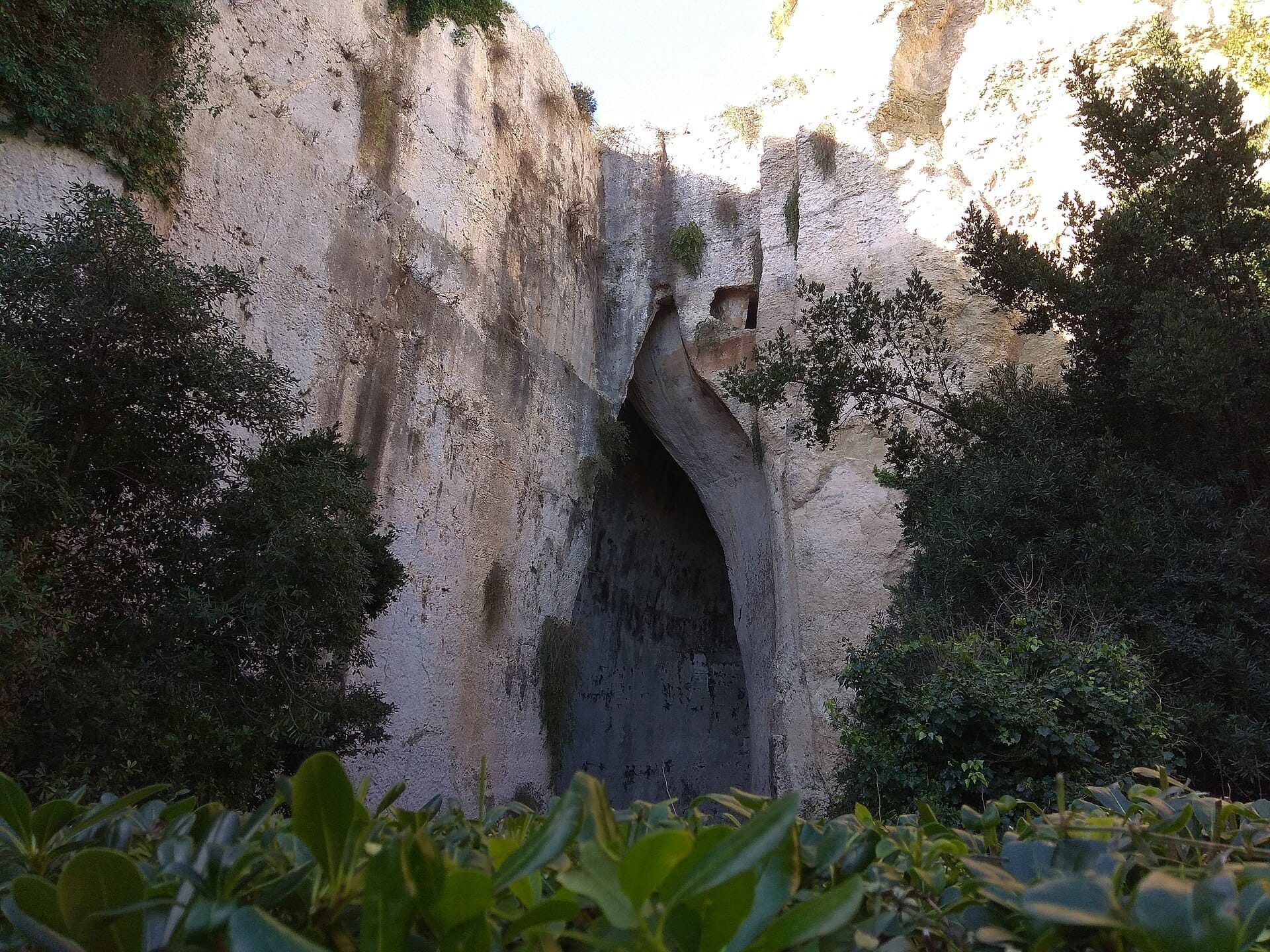
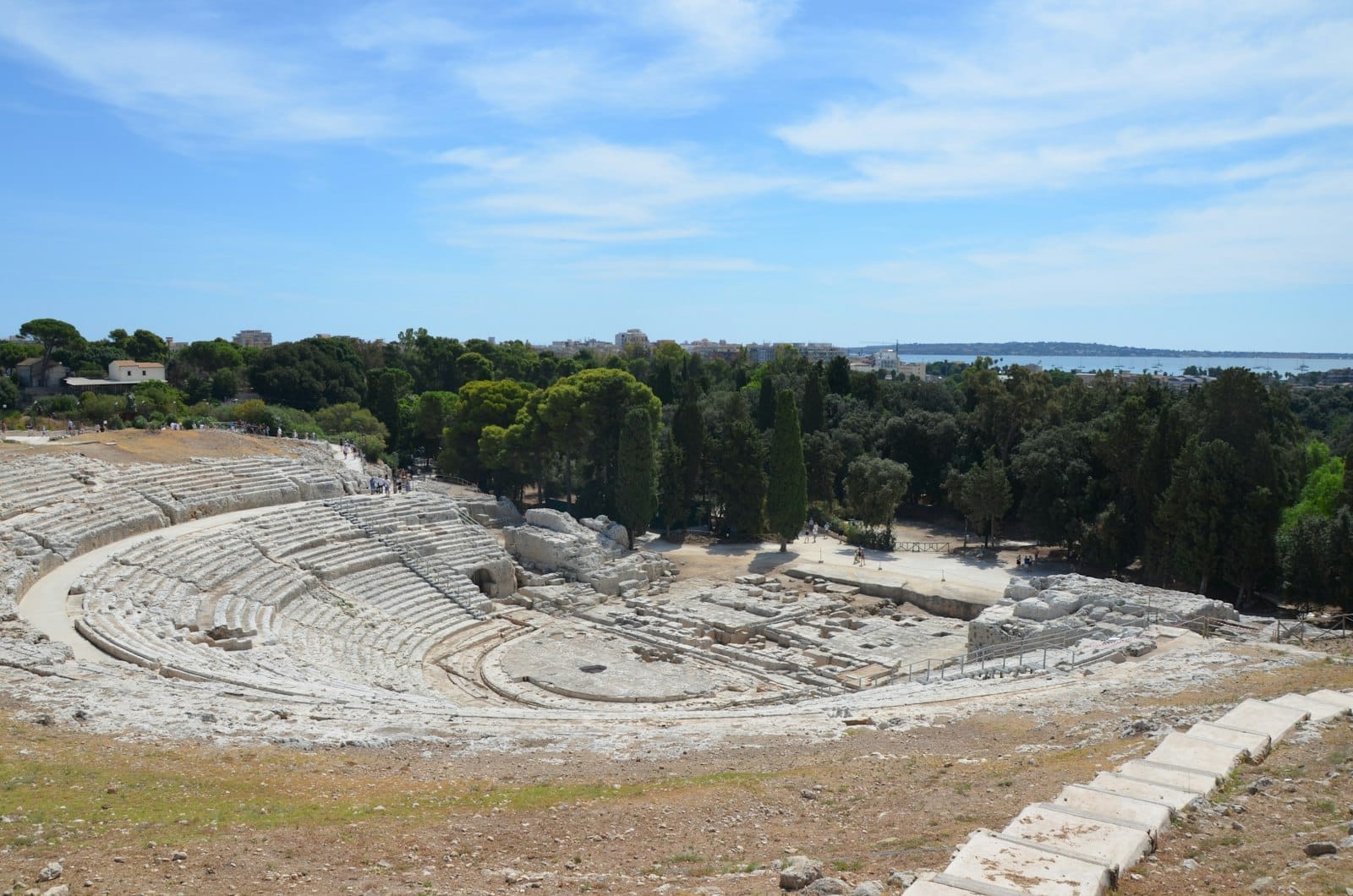
On the mainland, the Neapolis Archaeological Park holds two of Siracusa's most impressive ancient sites in close proximity. The Greek Theatre of Syracuse, carved directly into the hillside, is one of the largest surviving ancient theaters in the world, still used for dramatic performances in summer. Below it, the Latomie, vast ancient quarries used as prisons after the failed Athenian expedition against Syracuse in 413 BC, include the Ear of Dionysius: a cave with extraordinary acoustic properties and a name traditionally attributed to the painter Caravaggio, who visited in the early 17th century.
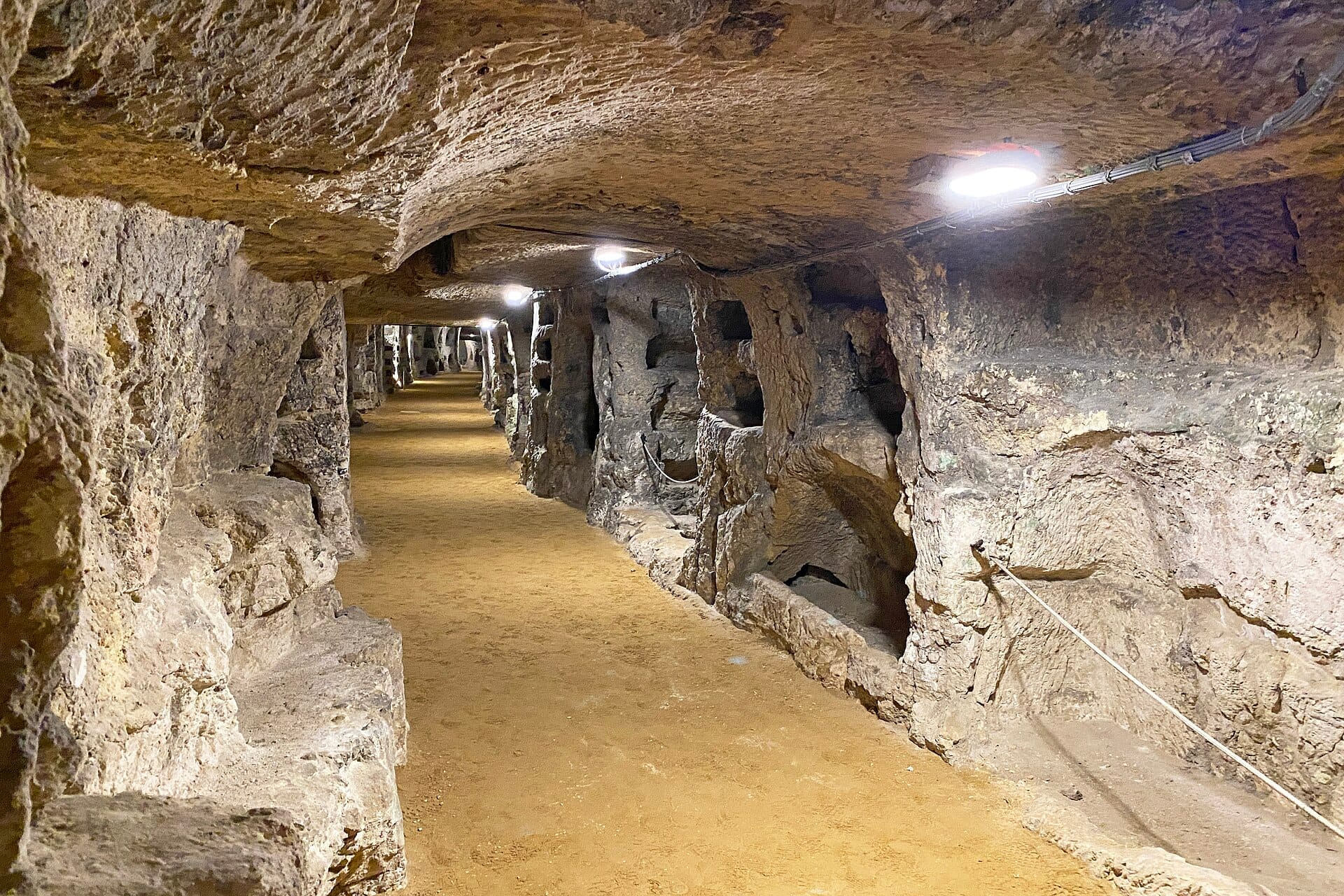
Also within the archaeological park is the Roman Amphitheatre of Syracuse, smaller than the Greek theatre but well preserved, with the stone channels that once supplied water for naval spectacles (naumachia) still visible. A short walk from the main park entrance brings you to the Catacombs of San Giovanni, one of the largest early Christian catacomb complexes in Sicily, less visited than Palermo's Capuchin catacombs but more atmospherically overwhelming.
Syracuse Cathedral and Piazza Duomo: allow at least an hour including the square
Neapolis Archaeological Park: plan a minimum of 2-3 hours; morning visits avoid peak heat in summer
Temple of Apollo ruins: 15-20 minutes
Catacombs of San Giovanni: guided tours only, approximately 45 minutes
Castello Eurialo (Euryalus Castle): Greek fortification on the western plateau, requires a car or taxi, around 8–9 km from Ortigia
Museo Regionale di Palazzo Bellomo: Sicilian art collection in a medieval palazzo on Ortigia
Ortigia fish market (Via della Pescheria): purely for the atmosphere, weekday mornings
ℹ️ Good to know
The Neapolis Archaeological Park typically operates morning to late afternoon, with last entry around 90 minutes before closing. Hours vary by season and are updated annually on the regional heritage authority site. Verify before visiting, especially in winter.
Eating & Drinking
Siracusa's food scene is rooted in ingredients from the surrounding coastline and agricultural hinterland. Swordfish, sea urchin (ricci di mare), red prawns from nearby waters, and the local Pachino cherry tomatoes all feature prominently. The Sicilian food tradition here skews toward simpler seafood preparations rather than the elaborate sweet-sour agrodolce combinations more common in Palermo: pasta con le sarde (sardines, wild fennel, pine nuts) and pasta alla Norma both appear on menus, but grilled fish with good olive oil is the default approach in most of the better kitchens.
The area immediately around Piazza Duomo skews toward tourist pricing. Walking two or three streets north or west on Ortigia puts you among the places where local families actually eat, with lunch menus (menù del giorno) that represent considerably better value. Via della Maestranza and the streets around the Ortigia market have the highest concentration of restaurants in a range of price brackets.
Street food on Ortigia leans toward arancini (rice balls, usually filled with ragù or cheese), panino con la milza (spleen sandwich) less common here than in Palermo, and the sweet granita served with a soft brioche roll, which passes for breakfast in the warmer months. Almond granita and mulberry granita are local favorites. The aperitivo hour is observed seriously, with Campari or local wines accompanied by small snacks: look for bars around the Piazza Archimede in the center of Ortigia.
The surrounding southeastern Sicily region produces good wine, and local restaurants carry bottles from Noto and the Eloro DOC zone, including some of Sicily's best Nero d'Avola. For a broader picture of what to drink alongside what to eat in this part of the island, the Sicily wine guide covers the regional appellations in detail.
⚠️ What to skip
Be alert to restaurants near the Piazza Duomo with staff who aggressively invite you inside or present menus without prices. These are typically tourist traps. A five-minute walk in almost any direction from the main square immediately improves the quality-to-price ratio.
Getting There & Around
Siracusa is served by its own railway station (Stazione di Siracusa) on the eastern edge of the mainland city, connected by the Catania-Syracuse rail line operated by Trenitalia. The journey from Catania Centrale takes roughly 1 hour to 1 hour 20 minutes on regional services; trains run multiple times daily, though the line is single-track and delays are not unusual. From the station, Ortigia is about 1.5 km southeast, walkable in about 20 minutes with luggage or reachable by local bus or taxi.
The nearest major airport is Catania-Fontanarossa (IATA: CTA), approximately 65 km north of Siracusa along the coast. From the airport, the most practical connection is by bus (operators including Interbus run a direct Catania airport to Siracusa service) or by reaching Catania station first and taking the train south. Driving is also straightforward: the A18 motorway runs along the eastern coast, and the E45 route connects to Siracusa. For travelers planning to explore the surrounding region, having a car makes a significant difference: getting around Sicily by car unlocks the Pantalica gorge, the Vendicari nature reserve, and the towns of Noto and Avola, all within 50 km.
Within Siracusa, urban buses connect the station and the mainland city to the bridge entrance of Ortigia. Taxis are available at the station and on the island. Ortigia itself is almost entirely pedestrian once you are on the island: cars are restricted across most of the historic center, which makes it genuinely pleasant to navigate on foot. The distances are small enough that you rarely need anything beyond your own legs once you have crossed the bridge.
For day trips from the city, southeastern Sicily itineraries commonly combine Siracusa with Noto (32 km southwest), Ragusa Ibla (about 75 km west), and the Vendicari Nature Reserve on the coast between the two cities. Without a car, buses connect Siracusa to Noto and Ragusa, though scheduling requires planning.
Where to Stay
For the vast majority of visitors, staying on Ortigia is the correct choice. The island's walkability, atmosphere after dark, and proximity to the main sights all justify the slight premium over mainland options. The densest concentration of hotels, B&Bs, and vacation apartments sits in the center and south of Ortigia, within easy reach of Piazza Duomo and the seafront. Boutique hotels in restored palazzo buildings are the characteristic accommodation type here, typically offering 8-20 rooms with rooftop terraces and courtyard breakfasts.
Budget travelers will find better pricing on the mainland side, where small hotels near the railway station serve the practical end of the market. These work fine if you are using Siracusa as a base for day trips rather than lingering on the island, but they miss the point of what makes the city distinctive. Self-catering apartments on Ortigia have proliferated in recent years and can offer good value for stays of three or more nights, particularly for travelers who want to shop at the daily market and cook.
High season runs from late June through August, when Ortigia fills considerably and prices for accommodation peak. The best time to visit Sicily for Siracusa specifically is May or September: the sea is warm, the archaeological sites are not at maximum crowd, and the evening light on the Baroque facades is as good as it gets. October remains pleasant and is increasingly popular with European visitors seeking warmth without summer prices.
💡 Local tip
Rooms on the seafront perimeter of Ortigia, particularly those facing east or south, can be noisy until late at night during summer due to the waterfront promenade activity. If you are a light sleeper, choose a room on an interior courtyard rather than a sea-facing balcony in July or August.
Is Siracusa Worth Your Time?
Siracusa demands at minimum two full days to do it justice, and three is better. One day for Ortigia (morning market, cathedral, afternoon wandering the lanes, evening at the seafront) and one day for the Neapolis Archaeological Park plus the Catacombs of San Giovanni represents a sensible minimum. A third day works well as a base for reaching Noto or Vendicari. Travelers who give the city only a few hours on a day trip from Catania will see the headline sites but miss what actually makes Siracusa compelling: the layered quality of ordinary streets where Greek foundations, Arab-Norman elements, and Baroque facades exist not as museum pieces but as lived architecture.
The city is not for travelers who need constant stimulation or who find historical context dull. It rewards slow movement and genuine curiosity about why a particular column is older than Rome itself, or how a spring at sea level became the center of one of antiquity's great myths. If that sounds like your style of travel, Siracusa will likely rank among the most affecting stops in any Sicily itinerary.
TL;DR
Siracusa splits into two zones: Ortigia island (historic, walkable, best for staying) and the mainland Neapolis Archaeological Park (Greek theatre, quarries, catacombs). Both are essential.
Minimum two days recommended; three days allows a day trip to Noto or Vendicari without feeling rushed.
Best visited in May, September, or October: warm enough for the seafront, cooler than summer peak, significantly fewer crowds than July and August.
Ortigia is the right base for most visitors: boutique hotels in restored palazzi, an excellent fish market, and an evening atmosphere that the mainland neighborhoods cannot match.
Not ideal for travelers who want beaches and nightlife as the primary draw: Siracusa is fundamentally a city of archaeology, architecture, and slow meals. The nearest good beaches require a car or bus.
The UNESCO status is fully earned: the depth of history here, from Greek to Roman to Arab-Norman to Baroque, is exceptional even by Sicilian standards.
Seven volcanic islands, one UNESCO designation, and more logistical decisions than most travelers expect. This guide covers every practical detail you need to plan a trip to the Aeolian Islands, from choosing which islands to visit to navigating seasonal ferry schedules.
The Arab-Norman UNESCO trail covers nine extraordinary monuments across Palermo, Monreale, and Cefalù, inscribed in 2015 for their remarkable fusion of Western, Arab, and Byzantine architecture. This guide covers every site, practical logistics, and the historical context that makes this one of the most intellectually rewarding itineraries in the Mediterranean.
Sicily's Val di Noto is one of Europe's most remarkable architectural achievements: eight towns rebuilt in coordinated Late Baroque style after a catastrophic 1693 earthquake, now a single UNESCO World Heritage Site. This guide covers all eight towns, how to get between them, what to prioritise, and when to go.
Sicily's coastline stretches over 1,000 km across the Tyrrhenian, Ionian, and Mediterranean seas, producing an extraordinary range of beaches. This guide covers the finest sandy bays, volcanic coves, nature reserves, and island escapes the island has to offer.
Sicily was once the heart of Magna Graecia, and the ruins left behind are among the finest ancient Greek monuments anywhere in the world. This guide covers the essential sites, from vast temple complexes to forgotten quarries, with practical advice on what to see and when to go.
Sicily rewards visitors year-round, but timing your trip correctly makes a significant difference. This guide breaks down every season by temperature, crowds, prices, and what's actually worth doing, so you can plan with confidence.
Catania sits at the centre of eastern Sicily, putting some of the island's greatest attractions within easy reach. This guide covers the best day trips from Catania, from the volcanic trails of Etna to the Baroque jewels of the southeast and the ancient ruins of Siracusa.
Palermo sits at the centre of western Sicily, putting an extraordinary range of landscapes, ancient sites, and coastal escapes within a few hours. This guide covers the best day trips from Palermo, from the world's greatest medieval mosaics at Monreale to the Greek temples of Agrigento and the untouched coves of the Zingaro Nature Reserve.
Sicily is large, geographically varied, and not always easy to navigate without the right plan. This guide covers every transport option available, from renting a car to catching intercity buses, so you can move around the island confidently and without wasted time.
Sicily rewards those who look beyond Taormina and Palermo's grand monuments. This guide covers 20 lesser-known attractions across the island, from prehistoric cliff tombs and abandoned earthquake towns to wild coastal reserves and ancient quarries frozen in time.
Sicily is Italy's largest island and the Mediterranean's most historically layered destination. This guide cuts through the hype to give you a clear-eyed look at what the island genuinely offers, what it costs, when to go, and what tends to disappoint — so you can make an informed decision.
Sicily rewards the discerning traveler with a depth that few Mediterranean islands can match. This guide covers the finest luxury hotels, bespoke experiences, and practical logistics for planning a high-end trip to the largest island in the Mediterranean.
Seven days in Sicily is enough to cover the island's greatest hits — Greek temples, baroque city centres, volcanic landscapes, and some of the best street food in Italy. This guide maps out a logical east-to-west route with realistic transport times, seasonal advice, and honest notes on what to skip.
Sicily has four main airports, and choosing the right one can save hours of overland travel. This guide covers Palermo (PMO), Catania (CTA), Trapani (TPS), and Comiso (CIY) in detail, including airport-to-city transfers, route availability, and which gateway suits each part of the island.
Sicily rewards self-drive travel more than almost any other Mediterranean destination. This guide covers everything you need to plan a confident road trip: the best routes, realistic driving times, car rental tips, ZTL zone warnings, seasonal advice, and the stops that genuinely justify the detour.
Sicilian food is not Italian food with a suntan. It is a centuries-old fusion of Greek, Arab, Spanish, and Norman influences, built around seafood, citrus, almonds, ricotta, and durum wheat. This guide covers every dish worth eating, where to find the best versions, and the food customs that will shape every meal you have on the island.
Francis Ford Coppola brought the Corleone saga to life across the hillside villages and historic streets of Sicily. This guide covers every key filming location from all three films, how to reach them, what to expect on the ground, and how to avoid the most common tourist mistakes.
Sicily rewards couples with baroque towns, volcanic landscapes, secluded beaches, and some of the most atmospheric historic centers in the Mediterranean. This guide cuts through the generic advice to tell you exactly where to go, when to go, and what actually makes Sicily special for two.
October is one of the smartest months to visit Sicily. Temperatures ease off from the summer heat, the tourist crush fades, and the island's food and festival calendar comes alive. Here's everything you need to plan your trip well.
Summer in Sicily runs from June through September and brings hot weather, packed beaches, vibrant festivals, and peak travel prices. This guide covers everything you need to know: when to go, what to expect from the heat and crowds, which beaches and islands are worth it, and how to plan smarter than most visitors do.
Sicily is far more than a single island. From the volcanic Aeolian archipelago in the Tyrrhenian Sea to the crystal-clear waters of the Egadi Islands off Trapani, this guide covers every ferry route, island, cost, and logistical detail you need to plan a serious island-hopping trip from Sicily.
Sicily is one of the most rewarding destinations in the Mediterranean, and it doesn't have to cost a fortune. This guide breaks down real daily costs, the cheapest times to visit, where to eat well for under €10, and how to see the island's best sights without draining your account.
The Opera dei Pupi is one of Sicily's most distinctive cultural exports — a UNESCO-recognised marionette tradition rooted in medieval chivalric epics, performed by family troupes across the island. This guide covers the history, the two rival schools, where to see performances in Palermo, Catania, and Siracusa, and how to get the most out of attending a show.
Sicily is one of southern Europe's most rewarding destinations, and it is genuinely safe for tourists. This guide cuts through the stereotypes, explains what the real risks are, identifies the scams that do happen, and gives you practical tools to visit with confidence.
Sicily produces some of Italy's most distinctive street food, rooted in centuries of Arab, Norman, and Spanish influence. This guide breaks down the essential dishes by city, the markets where locals actually eat them, what to pay, and what to skip.
Sicily sits on one of the most volcanically active zones in Europe. This guide breaks down what to expect from Etna, Stromboli, and Vulcano — three very different volcanic experiences — covering access, trails, safety, and the best time to visit each one.
Both Sicily and Sardinia are autonomous regions of Italy with distinct identities, landscapes, and travel experiences. This guide breaks down the real differences in culture, beaches, food, costs, and logistics so you can choose the right island for your trip.
Sicily is Italy's largest wine region by vineyard area, with 23 DOCs, one DOCG, and a lineup of native grapes that rival anywhere in Europe. This guide breaks down the key appellations, the grapes behind them, and exactly how to plan a tasting trip across the island.
Sicily delivers an extraordinary range of family experiences, from volcanic landscapes and ancient Greek ruins to puppet theatre and sweeping beaches. This guide breaks down the best kid-friendly activities, practical logistics, seasonal timing, and practical advice to help families plan a smooth, memorable trip.
Sicily rewards travelers with an extraordinary range of experiences: ancient Greek ruins, active volcanoes, UNESCO Baroque towns, Norman cathedrals, and coastline that stretches nearly 1,000 km. This guide covers the best things to do in Sicily across every corner of the island, with practical advice on timing, costs, and how to avoid the common pitfalls.
Sicily rewards travelers who give it time. This complete 14-day itinerary covers the island's east coast highlights, Baroque south, ancient Greek south, and the layered history of the west, with practical routing advice, seasonal tips, and practical guidance on trade-offs.
Sicily is the Mediterranean's largest island, and picking the right base makes or breaks your trip. This guide covers the best towns to stay in across every corner of the island, from the baroque southeast to the volcanic northeast, with practical advice on prices, transport, and seasonal trade-offs.