Sicily with Kids: The Complete Family Travel Guide
Sicily delivers an extraordinary range of family experiences, from volcanic landscapes and ancient Greek ruins to puppet theatre and sweeping beaches. This guide breaks down the best kid-friendly activities, practical logistics, seasonal timing, and practical advice to help families plan a smooth, memorable trip.
Plan and book this trip
Tools from our partner Travelpayouts help you compare flights and hotels. If you book through them, we may earn a commission at no extra cost to you.
Flights
Hotels map
TL;DR
- Sicily is one of the most rewarding family destinations in the Mediterranean, with activities that genuinely engage children of all ages, not just adults.
- Shoulder seasons (April-May and September-October) offer the best conditions for families: warm enough to swim, cool enough to walk ruins without wilting. See our guide on the best time to visit Sicily for a full seasonal breakdown.
- Most major archaeological sites offer free or heavily discounted entry for children under 18 and EU youth up to 25, which makes a big difference to the family budget.
- A rental car is almost essential for families wanting to cover multiple areas efficiently. Public transport works for point-to-point city visits but struggles with the kind of flexible, luggage-heavy travel families need.
- The island's variety is its greatest asset: you can pair a morning at the Valley of the Temples with an afternoon at a beach, or follow a volcano hike with a gelato stop in Taormina.
Why Sicily Works So Well for Families
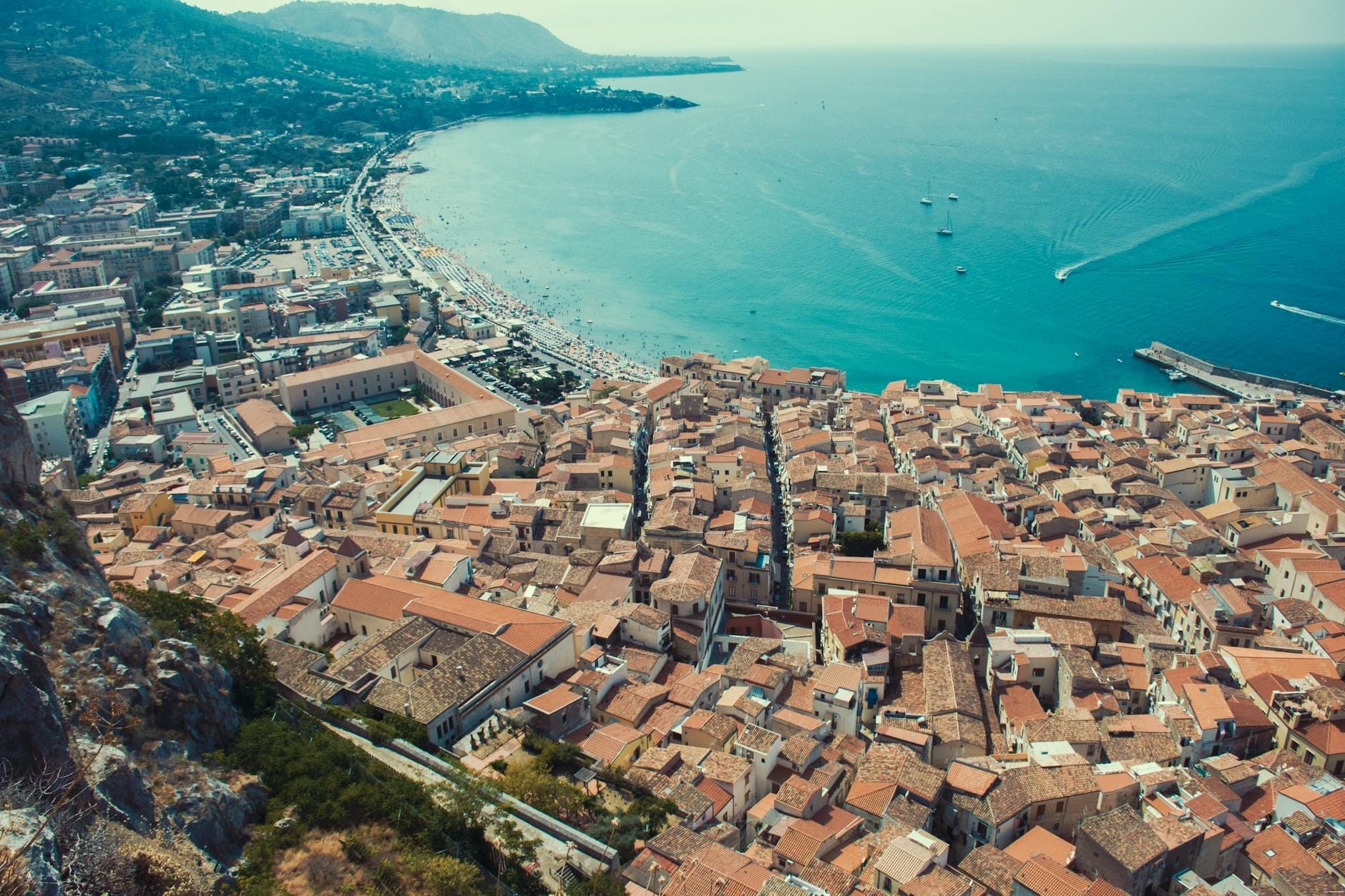
Sicily is an autonomous region of Italy and the largest island in the Mediterranean, covering around 25,711 km² with nearly 1,484 km of coastline. That scale means genuine variety: volcanic mountains, ancient ruins, saltpans, cave systems, sandy beaches, and small fishing villages all within a few hours of each other. For families, this translates into a trip where no two days look the same, which matters enormously when you are traveling with children who have short attention spans and strong opinions.
Unlike many European destinations that skew heavily toward adult interests, Sicily has a solid infrastructure of child-oriented experiences: interactive science parks, a zoo, puppet theatres designed specifically for younger audiences, adventure excursions on Mount Etna, and beaches with calm, shallow water. The island also benefits from a deeply family-oriented local culture. Sicilians are welcoming to children in restaurants and public spaces in a way that feels natural rather than performative.
ℹ️ Good to know
Sicily follows Italian and Schengen Area immigration rules. EU/EEA nationals need only a valid ID. Visitors from the US, Canada, UK, and Australia can enter visa-free for stays up to 90 days in any 180-day period. Check current requirements with an official Italian consulate before booking.
Best Family-Friendly Experiences by Area
The most practical approach to Sicily with kids is to anchor your trip around two or three base areas rather than trying to cover the whole island. The following experiences are organized by region and ranked for family appeal.
- Mount Etna (East Sicily) Europe's largest active volcano is genuinely thrilling for children. The standard family excursion from Rifugio Sapienza combines a cable car ride to around 2,500 m with a 4x4 transfer and guided walk. Operators typically charge around €65-€80 per adult and €50-€60 per child, though prices vary by season and operator. Book in advance in summer. Minimum age and fitness requirements apply for higher-altitude sections; check with your operator. Even the lower slopes accessible by cable car alone are impressive.
- Valley of the Temples, Agrigento (South Sicily) An open-air archaeological park stretching along a ridge above the sea. The Temple of Concordia is one of the best-preserved Greek temples in the world and genuinely awe-inspiring in scale. Standard adult entry is around €14, with EU youth aged 18-25 paying around €7 and under-18s entering free. The park is large and mostly flat, making it manageable with younger children, though summer heat makes an early start (before 9:30 am) essential.
- Neapolis Archaeological Park, Syracuse (Southeast) This park combines the Greek Theatre, the Roman Amphitheatre, and the Ear of Dionysius cave in a compact area. It is more manageable than Agrigento for shorter attention spans. Combined tickets run around €13-€16 for adults, with reductions for EU youth and free entry for EU residents under 18. The cave acoustics fascinate children of all ages.
- Sicilian Puppet Theatre (Palermo, Catania, Syracuse) Opera dei Pupi is a UNESCO-recognized tradition involving elaborate marionettes re-enacting tales of knights and battles. Several theatres offer short, child-oriented performances specifically designed for younger audiences. It is one of the most culturally specific experiences Sicily offers and tends to genuinely captivate children aged 5 and up.
- Bioparco di Sicilia (Near Palermo) A zoo and botanical park with a dedicated dinosaur-themed area, listed by the official regional tourism board as a family highlight. Ideal as a half-day activity when the historical sites have tired out younger children. Check the official website for current opening hours and admission prices before visiting.
- Tecnoparco Archimede, Syracuse An interactive science park built around Archimedes' inventions. School-age children (roughly 7-14) respond particularly well to the hands-on machines. It is a good wet-weather option and pairs well with the nearby Neapolis park on a full day in Syracuse.
💡 Local tip
At most major Sicilian archaeological sites, EU residents under 18 enter free and EU residents aged 18-25 receive a 50% discount. Non-EU families still benefit from reduced child rates. Always bring ID for children and check the official site ticketing page before you go, as pricing is updated seasonally.
Beaches and Outdoor Activities for Kids
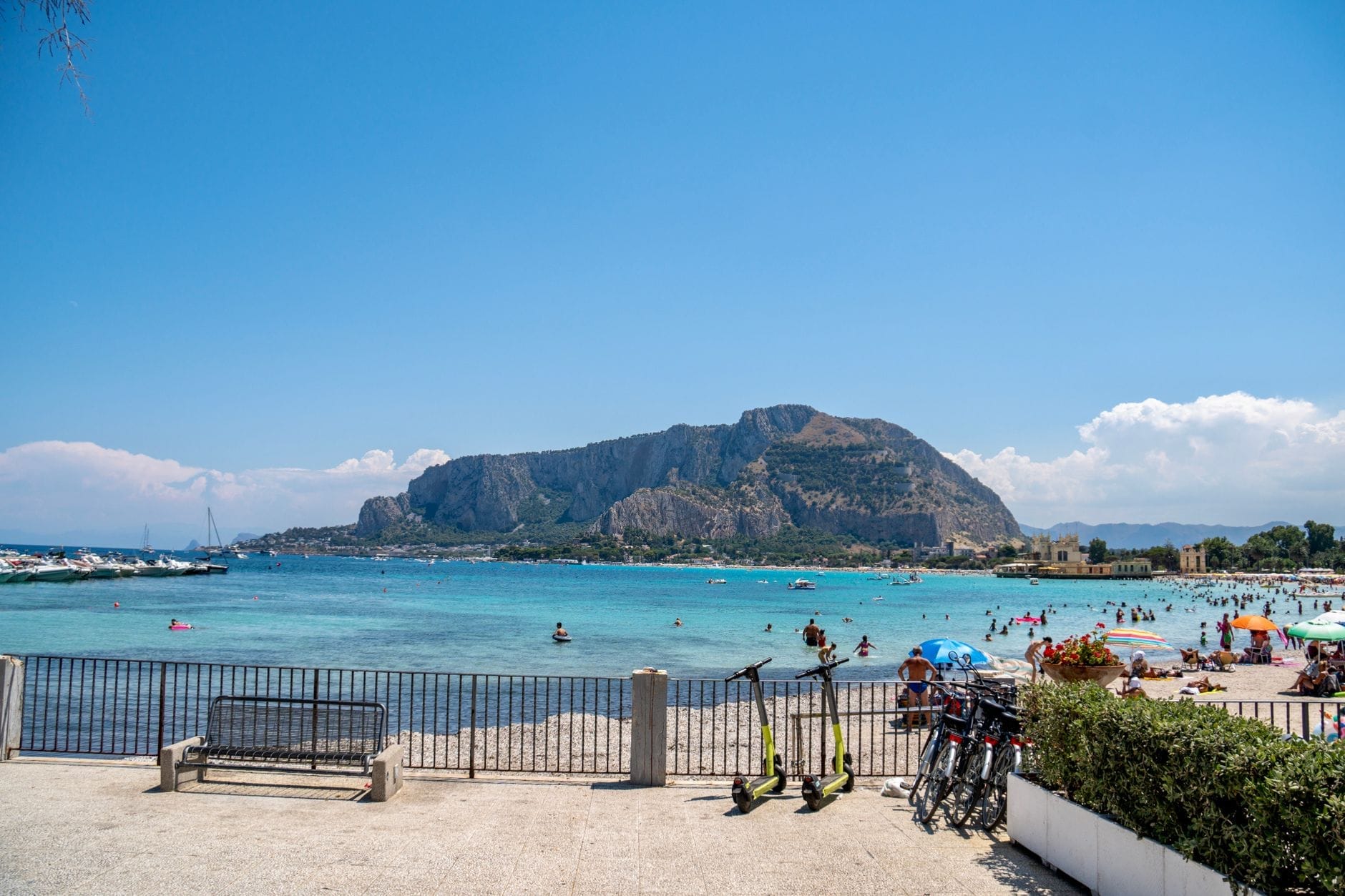
Sicily's coastline is long enough to accommodate every preference. For families with young children, calm and shallow water matters more than dramatic scenery. Cefalù on the north coast has one of the most family-friendly beaches on the island: a wide arc of sand with shallow entry, a pedestrianized old town directly behind it, and good accommodation within walking distance. It is reliably busy in July and August but manageable in June and September.
On the east coast, Isola Bella near Taormina is visually spectacular but reached by a steep path and gets extremely crowded in peak summer. It is better suited to families with older children who can handle the terrain and the heat. The Alcantara Gorge, roughly 20 km inland from Taormina, offers something genuinely different: a narrow basalt canyon with cold river water that children find exciting to wade through. Note that the gorge is accessed via a lift (fee applies) and the riverbed is slippery, so water shoes are essential.
San Vito Lo Capo in the northwest is worth the detour for families. The beach is flat, the water is exceptionally clear and shallow for a long way out, and the village behind it is small enough to feel manageable with children in tow. It hosts a couscous festival in late September that adds a cultural dimension if your timing aligns.
When to Go: Seasonal Advice for Family Trips
The honest answer is that August is the hardest month to travel Sicily with kids. Coastal daytime temperatures regularly hit 32-35°C, the main beaches and sites are packed with Italian holidaymakers, and accommodation prices peak. If August is your only option, build your days around a beach-or-pool-focused midday block (roughly 11 am to 4 pm) and front-load any ruin visits before 9:30 am.
April, May, and early June are the sweet spot. Temperatures range from around 18-26°C on the coast, the sea is warming up but not yet crowded, archaeological sites are far more enjoyable, and the island is genuinely green rather than the parched brown of late summer. September and October are nearly as good: sea temperatures remain swimmable through October, crowds thin noticeably after the first week of September, and the light is exceptional for photography.
Winter travel is underrated if your children are older and the focus is culture rather than beach. Coastal towns like Cefalù and Taormina remain pleasant for walking and sightseeing even when the water is too cold for swimming. The Valley of the Temples and Syracuse's Neapolis park are far more comfortable to visit in mild winter temperatures than in peak summer heat.
Getting Around Sicily with Children
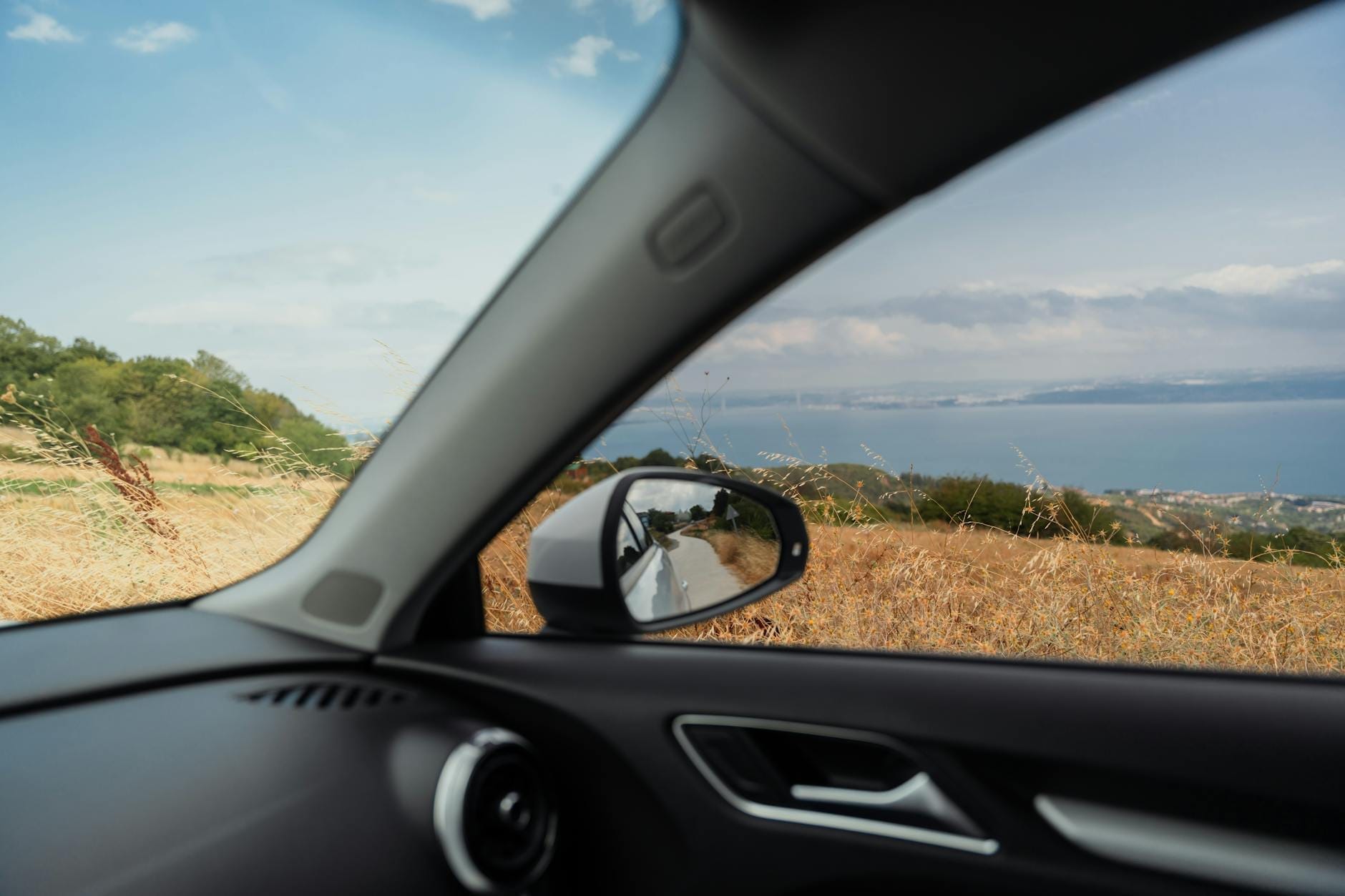
A rental car is the most practical choice for families wanting to move between areas with luggage, car seats, and unpredictable schedules. Sicily's main motorway network connects Palermo, Catania, Messina, and Syracuse reasonably well, though some routes through the interior involve slower, narrower roads. Fuel up whenever you see a station in rural areas. Car hire is available at both main airports: Catania-Fontanarossa (CTA, around 4–5 km from the city centre) and Palermo Falcone-Borsellino (PMO, around 32 km from Palermo). Book car seats in advance and confirm they are provided.
The Trenitalia regional rail network covers the main coastal routes and connects Palermo, Catania, Messina, and Syracuse, but is slower and less frequent than equivalent Italian mainland services. For point-to-point trips between major cities, the train works fine; for flexible family travel across multiple areas, it is more limiting. See our guide to getting around Sicily for a full breakdown of train, bus, and car options with timings.
⚠️ What to skip
Car seat regulations in Italy are the same as elsewhere in the EU: children under 150 cm in height must use an appropriate child restraint. Rental companies are required to provide them but supply is not always guaranteed without advance booking. Request your car seat type (infant, toddler, or booster) at reservation, not at the counter.
Practical Tips: Food, Budget, and Cultural Logistics
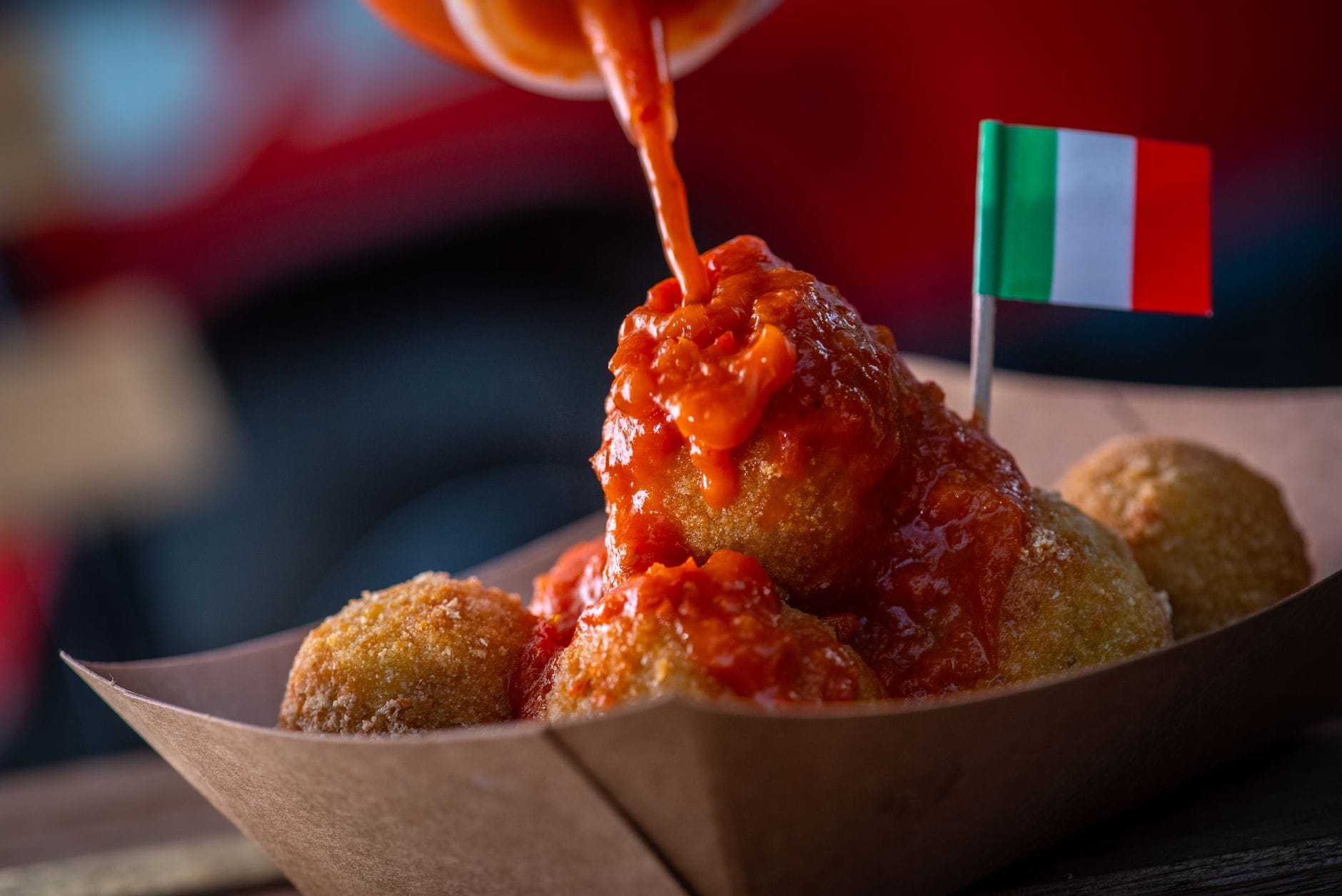
Sicilian food culture is extraordinarily family-friendly. Arancini (fried rice balls), pizza, pasta, fresh fish, and the island's extraordinary range of pastries and gelato make it easy to feed children well without hunting for a 'kids' menu'. Street food is both cheap and quality: a single arancina typically costs about €2-€3.50 depending on size and location. For a deeper dive into what and where to eat, see the Sicily street food guide.
Budget management is more straightforward than many families expect. The free or reduced entry at archaeological sites is a genuine saving: a family of two adults and two EU children under 18 pays essentially adult-only pricing at the Valley of the Temples, Neapolis, and most state-run museums. Accommodation costs are the biggest variable: Taormina and Cefalù in peak summer are expensive, while Agrigento, Syracuse, and inland towns offer much better value for the equivalent quality.
- Carry cash for smaller restaurants, street food, and rural sites. Many places are card-friendly but not all.
- Tap water is safe to drink in most of Sicily. Refill bottles at public fountains (look for 'acqua potabile' signs) rather than buying plastic bottles constantly.
- Churches require covered shoulders and knees. Pack a light scarf for each adult and a spare top for children, especially if you plan to visit Monreale Cathedral or the Palatine Chapel in Palermo.
- Pharmacies (farmacia) are well-distributed across Sicily and stock most standard medications. The European emergency number 112 works island-wide.
- Electricity is 230 V with Type C/F/L plugs. UK and US visitors need adapters.
- In summer, apply sunscreen early and reapply often. UV levels in southern Sicily are higher than most northern Europeans expect, and children burn quickly on reflective surfaces like ruins and beaches.
For families interested in exploring beyond the main cities, the one-week Sicily itinerary offers a structured route that balances the major highlights with enough flexibility to accommodate the slower pace that traveling with children requires.
FAQ
Is Sicily a good destination for young children (under 5)?
Yes, with some planning. Beaches with shallow water, gelato stops, puppet shows, and the cable car on Etna all work well for toddlers. The main challenges are heat in summer and the amount of walking involved at archaeological sites. A stroller is manageable in cities but struggles on the cobbled streets of some historic centres. A carrier is often more practical.
How much does a family trip to Sicily cost?
It varies significantly by season and accommodation choices. Budget families can manage comfortably on €100-€150 per day for two adults and two children, covering accommodation, food, transport, and entry fees, especially if they use free child entry at archaeological sites. Taormina and Cefalù in July-August push costs considerably higher. Travelling in May or September reduces accommodation prices by 20-40% compared to peak summer.
Do I need to rent a car, or can we use public transport?
For a family with luggage covering multiple areas, a rental car is strongly recommended. Trenitalia connects the main cities but is slow and infrequent for some routes. Intercity buses (e.g., SAIS Autolinee) fill some gaps but are not practical with young children and large bags. Within cities, local buses and walking work fine.
What is the best base for a family holiday in Sicily?
Cefalù suits families wanting a beach-focused trip with easy day trip access to Palermo. Taormina works for families with older children who want a mix of culture, beach access, and Etna proximity. Agrigento or Syracuse make sense if ancient history is the priority. Many families base themselves in two or three locations across a week or ten days rather than committing to one spot.
Are the archaeological sites in Sicily interesting for children?
More than you might expect, particularly Etna's volcanic landscape, the Ear of Dionysius cave in Syracuse, and the sheer scale of the Valley of the Temples. The Tecnoparco Archimede in Syracuse adds a hands-on science angle. That said, very young children or kids with no interest in history will find long visits draining. Mix ruin visits with beach or outdoor activities the same day, and keep the morning slots for sites before the heat builds.