Best Time to Visit Sicily: A Season-by-Season Guide
Sicily rewards visitors year-round, but timing your trip correctly makes a significant difference. This guide breaks down every season by temperature, crowds, prices, and what's actually worth doing, so you can plan with confidence.
Plan and book this trip
Tools from our partner Travelpayouts help you compare flights and hotels. If you book through them, we may earn a commission at no extra cost to you.
Flights
Hotels map
TL;DR
- April to June and September to October are the most comfortable months overall, with warm temperatures, manageable crowds, and good sea conditions for swimming.
- July and August are the hottest and most expensive months. Beaches are packed, inland towns bake above 35°C, and August is when mainland Italians take their own holidays en masse.
- Winter (November to March) is genuinely underrated for city breaks: low prices, no queues at sites like the Valley of the Temples, and a more authentic slice of Sicilian daily life.
- Easter week is spectacular for culture but notoriously busy. Book accommodation months in advance if you plan to be there.
- For beaches, aim for June or September. For hiking, spring. For food festivals and baroque towns, autumn. Check our complete things to do in Sicily guide to match your interests to the right season.
Sicily's Climate at a Glance
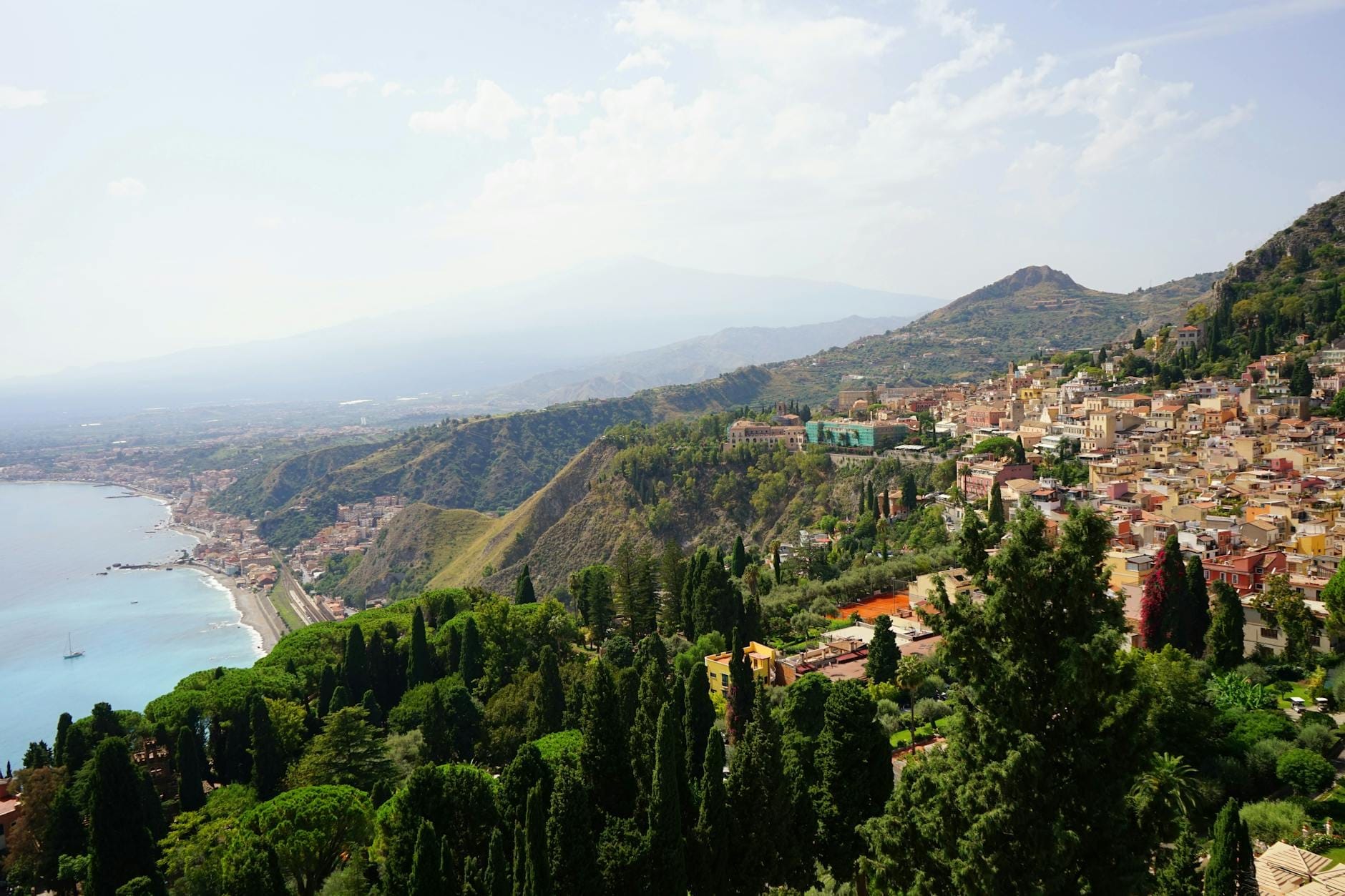
Sicily sits at the center of the Mediterranean, roughly 150 km northeast of Tunisia, and its climate reflects that position. The coast follows a classic Mediterranean pattern: hot, dry summers and mild, wet winters. Inland areas and higher elevations, including the slopes of Mount Etna at 3,357 meters, experience more dramatic temperature swings and occasional winter snow. Coastal cities like Palermo and Catania rarely dip below 8°C in winter and regularly exceed 30°C from July through September.
Average daytime highs by coastal region: winter (December to February) 14 to 16°C, spring (March to May) 17 to 24°C, summer (June to August) 28 to 32°C with heat spikes well above that inland, and autumn (September to November) cooling from around 27°C in September to the high teens by November. Rainfall is concentrated between October and March, while May through September is almost entirely dry on the coasts. This dry summer is an asset for beach trips but can make long hikes or tours of archaeological sites genuinely uncomfortable in peak heat.
ℹ️ Good to know
Sicily is an autonomous region of Italy and follows Italian time zones: Central European Time (CET, UTC+1) in winter and Central European Summer Time (CEST, UTC+2) from late March to late October. Currency is the euro (EUR), and Italian is the official language, though Sicilian dialect is widely spoken informally.
Spring (April to June): The Consensus Favourite
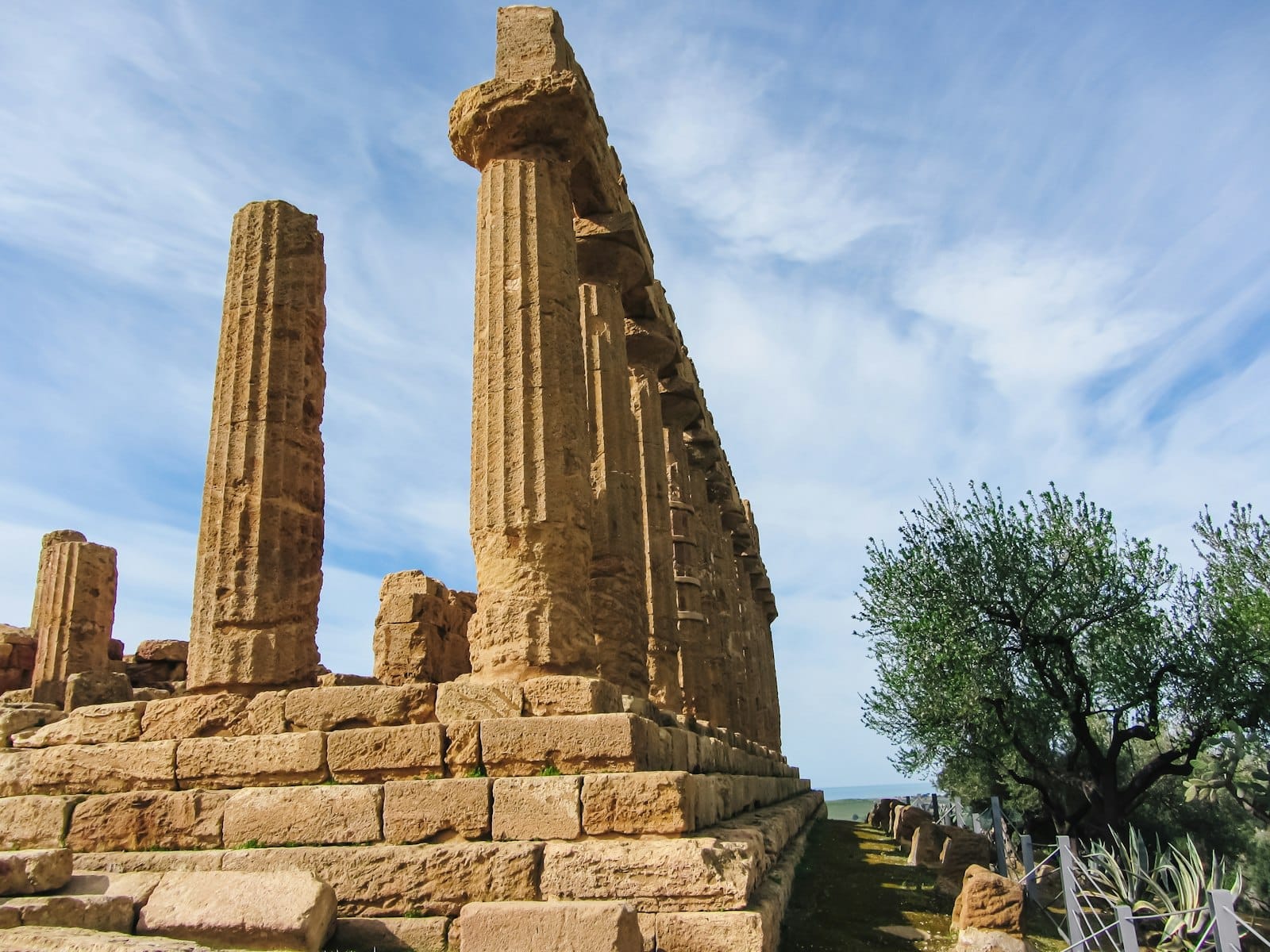
April through June is when Sicily is genuinely at its most enjoyable for the widest range of travelers. Temperatures along the coast sit between about 16°C and 26°C, wildflowers carpet the countryside and the slopes around Agrigento, and the sea is warm enough for swimming by June (around 20 to 22°C). Tourist numbers are well below summer peak, which means you can walk through the Valley of the Temples at Agrigento without fighting crowds, get a table at a good restaurant without a reservation, and book accommodation at around 20 to 40 percent below August prices.
Spring is also the best season for hiking. The trails on Etna's volcano trails are accessible without extreme heat, and the coastal paths at the Zingaro Nature Reserve are at their most scenic with green hillsides and clear water. For cyclists and anyone planning long drives across the interior, spring conditions are close to ideal.
⚠️ What to skip
Easter week (Settimana Santa) transforms towns like Trapani, Enna, and Caltanissetta into major pilgrimage and festival destinations, with historic processions that draw visitors from across Italy and beyond. Accommodation in western Sicily can sell out months ahead. If Easter is your target, book early or consider staying in Palermo and making day trips.
May is arguably the single best month on the island: sea temperatures are cool but swimmable for many, the hills are still green, prices are in shoulder-season territory, and nearly every attraction, ferry route, and restaurant is fully operational. June starts to feel like early summer, particularly in the south and east. By late June, the Aeolian Islands ferry schedules shift to high-season mode and prices follow. If you want the pleasures of early summer without full summer costs, the first two weeks of June hit a sweet spot.
Summer (July to August): Beaches, Heat, and Peak Crowds
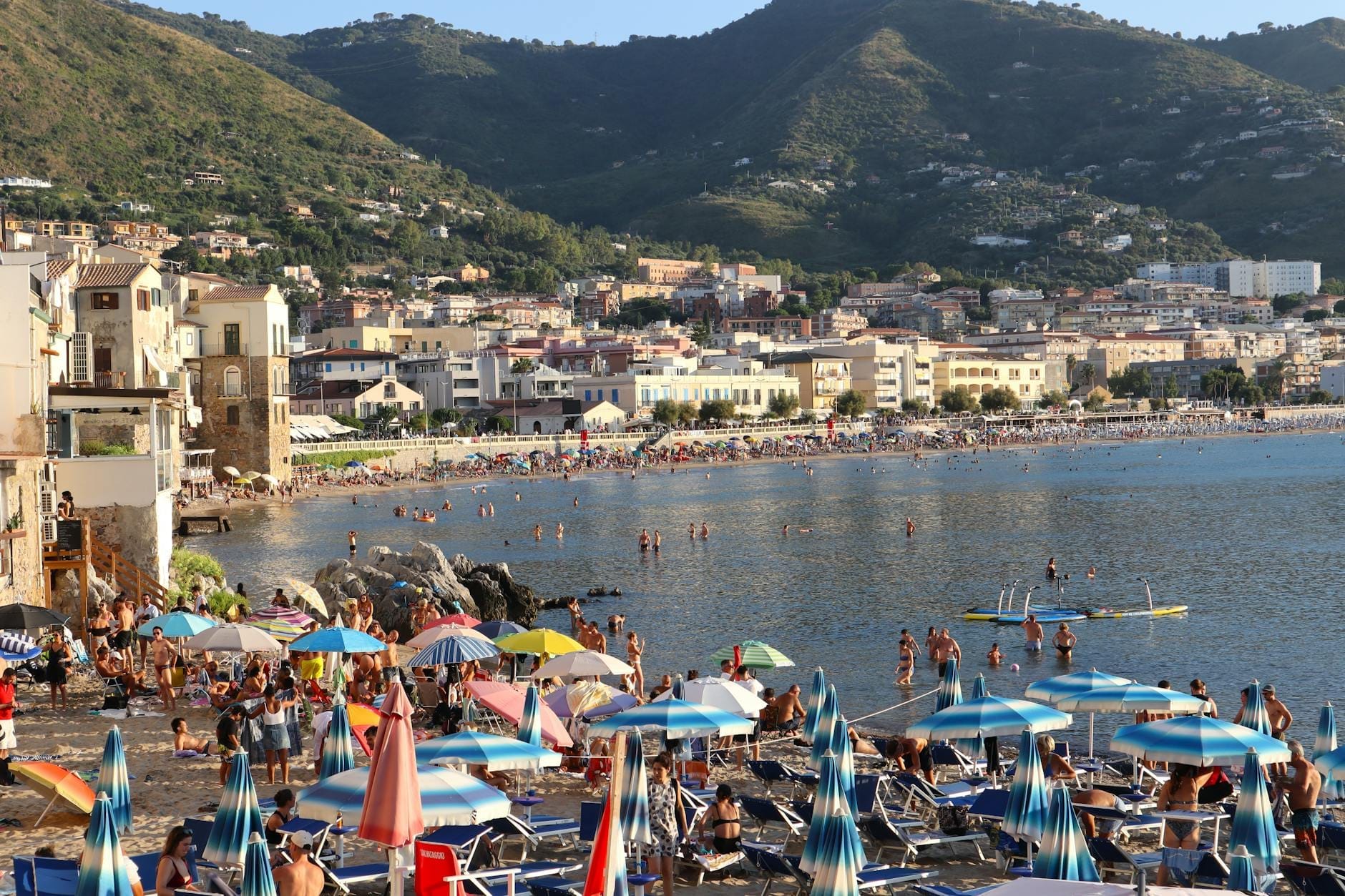
Summer in Sicily is not subtle. Coastal temperatures average 28 to 32°C, but interior towns like Enna and Piazza Armerina regularly see 36 to 38°C in August. The sirocco wind, which blows hot and dry from North Africa, can make afternoons feel significantly hotter. If your priority is beach life, this is the season: the water is around 25 to 27°C, the beaches at Mondello, San Vito lo Capo, and Scala dei Turchi are at their best, and every boat tour, water sport, and island ferry is running at full capacity.
The catch: August is peak domestic holiday season across Italy. Every Italian who can afford it takes two weeks off in August, and a substantial share of them come to Sicily. Taormina becomes genuinely overcrowded, accommodation prices double or triple compared to spring, and popular attractions like the Greek Theatre require advance booking. Traffic on the coastal roads in western Sicily can be particularly slow in August.
- Best for beach lovers July and August offer the warmest water (24 to 26°C) and the full range of beach services. San Vito lo Capo, Mondello near Palermo, and Scala dei Turchi in Agrigento province are all at peak condition.
- Budget travelers should avoid August Hotel rates in popular destinations like Taormina, Cefalu, and the Aeolian Islands can be 2 to 3 times higher than in May or October. Book at least three to four months ahead if you must travel in August.
- July is more manageable than August Prices and crowds in July are noticeably lower than August, though still above spring levels. If summer is unavoidable, July is the smarter choice.
- Sightseeing in summer requires strategy Visit archaeological sites and city monuments early in the morning (before 10:00) or in the early evening. Midday heat at open-air sites like Selinunte or the Valley of the Temples can be exhausting and potentially dangerous for children or older visitors.
Early Autumn (September to October): Often Better Than Spring
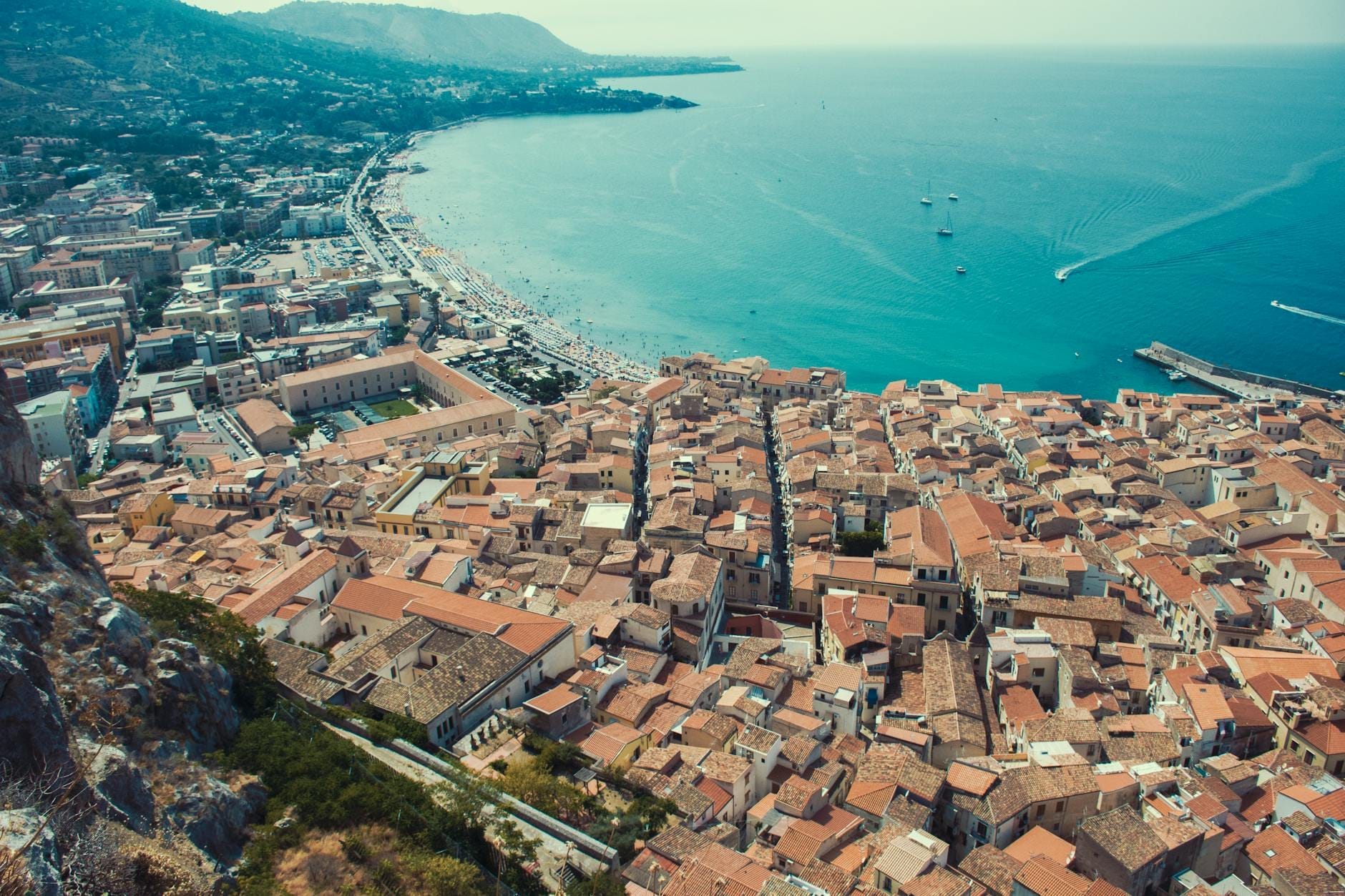
September is the month that serious Sicily travelers often rate above everything else. The sea temperature peaks in late August and remains warm through September (around 24 to 26°C), beaches are far less crowded than in August, and daytime temperatures drop to a more comfortable 25 to 27°C along the coasts. Many resort towns see their best prices of the warm season in September, since the Italian holiday rush is over but summer conditions persist. October cools further, with the north coast and interior getting the first significant autumn rain by mid-month, but the south and east remain warm and dry well into October.
Autumn is excellent for food tourism. The grape harvest (vendemmia) runs through September and into October across Sicily's wine regions, including the areas around Etna, Marsala, and the western coast. The olive harvest begins in October. Catania's street food scene is at its most active in autumn, and the food markets in Palermo, including the Ballarò Market, are stocked with the best seasonal produce. If Sicilian food and wine are core to your trip, September to October is the optimal window.
✨ Pro tip
For the Aeolian Islands, early October is a hidden window that few visitors exploit: the summer crowds have evaporated, many ferries still run on near-summer schedules into early October, and the volcanic trails on Stromboli and Vulcano are in far better shape than in the heat of August. Accommodation prices drop significantly compared to August.
Winter (November to March): Underrated for the Right Traveler
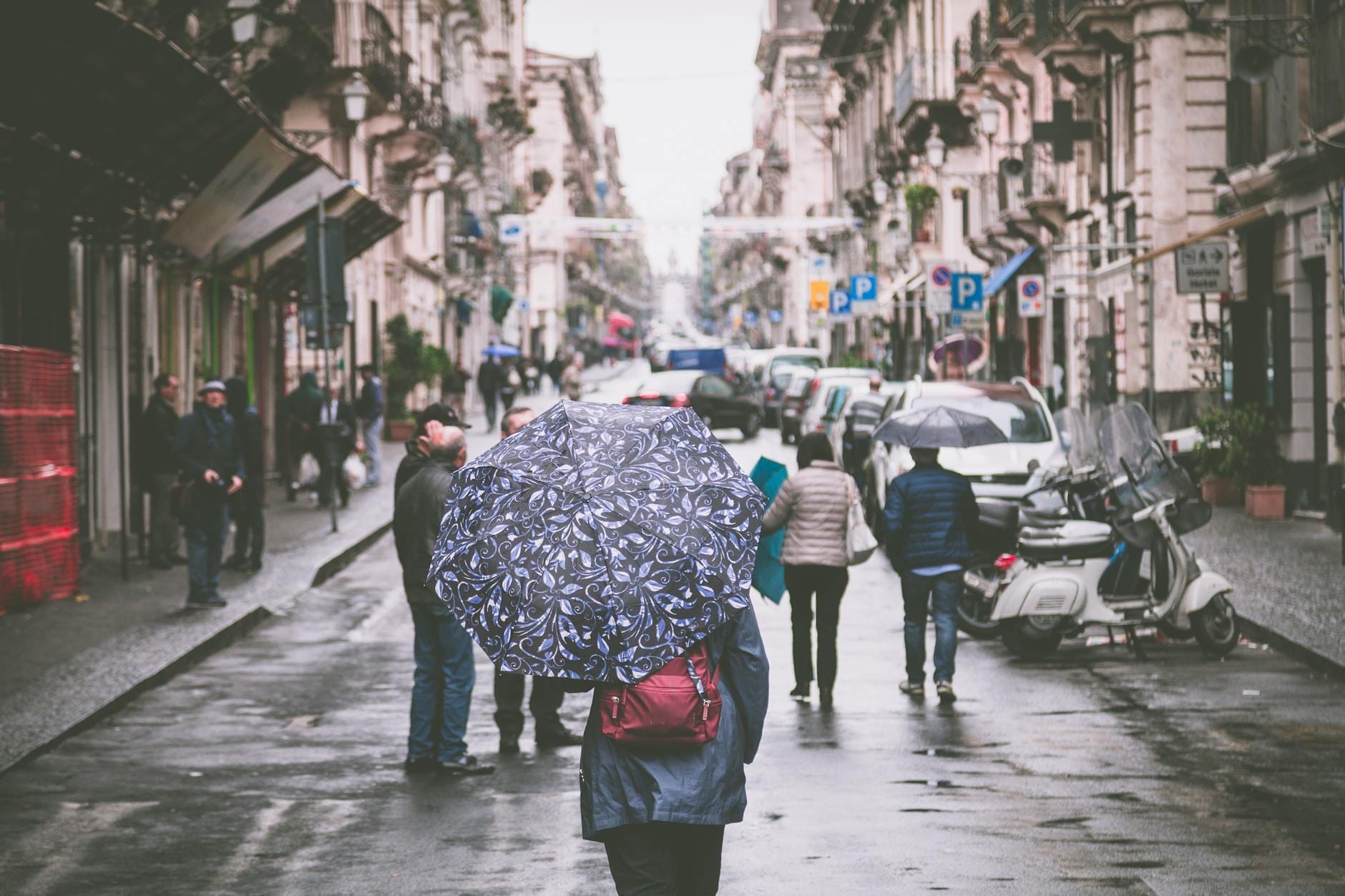
Winter in Sicily is not the dead season that many visitors assume. Palermo, Catania, and Syracuse are fully operational year-round, and without summer crowds, they are far more comfortable cities to explore on foot. Daytime highs along the coast sit between about 15 and 17°C from December through February, which is cold by beach standards but perfectly reasonable for walking tours, museum visits, and long lunches. Rain falls more frequently, mostly as short sharp showers rather than days of steady drizzle, and the sun often reappears within hours.
The cultural sites that tend to feel rushed in summer are leisurely in winter. You can spend an hour at the Palatine Chapel in Palermo or the Monreale Cathedral without competing for space. The baroque towns of southeastern Sicily, including Ragusa Ibla and Noto, are photogenic in winter light and largely free of tour groups. Hotel prices in winter can be 40 to 60 percent below peak summer rates in these towns.
Winter has real limitations to acknowledge. Many small beach resorts and agriturismo properties on the coast close between November and March. The Aeolian Islands have severely reduced ferry services in winter, and some smaller islands become almost inaccessible. Hiking on Etna above 2,500 meters requires proper winter equipment, and some trails may be closed due to snow or volcanic activity. The interior mountain towns can be cold and bleak in January and February. If your trip is primarily about beaches, island-hopping, or outdoor activity, winter is not the right choice.
Practical Timing: Costs, Festivals, and How to Book
Sicily is served by four main commercial airports: Palermo (PMO), Catania (CTA), Trapani (TPS), and Comiso (CIY). Flight frequency and competition between carriers is highest from April through October, which means fares are more competitive but fill faster. For the best combination of affordable flights and good weather, booking for May or late September at least eight to twelve weeks ahead typically yields the best value. The Sicily airports guide covers transport connections from each terminal to city centers.
- Lowest prices November through February, excluding Christmas and New Year. Expect 40 to 60 percent savings on accommodation vs peak summer in most destinations.
- Best value for warm weather May and late September offer near-summer conditions at shoulder-season prices. These are the months to target if budget matters and you want comfortable temperatures.
- Key festivals to plan around Easter week (dates vary, March or April): processions in Trapani, Enna, Caltanissetta. Infiorata di Noto (May): flower art festival along Via Nicolaci. Festino di Santa Rosalia, Palermo (July 11 to 15): the city's biggest annual event. Harvest festivals across wine regions (September to October).
- Island-hopping logistics Ferry services to the Aeolian Islands, Egadi Islands, and Ustica run on full summer schedules from June through mid-October, with significantly reduced winter services. Plan island trips for May through September for the most flexibility.
If you are planning a full week or two weeks on the island, the one-week Sicily itinerary and two-week Sicily itinerary are structured around shoulder-season timing and can be adapted for any season. Getting around the island efficiently, particularly between the east and west coasts, is easier with a rental car. The getting around Sicily guide covers trains, buses, and car hire in detail.
💡 Local tip
Tipping is not mandatory in Sicily. Restaurants often add a 'coperto' (cover charge) of around 1.50 to 3 euros per person. If service is included in the bill (noted as 'servizio incluso'), no further tip is expected. A small rounding-up gesture is appreciated but never obligatory. Churches and religious sites require covered shoulders and knees, regardless of the season.
FAQ
What is the best time to visit Sicily for good weather and fewer crowds?
May and September are the two months that consistently satisfy both criteria. Temperatures are warm (18 to 26°C in May, 24 to 27°C in September), the sea is swimmable, crowds are well below summer peak, and prices are significantly lower than July and August. If you can only pick one, September has warmer water and the added bonus of post-harvest food and wine events.
Is Sicily too hot to visit in summer?
The coast is manageable for beach holidays in July and August, but inland Sicily and exposed archaeological sites can be brutal during afternoon heat above 35°C. Sightseeing trips to places like Agrigento, Piazza Armerina, or Selinunte are best scheduled for early morning in summer. For anyone sensitive to heat, children, or older travelers, April to June or September to October are safer and more comfortable choices.
What is the cheapest time to visit Sicily?
November through February offers the lowest accommodation and flight prices, often 40 to 60 percent below August rates. Major cities remain open and interesting. The trade-off is cooler, wetter weather, reduced ferry services to smaller islands, and some coastal resorts and agriturismo properties being closed for the season.
When is the best time to visit Sicily for beaches?
June offers good beach conditions before full summer crowds arrive. July and August have the warmest water (24 to 26°C) and all beach infrastructure fully operational, but also the highest prices and busiest beaches. September is arguably ideal: water stays warm, crowds thin noticeably after the first week, and prices drop.
Does Sicily shut down in winter?
No, but it scales back. Major cities including Palermo, Catania, and Siracusa are fully active year-round, with restaurants, museums, and cultural attractions open as normal. Smaller coastal resorts, many beach hotels, and agriturismo properties close from November to March. Ferry services to the Aeolian Islands drop to minimal winter schedules, making island-hopping impractical from November to April.