Best Things to Do in Sicily: The Definitive Guide
Sicily rewards travelers with an extraordinary range of experiences: ancient Greek ruins, active volcanoes, UNESCO Baroque towns, Norman cathedrals, and coastline that stretches nearly 1,000 km. This guide covers the best things to do in Sicily across every corner of the island, with practical advice on timing, costs, and how to avoid the common pitfalls.
Plan and book this trip
Tools from our partner Travelpayouts help you compare flights and hotels. If you book through them, we may earn a commission at no extra cost to you.
Flights
Hotels map
TL;DR
- Sicily is Italy's largest region and the Mediterranean's biggest island, with experiences ranging from archaeology and architecture to volcanoes and beaches.
- Spring (April to June) and early autumn (September to October) offer the best balance of weather, crowd levels, and price, as covered in our best time to visit Sicily guide.
- A rental car is close to essential for reaching smaller hill towns, nature reserves, and archaeological sites off the main rail corridors.
- The Valley of the Temples, Mount Etna, Taormina, and Ortigia are the headline attractions, but the Baroque southeast and western salt pans are serious rivals.
- Entrance fees vary widely: budget around €14 for flagship archaeological sites (higher during special exhibitions) and €60–100 for guided Etna excursions. See our Sicily on a budget guide for cost-saving strategies.
Ancient History: Greek Temples, Roman Villas, and the Archaeology That Defines Sicily
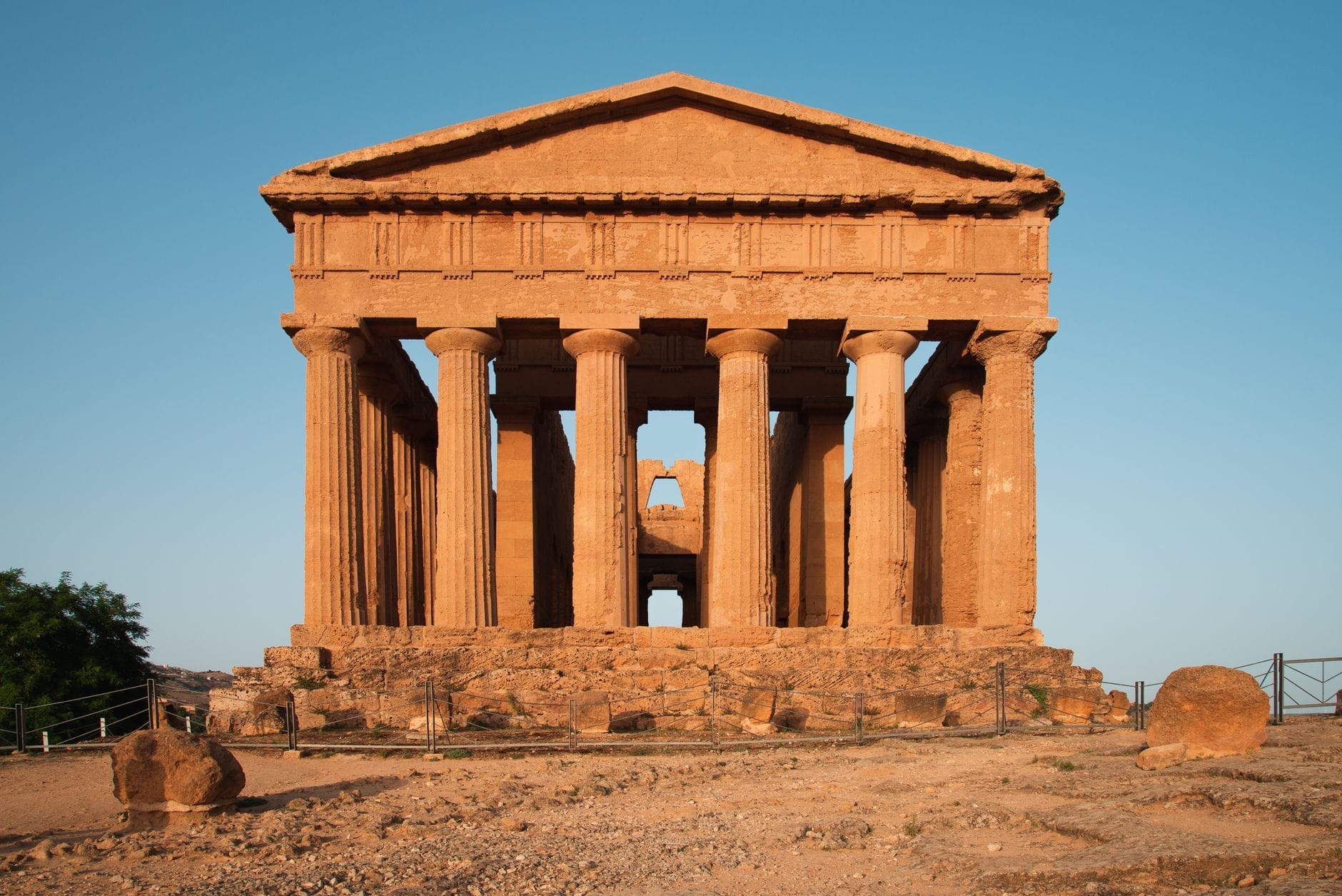
No other region in Europe concentrates so much ancient Greek and Roman heritage in so compact a space. Sicily was a core part of Magna Graecia, and the evidence is staggering. The Valley of the Temples outside Agrigento is the starting point for anyone serious about Greek archaeology. The site contains eight major temples, the best-preserved of which is the Temple of Concordia, a 5th-century BC Doric structure that rivals anything on the Greek mainland. Entry to the archaeological park costs around €14, with combined tickets including the regional museum available for slightly more. Arrive before 9am or after 4pm in summer to get meaningful photographs without crowds dominating the foreground.
Selinunte, on the southwest coast, is less visited but architecturally arresting: the collapsed columns of Temple E were reconstructed in the 1950s, and the sheer scale of the acropolis conveys what an ambitious Greek city this once was. Combine it with a stop at Cave di Cusa, the ancient quarry where column drums were cut and then abandoned mid-process when Carthaginians sacked Selinunte in 409 BC. It is one of the most evocative and overlooked sites on the island.
In the east, Syracuse (Siracusa) deserves at least two days. The Neapolis archaeological park contains a Greek theatre still used for performances every spring, a Roman amphitheatre, and the Ear of Dionysius, a 23-metre-high limestone cave with extraordinary acoustic properties. The island of Ortigia, connected to the mainland by two short bridges, holds the Syracuse Cathedral, built directly onto the columns of a Temple of Athena. Admission to the Neapolis park costs around €13.
Inland, the Villa Romana del Casale near Piazza Armerina preserves the finest Roman floor mosaics in existence, covering over 3,500 square metres. The famous 'Bikini Girls' mosaic depicting female athletes is here. The site is a UNESCO World Heritage Site and gets crowded midday in summer; a morning visit is strongly recommended.
💡 Local tip
If you plan to visit multiple archaeological sites, look for combined tickets where available. The Valley of the Temples and the Museo Archeologico Regionale Pietro Griffo can be visited together on a combined entry. At Selinunte, a single ticket covers the entire archaeological park including the acropolis and the eastern temples.
Mount Etna and Volcanic Sicily: Active Landscapes Worth the Effort
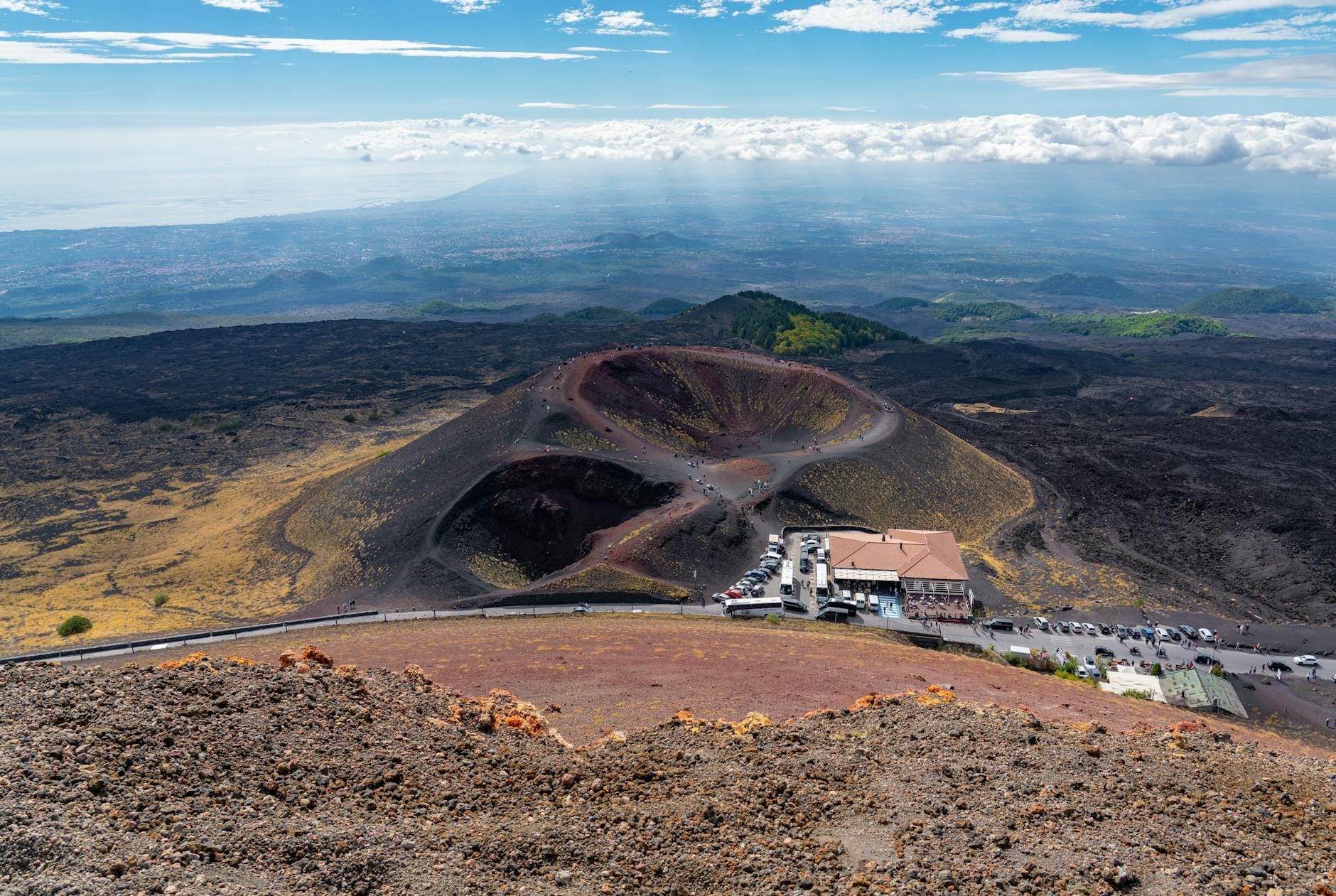
Europe's most active volcano and the highest point in Sicily at around 3,357 metres, Mount Etna is not a background detail. It shapes the entire eastern side of the island: the fertile volcanic soil grows Nerello Mascalese grapes for exceptional wine, the lava stone defines Catania's architecture, and the summit craters visibly smoke on most clear days. Etna is closely monitored by Italy's INGV volcanological institute, and guided excursions operate only when crater areas are deemed safe. This is not a dangerous day out provided you go with a licensed guide.
Standard guided group tours from Catania or Taormina typically cost €60–100 per person and include transport plus a guide to the higher elevations. Independent visitors can take the Ferrovia Circumetnea, a narrow-gauge railway that circles the volcano's base, then use the cable car from Rifugio Sapienza on the south slope to reach around 2,500 metres. Summit crater access above that point requires a licensed guide. Book Etna excursions in advance during July and August when availability gets tight.
For a different volcanic experience, the Stromboli volcano in the Aeolian Islands erupts roughly every 15–20 minutes, making nighttime ascents with a guide genuinely spectacular. Day trips from Milazzo on the Sicilian north coast are possible, but staying overnight on Stromboli and watching the Sciara del Fuoco lava flow in darkness is the superior experience.
⚠️ What to skip
Etna trail access and summit routes change based on volcanic activity. The Sentiero dell'Etna hiking paths may be partially closed during periods of heightened activity. Always check the official INGV bulletins and confirm with your tour operator the day before. Do not attempt the upper crater zones without a licensed guide, regardless of conditions.
Palermo and the Arab-Norman Legacy: Architecture Unlike Anywhere Else in Europe
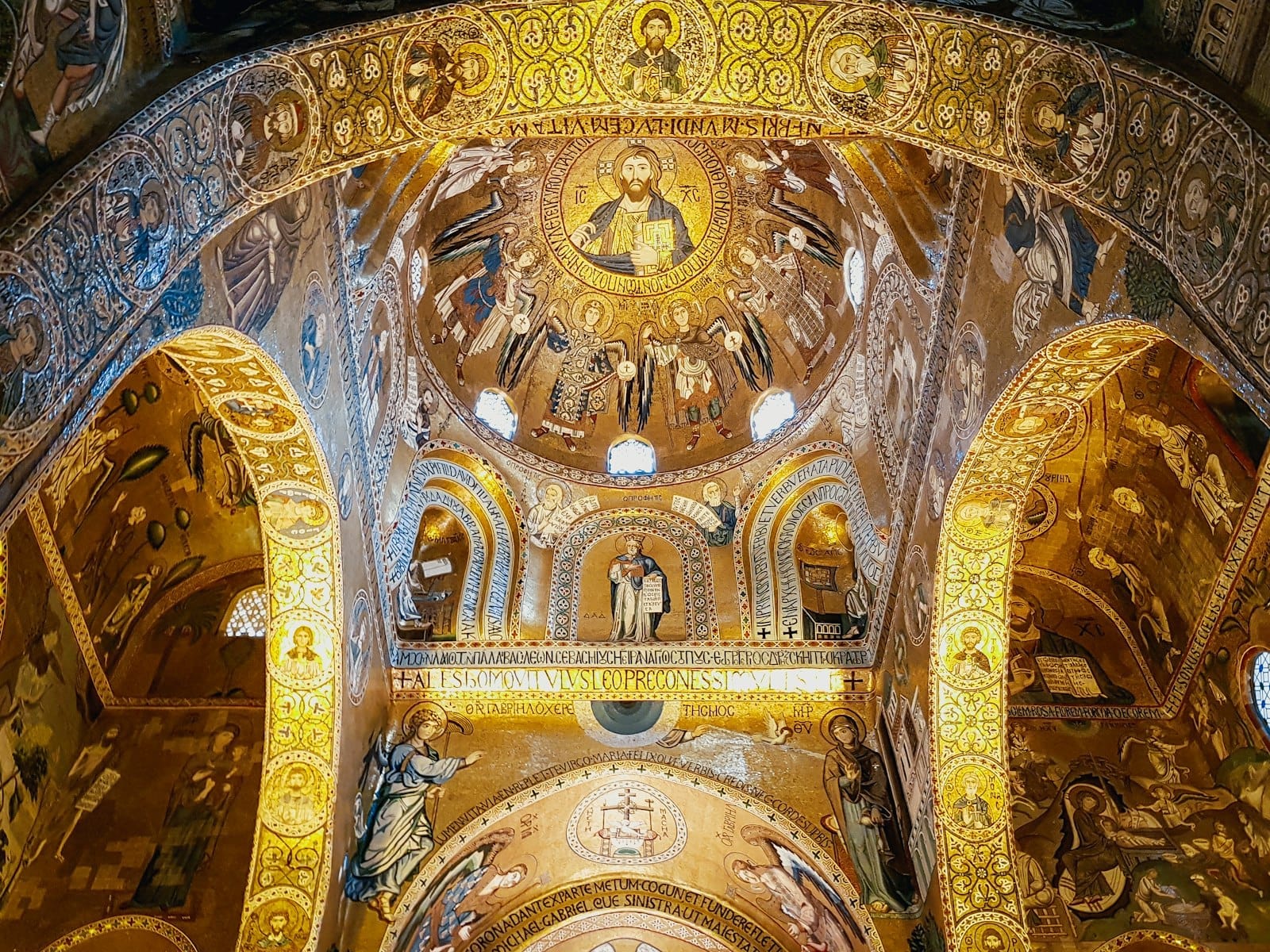
Sicily's capital is simultaneously the most chaotic and most rewarding city on the island. Palermo accumulated layers of Arab, Norman, Byzantine, Spanish, and Baroque influence that produced an architectural language found nowhere else in Europe. The Palatine Chapel inside the Norman Palace is the non-negotiable starting point: gold Byzantine mosaics cover almost every surface of this 12th-century royal chapel, and the honeycomb muqarnas ceiling is pure Fatimid craftsmanship. The contrast between the Islamic ceiling and the Christian mosaics below summarizes what makes Norman Sicily so singular.
A short bus ride from the centre, Monreale Cathedral takes the Norman-Byzantine synthesis even further. The interior is sheathed in 6,340 square metres of gold mosaic, making it one of the most remarkable medieval interiors in the world. The cloister adjacent to the cathedral, with its 228 twin columns each decorated differently, is easy to underestimate from the outside. Spend time there. The AMAT bus 389 from Piazza Indipendenza connects central Palermo to Monreale for around €1.40 each way.
Palermo also holds the Catacombs of the Capuchins, where around 8,000 mummified bodies in various states of preservation line the underground corridors. It is genuinely unsettling and genuinely fascinating. The Ballarò market in the Albergheria quarter runs every morning except Sunday and is the best introduction to Palermo street food: arancini, panelle (chickpea fritters), stigghiola (grilled innards), and sfincione (thick Sicilian pizza). Budget €5–10 for a thorough street food circuit.
- Norman Palace and Palatine Chapel The seat of the Sicilian Parliament still contains the royal chapel built by Roger II in 1132. Combined tickets available. Closed to tourists during parliamentary sessions.
- Monreale Cathedral and Cloister 15 km southwest of Palermo. Reach it by AMAT bus 389 or taxi. Budget 90 minutes minimum for the cathedral and cloister combined.
- Church of the Martorana 12th-century Byzantine church in Piazza Bellini with exceptional Greek mosaics. Free entry, but hours are irregular around religious services.
- Teatro Massimo The largest opera house in Italy, completed in 1897. Guided tours run daily. Evening performances require advance booking.
- Ballarò Market The oldest and most atmospheric market in Palermo, running every morning in the Albergheria district. Arrive before 11am for the full experience.
Taormina, Cefalù, and the Coastal Towns: What to Prioritize
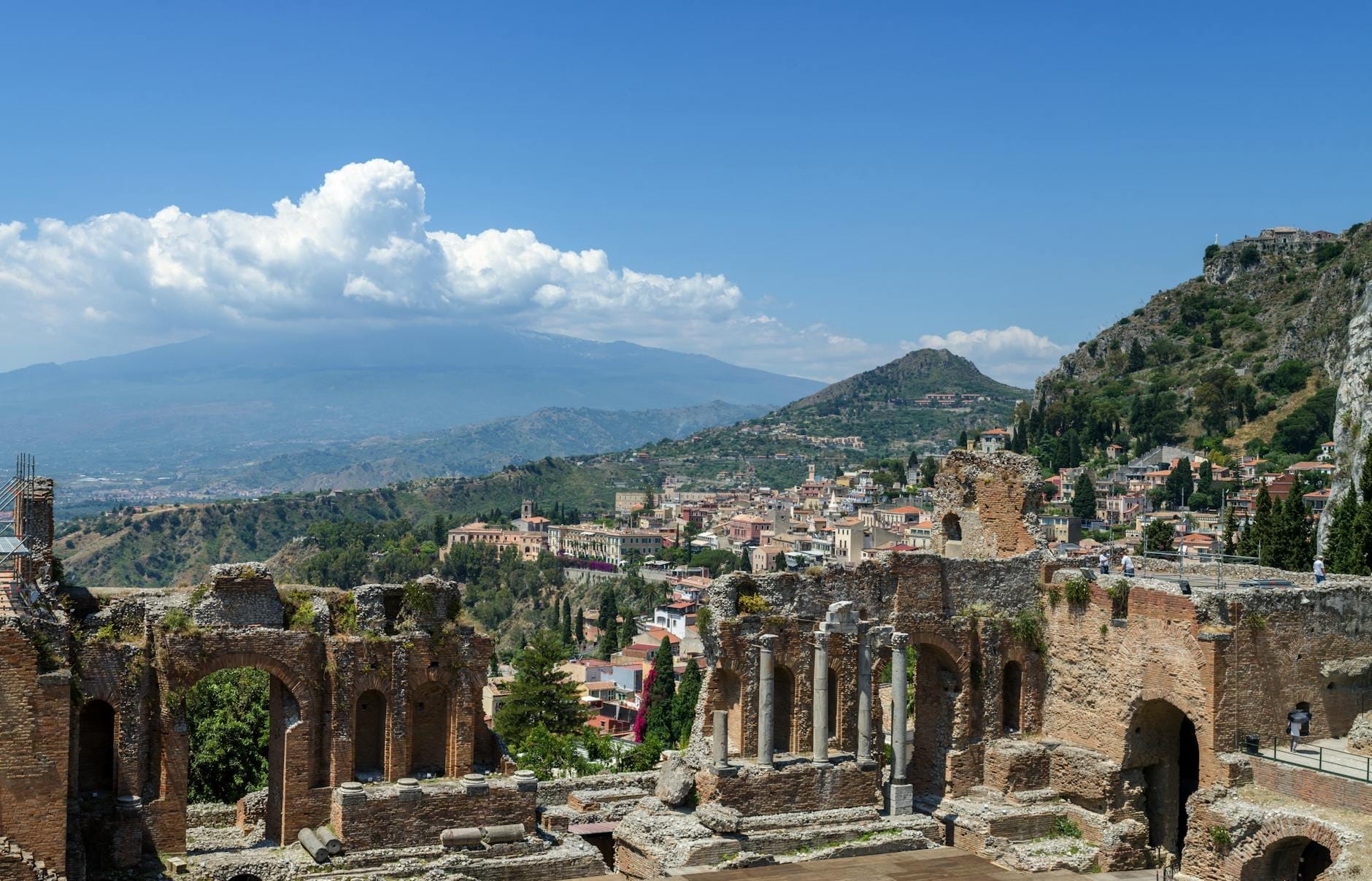
Taormina is one of the most photographed places in Sicily, and with good reason. Perched on a clifftop above the Ionian Sea with Etna as a backdrop, the Greek Theatre of Taormina offers one of the most dramatic stage views anywhere in the ancient world. Standard admission costs around €14 (higher during special exhibitions or festival performances). The theatre hosts a major arts and film festival each summer, which inflates both prices and crowds in July and August. If you visit in this period, book accommodation and any performances at least three months ahead. Outside peak season, Taormina is calmer and arguably more enjoyable.
The main commercial street, Corso Umberto, is undeniably crowded but has genuine good restaurants and ceramic shops alongside the tourist traps. Identify the tourist trap restaurants easily: they have photographs on menu boards and staff calling you in from the street. For the view without the crowds, take the cable car down to Isola Bella, a small nature reserve island connected to the beach by a narrow sandbar. The beach itself is pebbly and packed in summer.
Cefalù is a more relaxed alternative on the north coast, about 70 km east of Palermo. Its Norman cathedral, begun in 1131, contains Byzantine mosaics considered among the finest in Sicily, and the town's medieval layout climbing toward the Rocca promontory makes for a rewarding half-day of exploration. The beach at Cefalù is sandy and reasonably sheltered. It gets busy in August but is genuinely pleasant in June and September.
✨ Pro tip
Taormina's peak season crowds are most intense between 10am and 5pm when day-trippers from cruise ships and tour buses arrive. Staying overnight lets you experience the town before 9am and after 7pm, when it reverts to something more like an actual Sicilian hill town rather than an open-air shopping center.
Baroque Sicily and the Southeast: Noto, Ragusa, and Modica
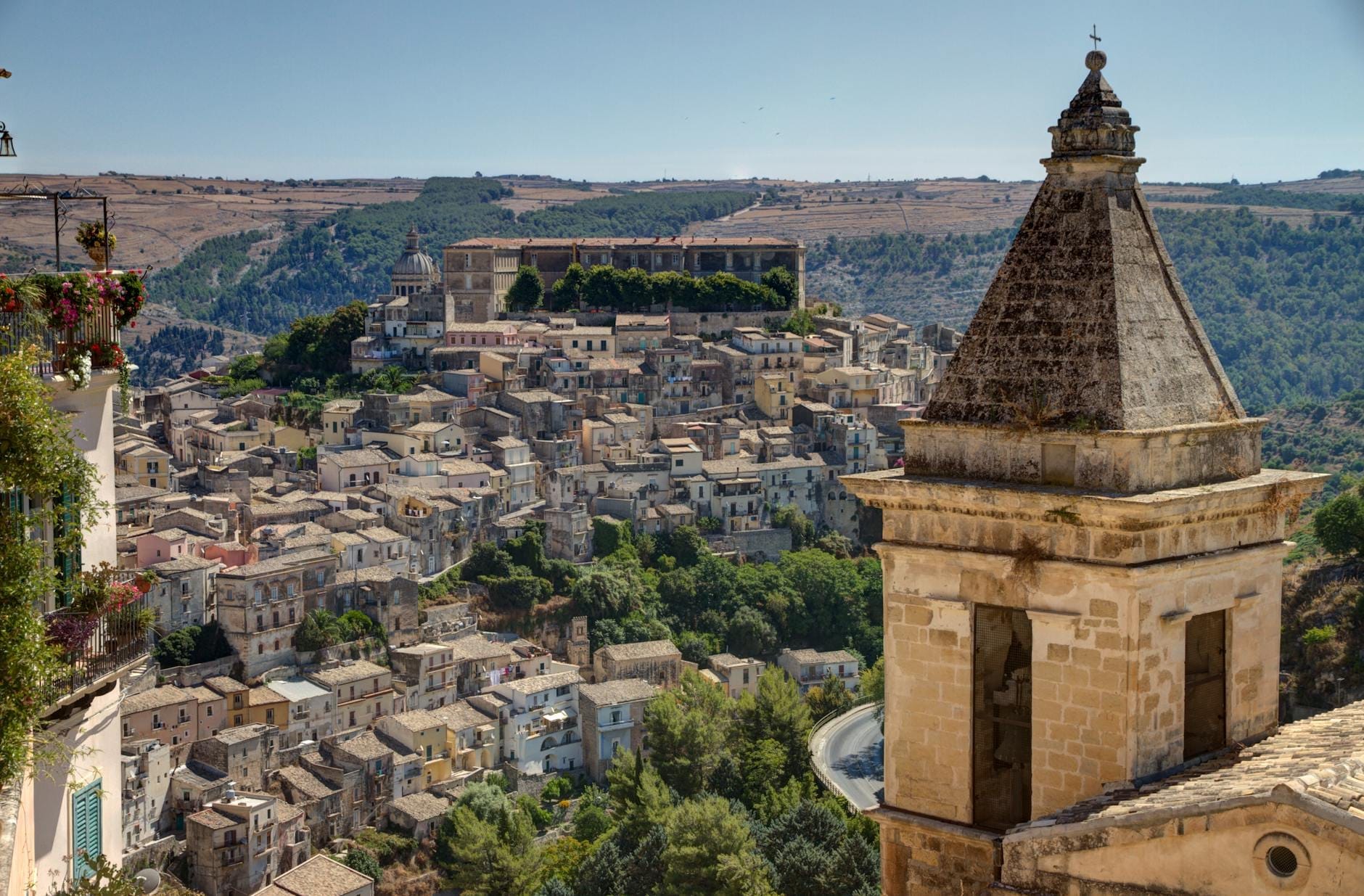
The 1693 earthquake that devastated southeastern Sicily produced an unintended architectural gift: eight towns were rebuilt in a unified late Baroque style that UNESCO recognized as a World Heritage Site in 2002. Ragusa Ibla, the historic lower town, is the most visually coherent of the group, its honey-coloured stone churches and palaces tumbling down a ridge above deep ravines. The cathedral of San Giorgio, with its convex Baroque facade, is the centrepiece.
Noto is the set-piece Baroque town: a single main street, Via Nicolaci and Corso Vittorio Emanuele, lined with progressively grander civic and religious buildings leading to the Noto Cathedral at the top of a broad staircase. The town was built on an entirely new site after 1693 and represents the ambition of the reconstruction. Go at golden hour when the stone glows. Modica, a 15-minute drive from Ragusa, is worth the detour primarily for its chocolate: the local style, made without cocoa butter using an Aztec-derived process introduced by Spanish colonizers, produces a grainy, intensely flavoured bar that divides opinion but is genuinely distinctive.
Beaches, Nature Reserves, and the Western Coast
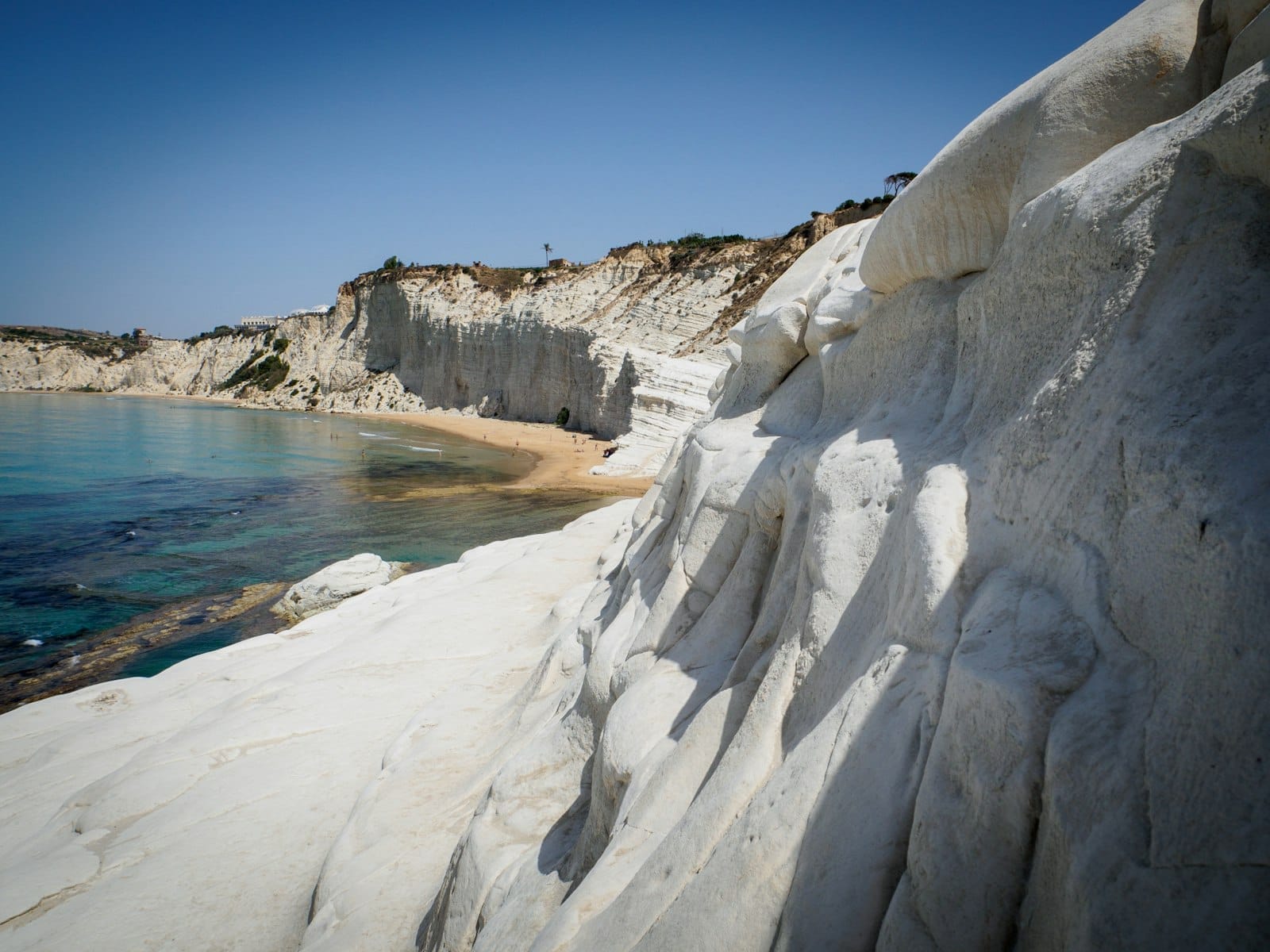
Sicily's beaches range from the overrated to the genuinely exceptional. Scala dei Turchi, a white marl cliff formation near Agrigento that descends into a turquoise sea, is genuinely striking but now has restricted access to the cliff itself, with paid access and booking requirements applying to controlled areas in peak season due to visitor pressure on the formation. Worth it. Mondello, Palermo's beach suburb, is popular with locals but gets extremely crowded on summer weekends and is not what most international visitors are seeking.
The Zingaro Nature Reserve on the northwestern coast between San Vito lo Capo and Scopello protects 7 km of coastline accessible only on foot or by sea. The main trail passes five coves with clear water and zero development. Arrive before 9am in summer; parking fills quickly and the reserve has limited capacity. Nearby, the Tonnara di Scopello, an old tuna-processing facility now operating as a private beach club, offers one of the most photographically compelling swimming spots in western Sicily.
Western Sicily's salt pans of Trapani are at their most photogenic in late afternoon when the windmills and pink salt mounds catch the light. The Stagnone Lagoon beside them is calm enough for kitesurfing and kayaking. San Vito lo Capo further north has arguably the finest sandy beach on the main island, a crescent of white sand with clear, shallow water suitable for families. It hosts an international couscous festival each September.
- Scala dei Turchi (Agrigento coast): the white cliff is the headline; since May 2026 access requires the €5 standard tourist pass and advance online booking for timed slots.
- Zingaro Nature Reserve: no vehicles, no development, five coves. Bring food and water as there are no facilities inside.
- San Vito lo Capo: the best sandy beach on the main island. Quieter in June and September than in August.
- Vendicari Nature Reserve (southeast): flamingos, lagoons, and access to several undeveloped beaches near Marzamemi.
- Cefalù: the most convenient beach to Palermo with a proper town attached. Sandy, but busy in August.
Food, Wine, and Practical Logistics for Getting Around
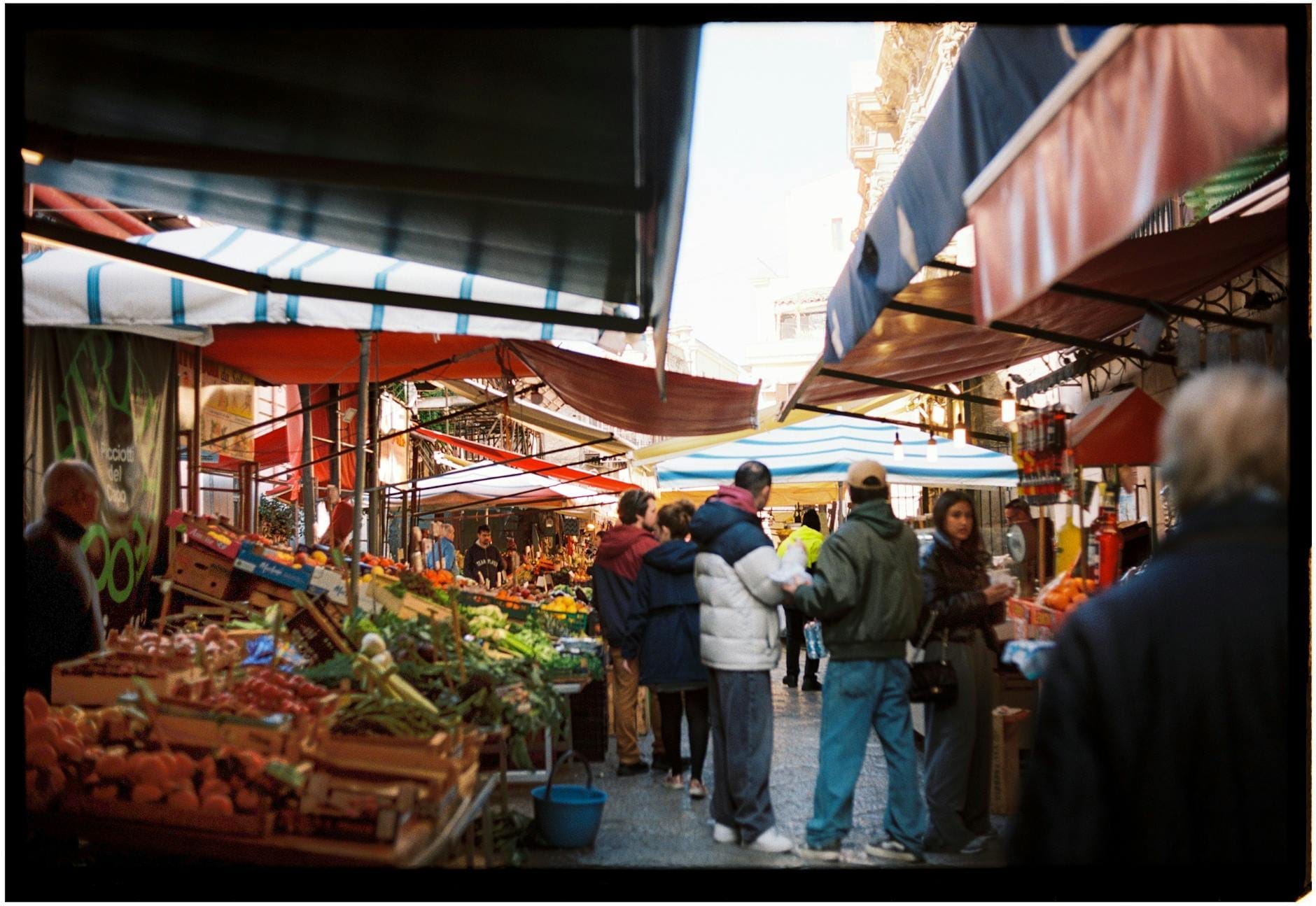
Sicilian food deserves serious attention. The island's cooking absorbed Arab, Norman, Spanish, and North African influences over centuries, producing dishes that are distinctly different from mainland Italian cuisine. Pasta con le sarde (pasta with sardines, fennel, raisins, and pine nuts) is the definitive Palermo dish. Arancini are fried rice balls filled with ragù or butter and cheese. Granita con brioche is the standard Sicilian breakfast: a semi-frozen fruit or coffee ice served with a soft brioche roll. For a structured overview, see our Sicily food guide.
Wine from the slopes of Etna has become one of Italy's most discussed wine regions in the past decade. Nerello Mascalese produces red wines with a Burgundian lightness and volcanic mineral quality. The Etna DOC zone, particularly the north-slope contrade around Passopisaro and Randazzo, now attracts serious wine tourism. For context on what to drink and where, the Sicily wine guide covers the major producers and styles.
Getting around the island efficiently almost always means renting a car. The Trenitalia rail network connects Palermo, Catania, Messina, Syracuse, and Agrigento, but journey times are slow and rural areas are effectively inaccessible by train. Buses fill some gaps but schedules can be infrequent. For a detailed breakdown of transport options, costs, and logistics, see the guide to getting around Sicily. If you plan to rent a car, book in advance from Catania Airport (CTA), which typically offers more competitive rates than Palermo for comparable categories.
ℹ️ Good to know
Sicily follows standard Italian entry rules as an autonomous region of Italy within the Schengen Area. EU, EEA, and Swiss nationals enter freely. Nationals of the US, Canada, UK, and Australia can stay up to 90 days within any 180-day Schengen period without a visa. Always check the latest entry requirements with an official Italian government source before booking.
FAQ
How many days do you need to see Sicily?
A week covers the main highlights if you focus on one or two areas: Palermo and the northwest, or Catania, Etna, and the southeast. Two weeks allows a proper circuit of the island including the Baroque towns, western coast, and potentially the Aeolian Islands. Anything under five days will feel rushed and means making significant compromises on what to skip.
Is Sicily worth visiting compared to other Italian destinations?
Sicily offers a concentration of Greek archaeology, medieval architecture, active volcanic landscapes, and regional cuisine that no other single Italian region matches. It is not a substitute for Rome or Florence, but it is a completely different and arguably more varied experience. The infrastructure is less polished than northern Italy, which is either a drawback or part of the appeal depending on your travel style.
What are the best things to do in Palermo in Sicily?
The Palatine Chapel and Norman Palace, Monreale Cathedral, the Ballarò street market, the Catacombs of the Capuchins, and the Teatro Massimo cover the main bases. Half a day exploring the La Kalsa and Vucciria neighborhoods on foot adds context to the street life. Allow two full days minimum for Palermo to avoid feeling rushed.
What are the best things to do in Taormina, Sicily?
The Greek Theatre is the anchor attraction and costs around €14 to enter (standard rate outside special exhibitions). After that: walk Corso Umberto to the Piazza IX Aprile belvedere, take the cable car down to Isola Bella beach, and consider the 45-minute walk up to the village of Castelmola for views over both Etna and the coast. Taormina is best enjoyed as an overnight stay rather than a day trip.
Do I need a car to visit Sicily?
For a comfortable visit that includes rural areas, smaller towns, archaeological sites, and nature reserves, yes. Trains connect the major coastal cities but are slow and infrequent on many routes. Buses cover more ground but schedules require careful planning. If you are sticking purely to Palermo, Catania, Taormina, and Syracuse, public transport is manageable. For anything beyond that, a rental car saves significant time and unlocks places that are otherwise inaccessible.