What to Eat in Sicily: A Complete Food Lover's Guide
Sicilian food is not Italian food with a suntan. It is a centuries-old fusion of Greek, Arab, Spanish, and Norman influences, built around seafood, citrus, almonds, ricotta, and durum wheat. This guide covers every dish worth eating, where to find the best versions, and the food customs that will shape every meal you have on the island.
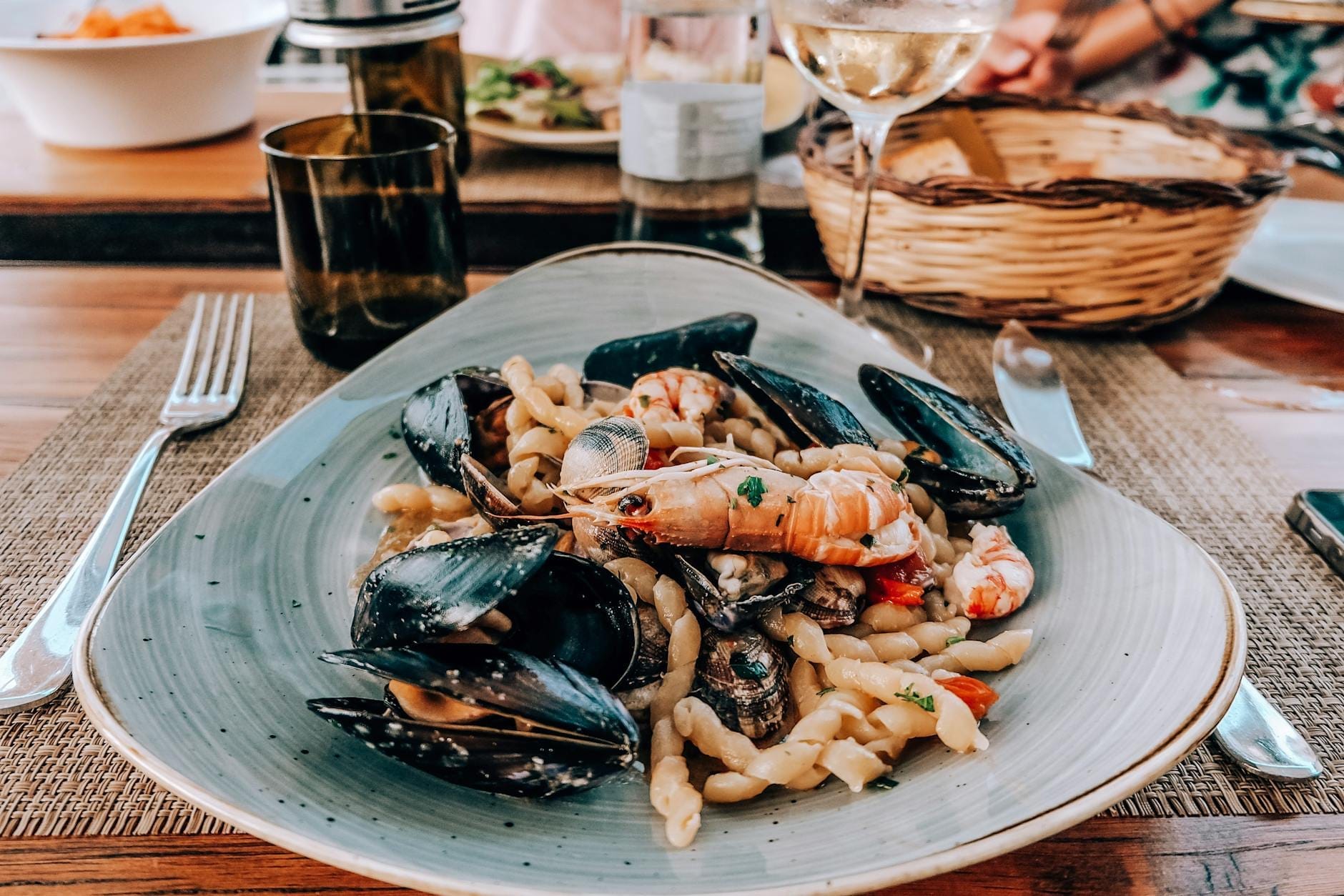
Plan and book this trip
Tools from our partner Travelpayouts help you compare flights and hotels. If you book through them, we may earn a commission at no extra cost to you.
Flights
Hotels map
TL;DR
- Sicily food is a distinct fusion cuisine — shaped by Arab, Greek, Spanish, and Norman rule — not a regional variant of mainland Italian cooking.
- The core ingredients are seafood, eggplant, ricotta, almonds, pistachios, citrus, and durum wheat pasta — learn the key dishes before you arrive with our Sicily street food guide.
- Arancini, pasta alla Norma, and cannoli are the three dishes every first-time visitor ends up eating — and they are worth every bite if you find good versions.
- Seasonality drives the menu: summer means tuna and swordfish; autumn brings mushrooms and new-press olive oil; winter is the season for citrus and slow-cooked ragù.
- Street markets are the best place to understand Sicilian food culture — particularly Ballarò market in Palermo and the Catania fish market.
Why Sicilian Food Is Unlike Anywhere Else in Italy
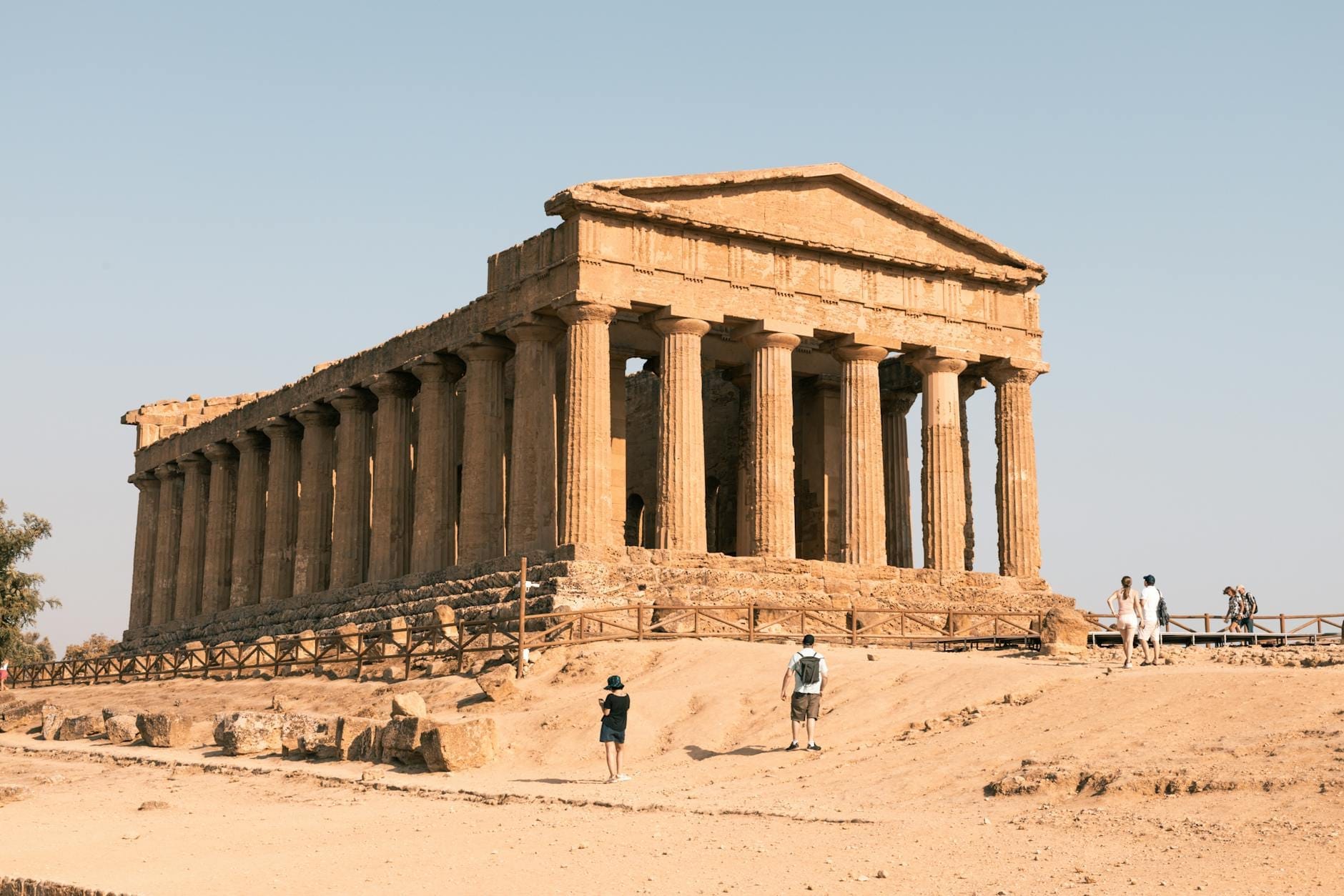
Sicily food has a backstory that mainland Italy cannot match. For over two thousand years, the island sat at the crossroads of Mediterranean civilisations: Greeks brought olives and grapes, Arabs introduced almonds, citrus, saffron, sugar cane, and the technique of pairing sweet with savoury, Normans layered French influences on top, and the Spanish later helped bring tomatoes and chocolate via their American colonies. The result is a cuisine with more moving parts than anywhere else on the peninsula.
The Arab influence in particular sets Sicilian cooking apart. Couscous in Trapani, sweet-and-sour agrodolce sauces, arancini, and desserts built on almonds and rosewater all trace back to the Arab period between the 9th and 11th centuries. You will taste this history in almost every meal, whether you recognise it or not.
ℹ️ Good to know
Sicily is an autonomous region of Italy, and Sicilian (Sicilianu) is spoken widely alongside standard Italian. Menus in tourist areas will usually be in Italian and English, but in local trattorias you may need to ask — or point.
One practical consequence of this culinary complexity: do not assume you know what a dish is before ordering it. Pasta alla Norma looks like a simple tomato-and-eggplant pasta until you taste the salted ricotta on top. Caponata looks like ratatouille until the vinegar-sugar finish arrives. If you want the context behind what you are eating, the street food traditions of Sicily are a good place to start — street food here encodes the island's entire culinary history.
The Essential Dishes: What to Order and Why
There are dishes that appear on every table in Sicily and dishes that are specific to one town or one season. The list below covers the ones you will actually encounter — and a few you should go out of your way to find.
- Arancini (or arancine) Fried rice balls stuffed with ragù, mozzarella, and peas, or with butter and béchamel. The name debate — arancini in eastern Sicily, arancine in Palermo — is a genuine regional argument. Buy them from a rosticceria or a market stall, not a tourist café.
- Pasta alla Norma Catania's most famous dish: rigatoni or spaghetti with tomato sauce, fried eggplant, basil, and grated salted ricotta (ricotta salata). Named after Bellini's opera, it is a masterclass in five ingredients doing a lot of work.
- Caponata A cooked salad of eggplant, celery, olives, capers, tomato, and vinegar-sugar dressing. Every family has a slightly different recipe. It is served at room temperature, often as an antipasto, and improves on the second day.
- Swordfish and tuna Both fish have been central to Sicilian coastal culture for centuries. Look for swordfish alla ghiotta (with tomatoes, capers, olives) in Messina, and preserved or fresh tuna around Trapani and the Egadi Islands. The tonnarella season for tuna runs roughly May to June.
- Pane con la milza Palermo street food at its most confrontational: a bread roll stuffed with chopped calf's spleen and lung, fried in lard, topped with ricotta or caciocavallo. Order it 'maritata' for the full version with cheese. It is not for everyone, but it is the most Palermitan thing you can eat.
- Couscous al pesce Trapani's signature dish and a direct legacy of Arab settlement: couscous steamed and then simmered in a long-cooked fish broth with mixed seafood. The technique is closer to North African couscous than to anything else in Italian cooking.
- Cannoli Fried pastry tubes filled with sweetened sheep's milk ricotta, usually with candied orange peel and sometimes chocolate chips. The shell should be crisp. If it is soggy, it was filled too early. The ricotta should taste fresh, not over-sweetened.
- Cassata siciliana A layered sponge cake with sheep's milk ricotta, marzipan, candied fruit, and green pistachio icing. It is elaborate, rich, and only truly excellent when made properly — look for versions at a proper pasticceria rather than a supermarket.
⚠️ What to skip
Cannoli sold pre-filled at airport shops or tourist-facing cafés are almost always disappointing. A good cannolo should be filled to order — ask 'riempire adesso?' (fill now?) at any pasticceria worth its salt.
Sicilian Street Food: Markets, Stalls, and What to Buy
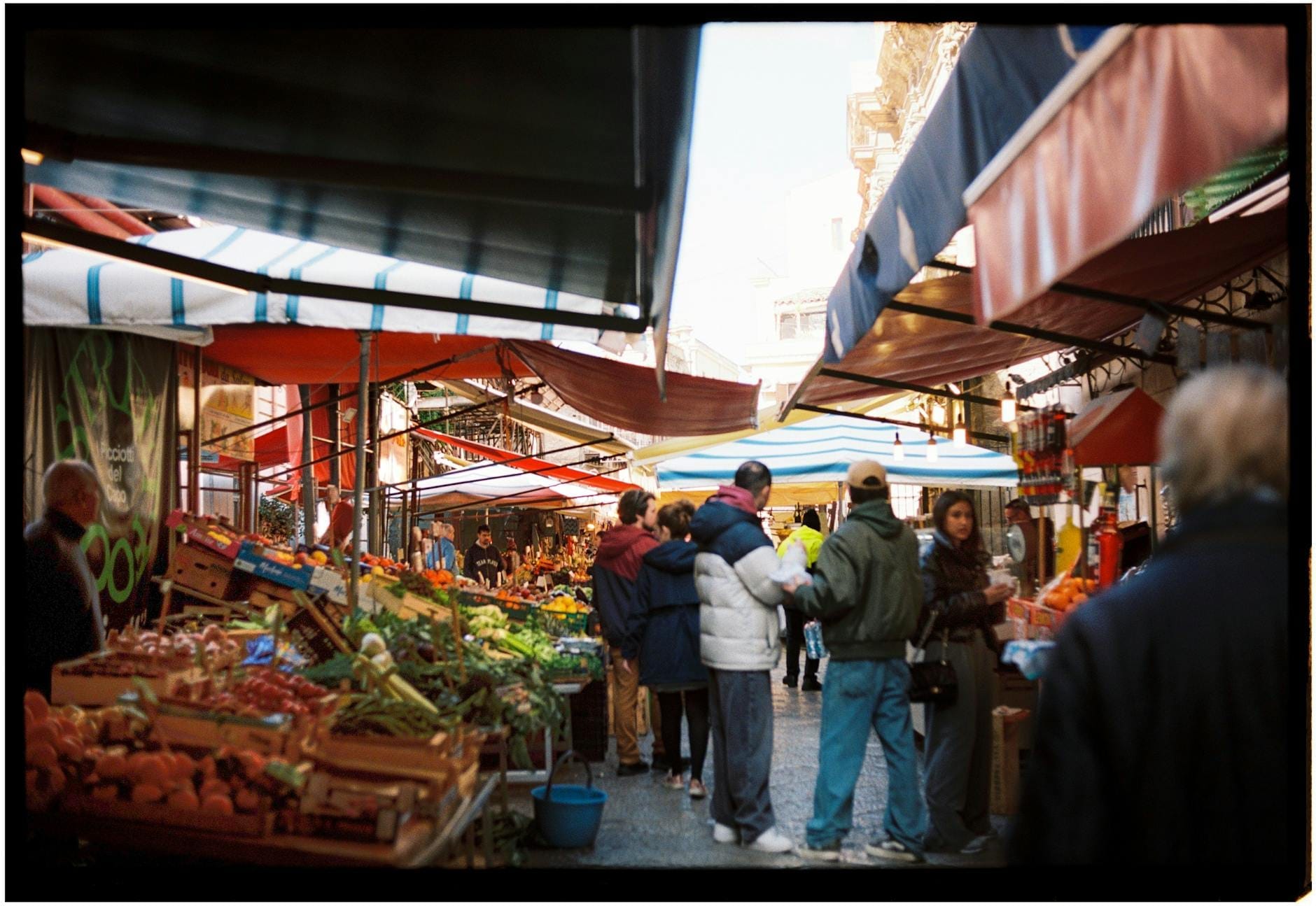
Street food is where Sicily food culture is most alive. The two greatest markets are Ballarò in Palermo — a North African-inflected market dating back to the Arab period — and the La Pescheria fish market in Catania, which operates mornings only and is as theatrical as it is practical. Both markets sell prepared food alongside raw ingredients, and both reward an early arrival (before 9am) when the stalls are fully stocked.
In Palermo, beyond arancini and pane con la milza, look for sfincione (a thick, spongy pizza topped with tomato, onion, anchovies, and breadcrumbs), frittola (fried scraps of boiled calf meat, sold wrapped in paper), and panelle (chickpea fritters served in a sesame roll). These are not tourist foods. They are what Palermitans actually eat for lunch.
In Catania, the street food gravitates toward horsemeat sandwiches, fried fish, and Sicilian-style pizza al taglio. Granita with brioche is eaten for breakfast and is non-negotiable: a cold, coarse-textured semifrozen drink in almond, pistachio, lemon, or coffee, served with a soft brioche bun for dipping. This combination is a traditional breakfast in eastern Sicily.
💡 Local tip
Granita con brioche is a breakfast food in Sicily, not a dessert. The best versions use real almond milk (mandorla) or fresh lemon. Bronte pistachios — grown on the slopes of Etna and considered among the world's best — appear in the pistachio versions and cost more for good reason.
Sicilian Sweets and Pastries: More Than Cannoli
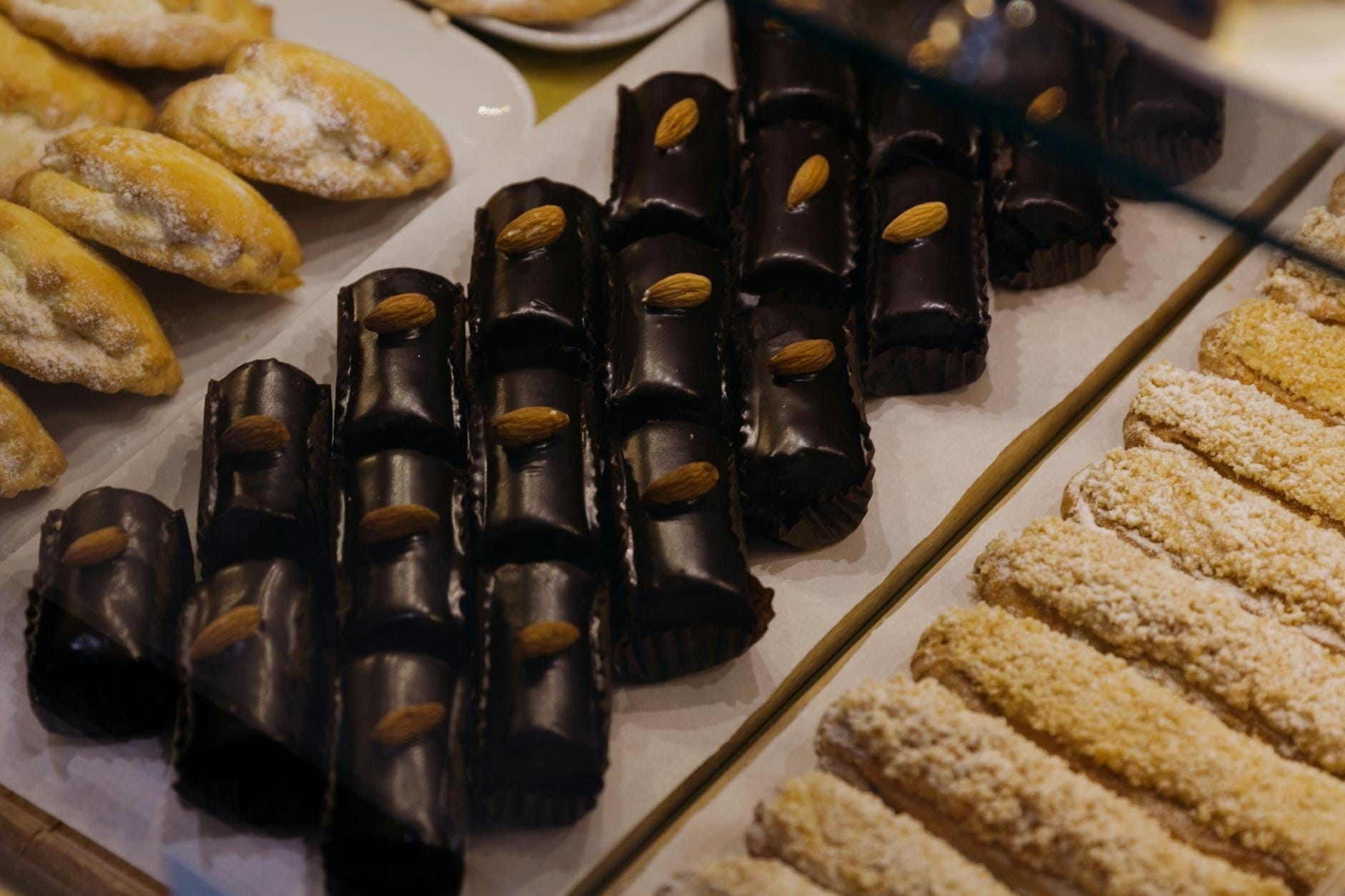
The Arab period left Sicily with one of the most sophisticated dessert traditions in Europe. The key ingredients are almonds, pistachios, sheep's milk ricotta, candied citrus, saffron, honey, and — after the Spanish colonial era — cane sugar and chocolate. Cannoli are the most internationally recognised sweet, but they are far from the most interesting.
Frutta di Martorana, named after a convent in Palermo, are marzipan fruits sculpted and painted to look almost exactly like real produce. They are sold at pasticcerias across the island, particularly around All Souls' Day (2 November). The Martorana church in Palermo is where the tradition originates, and the sweet is still made using the original almond-paste technique.
Modica chocolate deserves a section of its own. Produced in the baroque town of Modica using a cold-processing method derived from Aztec techniques brought by the Spanish, it contains no fat other than cocoa butter. The texture is grainy and the flavour is deep and slightly bitter. It comes in variations including cinnamon, vanilla, chilli, and carob. You can buy it in any Modica shop, but visit the town rather than buying it at an airport.
- Cassata siciliana The most elaborate Sicilian cake: sponge, ricotta, marzipan, pistachio icing, and candied fruit. Best in spring, when it is traditionally made for Easter.
- Frutta di Martorana Marzipan sculpted into fruit shapes, coloured with natural dyes. A masterwork of Sicilian confectionery and worth buying from a proper pasticceria.
- Iris A fried dough ball filled with ricotta and chocolate — essentially a deeper-fried, richer relative of the cannolo. A Palermo speciality, less famous than it should be.
- Torrone di Caltanissetta Nougat made with almonds and honey, softer and more aromatic than mainland Italian versions. Best bought from artisan producers in the interior.
- Granita The definitive Sicilian frozen dessert: coarser and more intensely flavoured than sorbet. Almond (mandorla) and lemon (limone) are the classics; pistachio is richer and more expensive.
Eating by Season and Region
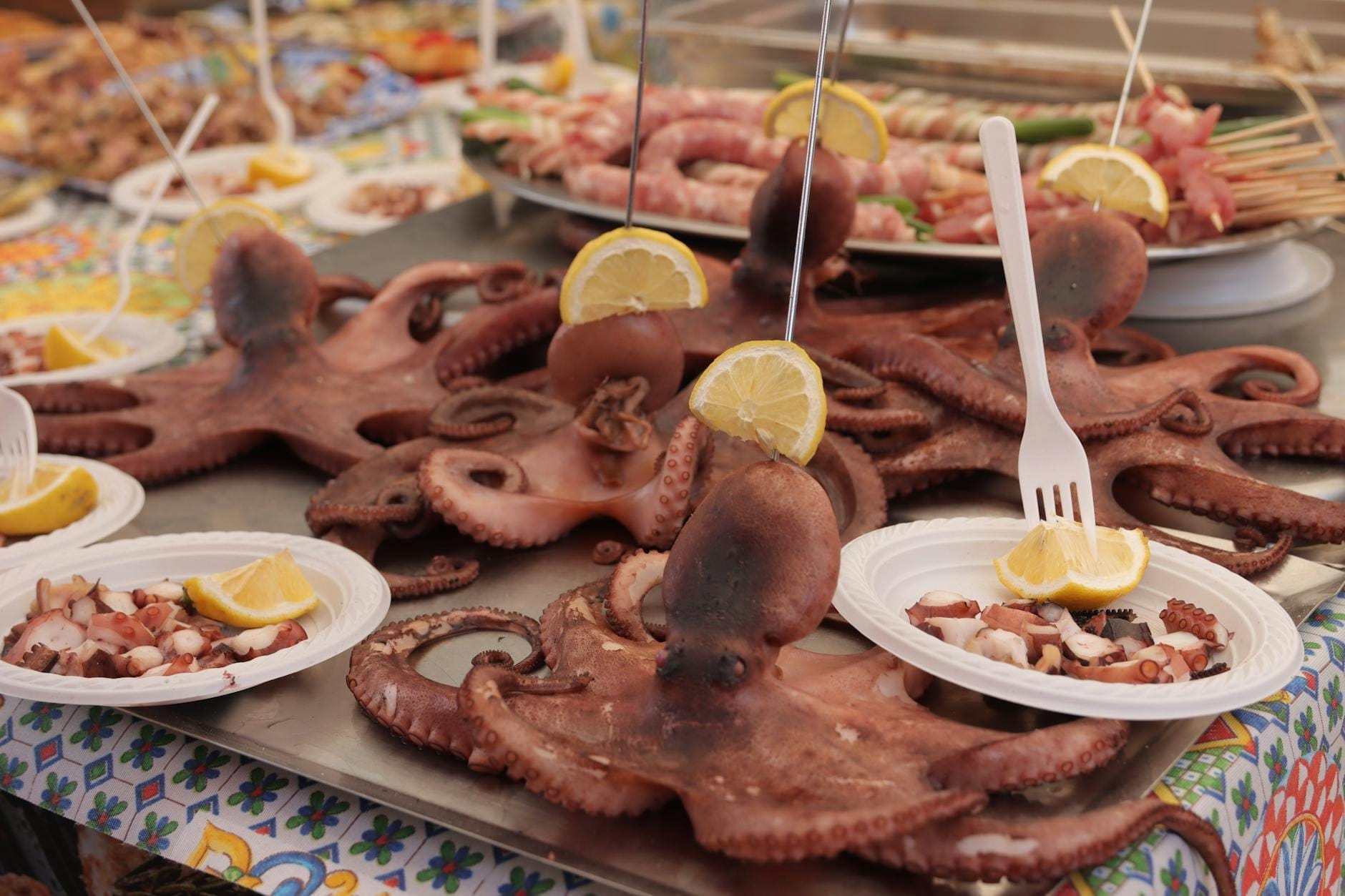
Sicilian cooking is fundamentally seasonal, which means what you eat in July is genuinely different from what you find in November. In summer, menus lean heavily on swordfish, fresh tuna, eggplant, tomatoes, and cold preparations like insalata di polpo (octopus salad). Granita and gelato are consumed morning to night. The heat drives an emphasis on cold antipasti and lighter pasta dishes.
Autumn is arguably the best season for eating: the summer crowds have thinned, and the island's produce is at its richest. New-harvest olive oil arrives in October and November, wild mushrooms appear in the Madonie and Nebrodi mountains, and the citrus season begins. Winter brings blood oranges from Catania's volcanic slopes (Arancia Rossa di Sicilia IGP), lemons from the Amalfi-equivalent groves around Siracusa, and brothy, meat-based dishes that rarely appear on summer menus.
Regional variation within Sicily is significant. Western Sicily, particularly around Trapani, eats couscous, makes the island's best salt (harvested from the salt pans near Trapani), and has a wine culture built around Marsala and Grillo. The southeast — Ragusa, Noto, Modica — produces exceptional aged cheeses (Ragusano DOP), chocolate, and carob. The east, centred on Catania and the slopes of Etna, is pistachio and citrus country, with an increasingly serious natural wine scene around the volcano.
Sicilian Wine, Drinks, and What to Order with Your Meal
Sicily has been producing wine since at least the Greek colonial period and is now one of Italy's most dynamic wine regions. The island produces more wine by volume than Germany, much of it historically sold in bulk to northern Italian producers. That is changing fast. For a deeper dive, the Sicily wine guide covers the key DOCs, grape varieties, and producers worth seeking out.
The grape varieties to know: Nero d'Avola is the flagship red, producing full-bodied, dark-fruited wines in the southeast. Nerello Mascalese, grown on Etna's volcanic soils, produces a lighter, more mineral style increasingly compared to Burgundy's Pinot Noir. For whites, Carricante from Etna and Grillo and Catarratto from western Sicily are all worth exploring. Marsala, the fortified wine produced around Trapani, is one of Sicily's most historically important exports and ranges from dry and complex to sweet and syrupy.
Non-wine drinks worth knowing: Amaro Averna, produced in Caltanissetta, is Sicily's most famous digestivo and appears on virtually every bar menu. Limoncello is common but less of a Sicilian speciality than in Campania. Fresh-pressed sugar cane juice (sold at some Palermo street food stalls) and freshly squeezed blood orange juice are local favourites. For non-alcoholic options, orzo (barley coffee) and freshly made almond milk are both traditional and excellent.
✨ Pro tip
Ask for 'vino sfuso' or house wine in local trattorias — it is often a local Sicilian wine poured from a carafe and is significantly cheaper than bottled options, sometimes of surprisingly good quality. In tourist-facing restaurants, bottled wine is standard and priced accordingly.
FAQ
What is the most famous food in Sicily?
Arancini (fried stuffed rice balls) and cannoli (ricotta-filled pastry tubes) are internationally the most recognised. Within Sicily, pasta alla Norma from Catania, pane con la milza from Palermo, and couscous al pesce from Trapani are regional icons. No single dish represents the whole island because the cuisine varies significantly by area.
Is Sicilian food very different from Italian food?
Yes, substantially. Sicilian cuisine is a distinct fusion tradition shaped by Arab, Greek, Norman, and Spanish influences over more than two millennia. Ingredients like saffron, almonds, pistachios, and the sweet-sour agrodolce technique appear regularly, none of which feature prominently in northern Italian cooking. Treating Sicilian food as simply 'southern Italian' misses most of what makes it interesting.
What should I eat in Palermo specifically?
Palermo's street food is the priority: arancine, panelle (chickpea fritters in a sesame roll), sfincione (thick spongy pizza), and pane con la milza (spleen sandwich). Visit Ballarò market in the morning for the best concentration of stalls. For sweets, seek out iris (fried ricotta-filled dough) and frutta di Martorana from a proper pasticceria.
When is the best time to visit Sicily for food?
Autumn (September to November) is the most rewarding season for food: new-harvest olive oil, wild mushrooms from the interior mountains, the start of citrus season, and lighter tourist crowds. Summer offers the best seafood, especially tuna and swordfish, but restaurants in resort areas often simplify their menus for tourist demand. Spring is ideal for cassata (traditionally an Easter cake) and artichokes.
Are there vegetarian or vegan options in Sicilian cuisine?
More than you might expect. Caponata, pasta alla Norma, panelle, arancini (in the butter variant), pasta con le sarde without the sardines, and most Sicilian antipasti are vegetarian-friendly. The Arab-influenced sweet tradition — almonds, pistachios, marzipan, granita — is largely plant-based. Dedicated vegan restaurants are rare outside Palermo and Catania, but local produce markets and self-catering give access to exceptional fruit, vegetables, and legumes.