Sicily Wine Guide: Regions, Grapes & Where to Taste
Sicily is Italy's largest wine region by vineyard area, with 23 DOCs, one DOCG, and a lineup of native grapes that rival anywhere in Europe. This guide breaks down the key appellations, the grapes behind them, and exactly how to plan a tasting trip across the island.
Plan and book this trip
Tools from our partner Travelpayouts help you compare flights and hotels. If you book through them, we may earn a commission at no extra cost to you.
Flights
Hotels map
TL;DR
- Sicily has roughly 98,000 hectares of vineyards, one DOCG (Cerasuolo di Vittoria), and 23 DOCs including Etna, Marsala, and Pantelleria.
- Key native reds: Nero d'Avola, Nerello Mascalese, Frappato. Key native whites: Catarratto, Grillo, Carricante, Zibibbo.
- Etna DOC is the prestige zone for serious collectors; use Catania as your base for eastern Sicily wine touring.
- Winery tastings typically cost around €20–40 per person for a cellar tour plus 3–5 wines; advance booking is essential at smaller estates.
- Harvest runs late August through October, with higher-altitude Etna vineyards finishing latest — and offering the most comfortable tasting conditions in summer.
Why Sicily Is a Serious Wine Region
For decades, Sicily's reputation in wine circles was bulk production: anonymous red wine shipped north to bolster thinly colored blends from Piedmont and France. That era is largely over. Today Sicily is one of Italy's most exciting wine frontiers, driven by a new generation of producers working with indigenous grapes, old vines in some cases exceeding 80 years, and a growing organic farming movement. Around 34% of Sicilian vineyards are now certified organic, one of the highest proportions in Italy, a statistic that reflects both the island's low disease pressure in the dry Mediterranean climate and a deliberate pivot toward quality.
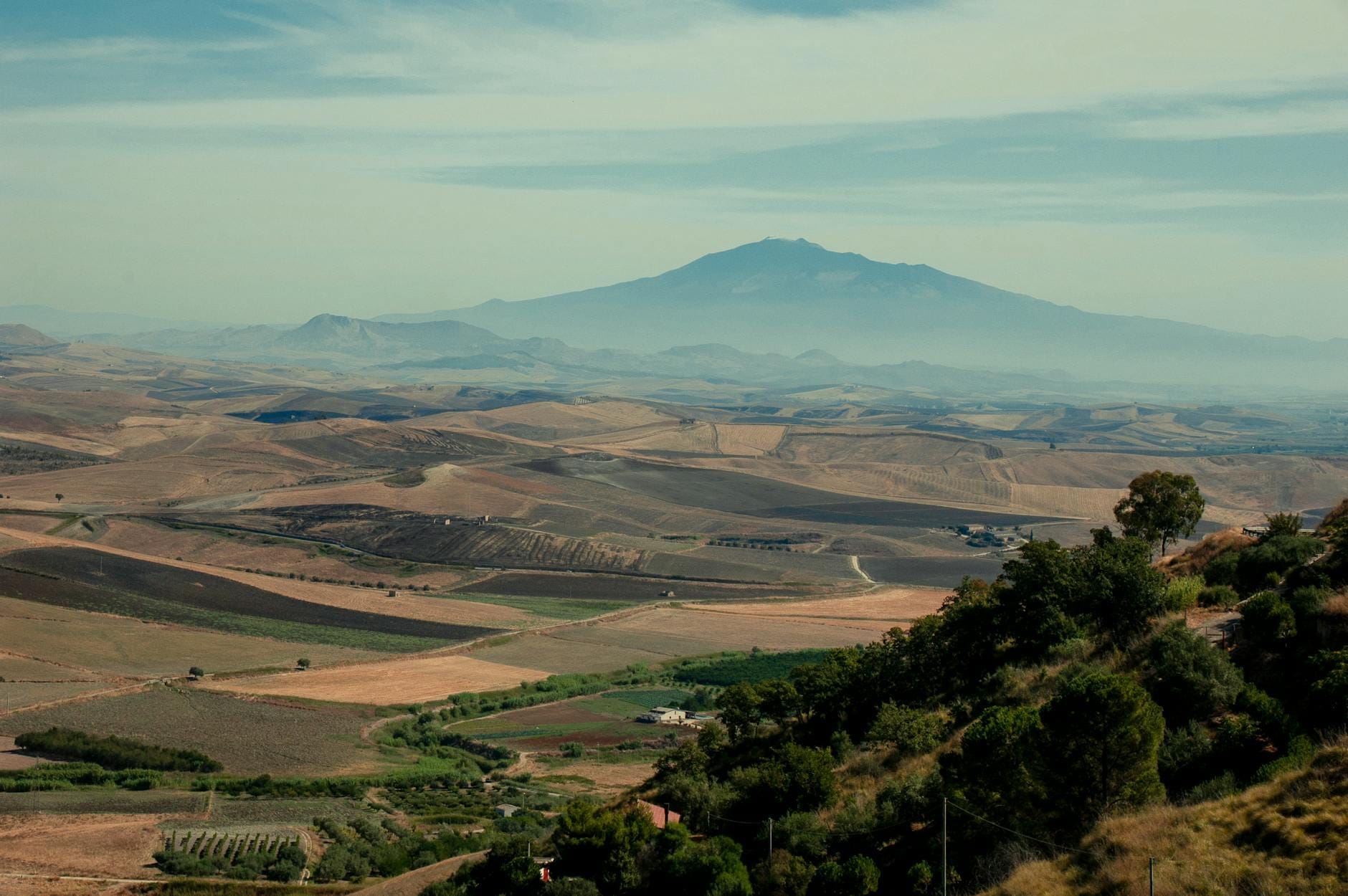
The numbers are striking: Sicily produces on the order of 3 million hectoliters of wine annually from roughly 98,000 hectares of vines, making it Italy's largest wine region by area. Yet volume alone does not explain the current critical attention. What drives it is diversity. The island spans hot, flat coastal plains in the south and west, cooler hillside zones in the interior, and the extraordinary vertical range of Mount Etna, where vineyards reach roughly 1,050 meters on mineral-rich volcanic soils. Each zone produces wines with genuinely distinct characters.
ℹ️ Good to know
Sicily has one DOCG: Cerasuolo di Vittoria, located mainly in Ragusa with extensions into Caltanissetta and Catania in the southeast of the island. It is the island's only guaranteed-denomination wine and requires a blend of Nero d'Avola and Frappato. All other Sicilian appellations are DOC or IGT level.
The Key Wine Zones and Appellations
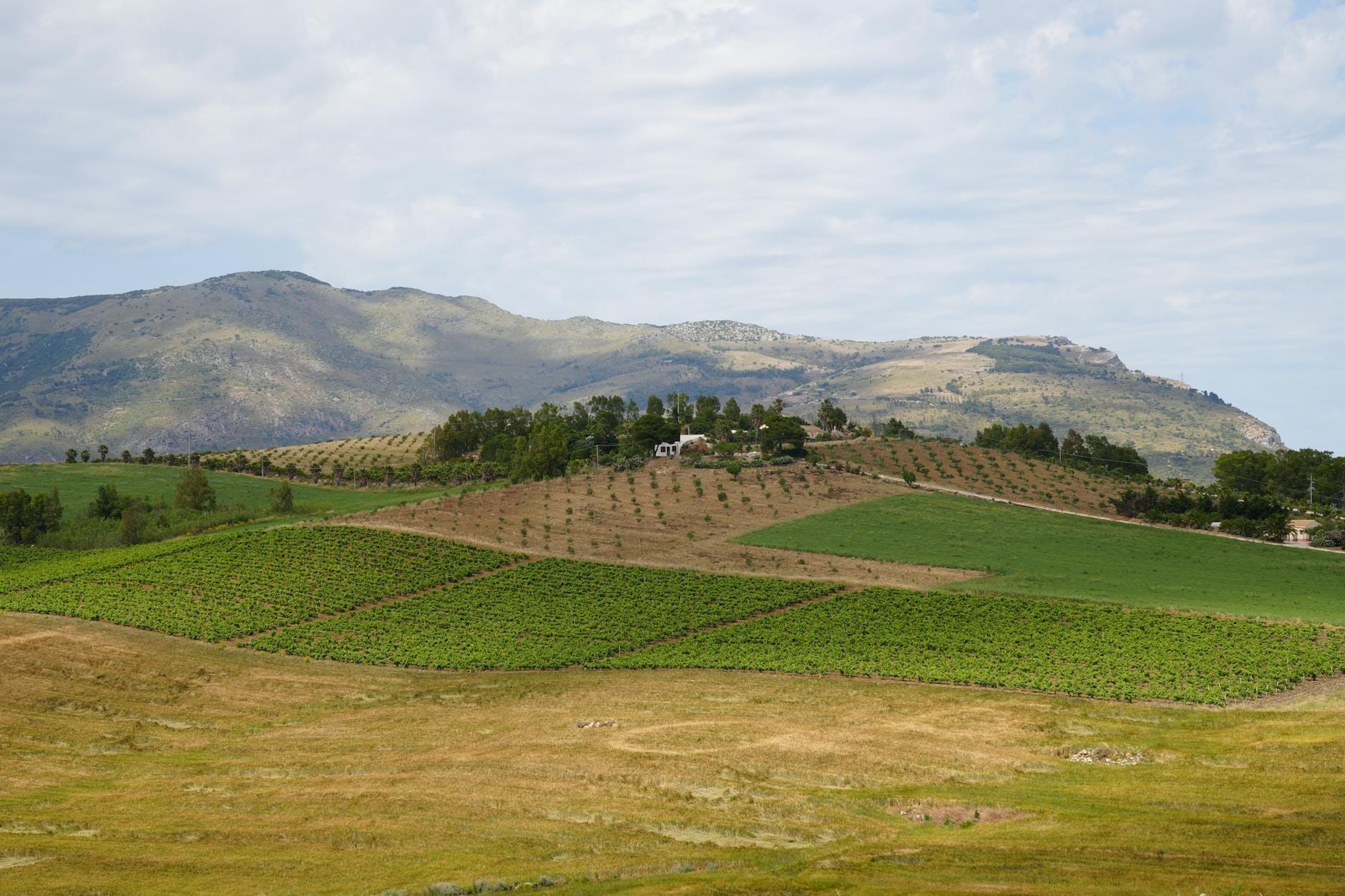
Sicily's 23 DOCs cover most corners of the island, but a handful of zones account for the majority of serious wine tourism and critical acclaim. Understanding which zone produces which style will save you considerable time when planning a tasting itinerary.
- Etna DOC The most talked-about zone in contemporary Sicilian wine. Vineyards on the northern and eastern slopes of the volcano produce Nerello Mascalese reds with a Burgundy-like transparency and high acidity, alongside Carricante whites of real mineral precision. Altitude, volcanic soil, and old bush vines are the defining factors. Sub-zones (contrade) like Milo, Castiglione, and Solicchiata each have recognizable soil and microclimate differences.
- Cerasuolo di Vittoria DOCG Located in the Ragusa and Caltanissetta provinces, this is Sicily's top-tier appellation by classification. The DOCG requires a minimum 50% Nero d'Avola blended with Frappato. The result is a medium-bodied red with bright cherry fruit and spice, quite different from the dense, extracted Nero d'Avola often sold as a varietal wine.
- Marsala DOC Sicily's most internationally famous wine, though frequently misunderstood. Marsala is a fortified wine produced around Trapani from Grillo, Catarratto, and Inzolia. Quality ranges enormously from industrial cooking wine to serious aged Vergine and Stravecchio styles. Seek out Superiore and Vergine categories from producers like Florio or Marco De Bartoli to understand what Marsala can be at its best.
- Pantelleria DOC The island of Pantelleria, southwest of Sicily proper, produces Passito di Pantelleria, a sweet dessert wine from sun-dried Zibibbo grapes (Muscat of Alexandria). It is one of Italy's great sweet wines: intensely perfumed, with apricot, orange peel, and honey. Donnafugata's Ben Ryé is the benchmark expression most visitors encounter first.
- Noto, Menfi, Alcamo, and Monreale DOCs These appellations cover the southern and western interior, producing varietal Nero d'Avola (Noto is considered the original heartland of the grape), Grillo, Catarratto, and Syrah. Less visited by tourists than Etna, but Menfi in particular hosts several well-organized wineries with tasting rooms.
Native Grapes: What to Order and Why
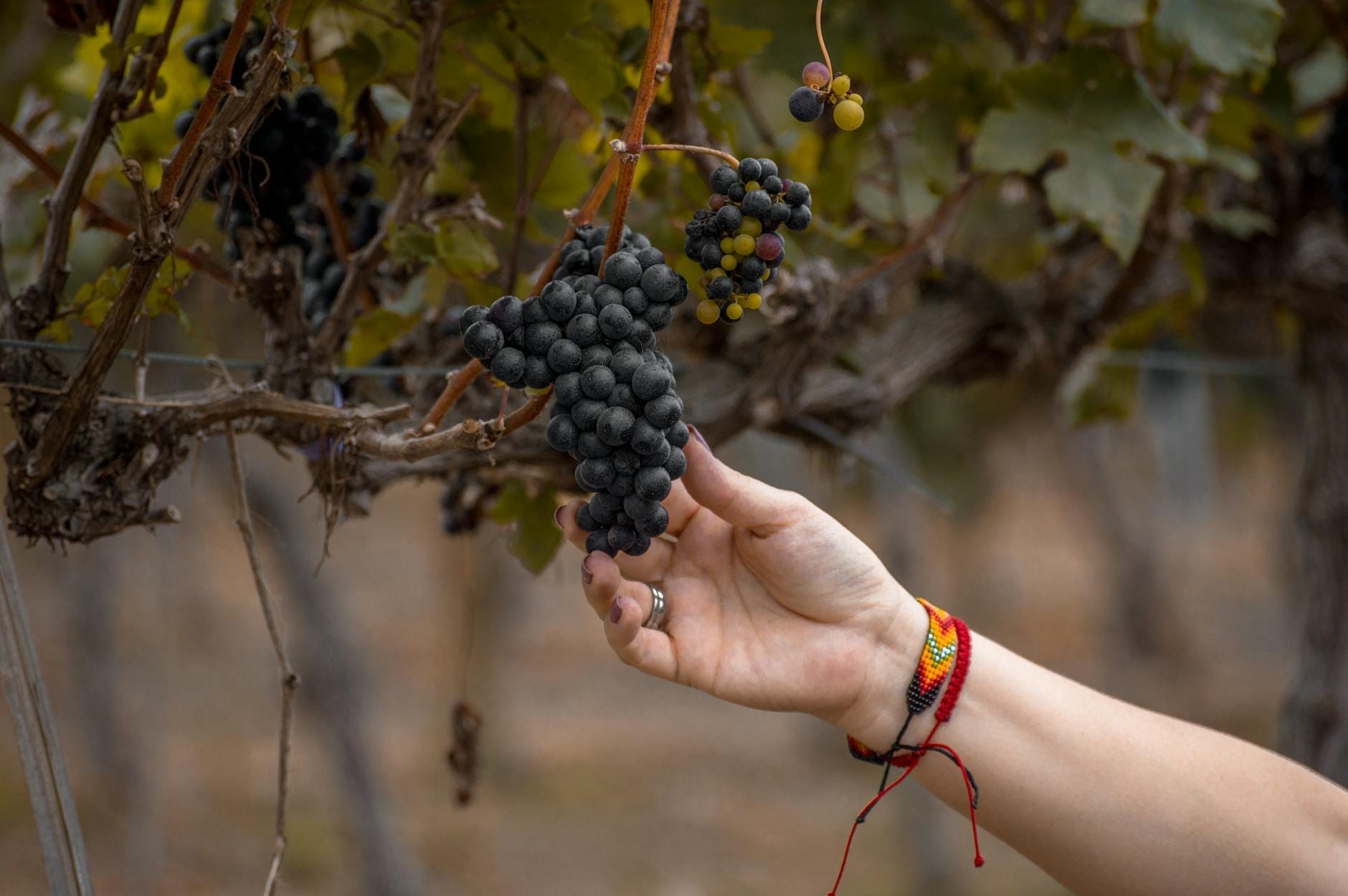
Sicily's greatest strength is its portfolio of indigenous varieties, many of which exist nowhere else in meaningful quantities. The island resisted the international variety wave more successfully than most Italian regions, and the results are wines you cannot find elsewhere.
On the red side, Nero d'Avola is the most widely planted quality variety, producing full-bodied wines with dark plum fruit, warm spice, and firm tannin. At its best in the Noto and Pachino areas of the southeast, it performs very differently from high-altitude Etna reds. Nerello Mascalese, the dominant Etna grape, is structurally closer to Nebbiolo or Pinot Noir: pale garnet, high acid, earthy, and capable of significant aging. Nerello Cappuccio adds color and softness when blended with it. Frappato, used in Cerasuolo di Vittoria, is lighter and more aromatic, with a fragrant raspberry quality that makes it approachable young.
On the white side, Catarratto is the most planted grape on the island by volume, producing fresh, lemony wines that work well as everyday drinking. Grillo, historically used for Marsala, has been reimagined as a dry white with citrus and almond notes. Carricante, grown predominantly on Etna's slopes and especially valued on the eastern side around Milo, produces the island's most serious dry whites with notable mineral depth and aging potential. Zibibbo, also called Muscat of Alexandria, is the Pantelleria grape: aromatic, floral, and used for both dry and sweet styles.
✨ Pro tip
If you only try one white on Etna, make it a Carricante from a producer in Milo on the eastern slope rather than the better-known northern side. The wines are less exported and harder to find abroad, which makes tasting them in situ genuinely worthwhile.
How to Plan a Sicily Wine Tasting Trip
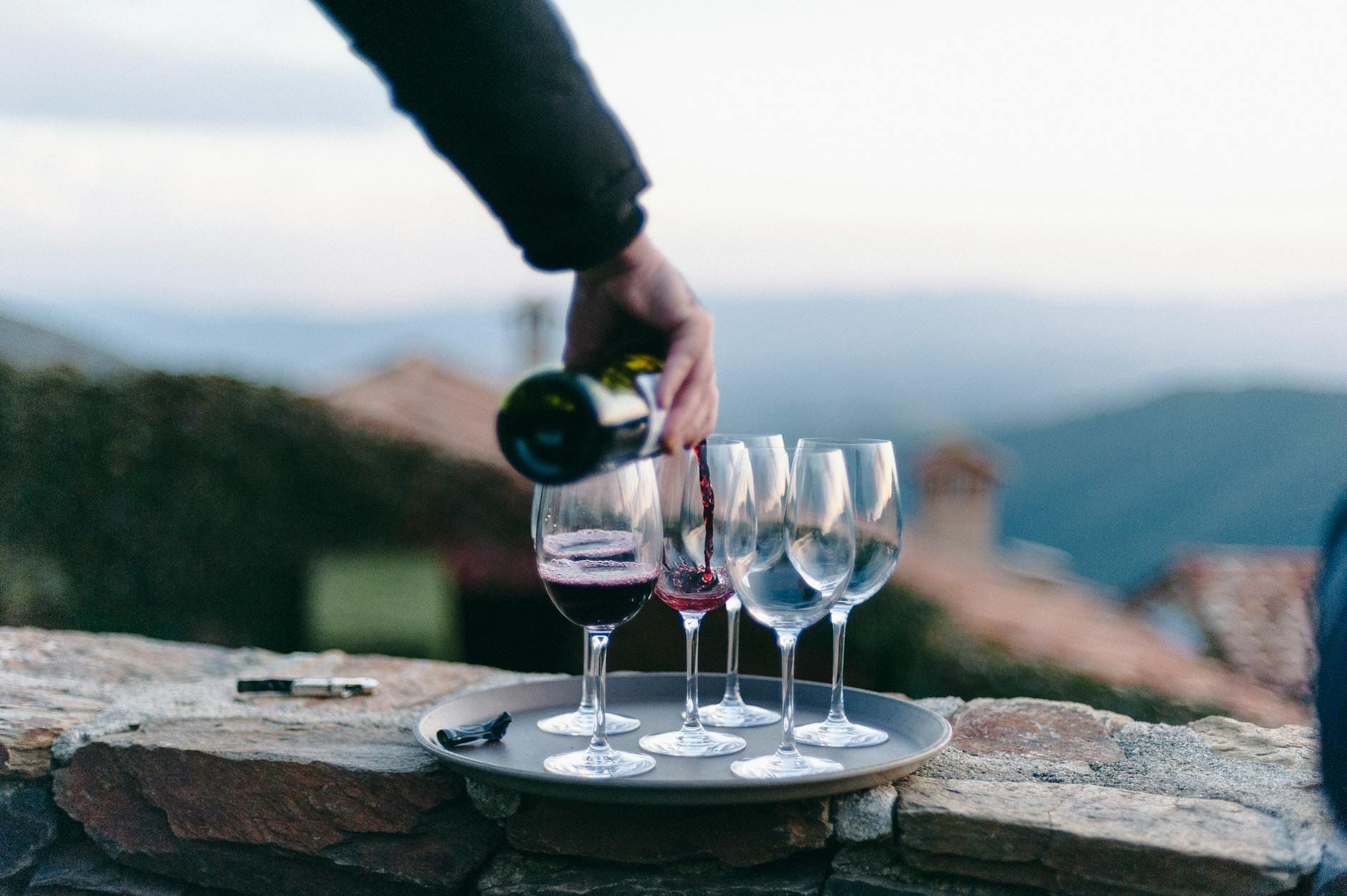
Sicily's geography means wine touring divides naturally into two halves. Eastern Sicily, centered on Catania and the slopes of Mount Etna, is compact and increasingly well-organized for visitors. Western Sicily, accessed via Palermo or Trapani, covers the Marsala, Menfi, and Alcamo zones and requires more driving time between stops.
For Etna, a car is essential. The volcano's wine estates are spread across multiple municipalities on the northern slope (Castiglione di Sicilia, Randazzo) and eastern slope (Milo, Zafferana Etnea), with narrow roads that do not suit large vehicles. Etna volcano trails and winery visits can be combined in the same day if you plan the altitude well: visit the higher estates in the morning before afternoon heat builds. Most Etna producers require reservations made at least a week in advance, and some are appointment-only year-round.
For western Sicily, Trapani makes the most practical base for Marsala and Pantelleria trips. The Marsala wine road groups several estates together within easy reach of the city. Pantelleria requires a separate ferry crossing (about 5–6 hours from Trapani, or longer on some services) or a short flight, so it works best as a dedicated overnight rather than a day trip. The salt pans near Trapani and the Stagnone lagoon are worth building into a western Sicily wine circuit, as the landscape context adds real texture to understanding why Grillo and Catarratto grow so well here.
- Book winery visits at least one week ahead, especially for small Etna producers. Some require a minimum group size of two or four.
- Rent a car for any serious wine touring. Intercity buses do not connect vineyard areas reliably.
- Avoid scheduling tastings between noon and 3pm in July and August, when temperatures regularly exceed 35°C in low-lying zones.
- Check whether the winery includes food pairings. Many Sicilian estates now offer cheese, charcuterie, or a full lunch alongside tastings, which significantly improves value at €30–50 per person.
- Organized wine routes (strade del vino) exist for Etna, Marsala, Alcamo, Monreale, and several others. Route signage on the ground is inconsistent; use a GPS and confirm addresses directly with the winery.
Best Time to Visit for Wine Tourism
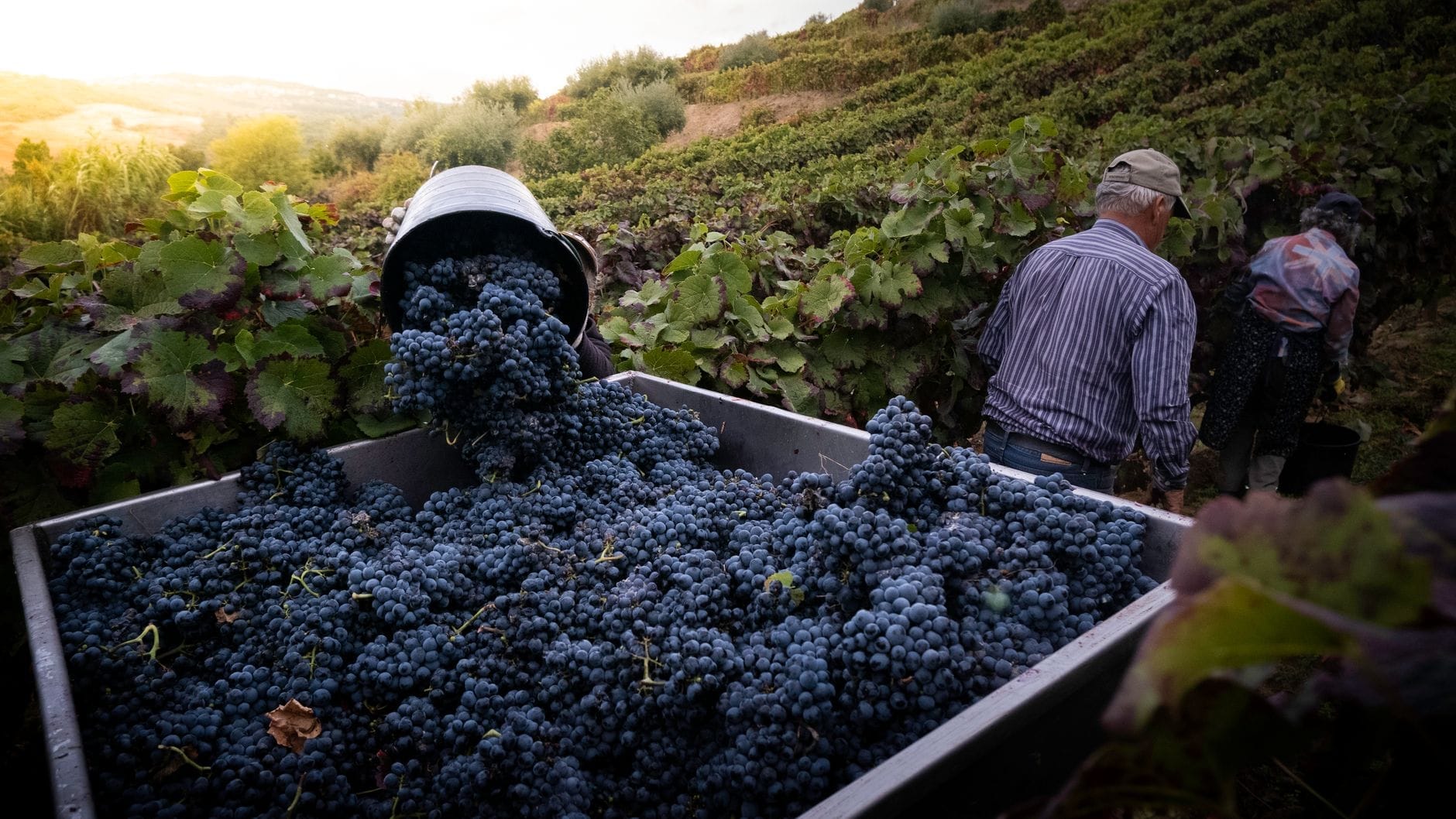
Harvest season, late August through October, is the obvious answer for anyone who wants to see vineyards in action. Etna's higher-altitude estates often harvest in October and can extend into November in cooler years, making the volcano area pleasant for visits when coastal Sicily is already cooling noticeably. The combination of visiting Sicily in October with winery tours is genuinely well-suited: the summer crowds have thinned, accommodation prices drop, and producers are energized by the vintage.
Spring, April through early June, is equally good from a comfort standpoint. Vineyards are green, winery staff are available before harvest preparations consume all their time, and daytime temperatures across the island range from 17 to 24°C. Summer wine touring is possible but uncomfortable in low-lying zones; Etna is the exception because altitude keeps temperatures manageable even in July.
⚠️ What to skip
Many smaller Sicilian wineries close for most of August when owners take their own holidays. If your trip falls in mid-August, confirm directly with estates before finalizing your itinerary. The same applies to the period between Christmas and early January.
Common Misconceptions About Sicilian Wine
Several outdated ideas about Sicilian wine persist in popular travel writing and are worth correcting before you arrive with wrong expectations.
The most common is that Sicily only produces bulk wine or sweet Marsala. In fact, the quality-focused segment of the industry has grown substantially since the 1990s. Estates like Benanti, Cornelissen, Passopisciaro, and COS have earned serious international press, and Etna DOC now commands prices that would surprise anyone whose last Sicilian wine cost under €10. For the full picture of Sicilian food and drink culture, wine is central, not peripheral.
The second misconception is that Nero d'Avola is Sicily's only important red variety. While it is certainly the most recognized name internationally, Nerello Mascalese on Etna has attracted more critical attention in the past decade than any other Sicilian red. Its tannin structure, acid backbone, and sensitivity to site make it genuinely comparable to top Burgundy or Barolo in terms of the intellectual engagement it rewards. Frappato, lighter and less known, is another variety worth seeking out in its varietal form as well as in Cerasuolo di Vittoria blends.
Finally, some visitors assume that Sicilian wine tourism is underdeveloped. The Etna zone in particular now has a well-established circuit of tasting rooms and wine bars in Linguaglossa, Randazzo, and Castiglione di Sicilia. In Palermo, natural wine bars have proliferated in the historic center near the Vucciria market area, where you can find Sicilian producers rarely exported, poured by the glass at accessible prices.
💡 Local tip
In Palermo and Catania, look for enoteche (wine shops with tasting) that specialize in Sicilian producers. A session at a good enoteca, where the owner can explain regional differences across 6–8 wines by the glass, often teaches you more than a single winery visit and costs less. Budget around €15–25 for a guided tasting flight.
Practical Tips for Getting the Most From Sicilian Wine Country
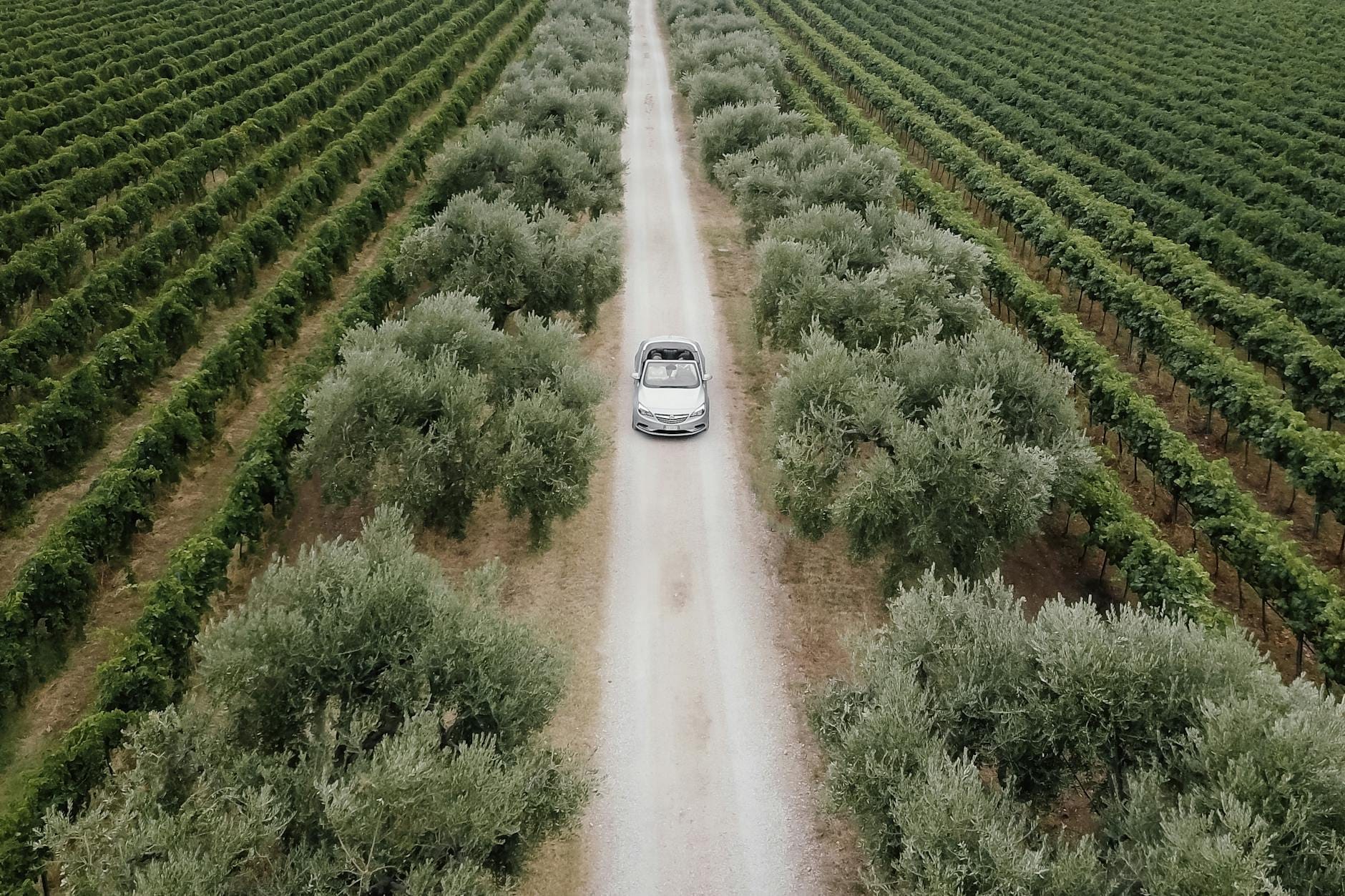
Getting around Sicily's wine regions independently requires a car; there is no substitute. The Sicily by car road trip guide covers logistics in detail, but for wine touring specifically, note that Etna's roads are narrow, sometimes single-track between vineyard areas, and parking at smaller estates may be limited to a handful of spots. Arrive on time for appointments: Sicilian winery staff typically host multiple tours per day in a tight schedule.
For those without a car or who prefer not to drive through vineyard areas after tasting, organized wine tours departing from Catania or Palermo are widely available. These typically include transport, a guide, two or three winery visits, and lunch. They represent better value than the logistics headache of self-driving for a single day. See the day trips from Catania options for wine-focused excursions leaving from the eastern base.
Shipping wine home from Sicily is straightforward from larger estates that export regularly. They will know the rules for your destination country and can arrange it. Carrying bottles in luggage works for small quantities: wrap in clothing or use purpose-made wine sleeves, and note that checked luggage on European budget carriers often has weight limits that make more than six bottles impractical.
FAQ
What is the most important wine region in Sicily?
Etna DOC is currently the most critically acclaimed zone, producing Nerello Mascalese reds and Carricante whites with genuine aging potential and a distinctive volcanic mineral character. Cerasuolo di Vittoria holds the island's only DOCG status, making it the highest classification, though it covers a smaller area. Marsala DOC has the longest international history. Which is 'most important' depends on your interest: prestige and contemporary hype point to Etna; history and tradition point to Marsala.
What grape variety is Sicily best known for?
Nero d'Avola is the most internationally recognized Sicilian grape, producing full-bodied reds with dark fruit and warm spice, particularly in the Noto and Vittoria areas of the southeast. However, Nerello Mascalese from Etna has attracted more critical attention in recent years for its complexity and aging potential.
Do I need to book winery visits in advance in Sicily?
Yes, especially for smaller Etna producers, who are often family operations with limited staff for hospitality. Book at least one week ahead, and ideally two to three weeks during harvest season (September to October) and over Easter. Larger, more commercially oriented wineries in Marsala and Menfi sometimes accept walk-ins, but calling ahead is still strongly recommended.
What is Marsala wine and is it worth trying?
Marsala is a fortified wine produced near Trapani from local white grapes, primarily Grillo, Catarratto, and Inzolia. The quality spectrum is wide: industrial versions used primarily for cooking bear little resemblance to aged Superiore or Vergine styles, which can be genuinely complex and worth cellaring. If you want to understand real Marsala, seek out a producer visit or a tasting of older Vergine bottlings. Avoid supermarket cooking Marsala as a reference point.
When is harvest season in Sicily?
Harvest generally begins in late August in low-altitude coastal zones for early-ripening varieties, and extends through October in higher-altitude areas. Etna vineyards, which reach up to 1,200 meters, often harvest last, sometimes into November in cooler years. Late September through October is the optimal window for visiting if you want to see harvest activity while also enjoying manageable temperatures and fewer tourists than the summer peak.