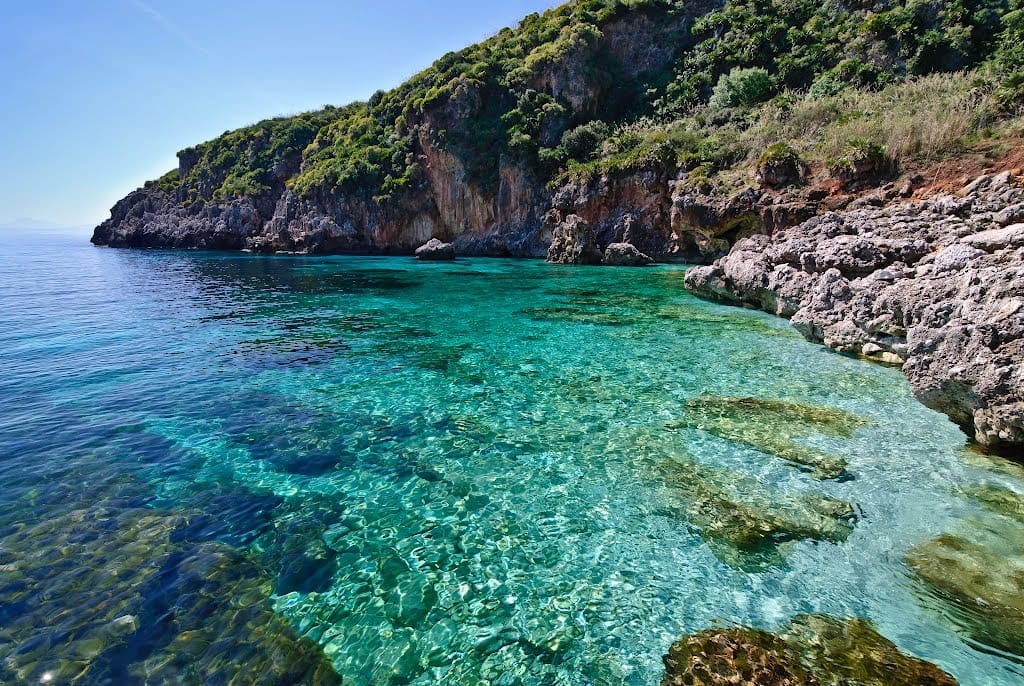
Trapani and the far west of Sicily sit at a geographic and cultural crossroads where Africa feels closer than Rome. The region combines Greek ruins, medieval hilltop towns, windswept salt pans, and some of the clearest water in the Mediterranean, all without the crowds that descend on the island's more famous destinations.
Western Sicily is where the island turns its back on the mainland and faces the open Mediterranean. Trapani city occupies a narrow promontory with salt pans on one side and a working port on the other, and the wider province around it contains an extraordinary concentration of landscapes, ruins, and coastline within a compact area that rewards slow, exploratory travel.
Orientation
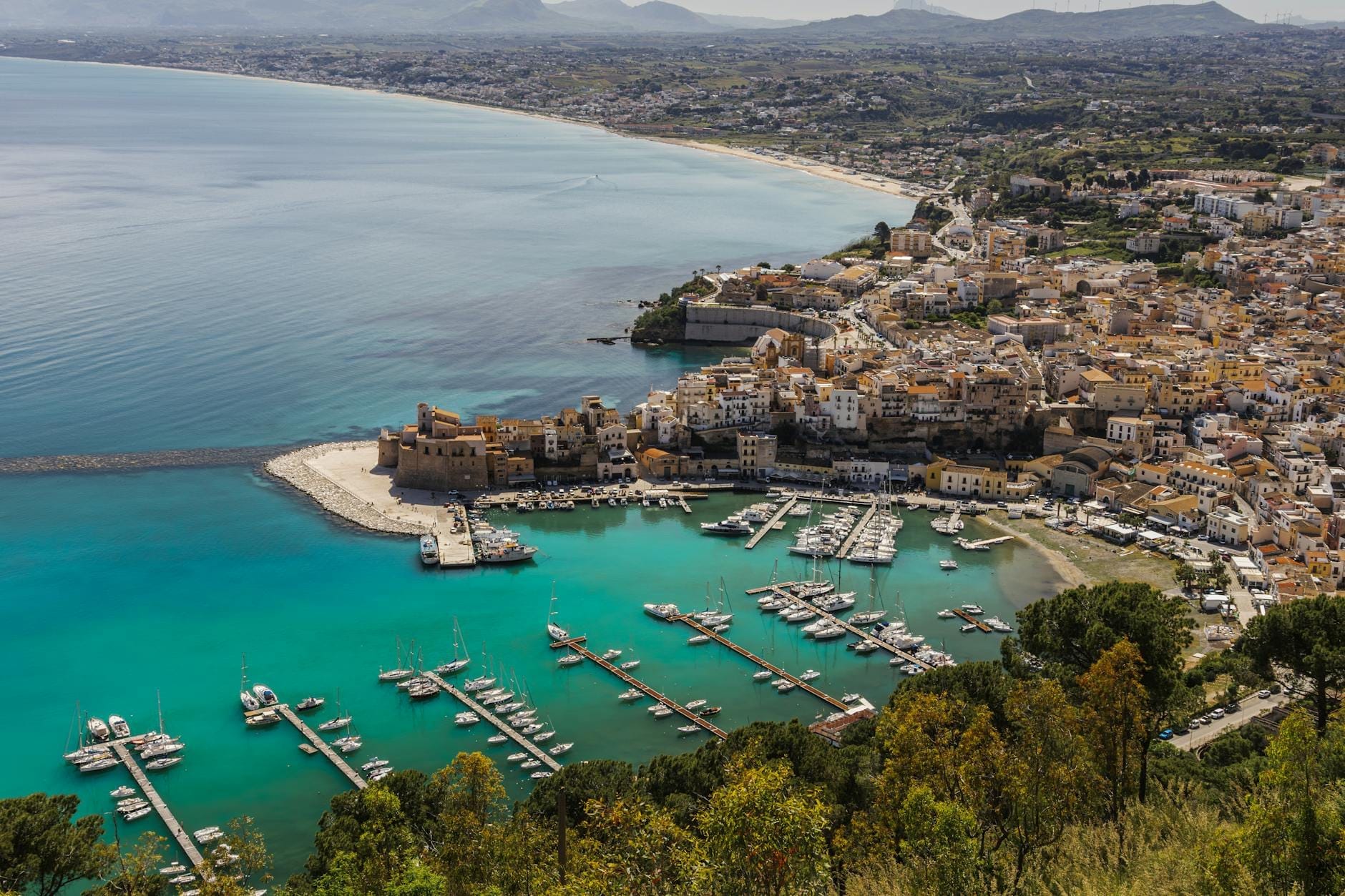
Trapani sits at the extreme northwestern tip of Sicily, at the end of a low limestone promontory that juts into the Mediterranean. The city itself is compact, with the historic centre occupying the narrow western end of the promontory and the more modern commercial neighbourhoods spreading eastward toward the railway station and the airport road. To the south, a chain of windmills and pink salt pans stretches along the coast toward Marsala, while Monte Erice rises sharply to the east, its medieval streets visible from the waterfront on clear days.
The wider province of Trapani covers everything from the rugged cliffs of the Zingaro nature reserve in the north to the Stagnone lagoon in the south, from the Greek temples at Segesta in the hills to the Aegadian Islands floating offshore. It was historically the westernmost province of Sicily before Italian provinces were formally abolished as administrative bodies in 2015, and in some ways the most distinctly Mediterranean: the coastline here faces Tunisia, which is closer to Trapani than Rome is, and the Arabic, Phoenician, and Norman layers of history are more legible here than almost anywhere else on the island.
Palermo lies roughly 90–100 kilometres to the northeast, about an hour and a half by road or a little under two hours by regional train. Agrigento is roughly two hours to the southeast. Trapani functions well as a standalone base for western Sicily, but it also sits naturally at one end of a longer Sicilian circuit that might begin in Palermo and end in the baroque southeast.
ℹ️ Good to know
Trapani–Birgi Airport (IATA: TPS), known officially as Aeroporto Vincenzo Florio, sits about 15–20 kilometres south of the city between Trapani and Marsala. It serves a useful range of European routes and is often cheaper than flying into Palermo, making it a practical entry point for anyone focused on the west of the island.
Character & Atmosphere
Trapani city has the unhurried quality of a place that has never needed to perform for tourists. The old town along Via Garibaldi and the Corso Vittorio Emanuele is genuinely lovely, with baroque and Arab-Norman architecture sharing the same narrow streets, but it has not been polished into a theme park. Fishermen still bring catches into the port. Locals fill the bars along the main corso for the early-evening passeggiata. In the mornings, the fish market near the port moves quickly and loudly, and the smell of salt air and fresh tuna carries all the way to the cathedral square.
By midday in summer, the stone streets of the promontory trap heat and the old town empties out. This is when the beaches south of the city come into their own, and when the cool interior of a church or a wine bar becomes genuinely appealing. The light in the late afternoon, when it falls across the salt pans and turns the water copper and pink, is the most photogenic the area gets. Photographers and birdwatchers tend to congregate along the SP21 road between Trapani and Marsala at this hour.
After dark, Trapani is relaxed rather than lively. A cluster of restaurants and bars around the fish market area and along the waterfront stay busy on summer evenings, but this is not a city with much of a late-night scene. The surrounding province is even quieter after sunset. Erice, the medieval town perched about 750 metres above Trapani, closes down early and feels almost eerie at night, which is part of its appeal.
Outside the city, the pace slows further. San Vito Lo Capo in summer is the exception: this beach resort north of the Zingaro reserve draws large crowds from late June through August, particularly during its couscous festival in September, and the main street fills with stalls and noise in a way that feels nothing like the rest of western Sicily.
What to See & Do
The province contains several sites that would justify a long detour on their own. Taken together, they make western Sicily one of the most rewarding parts of the island for anyone with more than a few days.
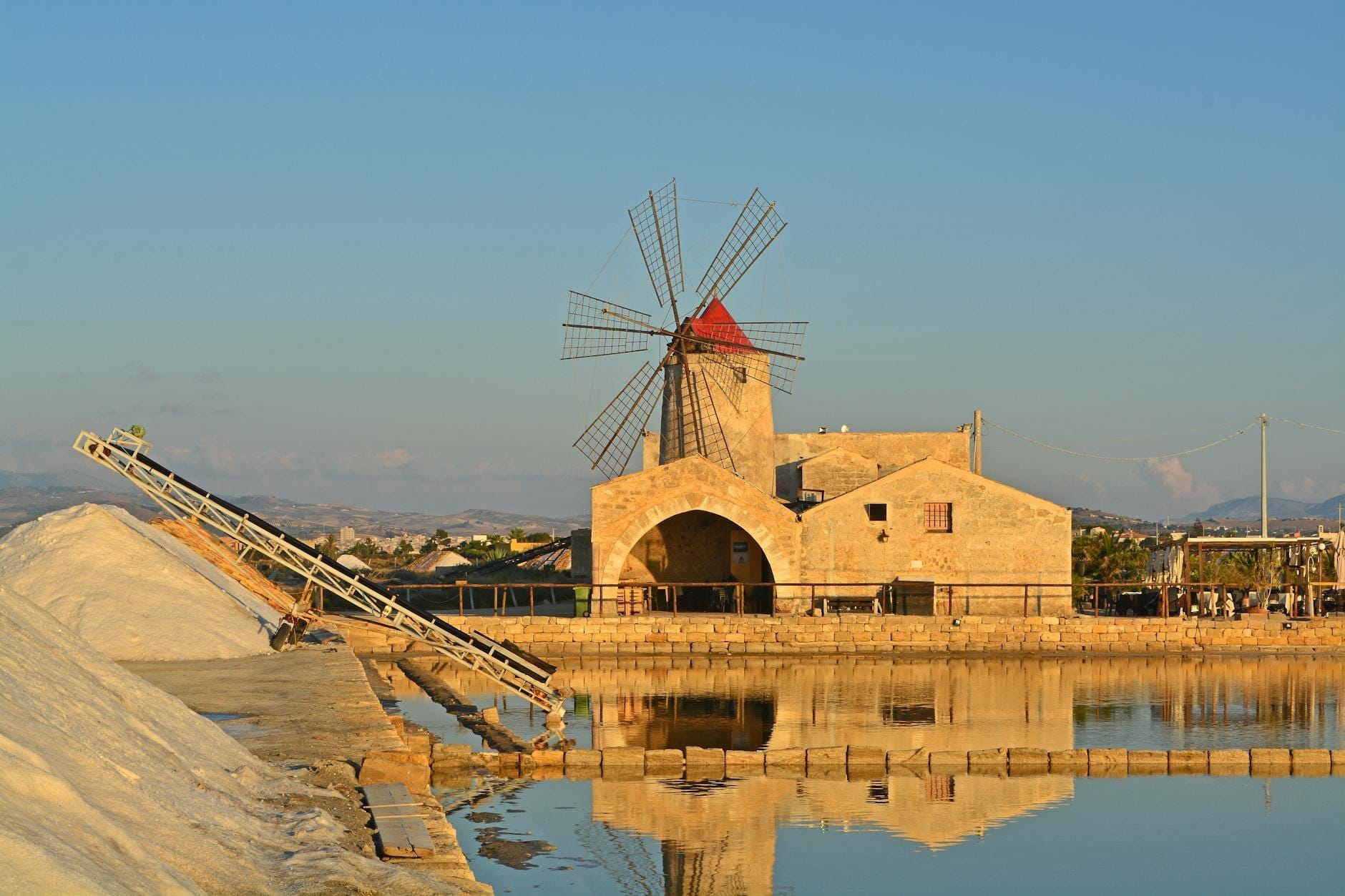
The salt pans between Trapani and Marsala are one of those places that look better in person than in photographs. The shallow pans, divided by raised earthen paths and marked by stone windmills, have been producing salt since the Phoenician era. In the late afternoon, the combination of low light, flamingos wading in the shallows, and the silhouette of Favignana on the horizon is genuinely striking. The Stagnone lagoon adjacent to the pans is also the best place in Sicily for kitesurfing, and schools operate along the waterfront road near Marsala.
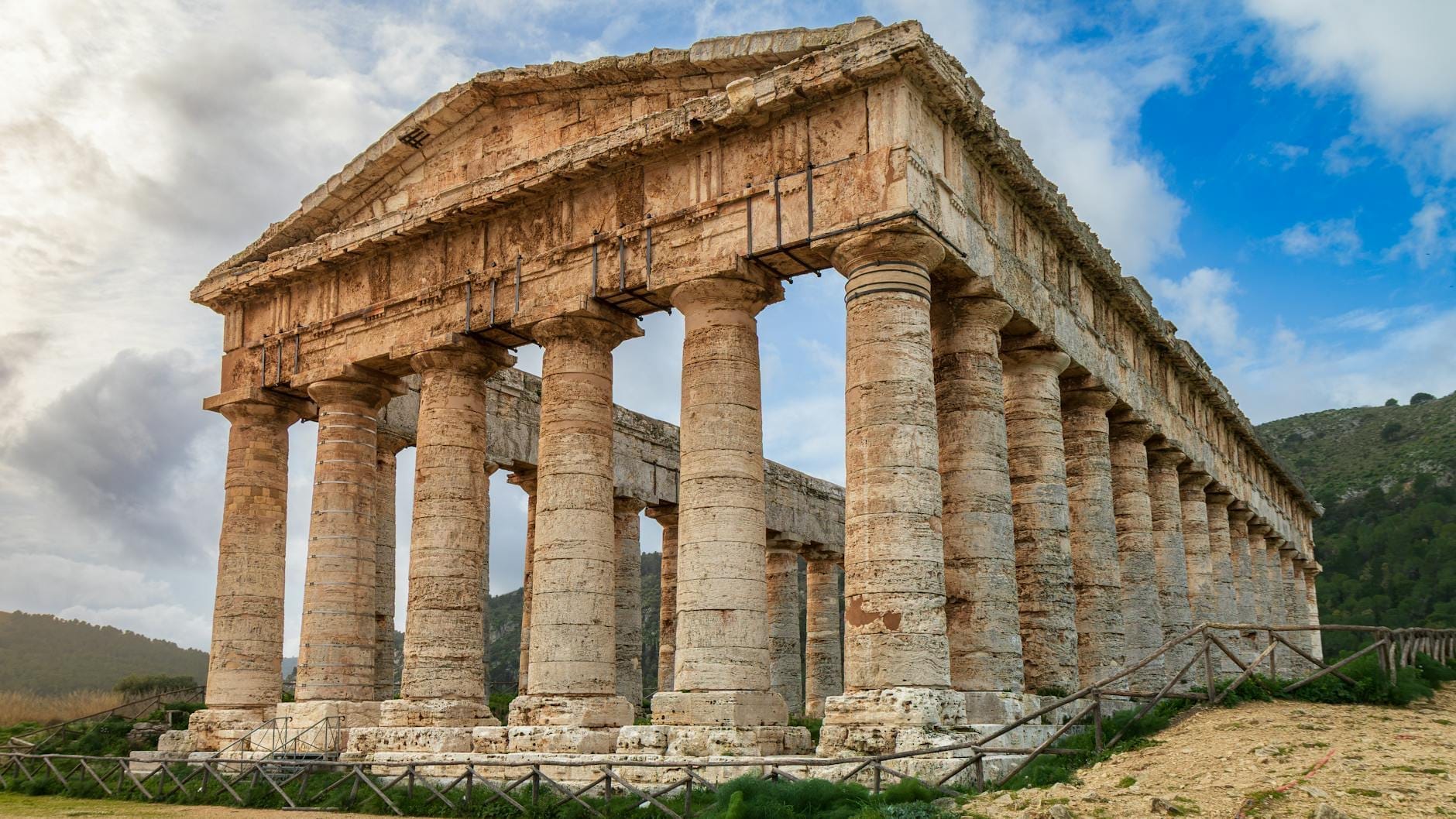
The Greek temple at Segesta sits on a hillside in the interior, about 35 kilometres east of Trapani. It dates from around the late 5th century BCE and was never finished, which makes it oddly compelling: the column drums are all in place but the roof was never completed, and the cella was never built. A short walk uphill from the temple leads to a Greek theatre with views over the surrounding valley. Segesta is easy to combine with a day trip from either Trapani or Palermo.
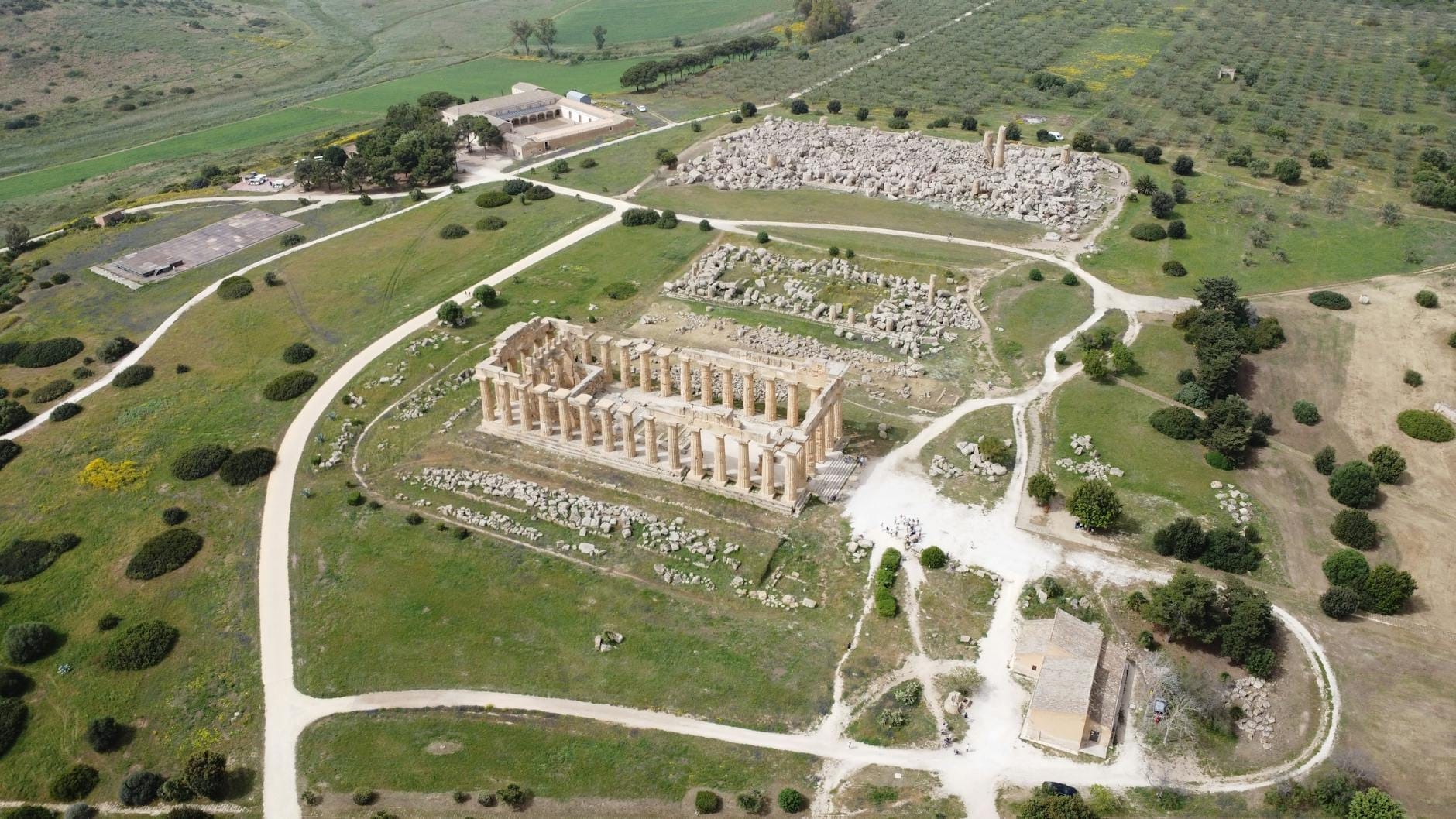
Selinunte, on the southern coast of the province, is among the largest Greek archaeological parks in Europe by area. The scale of the ruins is hard to comprehend until you are standing among them: several massive temple platforms, tumbled columns, and a still-visible ancient street grid spread across a clifftop above the sea. It is less visited than Agrigento's Valley of the Temples and far more atmospheric. Allow at least two to three hours.
Erice: a medieval walled town reached by road or cable car from Trapani, with cobbled streets, Norman fortifications, and wide-ranging views over the Egadi Islands and much of western Sicily
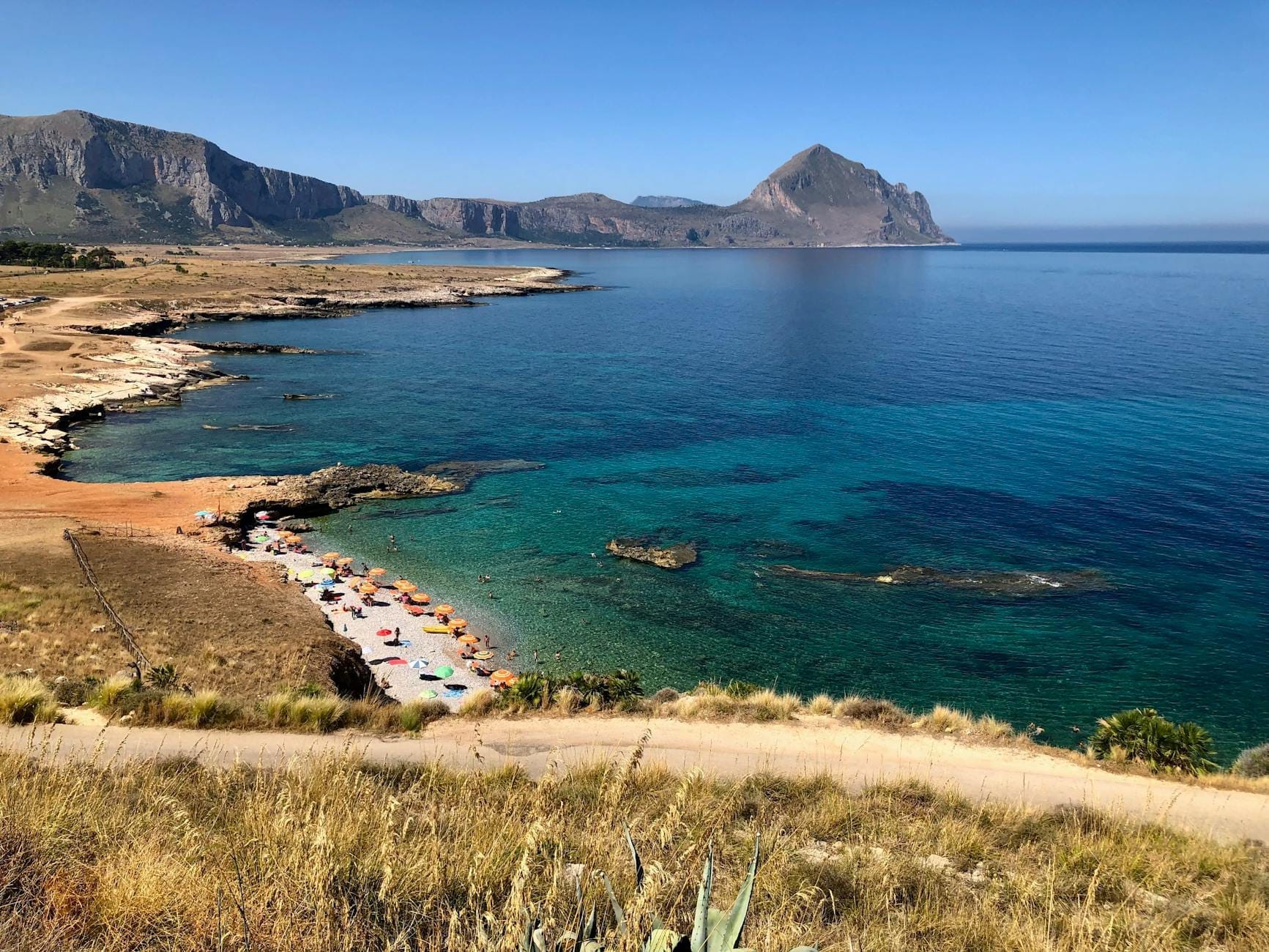
Zingaro Nature Reserve: a protected coastal strip north of San Vito Lo Capo, accessible only on foot, with limestone cliffs, small coves, and hiking trails of varying difficulty
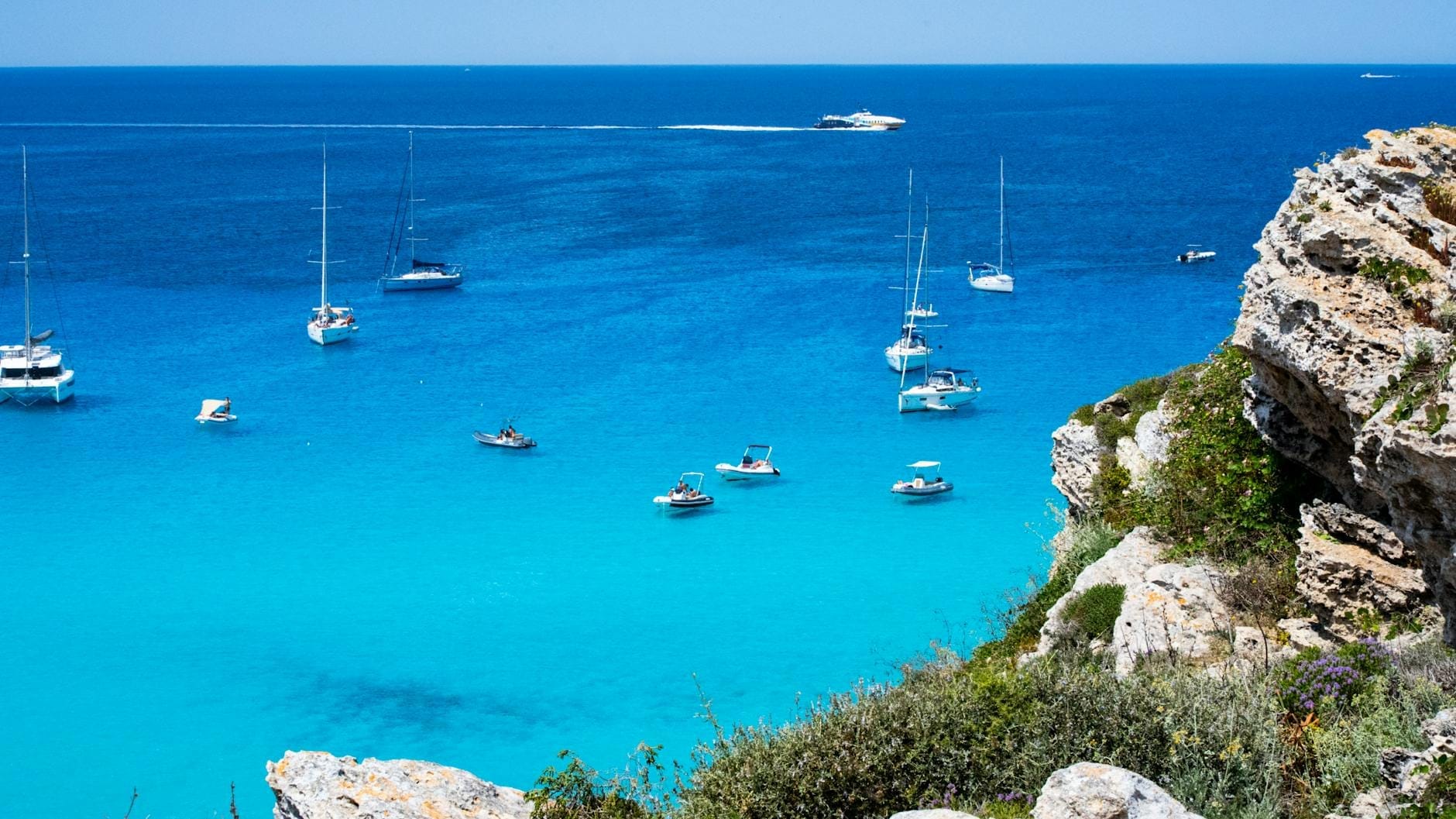
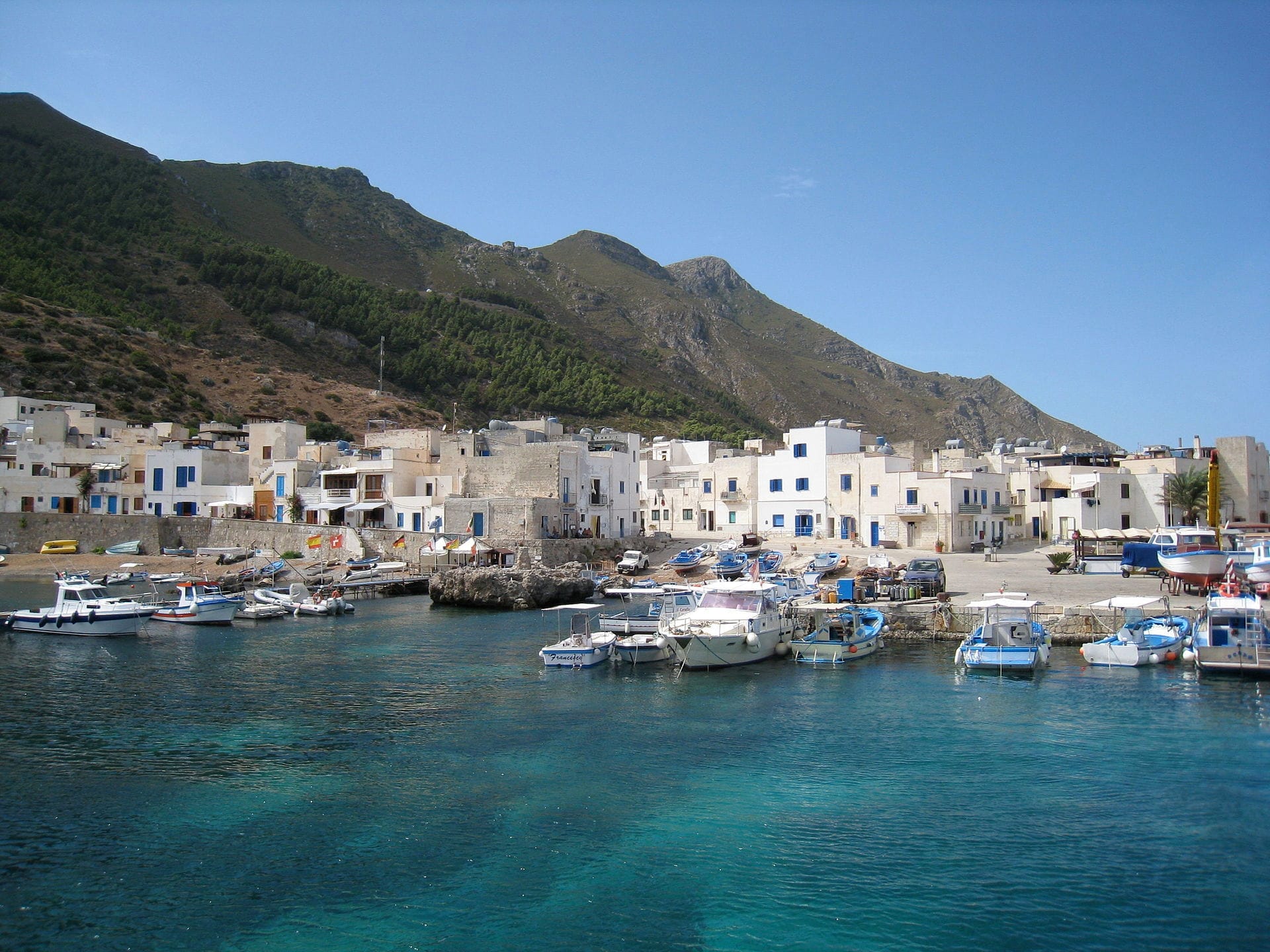
Favignana Island: the largest of the Aegadian Islands, known for tuna fishing history, transparent water, and the Grotta del Genovese cave paintings on neighbouring Levanzo
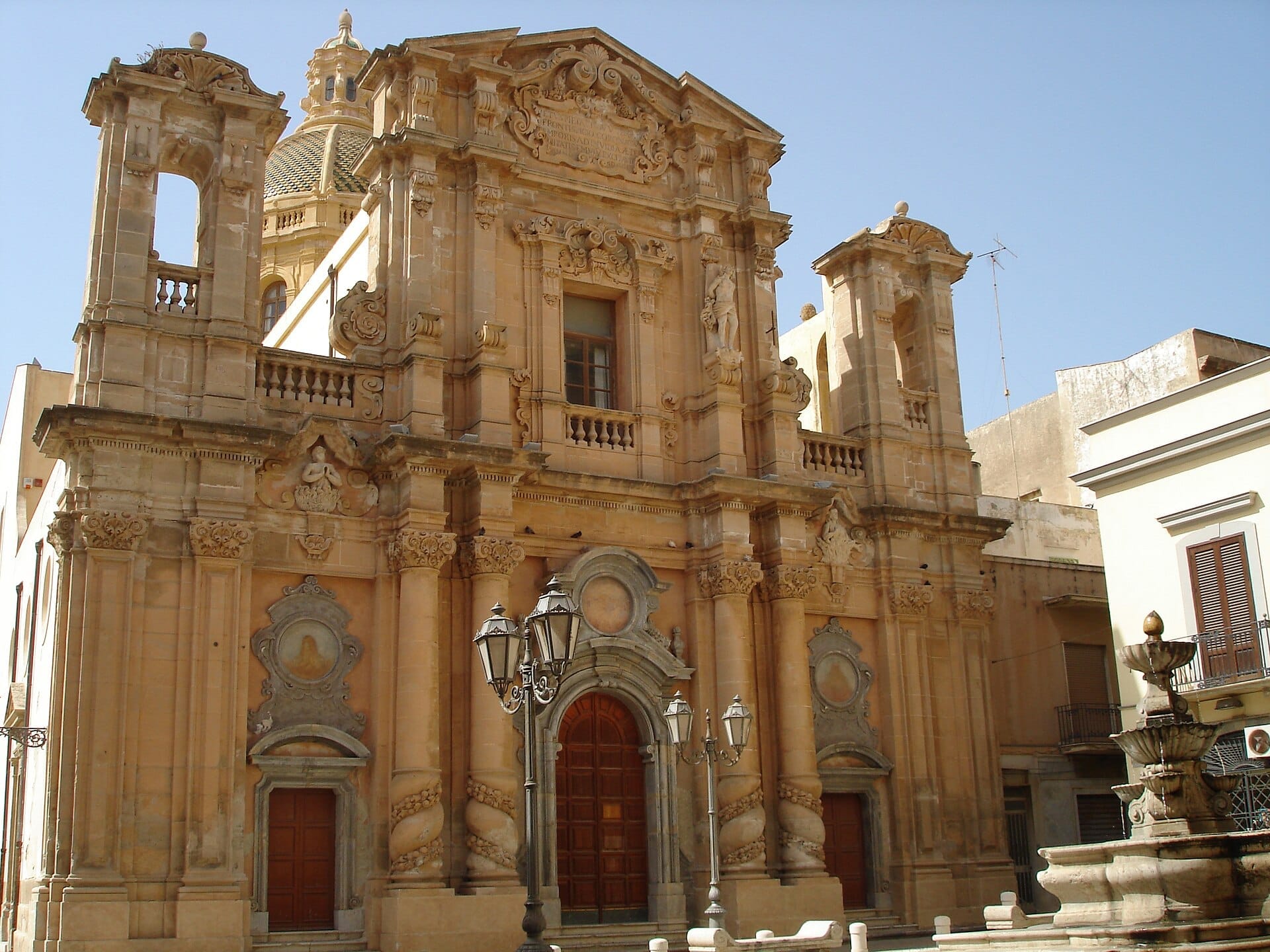
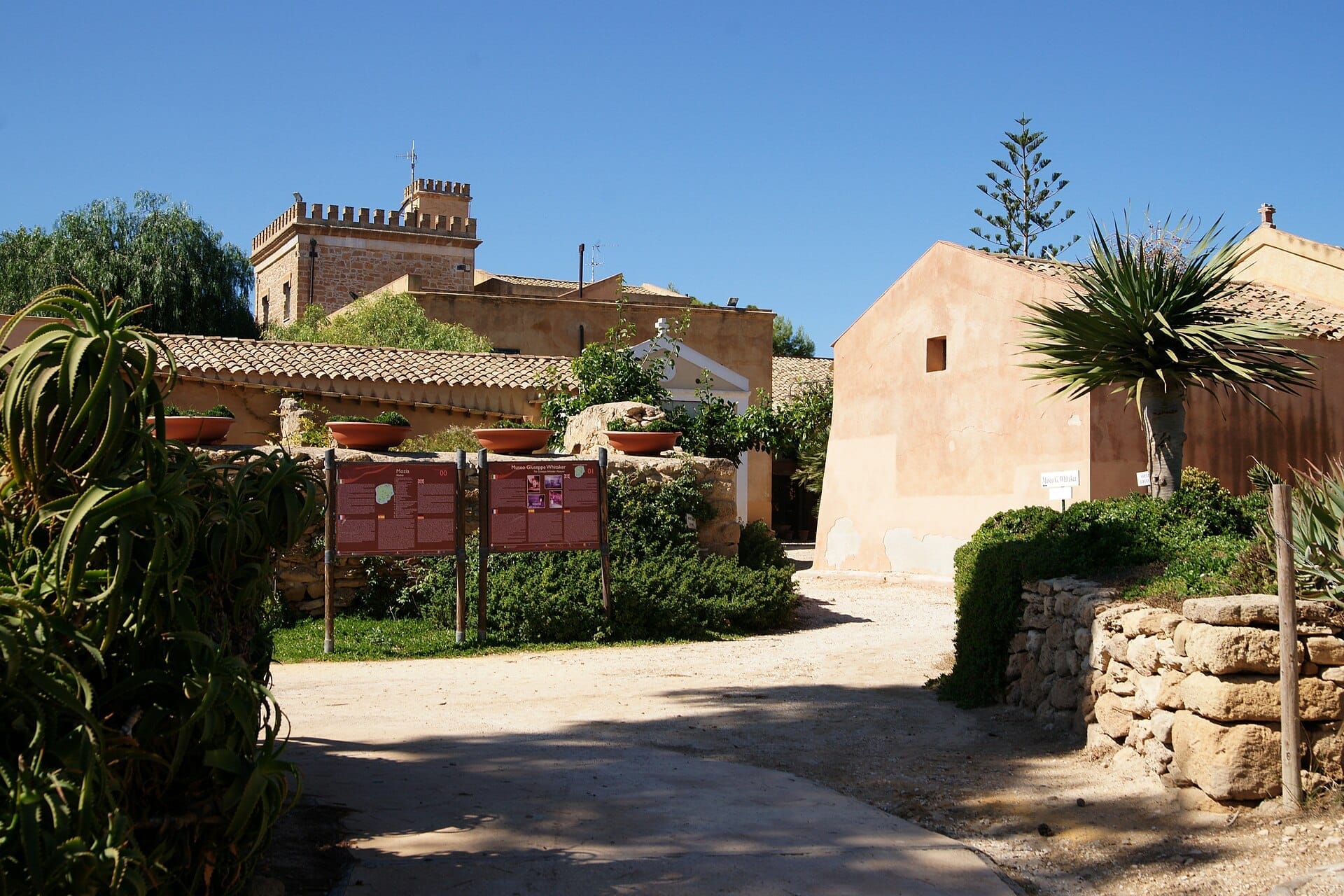
Marsala historic centre: a compact baroque town with Roman and Phoenician remains, Marsala wine cellars offering tastings, and the Museo Archeologico Baglio Anselmi containing a Punic warship
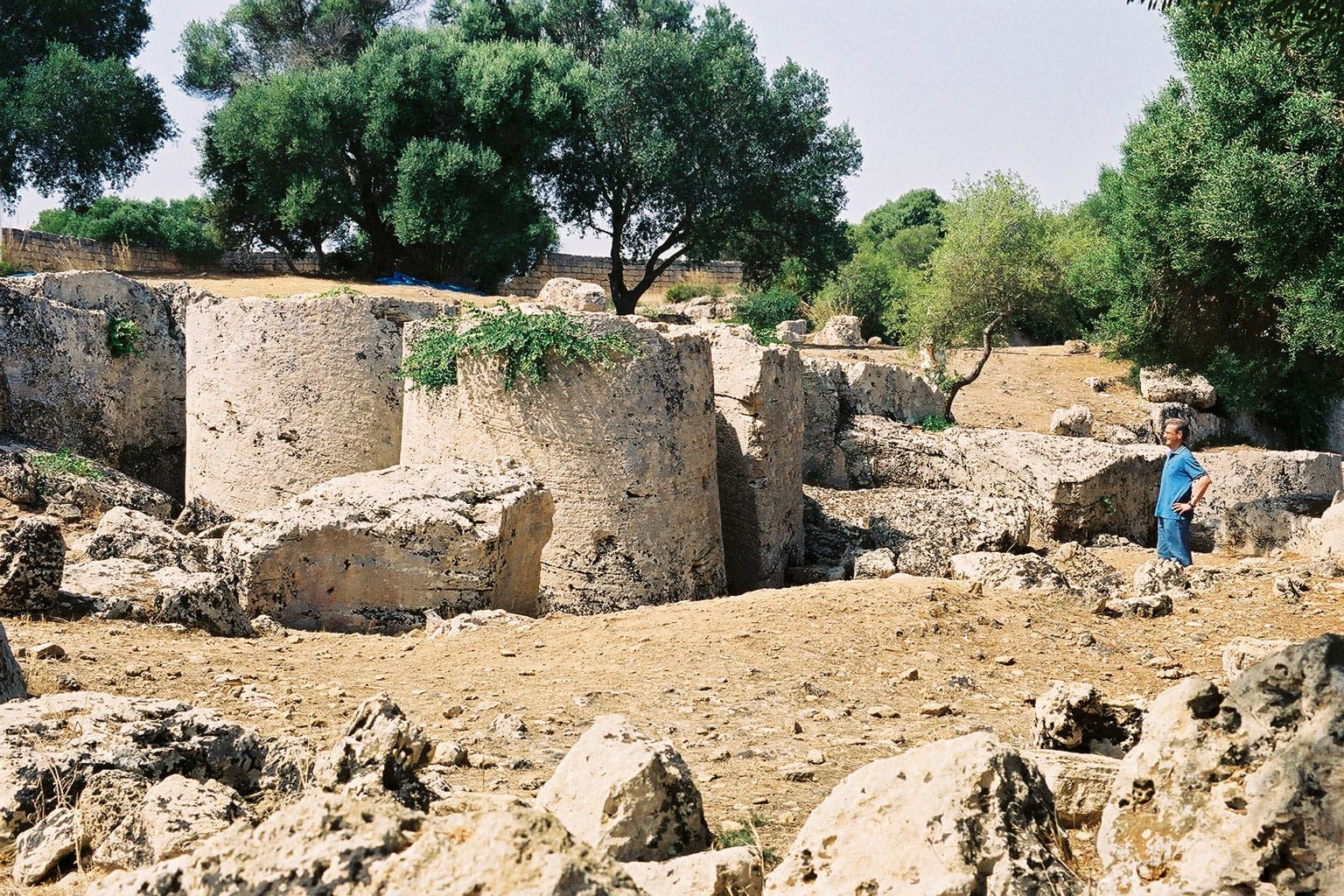
Cave di Cusa: the ancient quarry site where the column drums for Selinunte were cut, abandoned mid-work when Selinunte fell, leaving stone drums lying where they were left 2,400 years ago
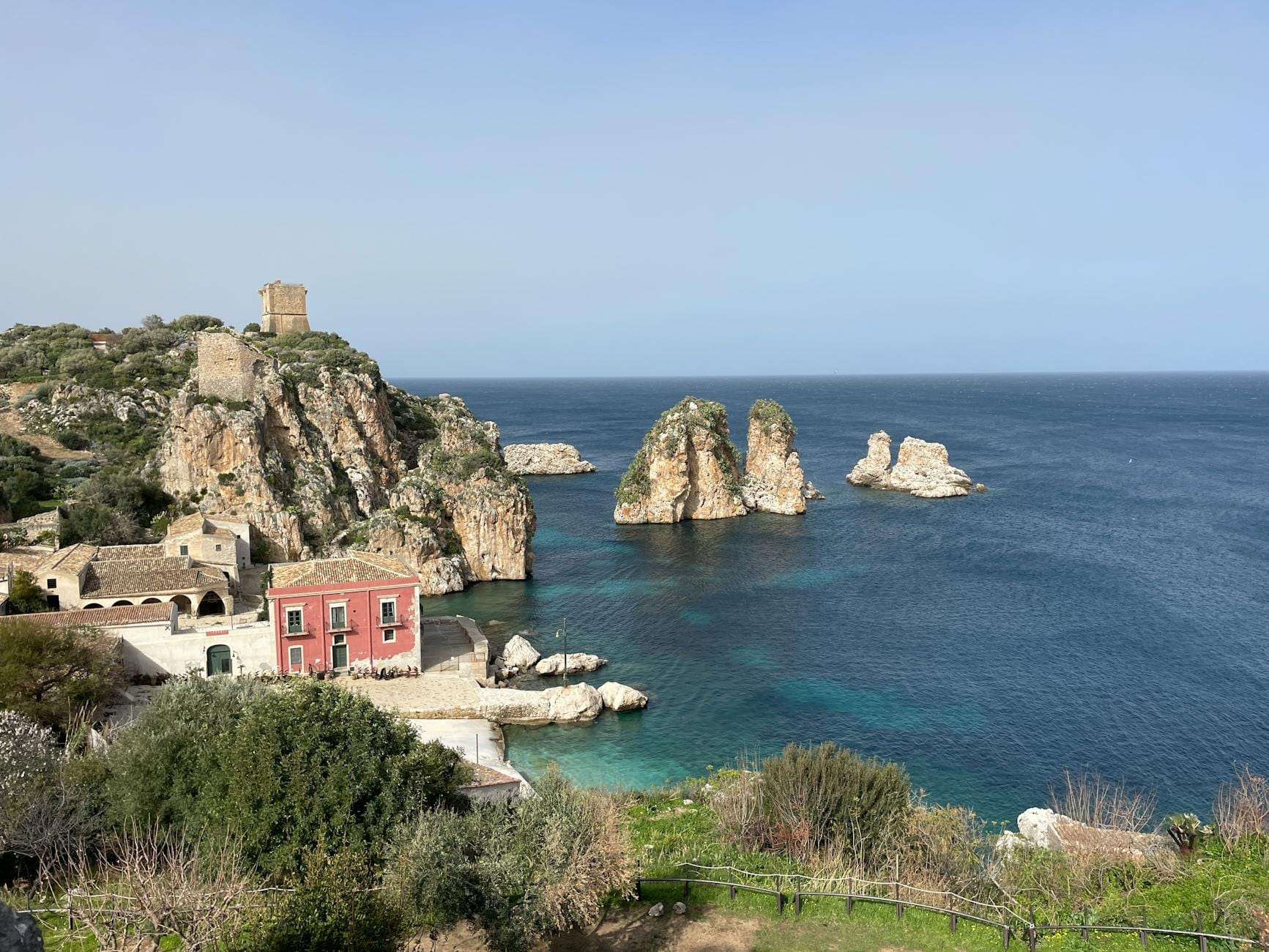
For anyone interested in nature and hiking, the Zingaro Nature Reserve is one of the best coastal walks in Sicily. The main coastal path runs for about seven kilometres along the reserve and can be entered from either the north (near San Vito Lo Capo) or the south (near Scopello). The Scopello end also gives access to the Tonnara di Scopello, a historic tuna processing facility built around a small rocky bay that is among the most photographed spots on the island.
💡 Local tip
The Aegadian Islands (Favignana, Levanzo, Marettimo) are reached by regular ferries and hydrofoils from Trapani port. Journey times range from 15 minutes to Favignana by hydrofoil to about an hour to Marettimo. Day trips are possible, but an overnight on Marettimo in particular is worth it: the island has very few cars and limited tourist infrastructure, which makes it feel genuinely remote.
Eating & Drinking
Western Sicilian food reflects the Arabic influence on the island more directly than almost anywhere else. Couscous with fish broth (couscous di pesce) is the signature dish of Trapani and the surrounding coast, a legacy of centuries of contact with North Africa. It is not a tourist novelty here: it appears on menus across the city and the province, prepared in the traditional way with slow-cooked fish stock poured over hand-rolled semolina.
Pesto alla trapanese, the local answer to Genoese pesto, is made with fresh tomatoes, almonds, garlic, basil, and olive oil rather than pine nuts or cream. It is served on busiate, a short hand-rolled pasta coiled around a thin stick, which has been made in this area for centuries. Any trattoria in the old town will have it on the menu, and the quality is generally high even in unremarkable-looking places.
Tuna is the other pillar of the local diet. Western Sicily was historically the centre of the island's mattanza, the traditional bluefin tuna hunt, and while the practice has largely ended, the culture around tuna remains. Tuna bottarga (cured roe), tuna in oil, and fresh bluefin steaks appear across the region, particularly in Favignana, which retains a tuna museum in the restored Ex Stabilimento Florio delle Tonnare di Favignana e Formica.
Marsala wine, produced in and around the eponymous town, ranges from dry to very sweet and is worth tasting in context. Several of the historic Marsala wine houses offer cellar tours and tastings. The wines of western Sicily also include excellent dry whites and reds from the Pantelleria and Alcamo DOC areas and other western Sicilian denominations, and Nero d'Avola grapes grown on the warmer southern slopes produce full-bodied reds that appear on menus across the province.
Street food in Trapani: fried panelle (chickpea fritters), sfincione (thick-based pizza with tomato and onion), and arancini from market stalls near the port
Granita and brioche: the Sicilian breakfast staple is done well across the province; almond and lemon flavours are particularly good in this part of the island
Erice sweets: the pastry shops of Erice are famous across Sicily for marzipan, almond-based pastries, and frutta martorana (marzipan sweets shaped into fruit)
San Vito Lo Capo in September hosts Cous Cous Fest, an international food festival that brings chefs from across the Mediterranean and draws significant crowds to the beach town
Prices in western Sicily tend to be lower than in Taormina or the more tourist-heavy parts of the island. A full meal with local wine in a Trapani trattoria typically costs well under what you would pay for equivalent quality in a northern Italian city, and the fish market area near the port has some of the best-value lunch options. The waterfront restaurants catering primarily to day-trippers at places like Scopello and San Vito Lo Capo are the exception, where prices rise and quality can be inconsistent.
Getting There & Around
Trapani is served by its own airport, Aeroporto Vincenzo Florio (TPS), located about 15 to 20 kilometres south of the city near Birgi. Scheduled buses connect the airport with Trapani city centre and Marsala, and taxis are available at the terminal. The airport handles a useful mix of European routes, particularly from budget carriers, though its schedule is thinner than Palermo's. Always verify current routes before planning: the airport's network contracts in winter.
Trapani has a railway station on the western Sicilian rail network, with services east toward Palermo via Alcamo and Castellammare del Golfo. Journey time to Palermo is typically around 1 hour 50 minutes to 2 hours on regional trains. Services to other parts of western Sicily, including Marsala and Mazara del Vallo, run from Trapani station, though timetables are limited and a car is much more practical for covering the province at any reasonable speed.
Regional buses, operated by various carriers, connect Trapani with Marsala, Mazara del Vallo, Erice, and Palermo. Buses to Erice run from the Trapani bus terminal and are coordinated with the cable car (funivia) station schedule. For Segesta, Selinunte, San Vito Lo Capo, and the Zingaro reserve, a hire car is by far the most practical option: public transport connections to these sites are infrequent or require multiple changes.
Ferries and hydrofoils to the Aegadian Islands depart from the main port in Trapani. Multiple operators run services to Favignana, Levanzo, and Marettimo, with journey times varying by vessel and route. Check timetables at the port or with the operators directly, as schedules change seasonally. For context on combining island visits with the wider region, the guide to getting around Sicily covers the practicalities of mixing trains, ferries, and hire cars across the island.
⚠️ What to skip
Western Sicily is one of the parts of the island where a hire car makes the biggest difference. Segesta, Selinunte, Cave di Cusa, the Zingaro reserve trailheads, and the salt pan roads are all either inaccessible or extremely inconvenient without one. If you are planning to cover the province seriously, budget for a car from day one rather than trying to piece together bus connections.
Where to Stay
Trapani city itself is the most practical base for exploring the province, particularly if you are arriving by air or plan to take the ferry to the Aegadian Islands. The old town on the promontory is the most atmospheric part of the city to stay in, with a cluster of B&Bs, small hotels, and apartments in restored historic buildings along Via Garibaldi and the streets around the cathedral. These central options put you within walking distance of the fish market, the main restaurants, and the port.
For beach-focused visitors, San Vito Lo Capo offers a wide range of accommodation from simple rooms to mid-range hotels along the main beach road, and the setting is among the best on the island: a long arc of white sand backed by limestone mountains. The town is essentially a seasonal resort, however, and outside June to September many places close. Scopello, a tiny hamlet near the southern entrance to the Zingaro reserve, has a handful of agriturismi and guesthouses and is an excellent base for walkers.
Marsala offers a quieter alternative to Trapani with its own historic centre and good transport connections. It suits visitors who want to spend time in the wine country and the Stagnone lagoon area. Erice, while magical at night when the day visitors have left, has limited accommodation and requires either a car or reliance on the cable car, which has a fixed schedule.
For a longer trip that combines western Sicily with the rest of the island, see the overview of where to stay in Sicily, which covers how different bases suit different itinerary styles. The one-week Sicily itinerary also addresses how much time the west realistically deserves relative to other parts of the island.
Practical Notes
Western Sicily follows standard Italian and Sicilian patterns for opening hours: shops typically close for several hours in the early afternoon, churches and museums have variable hours and often close on Mondays, and restaurants serve lunch from around 12:30 and dinner from 7:30 or later. The heat in July and August can be intense, with temperatures along the coast often above 30°C and little shade on open sites like Selinunte. Spring (April to June) and early autumn (September to October) are considerably more comfortable for archaeological sites and hiking.
Standard Italian safety precautions apply: watch for pickpockets in crowded ferry terminals and markets, keep copies of travel documents separately from originals, and pay attention to current government travel advisories before your trip. There are no specific security concerns that set western Sicily apart from the rest of the island. The Sicily safety guide covers the broader picture, and the best time to visit Sicily goes into seasonal considerations in more detail.
💡 Local tip
Modest dress is required when entering churches, including the cathedral in Trapani city and religious sites in Erice. Shoulders and knees should be covered. Many churches provide wraps at the door, but carrying a light scarf avoids any issues, particularly in summer when light clothing is the norm.
TL;DR
Western Sicily is best suited to travellers who want a mix of archaeology, coastline, and local food culture without heavy tourist infrastructure: it rewards independent exploration over organised tours.
Trapani city works well as a base for the province, particularly for Aegadian Islands ferry access and the salt pans, but a hire car is essential for reaching Segesta, Selinunte, Zingaro, and the more remote coastal areas.
The food scene is one of the most distinctive in Sicily, built around couscous di pesce, busiate pasta, fresh tuna, and Marsala wine: flavours with clear North African and Arab roots that taste different here than anywhere else on the island.
Peak summer (July to August) brings heat and crowds to San Vito Lo Capo; spring and early autumn are significantly better for archaeological sites, hiking the Zingaro reserve, and general sightseeing.
Skip this area if you prioritise nightlife, fast access to multiple cities, or the baroque architecture of the southeast: western Sicily is slow, spread out, and works best for travellers happy to linger.
Seven volcanic islands, one UNESCO designation, and more logistical decisions than most travelers expect. This guide covers every practical detail you need to plan a trip to the Aeolian Islands, from choosing which islands to visit to navigating seasonal ferry schedules.
The Arab-Norman UNESCO trail covers nine extraordinary monuments across Palermo, Monreale, and Cefalù, inscribed in 2015 for their remarkable fusion of Western, Arab, and Byzantine architecture. This guide covers every site, practical logistics, and the historical context that makes this one of the most intellectually rewarding itineraries in the Mediterranean.
Sicily's Val di Noto is one of Europe's most remarkable architectural achievements: eight towns rebuilt in coordinated Late Baroque style after a catastrophic 1693 earthquake, now a single UNESCO World Heritage Site. This guide covers all eight towns, how to get between them, what to prioritise, and when to go.
Sicily's coastline stretches over 1,000 km across the Tyrrhenian, Ionian, and Mediterranean seas, producing an extraordinary range of beaches. This guide covers the finest sandy bays, volcanic coves, nature reserves, and island escapes the island has to offer.
Sicily was once the heart of Magna Graecia, and the ruins left behind are among the finest ancient Greek monuments anywhere in the world. This guide covers the essential sites, from vast temple complexes to forgotten quarries, with practical advice on what to see and when to go.
Sicily rewards visitors year-round, but timing your trip correctly makes a significant difference. This guide breaks down every season by temperature, crowds, prices, and what's actually worth doing, so you can plan with confidence.
Catania sits at the centre of eastern Sicily, putting some of the island's greatest attractions within easy reach. This guide covers the best day trips from Catania, from the volcanic trails of Etna to the Baroque jewels of the southeast and the ancient ruins of Siracusa.
Palermo sits at the centre of western Sicily, putting an extraordinary range of landscapes, ancient sites, and coastal escapes within a few hours. This guide covers the best day trips from Palermo, from the world's greatest medieval mosaics at Monreale to the Greek temples of Agrigento and the untouched coves of the Zingaro Nature Reserve.
Sicily is large, geographically varied, and not always easy to navigate without the right plan. This guide covers every transport option available, from renting a car to catching intercity buses, so you can move around the island confidently and without wasted time.
Sicily rewards those who look beyond Taormina and Palermo's grand monuments. This guide covers 20 lesser-known attractions across the island, from prehistoric cliff tombs and abandoned earthquake towns to wild coastal reserves and ancient quarries frozen in time.
Sicily is Italy's largest island and the Mediterranean's most historically layered destination. This guide cuts through the hype to give you a clear-eyed look at what the island genuinely offers, what it costs, when to go, and what tends to disappoint — so you can make an informed decision.
Sicily rewards the discerning traveler with a depth that few Mediterranean islands can match. This guide covers the finest luxury hotels, bespoke experiences, and practical logistics for planning a high-end trip to the largest island in the Mediterranean.
Seven days in Sicily is enough to cover the island's greatest hits — Greek temples, baroque city centres, volcanic landscapes, and some of the best street food in Italy. This guide maps out a logical east-to-west route with realistic transport times, seasonal advice, and honest notes on what to skip.
Sicily has four main airports, and choosing the right one can save hours of overland travel. This guide covers Palermo (PMO), Catania (CTA), Trapani (TPS), and Comiso (CIY) in detail, including airport-to-city transfers, route availability, and which gateway suits each part of the island.
Sicily rewards self-drive travel more than almost any other Mediterranean destination. This guide covers everything you need to plan a confident road trip: the best routes, realistic driving times, car rental tips, ZTL zone warnings, seasonal advice, and the stops that genuinely justify the detour.
Sicilian food is not Italian food with a suntan. It is a centuries-old fusion of Greek, Arab, Spanish, and Norman influences, built around seafood, citrus, almonds, ricotta, and durum wheat. This guide covers every dish worth eating, where to find the best versions, and the food customs that will shape every meal you have on the island.
Francis Ford Coppola brought the Corleone saga to life across the hillside villages and historic streets of Sicily. This guide covers every key filming location from all three films, how to reach them, what to expect on the ground, and how to avoid the most common tourist mistakes.
Sicily rewards couples with baroque towns, volcanic landscapes, secluded beaches, and some of the most atmospheric historic centers in the Mediterranean. This guide cuts through the generic advice to tell you exactly where to go, when to go, and what actually makes Sicily special for two.
October is one of the smartest months to visit Sicily. Temperatures ease off from the summer heat, the tourist crush fades, and the island's food and festival calendar comes alive. Here's everything you need to plan your trip well.
Summer in Sicily runs from June through September and brings hot weather, packed beaches, vibrant festivals, and peak travel prices. This guide covers everything you need to know: when to go, what to expect from the heat and crowds, which beaches and islands are worth it, and how to plan smarter than most visitors do.
Sicily is far more than a single island. From the volcanic Aeolian archipelago in the Tyrrhenian Sea to the crystal-clear waters of the Egadi Islands off Trapani, this guide covers every ferry route, island, cost, and logistical detail you need to plan a serious island-hopping trip from Sicily.
Sicily is one of the most rewarding destinations in the Mediterranean, and it doesn't have to cost a fortune. This guide breaks down real daily costs, the cheapest times to visit, where to eat well for under €10, and how to see the island's best sights without draining your account.
The Opera dei Pupi is one of Sicily's most distinctive cultural exports — a UNESCO-recognised marionette tradition rooted in medieval chivalric epics, performed by family troupes across the island. This guide covers the history, the two rival schools, where to see performances in Palermo, Catania, and Siracusa, and how to get the most out of attending a show.
Sicily is one of southern Europe's most rewarding destinations, and it is genuinely safe for tourists. This guide cuts through the stereotypes, explains what the real risks are, identifies the scams that do happen, and gives you practical tools to visit with confidence.
Sicily produces some of Italy's most distinctive street food, rooted in centuries of Arab, Norman, and Spanish influence. This guide breaks down the essential dishes by city, the markets where locals actually eat them, what to pay, and what to skip.
Sicily sits on one of the most volcanically active zones in Europe. This guide breaks down what to expect from Etna, Stromboli, and Vulcano — three very different volcanic experiences — covering access, trails, safety, and the best time to visit each one.
Both Sicily and Sardinia are autonomous regions of Italy with distinct identities, landscapes, and travel experiences. This guide breaks down the real differences in culture, beaches, food, costs, and logistics so you can choose the right island for your trip.
Sicily is Italy's largest wine region by vineyard area, with 23 DOCs, one DOCG, and a lineup of native grapes that rival anywhere in Europe. This guide breaks down the key appellations, the grapes behind them, and exactly how to plan a tasting trip across the island.
Sicily delivers an extraordinary range of family experiences, from volcanic landscapes and ancient Greek ruins to puppet theatre and sweeping beaches. This guide breaks down the best kid-friendly activities, practical logistics, seasonal timing, and practical advice to help families plan a smooth, memorable trip.
Sicily rewards travelers with an extraordinary range of experiences: ancient Greek ruins, active volcanoes, UNESCO Baroque towns, Norman cathedrals, and coastline that stretches nearly 1,000 km. This guide covers the best things to do in Sicily across every corner of the island, with practical advice on timing, costs, and how to avoid the common pitfalls.
Sicily rewards travelers who give it time. This complete 14-day itinerary covers the island's east coast highlights, Baroque south, ancient Greek south, and the layered history of the west, with practical routing advice, seasonal tips, and practical guidance on trade-offs.
Sicily is the Mediterranean's largest island, and picking the right base makes or breaks your trip. This guide covers the best towns to stay in across every corner of the island, from the baroque southeast to the volcanic northeast, with practical advice on prices, transport, and seasonal trade-offs.