Where to Stay in Sicily: The Best Towns & Areas for Every Traveler
Sicily is the Mediterranean's largest island, and picking the right base makes or breaks your trip. This guide covers the best towns to stay in across every corner of the island, from the baroque southeast to the volcanic northeast, with practical advice on prices, transport, and seasonal trade-offs.
Plan and book this trip
Tools from our partner Travelpayouts help you compare flights and hotels. If you book through them, we may earn a commission at no extra cost to you.
Flights
Hotels map
TL;DR
- Sicily spans over 25,000 km² — plan on 2 to 3 bases rather than one central hub, or you'll spend half your trip in the car.
- Palermo anchors the west; Taormina or Catania anchor the east; Syracuse and Ragusa cover the baroque southeast. See the full one-week Sicily itinerary for a proven base rotation.
- Taormina is beautiful but expensive and crowded in summer — Catania offers better value and direct Etna access.
- Shoulder season (April–May and October) gives you good weather, lower prices, and noticeably thinner crowds.
- Island bases like Lipari (Aeolian) or Favignana (Egadi) require separate ferry logistics — read the Sicily island hopping guide before committing.
Why Choosing the Right Base Matters in Sicily
Sicily is roughly triangular, around 280 km from west to east and 170 km from north to south. A drive from Palermo to Syracuse takes roughly 3 hours on a good day, and roads in the interior can be slow and winding. This is not an island you can cover from a single hotel. The travelers who get the most out of Sicily are those who treat it as a series of distinct regions, each with its own character, cuisine, and landscape.
Most itineraries of one week or more work best with two or three base towns. A common split: start in Palermo for the north and west, move to Syracuse or Ragusa for the baroque southeast, and end in Catania or Taormina for the east and Mount Etna. Adjust the order based on where you fly in and out — Palermo Airport (PMO) handles the west, Catania Airport (CTA) handles the east.
💡 Local tip
If you're flying into Catania and out of Palermo (or vice versa), you can drive the island in one direction without backtracking. This is the most efficient way to cover multiple bases on a road trip.
Palermo and the Northwest: Culture, Street Food, and Beach Towns
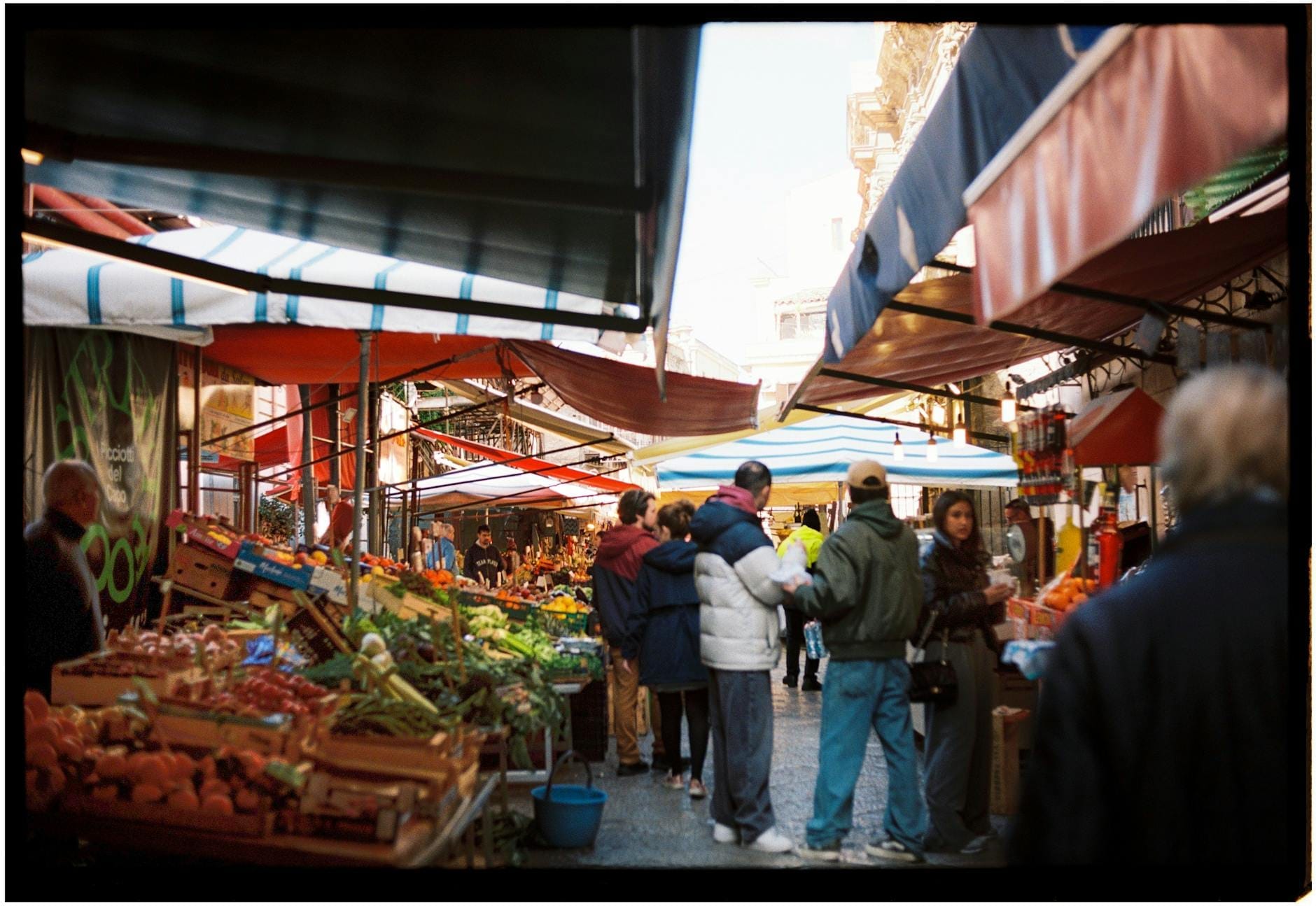
Palermo is Sicily's capital and its most complex city. It's chaotic, deeply historical, and completely unlike anywhere else on the island. The Arab-Norman architecture alone — from the Palatine Chapel to the Monreale Cathedral — justifies two full days. Add the street food markets at Ballarò and Vucciria, and Palermo can easily fill three or four days without feeling rushed.
As a base, Palermo puts you within range of Segesta, Erice, Trapani's salt pans, and the beach at San Vito lo Capo. Cefalù is only about an hour east by train, making it a practical day trip or a quieter overnight alternative for travelers who want beaches without full urban immersion. Accommodation in Palermo runs from around €40–€70 for a decent B&B in the historic center to €120–€200 for boutique hotels. Avoid the cheapest options near the train station unless you've read recent reviews carefully.
Trapani works as an alternative western base if your focus is the Egadi Islands, the salt pans, or Marsala. It's a quieter city than Palermo, easier to navigate, and the ferry connections to Favignana and Marettimo are straightforward. That said, Trapani has fewer restaurants and less evening life than Palermo, which matters if you're staying more than two nights.
Taormina and Catania: The Volcanic East
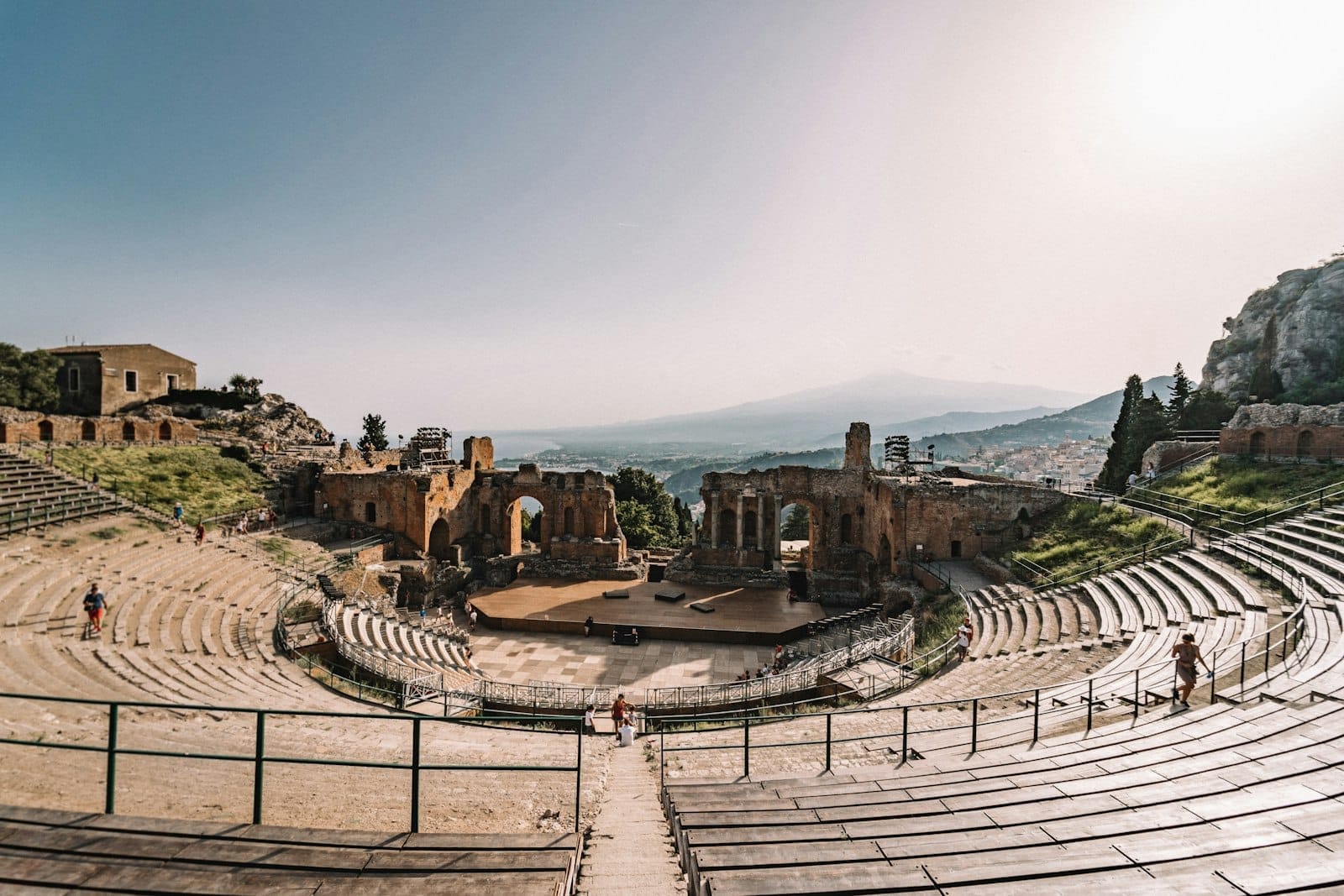
Taormina is the most photographed town in Sicily, and it knows it. Perched on a hillside above the sea with views of Etna in the background, it's objectively stunning. The Greek theatre, the corso, the clifftop gardens — none of it disappoints visually. But Taormina in July and August is genuinely overwhelmed with visitors. Narrow streets become gridlocked, restaurant prices spike, and finding accommodation under €150 a night for a decent room is difficult. For peak summer, book three to four months ahead.
Catania, 50 km south, is the smarter base for most travelers. It has its own excellent baroque center around the Piazza del Duomo, a famous fish market, strong transport connections, and accommodation that consistently costs 30–50% less than Taormina for equivalent quality. From Catania you can reach Etna's trail heads in about an hour, take the Circumetnea railway around the volcano's base, or catch a fast train to Syracuse in about 1 hour 20 minutes.
⚠️ What to skip
Taormina has very limited parking and a congestion zone in the historic center. If you're driving, factor in the cost and logistics of leaving your car at a lower parking area and taking the cable car or bus up. This is fine for a day visit but inconvenient if you're based there for several nights.
- Taormina Best for: honeymooners, short stays, those who prioritize atmosphere over value. High season rates: €150–€400+. Low season: €80–€160.
- Catania Best for: travelers using Etna, northeastern Sicily, or the east coast as a base. Rates: €60–€130 in most seasons. Good transport hub.
- Etna hillside towns (Nicolosi, Zafferana Etnea) Best for: hikers and volcano enthusiasts who want to minimize commute time. Very limited accommodation options — book early.
Syracuse and the Baroque Southeast: Ortigia, Noto, Ragusa
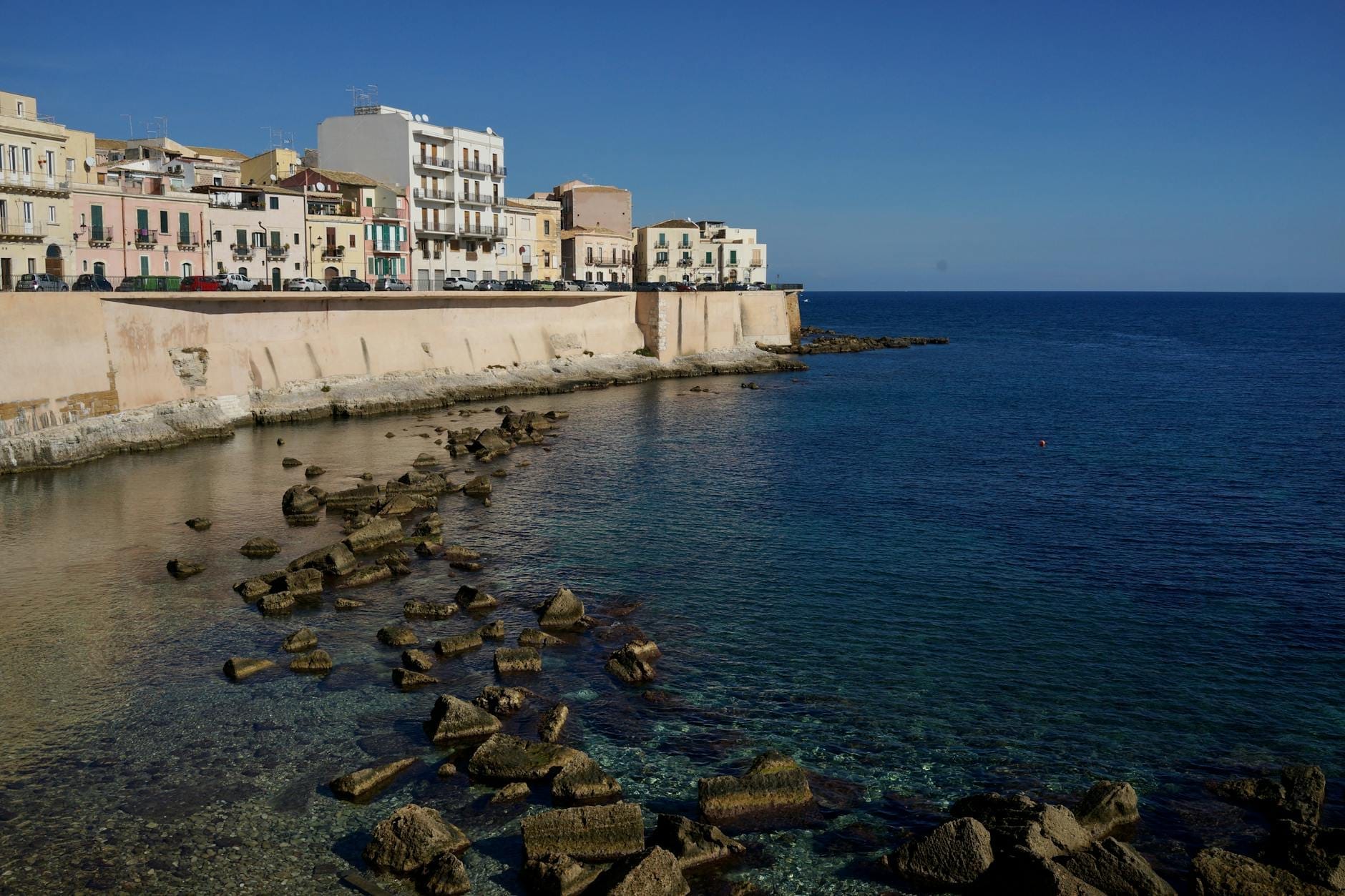
The southeast is arguably Sicily's most rewarding region for culture and food, and it's consistently underestimated by first-time visitors. Syracuse centers on Ortigia, a small limestone island connected to the mainland by two bridges. Ortigia is genuinely lovely — the Cathedral, the Fountain of Arethusa, the layered Greek and Roman ruins — and compact enough to walk everywhere. It's also one of the few places in Sicily where you can stay in the historic center without a car.
From Syracuse, Noto is 30 km south (about 40 minutes by car), and Ragusa Ibla is around 80 km west. Many travelers base in Syracuse and day-trip to both baroque towns, then continue to Modica for the famous chocolate. If you want to linger in Ragusa itself, the Ibla lower town has a handful of excellent small hotels and fewer tourists in the evenings after the day-trippers leave. Accommodation in Ortigia runs roughly €80–€160 for good B&Bs, with higher prices for sea-view apartments and boutique hotels.
Noto works as a standalone base for those who want to spend more time in the baroque triangle. It's quieter at night than Syracuse, has excellent restaurants, and the main corso is less chaotic than Taormina. The train connection to Catania is useful if you're planning to fly out from there. Note that some smaller baroque towns essentially shut down on Sunday afternoons and Monday mornings, so plan sightseeing days accordingly.
Agrigento and the Southern Coast: Temples, Beaches, and Fewer Crowds
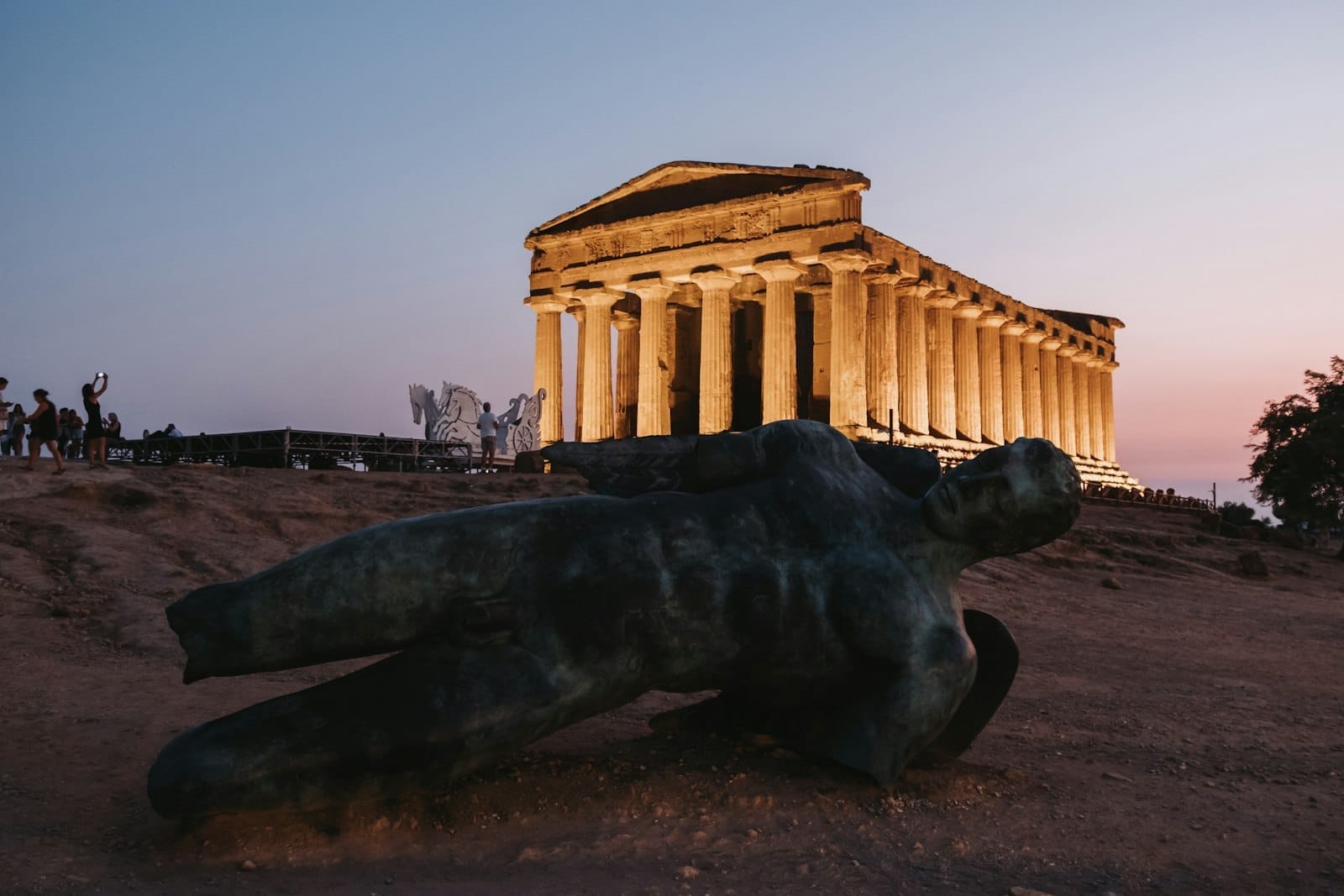
Agrigento is the obvious base for the Valley of the Temples, one of the best-preserved ancient Greek sites anywhere in the world. The town itself is functional rather than beautiful — a medieval hilltop center sits above the modern sprawl — but it doesn't need to be charming because the temples are so good. Plan two nights minimum if you want to visit the temples at different times of day (early morning light and the occasional evening opening are both worth experiencing).
The southern coast between Agrigento and Ragusa is significantly less visited than the north or east, which has both advantages and trade-offs. The Scala dei Turchi white cliff near Realmonte is genuinely spectacular, beaches around Eraclea Minoa are quiet and clean, and the whole stretch feels more like the Sicily of 20 years ago. The trade-off is that transport is limited and a car is essentially mandatory. Accommodation options are fewer and range from agriturismo (farmstay) properties to small coastal hotels in towns like Porto Empedocle and Sciacca.
The Islands: Aeolian, Egadi, and Beyond
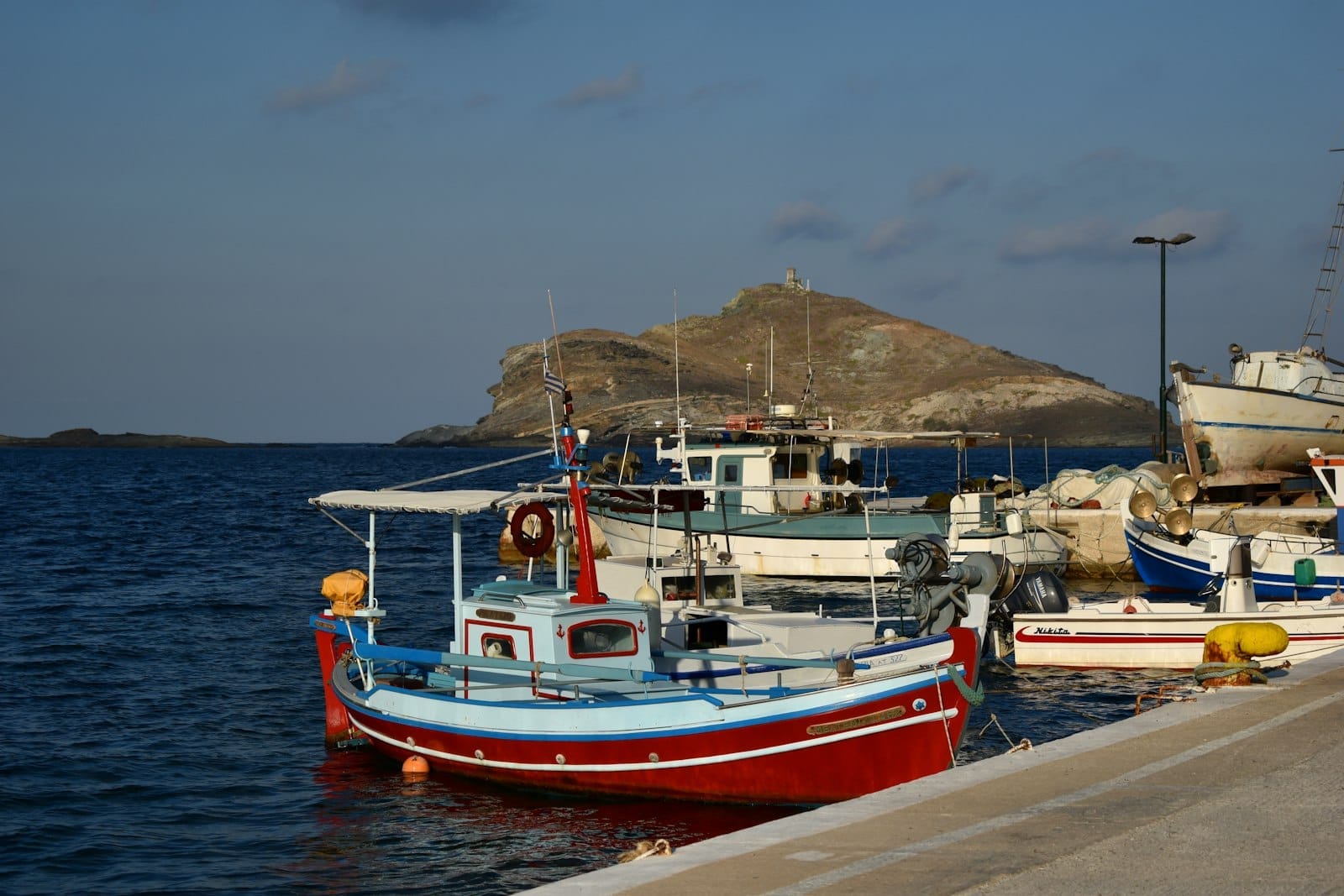
Sicily's offshore islands are administered as part of the Sicilian region and deserve separate planning. The Aeolian Islands (Lipari, Stromboli, Vulcano, Salina, and four others) sit off the northeast coast and are reachable by hydrofoil from Milazzo in about 45 minutes to 1.5 hours depending on the island. Lipari is the most practical base with the most accommodation and transport connections; Salina is the most upscale and least crowded. Plan a minimum of three nights to do the Aeolians properly.
The Egadi Islands (Favignana, Levanzo, Marettimo) are the western alternative, reachable by ferry from Trapani. Favignana has the most accommodation and is best for snorkeling and cycling around the flat island. Marettimo is the most remote and beloved by sailors and divers. Neither island group has full-service resort infrastructure — this is their appeal — but it means booking accommodation well in advance for July and August is essential, especially on Salina and Marettimo.
✨ Pro tip
On the Aeolian Islands, accommodation prices in August can equal or exceed those in Taormina. If you want to visit Stromboli specifically, consider a day trip from Lipari rather than staying overnight, unless watching the volcanic eruptions after dark is a priority — in which case a night on the island is genuinely unforgettable.
Seasonal Timing and Practical Booking Advice
April through June and September through October are the strongest months to visit for most travelers. Temperatures along the coast sit between 18–26°C, the sea is swimmable from late May onward, and accommodation prices are 20–40% lower than August peaks. The best time to visit Sicily depends on your priorities, but shoulder season consistently delivers better value and more manageable crowds at the main sites.
Winter (November to March) is underrated for cultural tourism. Palermo, Catania, Syracuse, and the baroque towns remain fully functional, prices drop significantly, and you'll have sites like the Valley of the Temples largely to yourself. The downside is that some beach-oriented towns partially close, ferry services to the smaller islands run on reduced schedules, and rain is more likely, particularly in November and December. If your trip is primarily about archaeology, architecture, and food rather than beaches, a January or February visit can be excellent.
- Book Taormina and Aeolian Islands accommodation for July–August at least 3 months ahead.
- Agriturismo properties across the island often require minimum 3-night stays in high season — check before booking.
- Catania Airport (CTA) handles more budget airline routes than Palermo — useful when comparing flight costs.
- Trenitalia trains connect Palermo, Messina, Catania, and Syracuse along the coast; bus (AST, Interbus, SAIS) is often faster for inland routes.
- In Sicily, a car is essential for the south and interior; unnecessary in Ortigia, central Taormina, or Aeolian Islands.
FAQ
What is the best base for a first visit to Sicily?
There's no single best base because Sicily's size means one location can't serve the whole island. For a first trip of 7–10 days, most travelers do well splitting time between Palermo or Cefalù in the west and Syracuse or Catania in the east, with Agrigento as a possible stop in between. If you only have 4–5 days and want one base, choose Catania — it has the airport, good transport, access to Etna, and a fast train to Syracuse.
Is Taormina worth staying in, or is it better as a day trip?
Taormina is worth at least one night, ideally two, because the atmosphere after day-trippers leave is genuinely different — quieter streets, better restaurant availability, and the evening light on the Greek theatre is exceptional. That said, in peak summer the crowds barely thin even in the evenings, and the cost premium is significant. For a week-long trip, two nights is the sweet spot. For budget travelers or families, Catania is a more practical base with Taormina as a day trip by train.
Do I need a car to get around Sicily?
It depends entirely on where you plan to stay. Palermo, Catania, Syracuse's Ortigia, and Taormina are all manageable without a car if you combine trains and buses. But the Valley of the Temples, the baroque interior towns, the southern coast, the Madonie Mountains, and the rural agriturismo properties are effectively inaccessible without one. For a broad exploration of Sicily, a rental car gives you far more flexibility. Just avoid driving into Palermo's historic center and Taormina's ZTL (restricted traffic zone).
How far in advance should I book accommodation in Sicily?
For July and August in popular areas (Taormina, Aeolian Islands, Ortigia, Cefalù), book at least 2–3 months ahead. For shoulder season (April–June, September–October), 4–6 weeks is usually sufficient, though boutique and sea-view properties fill faster. In winter, you can often book 1–2 weeks out except around Christmas and New Year. Agriturismo properties and small island accommodation are an exception — these tend to sell out earlier year-round due to limited room counts.
Can I stay on the Aeolian Islands as a base and day-trip to mainland Sicily?
Technically yes, but it's impractical. Hydrofoils from Lipari to Milazzo (the jumping-off point on mainland Sicily) take around 45–55 minutes, and from Milazzo you'd then need to travel further to reach Taormina, Catania, or other mainland sites. This adds significant time and cost to every day trip. The Aeolians work best as a dedicated 3–5 night segment of a larger Sicily trip, not as a base for exploring the main island.