Sicily Island Hopping: Aeolians, Egadi & Beyond
Sicily is far more than a single island. From the volcanic Aeolian archipelago in the Tyrrhenian Sea to the crystal-clear waters of the Egadi Islands off Trapani, this guide covers every ferry route, island, cost, and logistical detail you need to plan a serious island-hopping trip from Sicily.
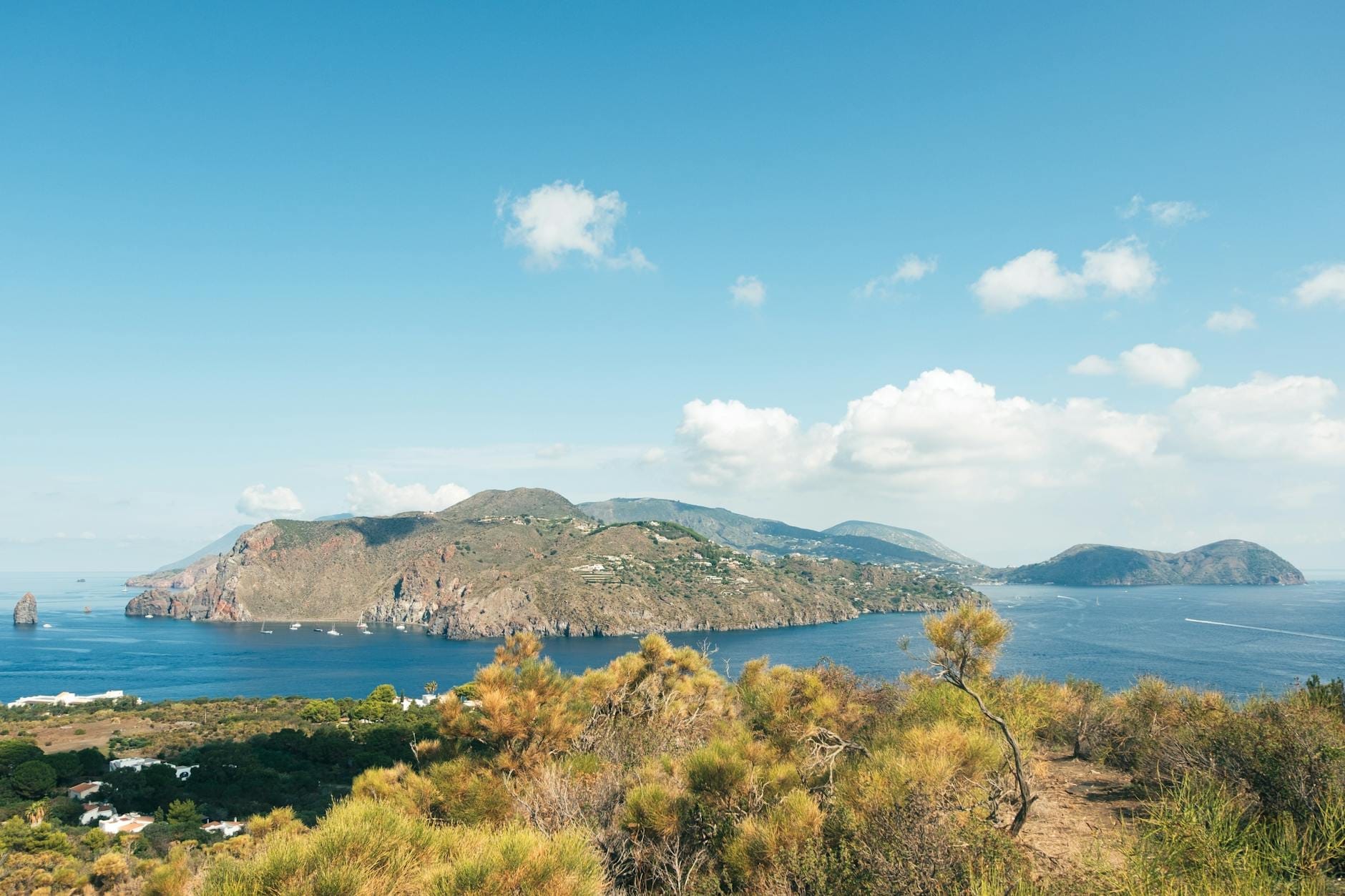
Plan and book this trip
Tools from our partner Travelpayouts help you compare flights and hotels. If you book through them, we may earn a commission at no extra cost to you.
Flights
Hotels map
TL;DR
- Sicily is the largest island in the Mediterranean and the administrative hub for three main archipelagos: the Aeolian Islands (north), the Egadi Islands (west), and the Pelagie Islands (south).
- None of the Aeolian or Egadi Islands have airports. All access is by ferry or hydrofoil, primarily from Milazzo, Messina, Palermo, and Trapani.
- The Aeolian Islands (UNESCO World Heritage) suit travellers who want volcanic scenery and variety; the Egadi Islands suit those after clear water and relative quiet. See the full Aeolian Islands guide for deep-dive detail.
- Shoulder season (April–June and September–October) is the sweet spot: warm enough to swim, far fewer crowds, and lower accommodation prices.
- Book accommodation in the Aeolians well in advance for July and August. Capacity is genuinely limited on every island.
Understanding Sicily's Island Geography
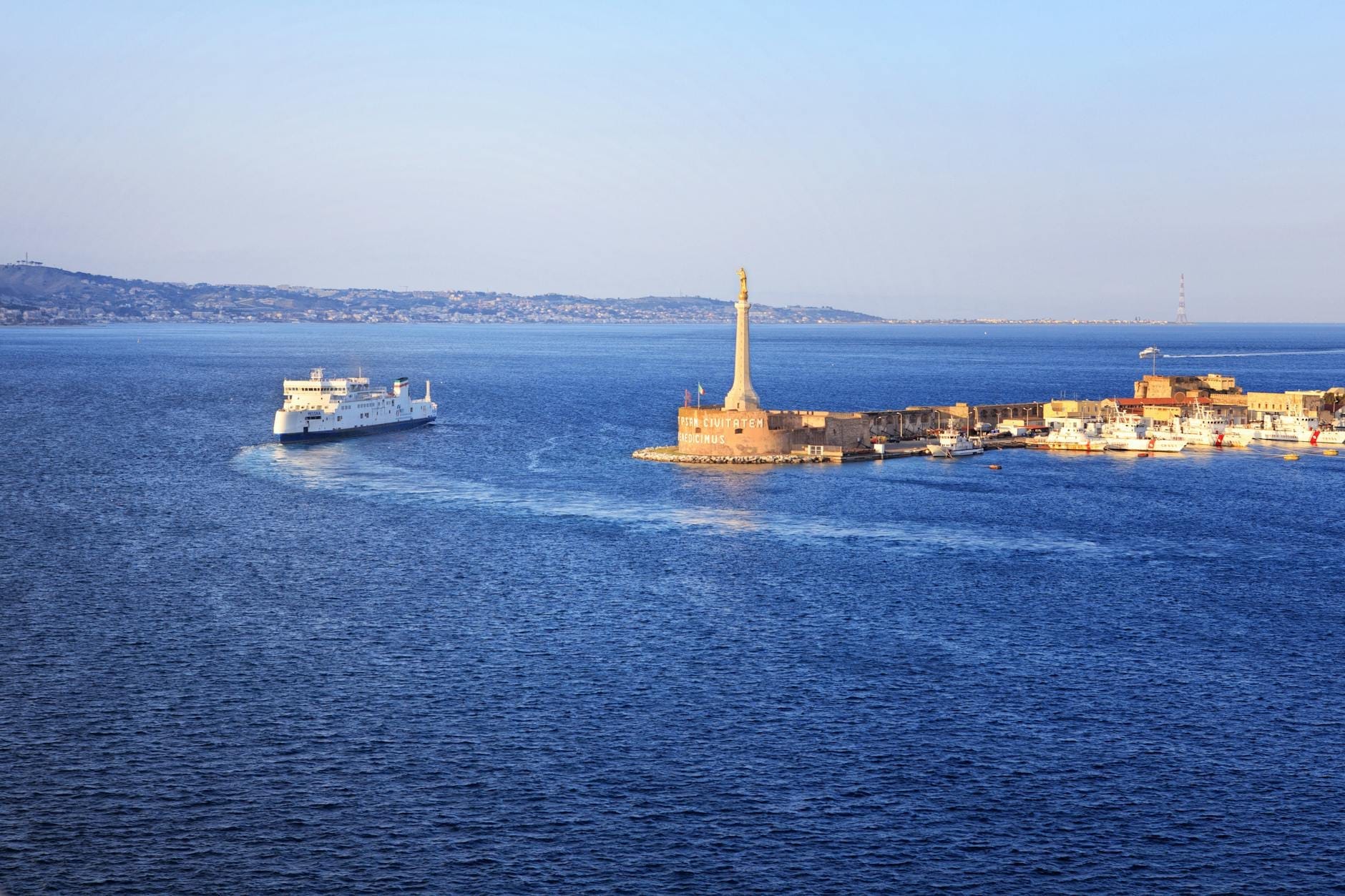
A common question among first-time visitors is: is Sicily an island? Yes, definitively. Sicily is the largest island in the Mediterranean Sea, covering roughly 25,711 km² and surrounded by about 1,152 km of coastline. It sits at the centre of the Mediterranean, separated from mainland Italy by the Strait of Messina (just 3–16 km wide at its narrowest point) and about 150 km northeast of Tunisia. Officially, it is an autonomous region of Italy, with Palermo as its capital.
What many travellers miss is that the island of Sicily is the administrative centre for several smaller archipelagos, all of which fall under the Sicilian region. These include the Aeolian Islands to the north, the Egadi Islands to the west, the Pelagie Islands to the south (including Lampedusa), and the volcanic island of Pantelleria. For island-hopping purposes, the Aeolians and the Egadi Islands are the two most practical and rewarding targets for most visitors. The Pelagie Islands, including Lampedusa, require longer ferry crossings and are best treated as a dedicated trip.
ℹ️ Good to know
None of the Aeolian or Egadi Islands have airports. The closest major airports to the Aeolians are Catania (CTA) and Palermo (PMO). For the Egadi Islands, Trapani-Birgi Airport (TPS) is the most convenient entry point. Plan land transfers accordingly.
The Aeolian Islands: Volcanic Scenery and Seven-Island Variety
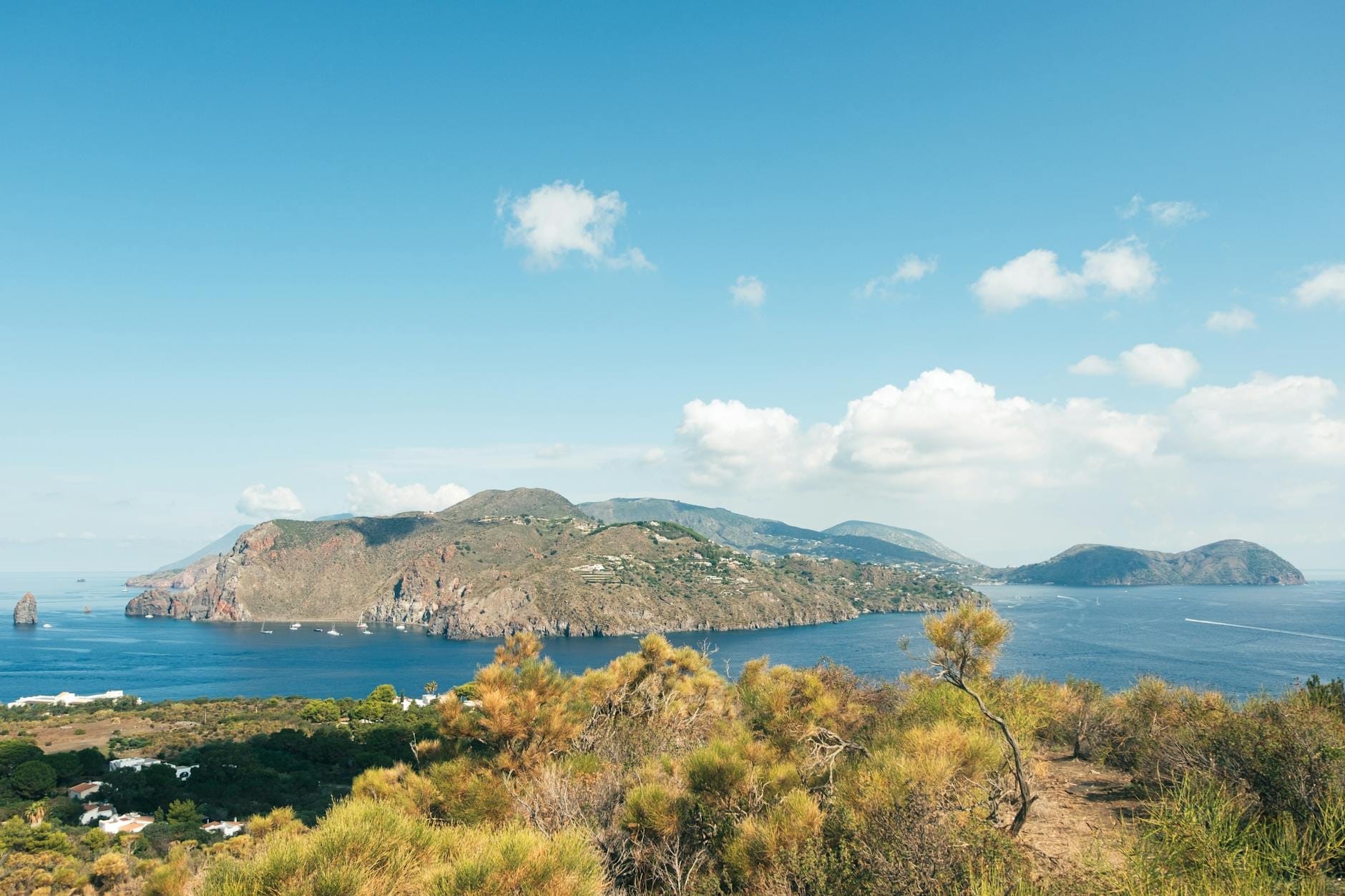
The Aeolian Islands (Isole Eolie) are a UNESCO World Heritage volcanic archipelago of seven islands scattered in the Tyrrhenian Sea north of Sicily. Each island has a distinct personality. The Aeolian Islands as a group offer more variety per square kilometre than almost anywhere else in the central Mediterranean.
- Lipari The largest and most populated island, with the most services, restaurants, and accommodation options. A practical base for exploring the rest of the archipelago. The Lipari Museum holds one of the finest collections of ancient Greek ceramics in the world.
- Vulcano Closest to the Sicilian mainland and famous for its sulphurous mud baths and active crater. The smell is unmistakable. Worth a half-day or day trip rather than a full base — unless the volcanic atmosphere genuinely appeals to you.
- Stromboli The most dramatic of the seven. The volcano erupts regularly and guided night hikes to the crater rim (access restricted to guided groups) are an extraordinary experience. Accommodation is limited; book months ahead for summer.
- Salina The greenest and arguably most beautiful island. Known for its malvasia wine, capers, and relative tranquility. Two volcanic peaks, good beaches, and a slower pace make it a favourite for repeat visitors.
- Panarea The smallest inhabited island and the most expensive. It attracts a wealthy Italian crowd in summer. Genuinely beautiful in low season; genuinely overcrowded in August.
- Filicudi and Alicudi The most remote islands. Alicudi has no vehicles and very limited accommodation. These are for travellers who want complete disconnection, not comfort or convenience.
The traditional gateway to the Aeolians is Milazzo, a port town on the northeast coast of Sicily about 35 km west of Messina. Ferries and hydrofoils also depart from Messina, Palermo, Catania, Reggio Calabria, and Naples. Milazzo remains the most frequent and cheapest departure point for most islands. Crossing time from Milazzo to Vulcano (the first island) is around 40 minutes by hydrofoil. Lipari is roughly an hour. Stromboli is around 3 hours.
💡 Local tip
For the Aeolians, base yourself on Lipari for maximum flexibility. Inter-island hydrofoils run frequently enough that you can reach Vulcano, Salina, or Panarea and return the same day. For Stromboli, plan at least one overnight stay — the volcano is best seen at night and the last hydrofoil back leaves in the afternoon.
The Egadi Islands: Clear Water, History, and Quiet Beaches
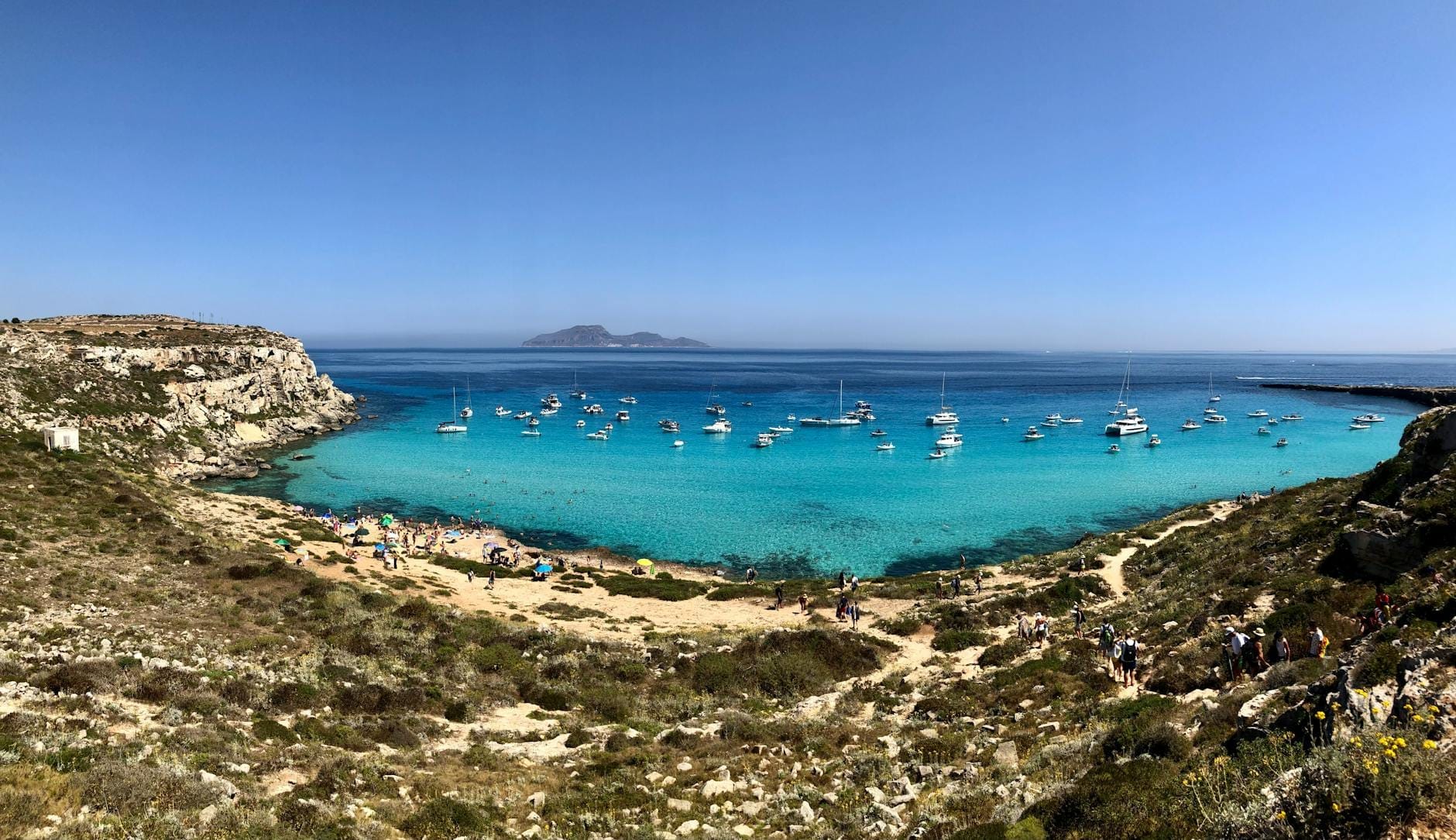
The Egadi Islands (Isole Egadi) lie just off the western tip of Sicily, within easy reach of Trapani. The archipelago consists of three islands: Favignana, Levanzo, and Marettimo. Together, they offer some of the clearest water in Sicily, prehistoric cave art, and a pace of life that feels increasingly rare in Italian island tourism.
- Favignana The largest and most visited Egadi island. Famous for its old tuna fishing heritage (the now-closed tonnara is a landmark), excellent snorkelling at Cala Rossa, and flat terrain perfect for cycling. Bikes are the main transport on the island.
- Levanzo The smallest inhabited island. Its main draw is the Grotta del Genovese, a cave containing Paleolithic and Neolithic paintings and engravings. Access to the cave requires a guided visit booked through local operators. The island has very limited accommodation.
- Marettimo The most remote of the three and the favourite of travellers who prioritise walking and solitude. A network of hiking trails crosses the island, the water is remarkably clear, and the village has a handful of guesthouses and simple restaurants.
Liberty Lines operates hydrofoils daily year-round from Trapani, with additional departures from Marsala in summer. The Trapani to Favignana crossing takes around 30–40 minutes. Round-trip fares are often in the range of roughly €25–40 per person, though prices increase in peak summer. Checking the Favignana Island page gives a more detailed breakdown of what to do once you arrive.
The Egadi Islands are genuinely easy to combine. Favignana makes the most practical base: it has the most accommodation and the most frequent ferry connections. From Favignana, hydrofoils run to Levanzo (around 15–20 minutes) and Marettimo (around 1 hour). You can realistically see all three islands in three or four days.
Ferries, Hydrofoils, and Booking: What You Need to Know
Understanding the difference between ferries and hydrofoils matters for planning. Ferries are slower, cheaper, carry vehicles, and are less affected by sea conditions. Hydrofoils (aliscafi) are faster and more comfortable for passengers but cannot carry cars and are cancelled more frequently in rough weather. For most island-hopping visits, hydrofoils are the practical choice. If you plan to bring a rental car to Favignana, a vehicle ferry from Trapani is the only option.
The main operators covering Sicilian island routes are Liberty Lines (Egadi and Aeolian hydrofoils), Siremar/Caronte & Tourist (Aeolian ferries), and SNAV (seasonal connections from Naples to the Aeolians). Timetables change seasonally and prices change annually, so always verify directly on the operator's website before booking. Liberty Lines publishes full timetables and sells tickets online at libertylines.it.
⚠️ What to skip
In July and August, hydrofoil tickets on popular Aeolian routes can sell out days in advance. Book inter-island connections as soon as your travel dates are confirmed, especially for Stromboli. Do not assume you can buy tickets at the port on the day.
- Liberty Lines: Egadi hydrofoils from Trapani and Marsala; also serves Aeolian routes. Book at libertylines.it.
- Siremar (Caronte & Tourist): Traditional ferry service to the Aeolian Islands from Milazzo. Slower but cheaper, carries vehicles.
- SNAV: Seasonal high-speed service connecting Naples and the Aeolians. Useful if approaching from the Italian mainland.
- Ustica Lines: Former brand name of the company now operating as Liberty Lines; services are today marketed under the Liberty Lines name.
When to Go: Season by Season Breakdown
Timing your Sicily island-hopping trip makes a significant difference to the experience. Sicily has a Mediterranean climate with hot, dry summers and mild, wet winters. The best time to visit Sicily depends on your priorities, but for island-hopping specifically, the calculation is straightforward.
- April and May Excellent conditions. Sea temperatures are cool but swimming is possible from late May. Wildflowers cover the hillsides of Salina and Marettimo. Ferry services are running but not at peak frequency. Accommodation is available without months of advance booking.
- June The sweet spot for many travellers. Water is warm enough for comfortable swimming, crowds have not yet peaked, and prices are lower than July–August. Book accommodation at least 4–6 weeks ahead.
- July and August Peak season. The water is warm, the sun is reliable, and the islands are as busy as they get. Panarea and Stromboli in particular become extremely crowded. Prices for accommodation roughly double compared to May. Book everything months in advance.
- September and October Arguably the best combination of warm sea, manageable crowds, and lower prices. September sea temperatures are still high from summer heating. Ferry frequency begins to decrease in October, and some seasonal services stop.
- November to March Most accommodation on the smaller islands closes. Ferry services run on reduced winter schedules. Stromboli and Alicudi in particular become very quiet. Not recommended for first-time visitors unless you specifically want solitude and are happy with limited infrastructure.
For context on how the mainland Sicily experience compares at different times of year, the guide to Sicily in October covers conditions across the island in detail. The same shoulder-season logic applies to the archipelagos: October offers genuine value and far less congestion than summer.
Planning Your Route: Practical Itinerary Frameworks
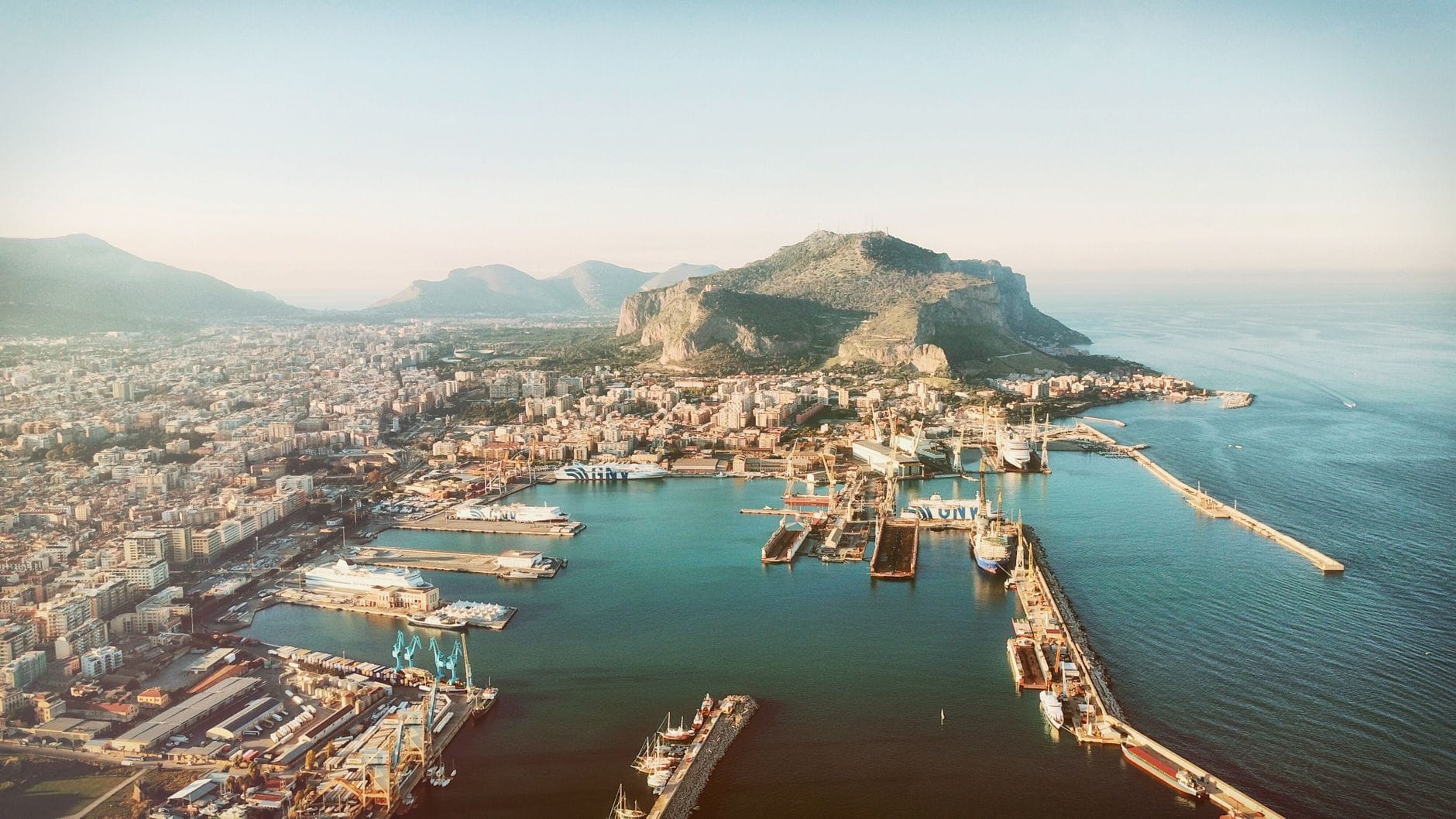
Sicily island hopping works best when you treat the main island as a transport hub rather than a destination you rush through. Arrive into Catania or Palermo, spend a day or two on the mainland, then head to your chosen archipelago. The one week in Sicily itinerary offers a structured framework if you want to combine mainland highlights with island time.
For the Aeolians: take the train or bus from Catania or Palermo to Milazzo (around 2 hours from Palermo by train, around 1.5 hours from Catania by bus). From Milazzo, catch the hydrofoil to Lipari and use Lipari as your base. A realistic minimum for the Aeolians that covers Lipari, Vulcano, Salina, and Stromboli is six to seven nights. Rushing through in three nights is possible but leaves you feeling like you saw everything through glass.
For the Egadi Islands: base yourself in Trapani or arrive directly at Trapani-Birgi Airport. Trapani itself has good food and a genuinely interesting historic centre, including the remarkable salt pans of Trapani. Three to four nights is enough to cover all three Egadi islands comfortably. Favignana is best for a base; day trips to Levanzo and Marettimo are easy.
Combining both archipelagos in one trip is achievable over two weeks. A practical route: fly into Catania, connect to Milazzo, spend six nights in the Aeolians, return to Sicily, cross to Palermo or Trapani, and spend three to four nights in the Egadi Islands before flying out of Trapani. The two weeks in Sicily itinerary provides a full structured version of this approach with day-by-day breakdown.
✨ Pro tip
Rent a bicycle on Favignana rather than a scooter. The island is flat, the roads are light on traffic outside summer, and cycling lets you stop anywhere along the coastline without worrying about parking. Most guesthouses either rent bikes or can point you to a local rental operator.
FAQ
Do I need a car to go island hopping from Sicily?
No. Ferries and hydrofoils are the only way to reach any of Sicily's offshore islands, and none of the smaller islands require a car once you arrive. Favignana is best explored by bicycle. Lipari has local buses and scooters for rent. Bringing a rental car from Sicily to the islands adds significant ferry costs and is rarely worth it for short visits.
How far in advance should I book Aeolian Islands accommodation?
For July and August, book at least 3–4 months ahead on Stromboli, Panarea, and Salina, where total bed capacity is small. On Lipari, 6–8 weeks is usually sufficient. For May, June, September, and October, 2–4 weeks is generally enough, though specific properties can still sell out.
Can I island hop between the Aeolians and the Egadi Islands directly?
No direct ferry connects the Aeolian and Egadi archipelagos. You must return to mainland Sicily first. The most efficient route is to return from the Aeolians to Milazzo or Palermo, then travel overland or by train to Trapani for Egadi departures. This typically takes a half to full travel day.
What is the cheapest way to visit the Egadi Islands?
Take the ferry (rather than hydrofoil) from Trapani to Favignana. Ferry fares are lower than hydrofoil tickets, though crossings take longer. Stay in a guesthouse or B&B on Favignana rather than Levanzo, where options are very limited and prices reflect the scarcity. Avoid mid-August if budget is a consideration.
Are the Aeolian Islands worth visiting outside of summer?
For the right traveller, absolutely. April and May offer wildflowers, warm light, and almost empty trails. September and October are excellent for hiking and swimming with far fewer people. The main limitation is that some restaurants and accommodation options close in November through March, and winter ferry schedules are significantly reduced on routes to Alicudi and Filicudi.