Aeolian Islands: How to Plan Your Trip
Seven volcanic islands, one UNESCO designation, and more logistical decisions than most travelers expect. This guide covers every practical detail you need to plan a trip to the Aeolian Islands, from choosing which islands to visit to navigating seasonal ferry schedules.
Plan and book this trip
Tools from our partner Travelpayouts help you compare flights and hotels. If you book through them, we may earn a commission at no extra cost to you.
Flights
Hotels map
TL;DR
- The Aeolian Islands are a UNESCO-listed volcanic archipelago of seven main islands off the northeast coast of Sicily, accessible only by sea.
- The main departure port is Milazzo; Liberty Lines hydrofoils are the fastest option (around 45 minutes to Lipari), while Siremar ferries are slower but carry vehicles.
- The best time to visit is May to June or September to October: good weather, manageable crowds, and working ferry connections. See the full Sicily seasonality guide for context.
- Each island has a distinct character: Lipari is the main hub, Stromboli is for volcano-watchers, Panarea draws a wealthy crowd, and Alicudi has no cars and no concessions to tourism.
- Crater access on Stromboli and Vulcano is subject to civil protection restrictions; always check current rules before planning ascents.
What the Aeolian Islands Actually Are
The Aeolian Islands (Isole Eolie in Italian) are an archipelago of seven main islands in the southern Tyrrhenian Sea, about 25–30 km north of Milazzo on Sicily's northeastern coast. They form part of the Aeolian Islands destination and are administratively part of the Metropolitan City of Messina, which itself sits within Sicily, an autonomous region of Italy. UNESCO granted the archipelago World Heritage status in 2000, recognizing the islands as one of the world's finest examples of ongoing volcanic processes.
The seven main islands are Lipari, Vulcano, Salina, Stromboli, Panarea, Filicudi, and Alicudi. Smaller islets like Basiluzzo and Dattilo are scattered between them. Lipari is the largest and most developed, functioning as the main hub for accommodation, transport connections, and services. On the other end of the spectrum, Alicudi has no roads and no regular motorized vehicles of any kind, and a resident population in the low hundreds. The range between these two extremes is the key thing to understand when planning which islands to visit.
ℹ️ Good to know
The Aeolian Islands have no commercial airport. Access is exclusively by sea, with a limited seasonal helicopter service operating from Catania during high season. This is not a rumor or an exaggeration: if you are planning to fly directly to the islands, those plans need to change.
Getting to the Aeolian Islands: Ferries, Hydrofoils, and Logistics
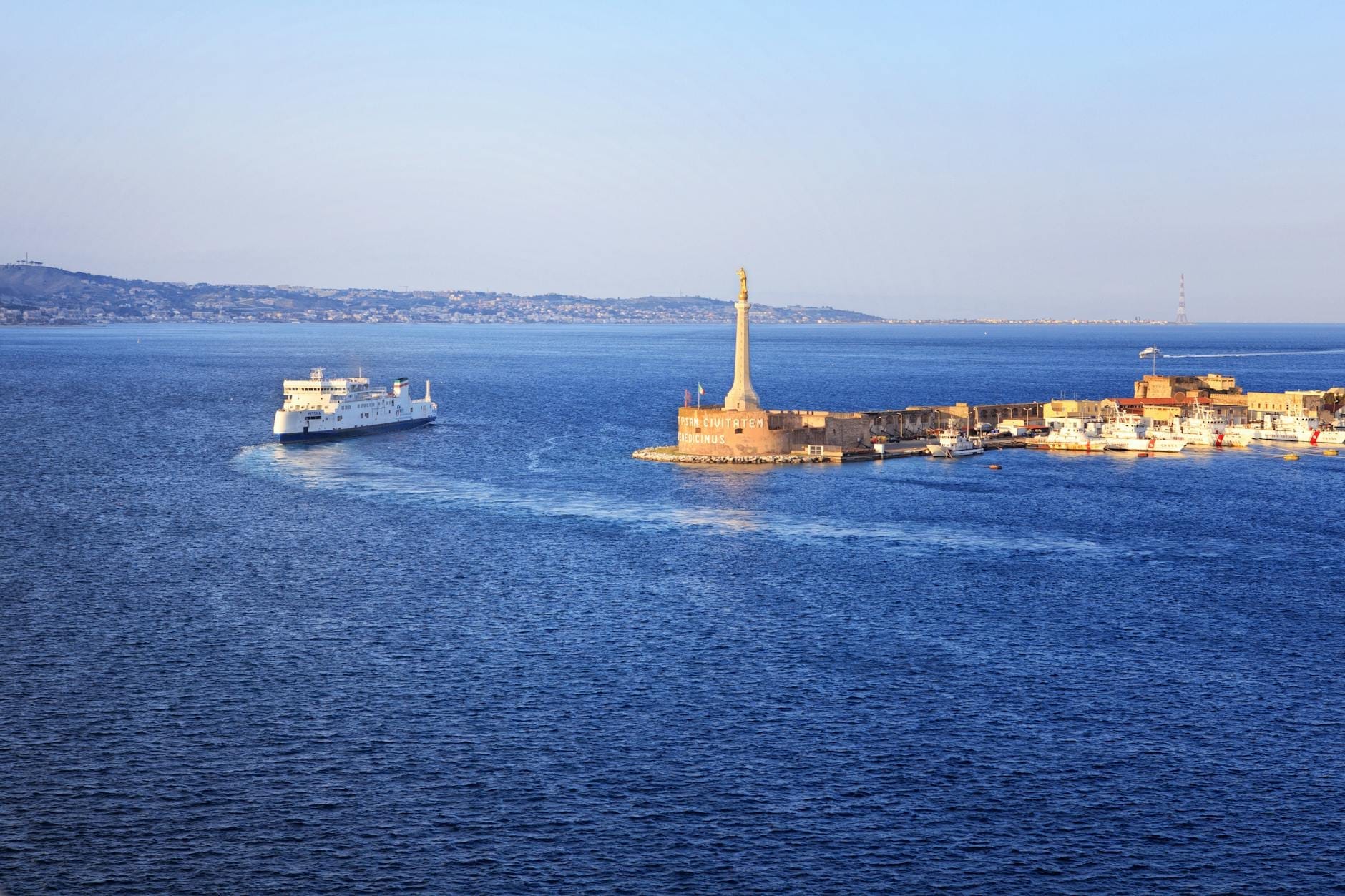
Most visitors reach the Aeolian Islands from Milazzo, a port city on Sicily's northeast coast roughly 40 km west of Messina. Milazzo offers the most frequent connections by a significant margin and is the logical base for anyone arriving by train or car from elsewhere in Sicily. Secondary departure points include Messina, Reggio di Calabria, and seasonally Naples and Palermo, but these routes run less frequently and the timetables shrink considerably outside peak summer.
- Liberty Lines hydrofoils The fastest and most popular option. Milazzo to Lipari takes around 45 minutes; further islands like Stromboli can take up to 2 hours. Hydrofoils carry passengers only, no vehicles. Frequency is highest July to August; verify current timetables directly with Liberty Lines before booking.
- Siremar ferries Slower car ferries that can transport vehicles. Useful if you need to bring a scooter or motorbike across. Journey times are roughly double the hydrofoil. Coverage and frequency also varies by season.
- Seasonal helicopter service A helicopter service operates between Catania and the islands during high season, primarily used by visitors seeking to avoid the longer transfer. Premium pricing applies; check current operators as availability changes year to year.
Getting to Milazzo itself is straightforward. From Catania or Palermo, Trenitalia trains connect to Milazzo railway station on the Palermo–Messina line, from where local transport reaches the port. If you are traveling Sicily by car, note that cars are generally more of a hindrance than a help once you are on the islands. Lipari permits some traffic, but most smaller islands are motorized-vehicle-free or heavily restricted. Park in Milazzo for multi-island trips.
⚠️ What to skip
Ferry and hydrofoil timetables change significantly between high season (July to August), shoulder season (May to June, September to October), and low season (November to April). Services in winter shrink drastically, and smaller islands like Alicudi and Filicudi can have just one or two connections per day. Always check current timetables on the Liberty Lines or Siremar websites before committing to an itinerary.
The Seven Islands: Which Ones Are Worth Your Time
The biggest planning mistake visitors make is treating the Aeolians as a single destination. The islands are genuinely different from each other in character, infrastructure, and what they offer. A three-day visit can realistically cover three to four islands. A week allows for a slower, more thorough exploration.
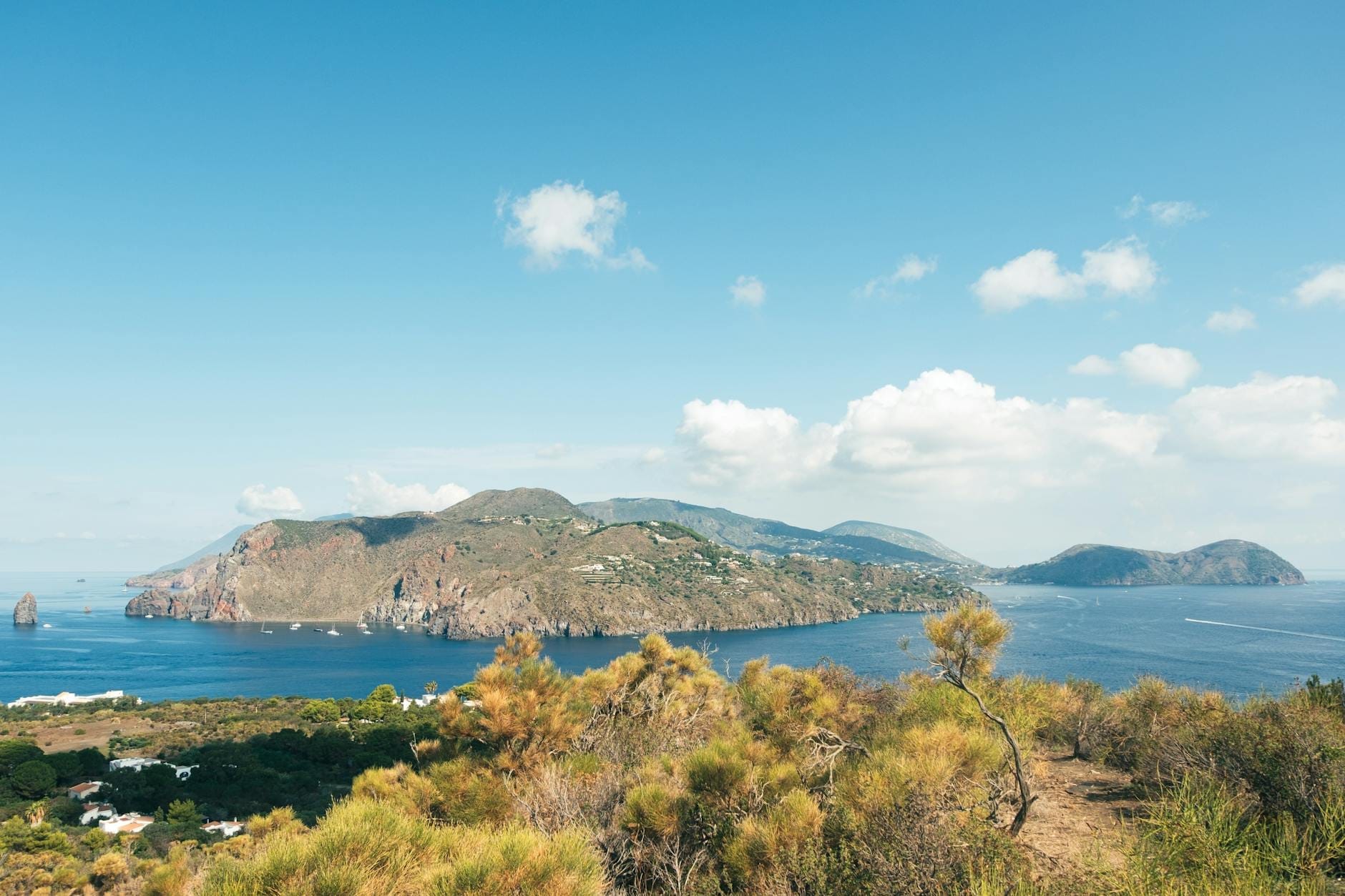
- Lipari The main hub and largest island. Arrivals dock at Marina Lunga. The old town sits above the port behind a Spanish-era citadel, and the Aeolian Archaeological Museum here is one of the best regional collections in southern Italy. Lipari is the most practical base for island-hopping and has the widest range of accommodation and restaurants. It gets crowded in August.
- Vulcano The first stop on many ferry routes from Milazzo and immediately recognizable by the sulfurous smell. The Gran Cratere hike offers views across the archipelago, and the thermal mud baths at Porto di Levante are popular, though the sulfur smell clings to your skin for hours. Active volcanic fumaroles are visible throughout. Crater access is subject to civil protection restrictions depending on volcanic activity levels.
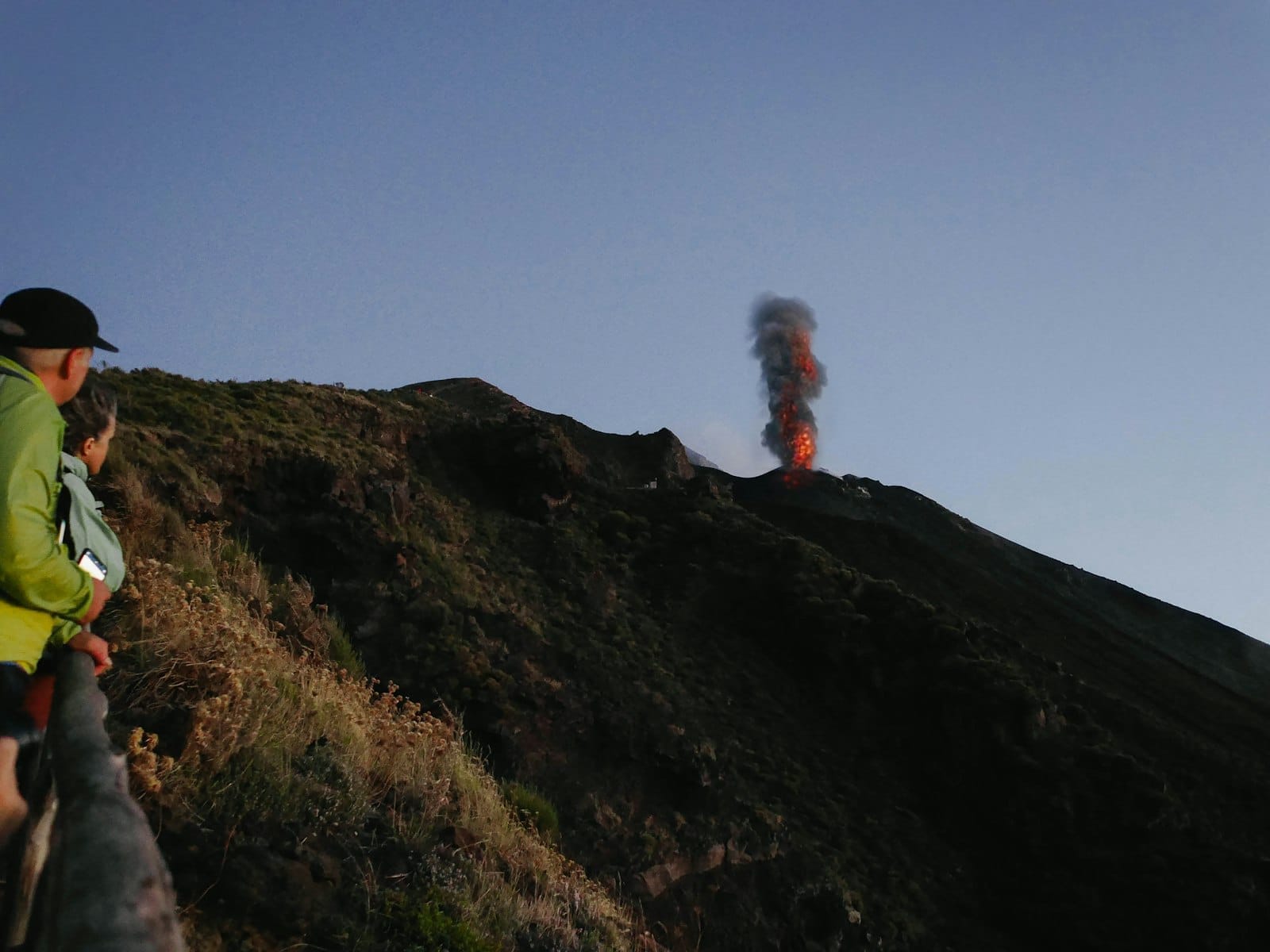
- Stromboli The standout volcanic experience in the archipelago. Stromboli has erupted almost continuously for over 2,000 years, and watching lava explosions from the Sciara del Fuoco at night is one of the more dramatic things available to travelers in the Mediterranean. Guided ascents to the summit crater (920 m) are required for the upper section; access rules and permitted altitudes change regularly based on activity levels and must be verified with local guides before arrival.
- Salina The greenest and most agricultural of the islands, fed by two extinct volcanic cones and the only island with freshwater springs. Famous for Malvasia delle Lipari, a sweet wine produced in small quantities from indigenous grapes. Salina is less party-oriented than Lipari and attracts visitors who want good food, wine, and walking without the August chaos.
- Panarea The smallest and most fashionable island, popular with Italian and international wealthy travelers. The car-free village of San Pietro is genuinely charming but prices run high. If you are not staying overnight, a day trip from Lipari gives you a fair sense of the island without the expense.
- Filicudi and Alicudi The western outliers and the least visited. Filicudi has some roads and a few restaurants; Alicudi has neither. On Alicudi, goods are carried by donkey, there is limited electricity from generators, and the accommodation options are few. These islands are genuinely for travelers who want isolation. Connection frequency in shoulder and low season can drop to once daily or less.
When to Go: Seasons, Crowds, and Trade-offs
The Aeolian Islands follow Sicily's broader Mediterranean climate pattern: hot, dry summers and mild winters, with the best conditions for travel in the shoulder months. For full context on Sicily-wide seasonality, see the best time to visit Sicily.
July and August are peak season. Ferry connections are most frequent, accommodation is widely available, and the weather is reliably warm and dry with sea temperatures ideal for swimming. The trade-off: prices are at their highest, Lipari and Panarea get genuinely crowded, and popular sites like the Stromboli night excursion book out weeks in advance. Traveling in August without reservations for both ferries and accommodation is a bad strategy.
May, June, and September are the most practical months for most travelers. The weather is warm enough for swimming, the islands are quieter, and prices for accommodation drop noticeably from peak rates. The main trade-off is reduced ferry frequency: connections still exist but require more careful scheduling, particularly for Filicudi and Alicudi. The sea can be slightly rougher in October, and some smaller restaurants and hotels on the minor islands close after the first week of October.
From November through Easter, the Aeolians shift into something quite different. Stromboli and Vulcano remain accessible and have small year-round communities, but many hotels and restaurants on Panarea, Filicudi, and Alicudi close entirely. Lipari stays open but at a fraction of its summer scale. For travelers who want the islands without any other tourists and do not mind limited services, the off-season has a genuine appeal. It is not for everyone.
✨ Pro tip
September is the most underrated month for the Aeolians. Sea temperatures remain warm from the summer (around 24-26°C), accommodation availability opens up noticeably after the last week of August, and the late afternoon light on the volcanic rock of Stromboli and Vulcano is exceptional. Book ferries in advance even in September, particularly for weekend departures.
Island Hopping: How to Structure Your Visit
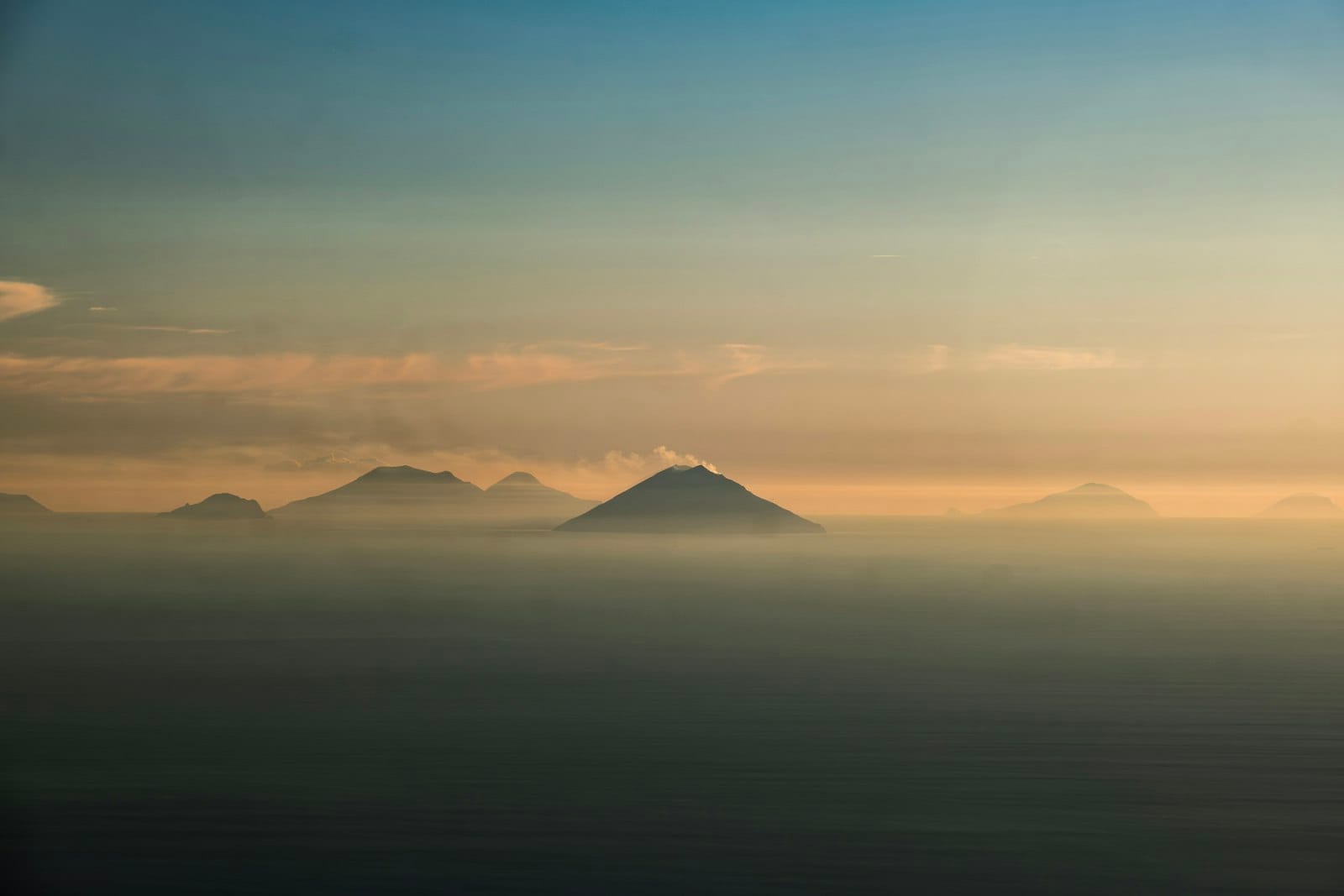
Moving between islands is done by ferry and hydrofoil on the same Liberty Lines and Siremar network used to reach the archipelago from the mainland. The Sicily island hopping guide covers inter-island logistics in detail, but the Aeolian-specific points are worth understanding separately.
Lipari is the natural base for multi-island trips because it has the most connections. From Lipari, Vulcano is about 15-20 minutes by hydrofoil, Salina around 20-30 minutes, and Stromboli about 1.5 hours. Private boat excursions operate from Lipari's Marina Corta and offer a more flexible way to visit two or three islands in a single day, including stops at sea for swimming. These tours run frequently in summer and can be booked locally; prices vary by operator and group size.
If your priority is Stromboli's night eruptions, consider basing yourself on Stromboli for at least one night rather than doing it as a day trip from Lipari. The day-trip approach means a long boat journey each way and watching the eruptions with a large group before everyone heads back together. Staying overnight gives you access to the spectacle with fewer people and allows an early morning swim before the day-trippers arrive.
Practical Details: Money, Language, and On-Island Logistics
The Aeolian Islands use the euro, as does all of Italy. ATMs are available on Lipari and Salina; they are limited to non-existent on smaller islands like Alicudi and Filicudi. Carry cash before reaching smaller islands. Card payments are accepted in most restaurants and hotels on Lipari, Vulcano, and Panarea, but the rule of thumb is to not rely on it exclusively once you leave the main islands.
Italian is the official language throughout Sicily and the Aeolian Islands. The local Sicilian dialect (a distinct Romance variety, separate from standard Italian) is spoken informally, and you will hear it. In tourist-facing contexts, English is widely used on Lipari and Panarea; on Alicudi and Filicudi, less so. Modest dress is required for churches and religious sites on the islands, as it is across Palermo and elsewhere in Sicily. Tipping follows Italian conventions: not obligatory, but leaving a small amount at restaurants is common. Check your bill for the coperto (cover charge) which is standard and not a tip.
- Emergency number (all Italy, including the islands): 112
- Italy country dialing code: +39
- Electricity: 230V, 50Hz, Type C and Type L plugs
- Tap water is generally safe on the main islands; on smaller islands with limited freshwater, bottled water is more commonly used
- Entry requirements follow Italian and Schengen Area rules; EU/EEA nationals need no visa, most US, UK, Canadian, and Australian nationals can enter visa-free for up to 90 days
💡 Local tip
Sunscreen and reef-safe products are strongly encouraged around the Aeolian Islands. The volcanic rock pools and clear water around Lipari, Panarea, and Salina support marine life worth protecting. Bring more sunscreen than you think you need: prices on the islands, particularly Panarea, reflect their remote location significantly.
For a broader introduction to Sicily before or after your Aeolian trip, a one-week Sicily itinerary can help you fit the islands into a wider route. If you are combining the Aeolians with volcanic interests on the main island, the Sicily volcano guide covers Mount Etna and other volcanic sites in detail.
FAQ
How many days do you need in the Aeolian Islands?
Three to four days is enough to visit three or four islands at a reasonable pace, including a Stromboli night excursion. A week allows you to slow down, explore each island properly, and reach Filicudi or Alicudi without feeling rushed. Two days is tight but workable if you limit yourself to Lipari and Vulcano.
What is the best island to stay on in the Aeolian Islands?
Lipari is the best base for most travelers: the widest range of accommodation across all budgets, the most frequent ferry connections, and enough to fill several days independently. Salina is the best choice if you want a quieter, more local atmosphere with excellent food and wine. Stromboli is worth a night or two for the volcanic experience, but it is not practical as a sole base for island-hopping.
Can you visit the Aeolian Islands as a day trip from Sicily?
Yes, technically. Milazzo to Lipari by hydrofoil is about 45 minutes, making a day trip to Lipari and Vulcano feasible from Milazzo or even from Messina. However, a day trip significantly limits what you can see and does not allow the night eruption experience on Stromboli. If you have flexibility, at least one overnight stay is worth it.
Is it safe to visit Stromboli and Vulcano given the volcanic activity?
Generally yes, but with important caveats. Both islands have active volcanic features and are monitored by Italian civil protection authorities. Crater access zones on Stromboli are regulated and change based on current activity levels; guided ascents to the upper section are mandatory. On Vulcano, the Gran Cratere trail has also seen temporary closures due to increased fumarolic activity. Always check current access rules with local guides or the relevant civil protection authority before planning an ascent.
What is the cheapest way to get to the Aeolian Islands?
Take a Trenitalia train to Milazzo (from Catania, Palermo, or Messina), then the Liberty Lines hydrofoil to Lipari. This combination is significantly less expensive than private transfers or the seasonal helicopter service. Book ferry tickets in advance for July and August to secure seats and avoid price increases closer to travel dates.