Sicily's Volcanoes: Etna, Stromboli, and Vulcano Explained
Sicily sits on one of the most volcanically active zones in Europe. This guide breaks down what to expect from Etna, Stromboli, and Vulcano — three very different volcanic experiences — covering access, trails, safety, and the best time to visit each one.
Plan and book this trip
Tools from our partner Travelpayouts help you compare flights and hotels. If you book through them, we may earn a commission at no extra cost to you.
Flights
Hotels map
TL;DR
- Sicily and its surrounding islands are home to three famous active volcanoes: Etna (on the main island), and Stromboli and Vulcano (both in the Aeolian Islands).
- Each volcano offers a completely different experience: Etna is a high-altitude trekking and lava landscape destination, Stromboli is famous for near-continuous nighttime eruptions visible from the sea, and Vulcano offers crater hikes, sulfur fields, and thermal mud pools.
- Access to summit areas on all three depends on current volcanic activity — always check with local guides or the Etna volcano trail operators before booking.
- Stromboli and Vulcano are both reached by ferry or hydrofoil from Milazzo, with connections also from Messina and Naples.
- The best months for volcano visits are May through June and September through October, avoiding peak-summer heat at altitude and autumn weather windows closing on Stromboli.
Why Sicily Is One of Europe's Premier Volcanic Destinations
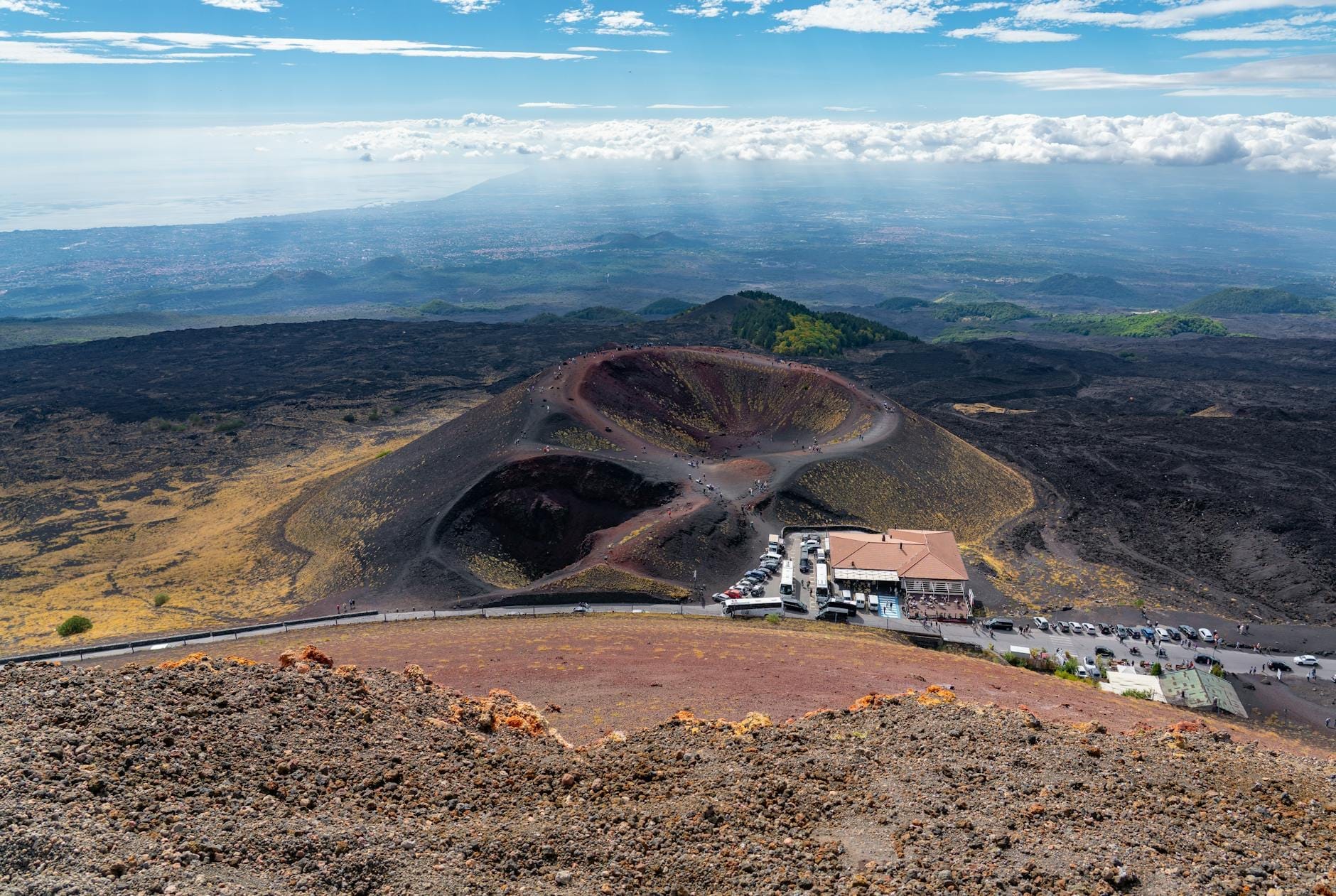
Sicily occupies a geologically restless corner of the Mediterranean. The African tectonic plate is slowly pushing beneath the Eurasian plate here, creating the conditions for persistent volcanic and seismic activity. The result is three of the most accessible active volcanoes in the world, each with a distinct character and visitor experience. Etna dominates the east coast of the main island, towering at approximately 3,329 metres and growing with each eruption cycle. Stromboli, rising from the Tyrrhenian Sea in the Aeolian archipelago north of Sicily, has been erupting almost continuously for at least 2,000 years. Vulcano, closer to the Sicilian coast and historically the island that gave the Latin word for volcano its name, offers a more accessible crater experience with therapeutic thermal mud as a bonus.
All three volcanoes are active, which means access rules change with alert levels. This is not a theoretical concern: Etna's summit craters regularly close to independent access, Stromboli's upper trails have been shut for extended periods following significant explosions, and Vulcano's crater was closed from late 2021 through much of 2023 due to elevated CO2 emissions. Before planning any summit hike, verify current access with official sources or licensed guide operators. For broader context on planning a trip around these highlights, the complete Sicily travel guide covers how volcanic sites fit into a wider itinerary.
Mount Etna: The Giant of the East Coast
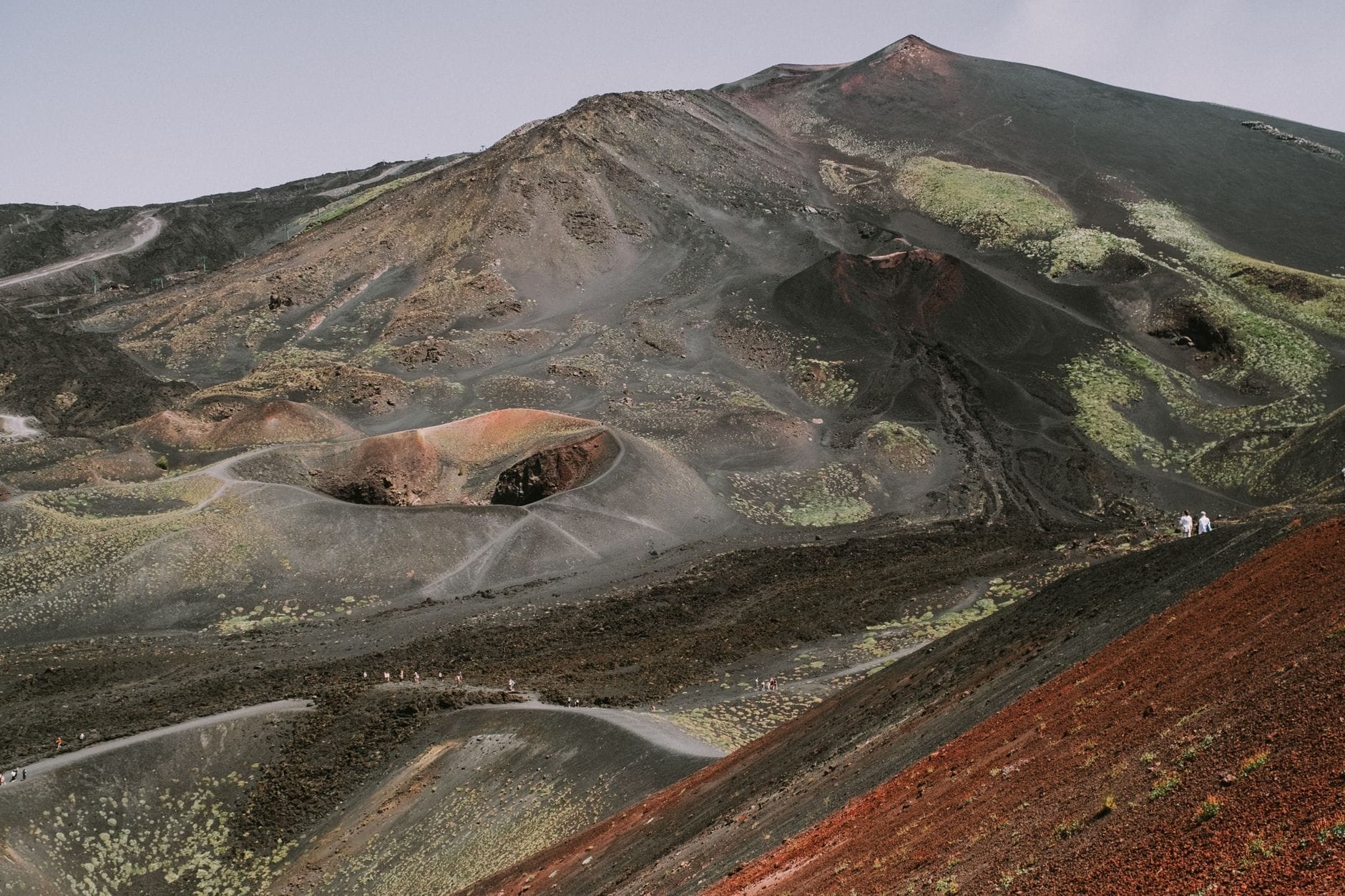
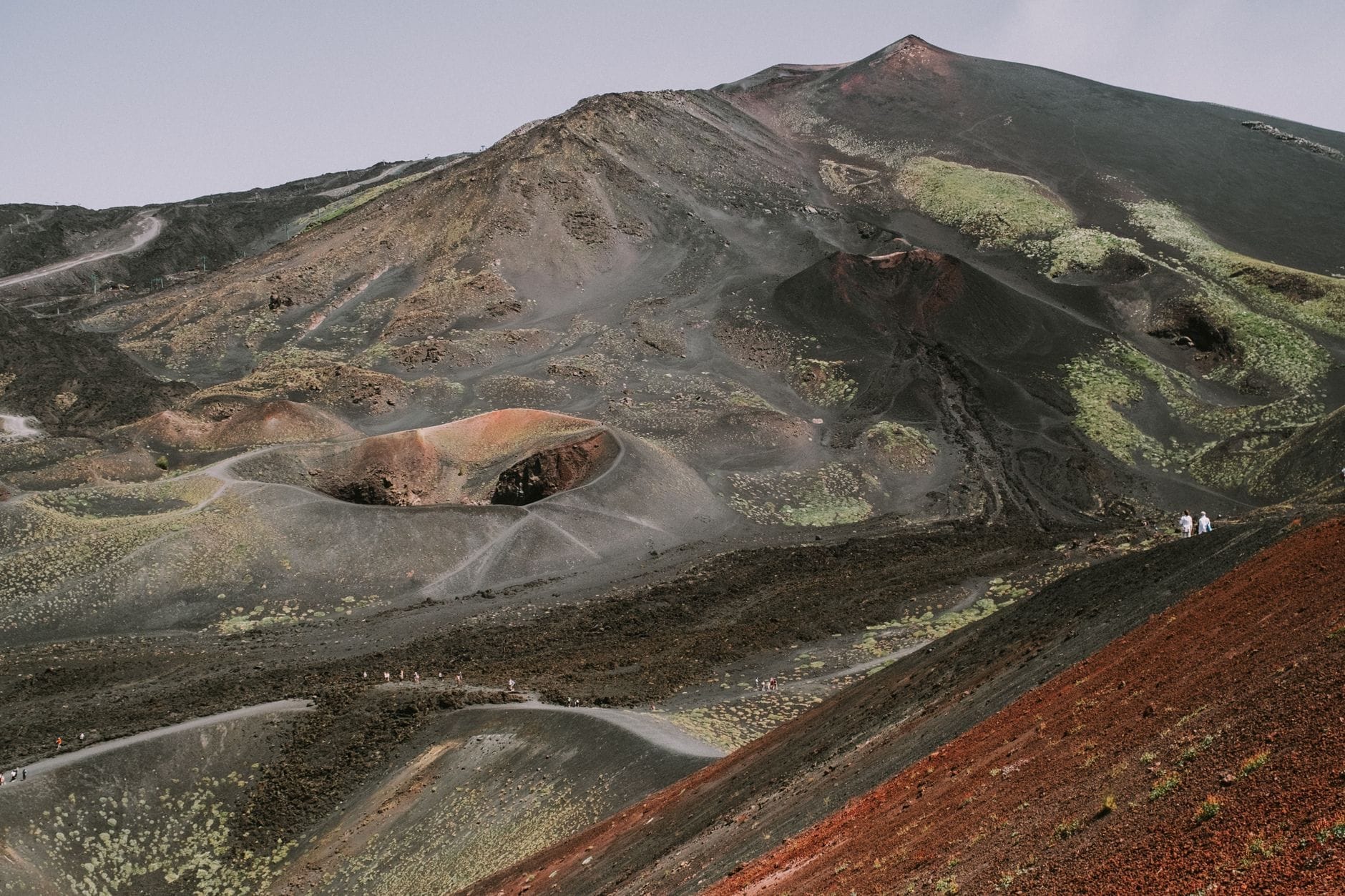
Etna is Europe's largest active volcano and one of the most active on the planet. Its summit elevation fluctuates because each eruption cycle can add or remove material from the craters, so always treat quoted heights as approximate. The volcano sits between Catania to the south and Taormina to the north, making it easily visible from both cities and reachable as a day trip from either. The southern approach via Nicolosi and the cable car at Rifugio Sapienza is the most popular route. The northern approach from Piano Provenzana near Linguaglossa is less crowded and offers different lava landscapes.
The cable car from Rifugio Sapienza (around 1,900 m) takes visitors to roughly 2,500 m, from where 4x4 minibuses operated by licensed companies continue to around 2,900 m. Above that, guided hikes with a licensed Etna guide are required to approach the summit craters. Independent hiking above 2,900 m is not permitted when the craters are at elevated alert status. The full summit experience takes most of a day. Budget hikers and those with mobility considerations should note that the cable car and minibus transfers carry separate fees, and the total outlay for a guided summit ascent can reach €60–100 per person. The Etna volcano trails page covers route options and what each level of the mountain looks like.
- Southern approach (Rifugio Sapienza) Most visited entry point; cable car plus minibus transfers get you to around 2,900 m before guided trails begin. Best for first-timers.
- Northern approach (Piano Provenzana) Less crowded, different lava tube formations, better views toward the Aeolian Islands on clear days. Minibus transfers also operate here.
- Lower flanks and Valle del Bove Suitable for independent hikers; the Valle del Bove is a dramatic collapse caldera accessible without a guide. Best in spring when wildflowers appear in the lava fields.
- Circumetnea railway The narrow-gauge train circling Etna's base is a scenic alternative for those not attempting the summit, connecting Catania to Riposto via towns on the lower slopes.
⚠️ What to skip
Etna's summit craters can close with little notice when alert levels rise. Always confirm current access status with your guide company or the Parco dell'Etna visitor centre before booking transport up the mountain. Morning departures reduce the risk of cloud cover blocking summit views.
Etna is also an increasingly respected wine region. Vineyards on the mineral-rich volcanic slopes at 600–1,000 m produce some of Italy's most sought-after reds and whites, with Nerello Mascalese as the flagship grape. If you are combining volcano hiking with time in Catania, the Sicily wine guide explains which Etna DOC estates offer tastings and how the volcanic terroir shapes the wines.
Stromboli: The Lighthouse of the Mediterranean
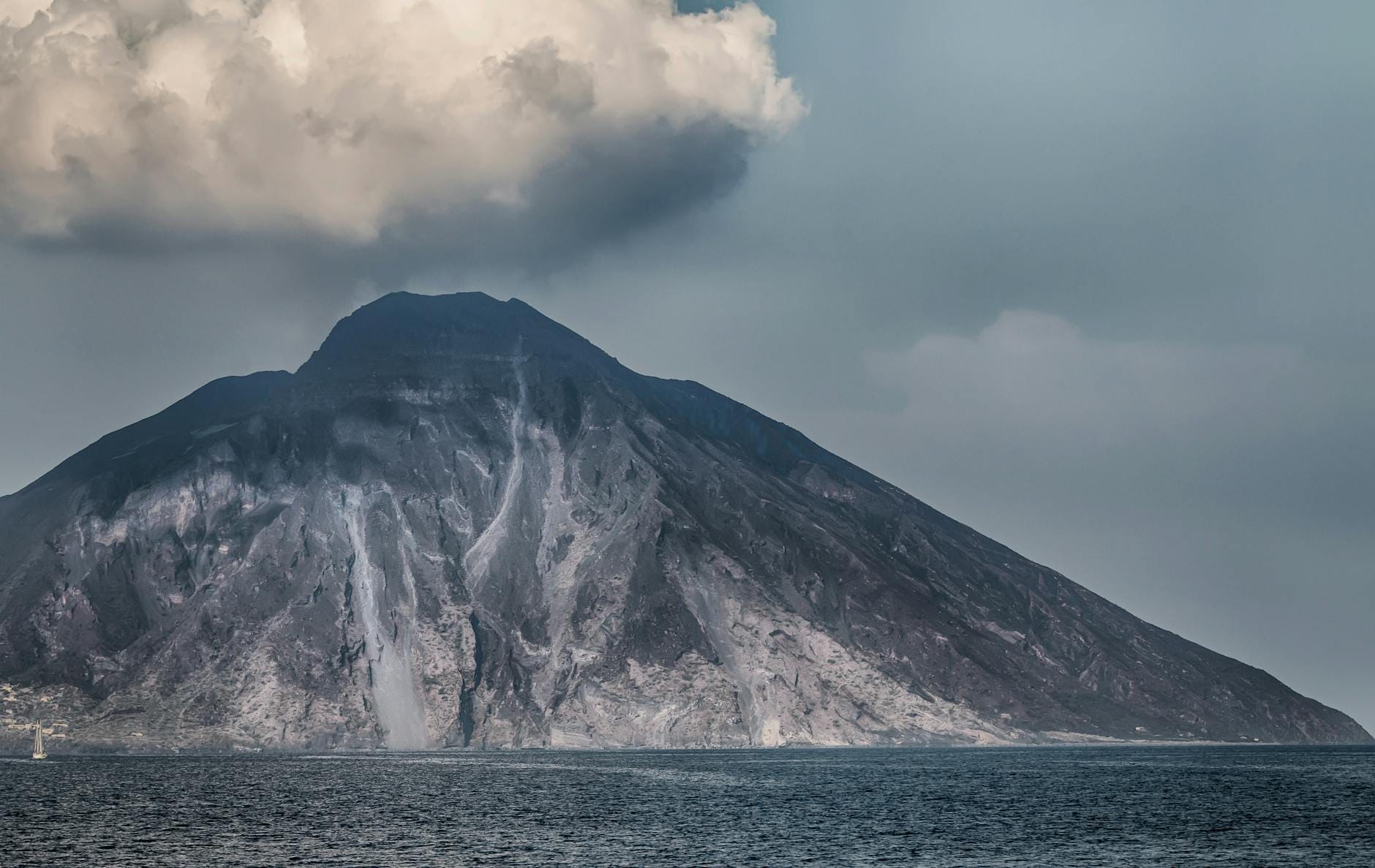
Stromboli is genuinely unlike anything else in the Mediterranean. The island produces small but regular explosive eruptions from its summit craters, typically every 15 to 30 minutes, ejecting incandescent lava fragments and gas clouds visible from the sea. This near-continuous activity is so reliable that geologists use the term 'strombolian' to describe this specific eruption style anywhere in the world. What makes Stromboli exceptional for visitors is that you can watch these eruptions from an authorised viewing area called the Sciara del Fuoco (the 'Stream of Fire'), either from the sea on a boat tour or from the summit after a guided hike.
Most of the volcano sits beneath the Tyrrhenian Sea. What visitors see is the upper portion of a massive underwater structure. The island itself is small, with a resident population of a few hundred people, a handful of restaurants and bars, and a village (Stromboli town) that has an almost dreamlike quality after the last ferries leave for the day. Staying overnight on the island gives you the summit hike in late afternoon and the best views of eruptions after dark, which is the way most experienced visitors choose to do it.
💡 Local tip
Book an overnight stay on Stromboli rather than a day trip if your schedule allows. The summit hike begins in the late afternoon, and eruptions are most dramatic after sunset. Day-trippers who arrive by hydrofoil often only have time for the boat view of the Sciara del Fuoco, which is impressive but not the full experience.
Getting to Stromboli requires a ferry or hydrofoil from Milazzo on Sicily's north coast, with journey times of approximately 2.5 to 3 hours by fast hydrofoil. Ferries from Messina and seasonal services from Naples also serve the island. Milazzo is the practical hub for most Aeolian Islands trips. Hikes above 400 m require a licensed guide and are only permitted when the alert level allows them. The Stromboli hike to the Osservatorio viewpoint at around 290 m is accessible independently, but the upper crater area requires an organised tour. For a broader look at how Stromboli fits into an island-hopping itinerary, the Aeolian Islands guide covers all seven islands and the logistics of moving between them.
Vulcano: Craters, Sulfur, and Thermal Mud
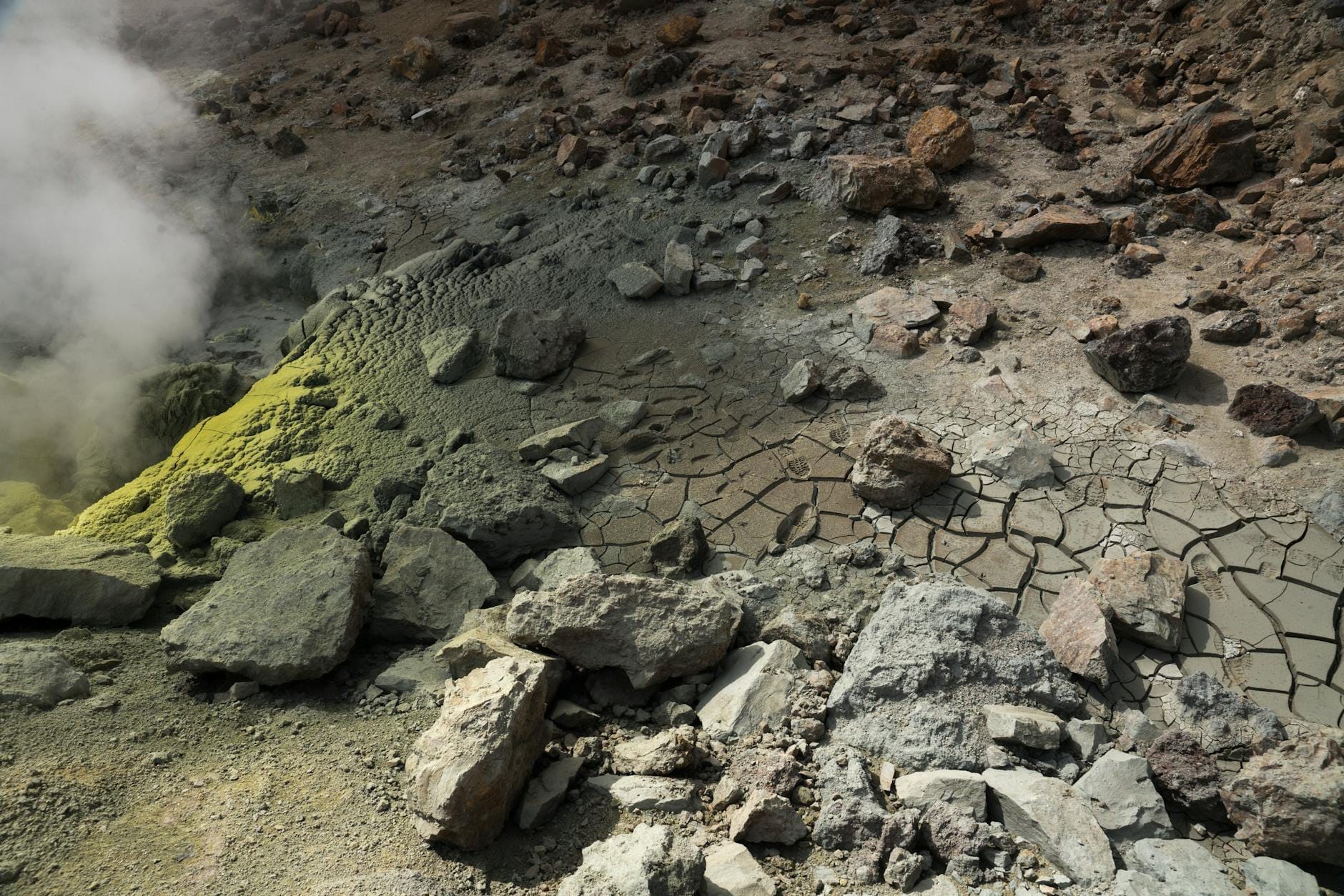
Vulcano is the southernmost of the major Aeolian Islands and the closest to the Sicilian coast, which makes it the easiest Aeolian volcano to visit on a day trip from Milazzo (around 50 minutes by hydrofoil). The island gave the Latin and English word 'volcano' its name — Romans believed it was the forge of Vulcan, god of fire — which is a more significant etymological legacy than most islands can claim.
The main crater, Gran Cratere, sits at around 386 m and is reached by a well-maintained trail from Porto di Levante, the island's main port. The hike takes roughly 30 to 45 minutes each way on a clear path through sulfurous terrain. The crater rim offers views across the entire Aeolian archipelago on clear days. However, it is worth knowing that the crater was closed to visitors from late 2021 through much of 2023 due to dangerously high CO2 emissions — a reminder that these are real, dynamic geological systems. Always confirm the crater is open before planning your visit.
Below the crater, Vulcano offers two experiences that Etna and Stromboli do not: the famous fanghi (thermal mud pools) near Porto di Levante, where visitors soak in sulfurous, mineral-rich mud said to have therapeutic properties for skin and joints, and the black sand beaches on the island's western side. The mud pools charge an admission fee, though their strong sulfur smell permeates your clothes and hair for longer than most visitors anticipate. Bring old swimwear you do not mind staining, and avoid immersing your head.
✨ Pro tip
The sulfur smell from Vulcano's fanghi clings persistently to fabric. Wear a swimsuit you are happy to dedicate to this purpose and leave anything valuable behind on the ferry or at your accommodation. The smell does wash off skin with standard soap, but it takes a good scrub.
Comparing the Three Volcanoes: Which One Is Right for You
- Etna — best for trekkers and wine lovers The largest, most dramatic, and most logistically accessible of the three. No boat required — just a drive or bus from Catania. Combines well with vineyard visits on the lower slopes. Suit all fitness levels depending on how high you go.
- Stromboli — best for raw volcanic spectacle The most atmospheric experience, especially overnight. Active eruptions are the draw, and watching glowing lava bombs arc through darkness from the crater rim is genuinely memorable. Not for those with a fear of heights or limited fitness.
- Vulcano — best for a half-day or relaxed day trip Easiest to combine with other Aeolian island visits. The crater hike is shorter and less demanding than Etna or Stromboli. The mud pools and beaches add non-volcanic appeal. Verify crater access in advance.
If you are building a Sicily itinerary that includes volcano visits alongside the island's archaeological and cultural highlights, the one-week Sicily itinerary shows how to combine Etna with eastern Sicily's major sites, while the two-week Sicily itinerary allows time to reach the Aeolian Islands as well.
Practical Information: Getting There, When to Go, and Staying Safe
For Etna, the nearest major airport is Catania Fontanarossa (CTA), around 35 km from Rifugio Sapienza at the southern base. Public buses from Catania serve Nicolosi, from where you need a taxi or private transfer to Rifugio Sapienza. Most visitors find it easier to rent a car or join an organised tour, particularly if combining Etna with Taormina or the surrounding area. For Stromboli and Vulcano, fly into either Catania or Palermo and travel to Milazzo by train or car, then take a ferry or hydrofoil operated by Siremar or Liberty Lines (schedules and operators change seasonally — verify before travel).
The best seasons for volcano visits are late spring (May to June) and early autumn (September to October). Summer brings significant heat at lower elevations and, on Etna, afternoon cloud that frequently obscures summit views by midday. July and August also bring the largest crowds. Winter visits to Etna are possible and offer snow-dusted lava landscapes, but some infrastructure closes and conditions can be hazardous. Stromboli's summer season sees the island at its most lively, with accommodation booking up weeks in advance. For a comprehensive overview of seasonal timing across the whole island, the best time to visit Sicily guide covers crowd patterns, temperatures, and festival calendars.
ℹ️ Good to know
Sicily follows Italian emergency service numbers. For any volcanic emergency or evacuation guidance, the national civil protection authority (Protezione Civile) issues real-time alerts for Etna and Stromboli. The general European emergency number 112 works throughout Sicily and the Aeolian Islands.
- Wear sturdy, ankle-supporting footwear for any volcanic trail — lava rock is sharp and uneven
- Bring a windproof layer regardless of season: temperatures at Etna's summit can be 15–20°C colder than at sea level
- On Stromboli, wear a helmet during the summit hike — provided by guide companies — as small projectiles from eruptions occasionally reach the viewing area
- Carry more water than you think you need; volcanic terrain offers no shade
- Check alert levels (codice colore) for Etna and Stromboli through the INGV (Istituto Nazionale di Geofisica e Vulcanologia) website before and during your visit
FAQ
Can you hike to the summit of Etna without a guide?
Independent hiking is permitted on Etna's lower and middle slopes, but access to the summit crater area (above approximately 2,900 m) requires a licensed guide when alert levels are elevated, which is most of the time. The cable car and 4x4 transfers to the upper mountain are operated by licensed companies. Book a guided summit excursion through a certified Etna guide cooperative for the full experience.
How do you get to Stromboli from Sicily?
The main access point is Milazzo, on Sicily's northeast coast, served by hydrofoils and ferries run by operators including Liberty Lines and Siremar. Fast hydrofoils take approximately 2.5 to 3 hours. Seasonal connections also operate from Messina and Naples. Milazzo is reachable from Palermo or Catania by train or car. Always verify current timetables before travel as services change seasonally.
Is Vulcano's crater safe to visit?
The Gran Cratere on Vulcano has been periodically closed due to elevated CO2 emissions, most notably from late 2021 through much of 2023. When open, the crater hike is straightforward and does not require a guide. The sulfurous gases are present but not dangerous at normal activity levels during open periods. Always check the current access status through the Italian civil protection authority or local ferry operators before visiting.
Which Sicilian volcano is best for a day trip?
Vulcano is the easiest day trip: it is the closest Aeolian island to the Sicilian mainland, the hydrofoil from Milazzo is the shortest, and the crater hike is under an hour each way. Etna from Catania also works well as a day trip, particularly using the southern cable car route. Stromboli is technically doable as a day trip but the experience is significantly better with an overnight stay, since eruptions are most impressive after dark.
Are the volcanoes safe to visit?
All three volcanoes are genuinely active, but they attract hundreds of thousands of visitors annually without serious incident when visitors follow current guidelines. The key risks are from unexpected eruptions, falling volcanic debris on Stromboli, and altitude-related issues on Etna. Licensed guide companies monitor conditions continuously. For general safety considerations across Sicily, the Sicily safety guide covers the full picture beyond just volcanic areas.