Palermo is Sicily's capital and largest city, a place where Arab arches, Norman mosaics, and Baroque piazzas exist on the same block. It is loud, layered, and unlike anywhere else in Italy, with some of the Mediterranean's most compelling street food and architecture packed into a walkable historic core.
Palermo is the kind of city that takes time to read. Its historic center layers Arab, Norman, Byzantine, and Baroque architecture into a dense urban fabric that no other Italian city can replicate, while its ancient street markets remain genuinely functional food markets, not tourist performances. It is not a polished destination, and that roughness is precisely what makes it memorable.
Orientation
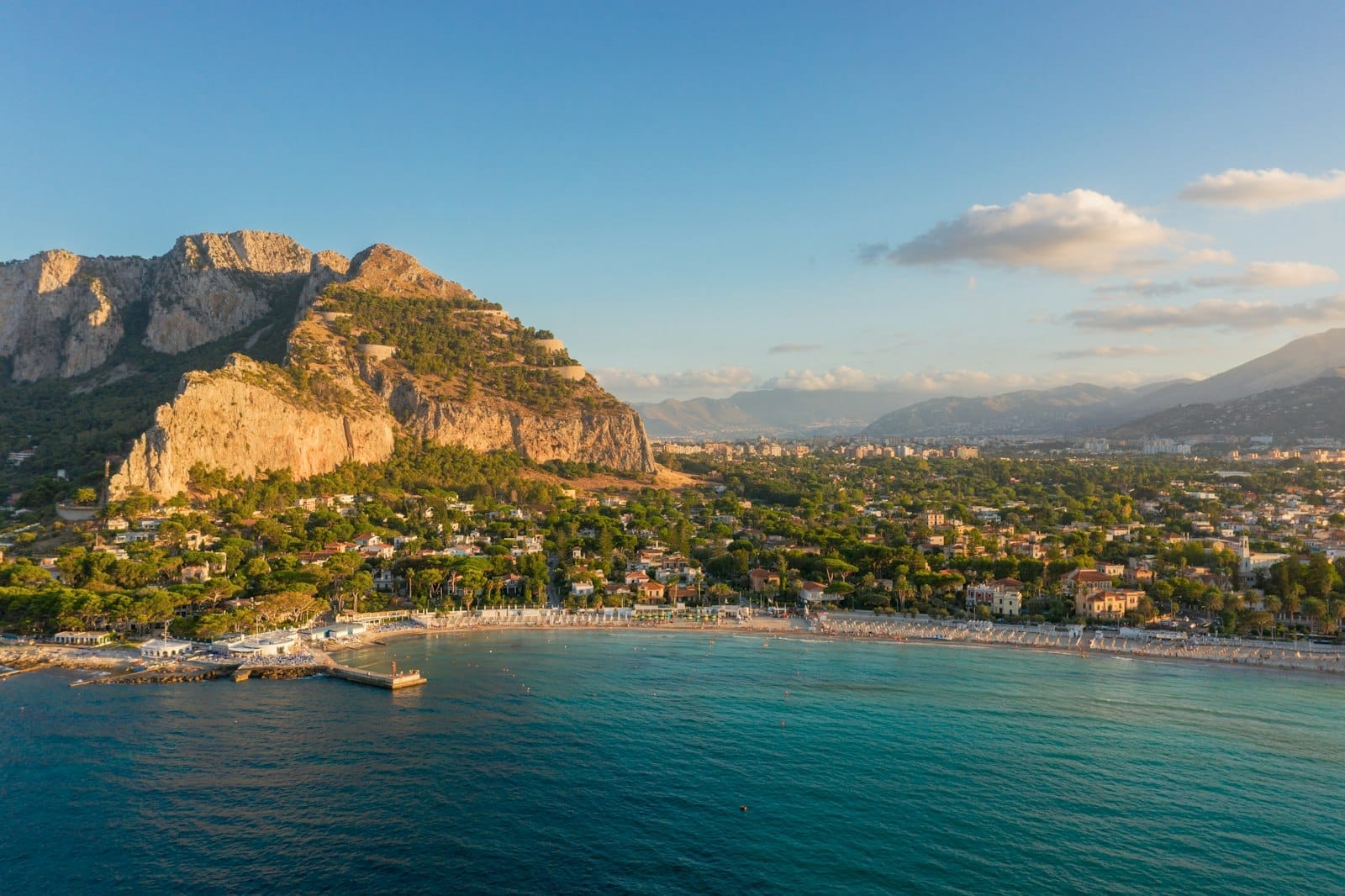
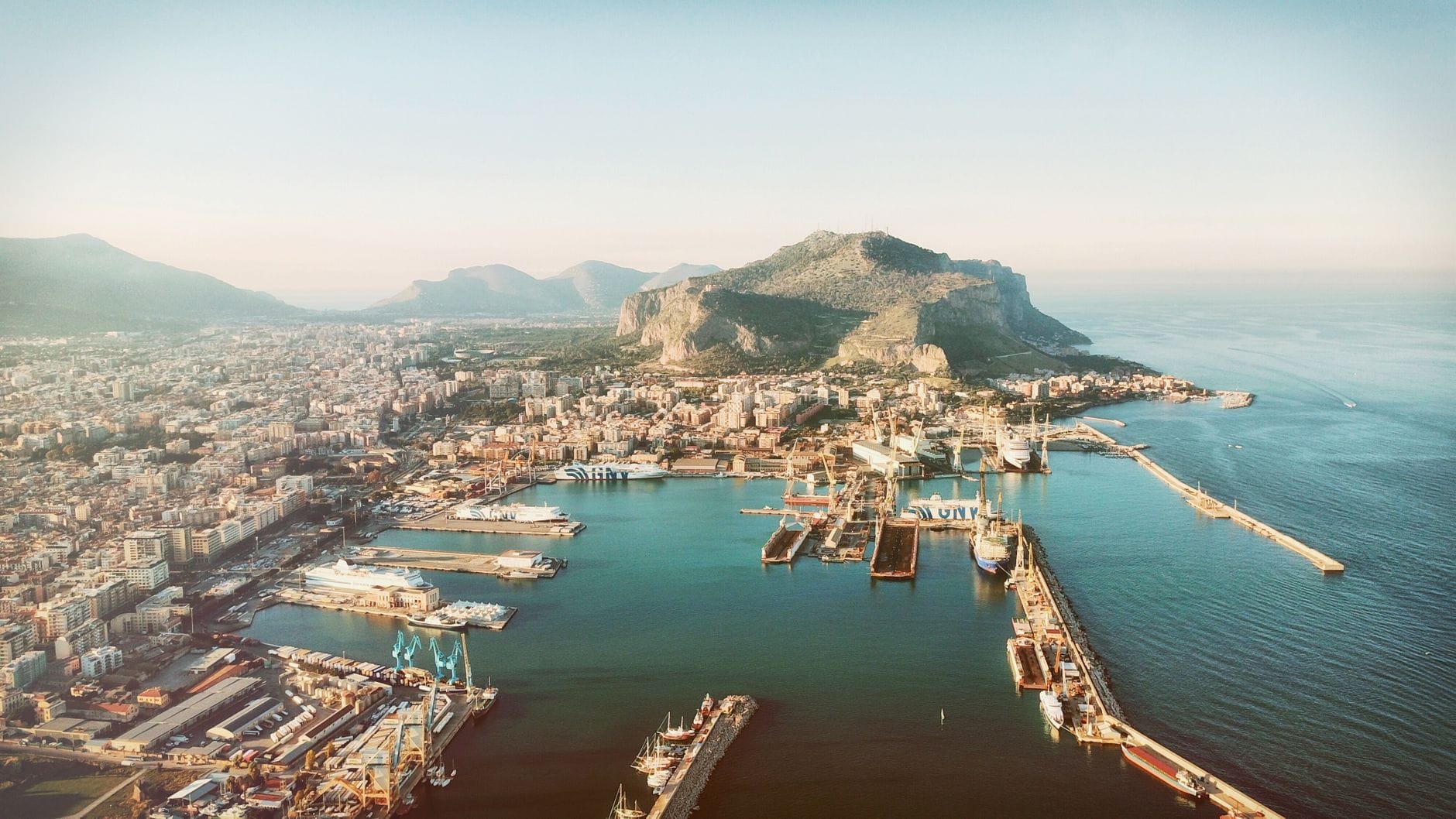
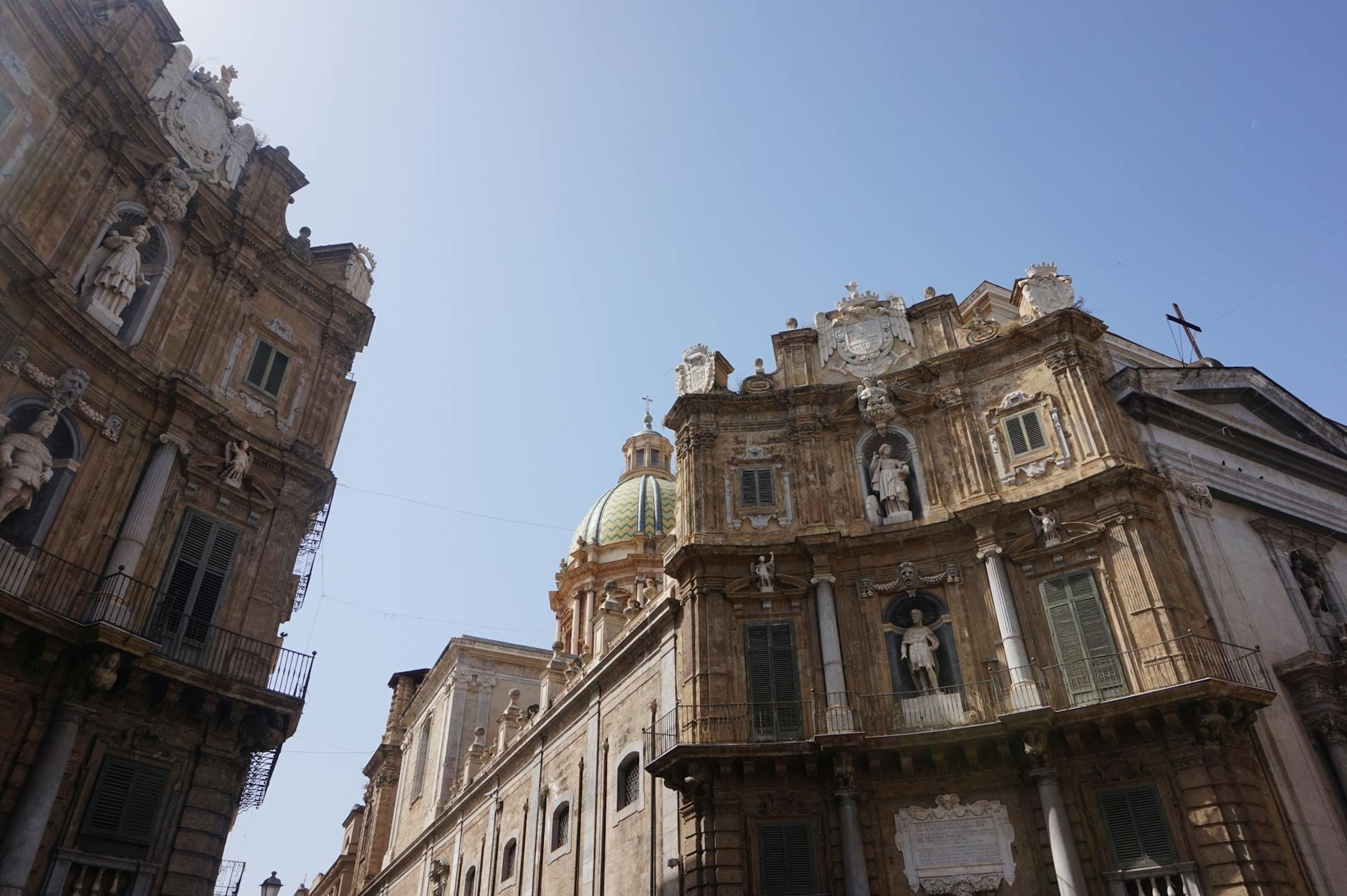
Palermo sits on Sicily's northwest coast along the Tyrrhenian Sea, at approximately 38.1° N, 13.4° E, facing a wide natural harbor backed by a ring of limestone mountains. The historic center is compact enough to walk in a day but rich enough to absorb a week. Two streets form the essential grid: Via Maqueda runs north to south, and Corso Vittorio Emanuele runs east to west. They intersect at the Quattro Canti, the ornate Baroque crossroads formally known as Piazza Vigliena, which functions as the city's navigational anchor.
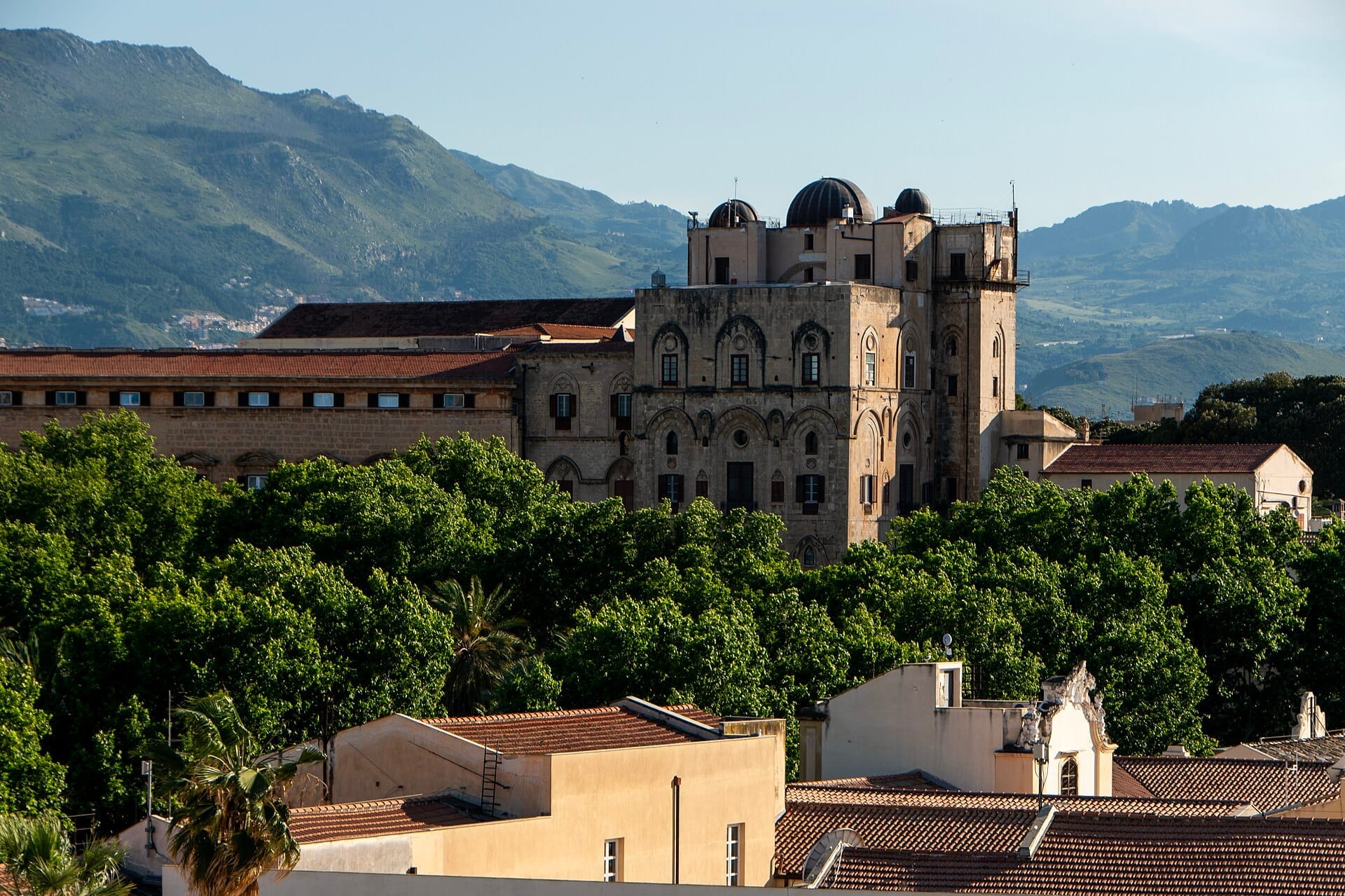
The historic core extends roughly from the seafront at Foro Italico and Via Francesco Crispi in the east to Corso Alberto Amedeo and the inner ring roads to the west. North of the Quattro Canti, Via Maqueda opens toward the Teatro Massimo and the more commercial Piazza Ruggero Settimo, while south of the intersection the streets narrow into the Albergheria and Ballarò districts. This southern wedge is where the city's oldest Arab-Norman monuments cluster, including the Norman Palace and Palazzo dei Normanni on Piazza del Parlamento, which still houses the Sicilian regional government.
For orientation purposes, think of Palermo's historic center as four informal quarters. Albergheria occupies the southwest, centered on the Ballarò market. La Kalsa covers the southeast, running toward the seafront and containing several important museums and churches. The Capo district fills the northwest, with its own street market near the cathedral. And the area around Vucciria and the port sits to the northeast. Via Roma runs parallel to Via Maqueda and connects Palermo Centrale railway station to the city center, making it the practical entry corridor for most arrivals.
Palermo is the administrative hub of both the Metropolitan City of Palermo and of Sicily as an autonomous region of Italy. It is also the island's main gateway, with Falcone-Borsellino Airport about 35 km to the northwest. For context on how Palermo compares to other Sicilian cities, or how to combine it with regional destinations, the where to stay in Sicily guide covers the full picture.
Character & Atmosphere
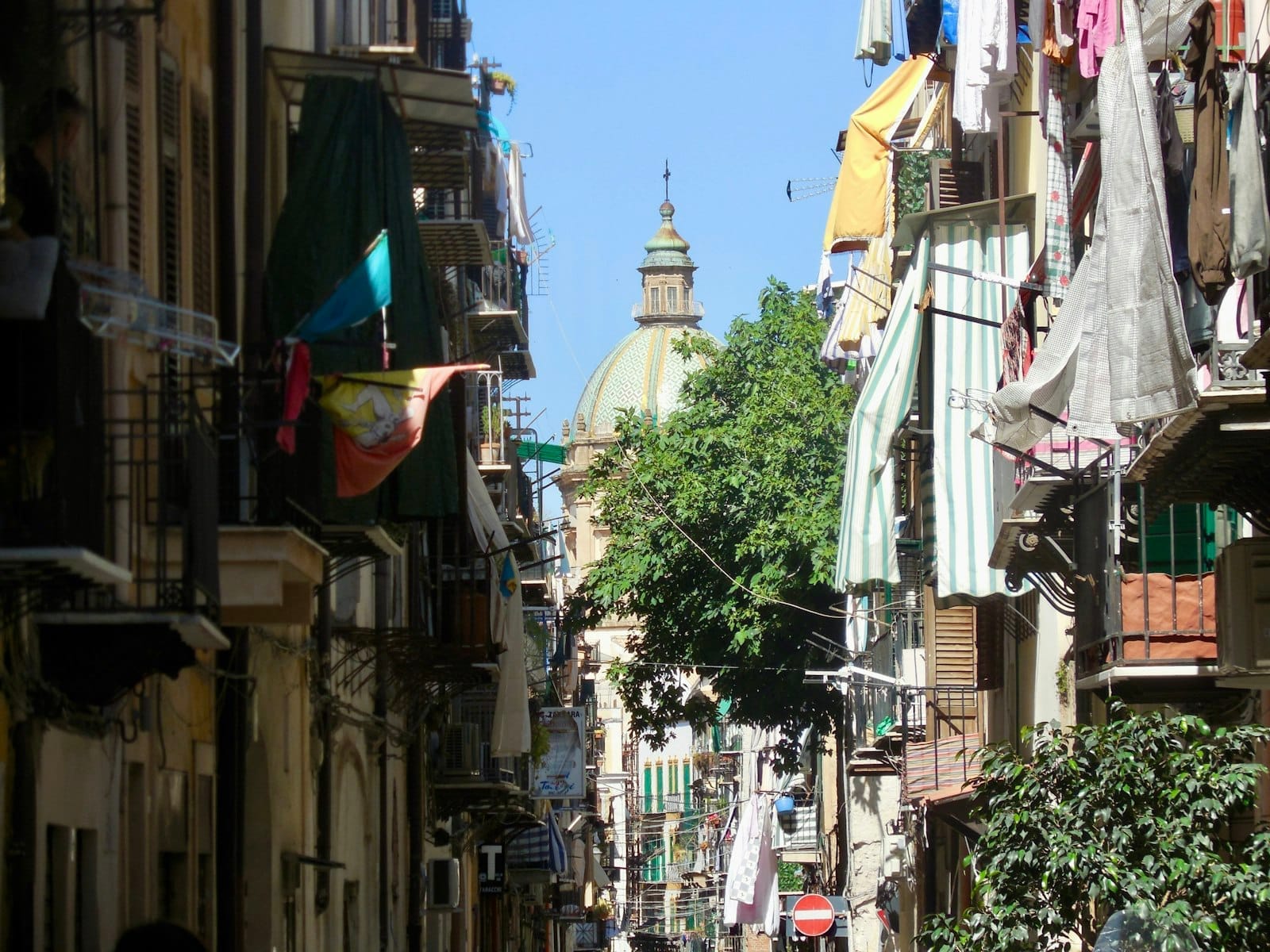
Palermo does not perform for tourists, which can be disorienting if you arrive expecting the groomed centro storico of Florence or Rome. The city is functional, densely inhabited, and genuinely alive. Apartment laundry hangs above streets where Arab-Norman doorways have been incorporated into apartment blocks. Corners that look derelict from one angle reveal a perfectly preserved medieval apse around the other side.
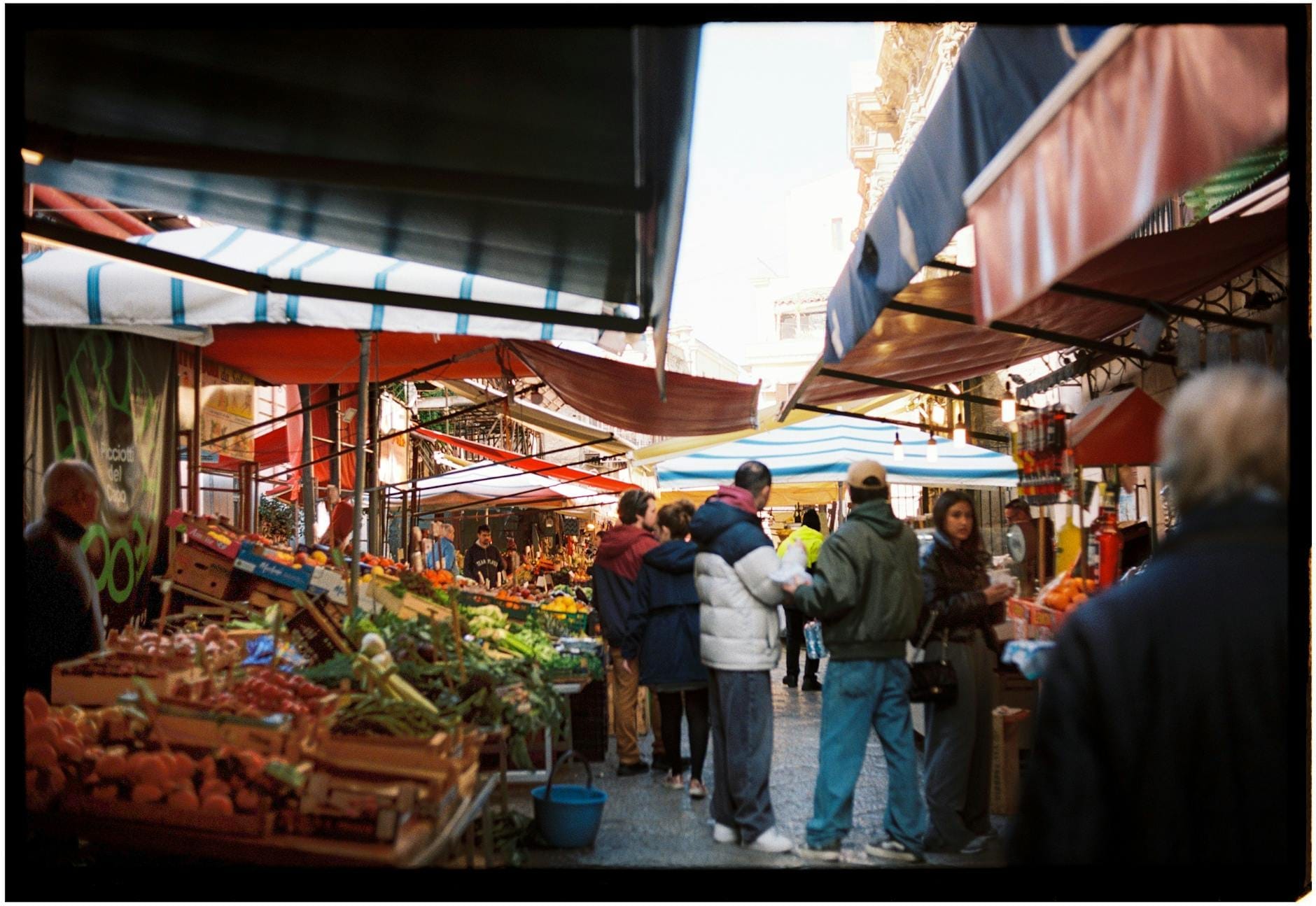
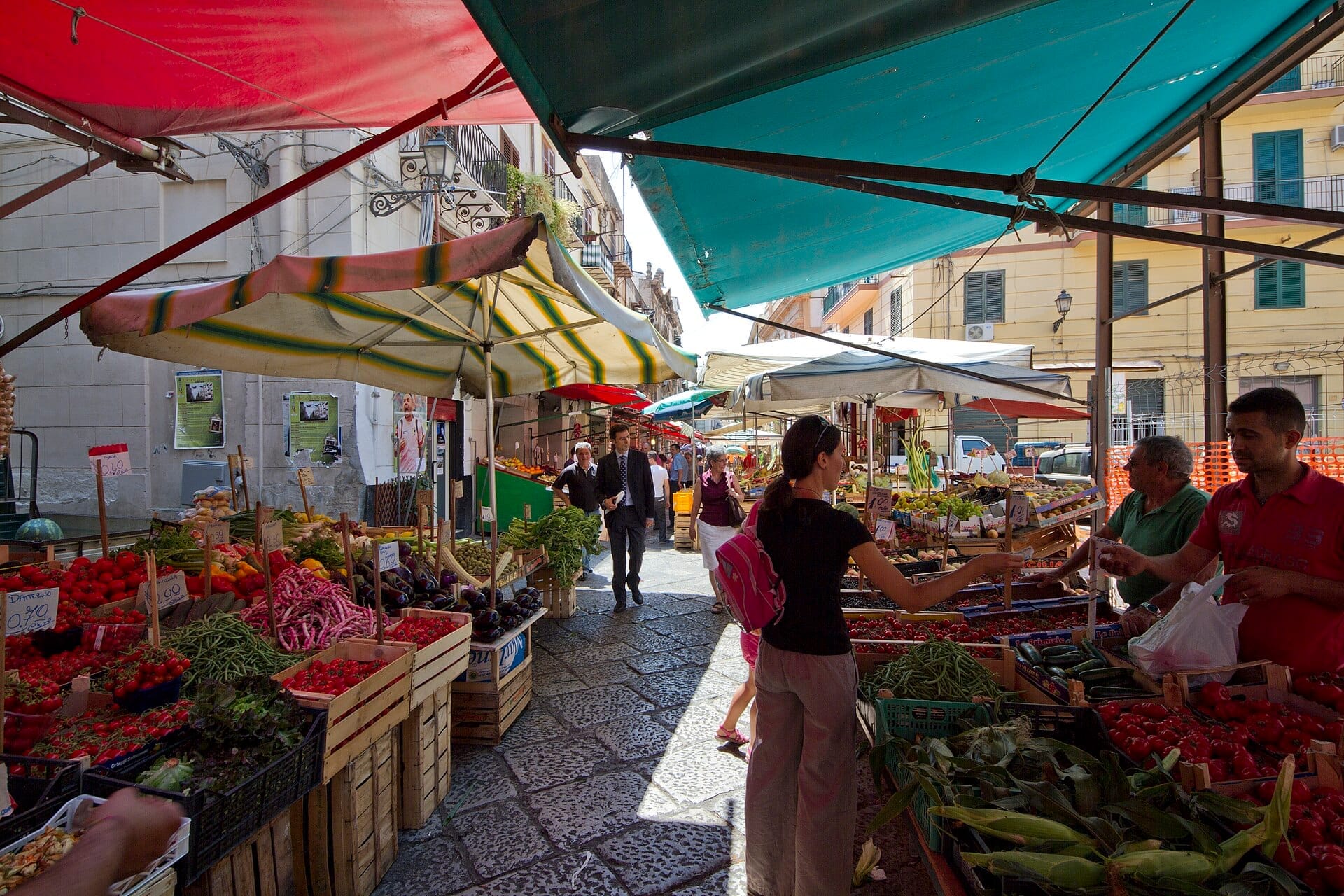
Early morning is the city's most revealing hour. By 7 AM the markets are already in motion: the stalls of Ballarò fill Via Ballarò and surrounding lanes with produce vendors, fishmongers, and street food sellers working the same ground they have occupied for centuries. The smell of frying pannelle, the sharp brine of fresh sea urchin, and the sound of vendors calling prices in rapid Sicilian dialect set a tempo that does not slow until mid-morning. Light falls sideways through narrow vicoli at this hour, catching the gold and ochre of worn stucco facades.
By midday in summer the city empties somewhat, retreating from heat that regularly pushes above 30°C from June through August. The streets around the cathedral and Quattro Canti stay busy with visitors, but move a block off the main arteries and you find a different rhythm: shuttered shopfronts, the hum of air conditioning, the odd bar still open for an espresso at the counter. Late afternoon brings relief and a return to the streets. The aperitivo hour, roughly 6 to 8 PM, is when Palermitani reclaim Via Maqueda and the piazzas near the Teatro Massimo, lingering on steps and at outdoor tables.
After dark the atmosphere bifurcates. The Vucciria district, once a daytime food market, transforms into an outdoor bar scene concentrated around Piazza Caracciolo, where locals and students drink at ground level on the street itself. It is informal and lively, but the street-drinking culture means it can get noisy into the early hours. La Kalsa, immediately south, is quieter after dinner, with a handful of restaurants and bars but without the Vucciria's intensity. Travelers who need quiet evenings should consider accommodation further from these zones.
⚠️ What to skip
Petty theft, particularly pickpocketing, is a documented concern in crowded market areas and on busy bus routes, as noted by the U.S. Department of State's Italy travel advisory. Use a front-worn money belt or anti-theft bag in Ballarò, Vucciria, and on AMAT city buses during peak hours.
What to See & Do
Palermo's most significant monuments are concentrated in a walkable corridor along Corso Vittorio Emanuele and the streets immediately surrounding it. The Palatine Chapel (Cappella Palatina) inside the Norman Palace is the first stop serious visitors should make: its 12th-century gold Byzantine mosaics are among the finest in the world, and the interior combines Arab muqarnas ceilings with Greek and Latin inscriptions in a way that exists nowhere else. Arrive when it opens to avoid queues that build through mid-morning.
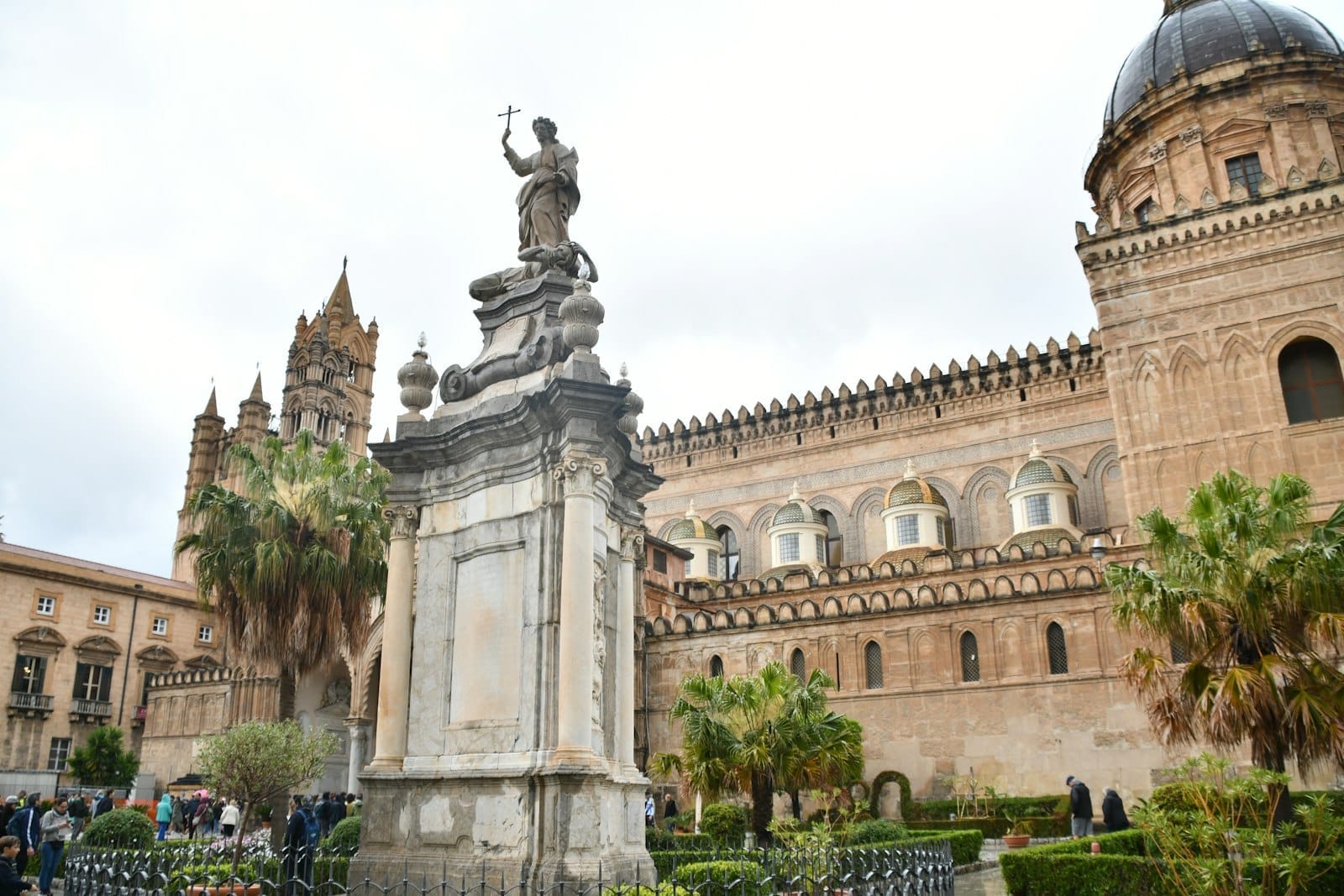
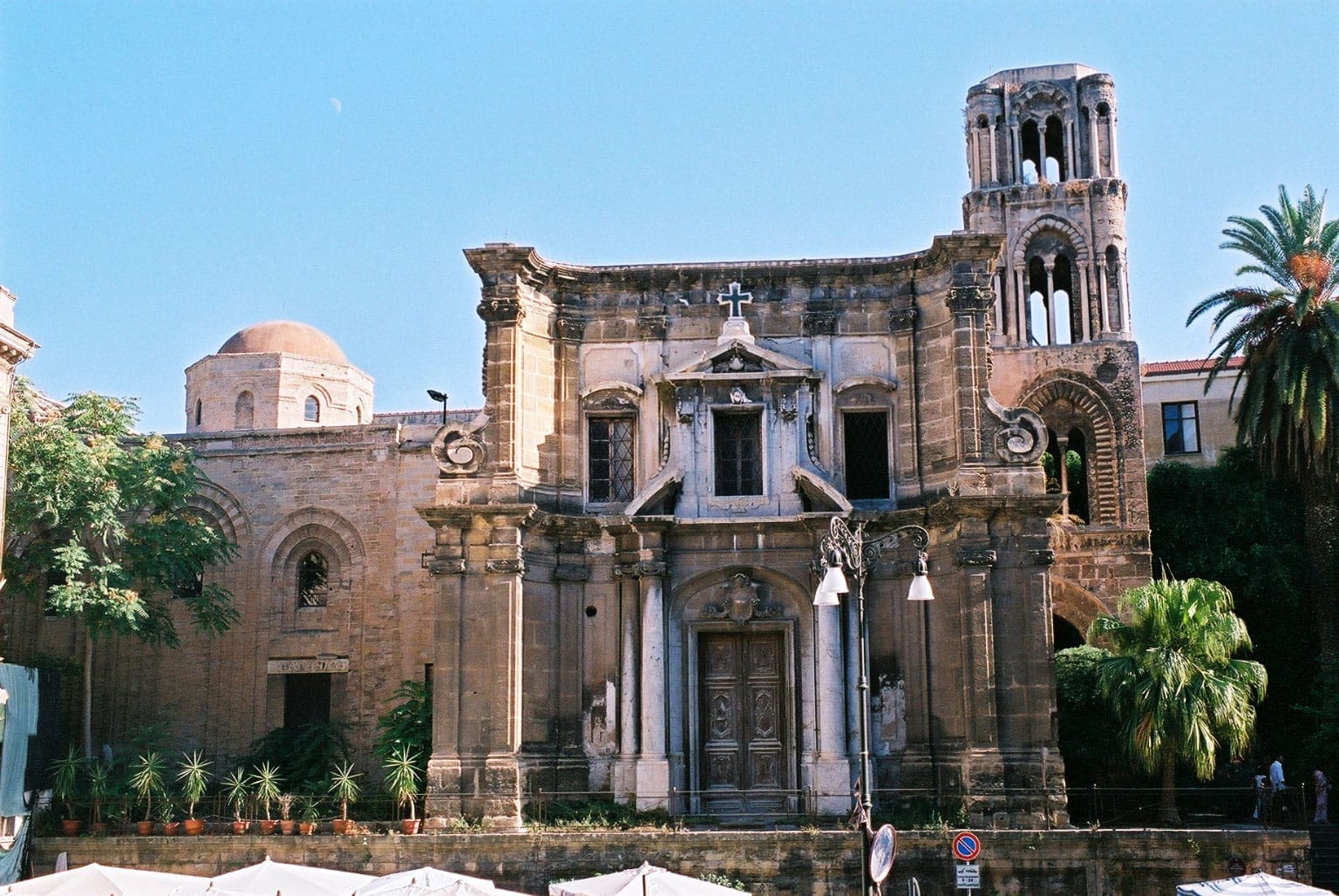
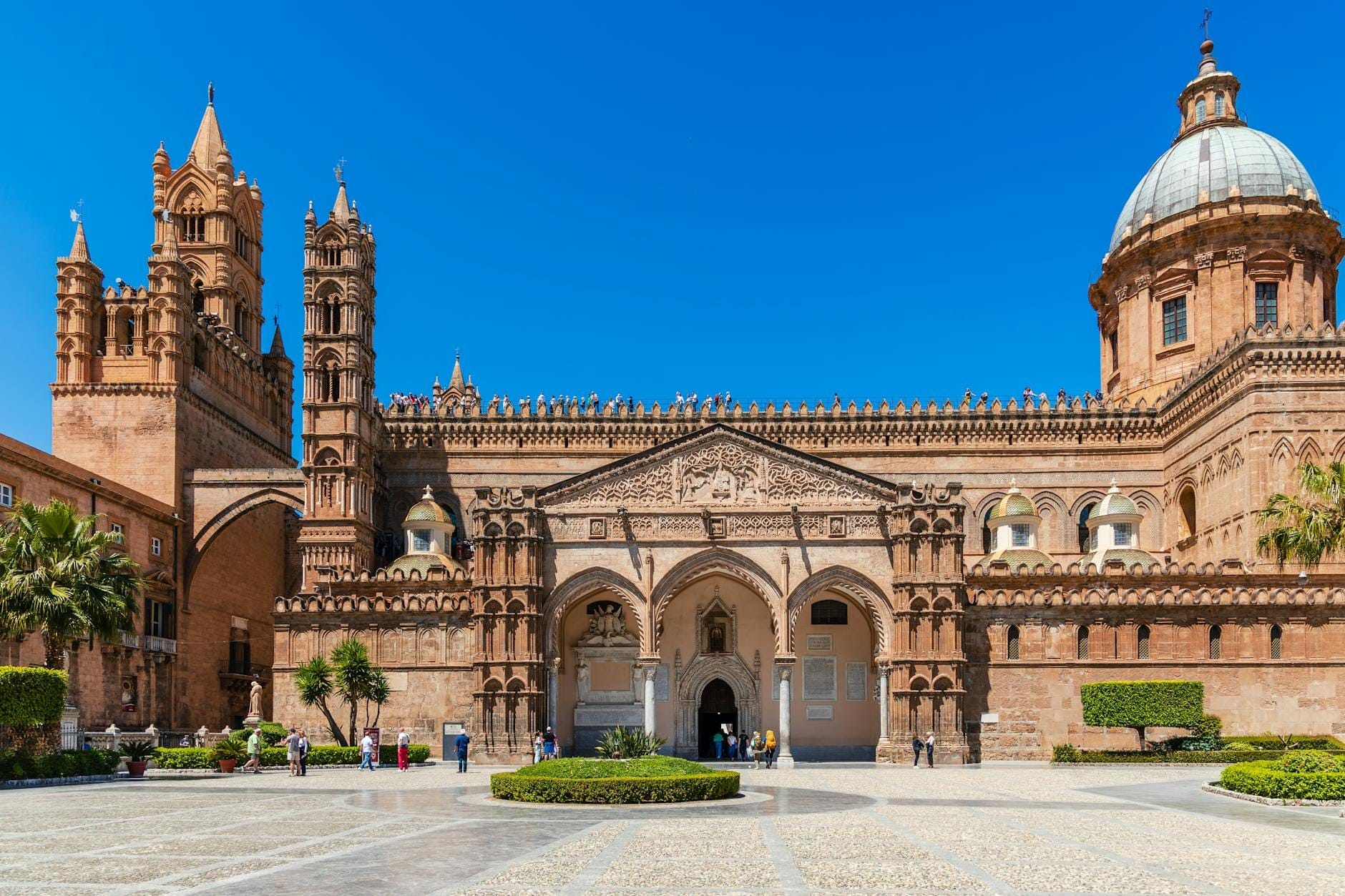
A ten-minute walk east along the Corso brings you to the Palermo Cathedral, a UNESCO World Heritage Site whose exterior reads as an architectural timeline: Arab-Norman crenellations, a Gothic porch added in the 14th century, and a Baroque dome grafted on in the 18th century. The interior is comparatively plain, but the royal tombs of Norman and Hohenstaufen rulers in the southern nave are extraordinary. Nearby, off Via Maqueda, the Church of the Martorana contains 12th-century Byzantine mosaics that rival the Palatine Chapel, with far fewer visitors.
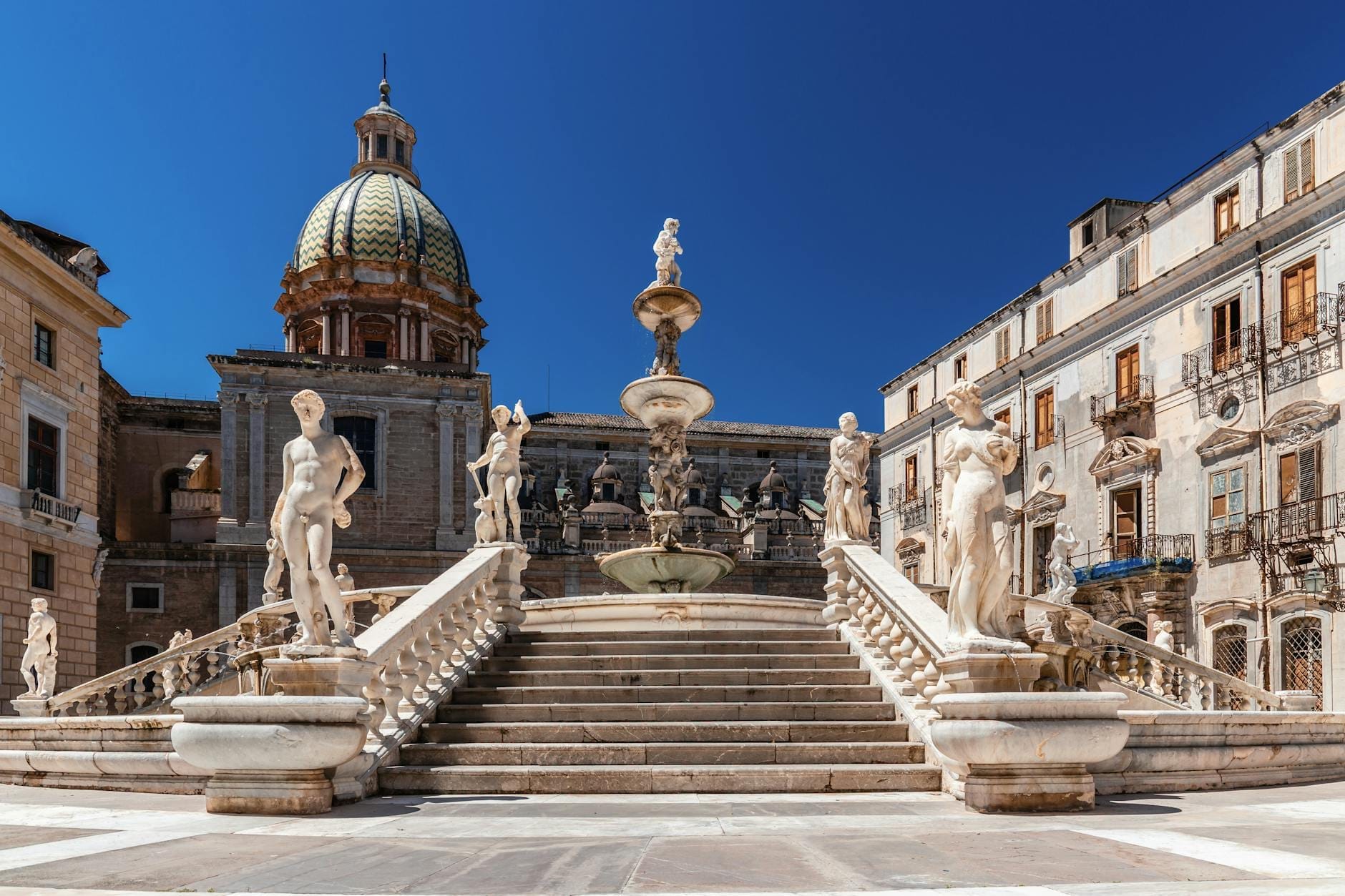
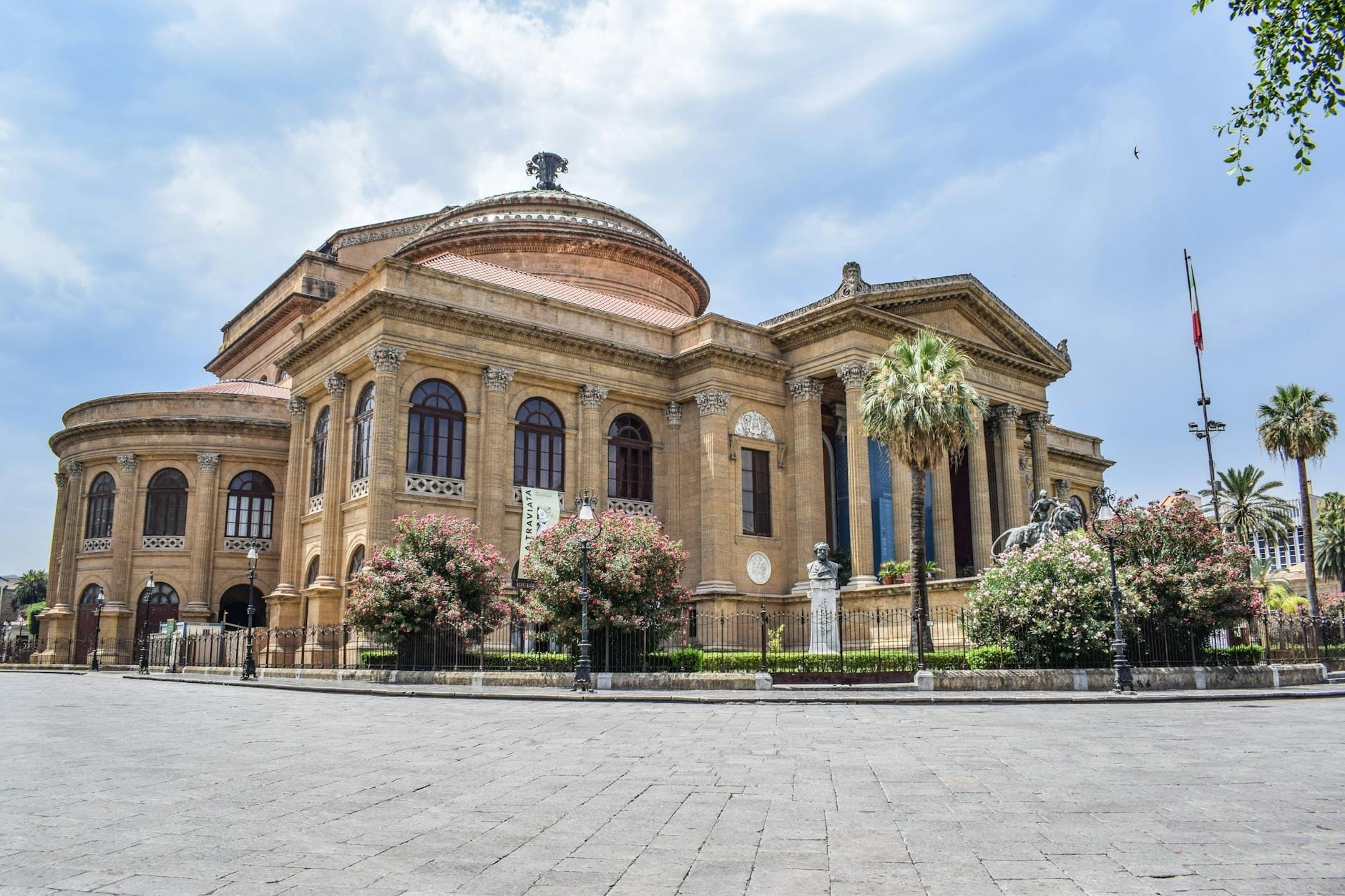
The Quattro Canti and the adjacent Piazza Pretoria are worth a deliberate stop rather than a passing glance. Piazza Pretoria's massive 16th-century fountain, acquired from a Florentine collection, is ringed by nude mythological figures that so scandalized the local clergy it was once called the Piazza della Vergogna (Piazza of Shame). Further north on Via Maqueda, the Teatro Massimo is the largest opera house in Italy, opened in 1897, and offers guided tours even when no performance is scheduled.
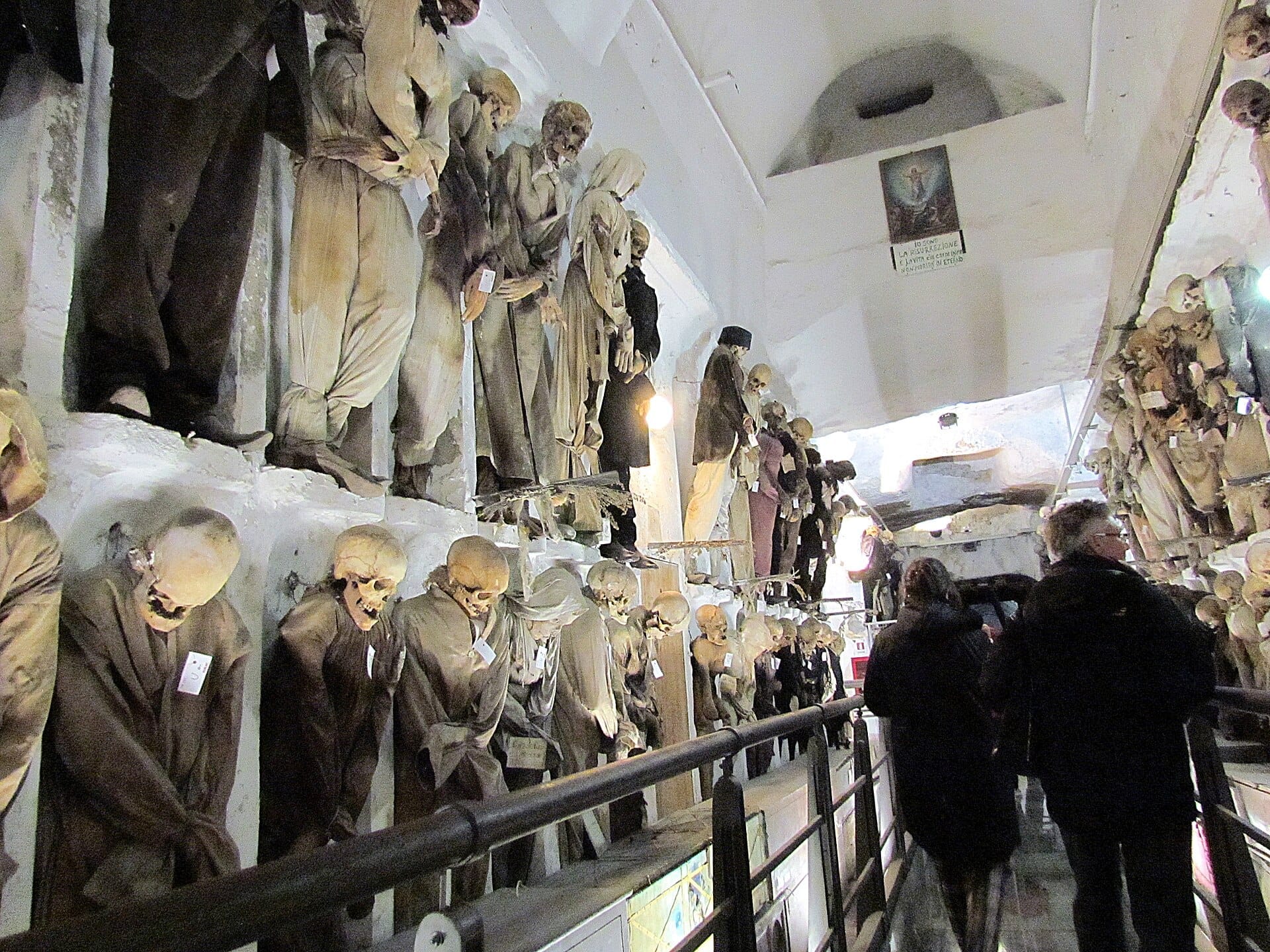
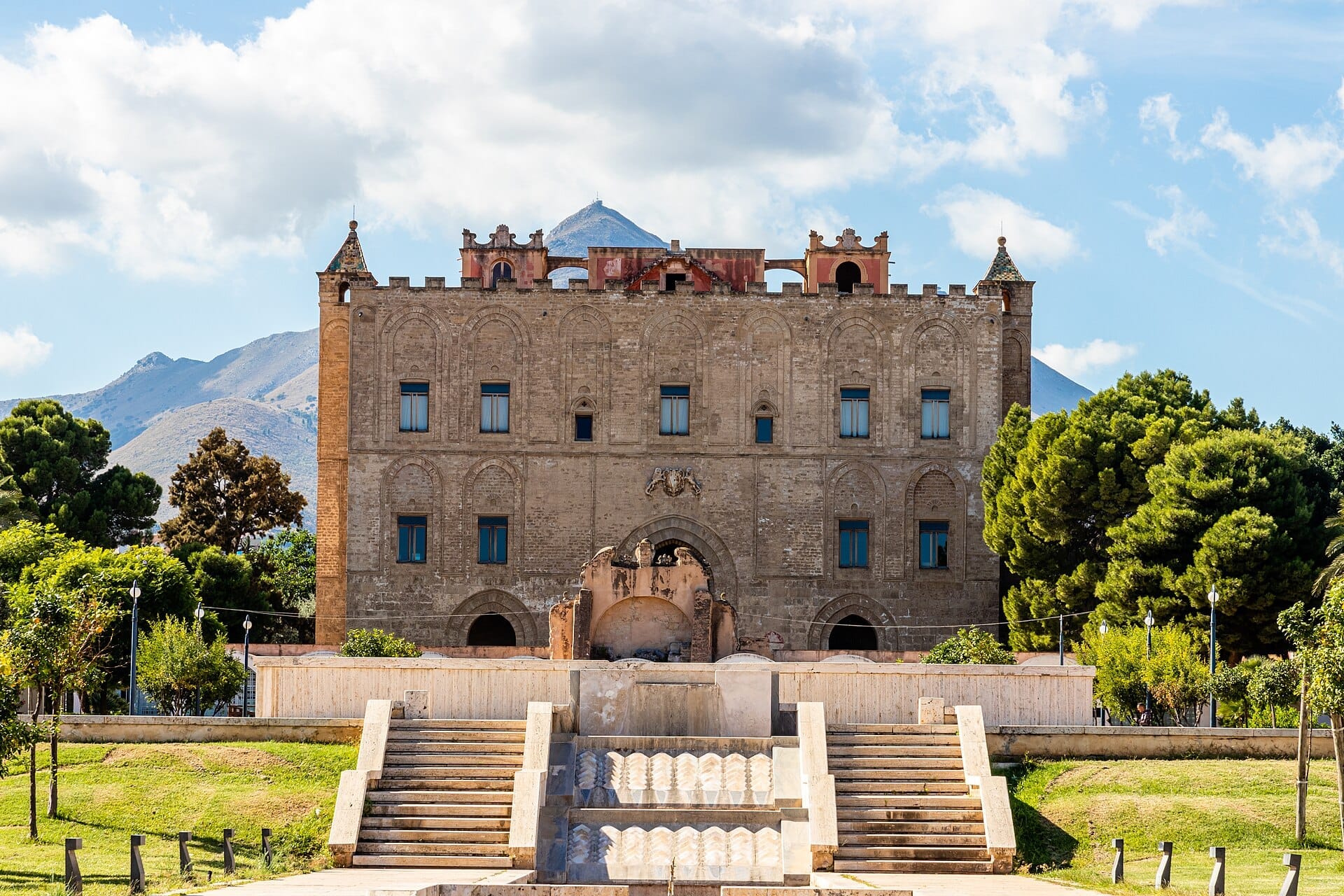
Two attractions require advance planning and sit slightly outside the historic core. The Catacombs of the Capuchins in the Zisa neighborhood, about 1.5 km west of the center, contain around 8,000 preserved bodies arranged in corridors by profession and social status, a practice that continued from the late 16th century into the 1920s. The experience is singular and worth the walk. The Zisa Castle, also in the Zisa area, is a remarkably intact 12th-century Arab-Norman pleasure palace with a central fountain room and carved plasterwork that translates directly to the Arabic geometric tradition.
Palatine Chapel (Cappella Palatina) – Book tickets in advance; it sells out on busy days
Palermo Cathedral – Free general entry; royal tombs and roof terrace require separate tickets
Church of the Martorana – Byzantine mosaics, limited opening hours; check before visiting
Quattro Canti and Piazza Pretoria – Best photographed in morning light
Teatro Massimo – Guided tours available most days; check the calendar for performances
Ballarò Market – Mornings only; winds down by early afternoon
Catacombs of the Capuchins – Advance booking recommended in high season
Zisa Castle – Often uncrowded; combined well with the Catacombs visit
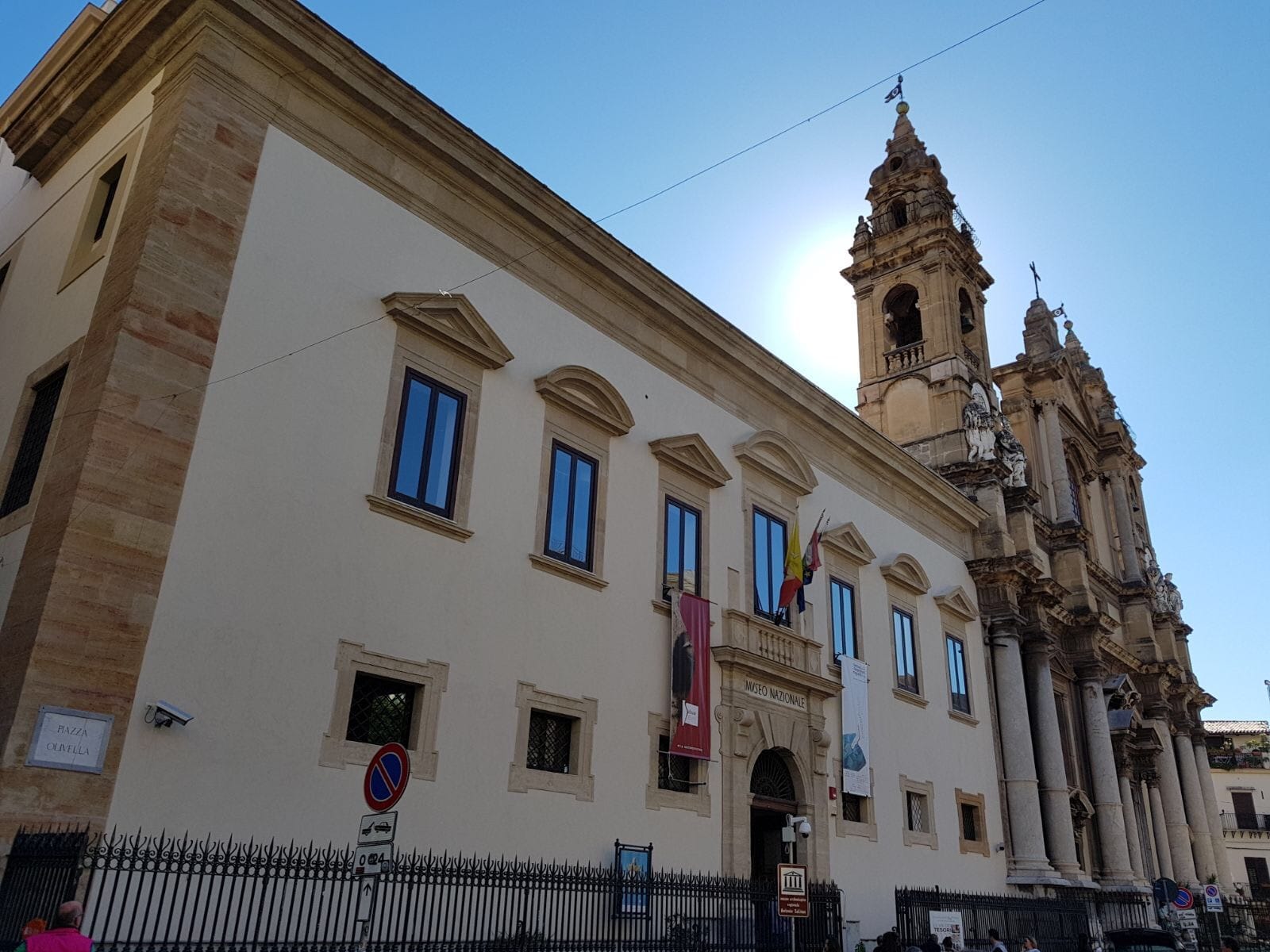
Palazzo Abatellis – Regional art gallery with exceptional medieval and Renaissance Sicilian works
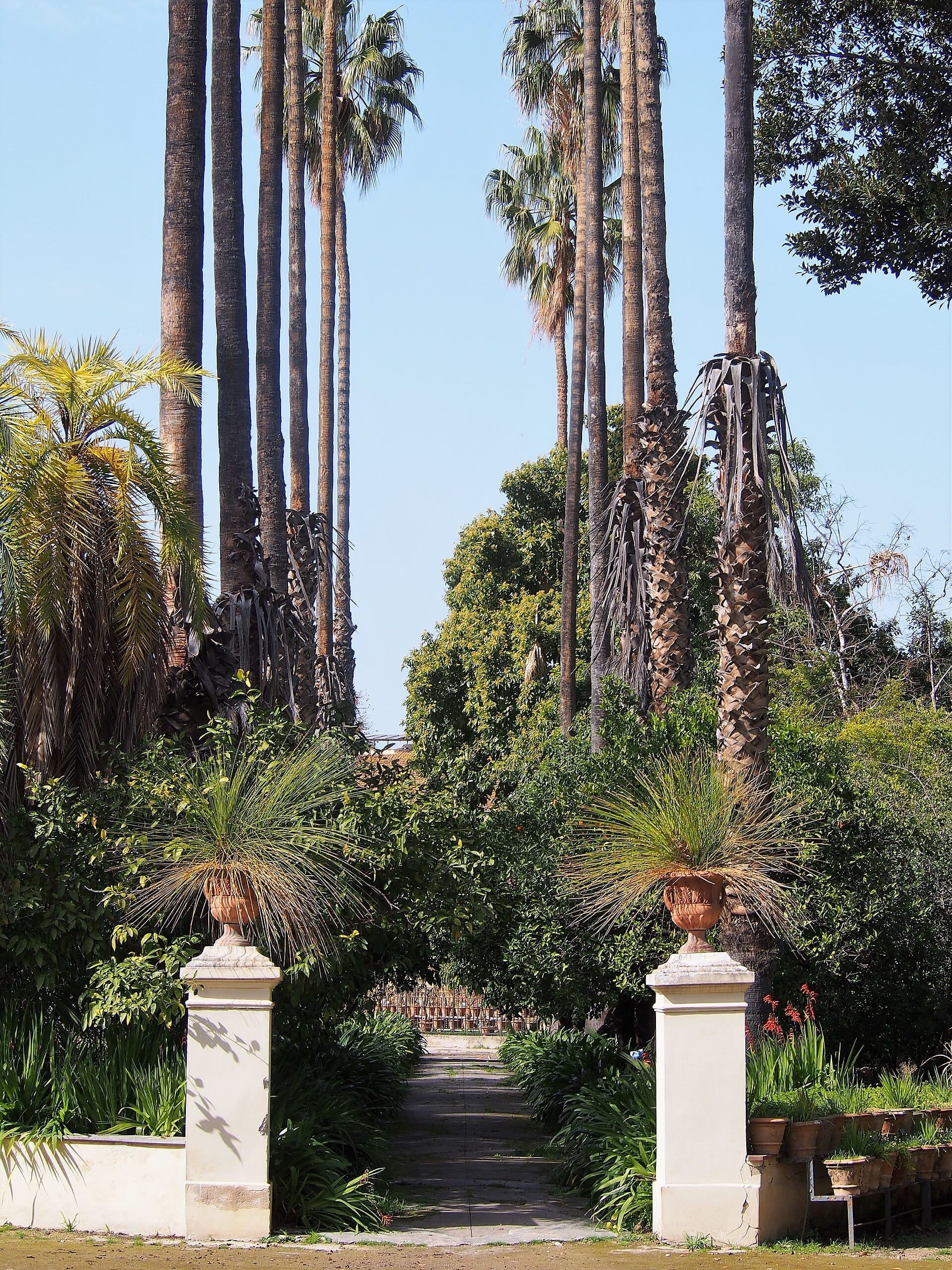
Orto Botanico di Palermo – Nineteenth-century botanical garden with rare Mediterranean species
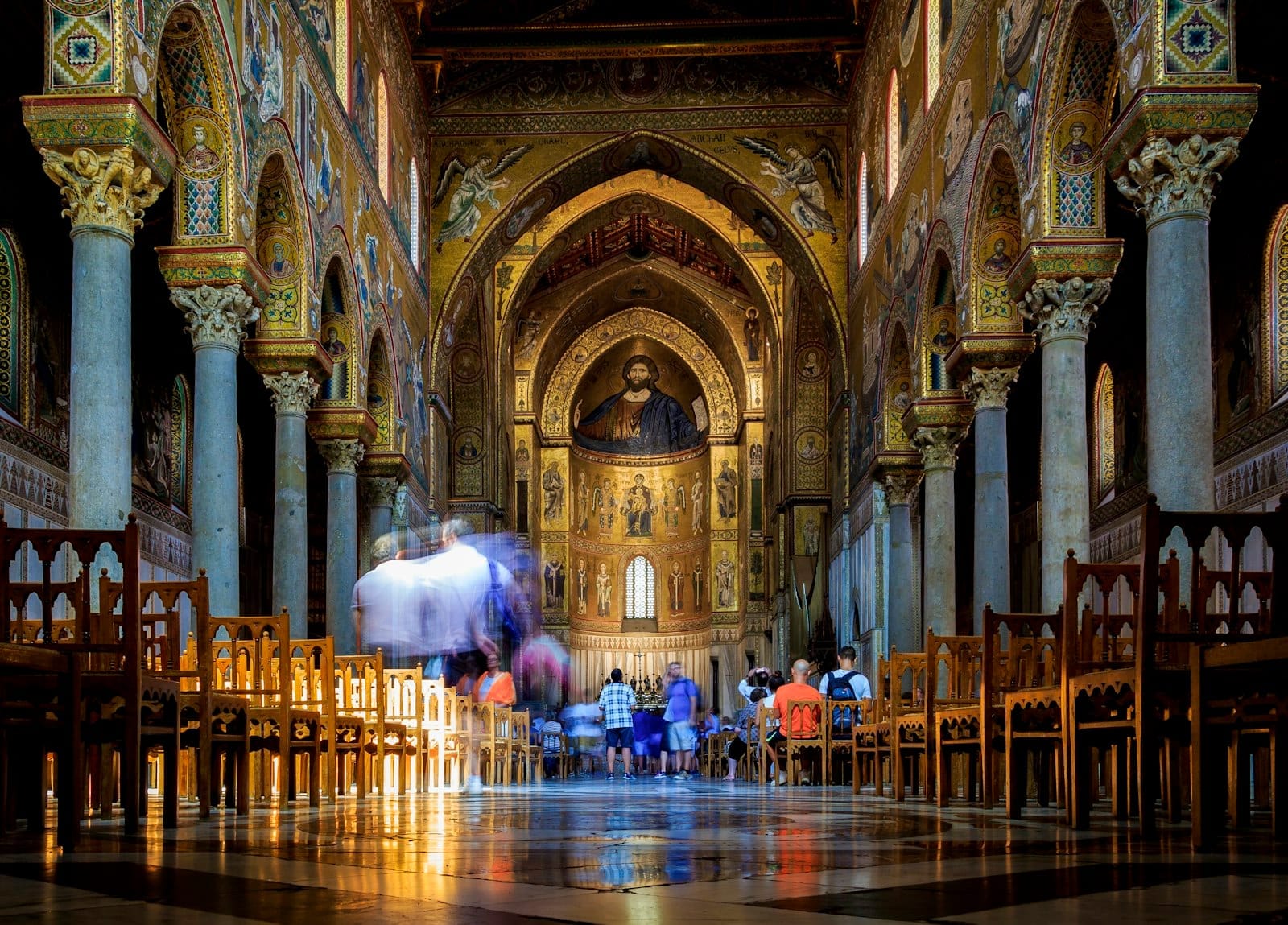
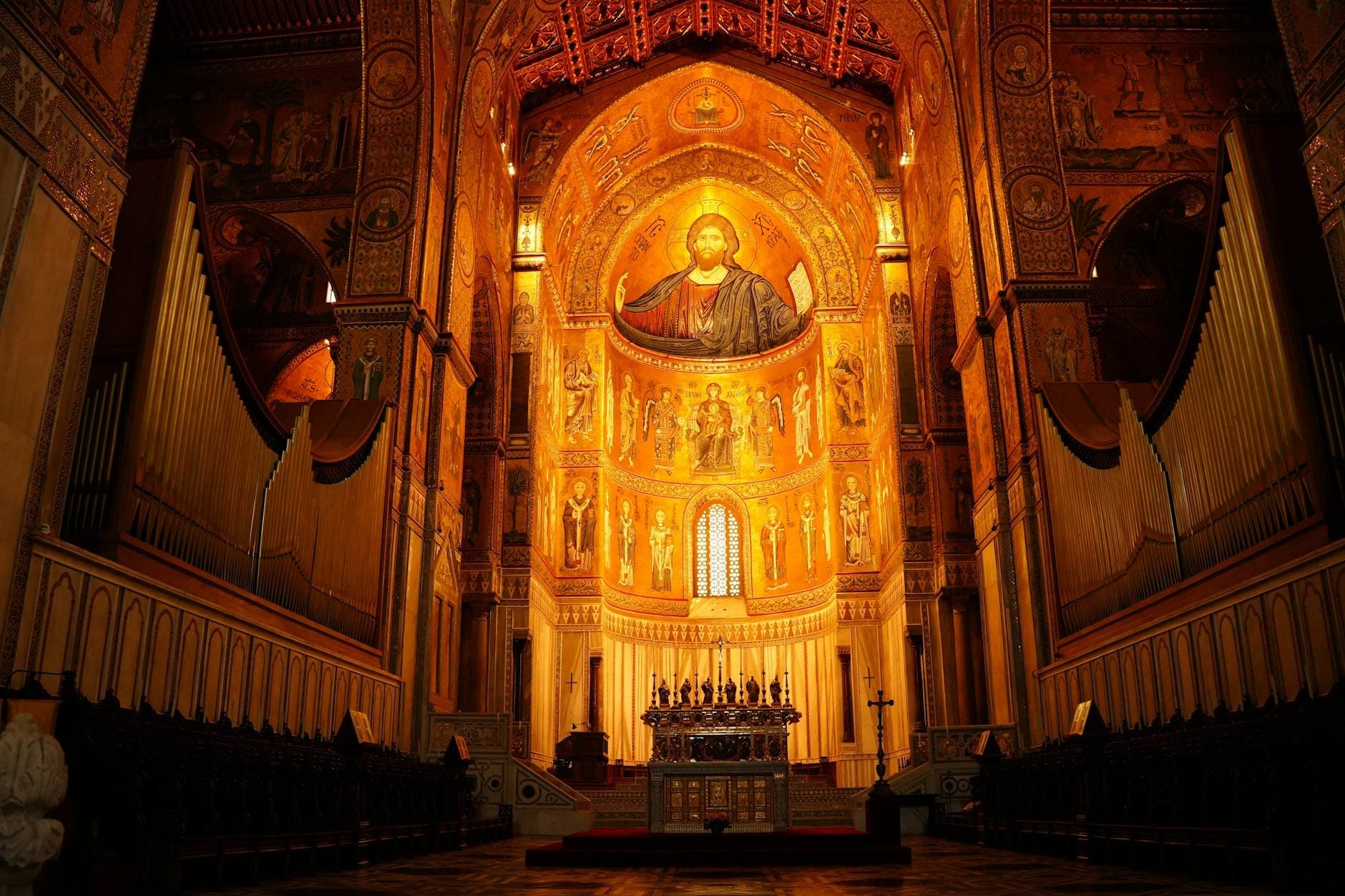
Day trips from Palermo extend the range considerably. Monreale CathedralMonreale, with its roughly 6,340 square meters of Byzantine mosaics, sits about 8 km southwest of Palermo and is reachable by bus from Piazza Indipendenza. The day trips from Palermo guide covers Monreale alongside the temple at Segesta and the coastal reserve at Zingaro.
Eating & Drinking
Palermo's food culture is one of the most distinctive in the Mediterranean, shaped by centuries of Arab, Norman, Spanish, and North African influence. The city's street food is not a tourist attraction layered onto the real city: it is the real city. The Ballarò Market and the Vucciria Market are the two main street food zones, though Ballarò is the more authentic daily market and Vucciria is increasingly oriented toward evening drinking.
The essential Palermo street foods are specific and worth knowing before you arrive. Pane ca' meusa is a soft sesame roll filled with boiled spleen and lung, dressed with ricotta or caciocavallo cheese: it tastes better than it sounds and is one of Sicily's most distinctive local dishes. Pannelle are crisp fried chickpea fritters, often tucked into a roll with crocché (fried potato croquettes). Stigghiola are grilled intestines wrapped around spring onions, cooked on open charcoal grills at market stalls. Arancini in Palermo tend to be round rather than cone-shaped, and filled with ragù, butter with ham and cheese, or spinach.
For sit-down dining, the Kalsa and Vucciria neighborhoods have a concentration of trattorie and osterie serving traditional Sicilian cuisine at varying price points. Pasta con le sarde (pasta with sardines, fennel, pine nuts, and raisins) is the city's signature first course. Swordfish and tuna preparations appear frequently, reflecting the island's fishing traditions. The Sicily food guide covers the broader regional context, but Palermo is the place to eat the most urban and historically layered version of Sicilian cuisine.
Coffee culture follows Italian norms with Sicilian additions. Granita con brioche, a semi-frozen flavored ice served with a soft brioche roll for dipping, is a standard Palermo breakfast, not just a tourist treat. Almond, lemon, strawberry, and coffee are the most common flavors. Cannoli, though sold island-wide, are taken seriously in Palermo: the best versions use freshly filled shells, not pre-filled ones that have gone soggy.
💡 Local tip
Restaurant bills in Italy often include a coperto (cover charge per person) and sometimes a servizio (service charge). Check the bill before adding a tip. In street food contexts and bars, tipping is not expected but rounding up is appreciated.
Getting There & Around
Palermo Falcone-Borsellino Airport (IATA: PMO), located at Punta Raisi about 35 km northwest of the city center, is Sicily's main western gateway. The airport regional train service (formerly branded Trinacria Express) connects the airport directly to Palermo Centrale station, with intermediate stops including Palermo Notarbartolo and Palermo Lolli. Journey time is approximately 45 to 60 minutes depending on the service. Shuttle buses operated by Prestia e Comandè also run between the airport and central Palermo, with a journey time of around 50 minutes depending on traffic. Taxis operate on a regulated tariff; always confirm whether you are using a licensed taxi before boarding.
Within the city, the AMAT Palermo bus network covers the main arteries and neighborhoods. Key bus corridors include Via Roma, Via Libertà, and Via Maqueda. The metropolitan rail service (Linee A and B) links Palermo Centrale with Palermo Notarbartolo and points further north, useful for reaching accommodation outside the historic core. Timetables and fares are available on the AMAT Palermo website, but should be verified before travel as they are subject to change.
The historic center operates under a ZTL (Zona a Traffico Limitato) restriction called 'Centro Storico', which limits vehicle access to narrow historic streets during regulated hours. Drivers staying in the center should confirm ZTL exemption status with their accommodation before arrival, or risk automatic fines triggered by cameras at restricted access points. In practice, the historic center is best explored on foot: the main attractions between the Norman Palace and La Kalsa cover less than 2 km.
For travelers planning to move around the island independently, renting a car in Palermo is practical for reaching destinations like Segesta, the Zingaro nature reserve, or western Sicily, but is not necessary for the city itself. The getting around Sicily guide covers intercity trains, buses, and car rental in detail.
ℹ️ Good to know
The Trinacria Express train from Falcone-Borsellino Airport runs several times daily but does not operate 24 hours. If arriving on a late flight, check the last departure time from the airport station in advance and have a taxi option as backup. Confirm current timetables on the Trenitalia website before travel.
Where to Stay
Where you stay in Palermo shapes what kind of trip you have. The historic center offers maximum walking access to markets, monuments, and restaurants, but noise is a genuine factor. Streets around Vucciria and Ballarò can be loud into the early hours, particularly on weekends and in summer. Light sleepers or those with early starts should specifically request interior or upper-floor rooms, or consider accommodation slightly north of the Quattro Canti toward the Teatro Massimo, where the streets are quieter at night.
The Kalsa neighborhood, southeast of the center, is increasingly popular for boutique hotels and B&Bs occupying renovated palazzo buildings. It is quieter in the evenings than Vucciria and has good access to Palazzo Abatellis and the seafront Foro Italico. The area around Via Libertà and Piazza Castelnuovo, north of the historic center, is more residential and upscale, with larger hotels and easier access to the Notarbartolo rail station. This area suits travelers who want a calmer base but are willing to take a bus or taxi to the main sights.
Budget travelers will find a reasonable number of hostels and guesthouses in the historic center, particularly around Via Maqueda and Via Roma. Mid-range options include numerous B&Bs in converted historic buildings, which vary considerably in quality: read recent reviews carefully, as restoration standards differ. Luxury accommodation in Palermo is more limited than in comparable Italian cities, though several high-end hotels have opened in recent years in restored palazzi in the Kalsa and around the port area.
Practical Information
Palermo operates on Central European Time (CET, UTC+1 in winter; CEST, UTC+2 in summer). The currency is the euro (EUR). Italian is the official language. Sicilian, a distinct Romance language or dialect depending on how you classify it, is widely spoken in informal contexts and in markets, though vendors in tourist areas routinely switch to English, French, or German. English proficiency is variable: solid in hotels and restaurants oriented toward visitors, patchier in neighborhood bars and small shops.
Tap water in Palermo is generally safe to drink under normal circumstances, though older plumbing in some historic buildings can affect quality. When in doubt, ask your accommodation. Italy's emergency number is 112, the standard EU emergency line, which connects to police, fire, and medical services. Additional specialized Italian numbers (113 police, 118 medical, 115 fire) remain in use but 112 is the practical single point of contact for visitors.
Churches and religious sites throughout Palermo require modest dress: shoulders and knees should be covered. This applies to the Cathedral, the Palatine Chapel, the Martorana, and dozens of smaller churches across the city. Carry a light scarf or layer in summer. For broader safety context and practical advice for visiting Sicily, the Sicily safety guide covers the region in detail.
The best time to visit Palermo for climate and crowds is April through June and September through October. July and August are extremely hot, with coastal highs regularly exceeding 32°C, and the city attracts its peak volume of visitors. Winter is mild by northern European standards (daytime highs around 14 to 16°C) and sees far fewer tourists, though some attractions have reduced hours. For a full breakdown of seasonal considerations across Sicily, the best time to visit Sicily guide provides month-by-month detail.
💡 Local tip
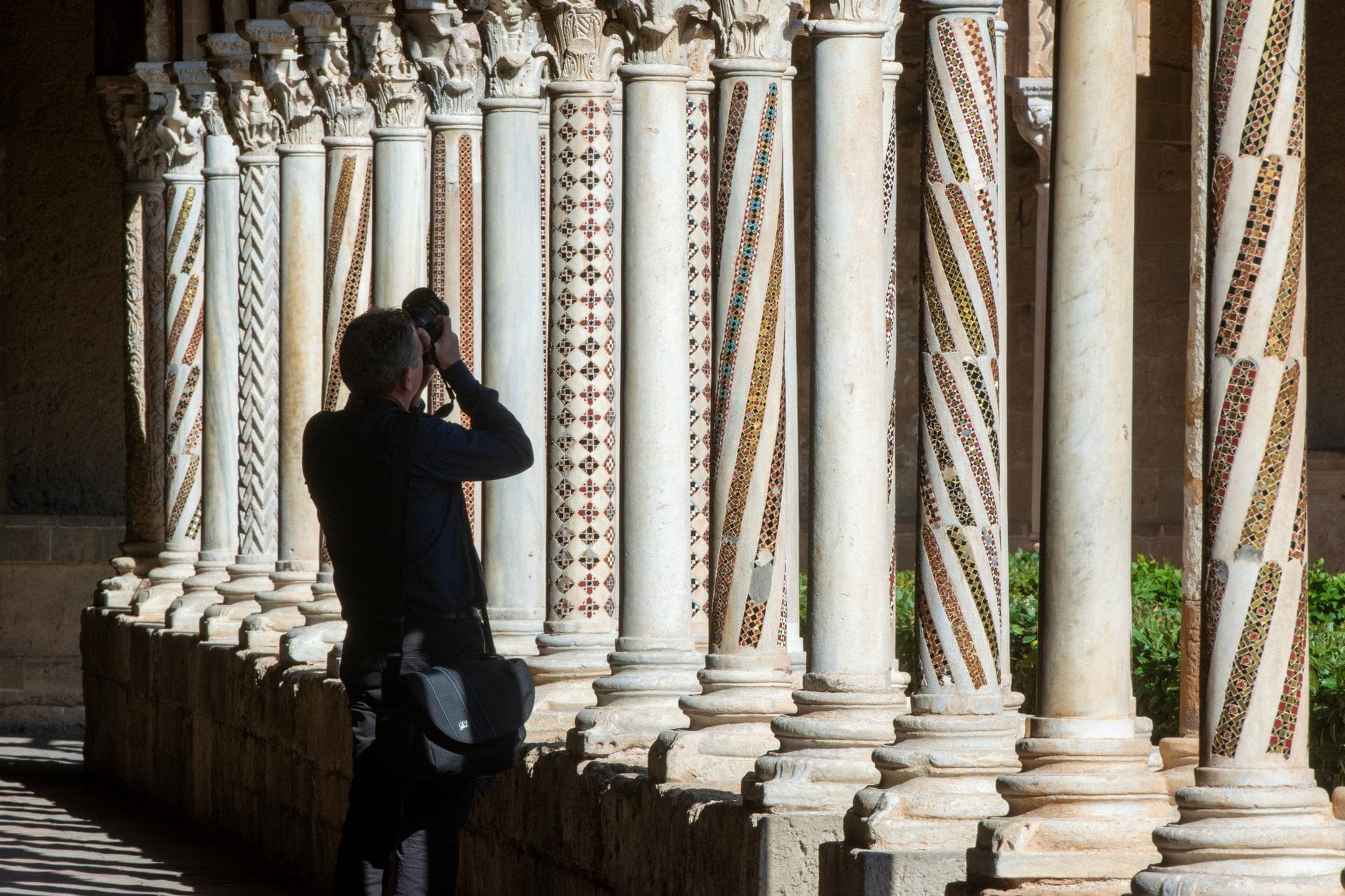
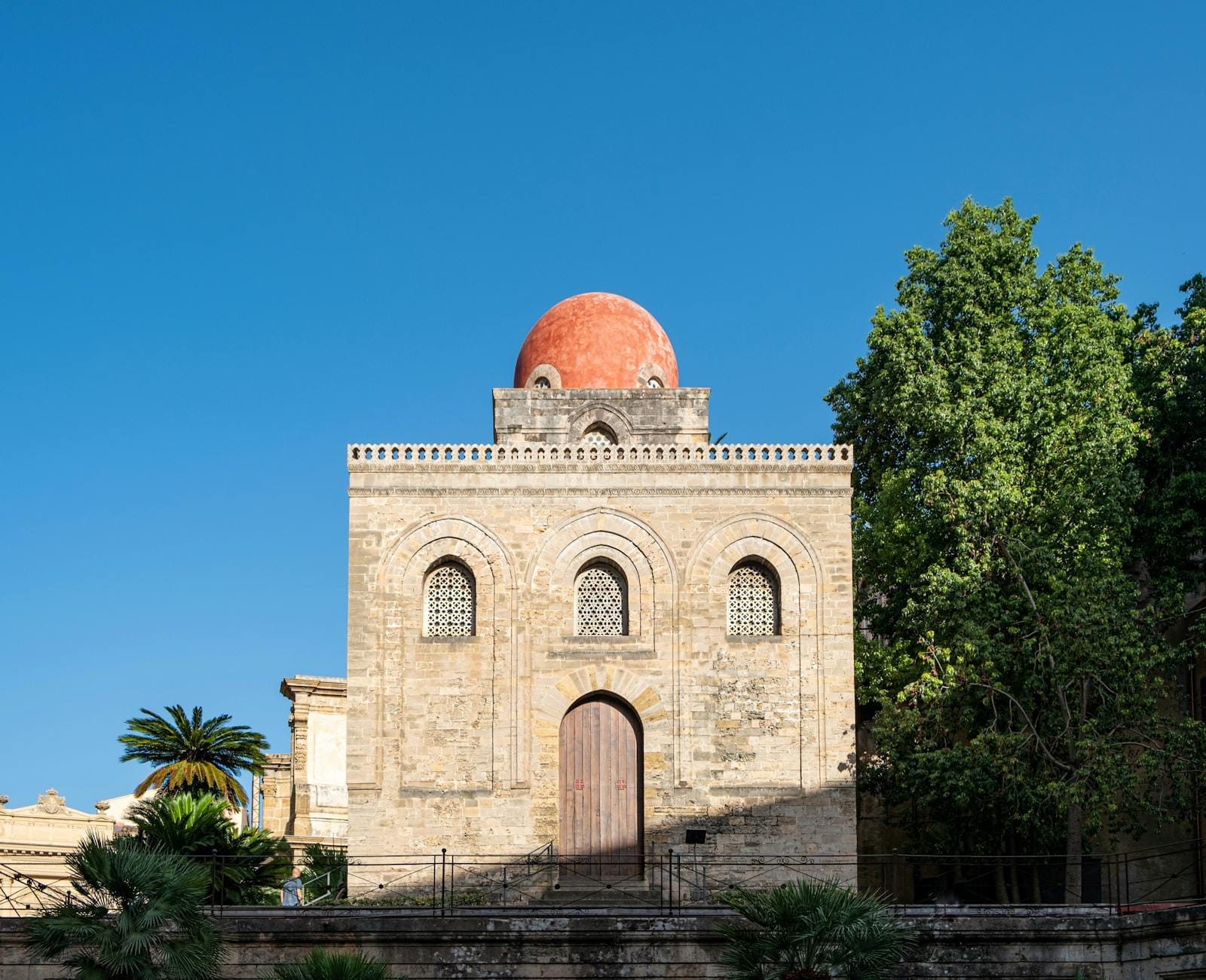
Palermo is part of the UNESCO-listed 'Arab-Norman Palermo and the Cathedral Churches of Cefalù and Monreale' serial World Heritage Site. The Palatine Chapel, the Cathedral, the Martorana, the Zisa Castle, and several other monuments in and around the city all carry this designation. If the Arab-Norman circuit is your primary interest, a dedicated guide covers how to connect these sites efficiently.
TL;DR
Palermo is Sicily's capital and the island's most historically layered city, combining Arab-Norman, Byzantine, and Baroque architecture within a compact and walkable historic center.
Its street food culture, centered on markets like Ballarò and Vucciria, is one of the most distinctive in the Mediterranean and is worth the trip on its own terms.
The city is not heavily polished or tourist-sanitized, which is a feature for travelers who prefer authentic urban energy but a potential drawback for those expecting a manicured experience.
Noise, petty theft in crowded areas, and ZTL driving restrictions are the main practical concerns; none of these are serious obstacles with basic preparation.
Best suited for travelers interested in history, food, and architecture who are comfortable navigating a real, working city rather than a resort destination.
Seven volcanic islands, one UNESCO designation, and more logistical decisions than most travelers expect. This guide covers every practical detail you need to plan a trip to the Aeolian Islands, from choosing which islands to visit to navigating seasonal ferry schedules.
The Arab-Norman UNESCO trail covers nine extraordinary monuments across Palermo, Monreale, and Cefalù, inscribed in 2015 for their remarkable fusion of Western, Arab, and Byzantine architecture. This guide covers every site, practical logistics, and the historical context that makes this one of the most intellectually rewarding itineraries in the Mediterranean.
Sicily's Val di Noto is one of Europe's most remarkable architectural achievements: eight towns rebuilt in coordinated Late Baroque style after a catastrophic 1693 earthquake, now a single UNESCO World Heritage Site. This guide covers all eight towns, how to get between them, what to prioritise, and when to go.
Sicily's coastline stretches over 1,000 km across the Tyrrhenian, Ionian, and Mediterranean seas, producing an extraordinary range of beaches. This guide covers the finest sandy bays, volcanic coves, nature reserves, and island escapes the island has to offer.
Sicily was once the heart of Magna Graecia, and the ruins left behind are among the finest ancient Greek monuments anywhere in the world. This guide covers the essential sites, from vast temple complexes to forgotten quarries, with practical advice on what to see and when to go.
Sicily rewards visitors year-round, but timing your trip correctly makes a significant difference. This guide breaks down every season by temperature, crowds, prices, and what's actually worth doing, so you can plan with confidence.
Catania sits at the centre of eastern Sicily, putting some of the island's greatest attractions within easy reach. This guide covers the best day trips from Catania, from the volcanic trails of Etna to the Baroque jewels of the southeast and the ancient ruins of Siracusa.
Palermo sits at the centre of western Sicily, putting an extraordinary range of landscapes, ancient sites, and coastal escapes within a few hours. This guide covers the best day trips from Palermo, from the world's greatest medieval mosaics at Monreale to the Greek temples of Agrigento and the untouched coves of the Zingaro Nature Reserve.
Sicily is large, geographically varied, and not always easy to navigate without the right plan. This guide covers every transport option available, from renting a car to catching intercity buses, so you can move around the island confidently and without wasted time.
Sicily rewards those who look beyond Taormina and Palermo's grand monuments. This guide covers 20 lesser-known attractions across the island, from prehistoric cliff tombs and abandoned earthquake towns to wild coastal reserves and ancient quarries frozen in time.
Sicily is Italy's largest island and the Mediterranean's most historically layered destination. This guide cuts through the hype to give you a clear-eyed look at what the island genuinely offers, what it costs, when to go, and what tends to disappoint — so you can make an informed decision.
Sicily rewards the discerning traveler with a depth that few Mediterranean islands can match. This guide covers the finest luxury hotels, bespoke experiences, and practical logistics for planning a high-end trip to the largest island in the Mediterranean.
Seven days in Sicily is enough to cover the island's greatest hits — Greek temples, baroque city centres, volcanic landscapes, and some of the best street food in Italy. This guide maps out a logical east-to-west route with realistic transport times, seasonal advice, and honest notes on what to skip.
Sicily has four main airports, and choosing the right one can save hours of overland travel. This guide covers Palermo (PMO), Catania (CTA), Trapani (TPS), and Comiso (CIY) in detail, including airport-to-city transfers, route availability, and which gateway suits each part of the island.
Sicily rewards self-drive travel more than almost any other Mediterranean destination. This guide covers everything you need to plan a confident road trip: the best routes, realistic driving times, car rental tips, ZTL zone warnings, seasonal advice, and the stops that genuinely justify the detour.
Sicilian food is not Italian food with a suntan. It is a centuries-old fusion of Greek, Arab, Spanish, and Norman influences, built around seafood, citrus, almonds, ricotta, and durum wheat. This guide covers every dish worth eating, where to find the best versions, and the food customs that will shape every meal you have on the island.
Francis Ford Coppola brought the Corleone saga to life across the hillside villages and historic streets of Sicily. This guide covers every key filming location from all three films, how to reach them, what to expect on the ground, and how to avoid the most common tourist mistakes.
Sicily rewards couples with baroque towns, volcanic landscapes, secluded beaches, and some of the most atmospheric historic centers in the Mediterranean. This guide cuts through the generic advice to tell you exactly where to go, when to go, and what actually makes Sicily special for two.
October is one of the smartest months to visit Sicily. Temperatures ease off from the summer heat, the tourist crush fades, and the island's food and festival calendar comes alive. Here's everything you need to plan your trip well.
Summer in Sicily runs from June through September and brings hot weather, packed beaches, vibrant festivals, and peak travel prices. This guide covers everything you need to know: when to go, what to expect from the heat and crowds, which beaches and islands are worth it, and how to plan smarter than most visitors do.
Sicily is far more than a single island. From the volcanic Aeolian archipelago in the Tyrrhenian Sea to the crystal-clear waters of the Egadi Islands off Trapani, this guide covers every ferry route, island, cost, and logistical detail you need to plan a serious island-hopping trip from Sicily.
Sicily is one of the most rewarding destinations in the Mediterranean, and it doesn't have to cost a fortune. This guide breaks down real daily costs, the cheapest times to visit, where to eat well for under €10, and how to see the island's best sights without draining your account.
The Opera dei Pupi is one of Sicily's most distinctive cultural exports — a UNESCO-recognised marionette tradition rooted in medieval chivalric epics, performed by family troupes across the island. This guide covers the history, the two rival schools, where to see performances in Palermo, Catania, and Siracusa, and how to get the most out of attending a show.
Sicily is one of southern Europe's most rewarding destinations, and it is genuinely safe for tourists. This guide cuts through the stereotypes, explains what the real risks are, identifies the scams that do happen, and gives you practical tools to visit with confidence.
Sicily produces some of Italy's most distinctive street food, rooted in centuries of Arab, Norman, and Spanish influence. This guide breaks down the essential dishes by city, the markets where locals actually eat them, what to pay, and what to skip.
Sicily sits on one of the most volcanically active zones in Europe. This guide breaks down what to expect from Etna, Stromboli, and Vulcano — three very different volcanic experiences — covering access, trails, safety, and the best time to visit each one.
Both Sicily and Sardinia are autonomous regions of Italy with distinct identities, landscapes, and travel experiences. This guide breaks down the real differences in culture, beaches, food, costs, and logistics so you can choose the right island for your trip.
Sicily is Italy's largest wine region by vineyard area, with 23 DOCs, one DOCG, and a lineup of native grapes that rival anywhere in Europe. This guide breaks down the key appellations, the grapes behind them, and exactly how to plan a tasting trip across the island.
Sicily delivers an extraordinary range of family experiences, from volcanic landscapes and ancient Greek ruins to puppet theatre and sweeping beaches. This guide breaks down the best kid-friendly activities, practical logistics, seasonal timing, and practical advice to help families plan a smooth, memorable trip.
Sicily rewards travelers with an extraordinary range of experiences: ancient Greek ruins, active volcanoes, UNESCO Baroque towns, Norman cathedrals, and coastline that stretches nearly 1,000 km. This guide covers the best things to do in Sicily across every corner of the island, with practical advice on timing, costs, and how to avoid the common pitfalls.
Sicily rewards travelers who give it time. This complete 14-day itinerary covers the island's east coast highlights, Baroque south, ancient Greek south, and the layered history of the west, with practical routing advice, seasonal tips, and practical guidance on trade-offs.
Sicily is the Mediterranean's largest island, and picking the right base makes or breaks your trip. This guide covers the best towns to stay in across every corner of the island, from the baroque southeast to the volcanic northeast, with practical advice on prices, transport, and seasonal trade-offs.