Luxury Sicily: The Definitive Guide to High-End Hotels & Experiences
Sicily rewards the discerning traveler with a depth that few Mediterranean islands can match. This guide covers the finest luxury hotels, bespoke experiences, and practical logistics for planning a high-end trip to the largest island in the Mediterranean.
Plan and book this trip
Tools from our partner Travelpayouts help you compare flights and hotels. If you book through them, we may earn a commission at no extra cost to you.
Flights
Hotels map
TL;DR
- Luxury in Sicily is concentrated around Taormina, Palermo, and the Aeolian Islands, but significant high-end options also exist on Mount Etna's slopes and in the Val di Noto.
- Peak season runs June to September, with July and August commanding the highest rates and tightest availability at top properties.
- Shoulder season (April–May and late September–October) offers better value without sacrificing weather, and pairs well with a one-week Sicily itinerary.
- Top luxury hotels include the Four Seasons San Domenico Palace and Belmond Grand Hotel Timeo in Taormina, and Rocco Forte Villa Igiea in Palermo, with high-season rates typically ranging from €700 to over €2,000 per night.
- Private yacht charters, helicopter transfers, and curated Etna vineyard tours are the defining high-end experiences, easily arranged through hotel concierges or specialist destination management companies.
Why Sicily Works for Luxury Travel
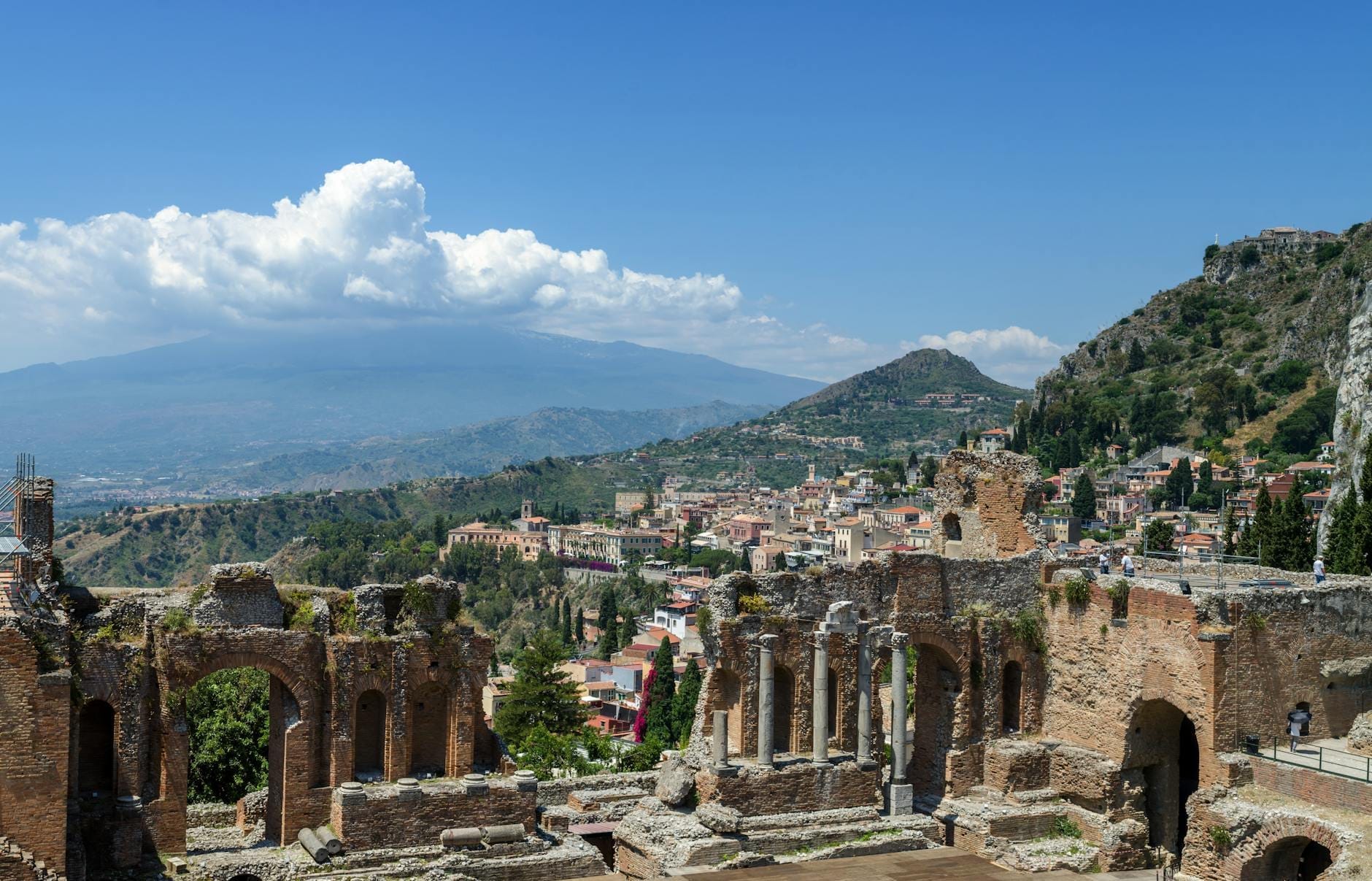
Sicily is not a destination that became luxurious by accident. Its position at the crossroads of Mediterranean civilizations, successive waves of Greek, Arab, Norman, and Spanish influence, and a landscape that moves from active volcano to Baroque cathedral to white-sand beach within a two-hour drive creates a depth that purpose-built resort islands simply cannot replicate. The infrastructure for high-end travel has developed around that depth, not despite it.
What distinguishes a luxury trip here from, say, the Amalfi Coast is the sheer variety of settings. You can spend three nights in a clifftop palazzo in Taormina, move to a design-forward wine estate on the slopes of Mount Etna, and finish with a private charter through the Aeolian Islands without repeating a single experience. That kind of variety within a compact geography is rare.
ℹ️ Good to know
Sicily is an autonomous region of Italy and the largest island in the Mediterranean, with roughly 1,484 km of coastline and a population of approximately 5 million. It operates on Central European Time (CET, UTC+1) and uses the euro. Italian is the official language; English is widely spoken in tourism contexts.
The Best Luxury Hotels in Sicily
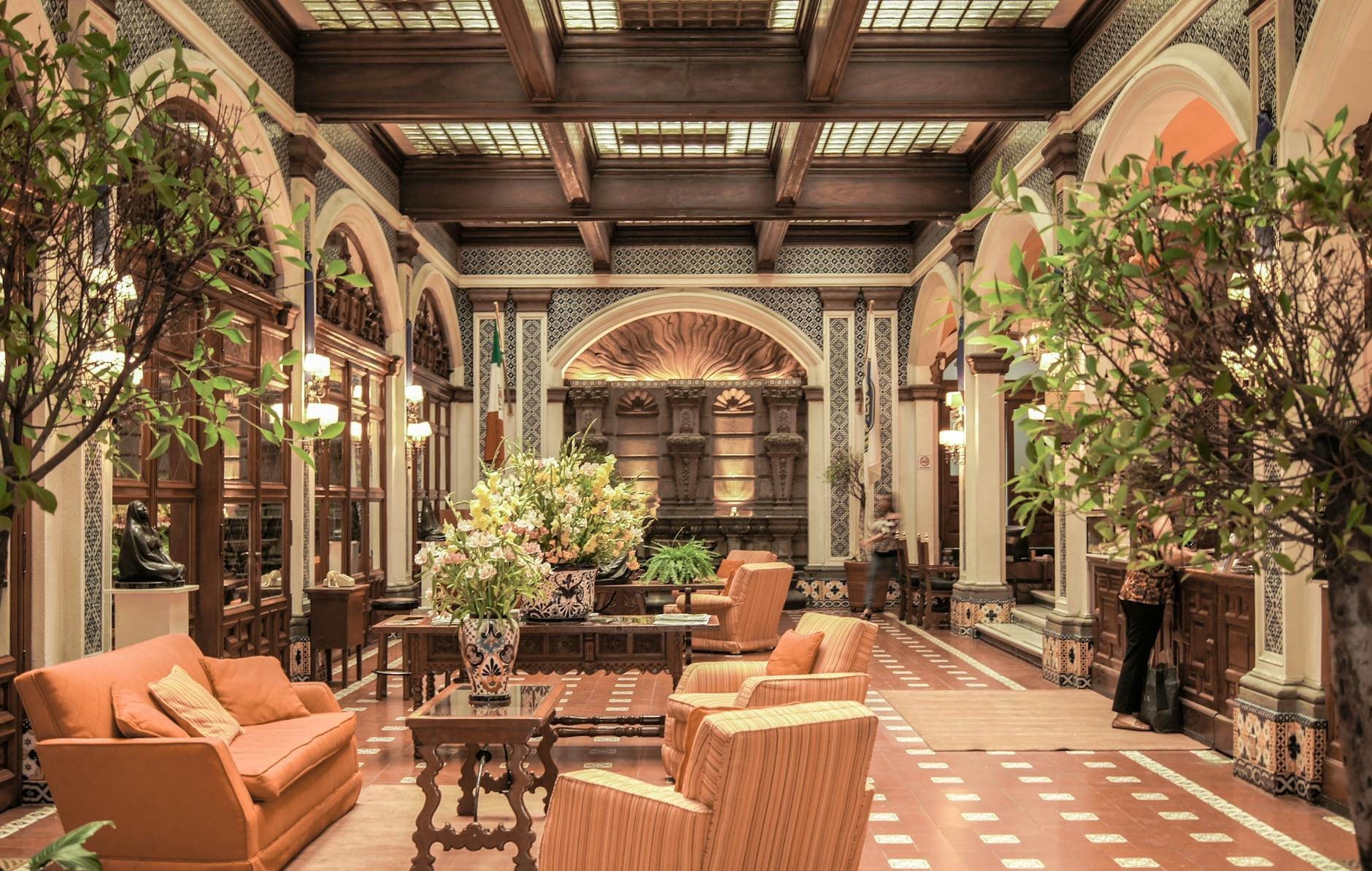
Sicily's top-tier hotel market has consolidated around a small number of transformative properties, each with a distinct character. The competition is strong, and the gap between a genuinely exceptional stay and an overpriced coastal hotel is significant. Here are the properties that justify their rates.
- Four Seasons San Domenico Palace, Taormina A 14th-century Dominican convent converted into a 111-room clifftop hotel with an infinity pool overlooking Mount Etna and Isola Bella. High-season rates frequently exceed €1,500–€2,000+ per night. The blend of monastic architecture and contemporary design is executed without compromise, and the setting is genuinely without equal on the island.
- Belmond Grand Hotel Timeo, Taormina Taormina's oldest hotel, opened in 1873, with a terrace that directly faces the Greek Theatre. Summer nightly rates run €1,200–€2,500+. The restaurant, Otto Geleng, holds a Michelin star. For pure theatrical position, nothing in Sicily compares.
- Rocco Forte Villa Igiea, Palermo A restored Art Nouveau palazzo on Palermo's waterfront, with a sea-view pool, private jetty, and the kind of faded aristocratic grandeur that Rocco Forte excels at reviving. High-season rates run approximately €700–€1,500+ per night. This is the only genuine luxury option in Palermo that matches the city's cultural weight.
- ADLER Spa Resort SICILIA, Siculiana An eco-luxury coastal resort near the Torre Salsa nature reserve on the southwest coast, typically €400–€800 per night including half-board. Less about grand architecture, more about serious spa programming and direct access to an undeveloped stretch of coast. A credible choice for guests prioritizing wellness over sightseeing.
Beyond these flagship properties, the Etna wine country and the Val di Noto have a growing number of boutique masserie and converted estates offering high-end agriturismo experiences at significantly lower price points, typically €250–€500 per night. These properties tend toward design-forward interiors, private pools, and curated wine programs rather than full hotel services, which suits some travelers better than a formal resort.
⚠️ What to skip
All prices listed are indicative based on high-season availability and vary significantly by date, room category, and booking channel. Always confirm current rates directly on official hotel websites or via Virtuoso, Leading Hotels of the World, or preferred OTA platforms before making decisions.
Bespoke Experiences Worth the Cost
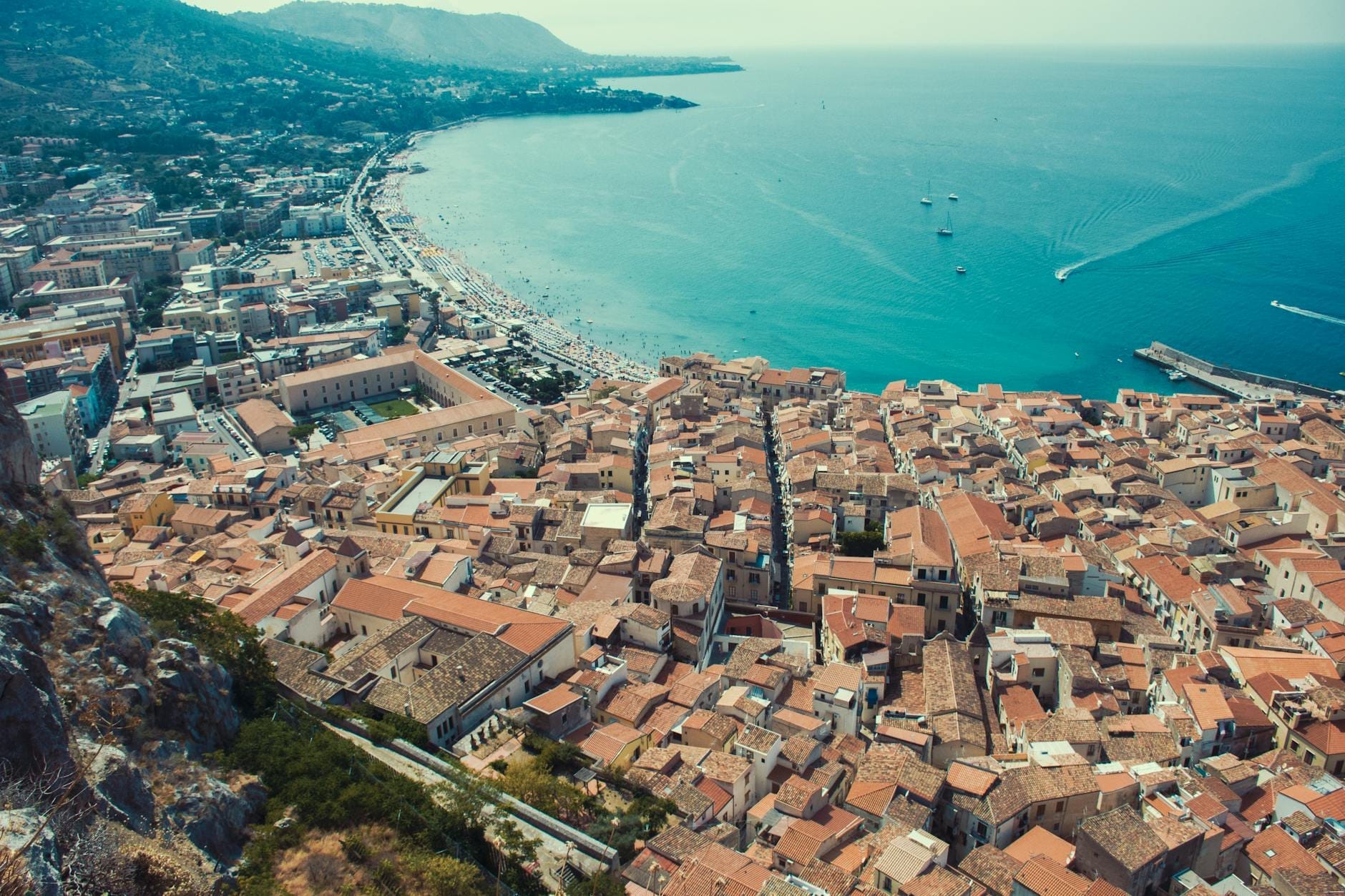
The best luxury experiences in Sicily are not the ones sold on a hotel brochure's first page. They are the ones that require a concierge who actually knows the island, or a specialist DMC with real local relationships. The following categories represent where high-end spending delivers disproportionate returns.
- Private Yacht Charters A private day charter along the Taormina coast or to the Aeolian Islands typically costs €1,500–€3,000+ per day depending on vessel size, season, and itinerary. A week-long crewed charter through the Aeolians starts considerably higher. Book through your hotel concierge or a certified charter broker rather than walk-up operators at the marina.
- Helicopter Transfers and Etna Overflights Private helicopter transfers between Palermo and Taormina, or scenic overflights of the Etna crater, run approximately €2,000–€4,000+ per hour for private use. Most top hotels can facilitate bookings with vetted operators. An Etna overflight is genuinely spectacular during periods of low-level volcanic activity.
- Private Etna Vineyard Experiences Etna's volcanic wine country has become one of Italy's most interesting wine regions in the past decade, with producers like Cornelissen, Passopisciaro, and Benanti drawing serious collectors. Full-day private tours combining 4x4 crater access with vertical tastings at top estates can be arranged through Taormina or Catania hotels. This is not a generic wine tour; book with a specialist who can access small-production estates not open to the public.
- Private Archaeological Access The Valley of the Temples near Agrigento and the Neapolis park in Syracuse both offer after-hours or pre-opening private access for groups, often arranged through DMCs or cultural travel specialists. Walking the Temple of Concordia at sunrise with a private archaeologist guide is the kind of experience that makes the logistics worthwhile.
For guests focused specifically on Sicily's volcanic landscape, a private guided trek on Etna's crater trails is available at various technical levels and can be combined with a morning visit to one of the high-altitude vineyards. The contrast between walking on solidified lava at 3,000 meters and tasting Nerello Mascalese an hour later is a specifically Sicilian experience with no real equivalent elsewhere.
Luxury Dining: What to Know Before You Book
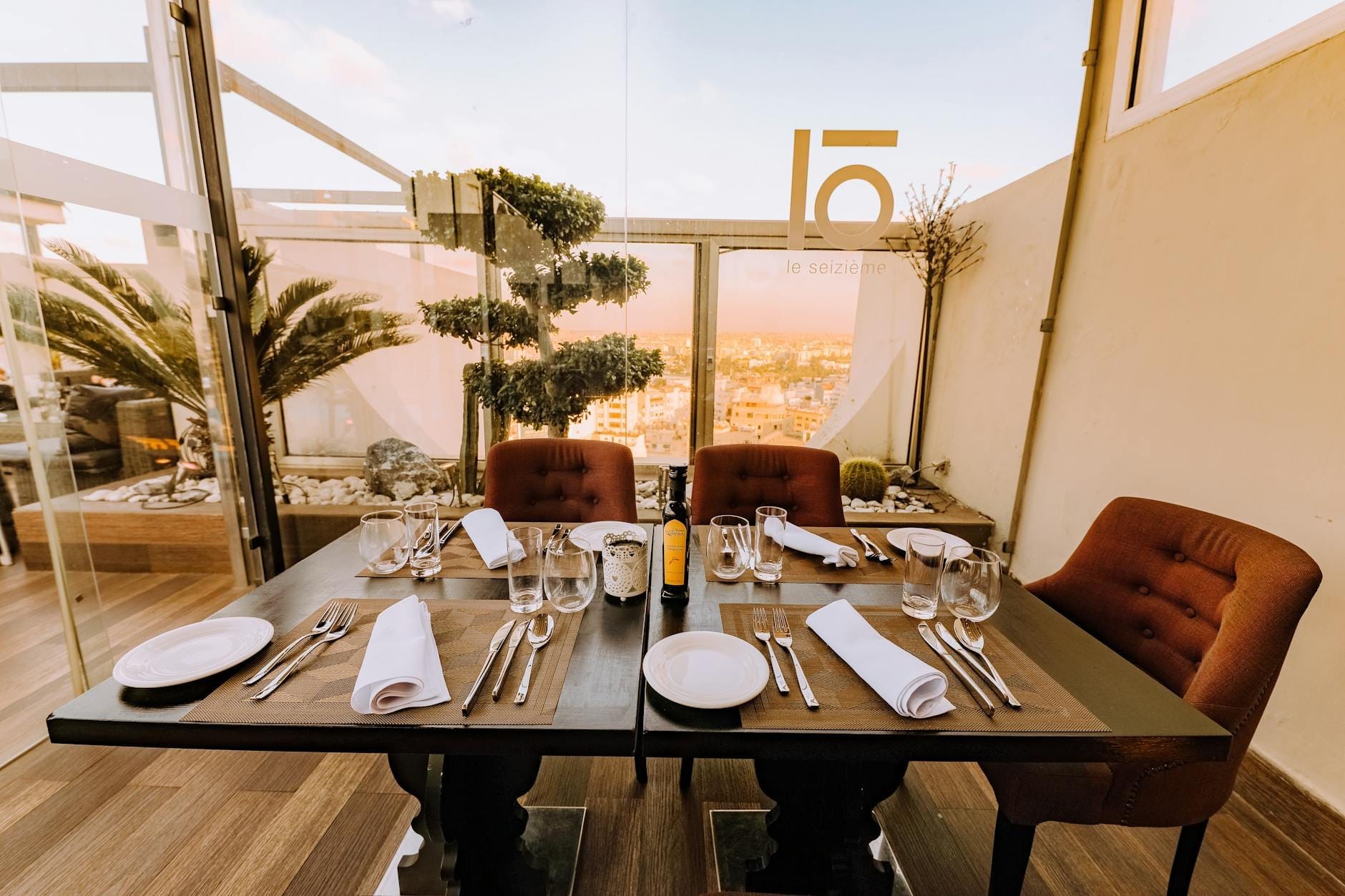
Sicily's fine dining scene has matured considerably, with Michelin-starred restaurants now distributed across the island rather than concentrated in a single city. The Belmond Grand Hotel Timeo's Otto Geleng is the most prominent hotel restaurant with starred status in Taormina. In Palermo and Catania, a growing number of chef-driven tasting-menu restaurants are winning recognition without the resort price premium.
One practical note: Sicily's luxury dining culture differs from Milan or Rome. Reservations at top tables are essential from April through October, but the atmosphere is rarely stiff. Dress codes skew smart-casual rather than formal, and tasting menus almost always feature a strong local identity, heavy on seafood, volcanic wines, and ingredients from the island's extraordinary agricultural diversity. For a broader orientation to what you should be eating, the Sicily food guide covers regional specialties across the island in useful detail.
✨ Pro tip
When dining at hotel restaurants in high season, request an outdoor table when booking, not on arrival. The best terraces at properties like the Grand Hotel Timeo or Villa Igiea fill weeks in advance. Email directly rather than using a booking platform if you have a specific preference.
When to Go and How to Plan Around Seasonality
Sicily's luxury season peaks in July and August, when every top property operates at full capacity and rates are highest. If your priority is a specific hotel, this is when to go, but book six to twelve months in advance for the Four Seasons and Belmond. If flexibility matters, the best time to visit Sicily for high-end travel is almost always the shoulder season.
April and May offer mild to warm temperatures (around 15–22°C on the coast), light crowds, and wildflower-covered hillsides around Agrigento and the Zingaro nature reserve. Late September and October bring sea temperatures still warm enough for swimming (around 24–26°C in September), the grape harvest on Etna, and meaningfully lower rates at coastal resorts. The Aeolian Islands are particularly good in early October when the summer crowds have left but boats still run reliably.
A common misconception is that Sicily effectively closes in winter. City-based luxury properties in Palermo, Catania, and some Taormina hotels remain open year-round, often with spa and cultural programming rather than beach access. The Arab-Norman architecture of Palermo, the Baroque town of Noto, and the archaeological sites near Agrigento are arguably better appreciated in the quieter winter months, when you can have the Valley of the Temples essentially to yourself.
- July–August: Peak rates, peak crowds, best beach and yacht weather. Book 6–12 months ahead for top hotels.
- April–May: Shoulder season pricing, wildflowers, uncrowded sites. Ideal for culture-focused luxury itineraries.
- September–October: Harvest season, warm sea, lower rates. Best combination of experience quality and value.
- November–March: Off-peak, some coastal resorts closed, but city hotels open. Prices drop significantly; cultural immersion at its best.
Logistics: Getting There and Getting Around in Style
Sicily has several commercial airports, including four main ones. Palermo Falcone Borsellino (PMO), approximately 35 km northwest of the city center, and Catania Fontanarossa (CTA), around 5–6 km from central Catania, handle the majority of international traffic. Trapani Birgi (TPS) serves the west, while Comiso (CIY) handles some routes near Ragusa in the southeast. For luxury travelers, the choice of arrival airport should be dictated by the first property on the itinerary rather than force-fitting a connection.
Getting around Sicily efficiently, particularly for a multi-destination luxury itinerary, almost always requires a private driver or self-drive car hire. The rail network connects major coastal cities but is slow on cross-island routes, and public bus schedules are not designed around guest check-in times. The Sicily road trip guide covers the logistics of self-driving in detail, including the A18 autostrada between Catania and Messina and the more scenic SS114 coastal road near Taormina.
For transfers between major points, helicopter is genuinely practical and not exclusively the domain of the ultra-wealthy. A private helicopter transfer from Palermo to Taormina takes around 30 minutes versus three to four hours by road. For a group of four or six sharing the cost, the premium becomes more reasonable. Most five-star hotel concierges can arrange this through vetted local operators, and some hotels offer it as a standard arrival service.
💡 Local tip
If you are planning a Palermo-based stay, the port at La Cala offers direct private boat connections to the Aeolian Islands for day trips or overnight charters. Rocco Forte Villa Igiea's private jetty makes this particularly convenient for guests staying there.
FAQ
What is the best luxury hotel in Sicily?
The Four Seasons San Domenico Palace in Taormina and the Belmond Grand Hotel Timeo are consistently ranked as Sicily's top luxury properties, both for setting and service. For Palermo, Rocco Forte Villa Igiea is the standout choice. The 'best' depends on your base: Taormina suits culture and coast, Palermo suits architecture and food. High-season rates at the Four Seasons and Belmond regularly exceed €1,500–€2,000+ per night.
Is luxury travel in Sicily worth the cost compared to other Italian destinations?
Sicily offers a significantly higher experiential return on luxury spending than comparable Italian coastal destinations, primarily because of the cultural and geographic variety. A high-end itinerary here can combine Greek temples, active volcano access, Baroque architecture, Michelin-starred dining, and private yacht charter within a week. That range is genuinely difficult to replicate in a destination like Positano or Porto Cervo.
When is the best time to visit Sicily for a luxury trip?
Late September and October offer the best combination of warm weather, reduced crowds, grape harvest access on Etna, and lower hotel rates than peak summer. April and May are excellent for culture-heavy itineraries. July and August are peak season with the best yacht and beach weather, but require booking six to twelve months in advance for top properties.
Can I do a luxury trip to Sicily without staying in Taormina?
Absolutely. Taormina dominates the luxury hotel conversation but the island has strong high-end options elsewhere. Rocco Forte Villa Igiea provides a genuinely luxurious Palermo base. The Etna wine country has boutique estate hotels. The southwestern coast around Siculiana has the ADLER Spa Resort for a wellness-focused stay. A two-week itinerary can comfortably rotate through multiple luxury bases across the island.
What are the top experiences for luxury travelers in Sicily beyond hotel stays?
Private yacht charters through the Aeolian Islands, after-hours access to the Valley of the Temples or Ortigia in Syracuse, helicopter Etna overflights, and curated private tastings at small Etna wine producers are consistently cited as the experiences that define a high-end Sicilian trip. All can be arranged through specialist DMCs or five-star hotel concierges.