Best Ancient Greek Ruins in Sicily: Temples, Theatres & Lost Cities
Sicily was once the heart of Magna Graecia, and the ruins left behind are among the finest ancient Greek monuments anywhere in the world. This guide covers the essential sites, from vast temple complexes to forgotten quarries, with practical advice on what to see and when to go.
Plan and book this trip
Tools from our partner Travelpayouts help you compare flights and hotels. If you book through them, we may earn a commission at no extra cost to you.
Flights
Hotels map
Sicily was colonised by Greek settlers from the 8th century BC onward, and at its peak the island rivalled Athens in wealth and cultural ambition. The temples, theatres, and city ruins scattered across Sicily today are not footnotes to the classical world but central chapters of it. Whether you are planning one week in Sicily or a longer circuit, no trip to the island is complete without time spent among these extraordinary monuments. The concentration of sites on the southern and western coasts around Agrigento and Trapani is matched in the east by the spectacular settings of Siracusa and Taormina. Spring (April to early June) and autumn (September to October) are the ideal seasons to visit: the sites are open-air and largely exposed, and summer heat in Sicily can be punishing.
✨ Pro tip
Always check official archaeological park websites for current opening hours and ticket prices before visiting. Sites like the Valley of the Temples (valledeitempli.it) and Selinunte sometimes offer evening openings in summer that are worth seeking out.
The Great Temple Sites
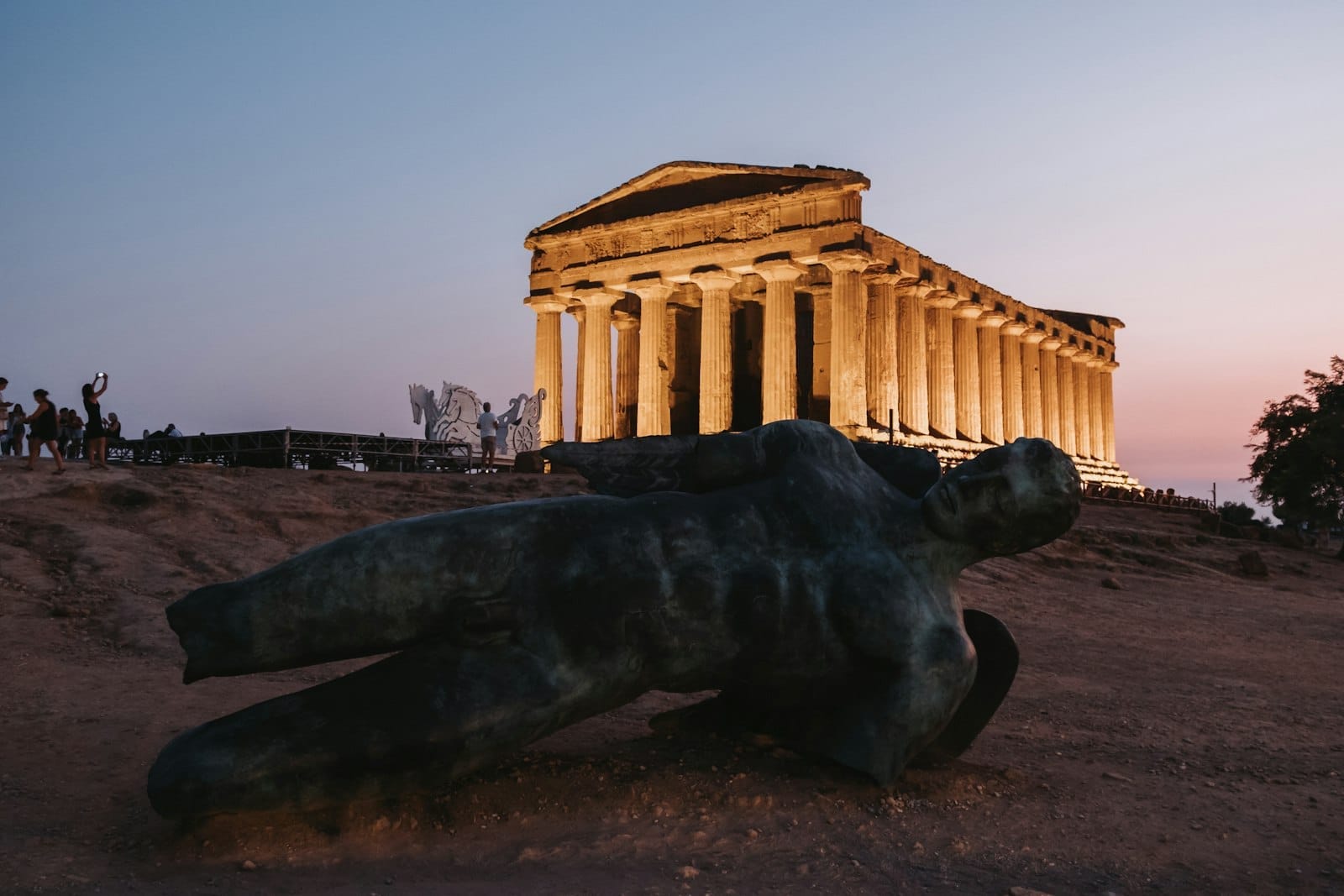
These are the defining Greek ruins of Sicily, sites of a scale and preservation that genuinely compete with anything in Greece itself. The best way to connect them is by car, since public transport to Selinunte and Segesta is limited. Allow at least a full day for Agrigento alone.
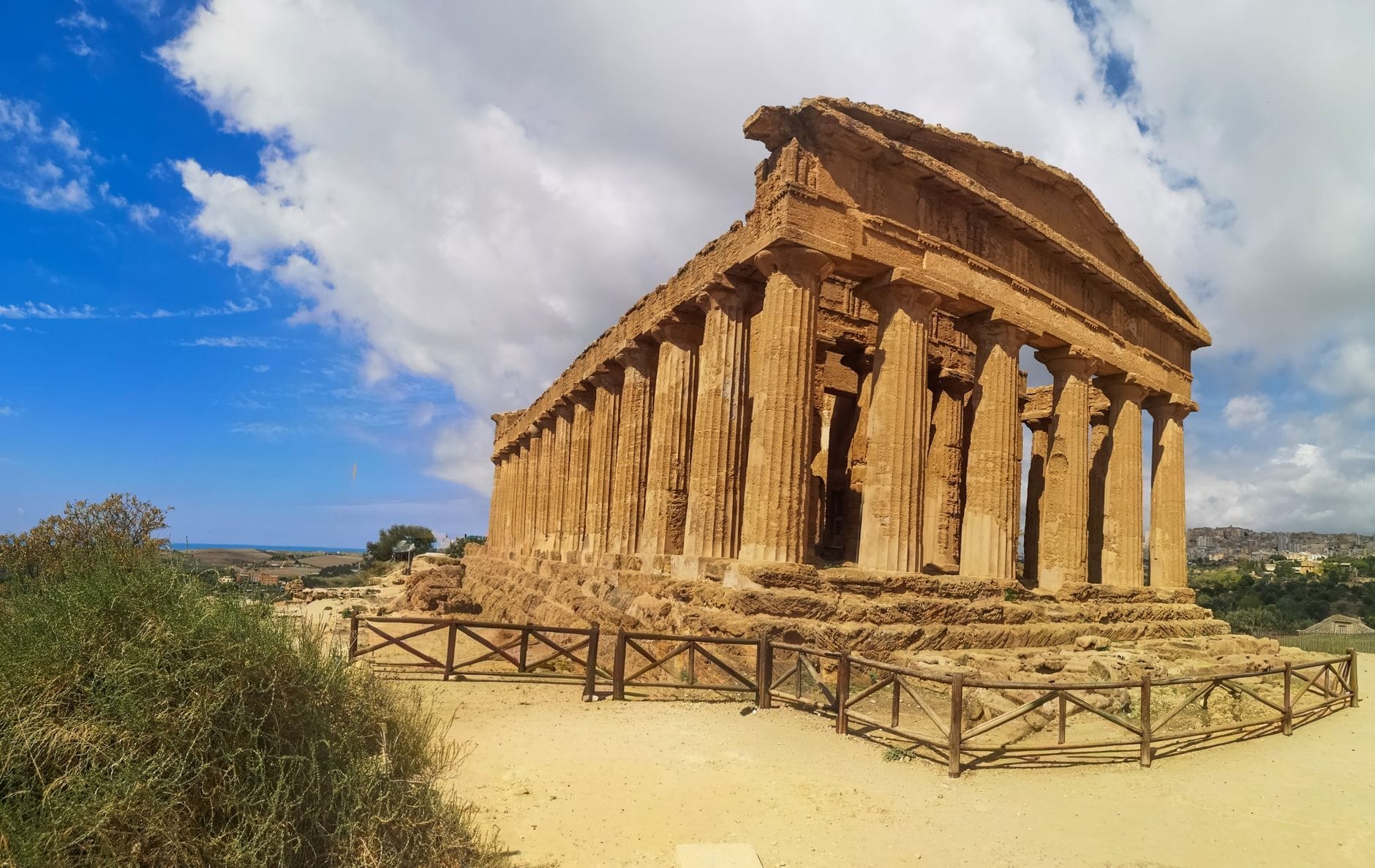
1. Walk the Ridge of Temples at the Valley of the Temples, Agrigento
A UNESCO World Heritage Site and one of the great ancient Greek monuments in the world. The site sits on a ridge outside Agrigento with seven Doric temples dating from the 5th century BC. Allow at least three hours and visit at dusk when the temples are illuminated.
Explore1. Walk the Ridge of Temples at the Valley of the Temples, Agrigento
A UNESCO World Heritage Site and one of the great ancient Greek monuments in the world. The site sits on a ridge outside Agrigento with seven Doric temples dating from the 5th century BC. Allow at least three hours and visit at dusk when the temples are illuminated.
Explore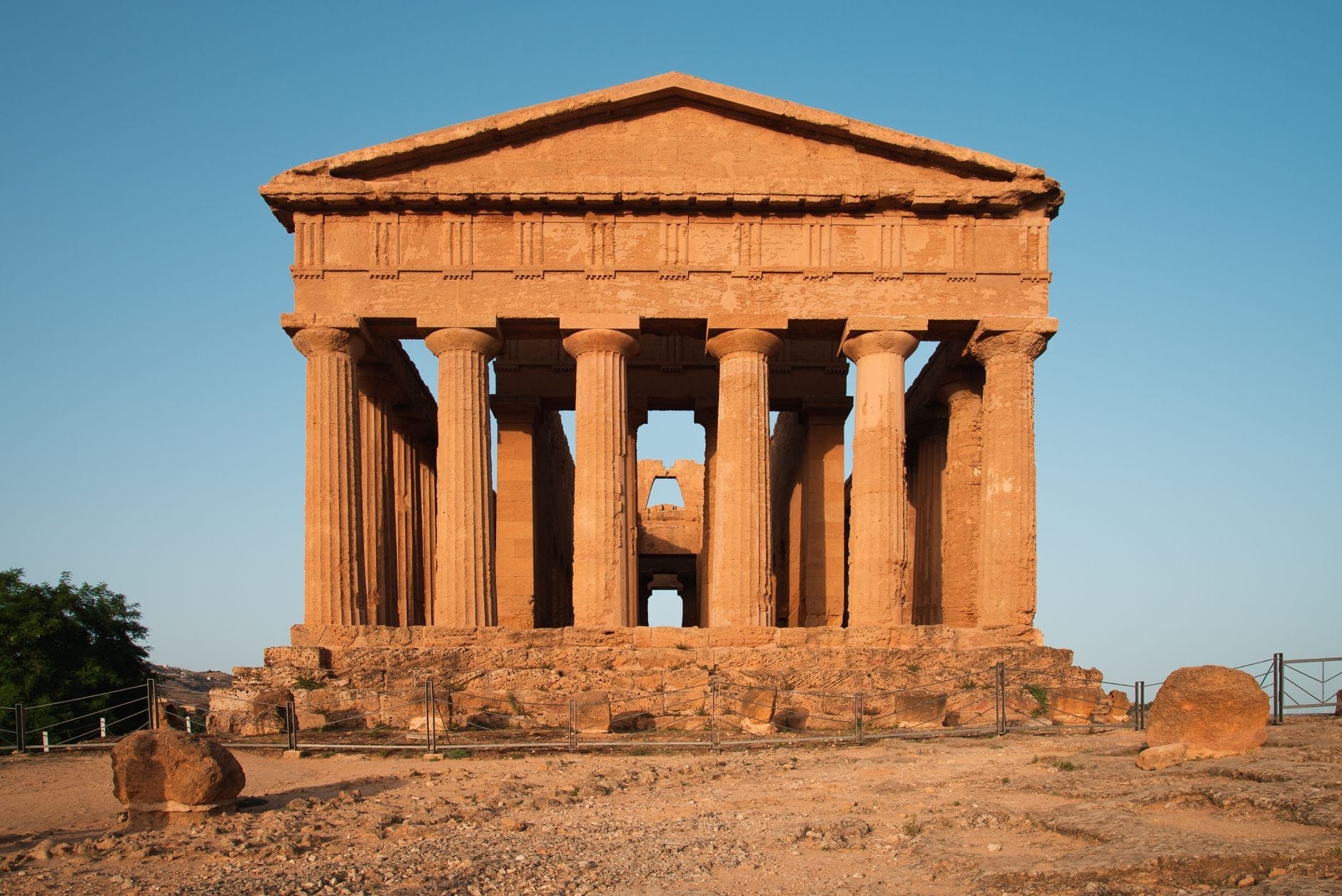
2. Stand Inside the World's Best-Preserved Greek Temple at Concordia
Dating to around 440 BC, the Temple of Concordia retains all 34 of its original Doric columns, a survival owed entirely to its conversion into a Christian church. This is the single finest example of ancient Greek architecture outside of Athens, and seeing it in person is genuinely affecting.
Explore2. Stand Inside the World's Best-Preserved Greek Temple at Concordia
Dating to around 440 BC, the Temple of Concordia retains all 34 of its original Doric columns, a survival owed entirely to its conversion into a Christian church. This is the single finest example of ancient Greek architecture outside of Athens, and seeing it in person is genuinely affecting.
Explore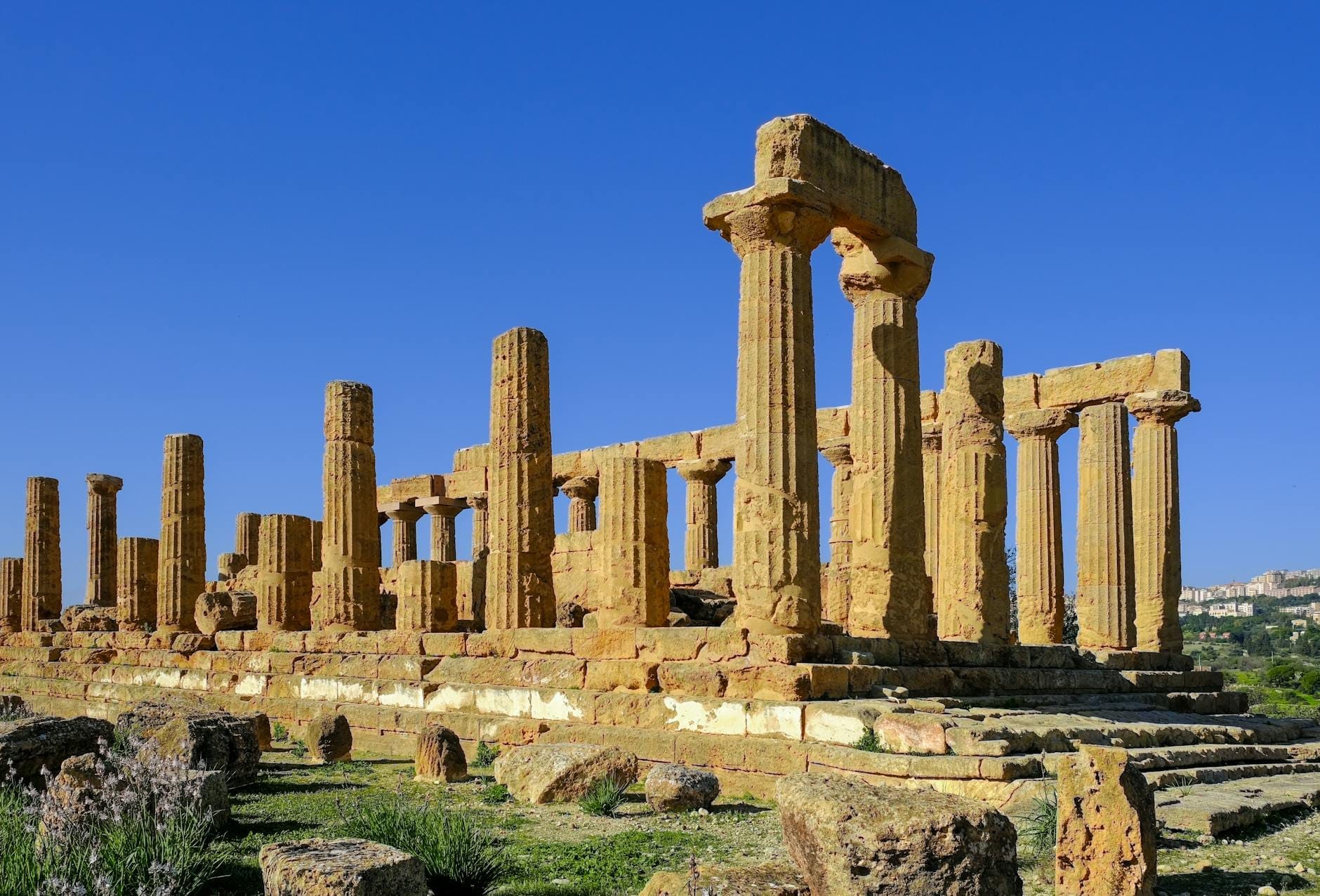
3. See Fire-Scorched History at the Temple of Juno
Standing at the eastern end of the Agrigento ridge, the Temple of Juno dates to around 450 BC and retains 30 columns. The reddish scorch marks on the stone are thought to recall the Carthaginian sack of 406 BC. The elevated position gives the best panoramic views across the entire valley.
Explore3. See Fire-Scorched History at the Temple of Juno
Standing at the eastern end of the Agrigento ridge, the Temple of Juno dates to around 450 BC and retains 30 columns. The reddish scorch marks on the stone are thought to recall the Carthaginian sack of 406 BC. The elevated position gives the best panoramic views across the entire valley.
Explore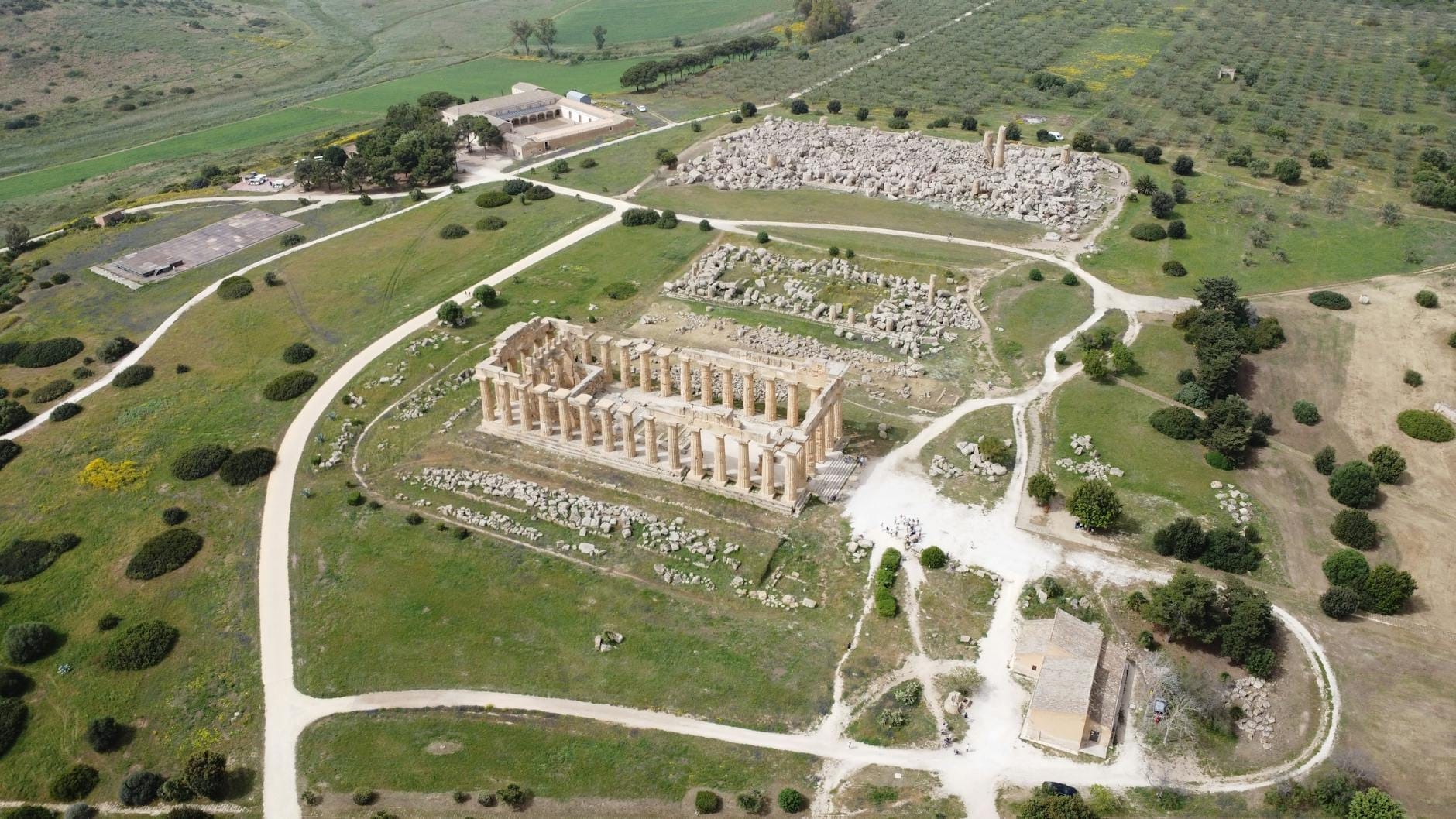
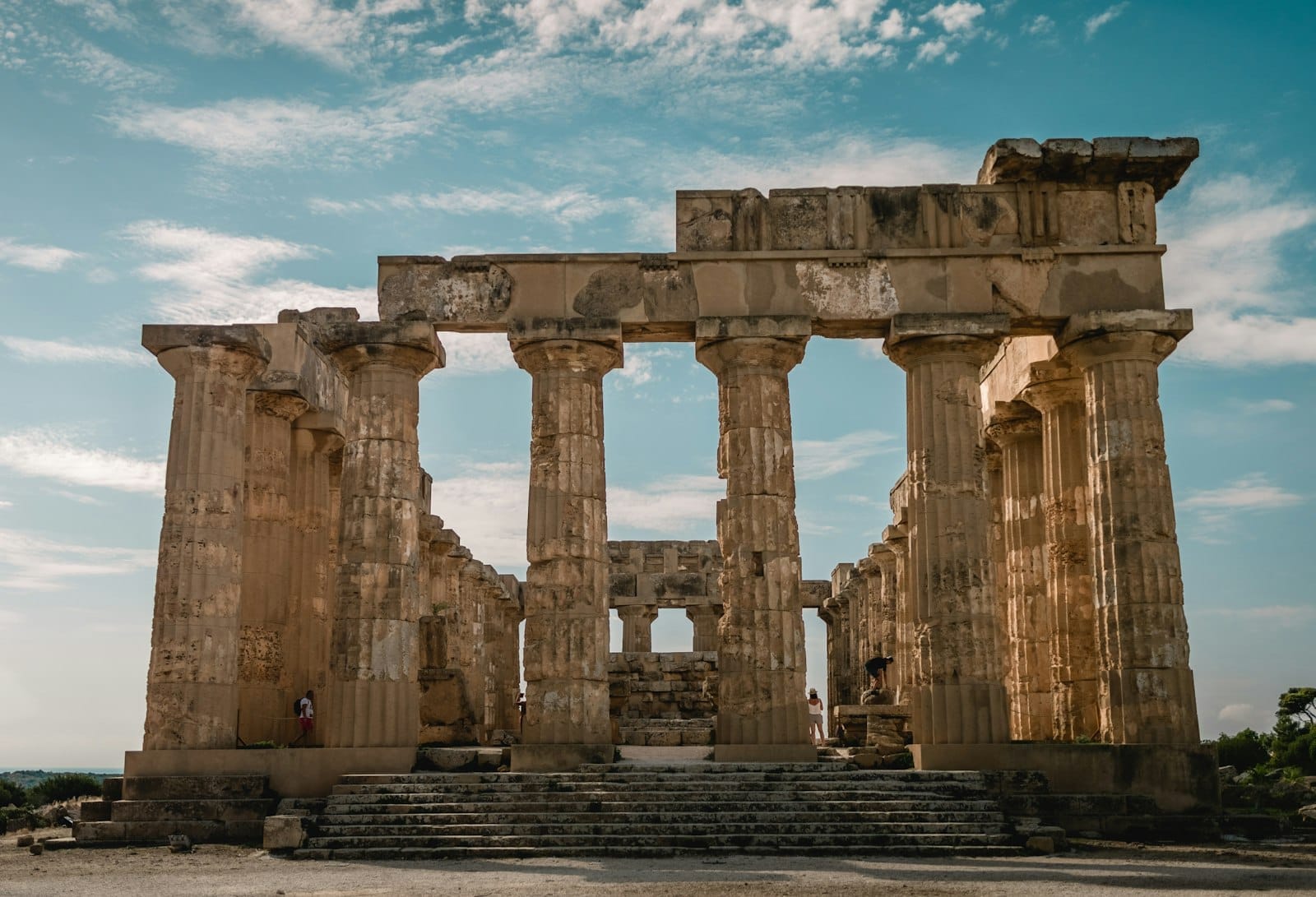
4. Explore Europe's Largest Archaeological Park at Selinunte
The ruins of one of ancient Sicily's most powerful Greek cities spread across a dramatic coastal plateau. Seven temples, sweeping sea views, and the partially reconstructed Temple E reward the effort. The sheer scale makes it unlike any other Greek site on the island; bring water and good shoes.
Explore4. Explore Europe's Largest Archaeological Park at Selinunte
The ruins of one of ancient Sicily's most powerful Greek cities spread across a dramatic coastal plateau. Seven temples, sweeping sea views, and the partially reconstructed Temple E reward the effort. The sheer scale makes it unlike any other Greek site on the island; bring water and good shoes.
Explore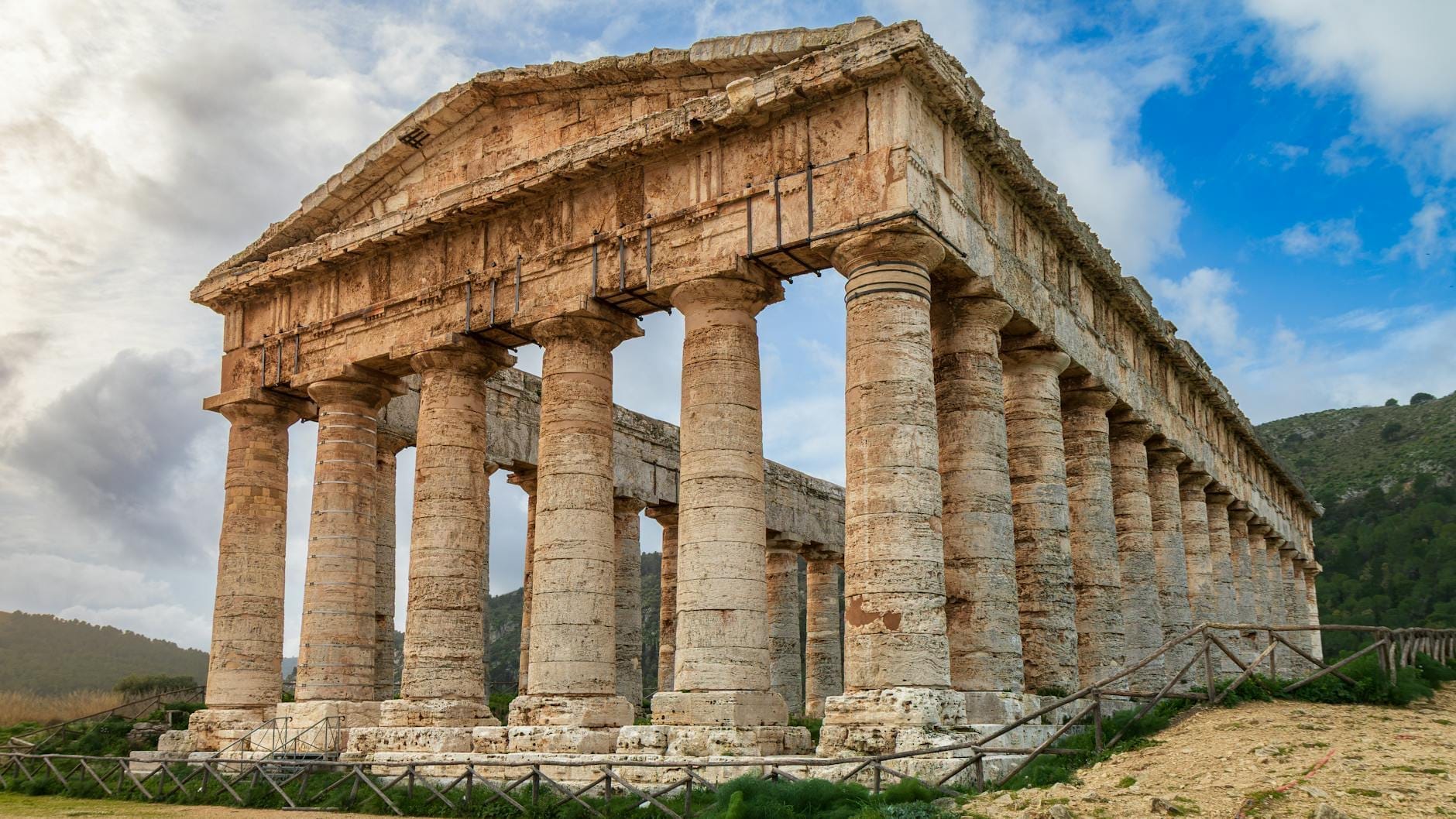
5. Find Perfect Solitude at Segesta's Unfinished Doric Temple
This 5th-century BC temple was never completed, yet its 36 columns stand virtually intact in a remote valley in western Sicily. The isolation and the rolling hill landscape make it arguably the most atmospheric Greek monument on the island. A hilltop theatre with panoramic views is a short shuttle ride away.
Explore5. Find Perfect Solitude at Segesta's Unfinished Doric Temple
This 5th-century BC temple was never completed, yet its 36 columns stand virtually intact in a remote valley in western Sicily. The isolation and the rolling hill landscape make it arguably the most atmospheric Greek monument on the island. A hilltop theatre with panoramic views is a short shuttle ride away.
ExploreGreek Theatre & Urban Ruins
Beyond standalone temples, several Sicilian sites preserve the urban fabric of ancient Greek cities: theatres, quarries, harbours, and streets. Siracusa (ancient Syracuse) was one of the most powerful cities in the ancient world and deserves at least two days. Taormina's theatre is one of Sicily's most visited archaeological sites and easy to combine with the town's other pleasures. See our day trips from Catania guide for practical advice on reaching Taormina and the eastern sites.
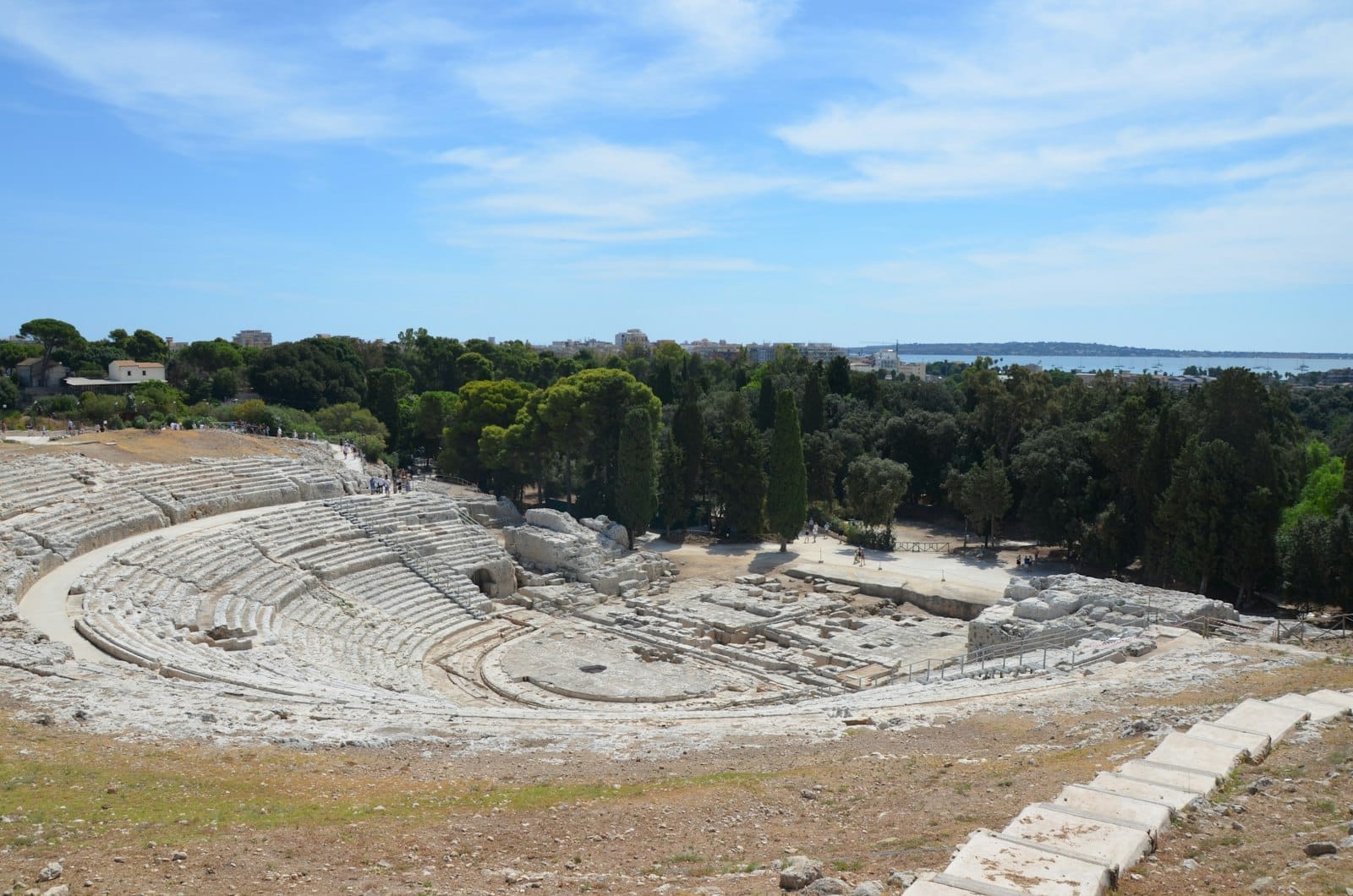
6. Explore the Heart of Ancient Syracuse at Neapolis Archaeological Park
This vast park contains a 5th-century BC Greek theatre still used for performances, a Roman amphitheatre, and the Latomia del Paradiso quarry. It is the most comprehensive ancient site in eastern Sicily and one of the most significant archaeological parks in the entire Mediterranean. Budget at least two hours.
Explore6. Explore the Heart of Ancient Syracuse at Neapolis Archaeological Park
This vast park contains a 5th-century BC Greek theatre still used for performances, a Roman amphitheatre, and the Latomia del Paradiso quarry. It is the most comprehensive ancient site in eastern Sicily and one of the most significant archaeological parks in the entire Mediterranean. Budget at least two hours.
Explore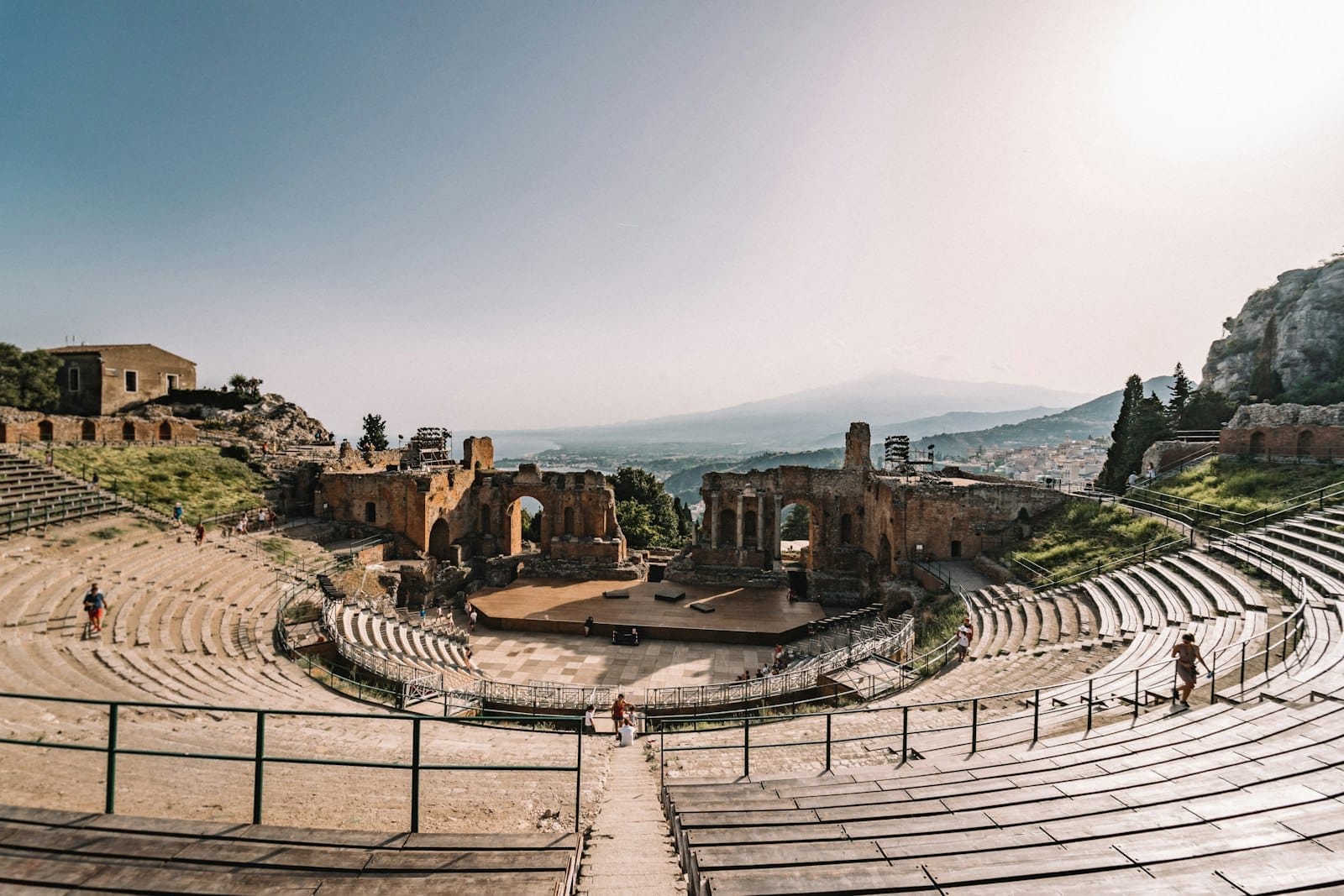
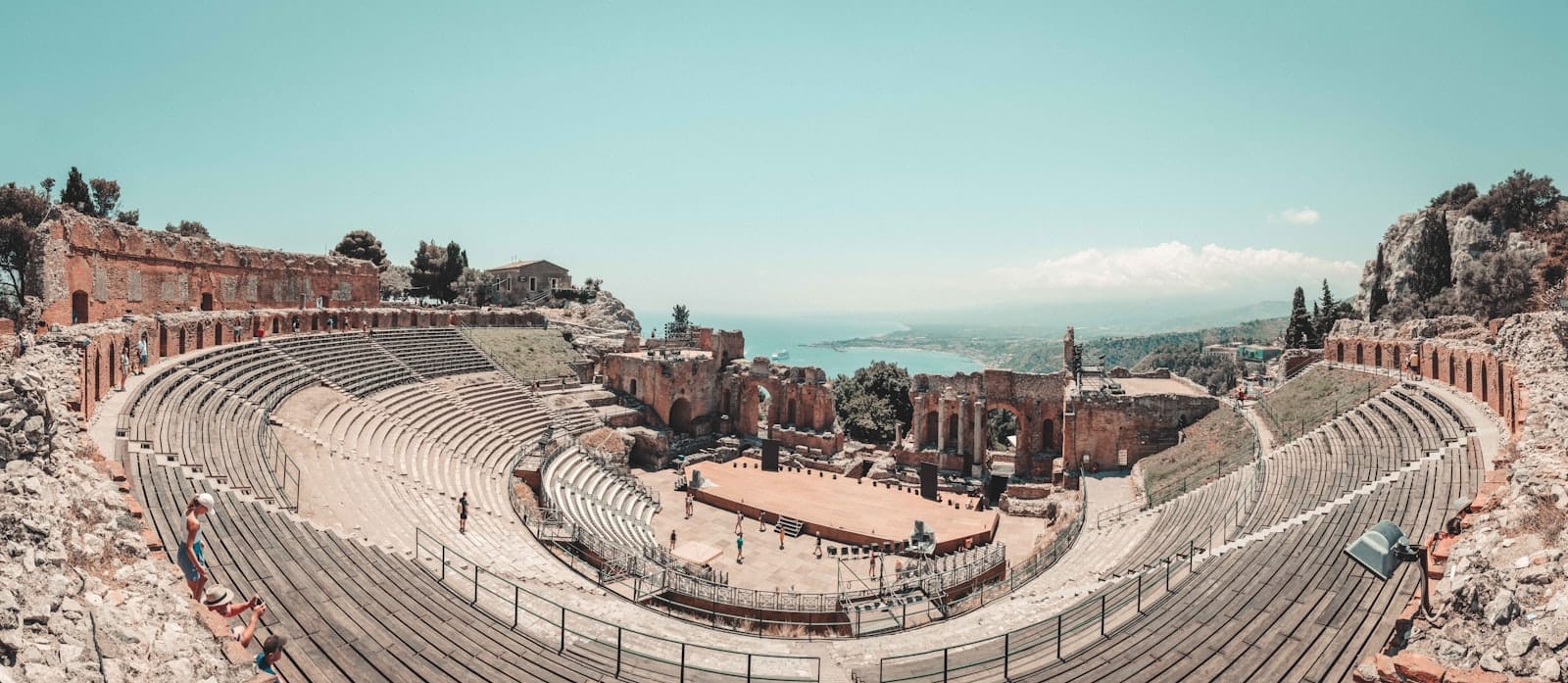
7. Watch Etna Frame the Stage at Taormina's Greek Theatre
Built in the 3rd century BC and later enlarged by the Romans, Taormina's theatre has Mount Etna and the Ionian Sea as its permanent backdrop. It is Sicily's most visited ancient monument and still hosts concerts and theatre productions. Arrive early in summer to beat the crowds and the heat.
Explore7. Watch Etna Frame the Stage at Taormina's Greek Theatre
Built in the 3rd century BC and later enlarged by the Romans, Taormina's theatre has Mount Etna and the Ionian Sea as its permanent backdrop. It is Sicily's most visited ancient monument and still hosts concerts and theatre productions. Arrive early in summer to beat the crowds and the heat.
Explore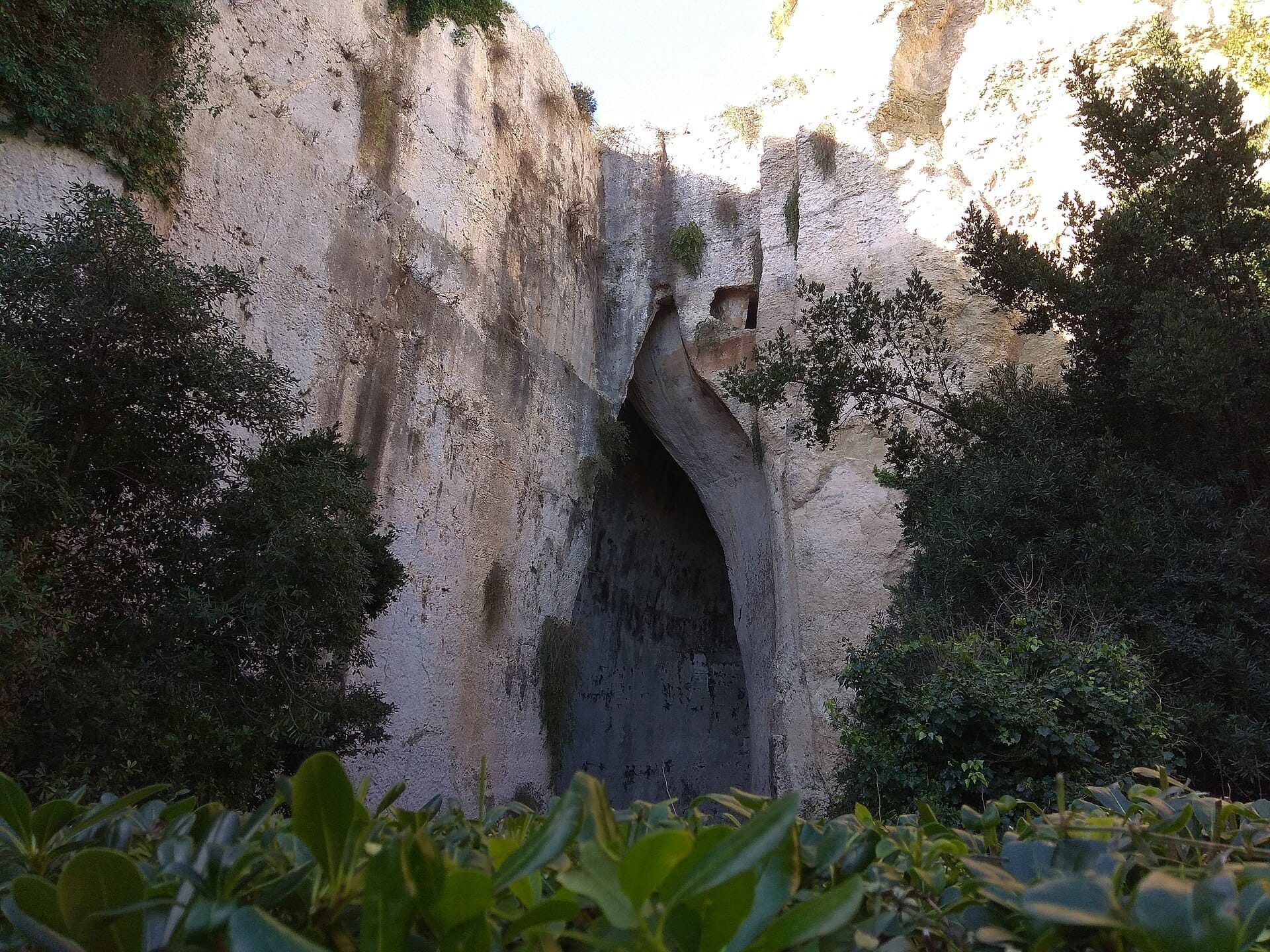
8. Hear a Whisper Amplified at the Ear of Dionysius
This 23-metre S-shaped cave cut into the Latomia del Paradiso limestone has acoustics so extraordinary that even a whisper echoes clearly. Located inside the Neapolis Archaeological Park, legend says the tyrant Dionysius used it to eavesdrop on prisoners. The cave is as theatrical as its story suggests.
Explore8. Hear a Whisper Amplified at the Ear of Dionysius
This 23-metre S-shaped cave cut into the Latomia del Paradiso limestone has acoustics so extraordinary that even a whisper echoes clearly. Located inside the Neapolis Archaeological Park, legend says the tyrant Dionysius used it to eavesdrop on prisoners. The cave is as theatrical as its story suggests.
Explore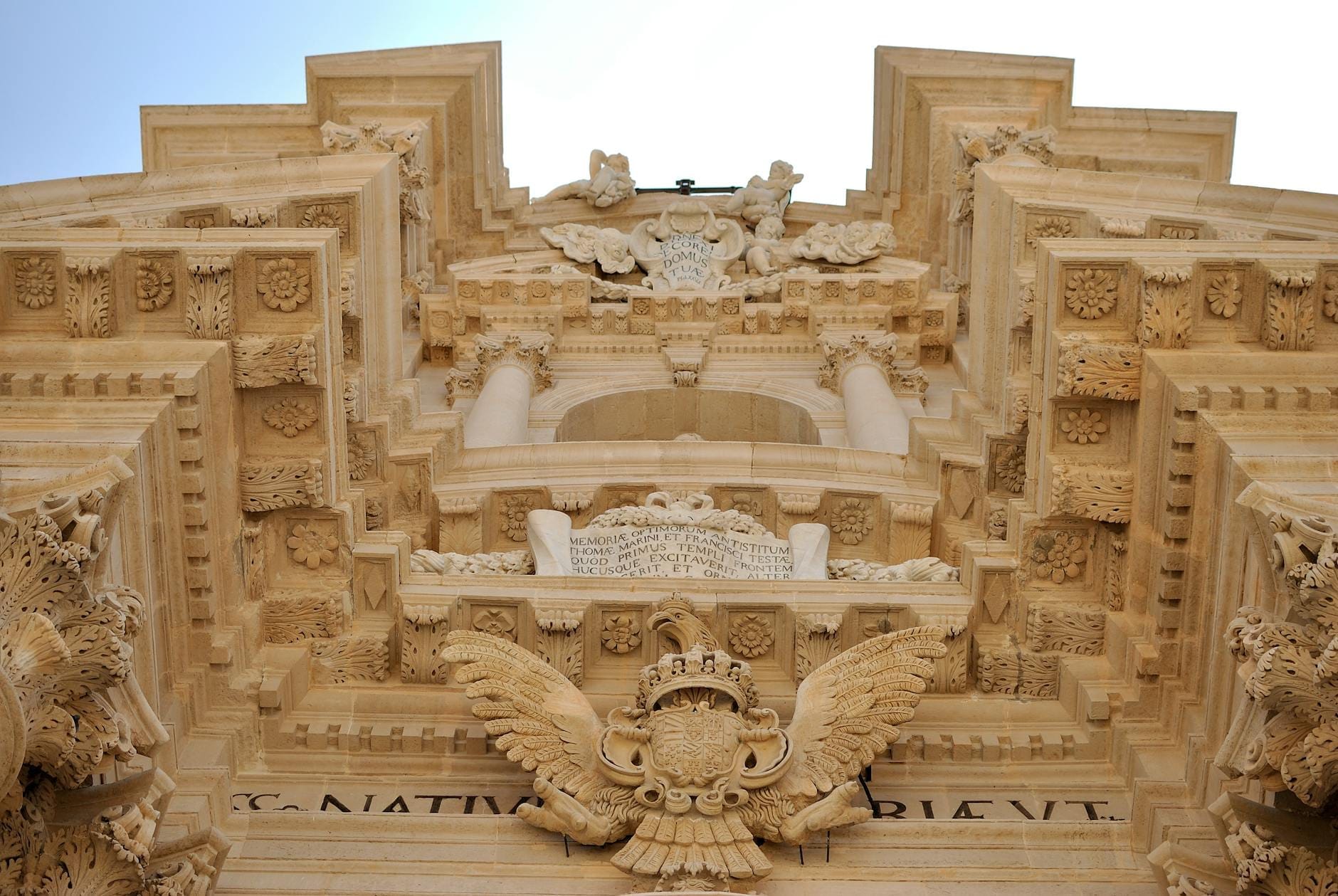
9. See Greek Columns Embedded in Syracuse Cathedral
One of the world's most extraordinary church conversions: the 5th-century BC Temple of Athena was encased inside a Baroque cathedral, and its original Greek columns are still visible in the walls and facade. Standing inside, you are simultaneously in two civilisations separated by 2,500 years.
Explore9. See Greek Columns Embedded in Syracuse Cathedral
One of the world's most extraordinary church conversions: the 5th-century BC Temple of Athena was encased inside a Baroque cathedral, and its original Greek columns are still visible in the walls and facade. Standing inside, you are simultaneously in two civilisations separated by 2,500 years.
Explore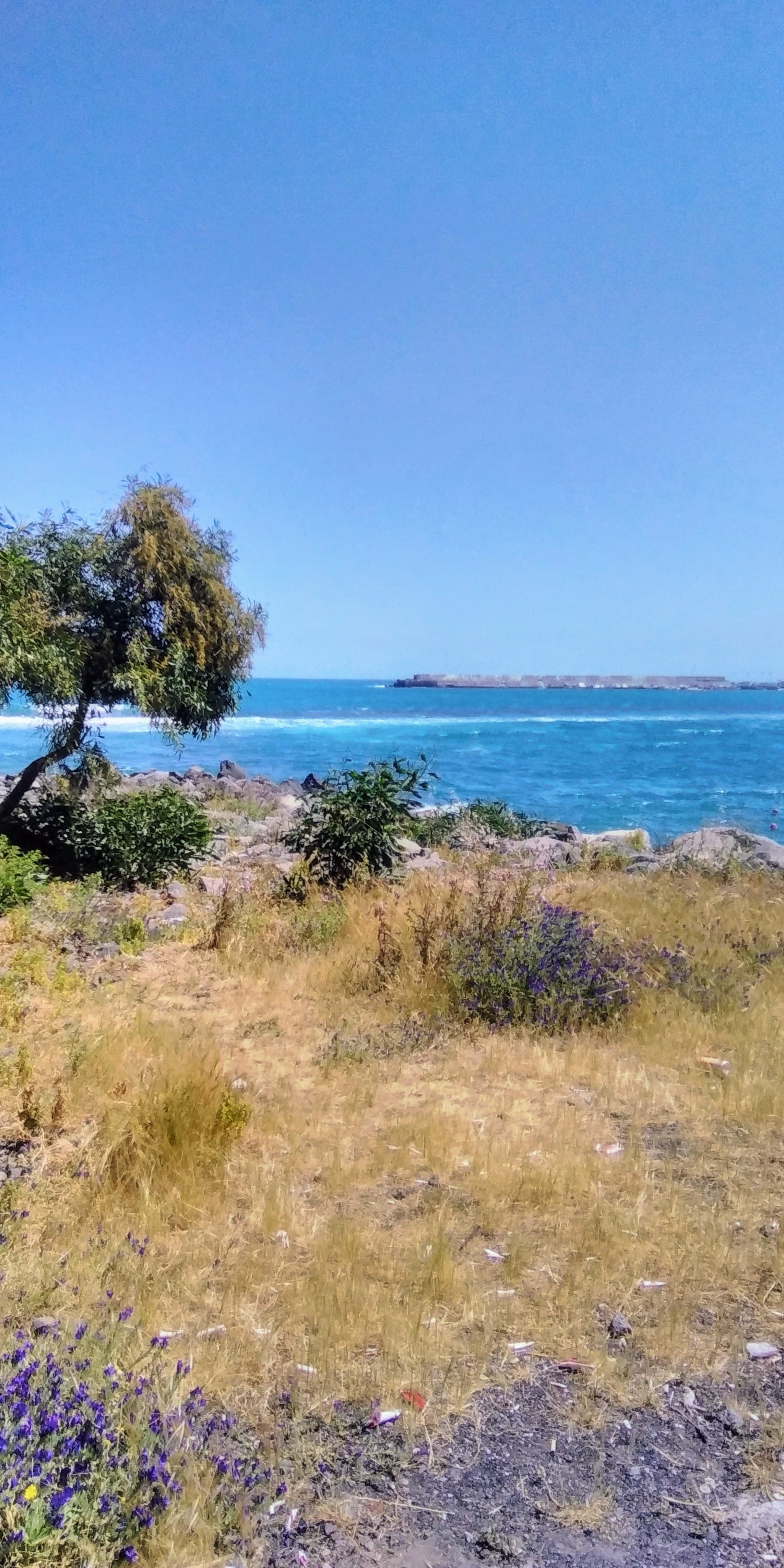
10. Visit the Site of Sicily's First Greek Colony at Giardini Naxos
Founded in 734 BC, Naxos was the earliest Greek settlement in Sicily. Today the town is primarily a beach resort below Taormina, but the small archaeological park on the cape preserves ancient walls and ruins from that first foothold on the island. The context it gives Taormina's theatre is invaluable.
Explore10. Visit the Site of Sicily's First Greek Colony at Giardini Naxos
Founded in 734 BC, Naxos was the earliest Greek settlement in Sicily. Today the town is primarily a beach resort below Taormina, but the small archaeological park on the cape preserves ancient walls and ruins from that first foothold on the island. The context it gives Taormina's theatre is invaluable.
Explore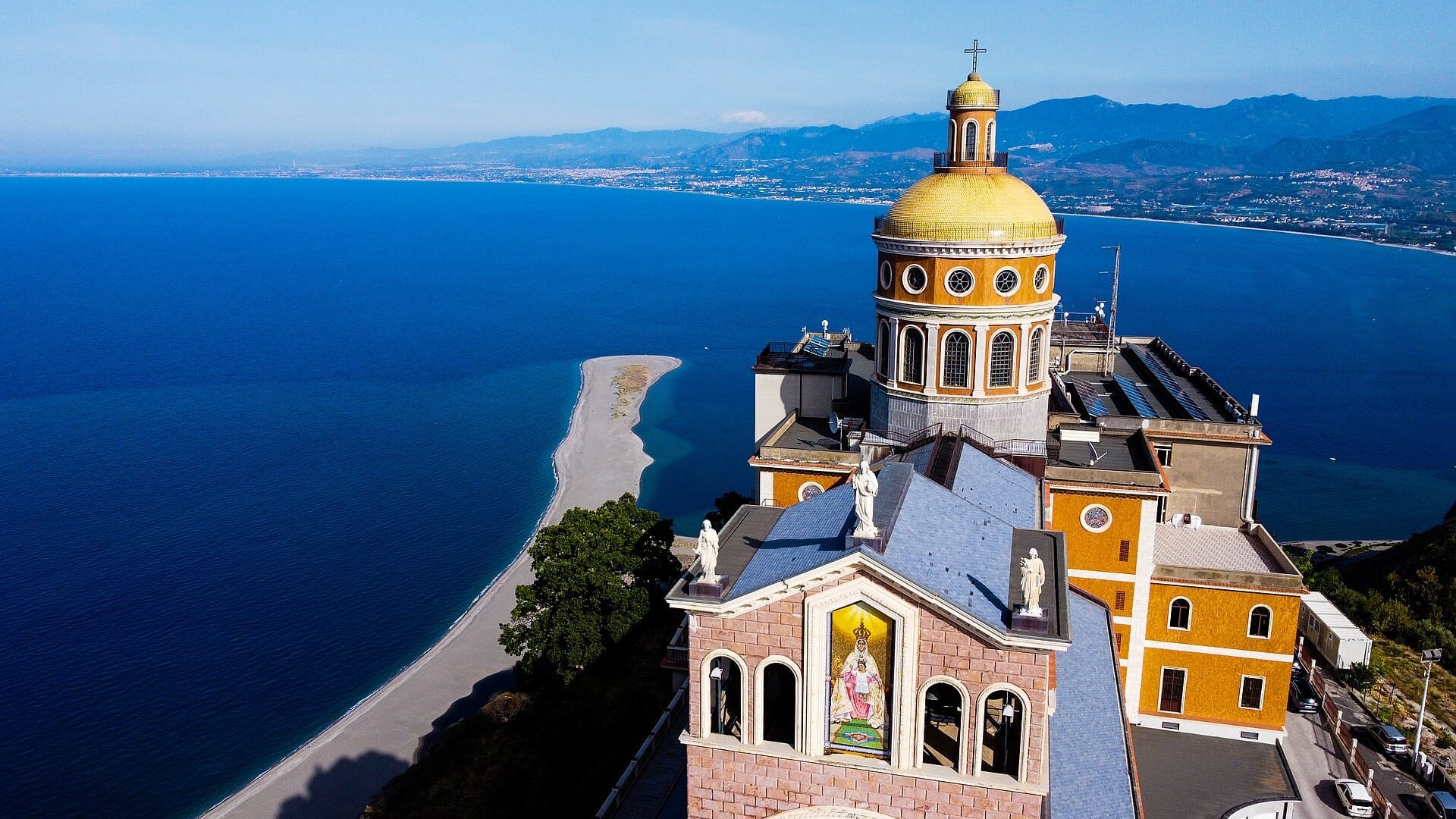
11. Discover Tyndaris: Greek Theatre and Sea Views at Tindari
Perched high above the Tyrrhenian coast, Tindari combines a genuine Greek and Roman archaeological zone with a theatre that looks straight out to sea. The site receives far fewer visitors than Taormina or Agrigento, and the views over the shifting sandbars of the Laghetti di Marinello below are extraordinary.
Explore11. Discover Tyndaris: Greek Theatre and Sea Views at Tindari
Perched high above the Tyrrhenian coast, Tindari combines a genuine Greek and Roman archaeological zone with a theatre that looks straight out to sea. The site receives far fewer visitors than Taormina or Agrigento, and the views over the shifting sandbars of the Laghetti di Marinello below are extraordinary.
ExploreEerie Quarries & Lost Cities
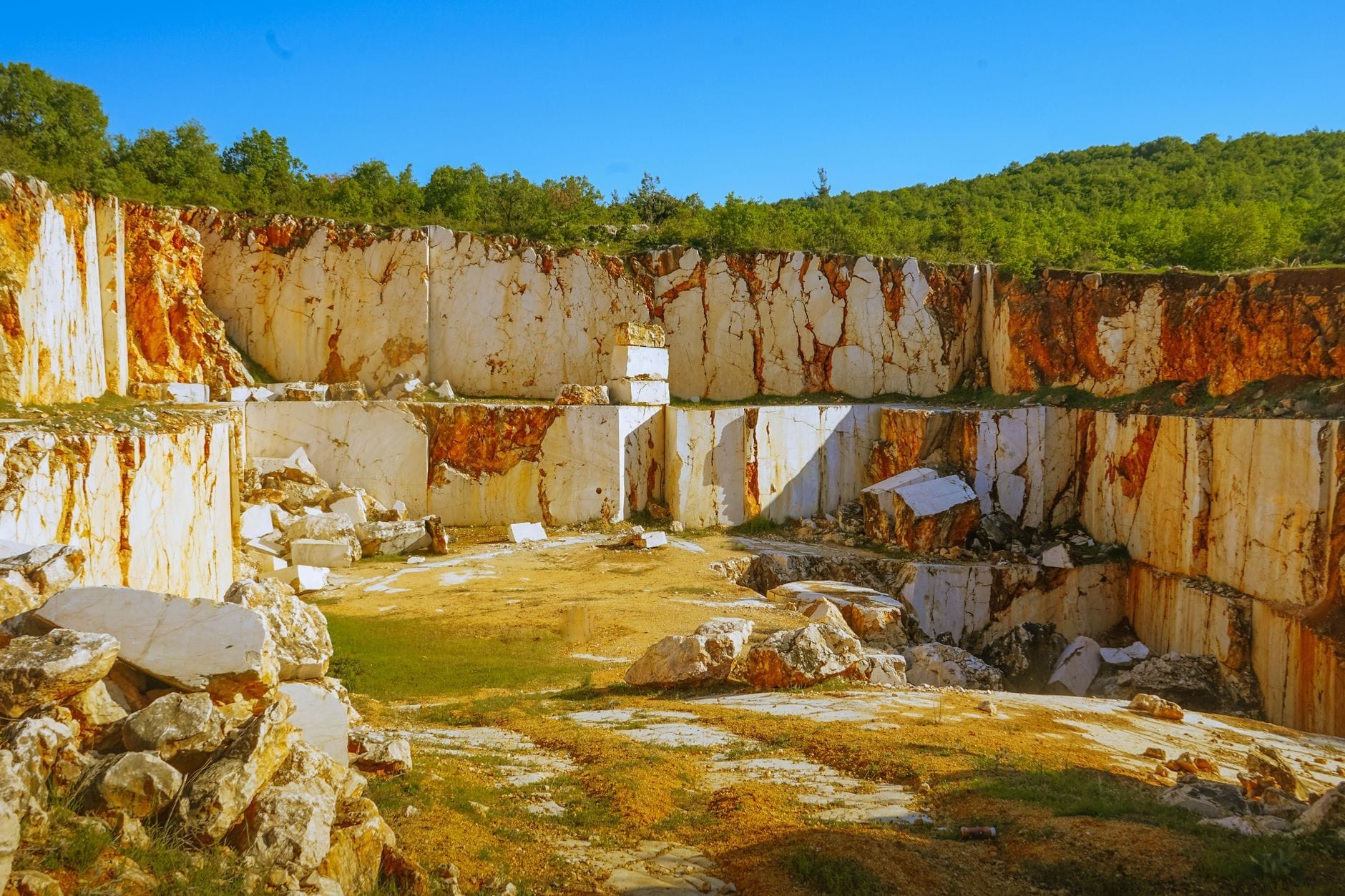
Some of the most evocative Greek heritage in Sicily is not in polished archaeological parks but in abandoned quarries and overgrown ruins where the ancient world feels genuinely suspended. These sites reward visitors who seek out the less obvious. For deeper context on Sicily's layered history, the Arab-Norman Sicily guide shows how later civilisations built directly on Greek foundations.
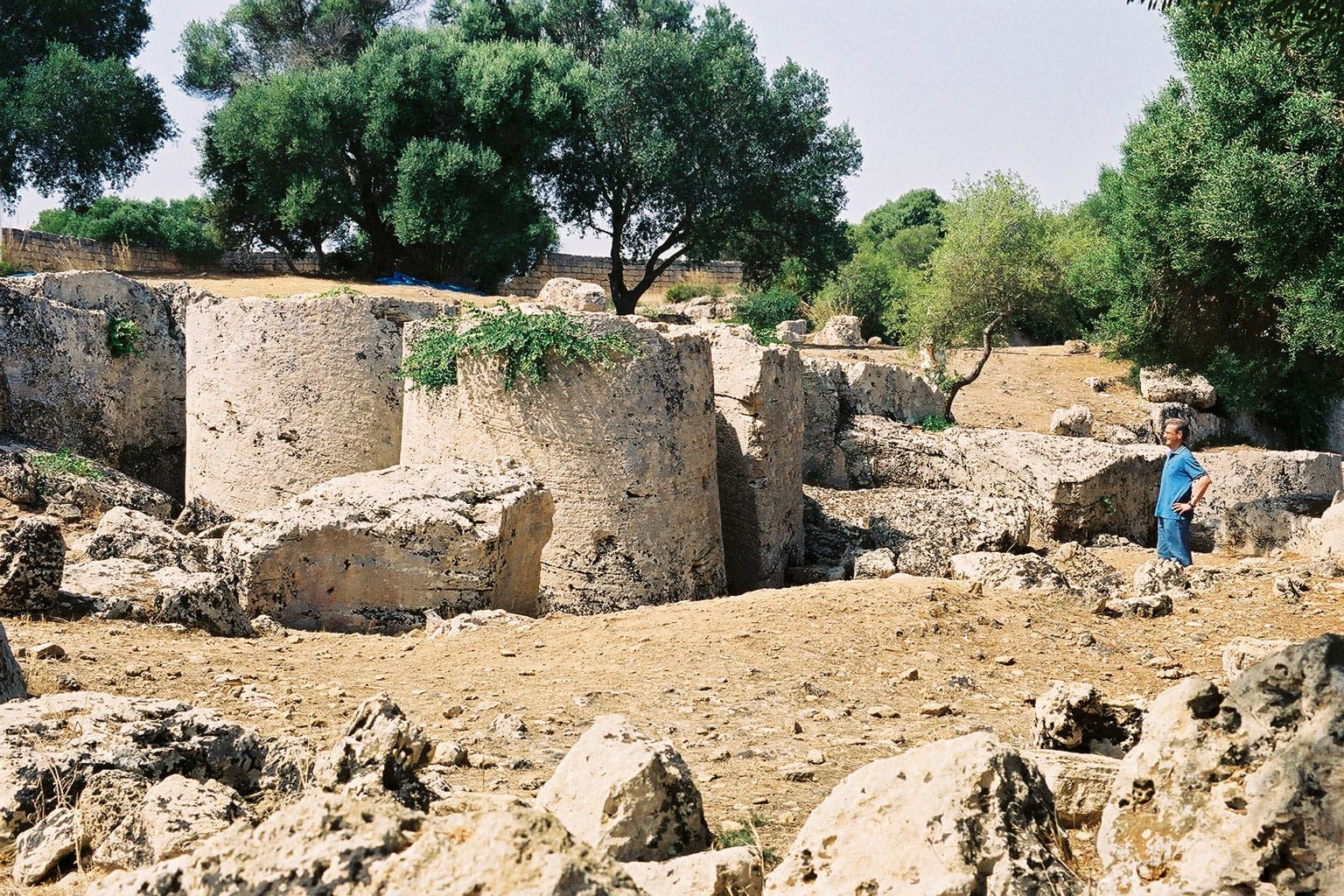
12. See Selinunte's Abandoned Building Blocks at Cave di Cusa
The ancient quarries that supplied stone for Selinunte's temples were abandoned mid-work in the 5th century BC, and the half-finished column drums still lie exactly where the workers left them in an olive grove near Campobello di Mazara. No other site in Sicily makes the ancient world feel this immediate and uncanny.
Explore12. See Selinunte's Abandoned Building Blocks at Cave di Cusa
The ancient quarries that supplied stone for Selinunte's temples were abandoned mid-work in the 5th century BC, and the half-finished column drums still lie exactly where the workers left them in an olive grove near Campobello di Mazara. No other site in Sicily makes the ancient world feel this immediate and uncanny.
Explore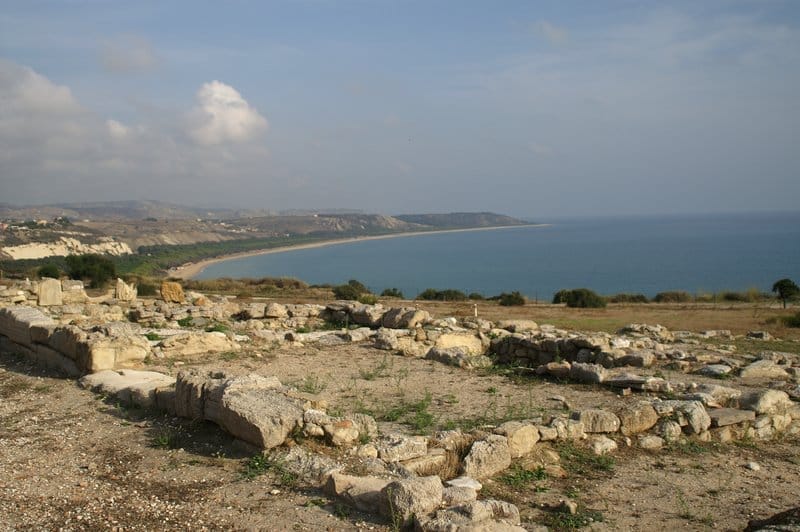
13. Find a Forgotten Greek City Above the Sea at Eraclea Minoa
Set on a white-cliffed promontory above the southern coast, Eraclea Minoa combines a small antiquarium, a partially excavated Greek theatre, and sweeping views over a nature reserve. It is one of Sicily's least crowded archaeological sites, and the Capo Bianco beach directly below is exceptional.
Explore13. Find a Forgotten Greek City Above the Sea at Eraclea Minoa
Set on a white-cliffed promontory above the southern coast, Eraclea Minoa combines a small antiquarium, a partially excavated Greek theatre, and sweeping views over a nature reserve. It is one of Sicily's least crowded archaeological sites, and the Capo Bianco beach directly below is exceptional.
Explore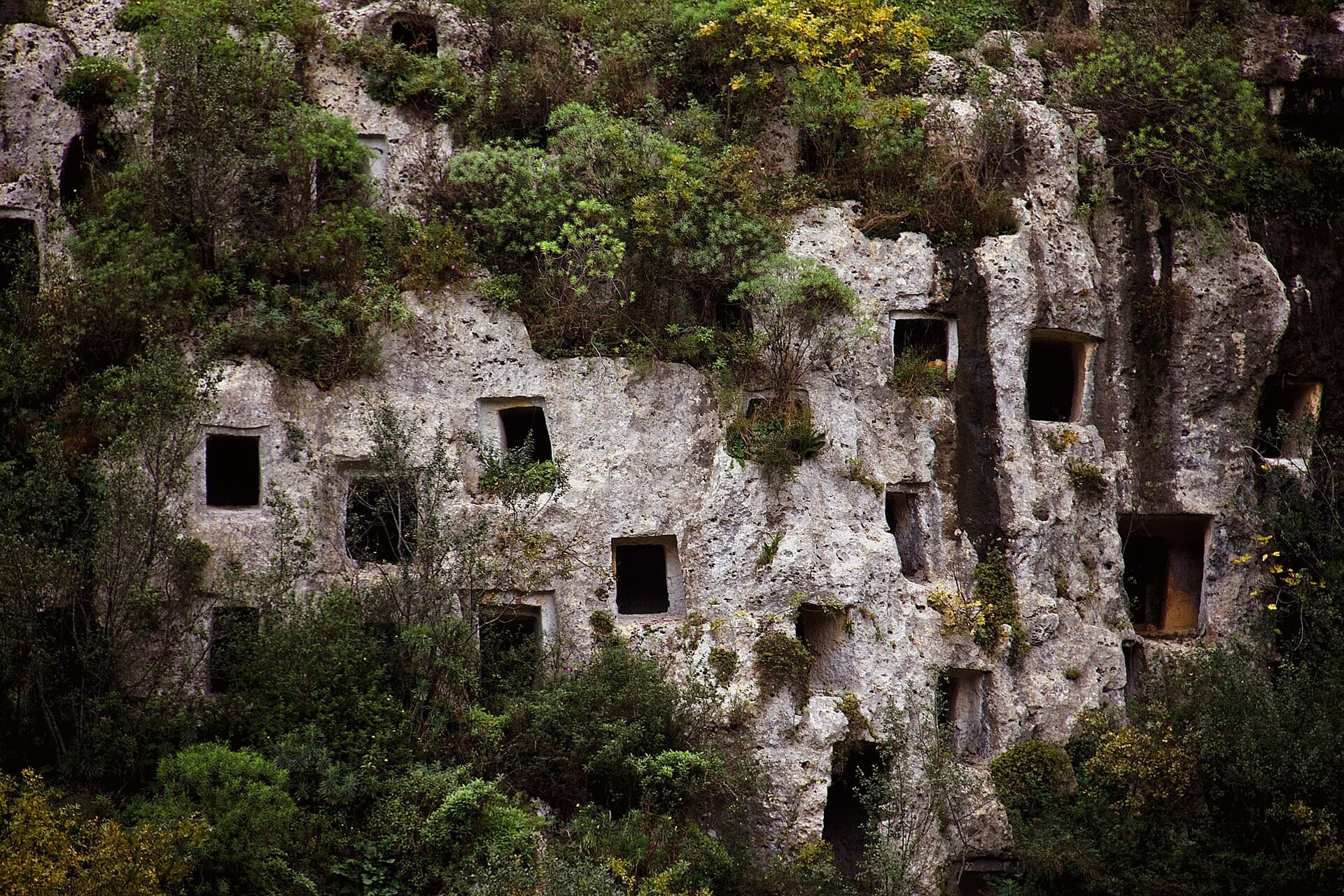
14. Hike to 5,000 Rock-Cut Tombs at the Pantalica Necropolis
More than 5,000 tombs carved into a remote limestone gorge near Siracusa, dating from the 13th to 7th centuries BC. The site is a UNESCO World Heritage Area and a genuine archaeological wonder. The gorge is also a nature reserve with riverside trails that make the visit as much a hike as a history lesson.
Explore14. Hike to 5,000 Rock-Cut Tombs at the Pantalica Necropolis
More than 5,000 tombs carved into a remote limestone gorge near Siracusa, dating from the 13th to 7th centuries BC. The site is a UNESCO World Heritage Area and a genuine archaeological wonder. The gorge is also a nature reserve with riverside trails that make the visit as much a hike as a history lesson.
ExploreArchaeological Museums
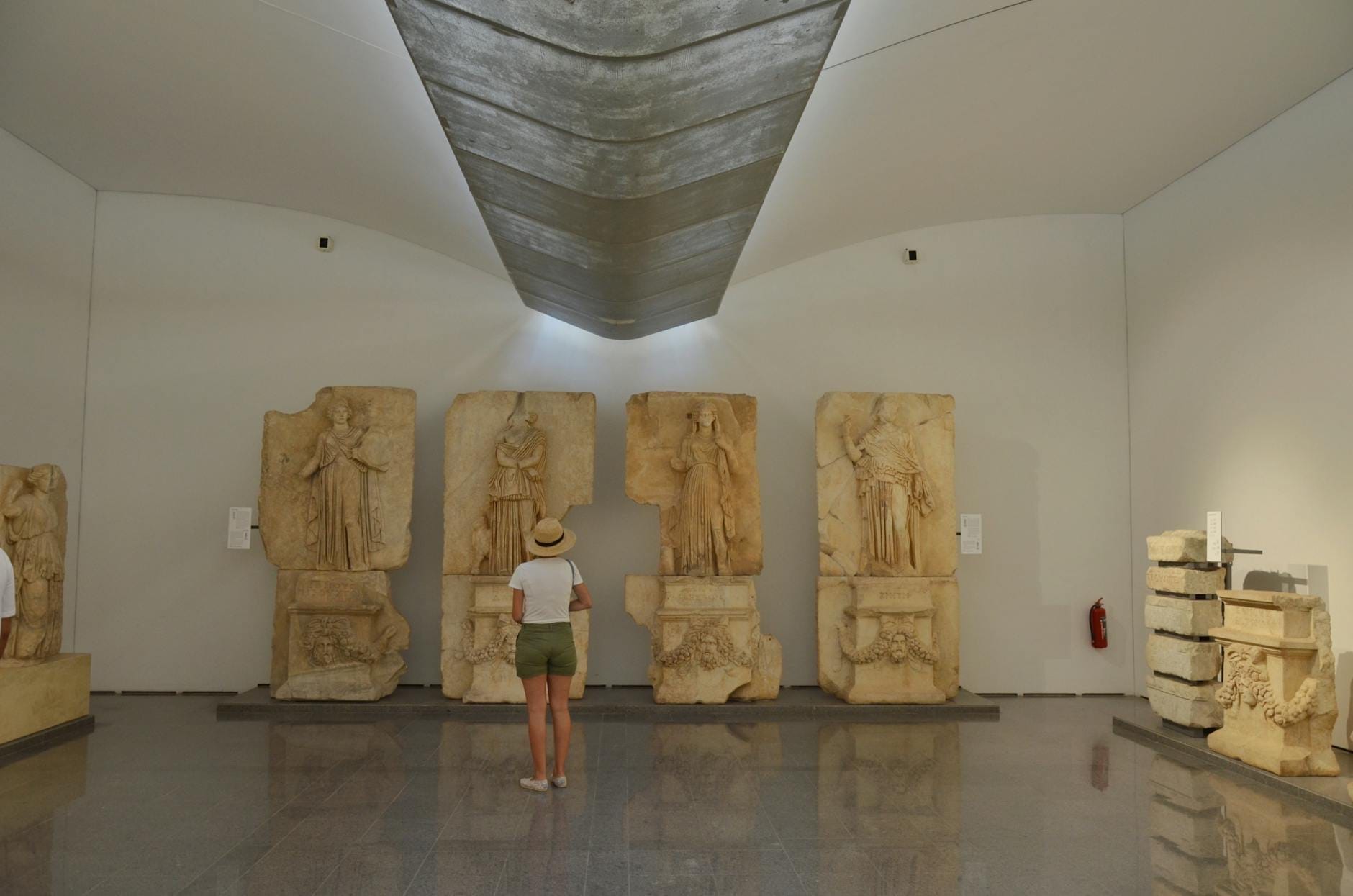
Understanding what you are looking at in the field is dramatically improved by visiting the key museums first. Sicily's archaeological collections are world-class, and several hold objects that cannot be seen elsewhere.
15. See the Selinunte Metopes at Palermo's Salinas Museum
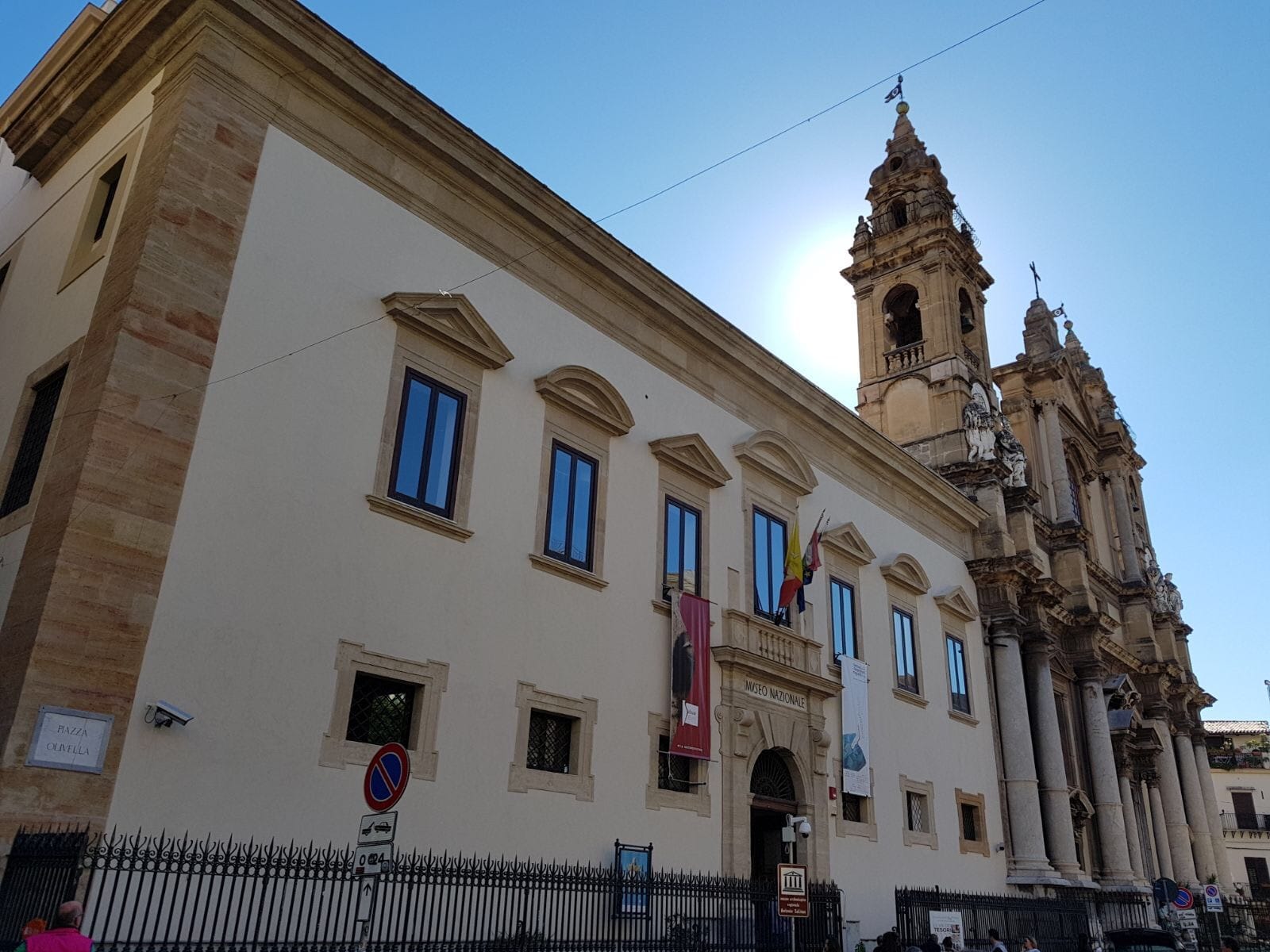
Palermo's principal archaeological museum holds the carved marble metopes removed from Selinunte's temples, considered among the finest examples of archaic Greek sculpture in existence. Seeing them before visiting Selinunte dramatically changes how you understand the ruined temples on the coast.
Explore15. See the Selinunte Metopes at Palermo's Salinas Museum
Palermo's principal archaeological museum holds the carved marble metopes removed from Selinunte's temples, considered among the finest examples of archaic Greek sculpture in existence. Seeing them before visiting Selinunte dramatically changes how you understand the ruined temples on the coast.
Explore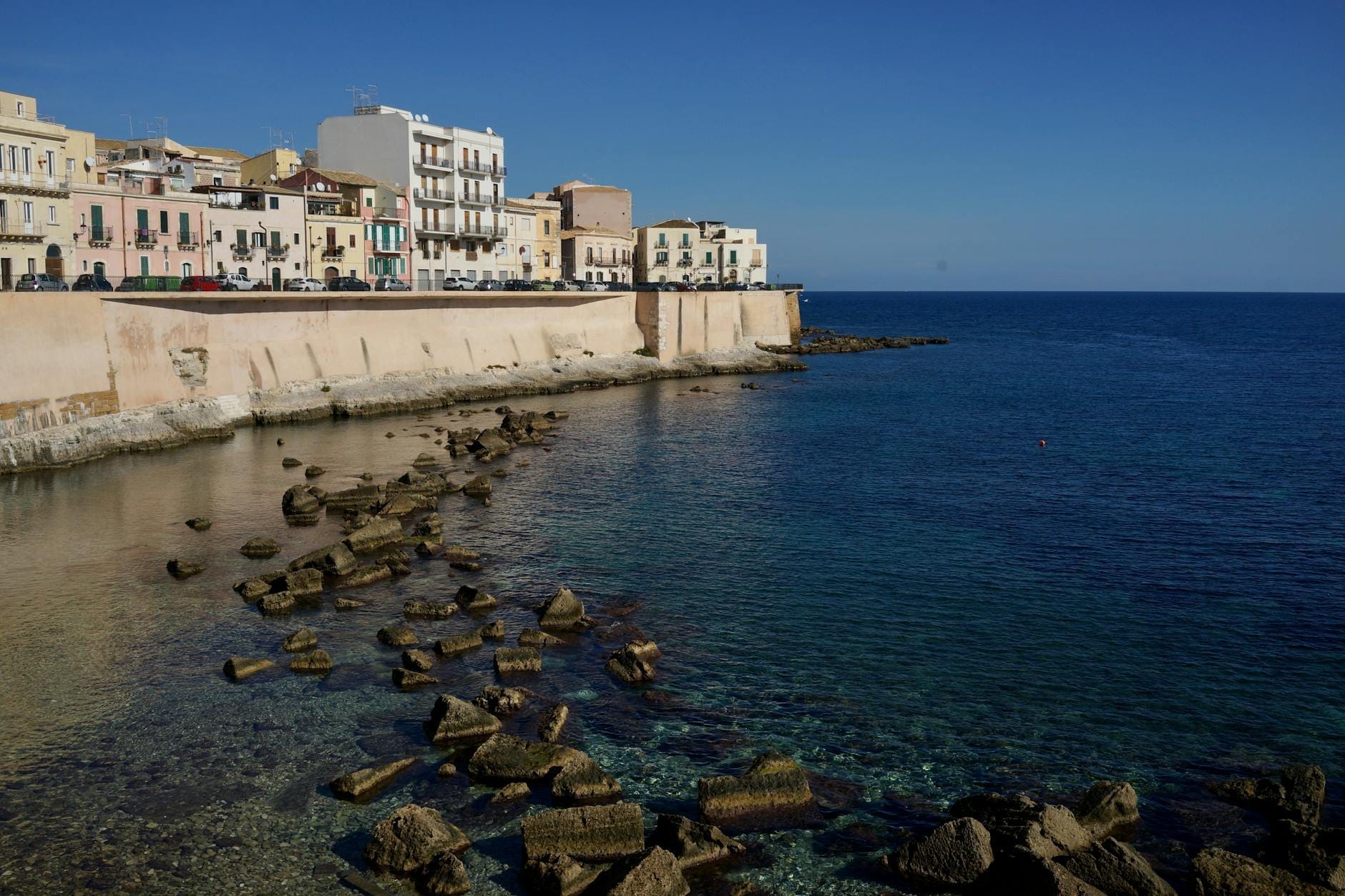
16. Walk 2,700 Years of Layered History on Ortigia Island, Siracusa
The island at the heart of ancient Syracuse, Ortigia compresses Greek, Roman, Arab, Norman, and Baroque history into a compact area. The cathedral's embedded temple columns, the Arethusa Fountain from Greek mythology, and the Piazza del Duomo make every street historically loaded. It rewards slow exploration on foot.
Explore16. Walk 2,700 Years of Layered History on Ortigia Island, Siracusa
The island at the heart of ancient Syracuse, Ortigia compresses Greek, Roman, Arab, Norman, and Baroque history into a compact area. The cathedral's embedded temple columns, the Arethusa Fountain from Greek mythology, and the Piazza del Duomo make every street historically loaded. It rewards slow exploration on foot.
Explore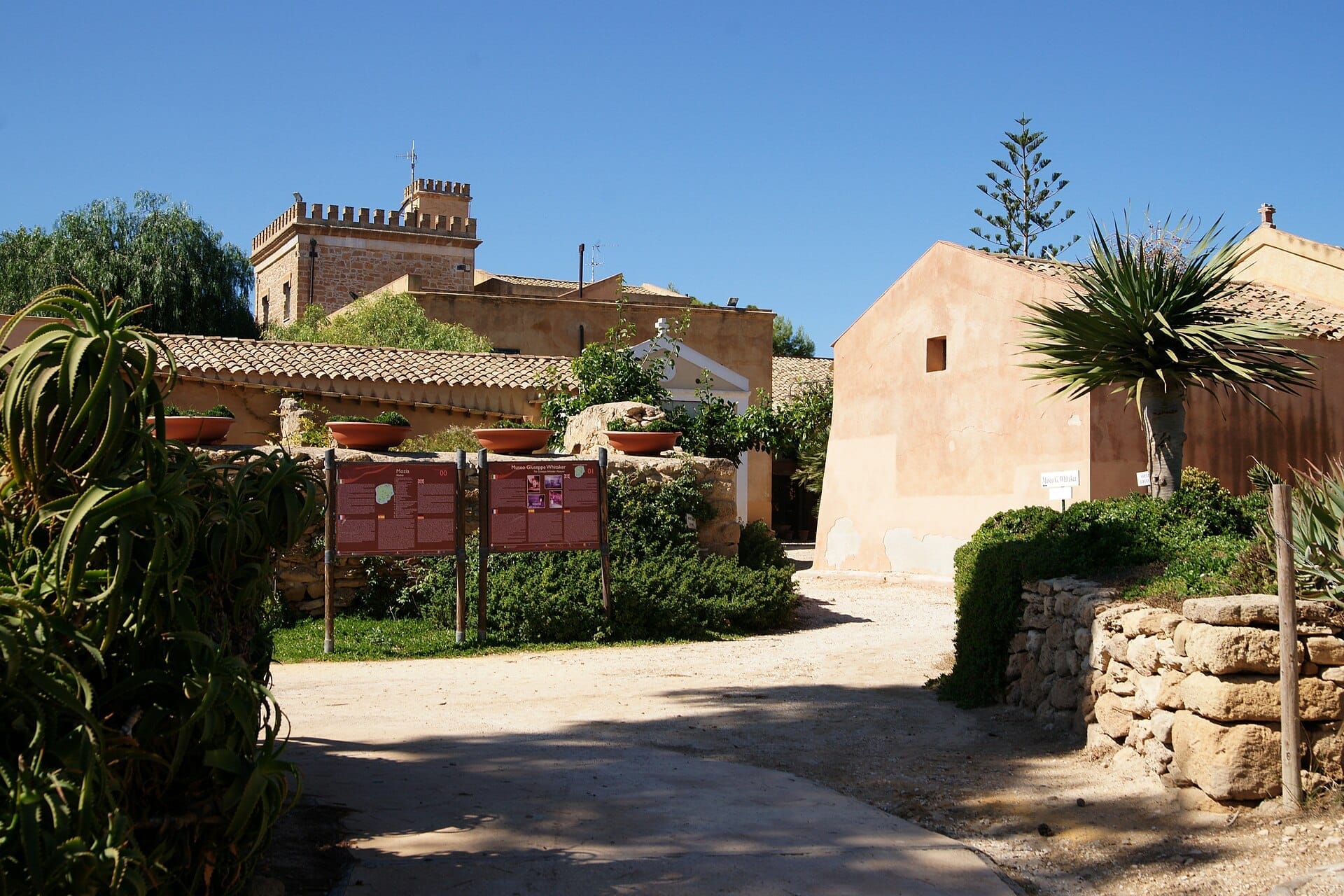
17. Cross to Mothia Island for Phoenician Ruins in the Stagnone Lagoon
While not a Greek site, the Phoenician city of Mothia on a tiny island in the Stagnone Lagoon near Marsala is the direct counterpart to Selinunte: the rival civilisation that fought the Greeks for control of western Sicily. A short boat trip from the shore reaches ruins and a small museum with the extraordinary Charioteer of Motya sculpture.
Explore17. Cross to Mothia Island for Phoenician Ruins in the Stagnone Lagoon
While not a Greek site, the Phoenician city of Mothia on a tiny island in the Stagnone Lagoon near Marsala is the direct counterpart to Selinunte: the rival civilisation that fought the Greeks for control of western Sicily. A short boat trip from the shore reaches ruins and a small museum with the extraordinary Charioteer of Motya sculpture.
Explore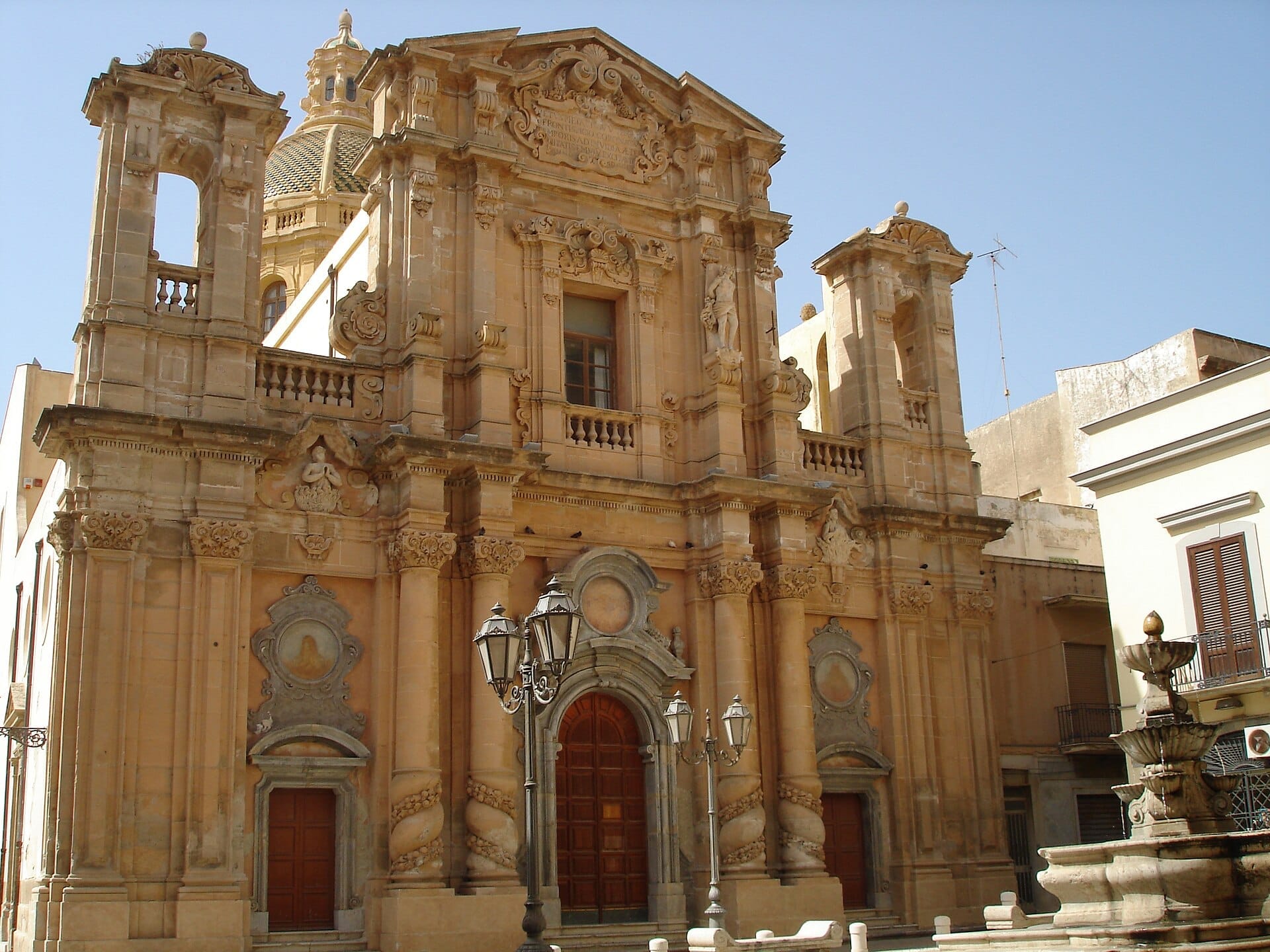
18. See a Punic Warship and Ancient Rivals to Greece at Marsala
Marsala's archaeological museum holds the partially reconstructed hull of an ancient warship, likely sunk in the Battle of the Egadi Islands in 241 BC, the naval engagement that ended the First Punic War. The Punic context is essential for understanding the world the Greeks were competing with throughout their time in Sicily.
Explore18. See a Punic Warship and Ancient Rivals to Greece at Marsala
Marsala's archaeological museum holds the partially reconstructed hull of an ancient warship, likely sunk in the Battle of the Egadi Islands in 241 BC, the naval engagement that ended the First Punic War. The Punic context is essential for understanding the world the Greeks were competing with throughout their time in Sicily.
ExploreGreek Sicily on a Wider Itinerary
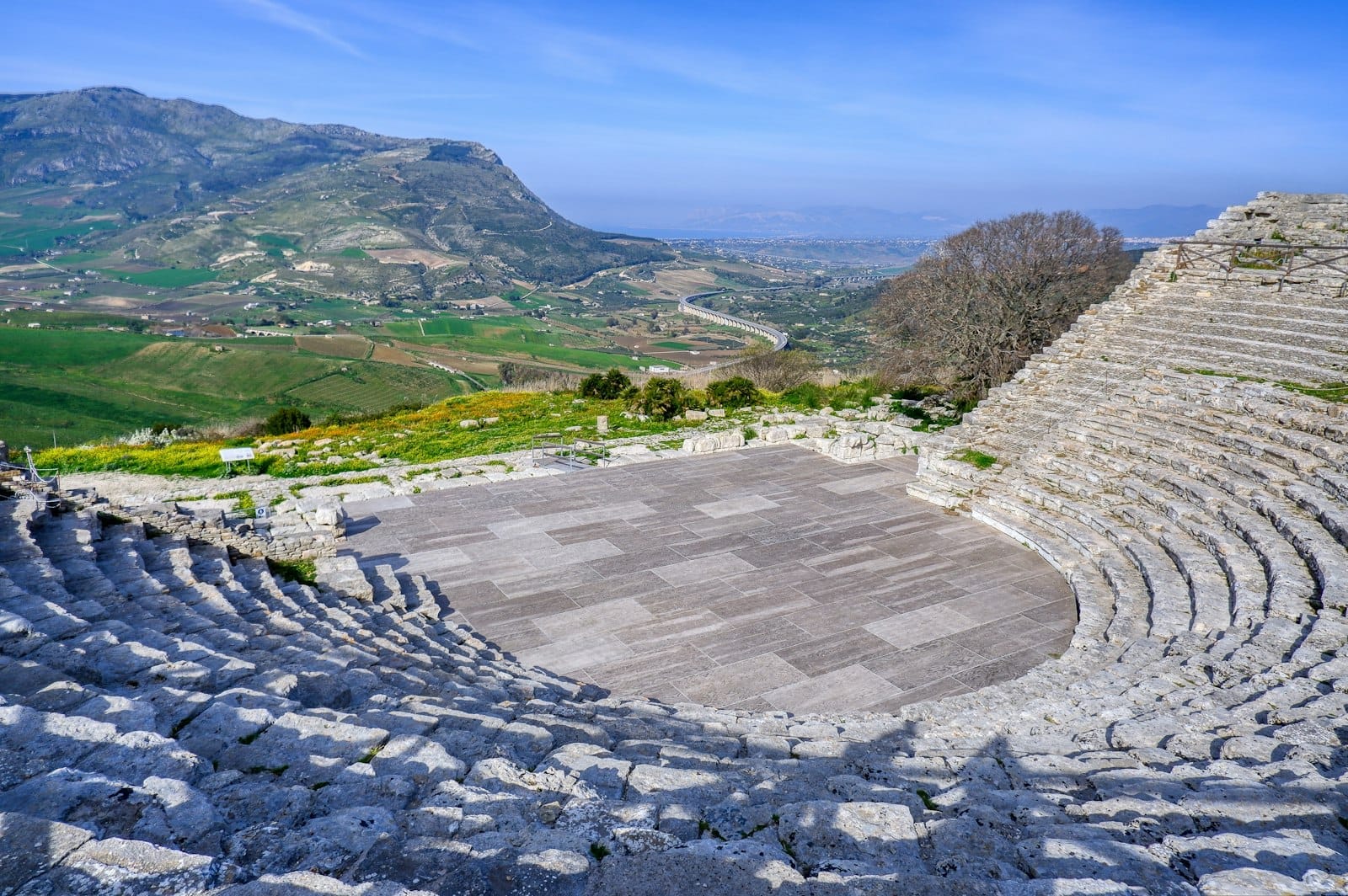
The Greek sites cluster in two broad areas: the western triangle of Agrigento, Selinunte, and Segesta, and the eastern arc of Siracusa, Taormina, and Tindari. Combining both is easiest with a car and at least five days devoted to antiquity. For a complete itinerary framework, see the two weeks in Sicily itinerary.
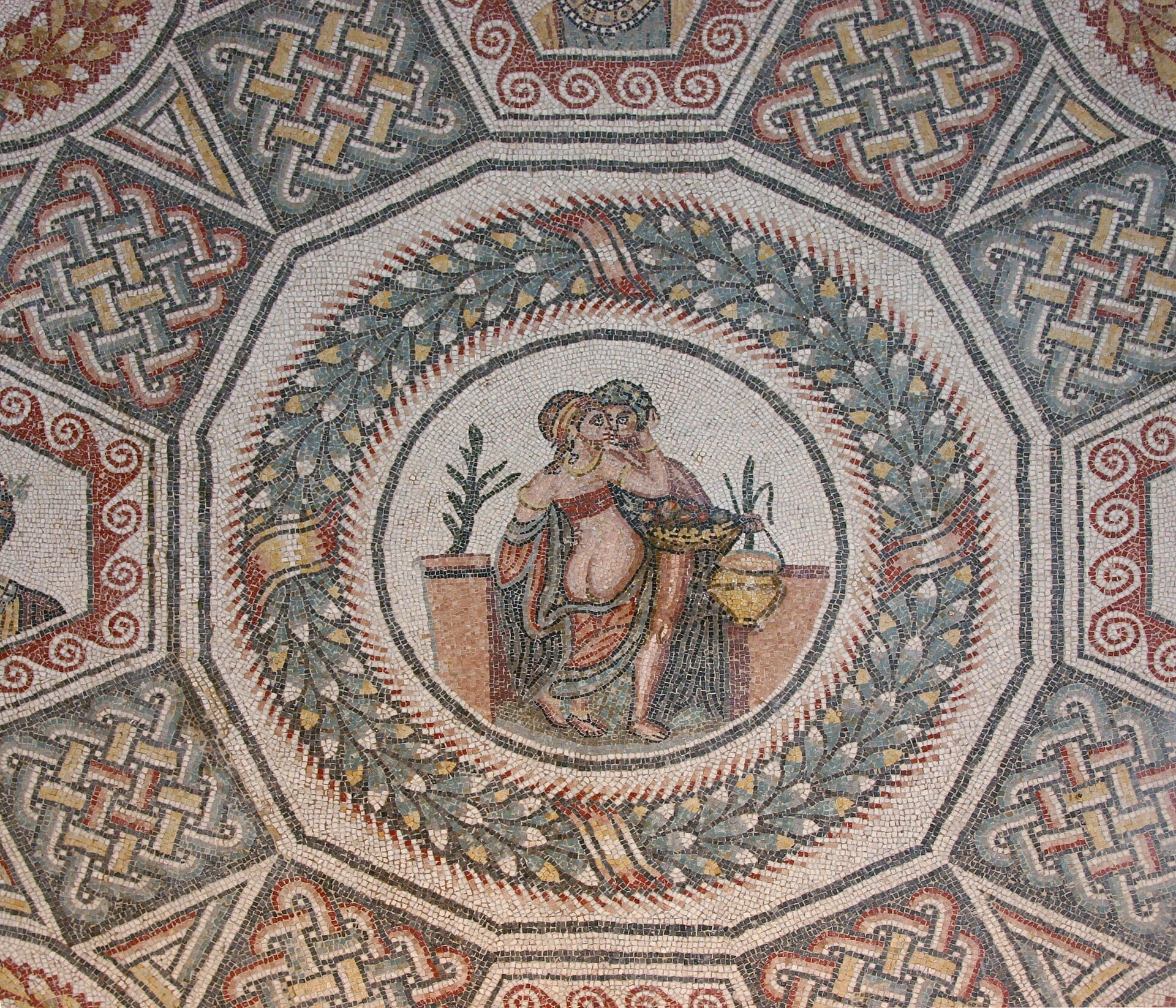
19. See the World's Greatest Roman Mosaics at Villa Romana del Casale
A UNESCO site near Piazza Armerina, the Villa Romana del Casale contains over 3,500 square metres of extraordinarily detailed Roman floor mosaics. While Roman rather than Greek, the villa sits at the cultural crossroads of ancient Sicily and makes an essential companion to the Greek sites on any extended itinerary.
Explore19. See the World's Greatest Roman Mosaics at Villa Romana del Casale
A UNESCO site near Piazza Armerina, the Villa Romana del Casale contains over 3,500 square metres of extraordinarily detailed Roman floor mosaics. While Roman rather than Greek, the villa sits at the cultural crossroads of ancient Sicily and makes an essential companion to the Greek sites on any extended itinerary.
Explore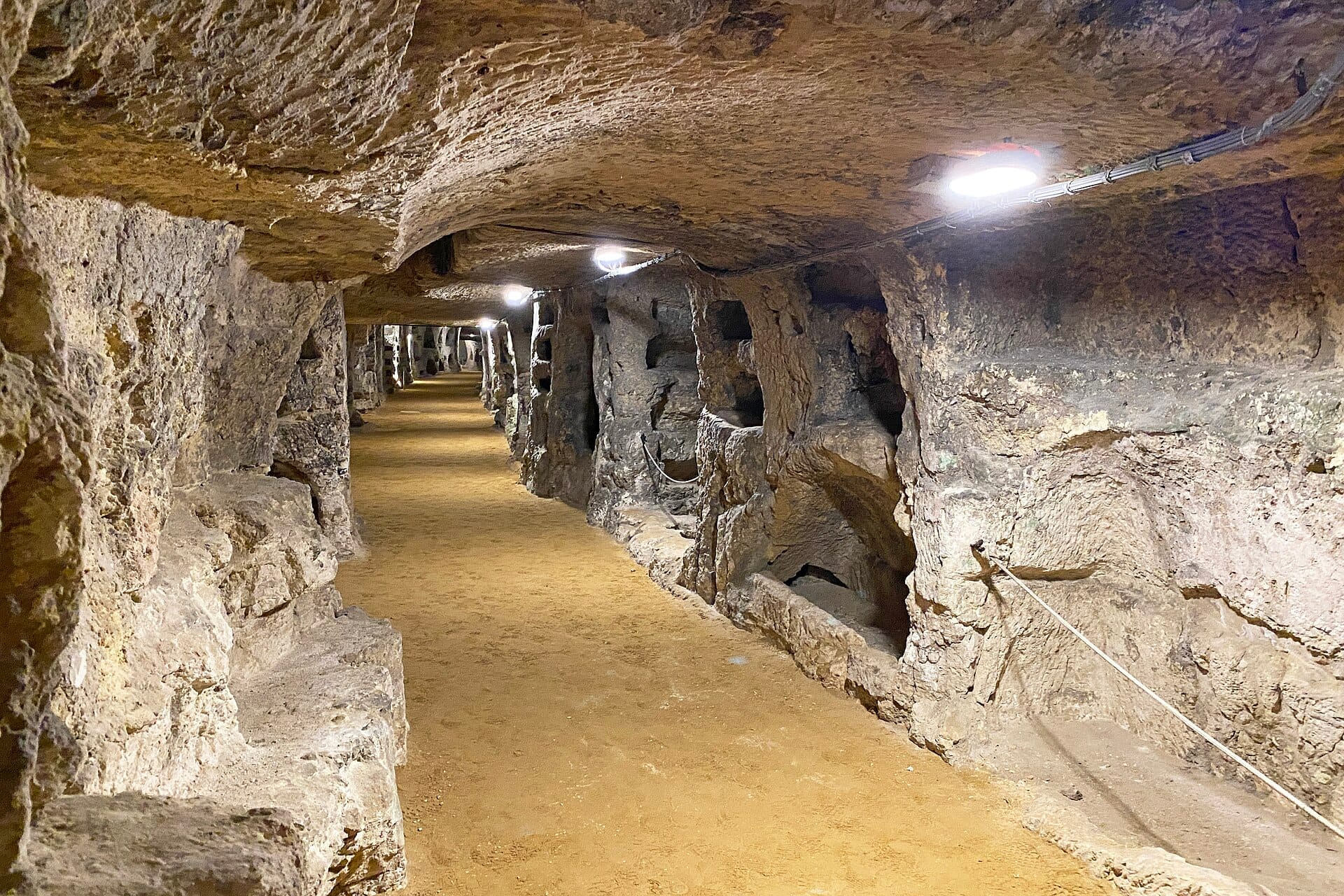
20. Follow Ancient Siracusa Underground at the Catacombs of San Giovanni
Beneath Siracusa, hundreds of metres of early Christian catacombs from the 3rd to 5th centuries AD sit directly above the Greek city. The adjacent ruined church stands on a site where Greek, Roman, and Christian layers are literally stacked. A short stop that puts the Neapolis park in deeper historical sequence.
Explore20. Follow Ancient Siracusa Underground at the Catacombs of San Giovanni
Beneath Siracusa, hundreds of metres of early Christian catacombs from the 3rd to 5th centuries AD sit directly above the Greek city. The adjacent ruined church stands on a site where Greek, Roman, and Christian layers are literally stacked. A short stop that puts the Neapolis park in deeper historical sequence.
Explore💡 Local tip
Combine the Valley of the Temples with the Scala dei Turchi cliffs nearby for a half-day extension. The white marl terraces are a 20-minute drive from Agrigento and make a dramatic contrast to the ancient stone of the temples.
FAQ
What is the most impressive ancient Greek ruin in Sicily?
The Valley of the Temples at Agrigento is widely considered the most outstanding, particularly the Temple of Concordia, which is one of the best-preserved ancient Greek temples in the world. Segesta and Selinunte are close rivals for atmosphere and scale.
When is the best time to visit Sicily's Greek archaeological sites?
April to early June and September to October are the best months. The sites are open-air and largely unshaded, so July and August heat can make long visits uncomfortable. Some sites offer evening openings in summer, which are worth seeking out.
Can I visit multiple Greek sites in one day?
Agrigento alone justifies a full day. On the western circuit, Selinunte and Segesta can technically be combined in one long day by car, but both deserve more time. In the east, the Neapolis Archaeological Park in Siracusa and Taormina's theatre are about 80 km apart by road and can be combined on a two-day loop from Catania.
Is a guided tour necessary to understand the Greek ruins in Sicily?
Not essential, but a local guide adds significant depth at complex sites like Selinunte and the Neapolis park. Audio guides are available at some major sites. Visiting Palermo's Salinas museum before the western sites is a practical alternative, as the Selinunte metopes there provide crucial context.
Are Sicily's archaeological sites accessible by public transport?
Siracusa and Taormina are well-served by train and bus. Agrigento is reachable by train from Palermo and Catania. Selinunte and Segesta are significantly harder to reach without a car; buses run infrequently and schedules change seasonally. A hire car is strongly recommended for the western circuit.