Giardini Naxos: Sicily's Ancient Shore and Modern Beach Escape
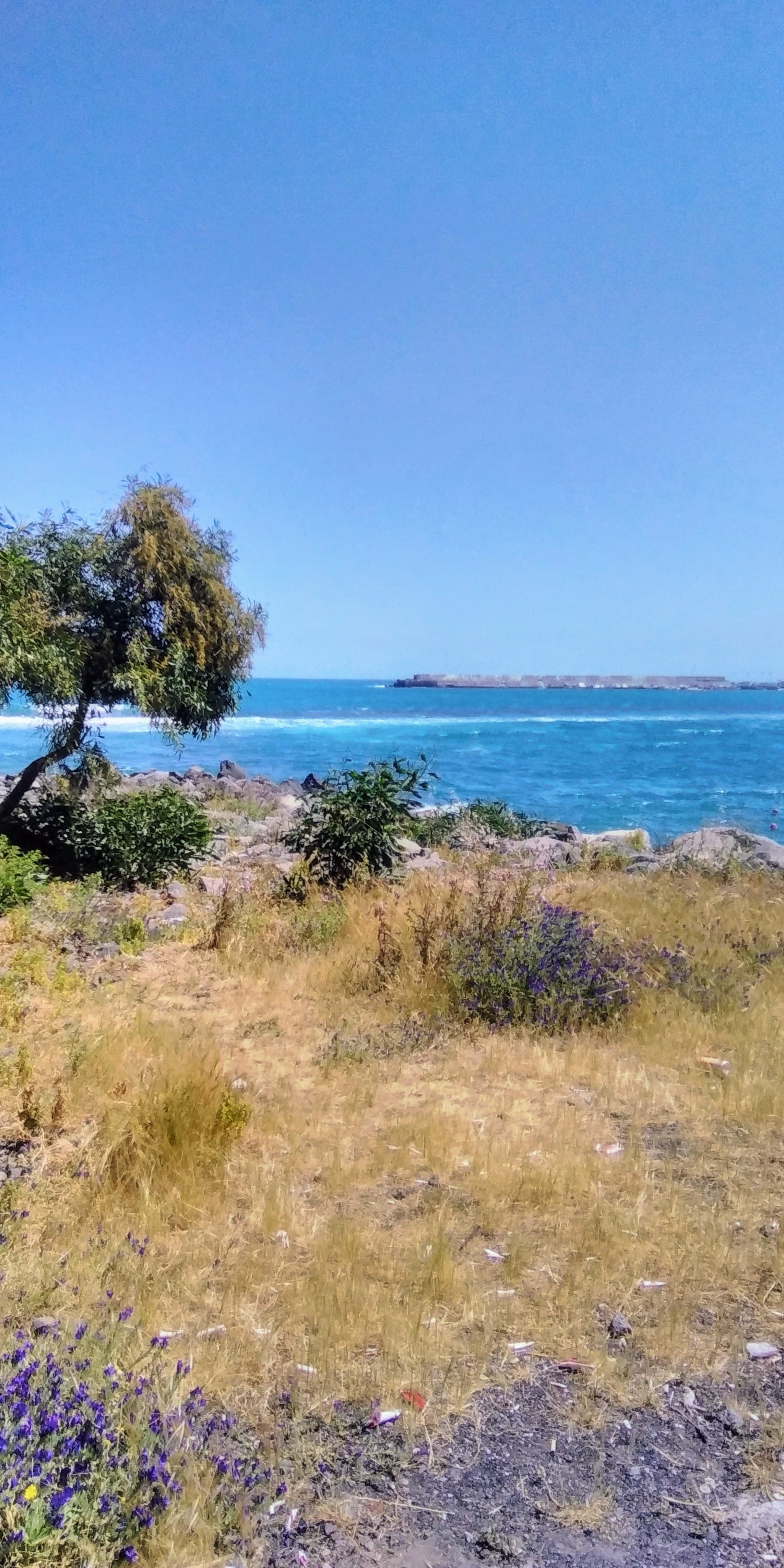
Giardini Naxos sits on a wide Ionian bay just below Taormina, combining some of Sicily's most accessible beach life with the remarkable backstory of Naxos, the island's first Greek colony, founded around 735 BC. The seafront promenade is free to walk, the water is reliably calm, and the archaeological park adds genuine historical weight to what might otherwise look like a straightforward resort town.
Quick Facts
- Location
- Giardini Naxos, Metropolitan City of Messina, Sicily — on the Ionian coast, a few kilometres south of Taormina
- Getting There
- Direct train on the Catania–Messina line stops at Taormina-Giardini station; buses connect to Taormina; roughly 45–60 minutes by car from Catania Airport (CTA)
- Time Needed
- Half a day for beach and promenade; a full day if you include the Archaeological Park of Naxos
- Cost
- Free to enter the town and seafront; lido (beach club) sunbeds and Archaeological Park have separate fees — verify current prices before visiting
- Best for
- Beach days near Taormina, history enthusiasts, families, photographers working the golden-hour seafront light
- Official website
- www.comune.giardininaxos.me.it
What Giardini Naxos Actually Is
Giardini Naxos is a coastal municipality in the Metropolitan City of Messina, sitting in a wide bay on Sicily's eastern shore between the drama of Mount Etna to the south and the Alcantara Valley to the northwest. The town is best understood as two things layered on top of each other: a genuinely significant piece of ancient history and a working Italian beach resort that gets busy from late June through August.
The name carries real weight. This bay is where Greek colonists from Chalcis founded Naxos around 735–734 BC, making it the oldest Greek settlement on Sicily. The modern municipality only adopted the name Giardini Naxos officially in 1978, replacing the older toponym Giardini, as a formal acknowledgment of that heritage. Beneath the hotels and sunbeds, ancient walls, religious structures, and artefacts from the Hellenic and Roman periods remain preserved in the Archaeological Park of Naxos on the southern headland.
ℹ️ Good to know
The town itself is entirely free to explore. Entry fees apply only to the Archaeological Park of Naxos and individual beach clubs (lidos). Confirm current park admission prices directly with the site before your visit, as fees are updated periodically.
The Seafront Promenade: Morning to Evening
The lungomare, the wide seafront promenade, is the spine of Giardini Naxos. It runs for well over a kilometre along the bay, mostly flat and smooth underfoot, lined with cafes, gelaterias, and the entrances to private lidos. In the morning, before 9am, it belongs almost entirely to locals: older residents walk at a deliberate pace, fishermen sort gear near the small boat harbour, and the smell of espresso drifts from bar counters that face the water.
By mid-morning in summer the lidos fill quickly. These private beach clubs are the dominant beach format here: you pay for a sunbed and umbrella, usually as a pair, and gain access to showers and sometimes a poolside bar. Free public beach areas exist but are narrower and more crowded; arriving before 10am gives you options regardless of which you choose. The water in the bay is sheltered enough to be reliably calm, which makes it suitable for children and confident non-swimmers.
Late afternoon shifts the mood. The heat eases, the light turns amber across the water toward Calabria on the mainland, and the promenade refills with a different crowd: families with strollers, couples, and groups of teenagers clustering around the kiosks. This is prime gelato time, and it is worth wandering slightly off the main strip to find smaller bars serving granita, the Sicilian crushed-ice specialty made with almonds, coffee, or fresh fruit.
💡 Local tip
Photography tip: The view from the northern end of the promenade looking southeast captures both the curve of the bay and Taormina's cliff-top silhouette in a single frame. The hour before sunset is the most flattering light for this shot.
Tickets & tours
Hand-picked options from our booking partner. Prices are indicative; availability and final rates are confirmed when you complete your booking.
Taormina and Giardini Naxos boat excursion with an aperitif
From 35 €Instant confirmationFree cancellationSunset Dolphin Watching Boat Tour from Giardini-Naxos
From 45 €Instant confirmationFree cancellationIsola Bella 2-Hour Cruise from Giardini-Naxos
From 40 €Instant confirmationFree cancellationGiardini Naxos, Taormina and Castelmola half-day tour
From 94 €Instant confirmationFree cancellation
The Archaeological Park of Naxos
On the Capo Schiso headland at the southern end of the bay sits the Archaeological Park of Naxos, where excavations have uncovered remains of ancient walls, religious sanctuaries, and street grids from the original Greek settlement. This is the substantive historical attraction in Giardini Naxos and the main reason visitors with an interest in archaeology should extend their stay beyond the beach.
The park includes a museum displaying ceramics, coins, votive objects, and architectural fragments recovered from the site, providing tangible evidence of the colony's roughly three centuries of activity before it was destroyed by Syracuse in 403 BC. For context on how Naxos fits into Sicily's wider Greek heritage, the best Greek ruins in Sicily guide places it alongside better-known sites like Selinunte and Agrigento.
The park is managed separately from the municipality and charges admission. Verify current opening hours and ticket prices directly with the site before visiting, as these are updated periodically. Morning visits are cooler and less crowded; in midsummer, the exposed headland offers limited shade, so bring water and a hat.
⚠️ What to skip
The Archaeological Park of Naxos is a separate ticketed site and is not always open year-round with consistent hours. Check official schedules before planning your visit around it.
Giardini Naxos vs Taormina: How They Fit Together
Most visitors encounter Giardini Naxos as the beach annex of Taormina, which sits on the cliff above at roughly 200–250 metres elevation. Taormina has the spectacular Greek theatre, the boutique-lined Corso Umberto, and the postcard views, but no real beach of its own. Giardini Naxos has the beach, the flat streets, the lower prices, and a noticeably more local atmosphere.
The two are connected by a winding road and by bus; a cable car links Taormina with the Mazzarò bay area on the coast rather than directly with Giardini Naxos. Many visitors staying in Taormina take the cable car down to Giardini Naxos for a beach day and return in the afternoon; conversely, travellers who prefer to stay at sea level and avoid Taormina's sometimes steep prices book accommodation in Giardini Naxos and make day trips uphill. Either approach is practical.
If you are planning a longer stay in the area, it is worth knowing that Isola Bella, a small island nature reserve set in its own bay, sits between Taormina and Giardini Naxos and can be reached by boat from either direction. It makes a natural half-day addition to a Giardini Naxos beach day.
Getting There and Getting Around
Giardini Naxos has its own railway station on the direct line between Catania and Messina, which makes it unusually well connected for a Sicilian coastal town of its size. Trains from Catania take around 40–50 minutes; from Messina roughly 30–40 minutes. The station sits slightly back from the seafront but is walkable to the promenade.
From Catania Fontanarossa Airport (CTA), the most practical options are a direct transfer by car or taxi (roughly 45 minutes, longer in heavy traffic) or a combination of bus and train via Catania Centrale. If you are flying into Catania and planning a wider Sicilian itinerary, the getting around Sicily guide covers transport logistics in detail.
Within the town, everything on and near the promenade is walkable. The seafront is largely flat, which is a practical advantage for visitors with pushchairs or limited mobility — though individual beach clubs and sites vary in their own accessibility provisions, so checking directly with your chosen lido or hotel beforehand is advisable.
When to Visit and What to Expect by Season
The Ionian coast around Giardini Naxos has a classic Mediterranean climate: hot, dry summers and mild, wetter winters. Peak season runs from late June through August, when the lidos operate at full capacity, the promenade is crowded through the evening, and accommodation prices rise sharply. For more detail on how Sicily's seasons compare, the best time to visit Sicily guide is a useful starting point.
May, June, and September offer the most balanced conditions: the sea is warm enough to swim, the lidos and restaurants are open, the promenade is lively without being congested, and daytime temperatures sit in the mid-20s Celsius rather than the low-30s. October remains pleasant for walking and sightseeing, though some lidos begin closing and the town quietens noticeably.
In winter, Giardini Naxos functions primarily as a residential town. Businesses trim their hours or close entirely, the beach clubs disappear, and the promenade has a stripped-down calm that reveals a more genuine side of the place. It is not a winter destination for beach holidays, but off-season visits pair well with Taormina's year-round attractions and the area's archaeological sites.
💡 Local tip
If you are visiting in July or August, arrive at the beach before 9:30am to secure a sunbed at a lido without a reservation. Many lidos accept online pre-booking during peak season — worth doing if you have a specific preferred spot.
Eating and Drinking on the Seafront
The promenade and the streets directly behind it have a dense concentration of restaurants and bars, ranging from pizzerias aimed at tourist turnover to small trattorias serving fresh Ionian fish. Quality varies considerably. The best approach is to walk one block back from the seafront, where pricing is lower and kitchens tend to take more care with their food.
Swordfish (pesce spada) and local red prawns (gamberi rossi) appear frequently on menus here, sourced from the Strait of Messina and nearby waters. Pair either with local white wine from the slopes of Etna for a combination that makes genuine sense geographically. Sicily's food culture runs deep along this coast, and the Sicily food guide covers what to order and where to look in more detail.
Granita con brioche, the Sicilian breakfast of crushed-ice flavoured with almonds or fruit served with a soft brioche bun, is non-negotiable. Several bars on the promenade serve it well, but again the less-designed spots away from the main tourist drag tend to use better base ingredients.
Insider Tips
- The cable car from Taormina runs to the Mazzaro area on the coast, which lies between Taormina and Giardini Naxos and is slightly north of the main Giardini promenade. From Mazzaro, it is a short walk south along the shore to reach the Giardini Naxos seafront proper. Factor in this extra leg when planning connection times.
- The northern end of the bay, near the small harbour, has a cluster of fishing boats and is the quietest stretch of the promenade regardless of season. It is the best spot for early-morning coffee with water views and zero tourist pressure.
- If you want to visit the Archaeological Park of Naxos with a guide rather than solo, ask your hotel in advance: local guides based in Giardini Naxos or Taormina can often arrange accompanied visits that bring the site's layered history into focus far more clearly than signage alone.
- Parking in Giardini Naxos during peak season (July–August) is genuinely difficult. If you are driving from Taormina or nearby, consider taking the bus or cable car combination instead and saving the car for destinations with less competition for spaces.
- The view of Etna from the southern end of the Giardini Naxos promenade, near Capo Schiso, is one of the cleaner volcano-meets-sea compositions on the eastern coast. Early morning, when the peak is clear of cloud and the water is glassy, is the most reliable window for this.
Who Is Giardini Naxos For?
- Travellers staying in Taormina who want a proper beach day without a long journey
- Families with young children looking for calm, sheltered Ionian waters and a flat promenade
- History enthusiasts wanting to pair a beach visit with Sicily's oldest Greek colonial site
- Visitors who prefer staying at sea level with lower accommodation costs and a more local atmosphere than clifftop Taormina
- Photographers working the Etna-seafront-bay composition in evening or early morning light
Nearby Attractions
Other things to see while in Taormina:
- Castelmola
Castelmola sits on a rocky peak above Taormina, offering panoramic views over the Ionian Sea, the smoking cone of Etna, and the coastline below. A small Norman-era village with castle ruins, medieval churches, and far fewer crowds than the resort town it overlooks, it rewards the effort of getting up here.
- Corso Umberto
Corso Umberto I is Taormina's main pedestrian street, stretching roughly one kilometre between Porta Messina and Porta Catania. It follows the line of an ancient Greco-Roman road and passes through layers of Arab, Norman, Gothic, and Baroque architecture. Access is free and the street is open at all hours, though the experience changes dramatically depending on when you arrive.
- Greek Theatre of Taormina
The Teatro Antico di Taormina is one of Sicily's most spectacular ancient sites, combining Greek and Roman architecture with an unmatched backdrop of Mount Etna and the Ionian Sea. Cut into the rock of Monte Tauro in the 3rd century BC, this theatre is still in active use today. Here is everything you need to plan a visit that lives up to the setting.
- Isola Bella
Isola Bella is a tiny protected islet just off the Mazzarò coast below Taormina, connected to the mainland by a narrow strip of land that can be submerged depending on tides. Once a private retreat, it is now a Regional Naturalistic Nature Reserve with a small museum inside a restored villa. The surrounding coves offer some of the clearest water on Sicily's Ionian coast.