Ustica Island: Sicily's Volcanic Outpost and Marine Reserve
A small volcanic island in the Tyrrhenian Sea, roughly 67 kilometres north of Palermo, Ustica is best known for the extraordinary clarity of its protected waters and a rugged coastline of sea caves, cliffs, and lava arches. Italy's first Marine Protected Area was established here in 1986, and that legal designation has defined what Ustica is today: a destination where the underwater world is the main event.
Quick Facts
- Location
- Tyrrhenian Sea, ~67 km north of Palermo, Metropolitan City of Palermo, Sicily, Italy
- Getting There
- Ferry or hydrofoil from Palermo's port (Stazione Marittima); journey time varies by service and sea conditions
- Time Needed
- Minimum 2 days to appreciate the marine reserve and coastline; 3–5 days for a relaxed stay
- Cost
- No island admission fee; main costs are ferry/hydrofoil tickets and paid diving or snorkelling excursions (verify current fares with ferry operators)
- Best for
- Divers, snorkellers, hikers, photographers, and travellers wanting genuine quiet away from mass tourism
- Official website
- www.visitsicily.info/en/localita/ustica
What Ustica Actually Is
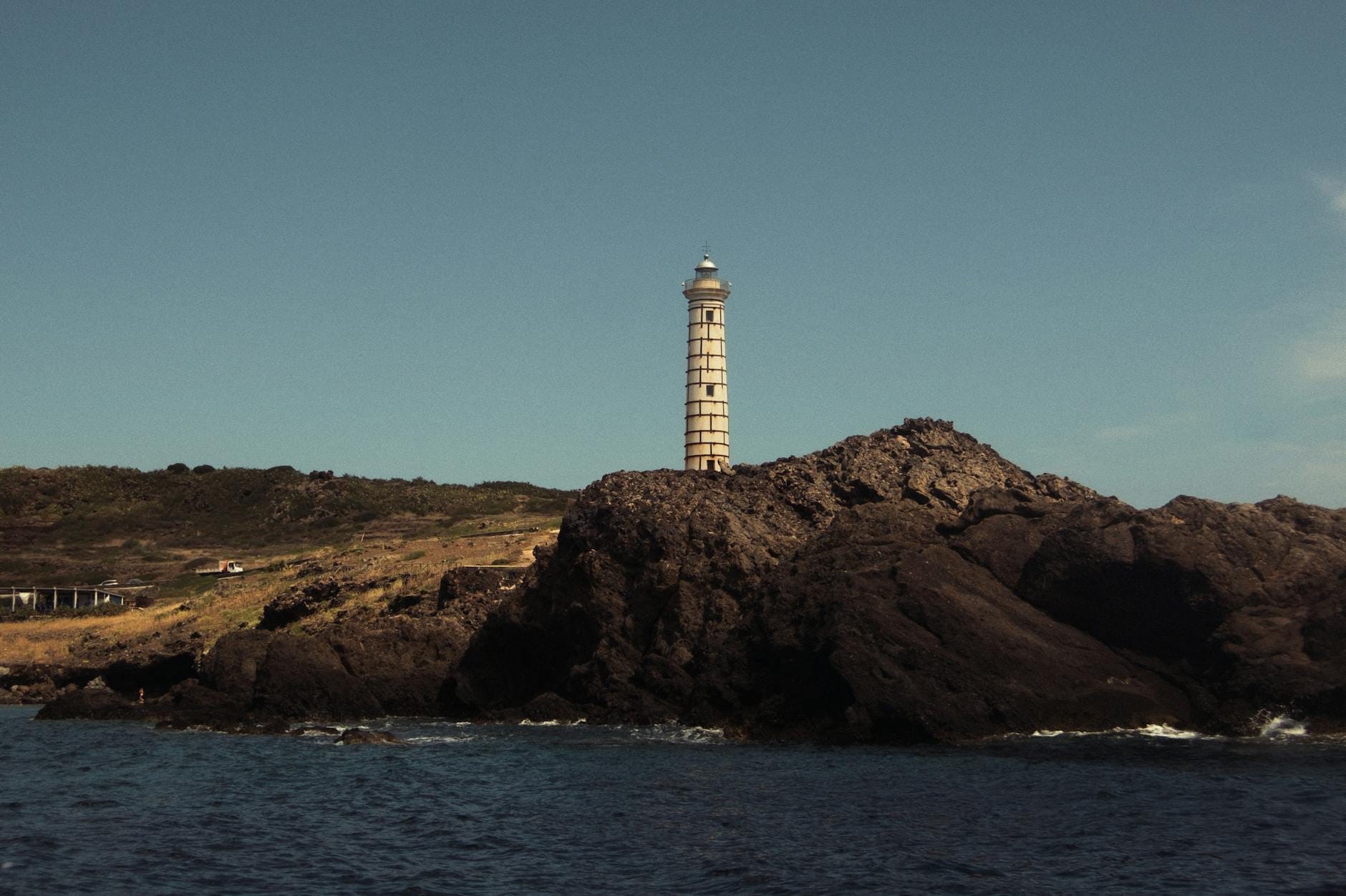
Ustica Island is a compact volcanic outcrop of roughly 8.6–8.7 square kilometres in the Tyrrhenian Sea, administered as a municipality within the Metropolitan City of Palermo. Its surface area is dominated by two volcanic hills, Punta Maggiore at about 248 metres and Guardia dei Turchi at about 244 metres, and its approximately 12 kilometres of coastline alternate between sheer basalt cliffs, sea caves worn into the lava, and small coves of pale gravel. There are no sandy beaches to speak of, which is worth knowing before you arrive.
The population is small, concentrated in a single town on the island's eastern side. In summer that population multiplies considerably with Italian visitors, most of them repeat visitors who have been coming for years. Ustica does not attract the same international crowd as, say, the Aeolian Islands, which means the atmosphere remains low-key even at peak season.
What draws people here is the water. In 1986 the Italian government designated the surrounding sea as the country's first Marine Protected Area, covering approximately 15,000 hectares (150 km²) across three zones with different levels of restriction. That protection has had a measurable effect: the fish populations are dense, the water is among the clearest in the central Mediterranean, and the underwater topography, which includes lava tubes, submerged arches, and drop-offs colonised by gorgonian fans, is genuinely exceptional. For context on how Ustica fits within the broader island-hopping options off Sicily's coast, see our Sicily island hopping guide.
The Marine Protected Area: Zones and What They Mean for Visitors
The Riserva Naturale Marina di Ustica divides the sea around the island into three zones. Zone A is a strict no-take reserve where fishing is prohibited and access is highly restricted, with only authorised scientific activities permitted. Zones B and C allow progressively more access, including recreational diving and snorkelling with appropriate permits or through licensed operators. If you plan to dive, you must go through one of the island's registered diving centres, which handle the necessary authorisations as part of their service. Attempting to free-dive or snorkel independently in restricted zones can result in fines.
⚠️ What to skip
Zone regulations and permit requirements for diving and snorkelling are managed by the Marine Protected Area authority (AMP Ustica). Confirm which zones require guided access before booking, as rules can change between seasons.
The underwater experience varies considerably by zone and depth. Shallow snorkelling in permitted areas reveals posidonia seagrass meadows and schools of bream within minutes of entering the water. Deeper dives along the volcanic walls, where the rock is colonised by red and yellow gorgonians, require more experience and planning. The visibility on calm days typically ranges around 30 metres and can exceed this, and the water temperature in summer typically ranges between 24 and 27 degrees Celsius at the surface.
Morning dives, typically departing between 8:30 and 9:00 from the port, benefit from calmer sea conditions and the best light for underwater photography. By early afternoon the wind tends to pick up from the northwest, which can make the western side of the island choppy. Experienced divers and those interested in night dives should ask operators about evening departures, which have a different character entirely: octopus, moray eels, and lobster are far more visible after dark.
Tickets & tours
Hand-picked options from our booking partner. Prices are indicative; availability and final rates are confirmed when you complete your booking.
Etna South Upper Craters Guided Excursion from Taormina
From 42 €Instant confirmationFree cancellationTaormina private tour with an expert guide
From 42 €Instant confirmationFree cancellationIsola Bella boat tour and snorkeling
From 55 €Instant confirmationFree cancellationSyracuse and Ortygia Island guided tour from Taormina
From 65 €Instant confirmationFree cancellation
The Coastline and Overland Paths
Ustica's interior and coastline can be explored on foot or by hiring a small electric vehicle or scooter from the port area. A coastal path circuits much of the island, connecting viewpoints, coves, and the various access points for sea entry. The full loop commonly takes walkers around three hours, though the terrain is uneven and the midday heat in July and August makes an early start advisable.
The western and northern coastlines offer the most dramatic scenery: sheer basalt faces dropping directly into deep water, sea arches passable by kayak or small inflatable, and occasional lava tubes that descend into the sea. The Grotta Azzurra, Ustica's version of the famous Capri cave, can be reached by boat in calm conditions and produces a similar effect of refracted blue light, though it sees far fewer visitors than its Campanian equivalent.
💡 Local tip
Wear proper walking shoes on the coastal path. The lava rock is abrasive and uneven, and trail quality varies. Bring more water than you think you need; there are limited points to refill once you leave the town.
From the summit of Guardia dei Turchi on a clear morning, which is most mornings in summer, the views extend south to the faint outline of Monte Pellegrino above Palermo and, on exceptional days, as far as the nearer Aeolian Islands to the northeast. The climb from the town takes roughly 40 minutes and is most rewarding in the first hour after sunrise, when the light is soft and the few other walkers have not yet set out.
History Layered into a Small Rock
Human presence on Ustica stretches back to the Paleolithic period, and the island's small archaeological museum contains material evidence of contacts with Greek, Phoenician, and Roman civilisations. The island's name is thought to derive from the Latin word 'ustum' ("burned" or "scorched"), a reference to its volcanic character that has been in use for at least two thousand years.
The island's more recent history is complicated. Ustica was used as a place of internal exile by successive Italian governments through the nineteenth century and into the twentieth, including during the Fascist period. The last wave of political prisoners left in the 1960s. Some of their quarters have been incorporated into a small museum within the town, which gives the island an unusual layer of historical gravity that surprises visitors who come only for the sea.
Ustica's name also entered international news in 1980, when an Itavia DC-9 aircraft was destroyed over the Tyrrhenian Sea near the island, killing all 81 people on board. The cause remains disputed. A memorial to the victims stands on the island. For travellers connecting Ustica to the wider context of a Palermo-based trip, the Palermo area offers considerably more historical depth across a range of periods.
When to Go and How Weather Shapes the Experience
The ferry and hydrofoil services from Palermo increase significantly in frequency from June through September, when the island receives the majority of its visitors. July and August are the peak months: accommodation fills early, the few restaurants operate at capacity in the evenings, and the best snorkelling spots around the Punta dello Spalmatore area have more people in the water. The experience is still a long way from crowded by Mediterranean resort standards, but booking accommodation several weeks in advance is necessary in high summer.
June and September offer a sensible compromise. The water is warm enough for extended snorkelling and diving, the ferry schedule is still reliable, and the island has more breathing room. October sees a noticeable reduction in services as the island moves toward its quieter winter rhythm, and rough sea days become more frequent, occasionally disrupting the ferry connection.
ℹ️ Good to know
Ferry crossings to Ustica can be cancelled or delayed due to adverse sea conditions, particularly outside summer. Build flexibility into your schedule if visiting in spring or autumn, and confirm your return crossing the day before departure.
For a broader view of which months suit different types of travel in Sicily, the best time to visit Sicily guide covers seasonal trade-offs across the region.
Getting to Ustica: The Practical Detail
All access to Ustica is by sea from Palermo's Stazione Marittima. Ferry services are operated by Siremar (Gruppo Caronte and Tourist) and hydrofoil services by Liberty Lines, though operators and schedules should be confirmed directly with providers before travel, as these change seasonally. The hydrofoil crossing takes approximately 75–90 minutes under normal conditions; the conventional ferry takes longer (up to about 2.5–3 hours). Both services dock at Ustica's small port on the eastern side of the island.
There is no airport on Ustica and no plan for one, given the island's size and topography. The port is a short walk from the town centre, where the majority of accommodation, restaurants, and diving centres are concentrated. Within the island, a small road circles the developed areas and connects to the coastal path network. There is only a very limited public bus service; most visitors hire scooters, electric vehicles, or bicycles from operators near the port.
If you are arriving in Sicily from elsewhere, Palermo Airport (IATA: PMO) at Punta Raisi is the natural starting point before taking the ferry. For orientation within Palermo before or after your trip to Ustica, our day trips from Palermo guide covers the options around the city.
Eating, Staying, and Practical Logistics
The food offer on Ustica is modest in range but consistent in quality. The island's restaurants concentrate on fish, much of it landed locally when allowed under marine-reserve rules, prepared simply. Sea urchin pasta appears on most menus when in season. Prices at restaurants reflect the island's remote position and the cost of bringing supplies across by boat. Budget travellers should note that groceries are available but limited in selection, and self-catering has a ceiling imposed by what the small supermarket stocks.
Accommodation ranges from small hotels and pensioni to rental rooms within private houses. There is nothing approaching a resort hotel on the island. The narrow streets of the town are lit at night but not brightly; bringing a small torch is useful if your accommodation is away from the main piazza. Mobile coverage exists on the island but can be intermittent at the more remote points on the coastal path.
Photography note: the volcanic rock produces high contrast under midday sun, which is unflattering for both landscape and underwater shots. Overcast mornings, which are not uncommon in early summer, produce softer and often more interesting light above water. Underwater, an action camera with a red filter or dedicated underwater housing makes a significant difference in capturing the colours of the gorgonians at depth.
Insider Tips
- Book your return hydrofoil before your outward crossing, especially in July and August. Return services fill quickly, and being stranded for an extra day is not always as pleasant as it sounds when accommodation is scarce.
- The northern coves around Punta dello Spalmatore are the most popular snorkelling areas, but the less-visited southern coast between Punta Cavazzi and Punta San Paolo can be reached on foot and is often uncrowded even in August.
- Diving centres on the island typically offer an introductory dive for non-certified visitors, which is the most practical way to experience the deeper underwater terrain if you do not hold a PADI or equivalent qualification.
- The small archaeological and ethnographic museum in town is worth an hour on a rest day or on arrival before you have oriented yourself. It provides useful context for the island's long human history and is not well publicised.
- Bring cash. Card payment is accepted in some restaurants and at larger diving centres, but the island's smaller businesses, rental operators, and some accommodation providers prefer or require cash.
Who Is Ustica Island For?
- Certified divers looking for protected, high-visibility sites with genuine marine biodiversity
- Snorkellers seeking clear, calm water without the boat traffic common at larger resort islands
- Hikers and photographers who want dramatic volcanic coastal scenery with minimal crowds
- Repeat Sicily visitors who have seen the major sites and want a contrasting slow-paced island stay
- Couples or small groups comfortable with limited nightlife and infrastructure in exchange for natural beauty
Nearby Attractions
Other things to see while in Palermo:
- Ballarò Market
Stretching through the Albergheria district from Piazza Ballarò to Corso Tukory, the Mercato di Ballarò is Palermo's oldest continuously operating street market, with roots tracing back over a thousand years to Arab rule. It is free to enter, open daily, and unlike anything else in Sicily for raw atmosphere, local produce, and street food.
- Catacombs of the Capuchins
Below a quiet convent on the western edge of Palermo's historic centre, the Catacombs of the Capuchins hold one of the most extraordinary collections of preserved human remains anywhere in the world. Around 2,000 mummified bodies and skeletons line stone corridors carved from tuff rock, dressed in period clothing and arranged by profession, gender, and social status. It is an intimate, unsettling, and genuinely thought-provoking encounter with how a Mediterranean culture once confronted death.
- Church of the Martorana
Built in 1143 by a Norman admiral and decorated by craftsmen from Constantinople, the Church of the Martorana contains some of the most important Byzantine mosaics in the western Mediterranean. It sits on Piazza Bellini in Palermo's historic center, part of a UNESCO World Heritage site, and rewards visitors who arrive early and look up.
- La Kalsa
La Kalsa is Palermo's oldest neighborhood, founded by Arab rulers in the 9th century as the city's administrative heart. Today it is a layered district of crumbling palazzi, Baroque churches, art-filled piazzas, and some of Palermo's most atmospheric street life. Free to explore and walkable in half a day, it rewards those who slow down.