Sicily on a Budget: How to Visit Without Overspending
Sicily is one of the most rewarding destinations in the Mediterranean, and it doesn't have to cost a fortune. This guide breaks down real daily costs, the cheapest times to visit, where to eat well for under €10, and how to see the island's best sights without draining your account.
Plan and book this trip
Tools from our partner Travelpayouts help you compare flights and hotels. If you book through them, we may earn a commission at no extra cost to you.
Flights
Hotels map
TL;DR
- Budget travelers can manage comfortably on €40–€100 per day using hostels, street food, and public transport — Sicily is significantly cheaper than northern Italy.
- Shoulder seasons (April–May and September–October) offer the best value: tolerable heat, lower prices, and far fewer crowds than high summer.
- The biggest costs are accommodation and car rental — both can be cut dramatically with advance booking, local rental firms, and staying in smaller towns.
- Sicily's food culture works in budget travelers' favor: street food, markets, rosticcerie, and fixed-menu trattatorie all deliver serious quality at low prices. See our Sicily street food guide for the best options.
- Many of Sicily's most spectacular sights — Greek temples, baroque town centers, volcanic landscapes — are free or low-cost to visit.
Is Sicily Expensive? The Honest Answer
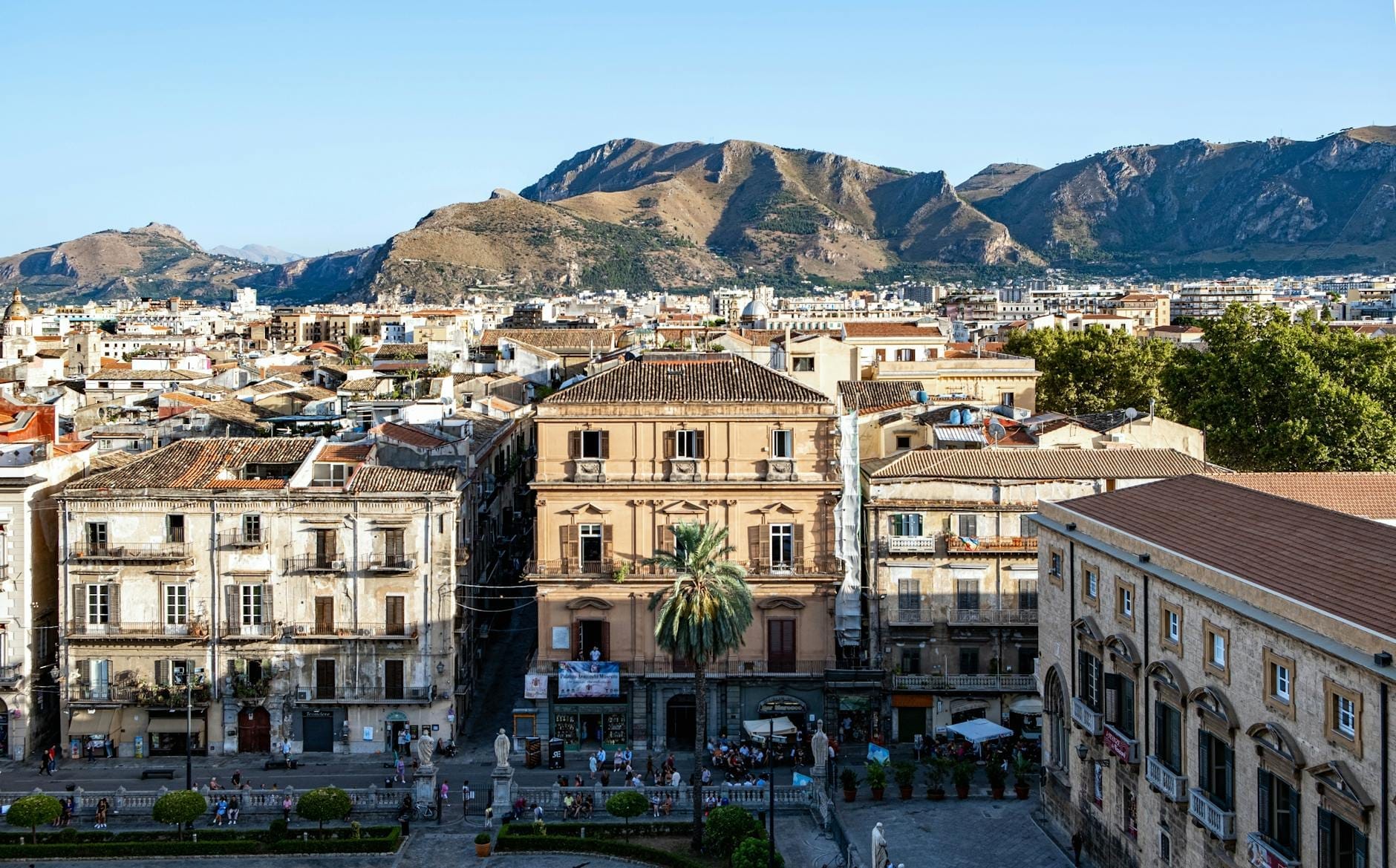
Sicily has a reputation that doesn't match reality for most travelers. Compared to Rome, Florence, or the Amalfi Coast, Sicily is noticeably more affordable across almost every category: food, accommodation, entry fees, and transport. That said, costs have risen in recent years, and high season in tourist hotspots like Taormina or the Aeolian Islands can genuinely sting if you're not careful.
The island spans a wide price spectrum. A backpacker staying in hostel dorms, eating at markets and rosticcerie, and moving by bus or train can realistically spend €40–€100 per day. A couple traveling independently, staying in mid-range B&Bs, and eating at sit-down trattatorie should budget around €130–€180 per day combined. For context, the equivalent trip in Tuscany or on the Amalfi Coast would cost considerably more. For a broader look at what to expect, the case for visiting Sicily covers what the island actually delivers for the money.
ℹ️ Good to know
Sicily uses the euro (EUR). Italy is part of the Schengen Area, and standard EU rules apply for entry. Emergency services are reached on 112. Tap water is generally safe to drink in urban areas — public fountains marked 'acqua potabile' are your free water source throughout the island.
Daily Budget Breakdown: What Things Actually Cost
Here's what to realistically expect across the main spending categories, based on 2025–2026 conditions. Prices in coastal resort towns and during July–August peak season will trend toward the upper end of each range.
- Accommodation (per person) Hostel dorm beds: €15–€30/night. Basic private rooms in B&Bs or guesthouses: €35–€65/night. Mid-range hotels: €70–€130/night. Prices drop significantly outside Palermo, Catania, and Taormina.
- Food and drink Street food snack (arancina, pane e panelle, sfincione): €1.50–€4. Full meal at a rosticceria or market: €5–€10. Fixed lunch menu at a simple trattoria: around €12–€18 including wine. Espresso at a bar: €1–€1.50. Supermarket lunch supplies for two: €6–€10.
- Transport Intercity bus (e.g., Palermo to Agrigento): €5–€12 one way. Regional train (e.g., Catania to Syracuse): €7–€12. Car rental from local firms (Locauto, Sicily by Car): €300–€500/month in shoulder season with advance booking, or €25–€50/day for short periods. Fuel adds to car costs.
- Sightseeing Valley of the Temples (Agrigento): €14 standard. Greek Theatre of Taormina: €14 standard. Villa Romana del Casale (Piazza Armerina): around €10. Many churches, baroque town centers, viewpoints, beaches, and markets: free. EU citizens under 18 often enter state archaeological sites free.
⚠️ What to skip
Avoid searching Google Maps for 'ristorante' if you're watching costs. Restaurants with that label in tourist areas often charge €20–€35 per person before drinks. Search instead for 'trattoria', 'osteria', 'rosticceria', or 'gastronomia' to find where locals actually eat.
When to Go for the Best Value
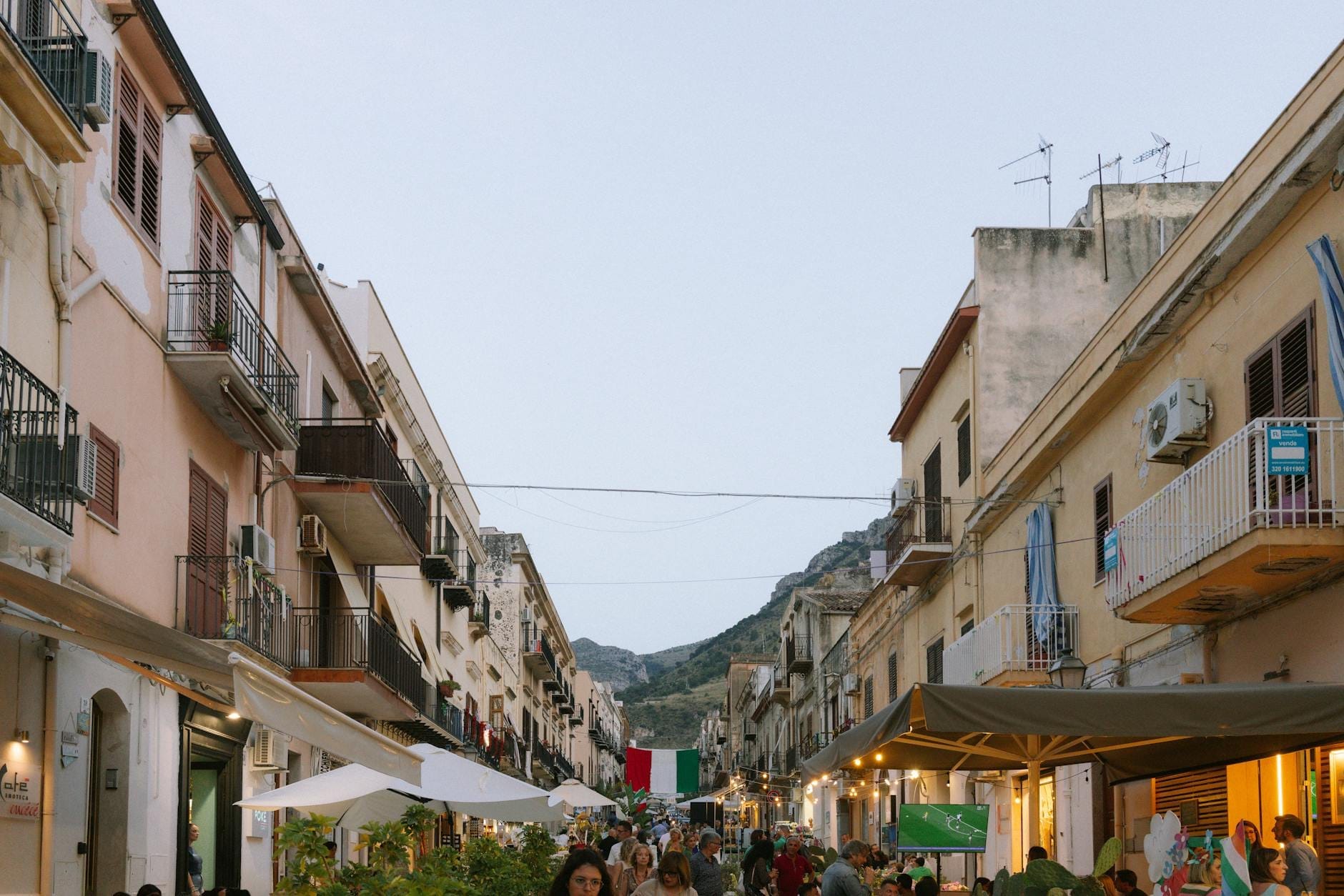
Timing your visit is the single biggest lever you can pull on a Sicily budget. The island's Mediterranean climate means summers are reliably hot and dry, but that predictability also drives peak-season pricing from late June through August, when airfares, room rates, and ferry prices all climb sharply.
The sweet spot for value is the shoulder season, specifically late April through early June and September through mid-October. Temperatures are warm enough for beaches (sea temperatures are comfortable by May and stay warm well into October), but accommodation costs 20–40% less than in August. Crowds at major sites like the Valley of the Temples and the Greek Theatre in Taormina are also far more manageable.
The last week of May through the third week of June deserves special mention. Daylight hours are long, beaches are open and warm, and the island hasn't yet hit peak summer pricing. This window consistently offers some of the best value on the island. If you have total flexibility, November through March has the lowest prices of all, though some coastal towns feel quiet and a few seasonal businesses close. Winter suits cultural tourism and food-focused trips rather than beach holidays.
✨ Pro tip
Book flights and accommodation 2–3 months in advance for shoulder season trips. Last-minute booking works better in winter but backfires in summer, when even mid-range rooms sell out in popular areas. Ryanair and Wizz Air serve both Palermo (PMO) and Catania (CTA) from numerous European cities, often at very low fares booked early.
Eating Well Without Spending Much
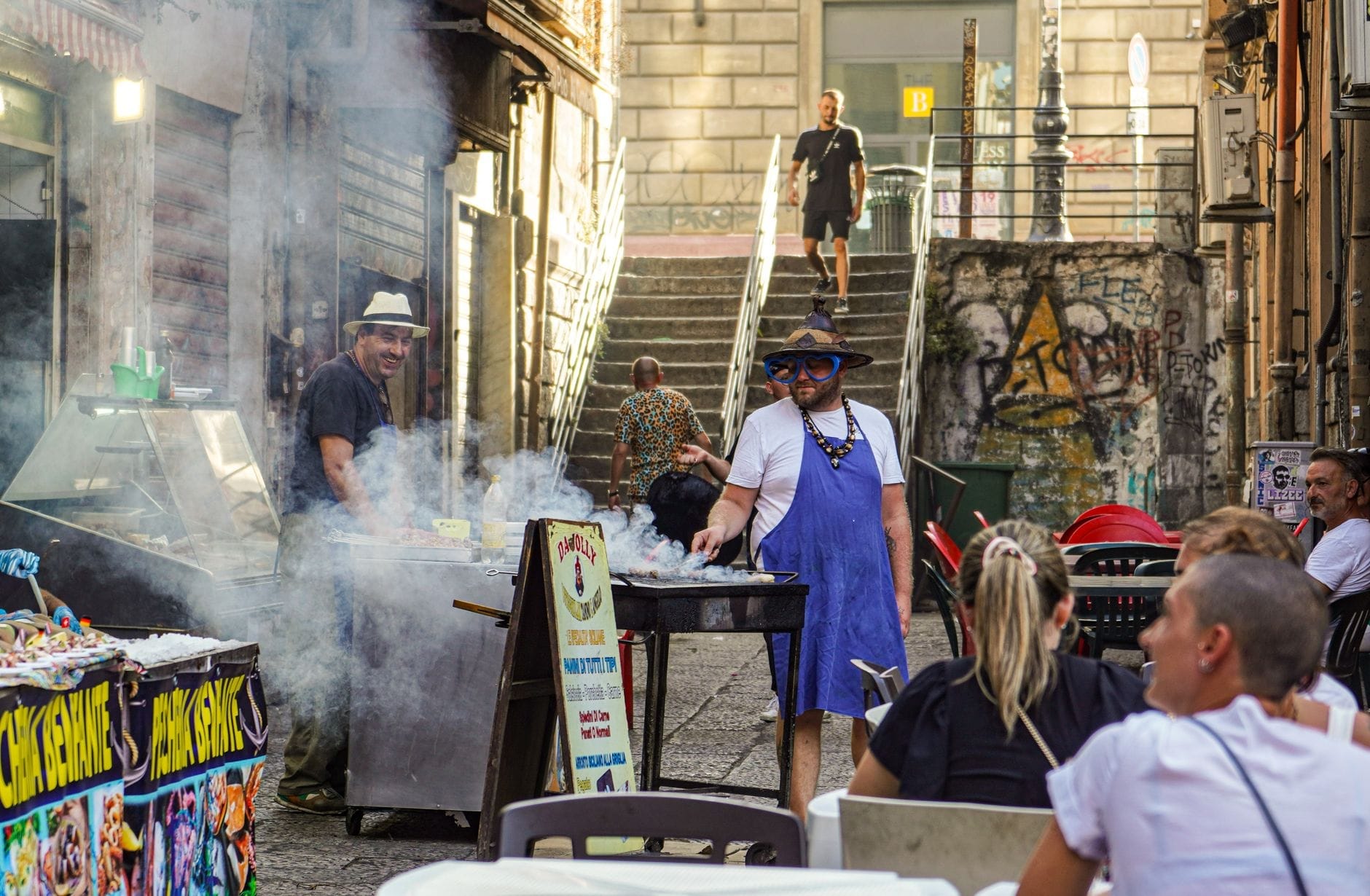
Sicily's food culture is genuinely built for budget eating. The island's street food tradition isn't a tourist gimmick — it's how people have eaten here for centuries, and the quality is exceptional. In Palermo's markets, a meal of pane e panelle (chickpea fritter sandwich), a stuffed arancina, and a fresh cannolo can come to under €7 and outclass a €25 tourist-restaurant plate.
The key is knowing where to look. Ballarò market in Palermo is the island's most atmospheric food market and one of its cheapest places to eat: cooked-food stalls sell hot dishes, grilled offal, fresh produce, and pastries at prices that barely register. The Catania fish market (La Pescheria) is equally worth a morning visit for breakfast, people-watching, and cheap snacks, even if you're not buying fish to cook.
For sit-down meals, look for a fixed-price lunch menu (menù fisso or menù del giorno) at family-run trattatorie and agriturismi. These typically run €12–€18 for two or three courses with bread and often a carafe of house wine. The kitchen sources locally, portions are generous, and you're usually eating alongside working Sicilians rather than other tourists. Dinner at the same type of place costs a bit more, but it's still far cheaper than anything marketed as a 'restaurant experience.'
Self-catering cuts costs further. Weekly markets in most towns sell seasonal produce — tomatoes, aubergines, citrus, peppers, fresh cheese — at prices well below supermarket rates. Two people cooking most meals from market produce and local shops can keep food costs under €15 per day without any sacrifice in quality. Sicily's olive oil, canned tuna, capers, and dried pasta are all exceptional and inexpensive from local suppliers.
Getting Around Sicily on a Budget
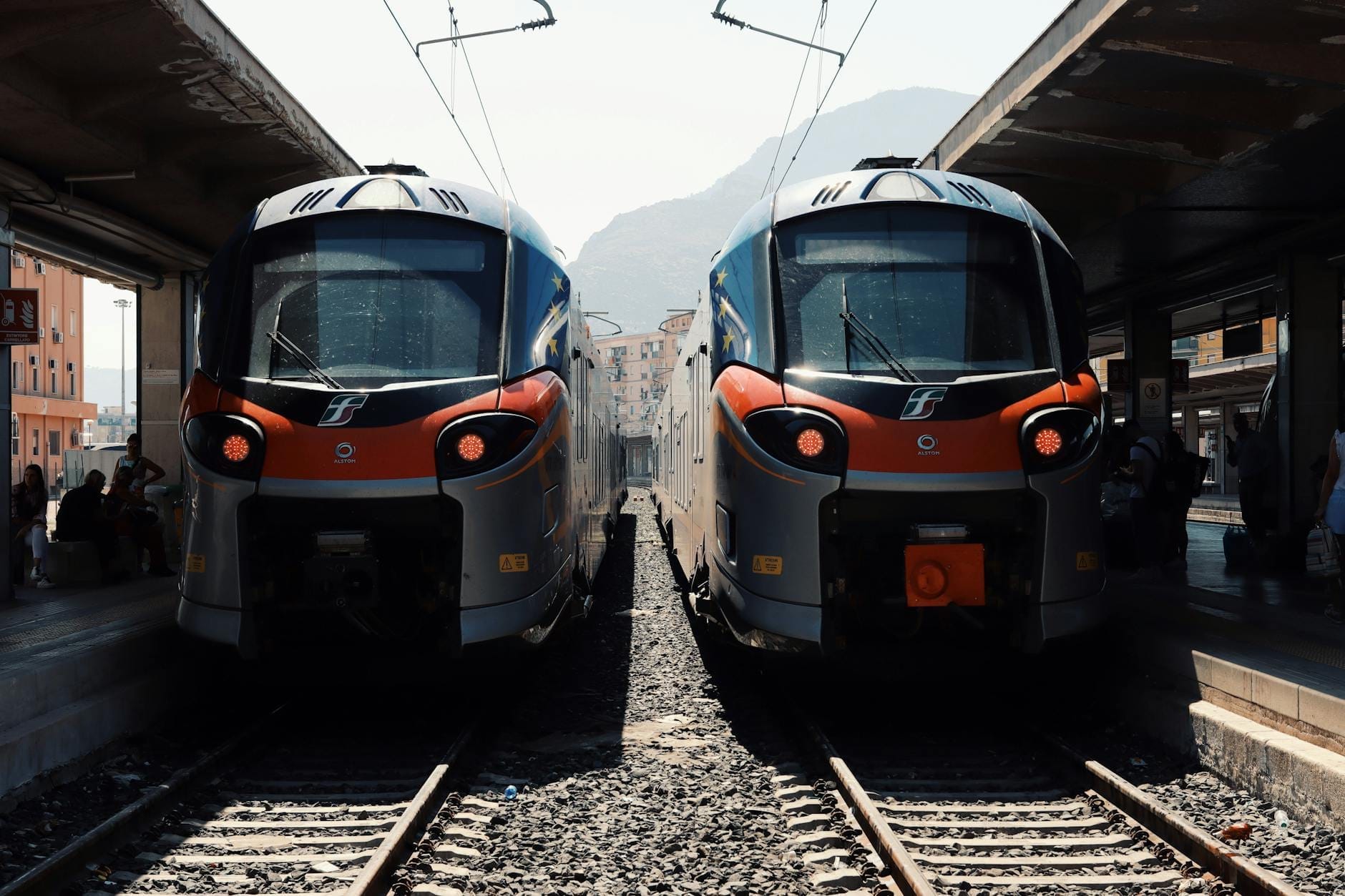
Transport is where many travelers overspend without realizing it. Renting a car is genuinely useful for reaching smaller towns, rural sites like the Villa Romana del Casale or the Zingaro Nature Reserve, and for touring the interior at your own pace. But for a trip focused on Palermo, Catania, Syracuse, and Agrigento, public transport covers everything adequately and costs a fraction of the price.
Trenitalia's regional network connects Palermo, Catania, Messina, Syracuse, and Agrigento by train. Intercity buses (operated by SAIS Autolinee, AST, and Interbus, among others) fill the gaps where rail is slow or absent. Buses are often faster than trains on certain routes due to Sicily's mountainous interior. Tickets are cheap — most intercity journeys cost under €12 — and schedules, while not always frequent, are sufficient for a week-long itinerary built around them.
If you do rent a car, book through local firms like Locauto or Sicily by Car rather than international chains. Rates through local operators in shoulder season can reach €300–€500 per month for a small car with unlimited mileage, compared to €50–€80 per day from major international companies at the airport. Book well in advance, read the insurance terms carefully, and note that the ZTL (limited traffic zones) in historic centers like Palermo and Syracuse carry automatic fines if you drive in them without authorization.
Free and Low-Cost Sights Worth Prioritizing
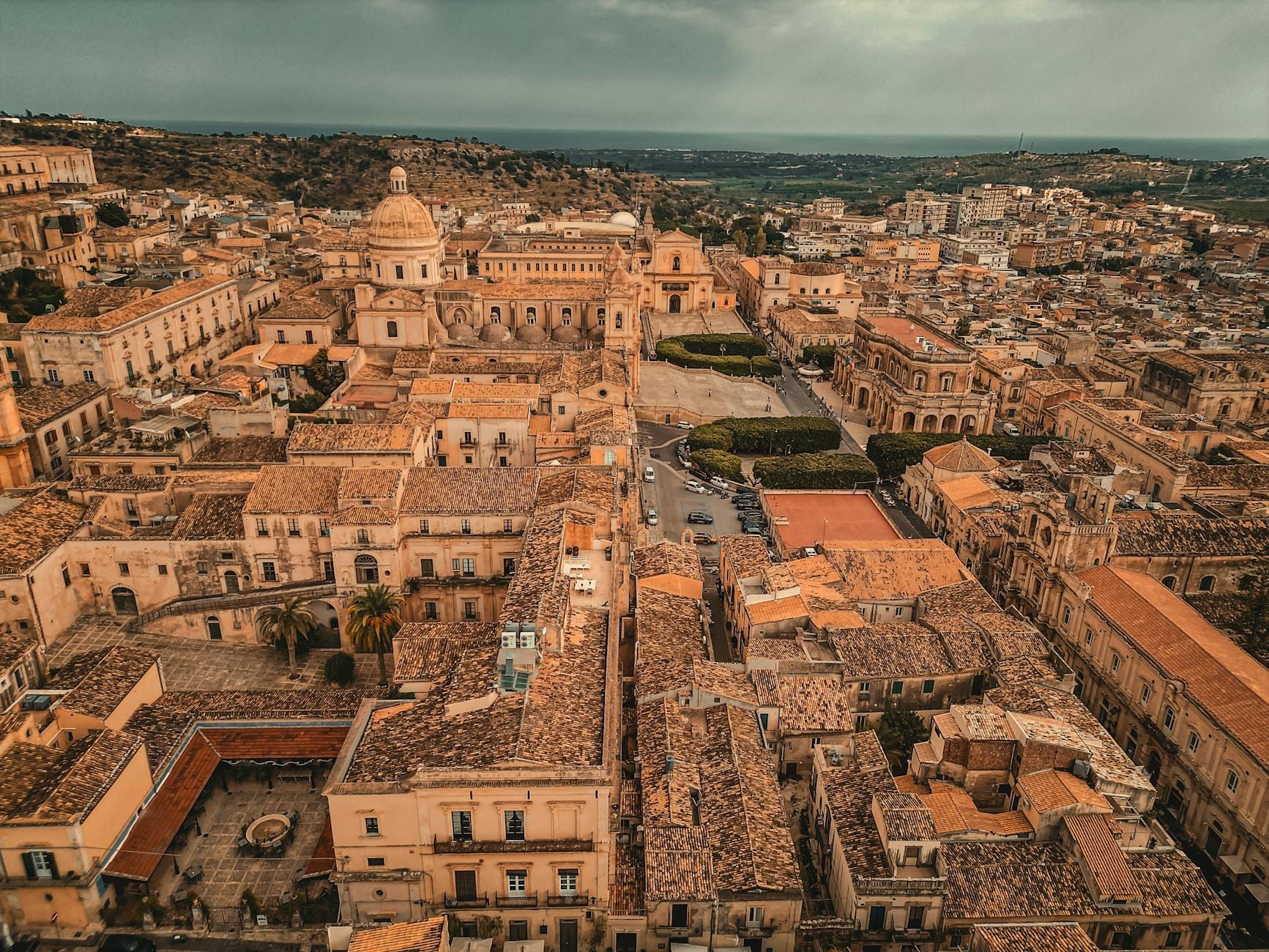
Some of Sicily's finest experiences cost nothing or very little. This is not a compromise — it's simply what the island offers. Baroque town centers, volcanic landscapes, cliff-top viewpoints, and ancient sites visible from public roads are all part of the fabric of Sicily that no entry fee can gate off.
- Palermo's Arab-Norman architecture The exterior of the Norman Palace, Palermo Cathedral, and the church of San Giovanni degli Eremiti can all be seen without paying. Entry to interior spaces like the Palatine Chapel costs €12–€15, but the streetscapes are entirely free.
- Baroque town centers: Noto, Ragusa Ibla, Modica Walking these UNESCO-listed streets costs nothing. The famous Noto Cathedral facade, the staircase of Santa Maria del Monte in Caltagirone, and Ragusa Ibla's panoramic overlooks are all free to experience.
- Scala dei Turchi (Realmonte) The white limestone cliff and beach near Agrigento are one of Sicily's most photographed landscapes. Since May 2026, timed access requires the €5 standard tourist pass — book online in advance rather than assuming free entry.
- Mount Etna lower slopes Hiking the lower trails around Etna is free. The cable car and crater excursions cost €30–€65, but the volcanic landscapes at lower altitude are accessible independently and still spectacular.
- Cefalu's old town and La Rocca hike The hike up La Rocca above Cefalu takes about 45 minutes and delivers commanding views over the coast. The path is free. Cefalu Cathedral charges a small entry fee, but the Norman exterior and the beach below town are free to enjoy.
Paid sites worth the cost include the Valley of the Temples in Agrigento (€14 standard; one of the best-preserved Greek temple complexes in existence), the Neapolis Archaeological Park in Syracuse including the Ear of Dionysius, the Greek Theatre of Taormina (€14 standard), and the Villa Romana del Casale near Piazza Armerina with its extraordinary Roman mosaics. Scala dei Turchi now requires a €5 tourist pass with advance booking. Most paid archaeological sites run roughly €10–€16 per person and represent genuine value given what they contain.
Practical Money-Saving Tips
- Book accommodation outside the historic center in Palermo and Catania — prices drop 30–50% within a 15-minute walk from the tourist core, and both cities are walkable.
- Use public drinking fountains (fontanelle) throughout Sicily rather than buying bottled water. Most urban areas have them, and they're clearly marked 'acqua potabile.'
- The 'coperto' (cover charge) at restaurants is legal and normal in Sicily — usually €1–€3 per person. It's not a tourist trap, but factor it into your meal cost.
- Free WiFi is available at most cafes and B&Bs. An Italian SIM card (available at airports and phone shops from around €10–€15 with data) is cheaper than roaming charges for longer stays.
- Check whether your nationality qualifies for free or reduced entry to state-run archaeological sites. EU citizens under 18 enter free; some nationalities benefit from bilateral agreements.
- Avoid arriving in Sicily in the first two weeks of August if budget is a priority. This is Ferragosto season: Italians from the mainland descend en masse, prices peak, and everything feels more crowded.
- For longer trips, consider basing yourself in one city and taking day trips rather than moving accommodation every night. Each hotel change adds taxi and luggage-handling costs.
💡 Local tip
Tipping in Sicily follows Italian norms: it is not expected or obligatory. If service was genuinely good, leaving €1–€2 per person at a restaurant is appreciated. At bars, rounding up the change is common. Never feel pressured to tip 10–15% — that is not Sicilian custom.
FAQ
Is Sicily expensive compared to other parts of Italy?
No — Sicily is among the more affordable regions in Italy. Food, accommodation, and local transport all cost less than in Rome, Milan, Florence, or the Italian Lakes. The main exception is peak-season beach resorts and the Aeolian Islands, where demand drives prices up considerably in July and August.
What is the cheapest time to visit Sicily?
November through March has the lowest prices for flights and accommodation. However, the best balance of value and good travel conditions is the shoulder season: late April to early June and September to mid-October. Early June in particular offers beach weather, long days, and prices that haven't yet hit summer peaks.
Is Sicily safe to visit for budget travelers?
Generally yes. Sicily is safe for tourists, including solo travelers and budget travelers using public transport and staying in hostels. Standard urban precautions apply in Palermo and Catania — watch for pickpockets in crowded markets and on public transport. The island has no particular threat profile beyond normal southern European cities.
Can I get around Sicily without renting a car?
Yes, especially if your itinerary focuses on the main cities: Palermo, Catania, Syracuse, Agrigento, and Taormina are all reachable by train or bus. Rural sites, smaller baroque towns, and the western interior are harder without a car. A practical compromise is to rent a car for 3–4 days to cover rural areas and use public transport for city legs.
How much should I budget per day for a mid-range trip to Sicily?
A mid-range independent traveler — private room in a B&B or guesthouse, one restaurant meal and one market/street food meal per day, public transport plus occasional taxi — should budget roughly €100–€150 per person per day. This rises in high season and in resort towns, and falls in winter and in smaller inland towns.