Is Sicily Worth Visiting? An Honest Assessment
Sicily is Italy's largest island and the Mediterranean's most historically layered destination. This guide cuts through the hype to give you a clear-eyed look at what the island genuinely offers, what it costs, when to go, and what tends to disappoint — so you can make an informed decision.
Plan and book this trip
Tools from our partner Travelpayouts help you compare flights and hotels. If you book through them, we may earn a commission at no extra cost to you.
Flights
Hotels map
TL;DR
- Sicily is an autonomous region of Italy and the Mediterranean's largest island, with seven UNESCO World Heritage Sites spanning Greek temples, Arab-Norman architecture, and active volcanoes.
- The island rewards visitors who plan carefully: public transport is patchy outside major cities, and a rental car unlocks far more of what makes it special.
- Spring (April to May) and early autumn (September to October) offer the best balance of weather, manageable crowds, and reasonable prices. See our guide on the best time to visit Sicily for a month-by-month breakdown.
- Sicily is noticeably more affordable than northern Italy, particularly for accommodation and dining outside peak summer months.
- Is Sicily worth visiting? For most travelers who appreciate history, food, and landscape variety, the answer is a clear yes — with specific caveats depending on your travel style.
What Sicily Actually Offers: The Honest Case For It
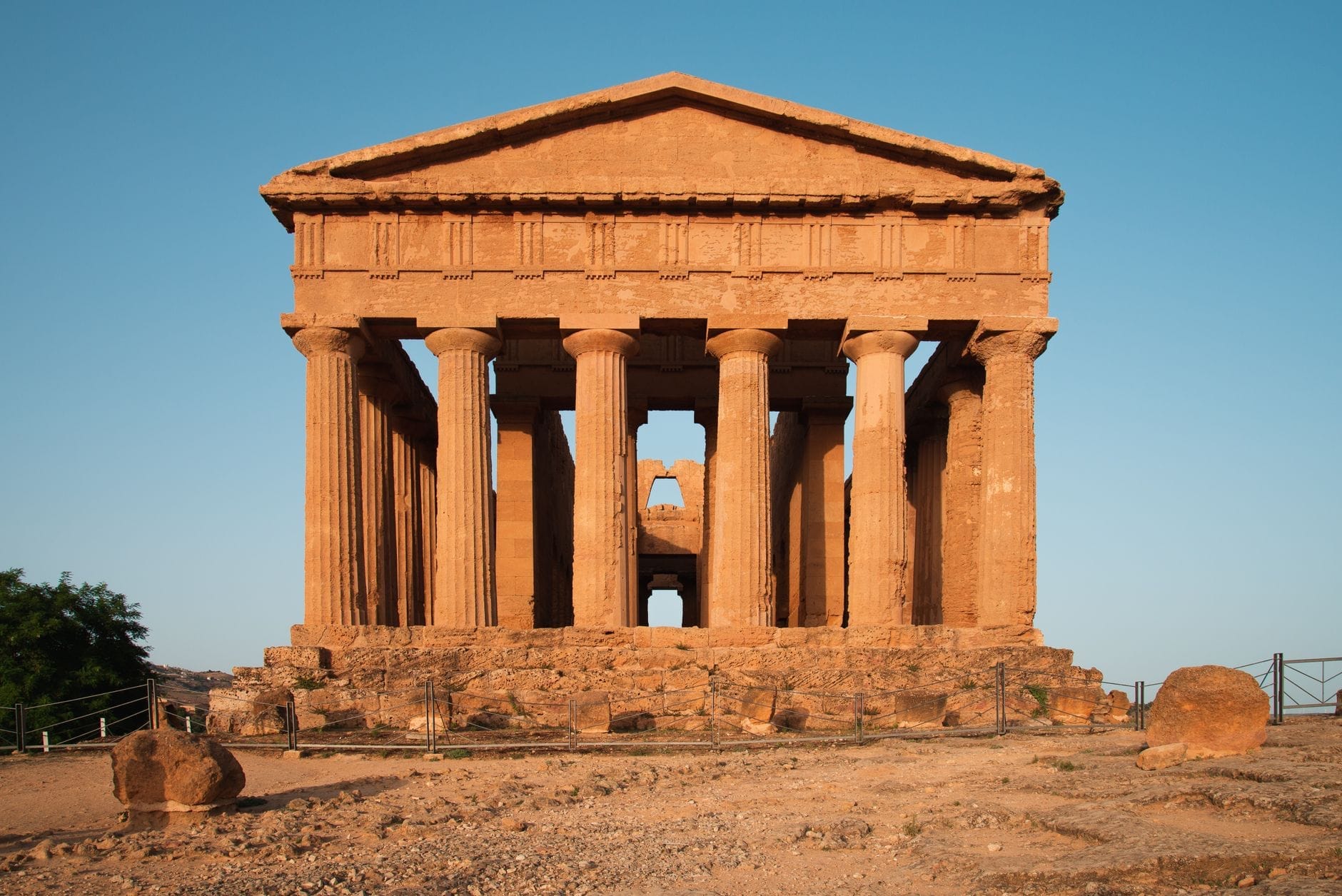
Answering whether Sicily is worth visiting requires understanding what kind of destination it actually is. This is not a beach island with a couple of old churches tagged on. Sicily holds seven UNESCO World Heritage Sites, including the Valley of the Temples in Agrigento, the late-baroque towns of the Val di Noto, Villa Romana del Casale, Mount Etna, and the Arab-Norman monuments of Palermo, Cefalù, and Monreale. The density of serious history per square kilometer rivals anywhere in Europe.
The island's roughly triangular shape spans about 25,700 km², with nearly 1,000 km of coastline taking in everything from white limestone cliffs to volcanic black-sand beaches. Inland, the terrain shifts dramatically: citrus groves give way to wheat fields, then to the barren lunar slopes of Mount Etna, Europe's tallest active volcano at around 3,326 metres. The Aeolian Islands, Egadi Islands, and Pelagie Islands are all part of the Sicilian region and add further variety.
Culturally, Sicily is the product of Greek, Roman, Arab, Norman, Spanish, and Italian rule, each layer visible in the architecture, language, and food. That complexity is the island's greatest draw. It is also what makes a rushed visit feel insufficient — you need time to let the layers sink in.
ℹ️ Good to know
Sicily is an autonomous region of the Italian Republic, not a separate country. Italian is the official language, the currency is the euro, and standard Italian law and Schengen Area entry rules apply. Sicilian (a distinct Romance language) is widely spoken informally, and English is commonly understood in tourist areas.
The Highlights Worth Building a Trip Around
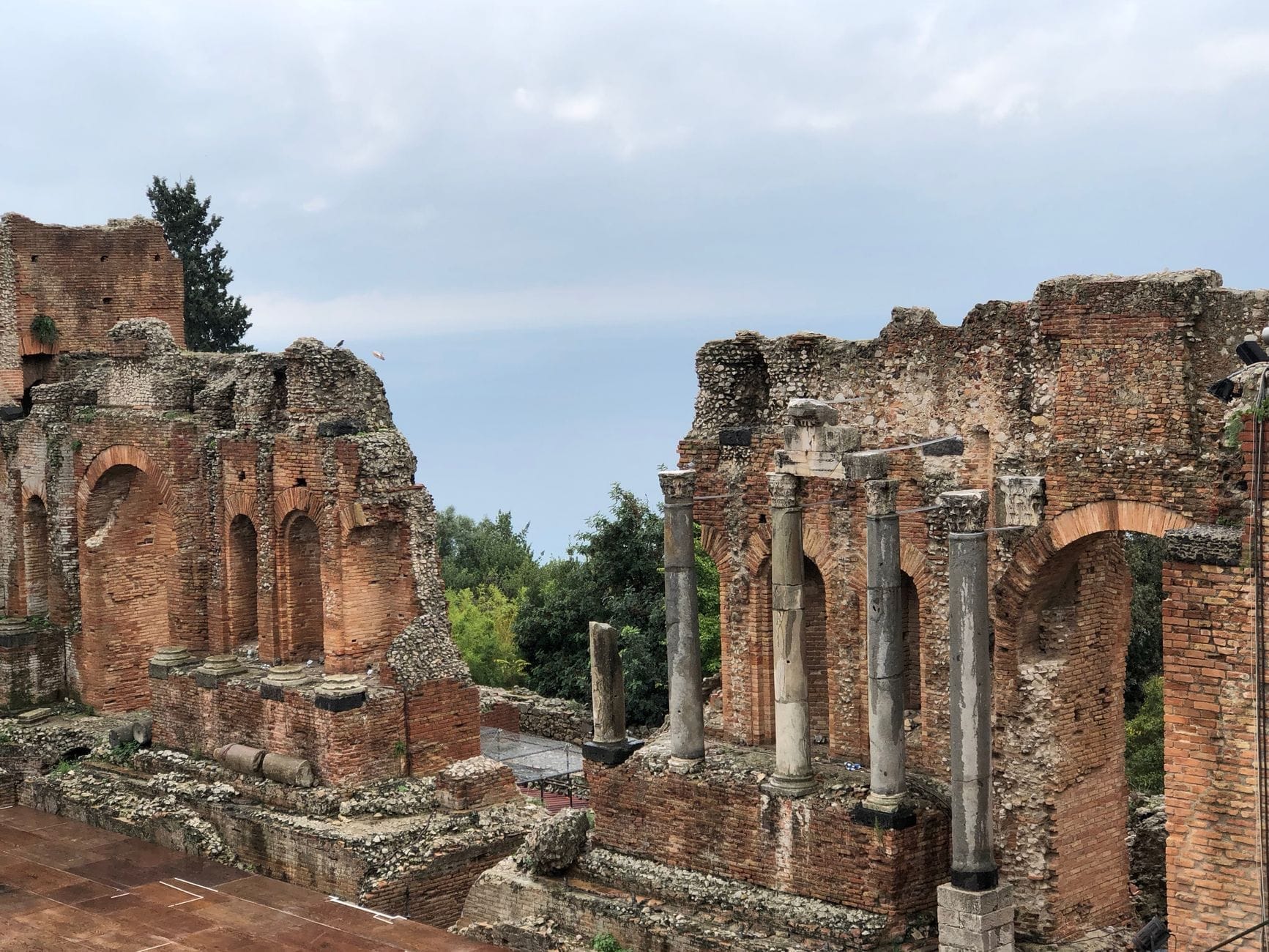
The Valley of the Temples near Agrigento is one of the best-preserved ancient Greek temple complexes outside Greece itself. The Temple of Concordia dates to around 440 BC and is still largely intact. Going early in the morning or at dusk avoids the midday heat and the tour-bus rush. Entrance fees apply; check the official site for current pricing.
In the east, Siracusa pairs a spectacular Greek theatre at the Neapolis Archaeological Park with Ortigia, a small island of Baroque churches, limestone alleys, and seafood restaurants that would feel at home in a much more expensive city. Taormina is the island's most-visited single spot and earns that status: the ancient Greek theatre with Etna as backdrop is genuinely extraordinary, though the town itself can feel like a luxury shopping strip in high season.
- Ancient Greek sites Valley of the Temples (Agrigento), Neapolis Park (Siracusa), Selinunte, Segesta — Sicily has more substantial Greek ruins than most of Greece.
- Arab-Norman architecture Palermo's Palatine Chapel, the Zisa Castle, Monreale Cathedral, and Cefalù Cathedral form a UNESCO-listed ensemble that is genuinely unlike anything else in Europe.
- Active volcanoes Etna and Stromboli (via the Aeolian Islands) offer hiking and guided tours. Stromboli erupts visibly almost every night.
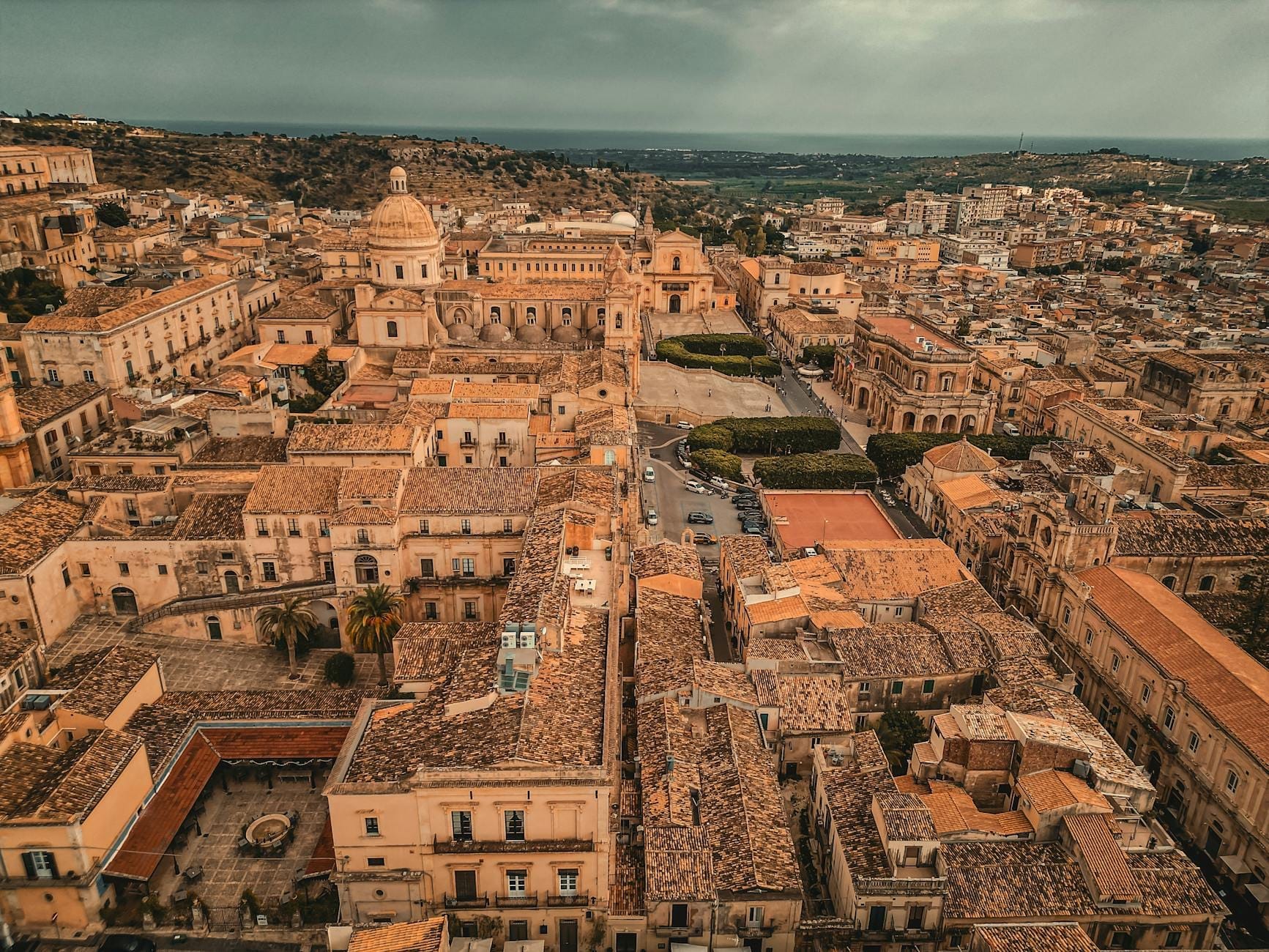
- Baroque towns Noto, Ragusa Ibla, Modica, and Scicli were rebuilt in elaborate Baroque style after a 1693 earthquake, earning collective UNESCO status.
- Food and wine Sicilian cuisine is a serious draw in itself: arancini, pasta alla Norma, swordfish, Nero d'Avola wine, Marsala, almond pastries. The island grows some of Italy's finest citrus, olives, and capers.
Practical Realities: Getting There and Getting Around
Sicily has four commercial airports. Palermo Falcone Borsellino (PMO), about 32 km northwest of the city centre, and Catania-Fontanarossa (CTA), just 4-5 km from central Catania, handle the majority of international and domestic traffic. Trapani-Birgi (TPS) serves western Sicily and is useful for the Egadi Islands. Comiso (CIY) serves the Ragusa area in the southeast. All four are served by major European carriers and low-cost airlines, making it possible to fly in and out of different airports and avoid doubling back.
The single most important practical decision for most visitors is whether to hire a car. Getting around Sicily without one is possible between major cities via Trenitalia regional trains (Palermo-Cefalù fares start around €6-12, for example) and intercity buses from operators like SAIS Autolinee. But rail coverage is patchy outside the coast, and buses in rural areas run infrequently. The Valley of the Temples, Selinunte, Segesta, the baroque interior towns, and most beaches become either very difficult or impossible to visit efficiently on public transport.
⚠️ What to skip
Do not assume public transport in Sicily functions like northern Italy. Rail lines along some interior routes are slow and infrequent. Buses to smaller towns may run once or twice daily. If you plan to visit archaeological sites outside the main cities, or explore the baroque interior towns of Ragusa, Noto, and Modica, a rental car is strongly recommended.
Ferries connect Sicily to mainland Italy via the Strait of Messina (crossing time roughly 20-30 minutes, operated by Caronte & Tourist), and longer overnight ferries from Palermo, Catania, and Trapani link to Naples, Genoa, and Civitavecchia. For island-hopping to the Aeolians, hydrofoils and ferries depart from Milazzo near Messina. The Sicily island hopping guide covers the logistics in detail.
Costs: Is Sicily Affordable?
Sicily is materially more affordable than Rome, Florence, or the Amalfi Coast. Outside the peak summer months of June through August, accommodation prices drop significantly, and even in summer, mid-range hotels in cities like Palermo, Catania, or Siracusa cost less than equivalent properties in northern Italian tourist hubs. Budget travelers who stay in B&Bs, eat at local trattorias, and use regional trains can get by comfortably on around €60-80 per person per day. Mid-range travel with a rental car, three-star hotels, and restaurant meals typically runs €120-180 per person per day. Luxury options exist, particularly in Taormina and around the baroque towns, but they are priced accordingly.
- Street food like arancini and panelle (chickpea fritters) costs €1.50-3 at a rosticceria or street stall — proper meals, not snacks.
- A sit-down lunch at a local trattoria, including a pasta dish, glass of local wine, and coffee, can come in under €15 per person outside tourist centres.
- Archaeological site entry fees typically range from €8-15 per adult; flagship sites such as the Valley of the Temples and the Greek Theatre of Taormina are around €14 standard admission — verify current rates before visiting.
- Rental cars are competitively priced, especially from Catania airport; booking weeks in advance during summer is essential.
- Tipping is not mandatory in Sicily. A small rounding-up or leaving a euro or two is appreciated but not expected. Check your bill for a coperto (cover charge) or servizio (service charge) already included.
✨ Pro tip
For the best value, time your visit for May or September-October. Sea temperatures are still warm enough for swimming, accommodation prices are lower than peak summer rates, and the most popular sites are far less crowded. October in particular offers warm days, occasional dramatic storms, and the grape and olive harvest season adding local colour.
When to Go: Seasons, Crowds, and Climate
Sicily has a classic Mediterranean climate: hot, dry summers and mild, wet winters along the coast. Average coastal summer highs run 28-32°C, but heatwaves regularly push temperatures above 35°C in July and August, particularly inland. This makes midday sightseeing at exposed archaeological sites genuinely unpleasant and occasionally risky in peak summer. Winter sees mild daytime temperatures of 14-16°C along the coast, with most tourist infrastructure still open, particularly in cities.
Spring (April to May) is broadly considered the best window for general sightseeing: temperatures in the 17-24°C range, wildflowers on the hillsides, and sites like the Valley of the Temples at their most photogenic without summer crowds. Early autumn (September to October) mirrors this balance, with the added benefit of warm sea temperatures. For specific month-by-month analysis of what each season involves, Sicily in October provides a detailed seasonal breakdown for autumn visitors.
Beach destinations like San Vito Lo Capo, Mondello near Palermo, and the coastal stretches near Cefalù are at peak demand from late June through August. Italian domestic tourism drives much of this demand, so the island is busy with Italian families during school holidays, not just international visitors. Booking accommodation in coastal areas two to three months ahead for July and August is standard practice.
What Can Disappoint: The Honest Drawbacks
No destination guide is trustworthy if it only sells the positives. Sicily has real friction points that affect certain types of travelers more than others.
Infrastructure outside major cities is uneven. Roads in rural areas can be poorly maintained, GPS sometimes routes you down tracks better suited to agricultural vehicles, and some small towns have limited accommodation options. The island's interior is under-visited for a reason: getting there without a car is genuinely difficult, and some areas feel economically depressed in ways that affect the quality of local tourism services.
Palermo, for all its extraordinary monuments, is a city that takes some adjustment. The traffic is chaotic, some neighbourhoods feel rough around the edges, and the famous markets like Ballarò can overwhelm first-time visitors. That rawness is part of its character, not a flaw, but it is very different from the polished experience of, say, Florence. Travelers expecting a tidied-up tourist experience may struggle with Palermo's intensity.
Taormina is genuinely beautiful but also genuinely overrun in summer. The main street, Corso Umberto, becomes a slow-moving crowd scene from late June through August, hotels command premium prices, and the town can feel more like a luxury resort village than a real Sicilian town. It is worth half a day or an overnight stay, but building an entire trip around it is a mistake. The surrounding area, including the gorge at Alcantara and the villages of the Etna foothills, offers more authentic reward.
💡 Local tip
If you have limited time and want maximum impact, pair one major city (Palermo or Catania), one archaeological site (Valley of the Temples or Neapolis/Ortigia), and one natural feature (Etna or the Aeolian Islands). That combination covers Sicily's three core strengths without spreading yourself too thin.
FAQ
Is Sicily worth visiting for first-time Italy travelers?
Yes, but manage expectations about logistics. Sicily rewards travelers who are comfortable with some improvisation and who hire a car. If you want a smooth, everything-in-one-place experience, a single city like Rome or Florence might suit you better for a first Italy trip. If you want extraordinary depth across history, food, and landscape, Sicily is exceptional.
How many days do you need in Sicily?
A minimum of five to seven days allows you to cover one or two regions meaningfully. Seven to ten days is better for combining Palermo, the west, and the east or southeast. Two weeks lets you include the Aeolian Islands and the baroque south without rushing. Less than four days is not enough to justify the travel time from most origins outside Italy.
Is Sicily safe to visit?
Sicily is safe for tourists by standard European measures. Petty theft in city centres, particularly in Palermo and Catania, is the most common concern. The historical association with organized crime (Cosa Nostra) is not a meaningful risk for visitors. Standard precautions apply: don't leave valuables visible in a parked car, use common sense in crowded markets, and keep copies of important documents.
What is the best base city in Sicily?
Palermo is the best base for exploring western Sicily, the Arab-Norman sites, and the Tyrrhenian coast. Catania suits the east: Etna, Taormina, Siracusa, and the baroque towns of the southeast are all within 1.5 hours by car. Siracusa itself is an excellent base if your focus is the Greek heritage of the southeast. There is no single best answer — it depends on your priorities.
Do you need a car in Sicily?
Not absolutely, but it transforms what you can do. Major cities are connected by train and intercity bus, and that's enough if your itinerary stays urban. But Sicily's most distinctive experiences — the interior baroque towns, the archaeological parks outside cities, the rural wineries, the remote beaches — are genuinely difficult or impossible to reach efficiently without a car. Most visitors who skip the rental car later wish they hadn't.