Opera dei Pupi: The Complete Guide to Sicilian Puppet Theatre
The Opera dei Pupi is one of Sicily's most distinctive cultural exports — a UNESCO-recognised marionette tradition rooted in medieval chivalric epics, performed by family troupes across the island. This guide covers the history, the two rival schools, where to see performances in Palermo, Catania, and Siracusa, and how to get the most out of attending a show.
Plan and book this trip
Tools from our partner Travelpayouts help you compare flights and hotels. If you book through them, we may earn a commission at no extra cost to you.
Flights
Hotels map
TL;DR
- Opera dei Pupi is Sicily's traditional marionette theatre, recognised by UNESCO as an Intangible Cultural Heritage tradition in 2008.
- Performances run year-round in Palermo, Catania, and Siracusa — but schedules vary, and advance booking directly with troupes is strongly recommended.
- There are two distinct regional schools — Palermo and Catania — with different puppet sizes, manipulation techniques, and staging styles.
- The tradition is not just for tourists or children: it originated as adult working-class entertainment, and the storytelling complexity still rewards curious visitors. Learn more about cultural experiences across Sicily.
- Skip the souvenir-shop puppets and attend a live show instead — it is one of the most genuinely Sicilian experiences you can have on the island.
What Is the Opera dei Pupi?
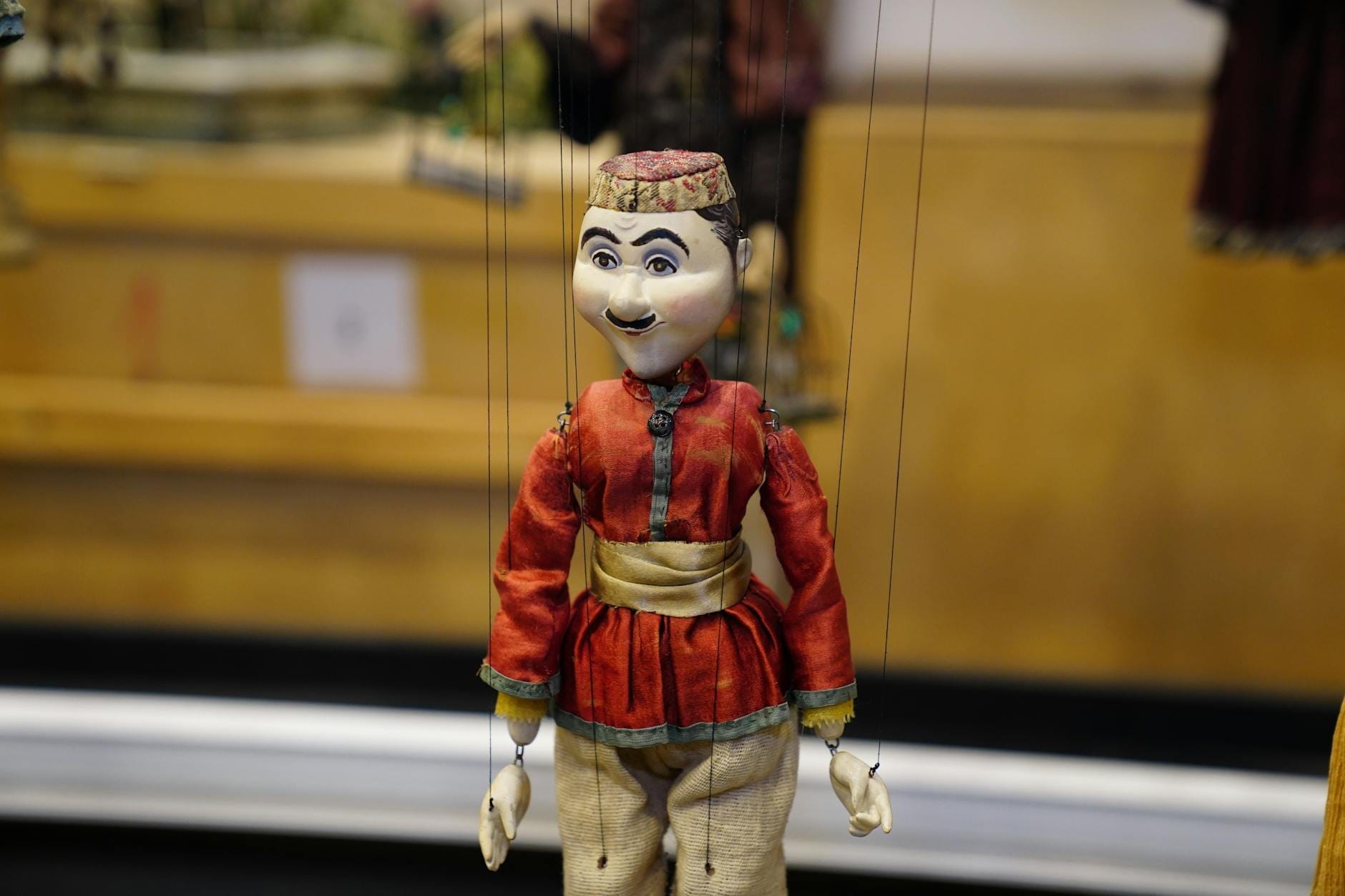
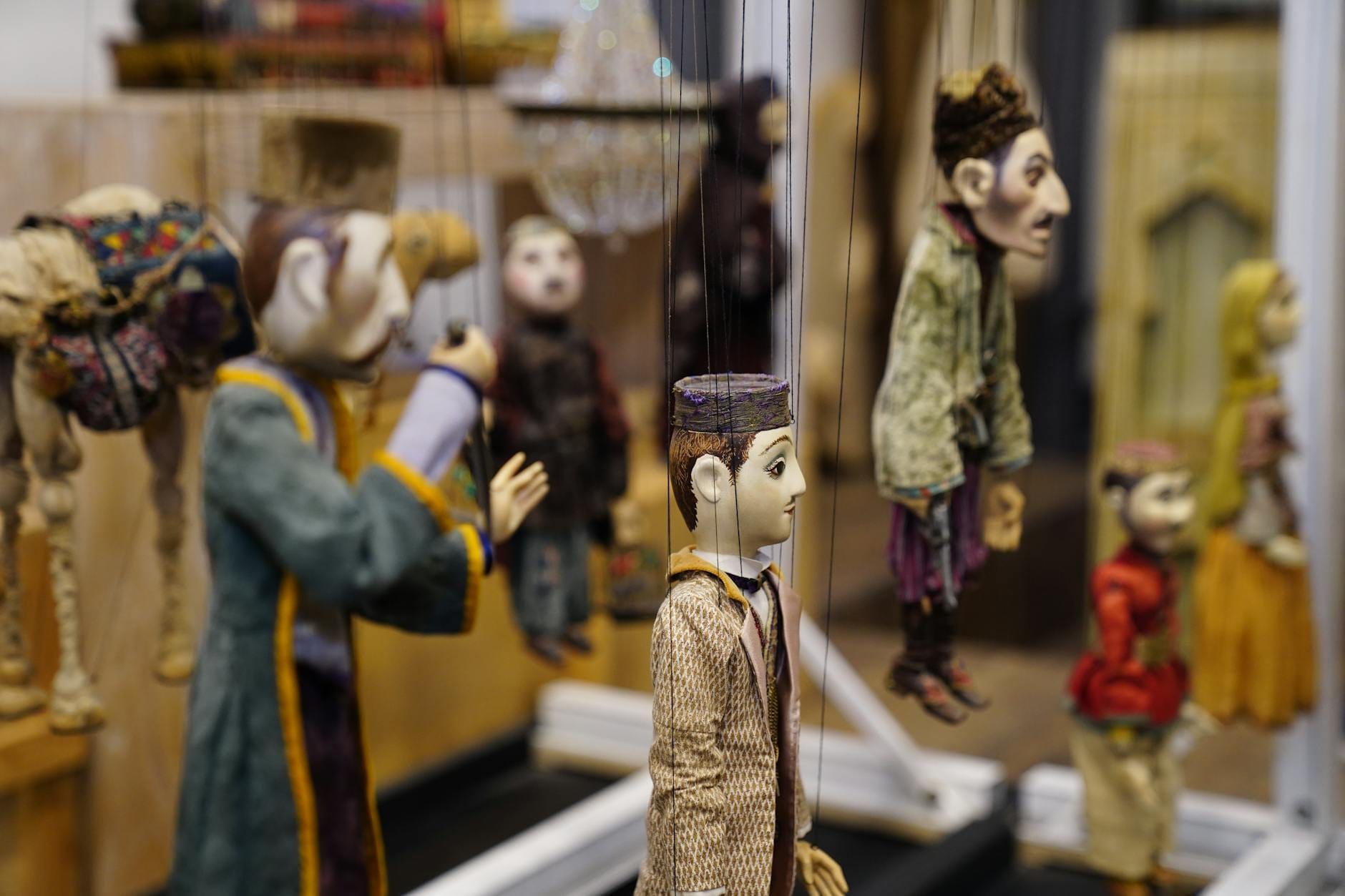
The Opera dei Pupi is a form of Sicilian marionette theatre that originated in the early 19th century and became enormously popular among working-class and middle-class audiences across the island. The name translates literally as 'opera of the puppets', and the 'pupi' are wooden and metal marionettes controlled not by strings from above but by rigid iron rods — a technique that gives the figures a heavier, more deliberate movement than typical European string puppetry. This distinction matters: the pupi are not delicate, whimsical figures but armoured knights, weighing several kilograms each, capable of staged combat with clanging metal that fills a small theatre.
The stories staged are drawn primarily from the Carolingian cycle — the medieval chivalric epics surrounding Charlemagne, Orlando (Roland), and the Paladins of France. Tasso's Jerusalem Delivered and other Renaissance epic texts also appear in the repertoire. Performances were historically serialized, meaning audiences would return night after night to follow ongoing storylines, much like a modern television drama. Improvised dialogue, audience participation, and theatrical villains the crowd could hiss at were all standard features. This was not passive entertainment.
ℹ️ Good to know
UNESCO first recognised the Opera dei Pupi in 2001 as a Masterpiece of Oral and Intangible Heritage, then inscribed it on the Representative List of the Intangible Cultural Heritage of Humanity in 2008. It remains one of only a handful of Italian traditions to hold this status.
The Two Schools: Palermo vs. Catania
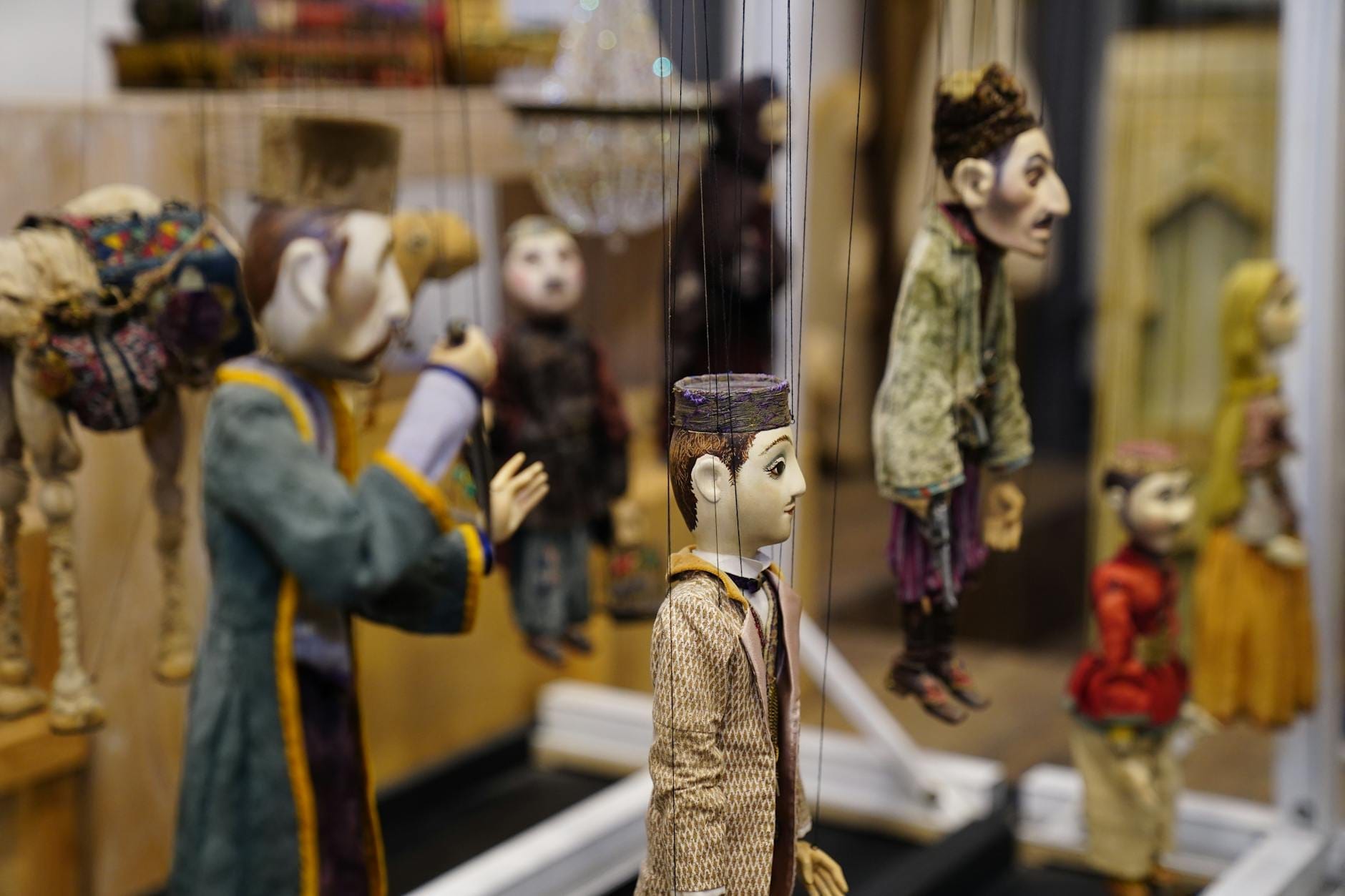
One of the most interesting aspects of the Opera dei Pupi tradition is that it developed independently in two main centres, producing distinct regional styles that experts and enthusiasts can distinguish at a glance. If you have the chance to see both, it is worth doing.
- The Palermo School Palermo-style pupi are smaller and lighter, typically around 80–90 cm tall, with a sword attached to the puppet's arm rather than the hand. The manipulation rod connects to the puppet's head. Backdrops tend to be painted and relatively flat, and the puppeteer controls the figures from the side of the stage. The Palermo style allows for more fluid, expressive movement.
- The Catania School Catania-style pupi are considerably larger and heavier, often exceeding 1 metre in height and weighing up to 16 kg. The main rod attaches directly to the puppet's head, and a second rod controls the sword arm. Staging tends to be more frontal, with the puppeteer working from above and behind a narrow slit at the top of the stage. The overall effect is more monumental and physically demanding for the performer.
Both schools share the same epic narrative tradition, but the differences in craft, staging, and even the regional dialect used in dialogue are real and significant. Palermo and Catania each have dedicated theatres and family troupes that have maintained their respective traditions across multiple generations — in some cases, the same family has been performing for over a century.
Where to See Opera dei Pupi Performances
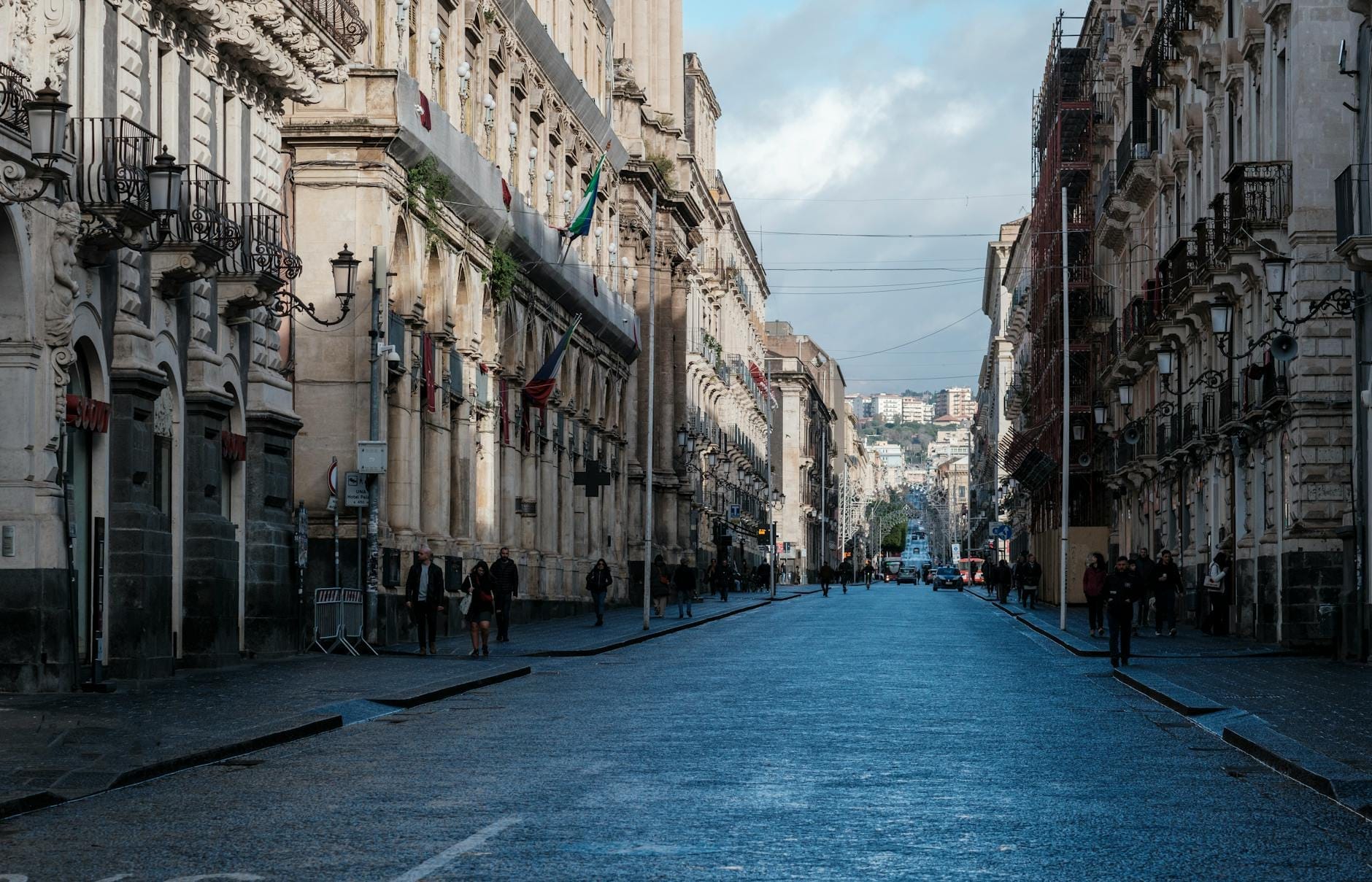
Most performances take place in small private theatres run by family companies. These are not grand opera houses — they are intimate spaces, often seating only small audiences, which makes the experience feel immediate and personal. Booking in advance is essential for popular shows, especially in summer when tourist footfall is high. Contact troupes directly by phone or email, as third-party booking platforms do not always carry their schedules.
- Teatro Carlo Magno / Enzo Mancuso (Palermo) Located at Via Collegio di Santa Maria 17 in central Palermo, this is one of the city's most established puppet theatre venues. Named after the Carolingian emperor whose legend dominates the repertoire, it offers traditional Opera dei Pupi performances. Ticket prices are modest; verify the current schedule directly with the theatre before visiting.
- International Museum of Puppetry — Antonio Pasqualino (Palermo) This museum holds one of the world's most important collections of traditional puppets, including historic Sicilian pupi alongside examples from across the Mediterranean and Asia. It also hosts performances and educational events. For visitors who want context before attending a show, this is the best starting point in Palermo.
- Opera dei Pupi di Turi Grasso (Acireale, Catania Province) Based at Via Nazionale per Catania 195 in Acireale, this company is one of the standard-bearers of the Catania school. Acireale is a short drive from Catania city centre. The Grasso family has been performing for generations and represents the heavyweight, rod-controlled Catania style at its most authentic.
- Compagnia dei Pupari Vaccaro Mauceri (Siracusa) Siracusa has its own active puppet tradition, maintained by family companies and supported by local museums including the Aretuseo Museum of Puppets. Siracusa performances are worth seeking out for visitors spending time in the southeast of the island.
💡 Local tip
If you are visiting Palermo, go to the Museo Internazionale delle Marionette Antonio Pasqualino before attending a live show. Understanding the iconography — who Orlando is, what the armour colours signify, which figures are heroes and which are villains — makes the performance dramatically more rewarding.
Practical Information: Tickets, Timing, and Logistics
Opera dei Pupi performances run year-round, but scheduling is not standardised across companies. In high season (roughly June through September), troupes in Palermo and Catania increase their performance frequency to meet tourist demand. Outside these months, shows may drop to weekends only, or to specific dates — especially for smaller family operations. The Visit Sicily regional tourism portal maintains a list of active companies with contact details, which is the most reliable starting point for planning.
Ticket prices are generally affordable compared to mainstream theatre, typically around €8–€15 per performance, though prices are set individually by each troupe and are subject to change. Children's rates and group discounts are often available. Always confirm prices directly. For a broader view of cultural spending while on the island, the Sicily on a budget guide has useful context on managing costs across different activities.
⚠️ What to skip
Do not assume that a performance listed online is still running at the same times. Family troupes can suspend shows for private events, seasonal breaks, or festivals without updating third-party sites. Call or email directly to confirm before making a specific trip.
Most theatres conduct performances in Sicilian dialect or Italian. Narration and dialogue are delivered live, and while the epic storylines are not difficult to follow visually, some troupes provide printed synopses or brief explanations in English for tourist audiences. Ask when booking whether English materials are available — many companies are accustomed to international visitors and will make accommodations.
The Cultural Significance of Opera dei Pupi
To understand the Opera dei Pupi is to understand something essential about Sicilian culture more broadly. The tradition did not emerge from aristocratic patronage — it was the entertainment of working-class audiences who gathered nightly to follow the ongoing battles of Orlando and Rinaldo against Saracen invaders. The moral framework of the stories, with its emphasis on loyalty, betrayal, honour, and faith, resonated with audiences navigating their own precarious social realities. The historical layers of Sicily — Arab, Norman, Spanish, and Bourbon — are embedded in the narratives themselves, making the puppet theatre a kind of compressed Arab-Norman history played out in miniature armour.
The craft of puppet-making is inseparable from the performance tradition. Pupi are hand-carved, painted, and armoured by specialist artisans, often within the same family that performs with them. Each figure has a codified appearance: Orlando wears a red plume, Rinaldo a white one, and Saracen characters are identified by specific armour detailing. This visual grammar means that a knowledgeable Sicilian audience member can identify characters instantly, while a first-time visitor benefits from a quick primer beforehand.
The tradition faced serious decline in the mid-20th century as cinema and later television replaced the nightly serialised shows that had been its commercial engine. What survived is partly due to the stubbornness of specific families who refused to stop performing, and partly to institutional recognition — UNESCO status brought international attention and support for preservation, apprenticeship programmes, and museum collections. Today the tradition is considered a living art form, not a historical relic, and younger puppeteers are actively training within established family companies.
Sicilian Puppet Theatre Beyond the Performance
For visitors who want to go deeper than a single show, Sicily offers several related experiences. The International Museum of Puppetry in Palermo is genuinely world-class and worth a half-day visit even without attending a performance. Workshop visits, where you can watch puppet-makers at work or handle historical pieces, are occasionally offered by family troupes — ask when contacting companies directly. Some operators also offer behind-the-stage tours after performances, showing how the rod mechanisms work and how the armour is constructed. This kind of access is one of the reasons a live show at a small family theatre beats anything you will find in a larger, more polished cultural institution. If you are planning time in Palermo and want to pair the puppet theatre with other cultural landmarks, the Palatine Chapel and the Norman Palace share the same Carolingian historical world depicted in the pupi stories.
Souvenir pupi are sold widely across Sicily, from cheap painted replicas in tourist shops to high-quality hand-crafted figures made by the same artisans who supply performing troupes. The price difference between the two is dramatic — a mass-produced souvenir puppet might cost €10-20, while an authentic hand-crafted figure from a puppet-making workshop can run from roughly €100 to several hundred euros depending on size and detail. If you want a piece that is actually representative of the craft, buy directly from a workshop or theatre gift shop, not a street market stall.
- Book performances directly with the troupe, not through aggregator sites — schedules are more reliable this way.
- Visit the Museo Internazionale delle Marionette in Palermo to understand character iconography before attending a show.
- Ask whether the theatre provides an English synopsis — most tourist-facing companies have them available.
- If attending in summer, book at least a week ahead: popular shows in Palermo can sell out during high season.
- For the Catania school specifically, consider basing yourself in Catania or nearby Acireale rather than making a day trip — the Turi Grasso company's theatre in Acireale rewards the extra travel.
- Pair a puppet theatre visit with other expressions of Sicilian culture: the street food scene, Baroque architecture, and Greek archaeological sites all speak to the same layered history.
✨ Pro tip
The best time to experience Opera dei Pupi alongside other cultural programming is during major festivals. Palermo's Festino di Santa Rosalia in July and Catania's Festa di Sant'Agata in February both generate a rich cultural atmosphere around them, and puppet companies may schedule special performances to coincide. Check the Visit Sicily events calendar when planning dates.
If your trip to Sicily includes the southeast, do not overlook Siracusa as a destination for puppet theatre. The city's classical heritage and the active puppet companies there make for an unusually layered cultural experience. Siracusa is also home to one of the notable Greek theatres in the Mediterranean, and seeing ancient drama performed in the same city where medieval chivalric puppetry is still alive makes the depth of Sicilian history tangible in a way that no museum alone can achieve.
FAQ
Is the Opera dei Pupi suitable for children?
The historical audience for Opera dei Pupi was primarily adult, and the stories involve battle, betrayal, and moral complexity. That said, many troupes now offer family-friendly performances, especially during the day in tourist season. The theatrical drama and clanging armour tend to captivate children regardless of whether they follow the plot. Ask the specific company when booking about the format and language of a given show.
Do I need to speak Italian or Sicilian to enjoy a performance?
Not necessarily. The visual storytelling, combat sequences, and theatrical staging are engaging even without understanding the dialogue. Many companies offer printed synopses in English for tourist audiences. The Carolingian stories are also broadly familiar — Orlando, Charlemagne, and the Saracen wars are part of Western literary heritage — so the narrative arc is not hard to follow.
How far in advance should I book Opera dei Pupi tickets?
In high season (June to September), popular Palermo shows can sell out, so booking at least a week ahead is sensible. Outside peak season, you may be able to book a day or two before, but always confirm directly with the troupe since some companies reduce performance frequency significantly in winter. Smaller family theatres in places like Acireale may only perform on specific days of the week.
What is the difference between a pupo and a standard marionette?
A pupo is controlled by rigid iron rods rather than strings. The main rod attaches to the puppet's head; additional rods control the sword arm and sometimes the legs. This rod mechanism gives the pupi a characteristic weight and movement — more physical and martial than string marionettes — and allows for convincing staged combat. The Catania school puppets can weigh up to 16 kg and require considerable strength and skill to operate.
Are there Opera dei Pupi performances outside of Palermo and Catania?
Yes. Siracusa has active family companies and the Aretuseo Museum of Puppets. Smaller towns across Sicily occasionally host performances, particularly during local festivals. The Visit Sicily regional tourism portal maintains the most current list of active companies with contact information. For visitors travelling across the island, checking the portal before departure allows you to time your route around available performances.