Hidden Gems in Sicily: 20 Off the Beaten Path Experiences
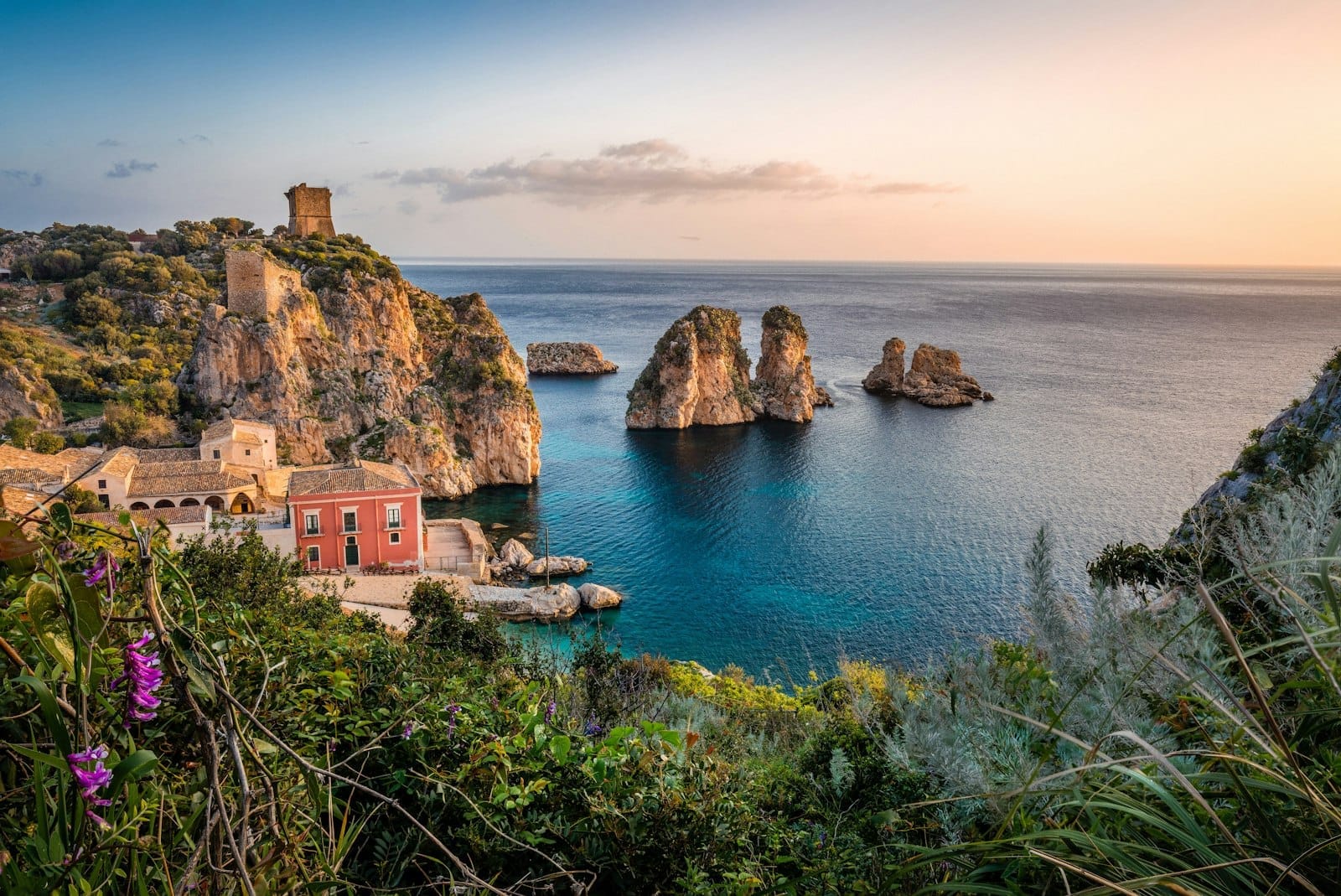
Sicily rewards those who look beyond Taormina and Palermo's grand monuments. This guide covers 20 lesser-known attractions across the island, from prehistoric cliff tombs and abandoned earthquake towns to wild coastal reserves and ancient quarries frozen in time.
Plan and book this trip
Tools from our partner Travelpayouts help you compare flights and hotels. If you book through them, we may earn a commission at no extra cost to you.
Flights
Hotels map
Sicily is one of Europe's most layered destinations, yet most visitors follow the same well-worn circuit: the Valley of the Temples, Taormina's Greek Theatre, and Palermo's Norman churches. That circuit is worth doing, but it barely scratches the surface. The real Sicily reveals itself in a remote gorge near Mount Etna, on a car-free island off Trapani's coast, or on a hilltop above Siracusa where 5,000 rock-cut tombs line a limestone canyon. Before you plan your trip, check the best time to visit Sicily — April to June and September to October give you the best access to nature reserves and outdoor sites without midsummer heat or crowds. A car is essential for reaching most of these places; sparse bus schedules make many off-the-beaten-path spots impractical without one.
✨ Pro tip
For the most remote sites on this list — Pantalica, Cretto di Burri, Cave di Cusa, Marettimo — car hire is the only realistic option. Verify opening hours directly with each site before visiting, as they change seasonally.
Ancient Ruins Few Tourists Find
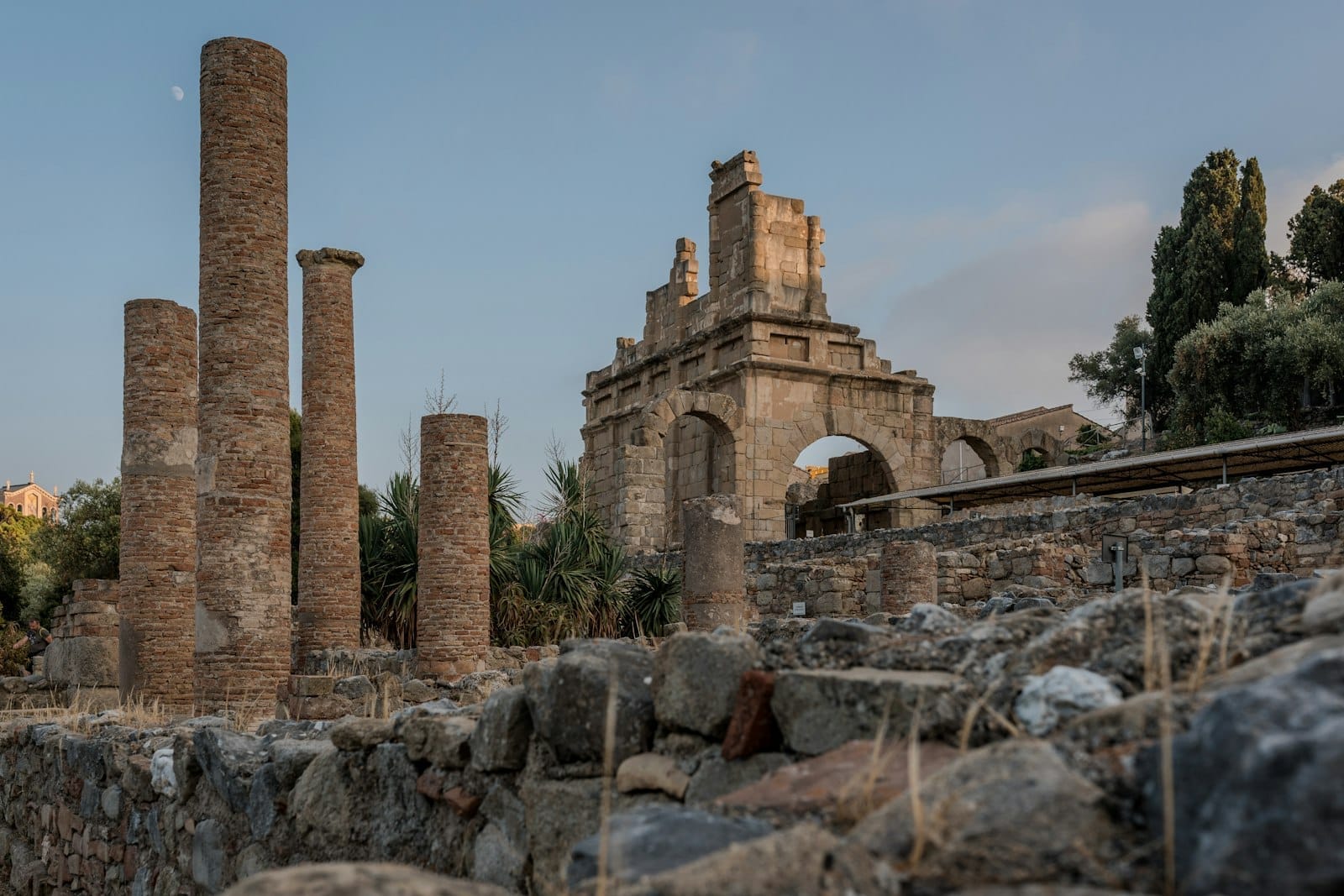
Sicily's ancient history runs far deeper than the famous temples at Agrigento. These sites are just as significant archaeologically, but receive a fraction of the visitors. If you want context for what you're seeing, the best Greek ruins in Sicily guide covers the wider picture.
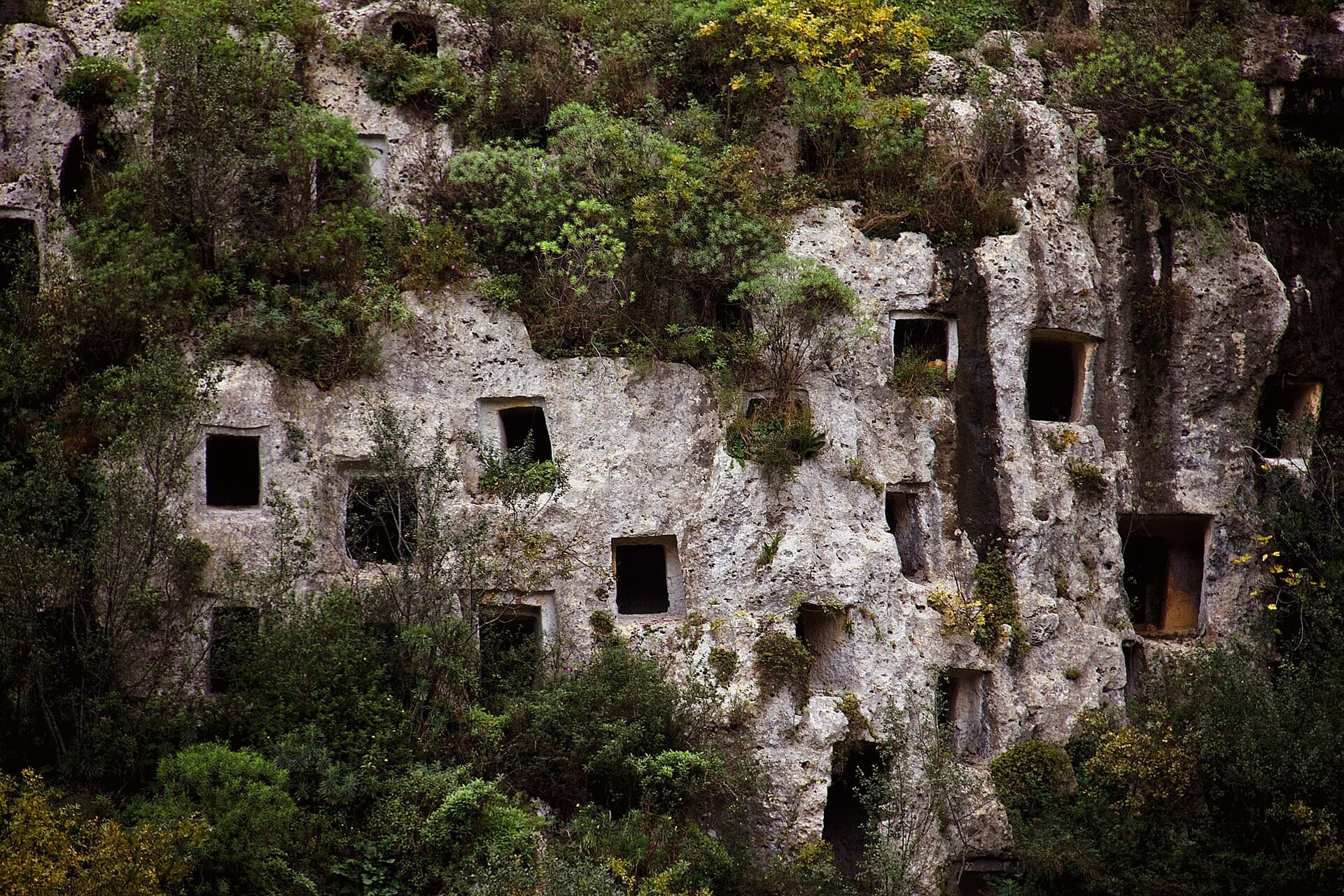
1. Walk Through 5,000 Prehistoric Tombs at Pantalica
Over 5,000 rock-cut tombs honeycomb the limestone walls of this remote gorge near Siracusa. The trails follow a river through a nature reserve, and you'll likely have the entire UNESCO-listed site almost to yourself.
Explore1. Walk Through 5,000 Prehistoric Tombs at Pantalica
Over 5,000 rock-cut tombs honeycomb the limestone walls of this remote gorge near Siracusa. The trails follow a river through a nature reserve, and you'll likely have the entire UNESCO-listed site almost to yourself.
Explore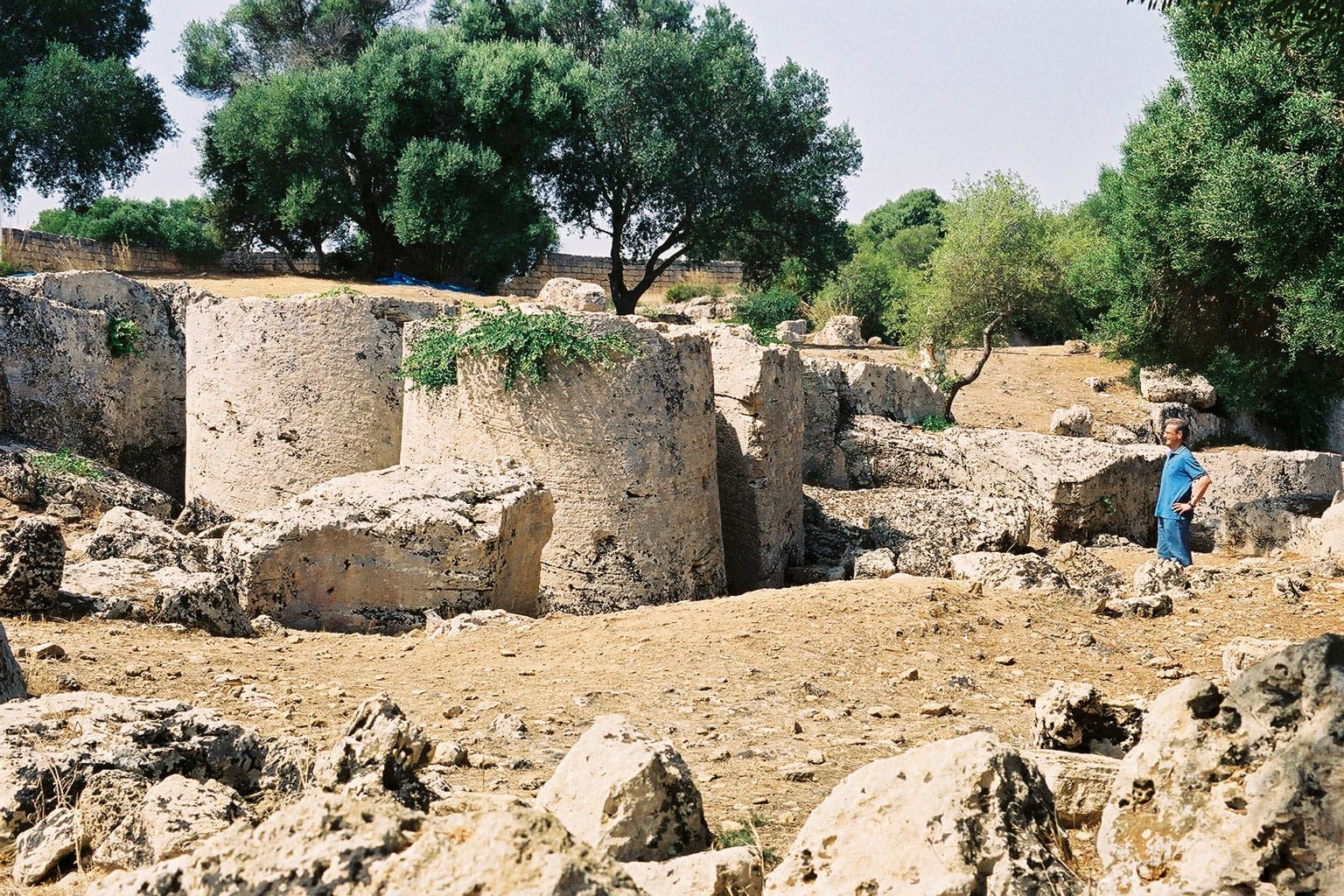
2. See Columns Abandoned Mid-Cut at Cave di Cusa
The ancient quarry for Selinunte's temples looks exactly as the workers left it 2,500 years ago: half-finished column drums and capitals scattered through an olive grove. No crowds, no fences, just ancient stone in a field.
Explore2. See Columns Abandoned Mid-Cut at Cave di Cusa
The ancient quarry for Selinunte's temples looks exactly as the workers left it 2,500 years ago: half-finished column drums and capitals scattered through an olive grove. No crowds, no fences, just ancient stone in a field.
Explore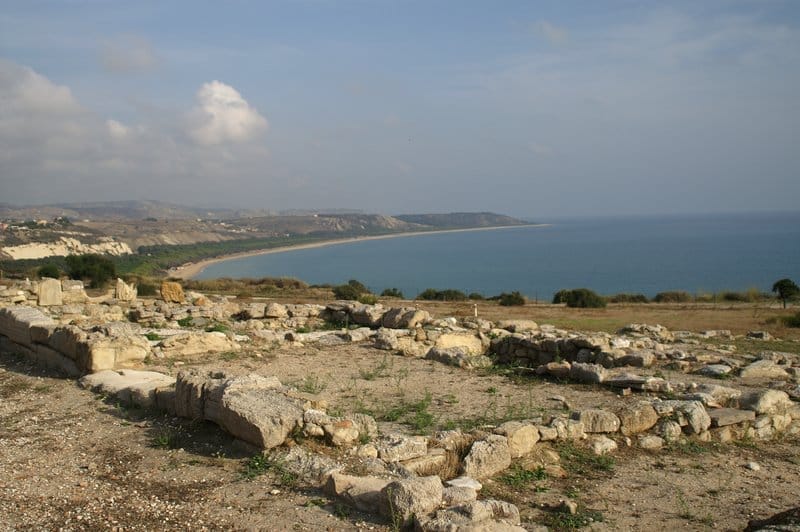
3. Combine Greek Ruins and White Cliffs at Eraclea Minoa
Greek theatre ruins sit on a white chalk promontory above the Platani River, with a sandy beach below and almost no tourists. The Capo Bianco cliffs alongside are among Sicily's most striking coastal formations.
Explore3. Combine Greek Ruins and White Cliffs at Eraclea Minoa
Greek theatre ruins sit on a white chalk promontory above the Platani River, with a sandy beach below and almost no tourists. The Capo Bianco cliffs alongside are among Sicily's most striking coastal formations.
Explore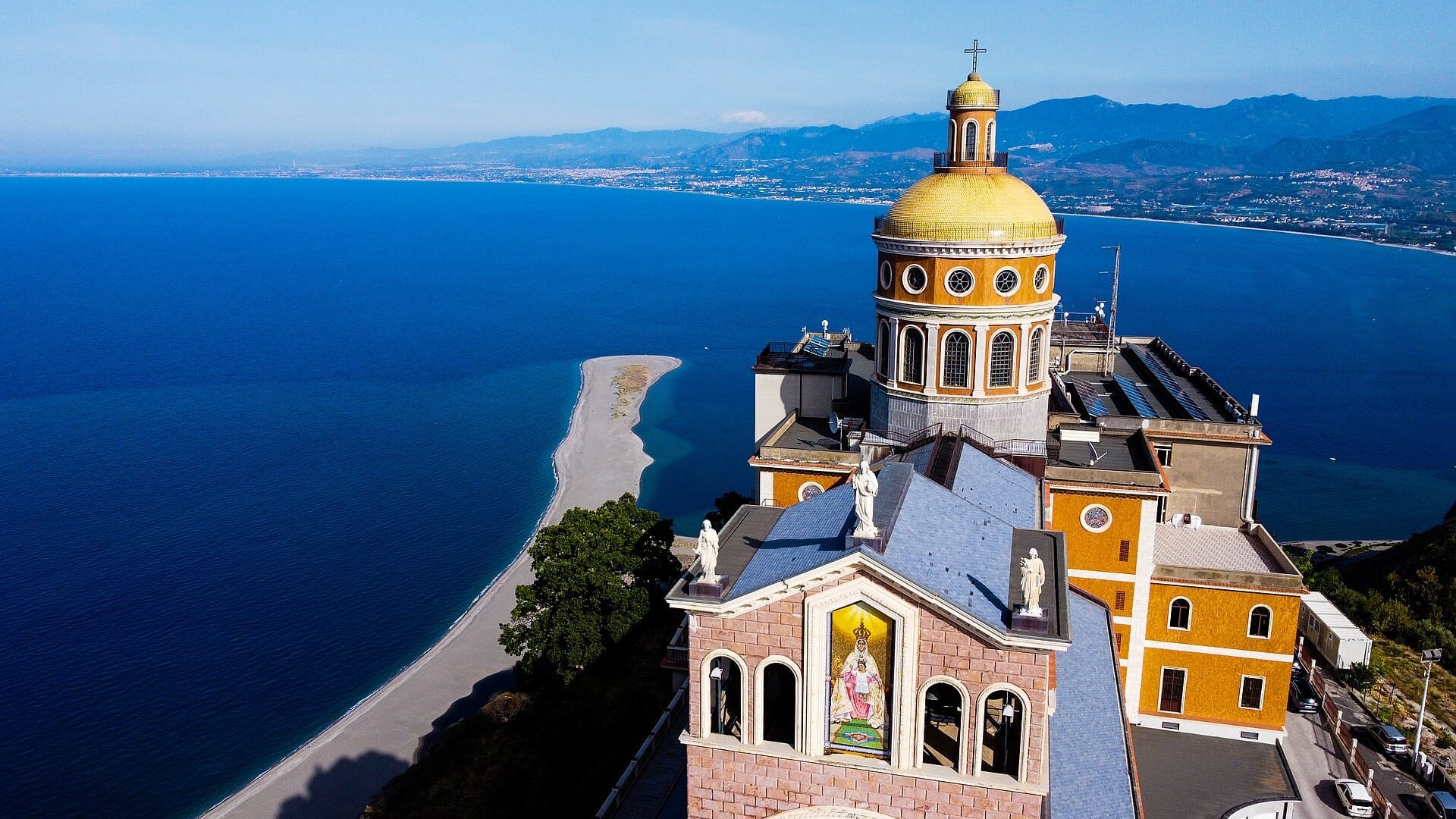
4. Explore an Ancient Theatre Above Sicily's Most Unusual Sandbar
A Greek-Roman archaeological area, a Black Madonna sanctuary, and a sea theatre with Tyrrhenian views — plus the bizarre shifting sandbars of the Laghetti di Marinello below. Almost no foreign tourists make it here.
Explore4. Explore an Ancient Theatre Above Sicily's Most Unusual Sandbar
A Greek-Roman archaeological area, a Black Madonna sanctuary, and a sea theatre with Tyrrhenian views — plus the bizarre shifting sandbars of the Laghetti di Marinello below. Almost no foreign tourists make it here.
Explore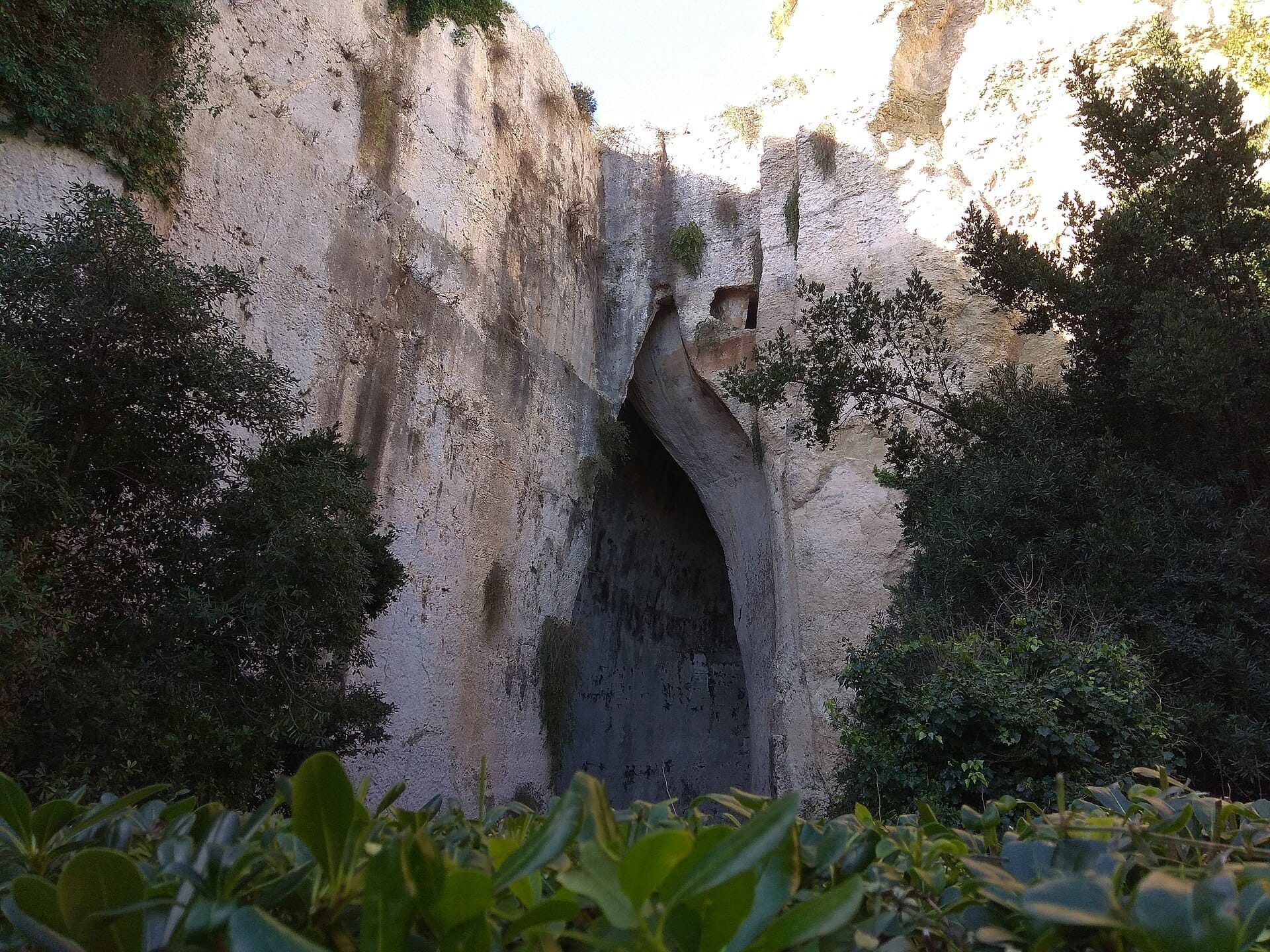
5. Whisper Into the Ear of Dionysius in Siracusa
This S-shaped cave carved into a quarry cliff amplifies the faintest sound to a whisper audible across its 23-metre height. It sits inside the Neapolis park but is less photographed than the Greek theatre beside it.
Explore5. Whisper Into the Ear of Dionysius in Siracusa
This S-shaped cave carved into a quarry cliff amplifies the faintest sound to a whisper audible across its 23-metre height. It sits inside the Neapolis park but is less photographed than the Greek theatre beside it.
ExploreLandscapes and Nature Reserves
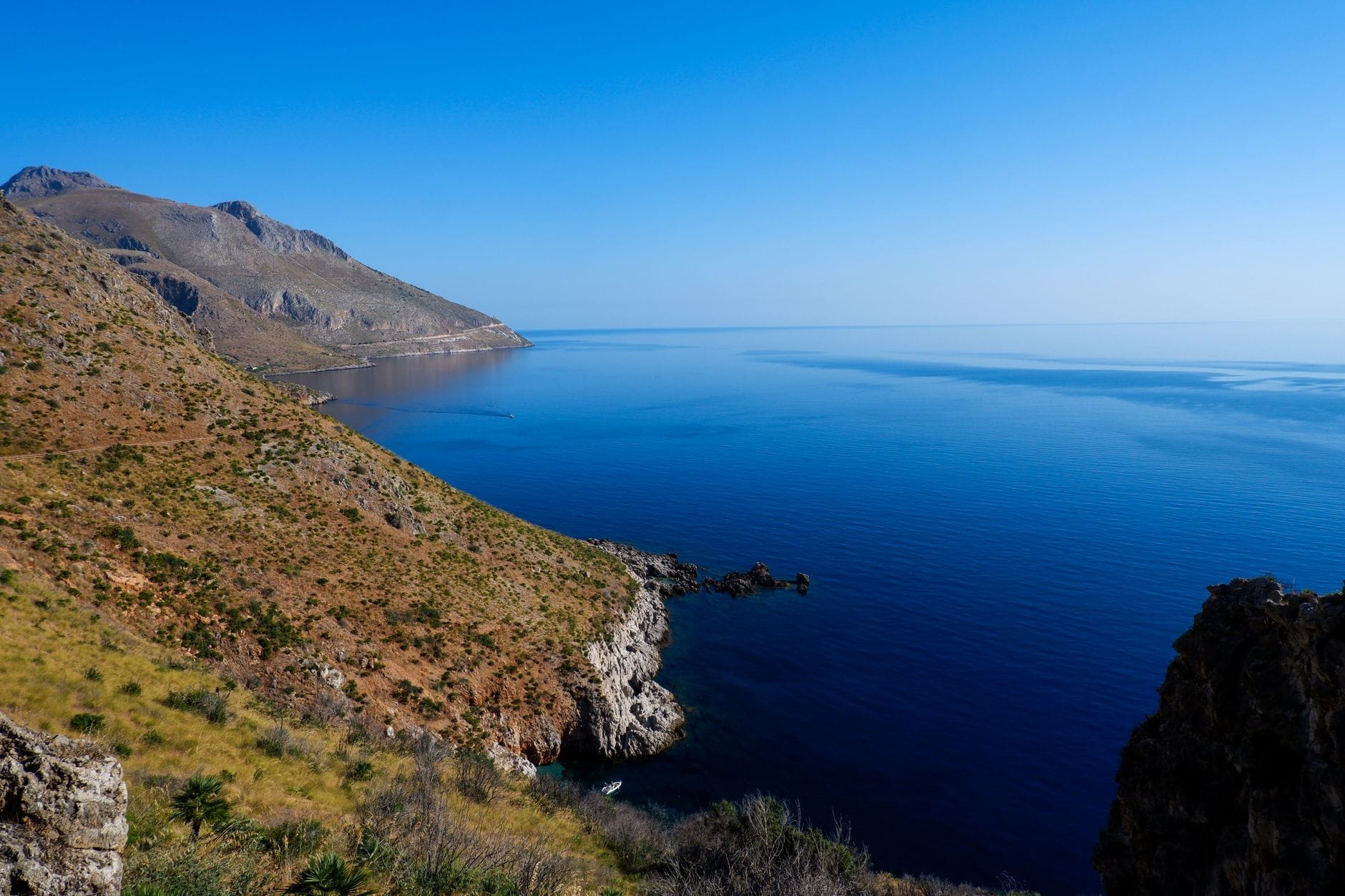
Sicily's interior and coastline hold some of southern Italy's most dramatic natural scenery. The volcanoes and geological wonders guide goes deeper on Etna and the Aeolian Islands if you want to add more geology to your trip.
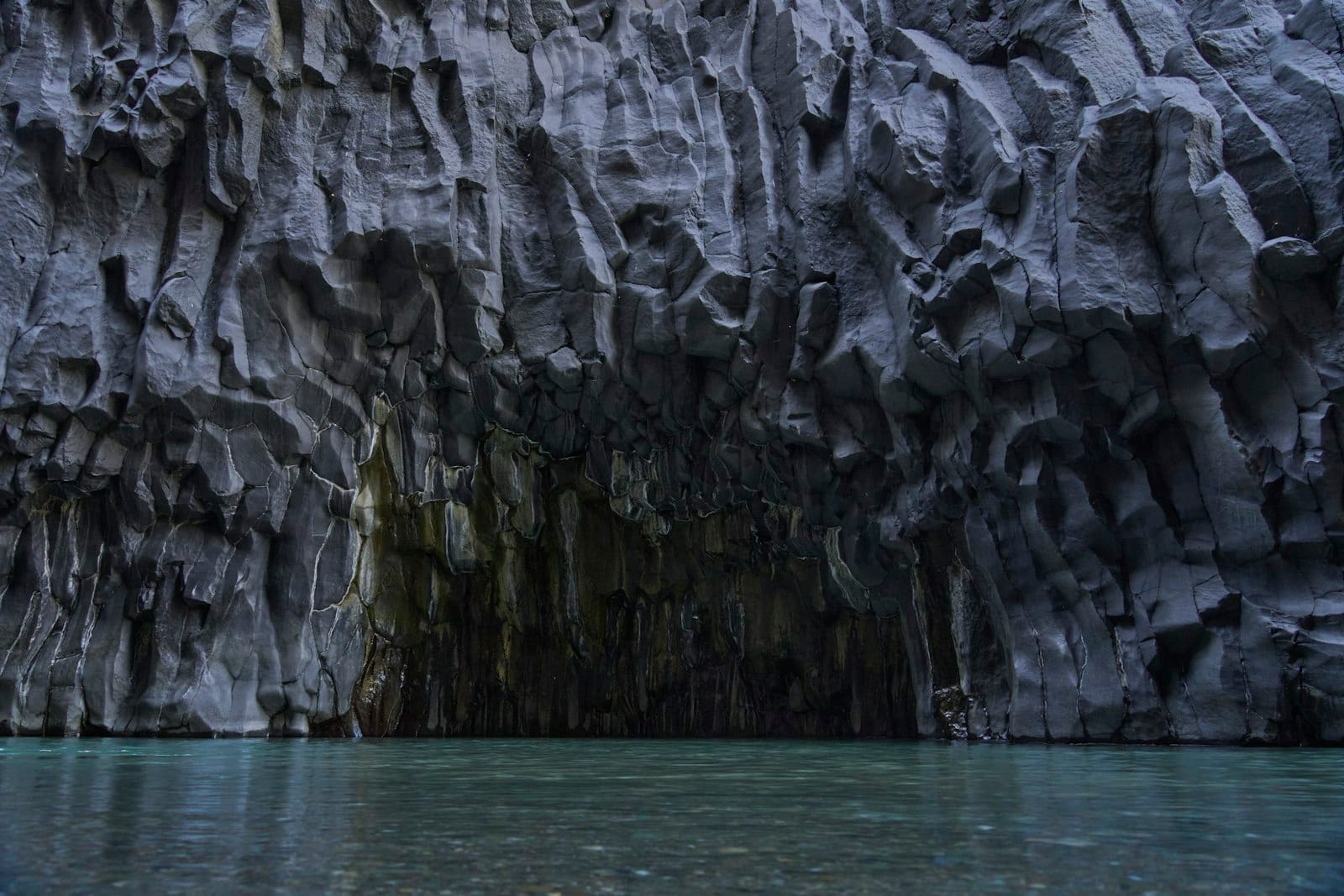
6. Wade Through the Alcantara Gorge's Basalt Columns
The Alcantara River carved this dramatic corridor through ancient lava flows, leaving 25-metre basalt walls rising from ice-cold water. You can wade through the gorge or walk the trails above — both are spectacular and crowd levels are manageable outside August.
Explore6. Wade Through the Alcantara Gorge's Basalt Columns
The Alcantara River carved this dramatic corridor through ancient lava flows, leaving 25-metre basalt walls rising from ice-cold water. You can wade through the gorge or walk the trails above — both are spectacular and crowd levels are manageable outside August.
Explore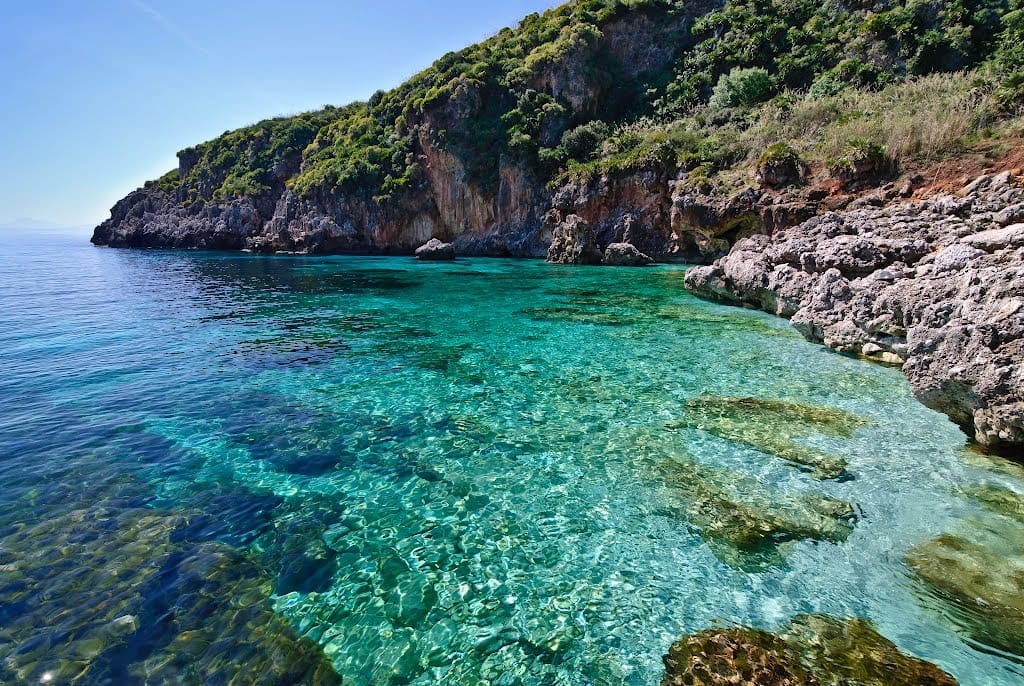
7. Hike Sicily's First Nature Reserve Along the Zingaro Coast
Seven kilometres of protected coastline between Scopello and San Vito Lo Capo, accessible only on foot. The trail passes hidden coves, sea caves, and limestone cliffs. Entry is around €5; arrive early in summer for the best swimming before day-trippers arrive.
Explore7. Hike Sicily's First Nature Reserve Along the Zingaro Coast
Seven kilometres of protected coastline between Scopello and San Vito Lo Capo, accessible only on foot. The trail passes hidden coves, sea caves, and limestone cliffs. Entry is around €5; arrive early in summer for the best swimming before day-trippers arrive.
Explore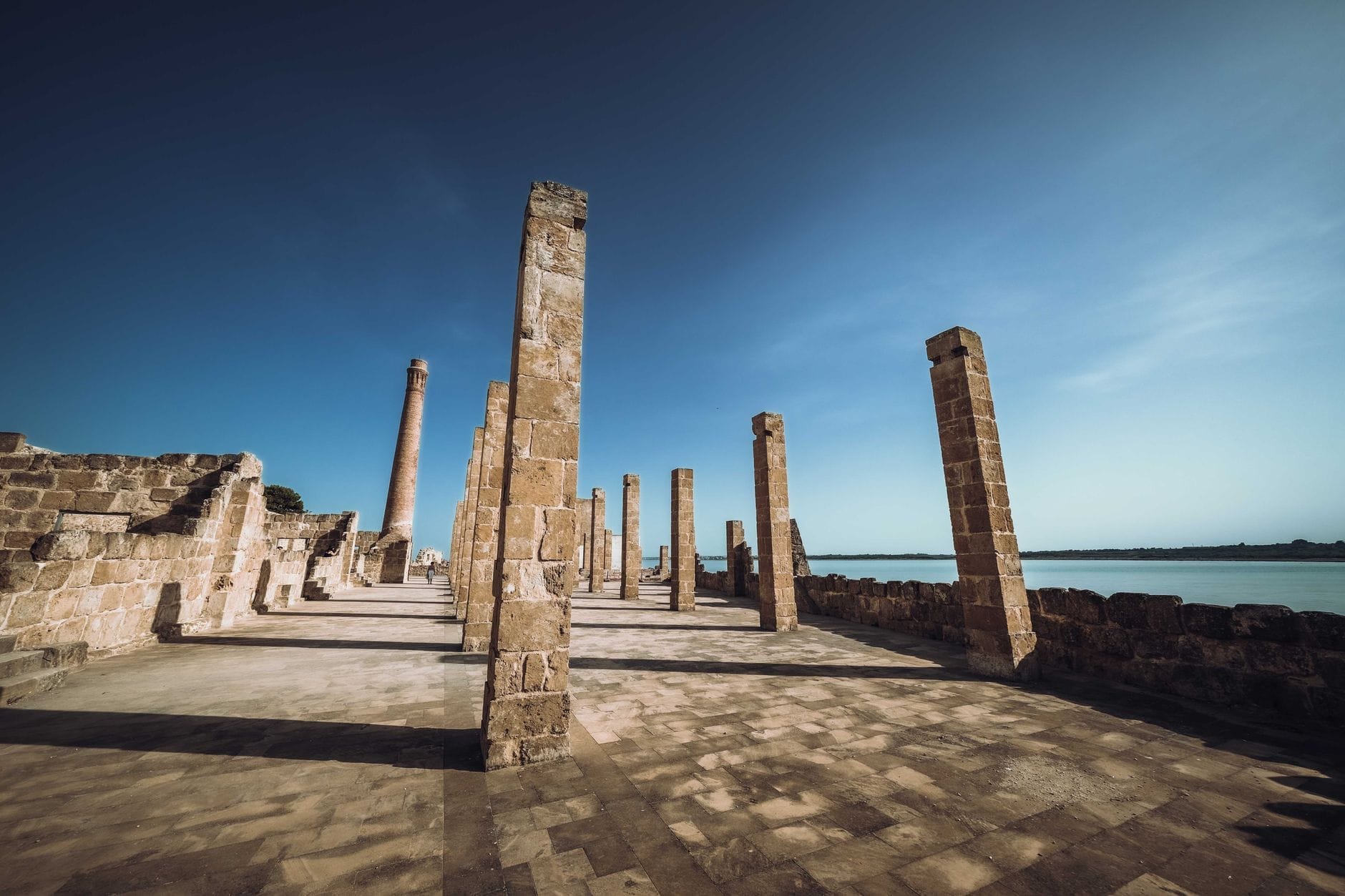
8. Find Flamingos and Empty Beaches at Vendicari
A coastal wetland south of Noto with pristine sandy beaches, brackish lagoons full of migratory birds, and Byzantine ruins. Calamosche beach here regularly ranks among Italy's best. Day access tickets are a few euros at the entrance kiosks.
Explore8. Find Flamingos and Empty Beaches at Vendicari
A coastal wetland south of Noto with pristine sandy beaches, brackish lagoons full of migratory birds, and Byzantine ruins. Calamosche beach here regularly ranks among Italy's best. Day access tickets are a few euros at the entrance kiosks.
Explore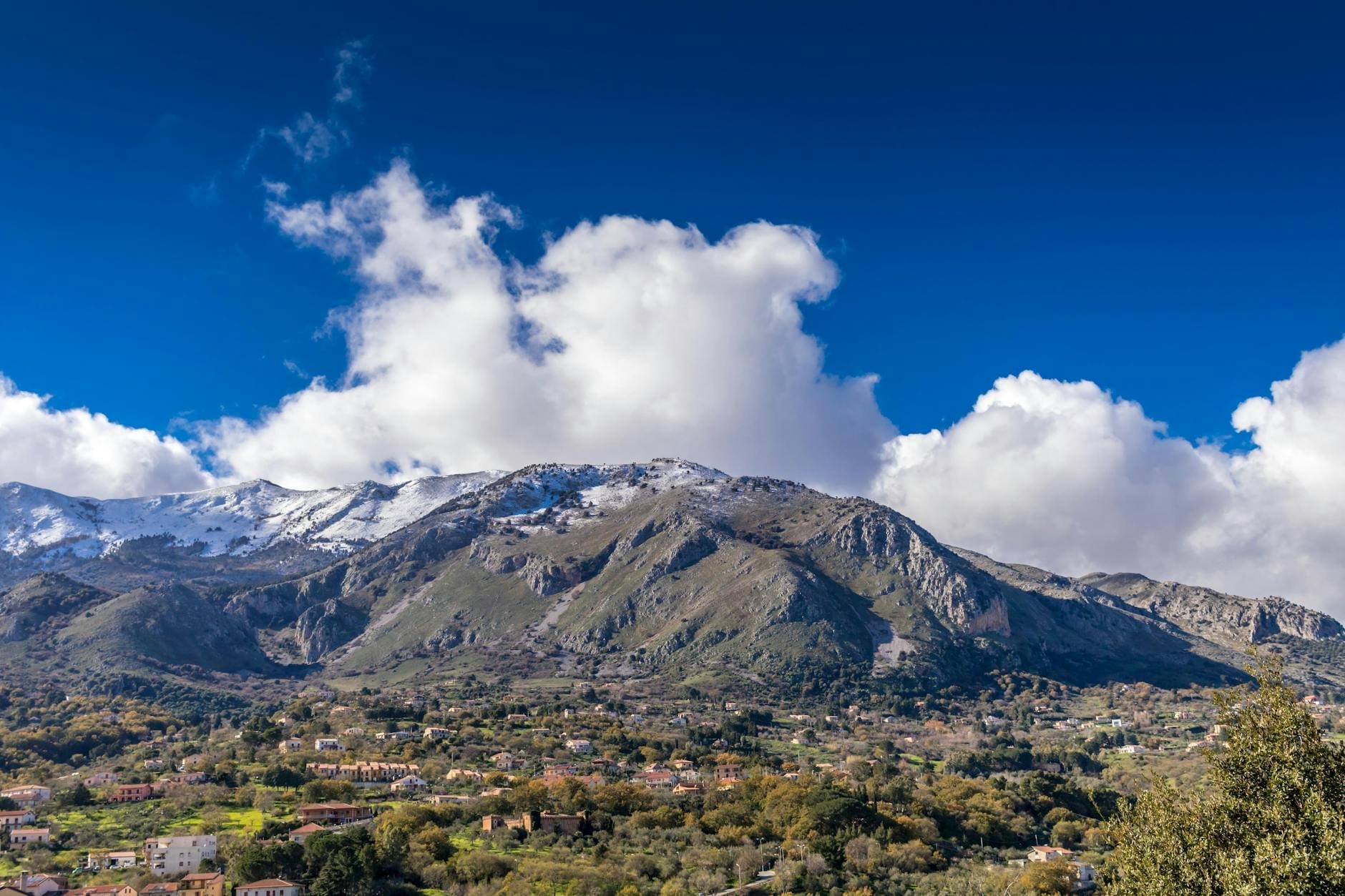
9. Discover Medieval Villages in the Madonie Mountains
The Madonie range in north-central Sicily is a regional park of ancient forests, rare endemic plants, and hilltop villages. It offers hiking and cycling through a rural Sicily completely removed from the coastal tourist trail, and is excellent from May through October.
Explore9. Discover Medieval Villages in the Madonie Mountains
The Madonie range in north-central Sicily is a regional park of ancient forests, rare endemic plants, and hilltop villages. It offers hiking and cycling through a rural Sicily completely removed from the coastal tourist trail, and is excellent from May through October.
Explore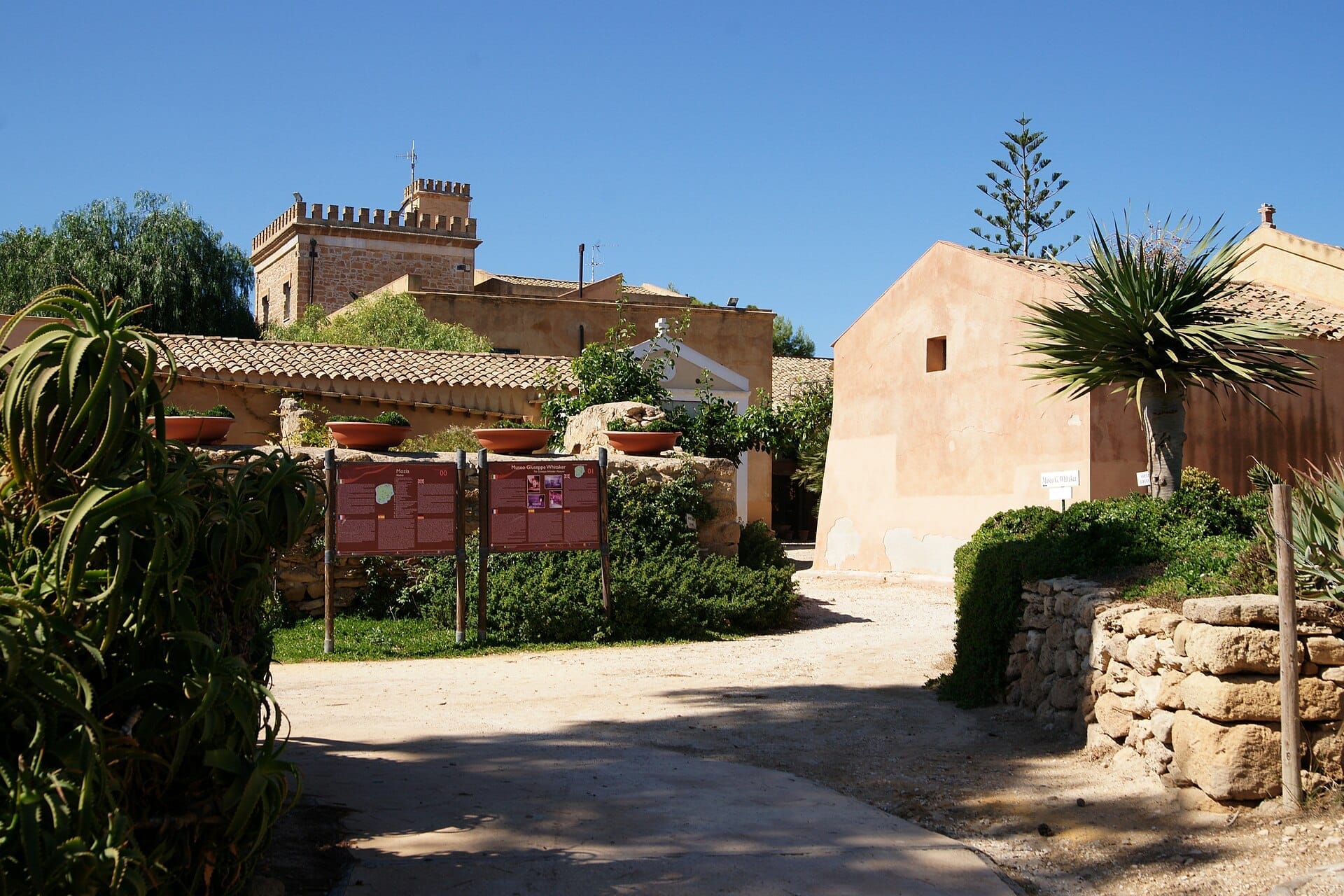
10. Cross to a Phoenician Island in the Stagnone Lagoon
The shallow lagoon near Marsala is one of Sicily's calmest seascapes. A short boat ride reaches Mothia (San Pantaleo), where an ancient Phoenician city preserves mosaic floors, a tophet, and a remarkable carved youth sculpture in its small museum.
Explore10. Cross to a Phoenician Island in the Stagnone Lagoon
The shallow lagoon near Marsala is one of Sicily's calmest seascapes. A short boat ride reaches Mothia (San Pantaleo), where an ancient Phoenician city preserves mosaic floors, a tophet, and a remarkable carved youth sculpture in its small museum.
ExploreRemote Islands Worth the Journey
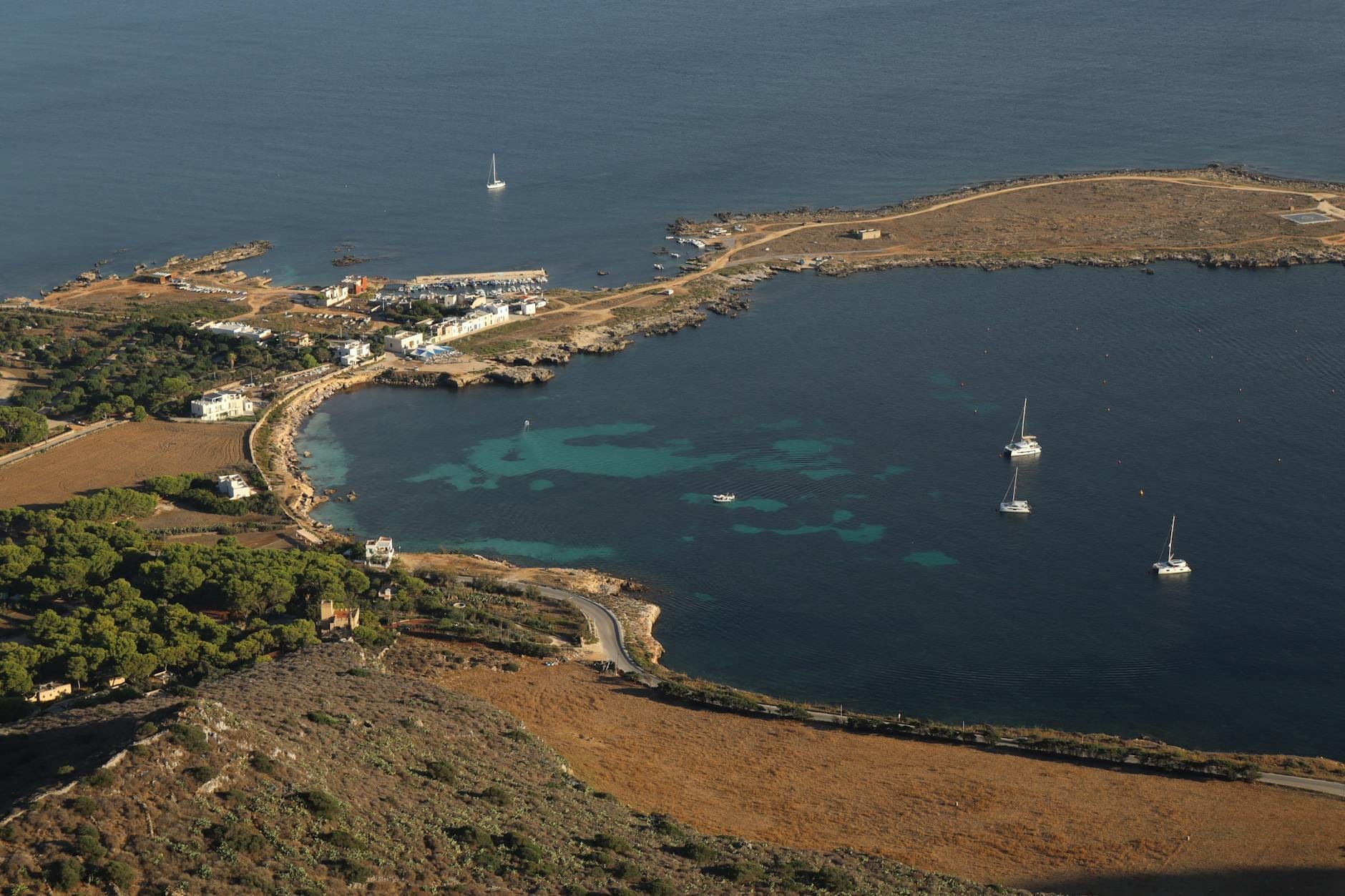
Sicily administers several archipelagos, and the lesser-visited islands are among the most rewarding destinations in the entire Mediterranean. Ferry and hydrofoil connections run from Trapani and Milazzo — check Liberty Lines for current seasonal timetables. For a broader overview of island-hopping logistics, the Sicily island hopping guide is a useful starting point.
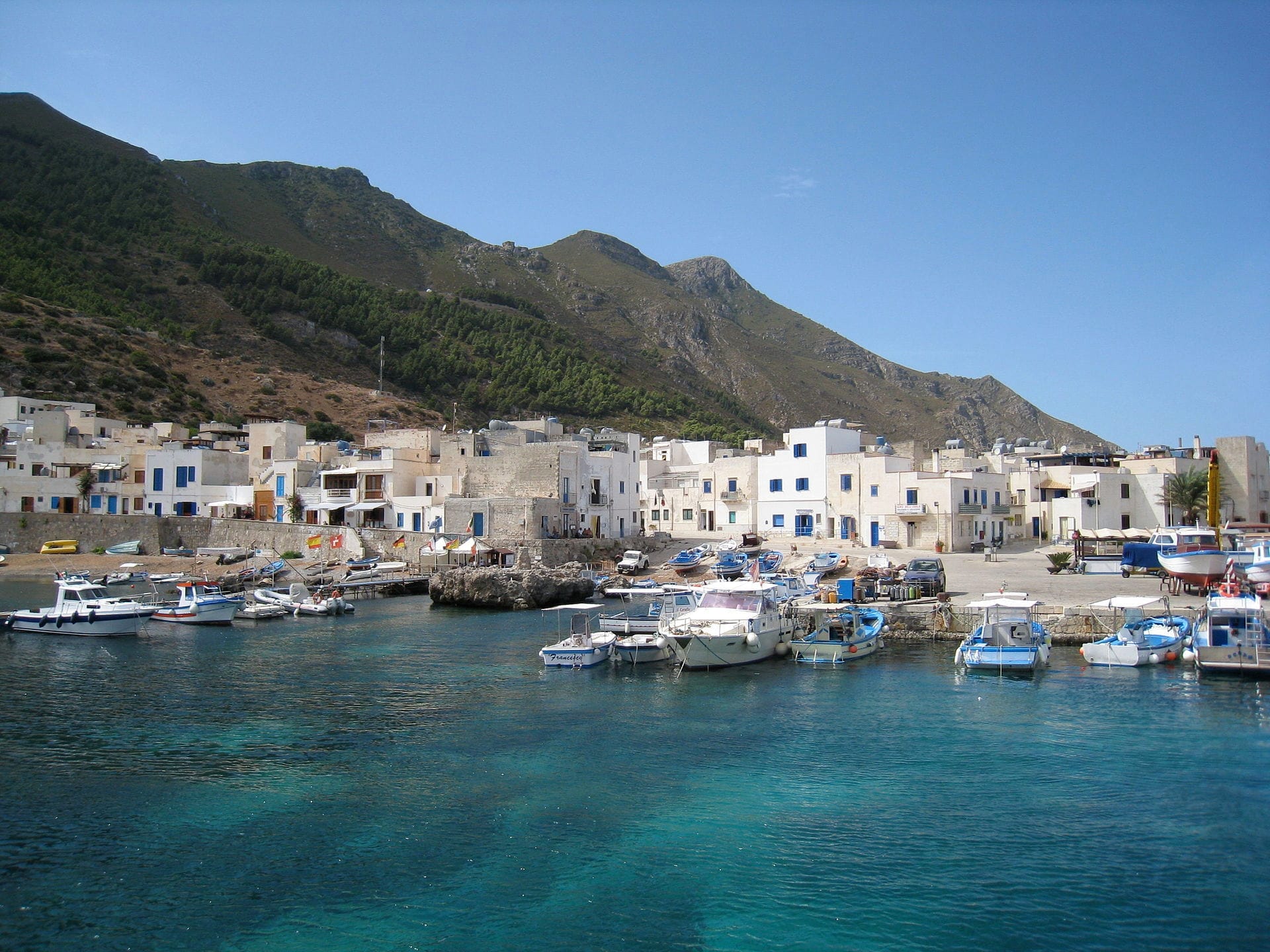
11. Hike and Dive on the Most Remote Egadi Island
Marettimo is the furthest and least-visited of the Egadi Islands, with no mass tourism, dramatic limestone peaks, sea caves, a Norman castle, and Roman ruins. The water clarity is exceptional for diving. Hydrofoils from Trapani take about 1 hour.
Explore11. Hike and Dive on the Most Remote Egadi Island
Marettimo is the furthest and least-visited of the Egadi Islands, with no mass tourism, dramatic limestone peaks, sea caves, a Norman castle, and Roman ruins. The water clarity is exceptional for diving. Hydrofoils from Trapani take about 1 hour.
Explore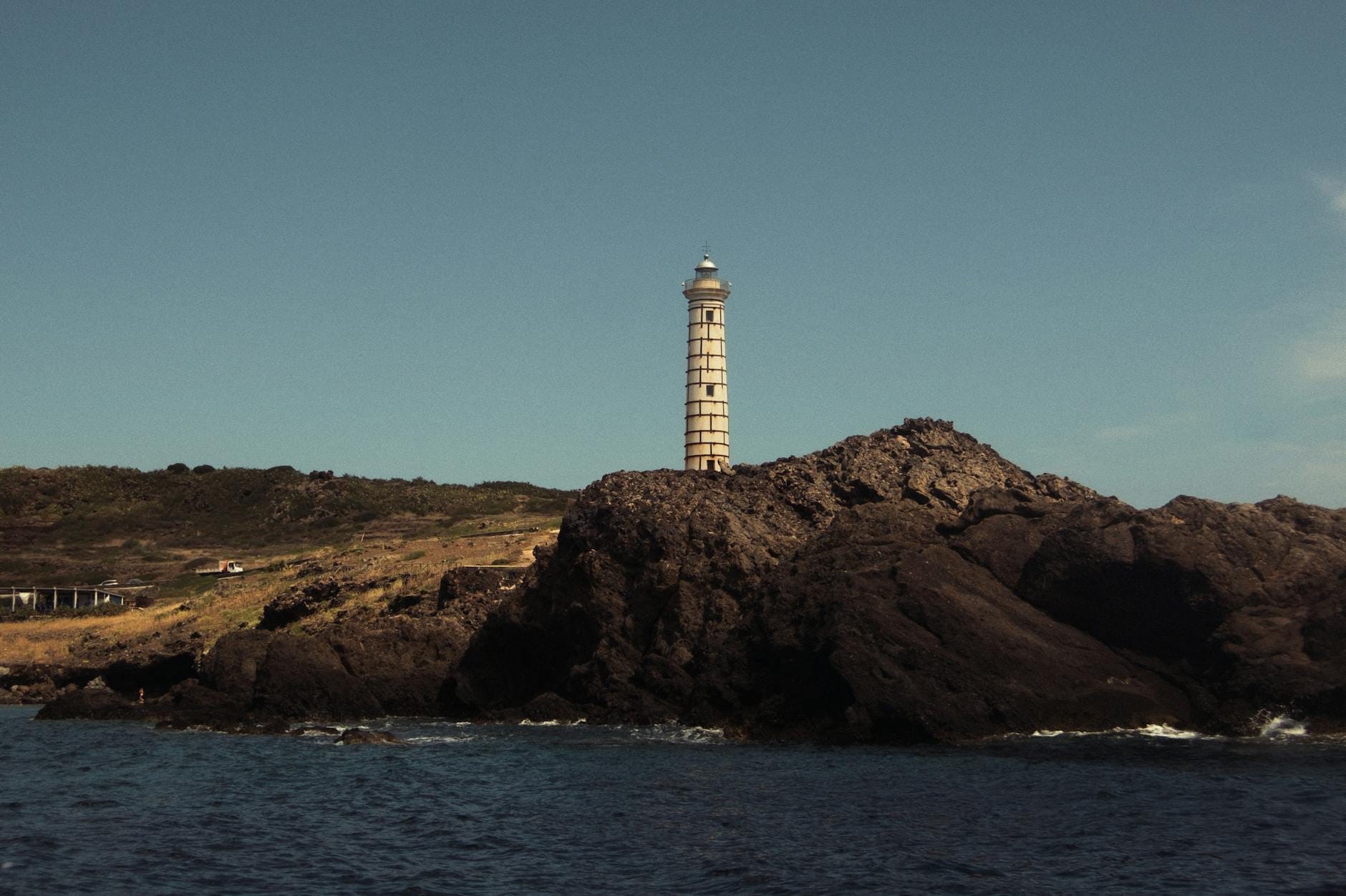
12. Dive Italy's Premier Marine Reserve at Ustica
A small volcanic island 60 km north of Palermo, Ustica's protected waters have extraordinary underwater visibility and rich marine life. Above water, the black lava trails and hilltop fort offer a genuinely quiet escape well off the main tourist circuit.
Explore12. Dive Italy's Premier Marine Reserve at Ustica
A small volcanic island 60 km north of Palermo, Ustica's protected waters have extraordinary underwater visibility and rich marine life. Above water, the black lava trails and hilltop fort offer a genuinely quiet escape well off the main tourist circuit.
Explore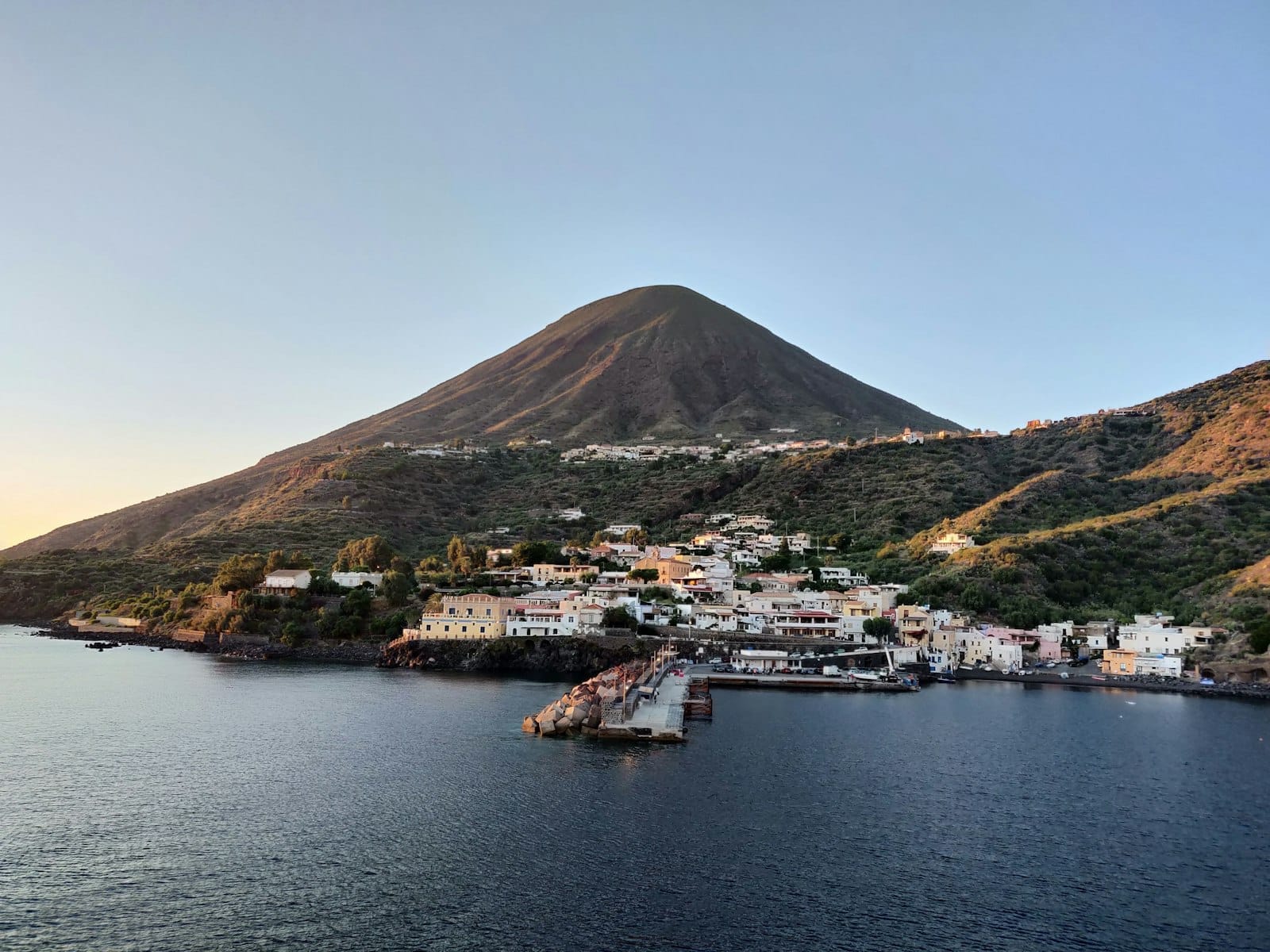
13. Taste Malvasia Wine on the Greenest Aeolian Island
Salina's twin volcanic peaks, wild capers, and sweet Malvasia wine give it a distinct identity among the Aeolians. The island filming location for Il Postino is quieter than Lipari or Panarea, with excellent hiking between the two craters and relaxed seafront villages.
Explore13. Taste Malvasia Wine on the Greenest Aeolian Island
Salina's twin volcanic peaks, wild capers, and sweet Malvasia wine give it a distinct identity among the Aeolians. The island filming location for Il Postino is quieter than Lipari or Panarea, with excellent hiking between the two craters and relaxed seafront villages.
Explore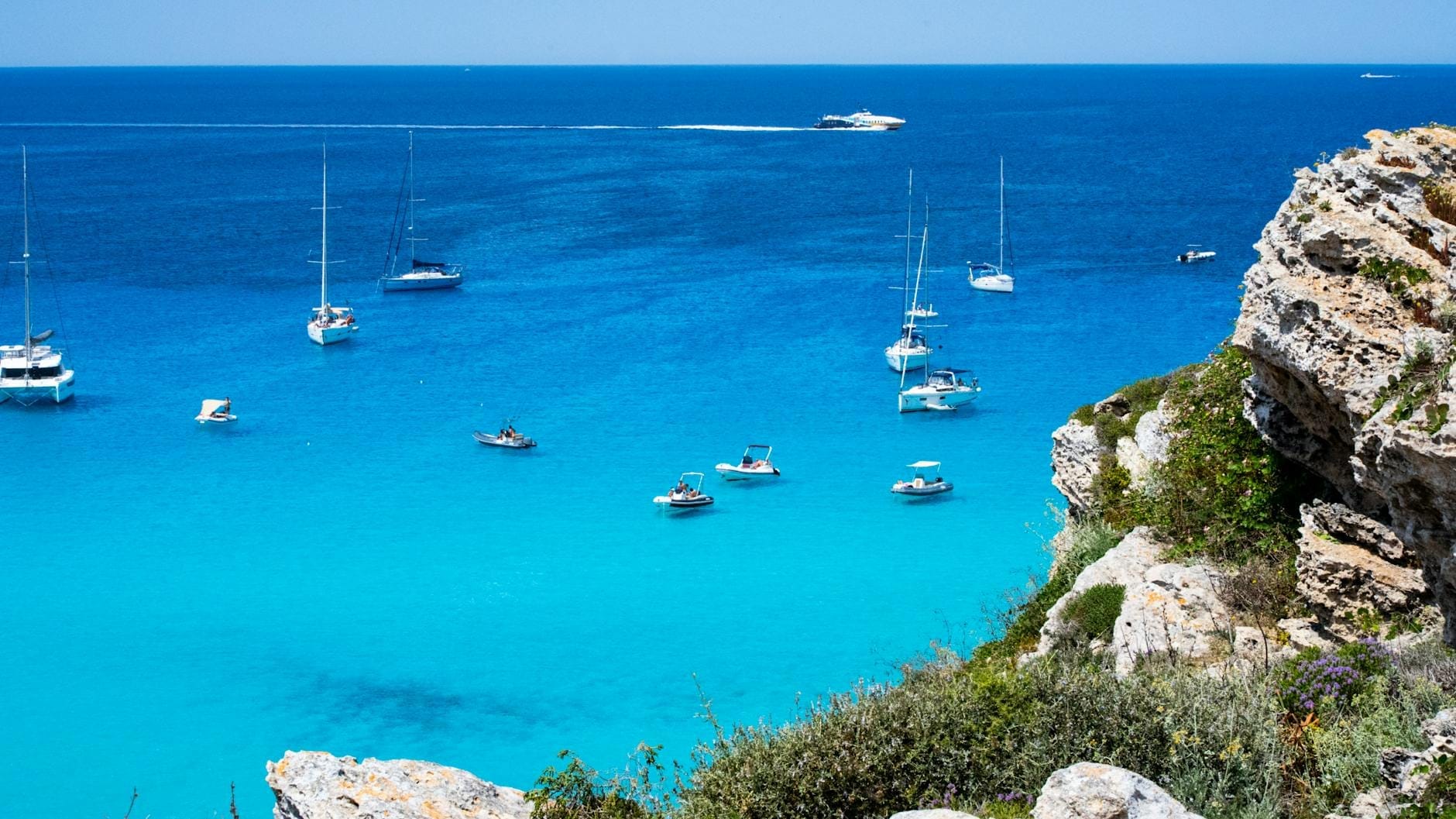
14. Swim in a Flooded Tuff Quarry at Favignana
Favignana's Cala Rossa is an extraordinary swimming spot: an old tuff quarry now open to the sea, its turquoise water ringed by carved golden walls. The island is flat and easy to explore by bicycle. Hydrofoils from Trapani take 30-45 minutes.
Explore14. Swim in a Flooded Tuff Quarry at Favignana
Favignana's Cala Rossa is an extraordinary swimming spot: an old tuff quarry now open to the sea, its turquoise water ringed by carved golden walls. The island is flat and easy to explore by bicycle. Hydrofoils from Trapani take 30-45 minutes.
ExploreBaroque Towns and Art You Haven't Seen
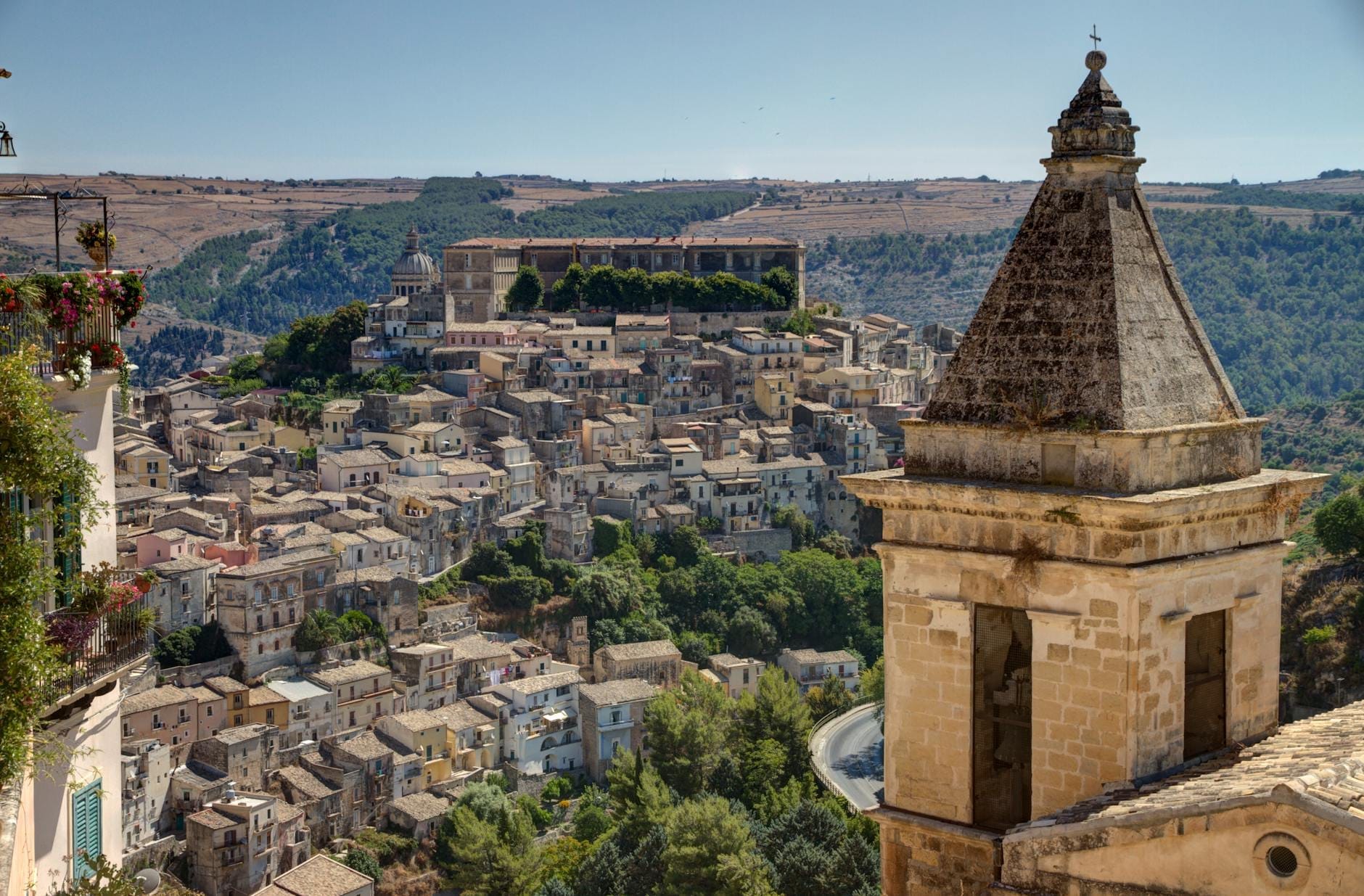
The Val di Noto UNESCO Baroque towns are technically well-known, but in practice far fewer visitors make it to the smaller ones compared to Ortigia or Taormina. The Baroque Sicily guide covers the full circuit if you want to build a dedicated itinerary around these extraordinary towns.
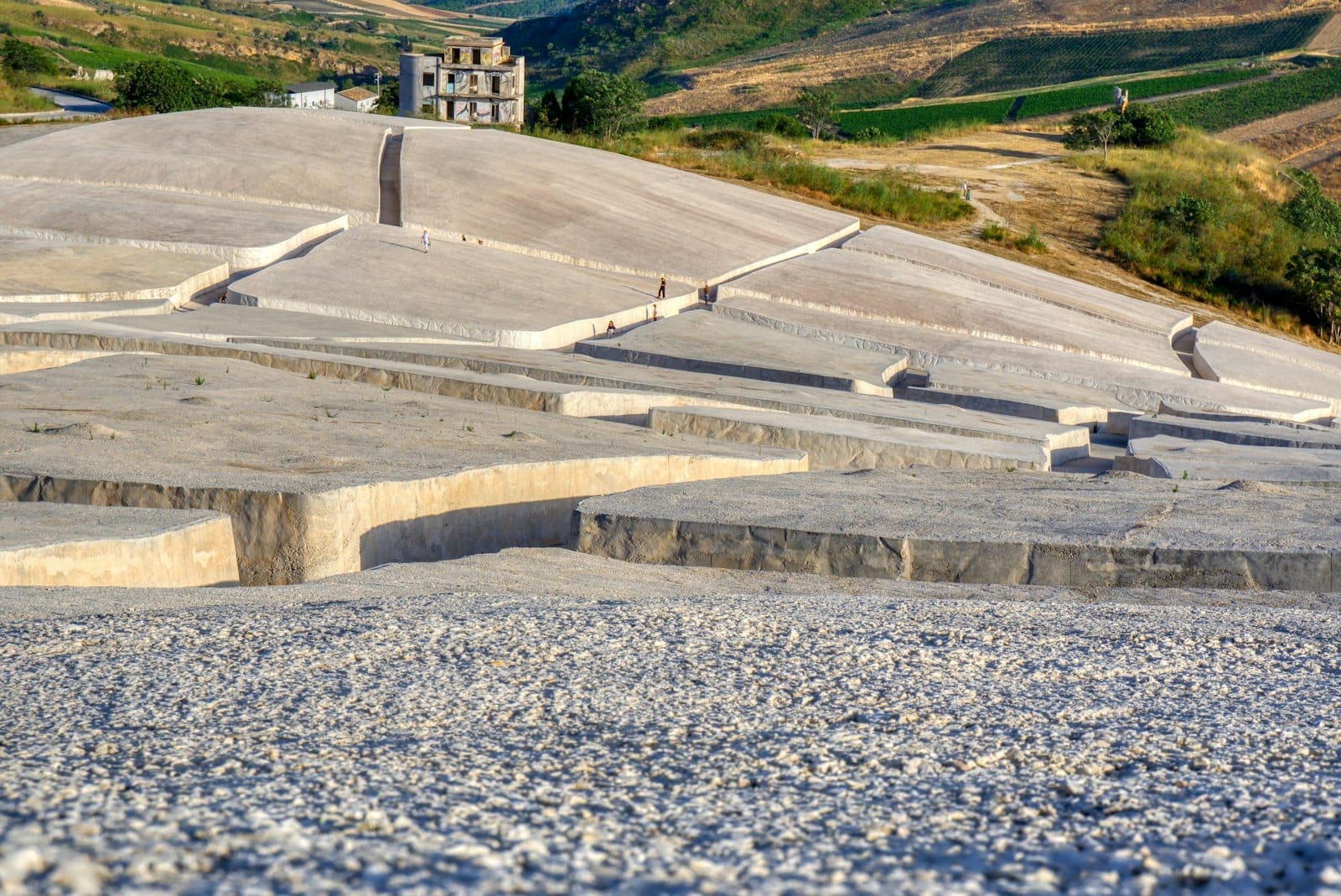
15. Stand Inside a Ghost Town at the Cretto di Burri
Alberto Burri encased the ruins of earthquake-destroyed Gibellina in vast white concrete blocks that trace its former street grid. Walking the silent white corridors of this monumental land-art work is one of the most unusual and affecting experiences in all of Sicily.
Explore15. Stand Inside a Ghost Town at the Cretto di Burri
Alberto Burri encased the ruins of earthquake-destroyed Gibellina in vast white concrete blocks that trace its former street grid. Walking the silent white corridors of this monumental land-art work is one of the most unusual and affecting experiences in all of Sicily.
Explore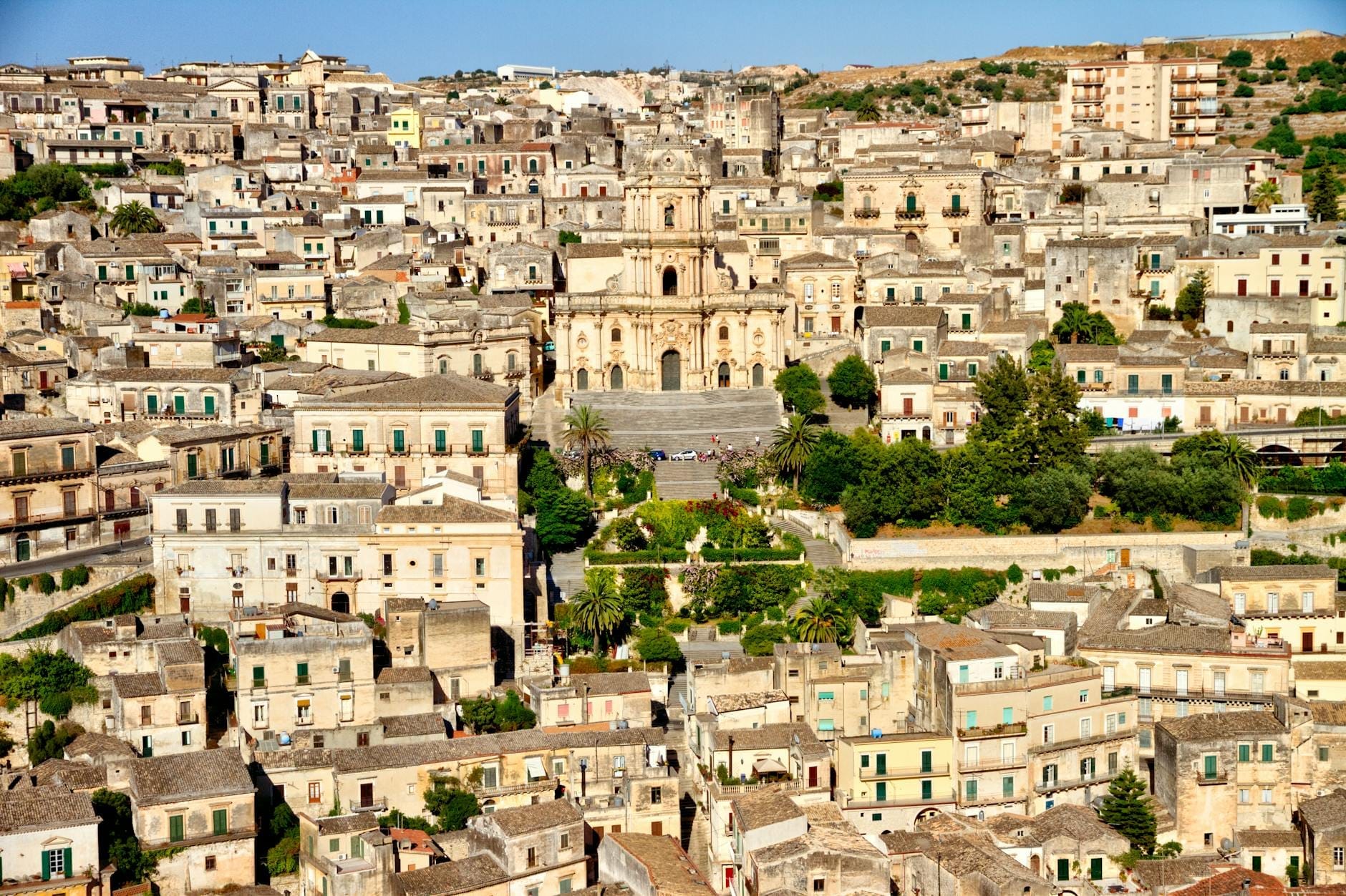
16. Try 500-Year-Old Chocolate Recipes in Modica
Modica's cold-processed chocolate follows an ancient Aztec method introduced by Spanish colonists, producing a grainy, intensely flavoured bar unlike anything else in Italy. The hilltop town is UNESCO-listed, uncrowded, and spectacular, especially around the Cathedral of San Giorgio.
Explore16. Try 500-Year-Old Chocolate Recipes in Modica
Modica's cold-processed chocolate follows an ancient Aztec method introduced by Spanish colonists, producing a grainy, intensely flavoured bar unlike anything else in Italy. The hilltop town is UNESCO-listed, uncrowded, and spectacular, especially around the Cathedral of San Giorgio.
Explore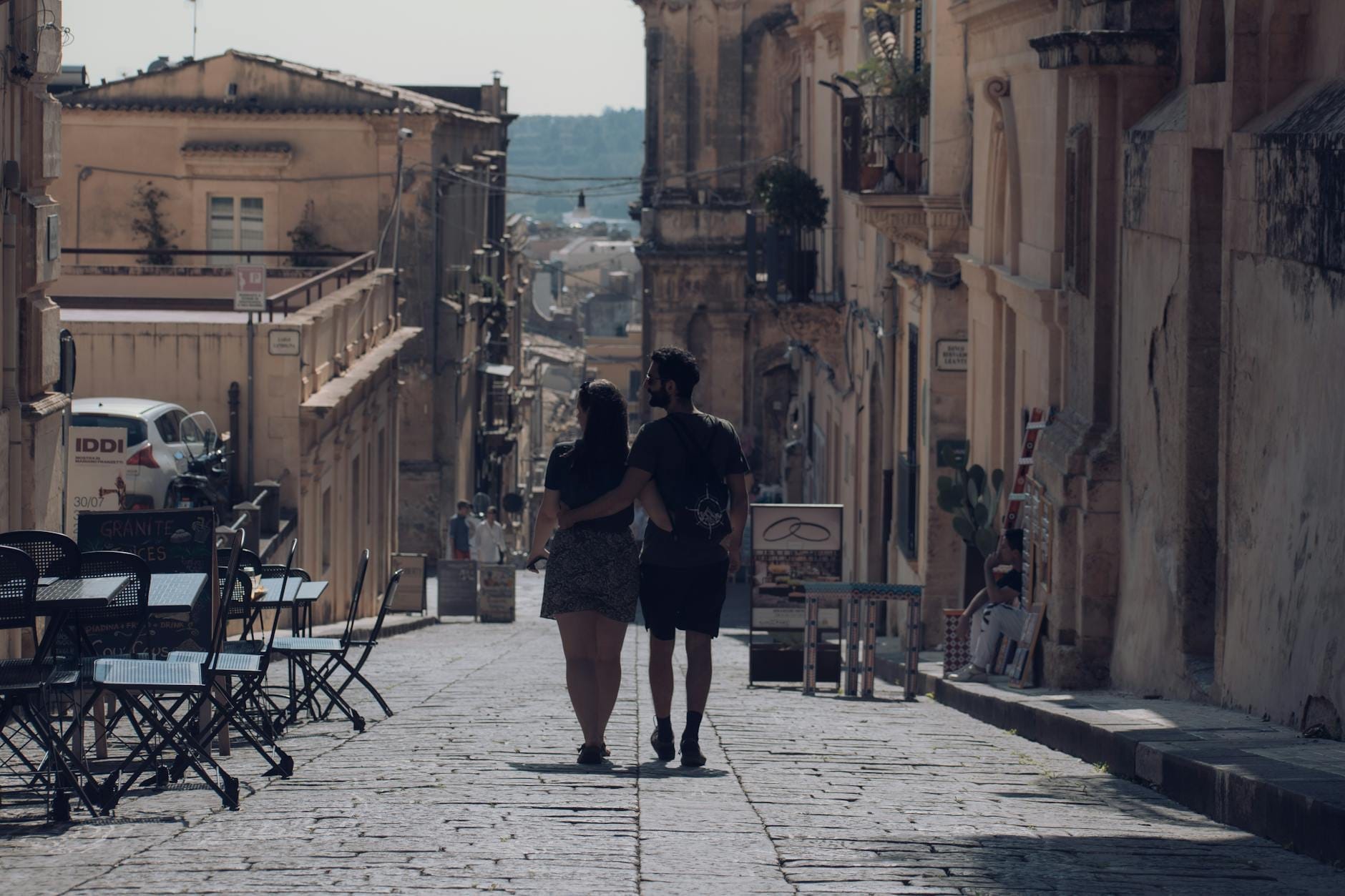
17. Find Noto's Most Theatrical Street and Its Carved Balconies
Via Nicolaci is upstaged by Noto's main corso, yet its Palazzo Villadorata has the finest carved balconies in Sicily: horses, lions, and mythological figures support each bracket. In May, the street becomes a carpet of fresh flowers for the Infiorata festival.
Explore17. Find Noto's Most Theatrical Street and Its Carved Balconies
Via Nicolaci is upstaged by Noto's main corso, yet its Palazzo Villadorata has the finest carved balconies in Sicily: horses, lions, and mythological figures support each bracket. In May, the street becomes a carpet of fresh flowers for the Infiorata festival.
Explore
18. Climb Caltagirone's Majolica-Tiled Staircase
The 142-step staircase in Sicily's ceramic capital has every riser faced in unique hand-painted majolica tiles. During the Luminaria festivals in May and August, thousands of oil lamps illuminate the entire flight after dark. Outside festival dates, the town is quiet and genuinely charming.
Explore18. Climb Caltagirone's Majolica-Tiled Staircase
The 142-step staircase in Sicily's ceramic capital has every riser faced in unique hand-painted majolica tiles. During the Luminaria festivals in May and August, thousands of oil lamps illuminate the entire flight after dark. Outside festival dates, the town is quiet and genuinely charming.
Explore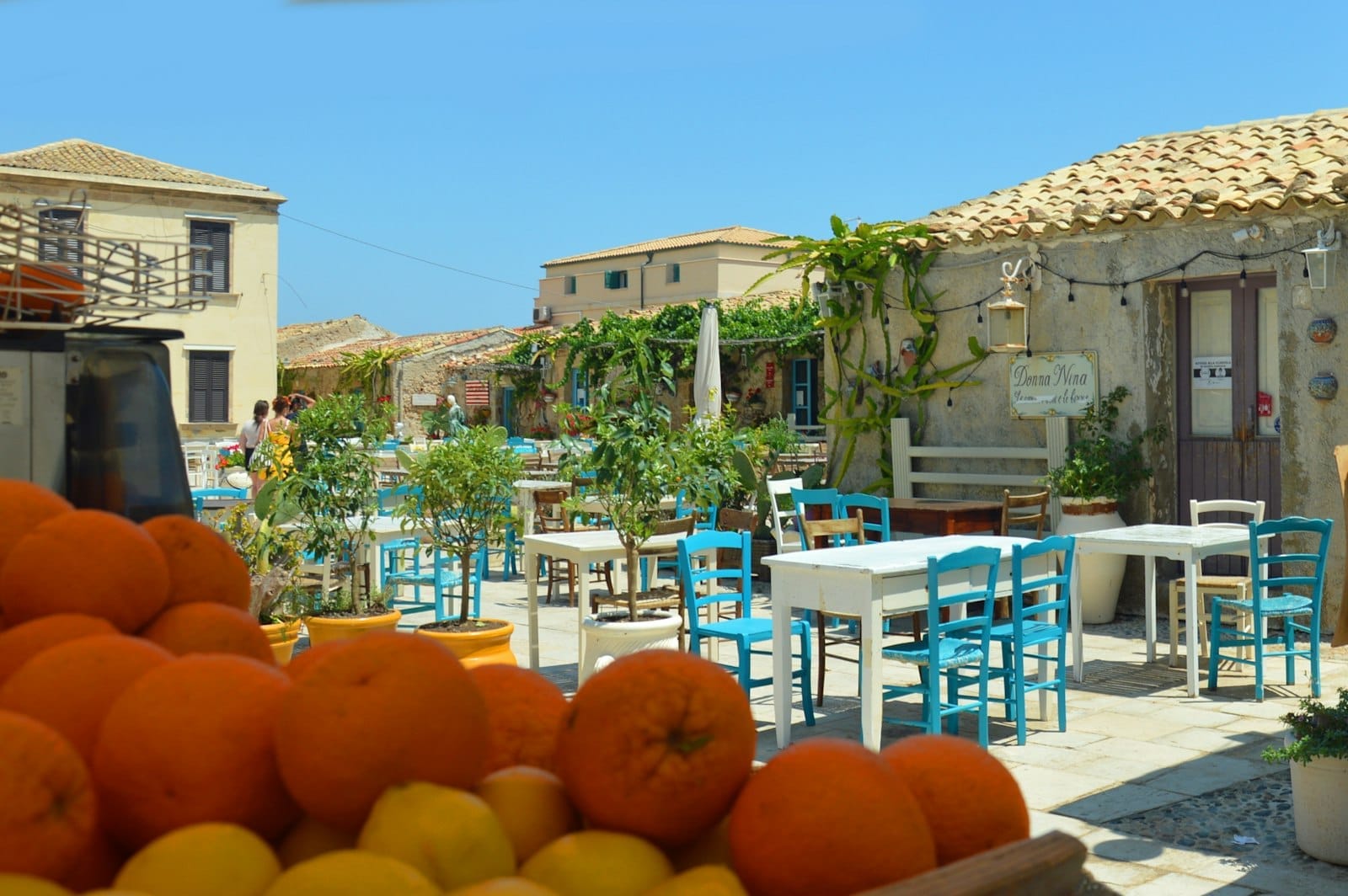
19. Eat Seafood in a Historic Tuna Fishery Village at Marzamemi
A low-key fishing village in Sicily's far southeast, Marzamemi is built around a 16th-century tonnara and a small piazza of whitewashed houses. The seafood restaurants are excellent, the pace is slow, and Vendicari beach is a short drive away.
Explore19. Eat Seafood in a Historic Tuna Fishery Village at Marzamemi
A low-key fishing village in Sicily's far southeast, Marzamemi is built around a 16th-century tonnara and a small piazza of whitewashed houses. The seafood restaurants are excellent, the pace is slow, and Vendicari beach is a short drive away.
ExplorePalermo's Overlooked Corners
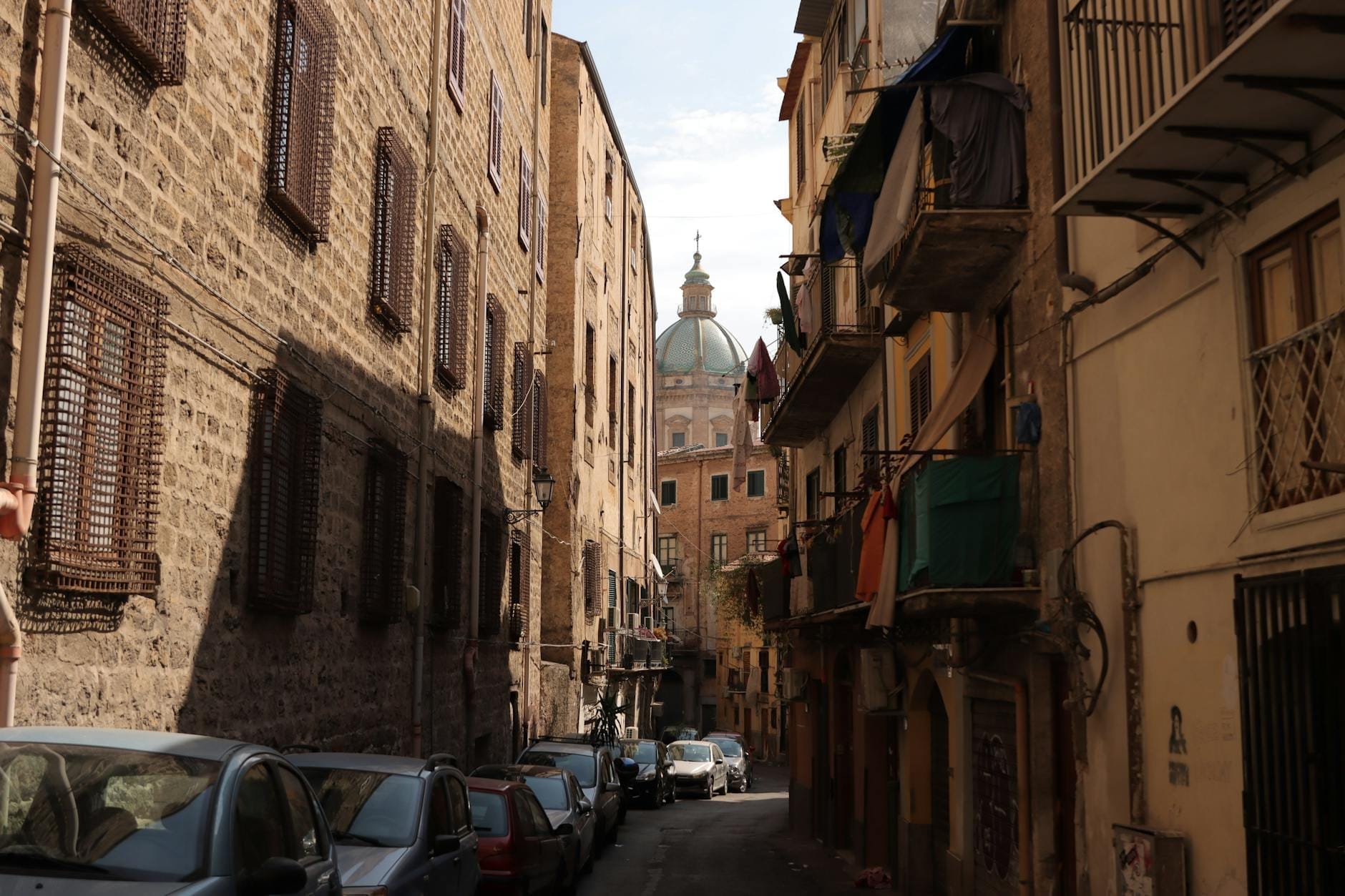
Palermo has enough major sights to fill a week, but beyond the Norman Palace and the markets there is a quieter, stranger city worth exploring. The Palermo area guide covers the full picture if you're planning multiple days in the capital.
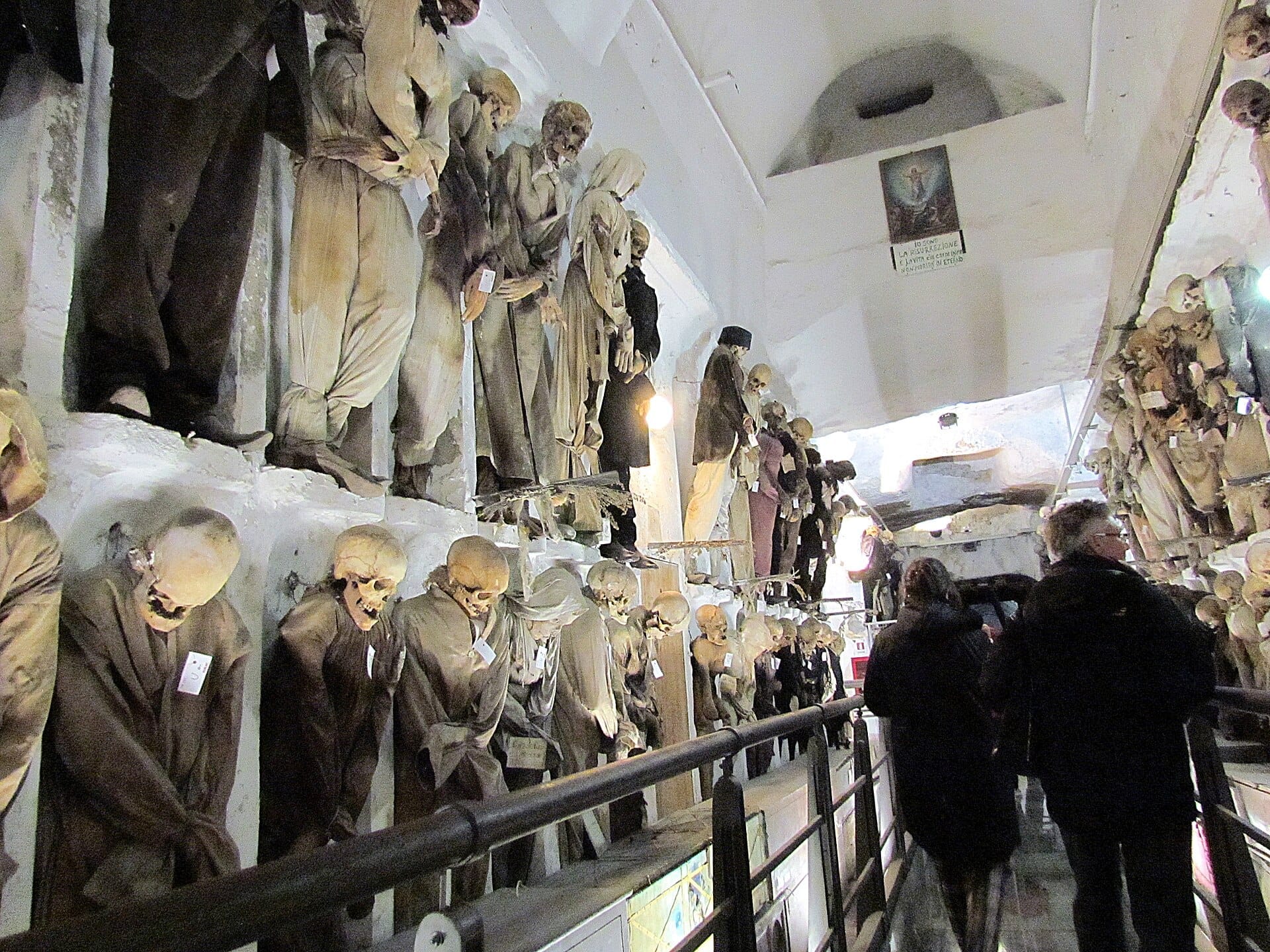
20. Face 8,000 Mummified Bodies in the Capuchin Catacombs
More than 8,000 mummified bodies hang in niches along the corridors beneath this Palermo church, organized by social class and profession. It is macabre, thought-provoking, and genuinely unlike anything else in Europe. Most visitors to Palermo skip it entirely.
Explore20. Face 8,000 Mummified Bodies in the Capuchin Catacombs
More than 8,000 mummified bodies hang in niches along the corridors beneath this Palermo church, organized by social class and profession. It is macabre, thought-provoking, and genuinely unlike anything else in Europe. Most visitors to Palermo skip it entirely.
Explore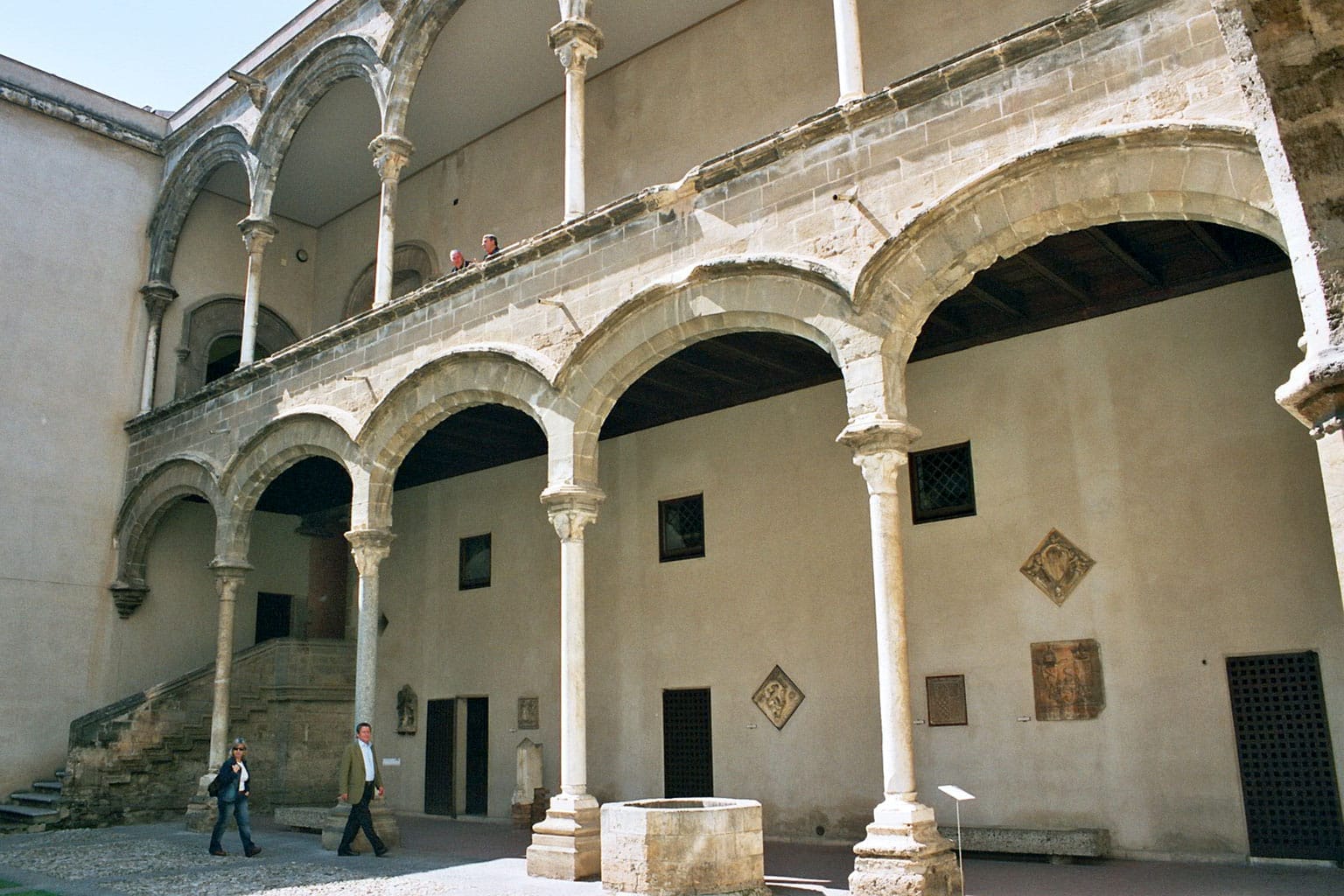
21. See Antonello da Messina's Masterpiece at Palazzo Abatellis
Palermo's regional gallery houses the haunting Triumph of Death fresco and da Messina's Annunciation in a beautiful 15th-century Gothic palace in La Kalsa. The collection is world-class and the building alone justifies the visit. Rarely more than a handful of visitors at one time.
Explore21. See Antonello da Messina's Masterpiece at Palazzo Abatellis
Palermo's regional gallery houses the haunting Triumph of Death fresco and da Messina's Annunciation in a beautiful 15th-century Gothic palace in La Kalsa. The collection is world-class and the building alone justifies the visit. Rarely more than a handful of visitors at one time.
Explore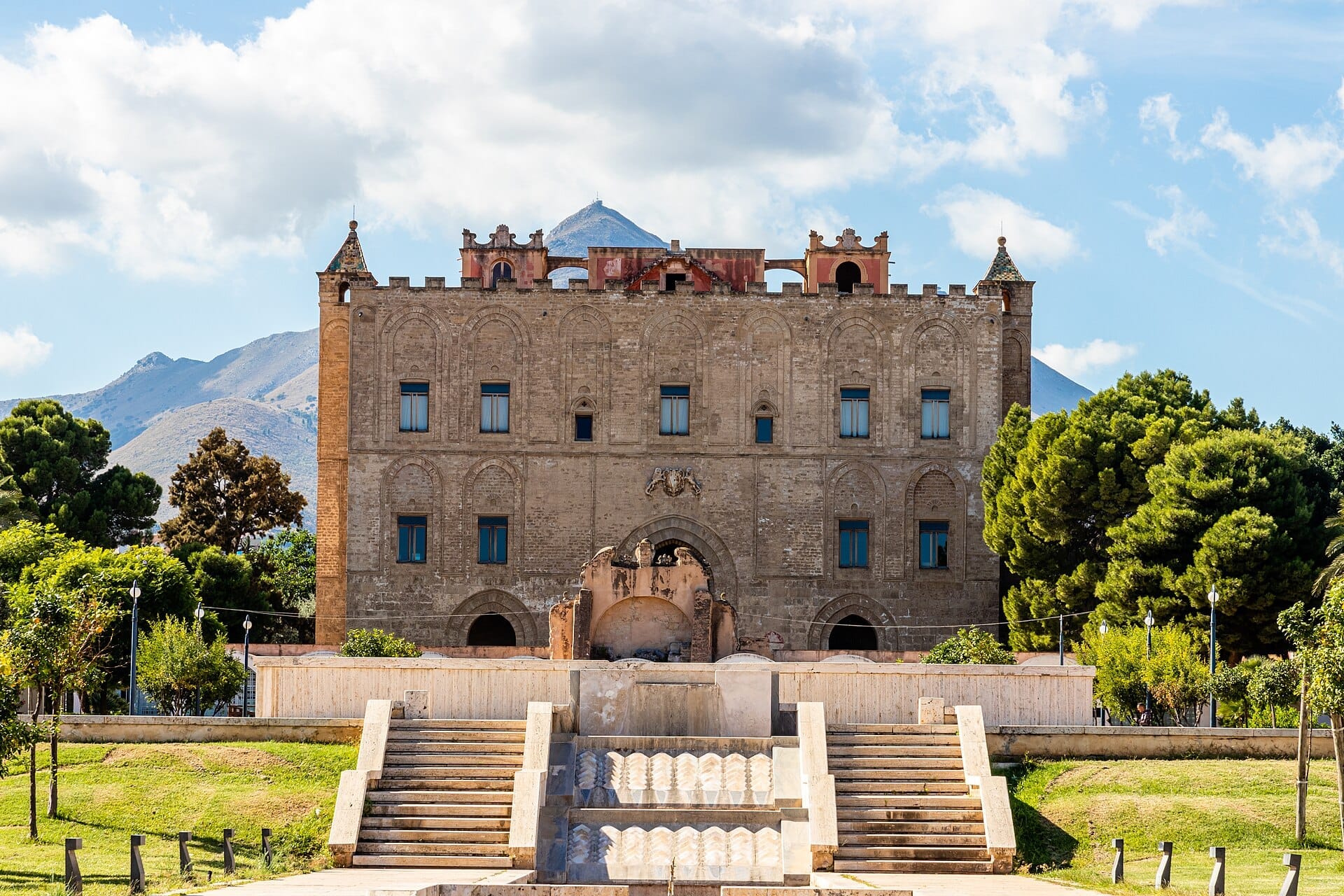
22. Step Inside Norman Arabia at the Zisa Castle
Built by Norman kings as a summer palace using Arab craftsmen, the Zisa has a muqarnas ceiling, indoor water channels, and a small museum of Islamic art. It sits in a quiet residential neighbourhood and receives a fraction of the visitors that the Palatine Chapel does.
Explore22. Step Inside Norman Arabia at the Zisa Castle
Built by Norman kings as a summer palace using Arab craftsmen, the Zisa has a muqarnas ceiling, indoor water channels, and a small museum of Islamic art. It sits in a quiet residential neighbourhood and receives a fraction of the visitors that the Palatine Chapel does.
Explore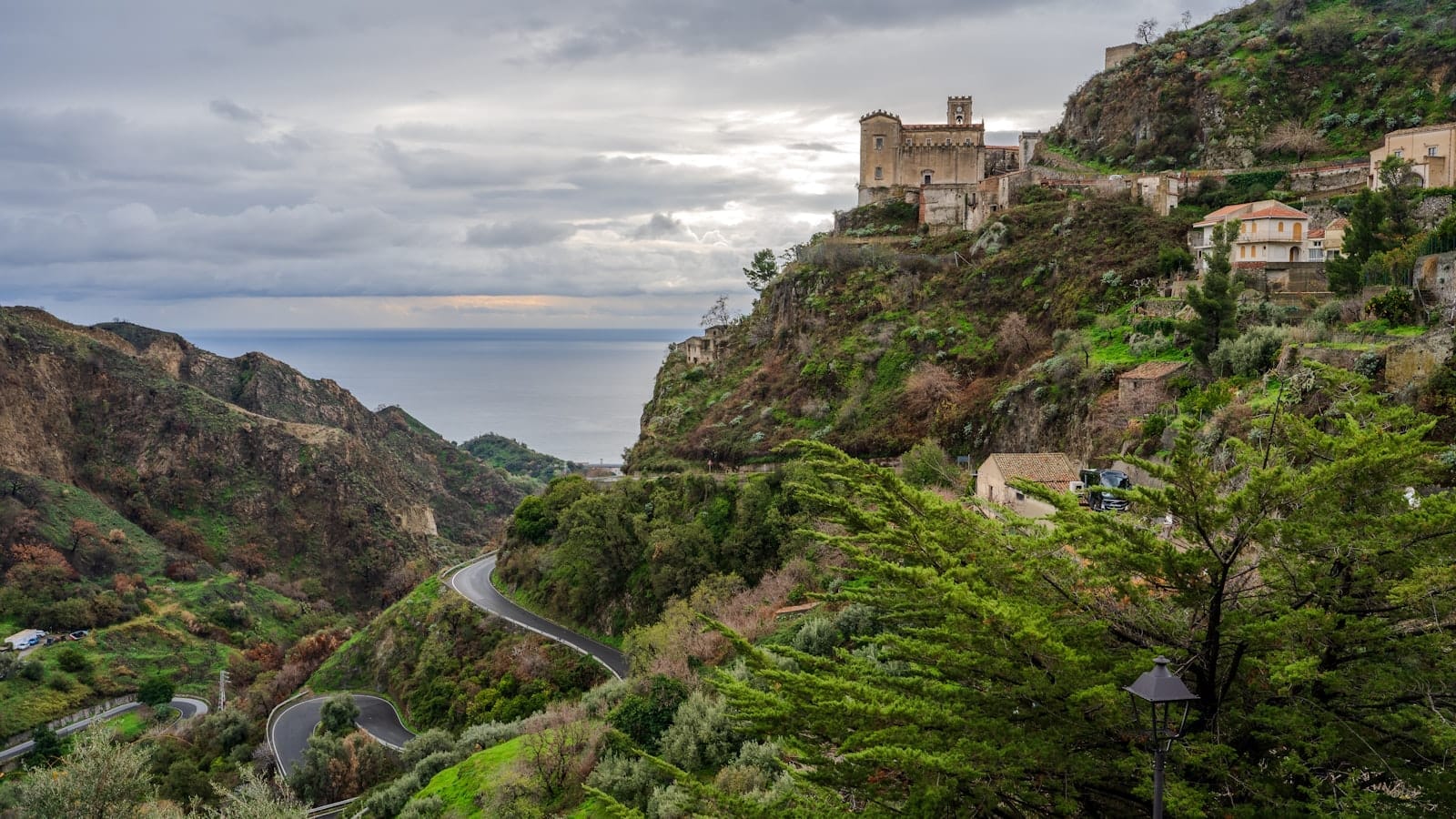
23. Visit the Godfather's Bar Vitelli in the Medieval Village of Savoca
This perfectly preserved hilltop village above the Ionian coast was where Coppola filmed Michael Corleone's Sicilian courtship scenes. The Bar Vitelli is still open and decorated with film stills. The Capuchin catacombs with mummified monks are a bonus layer of strangeness.
Explore23. Visit the Godfather's Bar Vitelli in the Medieval Village of Savoca
This perfectly preserved hilltop village above the Ionian coast was where Coppola filmed Michael Corleone's Sicilian courtship scenes. The Bar Vitelli is still open and decorated with film stills. The Capuchin catacombs with mummified monks are a bonus layer of strangeness.
ExploreFAQ
Do I need a car to reach Sicily's hidden gems?
For most of the sites on this list, yes. Places like Pantalica, Cave di Cusa, Vendicari, Cretto di Burri, and the Madonie mountains are either unreachable or impractical by public transport due to infrequent bus services. Car hire from Palermo, Catania, or Trapani is the most flexible option. Islands like Marettimo and Ustica are reached by ferry or hydrofoil from Trapani and Palermo respectively.
When is the best time to visit Sicily's off-the-beaten-path sites?
April to June and September to October strike the best balance. Nature reserves and hiking trails are open, temperatures are comfortable for outdoor exploration, and the smaller sites see far fewer visitors than in July and August. Midsummer temperatures regularly exceed 35°C, which makes long hikes at Zingaro or Pantalica genuinely gruelling. Some rural agriturismi and ferry services reduce in winter.
Are Sicily's lesser-known beaches really less crowded than the famous ones?
It depends on the season and whether locals know about them. Cala Rossa on Favignana and the Zingaro coves are well-known to Sicilians and can be busy in August. Vendicari and Eraclea Minoa tend to be calmer because access requires a small fee and some walking. The most reliably quiet beaches are on Marettimo and Ustica, which require a boat.
How do I get to the Aeolian and Egadi Islands from Sicily?
Liberty Lines and other operators run hydrofoils and ferries to both archipelagos. Egadi Islands (Favignana, Marettimo, Levanzo) depart from Trapani; journey time to Favignana is 30-45 minutes, to Marettimo around 1 hour. Aeolian Islands depart from Milazzo near Messina; journey time to Lipari is about 1 hour by hydrofoil. Timetables are seasonal, so check directly with the operators before booking.
Is Sicily safe for solo travellers exploring remote areas?
Generally yes. Sicily is a safe region of Italy for tourism, including solo travel. For remote hiking in places like Pantalica gorge or the Madonie mountains, standard precautions apply: tell someone your route, bring water and a charged phone, and check trail conditions before setting out. The emergency number throughout Italy, including Sicily, is 112.