Is Sicily Safe? An Honest Safety Guide for Visitors
Sicily is one of southern Europe's most rewarding destinations, and it is genuinely safe for tourists. This guide cuts through the stereotypes, explains what the real risks are, identifies the scams that do happen, and gives you practical tools to visit with confidence.
Plan and book this trip
Tools from our partner Travelpayouts help you compare flights and hotels. If you book through them, we may earn a commission at no extra cost to you.
Flights
Hotels map
TL;DR
- Sicily is safe to visit: violent crime against tourists is rare, and comparative data puts it below many major European cities.
- The real risks are petty theft and pickpocketing, concentrated in crowded markets, buses, and beach areas during summer.
- Mafia-related crime targets businesses and institutions, not tourists. The fear is a stereotype, not a travel reality. See our guide to things to do in Sicily without letting unfounded concerns hold you back.
- Several Italy-wide scams (friendship bracelets, fake helpers at ATMs, overcharging at restaurants) also occur in Sicilian cities. Knowing them in advance is your best defense.
- Emergency number for police, fire, and medical services: 112.
The Honest Answer: Is Sicily Safe?
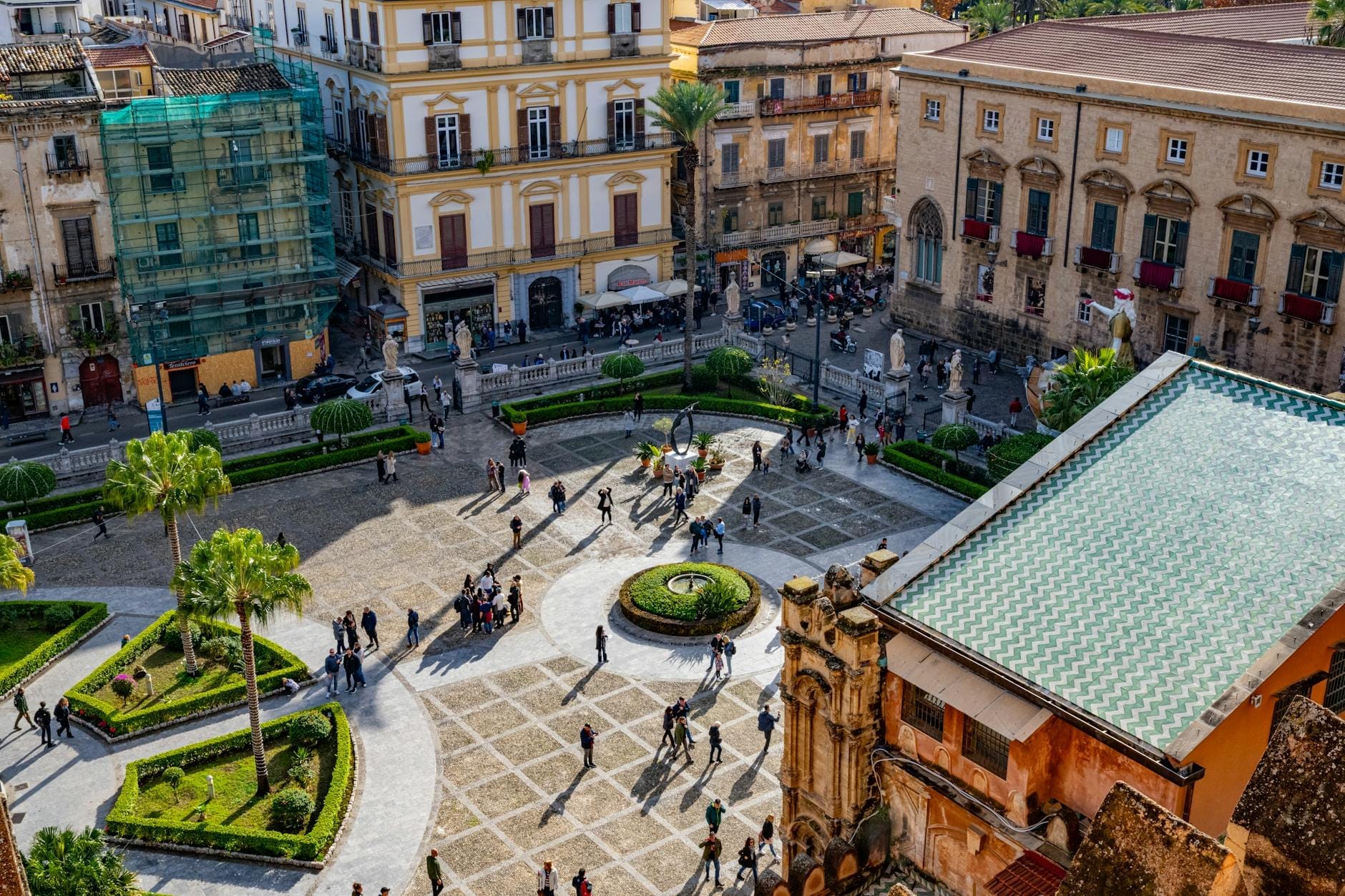
Sicily is safe for tourists. That is not a PR line from a tourism board: it reflects what the numbers and on-the-ground experience consistently show. Available data and expert commentary indicate that overall and violent crime levels in Palermo and Catania are not higher than in major Italian cities such as Rome and Milan, and both are broadly comparable to other large European cities when adjusted for population. Sicilian cities do have socioeconomic challenges, and organized crime has a documented historical presence, but neither of those facts translate into danger for visitors.
The Cosa Nostra, Sicily's best-known organized crime syndicate, operates primarily through financial crime, construction rackets, and political corruption. It has no specific interest in targeting ordinary tourists. Framing a trip to Palermo around mafia anxiety is roughly as logical as refusing to visit London because of financial fraud in the City. The stereotype is persistent, not accurate.
What you do need to think about is the same category of risk you would manage in any popular Mediterranean destination: petty theft, opportunistic scams targeting obvious visitors, and a handful of overcharging situations in tourist-heavy areas. These are manageable with basic awareness. For a broader view of what travel in Sicily actually looks like, the is Sicily worth visiting guide gives useful context alongside the safety picture.
Petty Theft and Pickpocketing: Where and When It Happens
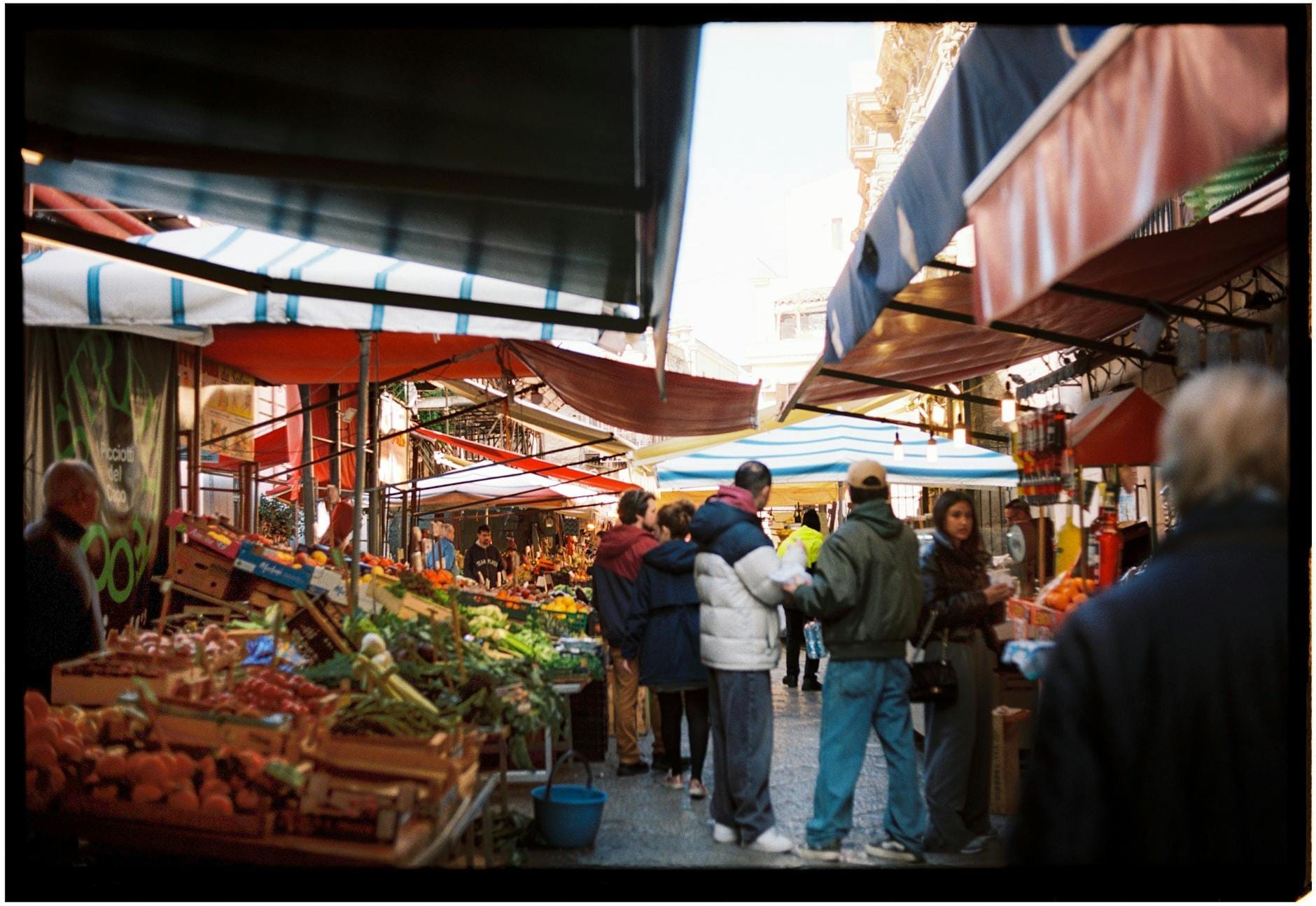
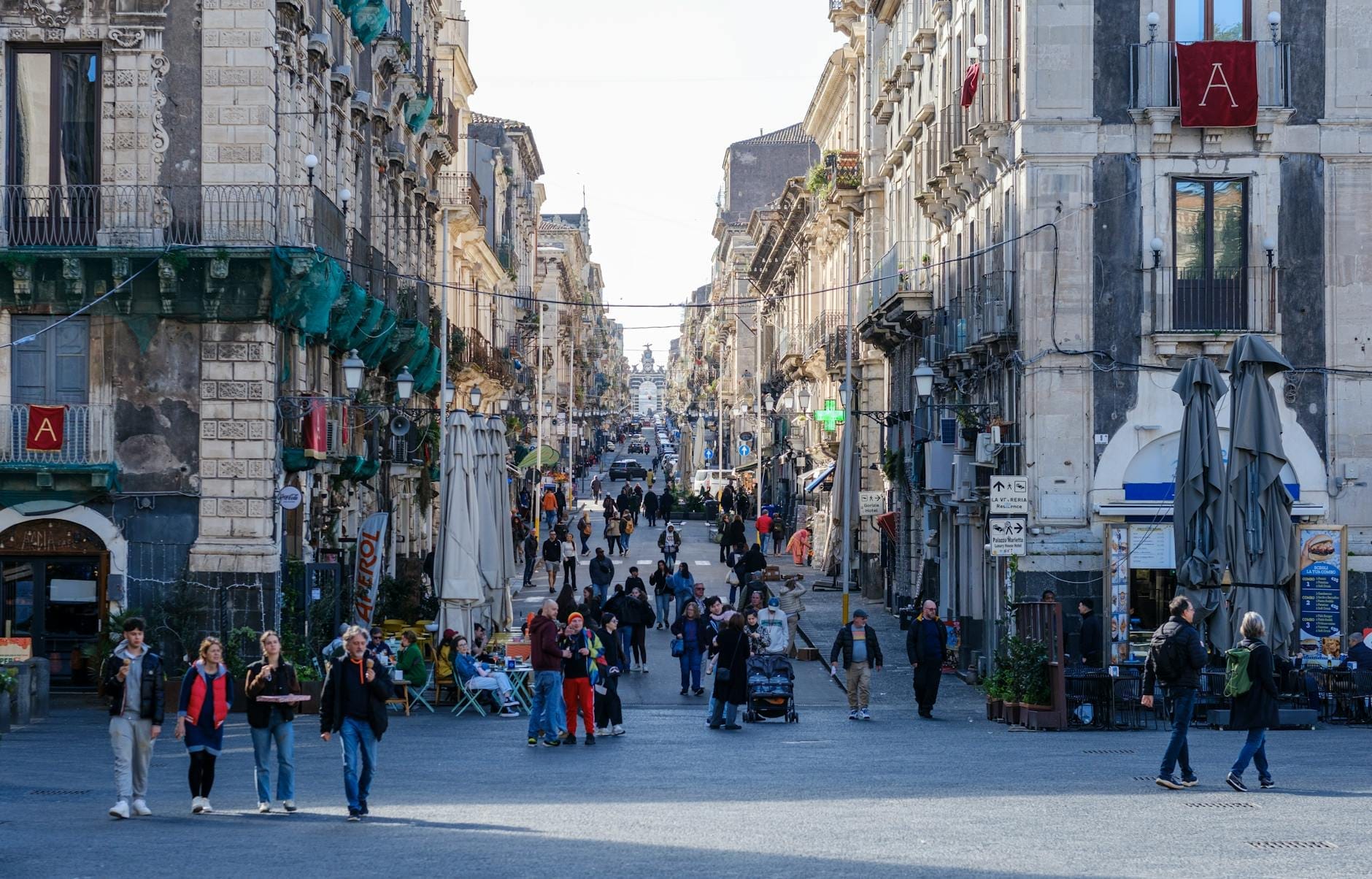
Pickpocketing is the primary safety concern for visitors in Sicily, as it is throughout southern Italy. It concentrates in predictable locations: crowded markets, public buses, historic center pedestrian zones, and anywhere that attracts large groups of tourists in summer. In Palermo, the Ballarò and Vucciria markets see the highest volume; in Catania, the area around the fish market and the main shopping streets on Via Etnea require attention. Taormina's Corso Umberto, extremely narrow and packed in July and August, is another spot where bags should be worn in front.
The risk correlates directly with the calendar. High season runs roughly from June through September, and the combination of dense crowds and distracted visitors creates more opportunity for theft. If you are visiting Palermo or Catania in July or August, treat bag security the same way you would in Rome or Barcelona. Shoulder bags worn across the body with zips facing inward are the practical standard.
💡 Local tip
Do not leave your phone on a café table. Grab-and-run thefts from outdoor tables happen in tourist areas across southern Italy, and Sicily is no exception. Keep devices in a bag or pocket when you are sitting down, especially on streets with moped traffic.
- Use a cross-body bag Keep it zipped, worn across the front of your body rather than hanging at your side or behind you. Backpacks are fine for hiking but not ideal in city markets.
- Avoid back pockets Wallets and phones in back pockets are the easiest targets on buses and in tight market crowds. Front pockets or an inner jacket pocket are significantly better.
- Split your cash and cards Keep a small amount of daily cash accessible and the rest, along with a backup card, stored separately in your accommodation safe.
- Use ATMs inside bank branches Standalone street machines are more vulnerable to card skimming devices. ATMs inside banks, or those in airport terminals, are the safer choice.
- Watch for distraction techniques Someone bumping into you, pointing at something on your clothing, or asking for directions in an insistent way may be working with a partner. Keep one hand on your bag whenever this happens.
Scams to Avoid in Sicily
Most scams operating in Sicily are not Sicily-specific: they run across Italy and southern Europe. Knowing them in advance removes almost all the risk, because they rely entirely on the victim not recognizing the setup.
- Friendship bracelets and unsolicited gifts Someone places a bracelet on your wrist or hands you a flower and then aggressively demands payment. The technique: once you have accepted the item, social pressure is used to extract cash. The response: do not accept anything you did not ask for. If it ends up in your hand, put it down and walk away without engaging.
- Fake helpers at ticket machines and ATMs A stranger offers to help you navigate a ticket machine or ATM, either because the screen is confusing or they claim there is a problem. They note your PIN or redirect you to a skimmed machine. Use machines independently, cover the keypad, and decline all unsolicited assistance.
- Restaurant overcharging This is more common at touristy spots near major sights. The bill arrives with added items you did not order, inflated prices for unspecified fish or seafood charged 'by weight', or a cover charge that was not communicated. Always ask for a written menu before ordering and request an itemized receipt (la ricevuta fiscale) at the end. Restaurants are legally required to provide one.
- The car or scooter damage scam A scooter driver claims you scratched their vehicle or bumped into their parked car and demands immediate cash. The vehicle often has pre-existing damage. Do not pay cash on the spot. Offer to call the police (112) and exchange insurance details: this almost always ends the situation immediately.
- Fake police officers Two men in plain clothes show ID and claim to be tax inspectors or undercover police who need to check your wallet or passport for counterfeit currency. Genuine Italian police will not approach tourists this way. Ask to be taken to a police station or call 112 to verify. Do not hand over your wallet.
- Fraudulent vacation rentals Rental listings that look attractive at a low price request payment via bank transfer, Western Union, or cryptocurrency rather than through a protected platform. Book through established platforms with payment protection. If a listing asks you to move the transaction off-platform, that is a reliable signal to walk away.
⚠️ What to skip
Beach club and bar overcharging is a specific issue in some tourist-heavy coastal areas of Sicily. A chair and umbrella rental that 'seemed included' or a round of drinks with no prices listed can result in a bill that feels extortionate. Ask for prices before sitting down, before ordering. It is a completely normal thing to do.
Seasonal Safety Considerations
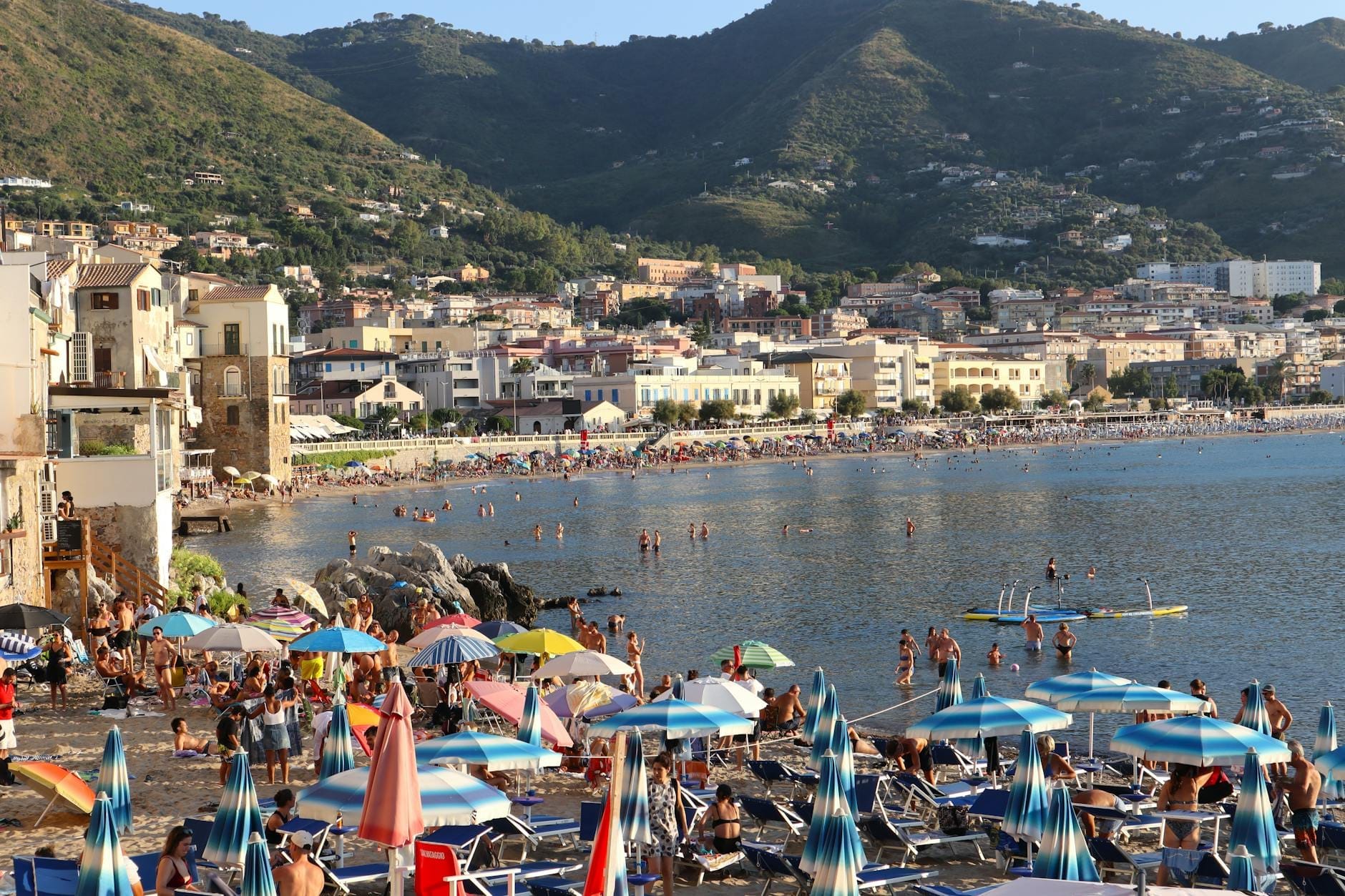
Summer is when most visitors arrive and also when most of the preventable problems occur. July and August bring peak crowds to the coast, particularly around Taormina, the beaches near Palermo, and the Aeolian Islands. Pickpocketing risk is at its highest, taxi overcharging is more common, and some tourist-facing businesses push harder on pricing.
There is also a genuine physical safety issue in summer that many visitors underestimate: heat. July and August daytime temperatures commonly reach around 30–33°C in coastal cities and can exceed 35°C inland during heatwaves. Heatstroke and dehydration are real risks, particularly if you are doing archaeological site visits like the Valley of the Temples or Selinunte in the middle of the day. Bring at least 1.5 litres of water, schedule major outdoor visits before 10am or after 4pm, and take the midday heat seriously.
Spring (April to June) and autumn (September to October) are the periods when safety and comfort align best for most visitors. Crowds are thinner, temperatures are manageable, and opportunistic crime is proportionally lower. If your dates are flexible, the shoulder season is the better choice for relaxed travel.
✨ Pro tip
Sicily's tap water is generally safe to drink throughout the island, and most towns have public drinking fountains marked 'acqua potabile'. Refilling a reusable bottle at these fountains is free, keeps you hydrated without cost, and avoids the tourist markup on bottled water at beach concessions.
Safety Across Sicily's Main Destinations
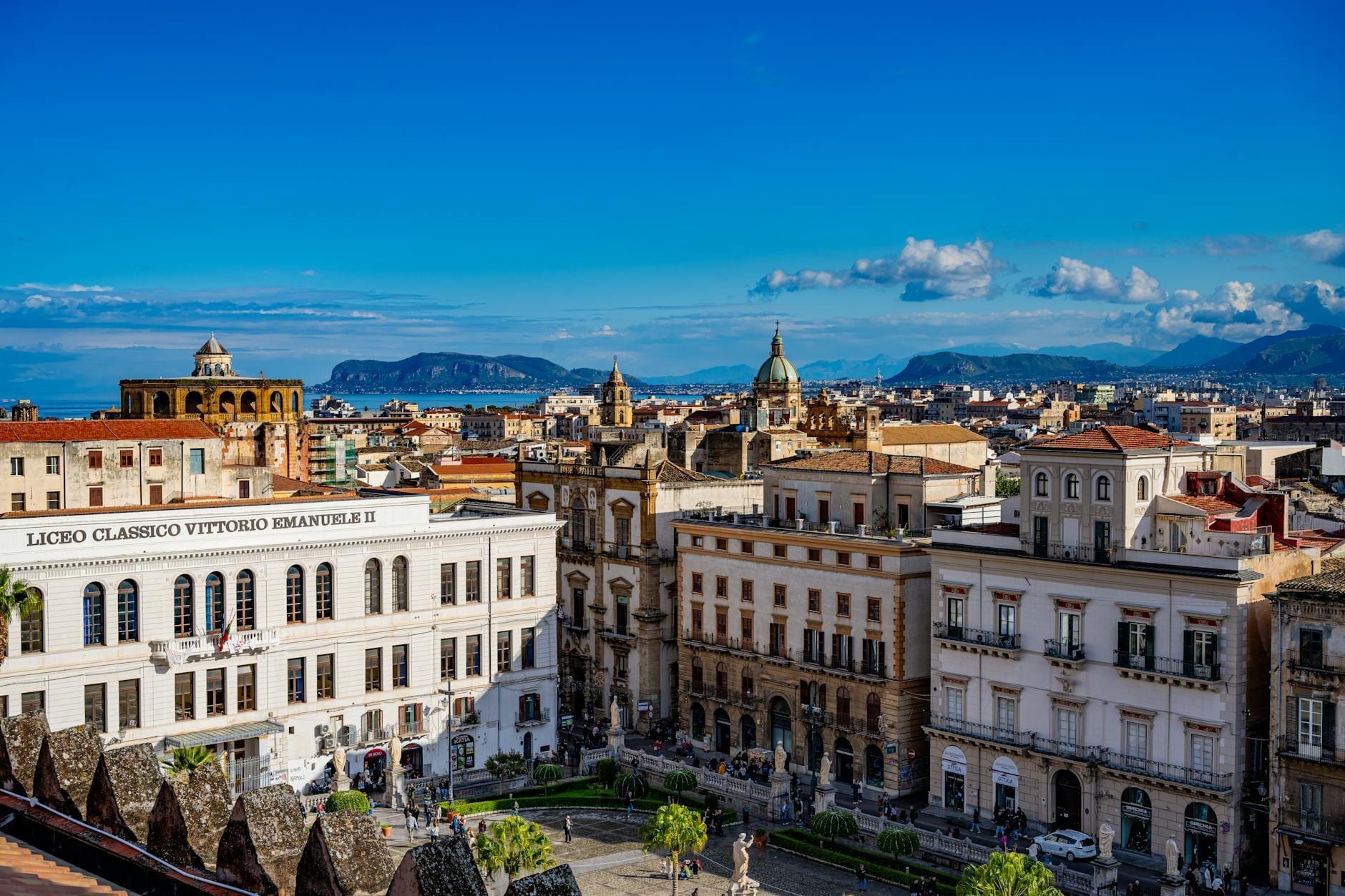
Not every part of Sicily carries the same risk profile. Palermo gets the most negative press, partly because it is the largest city and has historically disadvantaged neighborhoods. In practice, the areas tourists visit, including the historic center around the Quattro Canti, Monreale, and the Ballarò market, are well-policed and active with visitors throughout the day. After dark, sticking to the main streets and avoiding quiet side streets in less-frequented parts of the city is the same common sense you would apply anywhere.
Taormina is extremely safe and heavily touristed, to the point where the main risk is commercial: overpriced restaurants and shops target visitors confidently. Siracusa and Ragusa Ibla are among the most relaxed destinations on the island from a safety standpoint, with low crime and small-town atmospheres even in summer. The rural interior and western coast near Trapani are quieter still.
If you are driving through Sicily, the main safety note is road condition awareness rather than crime. Mountain roads in the interior can be narrow, poorly lit, and not well-signposted. The Sicily by car road trip guide covers this in detail, including the stretches where extra caution is warranted.
Emergency Contacts and Practical Information
Italy uses the pan-European emergency number 112 for all emergencies in many regions, including Sicily, and this number works from any phone, including those without a SIM card. You can also reach specific services via 113 (state police), 115 (fire service), and 118 (medical emergencies), but 112 is the most useful single number to know.
If something is stolen, you need to file a report (denuncia) with the local Polizia di Stato or Carabinieri. This is required for any insurance claim and is straightforward at most tourist-area stations. Officers in Palermo, Catania, and Taormina are accustomed to helping foreign visitors. Bring your passport and any evidence you have.
- Emergency (all services): 112
- State Police (Polizia di Stato): 113
- Medical Emergency (Emergenza Sanitaria): 118
- Fire Service (Vigili del Fuoco): 115
- Italy country code for international calls: +39
- Dress code for churches: shoulders and knees covered (applies across Sicily's many religious sites)
- Tap water: safe to drink island-wide unless signposted otherwise (look for 'acqua non potabile')
- Electricity: 230V, 50Hz, Type C and L plugs (bring an adapter from the US, UK, or Australia)
Common Misconceptions About Safety in Sicily
The mafia question comes up in almost every conversation about Sicily safety, and it deserves a direct answer. Organized crime in Sicily is real, historically documented, and still present at an institutional level. It is also almost entirely irrelevant to your experience as a tourist. The Cosa Nostra operates in construction, public contracts, and business extortion. There is no documented pattern of tourists being targeted by organized crime in Sicily.
The second common misconception is that Palermo and Catania are significantly more dangerous than other Italian or European cities. Comparative crime data does not support this. Both cities have lower rates of violent crime than Rome and Naples, and well below cities like London, Paris, or Berlin when adjusted for population. The perception is shaped partly by historical reputation and partly by the fact that both cities have visible poverty in some neighborhoods, which visitors sometimes conflate with danger.
Sicily is not a destination that requires special caution beyond standard travel awareness. Visitors who come expecting a rough experience are typically surprised by how straightforward and welcoming it is. The island has been receiving travelers, traders, and settlers for three thousand years: hospitality is genuinely embedded in the culture.
ℹ️ Good to know
If you are visiting from a country with a Schengen visa exemption (including the USA, UK, Canada, and Australia), you can stay in Italy for up to 90 days within any 180-day period without a visa. Sicily follows Italian and Schengen Area entry rules. Always verify current requirements with an official Italian consulate before travel, as regulations can change.
FAQ
Is Sicily safe for solo female travelers?
Yes, though solo women traveling in Sicily may experience unsolicited attention in some areas, particularly in smaller towns or from groups of men in public spaces. This rarely escalates beyond the verbal and uncomfortable. Standard precautions apply: avoid quiet, unlit streets late at night, be direct about unwanted attention, and trust your instincts about any situation that feels wrong. Taormina, Siracusa, Ragusa, and the tourist-oriented parts of Palermo are straightforward to navigate alone.
Is Sicily safe to visit right now?
Yes. Sicily has no active travel advisories from major governments citing danger to tourists. Standard Italy travel guidance applies: be aware of petty theft in crowded areas, use common sense in cities after dark, and follow any local advisories related to weather events or volcanic activity near Etna. Always check the current advisory from your government's foreign travel department before you go.
Is the Mafia actually a risk for tourists in Sicily?
No. Organized crime in Sicily focuses on business, politics, and institutional corruption. There is no evidence of mafia groups targeting tourists. The association between Sicily and organized crime is historically real but not a practical safety issue for visitors. Treating this as a travel risk would be comparable to avoiding New York because of Wall Street fraud.
Which parts of Sicily are safest for tourists?
Taormina, Siracusa, Ragusa Ibla, and Cefalu are among the most relaxed destinations in Sicily and see very little crime beyond the occasional opportunistic theft. Palermo and Catania require slightly more awareness in busy areas and on public transport, but both are safe for tourists who apply basic urban common sense. Rural areas and smaller towns are generally extremely safe.
What should I do if I am scammed or robbed in Sicily?
File a report (denuncia) at the nearest Polizia di Stato or Carabinieri station as soon as possible. You will need your passport and a written description of what happened. This report is required for travel insurance claims. The emergency number 112 can direct you to the nearest station. In major tourist centers like Palermo, Catania, and Taormina, police stations are used to handling reports from foreign visitors and often have English-speaking officers available.