Lipari Island: The Aeolian Archipelago's Ancient Heart
Lipari is the largest and most accessible of Sicily's Aeolian Islands, a UNESCO World Heritage volcanic archipelago in the Tyrrhenian Sea. From its towering citadel and world-class archaeological museum to obsidian-streaked cliffs and crystalline coves, Lipari rewards travelers who want more than a beach stopover.
Quick Facts
- Location
- Aeolian Islands (Isole Eolie), Tyrrhenian Sea, north of Sicily, Italy
- Getting There
- Ferry or hydrofoil from Milazzo (Sicily's main departure port); hydrofoils also from Messina and Palermo (seasonal). Milazzo is reachable by train from Messina or Palermo.
- Time Needed
- Minimum 1 full day; 2–3 days recommended to explore the island properly
- Cost
- No admission fee to enter the island or town; ferry/hydrofoil fares and individual attraction tickets vary by operator and season
- Best for
- History enthusiasts, volcanic landscape lovers, island-hoppers, and travelers seeking a slower Mediterranean pace
- Official website
- www.italia.it/en/sicily/messina/lipari-island
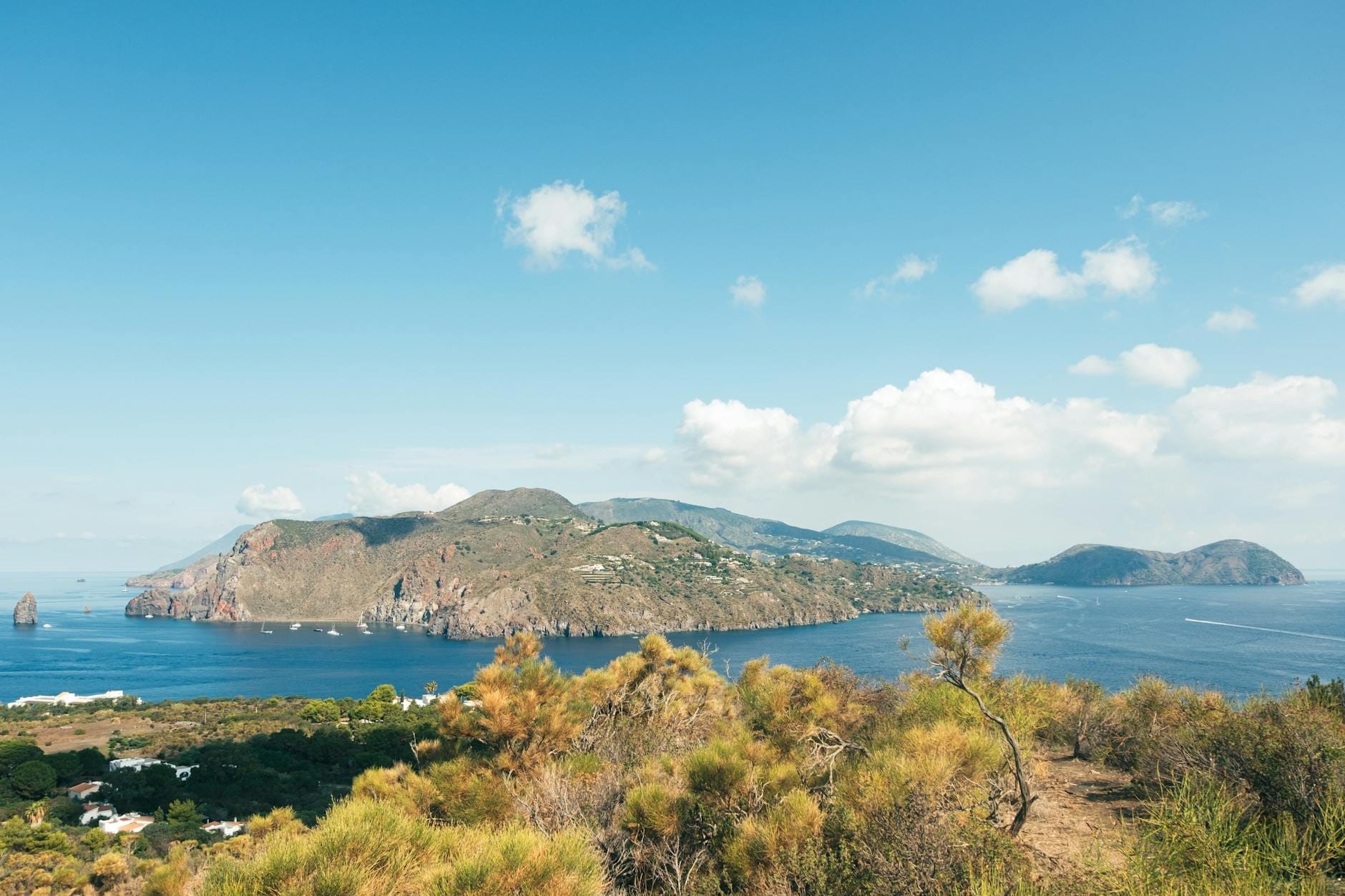
What Lipari Actually Is
Lipari Island (Isola di Lipari) is the largest of the seven Aeolian Islands, covering roughly 37–38 square kilometres of volcanic rock rising from the Tyrrhenian Sea. It sits about 30 kilometres north of the Sicilian coast and functions as the archipelago's administrative and transport hub. Most hydrofoil connections between the other islands pass through Lipari at some point, which means many travelers bound for Stromboli or Panarea will spend at least a few hours here.
That transit role sometimes causes visitors to underestimate Lipari itself. That would be a mistake. The island packs together a Norman-era citadel, one of Italy's most important prehistoric archaeological museums, obsidian lava flows visible from the sea, thermal waters, and a sequence of small beaches sheltered by dark volcanic cliffs. The Aeolian Islands as a whole have been a UNESCO World Heritage Site since 2000, recognized for their outstanding volcanic features and their contribution to the scientific understanding of volcanology.
ℹ️ Good to know
Lipari is a living municipality, not a ticketed park. The island and its town are accessible year-round with no general entrance fee. You pay for the ferry or hydrofoil crossing and for specific sites like the regional museum.
Arriving and First Impressions
The main approach is by sea from Milazzo, a port town on Sicily's northeastern tip. Hydrofoils cover the crossing in roughly 55 minutes; slower car ferries take around 2 hours but are cheaper and carry vehicles. Arriving by hydrofoil gives you the better first impression: the boat swings around the southeastern headland and the town of Lipari appears framed by the citadel walls above and the pastel-fronted waterfront below. The smell of salt water and faintly sulphurous air is noticeable before you even disembark.
The port area is compact and slightly chaotic in summer, with hydrofoil schedules stacking up across the two main quays. Marina Lunga handles most traffic; Marina Corta, a smaller harbour just around the headland, is where fishing boats moor and where the late-afternoon light lands best for photographs. Once you clear the port, the main street, Corso Vittorio Emanuele, runs roughly parallel to the shore and carries most of the island's cafes, shops, and restaurants into a pedestrian stretch that is surprisingly easy to navigate on foot.
💡 Local tip
Book hydrofoil tickets in advance during July and August. Departures fill quickly, and missing your connection can strand you for several hours. Siremar and Liberty Lines are the main operators; check their official sites for current schedules and fares.
Tickets & tours
Hand-picked options from our booking partner. Prices are indicative; availability and final rates are confirmed when you complete your booking.
Lipari and Vulcano mini-cruise from Taormina
From 80 €Instant confirmationFree cancellationIslands of Lipari and Vulcano from Cefalu
From 75 €Instant confirmationFree cancellationFull Day Islands of Lipari and Vulcano Tour from Taormina
From 82 €Instant confirmationFree cancellationCruise to Panarea and Stromboli by night from Lipari
From 57 €Instant confirmationFree cancellation
The Citadel and the Archaeological Museum
The single most significant thing on Lipari stands on the rock above Marina Corta: the fortified citadel (known locally as the Castello di Lipari), enclosed within 16th-century Spanish walls built over much earlier Norman, Byzantine, and Greek fortifications. Walking up takes about ten minutes from the port and the gradient is noticeable, but the view over both harbours from the top is worth the climb even if you visit nothing else inside.
Inside the walls is the Museo Archeologico Regionale Eoliano Luigi Bernabò Brea, which is consistently rated among the most important prehistoric and protohistoric collections in Europe. The museum occupies several buildings spread around the citadel and organizes its collections by period, from Neolithic obsidian tools through Bronze Age ceramics to Greek theatrical masks. The prehistoric section alone justifies a dedicated half-day. Lipari and the other Aeolian Islands were critical trading posts in the ancient Mediterranean: obsidian from Lipari's volcanic flows was exported across the region thousands of years before the Roman Empire existed.
Opening hours and ticket prices for the museum change seasonally and should be verified on the official regional museum site before your visit. For context on the broader archaeological landscape of Sicily, the guide to the best Greek ruins in Sicily places Lipari's finds within the longer arc of Mediterranean antiquity.
💡 Local tip
The citadel also contains two churches: the Cathedral of San Bartolomeo (baroque facade, largely rebuilt after a 16th-century Turkish raid) and the smaller Chiesa dell'Addolorata. Neither requires tickets. The cathedral's interior is calm and cool in midday heat.
The Volcanic Landscape: Obsidian, Pumice, and Thermal Waters
Lipari's volcanic character is not abstract history. The island's western and northern flanks show it plainly. The area around Canneto, a small village north of the main town, has visible pumice deposits; the pumice industry that once defined much of the island's economy has wound down significantly, but the pale-grey hillsides and the turquoise water created by pumice runoff remain distinctive. The beach at Spiaggia Bianca north of Canneto gets its white colour partly from pumice particles in the sand.
Obsidian outcrops are visible at Forgia Vecchia and Gabellotto-Fiume Bianco on the southwestern coast. These glassy black flows were the reason Neolithic and Bronze Age traders made the journey to Lipari in the first place: obsidian fractures to a sharper edge than flint and was the cutting-edge material of its era. You can see it in the museum, and you can see it in situ on a coastal walk or scooter ride around the island.
Lipari also has low-level hydrothermal activity on its western side, with fumaroles and thermal springs that feed a small spa area near the village of Terme di San Calogero. This is minor compared to the drama of neighbouring Vulcano's crater or Stromboli's nightly eruptions, but it underlines the point that this archipelago sits directly above one of the Mediterranean's most active volcanic zones.
Travelers drawn to volcanic landscapes across Sicily should read the Sicily volcano guide for a broader comparison of volcanic sites, from Etna to the Aeolian Islands.
Beaches and Water
Lipari's coastline alternates between small pebble-and-sand coves and sheer volcanic cliffs dropping straight into the sea. The water is exceptionally clear in most bays, with a blue-green tone that intensifies on calm mornings. Beaches are generally small by Sicilian mainland standards; this is a volcanic island, not a long sandy coast.
Spiaggia Valle Muria on the southwest coast is one of the more secluded options, accessible by boat or a steep footpath, and rewards the effort with dark sand and relative quiet even in August. Spiaggia di Portinente on the western side is more easily reached and has a mix of rock and sand. Canneto beach, just north of the main town, is the most convenient option if you are staying in Lipari town and want a quick swim before or after sightseeing.
For snorkelling, the sea around the citadel headland and the rocky points near Acquacalda on the north coast are productive. The shallow reef structures around volcanic rock host sea urchins, octopus, and parrotfish. Boat tours circling the island are widely available from the port and take about three to four hours; most stop for swimming at two or three points.
Lipari as an Island-Hopping Base
Because Lipari is the main transport hub of the Aeolian archipelago, it makes logical sense as a base for visiting the other islands. Day trips to Vulcano (about 10–20 minutes by hydrofoil) to smell the sulphur crater and bathe in the thermal mud pools, or to Salina (30 minutes) for its green hills and Malvasia wine, are straightforward and well-serviced.
Stromboli, the most dramatic destination in the archipelago with its near-nightly lava flows visible after dark, requires a longer trip but is reachable as a day excursion or overnight stay. The Stromboli volcano guide covers the logistics of reaching the summit and what to expect from the eruptions.
For planning a multi-island itinerary from Lipari, the complete Aeolian Islands guide covers all seven islands with ferry logistics, accommodation tiers, and recommended lengths of stay.
⚠️ What to skip
Hydrofoil services between islands are significantly reduced from October to April and can be suspended entirely in rough weather. If you are traveling outside peak season, carry extra accommodation options on Lipari in case a storm delays your return crossing.
When to Visit and What to Expect by Season
June through September is peak season on Lipari. The island transforms significantly in July and August: the main street fills with visitors in the evenings, restaurants require reservations, and accommodation prices rise sharply. The upside is reliable sunshine, warm water, and the full hydrofoil schedule running to all islands. Early mornings on Corso Vittorio Emanuele before 9am in summer are peaceful; by 11am the street is busy.
May and late September to early October offer a more relaxed visit. Water temperatures are still suitable for swimming in September, crowds thin noticeably after the first week of September, and accommodation prices drop. The light in October has a specific quality on volcanic landscapes: lower angle, longer shadows across the pumice fields, deeper colour in the sea. This is a genuinely good time to visit, not a consolation prize for missing summer.
Winter on Lipari is quiet to the point of being sleepy. Many restaurants and hotels close from November through March. The resident population is around 10,500–11,000 across the whole commune, and the island's off-season rhythm is markedly different from the summer surge. For travelers who specifically want to see the island at its most local and unhurried, a winter visit is possible and affordable, but verify that your accommodation and the specific sights you want to see are actually open.
For a detailed breakdown of Sicily-wide seasonal conditions and which months suit which activities, see the best time to visit Sicily guide.
Practical Walkthrough: Getting Around the Island
Lipari town and its immediate surroundings are walkable. The citadel, the main street, Marina Corta, and the nearest beaches are all within 20 minutes on foot from the ferry port. For the rest of the island, particularly the northwestern obsidian flows, the northern coast beaches, and the village of Quattropani, you need transport.
Scooters and small cars are available for hire near the port and are the most practical option. The island's road circuit can be driven in about an hour without stopping, giving you a good orientation before choosing where to linger. Cycling is possible but the terrain is hilly enough that it suits only reasonably fit riders. Local buses connect the main town to the villages, but schedules are limited.
The terrain across much of the island is rugged volcanic rock and steep footpaths. Visitors with reduced mobility will find the main town relatively manageable, but many beaches and viewpoints involve steps or unpaved paths. The citadel approach has some steep sections. Flat, smooth surfaces are the exception rather than the rule outside the main pedestrian street.
💡 Local tip
Wear shoes with grip even if you plan a gentle day. Volcanic rock and pumice surfaces are more slippery when wet than they look, and most of the interesting coastal scenery involves some scrambling.
Who Should Reconsider Visiting Lipari
Lipari is not the right choice for travelers whose primary goal is a large, flat sandy beach with easy access. The island's beaches are small, volcanic, and require some effort to reach. If that is your priority, the beaches on mainland Sicily or further afield will serve better.
Travelers with significant mobility limitations will find Lipari challenging outside the main town. The citadel requires climbing, the best beaches involve descending footpaths, and the island's roads are narrow and hilly. This is worth acknowledging clearly rather than discovering on arrival.
Budget travelers should also plan carefully. The Aeolian Islands operate at a premium compared to the Sicilian mainland, particularly in summer. Ferry costs, accommodation on a small island, and the general remoteness of the place all push prices upward. Visiting Lipari as a day trip from the Sicilian coast is possible and significantly cheaper than staying overnight.
Insider Tips
- The view from the citadel walls at dusk, looking north toward Salina and east across the strait, is better than any of the organized sunset-point tours. It is free, uncrowded after 6pm, and the light lasts well into the evening in summer.
- Marina Corta is a better place to eat and drink than the main tourist strip. The restaurants facing the small harbour are less prominent in guidebooks and slightly less expensive; the fishing boats moored there make for a more honest version of the island than the souvenir-lined main street.
- If you plan to visit the Museo Archeologico, start there in the morning before 10am. The Greek theatrical mask collection in particular deserves close attention and is regularly skimmed over by visitors who arrive late and rush through. The room dedicated to Neolithic obsidian trade is the most important in scientific terms and the easiest to breeze past.
- For boat tours around the island, compare the departure schedules from both Marina Lunga and Marina Corta. Some smaller operators running from Marina Corta offer tours with fewer passengers and more flexibility on swimming stops. Ask specifically whether the tour stops at the Faraglioni di Lipari, the rock stacks off the southwestern coast.
- The thermal area near Terme di San Calogero is modest and not widely publicized. If you have a half-day spare and are not making it to Vulcano, it provides a low-key taste of the hydrothermal character of the archipelago without the Vulcano crowds.
Who Is Lipari For?
- History and archaeology travelers: the Museo Regionale Eoliano is a genuinely world-class prehistoric collection that rewards dedicated attention
- Island-hoppers using Lipari as a base for the Aeolian archipelago, particularly for day trips to Vulcano, Salina, and Stromboli
- Volcanic landscape enthusiasts interested in obsidian flows, pumice geology, and hydrothermal activity
- Slow travelers spending 2–3 nights, exploring the island by scooter and spending mornings at uncrowded coves
- Couples or pairs: the island's scale, evening atmosphere on the waterfront, and quality of local seafood restaurants make it a strong choice for a relaxed romantic stay
Nearby Attractions
Other things to see while in Aeolian Islands:
- Panarea
Panarea is the smallest of the seven inhabited Aeolian Islands, a car-free volcanic outcrop in the Tyrrhenian Sea with a surface area of just 3.4 km². part of a UNESCO World Heritage Site for its geological significance, it draws travelers who want crystalline water, dramatic terrain, and an atmosphere that feels genuinely removed from the mainland. It is also, by Aeolian standards, one of the priciest places to stay in Sicily.
- Salina
Salina is the second-largest of the Aeolian Islands, shaped by twin extinct volcanoes and unusually lush vegetation compared to its neighbours. It produces the archipelago's finest Malvasia dessert wine, grows some of Sicily's best capers, and attracts visitors who want genuine island life over day-trip crowds.
- Stromboli
Stromboli is one of the world's most persistently active volcanoes, erupting small bursts of lava and ash typically every 20–30 minutes around the clock. Part of the Aeolian Islands UNESCO World Heritage Site, it draws travelers willing to reach a genuinely remote place in exchange for an experience that is difficult to match anywhere in Europe.
- Vulcano
Vulcano is the southernmost of Sicily's Aeolian Islands and the one that delivers the archipelago's volcanic drama most directly. From the rim of the Gran Cratere to the sulphurous mud baths at Porto di Levante, this compact island packs an intense sensory experience into a small footprint. It rewards a full day, and for those who stay overnight, it reveals a quieter, more elemental side after the day-trippers leave.