Stromboli Volcano: The Island That Never Stops Erupting
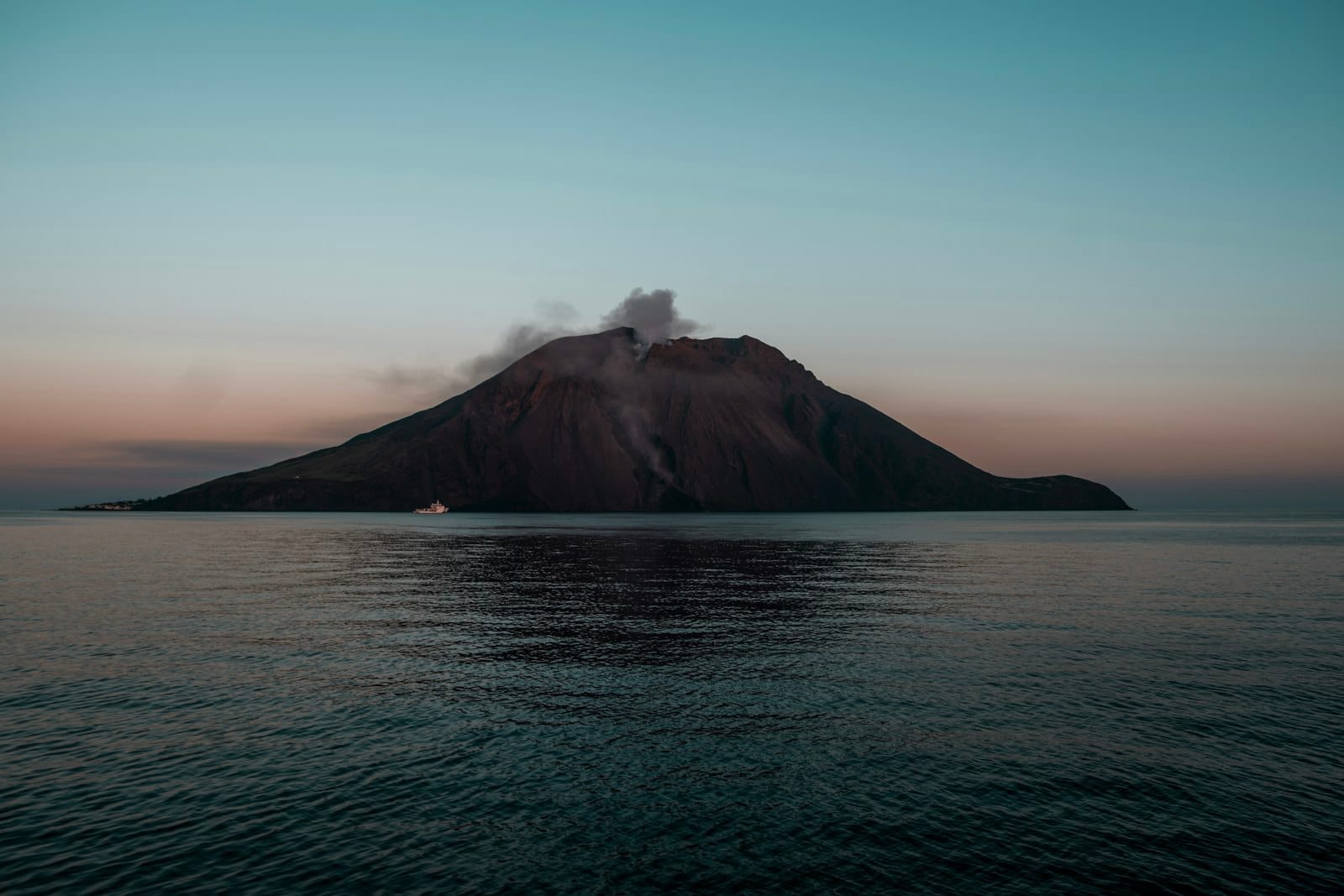
Stromboli is one of the world's most persistently active volcanoes, erupting small bursts of lava and ash typically every 20–30 minutes around the clock. Part of the Aeolian Islands UNESCO World Heritage Site, it draws travelers willing to reach a genuinely remote place in exchange for an experience that is difficult to match anywhere in Europe.
Quick Facts
- Location
- Stromboli, 98050 ME, Aeolian Islands, Sicily, Italy
- Getting There
- By ferry or hydrofoil only — from Milazzo, Messina, Palermo, or other Aeolian Islands. No road access.
- Time Needed
- Half day minimum for a boat excursion; one full day for the guided summit hike and village exploration
- Cost
- Island: free. Guided hike to 400 m viewpoint: approx. €25–35. Ferry from Milazzo: approx. €45 round-trip (verify with operators)
- Best for
- Volcano enthusiasts, adventure travelers, photographers, and anyone seeking a genuinely wild natural spectacle
- Official website
- www.visitsicily.info/en/stromboli
What Stromboli Actually Is
Stromboli is not a dormant volcano with a dramatic past. It is active right now, today, and almost certainly while you read this. The summit craters have been erupting continuously for at least the last 2,000 years, producing short bursts of incandescent lava fragments, gas, and ash at intervals that average around 20 to 30 minutes. Scientists call this pattern Strombolian activity, and the volcano is so reliably consistent that it lent its name to the entire eruption style used in volcanology worldwide.
The island itself is small, roughly 12.6 square kilometers, with a summit rising to 924 meters above sea level. About 600 permanent residents live across two villages: Stromboli on the northeast coast and the much smaller Ginostra on the southwest. The rest of the island is steep, uneven volcanic terrain covered in dark lava rock and tough Mediterranean scrub. There are no private cars for visitors, no traffic lights, and no paved roads beyond the village lanes. This is one of the most geologically raw inhabited places in Europe.
Stromboli and the surrounding Aeolian Islands are collectively a UNESCO World Heritage Site, recognized for their exceptional geological significance. If you are planning a broader Aeolian visit, the Aeolian Islands guide covers how to structure a multi-island trip.
Two Ways to Experience the Volcano
Most visitors come to Stromboli for one of two experiences: the evening guided hike to the 400-meter viewpoint, or a nighttime boat excursion to watch the eruptions from the sea. Both are legitimate and rewarding in different ways, and they are not mutually exclusive if you spend a night on the island.
The Guided Hike to the 400 m Viewpoint
Independent hiking above approximately 400 meters is prohibited under current safety regulations. Above that altitude, you must be accompanied by a licensed volcanological guide. This is not a formality: the terrain above the treeline is steep, loose underfoot, and can be genuinely disorienting after dark. Guides are essential, not optional. Organized tours to the 400-meter viewpoint depart in the late afternoon so that groups arrive at the viewing area at dusk, just as the eruptions become visible against the darkening sky. Typical tour prices run around €25 to €35 per person, though rates vary by operator and season.
From the viewpoint, you watch the Sciara del Fuoco, a steep lava channel running from the craters to the sea, lit by periodic explosions above. The light show is compelling, but the sounds are what most visitors remember first: a deep percussive boom that travels through the ground before it reaches the ears, followed by the hiss of hot material landing on the slope. Bring a headlamp, warm layers (temperatures drop significantly after sunset even in summer), and sturdy shoes with ankle support. Sandals and flip-flops are refused by guides.
⚠️ What to skip
Full summit access (above 400 m) is granted only under special conditions and with specialized permits. Do not attempt to hike beyond the regulated viewpoint without authorization. Eruptions can be larger and more unpredictable than the standard Strombolian pattern suggests.
Boat Excursions at Night
If the hike is beyond your fitness level or mobility, or if you simply want a different angle, nighttime boat trips offer a spectacular alternative. Small vessels depart from the village port in the evening and position themselves off the Sciara del Fuoco to watch eruptions from the water. The perspective is dramatic: the glowing lava trail runs directly into the sea, and on a clear night the light reflects off the waves. For visitors with limited mobility, this is the most accessible way to experience the eruptions properly.
💡 Local tip
Book boat excursions in advance during July and August, when demand significantly outpaces available places. Small operators fill up days ahead, especially for the prime nighttime slots.
Tickets & tours
Hand-picked options from our booking partner. Prices are indicative; availability and final rates are confirmed when you complete your booking.
Guided trekking adventure on Stromboli volcano
From 30 €Instant confirmationFree cancellationPanarea and Stromboli mini-cruise from Taormina
From 100 €Instant confirmationFree cancellationFull-Day Panarea and Stromboli Boat Tour from Taormina
From 105 €Instant confirmationFree cancellationPanarea and Stromboli day tour from Cefalu
From 95 €Instant confirmationFree cancellation
The Village: What to Do Between Eruptions
The village of Stromboli is small enough to walk from one end to the other in about 15 minutes. The black sand beach near the port, called Ficogrande, is where most visitors spend the hours between arriving and heading out for the evening hike or boat trip. The water is clear and deep in color, the beach itself is gritty rather than soft, and the backdrop of the smoking summit makes for an unusual context for a swim.
In the morning, the village runs on a quiet rhythm. Locals with crates of produce moving through the lanes, fishing boats returning, the smell of coffee from the handful of bars near the port. By midday in summer the heat concentrates between the whitewashed walls, and most sensible visitors find shade until the temperature eases around four in the afternoon. The best light for photographing the village is early morning, before the tour groups from day-tripper boats arrive.
There is a small church, a few restaurants serving fresh fish and Aeolian capers, and a handful of shops. The nightlife is limited, and deliberately so. By the time the hiking groups return after ten or eleven at night, the island feels quietly triumphant: the volcano has done its work, and everyone is ready for bed.
How to Get to Stromboli
Stromboli is reached entirely by sea. There are no bridges, no air connections, and no shortcuts. The main mainland gateway is Milazzo, on the northeastern tip of Sicily, from which ferries and hydrofoils connect to all seven Aeolian Islands. Hydrofoils are faster (roughly two hours from Milazzo to Stromboli) but more expensive and susceptible to rough-weather cancellations. Slower car ferries take longer but run in more varied conditions.
Connections also run from Messina and, less frequently, from Palermo. The getting around Sicily guide covers transport logistics for the island in detail, including how to reach Milazzo by train or bus from Catania or Palermo.
Once on Stromboli, you walk. Non-resident motor vehicles are banned, and the village lanes are narrow enough that this barely matters. A small number of licensed electric micro-vehicles operate as informal taxis for luggage or guests with mobility needs, but they are not a consistent public transport service. Plan your accommodation within reasonable walking distance of the port, especially if you are arriving with heavy bags after a long crossing.
ℹ️ Good to know
Ferry schedules to Stromboli change significantly between summer and low season. In winter, connections may be reduced to a few times a week depending on weather and demand. Always confirm timetables directly with operators (Siremar, Liberty Lines, and others) before booking accommodation.
When to Go and What to Expect
The volcano erupts year-round, so in principle any month works for the core experience. The practical consideration is sea access and weather. The window from late May through September offers the most reliable ferry connections, the warmest swimming, and the longest evenings, which matter for the hike timing. August is the busiest month by a considerable margin: the island fills up, boat tours sell out early, and the village loses some of its character under the weight of day visitors.
June and late September are generally the most comfortable months, with warm temperatures, lighter crowds, and full ferry service still running. October can work well but sea conditions become more unpredictable. For broader seasonal context across Sicily, the best time to visit Sicily page has month-by-month breakdowns.
Weather affects the hike experience significantly. On clear nights, the lava glow against the sky is sharp and vivid. On overcast nights, the same eruptions are muted behind cloud cover, and the guide may restrict movement on the upper trail if conditions are unstable. There are no refunds if the weather obscures the view. This is the island's one honest limitation: it promises a performance, but it does not guarantee the lighting.
Photography Considerations
Stromboli is one of the more demanding photography subjects in Italy. The eruptions happen at irregular intervals, often in near-complete darkness, and the viewing distance from the 400-meter point means that a lens of at least 200mm is useful for isolating individual explosions. Long exposures of 5 to 15 seconds can capture the lava trail on the Sciara del Fuoco, but a sturdy tripod is essential, and the ground at the viewpoint is loose enough that vibration from other visitors is a real issue.
From the boat, conditions are more relaxed. The vessel holds a more or less stable position, and the angle looking up at the crater glow from sea level is dramatic in a way the land-based viewpoint cannot replicate. Phone cameras struggle here after dark; a camera with strong low-light performance will produce noticeably better results. The village itself photographs well in the hour after sunrise, when the light is soft, the streets are empty, and the faint smoke from the summit catches the morning color.
Honest Assessment: Is Stromboli Worth It?
Yes, with clear expectations. Stromboli is not particularly comfortable, not especially easy to reach, and not cheap once you factor in ferry tickets, guide fees, and island accommodation. What it delivers is a volcanic spectacle that is genuinely unscripted and impossible to fake. The eruptions happen on no one's schedule but the volcano's, and standing within earshot of something that has been exploding continuously for thousands of years puts the rest of a Sicily itinerary into useful perspective.
Visitors who skip a night on the island in favor of a single-day crossing from another Aeolian island often feel they underestimated the journey time and rushed the experience. If the itinerary allows it, one night is the minimum that lets the island settle properly, lets you catch the late hike and the early morning quiet, and makes the ferry crossing feel proportionate to what you have seen.
Stromboli also works well as part of a broader Aeolian circuit. Other islands such as Lipari and Salina offer calmer terrain and more tourist infrastructure if you want to balance the rawness of Stromboli with something more conventional.
If volcanoes are central to your Sicily itinerary, consider pairing Stromboli with a visit to Etna's crater trails on the mainland island for a genuinely complete picture of Sicily's volcanic landscape. The Sicily volcano guide compares both experiences in detail.
Insider Tips
- Book your guided hike slot before you book your ferry. Spots on licensed evening tours fill up days or weeks in advance in summer, and without a confirmed guide booking you cannot legally access the upper trail.
- Arrive on the morning ferry rather than the afternoon one. Day visitors arrive in the early afternoon and leave before evening, so the window between about 11am and 4pm is paradoxically the quietest time in the village.
- Bring cash. The island has limited ATM availability and card acceptance is inconsistent. Budget for guide fees, boat trips, meals, and accommodation in advance.
- The black sand at Ficogrande beach gets extremely hot by midday in summer. Beach shoes or sandals matter far more here than on a conventional sandy beach.
- If your hike is cancelled due to weather or volcanic alert, ask your accommodation about boat excursion alternatives departing the same evening. They often operate in conditions that ground the land-based tours.
Who Is Stromboli For?
- Travelers with a specific interest in volcanology or active geology who want to see Strombolian eruption up close
- Photographers seeking dramatic low-light and long-exposure subjects against a genuinely wild backdrop
- Experienced hikers comfortable with steep, dark, loose terrain who want to earn a memorable summit viewpoint
- Island-hopping travelers building an Aeolian circuit who want the most dramatically different stop in the archipelago
- Couples or small groups happy to slow down and stay overnight rather than rushing through on a day trip
Nearby Attractions
Other things to see while in Aeolian Islands:
- Lipari
Lipari is the largest and most accessible of Sicily's Aeolian Islands, a UNESCO World Heritage volcanic archipelago in the Tyrrhenian Sea. From its towering citadel and world-class archaeological museum to obsidian-streaked cliffs and crystalline coves, Lipari rewards travelers who want more than a beach stopover.
- Panarea
Panarea is the smallest of the seven inhabited Aeolian Islands, a car-free volcanic outcrop in the Tyrrhenian Sea with a surface area of just 3.4 km². part of a UNESCO World Heritage Site for its geological significance, it draws travelers who want crystalline water, dramatic terrain, and an atmosphere that feels genuinely removed from the mainland. It is also, by Aeolian standards, one of the priciest places to stay in Sicily.
- Salina
Salina is the second-largest of the Aeolian Islands, shaped by twin extinct volcanoes and unusually lush vegetation compared to its neighbours. It produces the archipelago's finest Malvasia dessert wine, grows some of Sicily's best capers, and attracts visitors who want genuine island life over day-trip crowds.
- Vulcano
Vulcano is the southernmost of Sicily's Aeolian Islands and the one that delivers the archipelago's volcanic drama most directly. From the rim of the Gran Cratere to the sulphurous mud baths at Porto di Levante, this compact island packs an intense sensory experience into a small footprint. It rewards a full day, and for those who stay overnight, it reveals a quieter, more elemental side after the day-trippers leave.