Gran Canaria

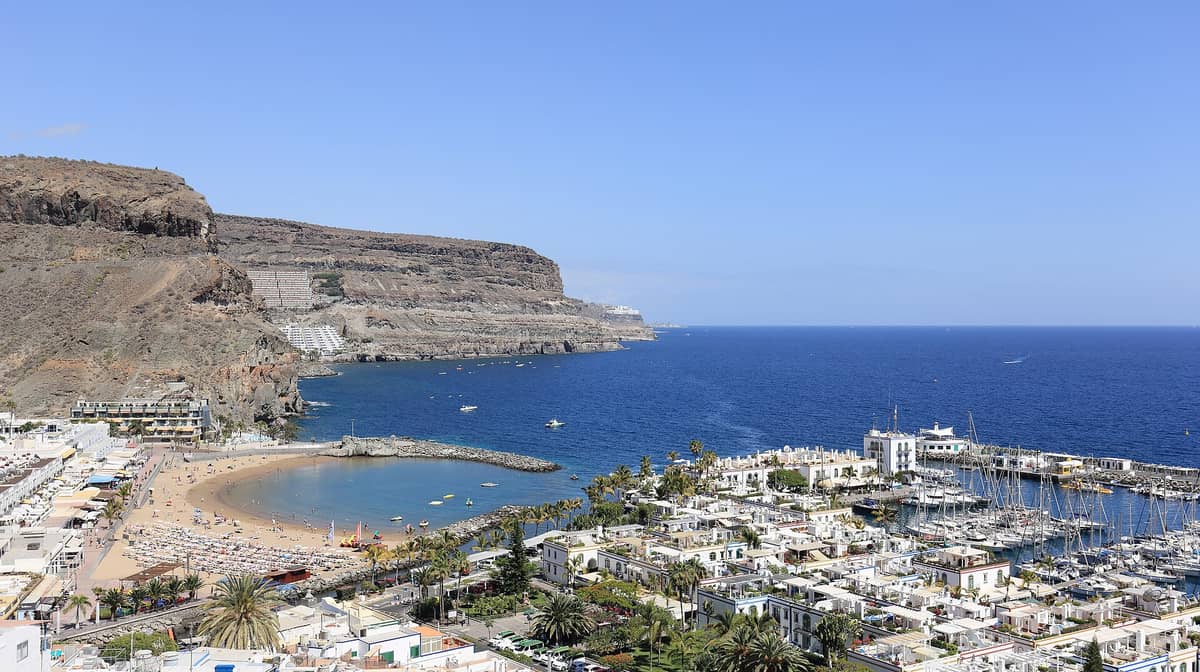
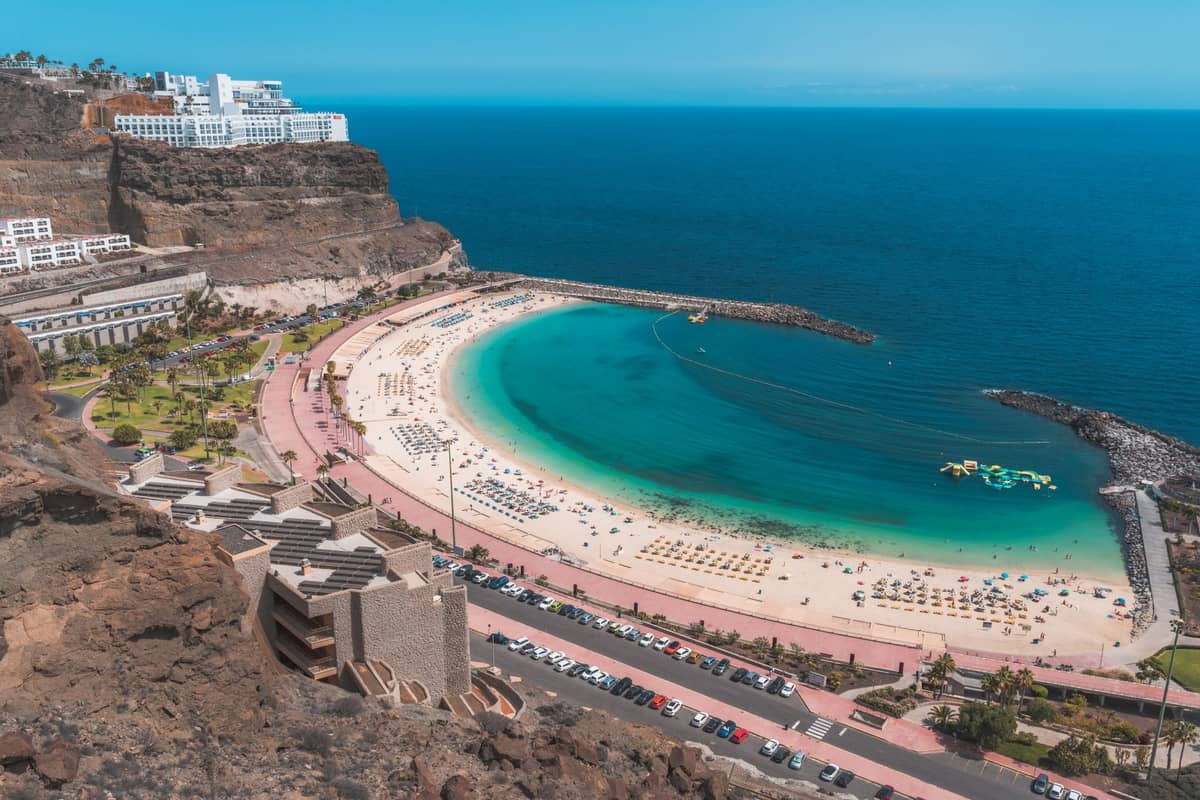
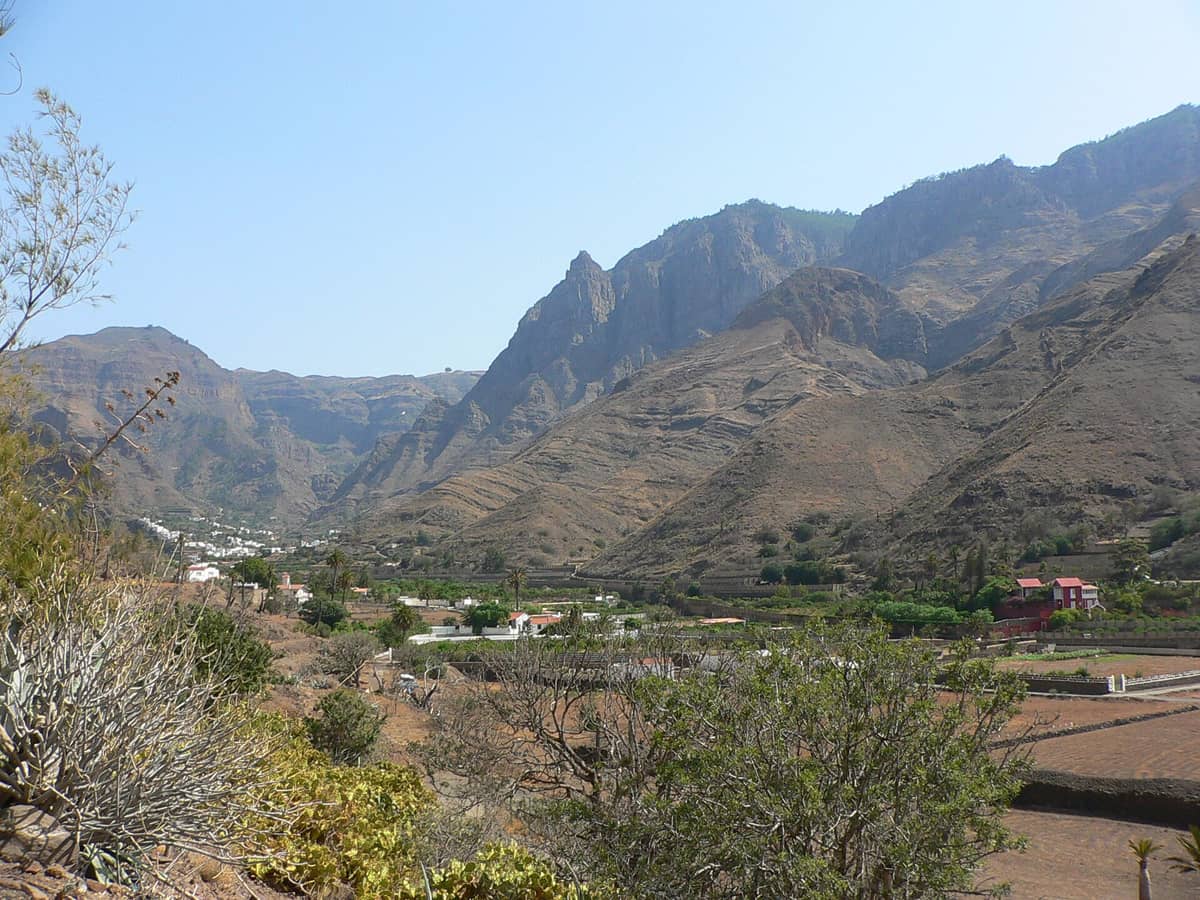
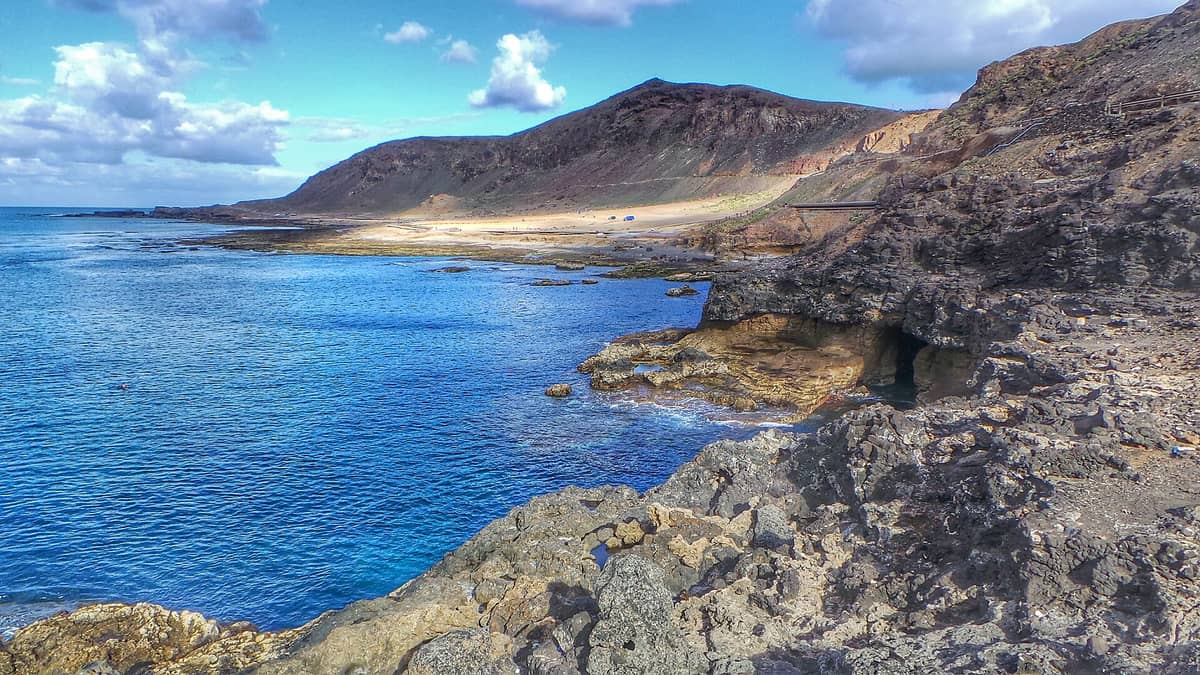
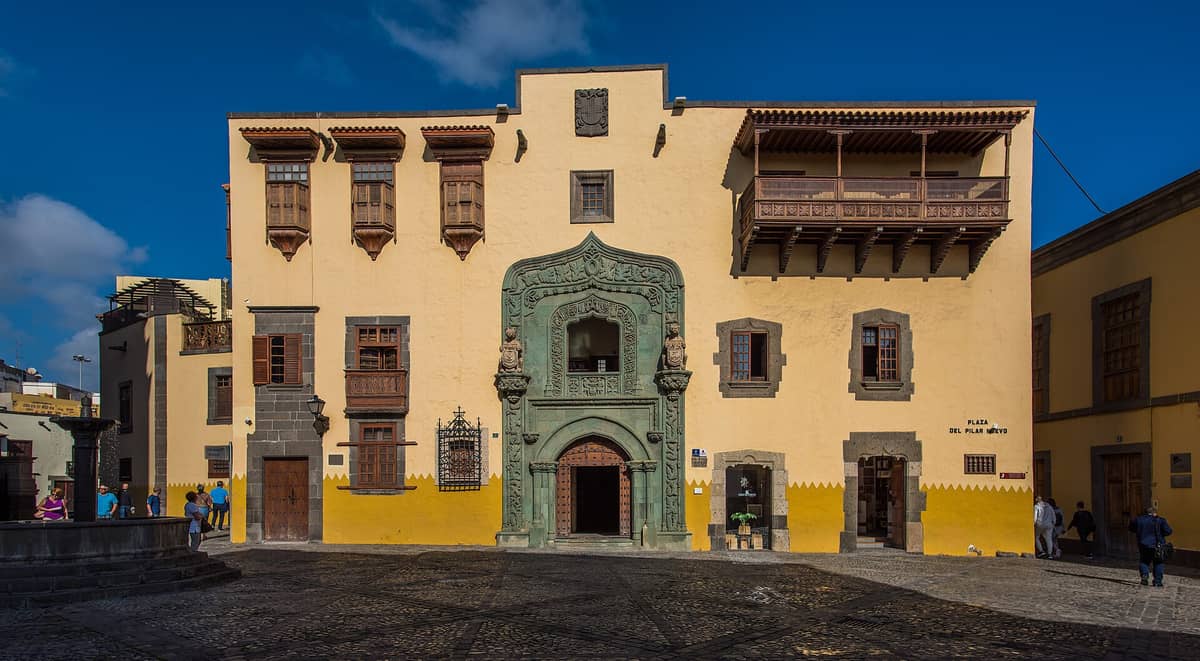
Gran Canaria is a volcanic island in the Atlantic Ocean that packs an extraordinary range of landscapes into a single destination — from golden sand dunes and sun-drenched resort beaches to misty mountain peaks and lush ravines. The island's capital, Las Palmas de Gran Canaria, offers a vibrant urban culture, a well-preserved colonial old town, and one of Europe's finest city beaches. Whether you come for the winter sun, the hiking trails, the Carnival, or the Canarian cuisine, Gran Canaria consistently over-delivers.

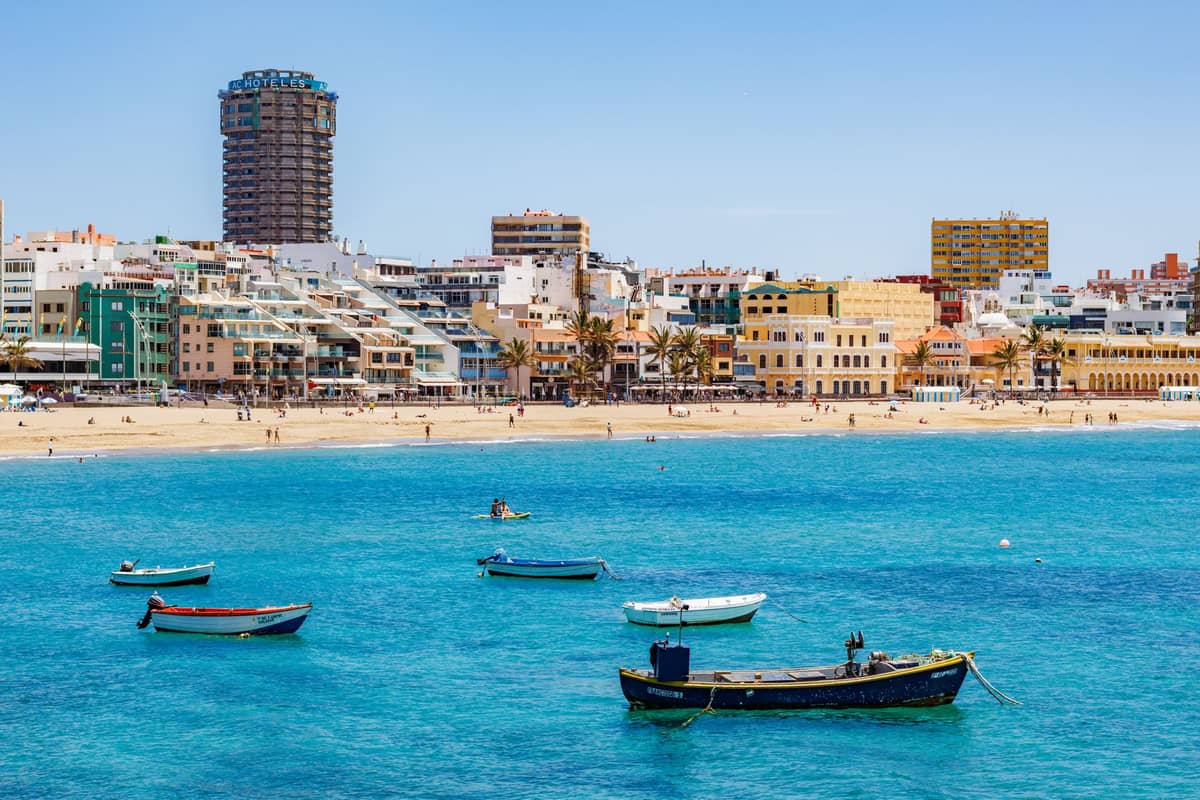
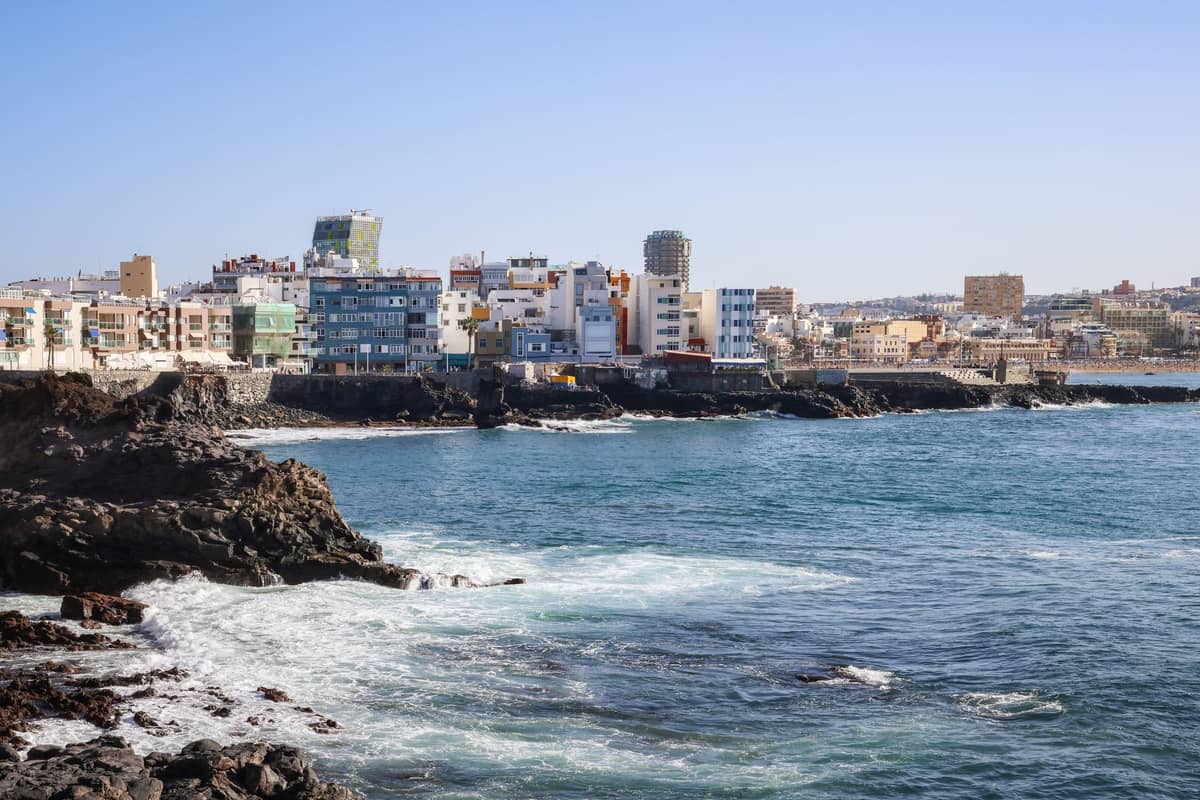
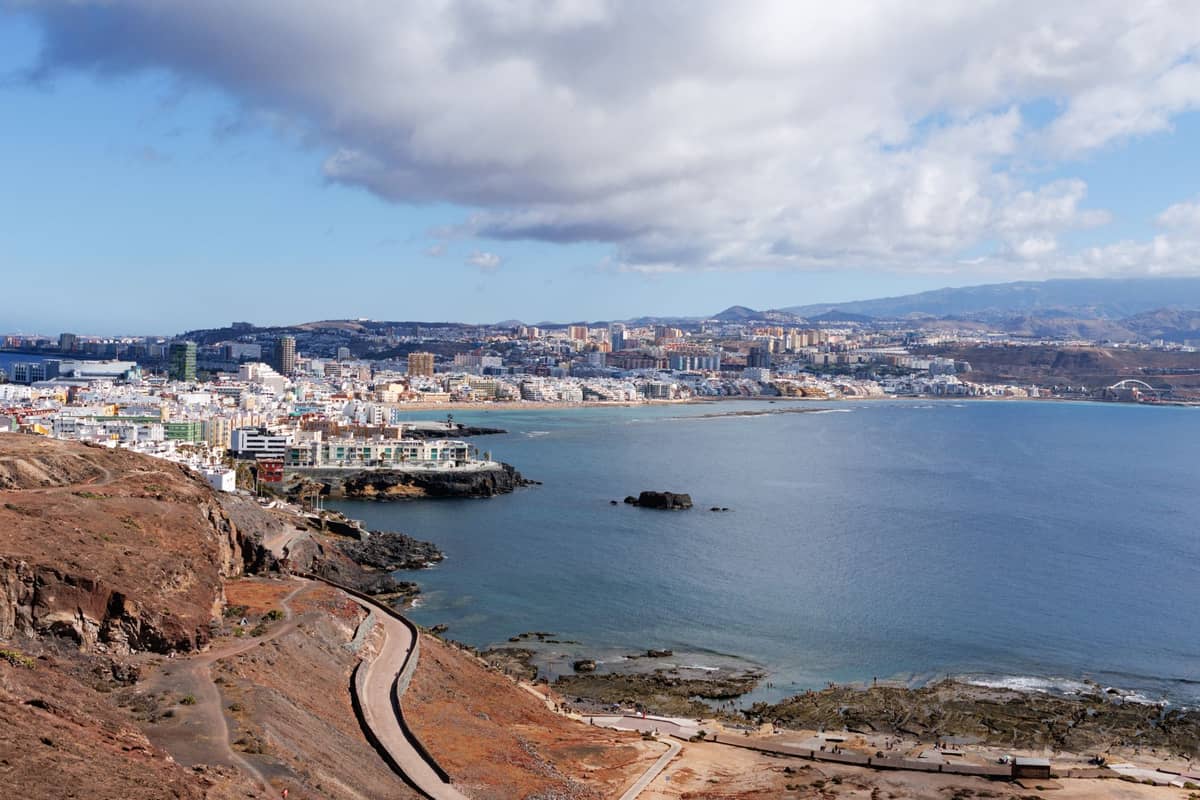
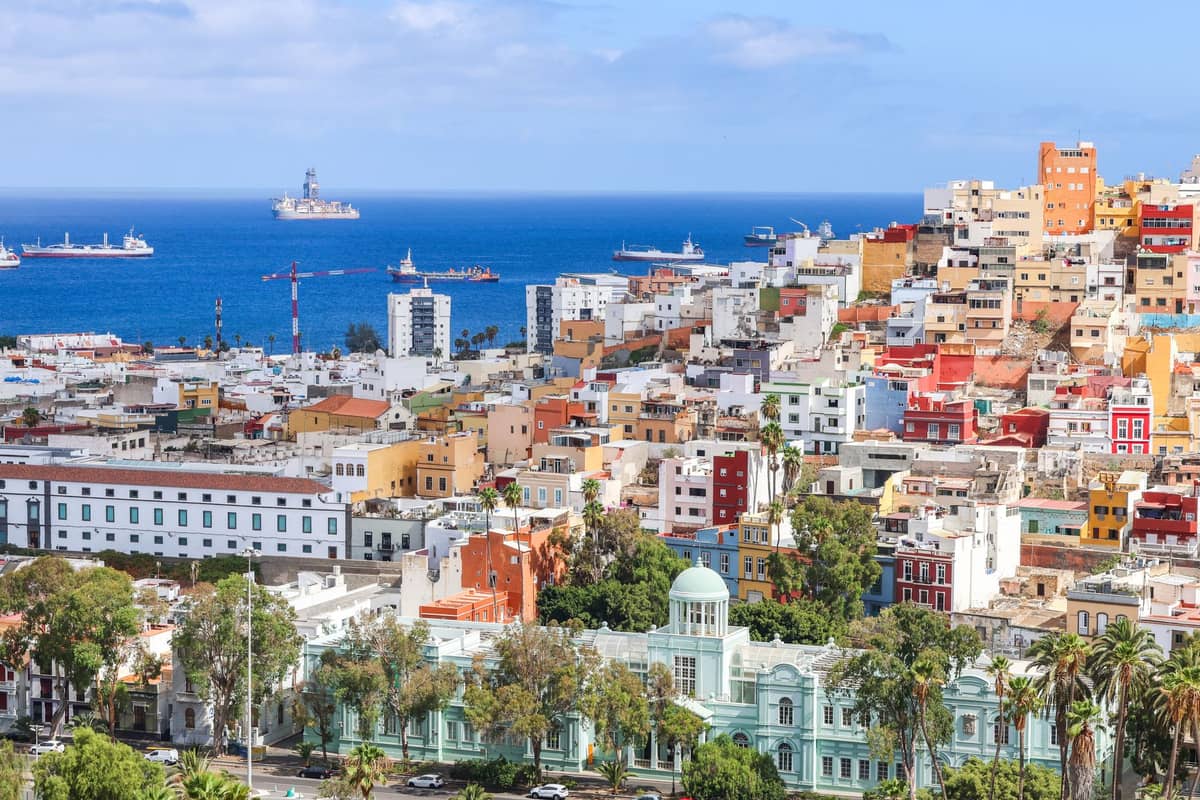
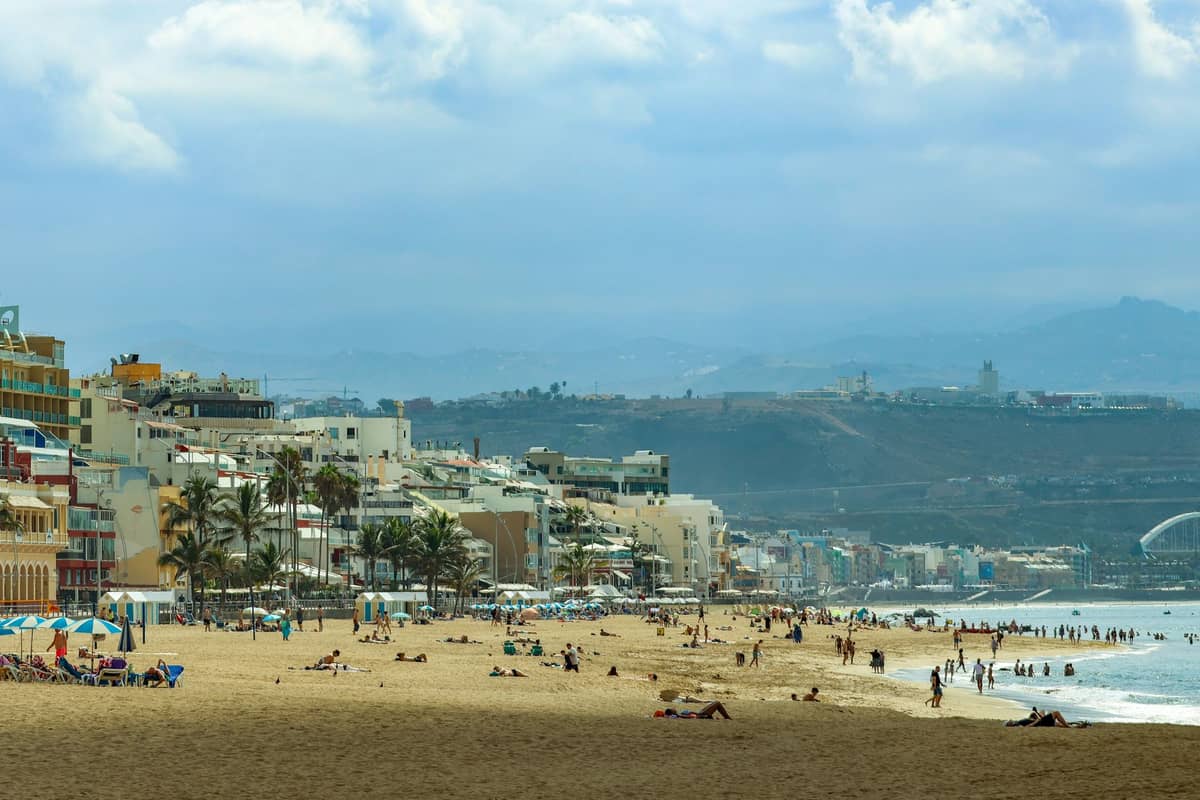
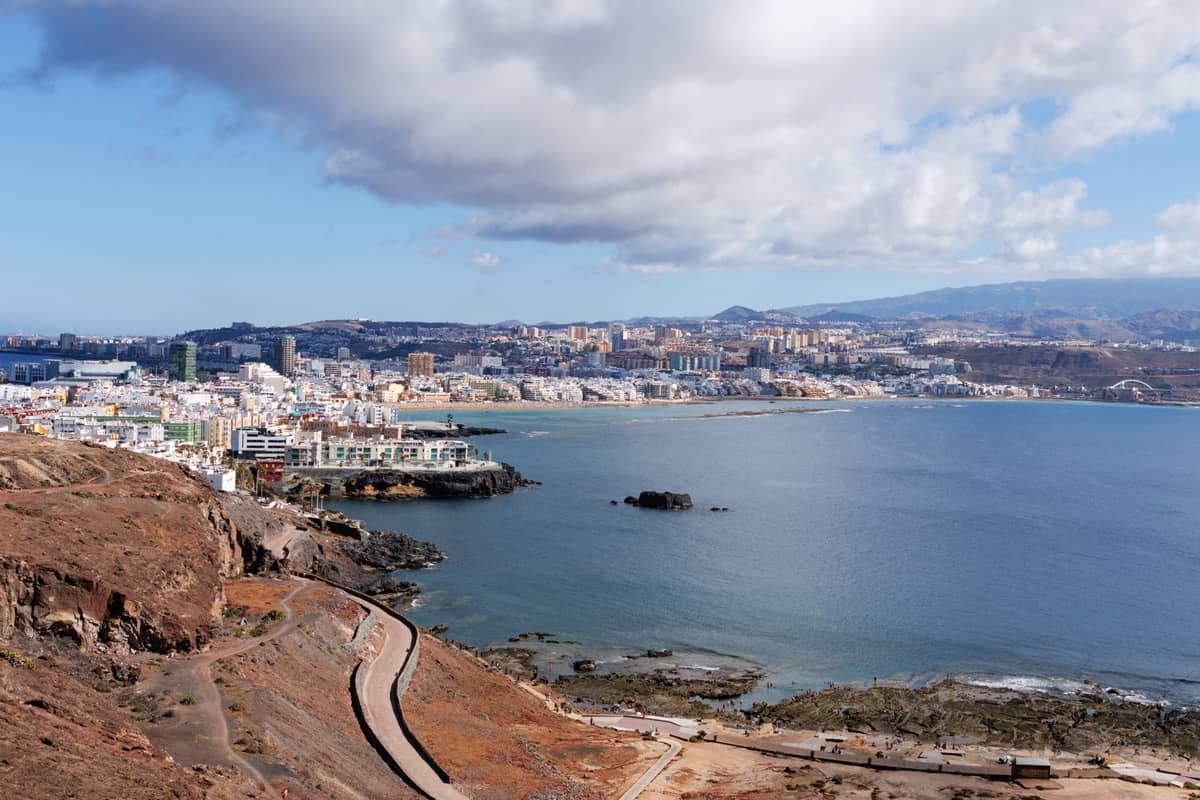
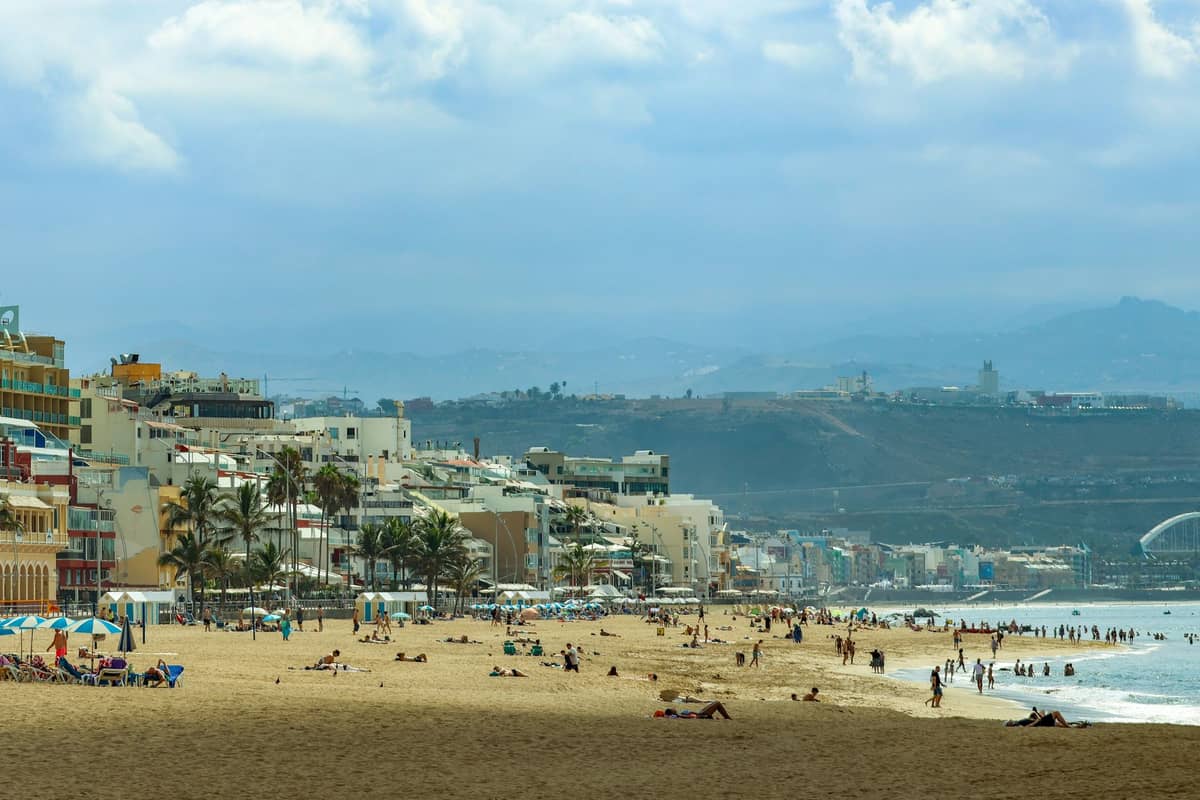
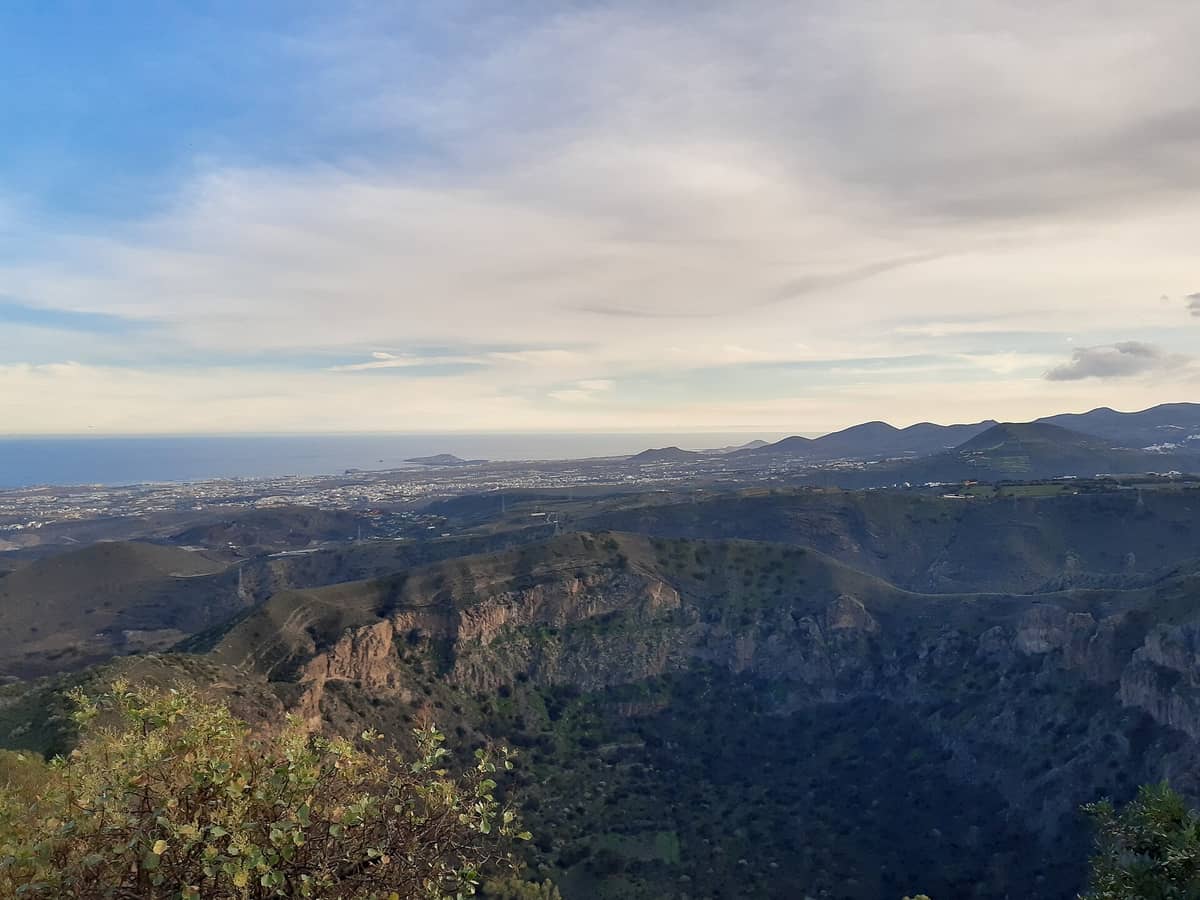
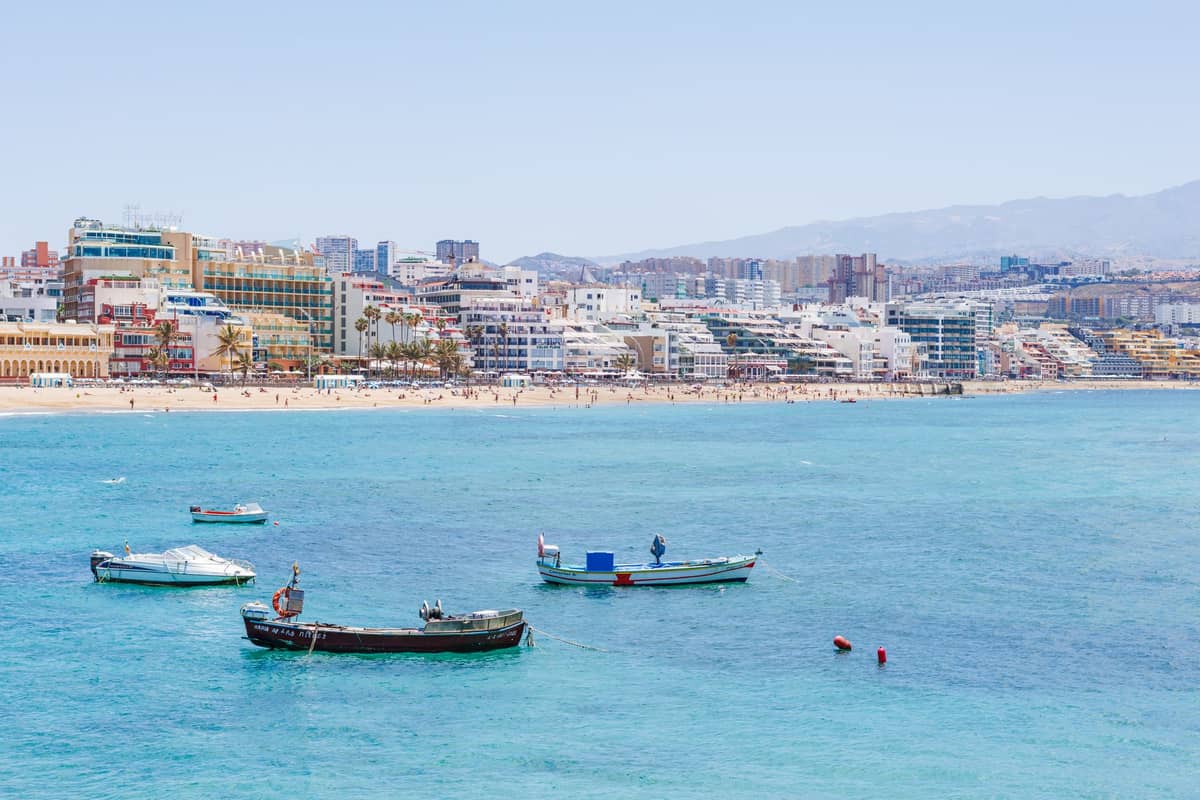
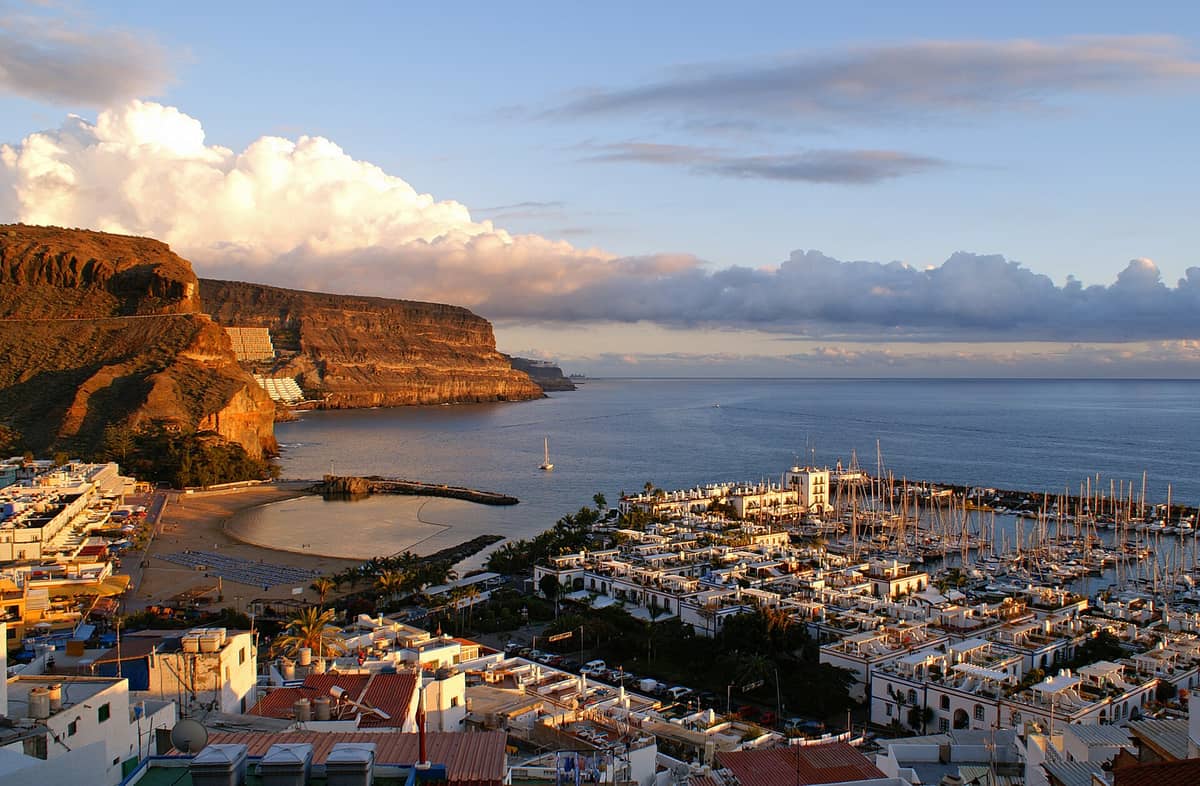
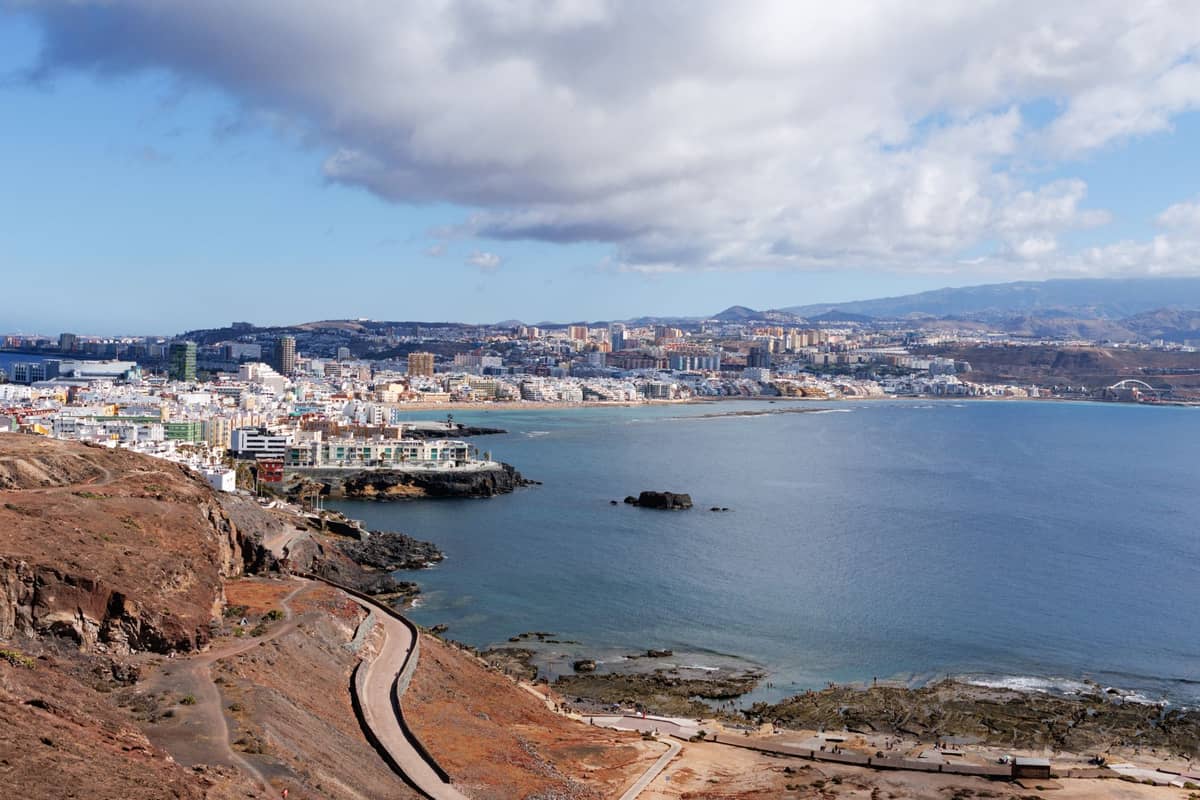
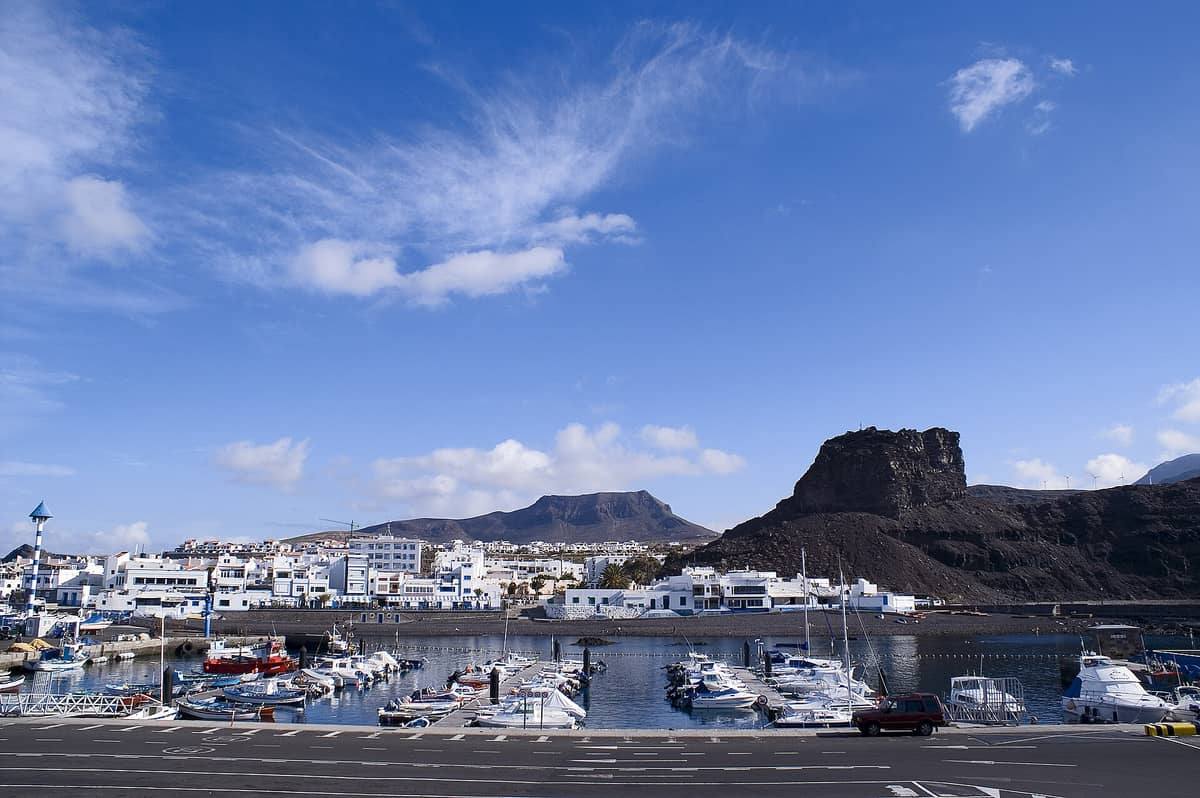
Wide landscape view of Las Palmas coastline and cityscape in Gran Canaria, with buildings stretching along the shore and mountains in the background under a partly cloudy sky.

Gran CanariaTravel Essentials

Currency
Euro (EUR)
Language
Spanish (Castilian); English widely spoken in resorts
Best time
April–May & October–November
Plug
Type C/F, 230V (standard European)

Overview

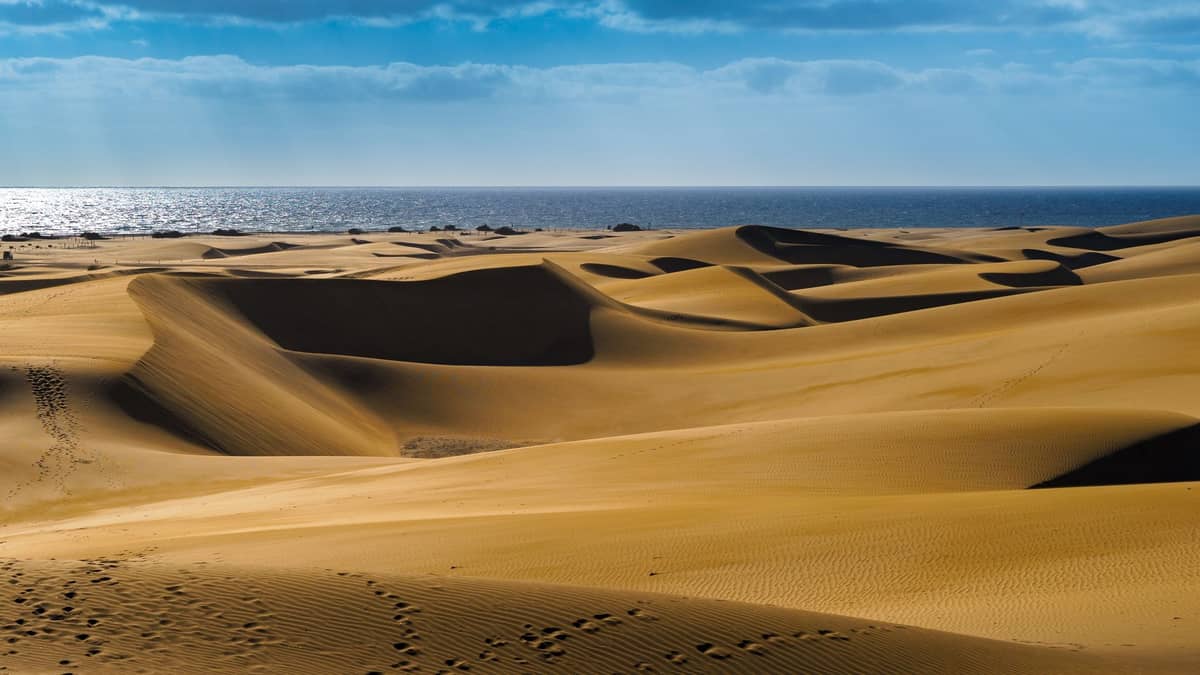
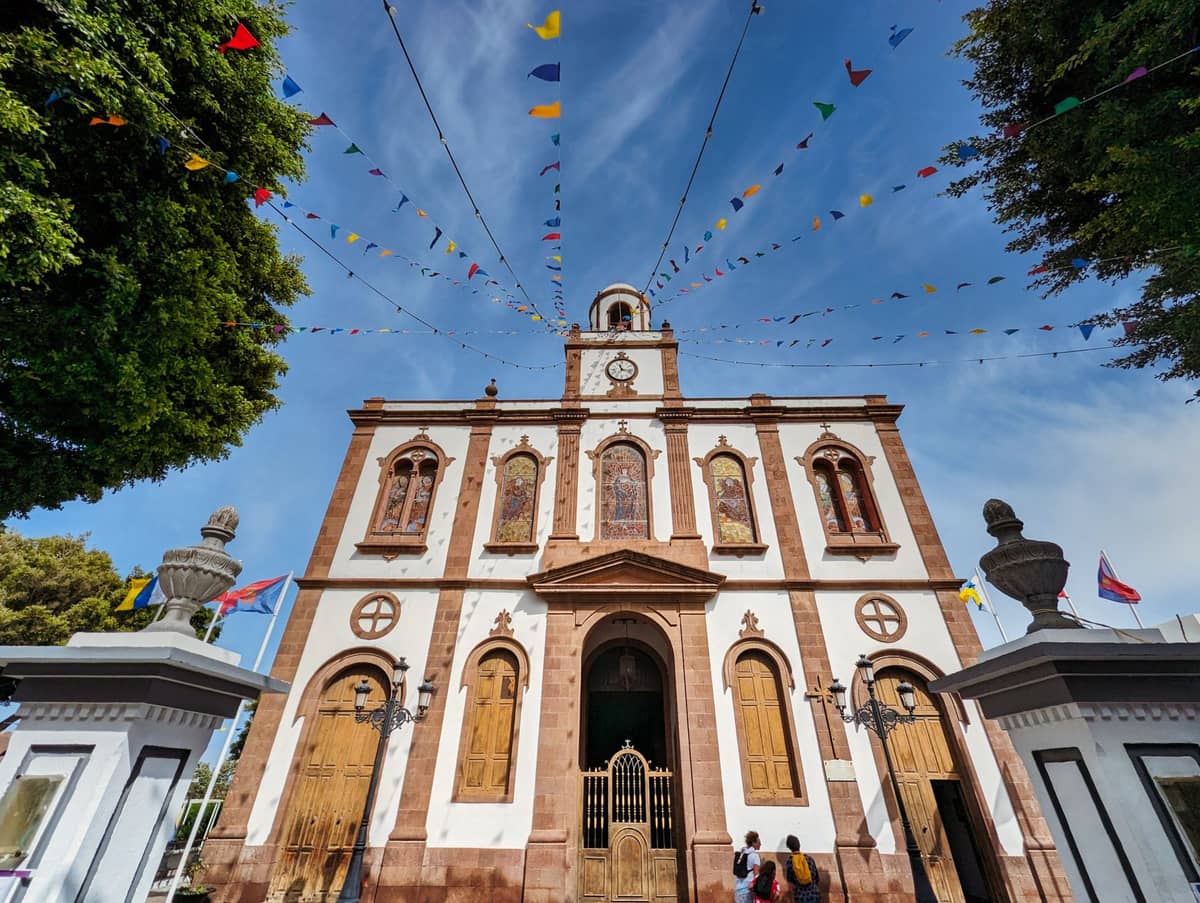
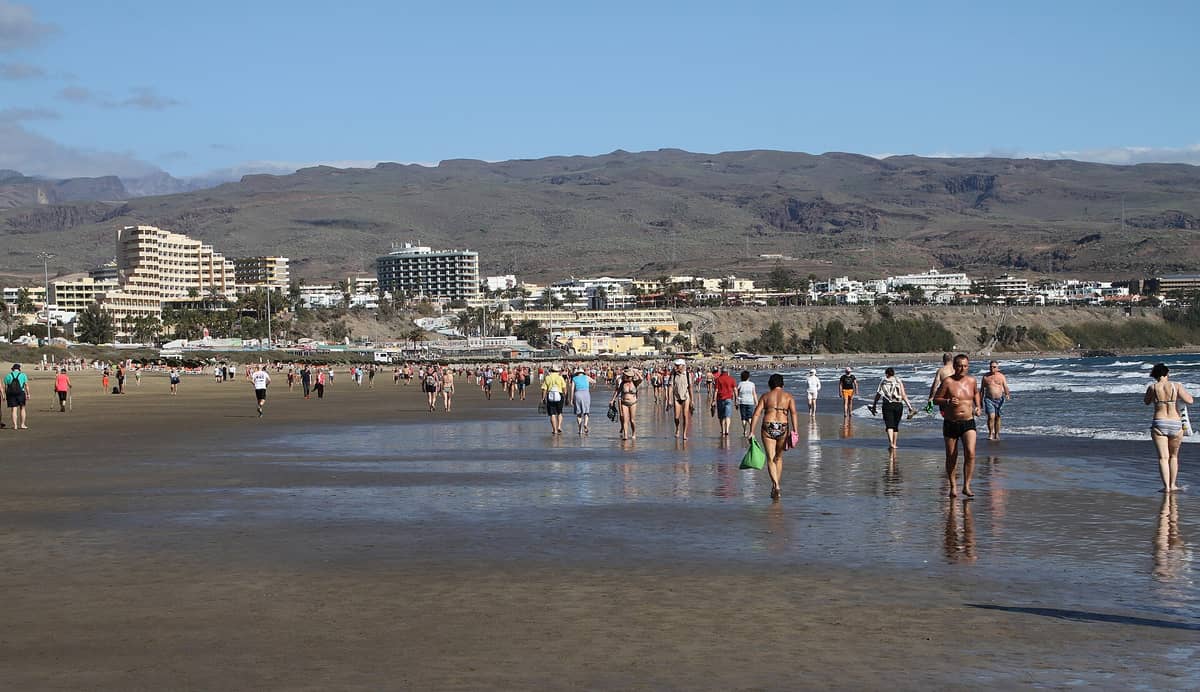
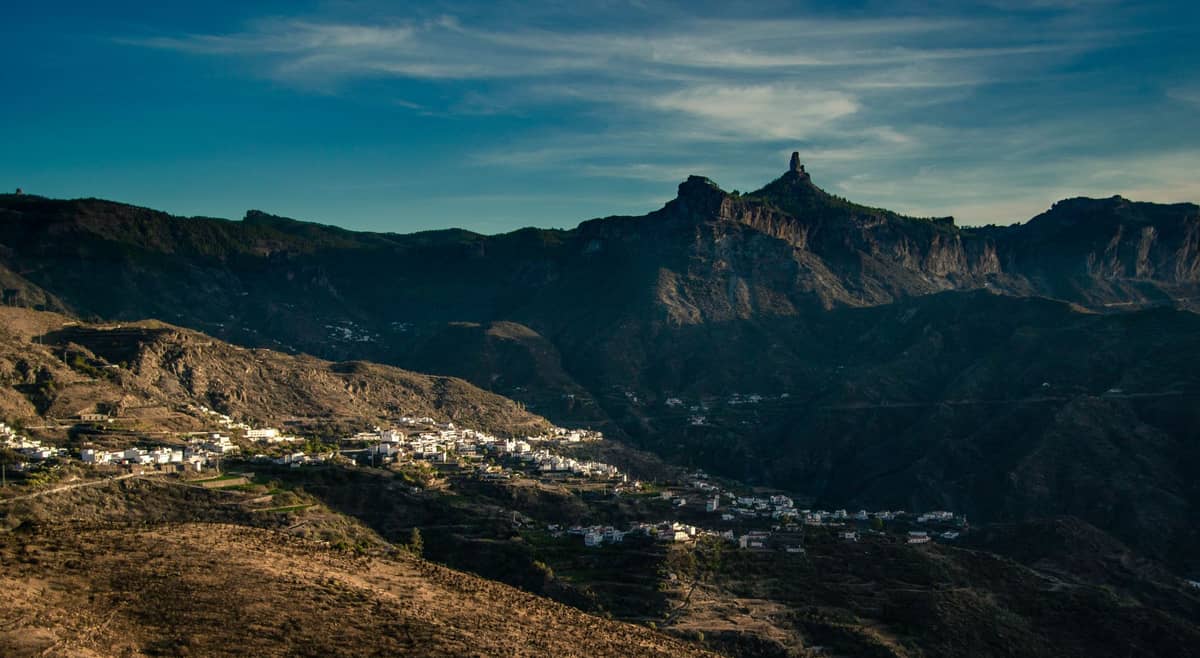
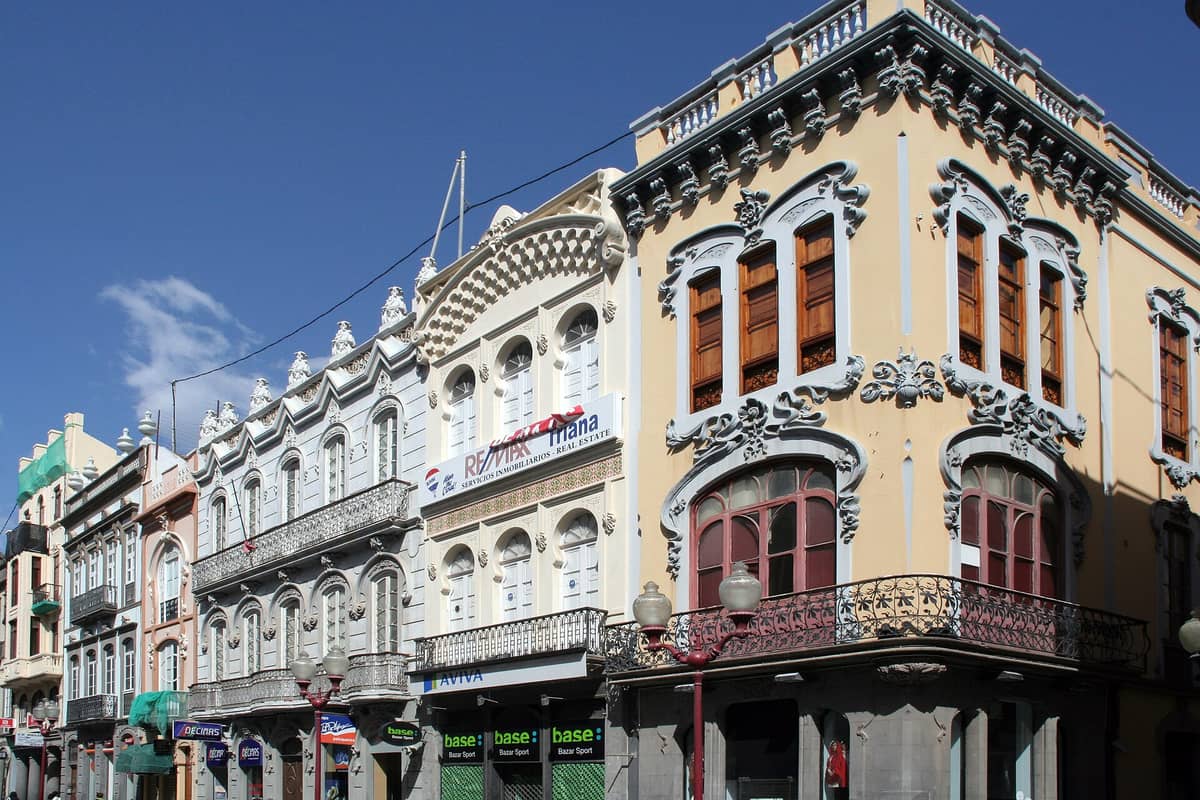
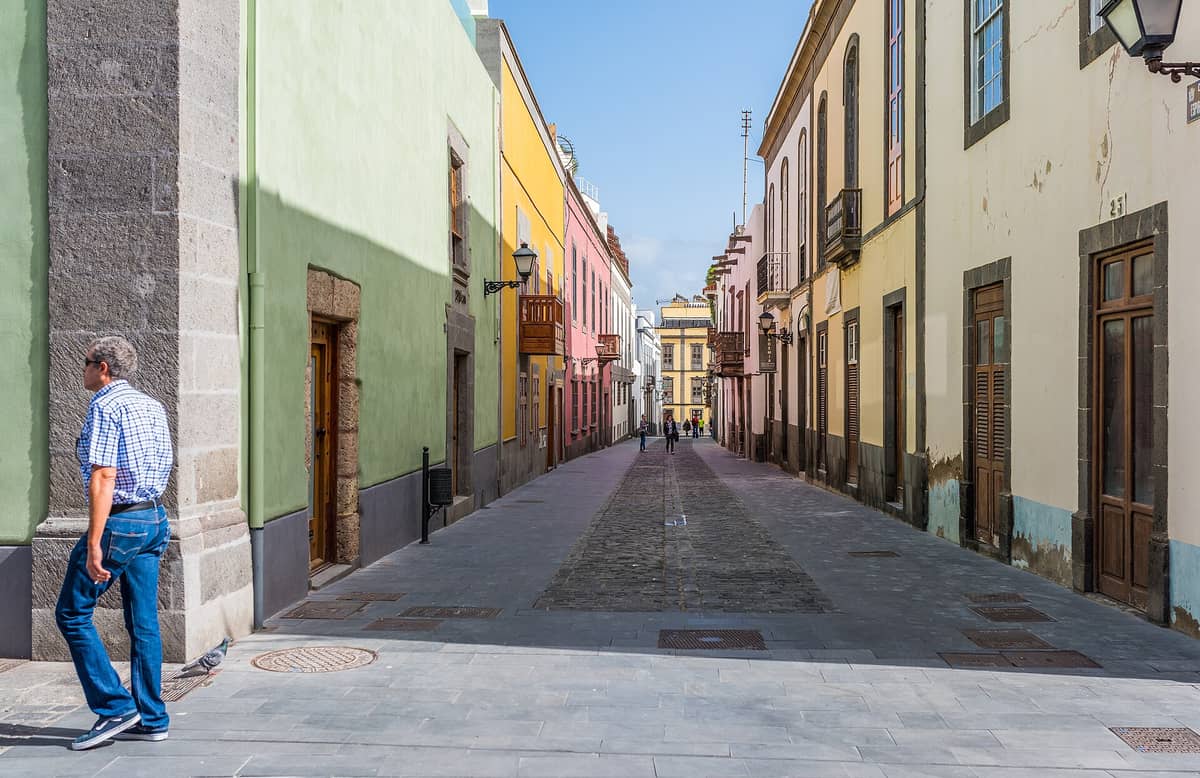
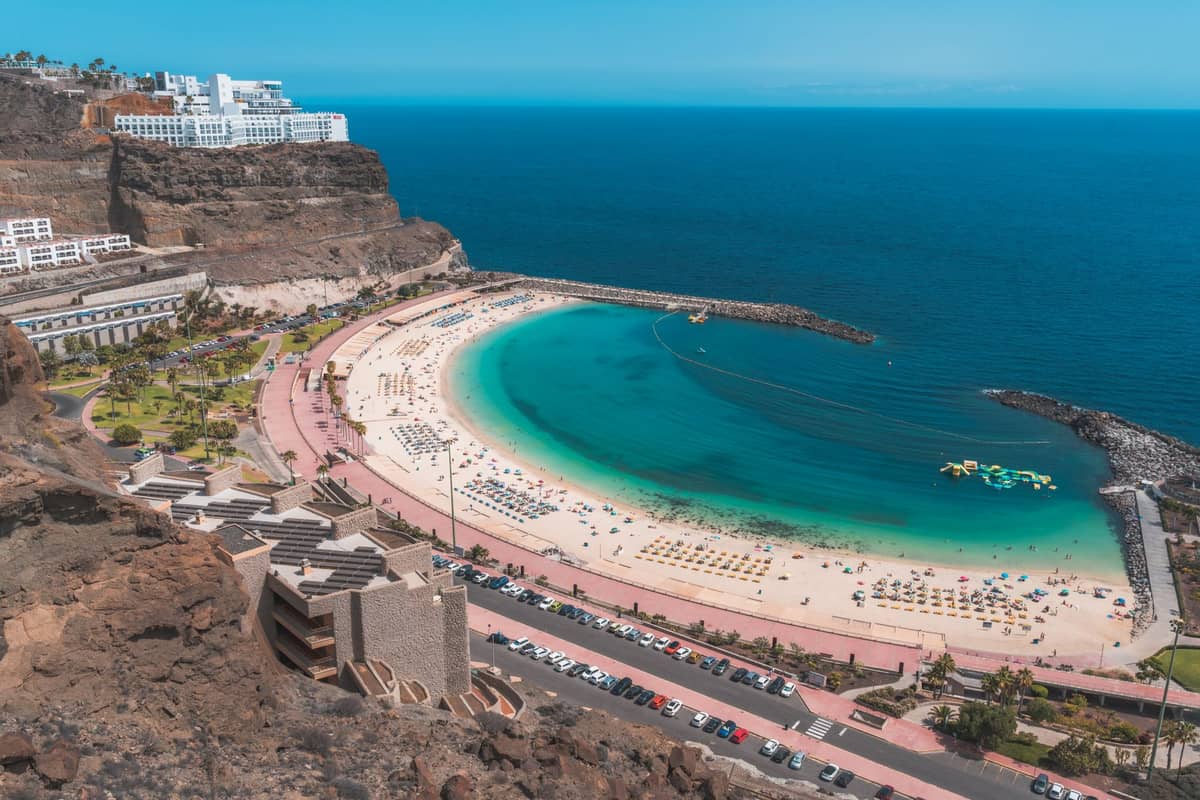
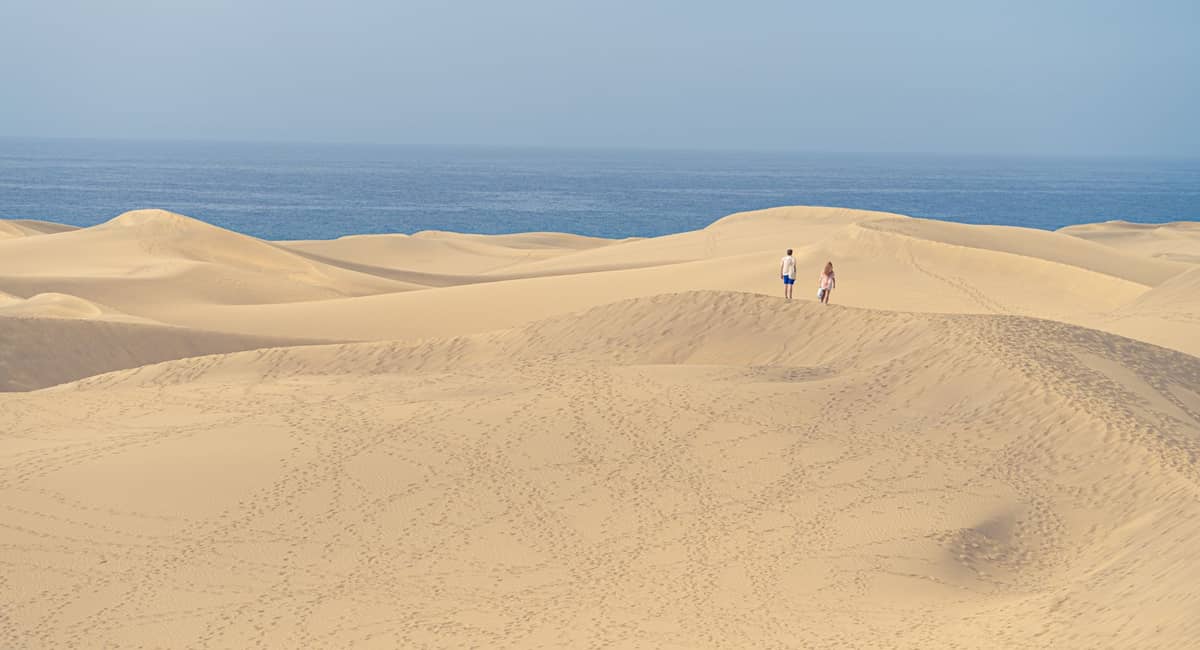
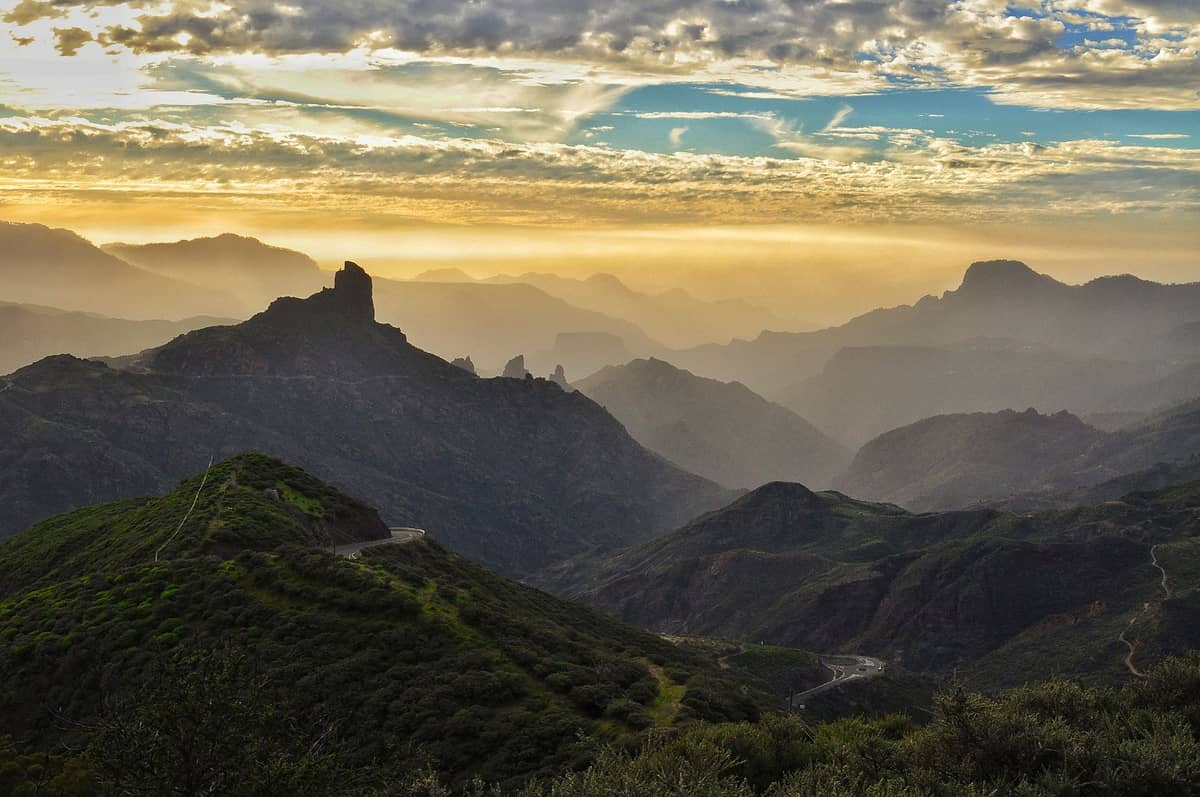
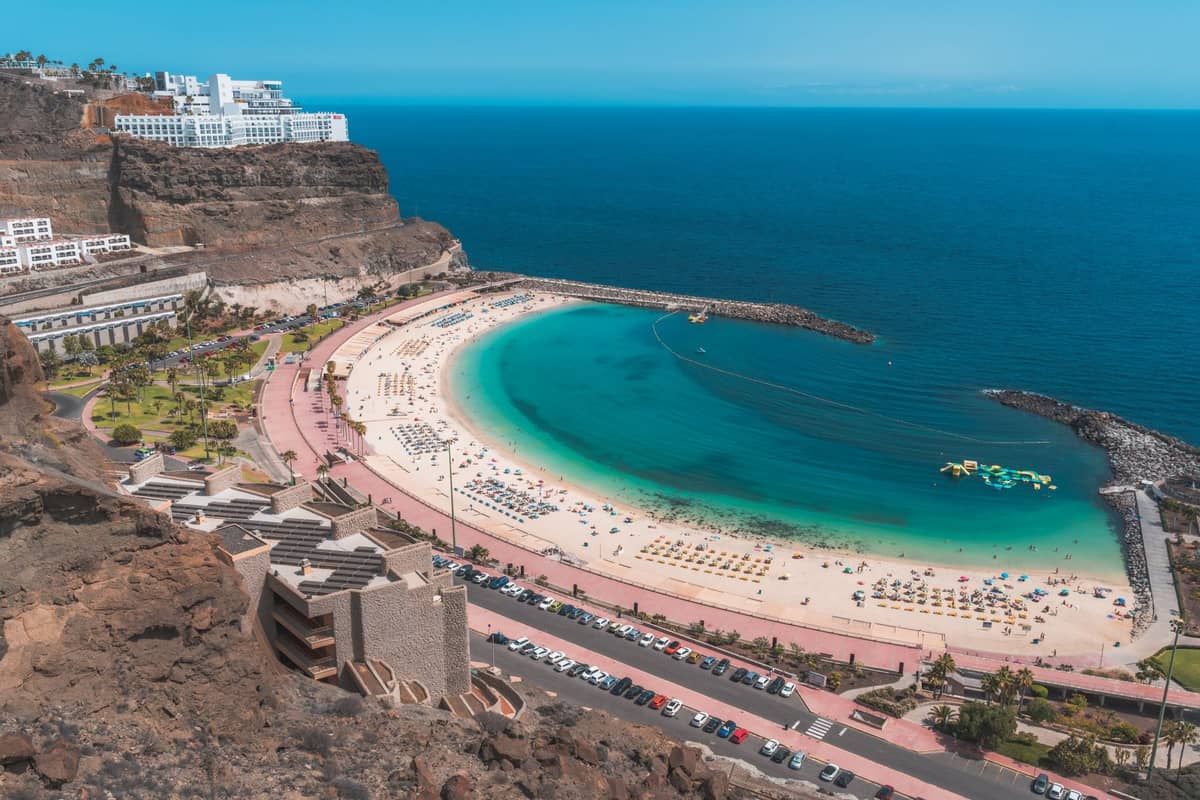
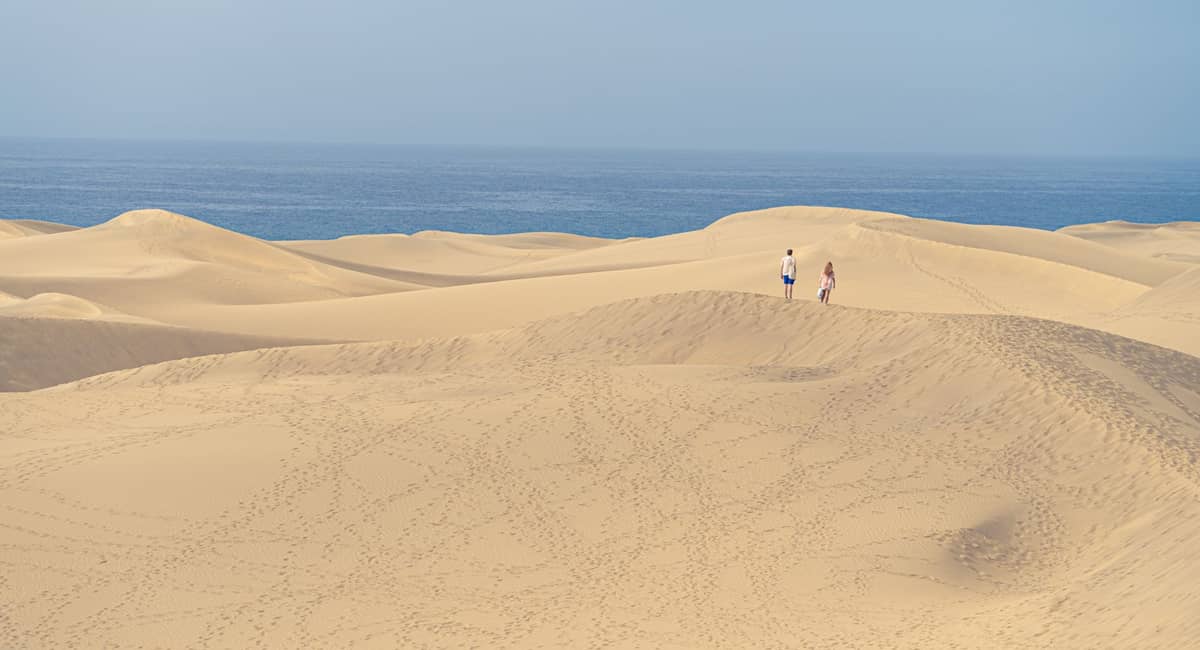
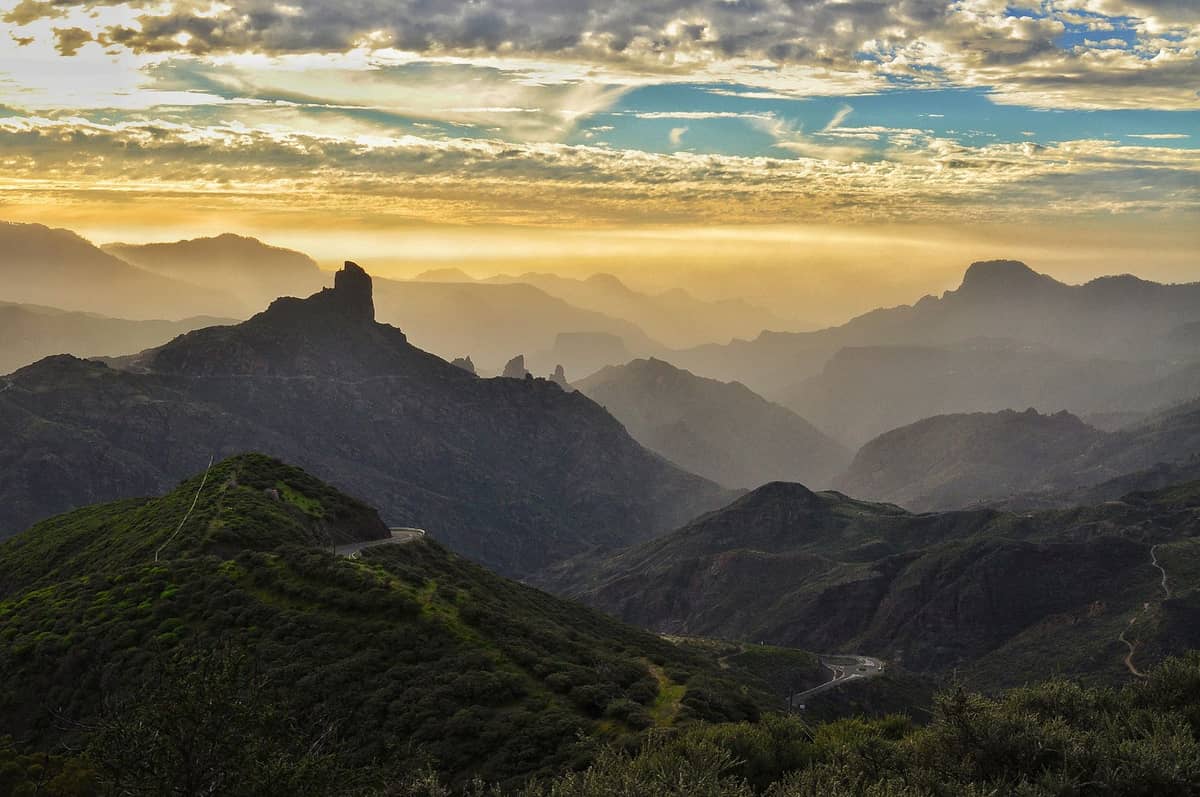
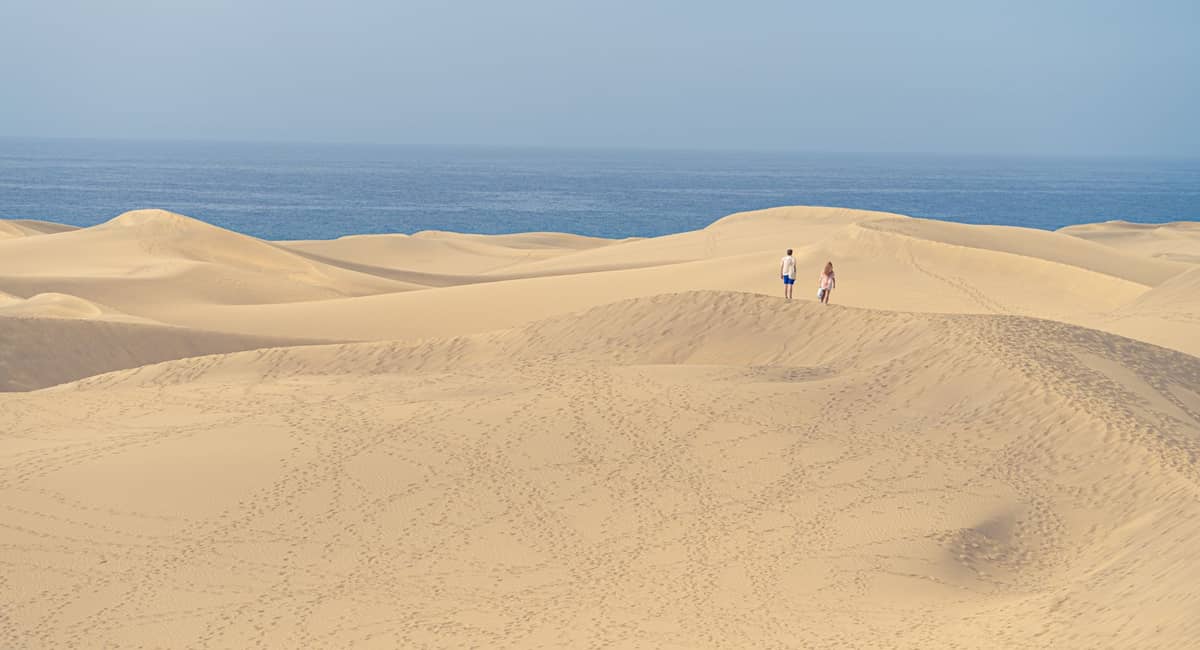
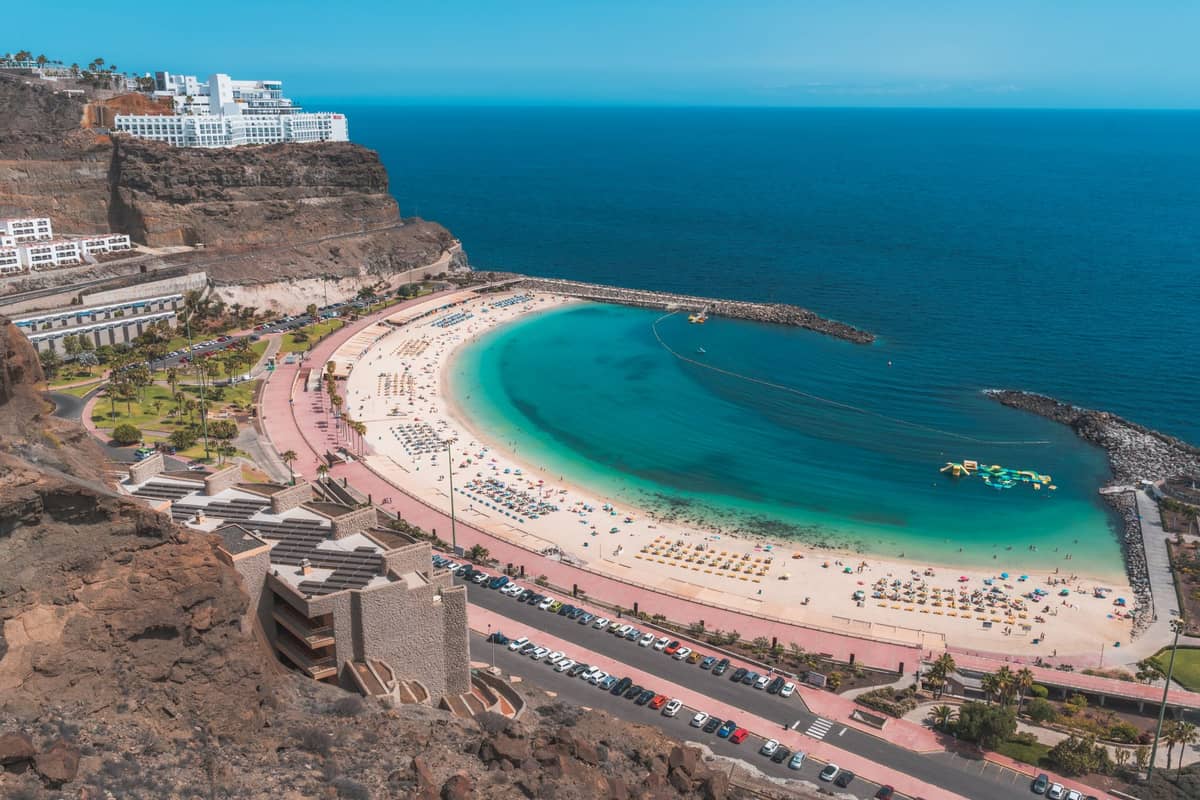
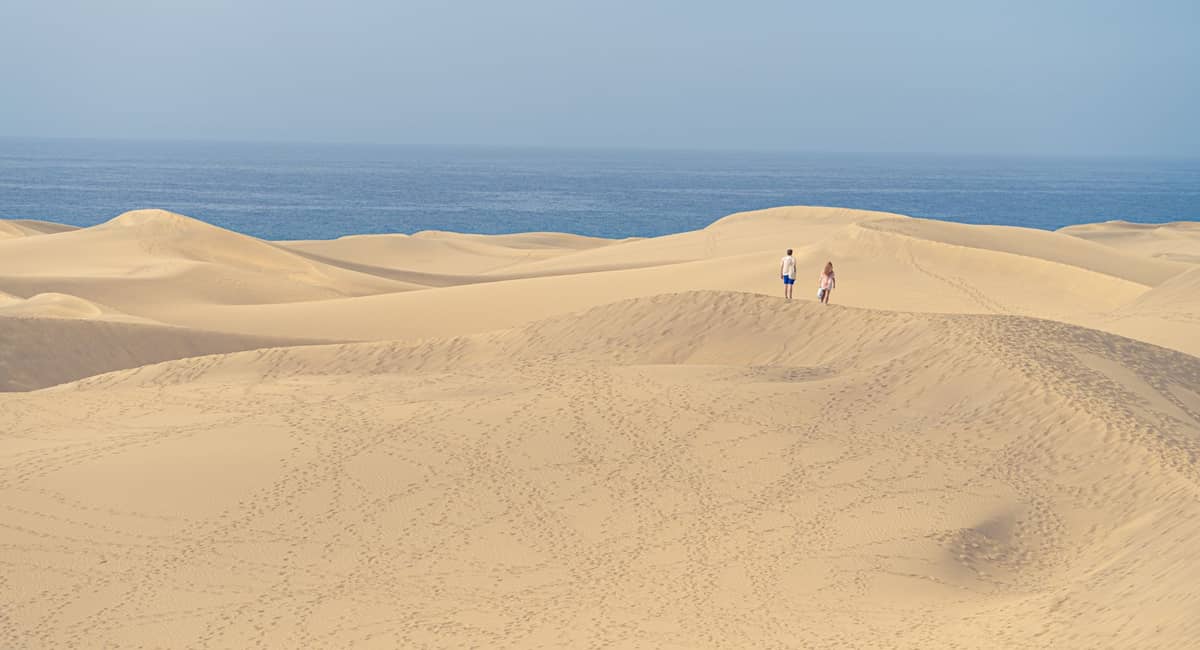
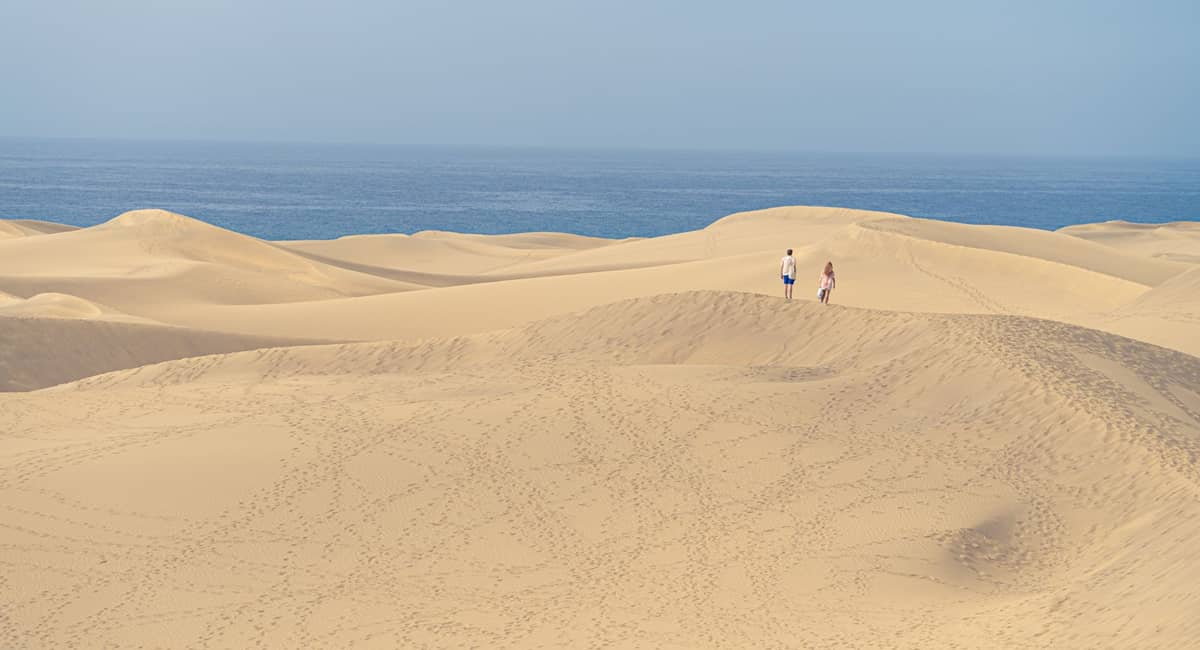
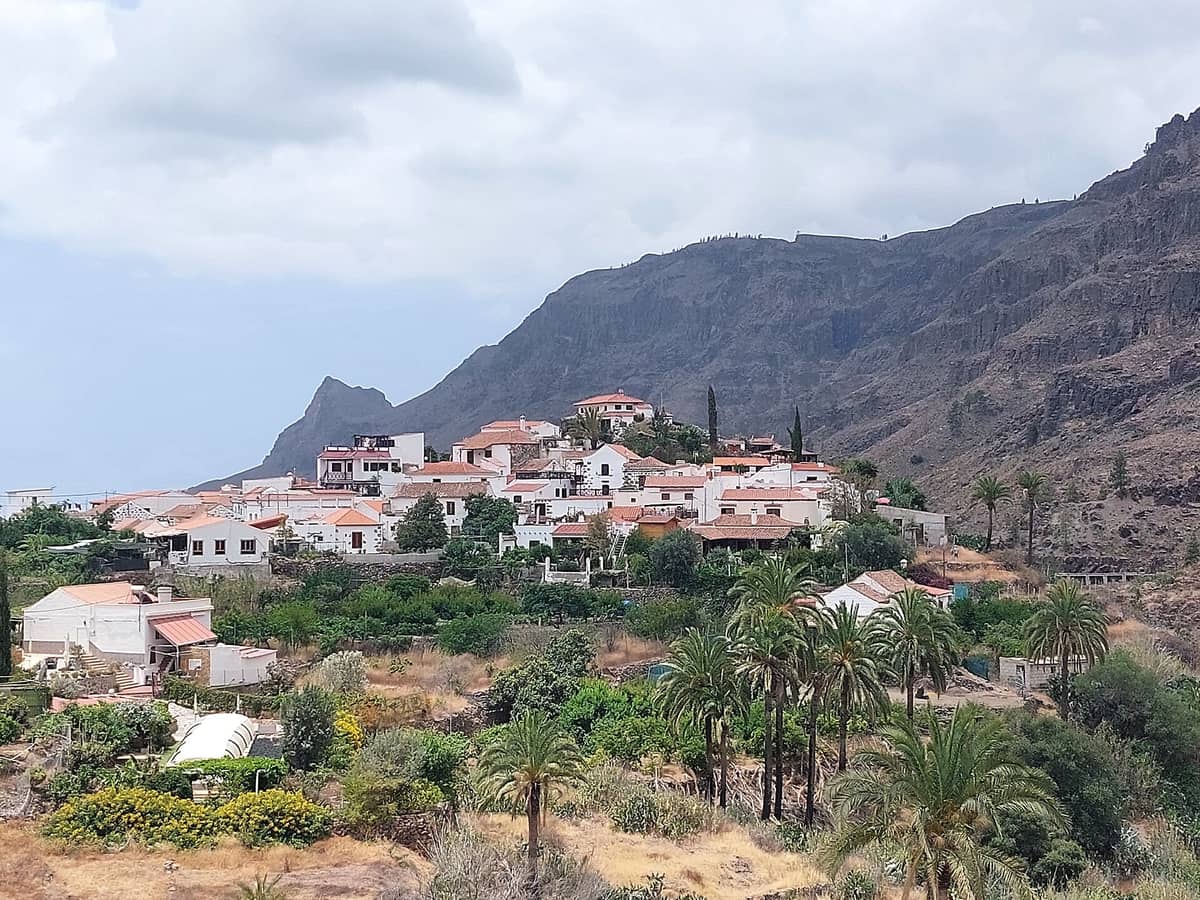
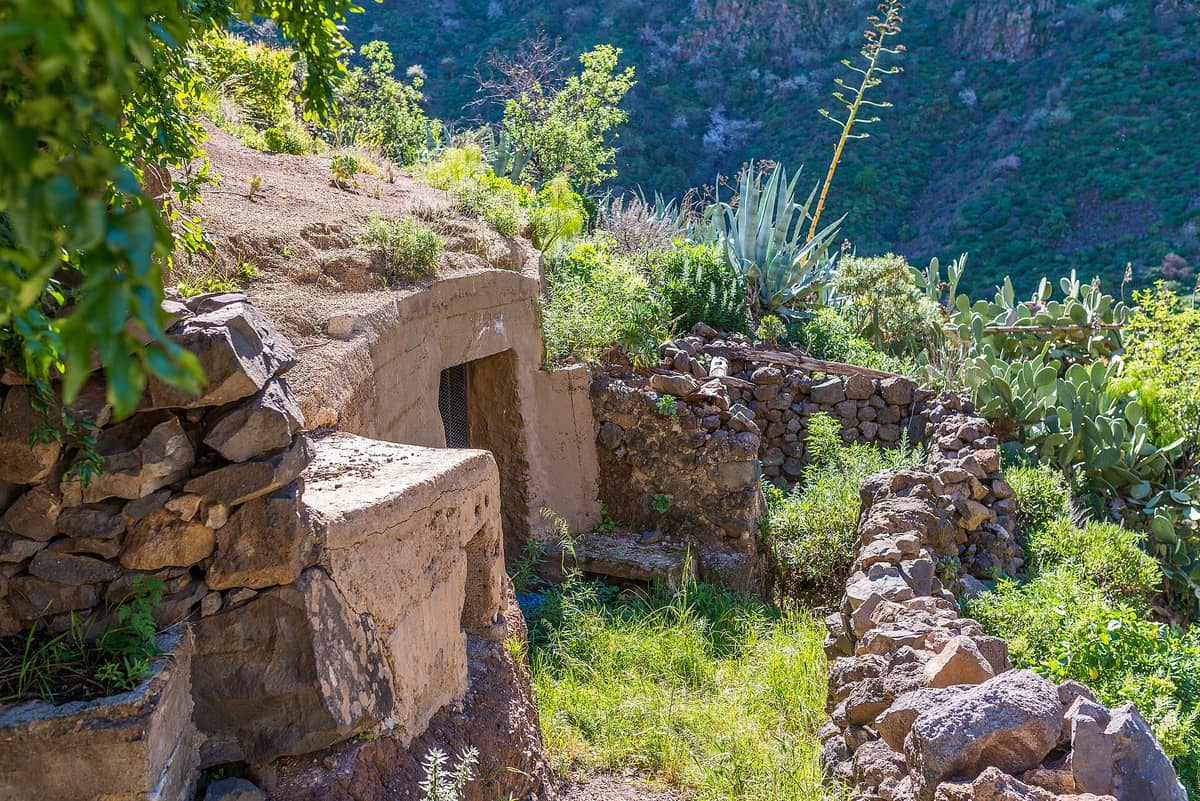
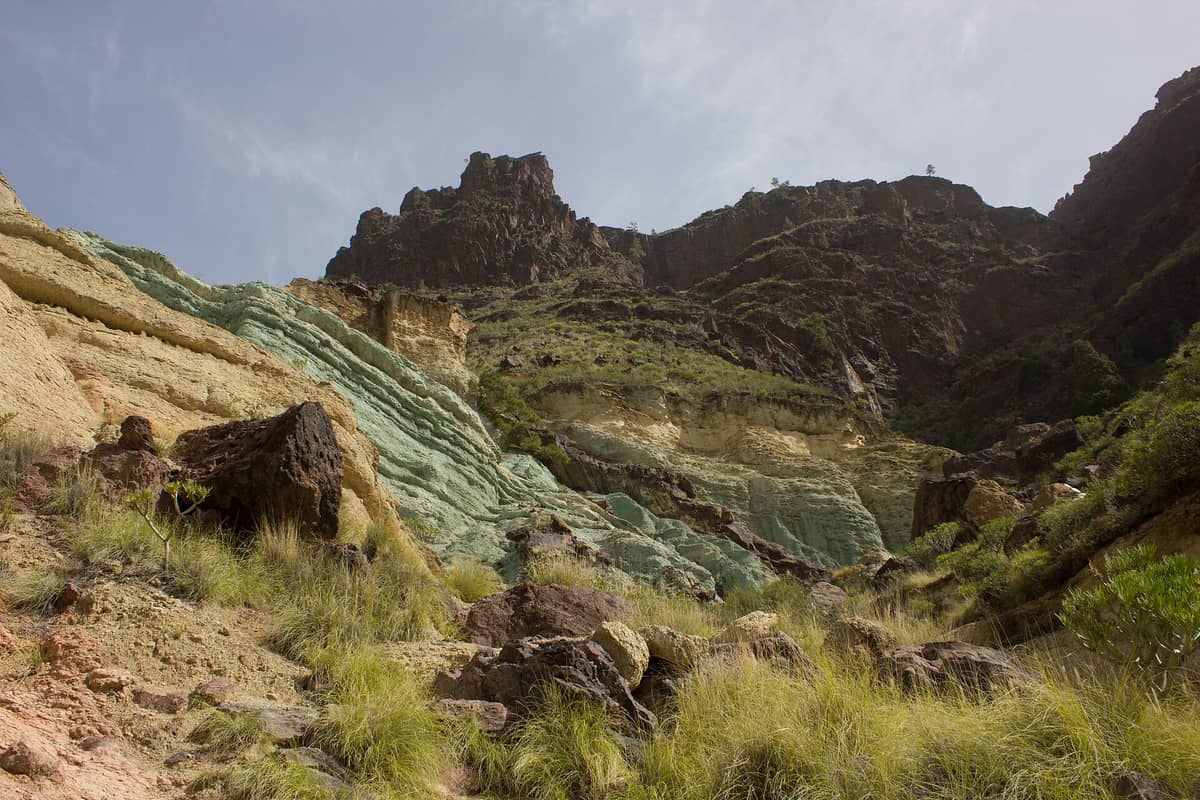
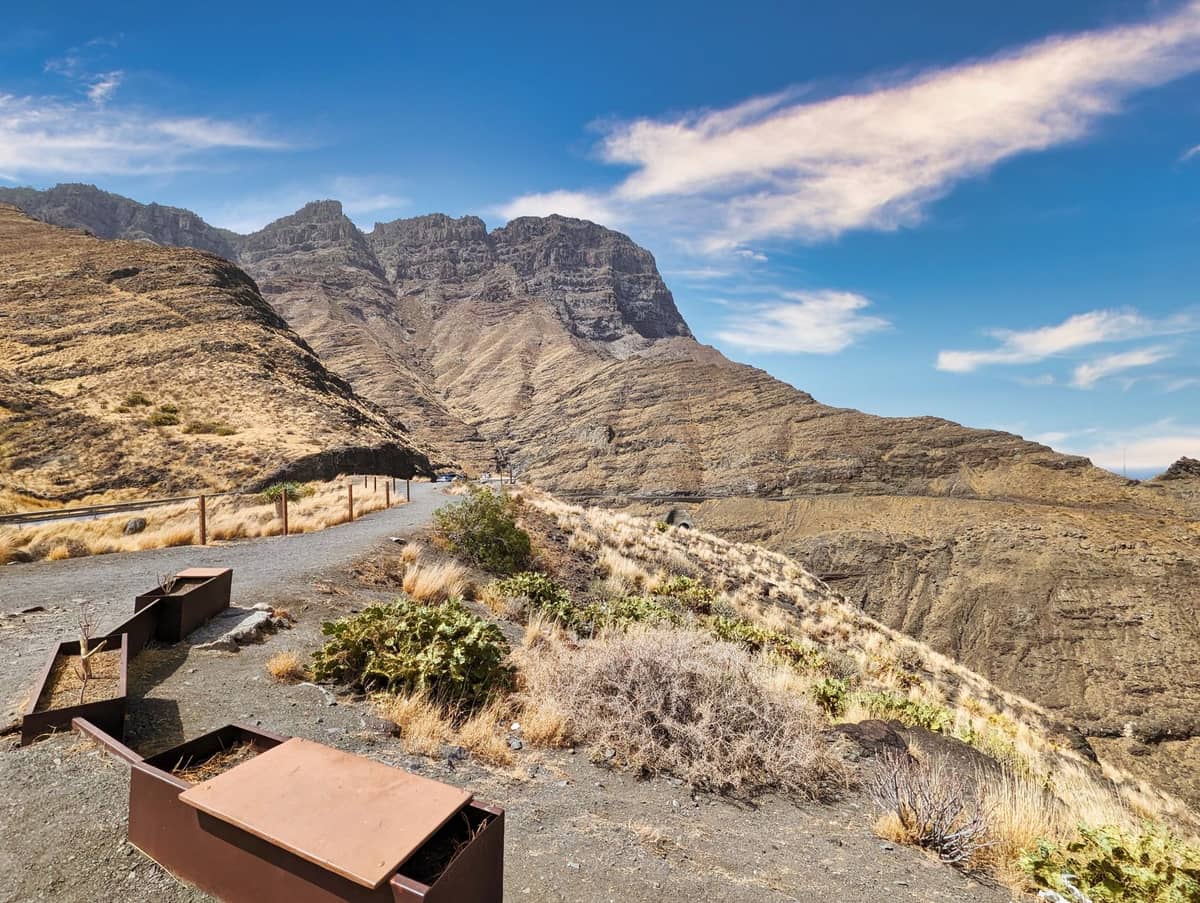
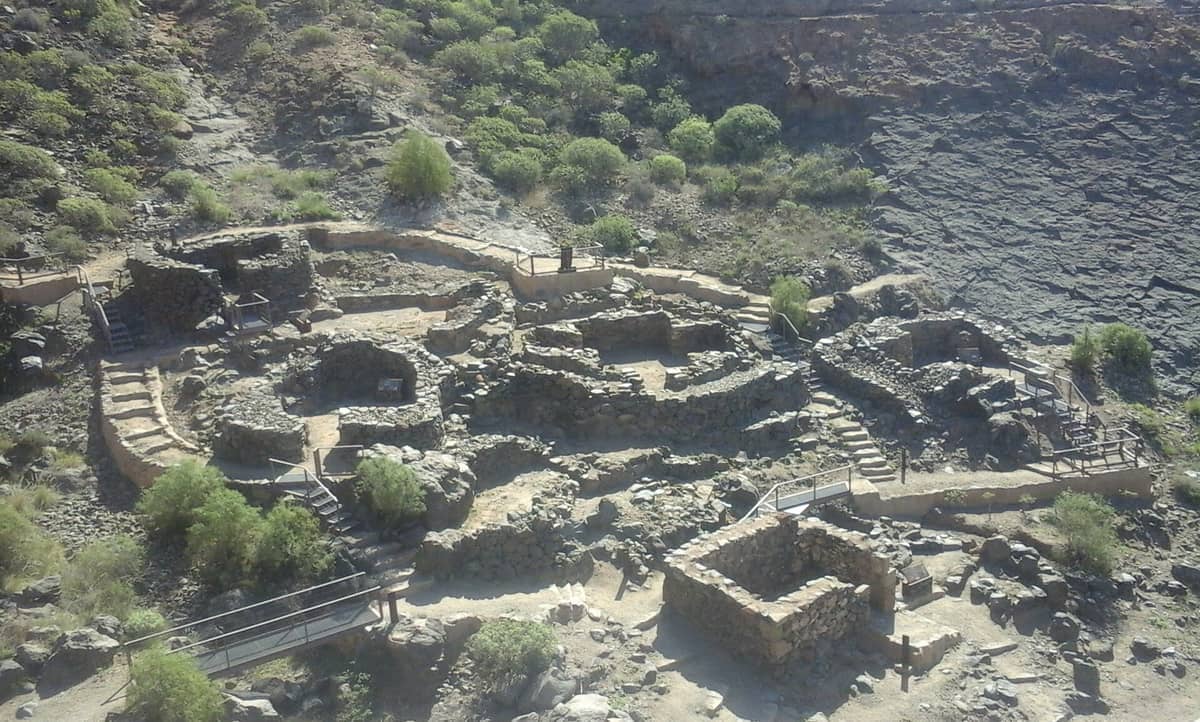
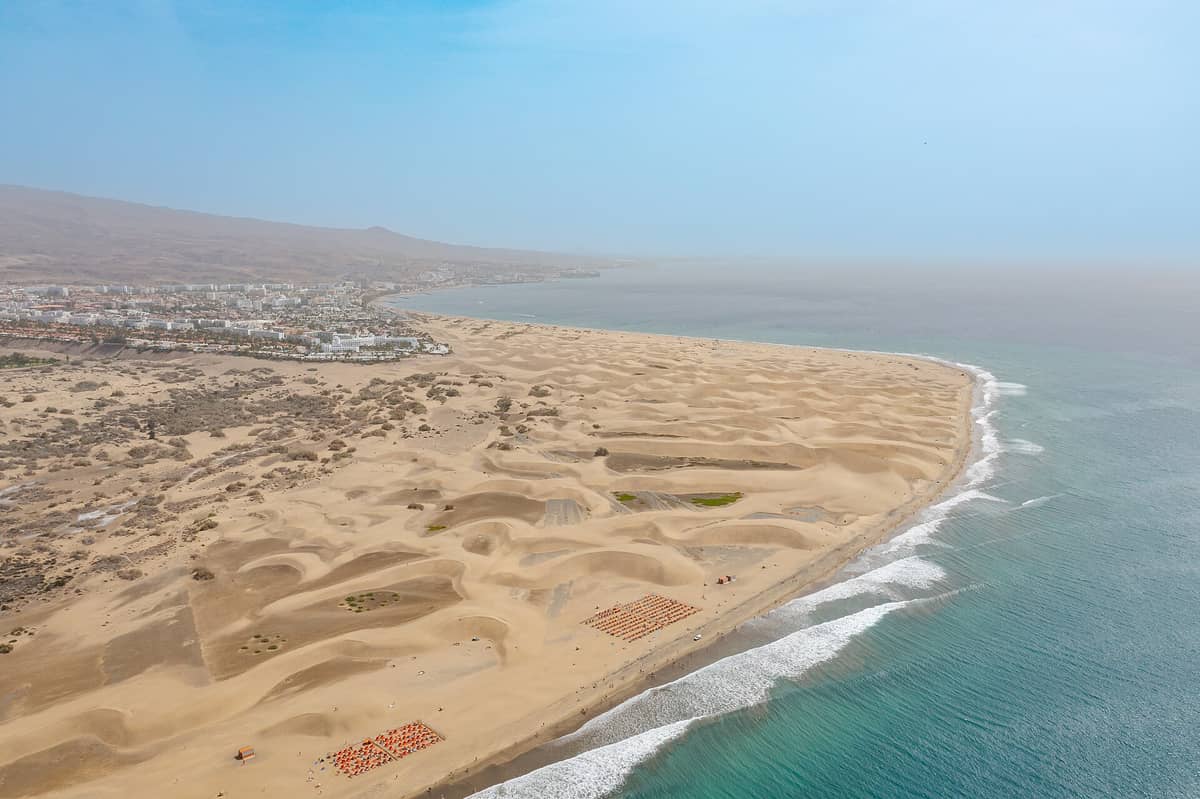
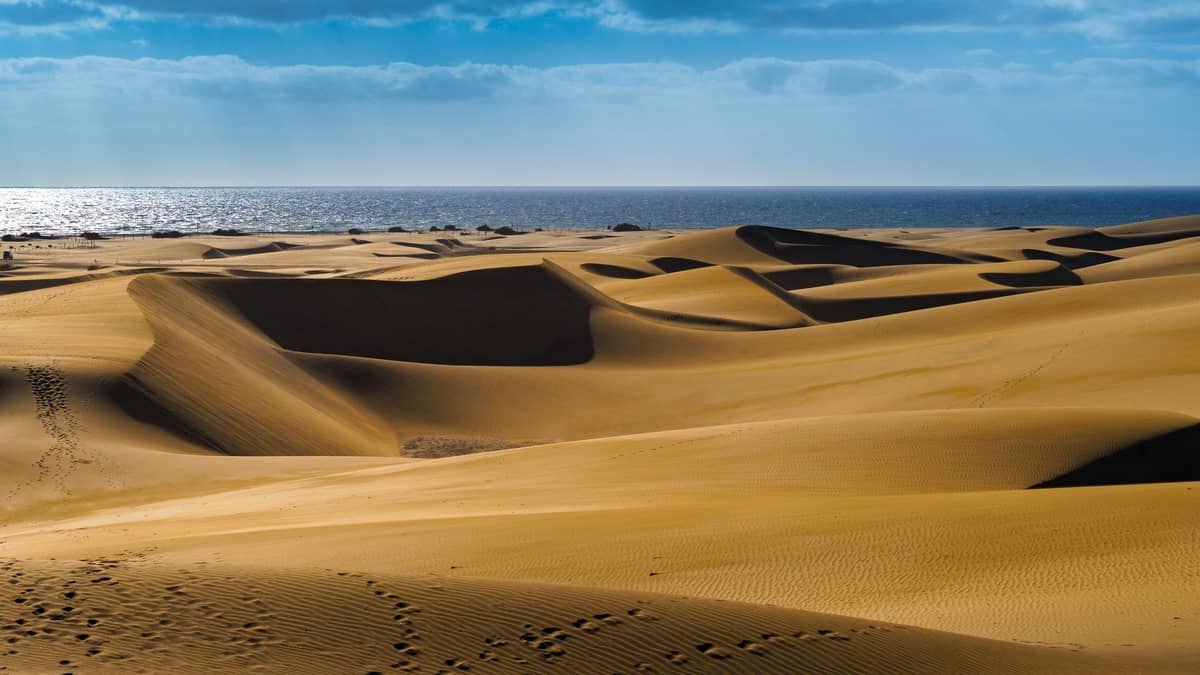
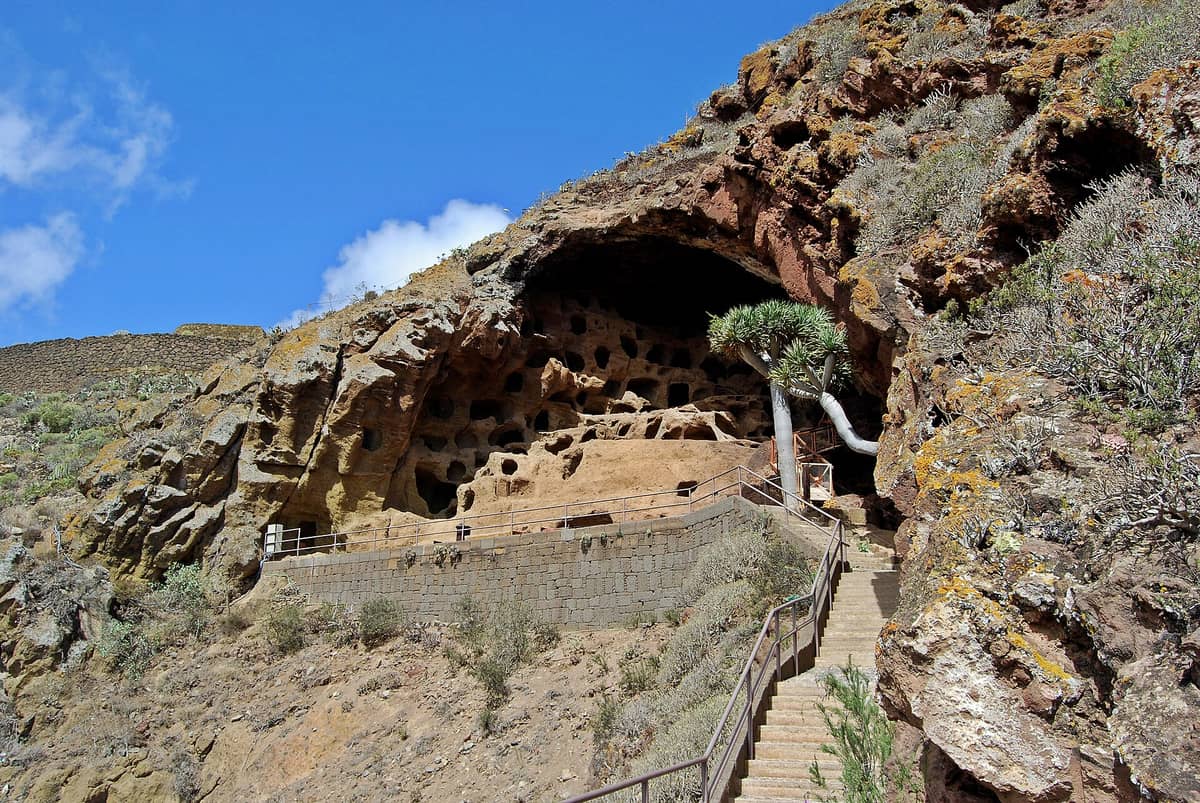
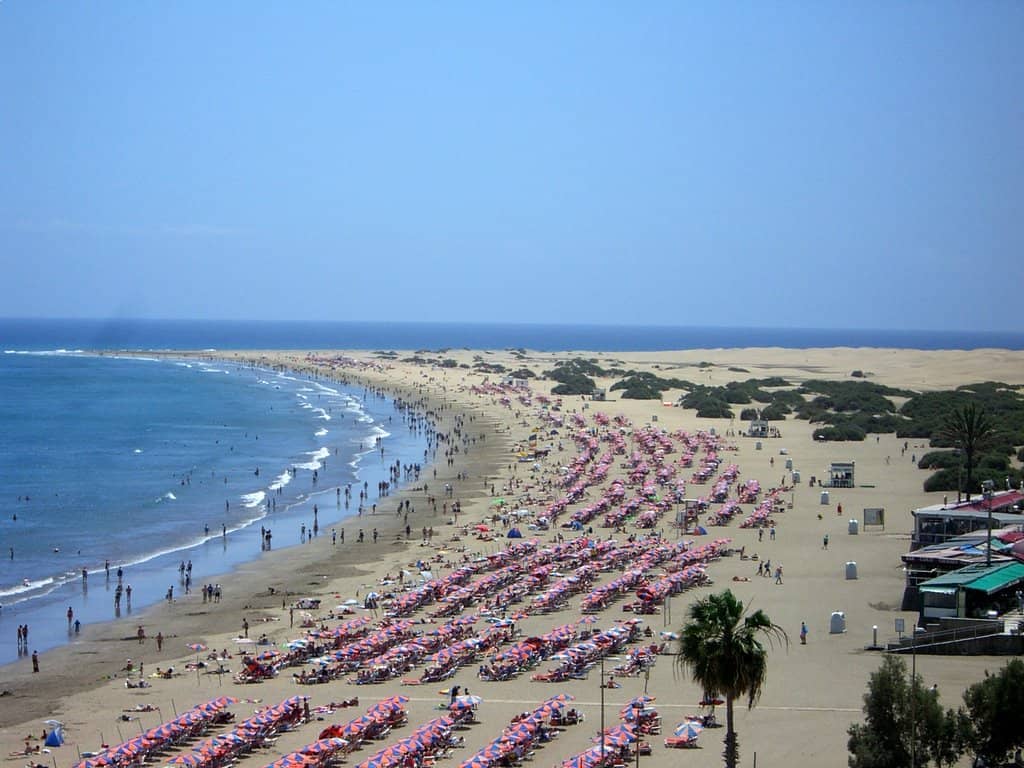
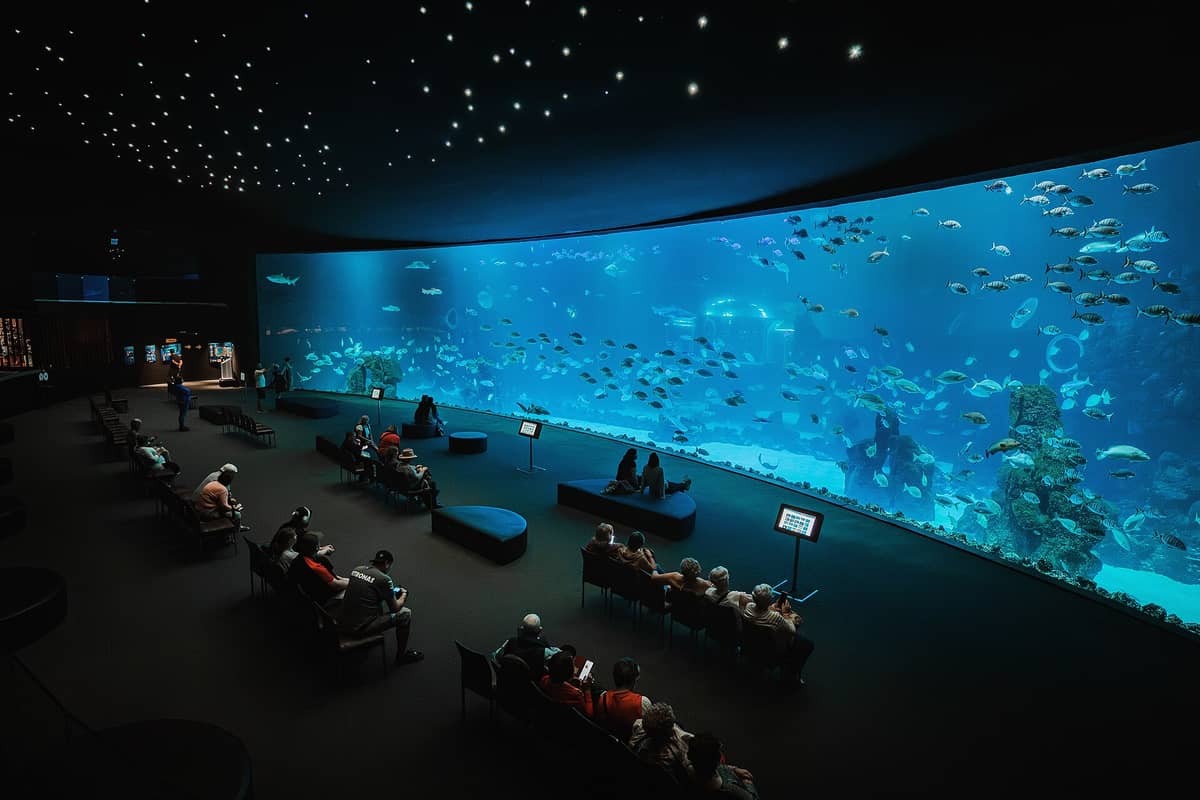
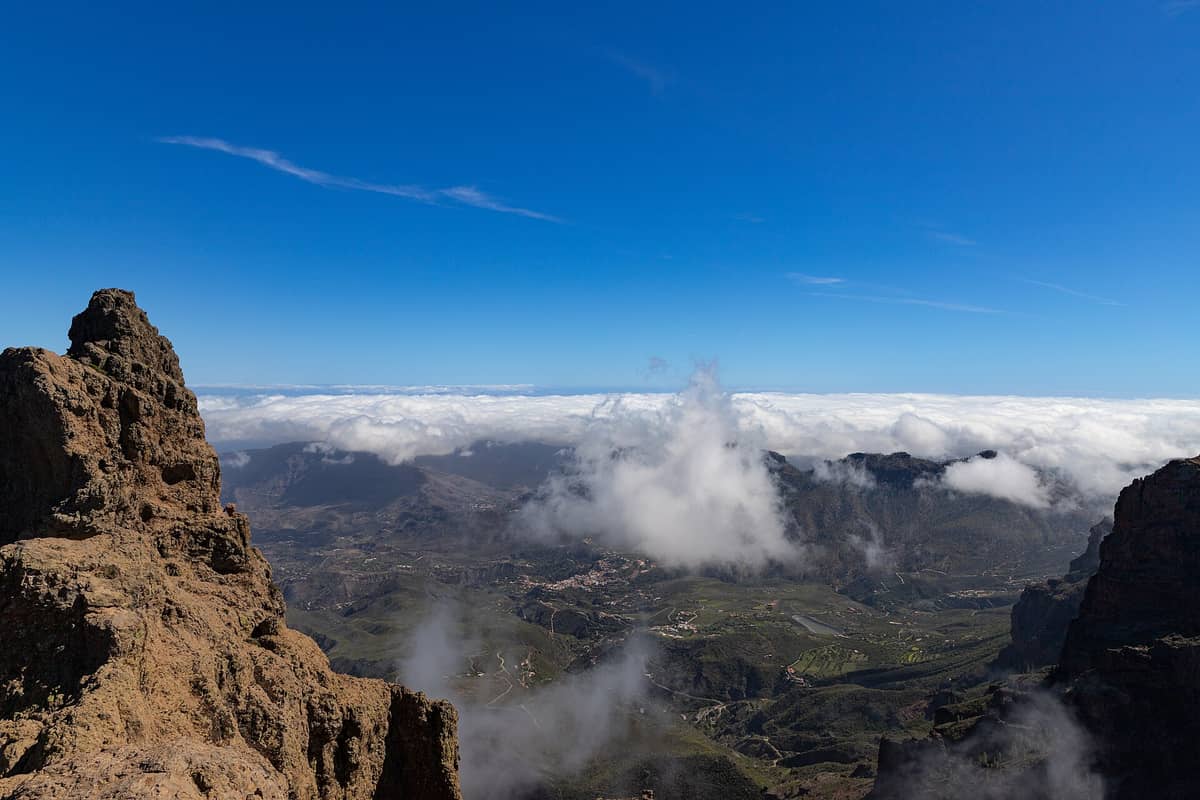
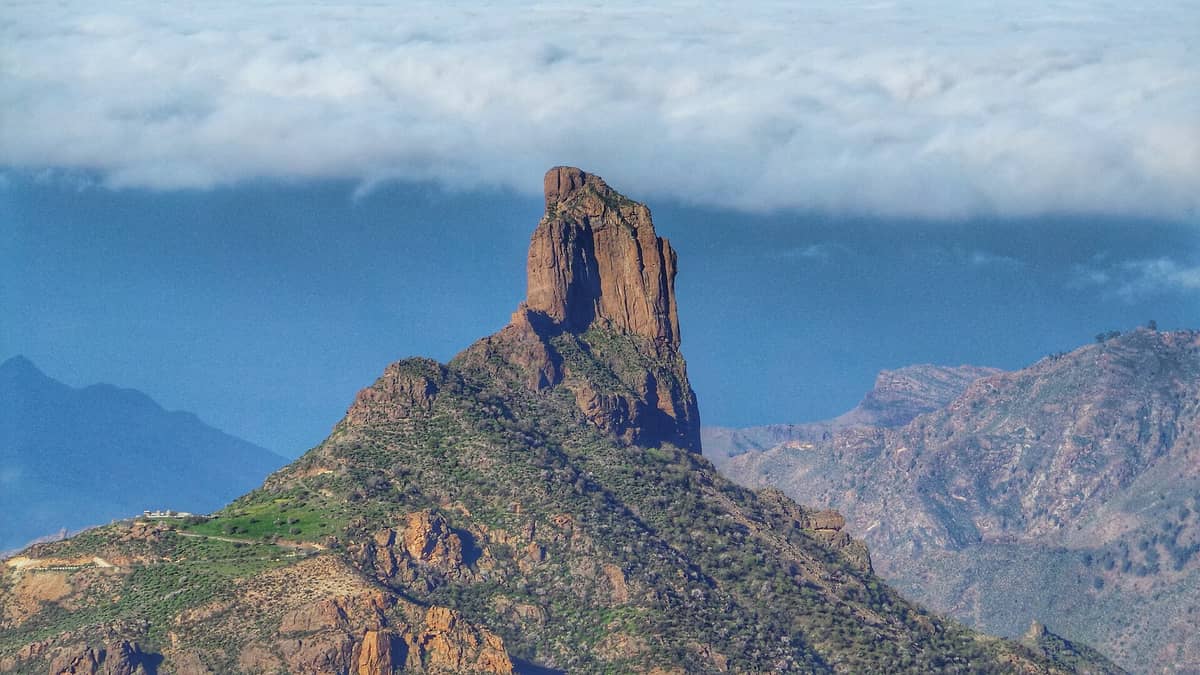
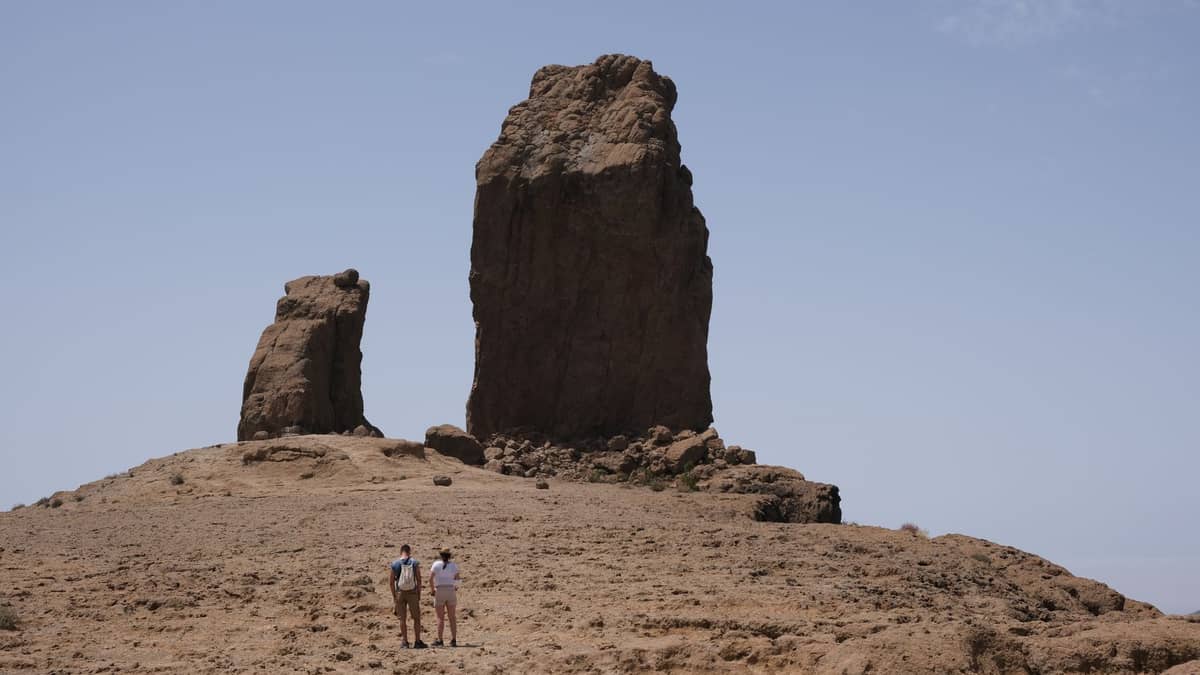
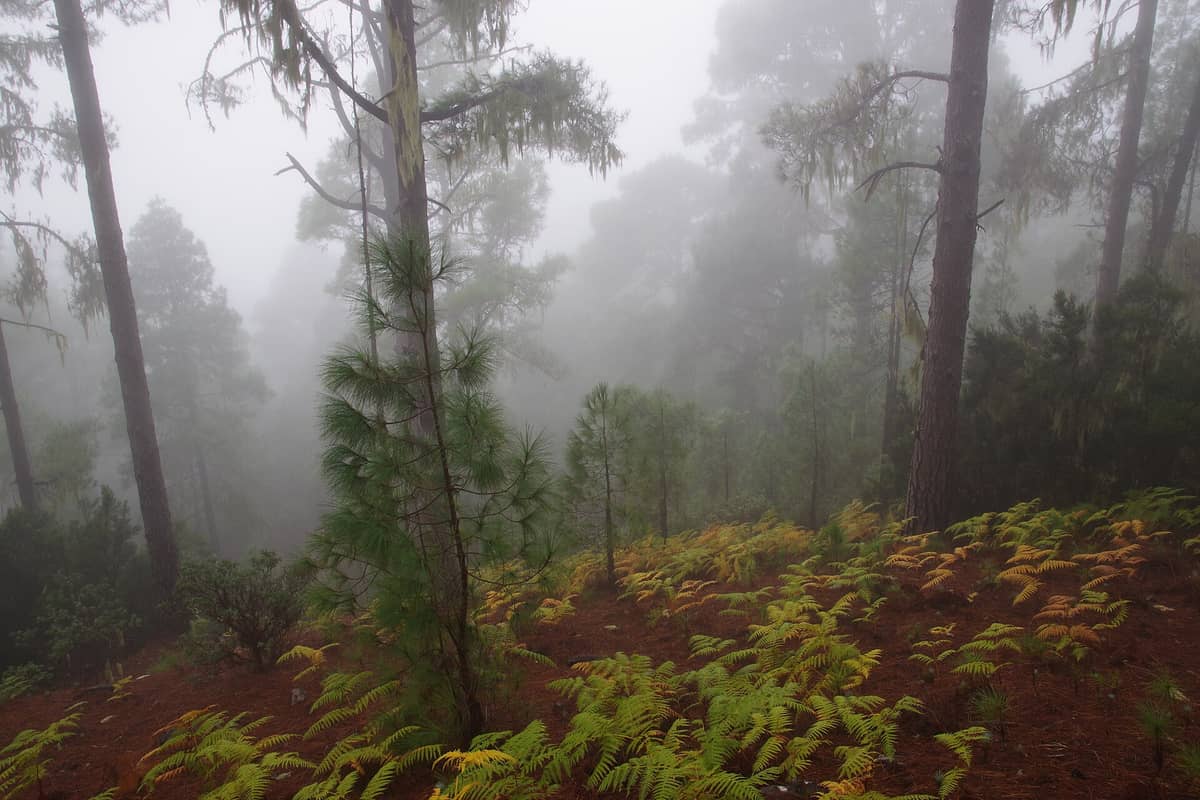
Often called a 'continent in miniature', Gran Canaria is the third-largest of Spain's Canary Islands and one of the most visited islands in Europe. The south is dominated by the iconic Maspalomas Dunes and a string of purpose-built resort towns that draw sun-seekers year-round, while the rugged interior hides volcanic craters, ancient Guanche archaeological sites, and charming white villages. Las Palmas de Gran Canaria, a cosmopolitan city of around 380,000 people, anchors the north with its historic Vegueta quarter, world-class aquarium, and the legendary Playa de Las Canteras. The island's year-round mild climate — rarely below 18°C in winter or above 28°C in summer — makes it one of the most reliably pleasant destinations in Europe at any time of year.

Why visit Gran Canaria

Gran Canaria offers an almost unmatched combination of beach resort luxury, dramatic volcanic landscapes, and authentic Spanish island culture — all within a four-hour flight of most of Europe and blessed with sunshine every month of the year.

At a glance

  • Area: 1,560 km² — the third-largest Canary Island
  • Capital: Las Palmas de Gran Canaria (pop. ~380,000)
  • Part of Spain and the EU; uses the Euro
  • Year-round mild climate: 18–28°C average temperatures
  • UNESCO Biosphere Reserve covering significant areas of the island's interior
  • Direct flights from most major European cities; ~4 hrs from London

Best time to visit Gran Canaria

Gran Canaria is a genuine year-round destination, but the peak season runs from December to March when northern Europeans escape the cold — expect higher prices and fuller resorts. Spring (April–May) and autumn (October–November) offer the best balance of good weather, lower crowds, and competitive prices. Read our best time to visit guide.

Places to visit in Gran Canaria

Guides

Top attractions in Gran Canaria

🛫 Heading to Tenerife next?

Gran Canaria and Tenerife are the two most popular Canary Islands, connected by a regular ferry service — making a twin-island trip entirely feasible. Tenerife adds Mount Teide, the Teresitas beach, and a different resort character to complement everything Gran Canaria offers.

Explore our Tenerife guide