Hidden Gems in Gran Canaria: 20 Extraordinary Places Most Visitors Never See
Gran Canaria packs extraordinary variety into 1,560 square kilometres, yet most visitors see only a fraction of it. These are the volcanic ravines, pre-Hispanic ruins, wild coastlines, and slow villages that reward those willing to look beyond the southern resort strip.
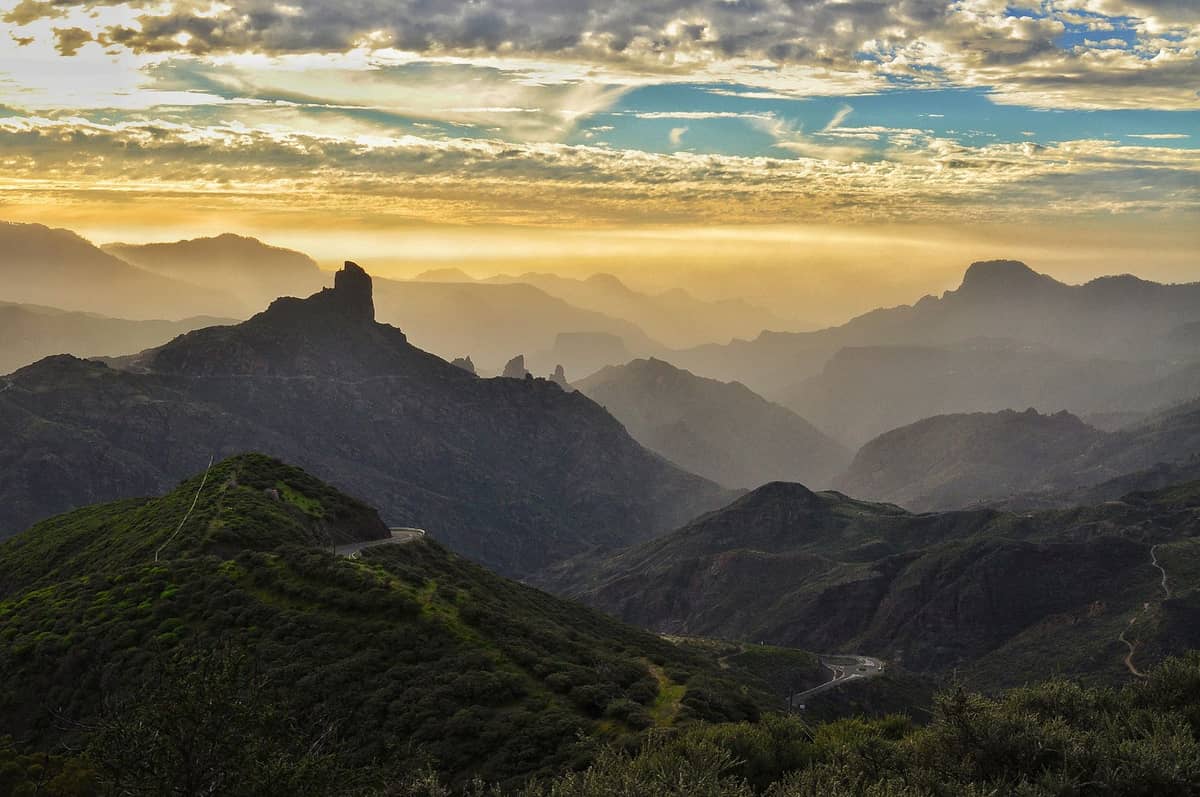
Gran Canaria is nicknamed a 'continent in miniature' for good reason: its interior rises sharply from sun-baked beaches to pine-forested ridges and volcanic calderas, while its coasts swing from sheltered resort coves to dramatic Atlantic cliffs. Most package tourists never stray far from Maspalomas or Playa del Inglés, which means the island's richest experiences sit largely uncrowded and waiting. This guide focuses on the places that locals know well but guidebooks treat as footnotes: ravines with year-round waterfalls, cliff-face grain stores carved by an ancient civilisation, geological colour spectacles on forgotten west-coast roads, and highland plateaus where the only sound is wind through Canarian pines.
💡 Local tip
A hire car unlocks almost everything on this list. Public buses (Global network) cover the main corridors, but the west coast, Tamadaba, and interior villages are impractical without your own wheels. Check the latest routes at guaguasglobal.com.
Ancient Gran Canaria: Guanche Sites & Pre-Hispanic Wonders
The Guanche people built a sophisticated society on Gran Canaria before the Spanish conquest in 1483, and their legacy is scattered across the island in cave dwellings, painted chambers, burial grounds, and cliff-carved granaries. Most visitors miss these entirely. If you want deeper context before exploring, the things to do in Gran Canaria guide gives a broader overview of the island, but the sites below are where the real depth lies.
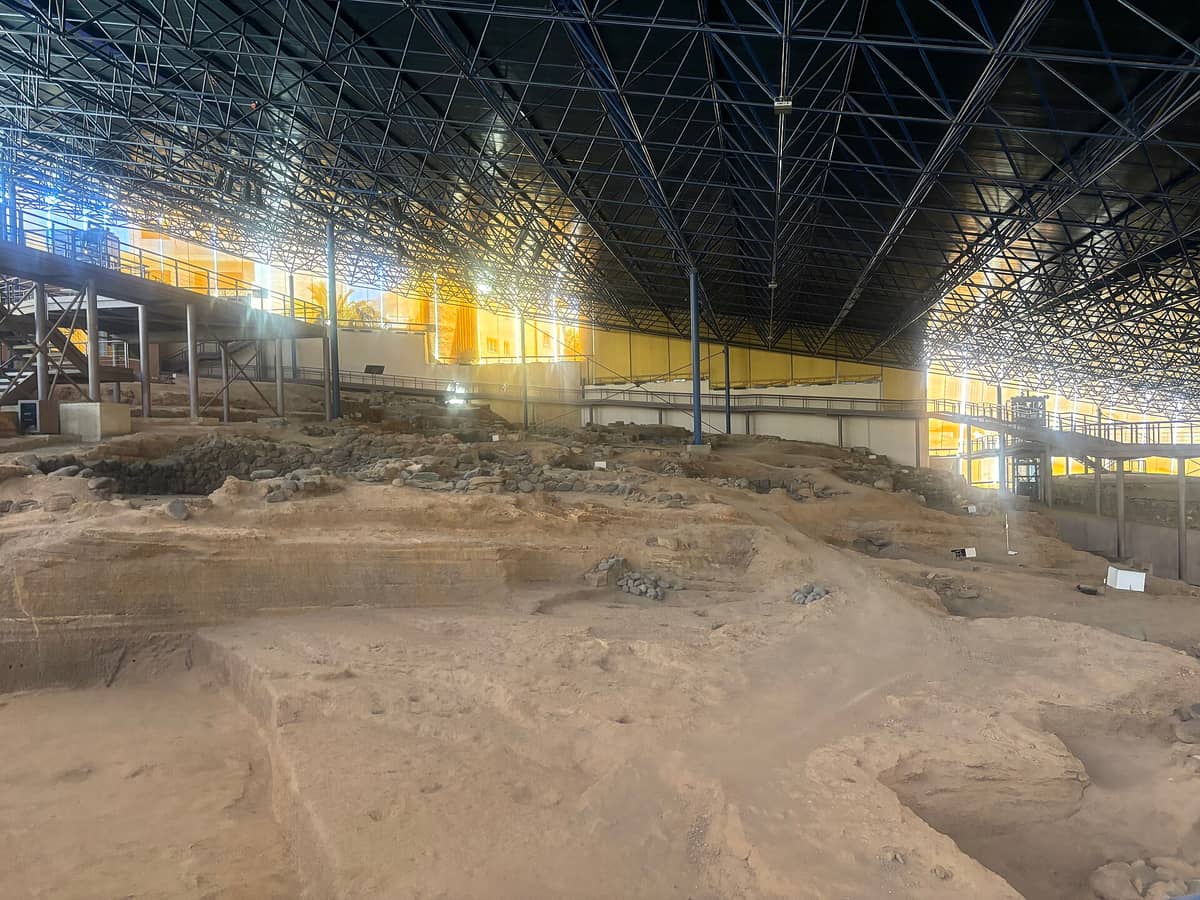
1. Step Inside Guanche Cave Paintings at the Cueva Pintada
The protected cave at Gáldar contains geometric ochre and white paintings created by the ancient Guanche people. The modern museum built over the site explains excavation history and provides scale. Allow 90 minutes and book tickets in advance.
Explore1. Step Inside Guanche Cave Paintings at the Cueva Pintada
The protected cave at Gáldar contains geometric ochre and white paintings created by the ancient Guanche people. The modern museum built over the site explains excavation history and provides scale. Allow 90 minutes and book tickets in advance.
Explore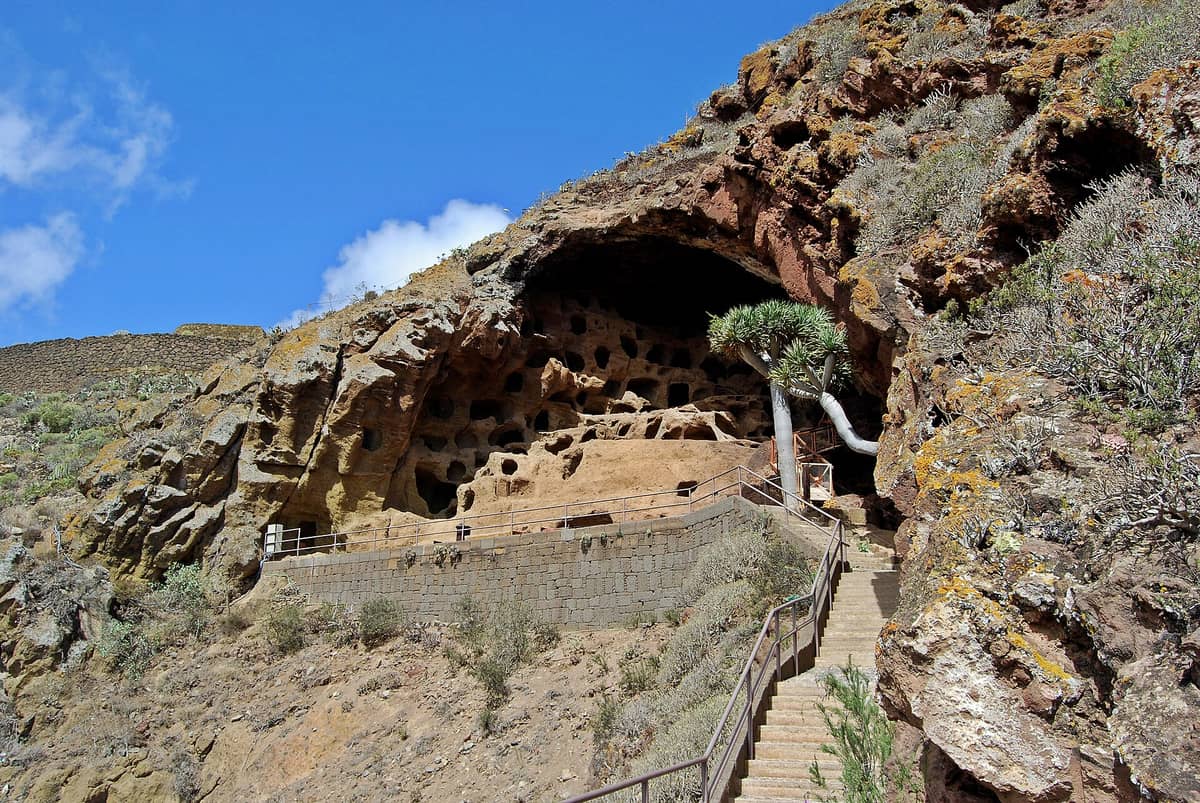
2. Marvel at 300 Grain Silos Carved into a Cliff at Cenobio de Valerón
Over 300 individual silos honeycombed into a volcanic rock face in the island's north, used by the Guanche to store grain. The engineering is remarkable and the site is rarely crowded. Combine it with a drive through the nearby banana plantations.
Explore2. Marvel at 300 Grain Silos Carved into a Cliff at Cenobio de Valerón
Over 300 individual silos honeycombed into a volcanic rock face in the island's north, used by the Guanche to store grain. The engineering is remarkable and the site is rarely crowded. Combine it with a drive through the nearby banana plantations.
Explore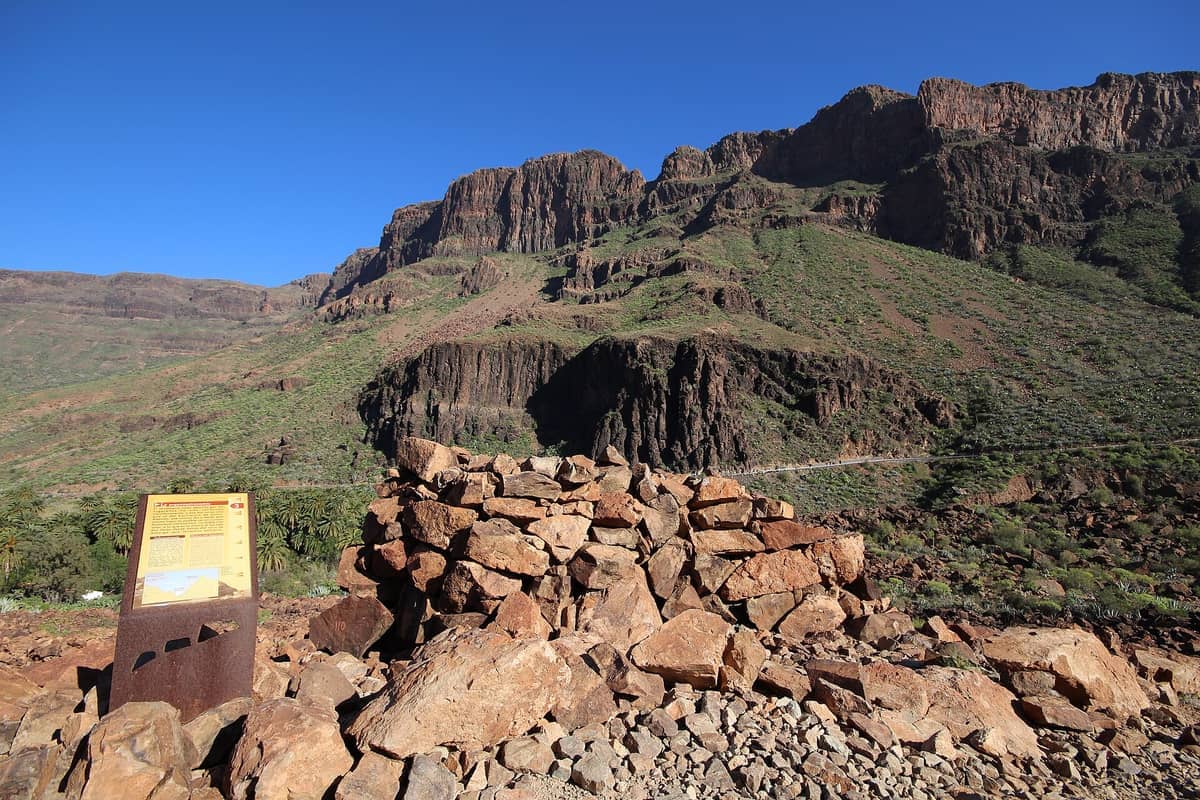
3. Walk Among Guanche Tombs in the Arteara Necropolis
Hundreds of stone burial cairns dot a rocky hillside above the Fataga palm grove, making this the largest Guanche cemetery on the island. There are no crowds, no ticket booths, and no guardrails. Walk carefully and go in the morning light for the best atmosphere.
Explore3. Walk Among Guanche Tombs in the Arteara Necropolis
Hundreds of stone burial cairns dot a rocky hillside above the Fataga palm grove, making this the largest Guanche cemetery on the island. There are no crowds, no ticket booths, and no guardrails. Walk carefully and go in the morning light for the best atmosphere.
Explore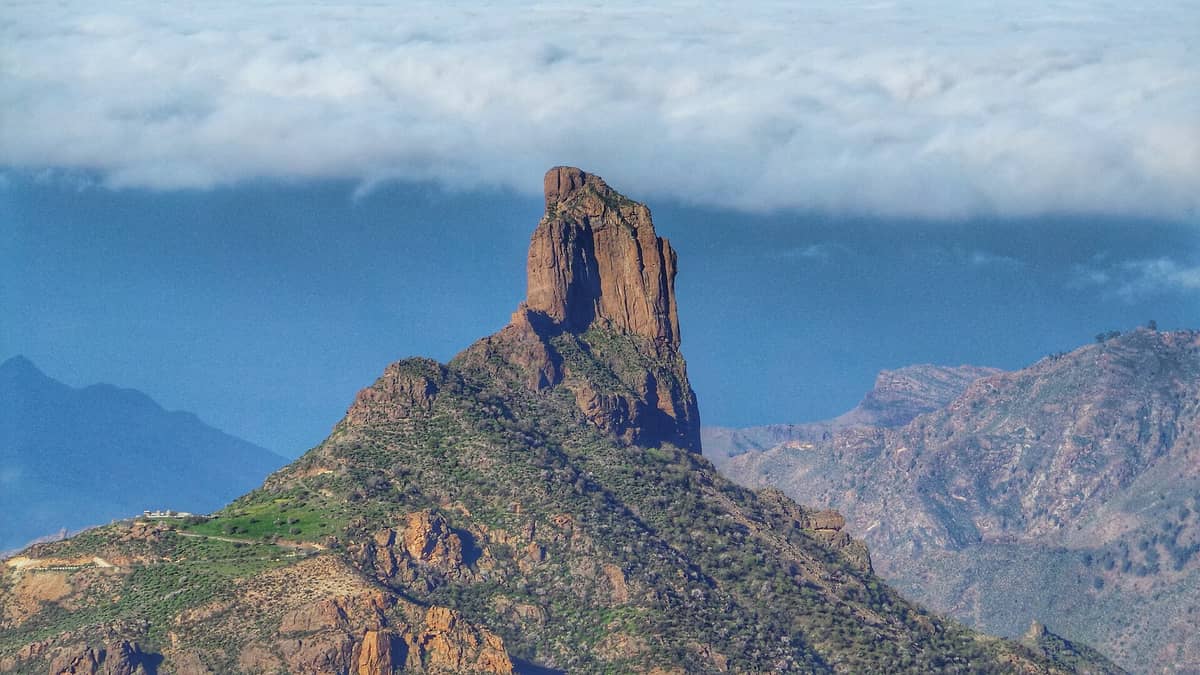
4. Climb to the Sacred Rock of Roque Bentayga
This jagged volcanic monolith above Tejeda was a ceremonial site for the Guanche. A marked trail passes ancient cave dwellings and rock engravings on the way up. The views over the caldera and toward Roque Nublo are exceptional, and visitor numbers are a fraction of its famous neighbour.
Explore4. Climb to the Sacred Rock of Roque Bentayga
This jagged volcanic monolith above Tejeda was a ceremonial site for the Guanche. A marked trail passes ancient cave dwellings and rock engravings on the way up. The views over the caldera and toward Roque Nublo are exceptional, and visitor numbers are a fraction of its famous neighbour.
Explore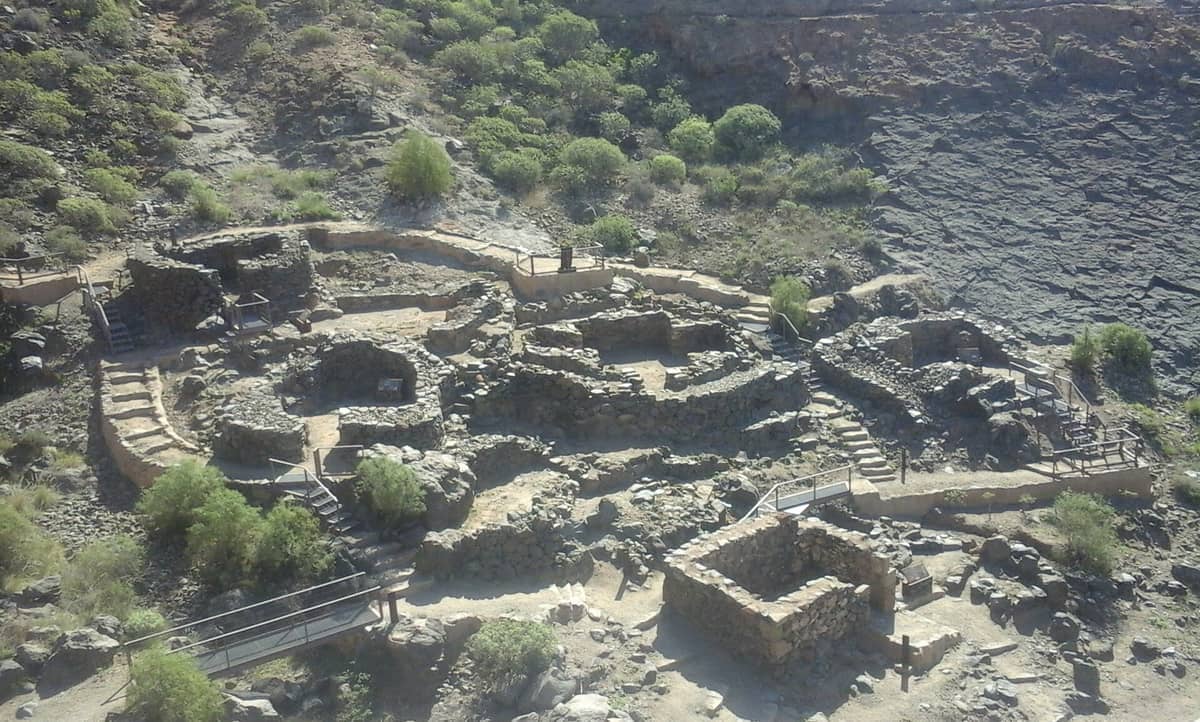
5. Explore a Coastal Guanche Village at Tufia
A headland on the quieter eastern coast preserves stone structures and cave dwellings from a Guanche coastal settlement, with a small beach below. Almost no tourists come here. It is accessible by car and takes about an hour to walk around fully.
Explore5. Explore a Coastal Guanche Village at Tufia
A headland on the quieter eastern coast preserves stone structures and cave dwellings from a Guanche coastal settlement, with a small beach below. Almost no tourists come here. It is accessible by car and takes about an hour to walk around fully.
ExploreWild Nature: Ravines, Forests & Geological Spectacles
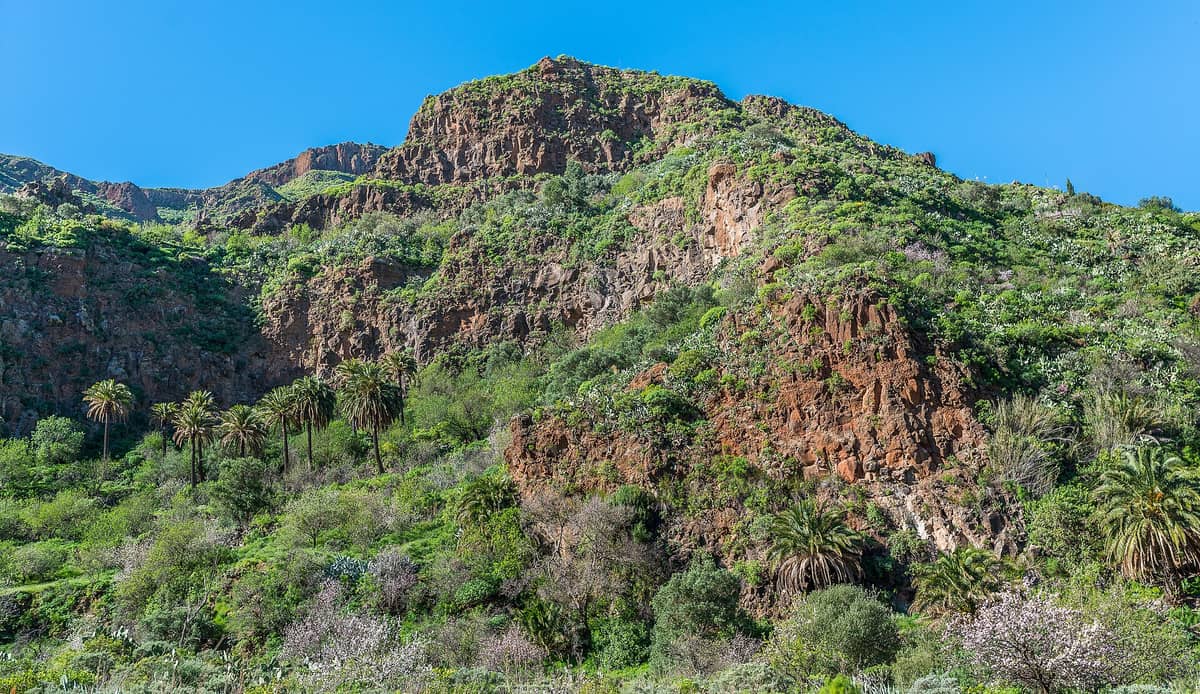
Gran Canaria's interior is defined by deep barrancos cutting from the central mountains to the sea, each with its own microclimate and ecosystem. For hikers specifically, the hiking in Gran Canaria guide covers trail grades and logistics in detail. The spots below are selected for being genuinely off the tourist radar, not simply hard to reach.
6. Follow Gran Canaria's Only Year-Round Stream at Barranco de los Cernícalos
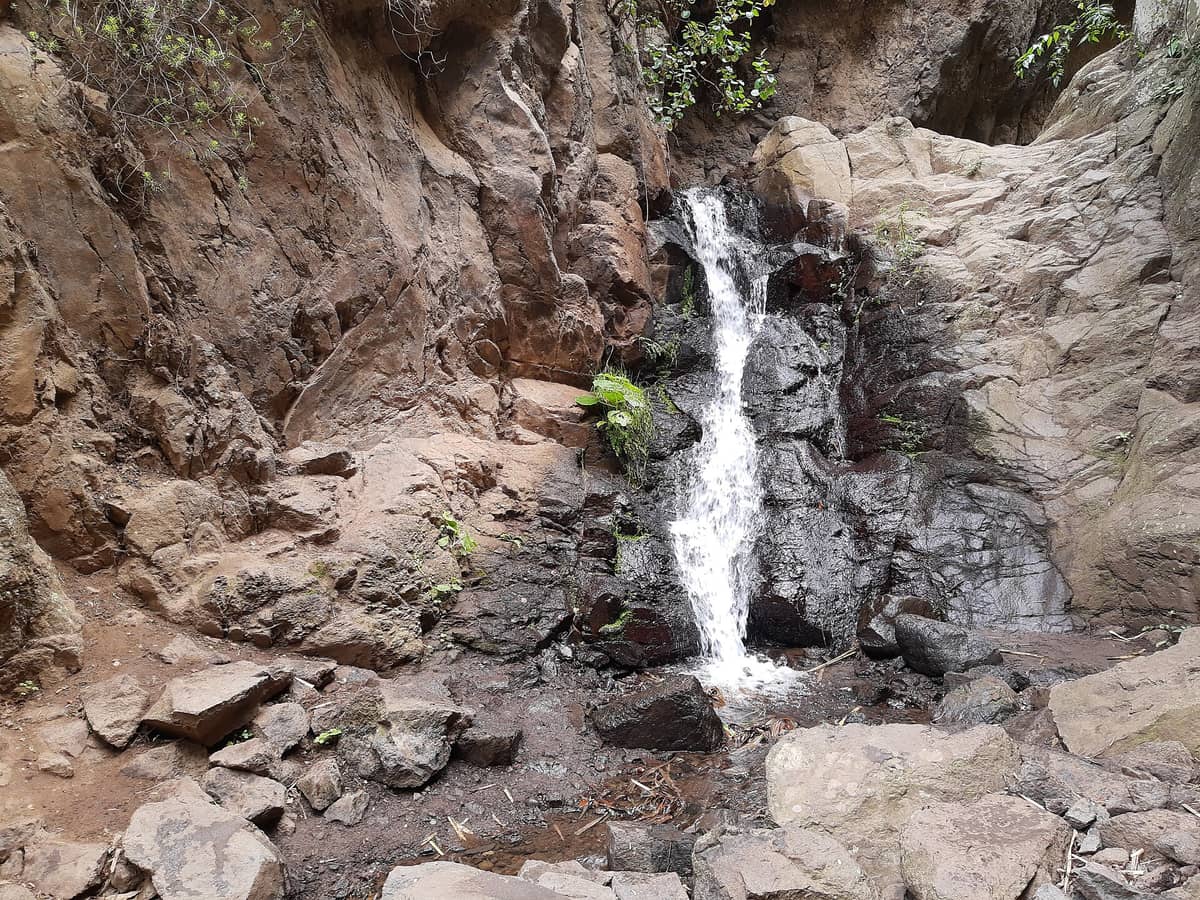
A rare perennial stream trickles through this green ravine in the eastern interior, flanked by ferns, willows, and laurel. The trail is gentle and leads to small waterfalls. It is a genuine surprise on an island people associate only with desert landscapes.
Explore6. Follow Gran Canaria's Only Year-Round Stream at Barranco de los Cernícalos
A rare perennial stream trickles through this green ravine in the eastern interior, flanked by ferns, willows, and laurel. The trail is gentle and leads to small waterfalls. It is a genuine surprise on an island people associate only with desert landscapes.
Explore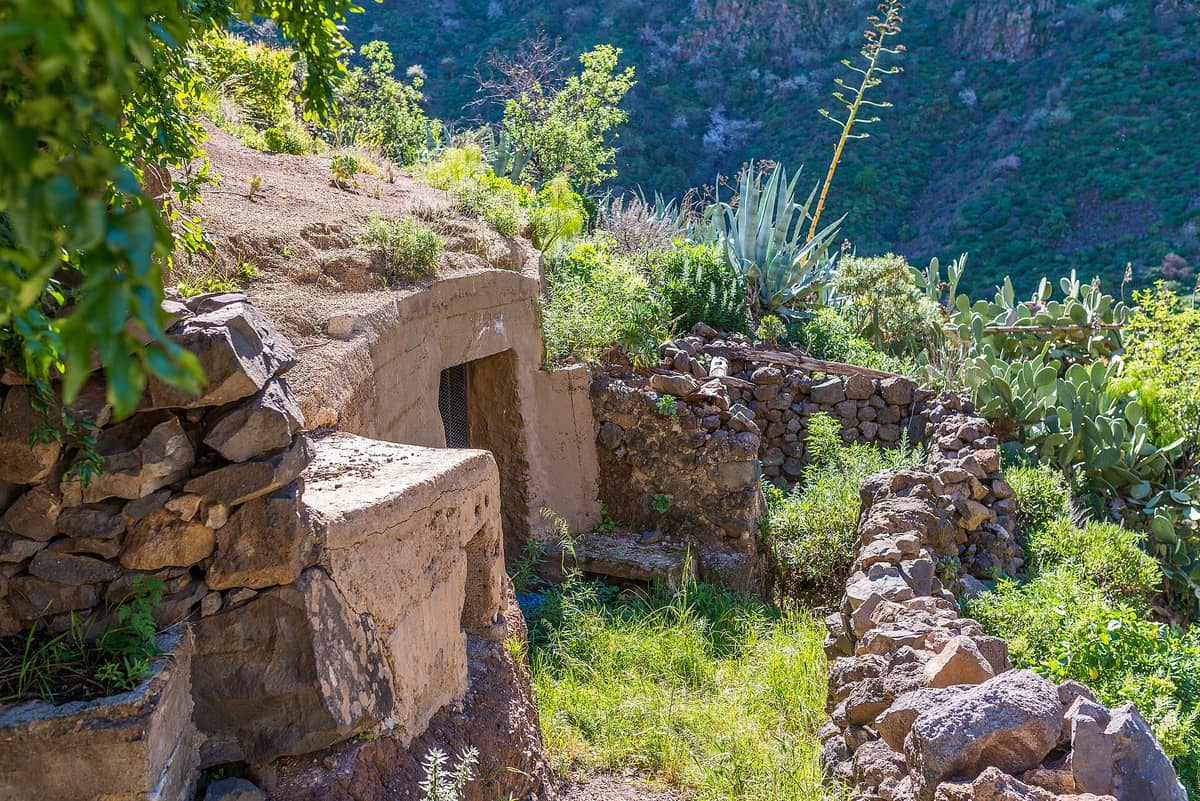
7. Eat in a Cave Restaurant Inside Barranco de Guayadeque
This deep green ravine combines Guanche burial sites, cave-dwelling residents, endemic wildflowers, and actual cave-front restaurants serving local stews. Drive up from the coast and stop at Montaña de las Tierras for lunch inside a literal cave kitchen.
Explore7. Eat in a Cave Restaurant Inside Barranco de Guayadeque
This deep green ravine combines Guanche burial sites, cave-dwelling residents, endemic wildflowers, and actual cave-front restaurants serving local stews. Drive up from the coast and stop at Montaña de las Tierras for lunch inside a literal cave kitchen.
Explore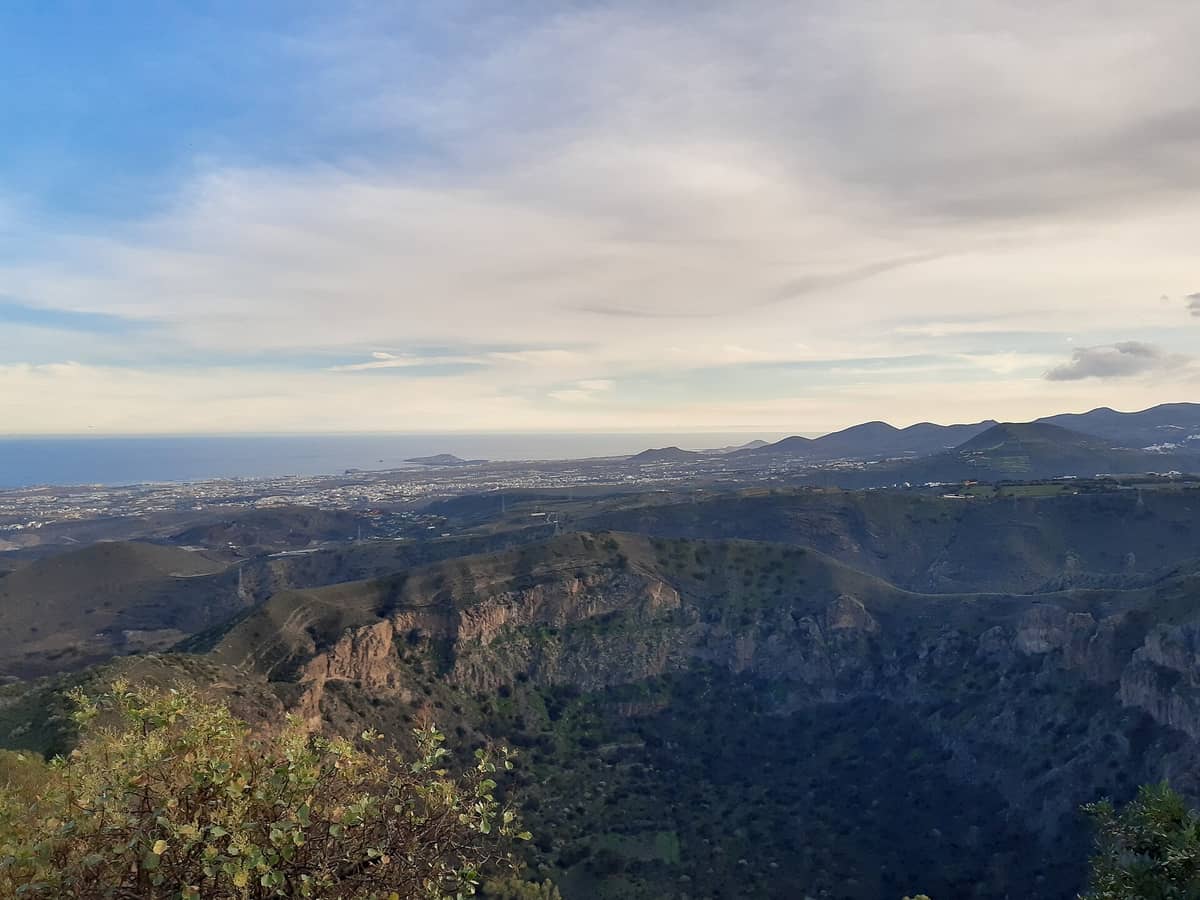
8. Descend into a Perfectly Preserved Volcanic Crater at Bandama
Just 15 minutes from Las Palmas, this 200-metre-deep volcanic bowl can be walked into on a trail that takes about 90 minutes return. The hilltop viewpoint above also overlooks the island's wine country. It is entirely free and almost always quiet.
Explore8. Descend into a Perfectly Preserved Volcanic Crater at Bandama
Just 15 minutes from Las Palmas, this 200-metre-deep volcanic bowl can be walked into on a trail that takes about 90 minutes return. The hilltop viewpoint above also overlooks the island's wine country. It is entirely free and almost always quiet.
Explore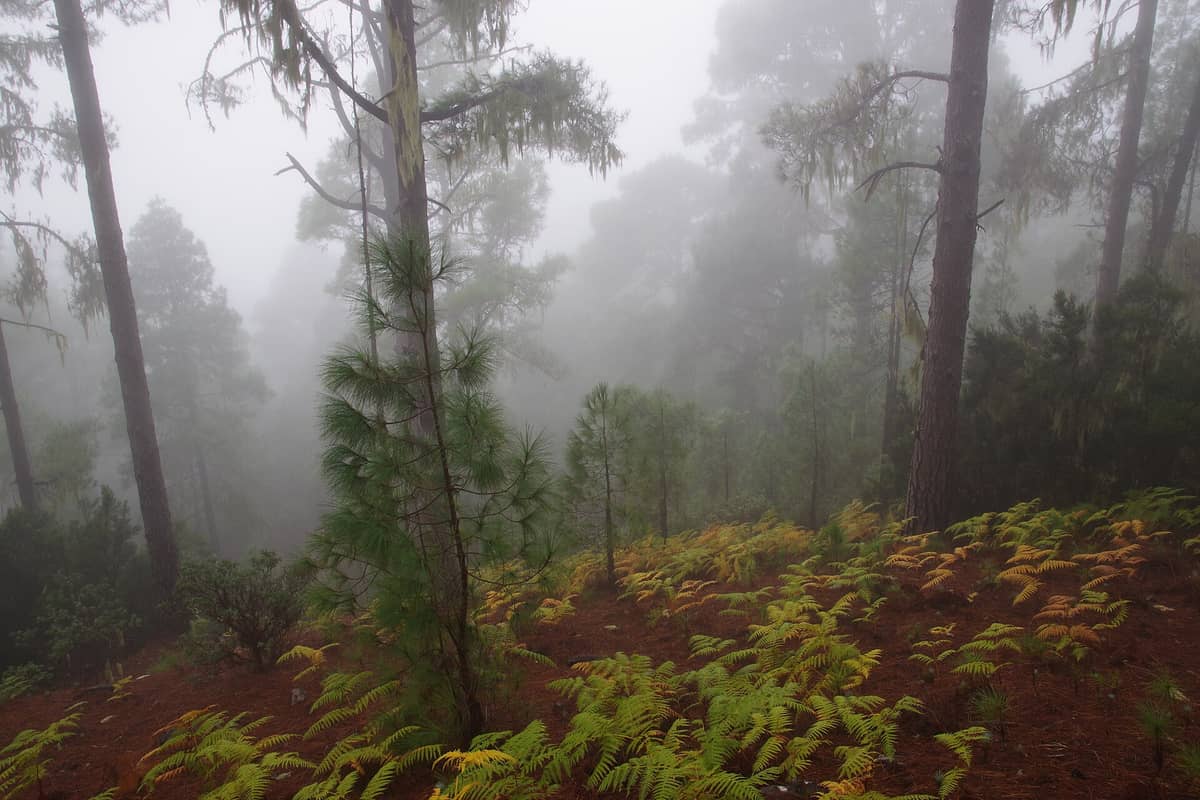
9. Walk Through Gran Canaria's Largest Pine Forest at Tamadaba
The remote Tamadaba plateau in the northwest holds the island's finest Canarian pine forest, with coastal cliff views dropping hundreds of metres to the Atlantic. Birdwatchers come for the blue chaffinch; hikers come for the silence. Access requires a car and the road is narrow.
Explore9. Walk Through Gran Canaria's Largest Pine Forest at Tamadaba
The remote Tamadaba plateau in the northwest holds the island's finest Canarian pine forest, with coastal cliff views dropping hundreds of metres to the Atlantic. Birdwatchers come for the blue chaffinch; hikers come for the silence. Access requires a car and the road is narrow.
Explore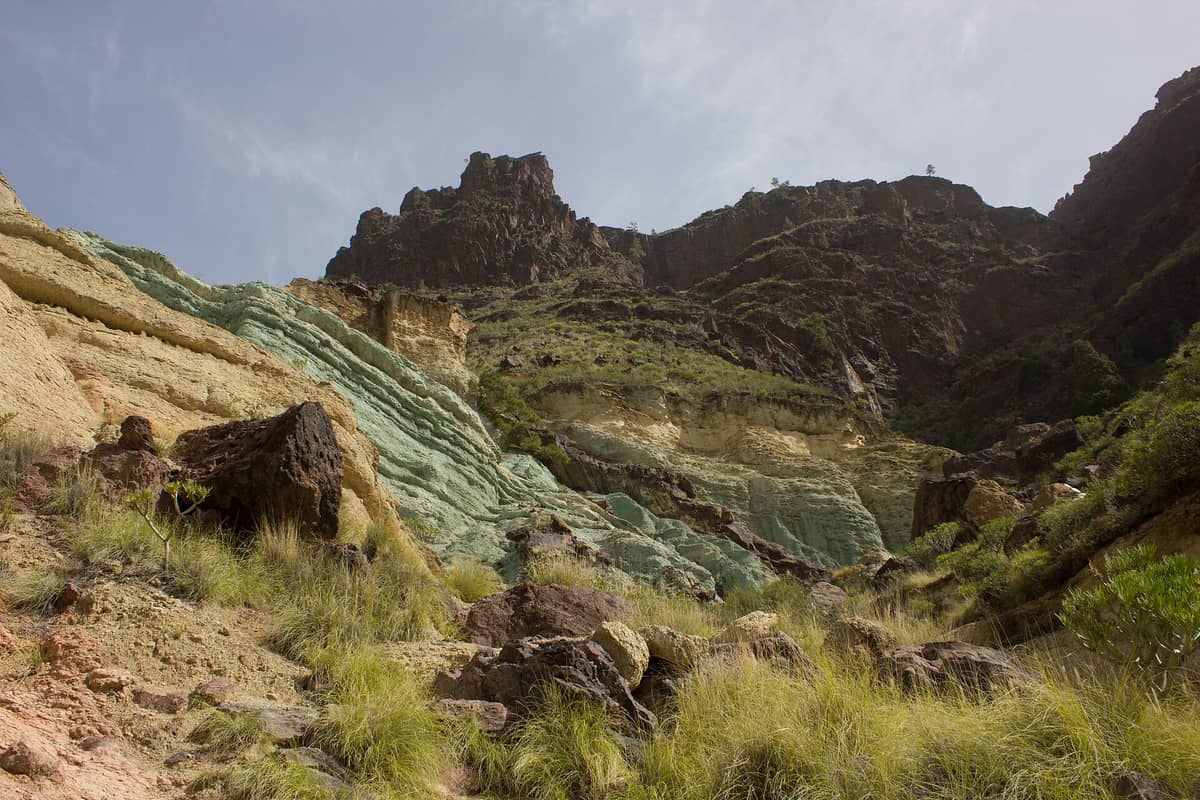
10. Stop at the Multicoloured Cliffs of Los Azulejos de Veneguera
A cliff face streaked in vivid greens, yellows, and reds by mineral deposits makes this west-coast roadside stop one of the most photographed geological sights on the island. It takes five minutes but is genuinely unforgettable. Look for it on the GC-200 between Mogán and La Aldea.
Explore10. Stop at the Multicoloured Cliffs of Los Azulejos de Veneguera
A cliff face streaked in vivid greens, yellows, and reds by mineral deposits makes this west-coast roadside stop one of the most photographed geological sights on the island. It takes five minutes but is genuinely unforgettable. Look for it on the GC-200 between Mogán and La Aldea.
Explore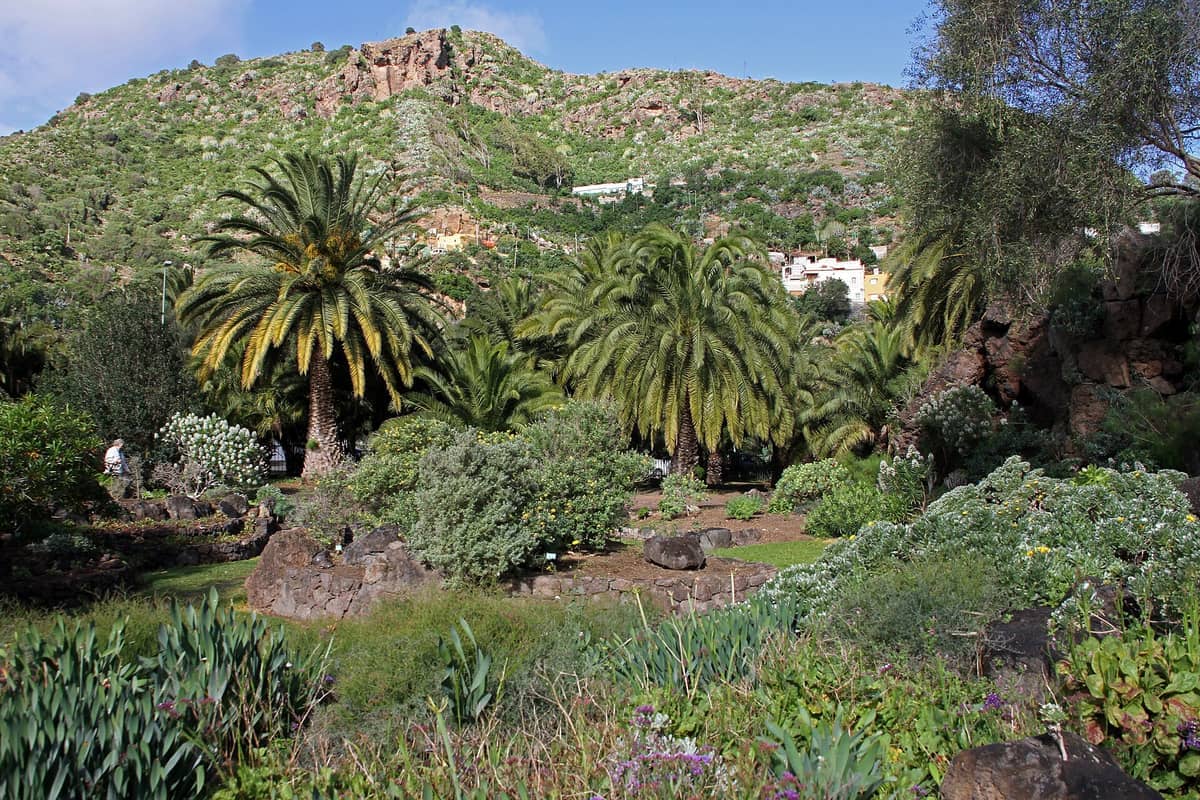
11. Wander Spain's Largest Canarian Garden at Jardín Botánico Viera y Clavijo
More than 500 species of Canarian endemic plants cascade down a ravine outside Las Palmas, including ancient dragon trees and towering euphorbias. It is free to enter, genuinely beautiful, and almost empty on weekday mornings. Allow two hours to do it properly.
Explore11. Wander Spain's Largest Canarian Garden at Jardín Botánico Viera y Clavijo
More than 500 species of Canarian endemic plants cascade down a ravine outside Las Palmas, including ancient dragon trees and towering euphorbias. It is free to enter, genuinely beautiful, and almost empty on weekday mornings. Allow two hours to do it properly.
Explore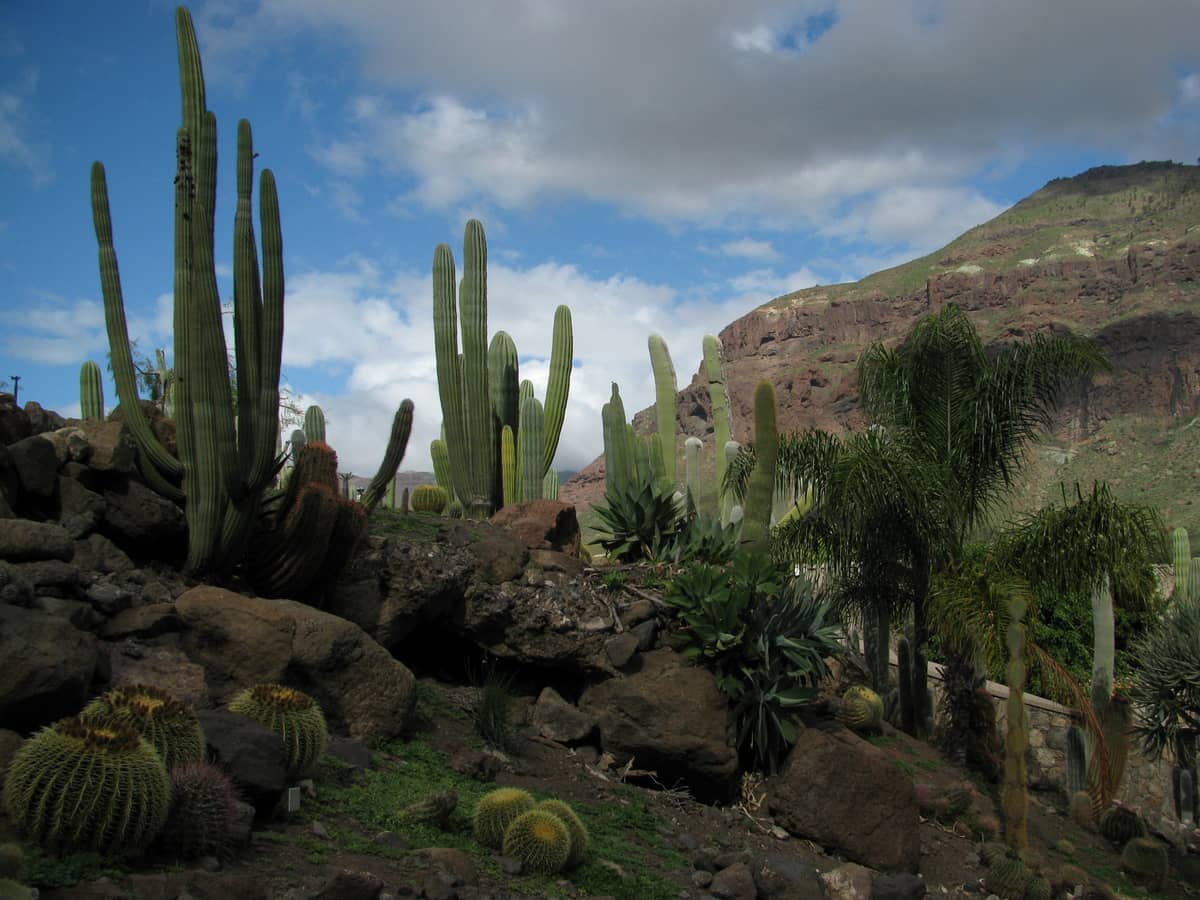
12. Photograph 10,000 Cacti Against Atlantic Views at Cactualdea
One of Europe's largest cactus parks sits on the dramatic west coast near La Aldea, with terraced hillsides of succulents from every continent and sweeping sea views. It is peaceful, well-maintained, and surprisingly photogenic. Combine it with the Los Azulejos stop nearby.
Explore12. Photograph 10,000 Cacti Against Atlantic Views at Cactualdea
One of Europe's largest cactus parks sits on the dramatic west coast near La Aldea, with terraced hillsides of succulents from every continent and sweeping sea views. It is peaceful, well-maintained, and surprisingly photogenic. Combine it with the Los Azulejos stop nearby.
ExploreMountain Villages & Viewpoints
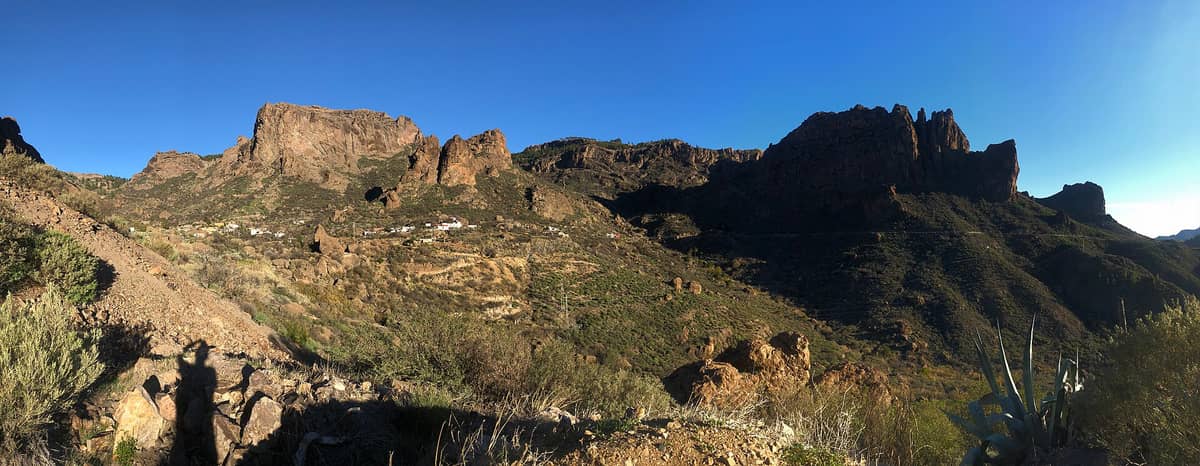
Gran Canaria's interior villages receive a fraction of the visitors that flood the coastal resorts, yet they offer some of the most atmospheric experiences on the island. The area around Tejeda in particular rewards slow exploration. For those planning an inland loop, the Gran Canaria road trip guide maps out the best routes through these landscapes.
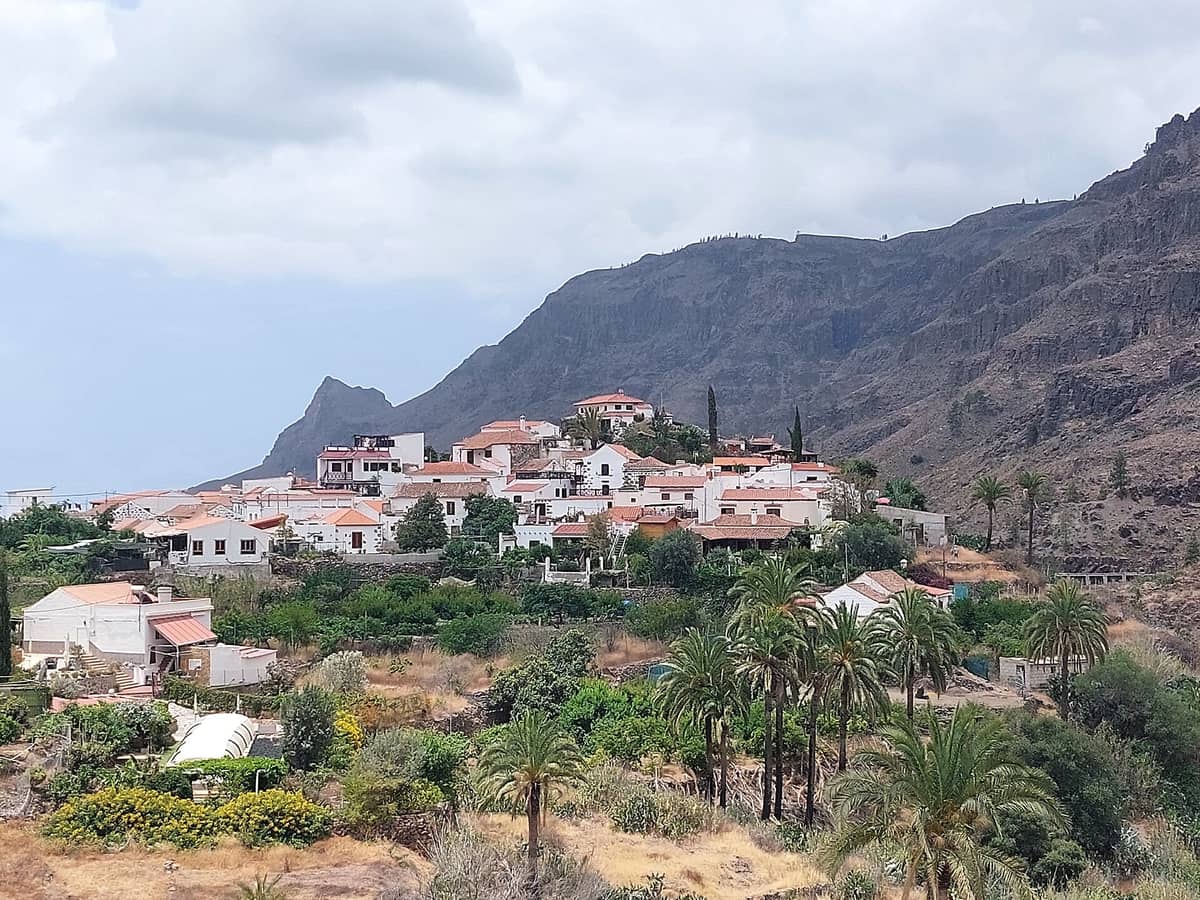
13. Wander the Flower-Draped Streets of Fataga Village
This tiny white village above a palm-filled valley looks like it belongs in Morocco rather than Spain. Bougainvillea spills over low walls, the café serves good coffee, and the valley view toward the dunes is extraordinary. It is 20 minutes from Maspalomas by car but feels like another world.
Explore13. Wander the Flower-Draped Streets of Fataga Village
This tiny white village above a palm-filled valley looks like it belongs in Morocco rather than Spain. Bougainvillea spills over low walls, the café serves good coffee, and the valley view toward the dunes is extraordinary. It is 20 minutes from Maspalomas by car but feels like another world.
Explore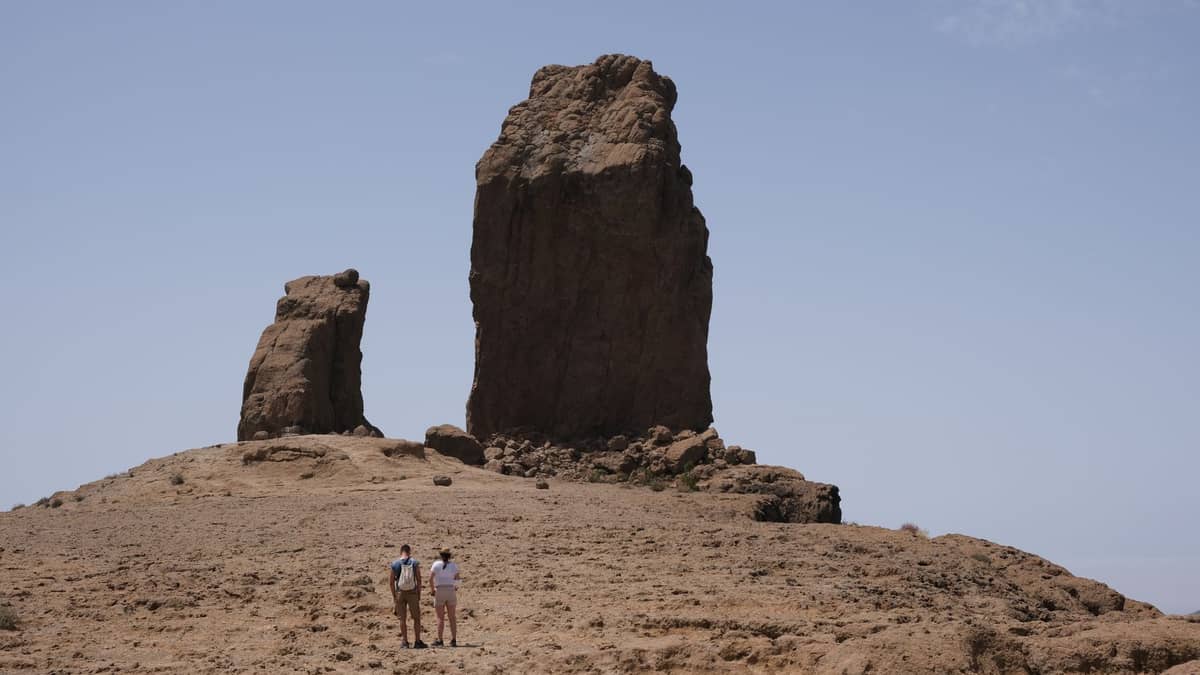
14. Hike to the 80-Metre Monolith of Roque Nublo
Gran Canaria's most iconic rock formation rises from a plateau at 1,813 metres and takes about 45 minutes to reach on foot from the car park. The surrounding views cover most of the island. Go early to beat the clouds that often build by midday in summer.
Explore14. Hike to the 80-Metre Monolith of Roque Nublo
Gran Canaria's most iconic rock formation rises from a plateau at 1,813 metres and takes about 45 minutes to reach on foot from the car park. The surrounding views cover most of the island. Go early to beat the clouds that often build by midday in summer.
Explore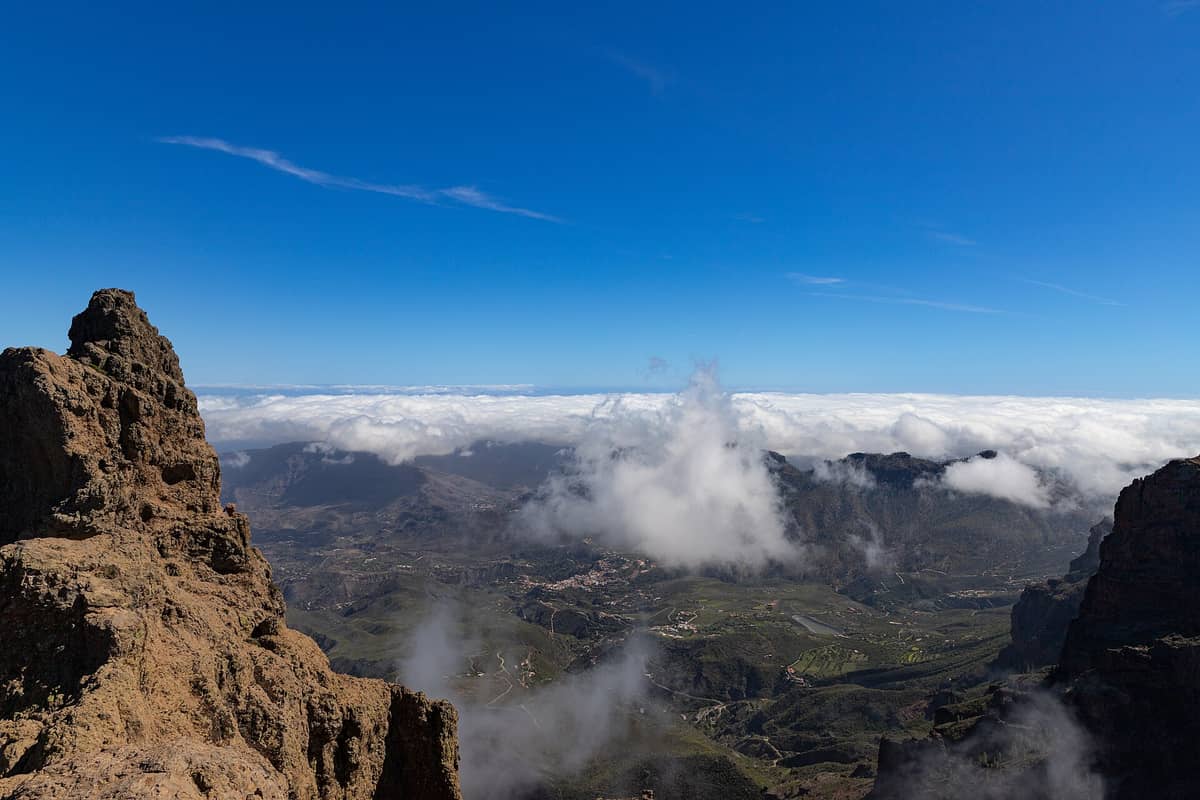
15. Stand at Gran Canaria's Highest Point at Pico de las Nieves
At 1,949 metres, this is the island's roof, and on clear winter days you can see four other Canary Islands from the summit. The drive up through pine forest is one of the most beautiful on the island. There is a small car park and the views are immediate, no hiking required.
Explore15. Stand at Gran Canaria's Highest Point at Pico de las Nieves
At 1,949 metres, this is the island's roof, and on clear winter days you can see four other Canary Islands from the summit. The drive up through pine forest is one of the most beautiful on the island. There is a small car park and the views are immediate, no hiking required.
Explore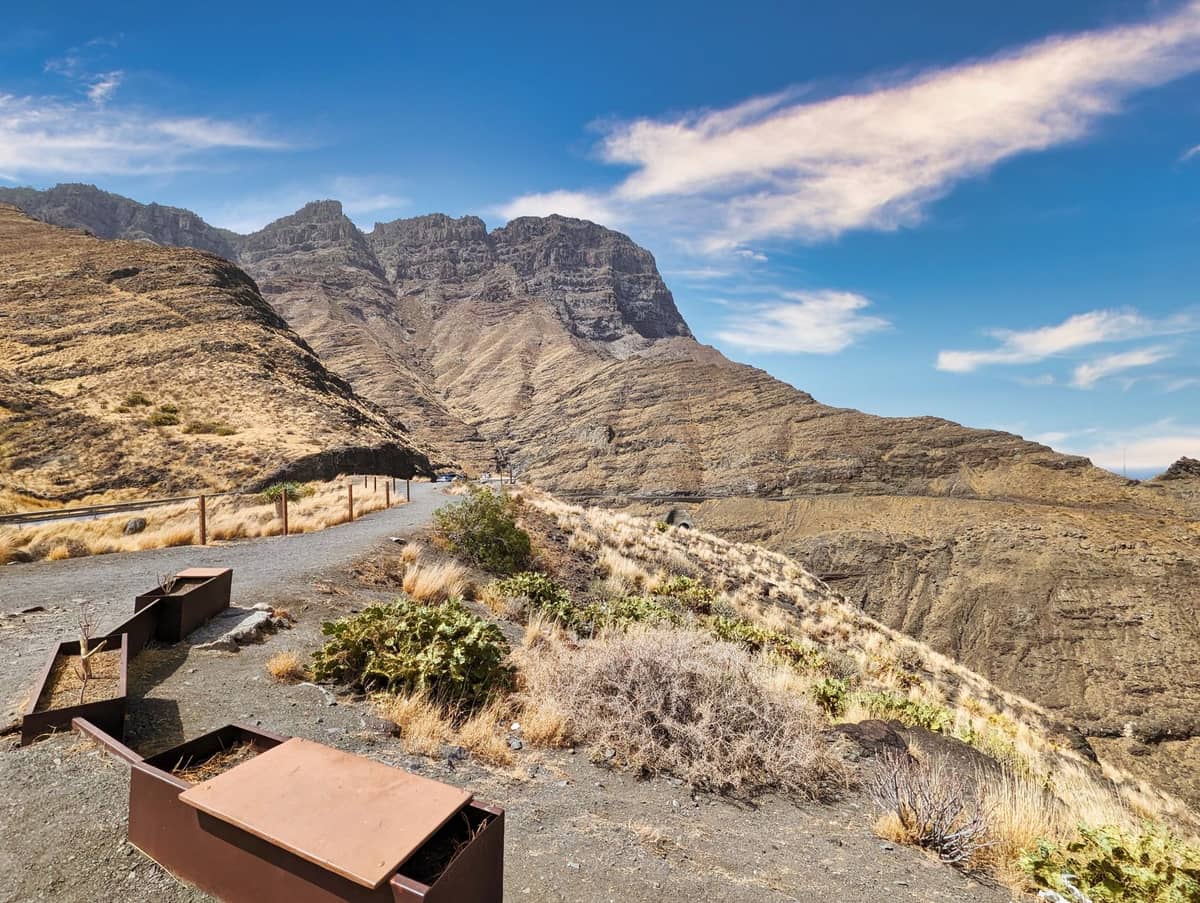
16. Peer Over the Edge of the World at Mirador del Balcón
Sheer black volcanic cliffs plunge hundreds of metres to the Atlantic from this west-coast viewpoint, and the scale is genuinely vertiginous. It is a short stop on the GC-200 coastal road and takes ten minutes, but the view is one of the most dramatic on the island.
Explore16. Peer Over the Edge of the World at Mirador del Balcón
Sheer black volcanic cliffs plunge hundreds of metres to the Atlantic from this west-coast viewpoint, and the scale is genuinely vertiginous. It is a short stop on the GC-200 coastal road and takes ten minutes, but the view is one of the most dramatic on the island.
Explore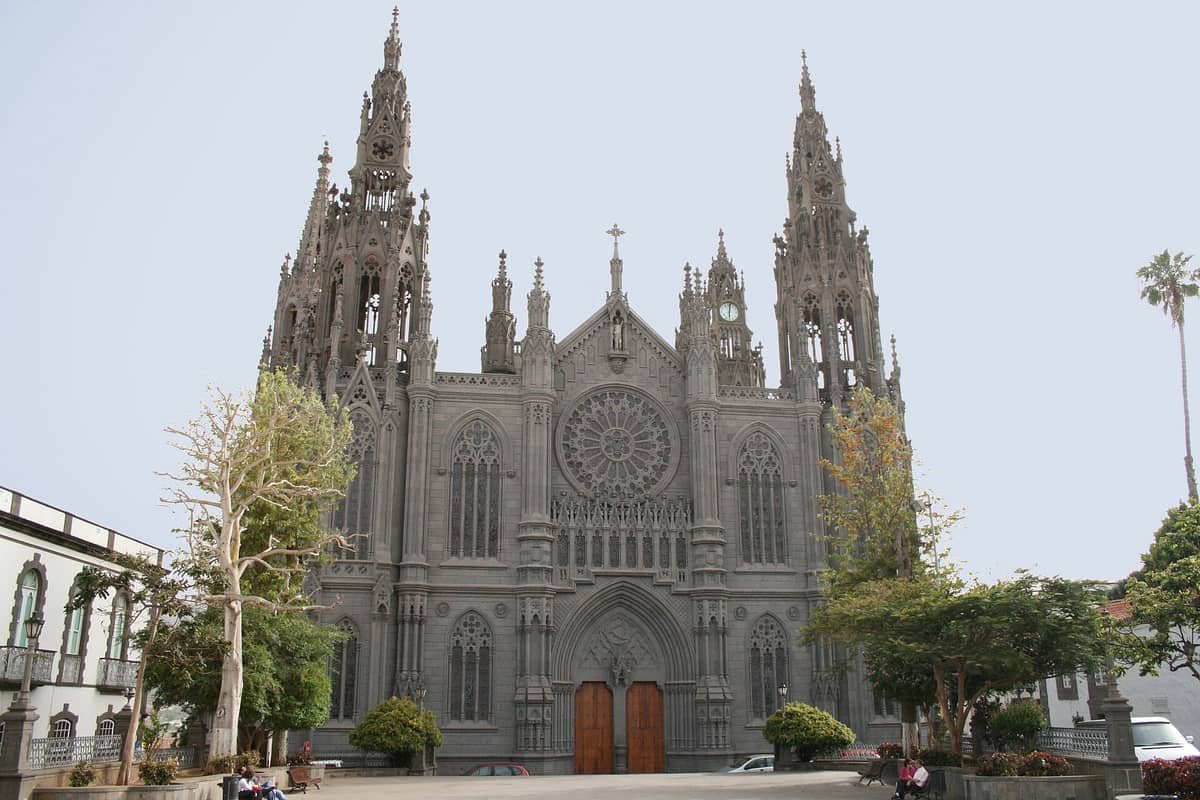
17. See the 'Cathedral' That Took a Century to Build in Arucas
Carved from dark local basalt over more than 100 years, this neo-Gothic church is so large and detailed it genuinely looks like a cathedral. The interior stained glass is exceptional. Arucas itself is a pleasant town with rum distilleries and a leafy square for a slow lunch.
Explore17. See the 'Cathedral' That Took a Century to Build in Arucas
Carved from dark local basalt over more than 100 years, this neo-Gothic church is so large and detailed it genuinely looks like a cathedral. The interior stained glass is exceptional. Arucas itself is a pleasant town with rum distilleries and a leafy square for a slow lunch.
ExploreQuiet Coasts & Authentic Villages
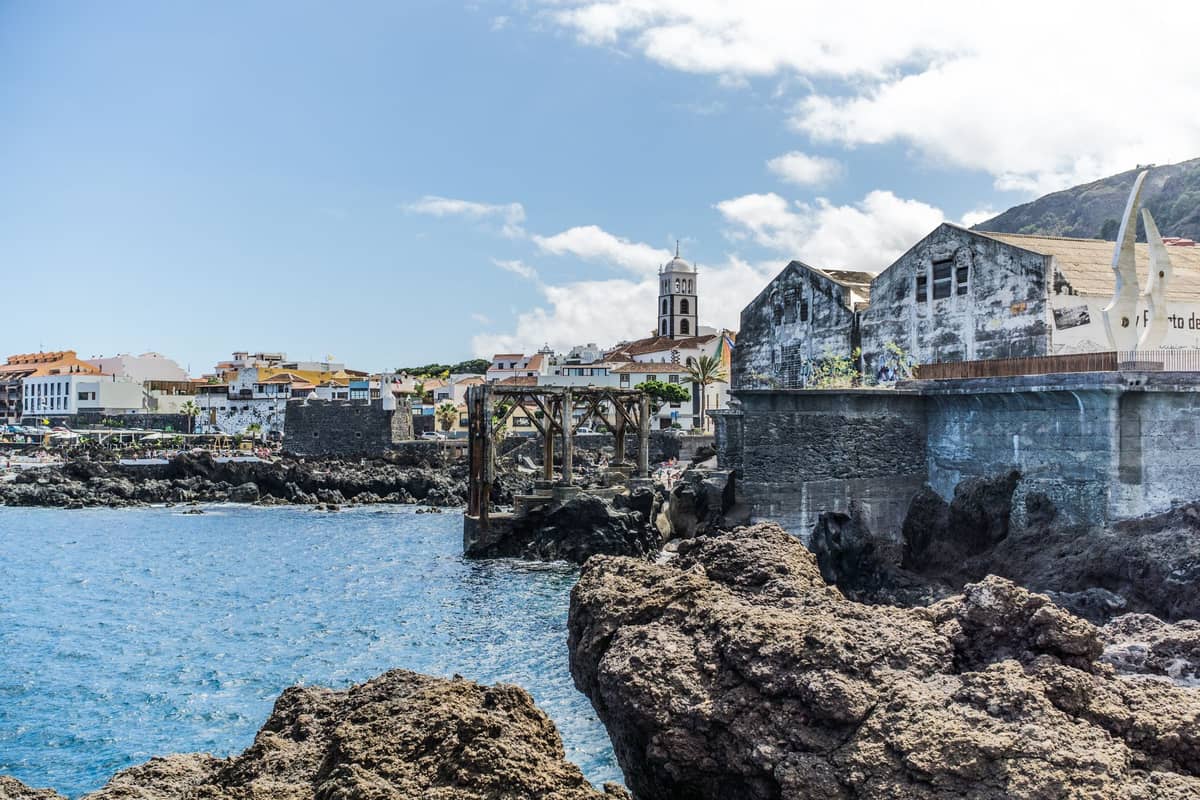
Away from the resort strip, Gran Canaria's coastline shifts dramatically in character. The northwest in particular rewards those with a car and half a day to spare. The village of Agaete and the fishing harbour of Puerto de las Nieves together form one of the island's most authentic corners, far removed from the all-inclusive hotels of the south.
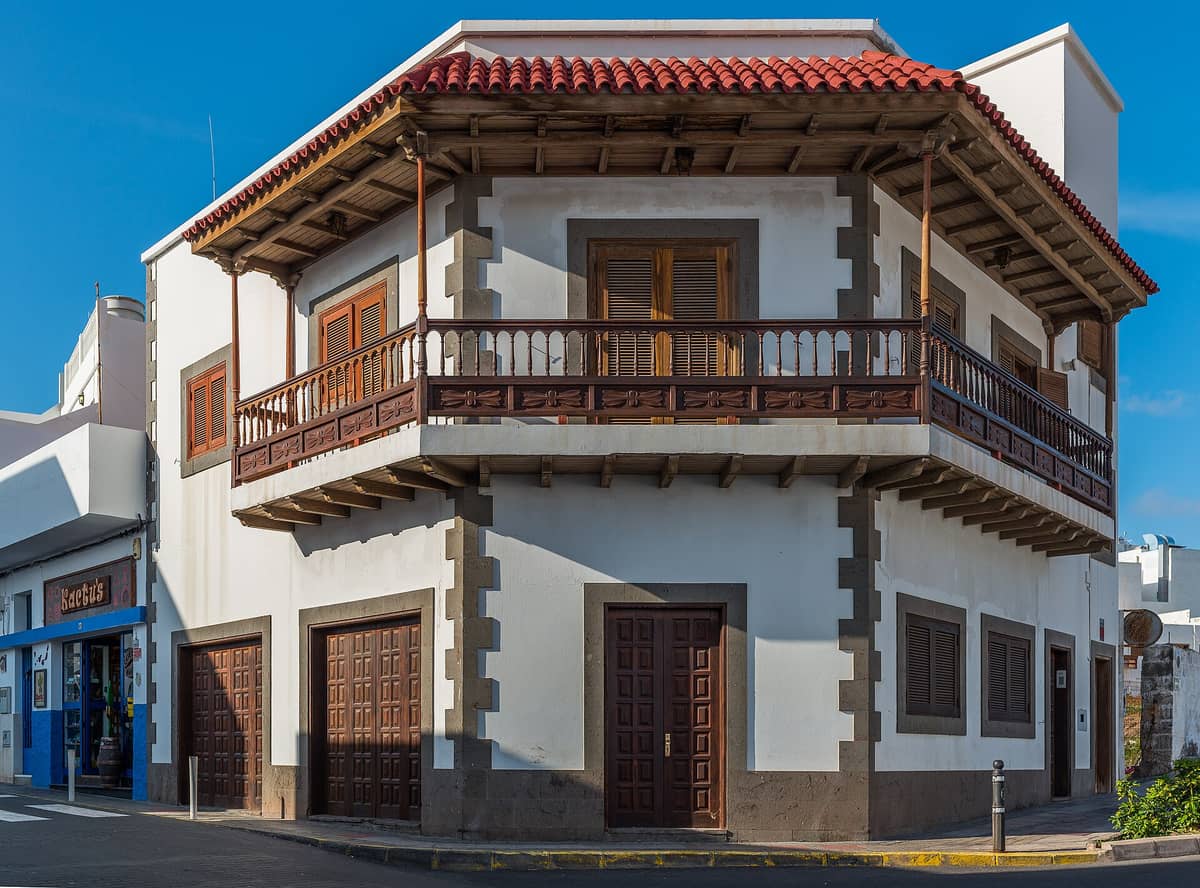
18. Eat Fresh Fish at the Authentic Harbour of Puerto de las Nieves
The most characterful fishing village on the west coast has excellent seafood restaurants, natural rock pools, and a working ferry terminal for boats to Tenerife. The cliffs behind it are dramatic, and the village is notably free of souvenir shops and tourist traps.
Explore18. Eat Fresh Fish at the Authentic Harbour of Puerto de las Nieves
The most characterful fishing village on the west coast has excellent seafood restaurants, natural rock pools, and a working ferry terminal for boats to Tenerife. The cliffs behind it are dramatic, and the village is notably free of souvenir shops and tourist traps.
Explore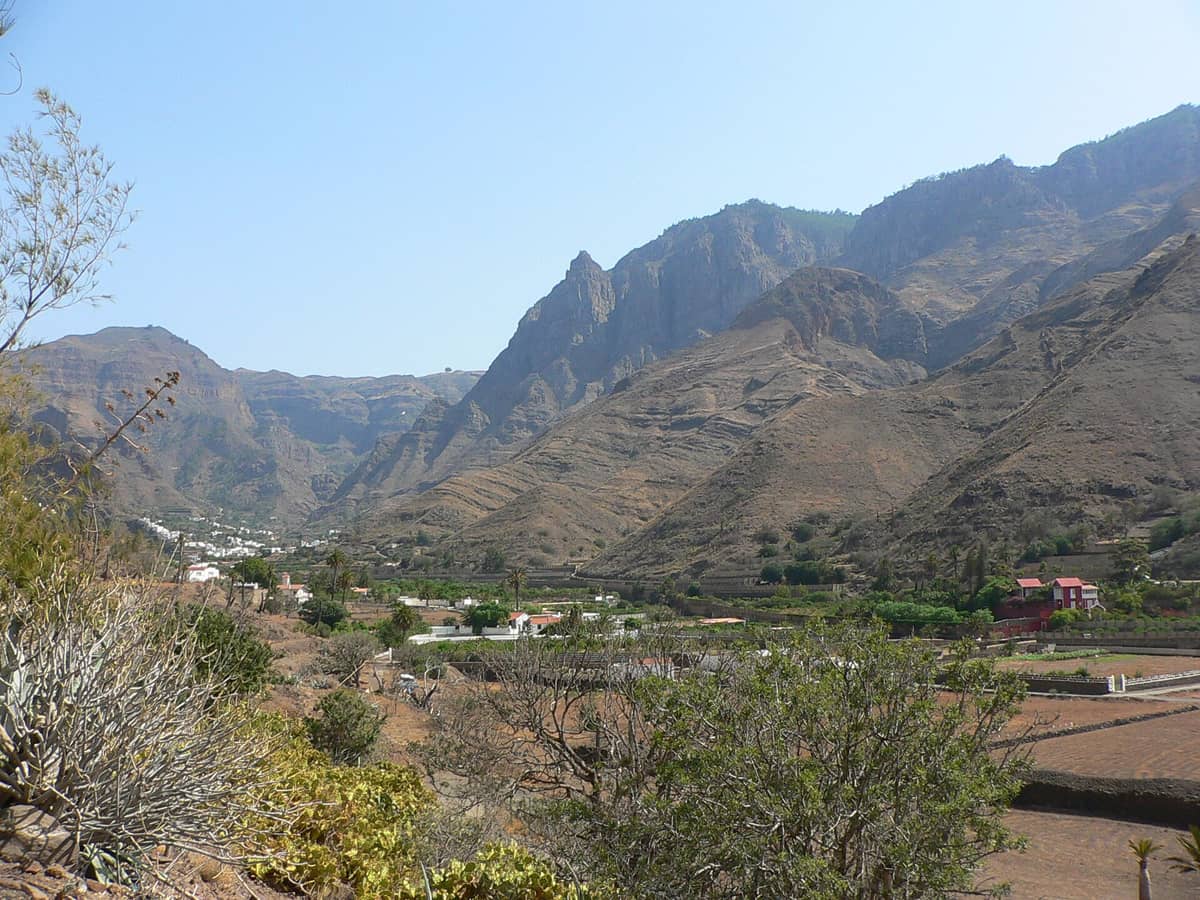
19. Walk Europe's Only Coffee Valley in the Valle de Agaete
Terraced slopes of coffee, citrus, and avocado in the island's northwest create a lush tropical landscape rarely associated with the Canaries. The annual coffee harvest festival in late August draws locals from across the island. Best explored on foot along the valley trail.
Explore19. Walk Europe's Only Coffee Valley in the Valle de Agaete
Terraced slopes of coffee, citrus, and avocado in the island's northwest create a lush tropical landscape rarely associated with the Canaries. The annual coffee harvest festival in late August draws locals from across the island. Best explored on foot along the valley trail.
Explore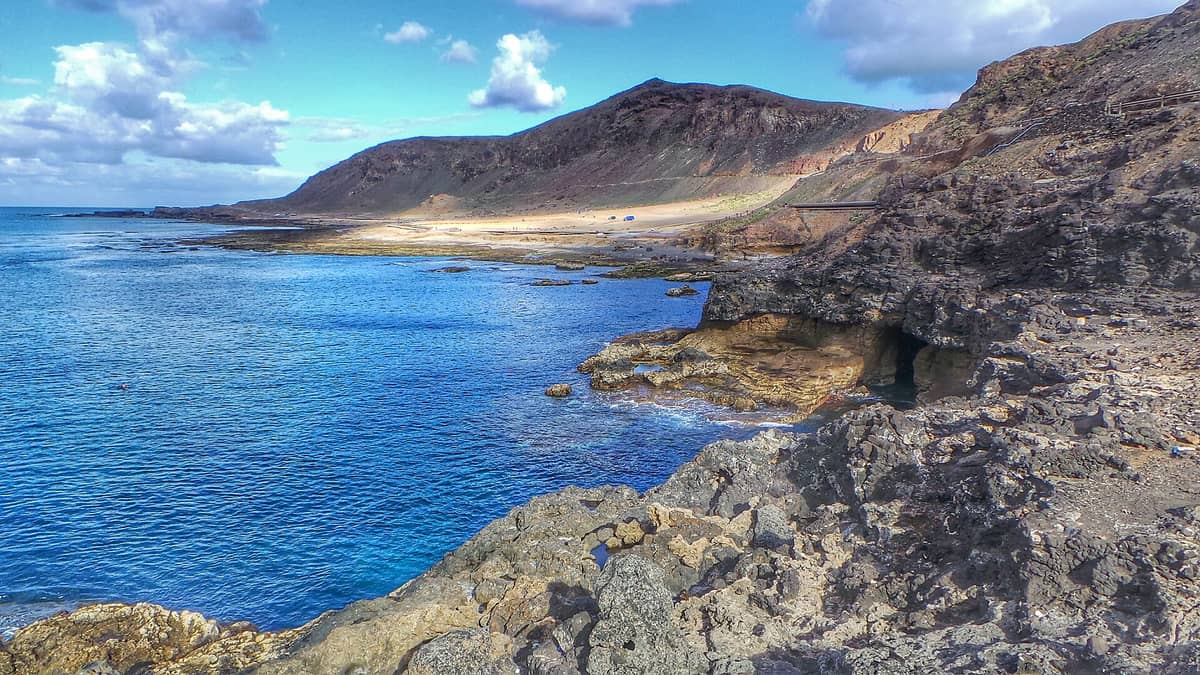
20. Find Gran Canaria's Best Surf Break at El Confital
This wild, rocky break at the northern tip of Las Canteras is a local surfers' sanctuary, with volcanic reef formations and powerful Atlantic swells that bear no resemblance to the calm swimming beach a few hundred metres south. Non-surfers come to watch and walk the rugged headland.
Explore20. Find Gran Canaria's Best Surf Break at El Confital
This wild, rocky break at the northern tip of Las Canteras is a local surfers' sanctuary, with volcanic reef formations and powerful Atlantic swells that bear no resemblance to the calm swimming beach a few hundred metres south. Non-surfers come to watch and walk the rugged headland.
ExploreCultural Depth: Museums & Neighbourhoods
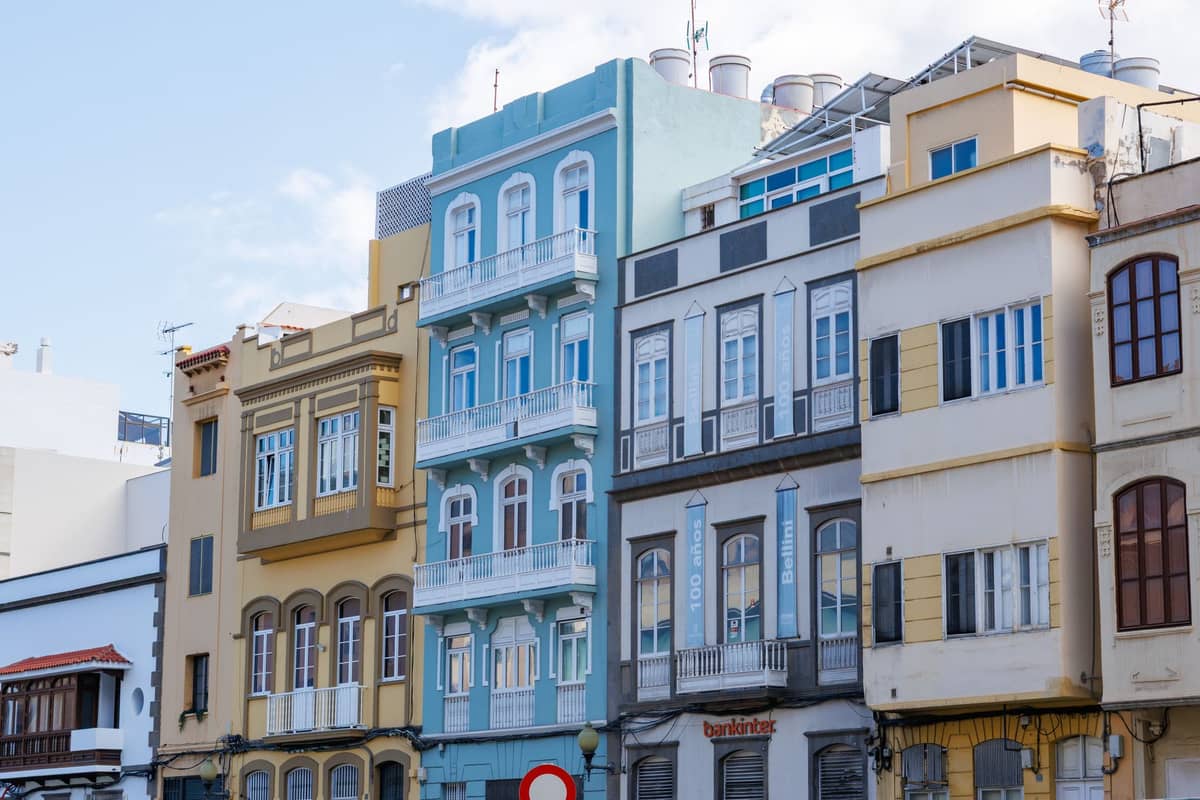
Las Palmas de Gran Canaria is a proper city with a serious cultural life, yet most visitors only see it through a bus window on a tour transfer. The historic quarter of Vegueta alone contains several world-class museums within a ten-minute walk of each other. If you are spending time in the capital, the things to do in Las Palmas guide covers the city comprehensively.
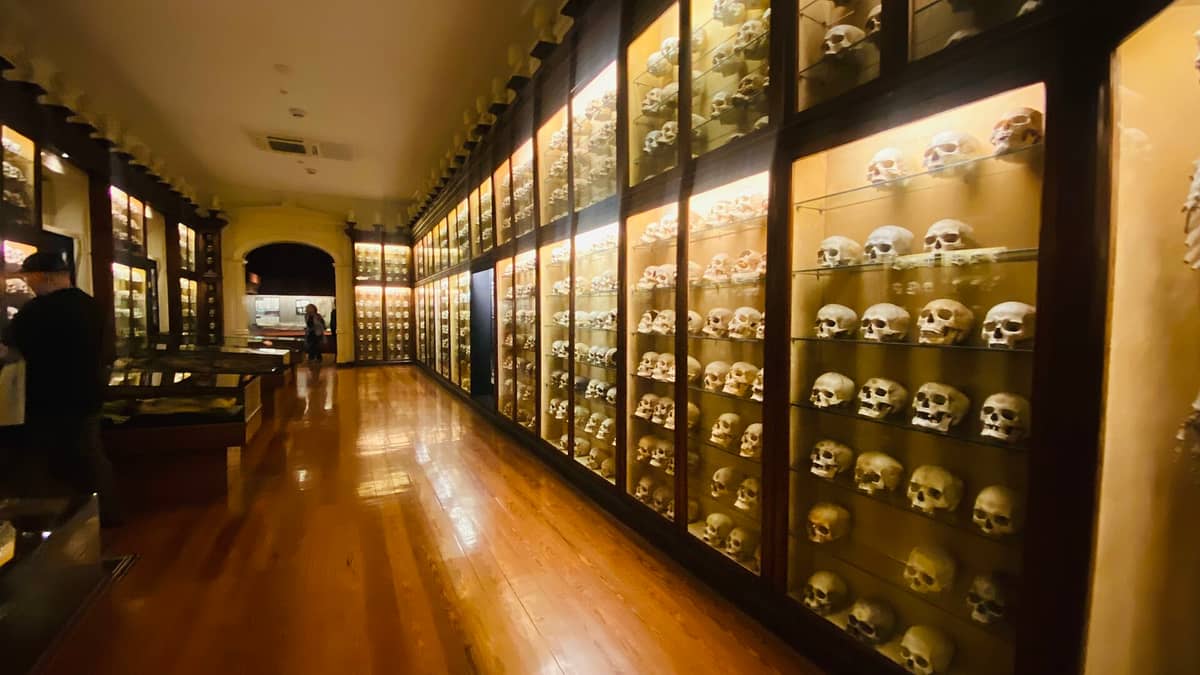
21. Come Face to Face with Guanche Mummies at the Museo Canario
One of the most important collections of pre-Hispanic artefacts in Spain is housed in a quiet Vegueta mansion. The Guanche skulls, mummies, ceramics, and tools are exhibited with proper scientific context. Allow 90 minutes and note it is closed on Sundays.
Explore21. Come Face to Face with Guanche Mummies at the Museo Canario
One of the most important collections of pre-Hispanic artefacts in Spain is housed in a quiet Vegueta mansion. The Guanche skulls, mummies, ceramics, and tools are exhibited with proper scientific context. Allow 90 minutes and note it is closed on Sundays.
Explore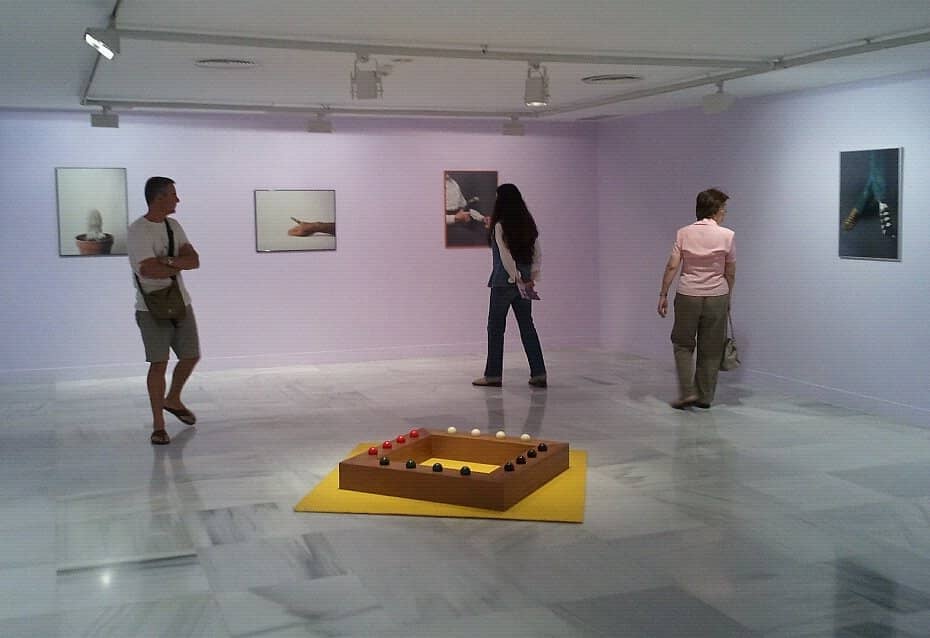
22. Discover Atlantic Contemporary Art Inside an 18th-Century Palace at CAAM
The Centro Atlántico de Arte Moderno sits inside a converted colonial palace in Vegueta, with a programme focused on art from Europe, Africa, and the Americas. The building's contrast of carved stone facade and white minimalist interior is striking. Entry is free on Sundays.
Explore22. Discover Atlantic Contemporary Art Inside an 18th-Century Palace at CAAM
The Centro Atlántico de Arte Moderno sits inside a converted colonial palace in Vegueta, with a programme focused on art from Europe, Africa, and the Americas. The building's contrast of carved stone facade and white minimalist interior is striking. Entry is free on Sundays.
Explore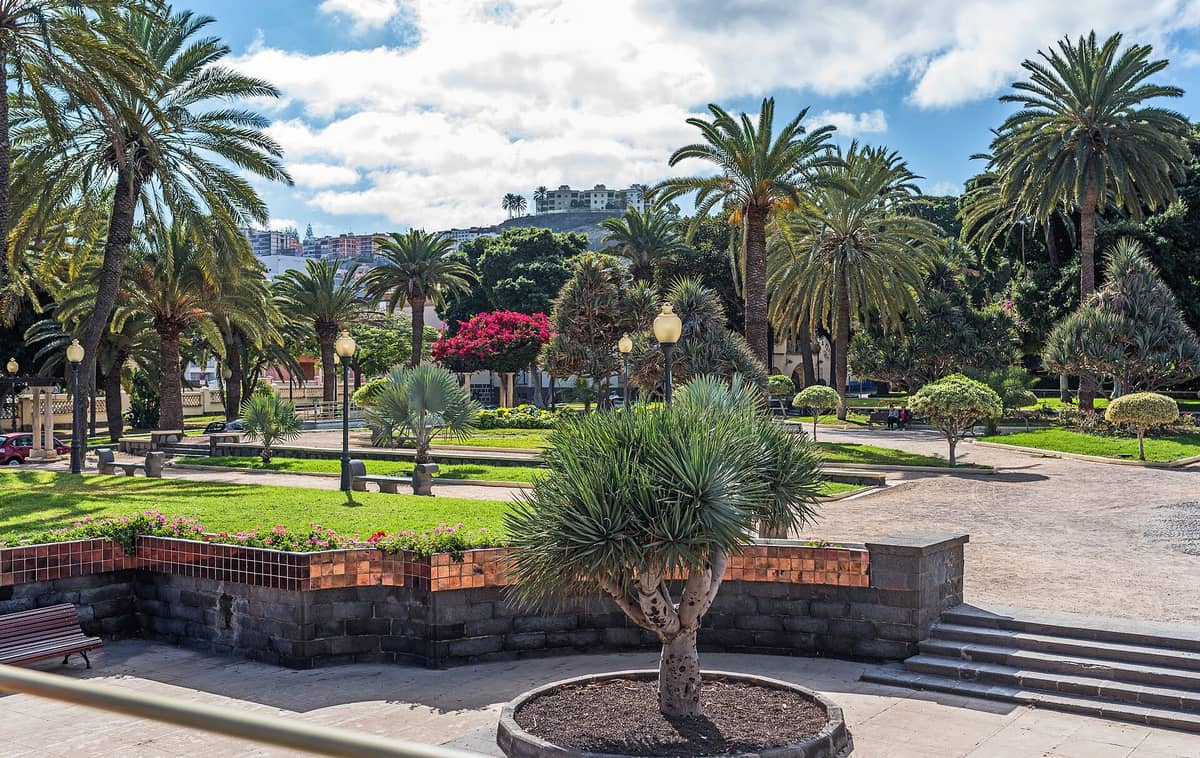
23. Watch Canarian Folk Dance on a Sunday at Parque Doramas
This quiet city park in Las Palmas contains the Pueblo Canario, a recreated traditional village where folk music and dance performances happen on Sunday mornings. The Néstor Museum of Canarian art is inside. It is genuinely local and completely free.
Explore23. Watch Canarian Folk Dance on a Sunday at Parque Doramas
This quiet city park in Las Palmas contains the Pueblo Canario, a recreated traditional village where folk music and dance performances happen on Sunday mornings. The Néstor Museum of Canarian art is inside. It is genuinely local and completely free.
Explore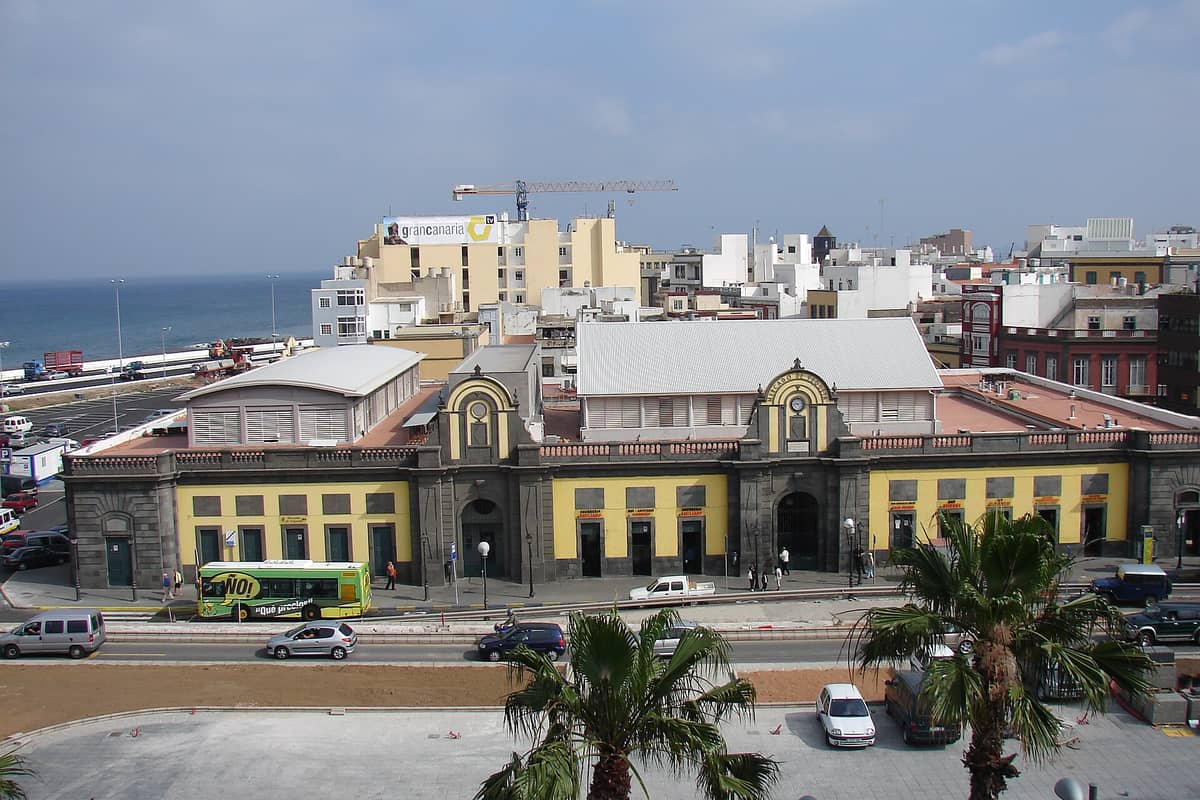
24. Buy Local Mojo and Cheese at the Vegueta Market
The covered market in Las Palmas's old town is the best place on the island to buy local products: aged Canarian cheese, mojo rojo, papas arrugadas ingredients, fresh tropical fruit, and fish straight from the Atlantic. The 19th-century iron-and-glass building is worth seeing alone.
Explore24. Buy Local Mojo and Cheese at the Vegueta Market
The covered market in Las Palmas's old town is the best place on the island to buy local products: aged Canarian cheese, mojo rojo, papas arrugadas ingredients, fresh tropical fruit, and fish straight from the Atlantic. The 19th-century iron-and-glass building is worth seeing alone.
Explore✨ Pro tip
Combine Vegueta Market, the Museo Canario, CAAM, and Casa de Colón into a single morning on foot. All four are within a ten-minute walk of each other in the old town, and between them they tell the full story of Gran Canaria's history in under half a day.
FAQ
Which hidden gems in Gran Canaria can I reach without a hire car?
Vegueta's museums and market, Parque Doramas, the CAAM, and Las Canteras (including El Confital) are all accessible by public bus or on foot from central Las Palmas. Guayadeque ravine and Bandama caldera can be reached by a combination of Global buses and short taxi rides. For the west coast, Tamadaba, Fataga, and most interior villages, a hire car is effectively required.
Are the Guanche archaeological sites worth visiting without a guide?
Some are free and well-signposted, but a guide or audioguide adds significant context. The Cueva Pintada in Gáldar and the Cenobio de Valerón both have on-site interpretation. For the Arteara Necropolis and Tufia, reading up beforehand makes the visit far more meaningful as these have minimal on-site explanation.
When is the best time to visit Gran Canaria's interior hidden gems?
November to April is ideal for hiking and exploring inland sites, with cooler temperatures, clearer air, and occasional snow on the highest peaks. The ravines like Guayadeque and Barranco de los Cernícalos are greenest after winter rain. Summer is fine for driving and cultural sites but can be uncomfortably hot for long walks inland.
How far is Puerto de las Nieves from the main southern resorts?
Puerto de las Nieves is on the northwest coast, roughly 60-70 km from Maspalomas, which translates to about 75-90 minutes by car via the GC-2 motorway. It is best combined with stops at the Valle de Agaete, Cactualdea, and Los Azulejos on a full west-coast day trip.
Are any of these hidden gems suitable for young children?
Yes, several work well with kids: the Cueva Pintada museum has interactive elements, Cactualdea Park is easy and visually engaging, the Jardín Botánico has wide paths suitable for pushchairs, and Parque Doramas has space to run around. The geological viewpoints like Mirador del Balcón and Bandama require supervision near edges but involve minimal walking.