Puerto de las Nieves: Agaete's Harbour Village Beyond the Ferry Terminal
Puerto de las Nieves is the small port neighbourhood of Agaete on Gran Canaria's northwest coast. It combines a working fishing harbour, natural volcanic pools, whitewashed seafood restaurants, and the island's main ferry connection to Tenerife. Entry to the village, promenade, and pools is free.
Quick Facts
- Location
- Puerto de Las Nieves s/n, 35480 Villa de Agaete, Gran Canaria, Spain (coords: 28°06′N, 15°43′W)
- Getting There
- Global bus lines 103 and 130 from Las Palmas (San Telmo station); nearest stop approx. 10-min walk to the waterfront
- Time Needed
- 2–4 hours for the village, promenade, and a meal; half a day if combining with Agaete town
- Cost
- Free to enter the village, promenade, and natural pools; ferry tickets priced by operator
- Best for
- Slow-travel explorers, seafood lovers, swimmers, ferry passengers crossing to Tenerife
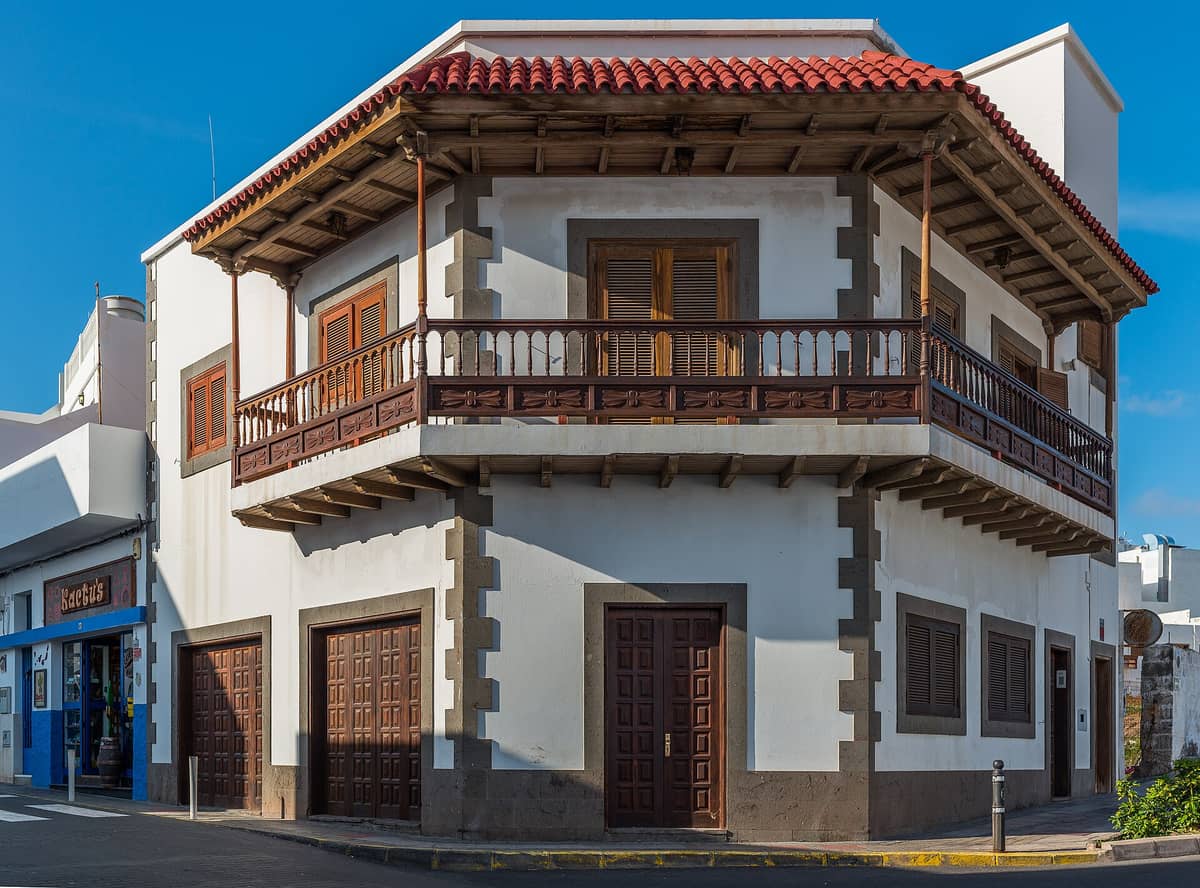
What Puerto de las Nieves Actually Is
Puerto de las Nieves is not a ticketed attraction with an entrance gate. It is the port neighbourhood of the municipality of Agaete, sitting at the northwestern tip of Gran Canaria where the island's volcanic cliffs finally reach the Atlantic. The name translates roughly as "Port of the Snows," a reference to the chapel of Nuestra Señora de las Nieves that has stood here for centuries, not to any alpine conditions. The climate is mild year-round, as is typical of this coast.
What you find here is a working harbour that doubles as a ferry terminal for the crossing to Santa Cruz de Tenerife, a short promenade lined with fish restaurants, a stretch of dark volcanic gravel beach, and a set of natural seawater pools carved into the lava shelf at the water's edge. Everything except ferry tickets is free and open to the public. For most visitors arriving by road, it feels like a genuine Canarian harbour that hasn't been rebuilt for tourism, which is precisely its appeal.
ℹ️ Good to know
The ferry ticket office at the terminal operates daily 08:00–20:00 (Monday–Sunday). The municipal Tourist Information Office (C/ Nuestra Señora de las Nieves 1) is open Tuesday–Friday 09:30–16:00 and Saturday 09:00–13:30. The village itself has no closing time.
The Harbour, the Pools, and the Promenade
The natural pools at Puerto de las Nieves are the main draw for day visitors who aren't catching a ferry. Cut directly into the black lava rock, they fill and refresh with each wave that breaks over the shelf. The water is clear and cooler than the south-coast resort pools, sitting somewhere in the low-to-mid 20s Celsius during summer months. The texture underfoot is rough basalt, so rubber-soled water shoes are genuinely useful rather than optional.
The promenade itself is short, perhaps 400 metres, backed by a row of restaurants whose terraces face the water directly. In the morning, before 10:00, the waterfront belongs mostly to local fishermen checking equipment and the occasional cyclist who has looped in from the GC-2 road. By midday on weekends, tables fill and the smell of grilled fish drifts across the harbour wall. The atmosphere is unhurried in a way that the southern resorts rarely manage.
The dark gravel beach beside the harbour is small and not suited to long sunbathing sessions, but it works well for a swim before or after lunch. If you want a longer beach day in the northwest, the nearby Agaete municipality and the Valle de Agaete offer other options, and the village itself is worth combining with a morning drive through the valley.
How the Place Changes Through the Day
Early morning, roughly 07:00–09:00, is the quietest window. The light hits the cliffs above the harbour from the east, casting long shadows across the water. Fishing boats return or are being readied, and the restaurants are still shuttered. This is the best time for photography of the harbour without crowds, and the pools are essentially empty.
Late morning through early afternoon is the primary visitor window. Weekend days between November and April bring a significant number of day-trippers from Las Palmas, many of whom combine the drive with a stop in Agaete town. During summer the numbers thin slightly on weekdays, but the pools remain popular with local families through July and August. The ferry departures, operated by Fred. Olsen from the Agaete terminal, add a brief pulse of activity around boarding times.
By late afternoon, around 16:00–17:00, the day-trippers thin out and the light turns golden on the cliffs. This is arguably the most photogenic hour, and restaurant terraces are quieter than at lunchtime. If you are driving back toward Las Palmas, the GC-2 coastal road offers views of the northwest cliffs that are noticeably different in late afternoon light compared to midday.
💡 Local tip
Weekday mornings outside July and August offer the most relaxed experience. Weekend lunchtimes in winter and spring can see restaurant terraces fully booked; calling ahead is worth the effort.
Historical and Cultural Context
The port's significance to Agaete goes back centuries. Before the modern road network made overland travel practical, the harbour was the main connection point between the remote northwest and the rest of the island. The chapel of Nuestra Señora de las Nieves, which gives the port its name, is a small but historically meaningful building that locals still regard with genuine affection rather than tourist-site ceremony.
Today the terminal serves as the primary ferry crossing between Gran Canaria and Tenerife. The crossing takes approximately 1 hour 20 minutes, making Puerto de las Nieves the fastest and most convenient sea link between the two largest Canary Islands. Puertos Canarios, the regional port authority, manages the infrastructure. Fred. Olsen operates the principal passenger and vehicle ferry service on this route.
The broader context of inter-island travel is covered in the Gran Canaria ferry guide, which explains routes, operators, and booking advice in more detail. If you are planning a day trip from Tenerife or using the crossing as part of a wider island-hopping itinerary, that guide is worth reading before you commit to a schedule.
Getting There and Getting Around
By car, Puerto de las Nieves is approximately 30–32 kilometres from Las Palmas de Gran Canaria via the northern coastal motorway, a drive of roughly 30–35 minutes depending on traffic. Parking near the harbour is available but limited on busy weekend days; arriving before 10:00 makes finding a space considerably easier.
By public bus, Global line 103 connects Las Palmas (San Telmo station) with Agaete and Puerto de las Nieves, while line 130 runs from Las Palmas to Agaete but does not continue to Puerto de las Nieves. From Gran Canaria Airport, the route requires taking bus 60 to Las Palmas (San Telmo) and then transferring to the 103. The nearest bus stop to the waterfront is approximately a 10-minute walk. Check current timetables on the Global website before travelling, as frequencies vary significantly between weekday and weekend schedules.
⚠️ What to skip
Bus frequency to Puerto de las Nieves is lower than to major resort areas. Missing the last bus back to Las Palmas is a realistic risk if you lose track of time over lunch. Download the timetable before you leave mobile signal range on the coastal road.
For visitors planning a broader road trip along the northwest coast, Puerto de las Nieves works well as a start or end point. The Gran Canaria road trip guide covers the GC-2 coastal route and the mountain roads that connect this corner of the island to the interior villages.
What to Eat and What to Expect
The restaurants along the promenade focus, unsurprisingly, on fish. The local catch includes vieja (parrotfish), cherne (wreckfish), and various types of shellfish. Portions are generous, prices are reasonable by Canarian standards, and most places serve a set lunch menu on weekdays. The restaurants are informal: tiled floors, plastic chairs on the terrace, paper tablecloths. This is not a place for a white-tablecloth dinner.
Papas arrugadas, the wrinkled salt-crust potatoes served with mojo rojo and mojo verde sauces, appear on virtually every table. If you haven't tried this Canarian staple yet, Puerto de las Nieves is a fine place to do it for the first time, paired with whatever fish the kitchen recommends that day.
For a wider sense of what to eat across Gran Canaria before or after your visit, the Gran Canaria food guide gives useful context on regional dishes, local wines, and where different specialities are best found across the island.
Photography, Accessibility, and Practical Notes
The most photographed subject at Puerto de las Nieves used to be the Dedo de Dios (Finger of God), a dramatic rock finger that rose from the sea just offshore. It collapsed during a storm in 2005 and no longer exists. You will still find postcards and old photographs of it in shops, but the rock itself is gone. The harbour, the cliffs above, and the natural pools are the photographic subjects available today.
For photography, early morning and late afternoon light both work well on the volcanic rock and the whitewashed buildings near the chapel. A polarising filter helps with the water in the natural pools, which can otherwise look flat in midday light.
On accessibility: the ferry terminal is a modern port facility with ticket office, seating, and free Wi-Fi. The promenade is flat and walkable. The natural pools involve some uneven lava rock that is not wheelchair-friendly. Visitors with specific accessibility requirements should contact the port authority (Puertos Canarios) or the tourist office in advance, as no detailed official statement on step-free access is currently published.
The northwest of Gran Canaria is cooler and greener than the south. Between November and April, mornings can be overcast with cloud sitting on the cliffs above the village. This clears by late morning most days, but if guaranteed sunshine is important to your visit, check the forecast before driving out. The best time to visit Gran Canaria guide explains the island's microclimates in more detail, including how the northwest behaves differently from Las Palmas and the south coast.
Insider Tips
- The natural pools are best before 10:00 on weekdays: clear water, no queues for the best entry points, and the morning light makes the basalt glow orange. By noon on a sunny Saturday they fill up.
- The chapel of Nuestra Señora de las Nieves is small but usually unlocked during morning hours. It is easy to walk past without noticing it. Worth stepping inside for a minute, especially for the retablo above the altar.
- If you are catching the Fred. Olsen ferry to Tenerife, arrive at the terminal at least 45 minutes before departure for vehicle loading. Foot passengers have more flexibility, but the terminal area is small and there is little to do if you are very early.
- The set lunch menu (menú del día) at the harbour restaurants is the best-value option: typically two courses with bread, water or wine included. Ask which fish came in fresh that morning rather than defaulting to the menu description.
- Combining Puerto de las Nieves with a morning walk through the Valle de Agaete makes for a full and varied day. The valley road is narrow, so drive up first while you are fresh, then descend to the port for lunch.
Who Is Puerto de las Nieves For?
- Travellers who want an authentic Canarian harbour without resort infrastructure
- Seafood enthusiasts looking for a relaxed lunch by the water
- Swimmers and snorkellers who prefer natural volcanic pools to hotel pools
- Passengers travelling between Gran Canaria and Tenerife by ferry
- Road-trippers exploring the northwest coast and the Valle de Agaete
Nearby Attractions
Other things to see while in Agaete & Puerto de las Nieves:
- Valle de Agaete
Valle de Agaete is a quietly remarkable stretch of northwest Gran Canaria where orange groves, coffee fincas, and ancient Canarian burial grounds meet the shadow of the Tamadaba pine forest. Free to explore and easy to reach from Las Palmas, it rewards slow travelers who want landscape and culture over sand and sun.