What to Eat in Gran Canaria: The Complete Canarian Food Guide
Gran Canaria's food culture runs deeper than most visitors expect. This guide covers the essential dishes, local ingredients, where to find authentic Canarian cooking, and what to skip — so you eat well from day one.
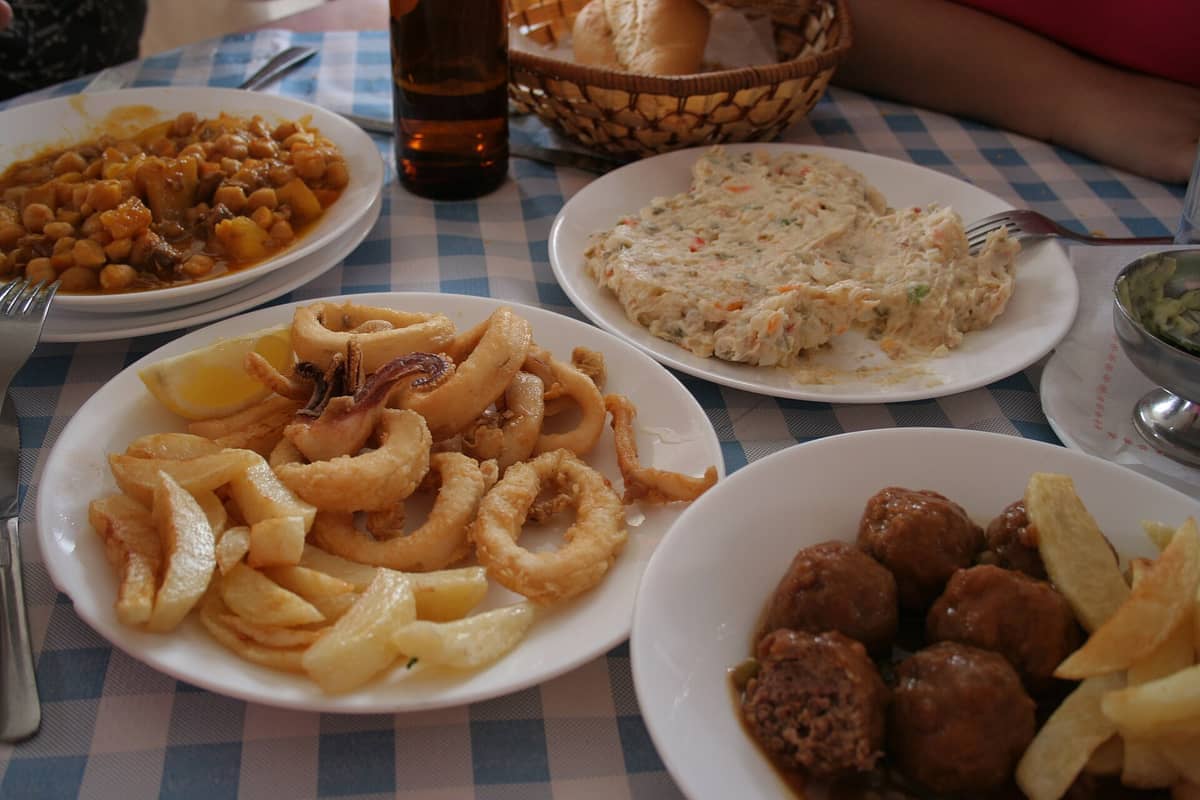
TL;DR
- Papas arrugadas con mojo is the dish that defines Canarian cooking — small, wrinkled potatoes served with red or green mojo sauce.
- Gofio, a toasted cereal flour, appears in everything from soups to desserts and is one of the oldest foods on the island.
- Fresh fish and seafood dominate menus near the coast — especially in Puerto de Mogán and Las Canteras in Las Palmas.
- Eating at local guachinches (informal eateries) and market stalls will give you far more authentic meals than most tourist-facing restaurants.
- For the full picture on where to go and when, pair this guide with our Gran Canaria travel overview to plan meals around your sightseeing.
The Foundation: Papas Arrugadas and Mojo
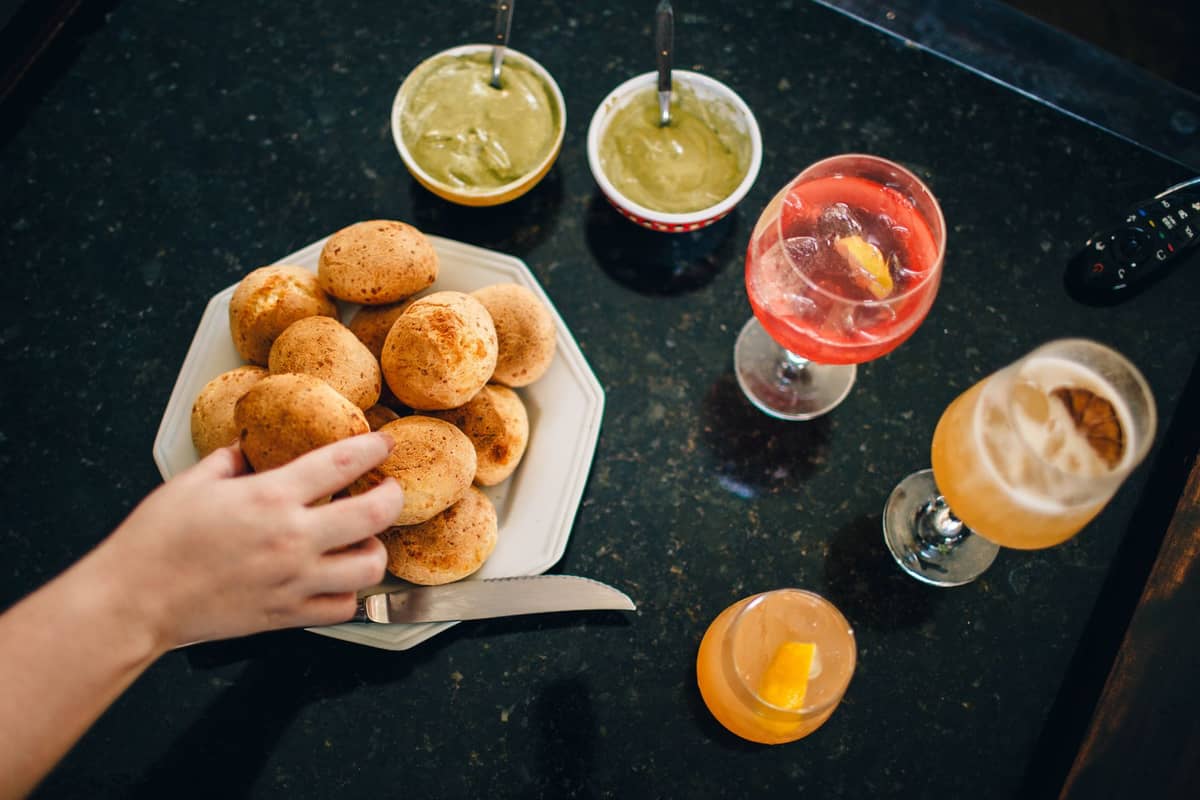
If you only understand one dish before arriving in Gran Canaria, make it papas arrugadas. These are small potatoes — traditionally a local Canarian variety called papa bonita or papa negra — boiled in heavily salted water until the liquid evaporates and the skins wrinkle and crystallize. The result is a potato with a uniquely dense, fluffy interior and a slightly salty crust. They cost almost nothing to make, and they appear on virtually every table in the island, from family kitchens to upscale restaurants.
What elevates them is the mojo. Most visitors assume mojo is one sauce. It is not. Mojo rojo is made from dried red peppers, garlic, cumin, paprika, and olive oil — deep, slightly smoky, and with varying levels of heat depending on who made it. Mojo verde is built on fresh coriander or parsley, garlic, and green pepper, with a brighter, herbaceous flavor. The two are used differently: mojo rojo tends to pair with meat and potatoes, mojo verde with fish. Some local versions add vinegar for sharpness, others go heavy on cumin. No two households make it exactly the same way.
💡 Local tip
Papas arrugadas are typically served as a starter or side dish, not a main course. Ordering them alongside fresh fish or grilled meat is the standard approach at local restaurants.
- Papa negra The prestige potato variety of the Canaries. Darker skin, denser flesh, and a nuttier flavor than supermarket varieties. Worth seeking out at better restaurants.
- Mojo rojo picón The spicier version of red mojo, made with dried chili pepper (pimienta picona). Ask specifically for this if you want heat — standard mojo rojo is often mild.
- Mojo verde de cilantro Coriander-based green mojo. If you dislike coriander, ask for the perejil (parsley) version, which some places offer.
Gofio: The Island's Most Versatile Ingredient
Gofio predates Spanish colonization. It was the staple food of the Guanche people, the original inhabitants of the Canary Islands, and it has never left the island's diet. At its simplest, gofio is flour made from toasted cereals — wheat, maize, barley, or combinations of the three — milled to a fine powder with a distinctive roasted, nutty aroma. You can still buy it directly from traditional mills on Gran Canaria, where the grain is roasted on-site and ground to order.
The common misconception is that gofio is a sweet ingredient used mainly in desserts. In reality, it appears across the full spectrum of Canarian cooking. Gofio escaldado is perhaps the most important savory preparation: gofio stirred into fish broth until it thickens into a dense, porridge-like mass, often served with raw onion and salted fish. It sounds plain. It is deeply satisfying and unlike anything you will find elsewhere. Gofio is also blended into soups to add body, kneaded with honey and nuts into a dense sweet called pella de gofio, and stirred into warm milk as a breakfast staple for locals.
ℹ️ Good to know
Gofio is widely available to take home as a food souvenir. Look for it at local supermarkets and market stalls. Most mills sell pre-packaged varieties in wheat, maize, and mixed grain — labelled by the percentage of each cereal.
Fish, Seafood, and What to Order
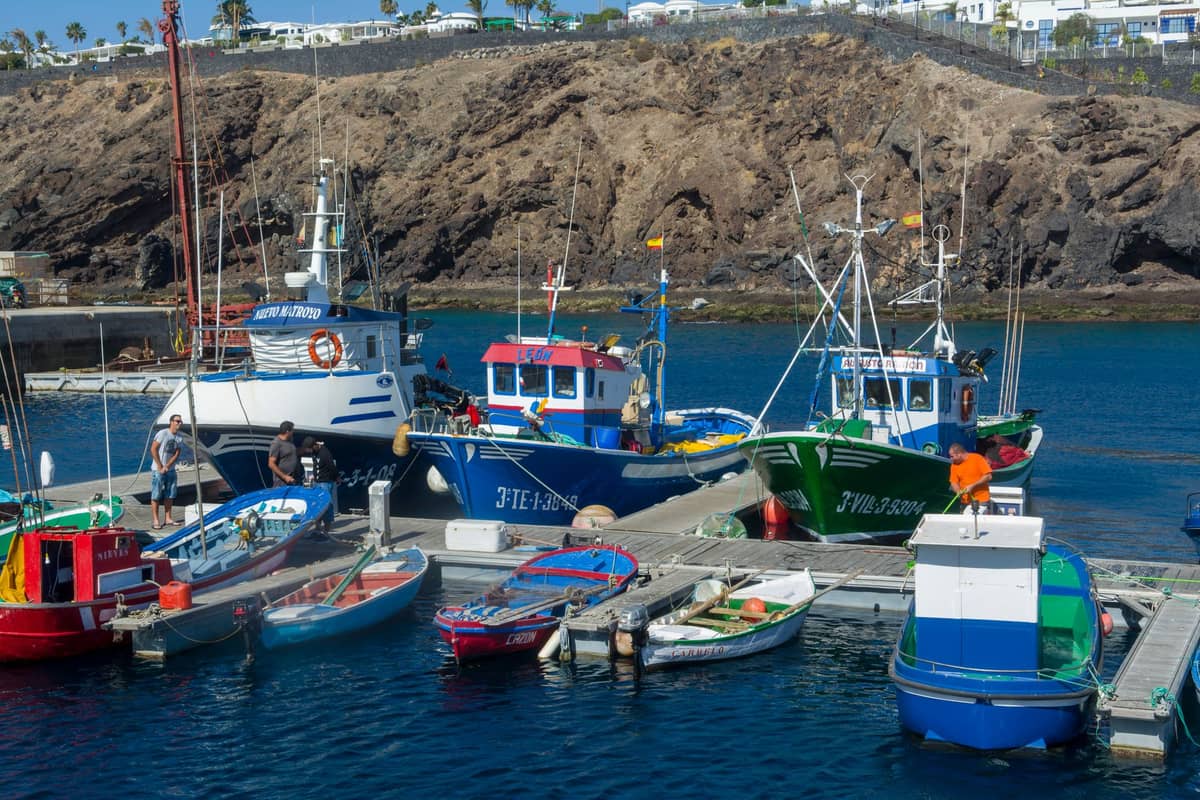
Gran Canaria sits in the Atlantic, and the fishing tradition shapes the entire coastal food culture. The most prized local fish is vieja (parrotfish), a firm, mild fish with vivid blue-green skin that appears on menus across the island. It is typically grilled whole and served with papas arrugadas and mojo, which is exactly how you should order it. Other common options include cherne (wreckfish), sama (red sea bream), and caballa (mackerel). Salty, dried fish preparations — particularly salted tuna known as atún encebollado con papas — are also traditional and worth trying.
For the best fresh fish, the coastal spots deliver consistently. Puerto de Mogán has a cluster of restaurant terraces around the marina where fish is grilled to order. The fishing village of Arguineguín, a short drive west, is less polished but more local. In Las Palmas, the restaurants along Las Canteras beach range from mediocre tourist traps to genuinely good seafood spots — choose places with handwritten daily menus rather than laminated photo menus.
⚠️ What to skip
In heavily touristed areas like Playa del Inglés and parts of Maspalomas, many restaurants label imported frozen fish as 'fresh local catch.' Ask specifically whether the fish is fresco and local (del día) before ordering. Places that display the catch of the day on ice near the entrance are a more reliable sign.
Meat Dishes and Inland Cooking
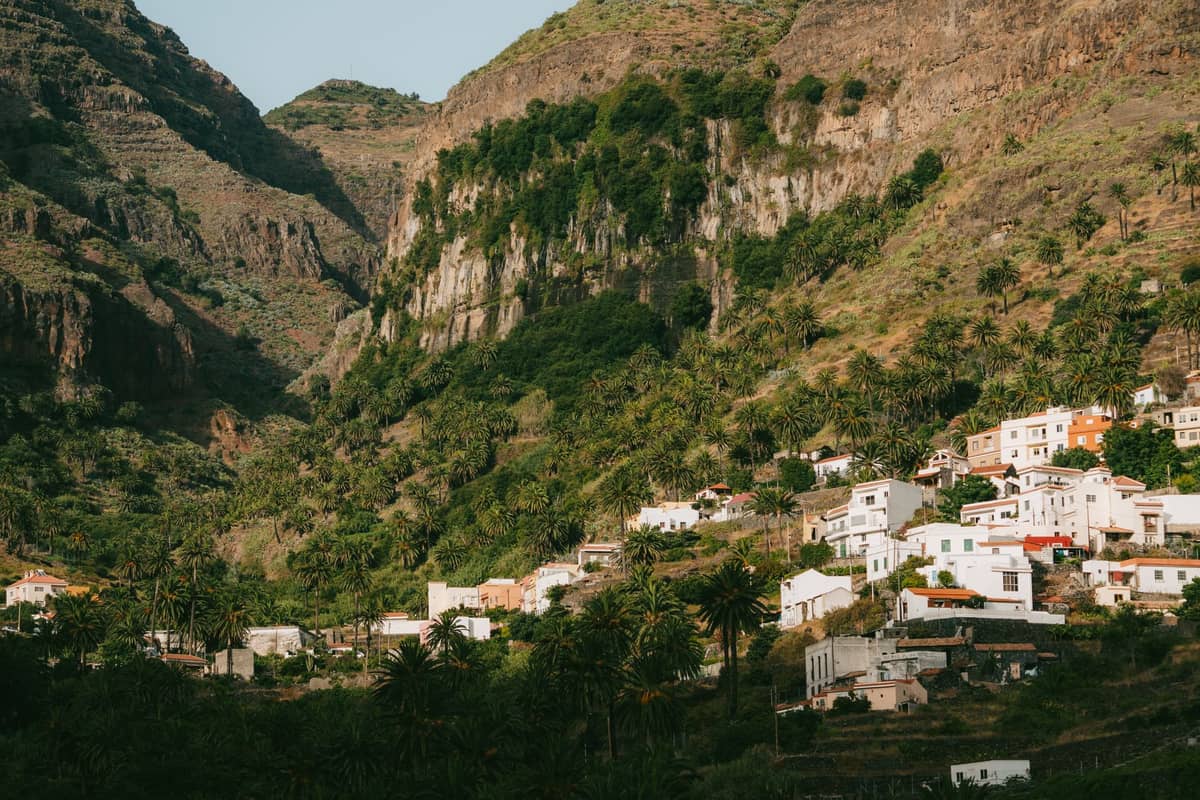
Move inland toward the mountain villages and the food shifts considerably. Pork is the dominant meat in Canarian cooking. Carne de cerdo en adobo is pork marinated in a blend of vinegar, garlic, paprika, and oregano before being grilled or fried, a preparation that appears across the island but is particularly common in villages like Tejeda and Artenara. Rancho Canario is a substantial meat and vegetable stew with pasta or chickpeas, considered proper comfort food rather than a fancy dish.
Conejo en salmorejo (rabbit in a spiced marinade of vinegar, garlic, cumin, and pepper) is the inland equivalent of papas arrugadas in terms of ubiquity. You will find it at almost every local restaurant in the interior. The village of Tejeda in the central highlands is worth visiting both for the landscape and for the small restaurants that serve these hearty mountain dishes. Pair a meal there with the drive through the Roque Nublo area for a genuinely complete Gran Canaria day.
Sweets, Cheese, and Local Drinks
Bienmesabe is one of the most well-known Canarian dessert preparations: a thick paste of ground almonds, honey, eggs, lemon zest, and cinnamon. The name translates roughly as 'it tastes good to me,' which is an accurate description. It is served over ice cream, used as a filling in pastries, or eaten simply with a spoon. Almonds are a significant crop in Gran Canaria's interior, and the almond-centric sweets around Tejeda and the Cruz de Tejeda area are the best places to buy them fresh.
Canarian cheese is underrated. The island produces fresh and semi-cured goat's milk cheeses that appear on most restaurant cheese boards. They are mild, slightly crumbly, and often served drizzled with miel de palma (palm honey, a dark, molasses-like syrup tapped from Canarian date palms). This combination of cheese and palm honey is one of those pairings that looks simple on a menu and then surprises you completely.
For drinks, ron miel (honey rum) is the local spirit and makes an excellent after-dinner drink served straight or over ice. Dorada and Tropical are the two local beer brands, both light lagers well-suited to the climate. Wine production on Gran Canaria is limited compared to Tenerife or Lanzarote, but the island does produce some interesting white wines from the Guía denomination in the north — worth trying if you see them listed.
- Bienmesabe: almond, honey, and egg cream. Best bought fresh from pastry shops in Tejeda or Vegueta market.
- Pella de gofio: gofio kneaded with honey, nuts, and sometimes dried fruit into a dense ball. A traditional snack rather than a dessert.
- Miel de palma: not actually honey but a dark, deeply sweet syrup from the Canarian date palm. Sold in small jars as a souvenir.
- Ron miel: honey rum, typically served as a digestif. Several local brands available; Arehucas from nearby Arucas is the best-known distillery.
- Frangollo: a traditional pudding made from coarse cornmeal, milk, almonds, lemon, and sugar. Old-fashioned and rarely found outside local restaurants.
Where to Eat: Markets, Guachinches, and What to Avoid
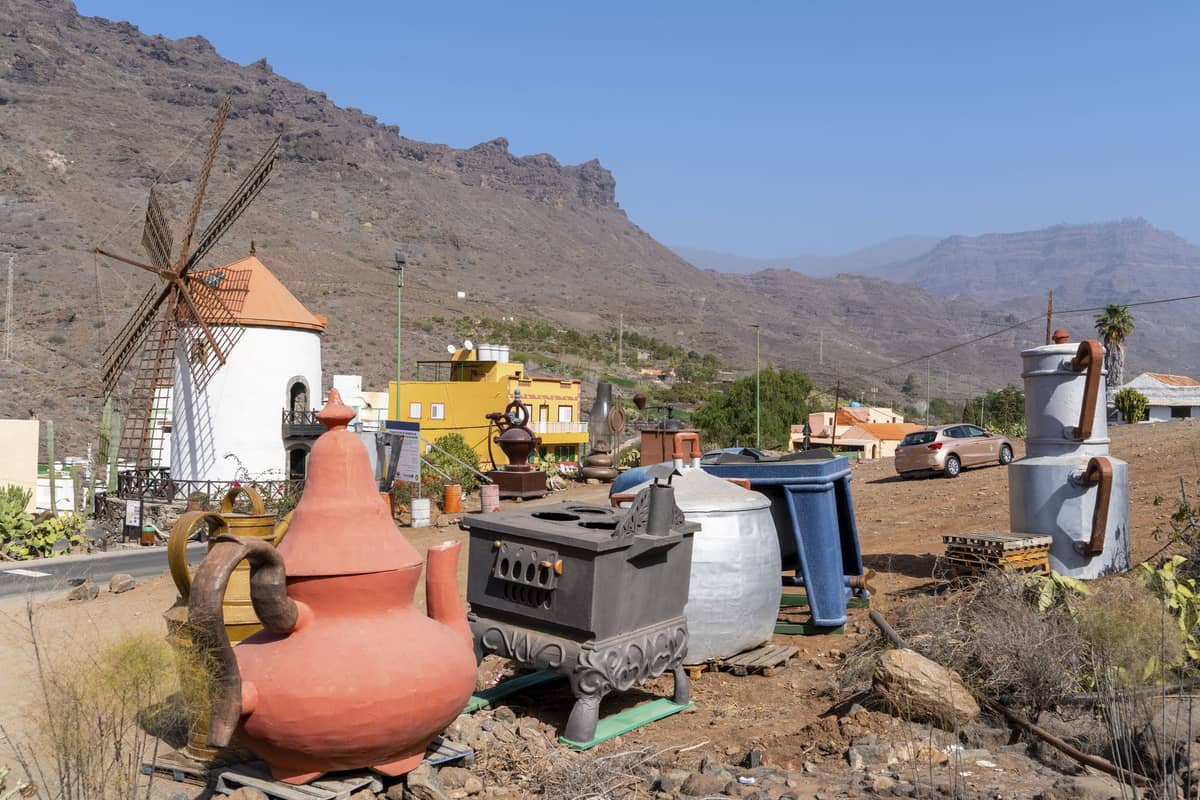
The single best move for authentic eating is finding a guachinche — an informal, often unlicensed eatery typically run from someone's home or smallholding, serving a short menu of whatever is being cooked that day. They are common in rural areas and occasionally appear in Las Palmas neighborhoods. There is no central directory; locals know them by word of mouth. Failing that, markets are your best alternative. The Vegueta Market in Las Palmas is one of the best places on the island to taste and buy local food — fresh produce, cheeses, honey, gofio, and prepared foods, all at genuine local prices.
The Local Produce Route promoted by the official Gran Canaria tourism board connects farms, mills, and producers across the island. One market area within this route operates Tuesday to Thursday 10:00-16:00 and 20:00-24:00, Friday and Saturday 10:00-24:00, and Sunday 12:00-20:00, with the main Vegueta market hall running Monday to Thursday 07:00-14:00 and Friday to Saturday 07:00-14:30. These hours are subject to change, so confirm on the official Gran Canaria tourism website before visiting.
In the south, the resort strip around Playa del Inglés and Maspalomas is dominated by international restaurants catering to Northern European package tourists. This is not where you find Canarian food. It is not a secret — the food here is designed for comfort and familiarity, not local identity. If you are staying in the south, plan at least one meal in an inland village or drive to Arguineguín or Puerto de Mogán for something more genuine.
✨ Pro tip
Order the menu del día at lunch rather than à la carte. Most local restaurants offer a three-course set menu including bread, water, and sometimes wine for around €10–14. This is where you find genuine home-style cooking at the lowest possible price. Most menus del día are only available weekdays at lunch.
- Best for fresh fish Puerto de Mogán marina restaurants and the fishing village of Arguineguín. Go at lunch when the catch is freshest.
- Best for Canarian classics Inland villages like Tejeda and Artenara. Small, family-run restaurants serving conejo en salmorejo, rancho canario, and bienmesabe.
- Best for food shopping Vegueta Market in Las Palmas (Las Palmas de Gran Canaria). Gofio, cheeses, miel de palma, and fresh produce.
- Best value eating Menu del día at any local bar or restaurant outside resort areas. Three courses, €10-14, weekday lunchtimes.
- Avoid Laminated photo-menu restaurants in Playa del Inglés and the main Maspalomas tourist strip. The food is fine but entirely generic and often double the price of local spots.
FAQ
What is the most famous food in Gran Canaria?
Papas arrugadas con mojo is the single most iconic dish. Small potatoes boiled in salt water until the skins wrinkle, served with red or green mojo sauce. You will find them everywhere, from cheap bars to upscale restaurants, and they are consistently good when made properly.
Is gofio something tourists actually eat or just a novelty?
Gofio is genuinely embedded in daily Canarian life. Locals eat it for breakfast stirred into milk, use it in cooking, and buy it from mills as a staple ingredient. As a visitor, try it in gofio escaldado (stirred into fish broth) at a traditional restaurant, or take a bag home as a food souvenir. It is not a novelty.
Where can I find authentic Canarian food, not tourist food?
Move away from the main resort strips in the south. Inland villages like Tejeda and Artenara have small local restaurants serving genuine Canarian cooking. In Las Palmas, the Vegueta and Triana neighborhoods have proper local bars and restaurants. Markets, particularly the Vegueta Market in Las Palmas, are also excellent for buying and tasting local products.
What should I drink with Canarian food?
Local Dorada or Tropical beer work well with grilled fish and papas arrugadas. Ron miel (honey rum) is the traditional after-dinner drink. If you want wine, look for bottles from the Guía denomination in the north of Gran Canaria, though these are not widely distributed. Imported Spanish wines from the Peninsula are available everywhere.
Is Canarian food suitable for vegetarians?
It can be, but requires some navigation. Papas arrugadas and mojo are vegetarian. Gofio is vegetarian and appears in many preparations. However, traditional Canarian cooking is heavily meat and fish-focused, and inland restaurants may have limited vegetarian options beyond side dishes. Las Palmas de Gran Canaria, as a larger city, has a wider range of vegetarian-friendly restaurants.