Maspalomas anchors the southern tip of Gran Canaria with a protected dune system, a 19th-century lighthouse, and a coastal lagoon that doubles as a bird sanctuary. The area stretches from Bahía Feliz in the east to Meloneras and Pasito Blanco in the west, taking in San Agustín, Playa del Inglés, and the Maspalomas Oasis along the way. It is the island's largest and most developed resort corridor, drawing beach tourists, nature lovers, and the LGBTQ+ travel community in roughly equal measure.
Maspalomas sits at the southernmost point of Gran Canaria, where 400 hectares of protected sand dunes meet a calm Atlantic coastline and a Victorian-era lighthouse stands watch over the island's most visited beach. It is unambiguously a resort destination, built around tourism, but the scale of the natural landscape gives it a character that most seaside resorts cannot match.
Orientation: Where Maspalomas Sits on the Island
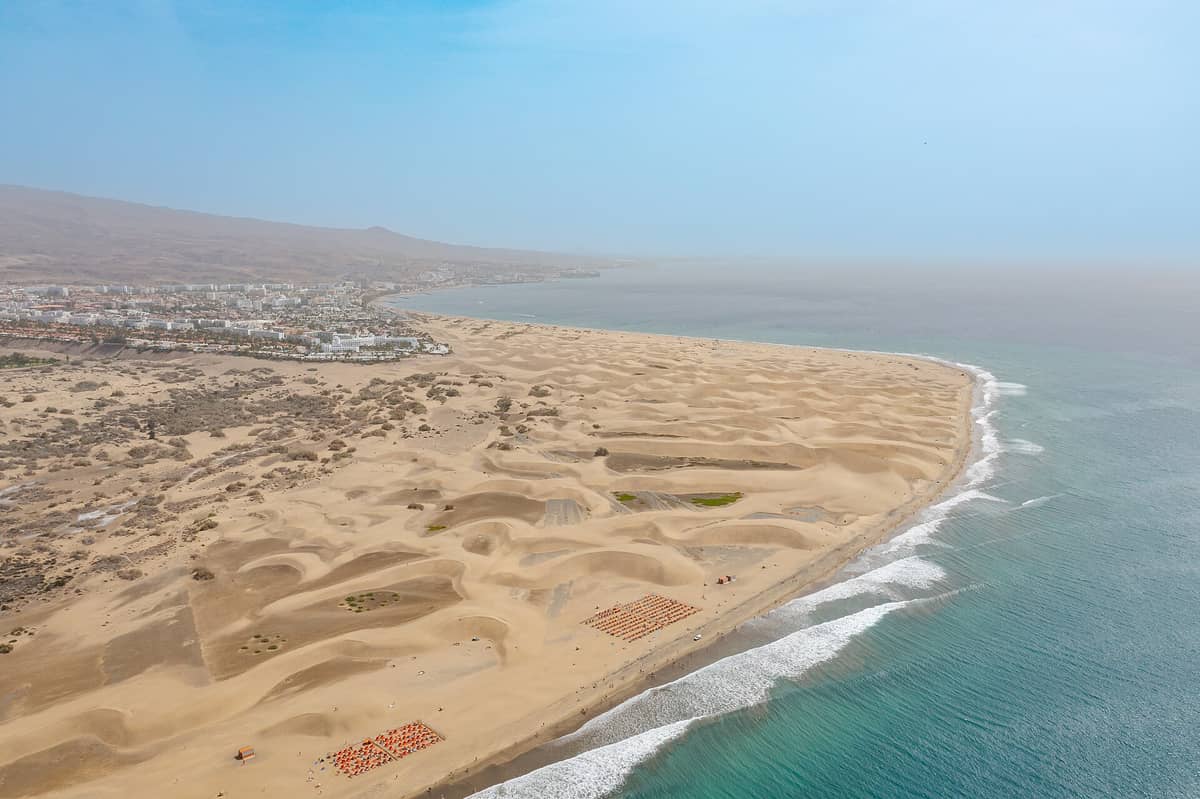
Maspalomas occupies the entire southern toe of Gran Canaria, within the municipality of San Bartolomé de Tirajana. The area is not a single compact neighborhood but a ribbon of resort zones strung along the GC-500 coastal road, running roughly 15 kilometres from Bahía Feliz and El Berriel in the east to Pasito Blanco harbour in the west.
Within that ribbon you will find several distinct sub-zones, each with its own atmosphere. San Agustín is the quietest and most residential-feeling, at the eastern end. Moving west, Playa del Inglés is the densest and most commercially developed stretch, full of hotel complexes, shopping centres, and the bulk of the area's nightlife. Beyond that, Campo Internacional and Sonnenland are calmer family resort zones. The Maspalomas Oasis area, closest to the lighthouse and dunes, is where luxury hotels cluster and the crowds thin out compared to Playa del Inglés. Meloneras, the most recently developed zone at the western end, has a promenade lined with upmarket restaurants and a casino, and it feels noticeably more polished than the rest.
Gran Canaria Airport (LPA) sits on the east coast of the island, roughly 30 to 35 kilometres from central Maspalomas. The capital, Las Palmas de Gran Canaria, is about 50 to 55 kilometres to the north. Maspalomas is effectively the southern anchor of the island's main tourism corridor. For context on how it compares with other parts of Gran Canaria, the where to stay in Gran Canaria guide covers how to choose between the south coast and the capital.
Character and Atmosphere: What It Actually Feels Like
Maspalomas is honest about what it is. It was built for tourism, it runs on tourism, and it makes no apology for the fact. The resort infrastructure is enormous: multi-storey hotel complexes, supermarkets stocked with German and British products, souvenir shops, and restaurants offering English breakfasts and international menus. If that is not what you are looking for, other parts of Gran Canaria will suit you better.
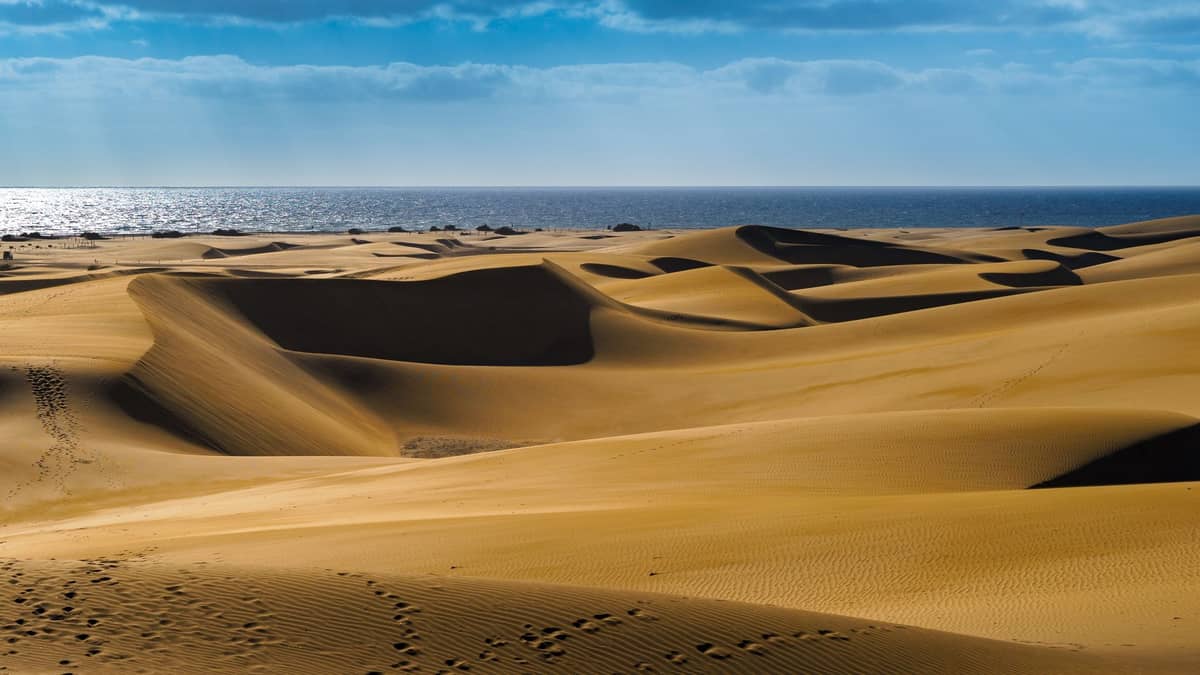
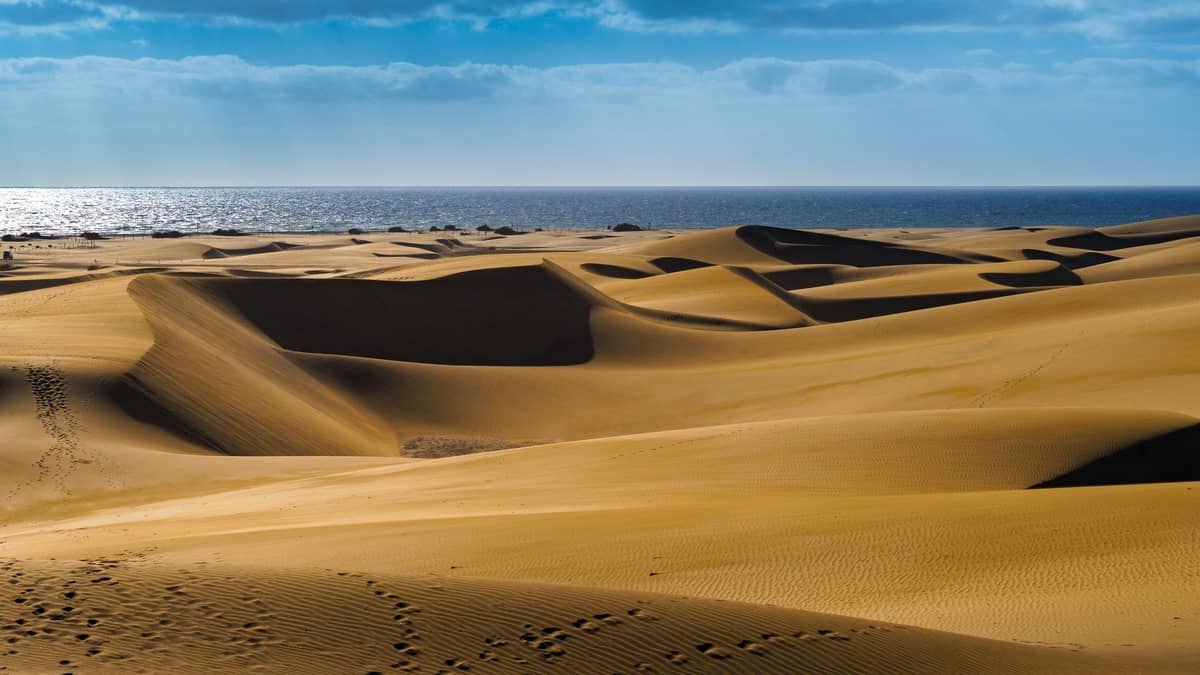
But the dunes change the equation. Walk ten minutes from any hotel in the Maspalomas Oasis area and you are inside a protected nature reserve where the scale of the landscape drowns out the resort noise entirely. In the early morning, before 9am, the dunes are almost empty. The light is low and golden, the sand is cool underfoot, and the only sounds are wind and the occasional distant wave. It is the most striking natural setting of any resort area in the Canary Islands.
By mid-morning the beach fills steadily, and by early afternoon the stretch of sand between the dunes and the sea is genuinely busy, lined with sunbeds and parasols. The atmosphere is relaxed and family-friendly across most of the area, though Playa del Inglés has a well-established reputation as one of Europe's most welcoming destinations for the LGBTQ+ community, with a concentration of bars and clubs around the Yumbo Centrum shopping complex. After dark, Playa del Inglés stays lively until the early hours; Maspalomas Oasis and Meloneras are considerably quieter.
The winter months draw a noticeably older European demographic, particularly German, British, and Scandinavian visitors escaping northern winters. Summer brings more Spanish domestic tourists and families. Spring and autumn see the most mixed crowds. Year-round, the promenade along the beach feels active from late afternoon onward, as the heat eases and people emerge for the evening paseo.
ℹ️ Good to know
Maspalomas sits roughly one degree of latitude south of Las Palmas, which means it is slightly warmer and sunnier on average. The dune landscape also creates its own microclimate, with stronger onshore winds in the afternoon that can make high summer temperatures more bearable.
What to See and Do
The Maspalomas Dunes are the single most important reason to visit this part of Gran Canaria. The dune system covers around 404 hectares and is protected as a Special Nature Reserve. Active dunes reach up to 10 metres high, and the landscape shifts between open desert-like formations, palm groves, and the coastal lagoon. Walking through the dunes from the Maspalomas Oasis hotel zone toward the lighthouse takes around 30 to 45 minutes at an easy pace. The route is unmarked but straightforward: keep the sea to your left and the lighthouse ahead of you.
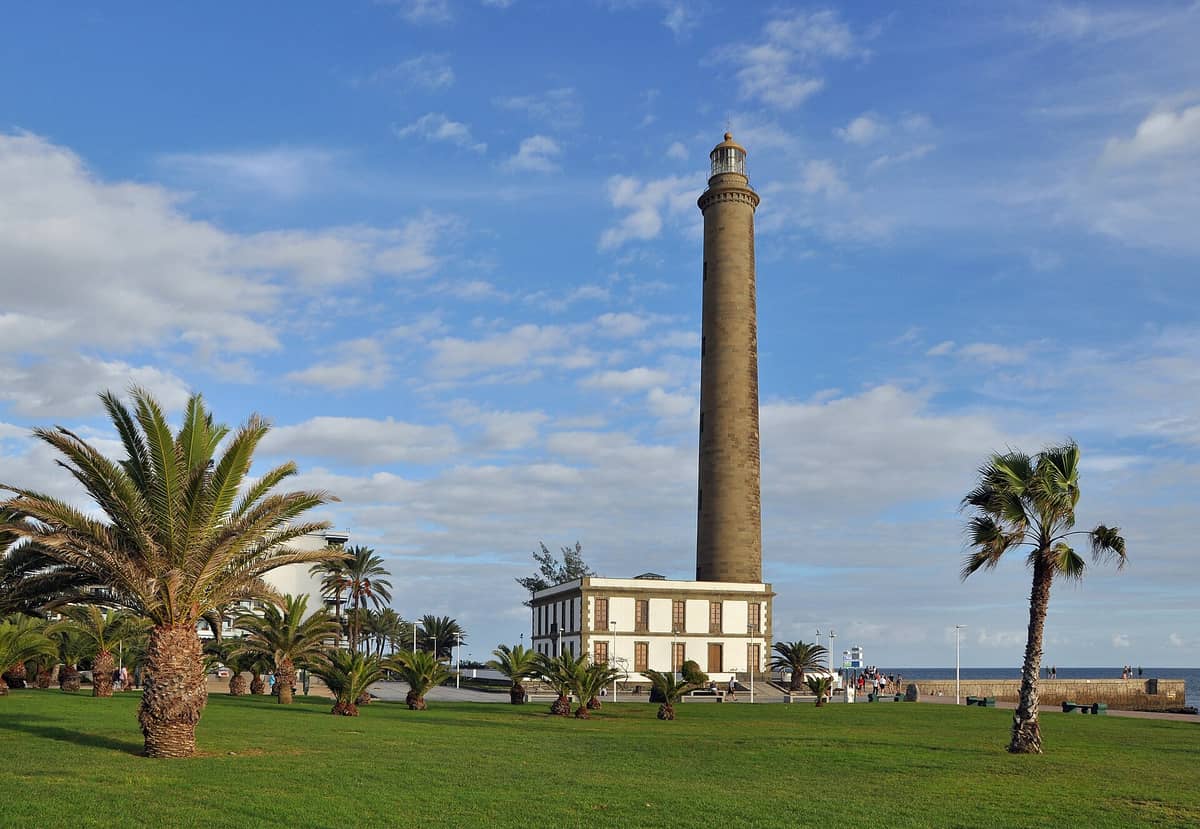
The Faro de Maspalomas stands at Punta de Maspalomas, the island's southernmost point. Built in the late 19th century and rising around 56 metres, it remains operational and is one of the most photographed landmarks in Gran Canaria. The area immediately around the lighthouse, where the dunes meet the sea, is the best spot on the entire south coast for watching sunsets.
The Charca de Maspalomas is a coastal lagoon on the western edge of the dune system, separated from the sea by a narrow sand bar. It functions as a bird sanctuary, attracting migratory species during spring and autumn passages. A wooden boardwalk follows the edge of the lagoon and is one of the quieter walks in the resort area. The Maspalomas Beach itself stretches in a wide arc beside the dunes, grading into Playa del Inglés to the east. It is one of the longest uninterrupted sandy beaches in the Canary Islands.
Walking or riding camels across the dunes (camel rides depart from a fixed point near the Oasis area, operated by a licensed concession)
Cycling the promenade from San Agustín to Meloneras, which is mostly flat and well-surfaced
Visiting the Maspalomas Golf Course, an 18-hole course that sits within the dune zone and is open to visitors
Browsing the Faro 2 and Anexo shopping centres in Playa del Inglés for souvenirs, clothes, and local crafts
Evening drinks along the Meloneras promenade, which has the most relaxed upscale atmosphere in the area
For families with children, Aqualand Maspalomas is a large water park within the resort zone, and Palmitos Park is a botanical and wildlife park set in a barranco about 10 kilometres inland, worth a half-day trip.
⚠️ What to skip
The dunes are a protected nature reserve. Stick to established paths and avoid walking into cordoned vegetation areas. Strong sun and wind mean dehydration and sunburn are genuine risks even on overcast days. Carry water and apply sunscreen before entering the dune system.
Eating and Drinking
The food scene in Maspalomas is overwhelmingly tourist-oriented, which means it is broad, convenient, and often mediocre in the middle price range. Playa del Inglés in particular has a high proportion of restaurants running fixed-price tourist menus, serving approximations of international cuisines for large volumes of visitors. Quality varies enormously, and the safest strategy is to walk a block or two back from the beachfront promenade to find places where the clientele is more local.
Meloneras is where the dining options improve most noticeably. The promenade here has several restaurants with genuine ambition in their cooking, focusing on fresh Atlantic seafood and modern Spanish cuisine. Expect to pay more than elsewhere in the resort, but the quality gap justifies it for a special evening out. The area around the casino in particular has a cluster of upmarket dining options.
For local Canarian food, the best options are in the quieter streets of San Agustín and in the commercial centres rather than directly on the waterfront. Look for restaurants serving papas arrugadas with mojo rojo or verde, fresh grilled fish, and Canarian gofio dishes. The guide to Canarian cuisine covers the island's food traditions in more detail.
Fresh grilled fish and seafood: best value at restaurants away from the promenade frontage
Papas arrugadas: small wrinkled potatoes served with mojo sauces, available almost everywhere and usually good quality
International hotel buffets: convenient and filling, though not where you will have a memorable meal
Meloneras promenade: highest concentration of quality restaurants in the area
Yumbo Centrum, Playa del Inglés: large shopping and nightlife complex with dozens of bars and restaurants, ranging from basic to decent
Drinking culture follows the resort pattern: beach bars, hotel pools, and purpose-built nightlife venues rather than traditional tapas bars. Playa del Inglés has a genuine club and bar scene that runs late into the night, particularly around Yumbo Centrum. If you are looking for a quiet glass of local wine, Meloneras is the better base.
Getting There and Around
Gran Canaria Airport (LPA) is the most practical entry point. From the airport, Global bus Lines 66 and 90 connect to Maspalomas and Playa del Inglés. A taxi from the airport to Maspalomas costs roughly €35 to €40 and takes about 30 minutes, depending on traffic and your exact destination within the resort zone. Fares change, so verify current rates before travelling. The guide to getting around Gran Canaria covers all island transport options in detail.
From Las Palmas de Gran Canaria, Global bus Line 1 runs the length of the east coast toward the south, with connections onward to Maspalomas and Playa del Inglés, taking roughly 70 to 90 minutes in total. This is the main intercity connection. Line 30 continues westward from Maspalomas toward Mogán, which is useful for day trips along the coast. All Global buses connect at the Maspalomas and Playa del Inglés bus stations, which are the main interchange points in the resort area.
Within the resort zone, the distances between sub-areas are manageable on foot if you are staying in Playa del Inglés or the Oasis area, but the full stretch from San Agustín to Meloneras is around 10 kilometres. Local taxis are plentiful and reasonably priced for short hops between resort zones. Bicycle rental is widely available and cycling the coastal path is a practical way to cover the distance between the main areas.
💡 Local tip
If you are planning to travel around the island during your stay, renting a car in Maspalomas is straightforward. Multiple agencies operate from the airport and from offices within the resort. Having a car opens up the interior mountain villages, the west coast, and the north, all of which are worth exploring beyond the south coast.
Where to Stay
Maspalomas has one of the largest concentrations of tourist accommodation in the Canary Islands, ranging from basic aparthotels to five-star resorts. The choice of sub-zone matters significantly for the kind of holiday you will have. For a full comparison of the south coast options, the Gran Canaria all-inclusive guide covers the main resort areas in depth.
The Maspalomas Oasis area, directly adjacent to the dunes and lighthouse, is where the most luxurious hotels sit. The landscape here is greener, with mature palm trees, and the beach at this end of the resort is generally less crowded than Playa del Inglés. It is the best choice for travellers who want the dune experience and a quieter base.
Playa del Inglés suits travellers who want maximum convenience: the most restaurant options, the most nightlife, and the easiest access to shops and the bus station. It is noisier, particularly around the Yumbo Centrum area at night. San Agustín is the choice for those who want a calmer, more low-key resort experience. Meloneras targets the higher-end market, with newer hotels and the best dining strip in the area.
Maspalomas Oasis: best for couples, luxury seekers, and direct dune access
Playa del Inglés: best for nightlife, LGBTQ+ travellers, and those who want everything within walking distance
San Agustín: best for families and travellers seeking a quieter pace
Meloneras: best for upmarket dining, the casino crowd, and a more polished promenade atmosphere
Day Trips and Wider Exploration
Maspalomas makes a reasonable base for exploring Gran Canaria's interior and west coast, though the distances involved mean you will want either a rental car or a full day for each excursion. The road north through the mountains takes you toward Roque Nublo and the central peaks, where the landscape changes dramatically from coastal sand to volcanic rock and pine forest.
Along the west coast, Puerto de Mogán is about 35 kilometres away and is accessible on Global bus Line 30. The village has a marina, a small beach, and an atmosphere noticeably different from the mega-resort scale of Maspalomas. It is worth a half day. Further north, the roads become more dramatic, passing the Mirador del Balcón and the wild west coast cliffs.
For those interested in the island's history and urban life, the bus north to Las Palmas takes you to the historic Vegueta district, the Casa de Colón, and the city beach at Las Canteras. It is a full day out from Maspalomas, but it shows a completely different side of Gran Canaria.
Honest Assessment: Who Should Stay Here
Maspalomas is the right choice if you want reliable sun, a big sandy beach, and resort infrastructure that runs smoothly. The dunes are genuinely extraordinary and give the area a natural feature that justifies the visit even for travellers who are not specifically seeking a beach holiday.
It is not the right base if you want to feel like you are in Spain rather than in an international resort. For that, Vegueta or Triana in Las Palmas will serve you better. If the scale of the development feels overwhelming but you still want a southern base, Puerto Rico is a smaller and slightly less commercialised alternative further along the west coast.
Travellers on a tighter budget will find Maspalomas manageable but not cheap, particularly for accommodation in high season. The Gran Canaria budget guide has practical advice on keeping costs down across the island.
TL;DR
Maspalomas is Gran Canaria's largest southern resort, stretching from Bahía Feliz to Pasito Blanco across several distinct sub-zones including San Agustín, Playa del Inglés, Maspalomas Oasis, and Meloneras.
The protected dune system (403 hectares, Special Nature Reserve) is the area's defining natural feature and genuinely impressive, especially in the early morning before the beach crowds arrive.
Best suited to travellers who want reliable beach weather, comprehensive resort facilities, and easy access to the island's natural highlights without roughing it.
Playa del Inglés is the liveliest and noisiest sub-zone with the most nightlife; Maspalomas Oasis and Meloneras are quieter and more upscale; San Agustín is the calmest option.
Not ideal for travellers seeking authentic Spanish urban life, independent local restaurants, or a quiet escape from tourist infrastructure. Las Palmas or the mountain villages will suit those visitors better.
Three days is enough to experience Gran Canaria's remarkable range: a well-preserved colonial old town, Atlantic dune fields, volcanic mountain villages, and some of Spain's best urban beaches. This itinerary is built around real transport logistics, honest time estimates, and a deliberate mix of coast and interior.
Gran Canaria packs an extraordinary variety of beaches into one island: vast dune-backed shores in the south, a world-class urban beach in Las Palmas, sheltered family coves on the southwest coast, and raw Atlantic surf breaks in the north. This guide covers the best of all of them.
Gran Canaria earns its reputation as the 'island of eternal spring' for good reason. This guide breaks down every season, explains how the island's microclimates affect your plans, and tells you honestly when to go and when to avoid the crowds.
Gran Canaria packs extraordinary variety into 1,560 square kilometres. These are the best day trips from any base on the island, from the sacred peaks of the interior to the quiet fishing harbours of the west coast.
Gran Canaria is not a walkable island. This guide breaks down every realistic transport option, from Global bus routes and regulated taxi fares to car rental logistics and seasonal road warnings, so you can move around confidently from day one.
Gran Canaria all-inclusive resorts range from budget-friendly complexes in Playa del Inglés to upmarket retreats in Puerto de Mogán. This guide covers the best areas, realistic price expectations by season, and a clear take on when all-inclusive actually makes sense on this island.
Gran Canaria Carnival is one of Spain's biggest pre-Lent celebrations, centred on Las Palmas de Gran Canaria and running for four to five weeks each February and March. This guide covers every major event, how to get tickets, where to stay, and what first-timers consistently get wrong.
Gran Canaria has quietly become one of Europe's most practical bases for remote workers. Year-round subtropical warmth, 20+ coworking spaces, mid-range costs, and fast internet make Las Palmas de Gran Canaria a compelling alternative to Lisbon or Bali. This guide covers everything you need to plan a productive stay.
Everything you need to know about taking a ferry from Gran Canaria to the other Canary Islands. Covers the main routes, operators, realistic prices, departure ports, and the common mistakes that catch first-time travellers off guard.
Gran Canaria offers far more for couples than beach resorts. This guide covers the island's most romantic experiences, from volcanic viewpoints and wine-tasting in the interior to private catamaran trips and candlelit dinners in a harbour town that earns its 'Little Venice' nickname.
Gran Canaria packs an extraordinary amount of natural beauty, history, and culture into a single island — and a surprising amount of it is completely free. From sweeping volcanic landscapes and ancient Guanche sites to world-class urban beaches and genuinely free museums, here is how to get the most out of the island without opening your wallet.
Gran Canaria packs extraordinary variety into 1,560 square kilometres, yet most visitors see only a fraction of it. These are the volcanic ravines, pre-Hispanic ruins, wild coastlines, and slow villages that reward those willing to look beyond the southern resort strip.
December is one of the most underrated months to visit Gran Canaria. Daytime temperatures hover around 22°C, the southern beaches stay dry and sunny, and the island shifts into a relaxed festive rhythm. This guide covers the weather in detail, where to base yourself, what to do, and a few honest caveats about the rainy north.
Gran Canaria has over 130 luxury hotels spread across beach resorts, spa retreats, boutique city properties, and adults-only hideaways. This guide cuts through the marketing to tell you exactly where to stay, what to spend, and which areas suit different styles of upscale travel.
Gran Canaria nightlife spans four distinct zones, each with its own character, crowd, and closing time. This guide breaks down every major area, from the legendary Yumbo Centre to the bar-lined streets of Las Palmas, with practical advice on pricing, timing, and getting around after dark.
Gran Canaria offers genuine value if you know how to work the island's public transport network, tap into its free outdoor attractions, and eat where locals eat. This guide breaks down the real costs, the smart shortcuts, and the common mistakes that drain tourist wallets.
Gran Canaria packs semi-arid landscapes, volcanic peaks, and colonial towns into 1,560 km² — small enough to drive in a day, varied enough to spend a week exploring by car. This guide covers car rental costs, the best driving routes, the GC-200 road closure reality, and practical rules of the road so you can plan without surprises.
Both Gran Canaria and Tenerife promise year-round sunshine, dramatic scenery, and good value for European travellers. But they deliver very different holidays. This guide breaks down the real differences across beaches, landscapes, cost, family travel, and nightlife so you can stop second-guessing and start booking.
Gran Canaria's Atlantic coastline delivers world-class water sports year-round, from beginner surf lessons at Las Canteras to competition-level windsurfing at Pozo Izquierdo. This guide covers the best spots, realistic prices, seasonal conditions, and how to avoid the common pitfalls.
Gran Canaria delivers year-round sunshine, a stack of theme parks, safe beaches, and reliable public transport that make it genuinely practical for families. This guide cuts through the marketing to tell you exactly where to go, what to spend, and how to get around with children in tow.
Gran Canaria packs extraordinary hiking variety into 1,560 km². Alpine pine forests, volcanic rock formations, green ravines, and coastal cliffs are all within reach. This guide covers the best trails on the island, from quick walks to full-day mountain routes.
Gran Canaria packs an extraordinary range of landscapes, climates, and experiences into just 1,560 km². This guide cuts through the brochure language to tell you exactly who the island suits, what it does well, where it falls short, and how to decide if it belongs on your travel list.
Gran Canaria's volcanic coastline is dotted with natural sea pools carved from ancient lava flows. This guide covers the finest spots around the island, from well-equipped salinas in the northwest to wild rock pools on the west coast, with practical advice on when to go and what to expect.
Seven days is enough to experience Gran Canaria's remarkable contrasts: Atlantic beaches, volcanic peaks, colonial old towns, and quiet rural villages. This day-by-day itinerary covers the highlights without wasting a single afternoon.
Gran Canaria packs an extraordinary range of experiences into just 1,560 km². This guide covers the best things to do across the island, from world-class beaches and dramatic mountain hikes to historic old towns and boat trips, with practical advice on what's worth your time and what to skip.
Las Palmas de Gran Canaria is one of Spain's most underrated cities: a working Atlantic capital with a world-class urban beach, a remarkably preserved historic quarter, serious food culture, and year-round sunshine. This guide covers the best things to do across every corner of the city, with practical logistics, honest opinions, and no filler.
Gran Canaria's food culture runs deeper than most visitors expect. This guide covers the essential dishes, local ingredients, where to find authentic Canarian cooking, and what to skip — so you eat well from day one.
Gran Canaria divides neatly into three very different worlds: a cosmopolitan northern city, a sun-baked southern resort strip, and a rugged volcanic interior. Where you stay shapes your entire experience. This guide breaks down every main area by atmosphere, accommodation type, price range, and who it suits best.