Gran Canaria for Couples: Your Complete Romantic Getaway Guide
Gran Canaria offers far more for couples than beach resorts. This guide covers the island's most romantic experiences, from volcanic viewpoints and wine-tasting in the interior to private catamaran trips and candlelit dinners in a harbour town that earns its 'Little Venice' nickname.
TL;DR
- Gran Canaria's subtropical climate (20–26°C year-round) makes romantic outdoor experiences possible in every season, not just summer.
- The Maspalomas dunes at sunset and the canals of Puerto de Mogán are the island's two standout romantic set-pieces — plan around both.
- Beyond the southern resorts, the volcanic interior delivers viewpoints, wine estates, and hiking trails that most couples never discover.
- Shoulder seasons (April–May and October–November) offer the best balance of good weather, smaller crowds, and lower prices at top restaurants and hotels.
- Gran Canaria is not a party island at its core — see what the island actually offers before writing it off based on reputation.
Why Gran Canaria Works So Well for Couples
Gran Canaria covers 1,560 km² and packs an unlikely range of landscapes into that space: golden dune fields in the south, laurel forest in the northwest, a volcanic interior rising to over 1,900 metres, and a cosmopolitan city beach in the north. For couples, that variety is the point. You can spend a morning hiking to a panoramic crater rim, eat lunch in a harbour lined with flower-draped bridges, and watch the sun drop behind Atlantic swells from a dune the size of a small hill — all in the same day.
The island's subtropical climate earns it the 'eternal spring' label with good reason. Coastal temperatures sit around 21°C in winter and 26–28°C at peak summer, with roughly 20–30 rainy days per year on the coast. Practically speaking, this means outdoor plans rarely need a backup. Whether you visit in February or October, the odds of spending a romantic evening outdoors without a jacket are high.
ℹ️ Good to know
Gran Canaria has a reputation as a party destination, centred on the clubs of Playa del Inglés. That reputation is real but narrow. The island's nightlife zone occupies a small strip of the south coast. Everywhere else — the interior villages, the northwest coast, Las Palmas' historic quarter, the marina towns — operates at a completely different pace, and that's where the most convincing romantic experiences are.
The South Coast: Dunes, Marina Towns, and Sunset Rituals
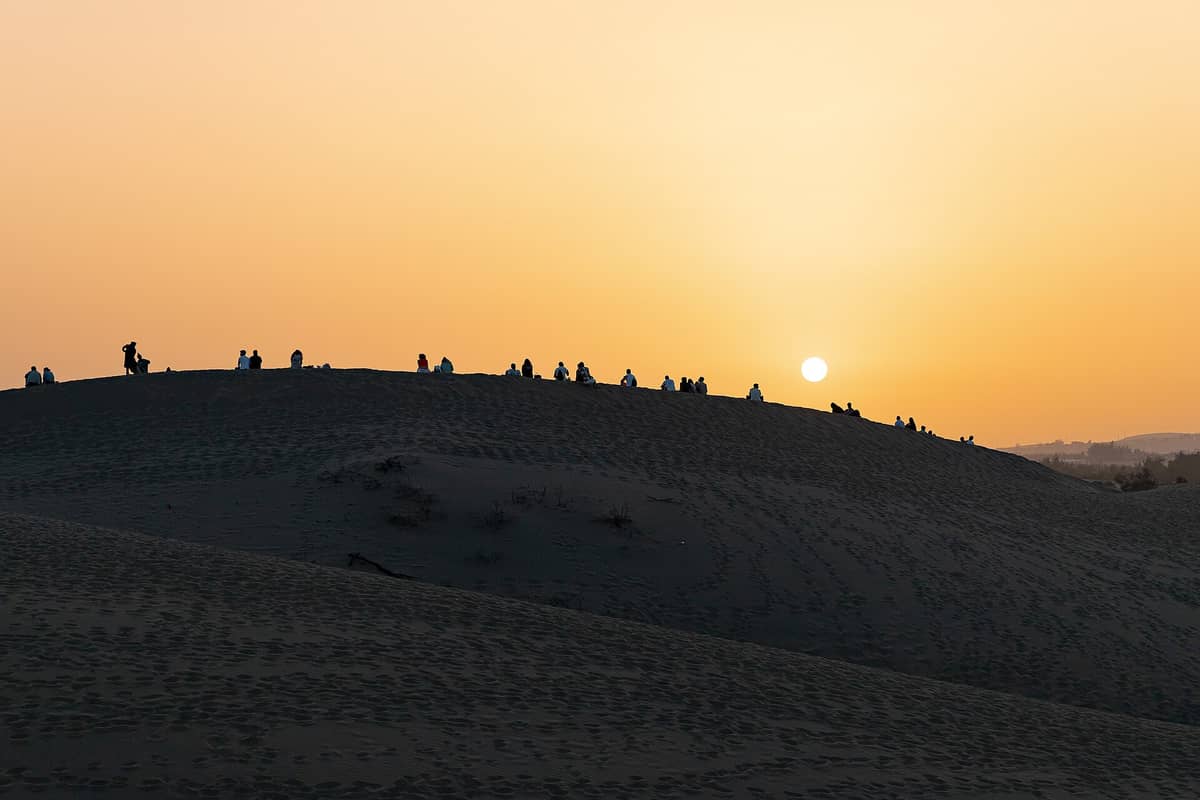
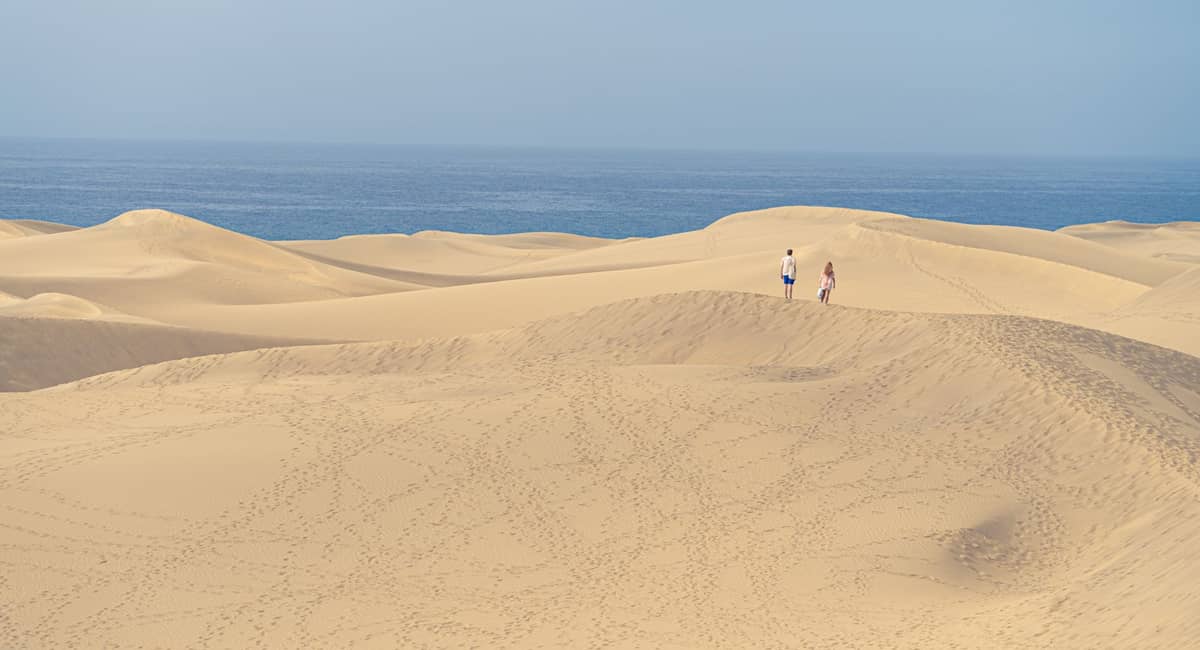
The Maspalomas dunes are the island's most photographed landscape, and they justify the hype at the right moment. At midday in summer they're packed with sunbathers and too hot to enjoy on foot. At sunset, particularly in winter and spring, the light turns the sand amber-gold and the crowds thin considerably. Walking the dune edge toward the lighthouse as the sun drops is genuinely striking, and the Maspalomas lighthouse makes an excellent anchor point for the walk. Allow at least 90 minutes and wear shoes you don't mind getting sandy.
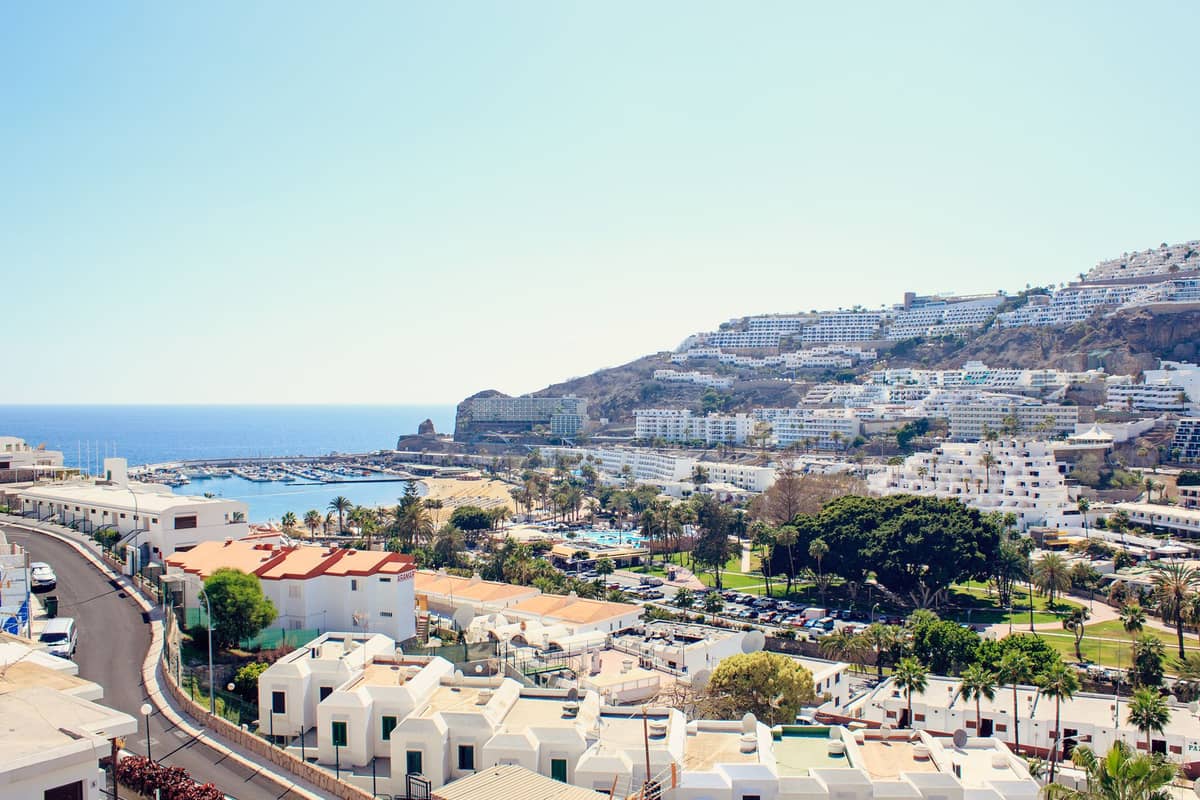
Puerto de Mogán, about 30 km west of Maspalomas along the GC-1 motorway, is the south coast's most atmospheric town for couples. The marina's white-washed houses are connected by small bridges draped in bougainvillea, which is where the 'Little Venice' comparison comes from — it's a fair one, if considerably warmer. The Puerto de Mogán marina has restaurants with sea-facing terraces, and the Friday market brings local colour without the aggression of a tourist bazaar. Arrive by 7pm for a table with harbour views before the best spots fill.
- Maspalomas dunes at sunset Walk the dune ridge toward the lighthouse as the light softens. Best October–March when temperatures are comfortable and visitor numbers lower.
- Puerto de Mogán for dinner Pick a harbourside terrace, order fresh fish, and stay for the sunset over the marina. Fridays add a local market to the equation.
- Catamaran excursions Shared and private yacht trips depart from Puerto Rico and Puerto de Mogán, typically including drinks, snorkelling stops, and dolphin-watching. Book via major platforms; prices and schedules vary seasonally.
- Puerto Rico beach at dusk Smaller and more sheltered than Maspalomas, the crescent beach at Puerto Rico is calmer in the evenings and has seafront restaurants within easy walking distance.
⚠️ What to skip
Playa del Inglés sits immediately next to Maspalomas and is worth knowing about so you can navigate around it. The resort strip is loud, commercial, and best avoided if you're after atmosphere. The dunes themselves are accessed more pleasantly from the Maspalomas end near the lighthouse — not from the Playa del Inglés side, which deposits you next to beach bars and sun-lounger rentals.
The Interior: Viewpoints, Vineyards, and Volcanic Drama
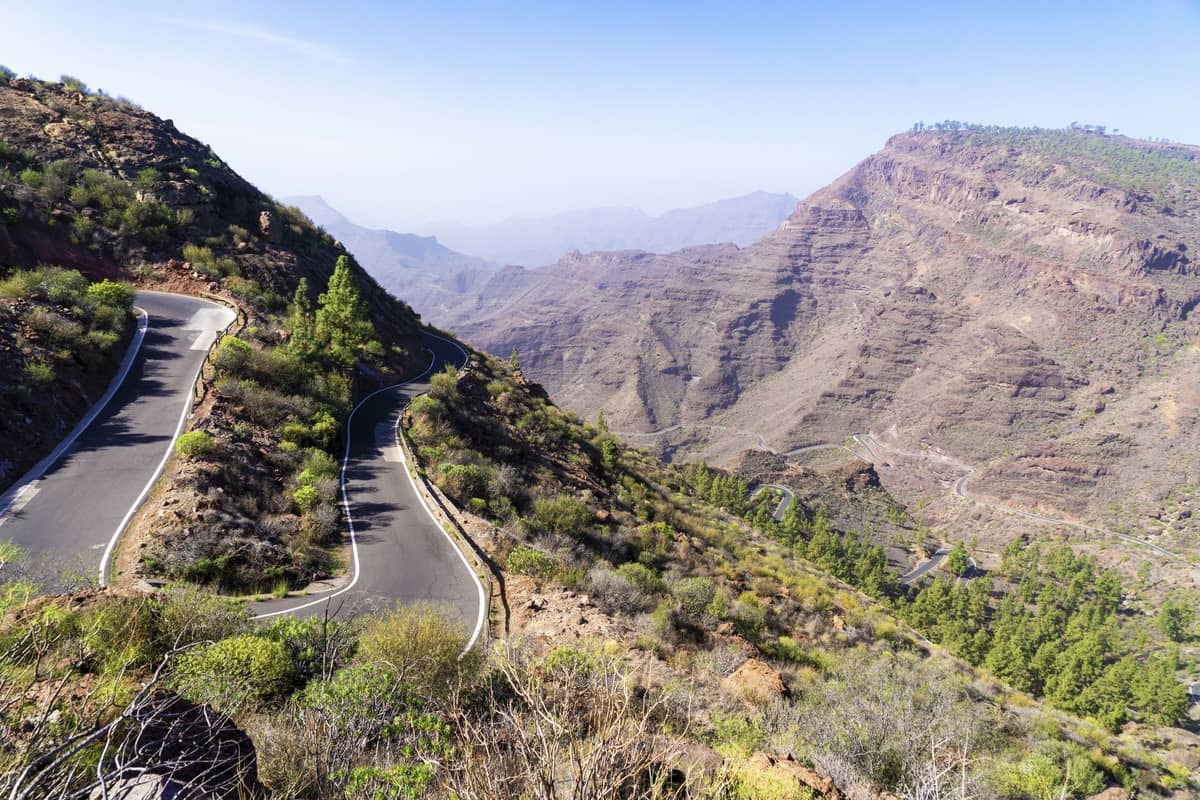
The mountain interior is where Gran Canaria genuinely surprises couples who came expecting only beach resorts. The GC-60 road from Maspalomas winds up through Fataga into a landscape of pine-covered ridges and eroded rock formations. Stop at Degollada de las Yeguas or Degollada de Becerra — both are roadside mirador points with panoramic views across the island's southern valleys. They require no hiking and no special equipment, just a willingness to pull over. Further north, Roque Nublo is the island's most iconic rock formation at 1,813 metres: a 1.5-hour return hike from the car park delivers views that stretch to Teide on clear days.
Wine tasting in the interior is an underused option for couples. Bodegas Bentayga, near Roque Bentayga, and Bodegas Tamerán in the northwest both produce island wines from high-altitude vineyards. Tastings are typically informal and bookable directly. The drive there is part of the experience — the GC-15 through Tejeda is one of the island's most scenic roads, with the caldera walls rising on either side and the village of Tejeda below. The town of Tejeda itself has a handful of small restaurants serving local specialities like bienmesabe (almond cream) and cochino negro (black pork), which makes for a far more memorable lunch than anything in the resort zone.
✨ Pro tip
The Cruz de Tejeda viewpoint at the island's geographic centre is an obvious stop on any interior drive, but it gets crowded with coach tours mid-morning. Arrive before 9:30am or after 4pm for a quieter experience. From the mirador, the rock formation of Roque Nublo and the profile of Roque Bentayga are visible simultaneously on clear days — it's genuinely one of the island's best views.
Las Palmas de Gran Canaria: City Romance Done Right
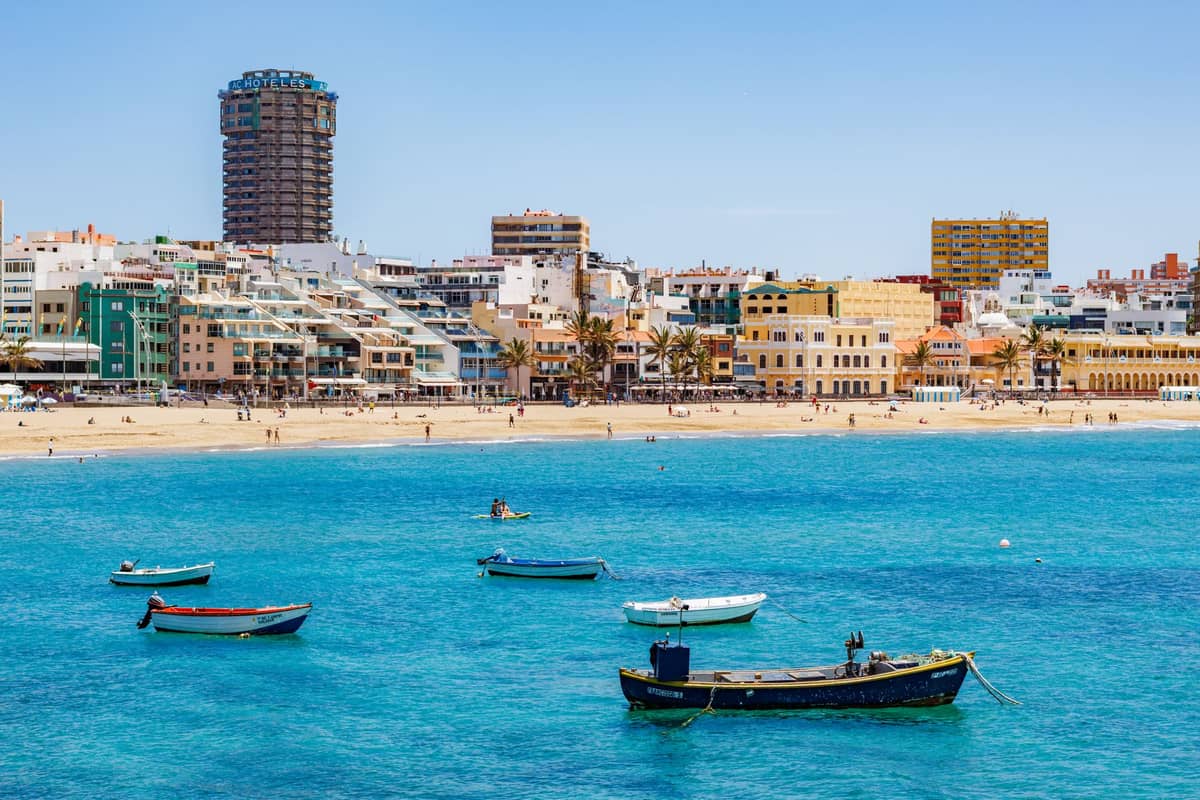
Las Palmas is often treated as the arrival point before heading south, which is a mistake for couples. The city has a 3 km urban beach — Las Canteras — that consistently ranks among the best city beaches in Europe, with calm water protected by a natural reef, and a pedestrian promenade lined with restaurants. Sunsets here, facing west, can be extraordinary. Walk the full length of the paseo and choose a terrace restaurant for dinner as the sky changes colour over the Atlantic.
The historic quarter of Vegueta is compact enough to explore in two hours on foot. The cobbled streets, colonial architecture, and quiet plazas provide a completely different texture from the resort towns. The Catedral de Santa Ana anchors the neighbourhood; Triana, the adjacent shopping and café district, is where locals actually go for coffee and pastries. For couples who enjoy art and culture, the CAAM (Centro Atlántico de Arte Moderno) in Vegueta is free to enter and worth an hour.
For green space, Parque Doramas in the Santa Catalina district is one of the city's most pleasant spots — a landscaped park with century-old dragon trees, a small hotel within it (the Hotel Santa Catalina), and a relaxed atmosphere that's entirely removed from tourist infrastructure. The park is walkable from the Las Canteras beach strip and makes a good mid-afternoon stop between beach time and dinner.
When to Go and How to Structure a Couples' Trip
The honest answer on timing is that Gran Canaria works year-round for couples, but the experience differs. December through February is peak season for northern Europeans escaping winter — expect fuller hotels, higher prices, and livelier atmospheres in the south. If you're coming from a cold climate, that buzz can be appealing. If you want quiet beach mornings and easy restaurant bookings, April to June or September to November are clearly better. See our best time to visit Gran Canaria guide for a full month-by-month breakdown.
A realistic couples' itinerary for one week would split time between the south coast (2–3 nights for dunes, Mogán, and a boat trip), the interior (1–2 nights based in Tejeda or Fataga for mountain drives and wine), and Las Palmas (2 nights for the city beach, Vegueta, and good restaurants). Renting a car is strongly recommended — the island's bus network (operated by Global) connects main points, but the interior routes are infrequent and the timing is not well-suited to spontaneous exploration. See the getting around Gran Canaria guide for transport options and cost comparisons.
- April to June Warm enough for beaches (sea temperature around 20–22°C), hiking conditions are ideal, and the spring wildflowers in the interior make viewpoints particularly scenic. Hotels are quieter and often better priced than summer.
- September to November The sea is at its warmest (up to 24°C), summer crowds have eased, and the light in October and November is exceptional for photography at the dunes and mirador points.
- December to February The south coast is busy and hotel rates spike around Christmas and New Year. But it's 21°C when much of Europe is below freezing, and the Maspalomas dunes at a winter sunset are genuinely quiet compared to summer. Carnival season (February–March) in Las Palmas adds a celebratory dimension that many couples enjoy.
Practical Logistics for Couples Visiting Gran Canaria
Gran Canaria Airport (IATA: LPA) sits on the east coast between Las Palmas and the southern resorts. A taxi to Las Palmas runs around €30–40 and takes 20–30 minutes; to Maspalomas it's approximately €35–45 and 25–35 minutes. The Global Line 60 bus connects the airport to Las Palmas for around €2.30–3.00; Line 66 serves the south-coast resorts. Both are the practical choice if you're not renting a car immediately. Fares and routes should be verified before travel, as they adjust periodically.
The island uses the Euro (EUR). Tap water on Gran Canaria meets safety standards but is largely desalinated and many visitors prefer bottled water — a reasonable call for a week's stay. The emergency number across Spain is 112, operating in multiple languages 24 hours a day. Electricity is standard European 230V with Type F (Schuko) plugs, so UK visitors will need an adapter and North American visitors will need both an adapter and a voltage converter for older devices.
For where to stay, the choice of base dramatically shapes the couples' experience. The south coast is convenient for beach activities and boat trips but lacks the authenticity of Las Palmas or the interior. Our guide on where to stay in Gran Canaria covers the trade-offs between the main areas honestly. For couples on a budget, Gran Canaria's free and low-cost options — including natural pools, hiking trails, and public beach walks — mean a romantic trip doesn't require luxury spend. The free things to do in Gran Canaria guide is worth reading before you build your itinerary.
FAQ
Is Gran Canaria a good destination for a romantic holiday?
Yes, genuinely so — but the type of romance depends on where you go. The south coast resorts (Maspalomas, Puerto de Mogán) offer sunset walks, harbour dinners, and boat trips. The interior delivers volcanic viewpoints, wine estates, and hiking. Las Palmas has a city-beach promenade and a historic quarter with good restaurants. The island caters to couples looking for quiet nature experiences just as well as those wanting resort comfort.
When is the best time for couples to visit Gran Canaria?
April to June and September to November are the most comfortable months: warm enough for beaches and outdoor activities, quieter than peak summer, and often better priced. December to February suits couples escaping cold European winters, though the south coast gets busy around Christmas and New Year. Summer (July–August) is hot and crowded at popular spots.
What are the most romantic things to do in Gran Canaria?
The standout experiences for couples are: walking the Maspalomas dunes at sunset, dinner at a harbour terrace in Puerto de Mogán, a catamaran or yacht excursion from Puerto Rico, a mountain drive through Tejeda with wine tasting at a local bodega, and an evening walk along the Las Canteras promenade in Las Palmas. The interior viewpoints at Degollada de Becerra and near Cruz de Tejeda are spectacular and almost always quieter than the coastal tourist spots.
Do couples need a car in Gran Canaria?
For the south coast and Las Palmas alone, no — the Global bus network and taxis are adequate. But to reach the interior viewpoints, bodega visits, and quieter northern and western beaches, a rental car makes an enormous difference. Roads in the interior are well-maintained but winding; a small or compact car is more practical than a large vehicle on the mountain routes.
Are there quiet, uncrowded beaches in Gran Canaria for couples?
Yes. El Confital, at the northern tip of Las Palmas, is a natural beach rarely visited by tourists despite being within the city. Güi Güi on the southwest coast requires a boat transfer or a serious hike to reach, which effectively limits the crowds. Playa de Veneguera and several coves near Mogán are far less visited than the main resort beaches. The northwest coast around Agaete also has quieter black-sand beaches with dramatic cliffs.