Best Time to Visit Gran Canaria: A Month-by-Month Guide
Gran Canaria earns its reputation as the 'island of eternal spring' for good reason. This guide breaks down every season, explains how the island's microclimates affect your plans, and tells you honestly when to go and when to avoid the crowds.
TL;DR
- Gran Canaria has a subtropical climate year-round, meaning there is no genuinely bad time to visit, only trade-offs.
- Spring (March to May) and autumn (October to November) offer the best balance of warm weather, lower prices, and manageable crowds, especially for hiking and inland exploration.
- July and August are the most expensive and crowded months due to European school holidays.
- The south of the island (Maspalomas, Playa del Inglés) receives significantly more sunshine than the north and mountains, even in winter.
- December to March is peak season for northern European winter-sun tourists, so book accommodation early if visiting then. Check our December guide for details.
Why Gran Canaria's Climate Is Unlike Most European Destinations
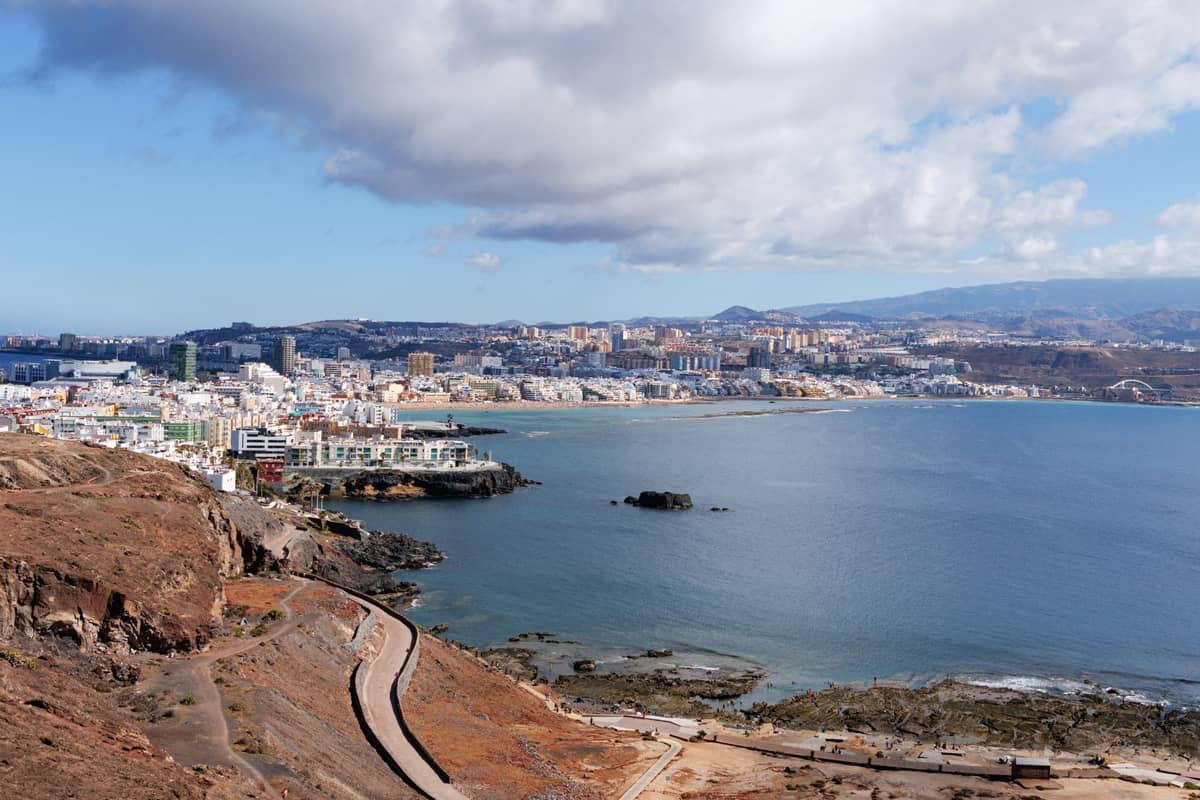
Gran Canaria sits in the Atlantic Ocean at roughly 28°N latitude, only about 210 km off the coast of northwest Africa, yet governed by Spain as part of the Canary Islands autonomous community. That position is key. The island sits within the influence of the northeast trade winds and the cool Canary Current, which together moderate temperatures and prevent the extremes you get on the mainland. Coastal areas rarely drop below 16°C in winter or exceed 30°C in summer, making it a genuinely year-round destination rather than a seasonal one.
The island's terrain amplifies this: at 1,560.1 km², Gran Canaria packs in coastal plains, deep ravines, and a mountainous interior topping out near 1,956 m at Morro de la Agujereada. As moist trade winds push inland from the northeast, they rise, cool, and dump rain on the northern slopes and highlands, leaving the south and southwest in a natural rain shadow. In practical terms, this means the southern resorts around Maspalomas can be sunny and 22°C on the same day that Las Palmas in the north is overcast and the interior villages are in cloud. Treat any weather generalization with this north-south divide in mind.
ℹ️ Good to know
Gran Canaria's rain is concentrated between November and February, mostly in the north. The south coast averages fewer than 10 rainy days a year — one of the lowest totals in Europe. If you want guaranteed sunshine in winter, stay in Maspalomas or Puerto Rico, not Las Palmas.
Season-by-Season Breakdown
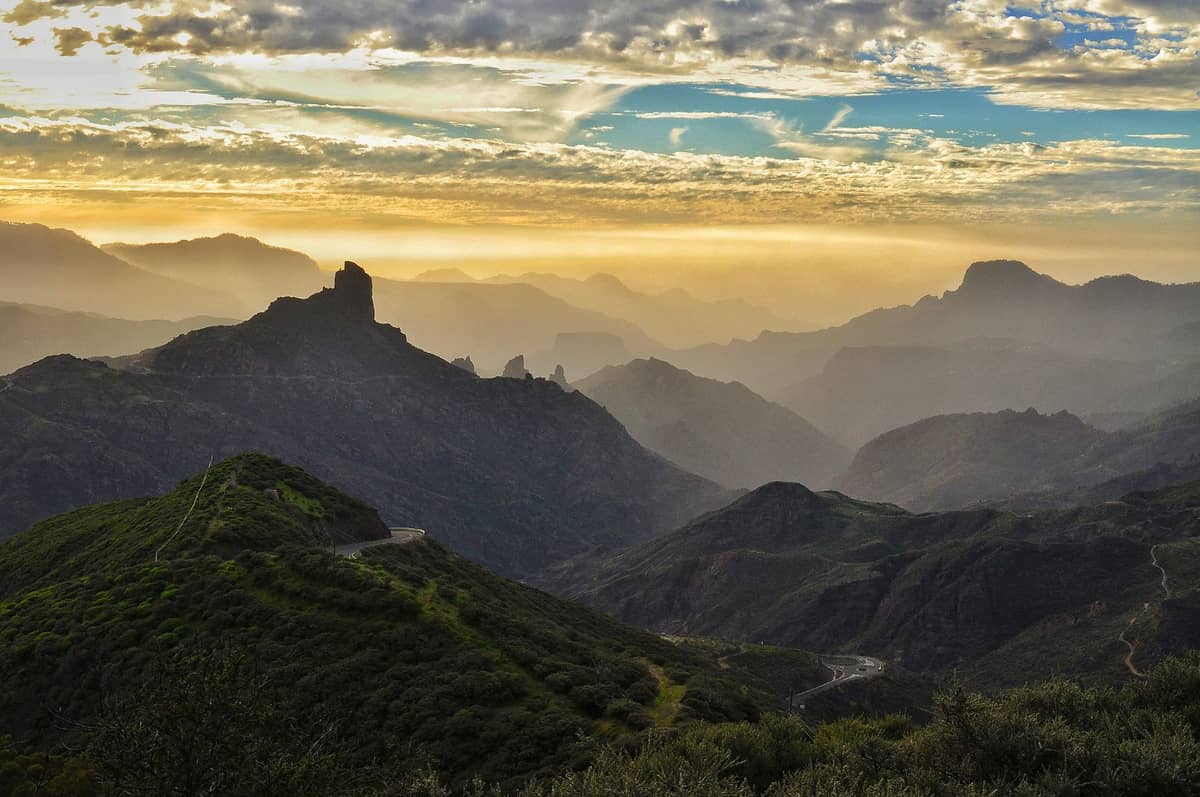
Spring (March to May) is arguably the most underrated window for visiting. Coastal temperatures sit in the low-to-mid 20s°C, the sea starts warming from its winter minimum, and the interior landscapes are at their greenest after the rainy season. Hiking trails through the Tejeda caldera and up toward Roque Nublo are comfortable in these conditions, without the heat stress of summer. Flight and hotel prices are noticeably lower than in July-August or December-January, and the island's beaches are far less crowded.
Summer (June to September) brings the warmest air and sea temperatures. Coastal highs reach 26-28°C, occasionally pushing toward 30°C, and the sea hits around 22-24°C by late summer, making it ideal for swimming and water sports. The downside is that July and August are the peak months for Spanish domestic tourists and northern European families, so popular beaches like Maspalomas and Las Canteras get genuinely packed. Hotel rates are at their annual peak. If you visit in summer, book at least 2-3 months ahead and expect to pay a 20-40% premium over shoulder season prices.
Autumn (October to November) mirrors spring in many ways: comfortable temperatures (22-26°C on the coast), sea temperatures still warm from summer, and a gradual reduction in crowds as European school terms restart. October is particularly good for beach holidays because the sea is at its annual warmest while air temperatures remain pleasant. Rain begins to tick up from October onward, but mostly affects the north and interior. The south coast remains largely dry.
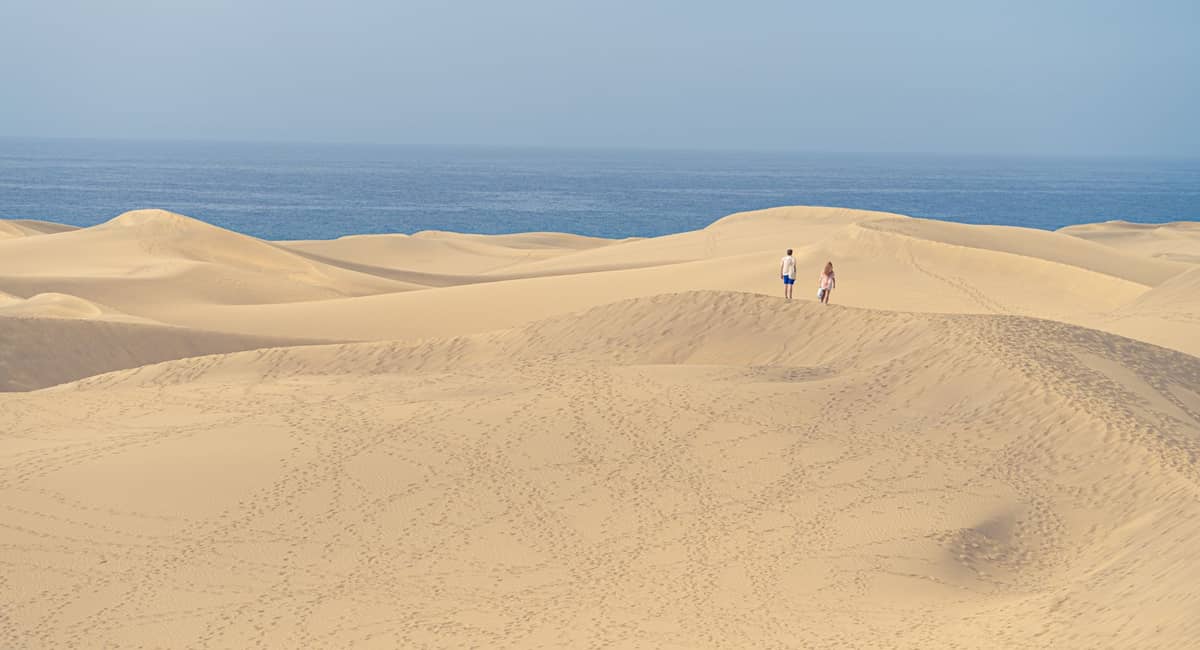
Winter (December to February) is high season in the south, not low season. That distinction matters. Coastal temperatures hover around 18-21°C, and the guaranteed sunshine draws a steady flow of northern Europeans, particularly British, German, and Scandinavian tourists escaping the cold at home. The Maspalomas dunes and Playa del Inglés remain busy. January and February are actually among the most popular months for the southern resorts, and prices reflect that. The real advantage of winter is for surfers: swells arriving from the North Atlantic make breaks on the northwest coast particularly active from October through March.
⚠️ What to skip
Do not assume 'winter' means cheap in Gran Canaria. December through February is peak season in the south. Budget travelers should target May-June or late September-October for the best value.
Best Time by Activity
- Beach holidays and swimming May to October for air and sea temperatures. Late July through September for the warmest sea (22-24°C). Avoid July-August if crowds bother you — opt for May, June, or October instead.
- Hiking and inland excursions November through April, when the mountains are cooler and clearer. The interior can be oppressively warm in July-August. Spring (March-April) is best for green landscapes and wildflowers.
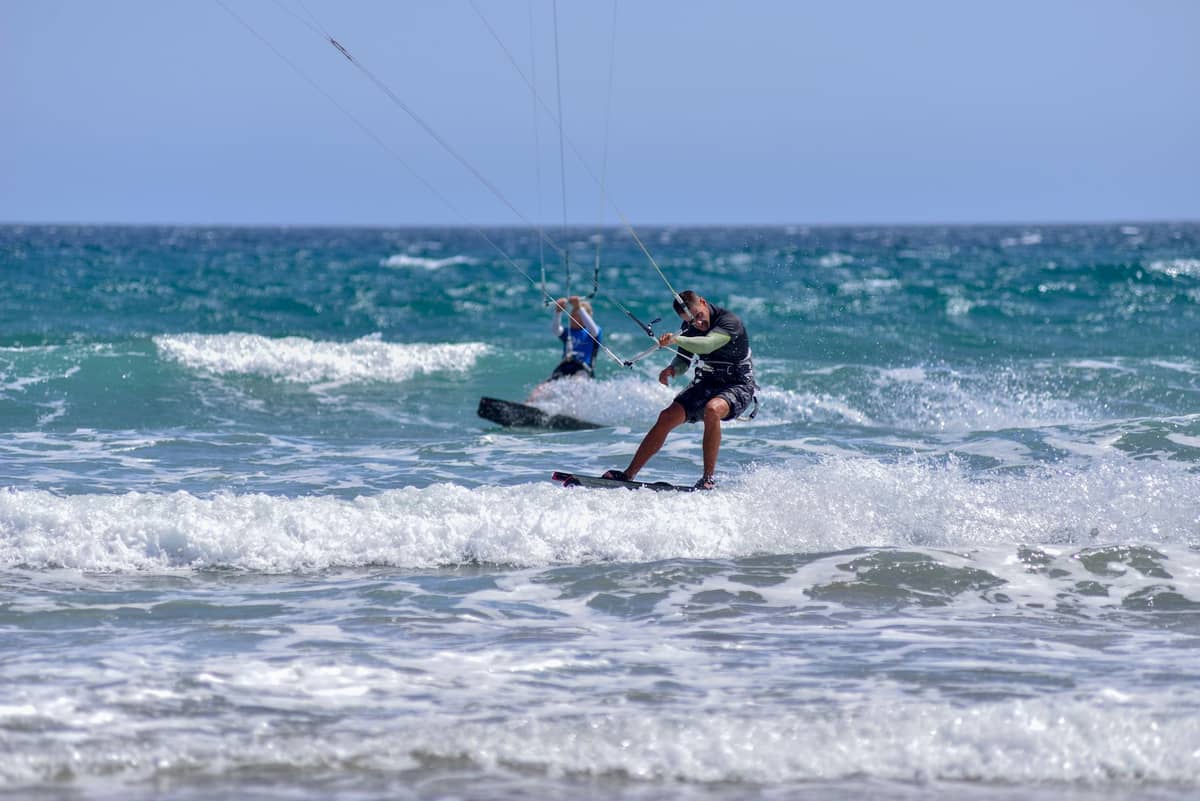
- Surfing and water sports October through March for Atlantic swells, particularly on the northwest coast near Agaete. Summer is calmer and better suited to beginners and paddleboarding in the south.
- Festivals and culture February for Gran Canaria's famous Carnival in Las Palmas — one of the largest in Spain. December and January bring Christmas markets and festive events across the island.
- Budget travel May-June or late September are the sweet spots: good weather, lower hotel rates, fewer crowds. Avoid August and the Christmas-New Year period for the best prices.
- Cycling October through April, when the roads through the mountains are cooler. The island is a popular winter training destination for professional cycling teams for exactly this reason.
Crowd Levels and Pricing Across the Year
Gran Canaria receives around 4.3 million tourists a year — and that number concentrates unevenly. The southern resort strip from Maspalomas through Playa del Inglés and Puerto Rico operates at near-capacity during two distinct peaks: July-August (European summer holidays) and December-March (northern European winter-sun season). Between those peaks, particularly in May-June and September-October, the same resorts are noticeably quieter and hotel rates can drop significantly.
Las Palmas de Gran Canaria, by contrast, attracts a different demographic: city breaks, cultural travelers, digital nomads, and locals. It stays relatively consistent year-round, though Carnival in February draws huge crowds to the capital for about two weeks and accommodation books out months in advance. If you plan to visit during Carnival, treat it as high season for Las Palmas specifically, even though February is technically off-peak for the beach resorts.
✨ Pro tip
The quietest period in the southern resorts is generally May to mid-June. You get reliable beach weather, sea temperatures climbing past 20°C, and a fraction of the August crowds. This window is consistently underbooked relative to its quality.
Microclimates: North vs. South vs. Mountains
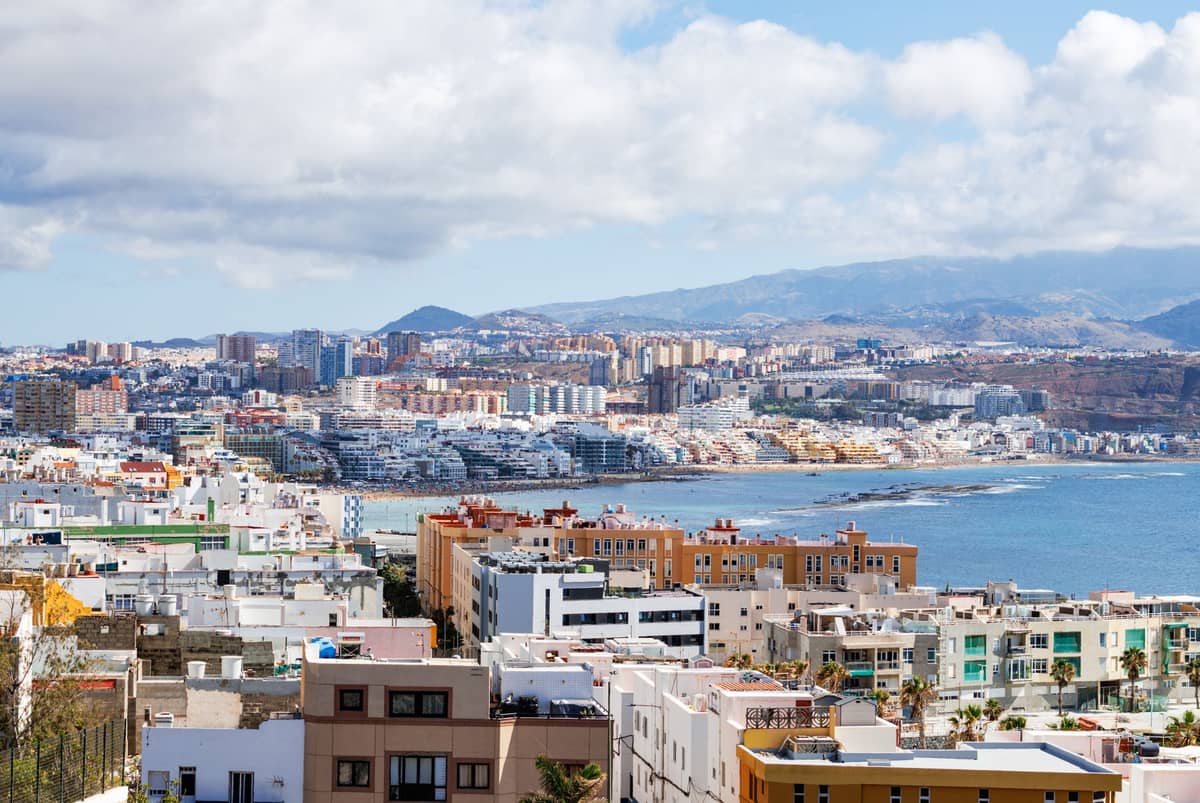
The single biggest mistake first-time visitors make is treating Gran Canaria as climatically uniform. It is not. The northeast trade winds bring moisture that clouds the northern coast and the highlands, sometimes for days at a time, while the south coast basks in sunshine 15 km away. Las Palmas de Gran Canaria, on the northeast coast, experiences notably more cloud and rain than Maspalomas on the southern tip, even in summer. If sunshine is your primary requirement, base yourself in the south.
The interior mountain villages like Tejeda sit above 1,000 m and operate on entirely different weather logic. They can be 8-10°C cooler than the coast on a given day, and almond blossom season (January-February) brings a brief but spectacular transformation to the landscape. The area around Roque Nublo and Cruz de Tejeda can be cloud-covered even on days when the coast is clear. Plan inland excursions in the morning, when skies tend to be clearest before afternoon cloud builds.
- South coast (Maspalomas, Playa del Inglés, Puerto Rico): most sunshine year-round, fewest rainy days, ideal for beach-focused trips in any season
- Northeast coast (Las Palmas, Las Canteras): more cloud and occasional rain November-February, but urban amenities and cultural attractions make it worthwhile regardless
- Northwest coast (Agaete, Puerto de las Nieves): lush, green, wetter, with dramatic cliffs and the best winter surf conditions
- Interior highlands (Tejeda, Roque Nublo, Pico de las Nieves): cool, sometimes misty, dramatically different from the coast — best visited in clear spring mornings
Key Events That Affect When to Visit
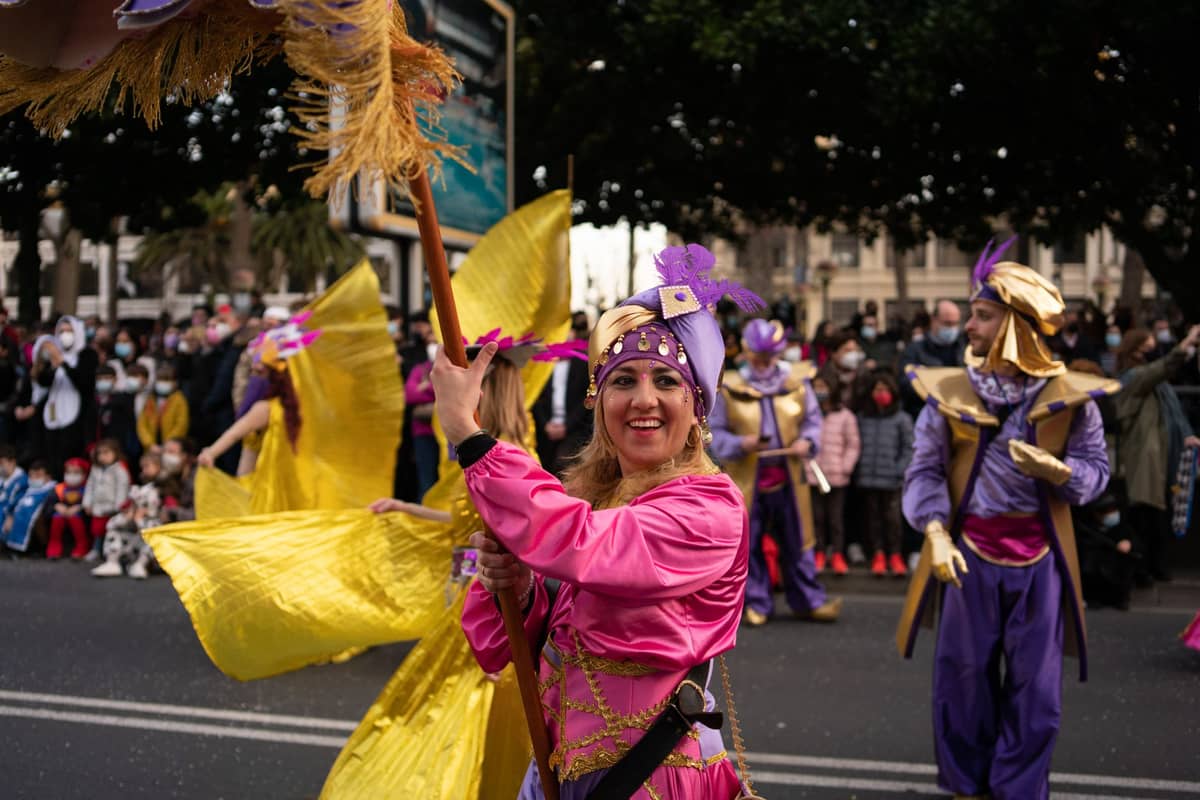
Gran Canaria's event calendar has a few fixed points that should factor into planning. The biggest is Gran Canaria Carnival, held in Las Palmas every February. It is one of the largest Carnival celebrations in Spain, drawing hundreds of thousands of visitors over roughly two weeks. If you want the experience, plan far ahead. If you want to avoid the crowds, treat this as a reason to stay in the south during that period.
The Almond Blossom Festival in Tejeda and Valsequillo (first half of February) is worth knowing about if you are visiting the interior. The pink and white blossoms transform the mountain landscape and there are local markets and events tied to the season. December through early January brings the island's Christmas and New Year calendar, with events listed on the Gran Canaria tourism portal. Semana Santa (Holy Week, March or April) is taken seriously across the Canary Islands and can affect transport and accommodation availability. Summer music festivals and outdoor events cluster in July-August, particularly in Las Palmas.
FAQ
What is the best month to visit Gran Canaria for good weather?
October is widely considered the single best month: the sea is still warm from summer, air temperatures sit at a comfortable 23-26°C on the coast, the south remains sunny and dry, and post-summer crowds have thinned out. May and June are close runners-up for similar reasons, with the added advantage of lower hotel prices.
Is Gran Canaria warm enough to swim in winter?
Yes, with caveats. Sea temperatures in January and February drop to around 18-19°C, which is cold for prolonged swimming but fine for a dip. Air temperatures on the south coast stay at 18-21°C during winter days. Many people sunbathe comfortably, especially in sheltered spots like the Maspalomas dunes. It is not tropical warmth, but it is genuinely mild in winter.
When is Gran Canaria most crowded?
Two distinct peaks: July-August (European school holidays, domestic Spanish tourism) and December-March (northern European winter-sun tourists). The southern resorts are at their most crowded and expensive during both windows. Carnival in February is a specific spike for Las Palmas in particular.
Is it worth visiting Gran Canaria in November?
Yes. November is an underrated month. Temperatures are still around 22-24°C on the south coast, the sea has not yet cooled significantly from summer, and the post-October half-term lull means quieter beaches and better hotel rates than December. Rain risk increases in the north, but the south coast remains largely dry. It is a strong choice for anyone wanting warmth without peak-season crowds or prices.
When is the cheapest time to visit Gran Canaria?
May, early June, and late September tend to offer the lowest combination of flight and hotel prices while still delivering reliable beach weather. January and February can occasionally offer deals in the northern part of the island (Las Palmas), but the southern resorts are in full high season and prices reflect that. Avoid August, Christmas, and New Year if budget is a priority.