Water Sports in Gran Canaria: Surfing, Diving, Windsurfing & More
Gran Canaria's Atlantic coastline delivers world-class water sports year-round, from beginner surf lessons at Las Canteras to competition-level windsurfing at Pozo Izquierdo. This guide covers the best spots, realistic prices, seasonal conditions, and how to avoid the common pitfalls.
TL;DR
- Gran Canaria offers water sports year-round thanks to its subtropical climate, but the best season varies sharply by activity: October to March for surfing, May to September for calmer-water sports like snorkeling and kayaking.
- The island's top water sports hubs are Las Canteras (city beach, great for beginners), Pozo Izquierdo (world-class windsurfing), and the southern resort strip around Maspalomas and Playa del Inglés.
- Prices range from around €50 for parasailing to €90-130 for jet ski sessions; multi-activity packs start from roughly €95 and offer the best value.
- Not every activity is available everywhere or in every season — availability depends on wind, swell direction, and operator schedules, including seasonal closures.
- Official surf schools and dive centers are listed by Gran Canaria's tourism authority; booking in advance is strongly recommended between June and August.
Why Gran Canaria Works So Well for Water Sports
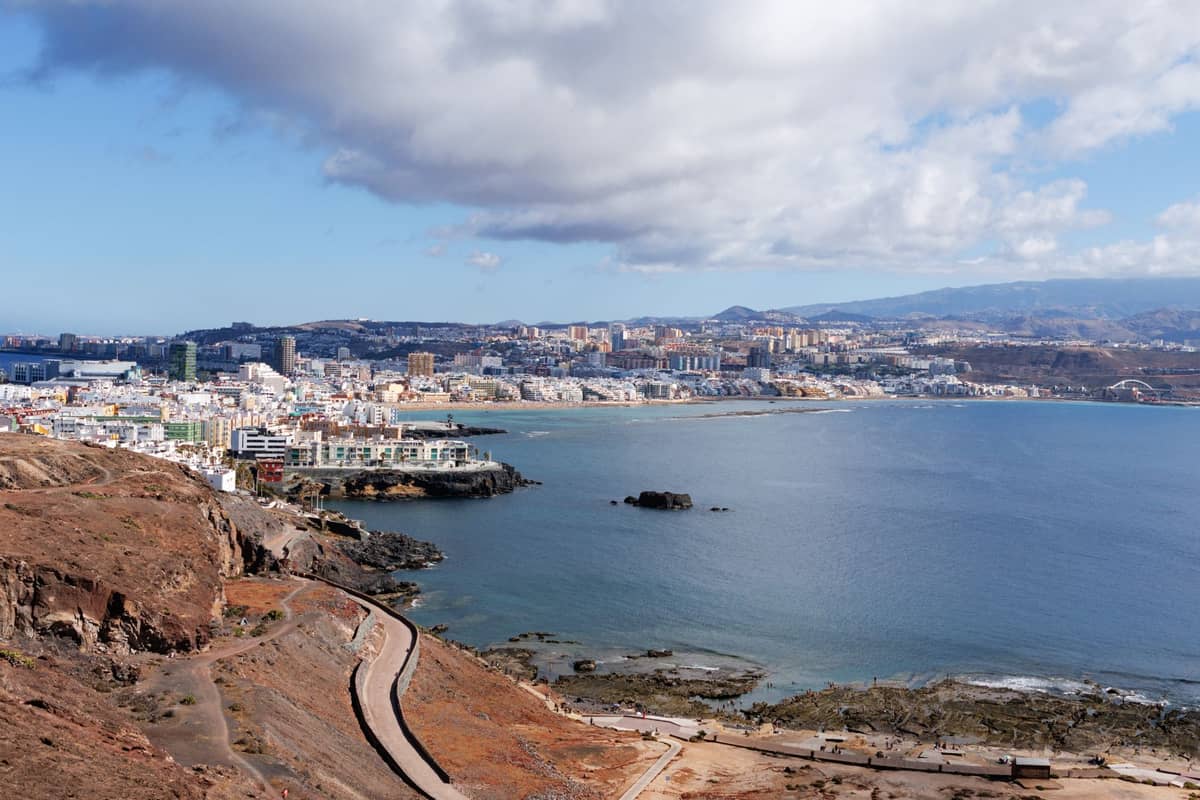
About 210 km off the northwest coast of Africa at around 28°N latitude, Gran Canaria sits in a sweet spot where the Atlantic trade winds arrive consistently from the northeast, and the island's varied coastline creates dramatically different conditions on each side. The north and west coasts face the open ocean swell, generating the kind of waves that attract surfers from across Europe. The south and east coasts are more sheltered, making them ideal for calmer activities and beginner lessons. This geographic variety means you can have a serious surf session in the morning and a relaxed snorkel in the afternoon, just 40 minutes apart by car.
The climate is a genuine asset. Coastal water temperatures range from around 19°C in February to 23–24°C in September, warm enough for a 3mm wetsuit in winter and a swimsuit in summer. Air temperatures rarely drop below 18°C on the coast even in January, so there is no true off-season for water activities — only shifts in what conditions favor.
ℹ️ Good to know
Gran Canaria uses the Euro (EUR) and operates on Western European Time (UTC+0, or UTC+1 during summer daylight saving). The island follows Spanish regulations, so all water sports operators must be licensed. Look for certifications from federations such as the Real Federación Española de Vela or PADI/SSI for dive centers.
Surfing: Where to Go and When
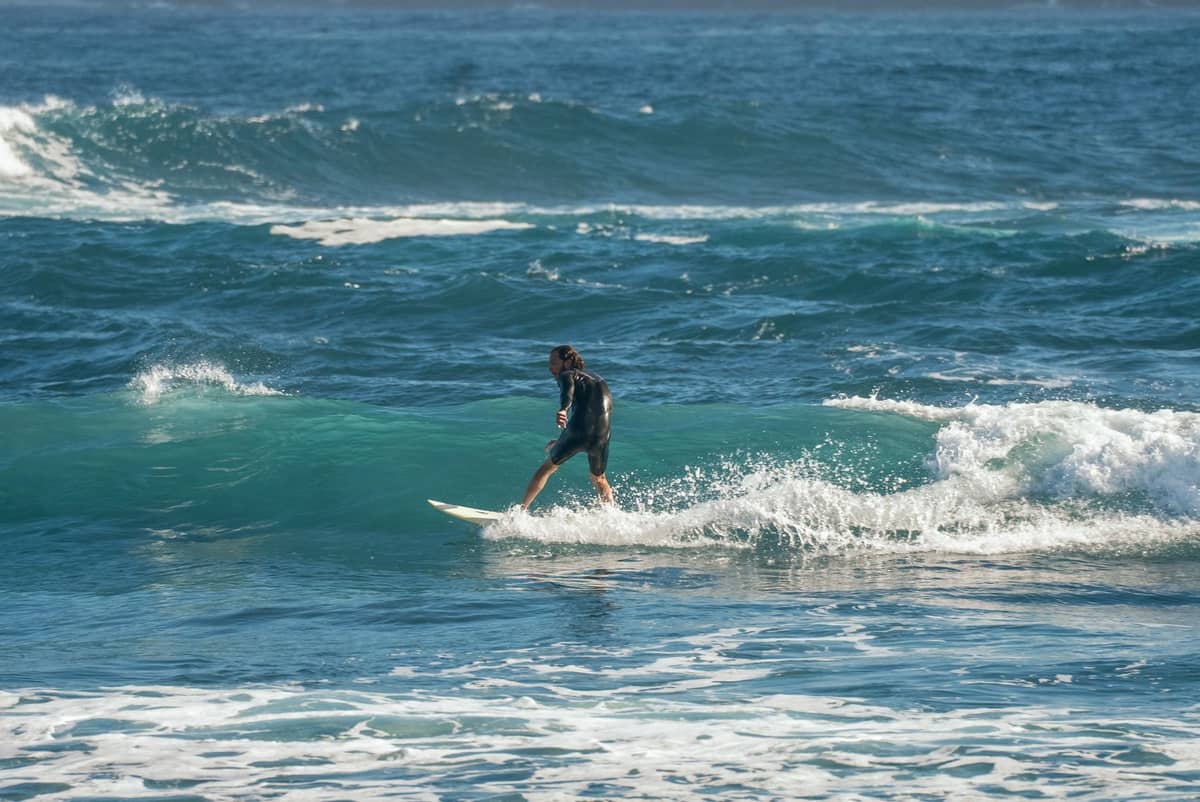
The surf season runs from October through March, when Atlantic swells push consistent 1-3 metre waves into the island's northern and western breaks. Las Canteras beach in Las Palmas is the most accessible starting point for beginners and intermediate surfers: a natural reef called La Barra breaks at the northern end of the beach, producing long, mellow waves that surf schools have used for decades. The central and southern stretches of the same beach are calmer, protected by an offshore reef, and suit paddleboarding and open-water swimming.
Beyond Las Canteras, El Confital — just north of the city — is a more serious break that handles bigger swells and rewards experienced surfers. It is not a beach for lessons. On the northwest coast, spots around Agaete and the Valle de Agaete corridor pick up the most consistent swell and are popular with local surfers who know the tides. The south of the island has almost no surf to speak of, which is exactly why the big resort beaches work so well for other activities.
- Las Canteras (La Barra) Best for beginners and lessons. Long, forgiving right-hand break. Surf schools cluster at the northern end. Year-round access.
- El Confital Advanced break north of Las Palmas. Gets hollow when the swell is up. Not suitable for beginners. Free access but no facilities.
- Agaete / Puerto de las Nieves Northwest coast spots that handle bigger Atlantic swells. Better for intermediate to advanced surfers. Works best October to February.
- Playa del Inglés (south) Occasionally has small, wind-driven shore break but is not a surf destination. Better for bodyboarding on stronger wind days.
Surf schools operating on the island include Mojosurf, Surf Canaries, PR Surfing, and the Björn Dunkerbeck Surf School — all listed by the island's official tourism authority. Group lessons typically last 90 minutes to 2 hours and include board and wetsuit rental. Expect to pay in the range of €35-55 per person for a group lesson, with private lessons costing significantly more. Most schools operate out of Las Canteras and can arrange transport if you are based in the south.
💡 Local tip
If you are staying in the southern resorts, ask your surf school whether transport is included or available. Several operators run day trips from Maspalomas and Playa del Inglés up to Las Canteras, which adds convenience but also adds to the total cost. Factor in at least a half-day for the experience.
Windsurfing and Kitesurfing: Pozo Izquierdo and Beyond
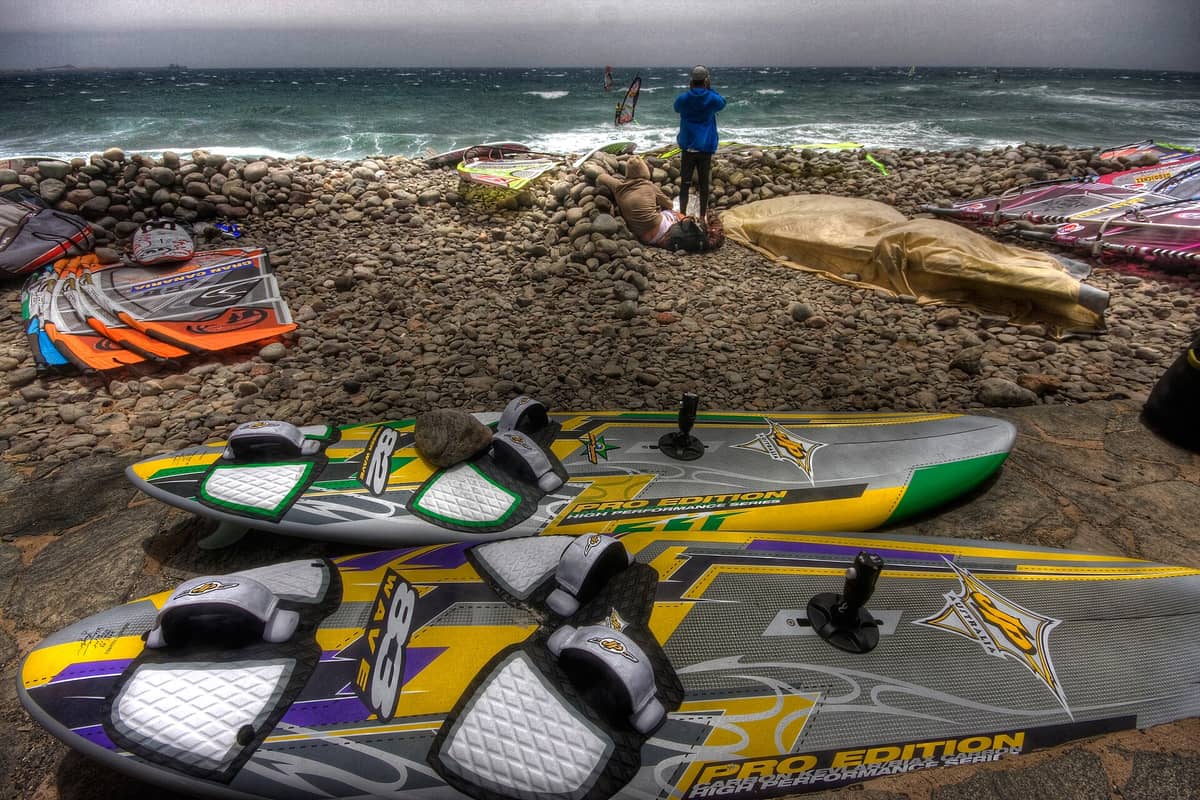
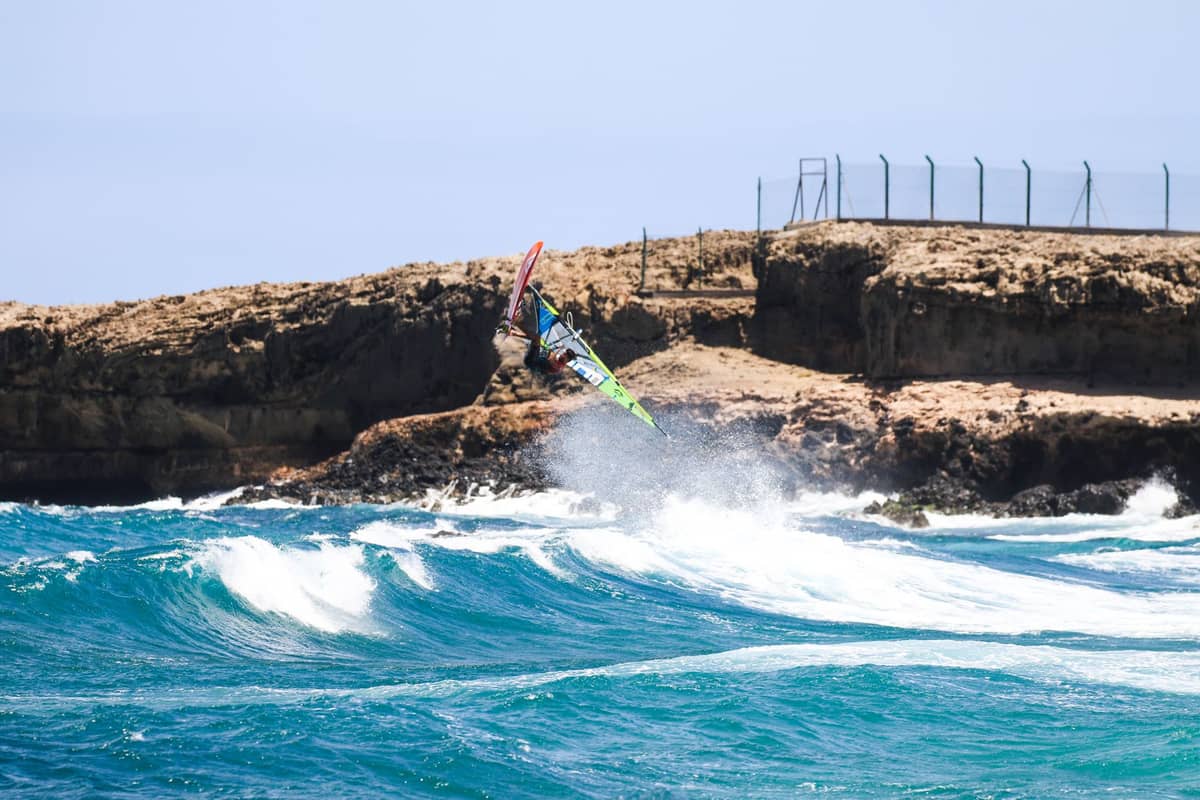
Pozo Izquierdo, a small village on the southeast coast, is one of Europe's premier windsurfing destinations. The spot sits directly in the path of the island's prevailing northeast trade winds, known locally as the Alisios, which blow most reliably between May and September. Speeds regularly hit 25-35 knots during this period, making Pozo a venue for the PWA World Cup and attracting professional riders from around the world. If you are an experienced windsurfer, this is a serious destination. If you are a beginner, it is worth watching but not where you should learn.
For kitesurfing lessons, the southern resort area around Playa del Inglés and Maspalomas offers more controlled conditions away from the concentrated wind at Pozo. Several schools operate here and cater to beginners. Las Canteras also works for beginner windsurfing practice, particularly outside the peak summer months when the swell is lower and the wind is lighter. Wind conditions across the island vary significantly by location, time of day, and season, so always confirm with your school or rental center on the day.
⚠️ What to skip
Pozo Izquierdo is not a tourist beach in the conventional sense. There are no resort facilities, the water is choppy, and the currents can be strong. Visiting as a spectator is fine, but do not attempt to windsurf or kitesurf here without verified intermediate-to-advanced skills and proper equipment.
Diving and Snorkeling: What's Under the Surface
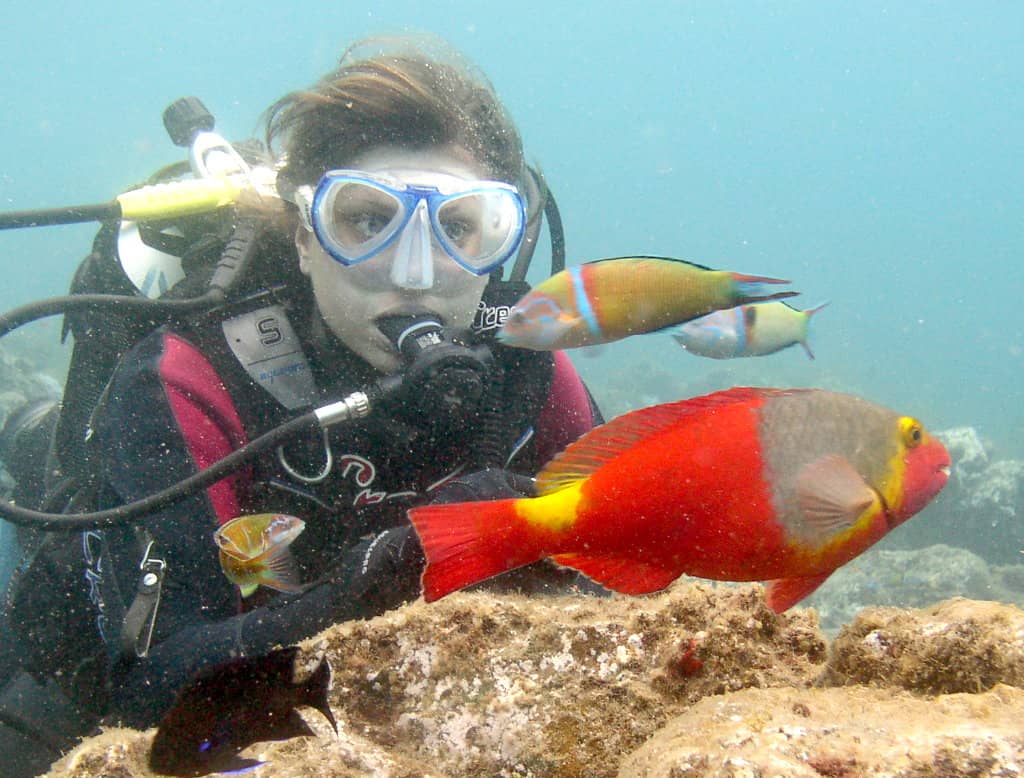
Gran Canaria's underwater environment is genuinely rewarding. The island sits in the Atlantic rather than the Mediterranean, which means the marine life is different from what most European divers are used to: angel sharks, large sea turtles, moray eels, barracuda, and schools of Atlantic wrasse are common sightings. Visibility is typically good, averaging 10-20 metres at most sites, though it can drop after heavy rain or strong swell.
Dive centers operating on the island include El Azul Dive Center, Canary Diving School, and Dive Academy Gran Canaria — all sanctioned by the island's tourism authority. Most operate out of the south, particularly around Puerto de Mogán and Puerto Rico, which offer calmer, clearer water for dives. Las Canteras in the north also has an interesting urban dive scene, with the offshore reef providing a genuine ecosystem close to shore. Guided dives for certified divers typically run in the €40-65 range; PADI Open Water courses are generally available over 3-4 days.
Snorkeling does not require a school or guide, and the reef at Las Canteras is accessible directly from the beach. For non-swimmers or families, guided snorkel trips from the southern resorts often combine a boat ride with snorkeling at designated sites and cost around €30-50 per adult. Equipment rental is available at most beach kiosks in the south for a few euros per hour.
Jet Skiing, Parasailing, Kayaking, and the Resort Activities
The southern resort strip from Puerto Rico through Playa del Inglés to Maspalomas is where the full range of motorized and leisure water sports operates. Parasailing runs from around €50 per person and gives you a clear aerial view of the dunes and coastline. Jet ski hire typically costs around €90 for a short session or €120-140 for an hour-long tour. Banana boat rides, water trampolines, and pedal boats fill the gap for families with children. Multi-activity packs grouping three or more activities together start from around €95 and offer the most cost-effective way to try several things in one day.
Kayaking and stand-up paddleboarding (SUP) are available from several beaches in both the north and south. At Puerto Rico, the calm, protected bay makes it one of the most reliable spots on the island for paddlesports regardless of conditions elsewhere. Rental prices for kayaks and SUP boards typically run €10-20 per hour. For a more scenic experience, guided kayak tours along the southwest coast toward Mogán offer dramatic cliff scenery and occasional dolphin sightings.
- Parasailing: from around €50 per person
- Jet ski (short session): from around €90
- Jet ski (1-hour tour): from around €120-140
- 3-activity watersports pack: from around €95
- Beach day with snorkeling package: from around €59
- Guided dive (certified diver): approximately €40-65
- PADI Open Water course: typically spread over 3-4 days, prices vary by operator
- Kayak or SUP rental: approximately €10-20 per hour
✨ Pro tip
Prices listed by operators are almost always 'from' prices based on minimum group sizes or specific time slots. Weekend and school holiday rates are higher. If you are flexible, mid-week morning sessions in May, June, or September tend to offer the best combination of good conditions and available slots without peak-season pricing.
Practical Planning: Seasons, Bookings, and Avoiding Disappointment
A common frustration among visitors is arriving to find their chosen activity unavailable due to weather or seasonal closures. Not all operators run year-round: some Playa del Inglés-based water sports centers close from around late November through February. Check directly with your operator before booking, especially for trips planned in December and January. For general travel timing advice, see the best time to visit Gran Canaria.
July and August bring peak visitor numbers to the south of the island, which means popular water sports slots can sell out days in advance. Booking online ahead of arrival is strongly recommended during this period. The shoulder months of May, June, September, and October offer a practical balance: conditions are good, crowds are manageable, and prices are generally lower. For budget-focused visitors, check our Gran Canaria budget travel guide for broader cost-saving strategies.
If you are combining water sports with broader island exploration, the southwest coastline offers some of the most dramatic scenery on the island. Consider pairing a morning kayak session with an afternoon visit to Puerto de Mogán or a drive inland toward Tejeda for a complete contrast. A rental car makes this kind of day practical; public buses serve the coast but do not always align with water sports timetables.
Families traveling with children will find the resort beaches in the south the most practical base for water sports, with everything accessible on foot or by a short taxi ride. For a wider look at what works with kids on the island, see Gran Canaria with kids.
FAQ
What is the best time of year for water sports in Gran Canaria?
It depends on the activity. Surfing is best from October to March when Atlantic swells are most consistent. Windsurfing at Pozo Izquierdo peaks between June and September with strong trade winds. Calmer activities like snorkeling, kayaking, and parasailing work best from May to October when seas are generally calmer and the weather is warmest. Diving is possible year-round.
Where is the best place in Gran Canaria for beginner surfing lessons?
Las Canteras beach in Las Palmas de Gran Canaria is the top choice. The La Barra reef break at the northern end of the beach produces long, consistent waves that are forgiving for learners, and several licensed surf schools operate directly on the beach. Most schools provide boards and wetsuits as part of the lesson fee.
Can I do water sports in Gran Canaria in winter?
Yes, though the options shift. Surfing is actually at its best from October to March. Diving and snorkeling continue year-round. Some motorized water sports operators on the south coast reduce hours or close temporarily from late November through February, so always confirm availability directly with the specific operator before traveling.
How much do water sports cost in Gran Canaria?
Prices vary by activity and operator. As a rough guide: parasailing from around €50, snorkeling packages from €59, jet ski sessions from €90, and jet ski tours from €130. Multi-activity packs grouping three activities together start from approximately €95. Surf lessons run around €35-55 for group sessions. Guided dives cost roughly €40-65 for certified divers. These are indicative prices — verify current rates directly with operators.
Is Pozo Izquierdo suitable for beginner windsurfers?
No. Pozo Izquierdo is one of the windiest and most technically demanding spots in Europe, hosting professional PWA World Cup events. It is worth visiting as a spectator during competition season, but beginners should learn at calmer spots like Las Canteras or the protected bays around the southern resorts. Schools there offer proper progression in appropriate conditions.