Playa del Inglés is the engine room of Gran Canaria's south coast tourism, a sprawling resort of wide sandy beaches, international hotels, and some of the island's most active nightlife. It suits sun-seekers and party crowds best, though the sheer scale of the place means quieter corners do exist for those willing to look.
Playa del Inglés is Gran Canaria's most commercially developed resort, a kilometre-wide sweep of golden sand framed by a grid of avenues lined with hotels, shopping centres, and bars that barely pause between seasons. It is not trying to be subtle, and that is precisely why millions of visitors keep returning.
Orientation
Playa del Inglés sits on the southern tip of Gran Canaria, within the municipality of San Bartolomé de Tirajana, roughly 50–55 km south of the island's capital, Las Palmas de Gran Canaria. It forms the middle section of a continuous resort belt that runs from San Agustín in the east to Maspalomas in the west, with the two areas blending so seamlessly that most visitors treat them as a single zone. The iconic Maspalomas dunes mark the western boundary, while the lower-key residential edges of San Agustín define the eastern limit.
The resort is structured around two principal axes: Avenida de Tirajana, which cuts inland through the hotel zone, and Avenida de España, which runs parallel closer to the sea and connects the main commercial centres. The Paseo Marítimo, a broad seafront promenade, stitches the beach to both avenues and gives the whole resort a logical spine. Most of what you need as a visitor — hotels, supermarkets, pharmacies, restaurants, bus stops — sits within a few blocks of one of these three corridors.To the north, the resort gives way to more residential Canarian towns. To the south, the terrain flattens into the extraordinary landscape of the Maspalomas dunes and the quieter beaches around the Maspalomas lighthouse.
ℹ️ Good to know
Gran Canaria Airport (IATA: LPA) is approximately 25–30 km northeast of Playa del Inglés. By taxi the journey takes around 25–40 minutes and costs roughly €40–55. Global interurban bus routes also connect the airport to the resort — verify current route numbers and fares with Global (globalsu.net) before travel, as timetables and prices change.
Character & Atmosphere
This is a resort that operates at full volume. The grid of avenues was laid out in the 1960s and 1970s specifically to accommodate mass tourism, and the built environment reflects that era: low-rise apartment blocks, large hotel complexes, and shopping centres designed for throughput rather than charm. There are no medieval plazas or cobbled lanes here. What there is instead is efficiency, scale, and a reliable baseline of comfort.
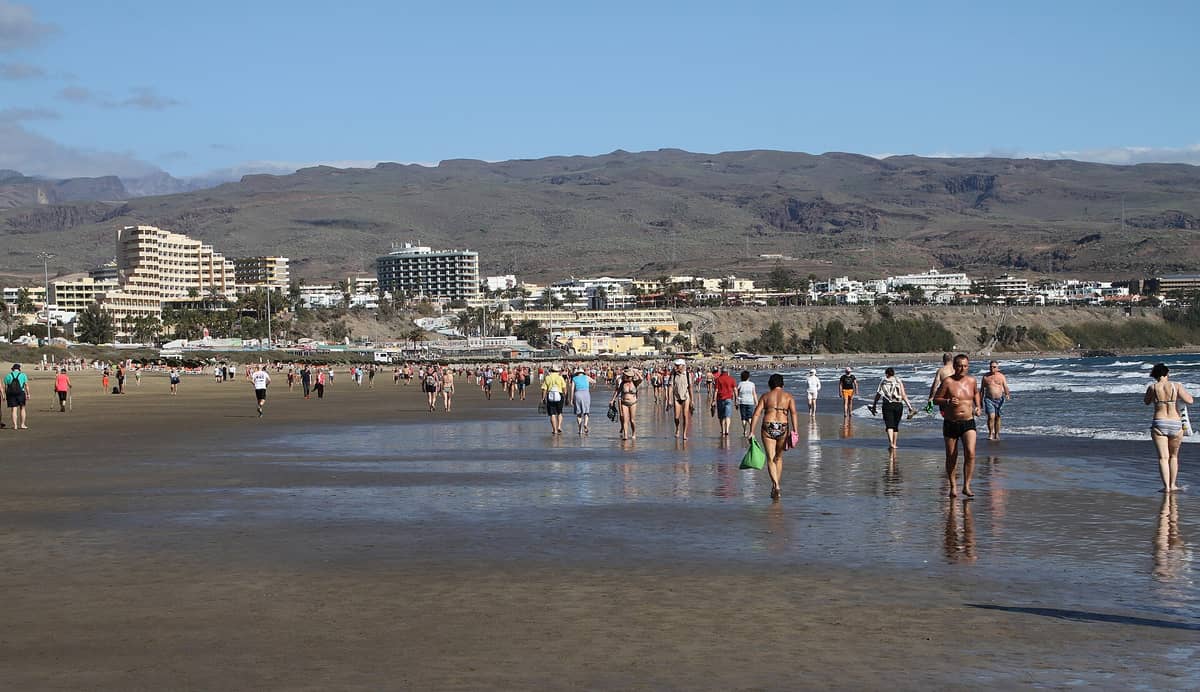
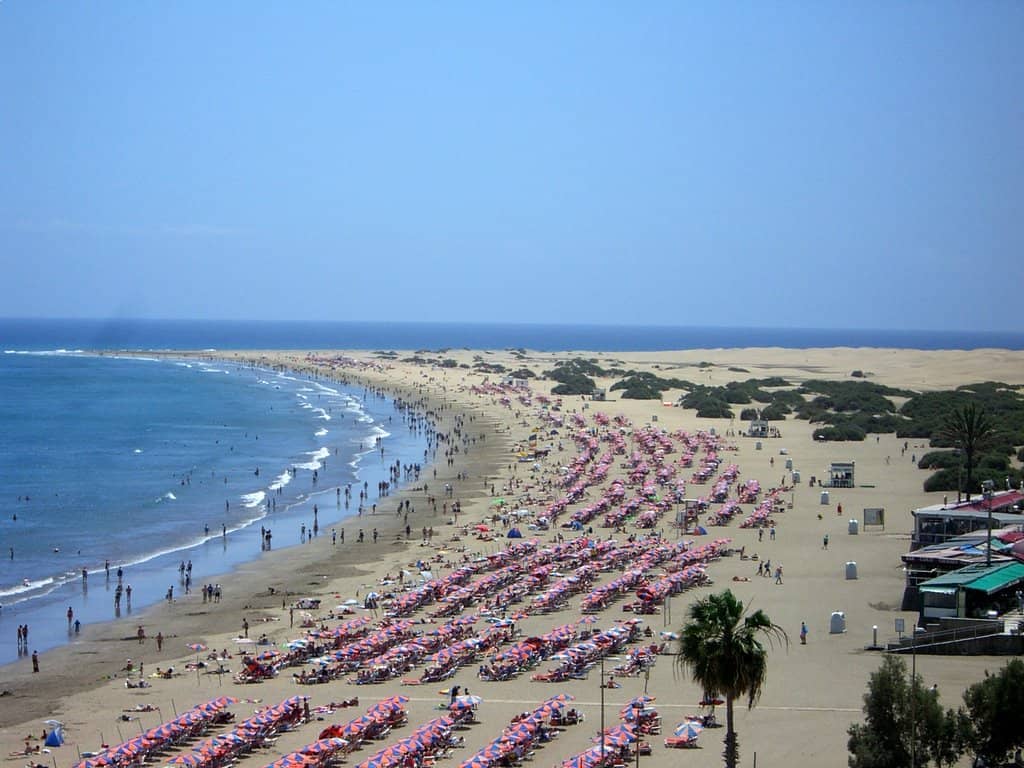
Walk the Paseo Marítimo on a winter morning and you will understand the resort's enduring appeal. The air is warm enough for a T-shirt, the light is clean and horizontal across the Atlantic, and the beach is wide enough that even a crowd looks dispersed. Joggers, dog-walkers, and elderly couples from northern Europe share the promenade in a kind of unhurried solidarity. By midday, the beach fills properly: sun loungers tessellate from the waterline to the dunes, and the smell of sun cream mixes with salt air.
After dark, the resort shifts register completely. Yumbo Centrum, the four-storey commercial complex on Avenida de Estados Unidos, is Gran Canaria's most famous LGBTQ+ venue concentration, with bars and clubs that run from dusk until well into the following morning. Nearby, Kasbah and the Anexo II seafront area cater to different crowds: families earlier in the evening, then a more mixed late-night crowd as the hours advance. The noise from the entertainment zones does carry, so where you sleep relative to these centres matters considerably.
⚠️ What to skip
If you are a light sleeper or travelling with young children, pay close attention to hotel placement before booking. Properties within two or three blocks of Yumbo Centrum or the Paseo Marítimo bar strip can be loud well past midnight, particularly on weekends and during peak season.
What to See & Do
The beach itself is the non-negotiable starting point. Playa del Inglés beach stretches for roughly three kilometres of coarse golden sand, shelving gradually into the Atlantic. It is wide, well-serviced with sun lounger rental, and generally safe for swimming, though the Atlantic surf can pick up in autumn and winter. The eastern end, closer to San Agustín, is calmer and popular with families. Walking west along the beach, the density of development eventually gives way to the raw dune landscape that defines Maspalomas.
That dune landscape deserves its own dedicated morning. The Maspalomas dunes are a protected nature reserve of about 400 hectares, and walking through them at dawn, before the day-trippers arrive, is a genuinely different experience from the resort atmosphere directly behind them. Camel rides are available for families, but the dunes reward those who simply walk into them and sit quietly for a while.
For a day away from the sand, the resort's position on the south coast makes it an ideal base for day trips across Gran Canaria. The picturesque port village of Puerto de Mogán is about 35 km west and reachable by bus or boat; its small harbour and canal streets attract a different, quieter crowd. Inland, the mountain villages of the interior are under an hour by road and offer a completely different face of the island.
Walk or cycle the full length of the Paseo Marítimo from San Agustín to the Maspalomas lighthouse (Faro de Maspalomas)
Explore the Maspalomas dunes at dawn or late afternoon for the best light and fewest crowds
Visit Yumbo Centrum for its LGBTQ+ bar scene, which is active most evenings year-round
Take a boat trip from the Maspalomas harbour (Faro de Maspalomas area) to Puerto de Mogán (seasonal services operate along the coast)
Rent a bike or electric scooter and ride inland toward the quieter residential streets above the resort
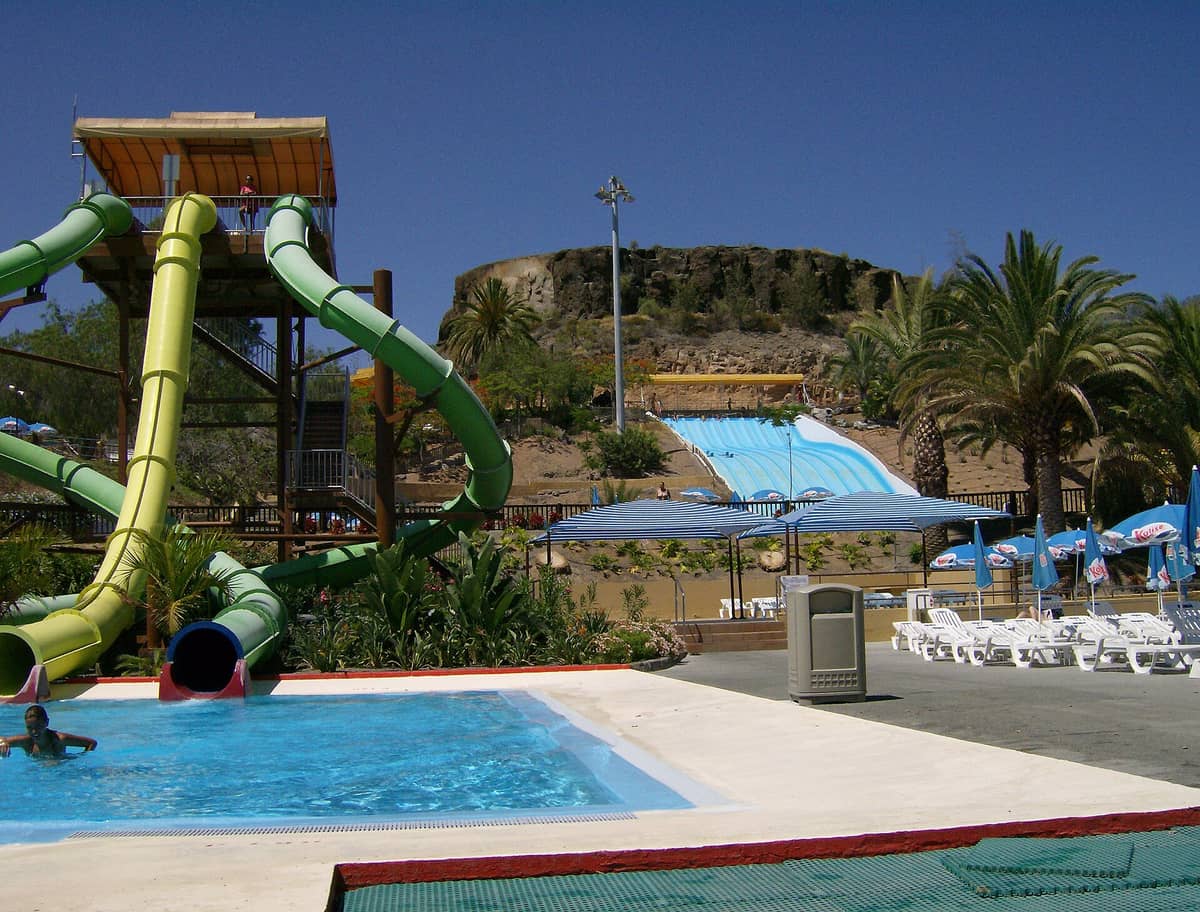
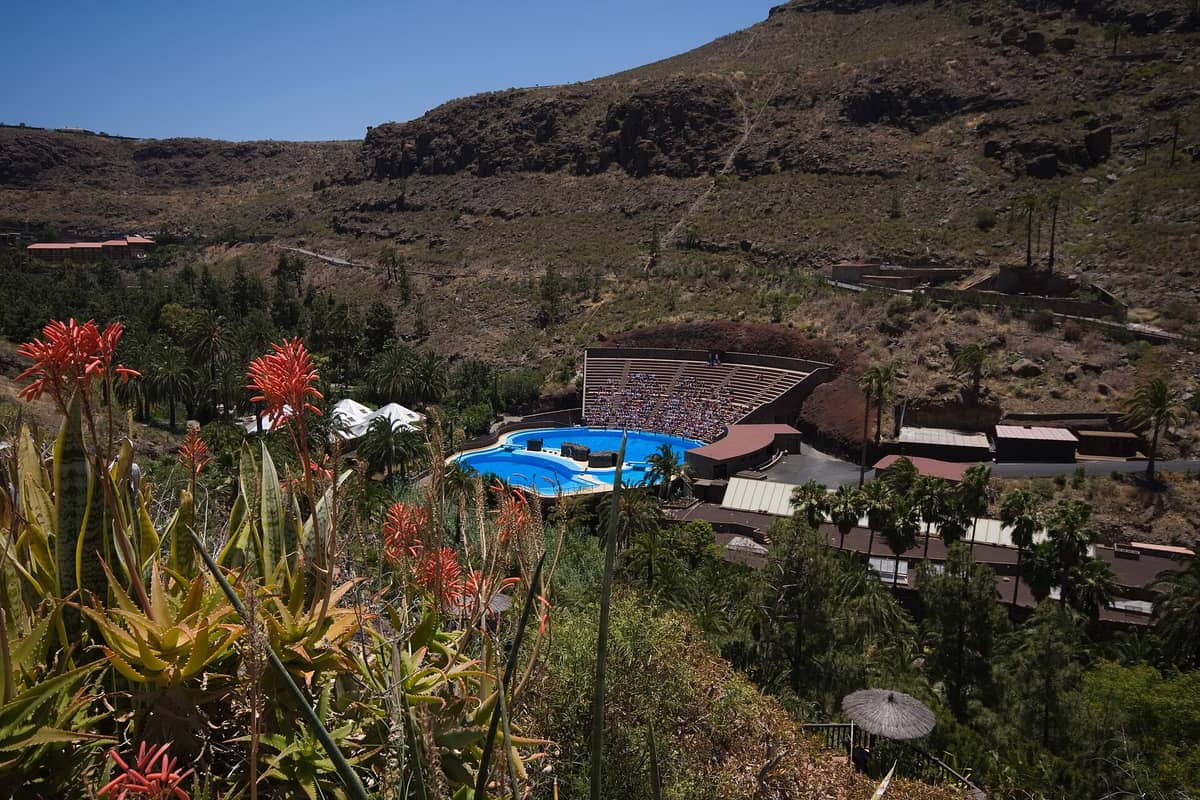
Families travelling with children have good options nearby. Aqualand Maspalomas water park and Palmitos Park (a botanical and wildlife park set in a ravine a few kilometres north) are both well-established and easily reached by local bus or taxi from Playa del Inglés.
Eating & Drinking
The honest answer about Playa del Inglés is that it is not a great food destination. The sheer volume of international visitors has produced a restaurant landscape dominated by British pub food, German sausage platters, pizza chains, and buffet-style hotel restaurants. These are everywhere and they are functional. If that is what you want after a day on the beach, you will have no trouble finding it.
Canarian cuisine does exist here, but you have to seek it out. Look for restaurants on the side streets off Avenida de Tirajana rather than on the seafront promenade, where rents push menus toward tourist defaults. Local dishes worth ordering include papas arrugadas (salt-wrinkled potatoes) with mojo verde or mojo rojo, fresh grilled fish from the Canarian coast, and gofio, a roasted grain flour used in everything from soups to desserts. For a proper overview of what the island's food culture looks like, the Gran Canaria food guide is worth reading before you arrive.
For drinking, the Paseo Marítimo and the Anexo II commercial area have the most concentrated bar strips, with cocktail bars and beach clubs dominating. Yumbo Centrum has its own ecosystem, with entertainment and drag shows alongside the bars. Prices across the resort are mid-range by northern European standards: a beer in a bar typically runs around €2–4, and a set lunch menu (menú del día) at a Canarian restaurant will usually be around €10–14 including a drink.
💡 Local tip
The supermarkets along Avenida de Tirajana stock good local wines from the Canary Islands at very reasonable prices. Picking up a bottle from a supermarket and drinking it on the promenade at sunset is a legitimate and economical approach to evening drinks in Playa del Inglés.
Getting There & Around
Gran Canaria Airport (LPA) is the main entry point for the island and sits on the northeast coast between Las Palmas and the southern resorts. From the airport, Global interurban buses serve Playa del Inglés and Maspalomas directly; check the Global network (globalsu.net) for current route numbers, as lines have been reorganised over recent years. A taxi from the airport to Playa del Inglés costs roughly €40–55 and takes around 25–40 minutes under normal traffic conditions. For more detail on island-wide transport, the getting around Gran Canaria guide covers all options in depth.
Within the resort, most practical needs are reachable on foot. The grid layout is logical once you understand the two main avenues and the promenade as reference points. From the central hotel zone to the beach is rarely more than a 10–15 minute walk in any direction. Local taxis are plentiful and metered; ride-hailing apps operate on the island, but availability in the resort specifically should be confirmed locally as it can vary.
Bus connections to the rest of the island run from stops along Avenida de Tirajana and Avenida de España. Las Palmas de Gran Canaria in the north is reachable by Global bus in roughly 45–60 minutes; Puerto Rico and Puerto de Mogán to the west are around 25–35 and 30–45 minutes respectively.
Where to Stay
Playa del Inglés has one of Gran Canaria's largest accommodation stocks: thousands of rooms spread across large resort hotels, apartment complexes, and smaller guesthouses. For a full picture of how it compares to other parts of the island, the where to stay in Gran Canaria guide provides a useful overview.
For most visitors, the sweet spot is the central zone between Avenida de Tirajana and the Paseo Marítimo: close enough to the beach to walk, but not so close to the main nightlife strips that noise becomes a problem after midnight. Families generally do better toward the San Agustín end of the resort, where the atmosphere is slightly calmer and the beach tends to be less crowded. The LGBTQ+ crowd concentrates around Yumbo Centrum, and staying within a few blocks of it means being inside the action rather than commuting to it.
All-inclusive hotels dominate at the larger end of the market. If that format suits your travel style, Playa del Inglés is one of the best-served destinations for it on the island. The Gran Canaria all-inclusive guide explains what to look for and what to watch out for when booking. Budget travellers will find apartment rentals more economical than hotels for stays of a week or more, and self-catering studios are widely available throughout the resort grid.
ℹ️ Good to know
Playa del Inglés is one of Gran Canaria's most popular winter sun destinations for northern Europeans, particularly from the UK, Germany, and Scandinavia. December and January see some of the highest occupancy rates of the year. Book early for those months, and expect prices to reflect peak demand.
Honest Assessment: Is Playa del Inglés Right for You?
Playa del Inglés is a resort that does what it says on the tin, and does it well at scale. The beach is excellent, the weather is reliably warm for most of the year, the infrastructure is solid, and the entertainment options are extensive. It is also unambiguously a mass-tourism environment: the streets are car-heavy, the architecture is functional rather than beautiful, and the dominant language in most restaurants and bars is whichever northern European language the tour operator brought the most of that week.
If you want cultural depth, the historic city of Las Palmas de Gran Canaria, with its Vegueta old town and museums, is a different world and worth at least a day trip from the resort. If you want complete quiet and local atmosphere, the smaller villages of the north and interior will suit you better. But if you want reliable sun, a long beach, and a social infrastructure that caters to a wide range of travellers from singles to families to older couples, Playa del Inglés earns its popularity honestly.
TL;DR
Best for: beach holidays, sun-seekers, LGBTQ+ travellers, families wanting resort infrastructure, and winter escapes from northern Europe
The beach is the main draw: three kilometres of wide golden sand with easy access from most of the hotel zone
Nightlife is concentrated and lively, especially around Yumbo Centrum, which is one of the most established LGBTQ+ venues in the Canary Islands
Not the place for quiet atmosphere, authentic Canarian culture, or sophisticated dining, though both exist if you search for them
Gran Canaria Airport is approximately 30–40 minutes away by taxi or bus, making arrivals and departures straightforward
Three days is enough to experience Gran Canaria's remarkable range: a well-preserved colonial old town, Atlantic dune fields, volcanic mountain villages, and some of Spain's best urban beaches. This itinerary is built around real transport logistics, honest time estimates, and a deliberate mix of coast and interior.
Gran Canaria packs an extraordinary variety of beaches into one island: vast dune-backed shores in the south, a world-class urban beach in Las Palmas, sheltered family coves on the southwest coast, and raw Atlantic surf breaks in the north. This guide covers the best of all of them.
Gran Canaria earns its reputation as the 'island of eternal spring' for good reason. This guide breaks down every season, explains how the island's microclimates affect your plans, and tells you honestly when to go and when to avoid the crowds.
Gran Canaria packs extraordinary variety into 1,560 square kilometres. These are the best day trips from any base on the island, from the sacred peaks of the interior to the quiet fishing harbours of the west coast.
Gran Canaria is not a walkable island. This guide breaks down every realistic transport option, from Global bus routes and regulated taxi fares to car rental logistics and seasonal road warnings, so you can move around confidently from day one.
Gran Canaria all-inclusive resorts range from budget-friendly complexes in Playa del Inglés to upmarket retreats in Puerto de Mogán. This guide covers the best areas, realistic price expectations by season, and a clear take on when all-inclusive actually makes sense on this island.
Gran Canaria Carnival is one of Spain's biggest pre-Lent celebrations, centred on Las Palmas de Gran Canaria and running for four to five weeks each February and March. This guide covers every major event, how to get tickets, where to stay, and what first-timers consistently get wrong.
Gran Canaria has quietly become one of Europe's most practical bases for remote workers. Year-round subtropical warmth, 20+ coworking spaces, mid-range costs, and fast internet make Las Palmas de Gran Canaria a compelling alternative to Lisbon or Bali. This guide covers everything you need to plan a productive stay.
Everything you need to know about taking a ferry from Gran Canaria to the other Canary Islands. Covers the main routes, operators, realistic prices, departure ports, and the common mistakes that catch first-time travellers off guard.
Gran Canaria offers far more for couples than beach resorts. This guide covers the island's most romantic experiences, from volcanic viewpoints and wine-tasting in the interior to private catamaran trips and candlelit dinners in a harbour town that earns its 'Little Venice' nickname.
Gran Canaria packs an extraordinary amount of natural beauty, history, and culture into a single island — and a surprising amount of it is completely free. From sweeping volcanic landscapes and ancient Guanche sites to world-class urban beaches and genuinely free museums, here is how to get the most out of the island without opening your wallet.
Gran Canaria packs extraordinary variety into 1,560 square kilometres, yet most visitors see only a fraction of it. These are the volcanic ravines, pre-Hispanic ruins, wild coastlines, and slow villages that reward those willing to look beyond the southern resort strip.
December is one of the most underrated months to visit Gran Canaria. Daytime temperatures hover around 22°C, the southern beaches stay dry and sunny, and the island shifts into a relaxed festive rhythm. This guide covers the weather in detail, where to base yourself, what to do, and a few honest caveats about the rainy north.
Gran Canaria has over 130 luxury hotels spread across beach resorts, spa retreats, boutique city properties, and adults-only hideaways. This guide cuts through the marketing to tell you exactly where to stay, what to spend, and which areas suit different styles of upscale travel.
Gran Canaria nightlife spans four distinct zones, each with its own character, crowd, and closing time. This guide breaks down every major area, from the legendary Yumbo Centre to the bar-lined streets of Las Palmas, with practical advice on pricing, timing, and getting around after dark.
Gran Canaria offers genuine value if you know how to work the island's public transport network, tap into its free outdoor attractions, and eat where locals eat. This guide breaks down the real costs, the smart shortcuts, and the common mistakes that drain tourist wallets.
Gran Canaria packs semi-arid landscapes, volcanic peaks, and colonial towns into 1,560 km² — small enough to drive in a day, varied enough to spend a week exploring by car. This guide covers car rental costs, the best driving routes, the GC-200 road closure reality, and practical rules of the road so you can plan without surprises.
Both Gran Canaria and Tenerife promise year-round sunshine, dramatic scenery, and good value for European travellers. But they deliver very different holidays. This guide breaks down the real differences across beaches, landscapes, cost, family travel, and nightlife so you can stop second-guessing and start booking.
Gran Canaria's Atlantic coastline delivers world-class water sports year-round, from beginner surf lessons at Las Canteras to competition-level windsurfing at Pozo Izquierdo. This guide covers the best spots, realistic prices, seasonal conditions, and how to avoid the common pitfalls.
Gran Canaria delivers year-round sunshine, a stack of theme parks, safe beaches, and reliable public transport that make it genuinely practical for families. This guide cuts through the marketing to tell you exactly where to go, what to spend, and how to get around with children in tow.
Gran Canaria packs extraordinary hiking variety into 1,560 km². Alpine pine forests, volcanic rock formations, green ravines, and coastal cliffs are all within reach. This guide covers the best trails on the island, from quick walks to full-day mountain routes.
Gran Canaria packs an extraordinary range of landscapes, climates, and experiences into just 1,560 km². This guide cuts through the brochure language to tell you exactly who the island suits, what it does well, where it falls short, and how to decide if it belongs on your travel list.
Gran Canaria's volcanic coastline is dotted with natural sea pools carved from ancient lava flows. This guide covers the finest spots around the island, from well-equipped salinas in the northwest to wild rock pools on the west coast, with practical advice on when to go and what to expect.
Seven days is enough to experience Gran Canaria's remarkable contrasts: Atlantic beaches, volcanic peaks, colonial old towns, and quiet rural villages. This day-by-day itinerary covers the highlights without wasting a single afternoon.
Gran Canaria packs an extraordinary range of experiences into just 1,560 km². This guide covers the best things to do across the island, from world-class beaches and dramatic mountain hikes to historic old towns and boat trips, with practical advice on what's worth your time and what to skip.
Las Palmas de Gran Canaria is one of Spain's most underrated cities: a working Atlantic capital with a world-class urban beach, a remarkably preserved historic quarter, serious food culture, and year-round sunshine. This guide covers the best things to do across every corner of the city, with practical logistics, honest opinions, and no filler.
Gran Canaria's food culture runs deeper than most visitors expect. This guide covers the essential dishes, local ingredients, where to find authentic Canarian cooking, and what to skip — so you eat well from day one.
Gran Canaria divides neatly into three very different worlds: a cosmopolitan northern city, a sun-baked southern resort strip, and a rugged volcanic interior. Where you stay shapes your entire experience. This guide breaks down every main area by atmosphere, accommodation type, price range, and who it suits best.