One Week in Gran Canaria: The Perfect Itinerary
Seven days is enough to experience Gran Canaria's remarkable contrasts: Atlantic beaches, volcanic peaks, colonial old towns, and quiet rural villages. This day-by-day itinerary covers the highlights without wasting a single afternoon.
TL;DR
- Seven days covers Gran Canaria's main zones: Las Palmas in the north, the interior mountains, the southern dunes and resorts, and the quieter west coast.
- Gran Canaria has a subtropical climate with coastal temperatures staying between 18°C and 28°C year-round, so this itinerary works in any season — though timing affects crowds and conditions significantly.
- A hire car from day 3 onwards makes the interior villages and west coast genuinely accessible; public buses serve the main corridors but not the smaller roads.
- The island is far more than a beach destination — mountain hiking, historic architecture, and Canarian gastronomy deserve serious time in the schedule.
- Budget roughly €80-130 per person per day for mid-range accommodation, meals, transport, and entry fees — less if you cook and use buses, more if you opt for resorts.
How to Structure Your Week
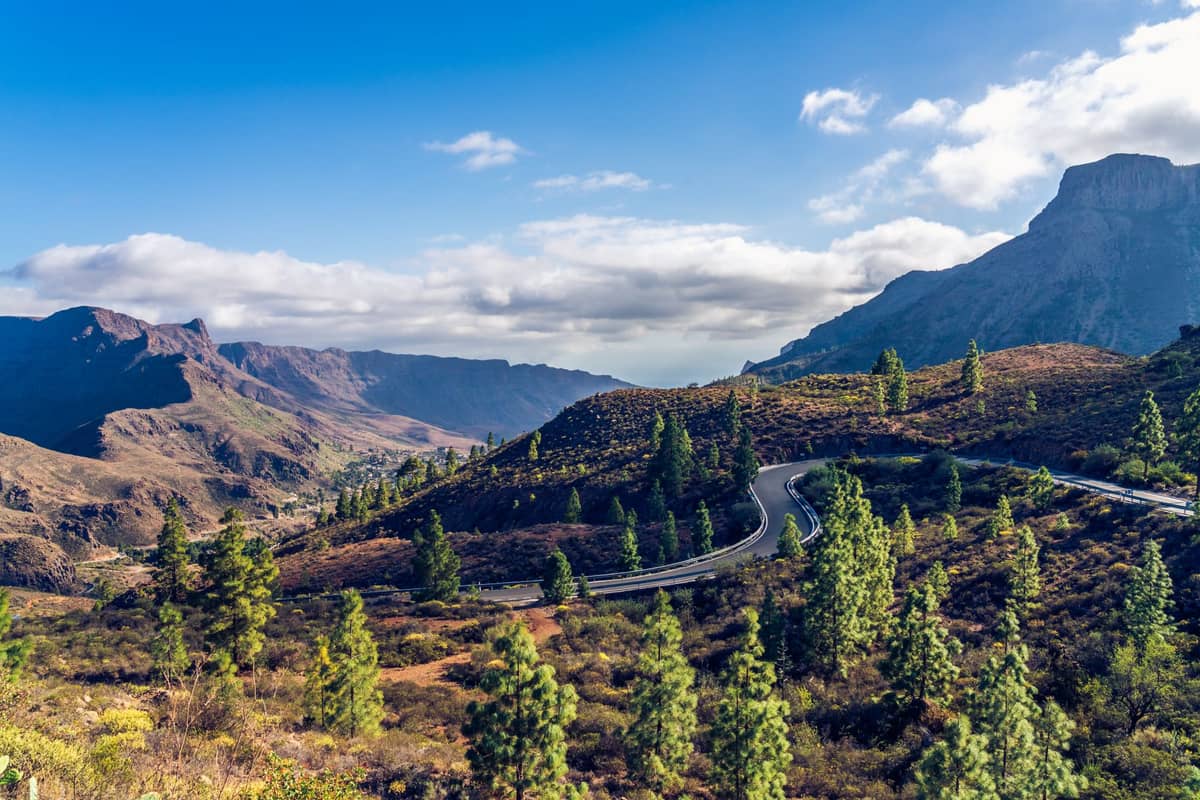
Gran Canaria covers 1,560 km² and packs in genuinely different landscapes within short distances. The north is urban, green, and culturally rich. The centre rises to nearly 2,000 metres with cloud-forest trails and volcanic ridgelines. The south is drier, sunnier, and built for resort tourism, with the Maspalomas dunes as a centrepiece. The west coast is quieter, with fishing villages and dramatic cliff roads. A one-week itinerary that ignores any of these zones gives you an incomplete picture.
The logical split for seven days is: two days in Las Palmas de Gran Canaria, one day in the interior, one day exploring the rural north and west, and three days based in the south with day trips. This keeps travel time manageable and lets you settle into each area rather than driving constantly. If you prefer coastal relaxation over mountains, compress the interior days and extend your south stay — the itinerary adapts.
💡 Local tip
Book accommodation in both Las Palmas and the south before you arrive. Switching bases mid-week sounds inconvenient but it genuinely improves the experience — you avoid two-hour daily commutes from the extremes of the island.
Days 1-2: Las Palmas de Gran Canaria
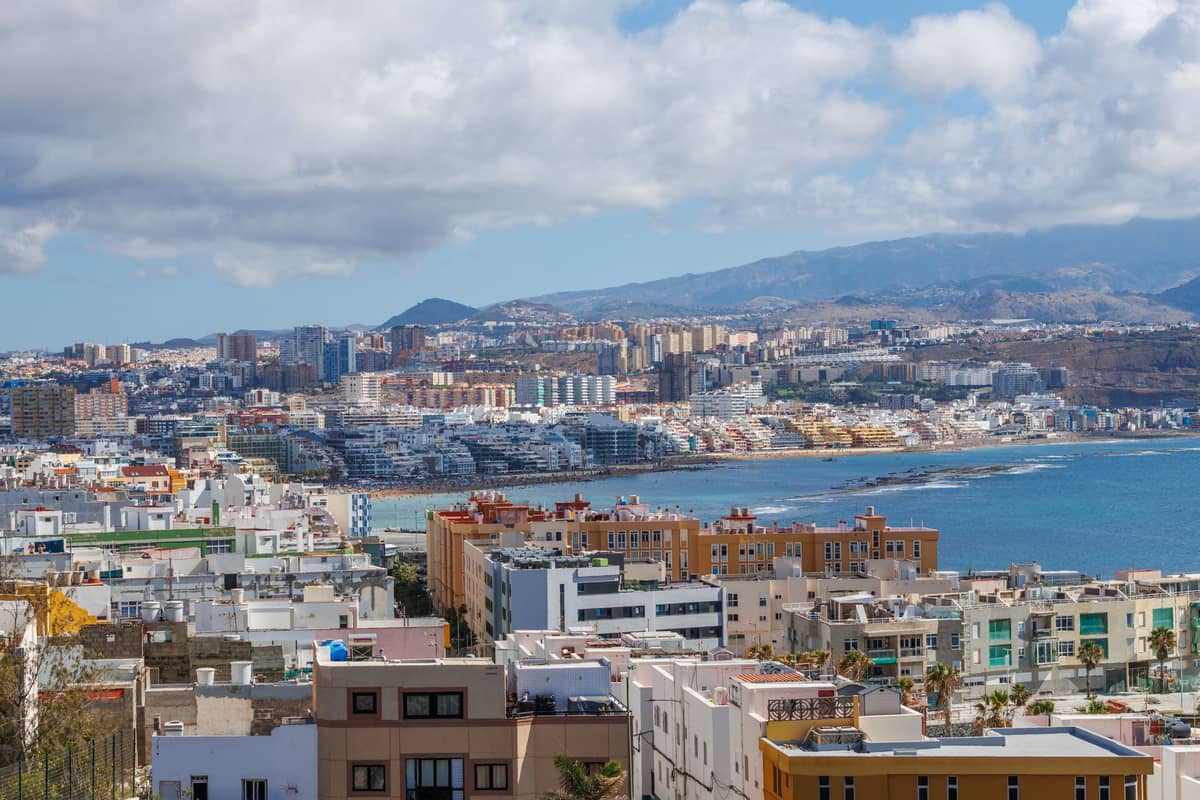
Start in the capital. Las Palmas de Gran Canaria is home to just over 380,000 people and functions as a real working city, not a tourist bubble. Arrive at Gran Canaria Airport (IATA: LPA) and take the Global Line 60 bus to Santa Catalina for around €3, or a taxi for €25-35 depending on the time of day. The airport sits on the east coast roughly midway between Las Palmas and the southern resorts — a useful geographic anchor. On day one, focus on Vegueta, the historic old town listed as a heritage zone, where the street grid dates to the 15th century.
The Catedral de Santa Ana anchors Vegueta and took nearly four centuries to complete, which explains its mix of Gothic, Renaissance, and Baroque elements. The Casa de Colón nearby is a serious museum built around the historical connection between the Canaries and the Americas — Columbus stopped in Gran Canaria en route to his first crossing. Entry fees are low (typically €4-6) and the building itself is worth the visit even if the Americas don't interest you.
Spend the afternoon at Las Canteras beach, a 3km urban beach backed by a pedestrian promenade called the Paseo de Las Canteras. It is one of the better city beaches in Europe, protected by a natural reef that keeps the water calm. The water temperature stays around 19-21°C in winter and 23-24°C in summer. On day two, visit the Museo Canario for context on the island's pre-Hispanic Guanche civilisation, then head to Triana for lunch and shopping.
- Vegueta market (Saturdays) A street market in the old town with local produce, crafts, and food stalls — worth timing your arrival around if possible.
- CAAM (Centro Atlántico de Arte Moderno) Gran Canaria's contemporary art museum, housed in a converted mansion in Vegueta. Free entry on Saturdays.
- El Paseo de Las Canteras at dusk The promenade fills with locals in the evening. Eat at one of the seafood restaurants near the northern end — the tourist traps cluster in the middle.
- Parque Doramas A compact park in the city centre with a replica Canarian village and the Pueblo Canario craft market on Sunday mornings.
Day 3: The Mountain Interior
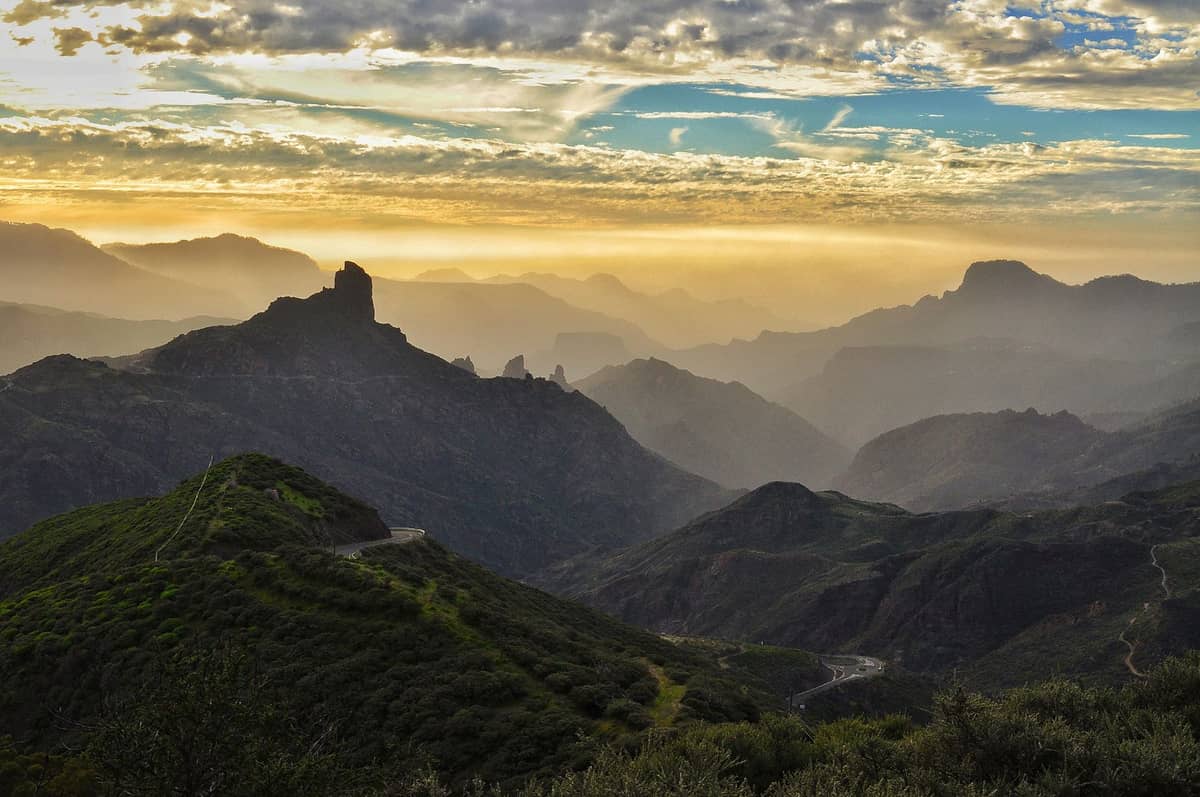
Pick up a hire car on the morning of day three. This is the pivotal logistical decision of the week. Without a car, the interior is either inaccessible or requires slow, infrequent bus connections. With one, you can drive from Las Palmas to Roque Nublo in around 50 minutes. The volcanic monolith stands at 1,813 metres and the trail from the Llano de La Pez car park takes around 45-60 minutes return. It is not a technically demanding hike, but the altitude means temperatures can be 8-10°C cooler than the coast — bring a layer.
After Roque Nublo, drive down to Tejeda, a small white village sitting in the caldera at around 1,050 metres. It is the kind of village that rewards stopping for lunch rather than just photographing from the car window. The local speciality is bienmesabe (an almond cream) and Tejeda almonds are sold everywhere in the village. From Tejeda, the road to Cruz de Tejeda viewpoint takes about ten minutes.
✨ Pro tip
The interior roads are narrow and winding. Google Maps journey times underestimate the actual drive by 15-20 minutes on mountain routes. Build in buffer time, especially if you plan to visit multiple viewpoints in the same afternoon.
End the afternoon at Pico de las Nieves, the highest accessible summit on the island at 1,949 metres. The road goes almost to the top. On a clear day you can see Tenerife and Mount Teide to the west. Cloud can roll in quickly, so arrive before 3pm if possible. Stay overnight in Tejeda or drive down to Maspalomas to reposition for the south — the latter is roughly 45 minutes on the GC-60.
Days 4-5: The South: Maspalomas, Playa del Inglés, and Puerto de Mogán
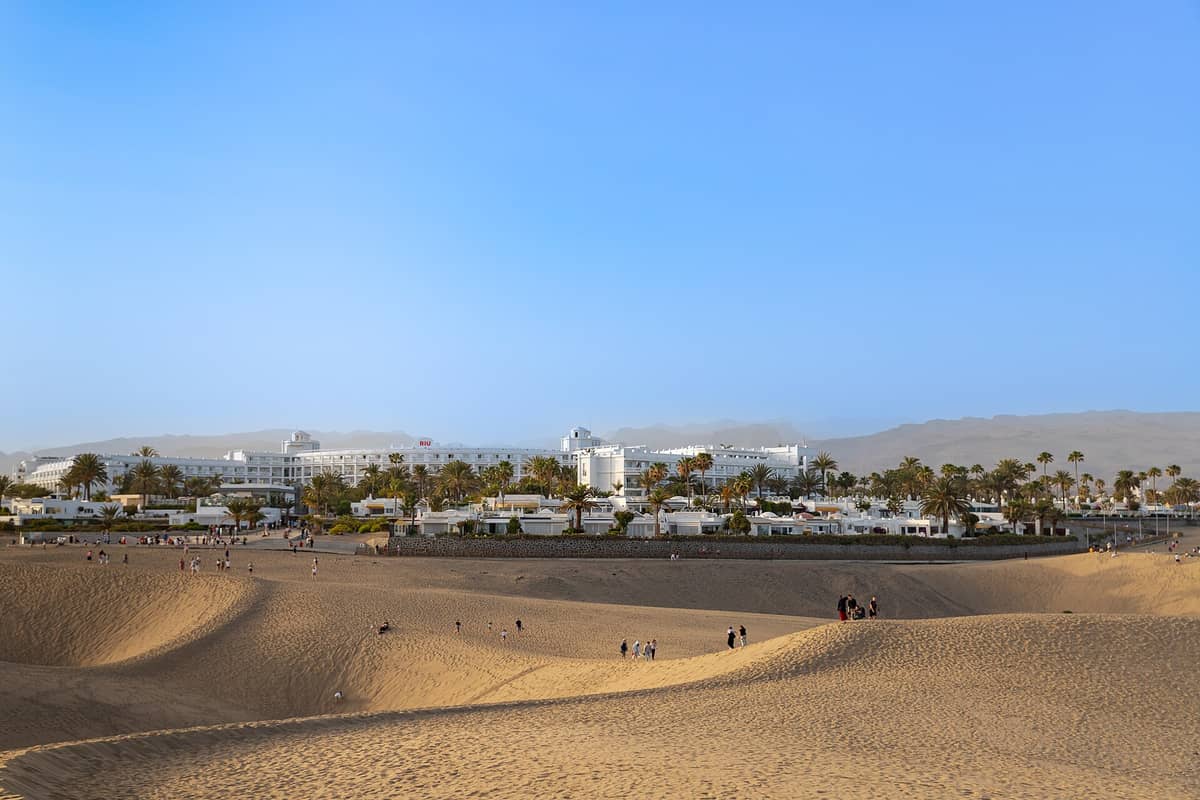
The south of Gran Canaria is the island's resort spine, running from Playa del Inglés through Maspalomas and west to Puerto Rico and Puerto de Mogán. It is unambiguously built for tourism, which is neither a criticism nor an endorsement — it means facilities are good, English is widely spoken, and competition keeps food and activity prices in check. What it also means is that the coastal strip between Playa del Inglés and Maspalomas can feel anonymous if you spend the entire time in hotel zones.
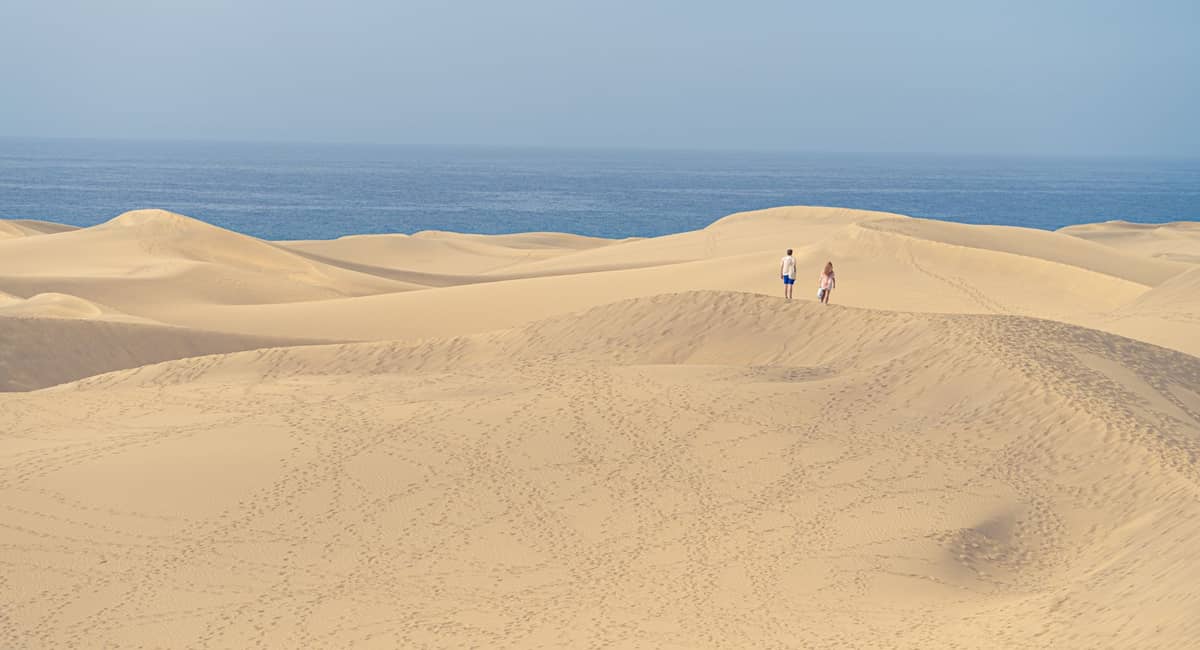
Prioritise the Maspalomas Dunes early on day four, ideally at sunrise or in the late afternoon when the light is warm and the temperatures drop. The dune system covers about 400 hectares and is a protected nature reserve — stay on marked paths, which are clearly signed. The walk from the Maspalomas lighthouse to the Oasis area takes around 40 minutes at a relaxed pace. This is one of the genuinely distinctive landscapes on the island, not just a beach add-on.
On day five, drive 35 kilometres west to Puerto de Mogán. The marina area is often called 'Little Venice' for its flower-draped canal bridges, and while that description is exaggerated, the village is genuinely photogenic and calmer than the main resort strip. The Friday market here draws crowds — avoid if you want tranquillity, or go early (before 10am) if you want the market without the coach tour effect. The beach at Puerto de Mogán is small but sheltered and the water is clear.
- Maspalomas Dunes at sunrise or golden hour: the crowds are minimal and the light makes photography worthwhile.
- Playa del Inglés beach is 3km long and rarely overcrowded outside August and Christmas week — the scale is bigger than most visitors expect.
- Puerto Rico beach is the most reliable for calm, warm water due to its south-facing bay — good for families or anyone who finds the open Atlantic swell at other beaches too rough.
- The Faro de Maspalomas (lighthouse) area has a small market most days and is a pleasant late-afternoon walk from the dune edge.
⚠️ What to skip
The inland shopping centres near Playa del Inglés (Yumbo, Plaza del Inglés) are overpriced tourist traps for most purchases. Buy groceries at local supermarkets and eat at restaurants a street or two back from the beachfront for significantly better value.
Day 6: The Rural North and West Coast
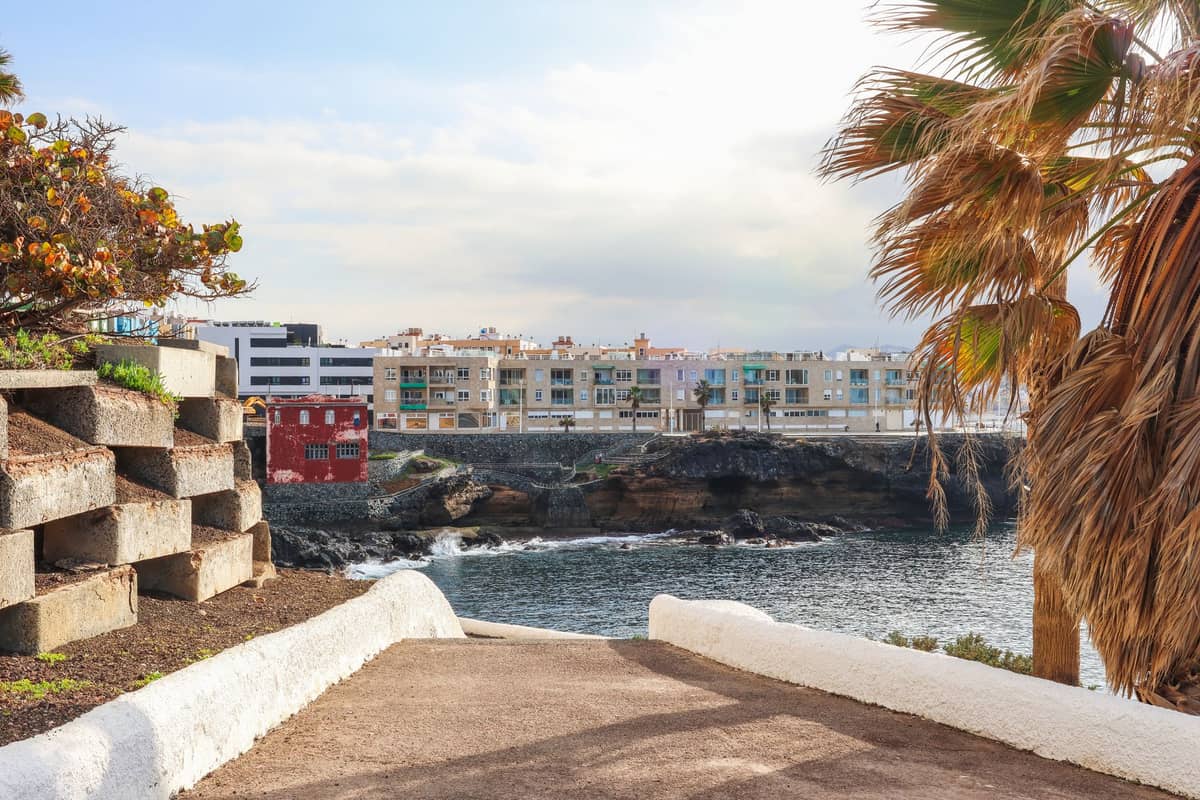
Day six rewards the curious traveller. Drive north from Maspalomas to Agaete on the northwest coast, a town of about 6,000 people that sees far fewer visitors than the south. The 90-minute drive takes you through the GC-1 and GC-2 coastal highways, passing the Mirador del Balcón, a clifftop viewpoint where the road is cut directly into the cliff face. Stop here — it is one of the most dramatic coastal views on the island.
Agaete is famous in Gran Canaria for its coffee plantations, among the very few commercially grown coffee areas in the European Union. You can buy beans directly from local producers. The nearby Valle de Agaete is a lush, terraced agricultural valley that feels completely disconnected from the beach-resort version of the island. The Puerto de las Nieves fishing harbour below Agaete has several good seafood restaurants where you can eat grilled fish with locals rather than tourists. It is also the ferry terminal for the fast catamaran to Tenerife, if you want to add an inter-island day trip.
Day 7: Final Day Options and Practical Departures
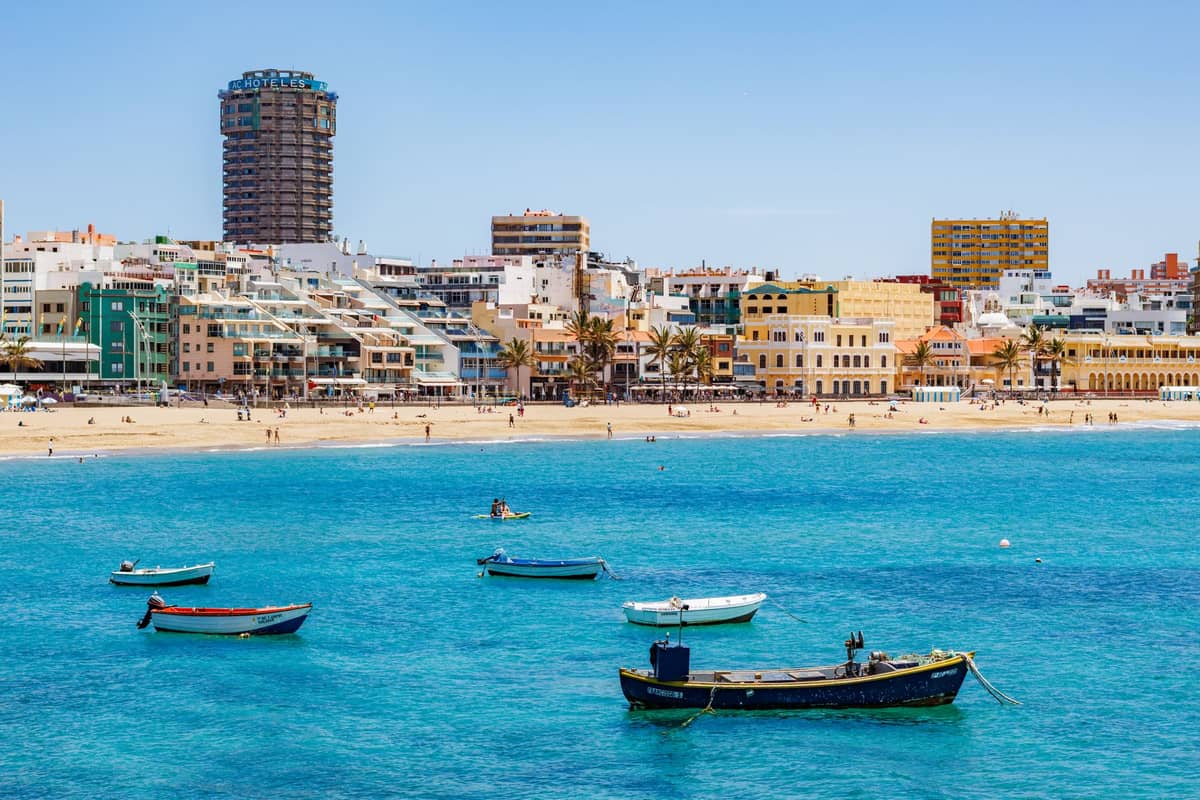
Your final day depends on your flight time and what you have not yet seen. If you are flying in the evening, the morning works well for a last swim at Las Canteras or a slow breakfast in Vegueta. If you have a morning flight, the airport is 15-20 minutes south of Las Palmas and 25-30 minutes from Maspalomas by taxi. For those who want one last cultural stop, the Jardín Botánico Viera y Clavijo north of Las Palmas is the largest botanical garden in Spain and genuinely impressive — worth 2-3 hours if your schedule allows.
If day seven falls on a weekend, the Vegueta market and the Pueblo Canario craft market in Parque Doramas both operate on Sunday mornings and make for an unhurried final few hours before heading to the airport. Return the hire car with a full tank — petrol stations near the airport are well-signposted, but give yourself an extra 30 minutes on the day to manage this without rushing.
Practical Logistics for Your Week
Gran Canaria's interurban bus network, operated by Global (formerly Guaguas Global), is reliable and inexpensive for the main corridors. Line 60 runs from the airport to Las Palmas; Line 66 serves Maspalomas and Playa del Inglés. Line 1 connects Las Palmas to Maspalomas via the coastal route. Single fares are typically around €3-5 for longer intercity routes. A rechargeable TransGC card reduces urban bus fares within Las Palmas to around €0.85 per journey. However, for the interior mountain roads and the west coast, buses are infrequent and route coverage is limited. The hire car from day three is not a luxury — it is the practical option for seeing more than 40% of the island.
Spanish is the only official language, though English and German are widely understood in tourist zones. The emergency number is 112, staffed in multiple languages. Electricity is 230V with Type F (Schuko) plugs. Tap water is technically safe but widely desalinated and many visitors prefer bottled — check with your accommodation. Gran Canaria is part of the Schengen Area, so EU and EEA nationals enter without a visa; others should check current Schengen entry requirements before travel. For a broader look at how to keep costs down, the Gran Canaria on a budget guide has detailed breakdowns.
- Hire car timing Pick up from day 3 rather than day 1 to avoid paying for parking in Las Palmas, where it is expensive and unnecessary.
- Accommodation split Two nights in Las Palmas, one in Tejeda or the mountains (optional), three nights in Maspalomas or Puerto de Mogán area. Adjust to preference.
- Data and connectivity EU roaming rules apply, so European SIMs work without extra cost. Coverage is good across coastal and main road areas; the deep interior can be patchy.
- Cash vs card Cards are accepted almost everywhere in tourist areas. Carry €30-50 in cash for village bars, small markets, and car parks that do not accept cards.
- Tipping Not obligatory but appreciated. Rounding up the bill or leaving €1-2 on the table is the local norm in restaurants.
FAQ
Is one week enough time to see Gran Canaria?
Seven days is enough to cover the main highlights — Las Palmas, the mountain interior, the southern dunes and resorts, and the west coast — without feeling rushed. You will not exhaust the island; Gran Canaria rewards repeat visits because each region has genuine depth. But a well-structured week gives you a strong overview of the island's variety.
Do I need a hire car for a week in Gran Canaria?
Not for the entire week, but from day three onwards a hire car makes a significant difference. The Global bus network covers Las Palmas, the airport, and the main southern resorts efficiently. However, mountain villages like Tejeda, the west coast road through Mirador del Balcón, and the Agaete valley are either inaccessible or impractically slow without a car. Picking up a car mid-week keeps costs down while expanding your range considerably.
What is the best time of year to do a one-week itinerary in Gran Canaria?
The itinerary works year-round. For hiking and cooler inland exploration, November through April is preferable — temperatures in the mountains can be 8-10°C lower than the coast, and conditions are clearer. For beach focus, May through October gives warmer sea temperatures and near-certain sunshine. December through February is peak season for Northern European visitors, which means the south gets crowded and prices rise — the north and interior remain calmer.
How do I get from Gran Canaria Airport to Las Palmas or Maspalomas?
Gran Canaria Airport (LPA) sits on the east coast between both destinations. The Global Line 60 bus runs to Las Palmas for around €3 and services to Maspalomas cost a similar fare on other lines — journey times are roughly 25-40 minutes depending on direction and traffic. Taxis cost approximately €25-35 to Las Palmas and €35-40 to Maspalomas. Verify current fares before travel as these change periodically.
Can I do a one-week itinerary in Gran Canaria without visiting the south?
Yes, and for some travellers it is the better choice. Las Palmas, the north coast, the interior mountains, and the west villages offer a culturally richer, less packaged experience than the southern resort strip. The trade-off is fewer beach hours and less reliable sunshine — the north catches more cloud cover than the south. If your priority is culture, hiking, and authentic Canarian food rather than beach time, focus your week on Las Palmas, Tejeda, Agaete, and the GC-2 coast.