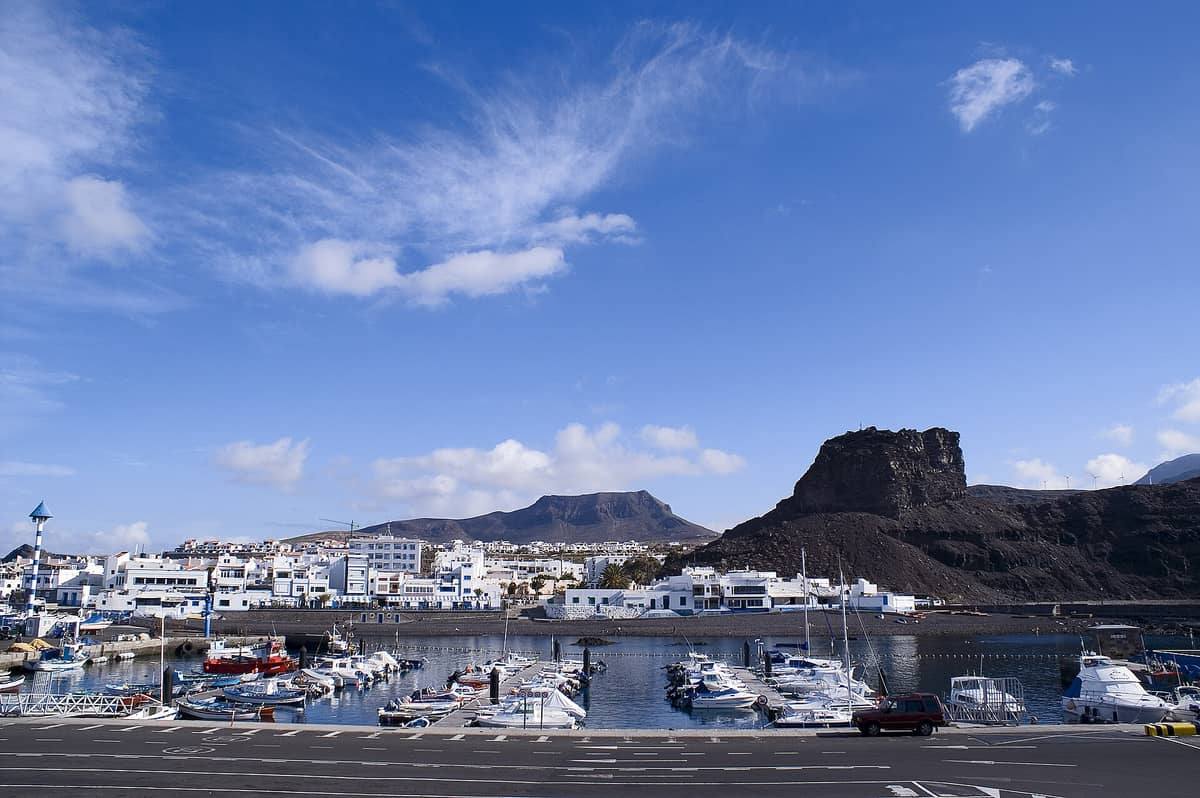
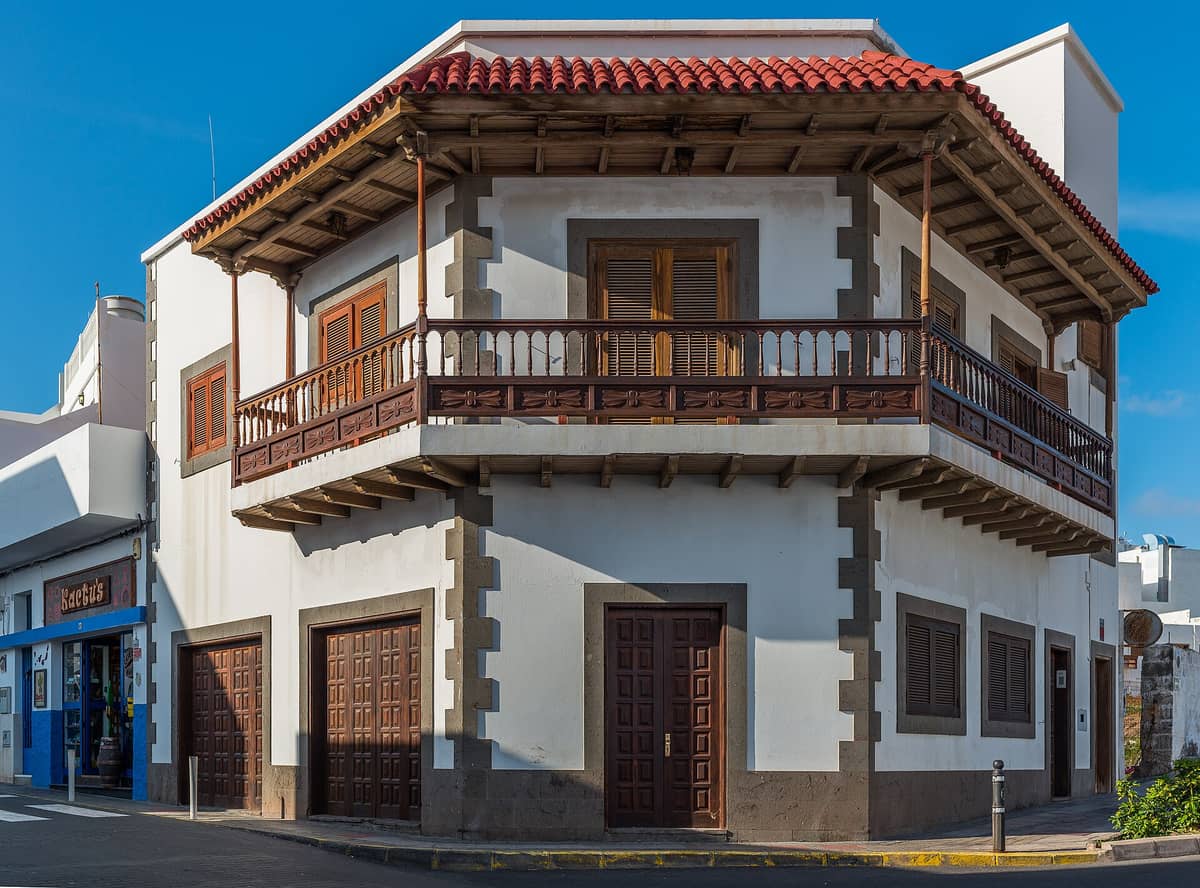
Agaete is a small municipality on the northwest tip of Gran Canaria, where the island's volcanic interior meets the Atlantic. Its coastal district, Puerto de las Nieves, draws visitors with a working harbour, dark-pebble beach, historic chapel, and some of the island's best fish restaurants. Together they make a compelling half-day or full-day escape from the capital.
Agaete and Puerto de las Nieves sit at the far northwest corner of Gran Canaria, where dragon-tree-dotted ravines spill down to a harbour that still smells of salt and diesel rather than sunscreen. It is the kind of place where weekending locals outnumber tourists on a Saturday lunchtime, and where the seafood is priced for people who actually live nearby.
Orientation
Agaete is a municipality of roughly 5,800 people occupying the northwest corner of Gran Canaria, about 33 kilometres from Las Palmas de Gran Canaria by road., about 33 kilometres from Las Palmas de Gran Canaria by road. The municipality has two distinct parts that visitors move between: Agaete town itself, sitting inland at the entrance to the Barranco de Agaete, and Puerto de las Nieves, the coastal district that stretches along the harbour front and seafront promenade.
Puerto de las Nieves is the focus for almost all tourist activity. The port occupies a small bay sheltered by a concrete breakwater, with a dark volcanic-pebble beach to the south and a promenade running north past fish restaurants and the chapel of Nuestra Señora de las Nieves. Agaete town is a ten-minute walk or two-minute drive inland, connected to Puerto de las Nieves by a single main road through the valley.
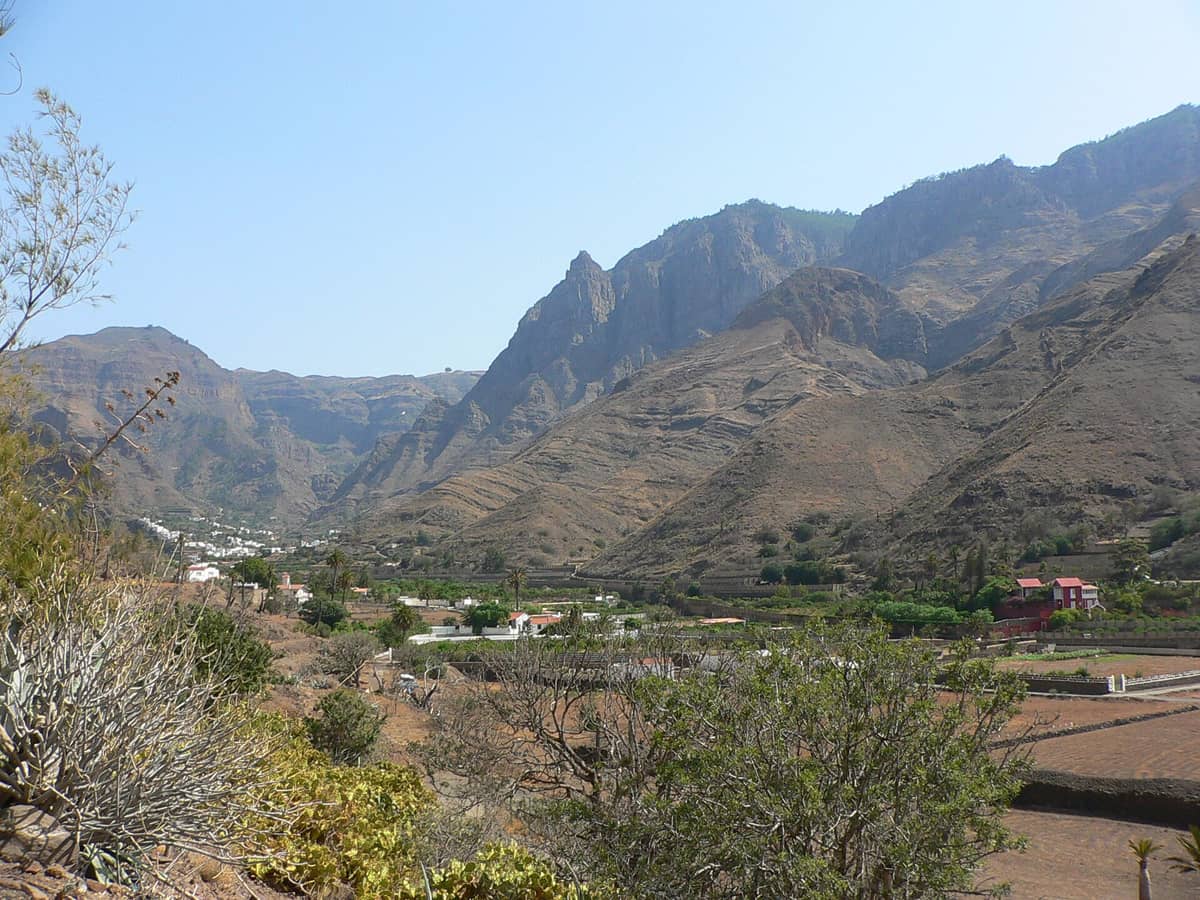
The surrounding landscape shapes everything here. The Valle de Agaete runs east from the port into the mountains, passing some of Gran Canaria's only commercial coffee and papaya plantations. To the north, the coastal road towards Galdar and Arucas winds along cliff edges with dramatic sea views. Heading south on the GC-2 motorway eventually brings you to Las Palmas via a coastal route that skirts the fishing hamlet of El Rincón. If you are building a mental map of the island, Agaete is the northwest anchor point, and the ferry connection to Puerto de las Nieves makes it the starting point for crossings to Tenerife as well.
Character & Atmosphere
Early morning at Puerto de las Nieves is almost entirely local. The ferry terminal handles a departure to Santa Cruz de Tenerife, fishermen sort catch near the harbour wall, and the first customers at the waterfront bars are drinking coffee, not cocktails. The light at this hour is extraordinary: the northwest-facing bay catches the sun at an angle that turns the Atlantic somewhere between silver and deep green, and on clear mornings you can see the peak of Teide across the water.
By mid-morning on weekends, the tone shifts. Day-trippers from Las Palmas arrive in cars and the bus from the capital, and the promenade fills with families. The fish restaurants begin filling their outdoor terraces by noon. This is when Puerto de las Nieves feels most like itself: not a resort, not a capital city, but a genuinely popular local seaside destination where grandparents, toddlers, and sun-seeking tourists occupy the same stretch of promenade without much friction.
Weekday afternoons are quieter. The restaurants still operate but the crowds thin, and you can walk the full length of the seafront without having to step around anyone. The dark-pebble beach is not the island's most comfortable for sunbathing, but the water is clean and the swimming is good when the Atlantic swell cooperates. On windy days, particularly in winter, the same swell that made the Dedo de Dios rock formation famous can make swimming inadvisable. The formation itself collapsed during Tropical Storm Delta in 2005, but the stump is still visible from the harbour wall.
After dark, Agaete is quiet in the way that small Spanish towns are quiet. A few bars stay open, locals take evening walks along the promenade, and the restaurants wind down by nine or ten. This is not a nightlife destination. The stillness is part of the appeal.
ℹ️ Good to know
On clear days, the view across the Teide Strait from Puerto de las Nieves is one of the most striking in the Canary Islands. Mount Teide on Tenerife appears to rise straight from the sea, and the effect is most dramatic in the early morning before haze builds.
What to See & Do
The Chapel of Nuestra Señora de las Nieves is the area's most significant cultural site. Inside this small, whitewashed building on Calle Nuestra Señora de las Nieves is the Triptych of Our Lady of the Snows, attributed to Flemish painter Joos Van Cleve and dating to the 16th century. It is an unexpectedly important piece of art to find in such a small coastal chapel, and it is accessible to visitors. The chapel is directly adjacent to the Tourist Information Office at number 1 on the same street, which is useful for maps and ferry schedules.
The harbour itself is worth spending time at. Fishing boats come and go, the ferry to Tenerife departs and arrives with reliable drama, and the breakwater offers good views back towards the cliffs. The beach just south of the harbour is made of dark volcanic pebbles rather than sand, which keeps it less crowded than Gran Canaria's sandy beaches. The water here is Atlantic-clear, and on calm days it is some of the best sea swimming you will find on the island's western coast. For more of Gran Canaria's best coastal spots, the best beaches in Gran Canaria guide provides a full island-wide comparison.
Inland, the Valle de Agaete is worth exploring if you have a car or a willingness to walk. The valley is unusually green by Gran Canaria standards, sheltered from the prevailing winds, and warm enough to support tropical fruit cultivation. The Huerto de las Flores, the municipal botanical garden, showcases the valley's endemic and cultivated plants. For those interested in the island's broader landscape and natural heritage, the near Las Palmas offers a more extensive collection, but the valley around Agaete provides context for how that biodiversity looks in a working agricultural setting., showcases the valley's endemic and cultivated plants. For those interested in the island's broader landscape and natural heritage, the Jardín Botánico Viera y Clavijo near Las Palmas offers a more extensive collection, but the valley around Agaete provides context for how that biodiversity looks in a working agricultural setting.
Agaete also sits within reach of some compelling day-trip territory. The dramatic northwest coast road north towards Galdar passes near the Cenobio de Valerón, a remarkable pre-Hispanic granary carved into a cliffside. The interior mountain routes heading east eventually connect to Tejeda and the central peaks, making Agaete a logical starting point for a scenic drive across the island.
Chapel of Nuestra Señora de las Nieves: free entry, 16th-century Flemish triptych, central to Puerto de las Nieves
Harbour walk and breakwater: working port, ferry views, stump of Dedo de Dios visible offshore
Dark-pebble beach: good Atlantic swimming on calm days, minimal crowds on weekdays
Valle de Agaete: coffee and tropical fruit plantations, green valley walk, Huerto de las Flores
Northwest coast road: cliff-edge driving towards Galdar with sea views
Eating & Drinking
The fish restaurants along the Puerto de las Nieves seafront are the main reason many people make the trip from Las Palmas. This is not a food scene built for tourists, it is built for the weekend lunch appetite of Canarians, which means the seafood is fresh, the portions are substantial, and the prices are considerably more honest than in the capital's tourist zones. The local specialities to look for are vieja (parrotfish) grilled whole, the mixed seafood parrilladas designed for sharing, and fresh lapas (limpets) grilled with garlic and butter. A full seafood lunch for two with wine typically costs between €35 and €55, depending on the restaurant and the catch. For a broader sense of Canarian cuisine, the guide to what to eat in Gran Canaria covers the island's essential dishes and where to find them.
Several of the restaurants have sea-facing terraces that make afternoon meals particularly good. Booking ahead on Saturdays and Sundays is strongly advisable from spring through autumn, as the local weekend crowd fills the best tables early. On weekdays, walking in without a reservation is rarely a problem.
The bars along the promenade serve standard Spanish café fare: coffee, fresh orange juice, toast with tomato and olive oil, and the occasional local pastry. There is nothing cutting-edge or fashionable about the food and drink scene here, which is precisely why it works. Agaete town itself has a small square with a couple of bars that cater almost entirely to locals, and prices drop noticeably once you move away from the seafront.
💡 Local tip
If you want to eat at a seafront restaurant on a weekend, aim to arrive before 1:30pm or be prepared to wait. The best terrace tables fill quickly, and the kitchen pace at traditional fish restaurants tends to slow once the dining room is full.
Getting There & Around
From Las Palmas de Gran Canaria, the primary bus connection is Global Line 103, which runs between the capital and Puerto de las Nieves. Line 130 operates a semidirect service on the same route. Journey times vary depending on traffic and stops, but the trip typically takes around an hour. The bus drops passengers at the Puerto de las Nieves stop, which is within easy walking distance of the harbour, restaurants, and chapel. Fares are in line with island bus pricing. For a full breakdown of how the island's bus network operates, the explains routes, fares, and the TransGC card. For a full breakdown of how the island's bus network operates, the guide to getting around Gran Canaria explains routes, fares, and the TransGC card.
By car, Agaete is reached via the GC-2 motorway heading northwest from Las Palmas. The motorway ends before Agaete, and the final stretch is on the local road into Puerto de las Nieves. The drive takes approximately 35 to 45 minutes from Las Palmas depending on traffic. Parking in Puerto de las Nieves is available near the harbour and along the seafront road, and is generally easy to find on weekdays. Weekend mornings fill up quickly, particularly in summer.
Within the municipality, the connection between Puerto de las Nieves and Agaete town is short. Local Global services cover the short journey by bus, or it is a manageable 15-minute walk uphill through the valley. A car is useful if you plan to explore the Valle de Agaete or drive the northwest coastal road, but not strictly necessary for a harbour-focused visit.
Fred. Olsen Express operates the main high-speed ferry between Puerto de las Nieves and Santa Cruz de Tenerife. The crossing takes roughly 1 hour 20 minutes to 1 hour 40 minutes by fast ferry and makes Puerto de las Nieves the departure point of choice for travellers doing a two-island trip. Verify current schedules and fares directly with the operators before planning around specific sailings.
⚠️ What to skip
The northwest coast of Gran Canaria is one of the windiest parts of the island, particularly between November and March. On days with strong Atlantic swell, swimming at the harbour beach is not safe, and the ferry crossing can be cancelled or delayed. Check conditions before making a special trip solely for swimming.
Where to Stay
Accommodation in Agaete is limited compared to the island's resort zones or Las Palmas. A small number of rural houses and apartment rentals operate in the Valle de Agaete and around Agaete town, and a handful of options sit in or near Puerto de las Nieves itself. This is not a place to come if you want resort amenities, a pool, or proximity to nightlife. It is a place to come if you want quiet mornings, easy access to the harbour, and a genuinely non-touristy base from which to explore the northwest of the island. For a broader assessment of where to base yourself across Gran Canaria, the where to stay in Gran Canaria guide covers all the main areas with honest comparisons.
Travellers who want the atmosphere of Agaete as a day trip but prefer to stay in a larger urban setting with more dining and transport options will find Santa Catalina in Las Palmas a practical base, roughly 45 minutes away by bus. Those interested in the island's rural interior might consider combining a stay near Agaete with a drive into the mountains via the Barranco de Agaete.
Day Trips and Wider Context
Agaete works particularly well as part of a broader itinerary across the northwest and interior of Gran Canaria. From here you can drive south through the dramatic coastal cliffs of the Tamadaba natural park, one of the least-visited and most striking landscapes on the island. The Tamadaba Natural Park sits directly above the municipality and offers pine forest walking with Atlantic views. Heading inland, the GC-200 mountain road winds up through the Barranco de Agaete toward the central peaks, eventually connecting to Tejeda and the road to Roque Nublo.
For travellers considering a ferry crossing to Tenerife as part of a wider Canary Islands trip, the Gran Canaria ferry guide explains the crossing options, operators, and how to integrate them into an island-hopping itinerary. Puerto de las Nieves is consistently the most practical and scenic departure point for those sailings.
If Agaete is one stop on a longer exploration of the island's northwest and rural interior, the Gran Canaria road trip guide maps out a logical sequence of stops that takes in the north coast villages, the interior mountains, and the dramatically different landscape of the south, all accessible within a day's driving from Agaete.
TL;DR
Agaete and Puerto de las Nieves are the best version of a quiet, working-port day trip on Gran Canaria: fresh seafood, real local atmosphere, and views across to Tenerife that no resort can replicate.
Best for: travellers who want to see a genuinely local Canarian coastal town, seafood lovers, ferry passengers crossing to Tenerife, and anyone exploring the island's northwest by car.
Not ideal for: travellers looking for sandy beaches, beach-club amenities, nightlife, or a full resort experience. The pebble beach and Atlantic swell limit swimming options on rougher days.
The 16th-century Flemish triptych inside the Chapel of Nuestra Señora de las Nieves is one of the most unexpected cultural highlights in all of Gran Canaria, and almost entirely overlooked by mainstream tourism.
Weekends bring real crowds to the seafront restaurants; weekdays are noticeably quieter and the experience is more relaxed. The ferry to Tenerife adds logistical value that no other northwest village can match.
Three days is enough to experience Gran Canaria's remarkable range: a well-preserved colonial old town, Atlantic dune fields, volcanic mountain villages, and some of Spain's best urban beaches. This itinerary is built around real transport logistics, honest time estimates, and a deliberate mix of coast and interior.
Gran Canaria packs an extraordinary variety of beaches into one island: vast dune-backed shores in the south, a world-class urban beach in Las Palmas, sheltered family coves on the southwest coast, and raw Atlantic surf breaks in the north. This guide covers the best of all of them.
Gran Canaria earns its reputation as the 'island of eternal spring' for good reason. This guide breaks down every season, explains how the island's microclimates affect your plans, and tells you honestly when to go and when to avoid the crowds.
Gran Canaria packs extraordinary variety into 1,560 square kilometres. These are the best day trips from any base on the island, from the sacred peaks of the interior to the quiet fishing harbours of the west coast.
Gran Canaria is not a walkable island. This guide breaks down every realistic transport option, from Global bus routes and regulated taxi fares to car rental logistics and seasonal road warnings, so you can move around confidently from day one.
Gran Canaria all-inclusive resorts range from budget-friendly complexes in Playa del Inglés to upmarket retreats in Puerto de Mogán. This guide covers the best areas, realistic price expectations by season, and a clear take on when all-inclusive actually makes sense on this island.
Gran Canaria Carnival is one of Spain's biggest pre-Lent celebrations, centred on Las Palmas de Gran Canaria and running for four to five weeks each February and March. This guide covers every major event, how to get tickets, where to stay, and what first-timers consistently get wrong.
Gran Canaria has quietly become one of Europe's most practical bases for remote workers. Year-round subtropical warmth, 20+ coworking spaces, mid-range costs, and fast internet make Las Palmas de Gran Canaria a compelling alternative to Lisbon or Bali. This guide covers everything you need to plan a productive stay.
Everything you need to know about taking a ferry from Gran Canaria to the other Canary Islands. Covers the main routes, operators, realistic prices, departure ports, and the common mistakes that catch first-time travellers off guard.
Gran Canaria offers far more for couples than beach resorts. This guide covers the island's most romantic experiences, from volcanic viewpoints and wine-tasting in the interior to private catamaran trips and candlelit dinners in a harbour town that earns its 'Little Venice' nickname.
Gran Canaria packs an extraordinary amount of natural beauty, history, and culture into a single island — and a surprising amount of it is completely free. From sweeping volcanic landscapes and ancient Guanche sites to world-class urban beaches and genuinely free museums, here is how to get the most out of the island without opening your wallet.
Gran Canaria packs extraordinary variety into 1,560 square kilometres, yet most visitors see only a fraction of it. These are the volcanic ravines, pre-Hispanic ruins, wild coastlines, and slow villages that reward those willing to look beyond the southern resort strip.
December is one of the most underrated months to visit Gran Canaria. Daytime temperatures hover around 22°C, the southern beaches stay dry and sunny, and the island shifts into a relaxed festive rhythm. This guide covers the weather in detail, where to base yourself, what to do, and a few honest caveats about the rainy north.
Gran Canaria has over 130 luxury hotels spread across beach resorts, spa retreats, boutique city properties, and adults-only hideaways. This guide cuts through the marketing to tell you exactly where to stay, what to spend, and which areas suit different styles of upscale travel.
Gran Canaria nightlife spans four distinct zones, each with its own character, crowd, and closing time. This guide breaks down every major area, from the legendary Yumbo Centre to the bar-lined streets of Las Palmas, with practical advice on pricing, timing, and getting around after dark.
Gran Canaria offers genuine value if you know how to work the island's public transport network, tap into its free outdoor attractions, and eat where locals eat. This guide breaks down the real costs, the smart shortcuts, and the common mistakes that drain tourist wallets.
Gran Canaria packs semi-arid landscapes, volcanic peaks, and colonial towns into 1,560 km² — small enough to drive in a day, varied enough to spend a week exploring by car. This guide covers car rental costs, the best driving routes, the GC-200 road closure reality, and practical rules of the road so you can plan without surprises.
Both Gran Canaria and Tenerife promise year-round sunshine, dramatic scenery, and good value for European travellers. But they deliver very different holidays. This guide breaks down the real differences across beaches, landscapes, cost, family travel, and nightlife so you can stop second-guessing and start booking.
Gran Canaria's Atlantic coastline delivers world-class water sports year-round, from beginner surf lessons at Las Canteras to competition-level windsurfing at Pozo Izquierdo. This guide covers the best spots, realistic prices, seasonal conditions, and how to avoid the common pitfalls.
Gran Canaria delivers year-round sunshine, a stack of theme parks, safe beaches, and reliable public transport that make it genuinely practical for families. This guide cuts through the marketing to tell you exactly where to go, what to spend, and how to get around with children in tow.
Gran Canaria packs extraordinary hiking variety into 1,560 km². Alpine pine forests, volcanic rock formations, green ravines, and coastal cliffs are all within reach. This guide covers the best trails on the island, from quick walks to full-day mountain routes.
Gran Canaria packs an extraordinary range of landscapes, climates, and experiences into just 1,560 km². This guide cuts through the brochure language to tell you exactly who the island suits, what it does well, where it falls short, and how to decide if it belongs on your travel list.
Gran Canaria's volcanic coastline is dotted with natural sea pools carved from ancient lava flows. This guide covers the finest spots around the island, from well-equipped salinas in the northwest to wild rock pools on the west coast, with practical advice on when to go and what to expect.
Seven days is enough to experience Gran Canaria's remarkable contrasts: Atlantic beaches, volcanic peaks, colonial old towns, and quiet rural villages. This day-by-day itinerary covers the highlights without wasting a single afternoon.
Gran Canaria packs an extraordinary range of experiences into just 1,560 km². This guide covers the best things to do across the island, from world-class beaches and dramatic mountain hikes to historic old towns and boat trips, with practical advice on what's worth your time and what to skip.
Las Palmas de Gran Canaria is one of Spain's most underrated cities: a working Atlantic capital with a world-class urban beach, a remarkably preserved historic quarter, serious food culture, and year-round sunshine. This guide covers the best things to do across every corner of the city, with practical logistics, honest opinions, and no filler.
Gran Canaria's food culture runs deeper than most visitors expect. This guide covers the essential dishes, local ingredients, where to find authentic Canarian cooking, and what to skip — so you eat well from day one.
Gran Canaria divides neatly into three very different worlds: a cosmopolitan northern city, a sun-baked southern resort strip, and a rugged volcanic interior. Where you stay shapes your entire experience. This guide breaks down every main area by atmosphere, accommodation type, price range, and who it suits best.