Gran Canaria vs Tenerife: Which Canary Island Should You Actually Visit?
Both Gran Canaria and Tenerife promise year-round sunshine, dramatic scenery, and good value for European travellers. But they deliver very different holidays. This guide breaks down the real differences across beaches, landscapes, cost, family travel, and nightlife so you can stop second-guessing and start booking.
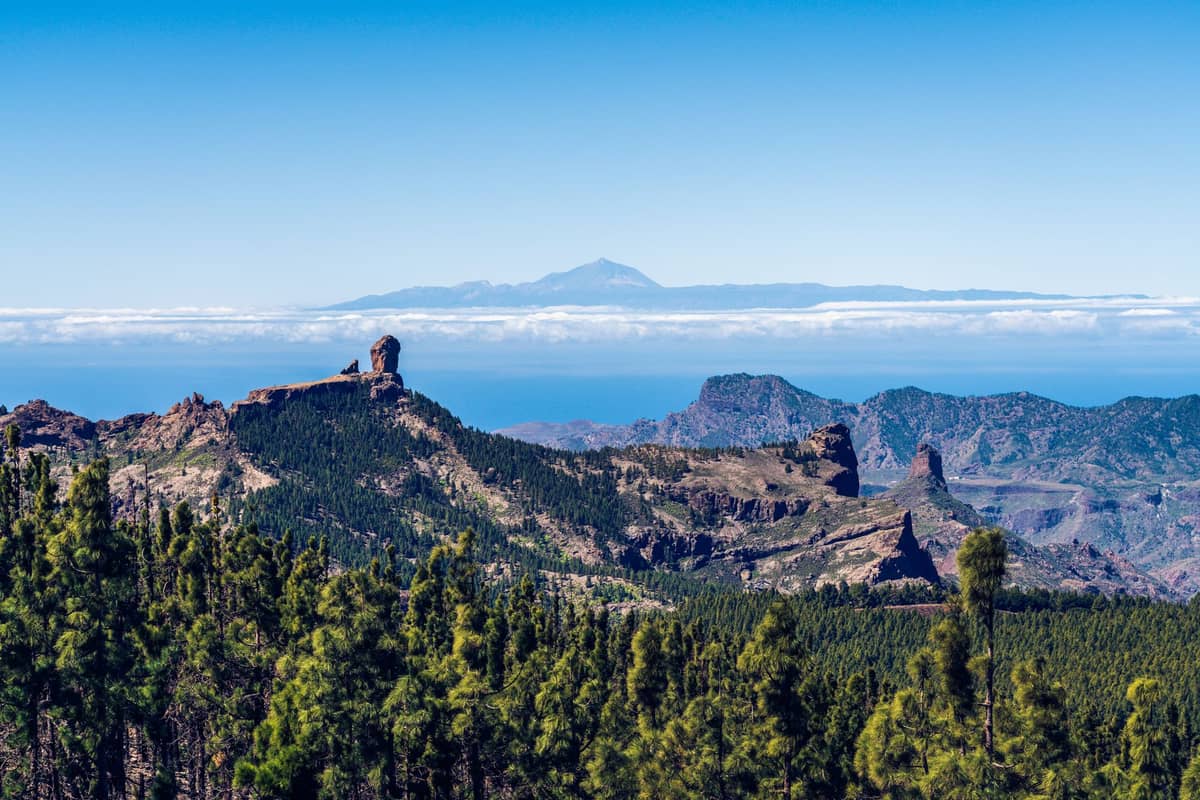
TL;DR
- Gran Canaria wins on beach quality, urban culture, and overall value — accommodation and car hire can be 10–15% cheaper than Tenerife's main resort areas.
- Tenerife has the headline attractions: Mount Teide (Spain's highest peak), Siam Park, and more dramatic volcanic scenery.
- Gran Canaria suits beach lovers, LGBTQ+ travellers, city explorers, and hikers — see what to do on Gran Canaria for the full picture.
- Tenerife is better for families with older children, whale-watching, and dramatic landscape photography.
- You can travel between the two islands by ferry (Naviera Armas or Fred. Olsen Express) or by short-haul flight — making a twin-island trip genuinely feasible.
The Core Difference: What Each Island Actually Delivers
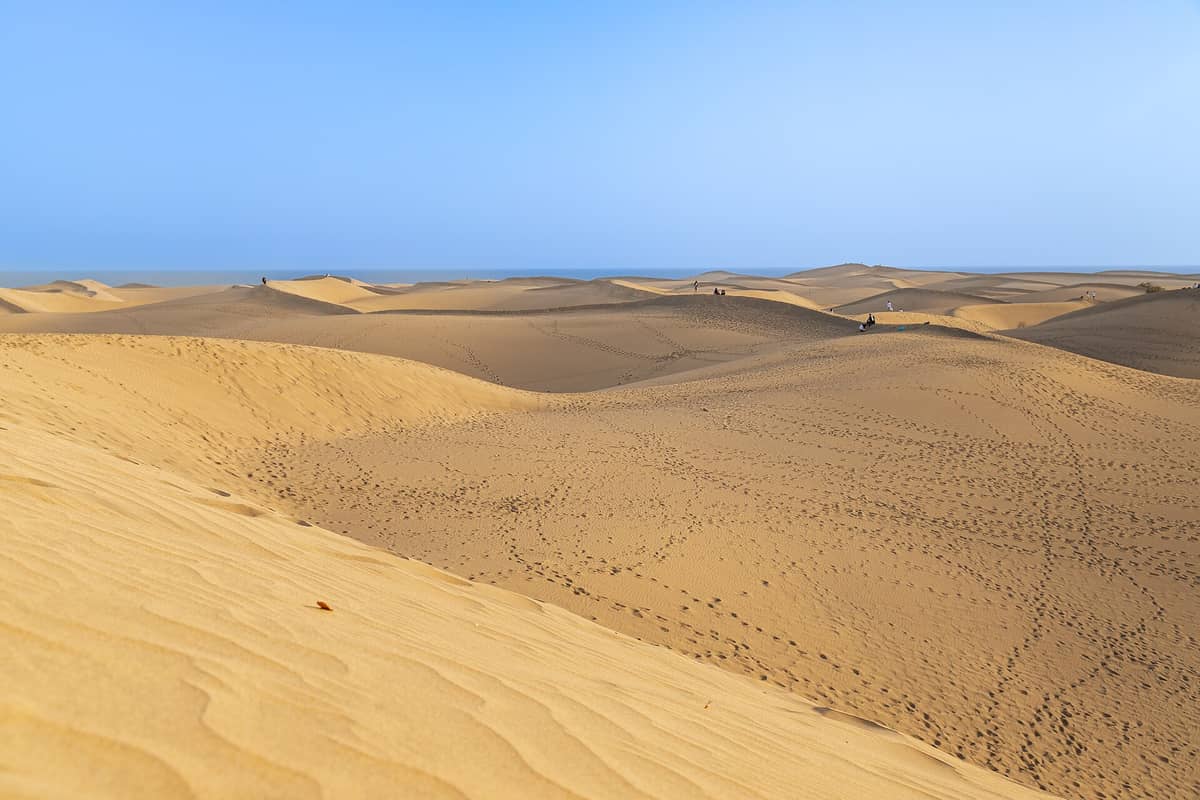
The gran canaria vs tenerife debate often gets framed as beaches versus volcanoes, which is an oversimplification — but it points at something real. Gran Canaria packs more geographic variety into its 1,560 km² than most people expect: you have the Sahara-like dunes at Maspalomas in the south, the rugged central mountains rising to nearly 2,000 m, lush ravines in the north, and Las Palmas de Gran Canaria, a working city of around 380,000 people with real culture, restaurants, and nightlife that have nothing to do with resort tourism.
Tenerife is larger, more visited, and home to some genuinely spectacular set pieces: Mount Teide dominates the skyline at 3,715 m (Spain's highest peak) and sits inside Teide National Park, a UNESCO World Heritage Site. The Anaga Rural Park in the northeast is ancient laurel forest. But Tenerife's south coast — where most tourists stay — is heavily built up, and many of its resort beaches use imported sand on volcanic shorelines. Neither island is objectively superior. The right choice depends entirely on what you are actually going to do there.
Beaches: Where Gran Canaria Has a Genuine Advantage
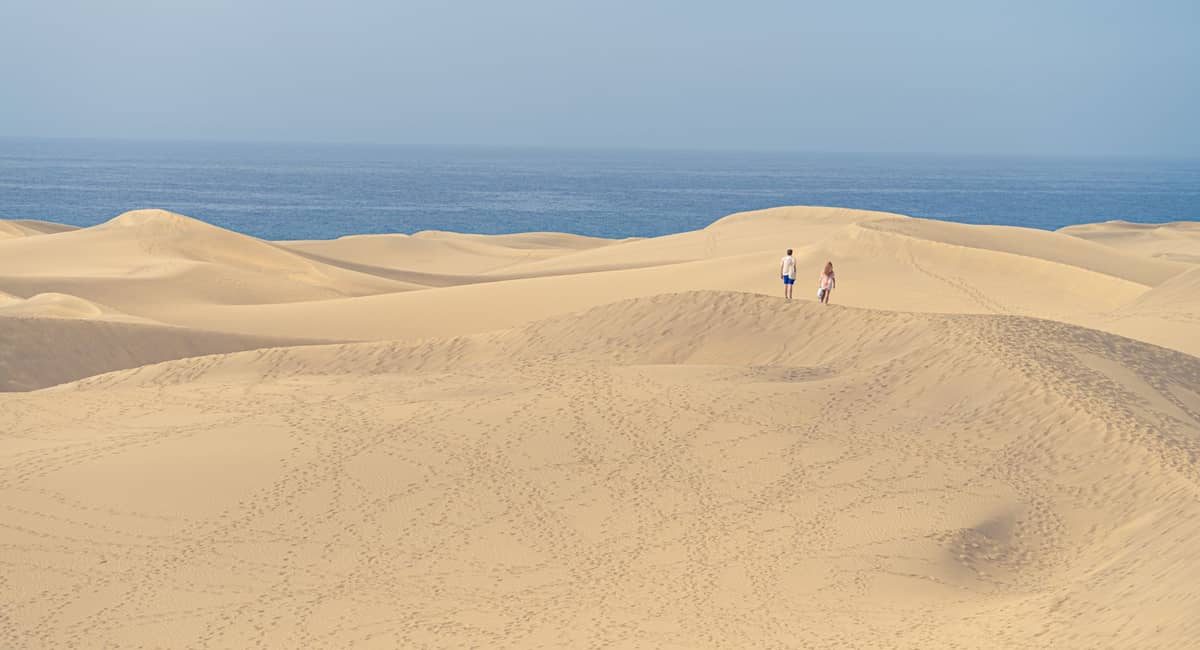
This is the clearest difference between the two islands. The Maspalomas dune system is a 400-hectare natural reserve of golden sand that rolls straight into the Atlantic — nothing artificial about it. Playa del Inglés extends north from the dunes for several kilometres, and the water quality and sand quality here are consistently high. In the northwest, Las Canteras beach in Las Palmas is a 3 km urban beach protected by a natural reef, making it calm enough for swimming year-round and popular with locals rather than just tourists.
Tenerife has Playa de las Teresitas in the north (imported Saharan sand, beautiful setting) and the resort beaches of Costa Adeje in the south, which are well-maintained but artificial. For natural, sand-first beach holidays, Gran Canaria is the stronger choice. If you want dramatic black sand and volcanic scenery alongside your beach time, Tenerife has more of that.
💡 Local tip
Gran Canaria's south-facing coast means the resort beaches get sun all day, even in winter. Las Canteras in Las Palmas faces northwest and can lose direct sun in the afternoon during winter months — worth knowing if you are staying in the capital and beach weather is a priority.
Landscapes, Hiking, and Things to Do Beyond the Beach
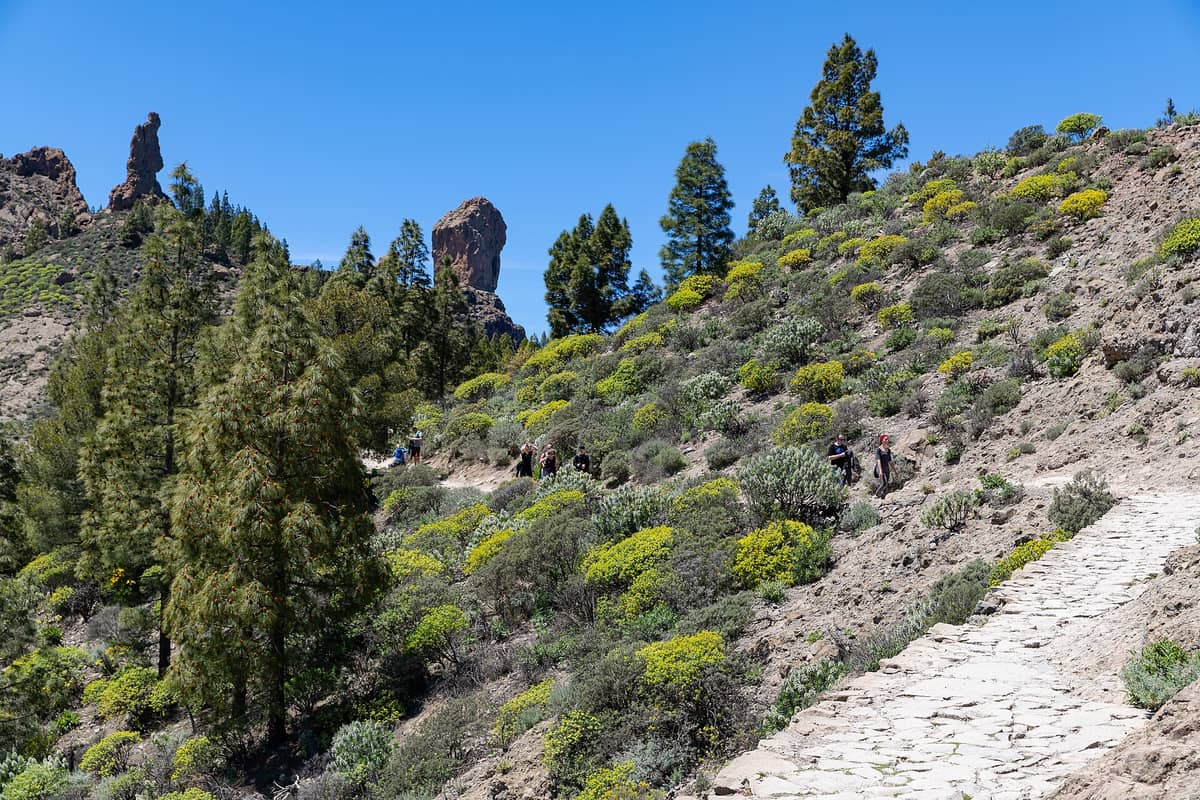
Gran Canaria's interior is seriously underrated. The central highlands around Tejeda contain Roque Nublo, a volcanic monolith at 1,813 m with views across the whole island on clear days, and Cruz de Tejeda, a mountain pass that sits at the geographical heart of the island and acts as a crossroads for most serious hiking routes. The terrain shifts dramatically as you move from coast to interior — from subtropical coast to pine forest to near-alpine ridgelines within an hour's drive.
Tenerife's equivalent is the Teide National Park, which is genuinely extraordinary but also very crowded. Visitor numbers to the cable car base station regularly exceed capacity in peak months, and the summit permit (required to go above the cable car) books out weeks in advance. For hiking without the crowds, hiking in Gran Canaria offers routes in the Tamadaba Natural Park and the Guayadeque ravine that feel genuinely remote even in high season.
- Gran Canaria strengths Maspalomas dunes, central mountain villages (Tejeda, Fataga), Roque Nublo hiking, Las Palmas city culture, LGBTQ+ Maspalomas scene, water sports along the west coast.
- Tenerife strengths Mount Teide and the caldera, Siam Park (consistently rated Europe's best waterpark), Anaga laurel forest, whale and dolphin watching in the Teno Strait, Los Gigantes cliffs.
- Where they overlap Both islands have good road networks, year-round beach weather, reliable flight connections from the UK and northern Europe, and enough variety to fill two weeks without repeating yourself.
Cost Comparison: Is Gran Canaria Really Cheaper?
The short answer is yes, but not dramatically so. Recent comparisons put accommodation and dining in Gran Canaria's resort areas around 10–15% cheaper than equivalent options in Tenerife's Costa Adeje or Los Cristianos. The gap is most visible in car hire: in practice, Gran Canaria’s rental market usually comes in a little cheaper than Tenerife’s for equivalent categories, especially outside peak dates, though prices on both islands fluctuate widely by season and demand.
Budget travellers will find Gran Canaria more forgiving overall. The bus network (operated by Global) connects the airport, Las Palmas, and all the southern resorts, with typical fares in the €2–€7 range depending on distance. If you want to travel cheaply and still see a lot, Gran Canaria on a budget is genuinely achievable. Tenerife's public transport is functional but the island's layout makes car hire more useful for getting to the best spots.
⚠️ What to skip
Peak pricing on both islands spikes hard in July–August (European school holidays) and the Christmas–New Year period. Gran Canaria in particular draws large numbers of northern European winter-sun seekers from November onwards, and Maspalomas resort prices reflect that. Book at least two months ahead for December travel if you want reasonable rates.
Family Travel, LGBTQ+ Visitors, and Specific Trip Types
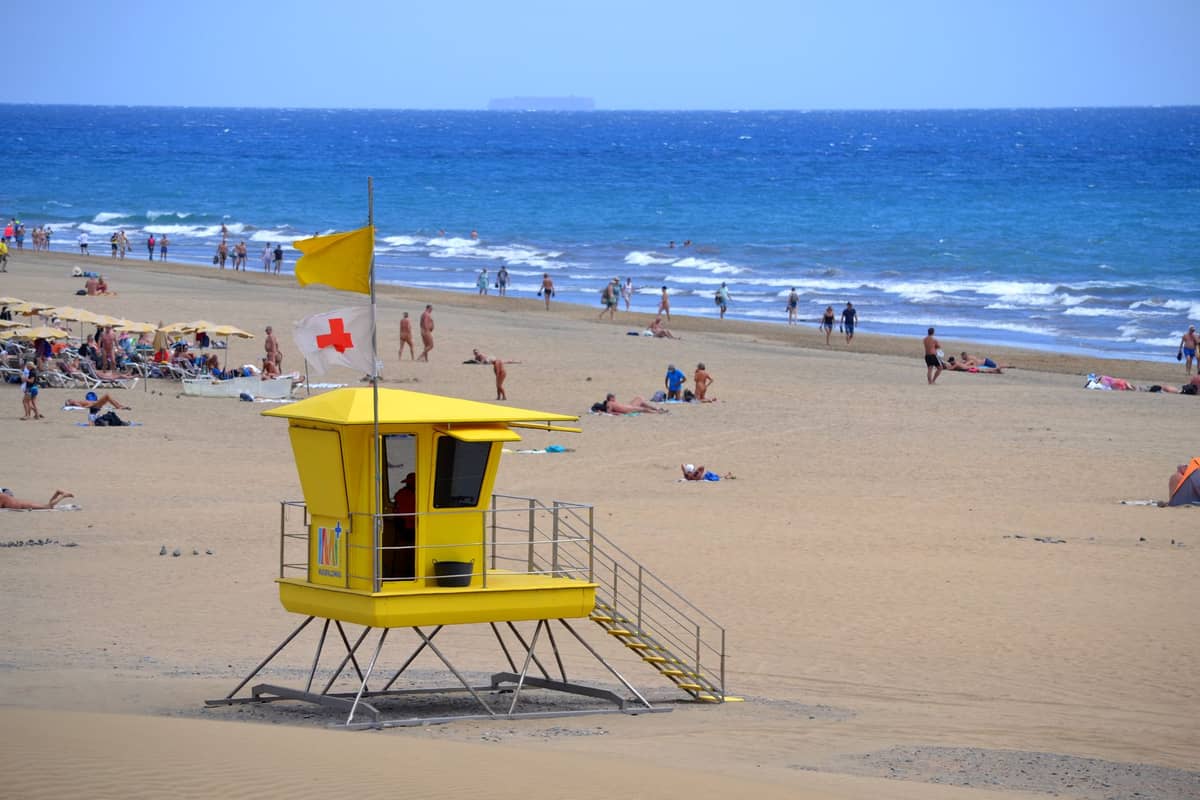
For families with children under about seven, Gran Canaria tends to be the easier choice. The Maspalomas dunes and beach are safe, flat, and endlessly entertaining for small children. The sea in the south is calmer than many of Tenerife's exposed beaches. The resort infrastructure around Playa del Inglés is well-established for family travel: wide promenades, easy restaurant access, shallow pool areas.
Tenerife pulls ahead for families with older children. Siam Park in Costa Adeje is genuinely world-class and worth a full day. The Teide cable car is memorable for children old enough to appreciate altitude and volcanic scenery. Whale and dolphin watching tours from Los Cristianos operate year-round in reliable conditions — the channel between Tenerife and La Gomera is one of the best cetacean spots in Europe. Gran Canaria has its own family options, including Palmitos Park and Aqualand Maspalomas, but they do not match Tenerife's scale for thrill-seeking teenagers.
Gran Canaria has one of the strongest LGBTQ+ communities in Spain. The area around Maspalomas, particularly the Yumbo Centre, hosts year-round gay bars, clubs, and events, and the Maspalomas Pride festival (usually May) draws tens of thousands of visitors from across Europe. This is not a niche offering — it is a defining characteristic of the southern resort scene and worth knowing if it is relevant to your trip or if you are simply wondering why the area feels particularly welcoming.
Getting Between Gran Canaria and Tenerife
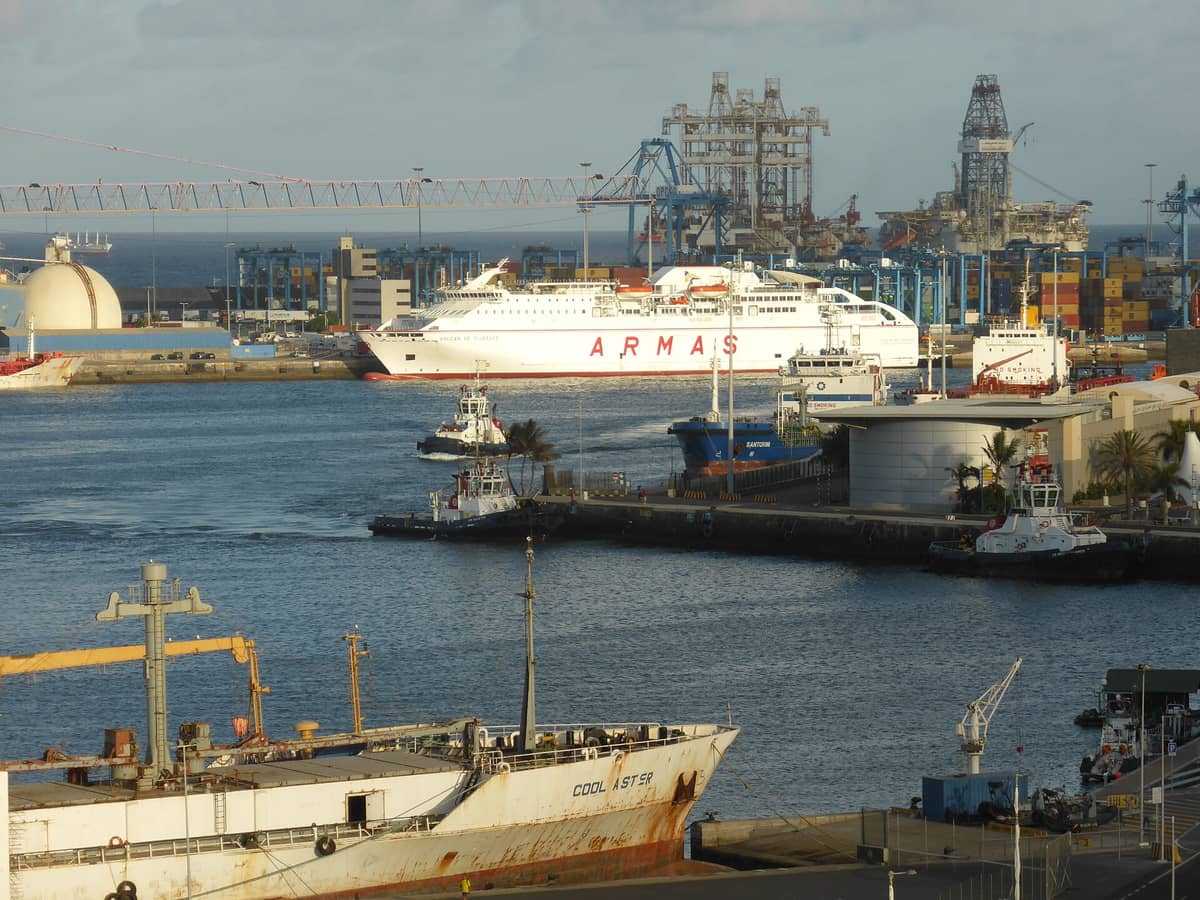
If you want to visit both islands, the logistics are straightforward. Two ferry operators run regular services: Naviera Armas and Fred. Olsen Express. The most common crossing is from Las Palmas de Gran Canaria (Puerto de la Luz) or from Agaete in the northwest to Santa Cruz de Tenerife. Fred. Olsen's fast ferry from Agaete takes around 80 minutes. The standard crossing from Las Palmas takes closer to four hours depending on the operator and route. Schedules run several times daily, and you can bring a car.
The flight option is faster door-to-door if you are staying near the airports: Gran Canaria Airport (IATA: LPA) is on the east coast, and the flight to Tenerife South (TFS) takes around 40 minutes. Binter Canarias operates most of the inter-island routes. For anyone planning a week or more across both islands, this combination — fly or ferry across, rent a car on each island — gives you maximum flexibility. See our Gran Canaria ferry guide for current operator details and port logistics.
✨ Pro tip
The Fred. Olsen fast ferry from Agaete to Santa Cruz de Tenerife is the quickest sea crossing and passes through the channel between the two islands with good views. However, Agaete is around 45 minutes from Las Palmas by road, so factor in travel time to the port. If you are staying in the south of Gran Canaria, the Las Palmas crossing or a short flight will likely save time overall.
Which Island Should You Actually Choose?
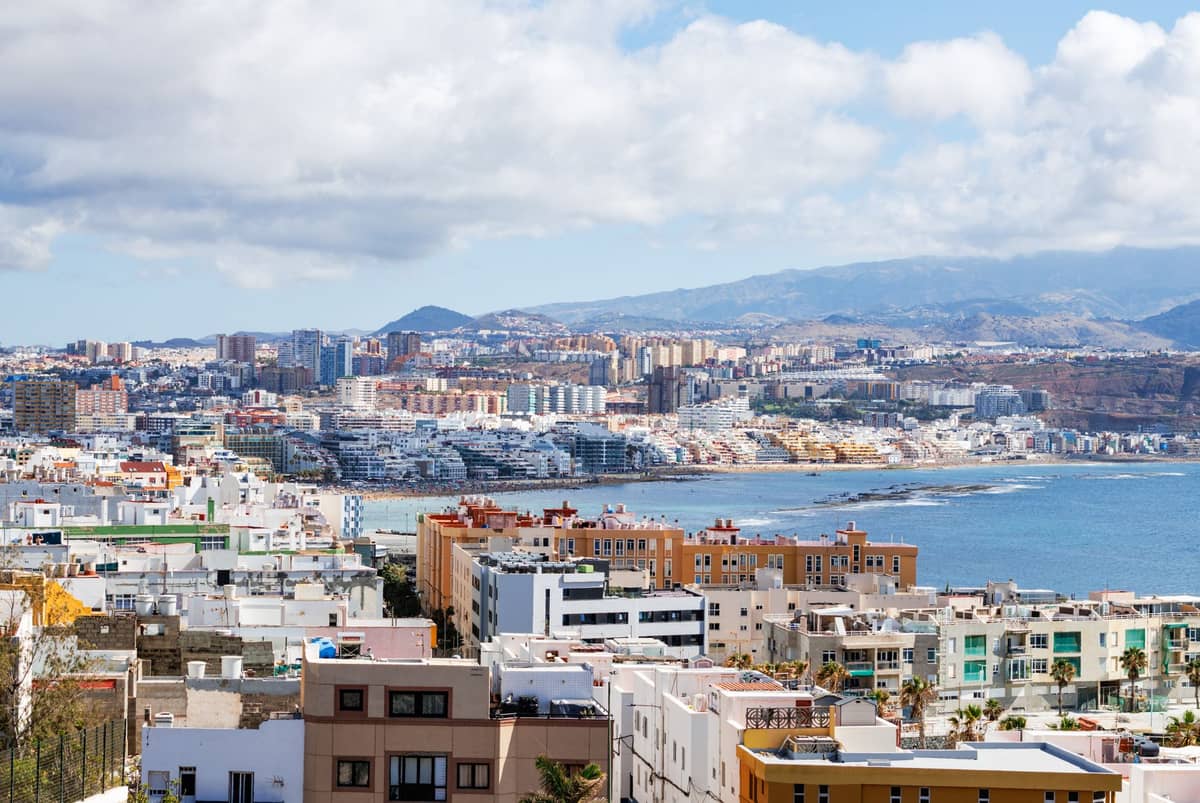
There is no universally correct answer, but there are clear patterns. Choose Gran Canaria if your priority is beach quality, value for money, city culture alongside resort access, or you are travelling as a couple looking for variety without the crowds that Tenerife's headline attractions generate. The island's microclimates mean you can surf rough Atlantic breaks in the north, swim in calm resort waters in the south, and hike through pine forest in the interior — all on the same day if you have a car.
Choose Tenerife if Mount Teide is on your bucket list, you have teenagers who want Siam Park, or whale-watching is a priority. Tenerife is bigger, more developed for mass tourism, and has a broader range of headline attractions — but that also means more crowds, higher costs, and a resort south coast that can feel formulaic. Both islands reward visitors who get off the beaten track: the north of Tenerife and the interior of Gran Canaria are both genuinely different from the resort zones where most tourists spend their time. For more context on whether Gran Canaria specifically justifies the trip, see is Gran Canaria worth visiting.
- Choose Gran Canaria for: best natural sandy beaches, lower costs, city culture in Las Palmas, LGBTQ+ travel, hiking without peak-season crowds, families with young children.
- Choose Tenerife for: Mount Teide, Siam Park, whale-watching, dramatic volcanic scenery, families with older children, wider range of adventure activities.
- Choose both if you have 10+ days: ferry or fly between them, rent a car on each island, and use the contrast between the two as the structure of your trip.
If you are still deciding when to go rather than which island, the timing question matters on both islands. April to June and September to November offer the best balance of warm temperatures, lower prices, and manageable crowds. See the full breakdown in our guide to the best time to visit Gran Canaria for month-by-month detail.
FAQ
Is Gran Canaria or Tenerife better for beaches?
Gran Canaria has better natural sandy beaches overall. The Maspalomas dune system is one of the finest beach landscapes in Spain, and Las Canteras in Las Palmas is an exceptional urban beach. Tenerife's south-coast resort beaches are well-maintained but largely artificial, with imported sand. If natural sand quality is your main criterion, Gran Canaria wins.
How long does it take to travel from Tenerife to Gran Canaria?
By fast ferry (Fred. Olsen Express from Agaete to Santa Cruz de Tenerife): around 80 minutes. By ferry from Las Palmas de Gran Canaria: typically 1 hour 40 minutes to 3½ hours depending on the operator and route. By plane (Gran Canaria LPA to Tenerife South TFS): about 40 minutes flying time, though total journey time including airport transfers is typically 2.5–3 hours.
Is Gran Canaria cheaper than Tenerife?
Generally yes, by around 10–15% for accommodation and dining in comparable resort areas. Car hire in Gran Canaria tends to be noticeably cheaper. Both islands have budget and luxury options across the full price spectrum, but Gran Canaria's overall cost of travel is lower, particularly outside the peak winter-sun and summer school holiday periods.
Which island is better for families with children?
It depends on the age of your children. Gran Canaria is easier for families with toddlers and young children: gentle sandy beaches, calm resort sea conditions, and a flat resort area around Maspalomas. Tenerife is better for families with older children who want Siam Park (genuinely world-class), the Teide cable car, and whale-watching tours.
Can you visit both Gran Canaria and Tenerife on the same trip?
Yes, and it works well if you have 10 days or more. The ferry and flight connections between the islands are frequent and affordable. A practical approach is to spend 5–7 nights on each island, renting a car separately on each one. The Fred. Olsen Express fast ferry from Agaete (northwest Gran Canaria) to Santa Cruz de Tenerife takes around 80 minutes and runs daily.