Gran Canaria on a Budget: How to See the Island Without Overspending
Gran Canaria offers genuine value if you know how to work the island's public transport network, tap into its free outdoor attractions, and eat where locals eat. This guide breaks down the real costs, the smart shortcuts, and the common mistakes that drain tourist wallets.
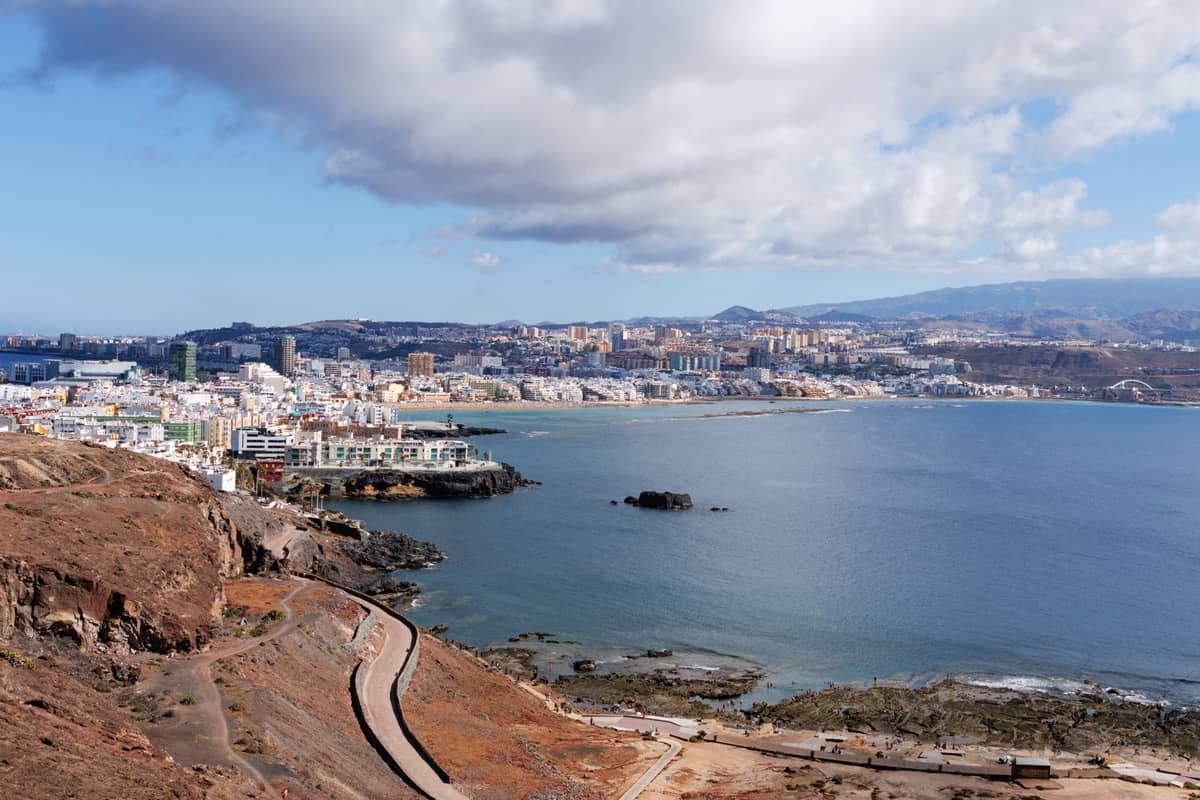
TL;DR
- Gran Canaria on a budget is very achievable: the island's Global bus network connects the airport, Las Palmas, and southern resorts for under €7 per trip.
- You do not need to rent a car to get around cheaply. The bus network covers the main destinations tourists actually visit.
- The best free activities, from Las Canteras beach in Las Palmas to hiking around Roque Nublo, cost nothing to access.
- High season (Christmas, Easter, and the Northern European winter peak) pushes accommodation prices up significantly. Late spring and early autumn are the sweet spots for value.
- Subsidized resident transport passes are not available to tourists. Visitors pay standard fares or buy tourist-specific cards.
How Much Does Gran Canaria Actually Cost?
Gran Canaria sits comfortably below Ibiza or the Balearics in terms of holiday cost, and it undercuts many mainland Spanish beach destinations too. The island is part of Spain and uses the Euro (EUR). VAT in the Canary Islands is a separate, lower tax called IGIC (Impuesto General Indirecto Canario), set at 7% rather than mainland Spain's 21%. That difference alone makes goods and many services noticeably cheaper than what you'd pay in Tenerife South's tourist bubble or a Costa del Sol resort.
A realistic daily budget for a solo traveller using public transport, self-catering for most meals, and sticking to free activities comes in around €40-60. A couple doing the same, sharing accommodation costs, can drop that per-person figure to €30-45 per day. Stepping up to a mid-range experience with restaurant lunches, occasional tours, and a comfortable hotel puts you at €80-130 per person per day. The island only becomes expensive if you plant yourself in a southern resort, rent a sunbed twice a day, and eat in beachfront restaurants every night.
- Budget tier (€40-60/day) Hostel or self-catering apartment, supermarket meals, public buses, free beaches and hiking.
- Mid-range tier (€80-130/day) Two-star hotel or apartment, mix of eating out and self-catering, day trips by bus or rental car.
- Comfortable tier (€150+/day) Three-to-four-star hotel, restaurant meals, hire car, entrance to paid attractions.
ℹ️ Good to know
Gran Canaria uses the Canary Islands' IGIC tax rate of 7% rather than mainland Spain's VAT of 21%. This applies to restaurants, shopping, and services, making the island meaningfully cheaper than a comparable trip to Barcelona or Madrid.
Getting Around on the Cheap: Buses Over Rental Cars
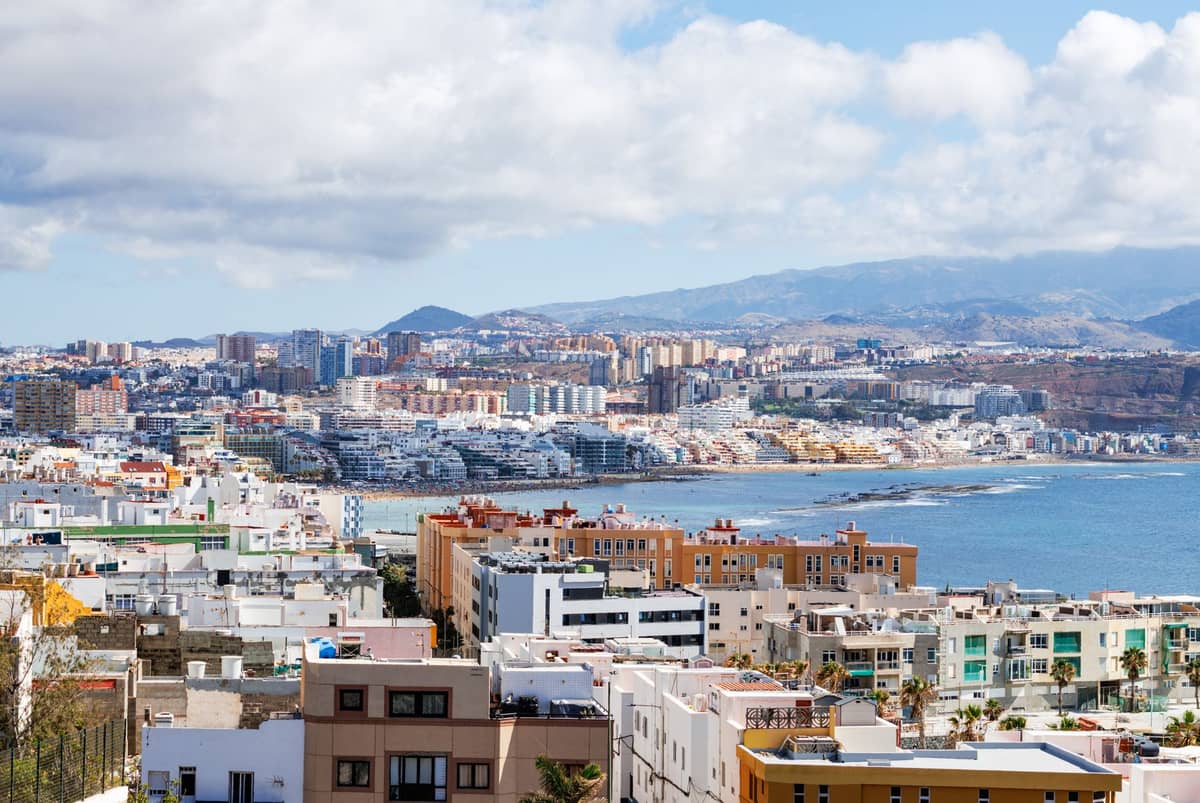
The single biggest budget decision on Gran Canaria is whether to rent a car. For many itineraries, especially those focused on Las Palmas, the southern resorts, or a combination of both, the answer should be no. The island's interurban bus network, operated by Global (Guaguas Global), covers all the destinations most visitors actually want to reach, at fares well under €10 per journey.
From Gran Canaria Airport (IATA: LPA), located on the island's eastern coast northeast of Maspalomas and south of Las Palmas, Global Line 60 is your first friend. A single ticket to Santa Catalina in central Las Palmas costs around €2.30-2.95. The same journey by taxi runs €25-35 and takes about the same time in normal traffic. For the southern resorts, airport-to-Maspalomas by bus runs around €4.05, and airport-to-Puerto de Mogán is approximately €6.80. Taxis on these routes cost €35-50. The maths is not complicated.
- Line 60: Airport to Las Palmas (Santa Catalina and San Telmo)
- Line 1: Las Palmas to Maspalomas via the coastal route (around €5-7)
- Line 30: Maspalomas to Puerto de Mogán
- Line 303: Las Palmas to Teror and Arucas (mountain interior)
Within Las Palmas de Gran Canaria, the urban bus network (Guaguas Municipales) runs on a separate system. A single ticket bought on board costs about €1.40. Pre-loaded cards bring this down considerably. The LIVE tourist card offers unlimited urban bus travel for around €5 for 24 hours or €12 for 72 hours, which is worth it if you're spending several days exploring the city. The TransGC reloadable card reduces individual fares to around €0.85. Note that resident-only subsidized passes advertised in Spanish news are not accessible to visitors. Stick to tourist cards and standard single tickets.
⚠️ What to skip
The heavily subsidized 'Bono Único' unified pass rolled out across the Canary Islands is aimed at residents, not tourists. Visitors cannot access these rates. Tourist cards and standard fares are what's available to you at bus station machines and on board.
Free and Low-Cost Things to Do
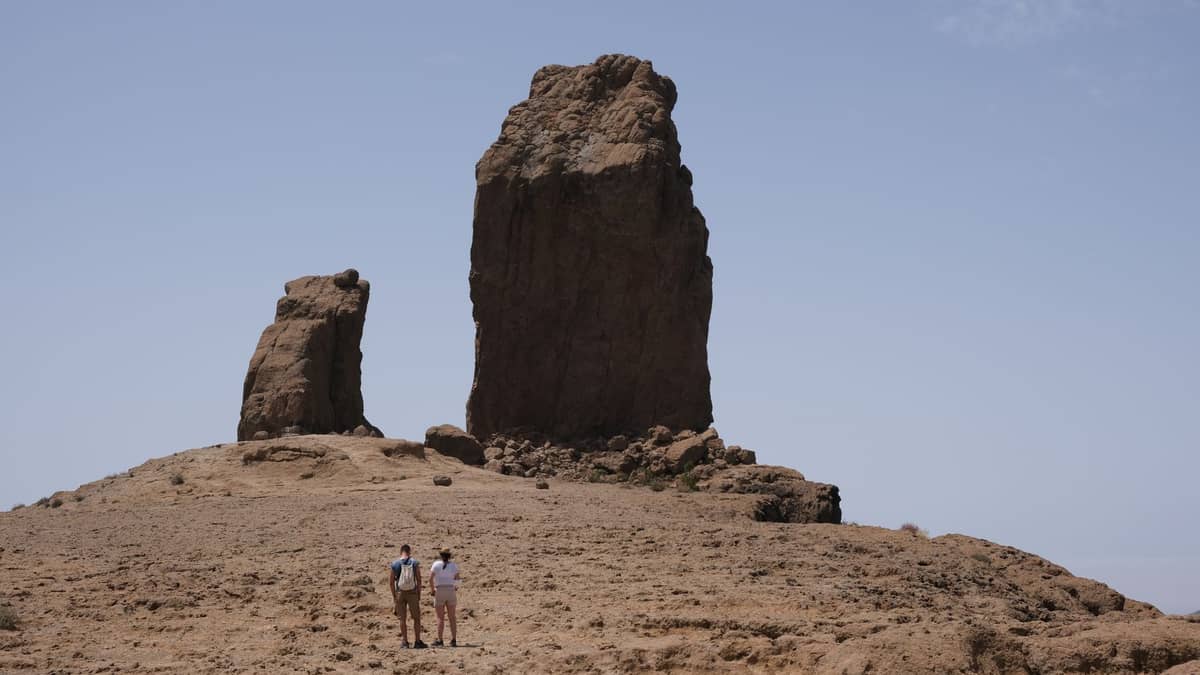
Gran Canaria's strongest budget card is its outdoor landscape. The island covers 1,560 km² and rises to nearly 2,000 metres at its interior peaks, giving it a remarkable range of terrain, all of it free to walk through. Hiking on Gran CanariaRoque Nublo is one of the most satisfying free activities on the island. Trails around Roque Nublo, Tejeda, and the Tamadaba pine forest require nothing more than decent footwear and water.
The beaches are, of course, free. Las Canteras in Las Palmas is one of Europe's great city beaches and costs nothing to use. The natural reef that runs parallel to the shore creates calm swimming conditions that most purpose-built resorts can't match. Down south, the Maspalomas Dunes are a protected natural reserve where access is free. Sunbed hire on the adjacent beach adds cost but is entirely optional.
Las Palmas de Gran Canaria's historic quarter, Vegueta, is worth several hours of your time and costs nothing to walk around. The Cathedral of Santa Ana charges a modest entry fee for the interior and tower, but the square and surrounding colonial architecture are accessible for free. The Sunday market at Vegueta (Mercado del Agricultor) is free to browse and a good place to pick up cheap local produce.
- Hiking: Roque Nublo, Pico de las Nieves, Tamadaba Natural Park, Barranco de los Cernícalos (all free, some parking fees at trailheads)
- Beaches: Las Canteras (Las Palmas), El Confital (Las Palmas), Maspalomas, Playa del Inglés (no entry charge)
- Natural pools along the north coast, including Agaete (free to access)
- Vegueta old town and cathedral square (free to walk)
- Local markets: Vegueta, Triana market in Las Palmas, town markets across the island
- Mirador del Balcón on the GC-200 coastal road (free viewpoint)
- Caldera de Bandama volcanic crater viewpoint (free, with daytime opening hours)
💡 Local tip
Many of Gran Canaria's best paid attractions offer free or reduced admission on certain days. The Museo Canario in Las Palmas, for example, offers free entry on special dates such as the European Night of Museums or International Museum Day. Check individual attraction websites before paying full price.
Eating and Drinking Without Spending Tourist Prices
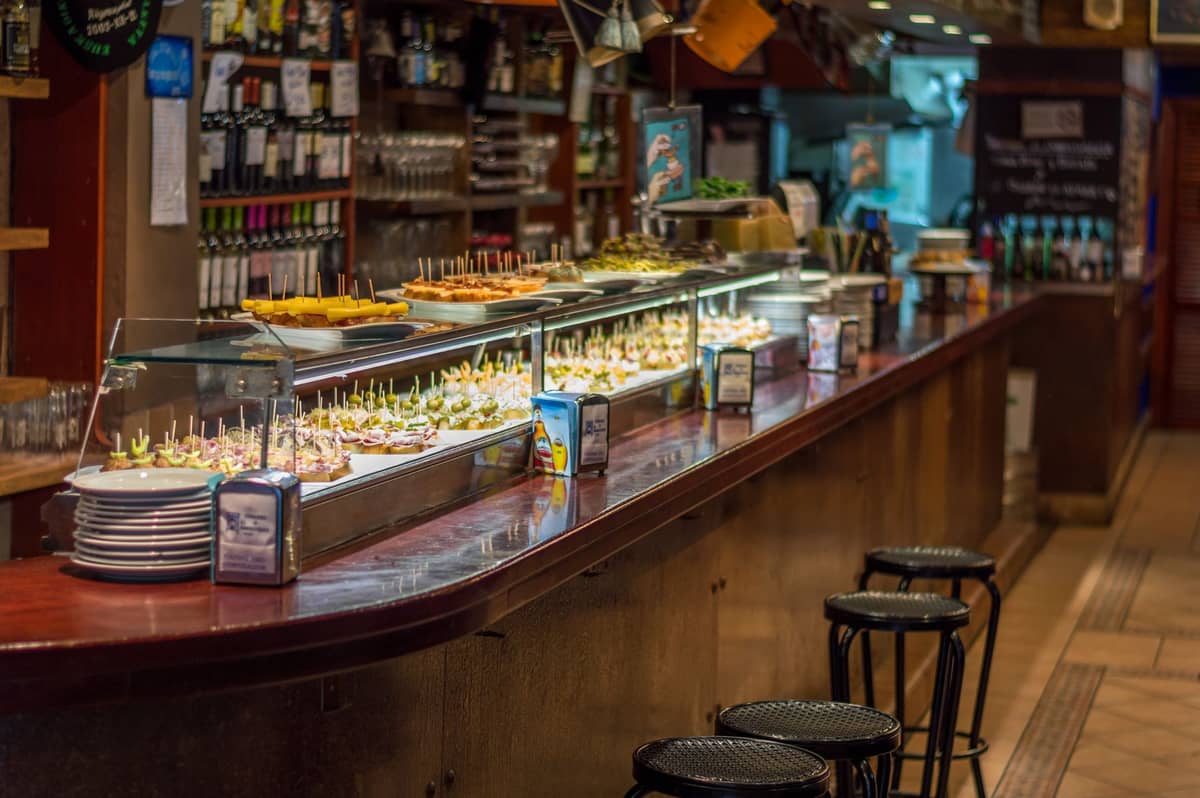
Food is where the gap between smart and careless travel spending shows most clearly on Gran Canaria. Eating in beachfront restaurants in Playa del Inglés or Puerto de Mogán marina costs two to three times what the same food costs two streets inland. Canarian cuisine is genuinely excellent value when you eat it where locals do: the papas arrugadas (small wrinkled potatoes with mojo sauces), fresh fish dishes, and the menú del día (fixed-price lunch) are the budget traveller's best tools.
The menú del día is an institution across Spain and operates the same way here. Most local restaurants in Las Palmas and inland towns offer a fixed lunch menu from Monday to Friday: typically a starter, main course, bread, drink, and sometimes dessert for €10-14. This is consistently better value than ordering à la carte. In tourist resort areas, these menus become rarer and often rise to €16-20, though they still tend to beat the full evening menu for value.
Self-catering is easy on Gran Canaria. Most apartments in both Las Palmas and the southern resorts come with basic kitchen facilities. Supermarket chains present on the island include Hiperdino, Mercadona, Carrefour, and Lidl. Prices are broadly similar to mainland Spain or slightly lower due to IGIC. Buying breakfast supplies, picnic lunches, and evening snacks at a supermarket while eating one proper restaurant meal per day is the most practical way to cut food costs without sacrificing the experience of eating local.
When to Go for the Best Value
Gran Canaria's subtropical climate is its most reliable selling point. Coastal temperatures rarely drop below 18°C in winter or exceed 28°C in summer, which means there is genuinely no bad month to visit from a weather perspective. From a budget perspective, though, timing matters. See our guide to the best time to visit Gran Canaria for a full seasonal breakdown.
The most expensive periods are the Christmas and New Year period (roughly December 20 to January 6), Easter week, and the Northern European winter peak running from late January through February. During these windows, accommodation prices in the southern resorts can double or triple compared to shoulder season. The February Carnival in Las Palmas also draws large crowds and pushes prices up, though the event itself is free to attend.
The best value periods are late April to early June and September to mid-October. The weather is warm and settled, the beaches are far less crowded, and accommodation costs are genuinely lower. November to early December also offers good value and warm enough temperatures for swimming on southern beaches. The island's interior, where hiking is most rewarding, is actually better in the cooler months from November to April, when the heat is manageable and the landscape is greener after autumn rains.
✨ Pro tip
If your dates are flexible, flying into Gran Canaria (LPA) mid-week rather than Saturday or Sunday cuts flight costs significantly. The island is heavily served by charter routes from Northern Europe that operate on weekend cycles, making midweek flights on the same routes noticeably cheaper.
Budget Accommodation: Where to Stay and What to Pay
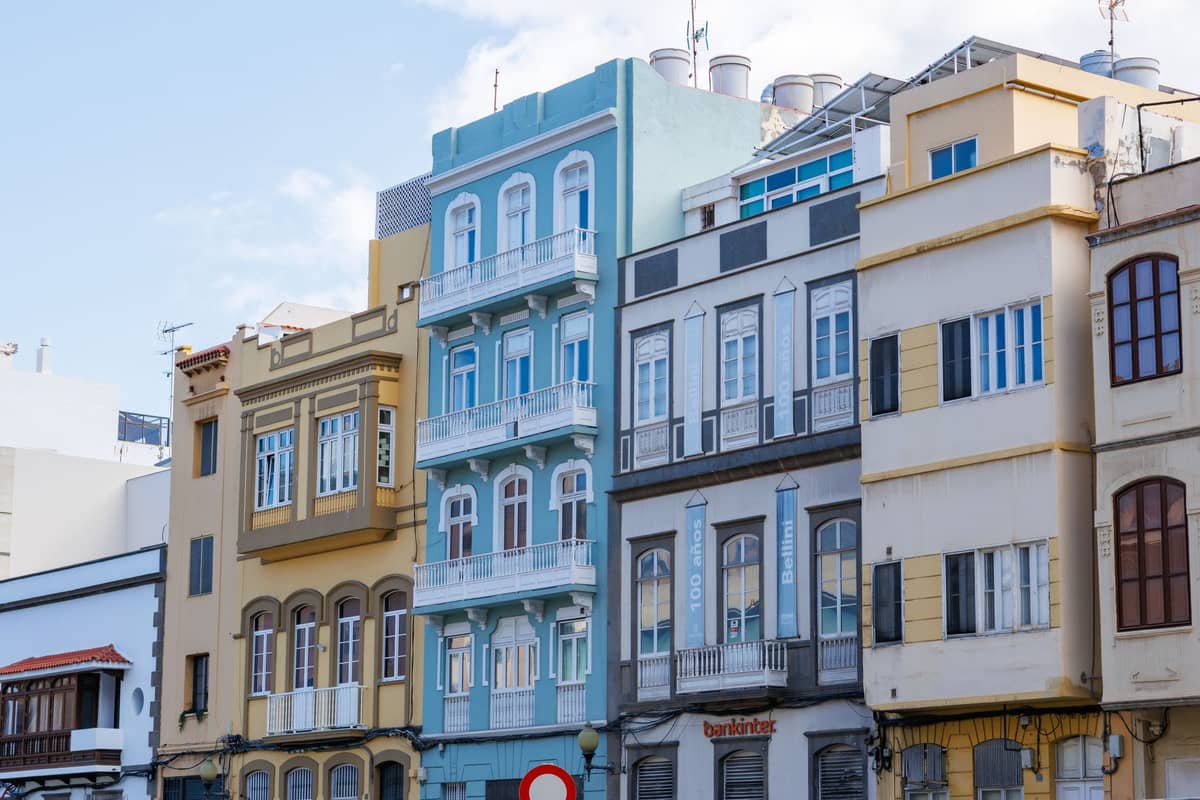
Las Palmas de Gran Canaria is the budget accommodation capital of the island. The city has the widest range of hostel beds, guesthouses, and self-catering apartments, and prices here are typically 20-40% lower than comparable options in the southern resort strip. The Triana and Santa Catalina areas put you close to Las Canteras beach and good public transport connections. Vegueta is quieter and closer to cultural attractions.
In the south, Playa del Inglés tends to offer better value than Puerto de Mogán marina (which skews more expensive) and is cheaper than Maspalomas for self-catering apartments. That said, the southern resort market is dominated by apartment complexes with weekly or biweekly cleaning rather than daily hotel service, which suits budget travellers well. Expect to pay €40-70 per night for a basic self-catering studio in shoulder season in the south, and €30-55 in Las Palmas for a comparable option.
Hostel beds in Las Palmas run roughly €18-28 per night. The city has a small but functional hostel scene concentrated around Las Canteras beach and the Santa Catalina area. There are very few traditional hostels in the southern resorts, where the apartment model dominates. If you're on a strict budget and travelling solo, Las Palmas is the better base.
FAQ
Is Gran Canaria cheap for a holiday?
Relative to most Western European beach destinations, yes. The Canary Islands apply a lower local tax (IGIC at 7%) rather than mainland Spain's VAT, making food, drinks, and services noticeably cheaper. A budget traveller using public transport and self-catering can manage on €40-60 per day. The island becomes expensive mainly if you stay in a front-row resort hotel and eat in beachfront restaurants for every meal.
Do I need to rent a car in Gran Canaria to save money?
No. The Global interurban bus network connects the airport, Las Palmas, Maspalomas, Playa del Inglés, Puerto Rico, and Puerto de Mogán at fares ranging from around €2.95 to €6.80. A rental car adds daily hire cost, fuel, and parking fees, which often exceed the total bus costs for a week. For reaching remote interior villages or doing a flexible road trip, a car makes sense, but it is not required for a typical holiday.
What is the cheapest time to visit Gran Canaria?
Late April to early June and September to mid-October offer the best combination of lower accommodation prices, warm weather, and manageable crowds. The most expensive periods are Christmas to early January, Easter week, and January to late February when Northern European demand peaks.
Are there free things to do in Gran Canaria?
Plenty. The island's beaches are all free to access (sunbed hire is optional). Hiking trails through the interior, including routes around Roque Nublo and Tamadaba Natural Park, cost nothing. Las Palmas's Vegueta old town, the Maspalomas Dunes, local markets, the natural pools at Agaete, and viewpoints like Mirador del Balcón all require no entry fee.
Can I use the subsidized resident bus pass as a tourist in Gran Canaria?
No. The heavily discounted Bono Único and other subsidized passes introduced across the Canary Islands are for residents only and require registration. Tourists pay standard fares or can use tourist-specific cards like the LIVE card (around €5 for 24 hours of unlimited urban bus travel in Las Palmas). Multi-trip cards available at bus stations also reduce the per-journey cost compared to single on-board tickets.