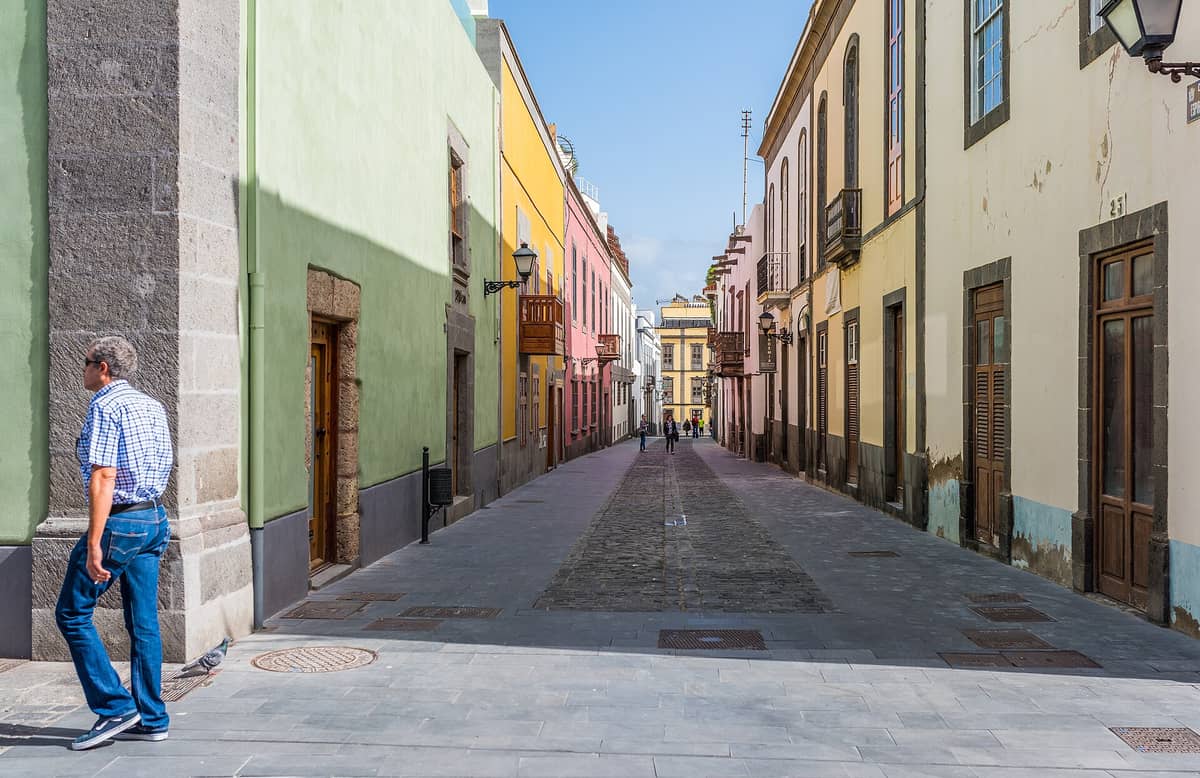
Vegueta is the oldest quarter of Las Palmas de Gran Canaria, where the city began in the late 15th century. Cobbled pedestrian streets connect the Cathedral of Santa Ana to world-class museums, weekend markets, and shaded plazas that feel genuinely Canarian rather than tourist-facing. It is the cultural and historical core of Gran Canaria's capital.
Vegueta is where Las Palmas de Gran Canaria began, and it still carries the weight of that history in every stone-paved street and colonial facade. This is the island's most architecturally coherent neighborhood, organized around the Cathedral of Santa Ana and a cluster of institutions that tell the story of the Canary Islands from pre-Hispanic times through the Age of Exploration. It moves at a different pace from the rest of the city, quieter on weekday mornings, alive with local families on weekends, and genuinely atmospheric after the day-trippers leave.
Orientation
Vegueta occupies the southern end of Las Palmas de Gran Canaria, sitting on a slight elevation above the port of La Luz and separated from the more commercial neighborhoods to the north by the Barranco Guiniguada, a dry ravine that once marked the natural boundary of the original colonial settlement. Directly across the ravine lies Triana, the 19th-century expansion district, connected to Vegueta by a handful of bridges and pedestrian crossings. Together, the two neighborhoods form what locals call the city's historic core.
The district is compact and walkable. Its defining streets include Calle Pelota, Calle Los Balcones, Calle Mendizábal, and Calle Espíritu Santo, which form a tight grid of mostly pedestrianized lanes radiating out from Plaza de Santa Ana. The neighborhood is bounded loosely by the ravine to the north, the port and coastal road to the east, and residential streets that gradually give way to quieter barrios to the south and west. For context on how Vegueta fits into the wider city, the Triana neighborhood immediately to the north is the natural next stop on any walking tour of the historic city.
Everything worth seeing in Vegueta is within a 15-minute walk of Plaza de Santa Ana, which makes it one of the most straightforward neighborhoods on the island to navigate. Arriving by bus brings you to stops along the perimeter; there is no driving into the pedestrian core.
Character and Atmosphere
Vegueta earns its reputation as the most atmospheric corner of Las Palmas not through any single landmark but through the cumulative effect of walking its streets. The architecture is overwhelmingly Canarian colonial: whitewashed facades, carved wooden balconies with dark timber lattices, and interior courtyards visible through heavy wooden gates. The scale is human. Buildings rarely exceed three stories. Streets narrow without warning. A lane that looks like a dead end often opens onto a sun-drenched square.
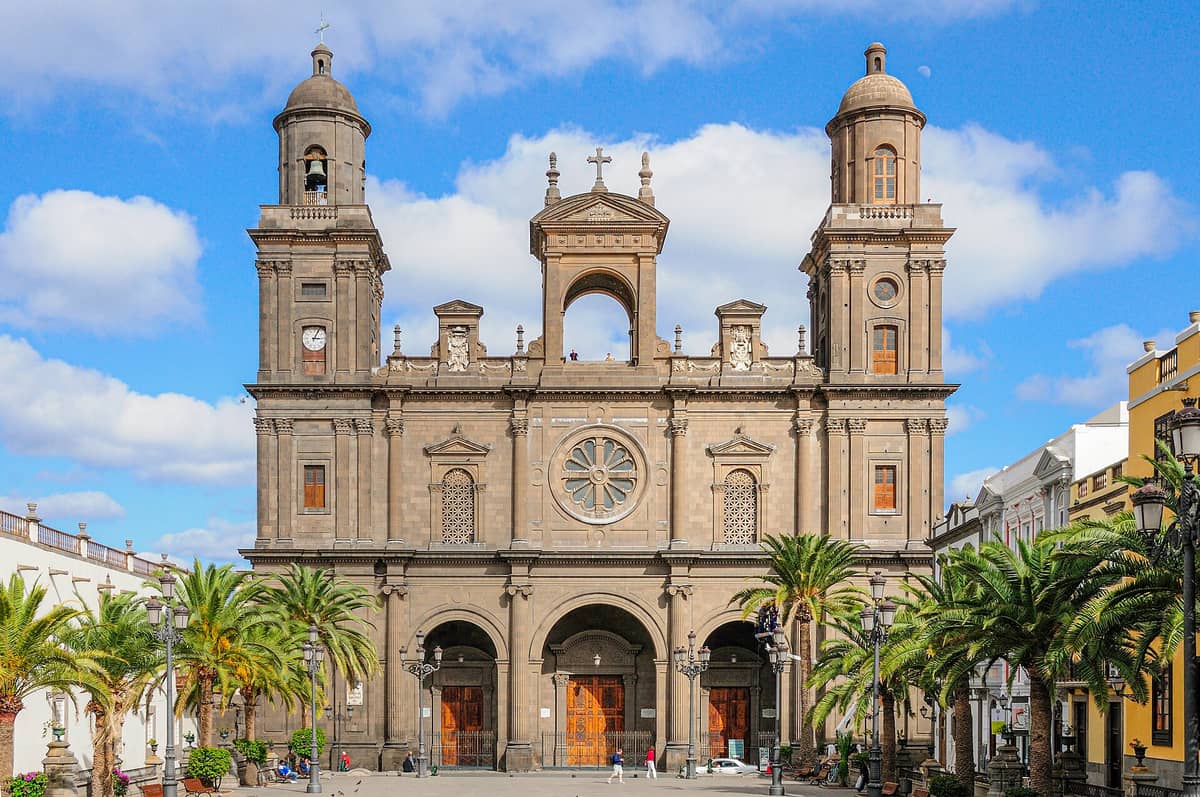
Weekday mornings are the closest you will get to seeing Vegueta as a working neighborhood rather than a heritage site. Schoolchildren cut through Plaza de Santa Ana on their way to class. Older residents sit on benches outside the cathedral in the early light, which hits the bell towers from the east and turns the stone a warm amber. By mid-morning the cafes on the plaza fill up, and the sound shifts from birdsong and footsteps to the low hum of conversation and espresso machines.
Afternoons in high summer can feel still and slow, with the stone streets radiating heat and some museums adjusting their hours or closing on certain days. This is when the neighborhood's quieter residential side shows itself: shuttered windows, a cat on a doorstep, the faint sound of a television somewhere above. By late afternoon the light softens, the museums reopen, and the streets pick up again. Saturday mornings bring the Mercado de Vegueta to life, drawing both residents from across the city and visitors looking for local produce, cheese, and fresh fish.
After dark, Vegueta is calm rather than lively. A handful of bars and restaurants stay open into the evening, particularly around Calle Pelota and the streets just south of the market, but this is not a nightlife district. The cobbled streets are largely empty by 10pm on weekdays. That emptiness is actually part of the appeal: walking the illuminated plaza in front of the cathedral at night, with the facades lit and almost no one around, is one of the more quietly impressive experiences Las Palmas offers.
💡 Local tip
Visit the Plaza de Santa Ana on a Sunday morning. The plaza fills with local families, the cathedral holds services, and the surrounding streets have an unhurried atmosphere that is very different from the weekday tourist pace.
What to See and Do
The Cathedral of Santa Ana is the architectural anchor of the entire district and one of the most significant religious buildings in the Canary Islands. Construction began in 1497, just a few years after the Spanish conquest of Gran Canaria, and continued for nearly four centuries, which explains the cathedral's layered appearance: Gothic foundations, a Renaissance nave, and a neoclassical facade facing the plaza. The interior is impressively sober, with a central nave flanked by chapels and a museum section accessible through a separate entrance that takes visitors up to the roof terrace for views over the old town rooftops.
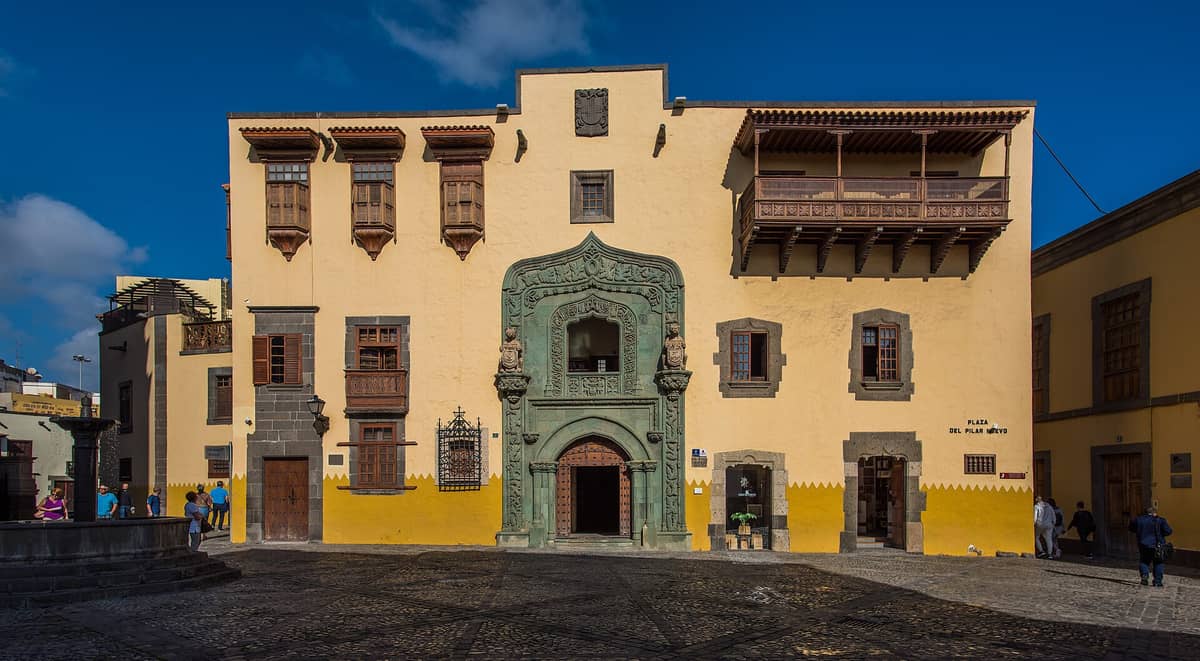
A short walk south of the cathedral along Calle Colón, the Casa de Colón occupies a beautifully restored colonial palace that served as the residence of early Spanish governors. The building takes its name from Christopher Columbus, who is said to have stopped in Las Palmas during his 1492 voyage to the Americas. Whether or not the historical details of that stay are precisely as documented, the museum inside is genuinely good: it covers pre-Columbian Americas, the Age of Exploration, and the role the Canary Islands played as a waypoint between Europe and the New World. The courtyard alone is worth stepping into.
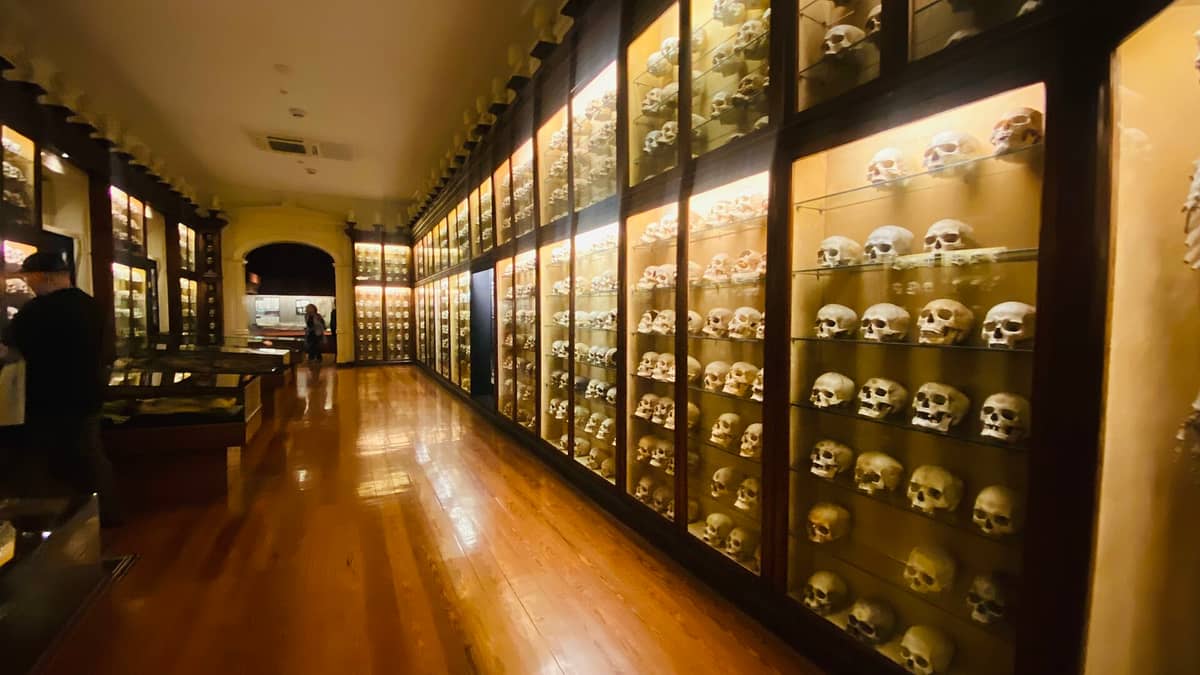
The Museo Canario on Calle Doctor Verneau is one of the most important ethnographic and archaeological museums in the Atlantic. Its collection focuses on the Guanches, the indigenous Berber-descended people who inhabited the Canary Islands before Spanish colonization. The displays include skeletal remains, ceramics, textiles, carved wooden tools, and an extensive collection of Guanche mummies and skulls. It is a serious scholarly institution, not a tourist attraction dressed up as one, and it rewards a couple of hours of careful attention.
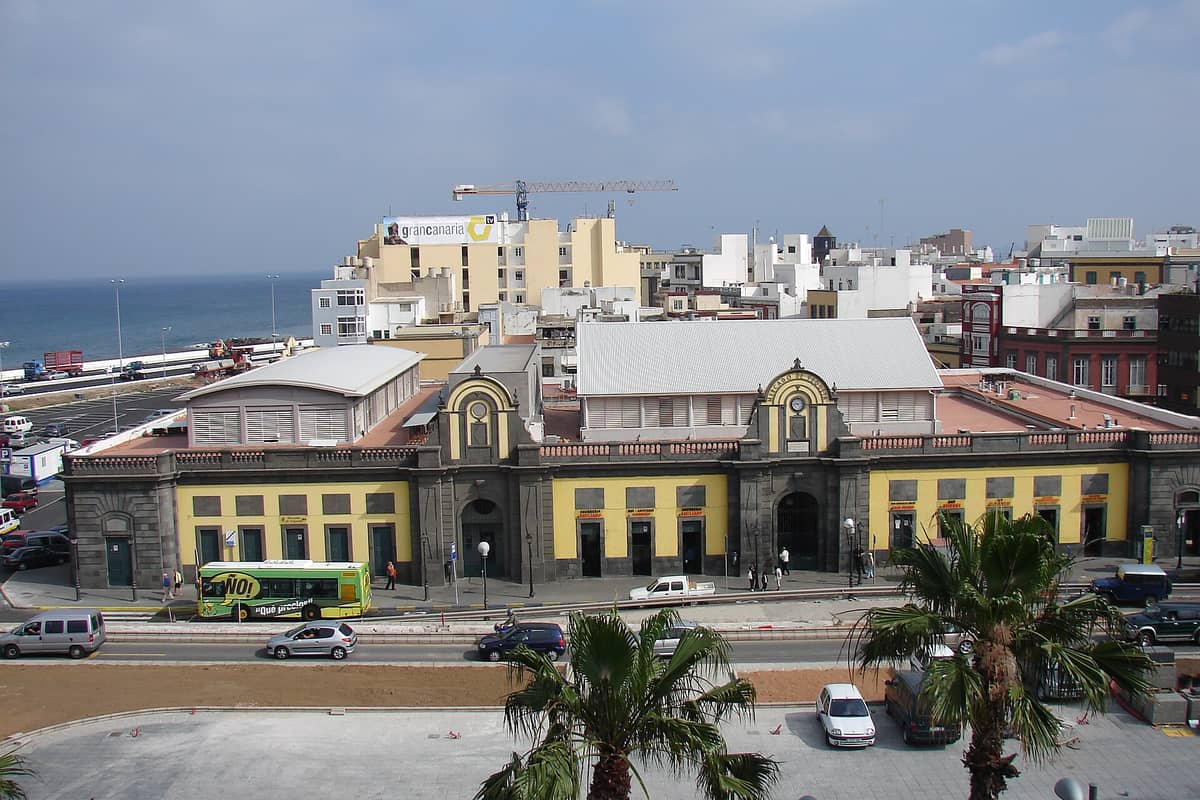
Also worth noting is the Mercado de Vegueta, the neighborhood's covered market on Calle Mendizábal. Built in the late 19th century in an iron-framed structure typical of the era, it sells fresh produce, local cheeses (particularly the sharp aged variety from inland villages), fish from the surrounding Atlantic, and Canarian mojo sauces. It is most active Saturday mornings but operates on weekdays as well.
Cathedral of Santa Ana and its rooftop terrace: allow 1-2 hours
Casa de Colón museum: allow 1-1.5 hours
Museo Canario: allow 1.5-2 hours for the full collection
Plaza de Santa Ana and the bronze dog sculptures: best in morning light
Mercado de Vegueta: Saturday mornings for peak activity
Calle Pelota and surrounding streets: best explored on foot without a plan
ℹ️ Good to know
Many of Vegueta's museums close on Monday and have reduced midday hours. Check schedules before planning a morning visit, particularly if you are working through multiple institutions in one day.
Eating and Drinking
Vegueta's food scene is smaller than its cultural reputation might suggest. The neighborhood has a limited number of restaurants, concentrated mainly around the market and along the pedestrian streets south of the plaza. What is here tends toward traditional Canarian cooking rather than international food, which makes it one of the better places in the city to eat local without actively seeking out specialist restaurants.
Canarian staples to look for include papas arrugadas, small wrinkled potatoes boiled in heavily salted water and served with red or green mojo sauce, and fresh Atlantic fish prepared simply with garlic and oil. Gofio, the toasted grain flour that has been a dietary cornerstone of the Canary Islands since Guanche times, appears in various forms including soups and desserts. The neighborhood's proximity to the Mercado de Vegueta means some smaller restaurants and tapas bars source directly from the market, and the freshness of the fish in particular shows.
Cafes around Plaza de Santa Ana cater to a mix of local office workers, students from the nearby university buildings, and tourists. Prices are moderate by Spanish standards and noticeably more reasonable than comparable spots around Las Canteras beach to the north. A coffee and pastry at a terrace table facing the cathedral costs roughly what you would pay in an ordinary neighborhood cafe in Madrid, not the tourist premium often charged at similarly dramatic locations.
For drinks in the evening, Calle Pelota and the streets immediately around it have a small cluster of bars that attract a local crowd rather than the international mix found further north in Santa Catalina. The atmosphere is low-key: neighborhood places where people come to talk rather than specifically to drink, and where the bartender is more likely to recommend a local wine from the island's interior than an imported beer.
Getting There and Around
Vegueta is served by several bus lines operating through the urban guaguas network run by Guaguas Municipales within Las Palmas. The closest stops to the neighborhood center are around Parque Santa Isabel and along the ravine-edge roads. Bus lines including routes 1, 8, and 25 (among others) connect Vegueta to the rest of Las Palmas, including Santa Catalina to the north and the Las Canteras beachfront. Verify current route numbers and timetables with Guaguas Municipales before travel, as schedules are subject to change.
From Gran Canaria Airport (IATA: LPA), the most direct route into Vegueta involves taking a Global interurban bus into central Las Palmas and then connecting to a local guagua. A taxi from the airport to Vegueta takes approximately 25-30 minutes depending on traffic and costs in the region of €25-35 (verify current fares before travel). For orientation on moving around the wider island, the guide to getting around Gran Canaria covers all transport options in detail.
Within Vegueta itself, walking is the only practical option. The pedestrianized core cannot be driven through, and the distances between attractions are short enough that any other transport would be unnecessary. From Plaza de Santa Ana to the Museo Canario is less than five minutes on foot. From the market to the Casa de Colón is roughly the same. Bring comfortable shoes: the cobblestones are uneven and can be slippery after the occasional winter rain.
Vegueta is walkable from Triana across the Barranco Guiniguada bridges, a crossing that takes about 10 minutes and passes the Teatro Guiniguada. From Triana, you can continue north on foot to reach the Santa Catalina district and the Las Canteras beachfront in around 25-30 minutes, making a half-day walk through the city's different characters entirely feasible.
⚠️ What to skip
Parking in and around Vegueta is limited and the pedestrian zones are enforced. If you are arriving by rental car from elsewhere on the island, use a car park near the port area and walk in rather than attempting to navigate the narrow streets of the old town.
Where to Stay
Accommodation directly within Vegueta is limited compared to Las Canteras or the southern resorts, which reflects both the neighborhood's small size and its predominantly residential and institutional character. What exists tends toward boutique hotels and small guesthouses in restored colonial buildings, which suits the neighborhood's atmosphere considerably better than a large chain hotel would.
Staying in Vegueta makes most sense for travelers whose priorities are the historic city, the museums, and the daily rhythms of a working Canarian neighborhood rather than beach access or nightlife. The Las Canteras beachfront is about 30 minutes on foot or a short bus ride north, which is manageable but not immediately convenient. Travelers wanting beach proximity combined with city access would do better to look at options closer to Las Canteras and weigh their priorities using the where to stay in Gran Canaria guide.
The neighborhood is genuinely quiet at night, which is a benefit for light sleepers but may feel isolating for travelers accustomed to having options within walking distance after dinner. If you are spending more than two or three nights in Las Palmas, basing yourself in Vegueta for part of the stay and moving to a different area for the rest is a reasonable way to experience both sides of the city.
Practical Notes and Honest Assessment
Vegueta is not a neighborhood that needs much in the way of safety warnings. Standard city precautions apply: keep an eye on bags in crowded areas like the market, and be aware of your surroundings in the less-trafficked streets very late at night, as in any city. The area around the market and the cathedral is well-lit and sees regular foot traffic throughout the day. For anyone coming to Gran Canaria primarily for beaches and resort life, Vegueta is an excellent half-day excursion from the south of the island, though a 3-day Gran Canaria itinerary would ideally build in at least a full morning here.
The honest drawback of Vegueta is that it is small, and a thorough visit to its main attractions takes a single day at most. The neighborhood does not have the depth of dining, shopping, or nightlife that would justify extended exploration. It is the kind of place that rewards being done properly rather than rushed, so pair it with a walk through adjacent Triana and perhaps an afternoon at Las Canteras beach to make a full and satisfying day.
For travelers interested in Canarian history and culture beyond Vegueta, the island's interior holds further archaeological and natural rewards. The guide to things to do in Gran Canaria covers the full range of options across the island, from the dunes at Maspalomas to the mountain villages of the central interior.
TL;DR
Vegueta is the historic founding quarter of Las Palmas de Gran Canaria, organized around the 15th-century Cathedral of Santa Ana and a cluster of excellent museums including the Casa de Colón and Museo Canario.
Best visited in the morning or on a Saturday, when the Mercado de Vegueta is active and the streets have an authentic neighborhood atmosphere before the midday heat sets in.
Entirely walkable and compact: all major attractions are within 15 minutes of Plaza de Santa Ana, making it easy to cover thoroughly in half a day.
Not a nightlife or beach destination: evenings are quiet, accommodation is limited, and the nearest beach requires a bus ride or 30-minute walk north.
Ideal for culturally oriented travelers, history enthusiasts, and anyone who wants to understand Las Palmas beyond its coastline. A worthwhile addition to any Gran Canaria itinerary, even for visitors based in the southern resorts.
Three days is enough to experience Gran Canaria's remarkable range: a well-preserved colonial old town, Atlantic dune fields, volcanic mountain villages, and some of Spain's best urban beaches. This itinerary is built around real transport logistics, honest time estimates, and a deliberate mix of coast and interior.
Gran Canaria packs an extraordinary variety of beaches into one island: vast dune-backed shores in the south, a world-class urban beach in Las Palmas, sheltered family coves on the southwest coast, and raw Atlantic surf breaks in the north. This guide covers the best of all of them.
Gran Canaria earns its reputation as the 'island of eternal spring' for good reason. This guide breaks down every season, explains how the island's microclimates affect your plans, and tells you honestly when to go and when to avoid the crowds.
Gran Canaria packs extraordinary variety into 1,560 square kilometres. These are the best day trips from any base on the island, from the sacred peaks of the interior to the quiet fishing harbours of the west coast.
Gran Canaria is not a walkable island. This guide breaks down every realistic transport option, from Global bus routes and regulated taxi fares to car rental logistics and seasonal road warnings, so you can move around confidently from day one.
Gran Canaria all-inclusive resorts range from budget-friendly complexes in Playa del Inglés to upmarket retreats in Puerto de Mogán. This guide covers the best areas, realistic price expectations by season, and a clear take on when all-inclusive actually makes sense on this island.
Gran Canaria Carnival is one of Spain's biggest pre-Lent celebrations, centred on Las Palmas de Gran Canaria and running for four to five weeks each February and March. This guide covers every major event, how to get tickets, where to stay, and what first-timers consistently get wrong.
Gran Canaria has quietly become one of Europe's most practical bases for remote workers. Year-round subtropical warmth, 20+ coworking spaces, mid-range costs, and fast internet make Las Palmas de Gran Canaria a compelling alternative to Lisbon or Bali. This guide covers everything you need to plan a productive stay.
Everything you need to know about taking a ferry from Gran Canaria to the other Canary Islands. Covers the main routes, operators, realistic prices, departure ports, and the common mistakes that catch first-time travellers off guard.
Gran Canaria offers far more for couples than beach resorts. This guide covers the island's most romantic experiences, from volcanic viewpoints and wine-tasting in the interior to private catamaran trips and candlelit dinners in a harbour town that earns its 'Little Venice' nickname.
Gran Canaria packs an extraordinary amount of natural beauty, history, and culture into a single island — and a surprising amount of it is completely free. From sweeping volcanic landscapes and ancient Guanche sites to world-class urban beaches and genuinely free museums, here is how to get the most out of the island without opening your wallet.
Gran Canaria packs extraordinary variety into 1,560 square kilometres, yet most visitors see only a fraction of it. These are the volcanic ravines, pre-Hispanic ruins, wild coastlines, and slow villages that reward those willing to look beyond the southern resort strip.
December is one of the most underrated months to visit Gran Canaria. Daytime temperatures hover around 22°C, the southern beaches stay dry and sunny, and the island shifts into a relaxed festive rhythm. This guide covers the weather in detail, where to base yourself, what to do, and a few honest caveats about the rainy north.
Gran Canaria has over 130 luxury hotels spread across beach resorts, spa retreats, boutique city properties, and adults-only hideaways. This guide cuts through the marketing to tell you exactly where to stay, what to spend, and which areas suit different styles of upscale travel.
Gran Canaria nightlife spans four distinct zones, each with its own character, crowd, and closing time. This guide breaks down every major area, from the legendary Yumbo Centre to the bar-lined streets of Las Palmas, with practical advice on pricing, timing, and getting around after dark.
Gran Canaria offers genuine value if you know how to work the island's public transport network, tap into its free outdoor attractions, and eat where locals eat. This guide breaks down the real costs, the smart shortcuts, and the common mistakes that drain tourist wallets.
Gran Canaria packs semi-arid landscapes, volcanic peaks, and colonial towns into 1,560 km² — small enough to drive in a day, varied enough to spend a week exploring by car. This guide covers car rental costs, the best driving routes, the GC-200 road closure reality, and practical rules of the road so you can plan without surprises.
Both Gran Canaria and Tenerife promise year-round sunshine, dramatic scenery, and good value for European travellers. But they deliver very different holidays. This guide breaks down the real differences across beaches, landscapes, cost, family travel, and nightlife so you can stop second-guessing and start booking.
Gran Canaria's Atlantic coastline delivers world-class water sports year-round, from beginner surf lessons at Las Canteras to competition-level windsurfing at Pozo Izquierdo. This guide covers the best spots, realistic prices, seasonal conditions, and how to avoid the common pitfalls.
Gran Canaria delivers year-round sunshine, a stack of theme parks, safe beaches, and reliable public transport that make it genuinely practical for families. This guide cuts through the marketing to tell you exactly where to go, what to spend, and how to get around with children in tow.
Gran Canaria packs extraordinary hiking variety into 1,560 km². Alpine pine forests, volcanic rock formations, green ravines, and coastal cliffs are all within reach. This guide covers the best trails on the island, from quick walks to full-day mountain routes.
Gran Canaria packs an extraordinary range of landscapes, climates, and experiences into just 1,560 km². This guide cuts through the brochure language to tell you exactly who the island suits, what it does well, where it falls short, and how to decide if it belongs on your travel list.
Gran Canaria's volcanic coastline is dotted with natural sea pools carved from ancient lava flows. This guide covers the finest spots around the island, from well-equipped salinas in the northwest to wild rock pools on the west coast, with practical advice on when to go and what to expect.
Seven days is enough to experience Gran Canaria's remarkable contrasts: Atlantic beaches, volcanic peaks, colonial old towns, and quiet rural villages. This day-by-day itinerary covers the highlights without wasting a single afternoon.
Gran Canaria packs an extraordinary range of experiences into just 1,560 km². This guide covers the best things to do across the island, from world-class beaches and dramatic mountain hikes to historic old towns and boat trips, with practical advice on what's worth your time and what to skip.
Las Palmas de Gran Canaria is one of Spain's most underrated cities: a working Atlantic capital with a world-class urban beach, a remarkably preserved historic quarter, serious food culture, and year-round sunshine. This guide covers the best things to do across every corner of the city, with practical logistics, honest opinions, and no filler.
Gran Canaria's food culture runs deeper than most visitors expect. This guide covers the essential dishes, local ingredients, where to find authentic Canarian cooking, and what to skip — so you eat well from day one.
Gran Canaria divides neatly into three very different worlds: a cosmopolitan northern city, a sun-baked southern resort strip, and a rugged volcanic interior. Where you stay shapes your entire experience. This guide breaks down every main area by atmosphere, accommodation type, price range, and who it suits best.