Best Natural Pools in Gran Canaria: Volcanic Sea Pools Worth Seeking Out
Gran Canaria's volcanic coastline is dotted with natural sea pools carved from ancient lava flows. This guide covers the finest spots around the island, from well-equipped salinas in the northwest to wild rock pools on the west coast, with practical advice on when to go and what to expect.
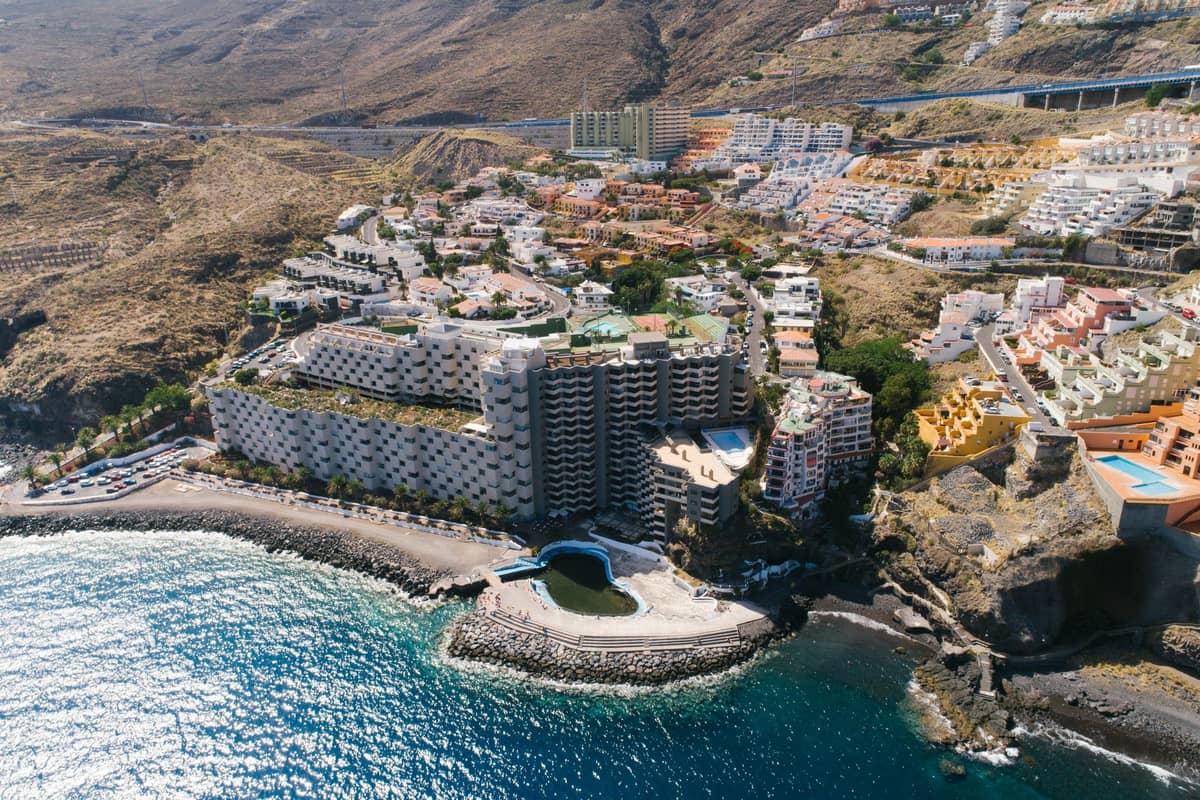
Gran Canaria is famous for its sandy beaches, but the island's natural pools are among its best-kept secrets. Formed where ancient lava flows meet the Atlantic, these volcanic sea pools offer sheltered, seawater bathing in settings that no hotel pool can replicate. Most are free, and scattered across the coast from the rugged northwest to the dramatic west. The key to enjoying them is timing: check tide tables before you go, wear shoes with grip on wet rock, and avoid high swell days. Whether you are based in , the south coast resorts, or in the capital, there is a natural pool within striking distance. This guide picks the best spots on the island, grouped by what they offer, and pairs them with nearby attractions worth combining into a full day out. The key to enjoying them is timing: check tide tables before you go, wear shoes with grip on wet rock, and avoid high swell days. Whether you are based in Agaete, the south coast resorts, or Las Canteras in the capital, there is a natural pool within striking distance. This guide picks the best spots on the island, grouped by what they offer, and pairs them with nearby attractions worth combining into a full day out.
💡 Local tip
Always check tide times before visiting any natural pool. Most are best at mid-tide; Charco de San Lorenzo is safest in calmer conditions due to swell exposure. Wear rubber-soled shoes on volcanic rock.
The Northwest Coast: Best-Equipped Natural Pools
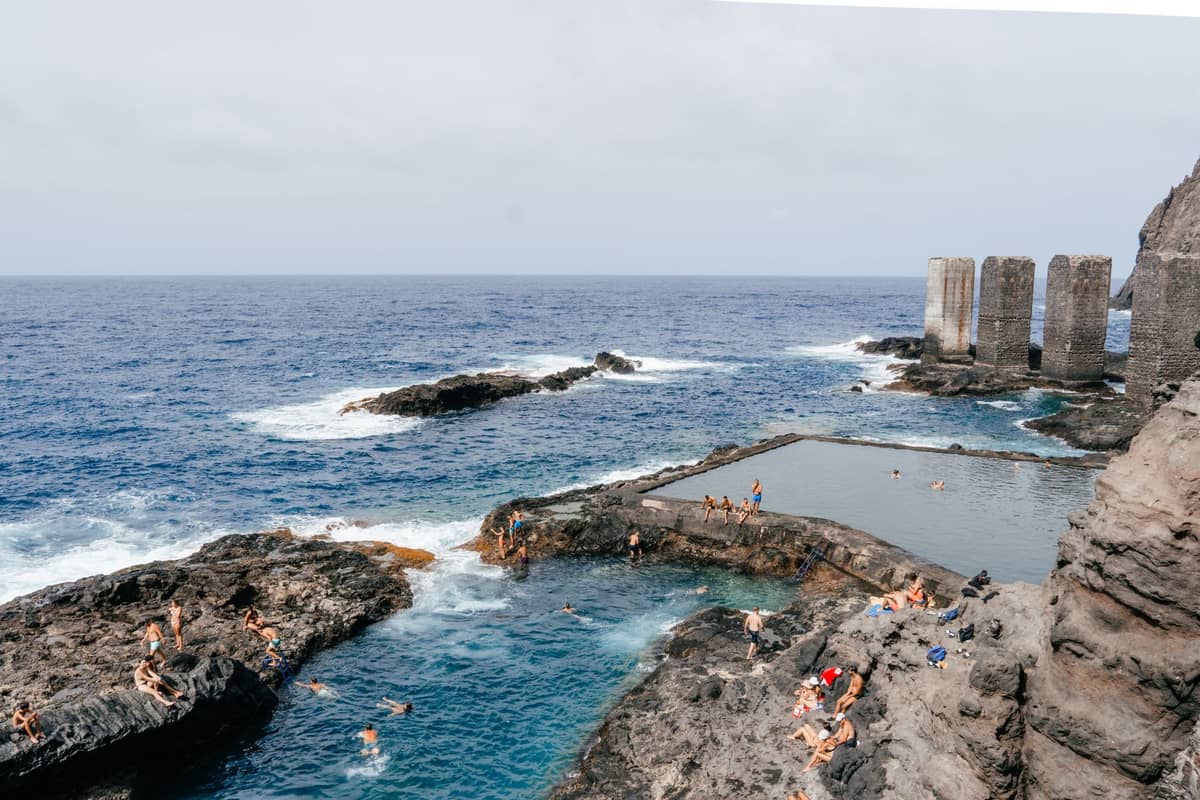
The northwest coast around Agaete is where Gran Canaria's natural pool scene is most developed. Las Salinas de Agaete are the island's flagship sea pools, with a sundeck, toilets, and easy access. The surrounding area is genuinely beautiful, combining the lush Valle de Agaete with one of the island's most authentic fishing harbours. Plan to spend a full morning at the pools, then walk into Puerto de las Nieves for lunch at one of the harbour seafood restaurants.
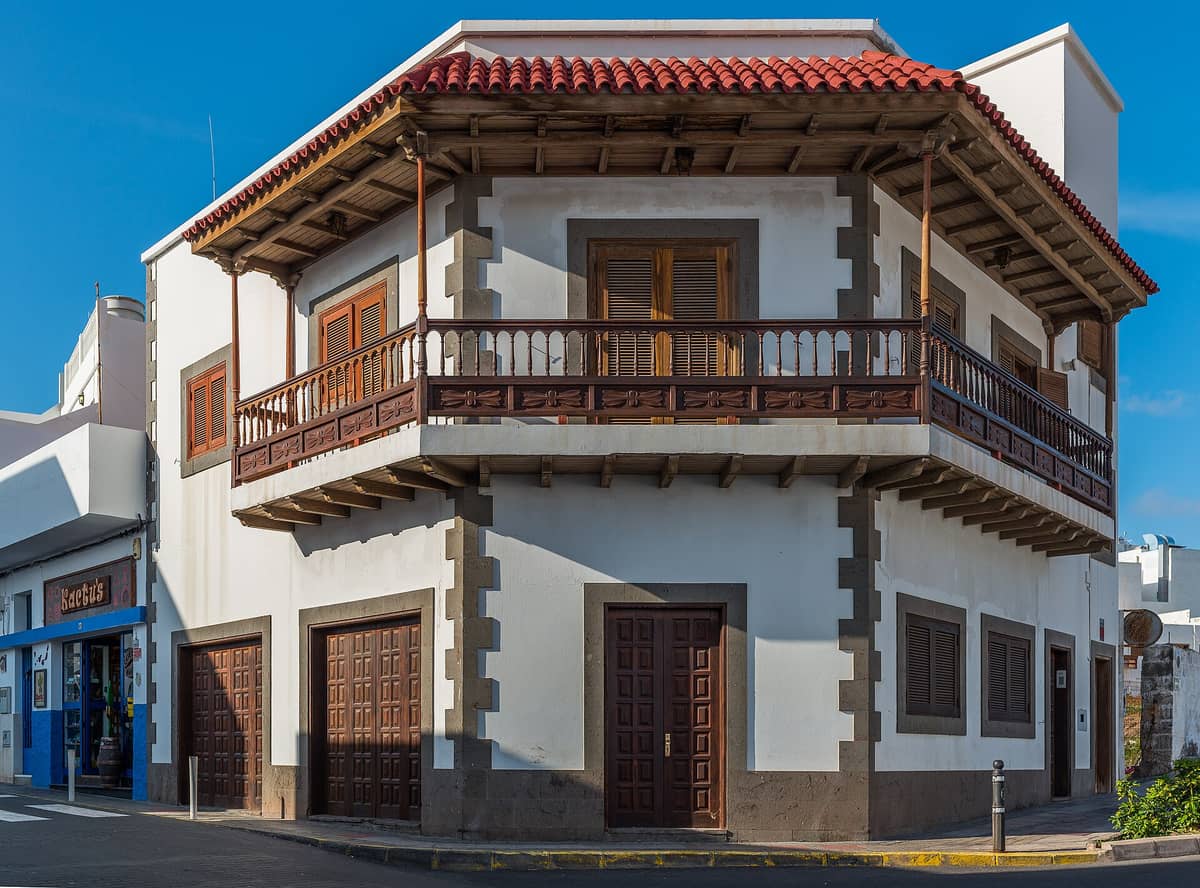
1. Swim at Las Salinas de Agaete, Gran Canaria's Finest Sea Pools
Las Salinas de Agaete sit right next to Puerto de las Nieves: three interconnected volcanic pools with stairs, a sundeck, toilets, and summer lifeguards. Crystal-clear Atlantic water, dramatic cliff backdrop, and easy parking make this the island's top natural pool.
Explore1. Swim at Las Salinas de Agaete, Gran Canaria's Finest Sea Pools
Las Salinas de Agaete sit right next to Puerto de las Nieves: three interconnected volcanic pools with stairs, a sundeck, toilets, and summer lifeguards. Crystal-clear Atlantic water, dramatic cliff backdrop, and easy parking make this the island's top natural pool.
Explore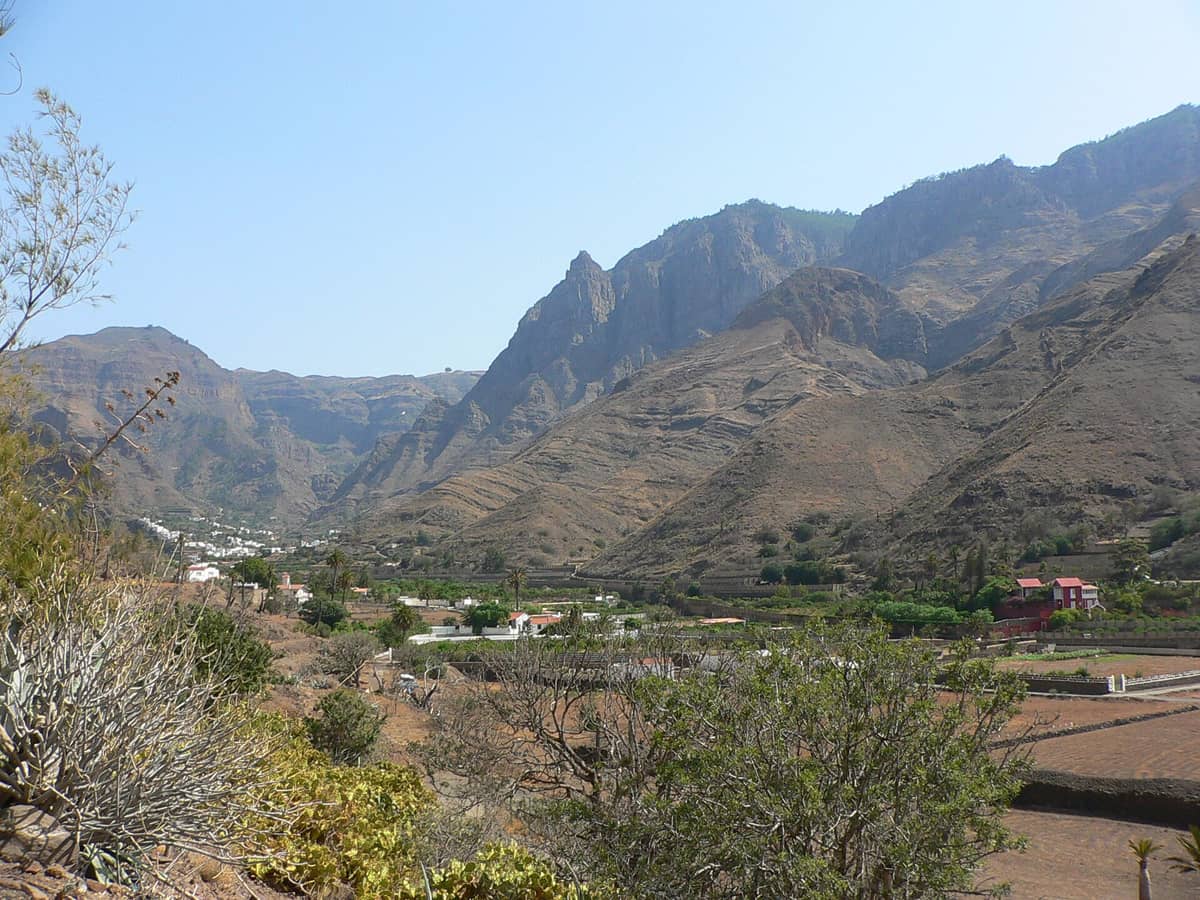
2. Explore the Valle de Agaete Before or After Your Swim
The lush Valle de Agaete, one of Europe's only coffee-growing valleys, is a 10-minute drive from Las Salinas. Combine a morning at the pools with an afternoon walking the terraced slopes of coffee and citrus trees for a well-rounded northwest day trip.
Explore2. Explore the Valle de Agaete Before or After Your Swim
The lush Valle de Agaete, one of Europe's only coffee-growing valleys, is a 10-minute drive from Las Salinas. Combine a morning at the pools with an afternoon walking the terraced slopes of coffee and citrus trees for a well-rounded northwest day trip.
ExploreNorth Coast: Wild Pools and Quieter Bathing Spots
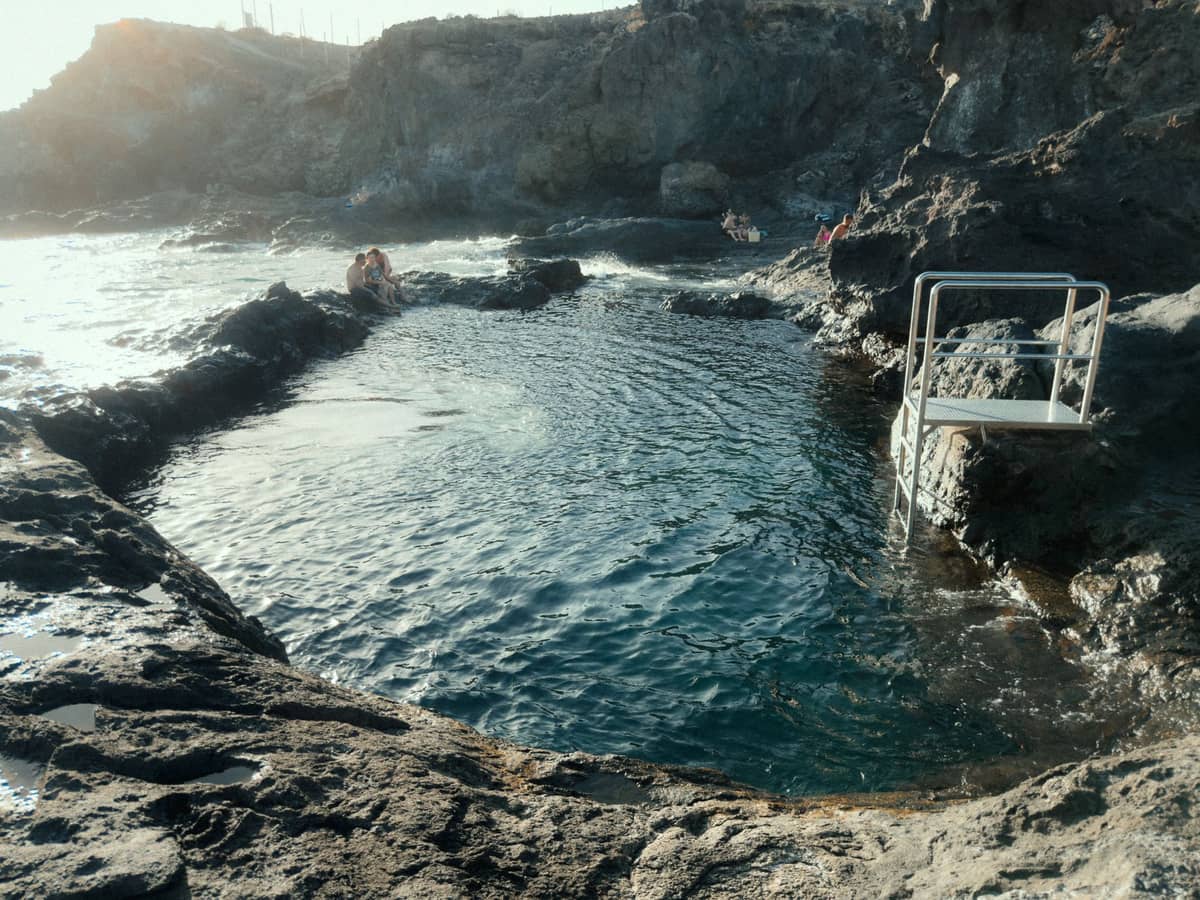
The north coast between Gáldar and Moya is where you find Charco de San Lorenzo, as well as wilder, less-visited spots that reward those willing to explore. The terrain here is greener and cooler than the south, making it particularly appealing in summer. If you are making a day of it, the offer historic churches, artisan food producers, and the remarkable Cenobio de Valerón archaeological site nearby. as well as wilder, less-visited spots that reward those willing to explore. The terrain here is greener and cooler than the south, making it particularly appealing in summer. If you are making a day of it, the north villages offer historic churches, artisan food producers, and the remarkable Cenobio de Valerón archaeological site nearby.
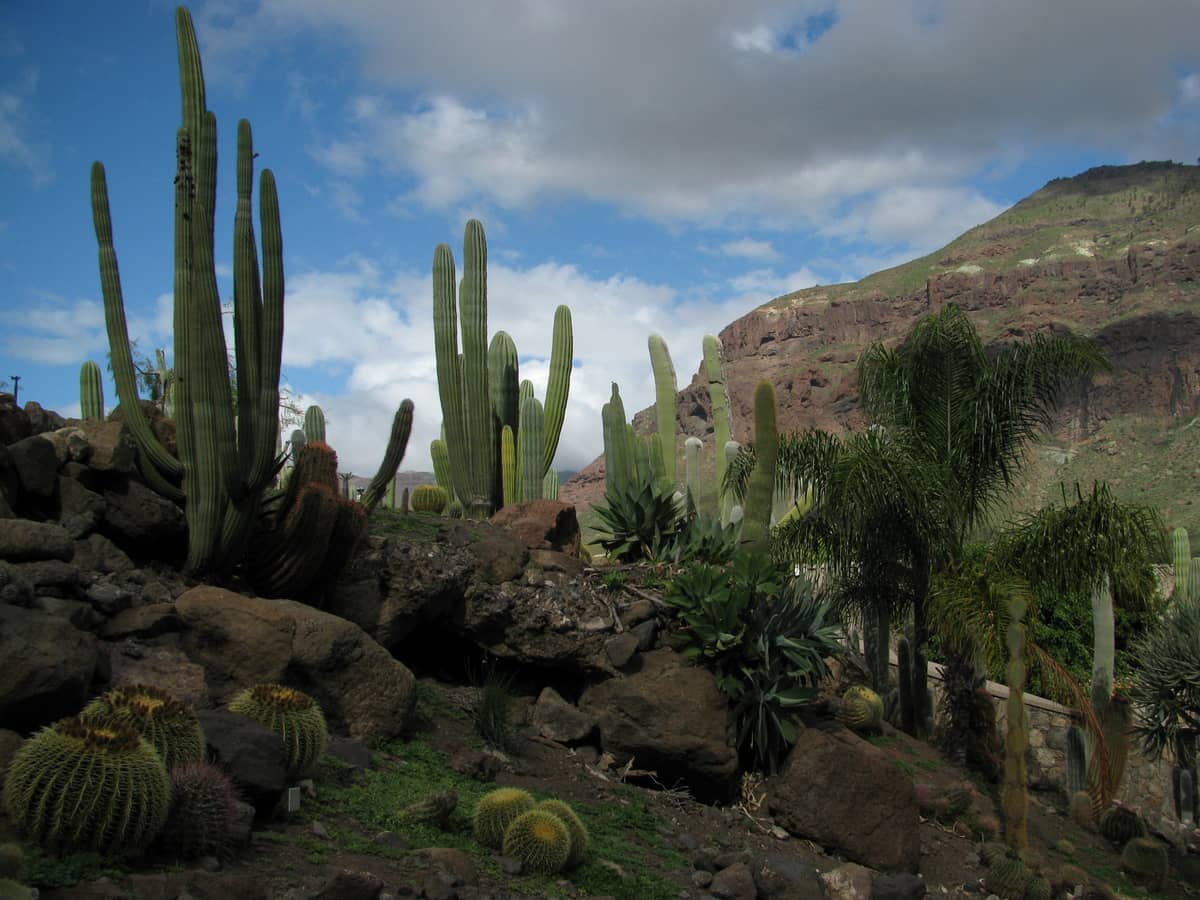
3. Visit Cactualdea on the West Coast Road to the Pools
On the GC-2 drive toward the north coast pools, Cactualdea makes an excellent stop: 10,000 cacti and succulents on terraced hillsides above the Atlantic. It is free to wander the perimeter road and takes about 45 minutes, pairing well with a pool day on the coast.
Explore3. Visit Cactualdea on the West Coast Road to the Pools
On the GC-2 drive toward the north coast pools, Cactualdea makes an excellent stop: 10,000 cacti and succulents on terraced hillsides above the Atlantic. It is free to wander the perimeter road and takes about 45 minutes, pairing well with a pool day on the coast.
Explore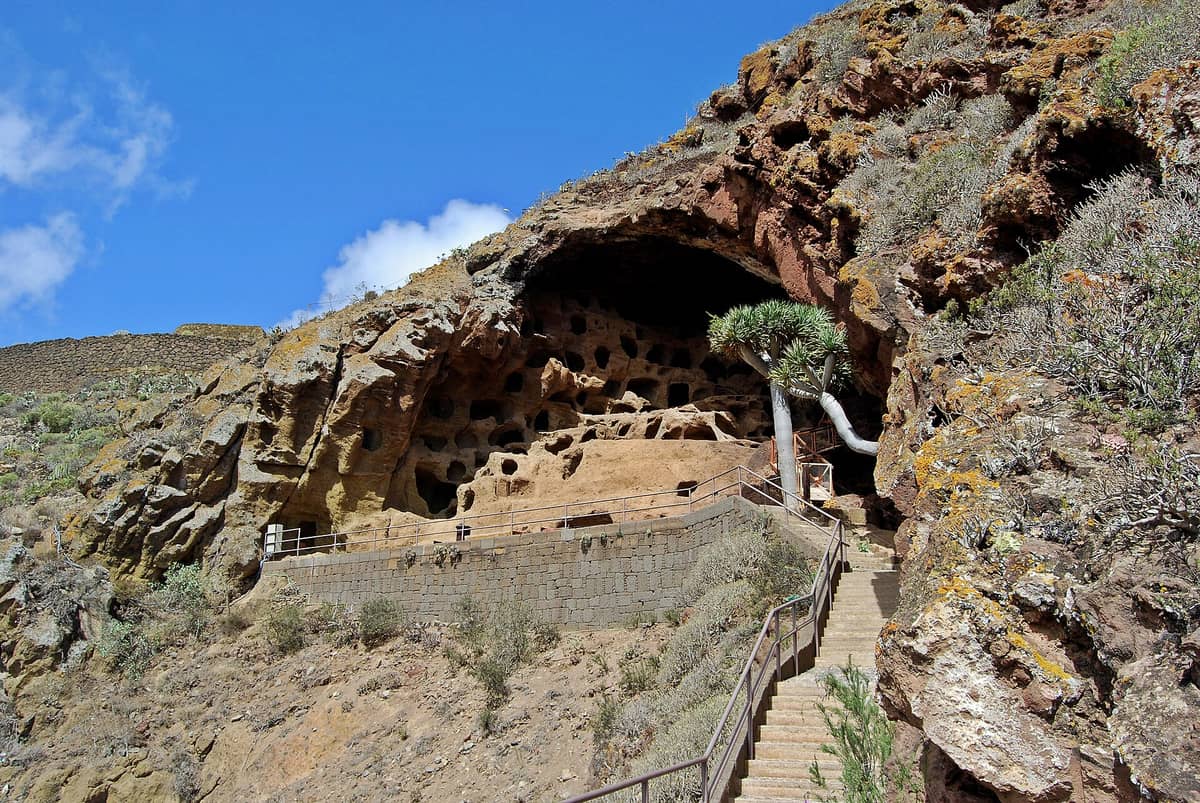
4. Stop at the Ancient Guanche Grain Silos Near the North Coast
Over 300 Guanche storage chambers carved into a volcanic cliff near Gáldar, Cenobio de Valerón is a 20-minute detour from Charco de San Lorenzo. It adds genuine historical depth to a north coast pool day and takes about an hour to visit properly.
Explore4. Stop at the Ancient Guanche Grain Silos Near the North Coast
Over 300 Guanche storage chambers carved into a volcanic cliff near Gáldar, Cenobio de Valerón is a 20-minute detour from Charco de San Lorenzo. It adds genuine historical depth to a north coast pool day and takes about an hour to visit properly.
Explore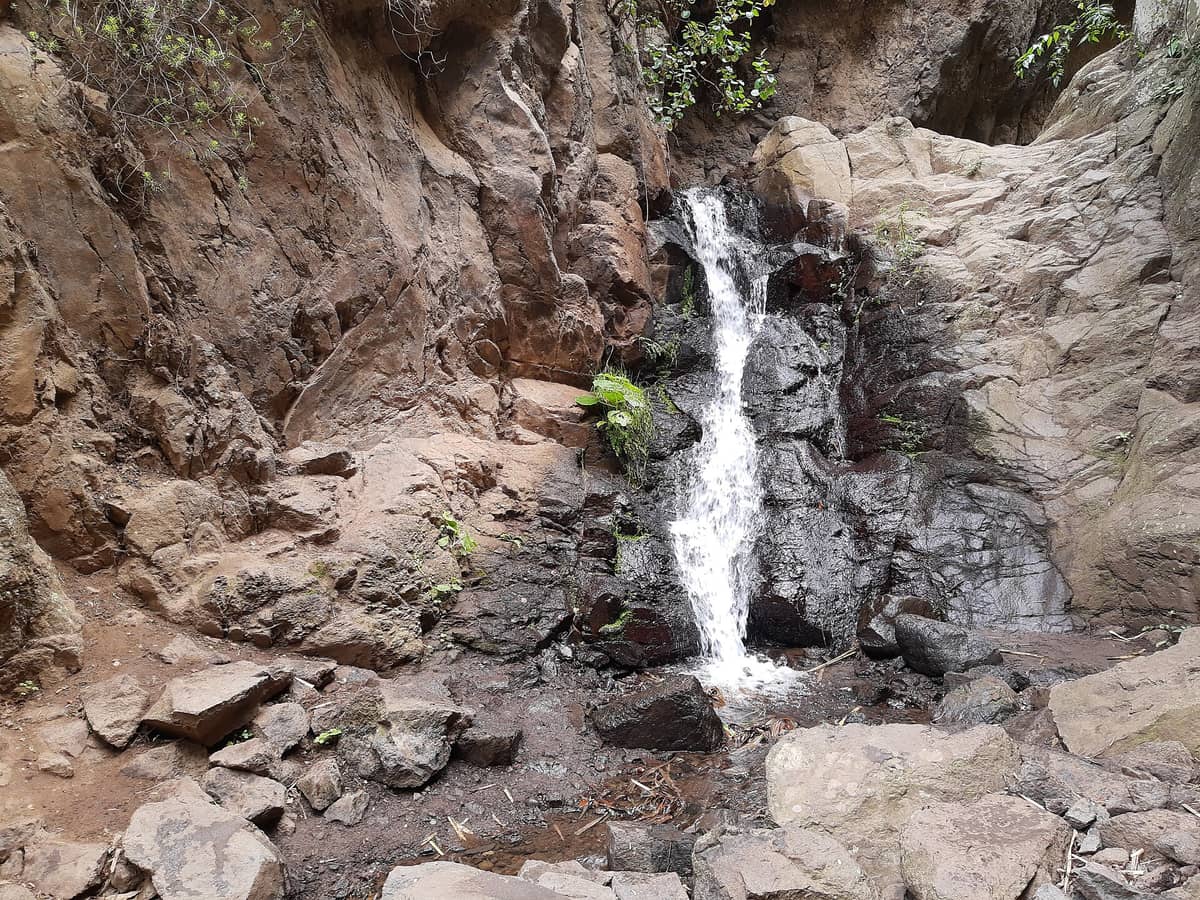
5. Walk the Lush Barranco de los Cernícalos After a Pool Morning
One of the island's few year-round streams, this eastern ravine trail passes waterfalls, ferns, and laurel forest on a flat, easy path. It contrasts beautifully with the rocky coastal pools and is best combined with a morning swim for a full nature day out.
Explore5. Walk the Lush Barranco de los Cernícalos After a Pool Morning
One of the island's few year-round streams, this eastern ravine trail passes waterfalls, ferns, and laurel forest on a flat, easy path. It contrasts beautifully with the rocky coastal pools and is best combined with a morning swim for a full nature day out.
ExploreWest Coast: Dramatic Rock Pools with Atlantic Views
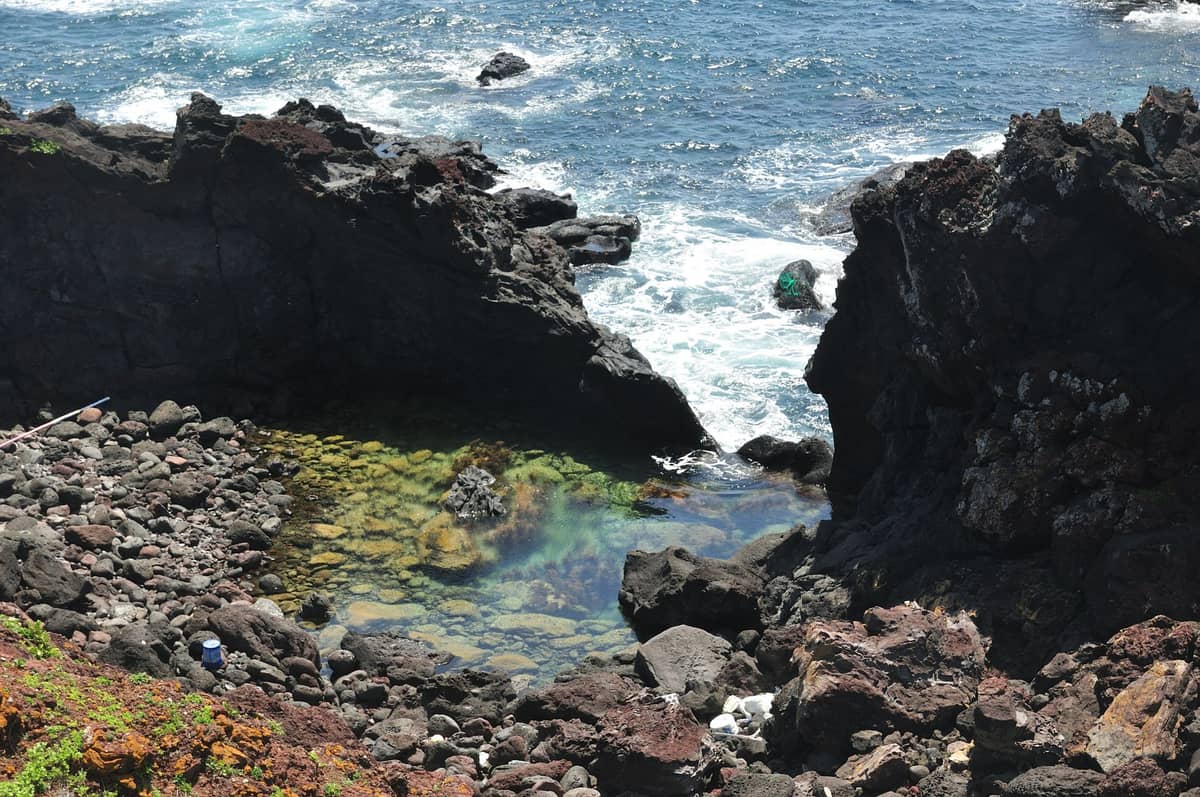
The west coast road between Agaete and La Aldea de San Nicolás passes some of the island's most dramatic scenery, with sea cliffs, wild coves, and natural rock pools that few tourists reach. This stretch rewards those with a hire car and a spirit of exploration. Combine it with the geological spectacle of Los Azulejos and the sea views from the Mirador del Balcón for one of the best road trips in Gran Canaria. The pools here are wilder and less equipped than Las Salinas, so bring water, snacks, and tide awareness.
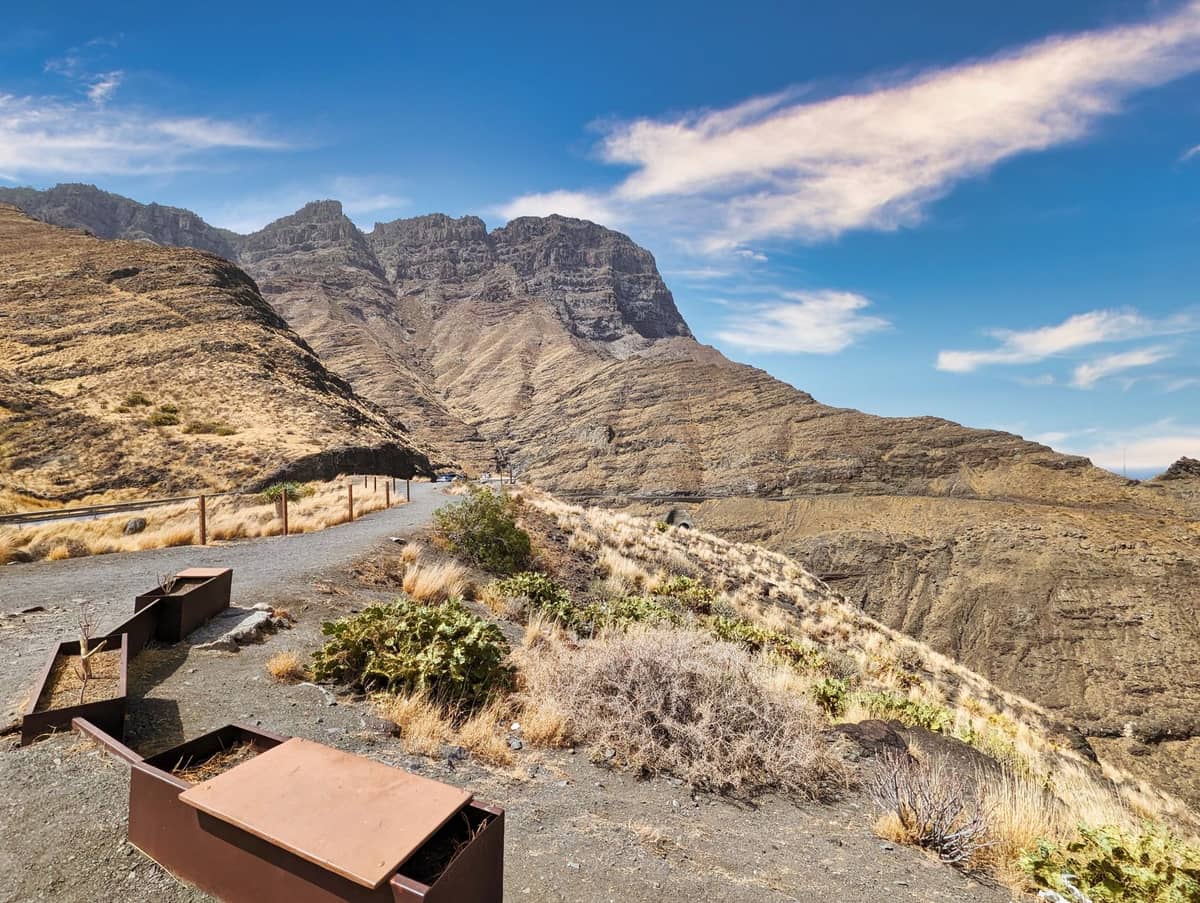
6. Take in Vertiginous Sea Cliff Views at Mirador del Balcón
On the west coast road above the natural pools and coves, Mirador del Balcón delivers a vertiginous drop to the Atlantic hundreds of metres below. It is a 10-minute stop but one of the most dramatic viewpoints on the island, ideal for breaking up a west coast pool day.
Explore6. Take in Vertiginous Sea Cliff Views at Mirador del Balcón
On the west coast road above the natural pools and coves, Mirador del Balcón delivers a vertiginous drop to the Atlantic hundreds of metres below. It is a 10-minute stop but one of the most dramatic viewpoints on the island, ideal for breaking up a west coast pool day.
Explore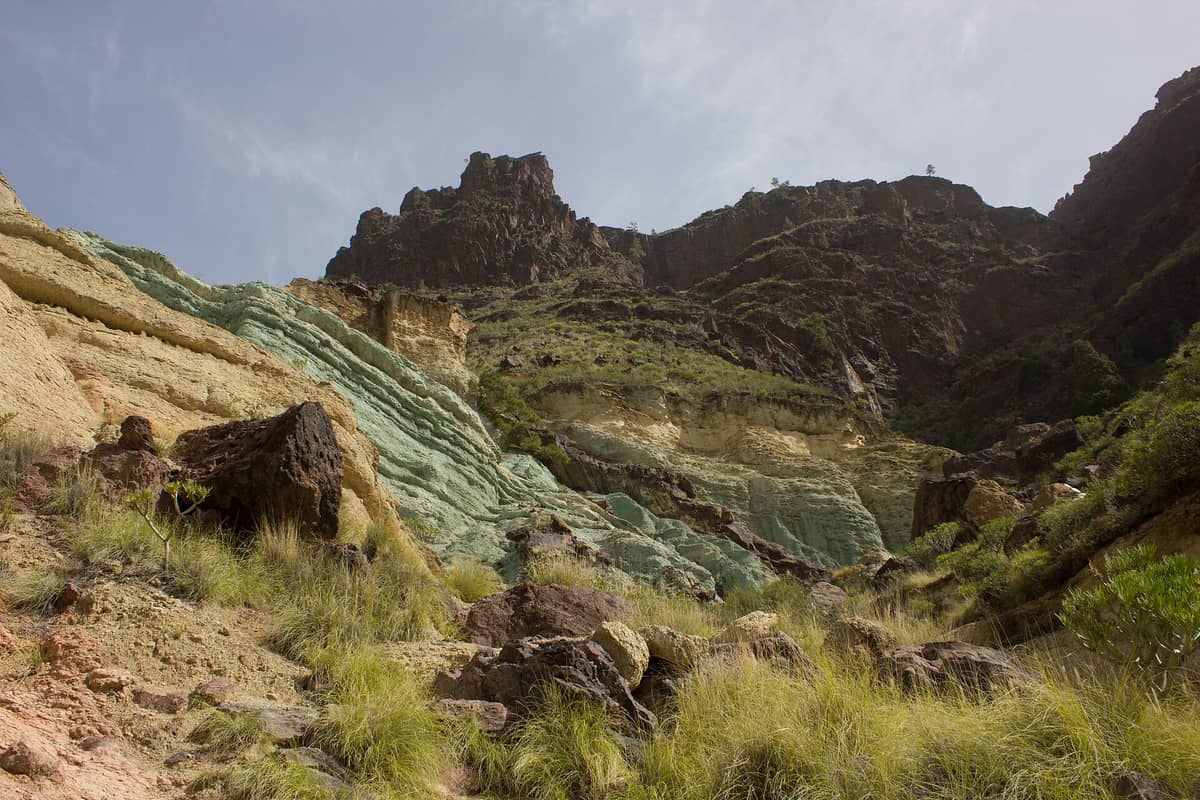
7. See the Multicoloured Mineral Cliffs of Los Azulejos
A roadside cliff face streaked vivid green, red, and yellow by natural mineral deposits, Los Azulejos is one of the west coast's most photogenic stops. It is five minutes from the road and combines well with any west coast natural pool day, adding geological drama to your itinerary.
Explore7. See the Multicoloured Mineral Cliffs of Los Azulejos
A roadside cliff face streaked vivid green, red, and yellow by natural mineral deposits, Los Azulejos is one of the west coast's most photogenic stops. It is five minutes from the road and combines well with any west coast natural pool day, adding geological drama to your itinerary.
Explore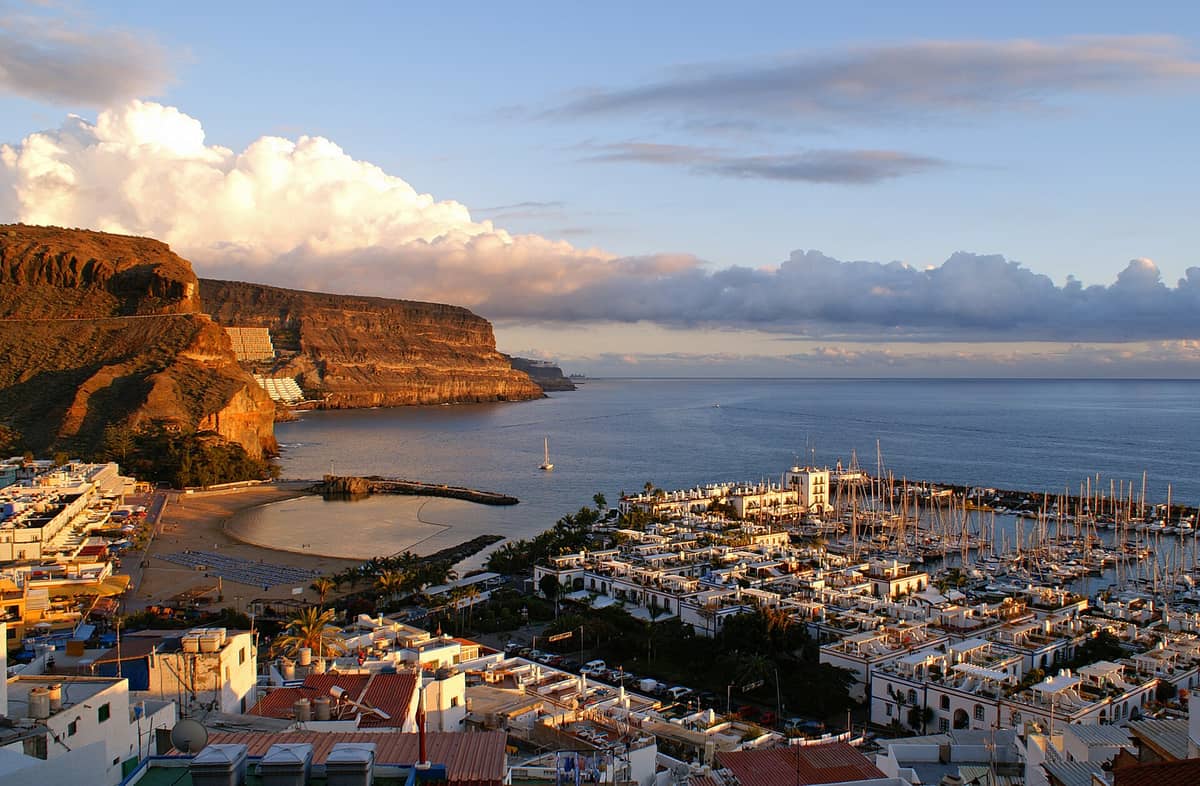
8. Finish a West Coast Day at Puerto de Mogán's Harbour
After a day at the west coast pools, Puerto de Mogán's flower-draped marina is the perfect endpoint: waterfront restaurants, calm harbour water, and bougainvillea-covered bridges. The Friday market adds a lively bonus if your timing works out.
Explore8. Finish a West Coast Day at Puerto de Mogán's Harbour
After a day at the west coast pools, Puerto de Mogán's flower-draped marina is the perfect endpoint: waterfront restaurants, calm harbour water, and bougainvillea-covered bridges. The Friday market adds a lively bonus if your timing works out.
ExploreEast and South Coast: Urban Pools and Rocky Bathing Spots
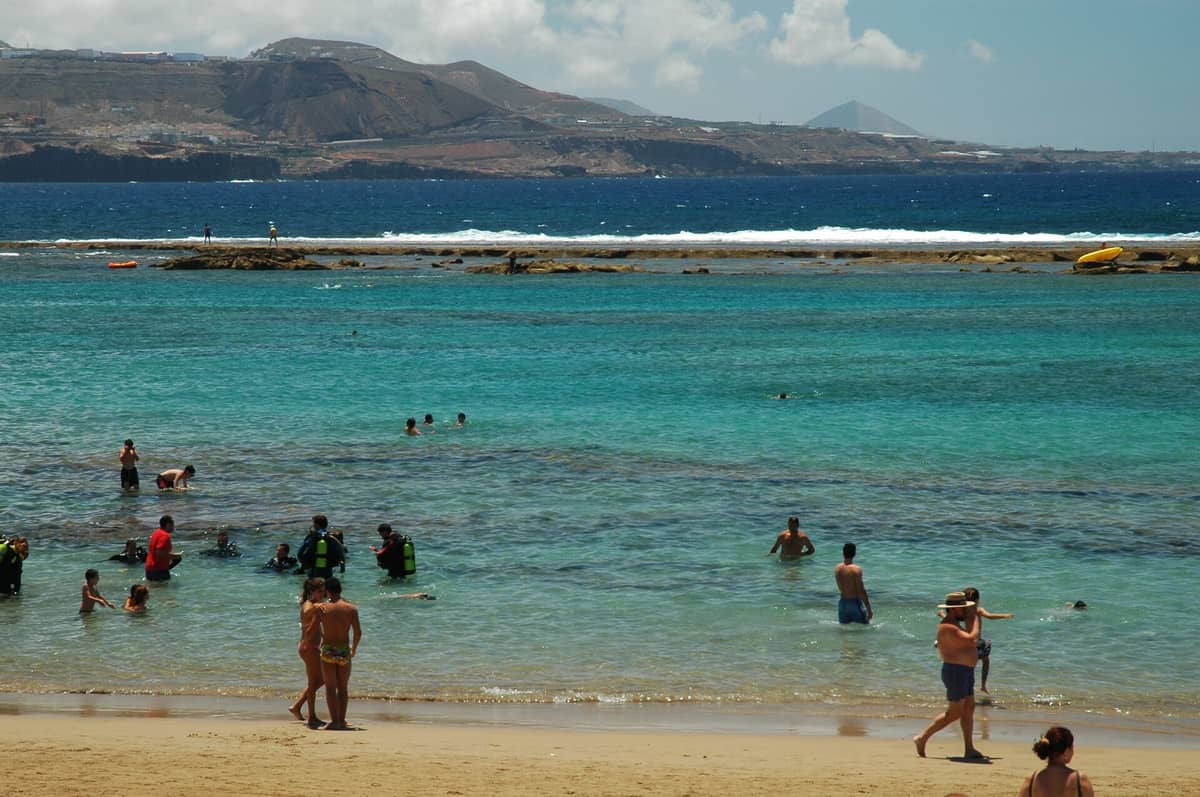
The south and east coasts are more developed but still offer volcanic bathing spots worth knowing about. Las Canteras in Las Palmas has its own natural reef that creates sheltered swimming conditions along the city beach, while the eastern coast has lesser-known rocky coves near sites like Tufia. For families, the calm waters at Puerto Rico and the sheltered bay at Puerto de Mogán offer natural pool-like conditions without the need to seek out remote volcanic ledges. Check our guide to the best beaches in Gran Canaria for more on which coastal spots suit different swimmers.
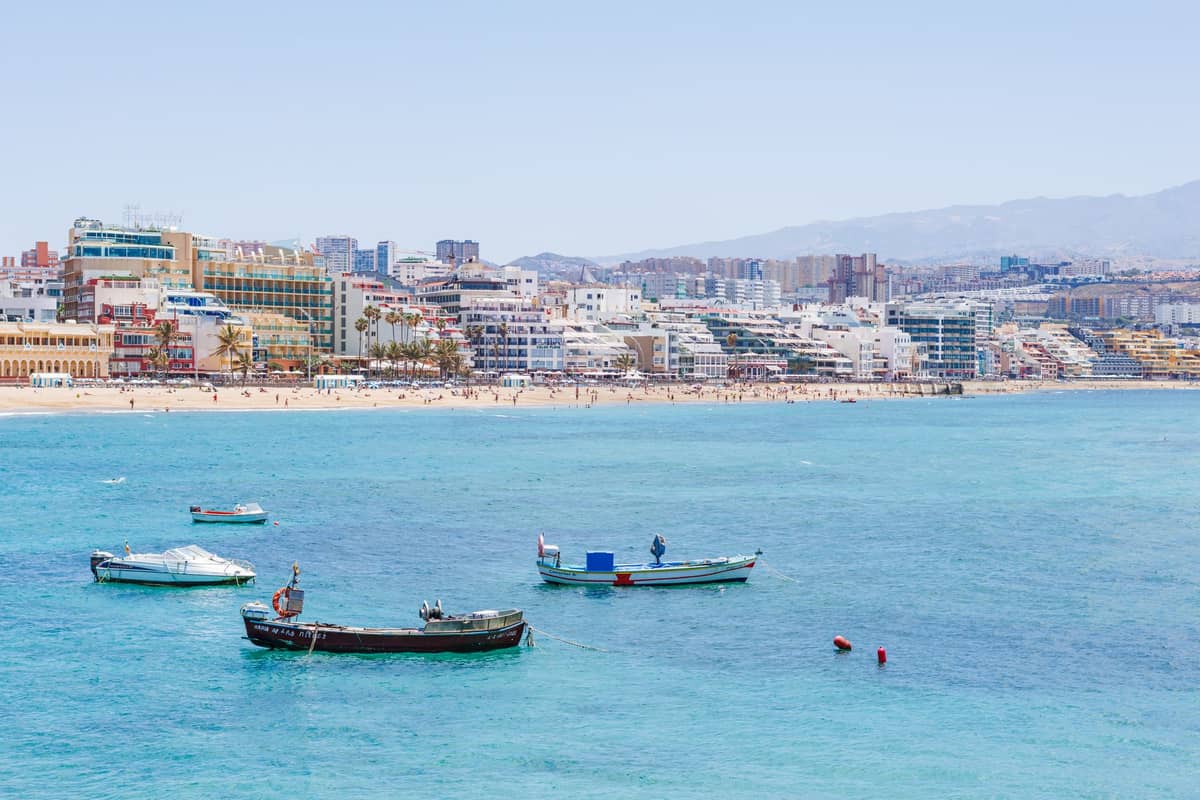
9. Swim in the Natural Reef-Sheltered Waters of Las Canteras
Las Canteras beach in Las Palmas is sheltered by a natural volcanic reef called La Barra, which creates calm, pool-like conditions along most of its 3km length. It is the best urban natural swimming experience in the Canary Islands, with year-round lifeguard cover and full city facilities.
Explore9. Swim in the Natural Reef-Sheltered Waters of Las Canteras
Las Canteras beach in Las Palmas is sheltered by a natural volcanic reef called La Barra, which creates calm, pool-like conditions along most of its 3km length. It is the best urban natural swimming experience in the Canary Islands, with year-round lifeguard cover and full city facilities.
Explore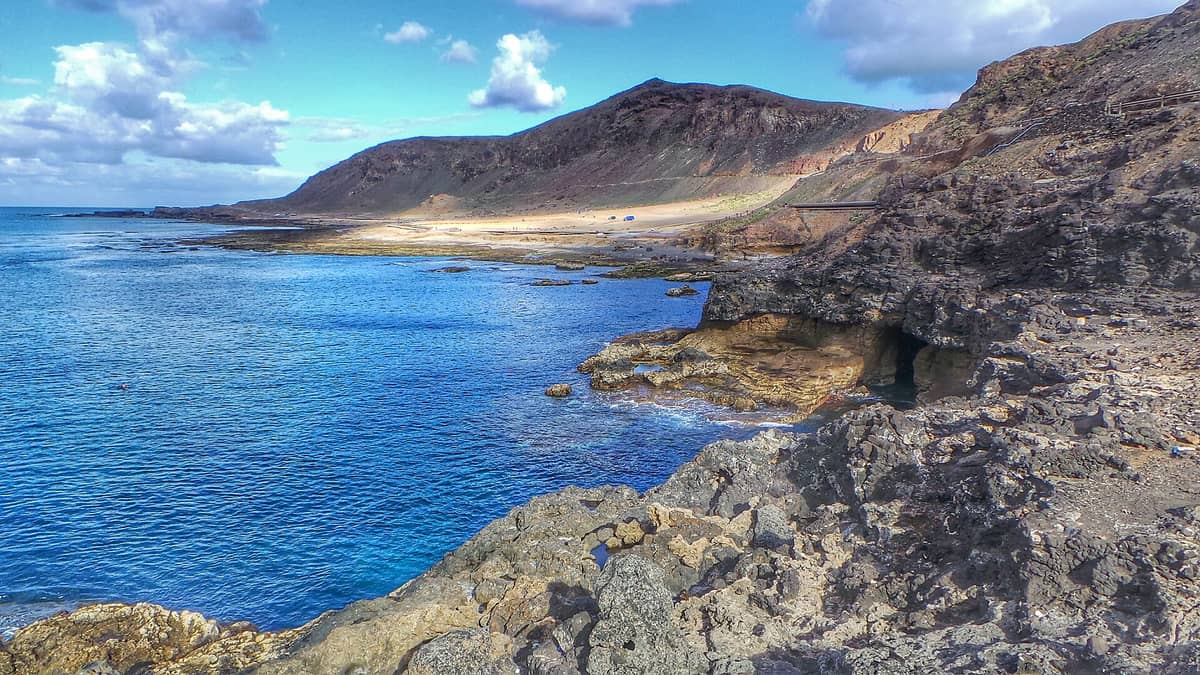
10. Explore the Wild Rock Pools at El Confital
At the northern tip of Las Canteras, El Confital's volcanic rock ledges hold natural tidal pools tucked between surf breaks. These are raw, unequipped spots for confident swimmers only, best explored at low tide when the ledge pools fill with calm, clear Atlantic water. Go early for solitude.
Explore10. Explore the Wild Rock Pools at El Confital
At the northern tip of Las Canteras, El Confital's volcanic rock ledges hold natural tidal pools tucked between surf breaks. These are raw, unequipped spots for confident swimmers only, best explored at low tide when the ledge pools fill with calm, clear Atlantic water. Go early for solitude.
Explore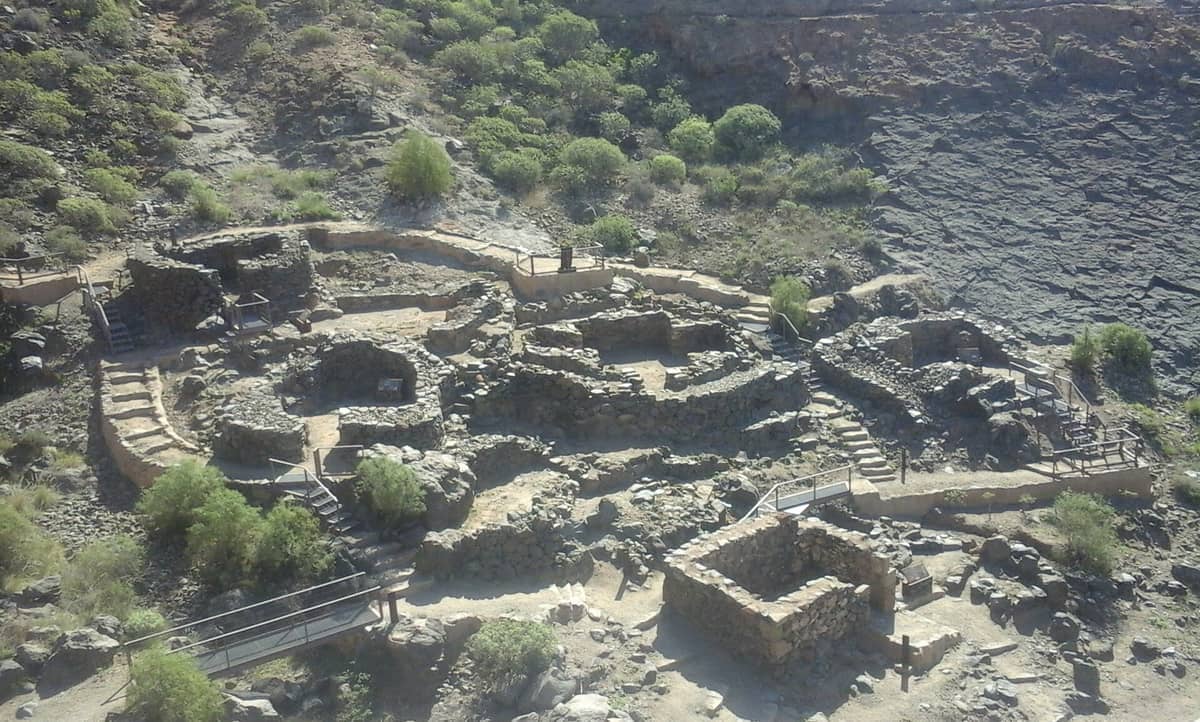
11. Combine a Rocky Cove Swim with History at Tufia
The Tufia headland on the east coast has a small beach and rocky natural bathing areas alongside its Guanche cave dwellings and stone structures. Few tourists find it, the water is clear, and the archaeological setting makes it unlike any other swimming spot on the island. Best at low tide.
Explore11. Combine a Rocky Cove Swim with History at Tufia
The Tufia headland on the east coast has a small beach and rocky natural bathing areas alongside its Guanche cave dwellings and stone structures. Few tourists find it, the water is clear, and the archaeological setting makes it unlike any other swimming spot on the island. Best at low tide.
Explore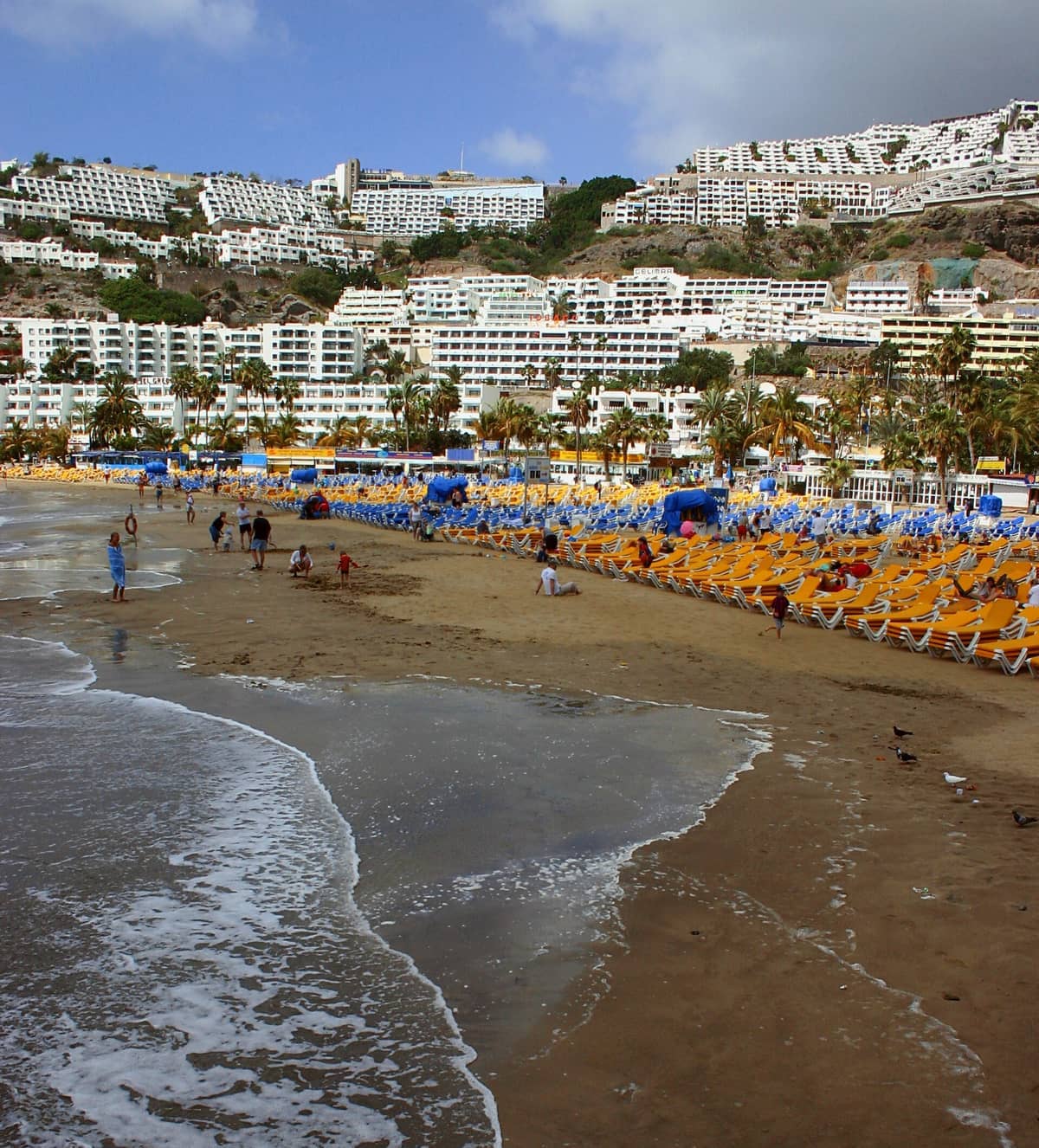
12. Use Puerto Rico's Sheltered Bay as a Natural Pool Alternative
The cliff-sheltered bay at Puerto Rico creates reliably calm, warm water year-round, making it the closest thing to a natural pool in the south for families. With consistent sunshine and gentle conditions, it is ideal when the north coast pools are too exposed due to Atlantic swell.
Explore12. Use Puerto Rico's Sheltered Bay as a Natural Pool Alternative
The cliff-sheltered bay at Puerto Rico creates reliably calm, warm water year-round, making it the closest thing to a natural pool in the south for families. With consistent sunshine and gentle conditions, it is ideal when the north coast pools are too exposed due to Atlantic swell.
ExploreWhat to Pair With a Natural Pool Day
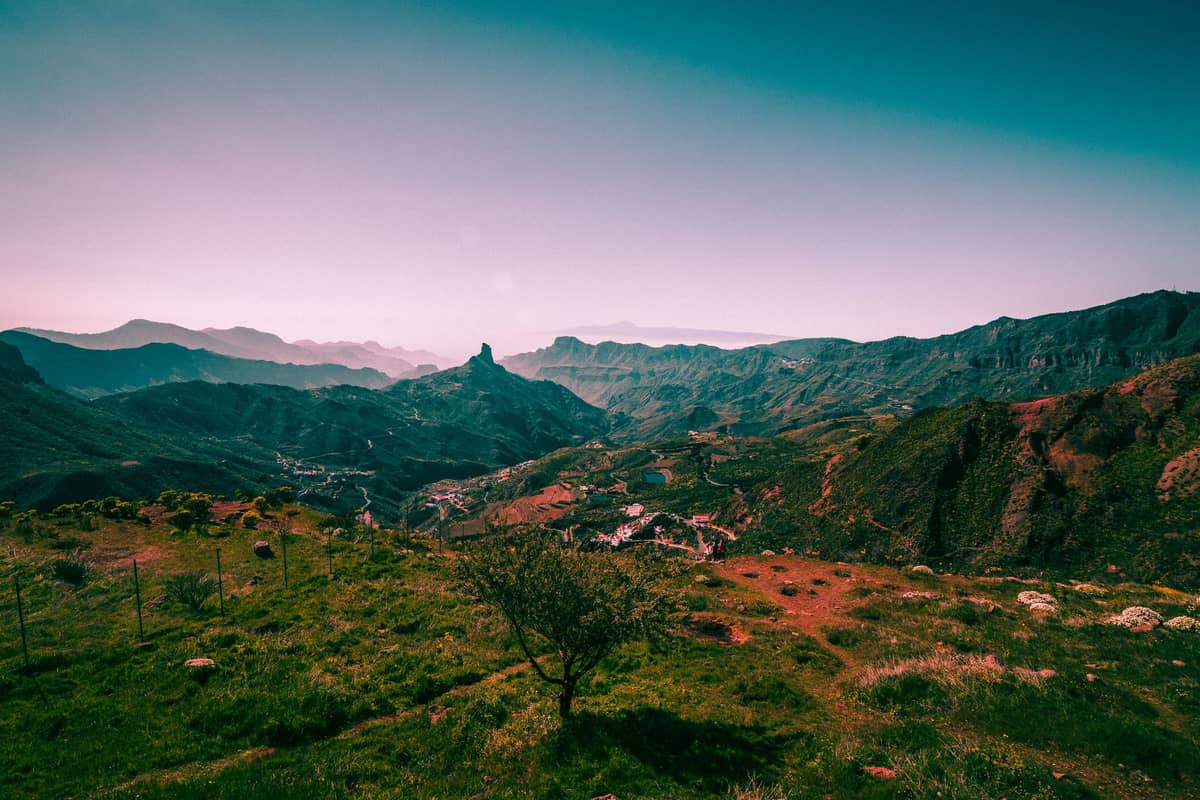
Natural pools are rarely a full-day standalone attraction, so pairing them with nearby sights makes for a more satisfying trip. The northwest coast combines particularly well with the island's interior mountains: a morning at Las Salinas, followed by an afternoon drive into the Tejeda caldera for mountain views, is one of the classic Gran Canaria itineraries. For those exploring the north coast pools, the lush Barranco de Guayadeque offers a contrasting afternoon of ravine walking and cave dining. Our day trips in Gran Canaria guide has more ideas for structuring full days around specific coastal areas.
13. Combine North Coast Pools with a Drive Through Barranco de Guayadeque
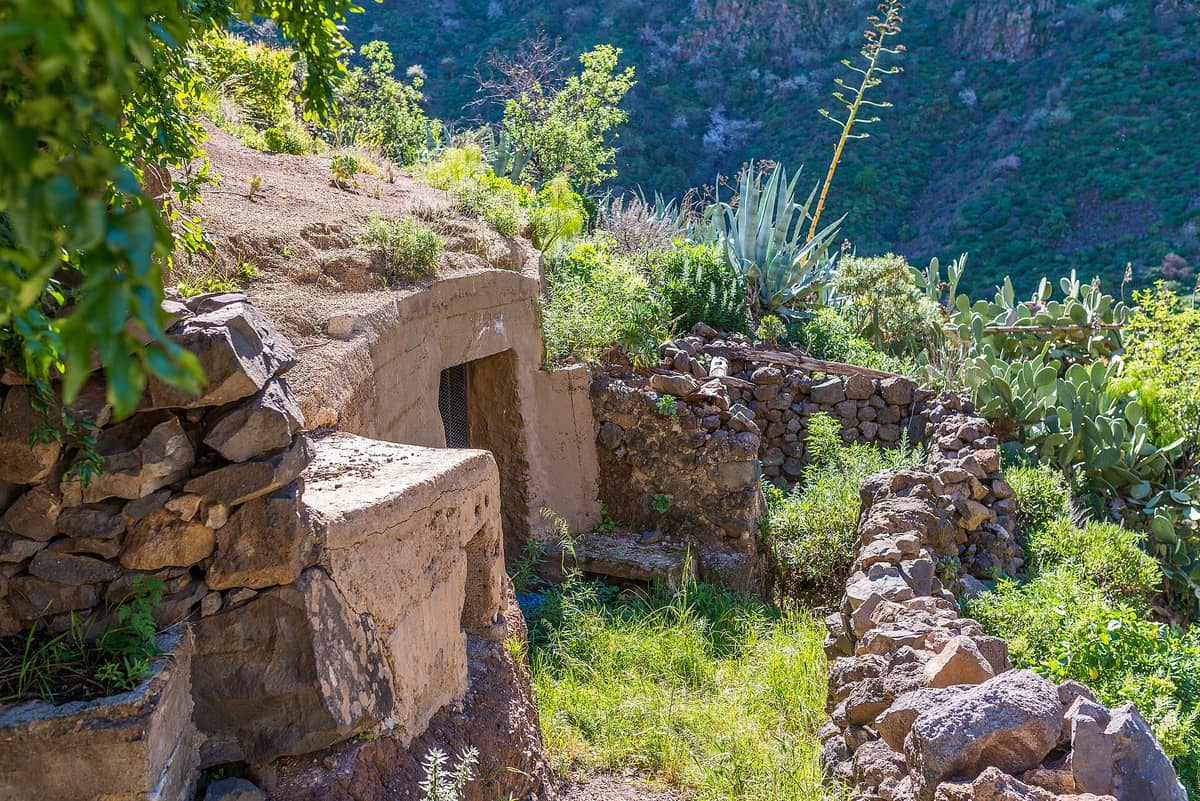
After a morning at Charco de San Lorenzo, the Guayadeque ravine is a 40-minute drive south, offering cave restaurants, endemic flora, and ancient Guanche sites. It is the most atmospheric afternoon addition to a north coast pool day, covering geology, history, and food in one valley.
Explore13. Combine North Coast Pools with a Drive Through Barranco de Guayadeque
After a morning at Charco de San Lorenzo, the Guayadeque ravine is a 40-minute drive south, offering cave restaurants, endemic flora, and ancient Guanche sites. It is the most atmospheric afternoon addition to a north coast pool day, covering geology, history, and food in one valley.
Explore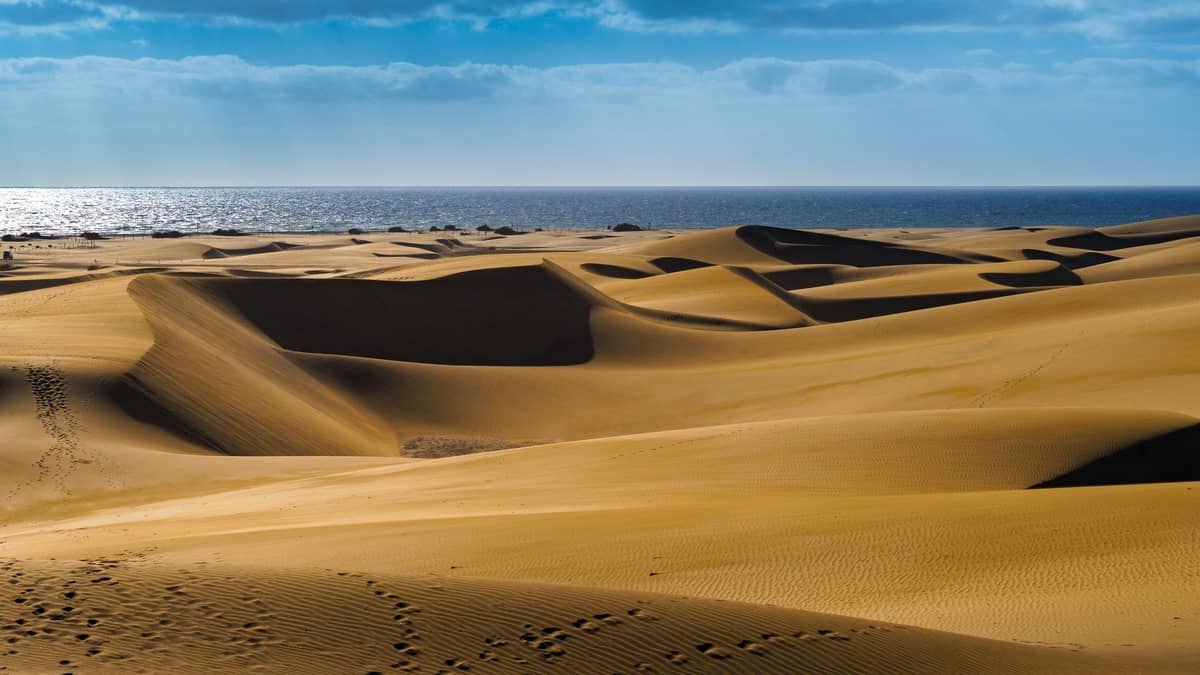
14. Walk the Maspalomas Dunes After Swimming at Southern Rocky Spots
If your south coast pool day leaves afternoon energy to spare, the Maspalomas dunes are within 20 minutes of most southern pool spots. Walking the 400-hectare protected dune reserve at sunset is a genuinely spectacular experience and the most dramatic way to end a coastal day in the south.
Explore14. Walk the Maspalomas Dunes After Swimming at Southern Rocky Spots
If your south coast pool day leaves afternoon energy to spare, the Maspalomas dunes are within 20 minutes of most southern pool spots. Walking the 400-hectare protected dune reserve at sunset is a genuinely spectacular experience and the most dramatic way to end a coastal day in the south.
Explore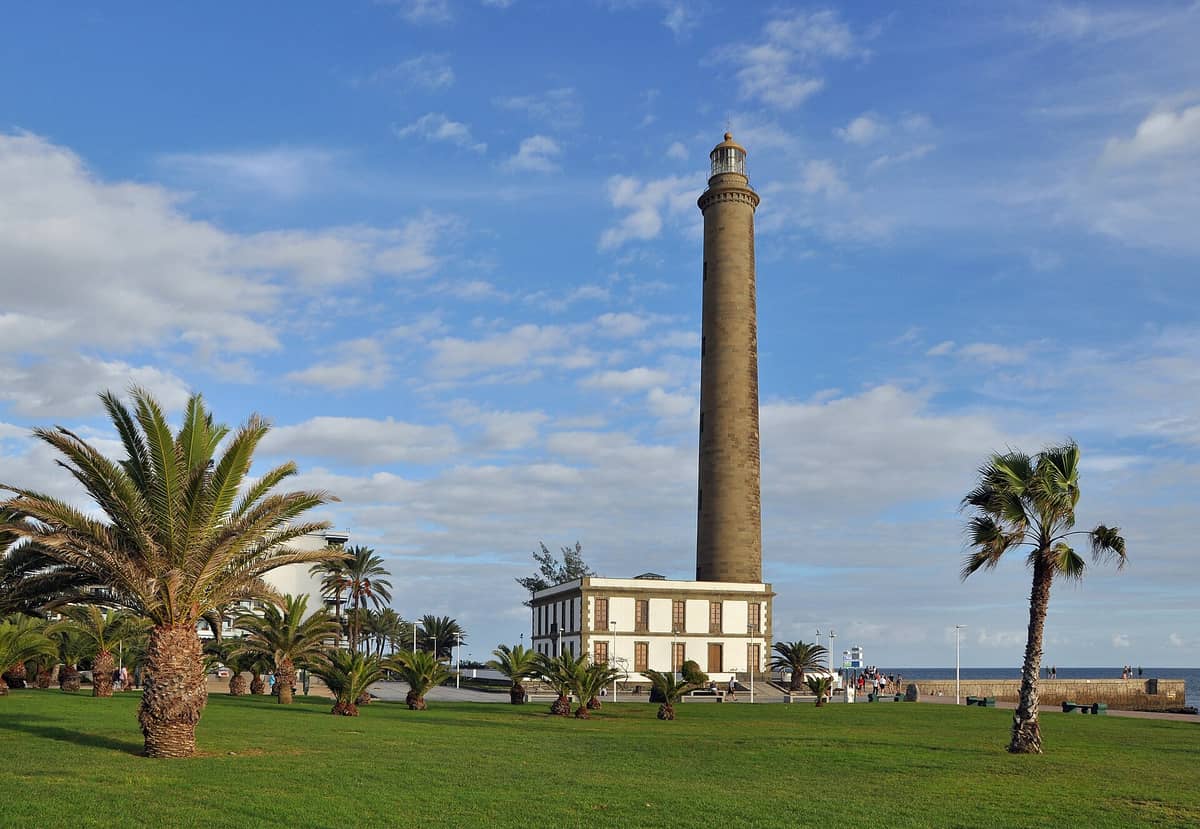
15. Watch the Sunset from Maspalomas Lighthouse After a Pool Day
The 1890 lighthouse at Gran Canaria's southern tip, framed by dunes and the deep blue Atlantic, is a 10-minute walk from the beach. It marks the southernmost point of the island and offers some of the best sunset views on the coast, perfect for ending a pool and dunes day.
Explore15. Watch the Sunset from Maspalomas Lighthouse After a Pool Day
The 1890 lighthouse at Gran Canaria's southern tip, framed by dunes and the deep blue Atlantic, is a 10-minute walk from the beach. It marks the southernmost point of the island and offers some of the best sunset views on the coast, perfect for ending a pool and dunes day.
Explore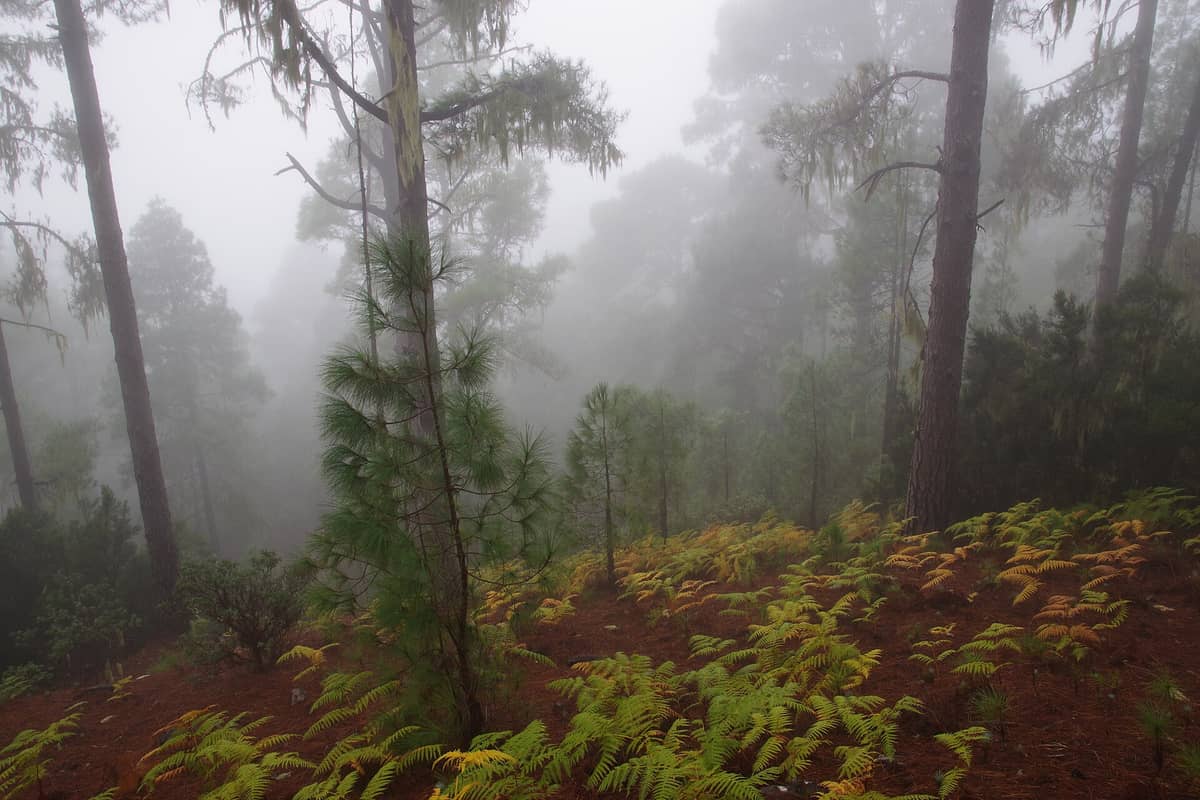
16. Combine Northwest Pools with Tamadaba's Pine Forest and Cliff Views
The Tamadaba plateau, 30 minutes inland from Las Salinas, holds Gran Canaria's largest pine forest and Atlantic cliff views from 1,000 metres above the sea. A morning swim at the salinas followed by an afternoon hike through Tamadaba is one of the best full-day combinations on the island.
Explore16. Combine Northwest Pools with Tamadaba's Pine Forest and Cliff Views
The Tamadaba plateau, 30 minutes inland from Las Salinas, holds Gran Canaria's largest pine forest and Atlantic cliff views from 1,000 metres above the sea. A morning swim at the salinas followed by an afternoon hike through Tamadaba is one of the best full-day combinations on the island.
Explore✨ Pro tip
Las Salinas de Agaete Las Salinas de Agaete has a lifeguard cover in summer. Outside these months, the pools are unsupervised. The Charco de San Lorenzo is busiest in August; visit on a weekday morning for more space and calmer conditions.
FAQ
Are Gran Canaria's natural pools free to enter?
Yes, Yes, Gran Canaria's natural sea pools are free public coastal areas. There are no entry fees at Las Salinas de Agaete, Charco de San Lorenzo, or other volcanic pools highlighted in this guide. Some have free car parks nearby; others require a short walk.
When is the best time to visit Gran Canaria's natural pools?
The pools are accessible year-round thanks to the island's mild climate. Summer brings the warmest sea temperatures and lifeguard cover at Las Salinas de Agaete. Winter swells can make some spots rough, so always check tide forecasts before visiting in the cooler months.
What is the difference between Gran Canaria's natural pools and regular beaches?
Natural pools are formed by volcanic lava flows creating enclosed or semi-enclosed basins that fill with seawater. They offer calmer, cleaner swimming than open beaches and often better water clarity, but they require good footwear for rocky access and careful attention to tides and swell.
Which natural pool in Gran Canaria is best for families with young children?
Las Salinas de Agaete is the best-equipped option for families, with stairs, a sundeck, toilets, and summer lifeguard cover. The pools are interconnected and vary in depth. Puerto Rico beach is a good south coast alternative if the northwest coast is too far to travel.
Do I need a car to reach Gran Canaria's natural pools?
A hire car makes it much easier to reach the best pools, especially Las Salinas de Agaete and Charco de San Lorenzo. Charco de San Lorenzo can be reached by Global interurban bus toward Gáldar, but services are infrequent. Las Canteras in Las Palmas is a major natural swimming spot accessible without a car.