Best Beaches in Gran Canaria: A Complete Guide to Every Coast
Gran Canaria packs an extraordinary variety of beaches into one island: vast dune-backed shores in the south, a world-class urban beach in Las Palmas, sheltered family coves on the southwest coast, and raw Atlantic surf breaks in the north. This guide covers the best of all of them.
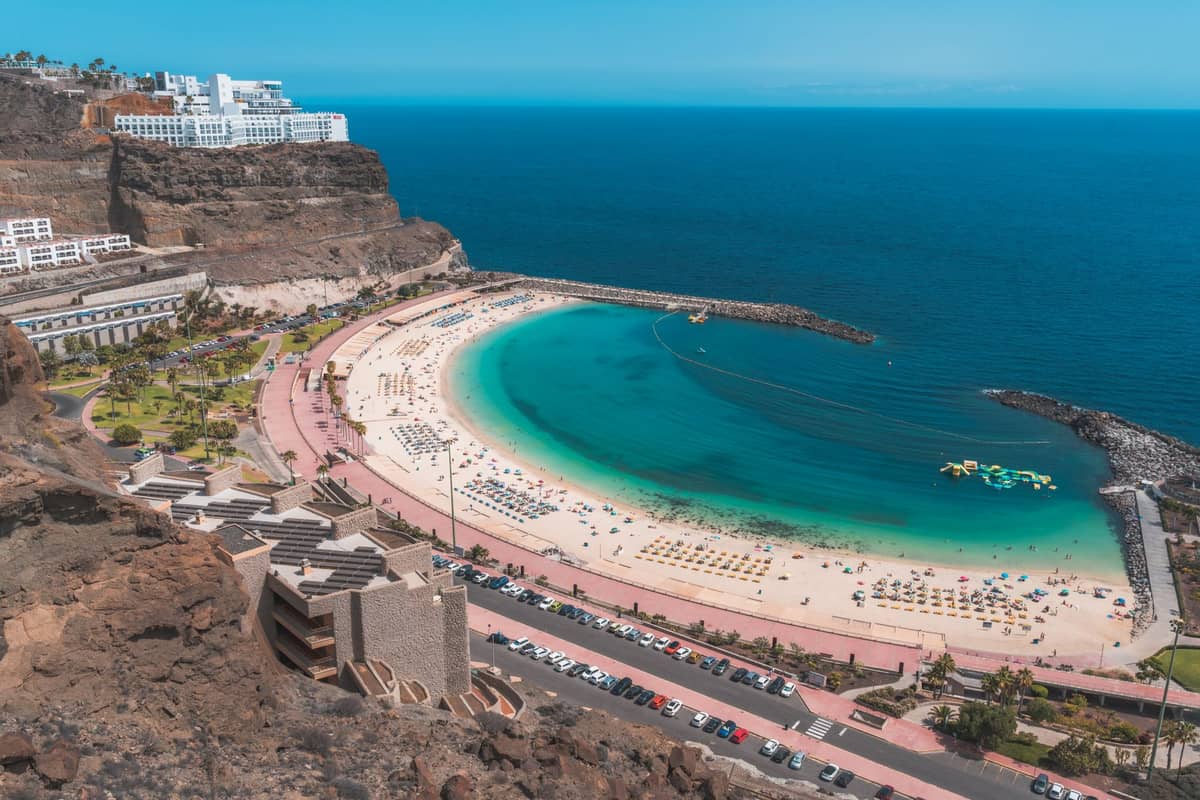
Gran Canaria is often called a continent in miniature, and nowhere is that more apparent than on its coastline. The island's beaches range from the near-Saharan spectacle of Maspalomas to the lively urban promenade of Las Canteras in the capital, with sheltered family coves, volcanic surf breaks, and fishing-village harbours in between. Whether you want flat, warm water for children, serious Atlantic waves, or simply a long golden stretch to walk at sunset, the island delivers. For a broader picture of the south coast, see our guide to things to do in Gran Canaria.
💡 Local tip
South-coast beaches are sunnier and warmer year-round thanks to the island's microclimate divide. The north coast, including Las Canteras, can see more cloud and Atlantic swell between November and February — which is exactly what surfers want.
The South Coast: Sun, Sand & the Famous Dunes
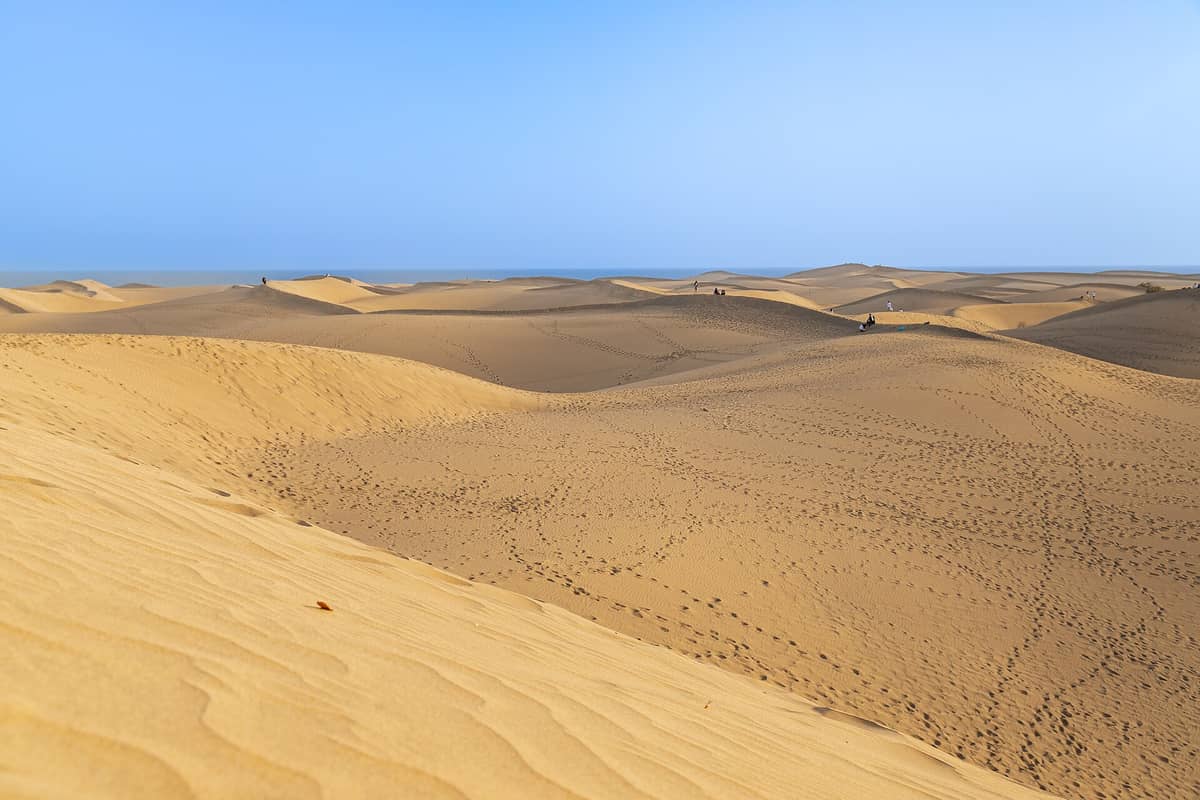
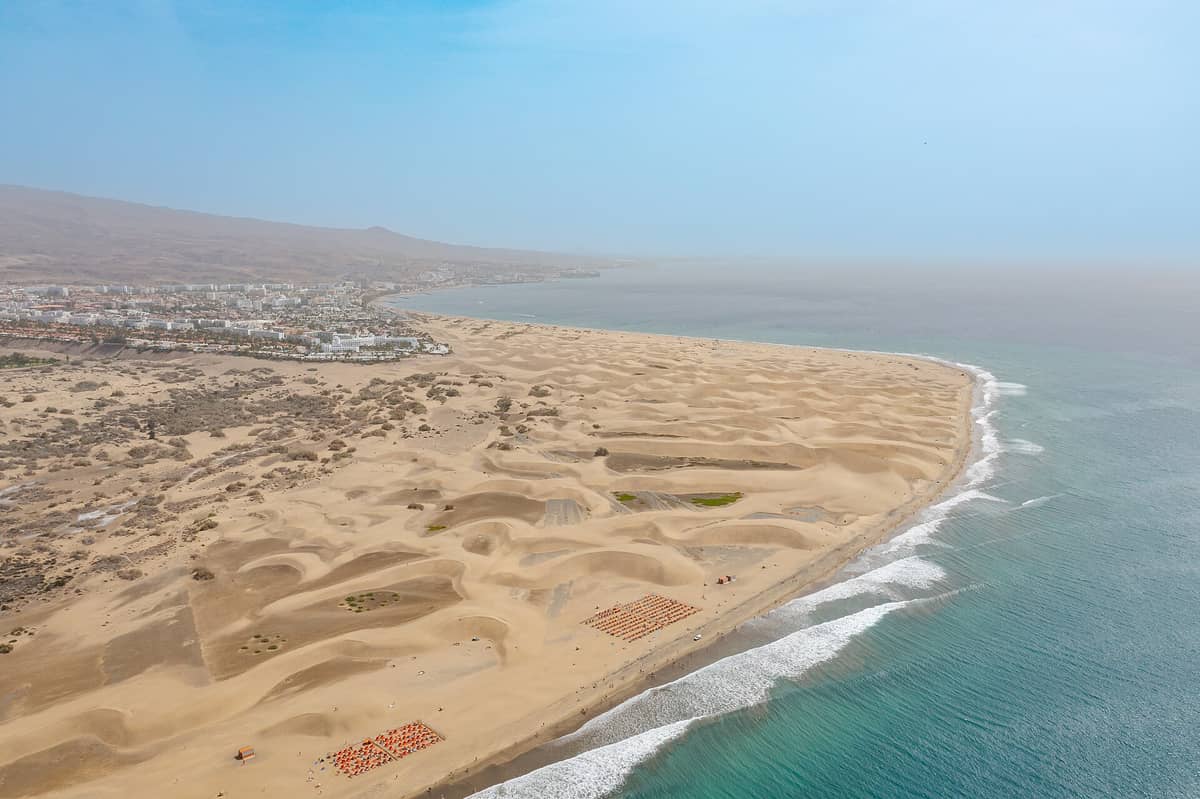
The southern tip of Gran Canaria is where most visitors base themselves, and with good reason: the beaches here benefit from over 300 days of sunshine per year, calm seas, and an almost unbroken stretch of golden sand running from Playa del Inglés west to the lighthouse at Maspalomas. This corridor is the island's main resort zone and offers the widest range of beach facilities on the island.
1. Walk the Wild End of Maspalomas Beach
Backed by protected dunes rather than hotels, Maspalomas is the island's finest natural beach. The western stretch near the lighthouse is the quietest and most scenic, with golden sand, clear water, and almost no commercial development in sight.
Explore1. Walk the Wild End of Maspalomas Beach
Backed by protected dunes rather than hotels, Maspalomas is the island's finest natural beach. The western stretch near the lighthouse is the quietest and most scenic, with golden sand, clear water, and almost no commercial development in sight.
Explore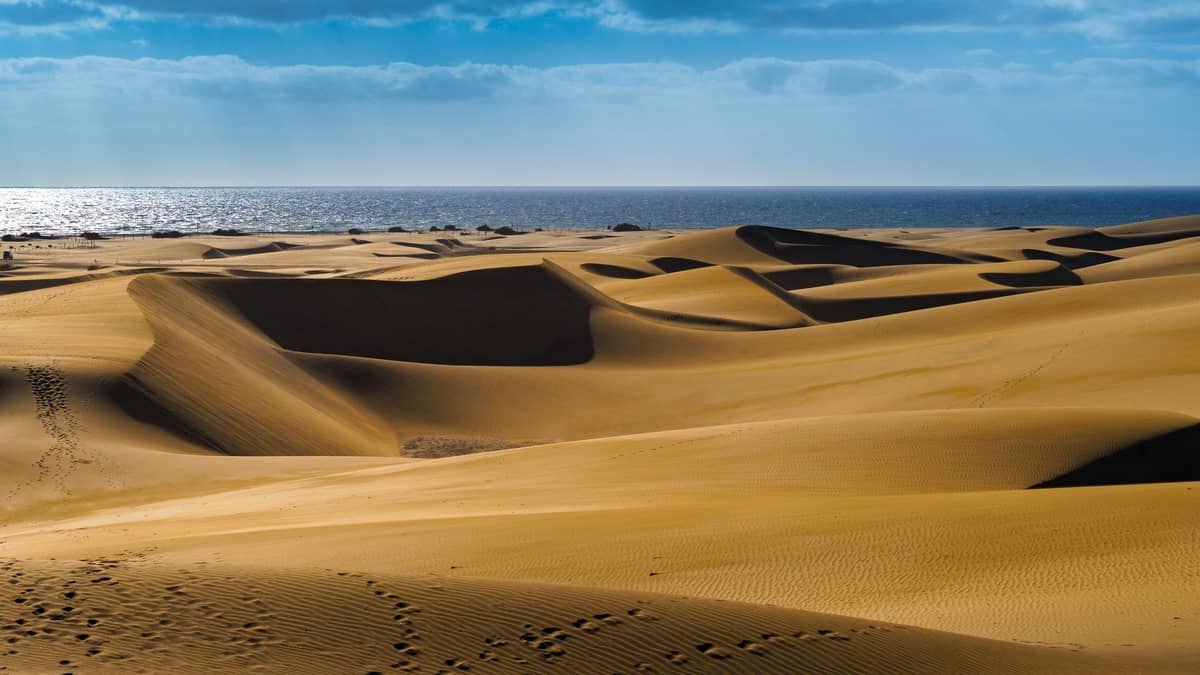
2. Cross the Maspalomas Dunes to Reach the Sea
Walking through 400 hectares of protected dunes to arrive at the beach is the classic Gran Canaria experience. Go at sunrise before the crowds arrive and you'll have an extraordinary Saharan landscape entirely to yourself.
Explore2. Cross the Maspalomas Dunes to Reach the Sea
Walking through 400 hectares of protected dunes to arrive at the beach is the classic Gran Canaria experience. Go at sunrise before the crowds arrive and you'll have an extraordinary Saharan landscape entirely to yourself.
Explore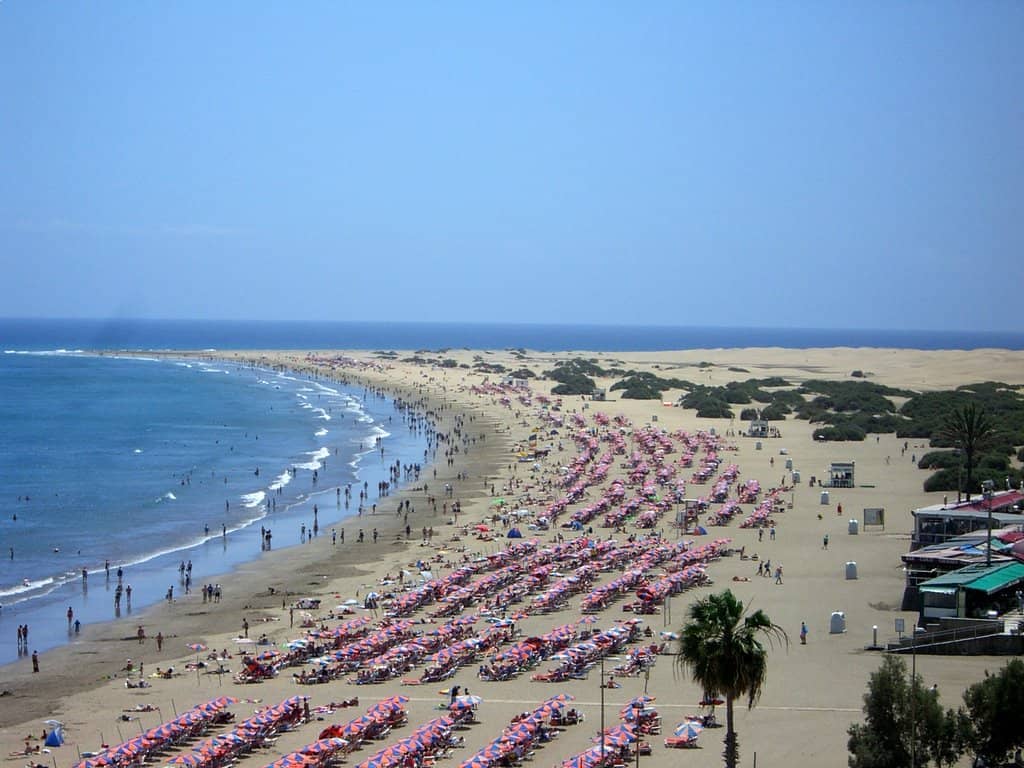
3. Spend a Day on the Long Stretch of Playa del Inglés
Three kilometres of wide, golden Atlantic sand with every facility imaginable: sunbeds, beach bars, water sports rentals, and a promenade lined with restaurants. It connects directly with Maspalomas to form a 6km continuous beach.
Explore3. Spend a Day on the Long Stretch of Playa del Inglés
Three kilometres of wide, golden Atlantic sand with every facility imaginable: sunbeds, beach bars, water sports rentals, and a promenade lined with restaurants. It connects directly with Maspalomas to form a 6km continuous beach.
Explore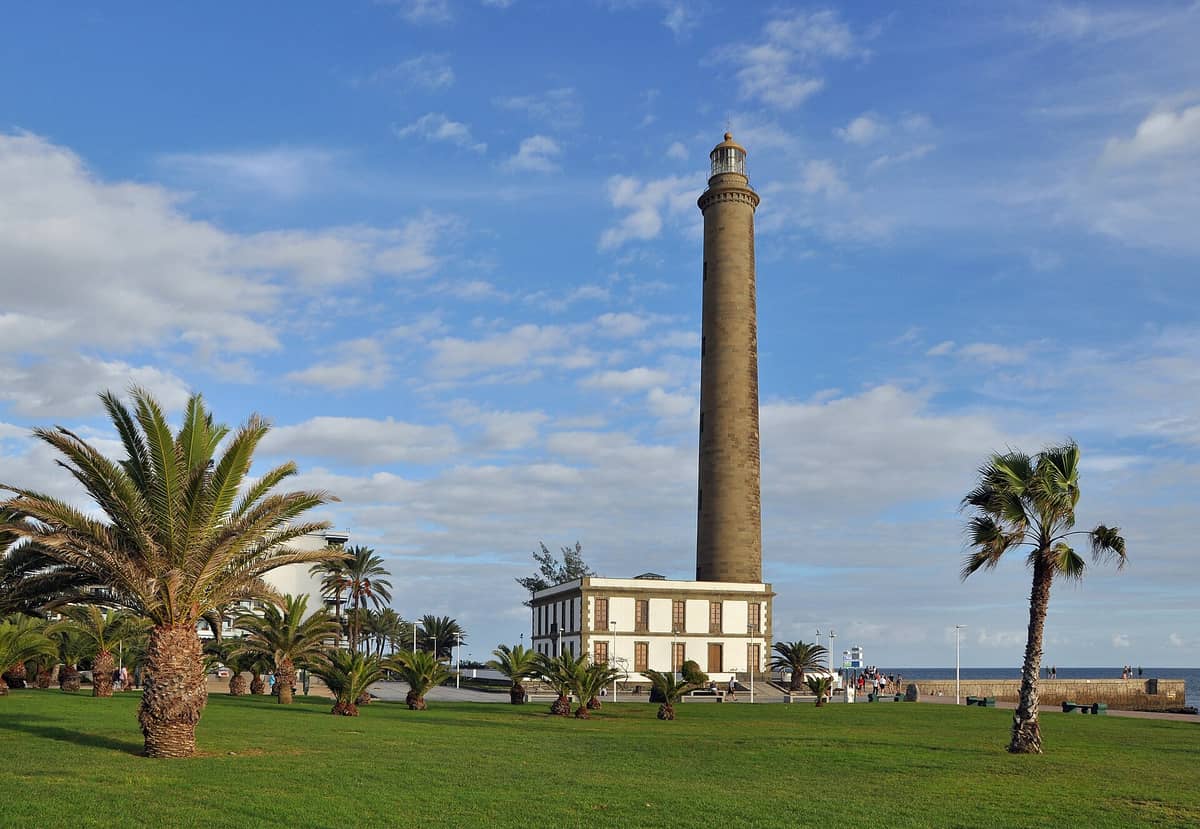
4. Watch the Sunset from Maspalomas Lighthouse
Built in 1890, the 55-metre lighthouse marks the island's southernmost point and is framed by dunes on one side and open Atlantic on the other. The adjacent lagoon is also a reliable birdwatching spot at any time of year.
Explore4. Watch the Sunset from Maspalomas Lighthouse
Built in 1890, the 55-metre lighthouse marks the island's southernmost point and is framed by dunes on one side and open Atlantic on the other. The adjacent lagoon is also a reliable birdwatching spot at any time of year.
ExploreSheltered Coves: The Southwest's Family Beaches
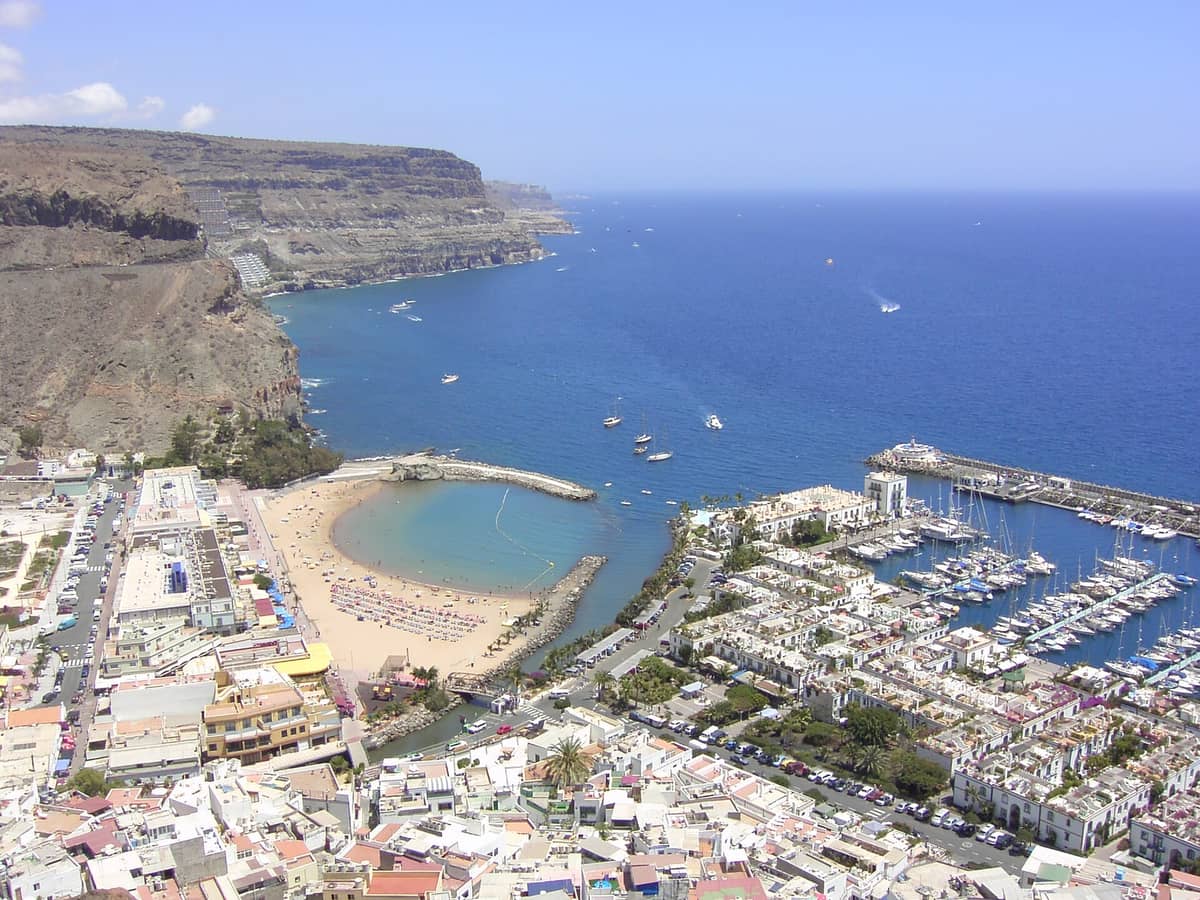
West of Playa del Inglés, the coastline becomes more dramatic and the beaches more intimate. From Puerto Rico to Puerto de Mogán, a series of sheltered coves and marina beaches offer calm, clear water that is ideal for families and snorkellers. If you're planning a day trip along this stretch, check our Gran Canaria with kids guide for tips on what to combine.
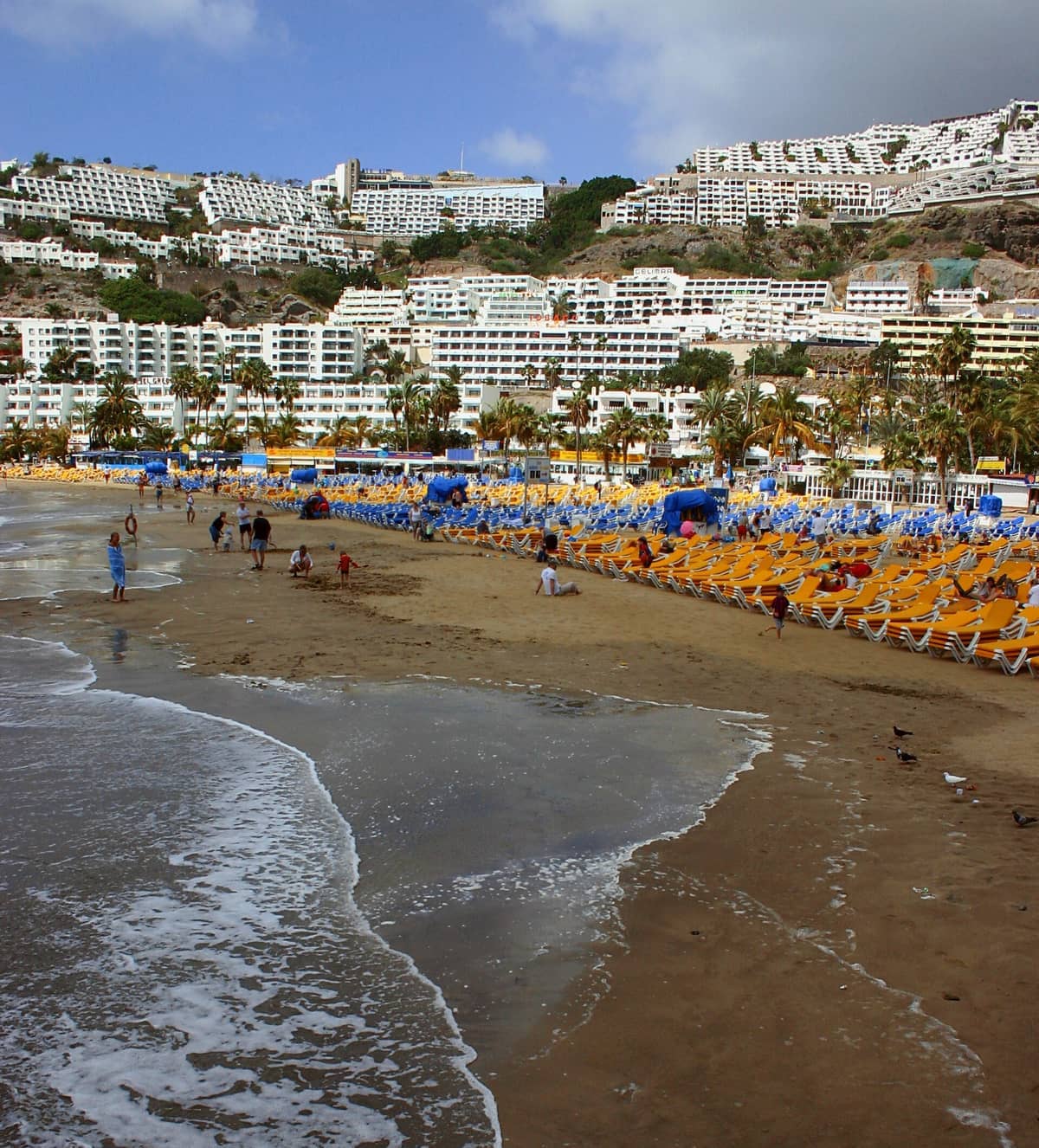
5. Swim in the Calmest Water on the Island at Puerto Rico
Surrounded by cliffs that block the Atlantic swell, Puerto Rico Beach offers some of the most reliably flat, warm water on the island. It's compact, well-equipped, and consistently sunny — perfect for toddlers and nervous swimmers.
Explore5. Swim in the Calmest Water on the Island at Puerto Rico
Surrounded by cliffs that block the Atlantic swell, Puerto Rico Beach offers some of the most reliably flat, warm water on the island. It's compact, well-equipped, and consistently sunny — perfect for toddlers and nervous swimmers.
Explore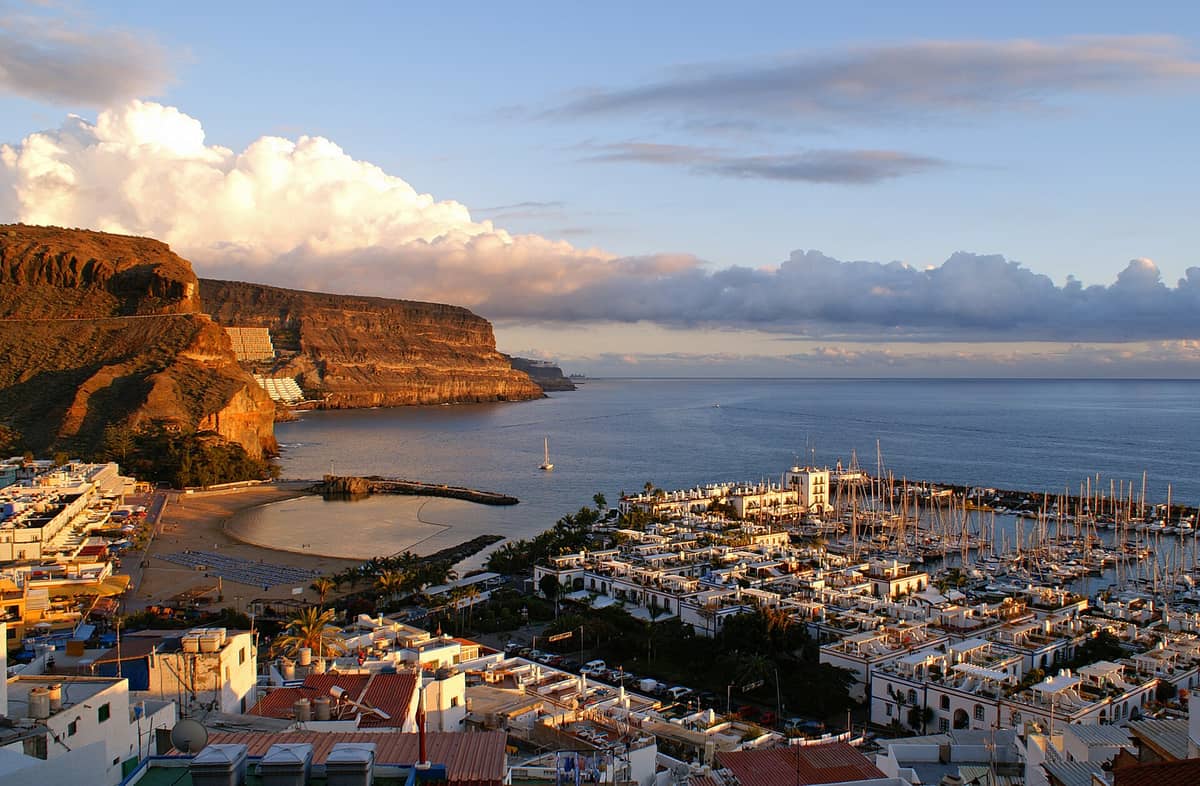
6. Combine a Swim with a Stroll Around Puerto de Mogán
The small beach at Puerto de Mogán sits beside a flower-draped marina of whitewashed buildings and bougainvillea bridges. The Friday market, waterfront restaurants, and boat trips to nearby coves make this a full half-day rather than just a beach stop.
Explore6. Combine a Swim with a Stroll Around Puerto de Mogán
The small beach at Puerto de Mogán sits beside a flower-draped marina of whitewashed buildings and bougainvillea bridges. The Friday market, waterfront restaurants, and boat trips to nearby coves make this a full half-day rather than just a beach stop.
ExploreLas Palmas: Gran Canaria's Urban Beach
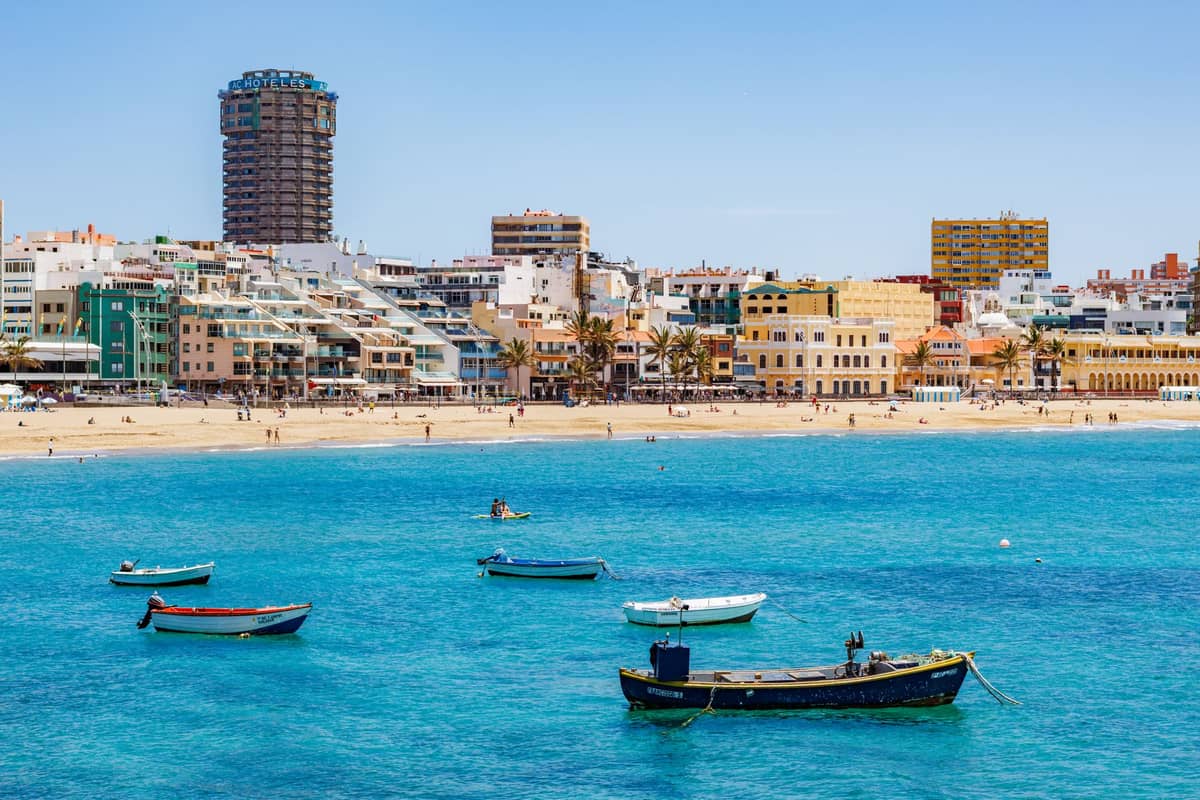
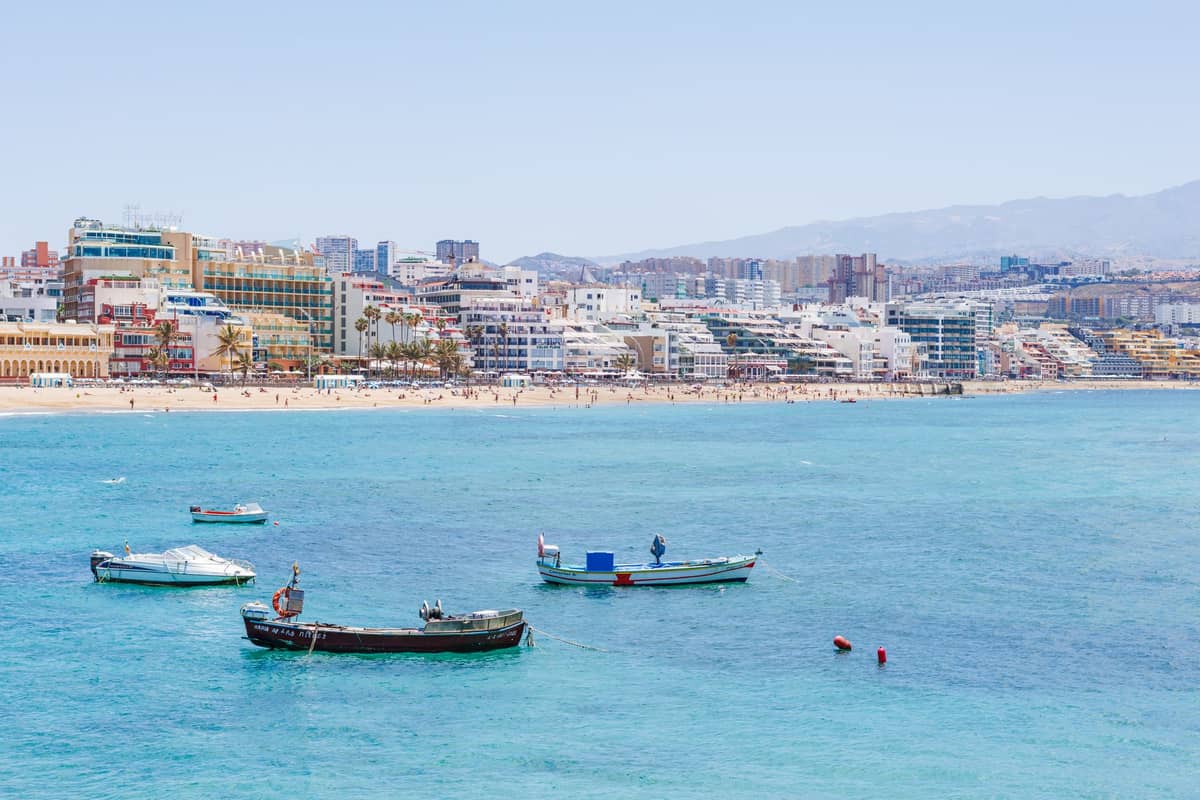
Las Canteras in Las Palmas is a genuinely world-class urban beach — consistently ranked among the best city beaches in Europe. It sits right in the heart of the capital, a walkable distance from the historic Vegueta quarter and the bars and restaurants of Triana. The beach has earned Spain's Q de Calidad Turística quality certification and holds Blue Flag status for its environmental management, safety, and services.
7. Swim in the Calm Lagoon of Playa de Las Canteras
A natural volcanic reef called La Barra shelters a 3km lagoon of calm, warm water right in the city centre. The southern two-thirds are ideal for swimming; the northern end, open to the Atlantic, is the city's surf zone.
Explore7. Swim in the Calm Lagoon of Playa de Las Canteras
A natural volcanic reef called La Barra shelters a 3km lagoon of calm, warm water right in the city centre. The southern two-thirds are ideal for swimming; the northern end, open to the Atlantic, is the city's surf zone.
Explore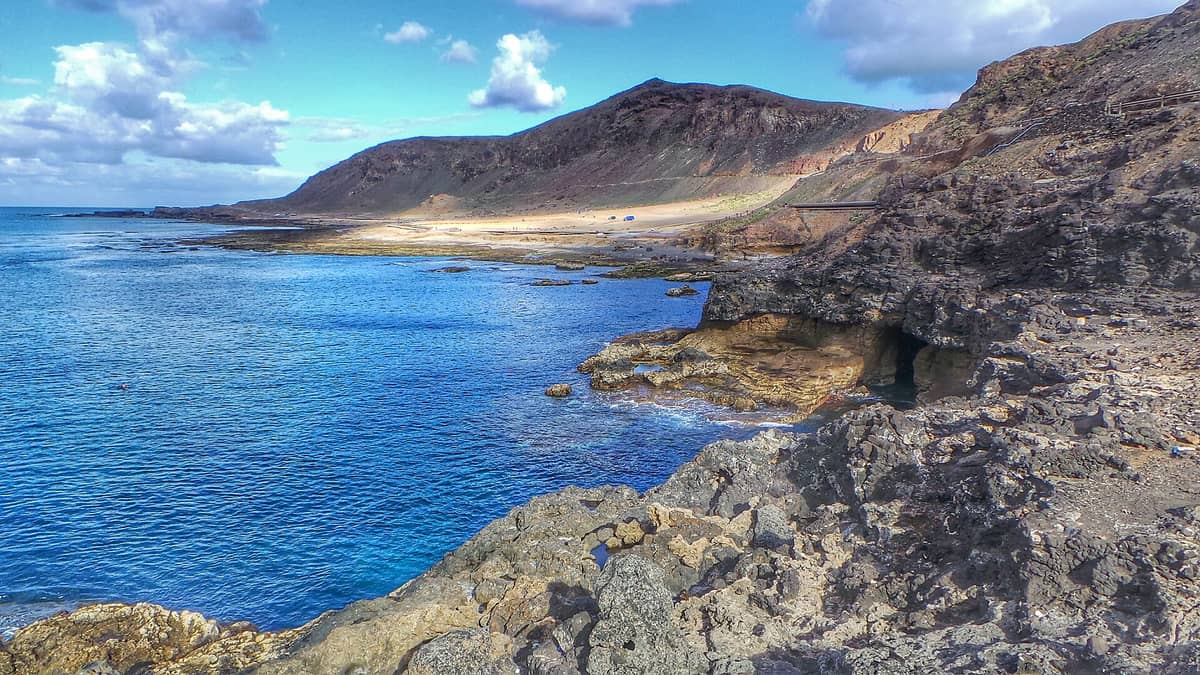
8. Surf the Wild Reef at El Confital
At the northern tip of Las Canteras, El Confital is a rugged volcanic reef break beloved by local surfers. There's no sand, no sunbeds, and no crowds — just powerful Atlantic swells and one of the best surf spots in the entire Canary Islands.
Explore8. Surf the Wild Reef at El Confital
At the northern tip of Las Canteras, El Confital is a rugged volcanic reef break beloved by local surfers. There's no sand, no sunbeds, and no crowds — just powerful Atlantic swells and one of the best surf spots in the entire Canary Islands.
Explore✨ Pro tip
Las Canteras has three distinct sections: the calm southern lagoon (ideal for swimming), the lively central stretch (beach bars, facilities), and the northern surf zone at El Confital. Pick your section based on what you want from the day.
West & Northwest Coasts: Authentic Shores
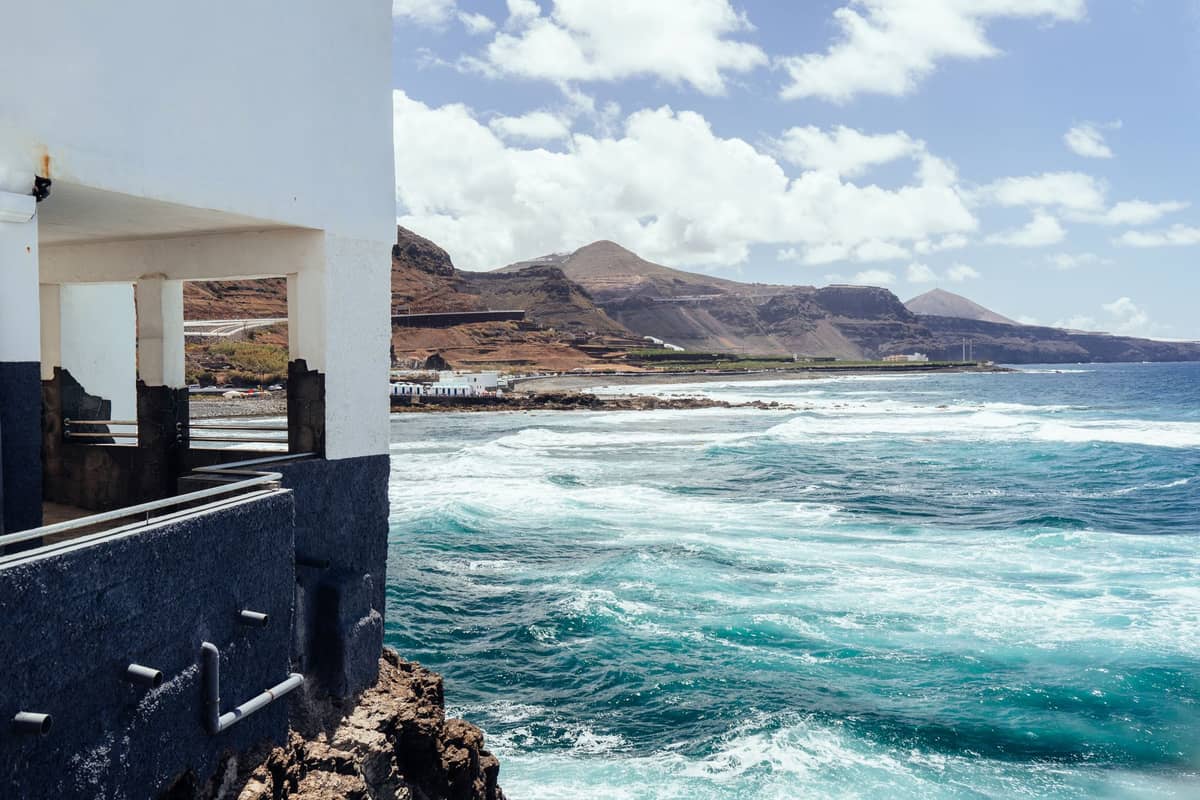
The west and northwest coasts of Gran Canaria see far fewer visitors than the south, partly because the road is slower and partly because the beaches here offer fewer facilities. That's exactly the point. This is the island's most dramatic coastline, and combining a beach stop with the cliff viewpoints and fishing villages along the way makes for one of the best road trips on the island.
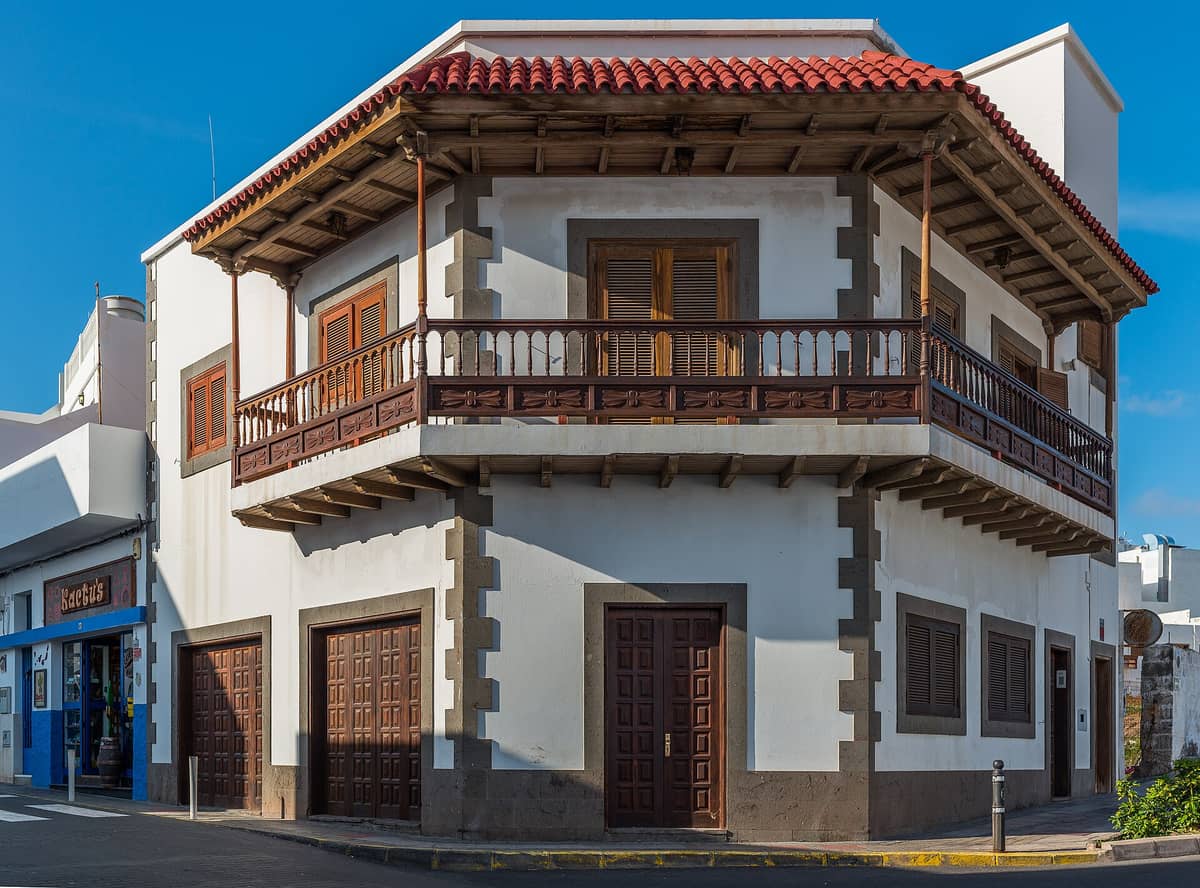
9. Take a Dip at Puerto de las Nieves, the West Coast's Finest Village
The island's most authentic fishing village has natural rock pools, clear Atlantic water, and some of Gran Canaria's best seafood restaurants. The backdrop of the Agaete cliffs makes it one of the most scenic coastal stops on any west-coast drive.
Explore9. Take a Dip at Puerto de las Nieves, the West Coast's Finest Village
The island's most authentic fishing village has natural rock pools, clear Atlantic water, and some of Gran Canaria's best seafood restaurants. The backdrop of the Agaete cliffs makes it one of the most scenic coastal stops on any west-coast drive.
Explore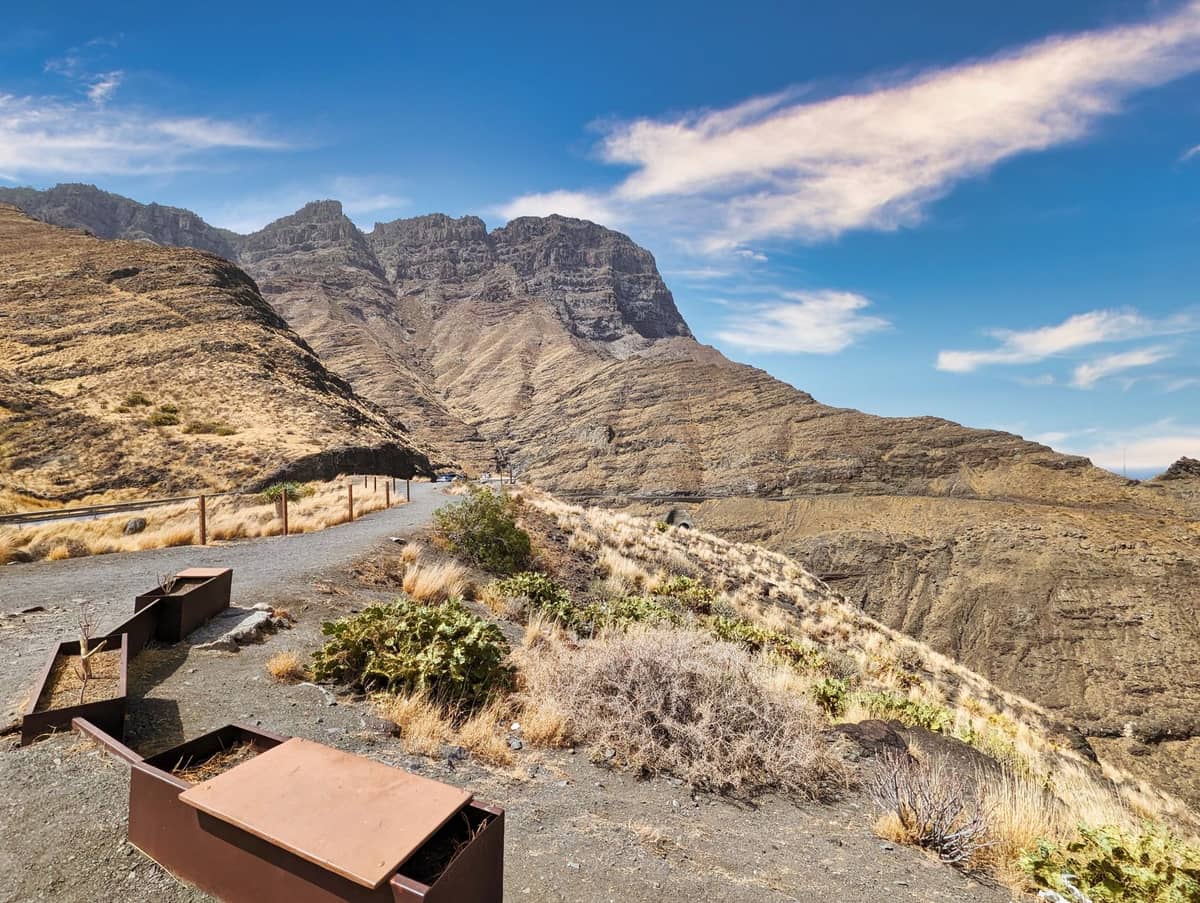
10. Stop at Mirador del Balcón Before Reaching the Beach Below
The vertiginous sea-cliff viewpoint on the west coast road offers the most dramatic perspective of the Atlantic anywhere on the island. It's a natural prelude to the beaches of Puerto de las Nieves, just 20 minutes further north.
Explore10. Stop at Mirador del Balcón Before Reaching the Beach Below
The vertiginous sea-cliff viewpoint on the west coast road offers the most dramatic perspective of the Atlantic anywhere on the island. It's a natural prelude to the beaches of Puerto de las Nieves, just 20 minutes further north.
ExploreBeyond the Sand: Coastal Experiences Worth Combining
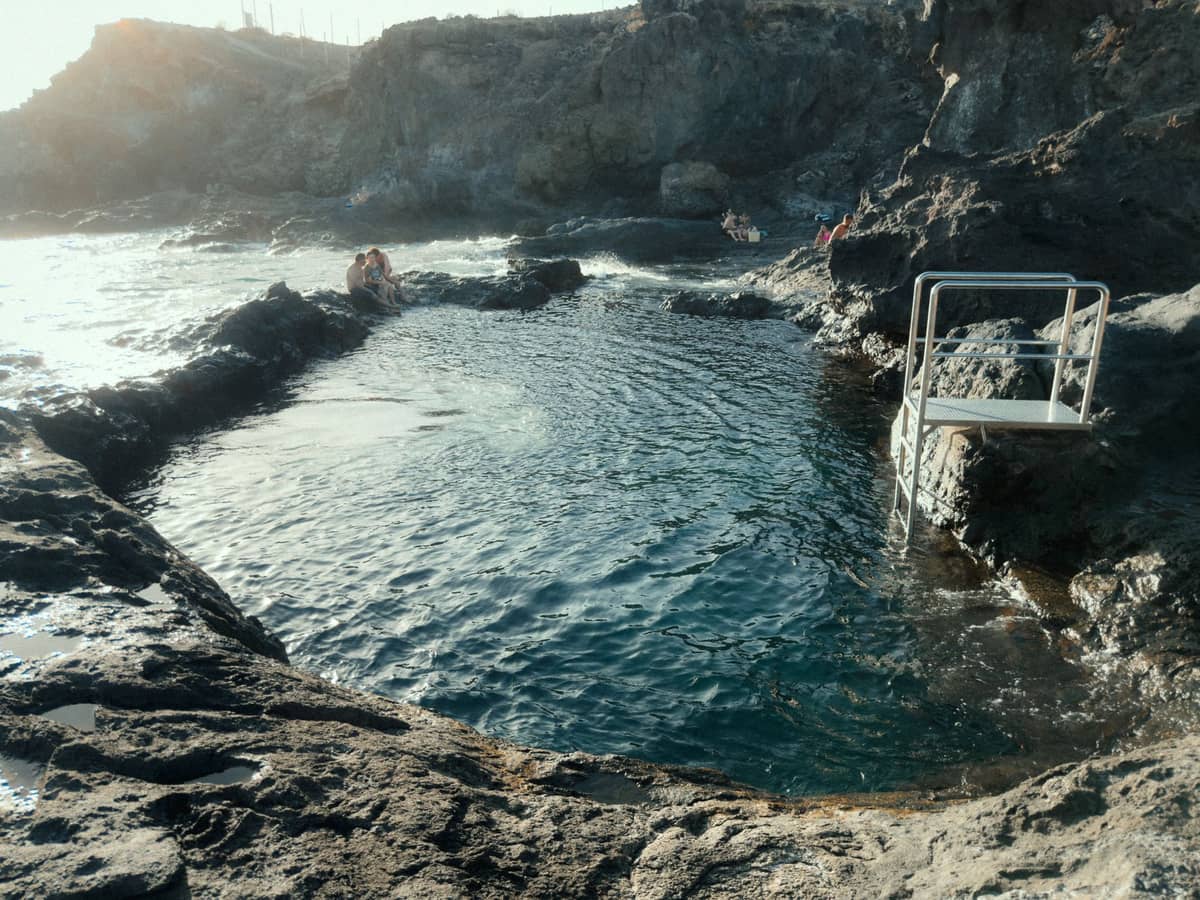
The best beach days in Gran Canaria often combine swimming with something else nearby. The island's compact geography means that natural pools, archaeological sites, and wildlife spots are frequently within walking distance of a beach. For a full list of water-based activities across the island, see our guide to natural pools in Gran Canaria and the water sports guide.
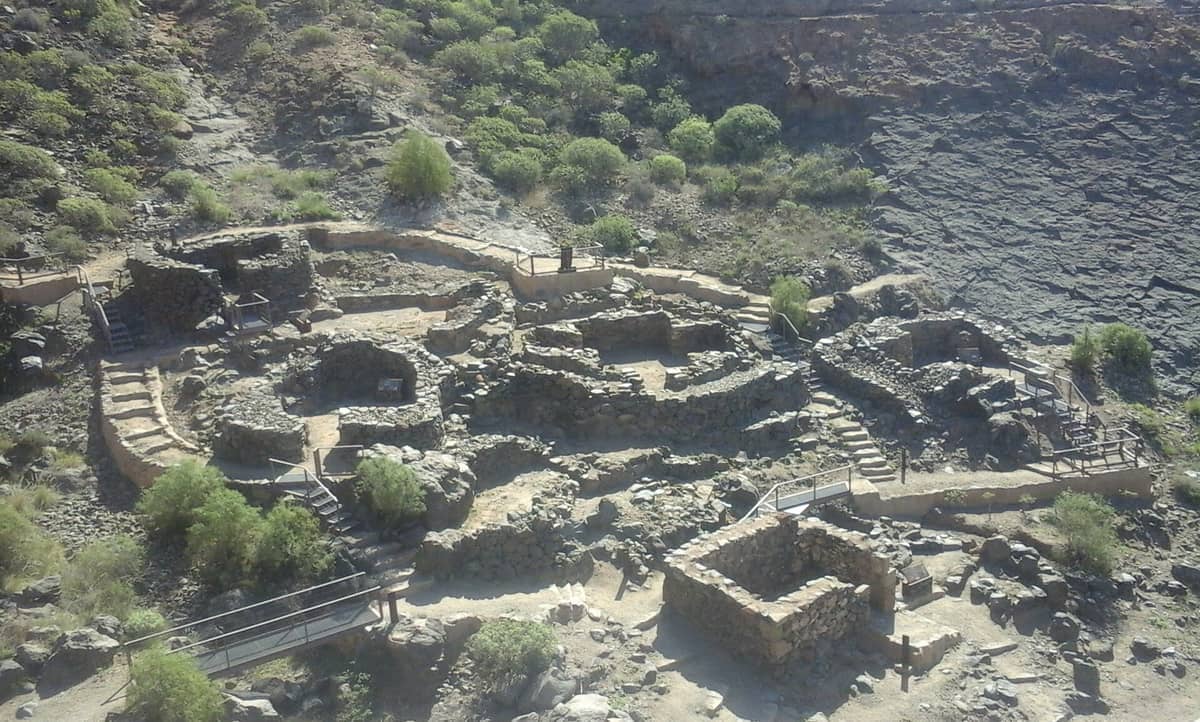
11. Combine Swimming with Ancient History at Tufia
The headland of Tufia on the east coast has both a small beach and one of the best-preserved Guanche coastal settlements on the island, with cave dwellings and stone structures right beside the water. Largely overlooked by package tourists.
Explore11. Combine Swimming with Ancient History at Tufia
The headland of Tufia on the east coast has both a small beach and one of the best-preserved Guanche coastal settlements on the island, with cave dwellings and stone structures right beside the water. Largely overlooked by package tourists.
Explore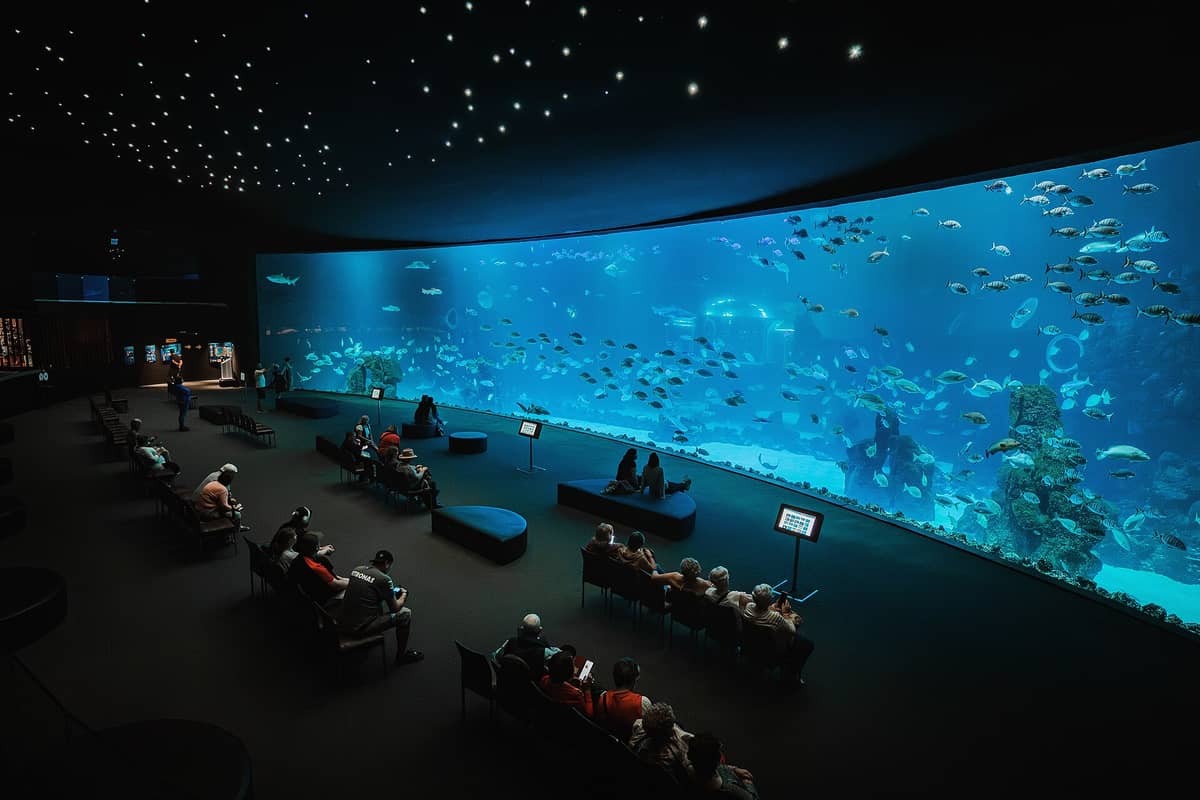
12. Explore the Deep Atlantic Without Getting Wet at Poema del Mar
Las Palmas's world-class aquarium sits right on the waterfront near Las Canteras and recreates the Atlantic ecosystem, from shallow reefs to a 7-metre deep-ocean panoramic tank. A natural pairing with a morning on the beach.
Explore12. Explore the Deep Atlantic Without Getting Wet at Poema del Mar
Las Palmas's world-class aquarium sits right on the waterfront near Las Canteras and recreates the Atlantic ecosystem, from shallow reefs to a 7-metre deep-ocean panoramic tank. A natural pairing with a morning on the beach.
Explore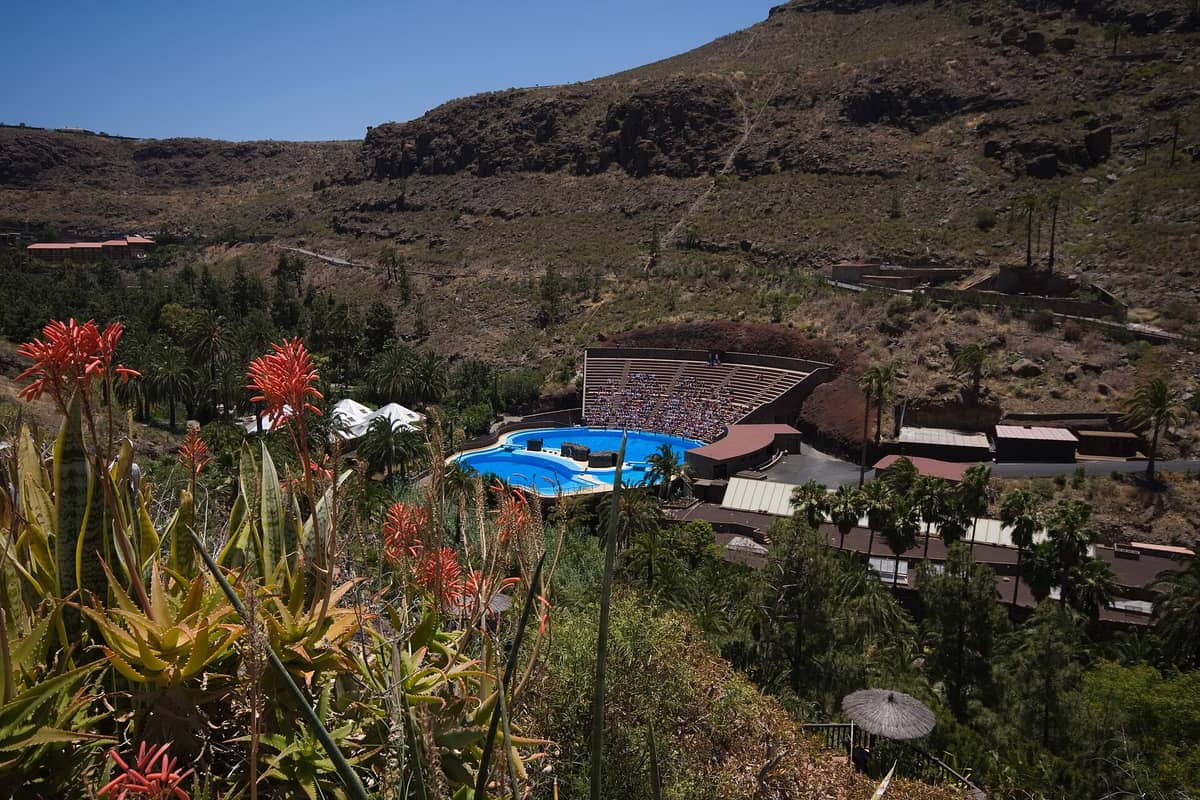
13. Combine a South-Coast Beach Day with Palmitos Park
Set in a lush valley 20 minutes from Maspalomas, Palmitos Park is the best half-day activity to combine with a south-coast beach day. Tropical birds, dolphins, and exotic plants in a surprisingly beautiful natural ravine setting.
Explore13. Combine a South-Coast Beach Day with Palmitos Park
Set in a lush valley 20 minutes from Maspalomas, Palmitos Park is the best half-day activity to combine with a south-coast beach day. Tropical birds, dolphins, and exotic plants in a surprisingly beautiful natural ravine setting.
Explore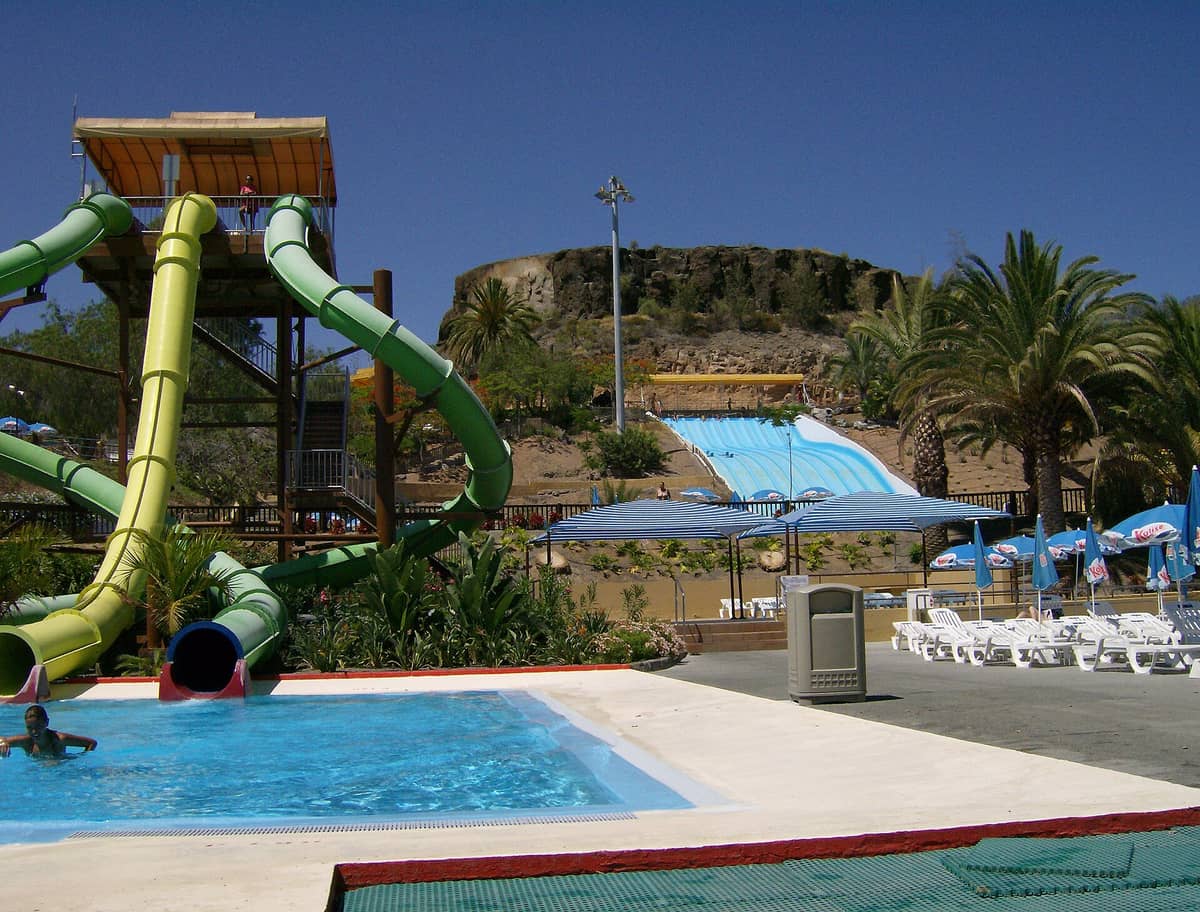
14. Cool Off at Aqualand Maspalomas After a Morning on the Beach
The Canary Islands' largest water park sits minutes from Maspalomas beach and is a natural afternoon extension of a south-coast beach day. Dozens of slides, a wave pool, and dedicated children's areas keep all ages busy for a full day.
Explore14. Cool Off at Aqualand Maspalomas After a Morning on the Beach
The Canary Islands' largest water park sits minutes from Maspalomas beach and is a natural afternoon extension of a south-coast beach day. Dozens of slides, a wave pool, and dedicated children's areas keep all ages busy for a full day.
ExploreFAQ
Which is the best beach in Gran Canaria for families?
Puerto Rico Beach is the top choice for families with young children, thanks to its sheltered position and reliably calm, flat water. Maspalomas Beach is better for older children who want more space, and Las Canteras in Las Palmas offers excellent facilities and a calm lagoon section ideal for swimmers of all ages.
What is the best beach in Gran Canaria for swimming?
Las Canteras in Las Palmas is widely considered the best swimming beach on the island. A natural volcanic reef called La Barra creates a sheltered lagoon of calm, warm water along most of its 3km length. In the south, Puerto Rico and the Amadores beach offer similarly calm conditions year-round.
Are the beaches in Maspalomas and Playa del Inglés nudist?
The Maspalomas dunes area near the lighthouse is an established naturist zone, and nudism is widely accepted along the more remote stretches of Maspalomas Beach. Playa del Inglés itself is not officially a nudist beach, though toplessness is universally accepted across all Gran Canaria beaches.
When is the best time to visit Gran Canaria's beaches?
The south coast beaches are excellent year-round, with air temperatures typically around 21°C in winter and 26–27°C in summer. For beach swimming, May to October offers the warmest sea temperatures. The north coast and Las Canteras are better in summer and early autumn; winter brings more cloud and stronger Atlantic swell to the north.
How do I get from Las Palmas to the Maspalomas beaches by bus?
Global bus Line 1 runs regularly between Las Palmas and Puerto de Mogán via the airport, and from Santa Catalina you can use Global routes such as Line 5 or 30 to reach Playa del Inglés and Maspalomas along the east coast. The journey takes roughly 50–60 minutes. Always check current timetables and fares on the Global operator's official website before travelling, as these change periodically.