Gran Canaria with Kids: The Complete Family Travel Guide
Gran Canaria delivers year-round sunshine, a stack of theme parks, safe beaches, and reliable public transport that make it genuinely practical for families. This guide cuts through the marketing to tell you exactly where to go, what to spend, and how to get around with children in tow.
TL;DR
- Gran Canaria has consistent subtropical weather year-round, with coastal temperatures rarely dropping below 18°C, making it a low-risk family destination in any month.
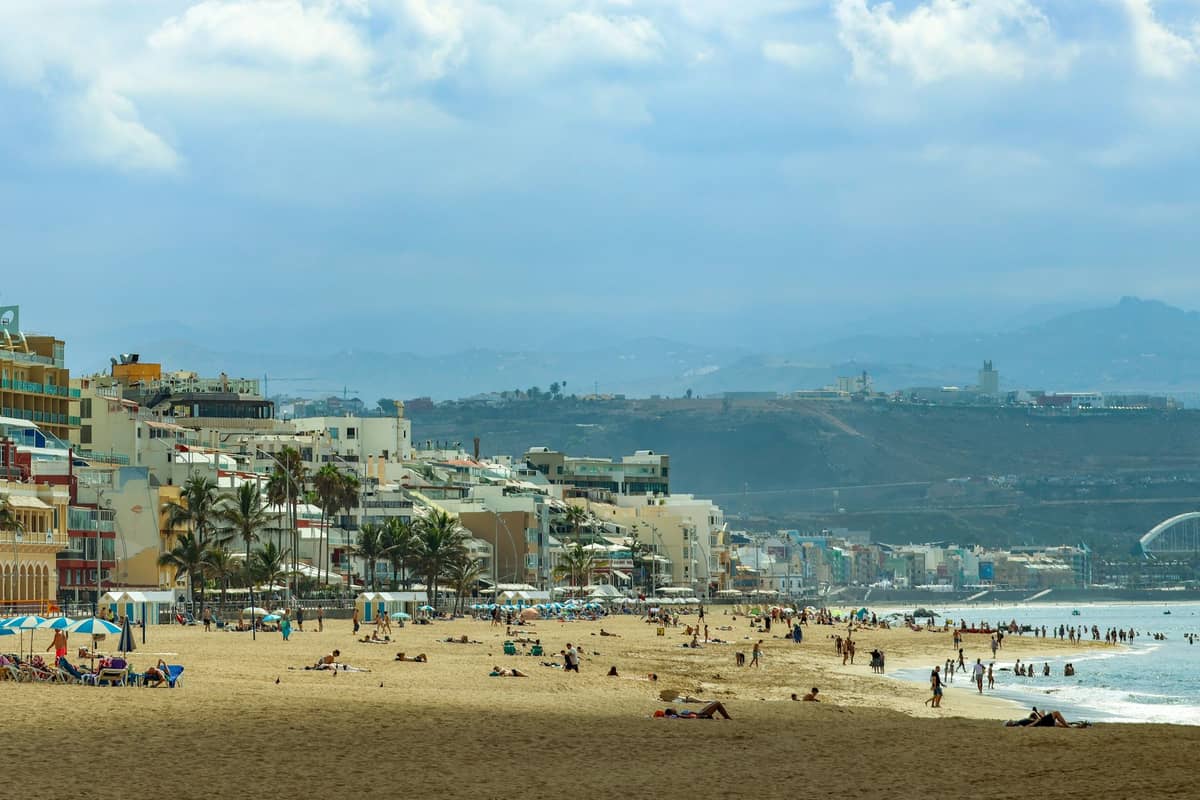
- The south coast (Maspalomas, Playa del Inglés, Puerto Rico) is the main family resort corridor, while Las Canteras beach in Las Palmas suits families who want city culture alongside the sand.
- Aqualand Maspalomas, Palmitos Park, and Holiday World are the headline kids' attractions; prices run around €31-62 per person depending on whether you book single-park or combined two-park tickets.
- A rental car is convenient but not essential: the Global bus network connects the airport, Las Palmas, and all major southern resorts for under €7 per journey.
- Avoid school holiday peaks (late July through August) if you want shorter queues at parks; May-June and September-October are the sweet spot for families.
Why Gran Canaria Works Well for Families
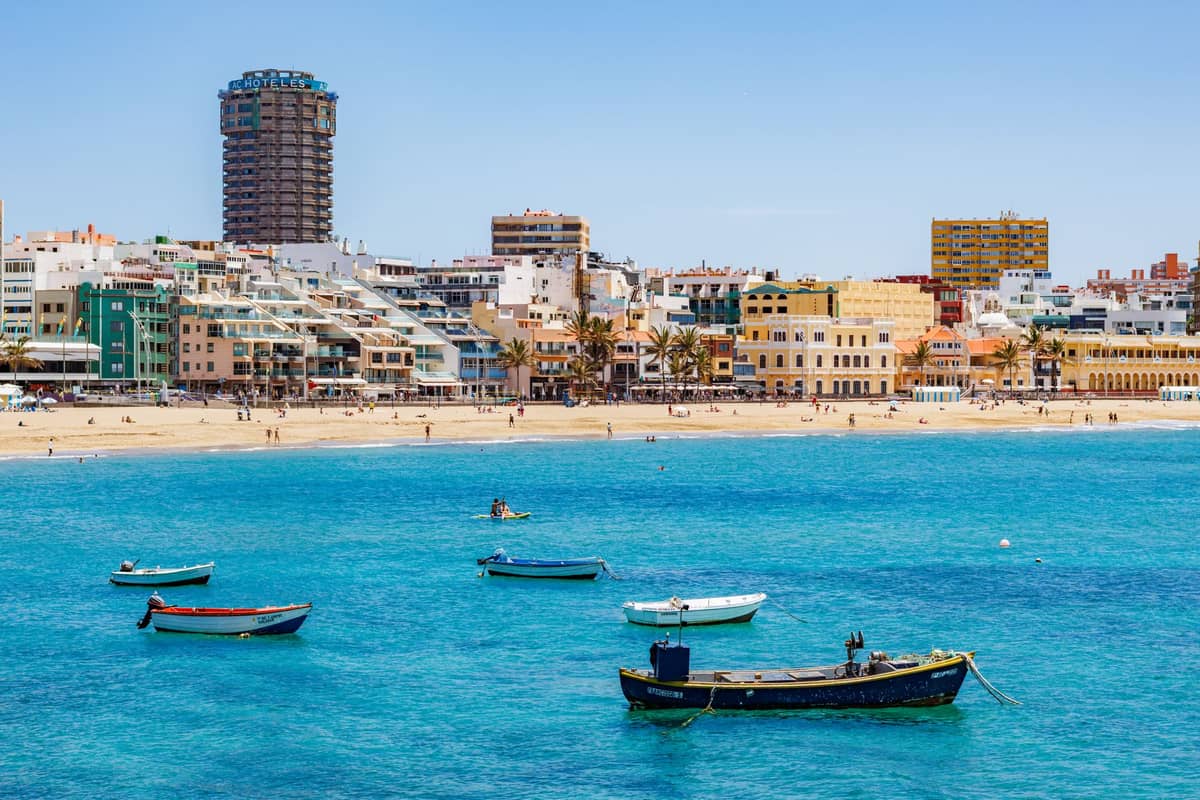
Gran Canaria is a compact island of about 1,560 km² sitting in the Atlantic off northwest Africa, part of Spain's Canary Islands. Its subtropical climate means average daytime highs hover around 21°C in winter and 27°C in summer on the coast, with fewer than 20 rainy days per year in Las Palmas. For families, that reliability matters: you're unlikely to lose a day's activity to weather. The south of the island gets even less rain than the capital, which is why the resort corridor from Maspalomas to Puerto de Mogán has become the default base for beach-focused family trips.
Beyond the weather, the infrastructure is genuinely family-friendly. Most hotels in the south offer dedicated children's pools, kids' clubs, and all-inclusive options. Spanish culture is highly welcoming toward children, so eating out late as a family is entirely normal. English is widely spoken in tourist areas, and emergency services operate a multilingual line via 112, which reduces the anxiety of travelling with young kids in a foreign country.
ℹ️ Good to know
Gran Canaria is part of Spain and the Schengen Area, so EU and EEA passport holders need only their national ID card to enter. Non-EU visitors should check current Schengen visa requirements before booking. The currency is the Euro (EUR), and Spanish (Castilian) is the official language, though English is spoken across virtually all tourist-facing businesses in the south.
Best Family Beaches: Where to Take the Kids
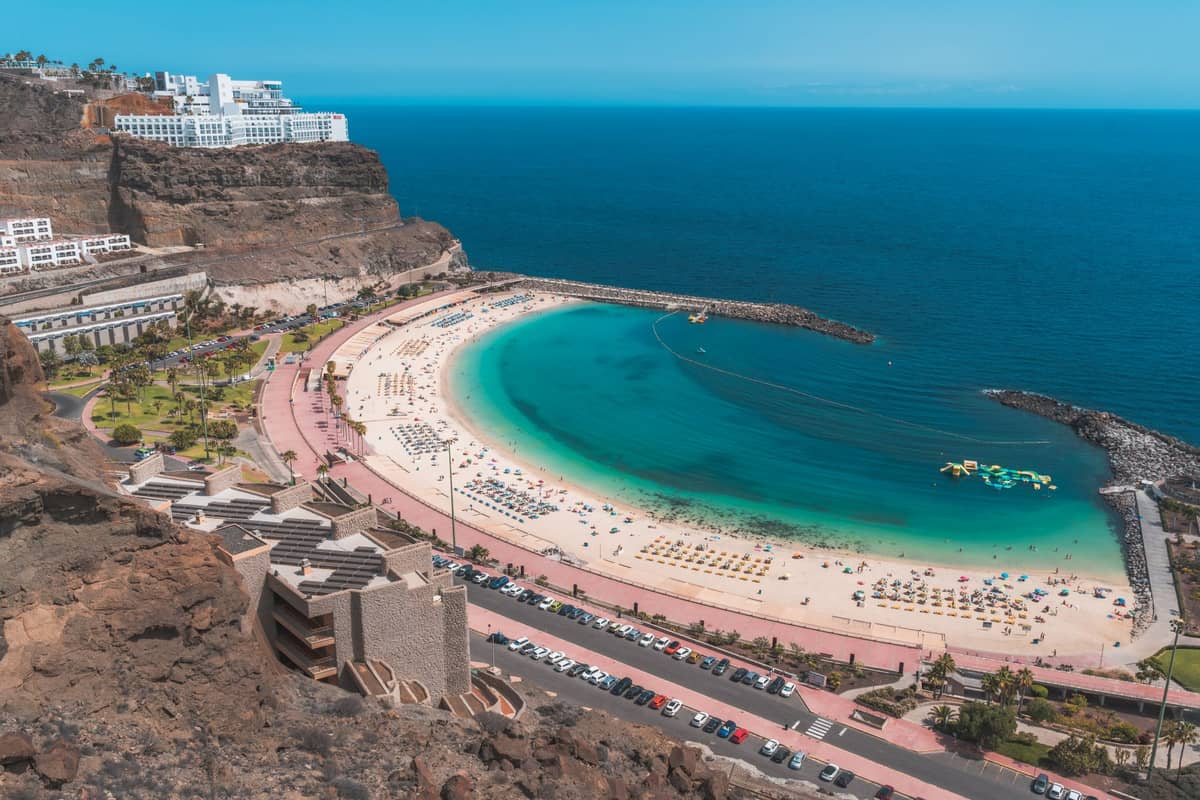
The beach question is really a question about which part of the island suits your family. Maspalomas beach and its famous dunes are spectacular but exposed, with stronger surf and wind. Young children do better at the calmer waters of Puerto de Mogán, a small marina town with a sheltered beach that has shallow, clear water and a laid-back atmosphere. Pushchairs roll easily on the promenade, and there are cafes at sea level without steps.
Puerto Rico beach is another strong family choice: it's artificially sheltered by breakwaters, so the water is very calm even when winds pick up elsewhere. The beach itself is not huge, but the surrounding resort has good family restaurants, water sports hire, and easy bus connections. For teenagers who want waves and activity, the main Playa del Inglés beach is more dynamic, though younger children may find it overwhelming.
- Puerto de Mogán Shallow, sheltered, calm water. Excellent for toddlers and early swimmers. Small, manageable beach with good facilities nearby.
- Puerto Rico Breakwater-protected bay with consistently flat water. Resort infrastructure is convenient but crowds build in peak summer.
- Las Canteras (Las Palmas) Long urban beach with a natural reef acting as a wave barrier. City amenities directly behind the sand, including playgrounds and ice cream stalls.
- Playa del Inglés Wide open beach with more energy. Works for active older kids; less ideal for very young children due to wind and occasional surf.
- Maspalomas Dramatic setting next to the dunes. Beautiful but exposed. Stick to the western end closest to the resort for calmer conditions.
Theme Parks and Kids' Attractions: What to Know Before You Book
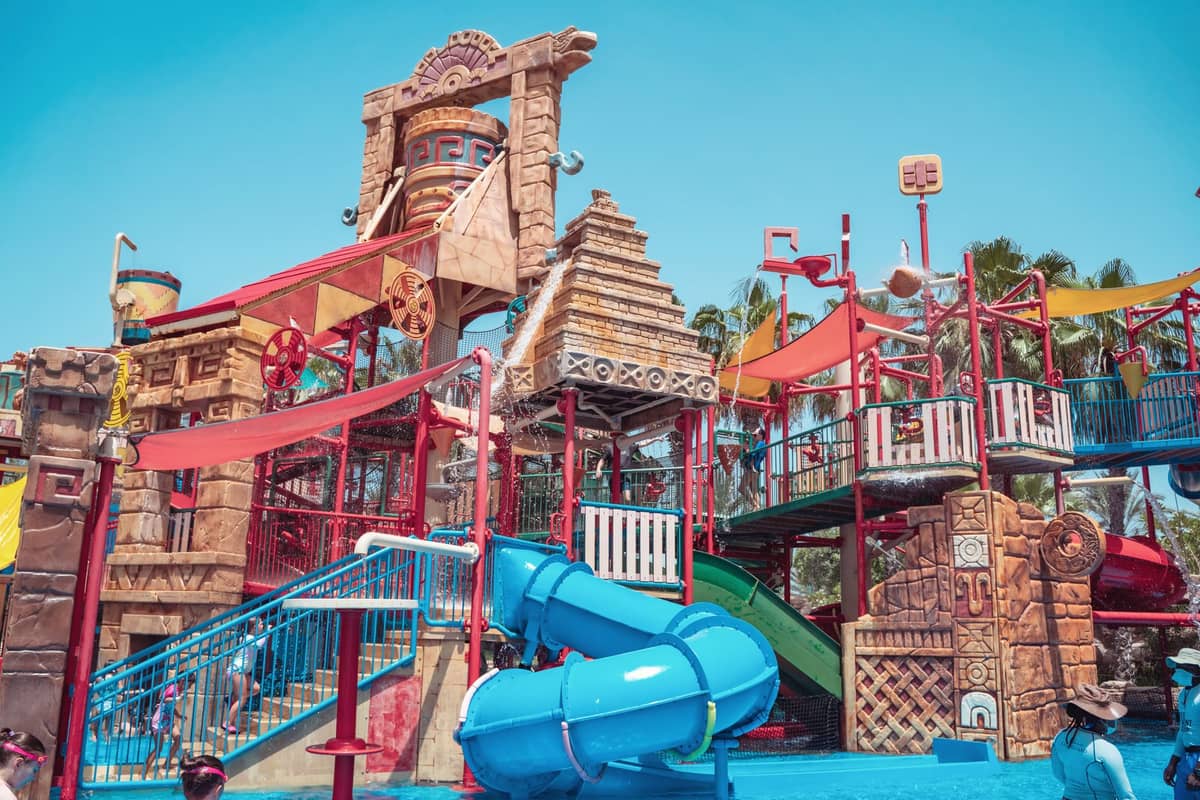
The south of the island hosts most of Gran Canaria's purpose-built family attractions, within a 20-minute drive of one another. Aqualand Maspalomas is the largest water park on the island, located on the Carretera Palmitos Park road about 3 km from the Maspalomas resort centre. It's a full day out: multiple slide towers, a wave pool, lazy river, and a dedicated splash area for small children. Online tickets for 2025-2026 start from €41 for adults at the gate (from €32 online) and €31 for children (from €22 online), with a family pack for two adults and two children from around €106. Booking in advance online saves roughly 10-15% compared to paying at the gate. Note that the park can operate reduced hours or maintenance closures on weekdays outside peak season, so check the official site before travelling.
Palmitos Park sits further up the same road and takes a different angle: it's a zoo and botanical garden with trained bird shows, a butterfly house, and primate enclosures. It suits children who are starting to tire of pure thrill rides and works particularly well for the 3-9 age group. You can combine it with Aqualand through a joint ticket, which brings the adult combined price down to around €62 for both parks. If your children are very young, the park involves a lot of walking on uneven terrain, so factor that in.
Holiday World Maspalomas is a leisure complex rather than a theme park: rides, a bowling alley, go-karts, and arcade games in a format that works well as an evening activity rather than a full-day commitment. It's walkable from Maspalomas centre. The Angry Birds Activity Park in Puerto Rico is smaller and oriented toward outdoor adventure play, climbing, and zip-lines, making it a better fit for energetic 6-12 year olds. It doesn't have the scale to justify a full day but pairs well with a morning at Puerto Rico beach.
✨ Pro tip
Buy Aqualand and Palmitos Park tickets online at least a day ahead. Not only do you save money, you skip the ticket queue entirely, which on a busy August morning can be 30-40 minutes long. A combined two-park ticket is only worth it if you plan to visit both on consecutive days, as the parks are close but doing both in one day exhausts younger children quickly.
- Aqualand Maspalomas Best full-day water park option. Adults from €41, children from €31, family pack from €106. Book online for best prices. Check winter opening hours.
- Palmitos Park Zoo, botanical gardens, bird shows. Works well for ages 3-10. Combined ticket with Aqualand from €62/adult, €45/child.
- Holiday World Maspalomas Evening rides, bowling, go-karts. Good supplement to a beach day rather than a standalone full day.
- Angry Birds Activity Park (Puerto Rico) Outdoor adventure play for ages 6-12. Half-day activity, pairs well with Puerto Rico beach morning.
- Poema del Mar Aquarium (Las Palmas) Indoor aquarium in the city, good wet-weather option or day-trip addition for families based in the south.
Getting Around with Kids: Transport Options Compared
The persistent myth that you need a car to get around Gran Canaria is simply not accurate for families based in the south. The Global interurban bus network connects Gran Canaria Airport (IATA: LPA) with Las Palmas in the north and all major southern resorts. Line 60 runs from the airport to Las Palmas; Line 1 connects Las Palmas with Maspalomas and Puerto de Mogán along the coast. Fares are low: airport to Las Palmas costs around €2.30-2.95, airport to Maspalomas around €4.05 via Line 66, and Las Palmas to Maspalomas around €5.60-6.25. Services run roughly every 30-60 minutes depending on the route. Buses are air-conditioned, and fold-down pushchairs are generally manageable in the luggage areas.
If you're splitting time between the coast and the interior, a rental car makes the mountain villages genuinely accessible. Driving in Gran Canaria is straightforward on the main autopistas, though mountain roads to places like Tejeda are narrow and winding, requiring confidence behind the wheel. For families primarily doing beaches and theme parks in the south, buses plus occasional taxis cover everything comfortably.
Taxi fares from Gran Canaria Airport run approximately €30-35 to Las Palmas and €35-40 to Maspalomas. For a family of four arriving with luggage, a taxi is often the most practical choice on arrival day even if you plan to use buses for the rest of the trip. Ride-hailing apps are available in Las Palmas but coverage in the southern resorts is less consistent; verify availability before relying on them. Within Las Palmas, the urban guagua network has single fares around €1.40, or less with a rechargeable TransGC card.
💡 Local tip
If you're staying in Maspalomas or Playa del Inglés, you can cover the resort zone and most southern beaches entirely on foot or by the Faro 2 tourist trolley train. Save the bus for day trips north to Las Palmas or west toward Puerto de Mogán and Puerto Rico.
Beyond the Beach: Cultural and Nature Activities Worth Doing with Kids
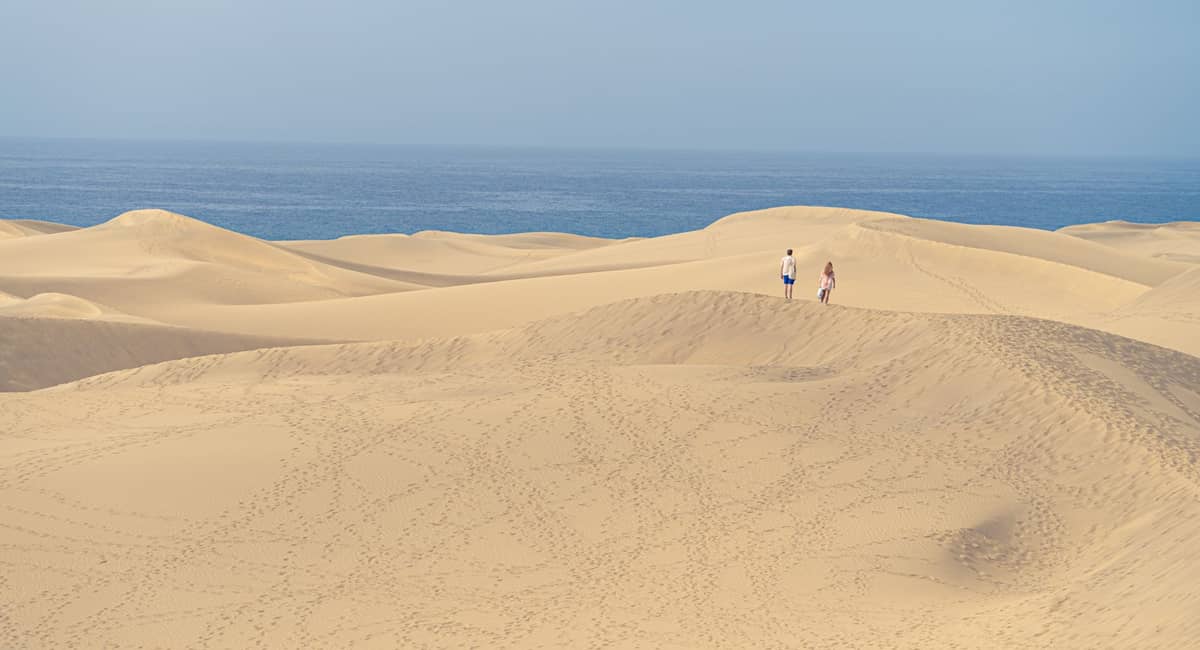
Gran Canaria is more varied than its resort marketing suggests, and some of the non-beach activities work surprisingly well with children. The Maspalomas dunes are a legitimate spectacle: roughly 400 hectares of sand dunes that feel genuinely otherworldly. Walking into them for 20 minutes and back is manageable for most children over 5, and you don't need to hike far to feel immersed. Go in the morning before heat peaks; it gets uncomfortably hot by midday in summer.
In Las Palmas, the ELDER Museum of Science and Technology has interactive exhibits that engage children from around age 6 upward, covering topics from geology to space. It's an excellent option on a rare overcast morning or as part of a day trip to the capital. The Poema del Mar aquarium near the port in Las Palmas is another indoor option that tends to go down well with younger children, with tunnel walkways through large tanks.
For families willing to venture into the island's interior, the drive to Roque Nublo at around 1,800 metres elevation offers panoramic views across the island. The walk from the main car park to the rock takes about 40 minutes each way on a clear path and is doable for children aged 7 and over. The Palmitos Park gardens along the way add another reason to make a day of the southern interior. Pack a picnic: the mountain zone has limited food options and children burn energy quickly at altitude.
Practical Tips: Timing, Costs, and What to Pack
The island's year-round mild climate genuinely delivers, but there are better and worse times for a family visit. July and August bring peak crowds and peak prices at hotels and parks. Water parks have their longest queues in August, which is when European school holidays align. May, June, September, and October offer warm temperatures (23-26°C on the coast), shorter queues, and often lower accommodation rates. December through February is popular with Northern European families escaping winter, and the weather is reliable, though sea temperatures drop to around 19-20°C, which may put younger children off swimming for extended periods.
On budget, Gran Canaria is a middle-ground destination. All-inclusive packages in the south can make costs very predictable for families; the all-inclusive scene in Gran Canaria is well-developed, particularly around Playa del Inglés and Maspalomas. Independent travellers should expect to spend €15-25 per person on a sit-down lunch, €30-80 per person at theme parks, and €50-150 per night for a family room depending on season and location. Budget-conscious families can bring costs down significantly by self-catering and relying on the bus network.
- High-factor sunscreen is essential year-round; UV index on the island runs higher than European mainland equivalents even in winter.
- Pack reef shoes for natural pool areas and rocky coves, particularly if visiting the north coast or inland water spots.
- Tap water is safe by regulation but is desalinated and often tastes flat; most families prefer bottled water, available cheaply in supermarkets.
- The electric plug standard is Type F (Schuko) at 230V/50Hz; UK visitors need an adaptor, US visitors need both an adaptor and a voltage converter.
- Spain's +34 country code applies to all Canary Islands numbers. Emergency services are reached on 112, with multilingual operators available.
- Tipping is not obligatory but rounding up the bill or leaving 5-10% in restaurants is normal practice in tourist areas.
⚠️ What to skip
The Maspalomas dunes are a protected natural reserve. Do not let children run across the dune cordons or disturb the vegetation barriers. Access paths are marked and should be followed. Fines apply for entering restricted areas, and rangers patrol the zone regularly in high season.
FAQ
What age is Gran Canaria suitable for with kids?
Gran Canaria works well from baby age upward. The south coast resorts have calm, sheltered beaches suitable for toddlers, and most hotels have shallow children's pools. Theme parks like Aqualand have dedicated toddler zones. For children under 3, the main consideration is sun exposure; the UV index is higher than most European parents expect, so high-factor protection and shade are essential.
Do I need a car to visit Gran Canaria with kids?
Not if you're based in the south. The Global bus network connects the airport with Maspalomas, Playa del Inglés, Puerto Rico, and Puerto de Mogán, with fares between €2 and €7. Taxis from the airport to Maspalomas cost around €35-40. A car becomes worth it if you want to explore the mountain interior, visit the north coast villages, or reach beaches off the main resort corridor.
When is the best time to visit Gran Canaria with children?
May, June, September, and October offer the best balance of warm weather, manageable crowds, and lower prices. July and August are peak season with the highest temperatures, longest queues at parks, and highest accommodation costs. December to February is popular with families escaping Northern European winters, but sea temperatures cool to around 19-20°C, which may reduce swimming enjoyment for younger children.
Is Aqualand Maspalomas worth the price?
For most families with children aged 4 and over, yes. It's a full day's activity with enough variety to keep different ages occupied. The family pack (two adults, two children) from around €106 brings the per-person cost down considerably compared to individual tickets. Book online in advance to avoid gate queues and access the best prices. If you have children under 3, the toddler splash zone is charming but may not justify the full ticket price on its own.
Are there free or low-cost activities for families in Gran Canaria?
Yes. The beaches are free, and the Maspalomas dunes can be walked into from the beach at no charge. In Las Palmas, the historic Vegueta district is walkable and free, and the ELDER Museum has very reasonable entry fees. The Jardin Botanico Viera y Clavijo, the largest botanical garden in Spain's Canary Islands, is free to enter and is excellent for a slow morning with children. Many markets and waterfront promenades cost nothing and give children space to run.