Gran Canaria All-Inclusive Resorts: The Complete Guide to What's Worth Booking
Gran Canaria all-inclusive resorts range from budget-friendly complexes in Playa del Inglés to upmarket retreats in Puerto de Mogán. This guide covers the best areas, realistic price expectations by season, and a clear take on when all-inclusive actually makes sense on this island.
TL;DR
- The south coast (Maspalomas, Playa del Inglés, Puerto Rico) holds the vast majority of all-inclusive resort stock on the island.
- Prices for 4-star all-inclusive double rooms often run around €80–120 per night in May and October, rising to €180–250 in August and over Christmas.
- Book peak weeks (Easter, July-August, 20 Dec-6 Jan) several months ahead. For better value, target shoulder season months like May or October.
- Gran Canaria's subtropical climate means all-inclusive works year-round, not just in summer. Winter highs sit around 20-21°C.
- Going all-inclusive here makes the most sense for families, first-timers, and anyone who wants a predictable budget. Independent travellers often do better mixing accommodation with local restaurants.
Why Gran Canaria Works Well for All-Inclusive
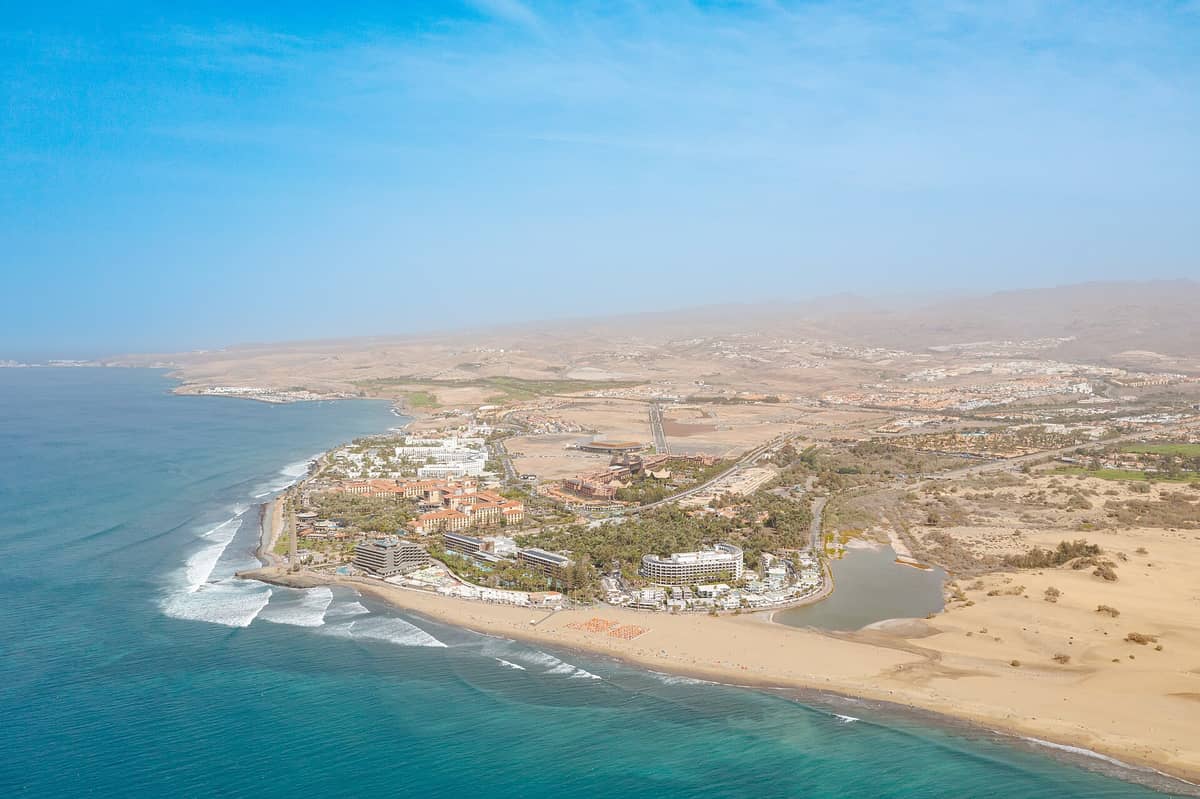
Gran Canaria is a Spanish island in the Atlantic, part of the Canary Islands archipelago, sitting about 210 km off the northwest coast of Africa. That position gives it a subtropical climate with coastal temperatures that rarely drop below 15°C in winter or exceed 28°C in summer. For resort holidays, this is one of the most reliable year-round climates in Europe, which explains why the island's south coast has been purpose-built for mass tourism since the 1970s.
The all-inclusive formula fits well here because the southern resort strip, stretching from Playa del Inglés through Maspalomas to Puerto Rico and Puerto de Mogán, is compact enough to navigate on foot or by bus yet big enough to offer genuine variety in resort quality. The sheer density of hotels means competition keeps standards reasonable and prices in check compared with comparable Mediterranean destinations.
One thing worth stating clearly: Gran Canaria is not just a beach resort island. The interior holds dramatic volcanic landscapes, Canarian villages, and serious hiking terrain. But if your plan is primarily a sun-and-pool holiday with everything covered upfront, the south coast delivers that efficiently. The question is less whether to go all-inclusive and more which area and which tier of resort makes sense for your trip.
Best Areas for All-Inclusive Resorts
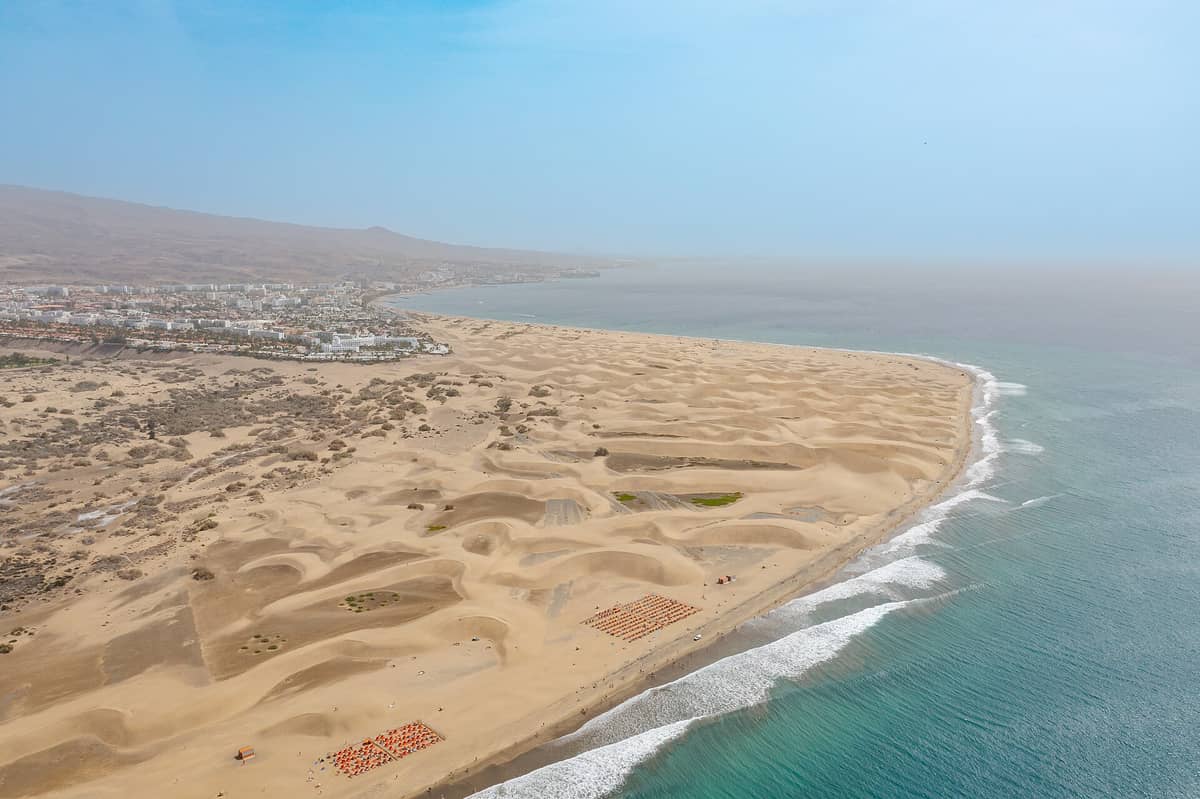
- Maspalomas and Playa del Inglés The largest concentration of all-inclusive hotels on the island. You get direct access to the famous dunes and a long sandy beach, plus a wide range of property tiers from 3-star apartment complexes to proper 4-star resort hotels. The commercial strip can feel overwhelming in high season. Good for: families, couples who want the full resort experience, first-time visitors.
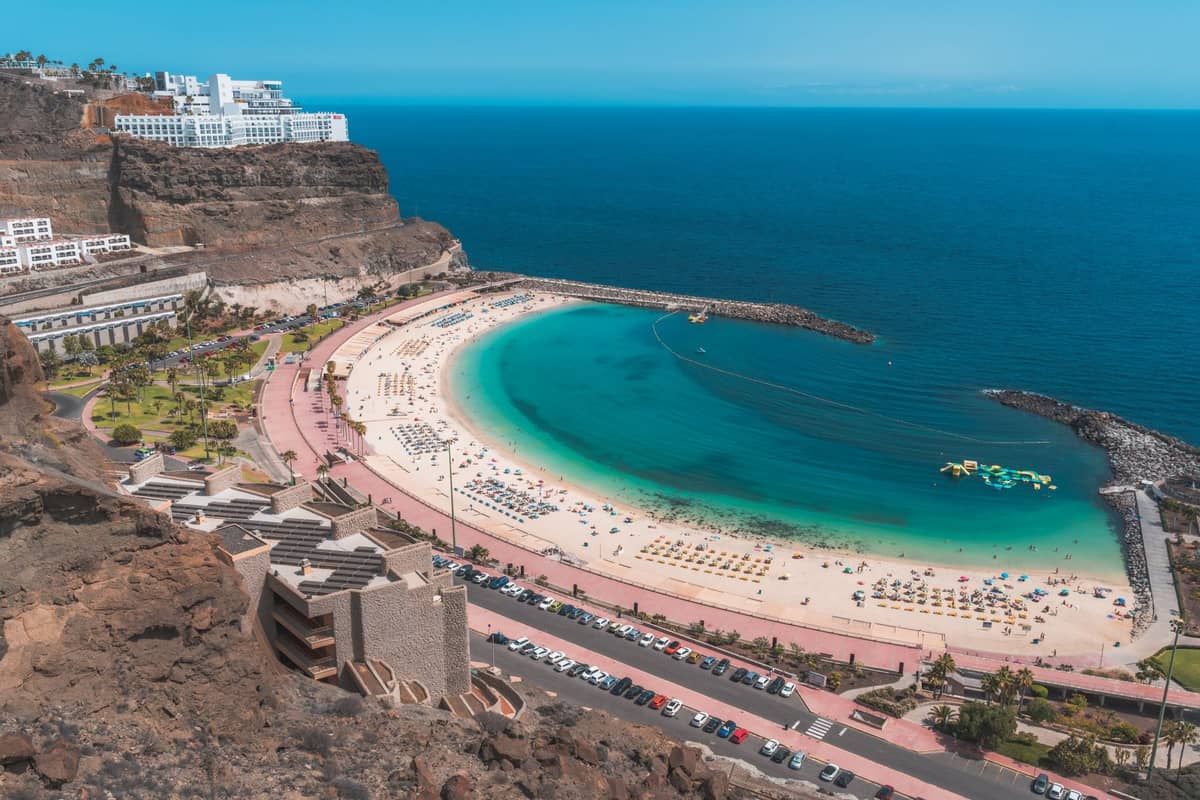
- Puerto Rico A purpose-built resort around a calm, sheltered bay. Smaller and less frantic than Playa del Inglés. The beach is artificial but the water is reliably warm and the town is walkable. All-inclusive options here tend to sit in the 3-4 star bracket. Good for: families with young children, those who want a quieter base.
- Puerto de Mogán The most upmarket area in the south, often called 'Little Venice' for its marina canals. Fewer all-inclusive options here, and the ones that exist tend to be pricier. The trade-off is a more relaxed, attractive setting with better independent dining nearby. Good for: couples, travellers who want quality over quantity.
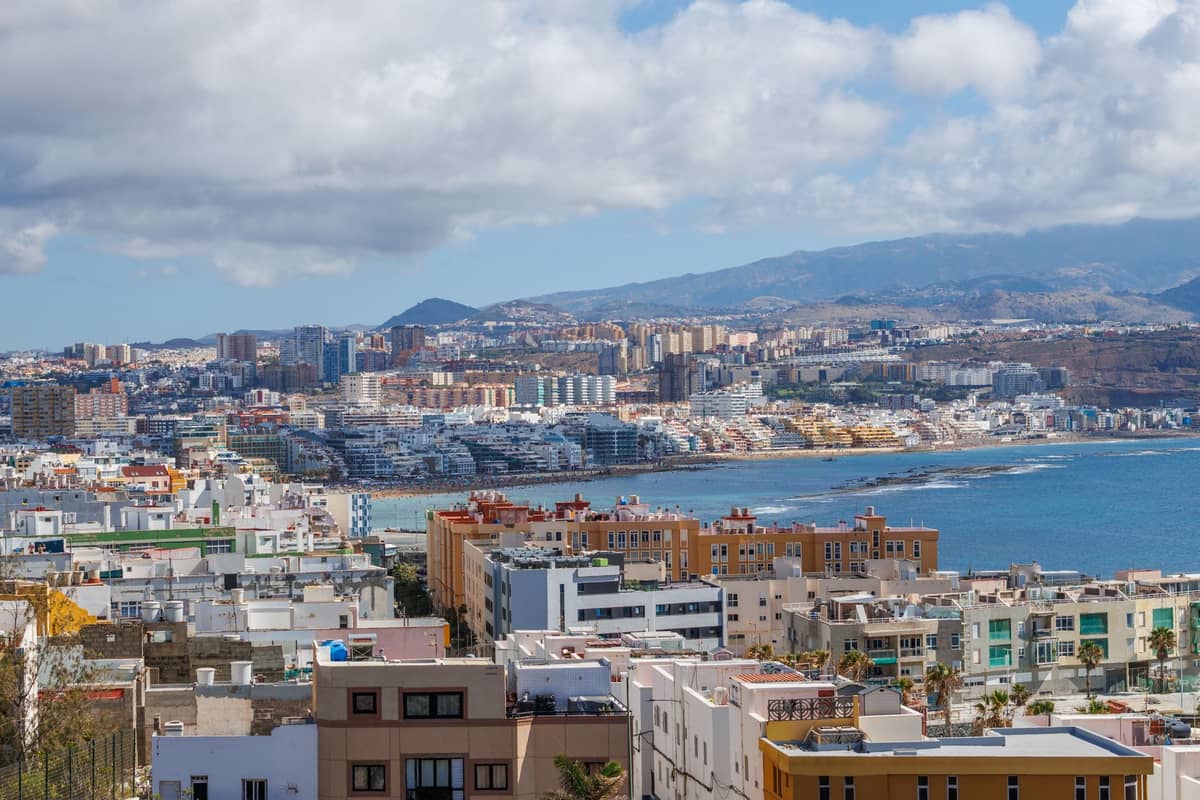
- Las Palmas de Gran Canaria The island's capital in the northeast. Very few traditional all-inclusive resorts here. Most accommodation is urban hotels. If you want city life, Las Canteras beach, and cultural sights alongside your stay, this is worth considering, but pure all-inclusive is not the typical format in this part of the island.
💡 Local tip
If you want genuine beach access from your resort, check the exact location carefully. Some hotels advertise 'beachfront' but are a 10-15 minute walk from the sand. Maspalomas beach and the dunes are large: a hotel at the wrong end adds meaningful time to every beach day.
Realistic Prices by Season
Gran Canaria all-inclusive pricing is seasonal, and the swings are significant. Understanding the calendar before you book can save several hundred euros on a week-long stay.
- Low season: May, early June, late October to mid-November This is where the value sits. 4-star beachfront all-inclusive double rooms in Maspalomas and Puerto Rico typically run €80-120 per night. Weather in May is already warm (mid-20s°C), nearly rain-free, and the sea temperature is comfortable. October brings the same conditions with slightly more settled, cooler evenings.
- Mid season: March-April, September, late November A step up in price, usually €120-160 per night for comparable 4-star properties. Easter week (Semana Santa) pushes into peak pricing territory and should be treated as high season for booking purposes.
- High season: July-August School holiday demand pushes 4-star all-inclusive rates to €180-250 per night, sometimes higher for better-positioned properties. The island is at its busiest and hottest. Pools and beaches are crowded. Book at least 4-6 months ahead for the better resorts.
- Peak: Christmas and New Year (roughly 20 Dec-6 Jan) Prices match or exceed July-August at most resorts. This period is enormously popular with Northern European travellers chasing winter sun. Availability at quality properties disappears months in advance. If this is your target window, treat it like summer: book early.
ℹ️ Good to know
Winter all-inclusive holidays in Gran Canaria are a legitimate option, not a compromise. December and January average daytime highs around 21-22°C on the coast, which is warm enough for outdoor dining, walking, and comfortable pool time. The island is one of the most popular winter-sun destinations in Europe for German and British travellers specifically because of this.
What All-Inclusive Actually Covers Here
The term 'all-inclusive' covers a wide spectrum in Gran Canaria, and the gap between a budget complex and a premium resort is significant. Before booking, it is worth knowing what is typically included at each level.
At 3-star and budget 4-star level, all-inclusive usually means three buffet meals daily, locally produced alcoholic drinks (beer, house wine, basic spirits) during set hours, soft drinks, and access to the pool and entertainment programme. Branded spirits, premium wines, and snacks between meal times often come at extra cost. The food quality at this level is functional rather than memorable.
At proper 4-star and 5-star level, the package typically extends to à la carte restaurant access (sometimes with a set number of visits included), wider drink selections, afternoon snacks, and more elaborate entertainment. Some resorts include water sports equipment hire, fitness classes, or kids' clubs within the rate. These extras matter if you are travelling with children or planning a long stay.
⚠️ What to skip
The 24-hour drinks policy varies significantly. Some resorts cut off alcohol service between roughly 11pm and noon, or restrict late-night service to a single bar. If this matters to your holiday, check the specific property's policy before booking rather than assuming all-inclusive means unrestricted access at all hours.
When All-Inclusive Makes Sense (And When It Doesn't)
The all-inclusive model is genuinely good value in Gran Canaria if you plan to spend most of your time at the resort. The south coast has a solid range of local restaurants, but eating out for three meals daily adds up quickly, particularly at tourist-facing places near the beach. Families with children often find all-inclusive saves real money and simplifies logistics. The same applies to couples on a set budget who want predictable costs. For more ideas on getting value from the island, see our guide to Gran Canaria on a budget.
All-inclusive works less well if you want to explore the island seriously. Gran Canaria's interior is genuinely worth a day or two: the villages around Tejeda, the volcanic landscapes near Roque Nublo, and the northern coast all reward a road trip or day excursion. If you are out of the resort for significant portions of the day, you are paying for meals you are not eating. In that case, a room-only or bed-and-breakfast rate with flexible restaurant choices often works out cheaper and gives more freedom.
Independent travellers and those interested in Canarian food culture specifically should think carefully. The island has genuinely good local cuisine, from fresh fish at places like Puerto de Mogán's harbour restaurants to traditional papas arrugadas in interior villages. These experiences do not fit inside a resort buffet. See our guide to what to eat in Gran Canaria for context on what you would miss.
Practical Logistics for All-Inclusive Guests
Gran Canaria Airport (IATA: LPA) sits on the east coast, roughly midway between Las Palmas in the north and the southern resort strip. From the airport to Maspalomas or Playa del Inglés, a taxi costs around €40-55 and takes about 25-30 minutes. The Global interurban bus network (Lines 66 and 90) connects the airport to the main southern resorts for a fraction of that cost, around €3-4 depending on destination, though journey times are longer and you will need luggage-friendly timing.
Once in the resort zone, most all-inclusive guests find they need very little public transport day-to-day. The Maspalomas to Puerto Rico stretch is reasonably walkable or served by local buses. If you want to take a day trip into the interior or north, the Global bus network covers most destinations but schedules can be infrequent. Renting a car for one or two specific days tends to be more practical for resort guests who want to explore beyond the coast.
- Emergency number for police, ambulance, and fire: 112 (operates 24 hours in multiple languages)
- Currency: Euro (EUR). ATMs are widely available in all resort areas.
- Electricity: 230V, Type F plugs (standard European Schuko). UK visitors need an adapter.
- Tap water is technically safe but many locals and visitors prefer bottled water, as much of the supply is desalinated.
- Language: Spanish is official. English and German are widely understood across the southern resort strip.
- Tipping: not obligatory, but rounding up or leaving a small tip (5-10%) is appreciated in restaurants and for excursion guides.
FAQ
Is Gran Canaria all-inclusive worth it compared to room-only?
It depends on how you plan to spend your time. If you are primarily at the resort, eating three meals on-site, and using the pool bar regularly, all-inclusive typically saves money and simplifies budgeting. If you plan to explore the island, take day trips, and eat at local restaurants, room-only or bed-and-breakfast is usually better value and more flexible.
Which is the best area for all-inclusive resorts in Gran Canaria?
Maspalomas and Playa del Inglés have the widest selection across all budget levels and give direct access to the famous dunes and long sandy beach. Puerto Rico suits families with young children thanks to its calm, sheltered bay. Puerto de Mogán has fewer all-inclusive options but a more upmarket atmosphere. Your choice should depend on beach preference, budget tier, and whether you want a lively or quieter resort environment.
What is the cheapest time to book all-inclusive in Gran Canaria?
May and early June offer the best combination of low prices and good weather, with 4-star all-inclusive double rooms often running €80-120 per night. Late October to mid-November is similarly good value. Avoid July-August and the Christmas-New Year period (roughly 20 December to 6 January) if budget is the priority, as prices can more than double during those windows.
Is Gran Canaria good for all-inclusive in winter?
Yes, and this is one of the most underrated aspects of the island. Coastal temperatures in December and January average around 20-21°C during the day, warm enough for outdoor activity, dining on terraces, and comfortable pool use. Rain is more likely than in summer but still relatively rare. Winter all-inclusive holidays are especially popular with British and German travellers seeking an escape from northern European weather.
Can I leave the resort easily to explore the island?
Yes. The Global interurban bus network connects the main southern resorts to Las Palmas, inland villages, and the airport. For the interior (Tejeda, Roque Nublo, the north coast), renting a car for a day or two is more practical than relying on buses. Most all-inclusive hotels are comfortable with guests coming and going, though you will obviously miss meals you are away for.