Best Day Trips in Gran Canaria: Mountains, Villages & Hidden Coasts
Gran Canaria packs extraordinary variety into 1,560 square kilometres. These are the best day trips from any base on the island, from the sacred peaks of the interior to the quiet fishing harbours of the west coast.
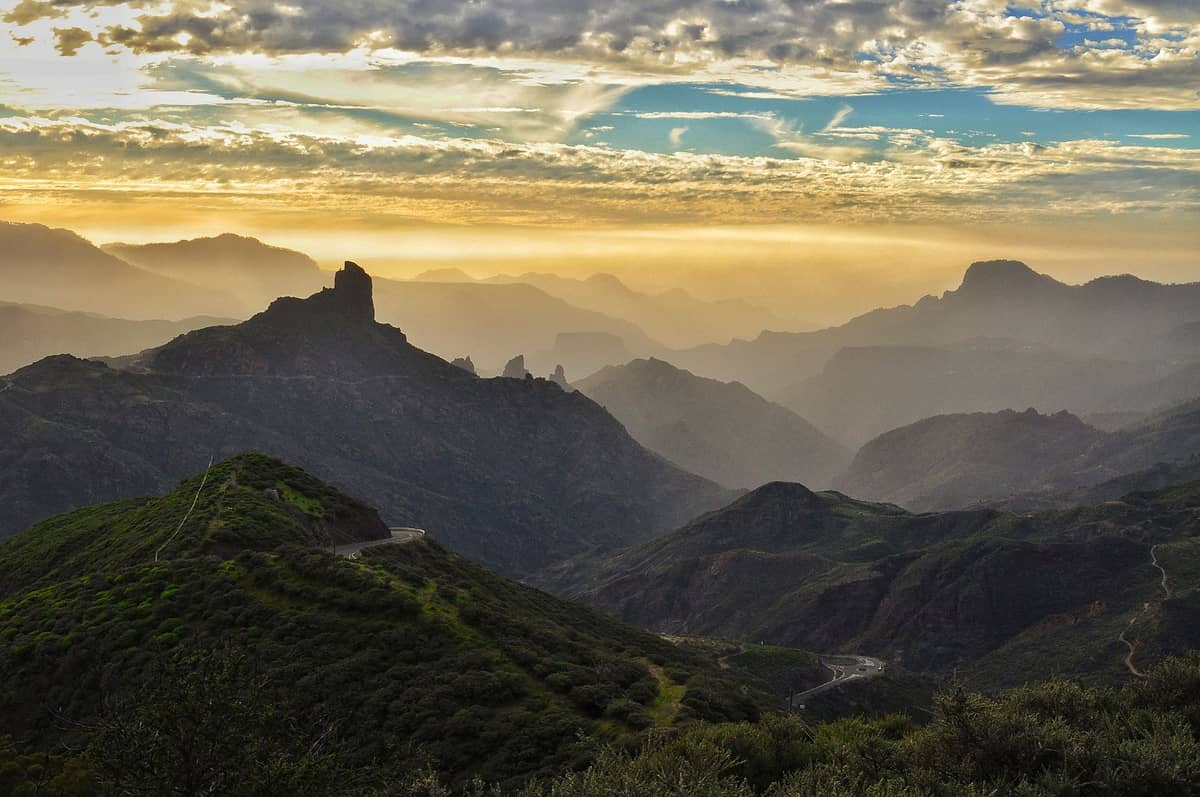
Gran Canaria earns its nickname 'a miniature continent' the moment you leave the coast. Within an hour's drive of any resort, the landscape shifts from golden dunes to pine-forested craters, from Saharan rock formations to lush coffee valleys. The island's public bus network (operated by Global) makes many of these trips possible without a car, though renting one unlocks the most remote corners. If you are based in the south, see our Gran Canaria road trip guide for suggested routes. For walkers, the hiking in Gran Canaria guide covers trail conditions and regulations in detail. Whatever your base, the trips below are organised by the type of experience they deliver, so you can build the day that suits you best.
⚠️ What to skip
The main trail to Roque Nublo (S-70) now requires a FREE advance reservation at grancanariasenderos.com. Access is capped at 60 people per hour between 10:00 and 17:00. Parking at the trailhead is banned; use park-and-ride at Tejeda or Cruz de los Llanos.
Mountain & Volcanic Interior
The interior of Gran Canaria is dramatically different from the coastal resorts. The central massif rises to nearly 2,000 metres, and the roads that wind up to it pass through some of the most cinematic scenery in the Canary Islands. The village of makes an excellent base for exploring this area, with the Cruz de Tejeda crossroads just above it serving as a natural hub for walks in every direction., and the roads that wind up to it pass through some of the most cinematic scenery in the Canary Islands. The village of Tejeda makes an excellent base for exploring this area, with the Cruz de Tejeda crossroads just above it serving as a natural hub for walks in every direction.
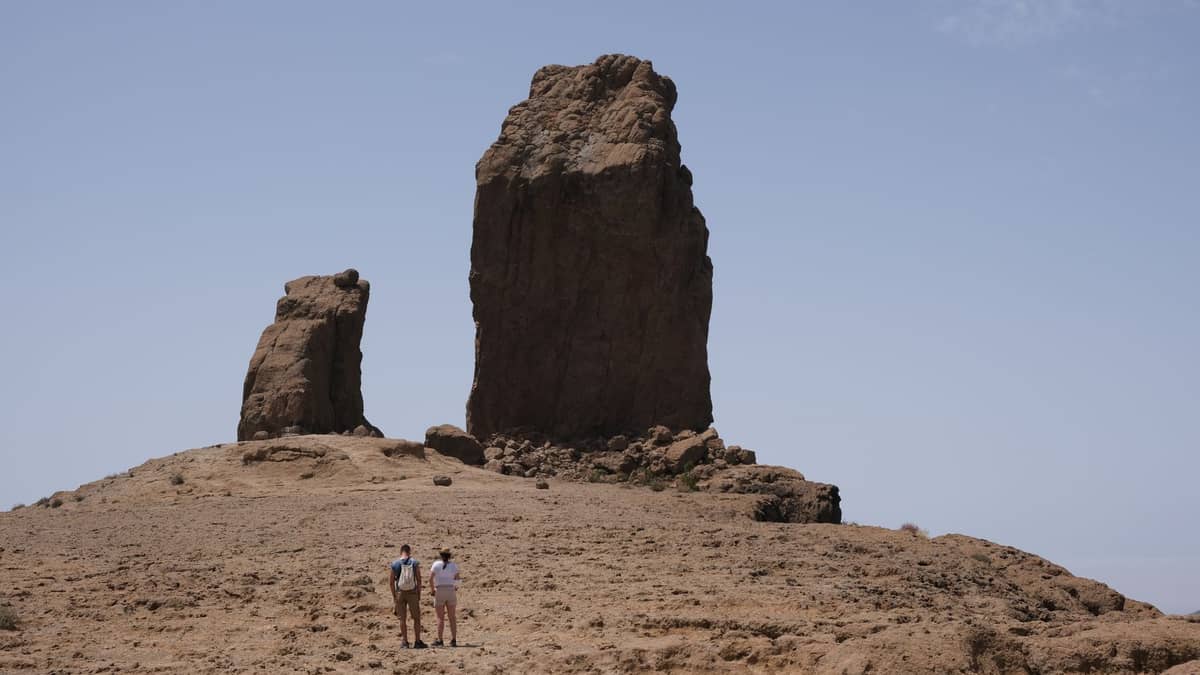
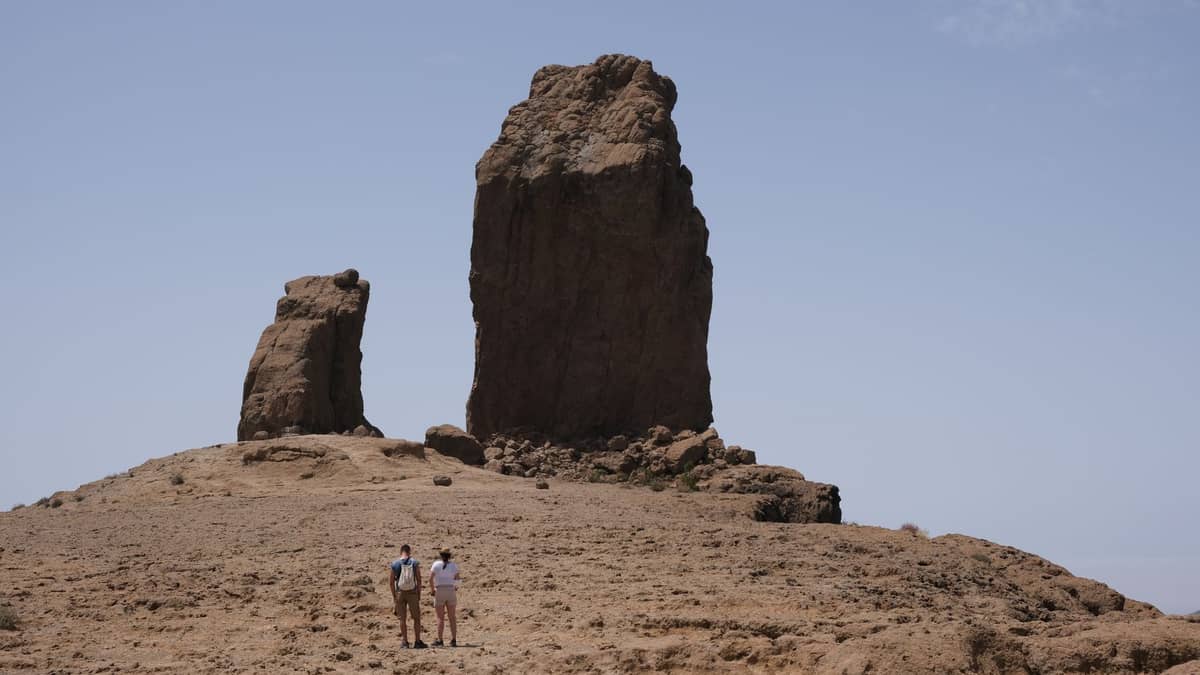
1. Hike to the Island's Most Iconic Rock Formation: Roque Nublo
The 80-metre volcanic monolith at 1,813m is Gran Canaria's most recognisable landmark. The 3km return trail takes about 1 hour walking, plus summit time. Book your free slot on grancanariasenderos.com before you go — hourly capacity is strictly limited.
Explore1. Hike to the Island's Most Iconic Rock Formation: Roque Nublo
The 80-metre volcanic monolith at 1,813m is Gran Canaria's most recognisable landmark. The 3km return trail takes about 1 hour walking, plus summit time. Book your free slot on grancanariasenderos.com before you go — hourly capacity is strictly limited.
Explore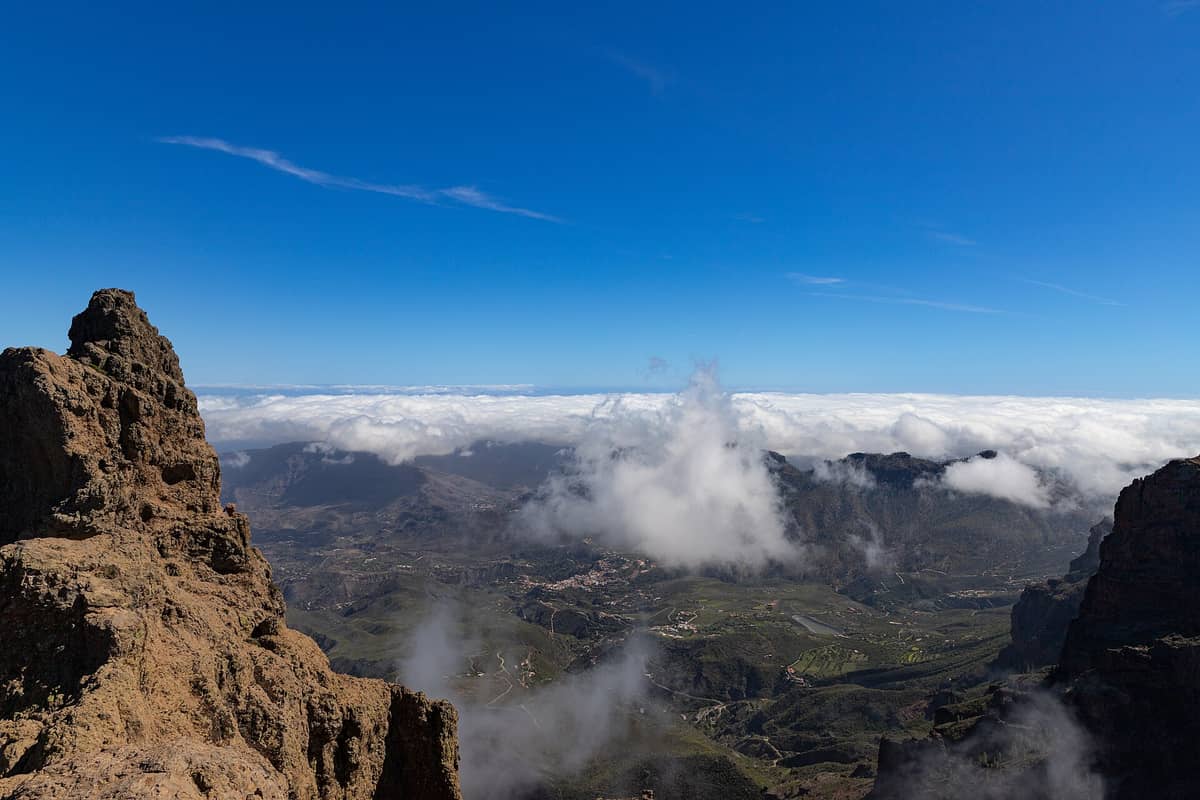
2. Drive to the Top of Gran Canaria: Pico de las Nieves
At 1,949m, this is the island's highest accessible point and the best panoramic viewpoint on clear days. The road through pine forest is one of Gran Canaria's finest drives. No hiking required — you can reach the summit platform by car in under 10 minutes from the Cruz de Tejeda.
Explore2. Drive to the Top of Gran Canaria: Pico de las Nieves
At 1,949m, this is the island's highest accessible point and the best panoramic viewpoint on clear days. The road through pine forest is one of Gran Canaria's finest drives. No hiking required — you can reach the summit platform by car in under 10 minutes from the Cruz de Tejeda.
Explore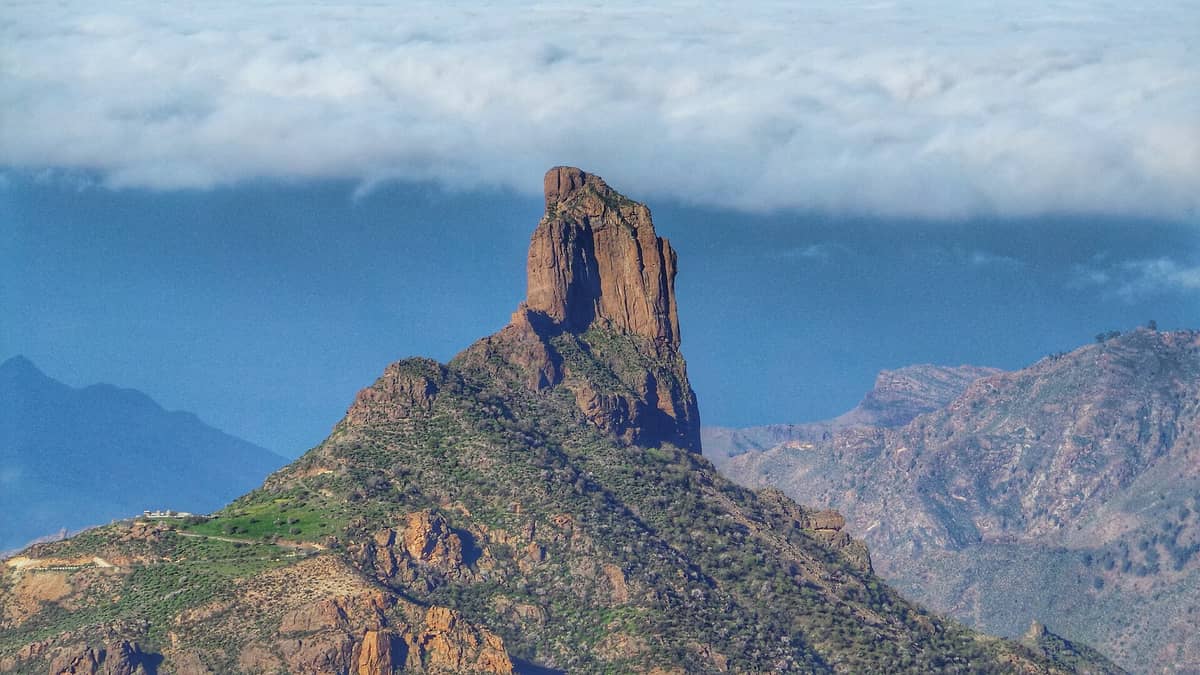
3. Explore a Sacred Guanche Rock Above Tejeda: Roque Bentayga
This volcanic formation was a ceremonial centre for Gran Canaria's original inhabitants. A hiking trail past cave dwellings and rock carvings leads to the top, with sweeping views of the caldera. Pair it with Cruz de Tejeda for a full mountain interior day.
Explore3. Explore a Sacred Guanche Rock Above Tejeda: Roque Bentayga
This volcanic formation was a ceremonial centre for Gran Canaria's original inhabitants. A hiking trail past cave dwellings and rock carvings leads to the top, with sweeping views of the caldera. Pair it with Cruz de Tejeda for a full mountain interior day.
Explore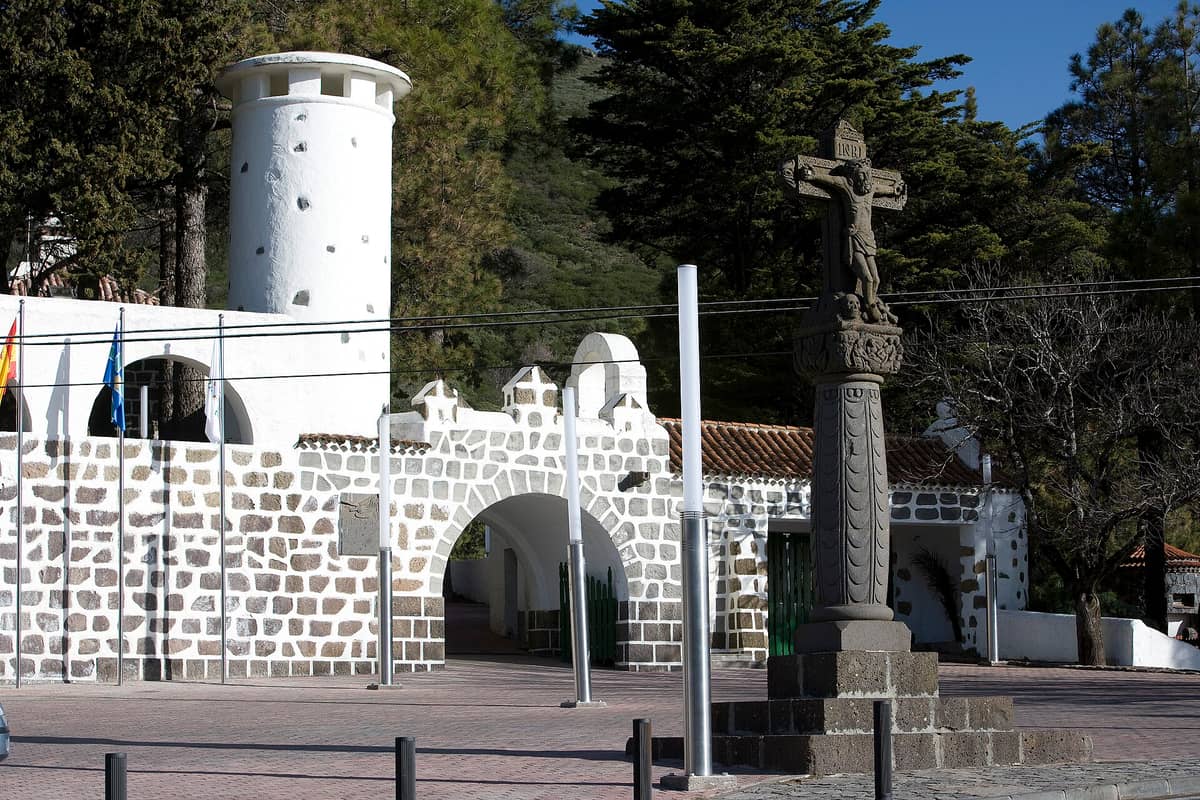
4. Start Your Mountain Day at the Island's Ancient Crossroads: Cruz de Tejeda
The stone cross at Gran Canaria's geographical centre has marked the mountain crossroads for centuries. Craft stalls, an elegant parador, and the Roque Nublo trailhead are all within reach. Arrive early to claim a parking spot and soak up the mountain views before the tour buses arrive.
Explore4. Start Your Mountain Day at the Island's Ancient Crossroads: Cruz de Tejeda
The stone cross at Gran Canaria's geographical centre has marked the mountain crossroads for centuries. Craft stalls, an elegant parador, and the Roque Nublo trailhead are all within reach. Arrive early to claim a parking spot and soak up the mountain views before the tour buses arrive.
Explore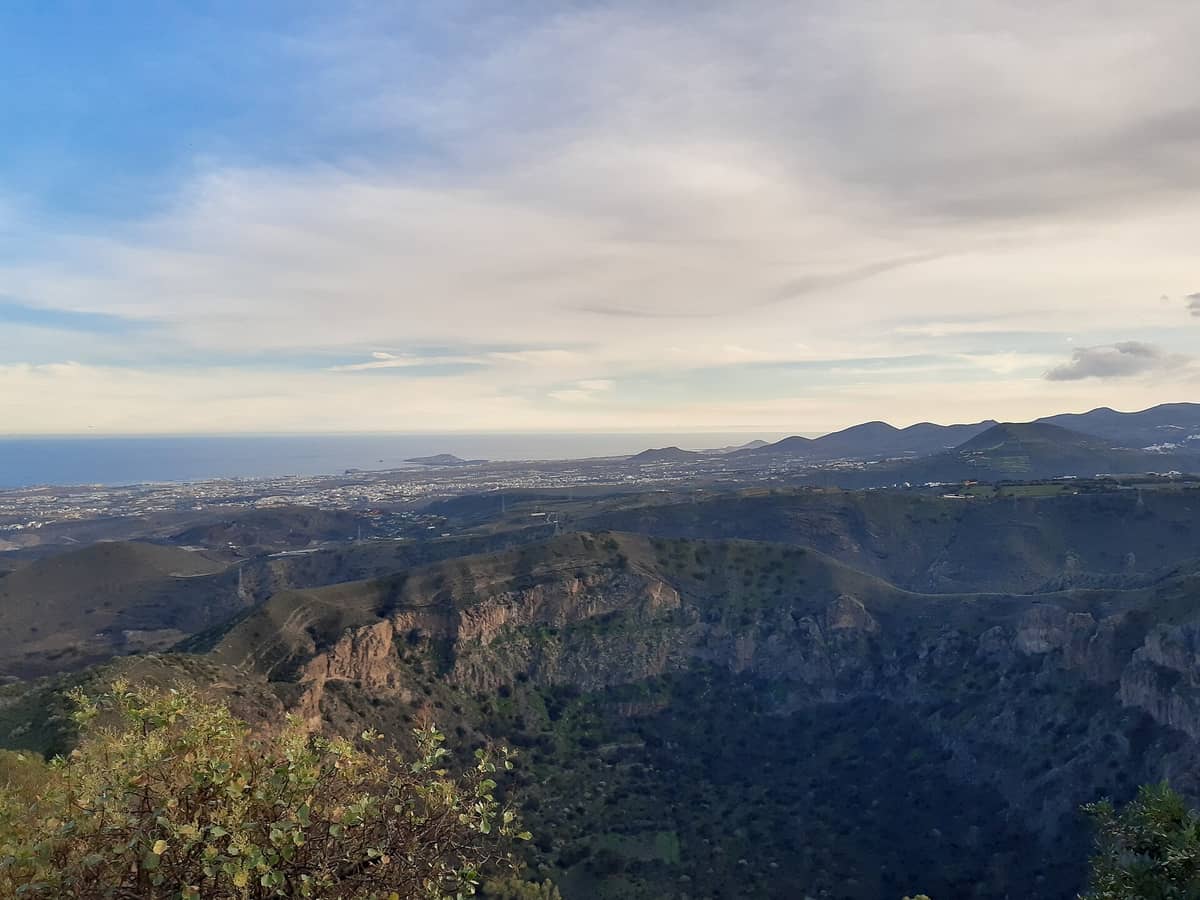
5. Descend into a Perfectly Preserved Volcanic Crater: Bandama Caldera
Just 15 minutes from Las Palmas, this 200-metre-deep volcanic bowl is one of the easiest natural spectacles to visit on the island. Walk down into the crater floor or stay at the hilltop viewpoint for wine-country and capital views. A perfect half-day add-on to a Las Palmas city visit.
Explore5. Descend into a Perfectly Preserved Volcanic Crater: Bandama Caldera
Just 15 minutes from Las Palmas, this 200-metre-deep volcanic bowl is one of the easiest natural spectacles to visit on the island. Walk down into the crater floor or stay at the hilltop viewpoint for wine-country and capital views. A perfect half-day add-on to a Las Palmas city visit.
Explore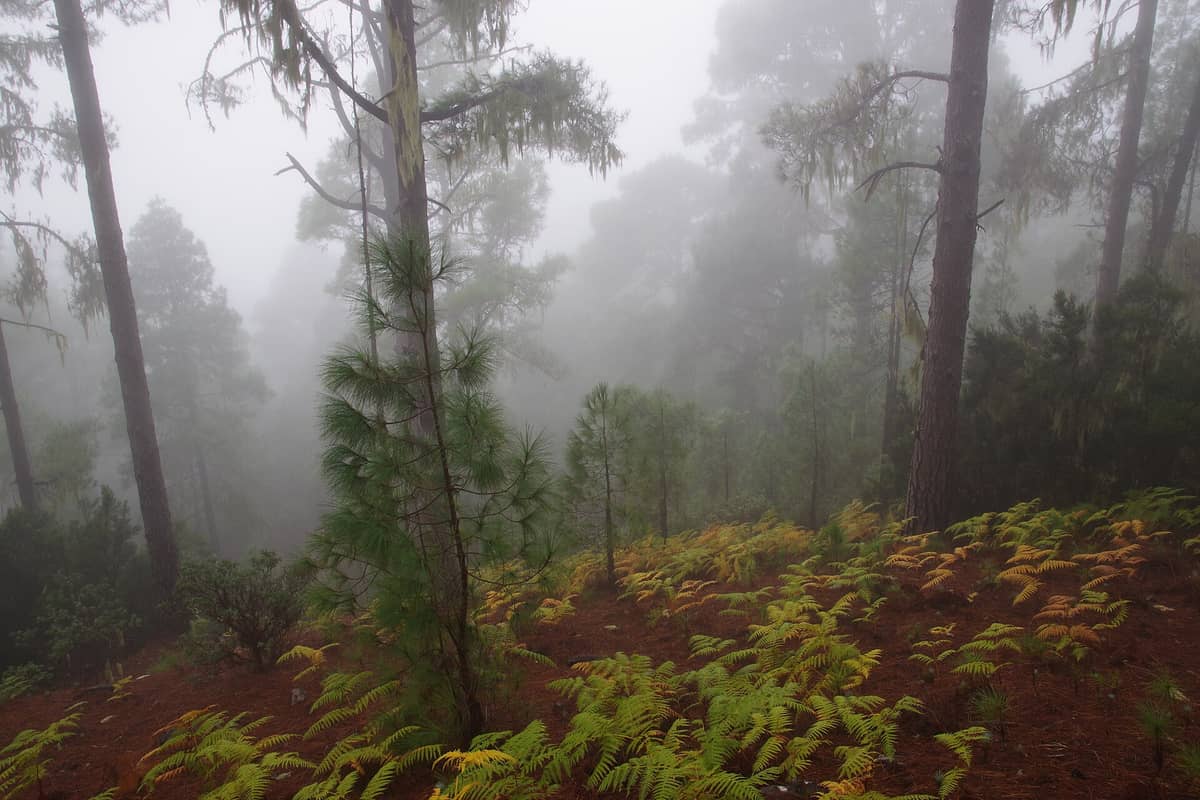
6. Walk Through Gran Canaria's Last Great Pine Forest: Tamadaba Natural Park
The remote Tamadaba plateau in the northwest holds the island's largest Canarian pine forest, with coastal cliff views dropping hundreds of metres to the Atlantic. It rewards those willing to make the winding drive. Go on a weekday for near-total solitude among ancient pines and bird song.
Explore6. Walk Through Gran Canaria's Last Great Pine Forest: Tamadaba Natural Park
The remote Tamadaba plateau in the northwest holds the island's largest Canarian pine forest, with coastal cliff views dropping hundreds of metres to the Atlantic. It rewards those willing to make the winding drive. Go on a weekday for near-total solitude among ancient pines and bird song.
ExploreVillages, History & Culture
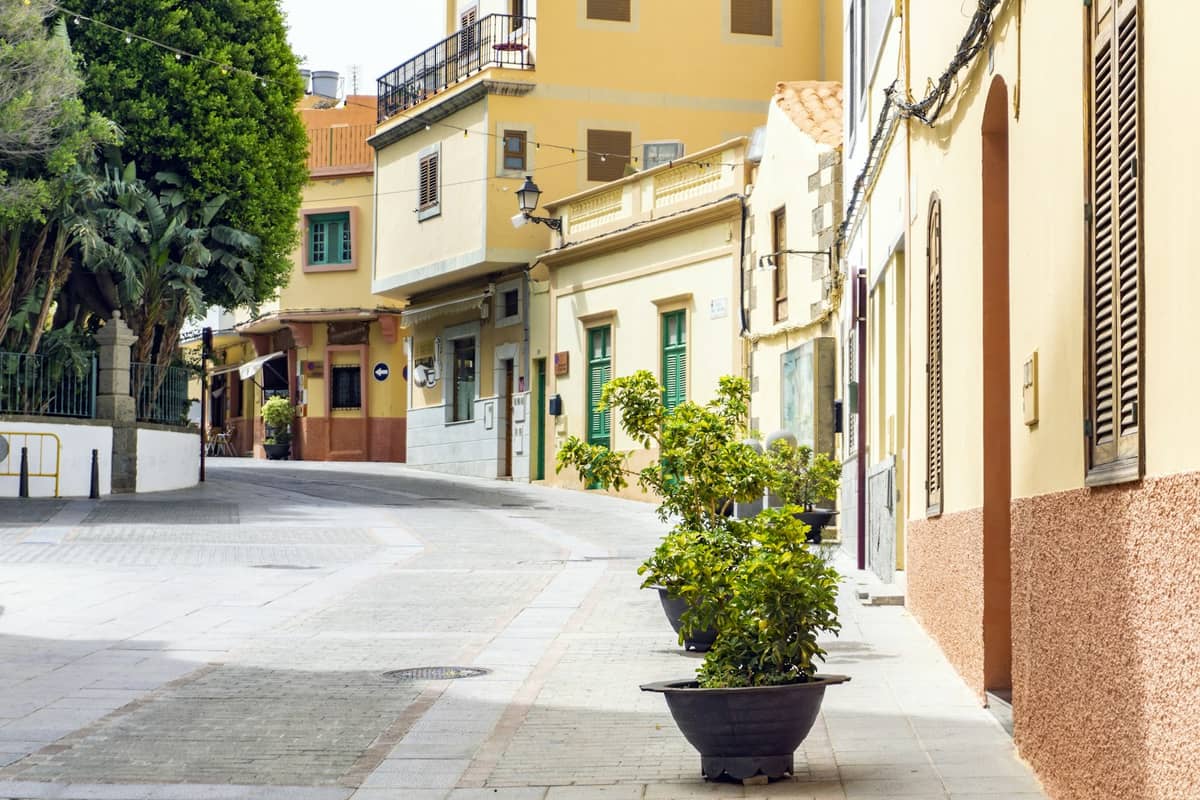
Gran Canaria's interior and north are dotted with historic towns that most package tourists never reach. The north village belt, running from Teror to Arucas and Gáldar, concentrates centuries of Canarian architecture, pre-Hispanic archaeology, and local food culture. These trips work especially well by car, though Global bus line as well as routes to Teror and Arucas connect Las Palmas with Teror and Arucas. For a self-guided tour of the capital's historic quarter, our guide to covers the key streets and sights. For a self-guided tour of the capital's historic quarter, our guide to Vegueta covers the key streets and sights.
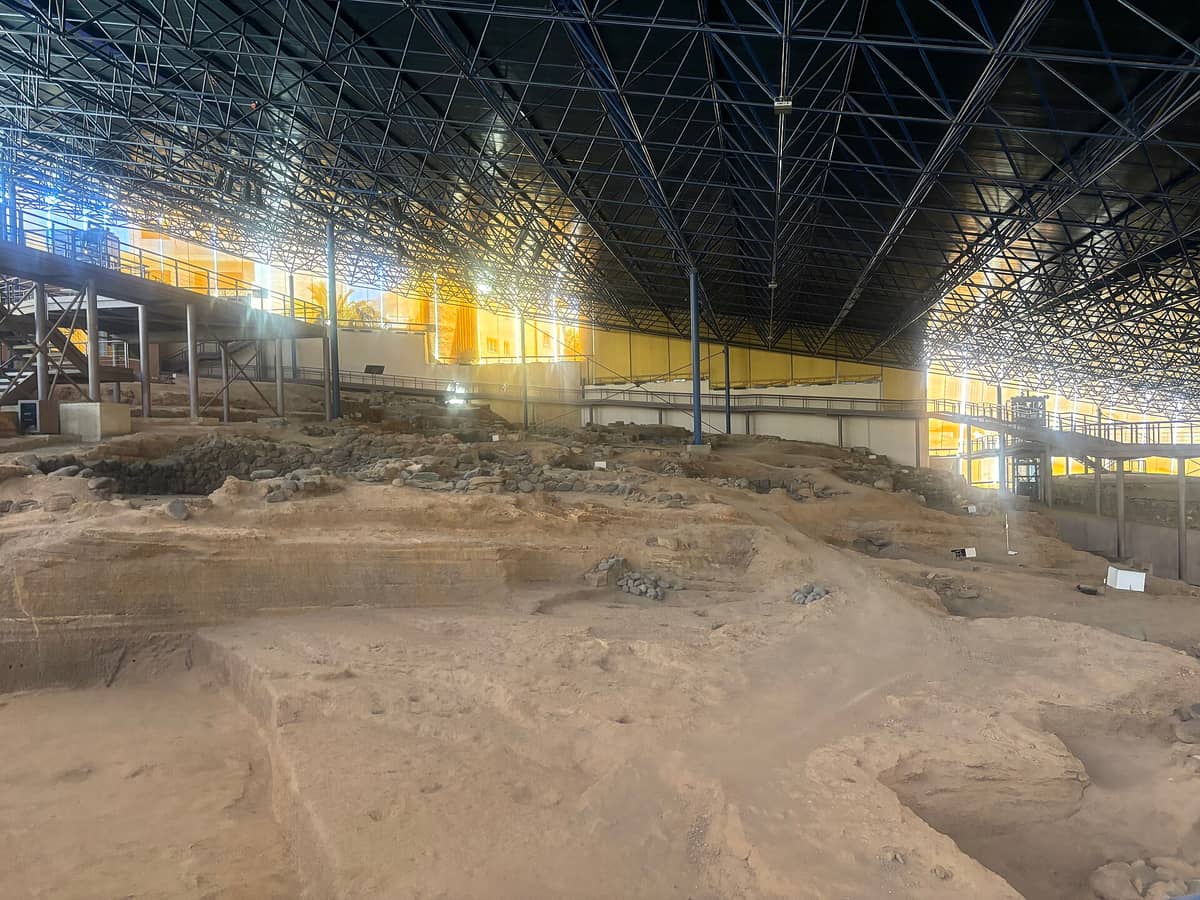
7. See Remarkable Pre-Hispanic Cave Paintings in Gáldar: Cueva Pintada
This archaeological park in Gáldar protects some of the finest geometric cave paintings created by the ancient Guanche people, with a world-class museum built around the original cave. Book tickets in advance as daily visitor numbers are controlled. Allow two hours to do the site justice.
Explore7. See Remarkable Pre-Hispanic Cave Paintings in Gáldar: Cueva Pintada
This archaeological park in Gáldar protects some of the finest geometric cave paintings created by the ancient Guanche people, with a world-class museum built around the original cave. Book tickets in advance as daily visitor numbers are controlled. Allow two hours to do the site justice.
Explore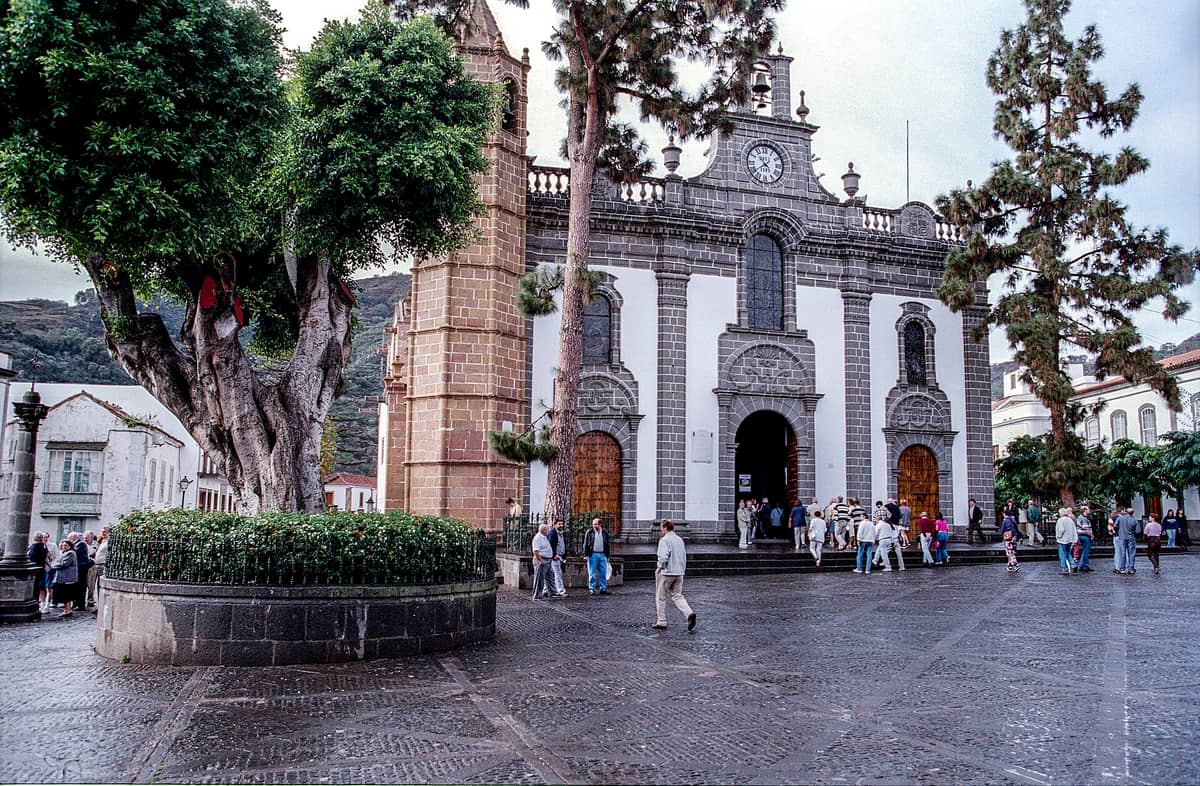
8. Visit Gran Canaria's Most Sacred Pilgrimage Site in Teror: Basílica de Nuestra Señora del Pino
The island's patron saint resides in this elaborate basílica in Teror, surrounded by one of the most beautiful historic squares in the archipelago, with traditional Canarian wooden balconied houses lining every side. Sunday mornings, when the local market fills the surrounding streets, are the best time to visit.
Explore8. Visit Gran Canaria's Most Sacred Pilgrimage Site in Teror: Basílica de Nuestra Señora del Pino
The island's patron saint resides in this elaborate basílica in Teror, surrounded by one of the most beautiful historic squares in the archipelago, with traditional Canarian wooden balconied houses lining every side. Sunday mornings, when the local market fills the surrounding streets, are the best time to visit.
Explore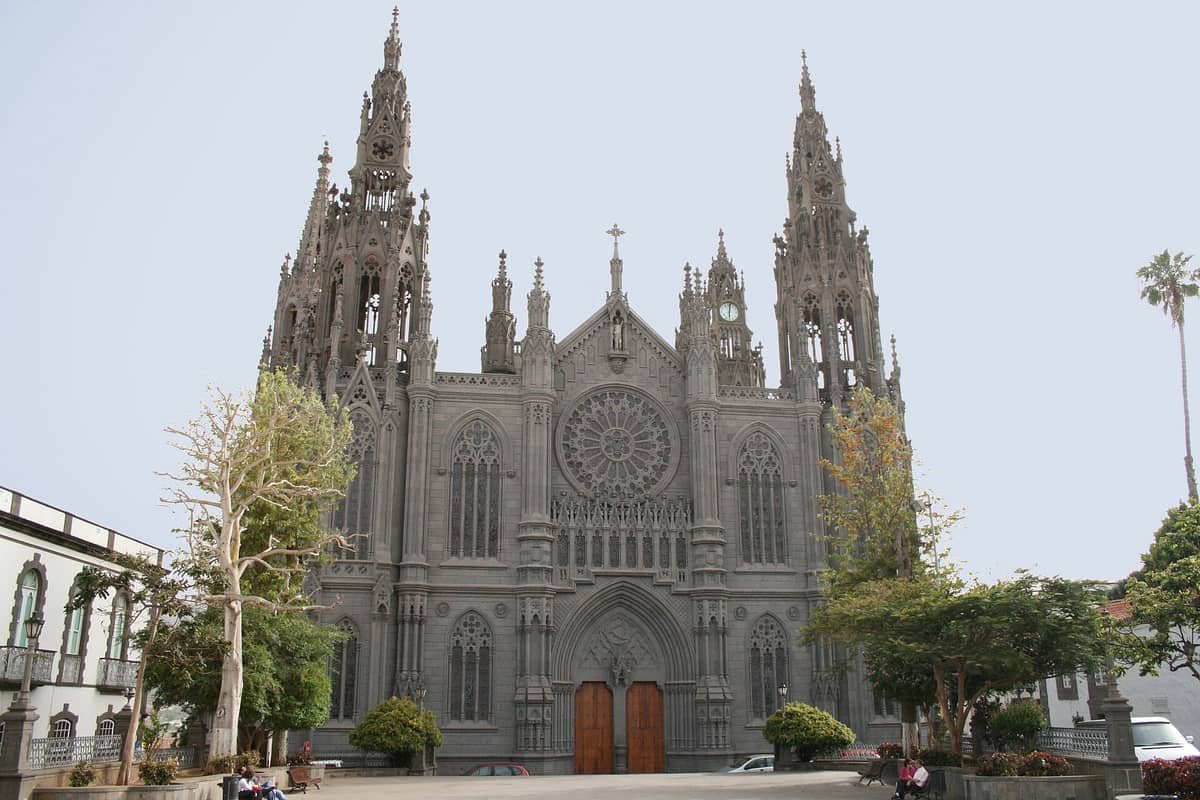
9. Marvel at the 'Cathedral' Built from Black Basalt: Arucas Church
The neo-Gothic Iglesia de San Juan Bautista in Arucas is so ambitious in scale that it took over a century to complete. Built entirely from local dark basalt, its soaring interior with stained glass windows is genuinely cathedral-like. Pair the visit with a stop at the nearby rum distillery for the full Arucas experience.
Explore9. Marvel at the 'Cathedral' Built from Black Basalt: Arucas Church
The neo-Gothic Iglesia de San Juan Bautista in Arucas is so ambitious in scale that it took over a century to complete. Built entirely from local dark basalt, its soaring interior with stained glass windows is genuinely cathedral-like. Pair the visit with a stop at the nearby rum distillery for the full Arucas experience.
Explore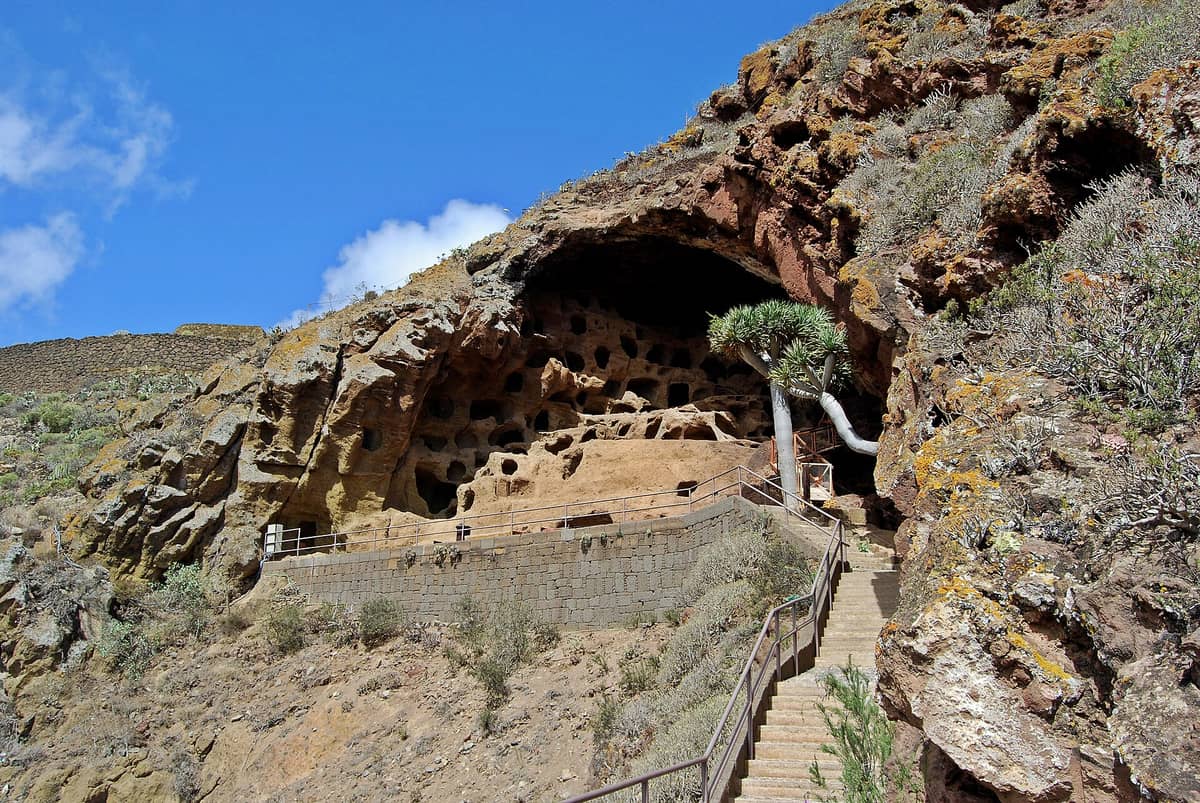
10. Find Over 300 Ancient Grain Silos Carved into a Cliff: Cenobio de Valerón
This extraordinary Guanche complex in the north features more than 300 silos cut directly into a volcanic cliff face, revealing the sophisticated agricultural society that preceded the Spanish conquest. The guided visit is short but memorable. Combine with Arucas and Gáldar for a full north-coast archaeology day.
Explore10. Find Over 300 Ancient Grain Silos Carved into a Cliff: Cenobio de Valerón
This extraordinary Guanche complex in the north features more than 300 silos cut directly into a volcanic cliff face, revealing the sophisticated agricultural society that preceded the Spanish conquest. The guided visit is short but memorable. Combine with Arucas and Gáldar for a full north-coast archaeology day.
Explore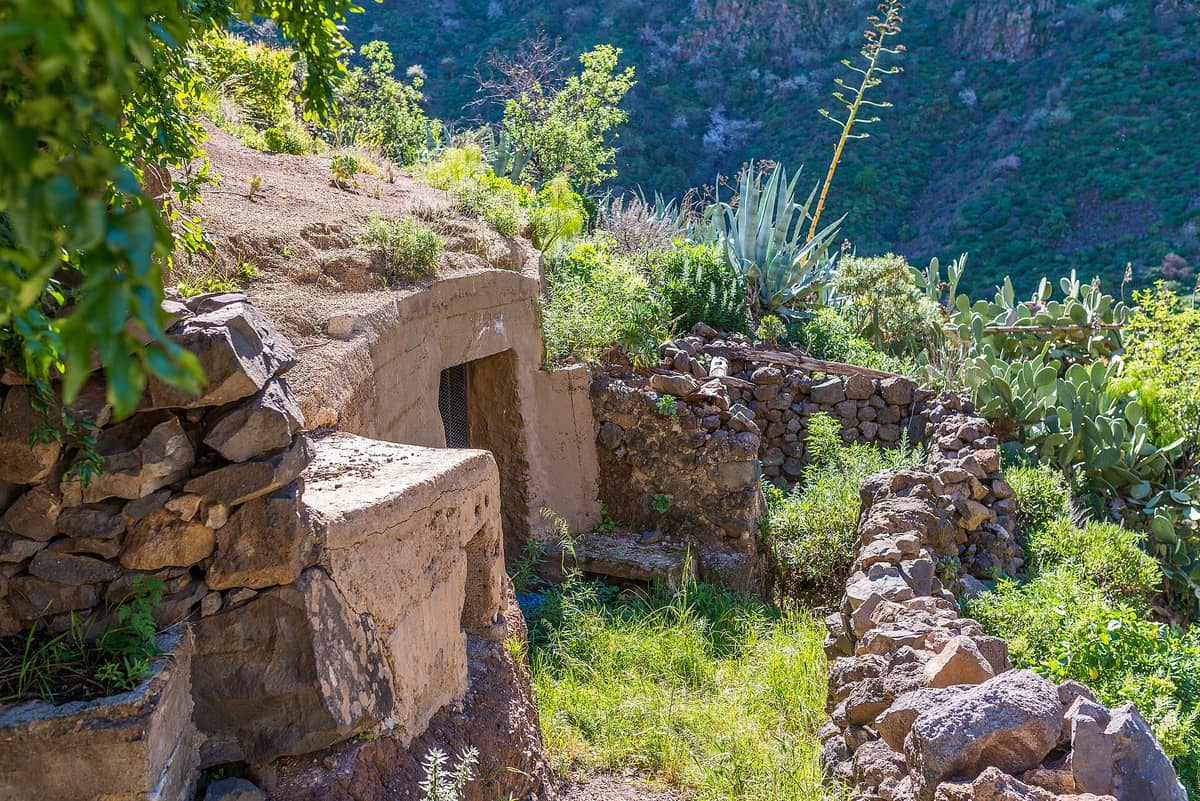
11. Combine Geology, Archaeology, and Cave Restaurants in One Valley: Barranco de Guayadeque
Guayadeque stretches from the east coast deep into the island interior, with cave homes still inhabited today, Guanche burial sites, endemic flora, and several cave restaurants where you can eat papas arrugadas inside the rock. Drive in from the coast and walk as far as your legs allow — the valley rewards patience.
Explore11. Combine Geology, Archaeology, and Cave Restaurants in One Valley: Barranco de Guayadeque
Guayadeque stretches from the east coast deep into the island interior, with cave homes still inhabited today, Guanche burial sites, endemic flora, and several cave restaurants where you can eat papas arrugadas inside the rock. Drive in from the coast and walk as far as your legs allow — the valley rewards patience.
Explore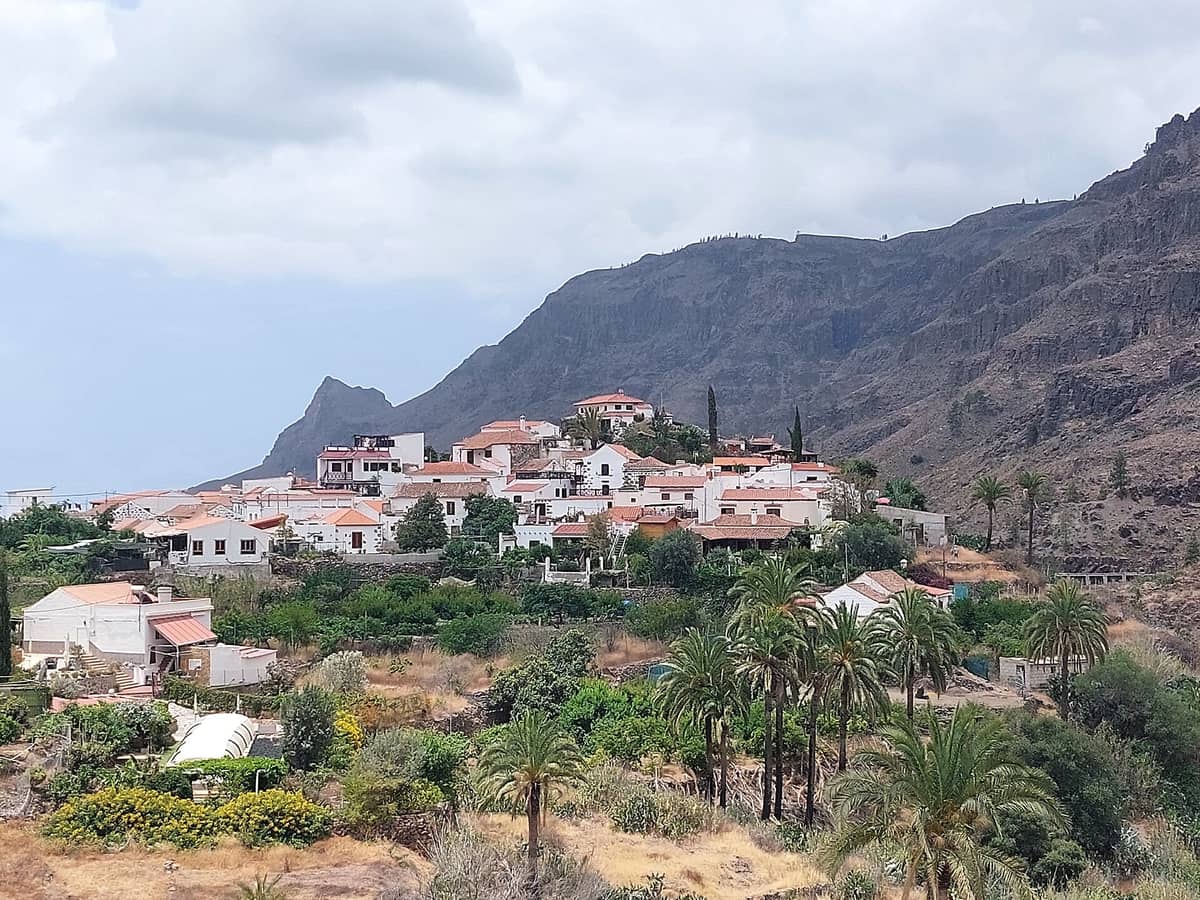
12. Stop at One of the Island's Most Photogenic White Villages: Fataga
Perched above a valley of date palms and volcanic rock, Fataga's flower-draped houses and simple church make it one of the island's most striking small villages. It sits on the scenic road between the south coast and the mountain interior, making it a natural stop on any cross-island drive from Maspalomas to Tejeda.
Explore12. Stop at One of the Island's Most Photogenic White Villages: Fataga
Perched above a valley of date palms and volcanic rock, Fataga's flower-draped houses and simple church make it one of the island's most striking small villages. It sits on the scenic road between the south coast and the mountain interior, making it a natural stop on any cross-island drive from Maspalomas to Tejeda.
ExploreWest Coast & Coastal Villages
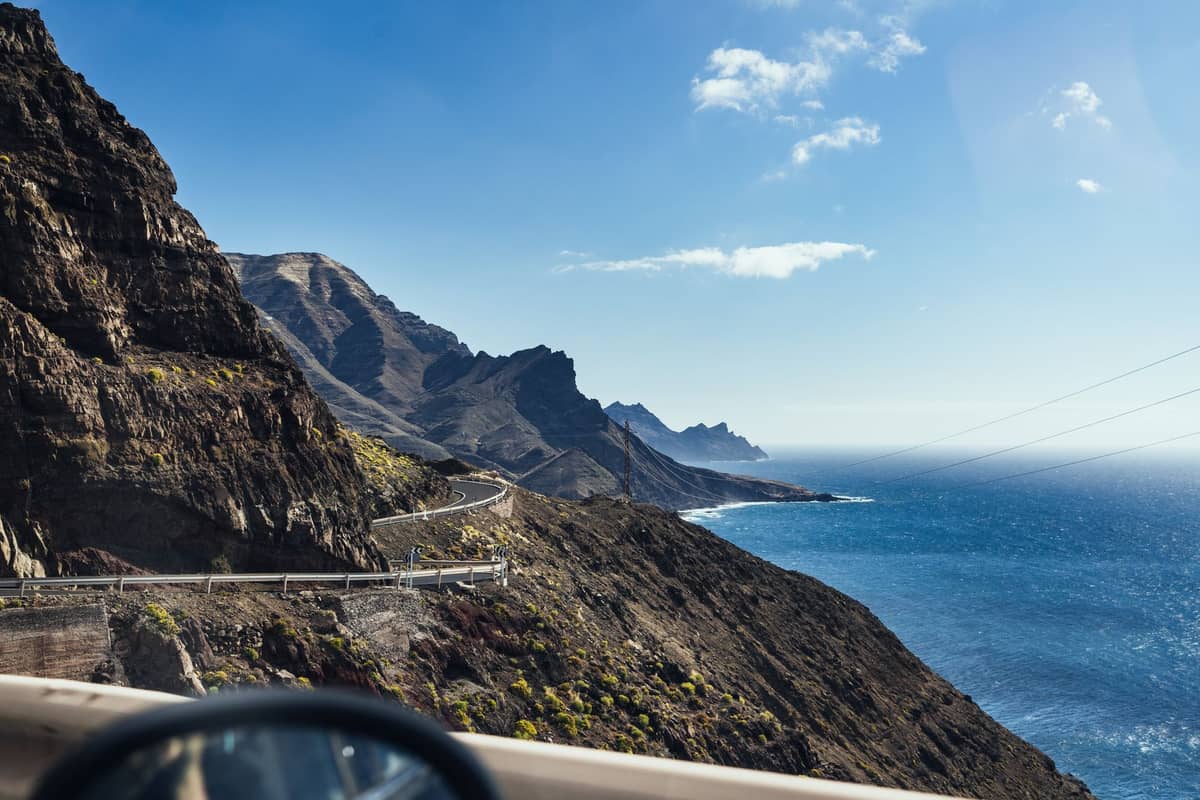
The west and northwest coasts of Gran Canaria are the island's least touristed corners, with dramatic sea cliffs, fishing harbours, and a pace of life untouched by the south's resort developments. The road north from Puerto de Mogán to Agaete is one of the most spectacular coastal drives in the Canary Islands. The village of Agaete and Puerto de Mogán are the two best bases for exploring this stretch.
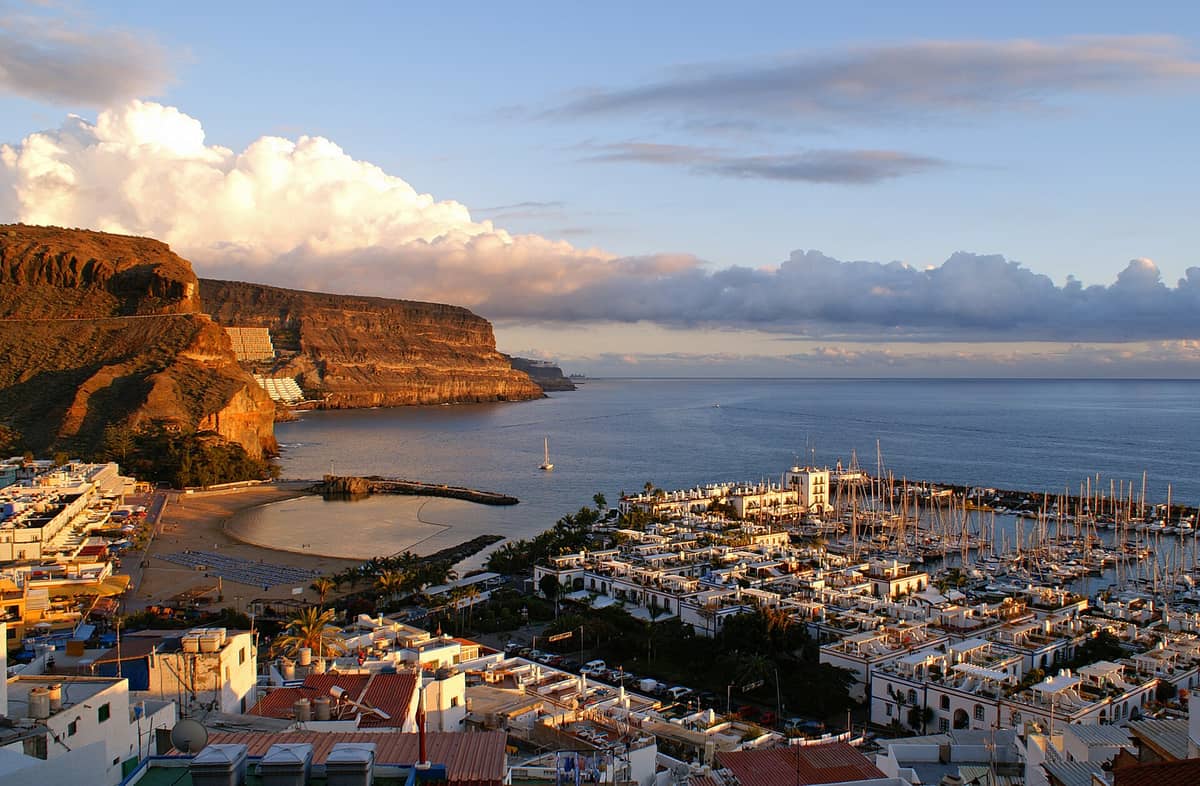
13. Stroll the Most Charming Marina on the Island: Puerto de Mogán
Whitewashed buildings draped in bougainvillea, arched bridges over the marina, bobbing yachts, and a popular Friday market combine to make Puerto de Mogán the most atmospheric harbour in Gran Canaria. Aim for a Friday morning when the market is in full swing, then lunch at one of the waterfront fish restaurants.
Explore13. Stroll the Most Charming Marina on the Island: Puerto de Mogán
Whitewashed buildings draped in bougainvillea, arched bridges over the marina, bobbing yachts, and a popular Friday market combine to make Puerto de Mogán the most atmospheric harbour in Gran Canaria. Aim for a Friday morning when the market is in full swing, then lunch at one of the waterfront fish restaurants.
Explore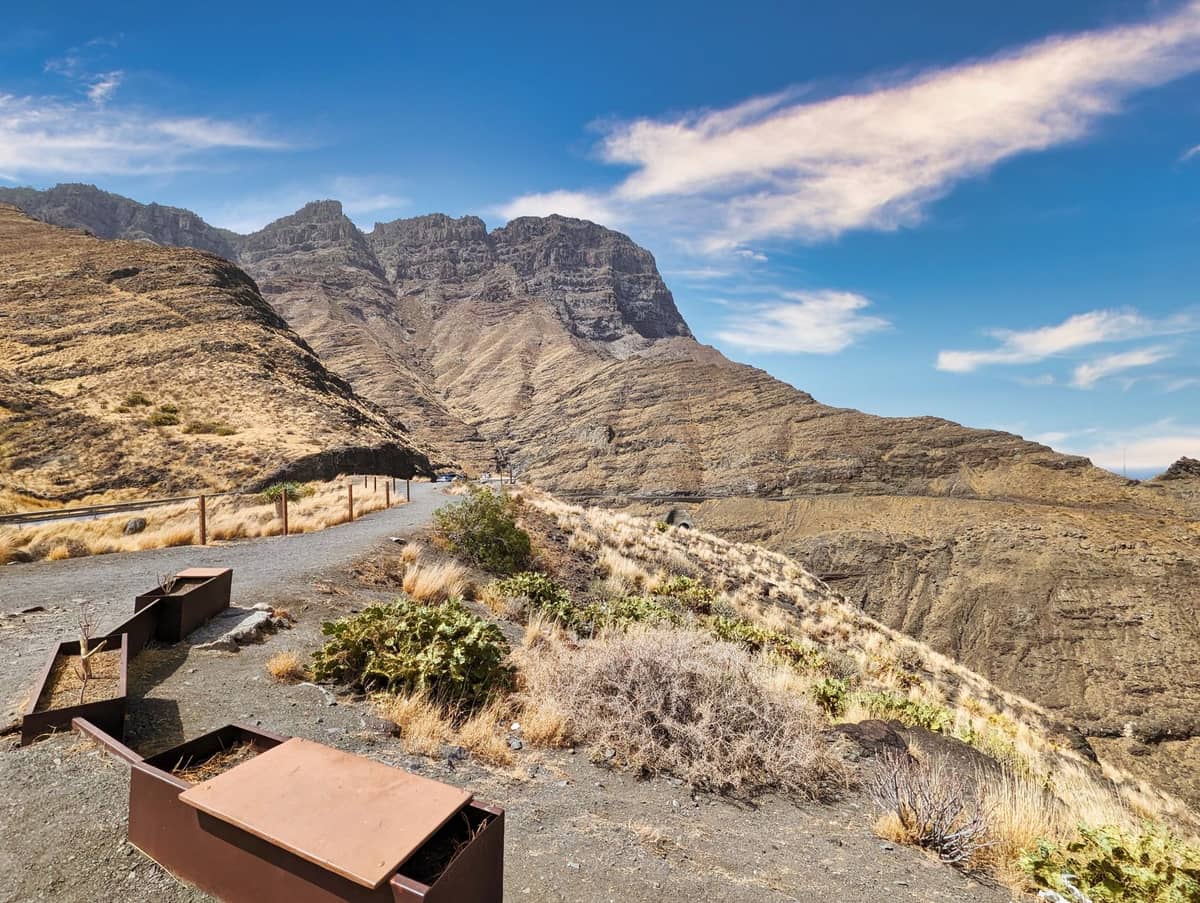
14. Stand on the Edge of Gran Canaria's Most Dramatic Sea Cliffs: Mirador del Balcón
The Mirador del Balcón on the west coast road offers vertiginous views of the Atlantic crashing against black volcanic cliffs hundreds of metres below. It is a short stop but one of the most visually arresting moments on any west-coast drive. Go in the morning when the light hits the cliffs from the east.
Explore14. Stand on the Edge of Gran Canaria's Most Dramatic Sea Cliffs: Mirador del Balcón
The Mirador del Balcón on the west coast road offers vertiginous views of the Atlantic crashing against black volcanic cliffs hundreds of metres below. It is a short stop but one of the most visually arresting moments on any west-coast drive. Go in the morning when the light hits the cliffs from the east.
Explore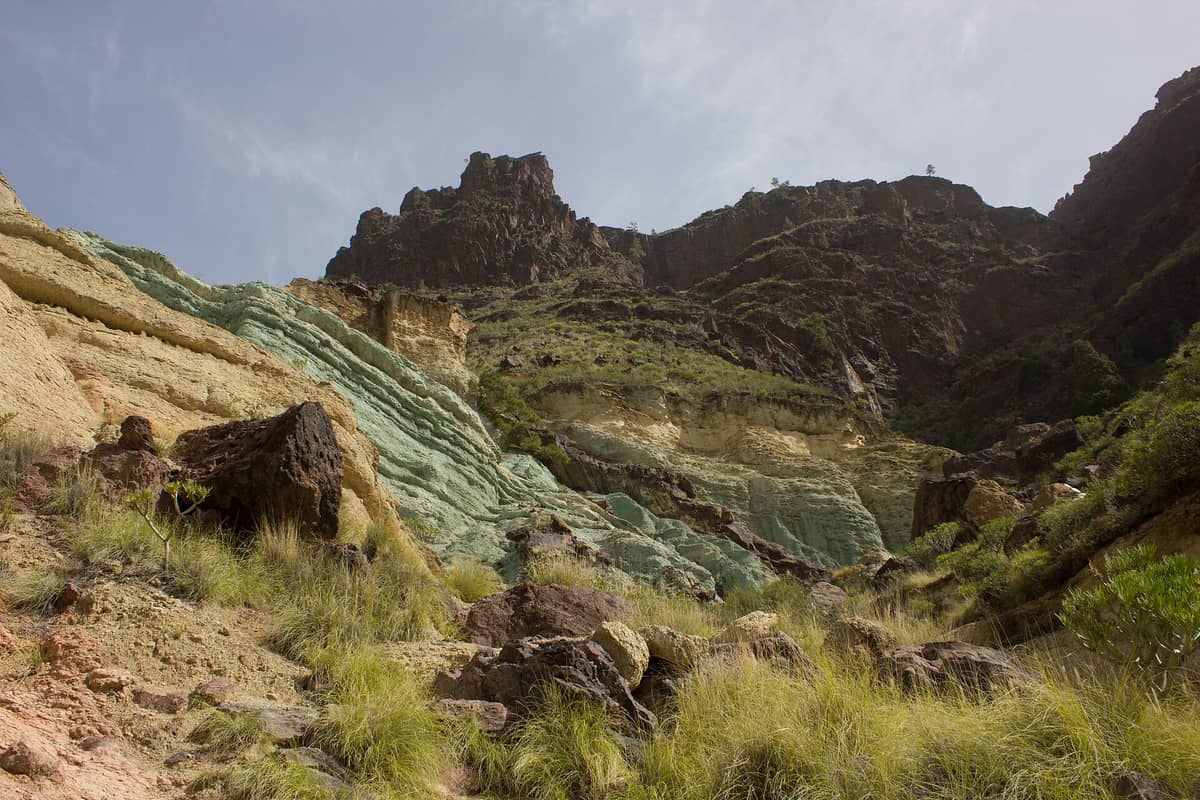
15. Stop for Gran Canaria's Most Colourful Cliffs: Los Azulejos de Veneguera
A geological marvel on the west coast road where mineral deposits streak a cliff face in vivid greens, reds, and yellows, creating one of the most striking roadside sights on the island. It is a five-minute stop on any west-coast drive but produces photographs unlike anything else in the Canary Islands.
Explore15. Stop for Gran Canaria's Most Colourful Cliffs: Los Azulejos de Veneguera
A geological marvel on the west coast road where mineral deposits streak a cliff face in vivid greens, reds, and yellows, creating one of the most striking roadside sights on the island. It is a five-minute stop on any west-coast drive but produces photographs unlike anything else in the Canary Islands.
Explore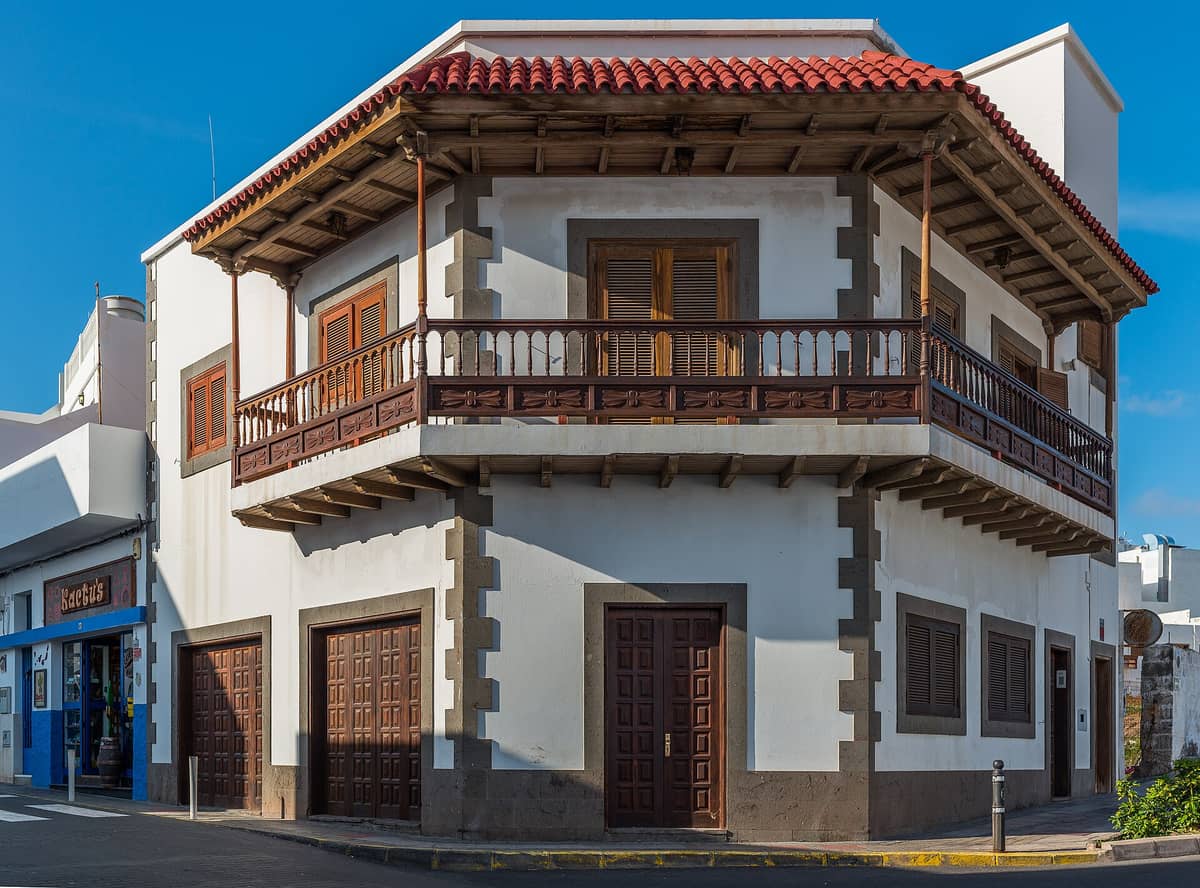
16. Eat Fresh Seafood at an Authentic Fishing Harbour: Puerto de las Nieves
The most unspoiled harbour on Gran Canaria's west coast has excellent seafood restaurants, natural rock pools, and the dramatic Agaete cliffs as a backdrop. It also has the ferry terminal for Tenerife. Arrive by 13:00 to secure a table at one of the fish restaurants before the Sunday lunch crowd arrives.
Explore16. Eat Fresh Seafood at an Authentic Fishing Harbour: Puerto de las Nieves
The most unspoiled harbour on Gran Canaria's west coast has excellent seafood restaurants, natural rock pools, and the dramatic Agaete cliffs as a backdrop. It also has the ferry terminal for Tenerife. Arrive by 13:00 to secure a table at one of the fish restaurants before the Sunday lunch crowd arrives.
Explore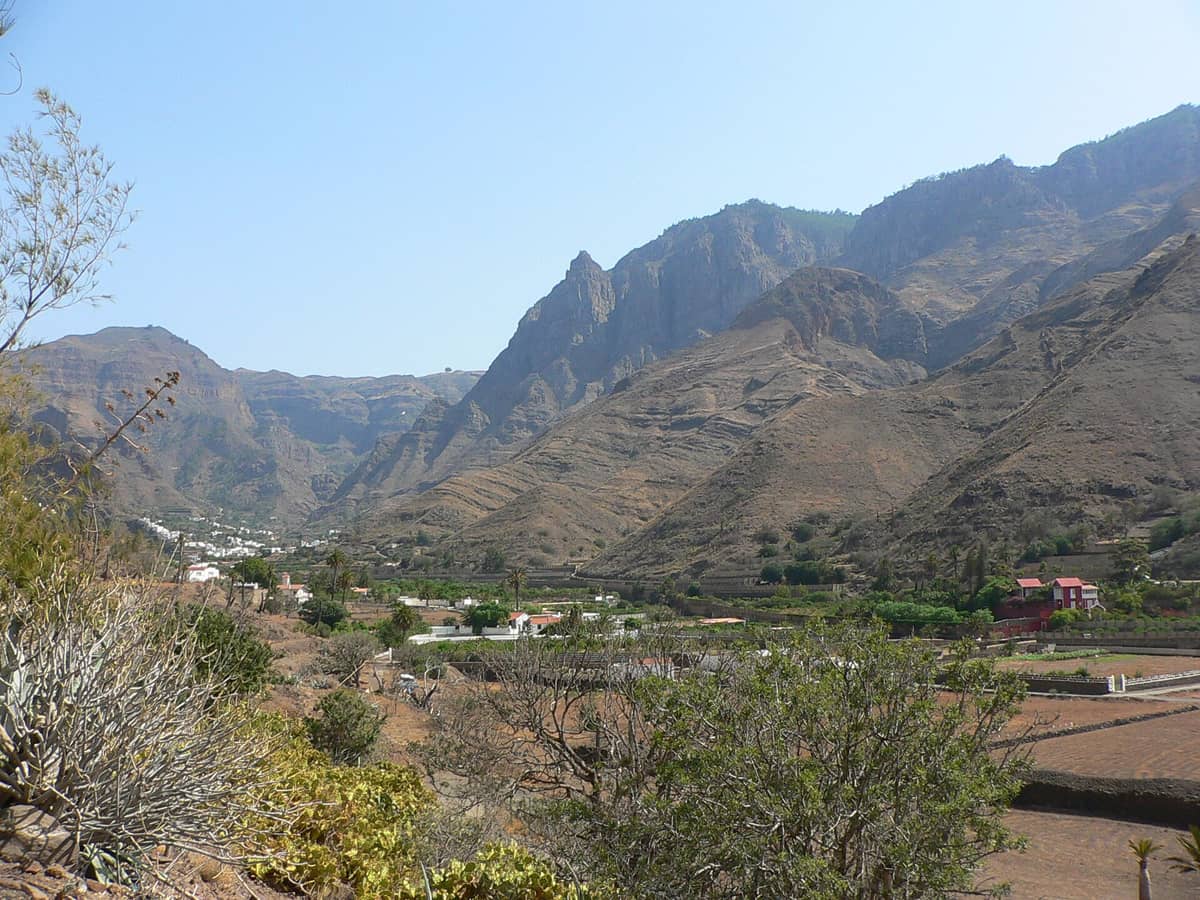
17. Walk Through the Only Coffee-Growing Valley in Europe: Valle de Agaete
Terraced slopes of coffee, citrus, and avocado create a surprisingly tropical landscape in this lush northwest valley, one of the very few places in Europe where coffee is commercially grown. Walk or cycle the valley floor for the best views of the terraces. The harvest festival in late August is worth planning around.
Explore17. Walk Through the Only Coffee-Growing Valley in Europe: Valle de Agaete
Terraced slopes of coffee, citrus, and avocado create a surprisingly tropical landscape in this lush northwest valley, one of the very few places in Europe where coffee is commercially grown. Walk or cycle the valley floor for the best views of the terraces. The harvest festival in late August is worth planning around.
Explore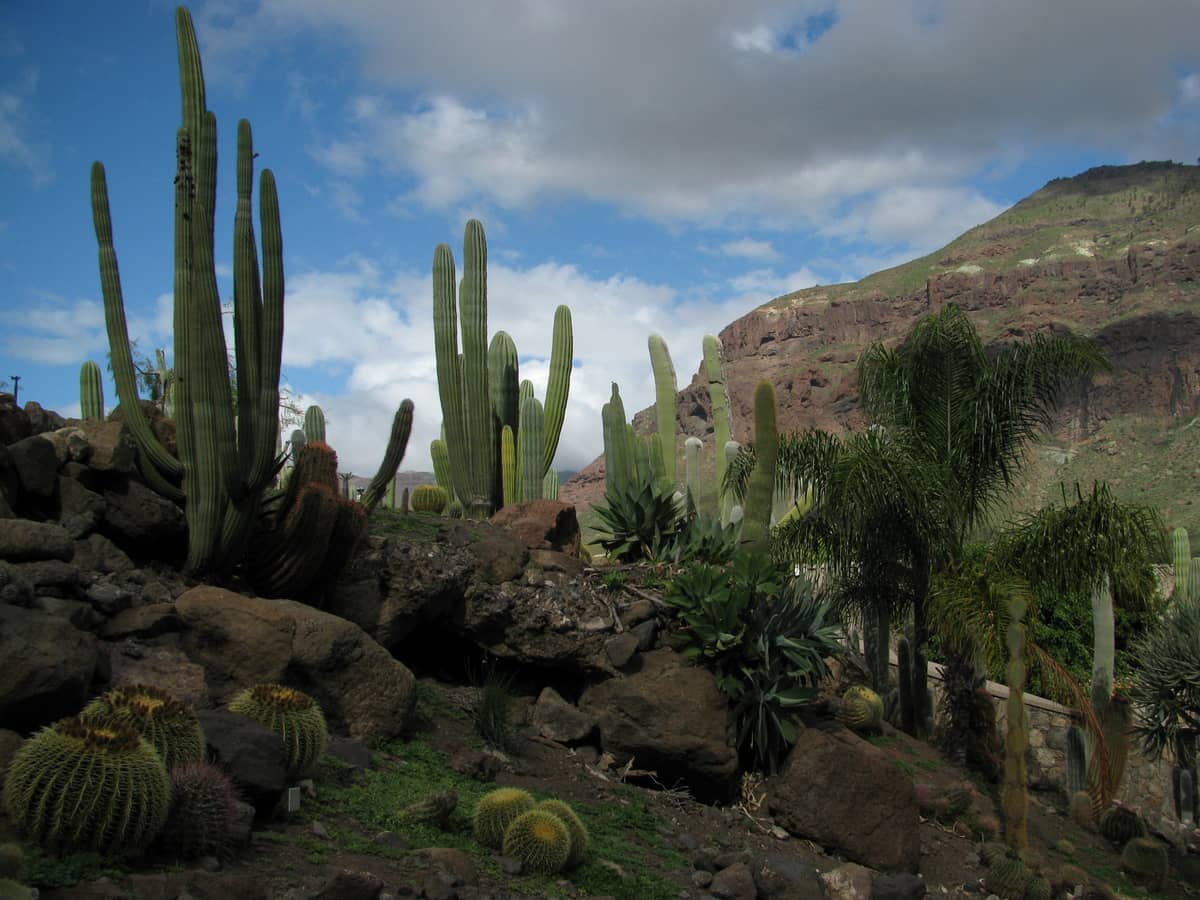
18. Wander One of Europe's Largest Cactus Gardens: Cactualdea Park
Over 10,000 cacti and succulents from around the world are arranged across a terraced hillside near La Aldea de San Nicolás, with Atlantic views from the upper terraces. It works best as a stop on the west-coast road rather than a standalone trip, but plant lovers and photographers will want to allow at least 90 minutes.
Explore18. Wander One of Europe's Largest Cactus Gardens: Cactualdea Park
Over 10,000 cacti and succulents from around the world are arranged across a terraced hillside near La Aldea de San Nicolás, with Atlantic views from the upper terraces. It works best as a stop on the west-coast road rather than a standalone trip, but plant lovers and photographers will want to allow at least 90 minutes.
ExploreLas Palmas City Explorations
Las Palmas de Gran Canaria is one of the most underrated city destinations in Spain, and many visitors based in the south resorts never make the bus ride north to explore it. The historic quarter of Vegueta, the city beach at Las Canteras, and the port district around Santa Catalina each offer a full half-day on their own. For a structured itinerary, see our guide to . to explore it. The historic quarter of Vegueta, the city beach at Las Canteras, and the port district around Santa Catalina each offer a full half-day on their own. For a structured itinerary, see our guide to things to do in Las Palmas.
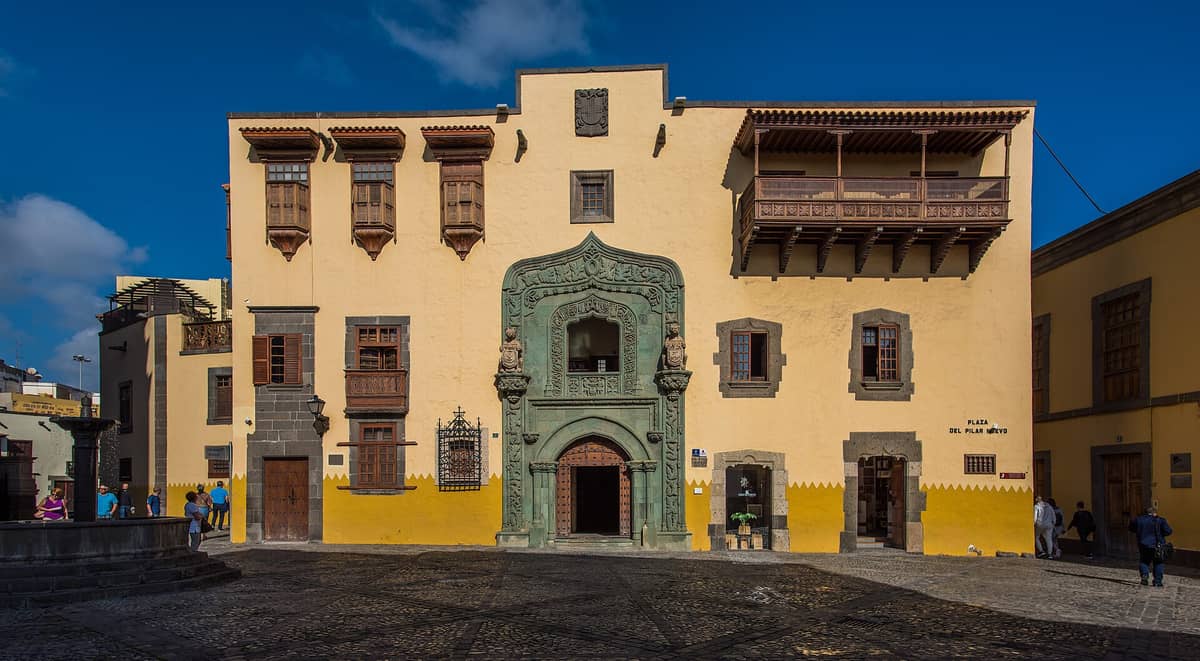
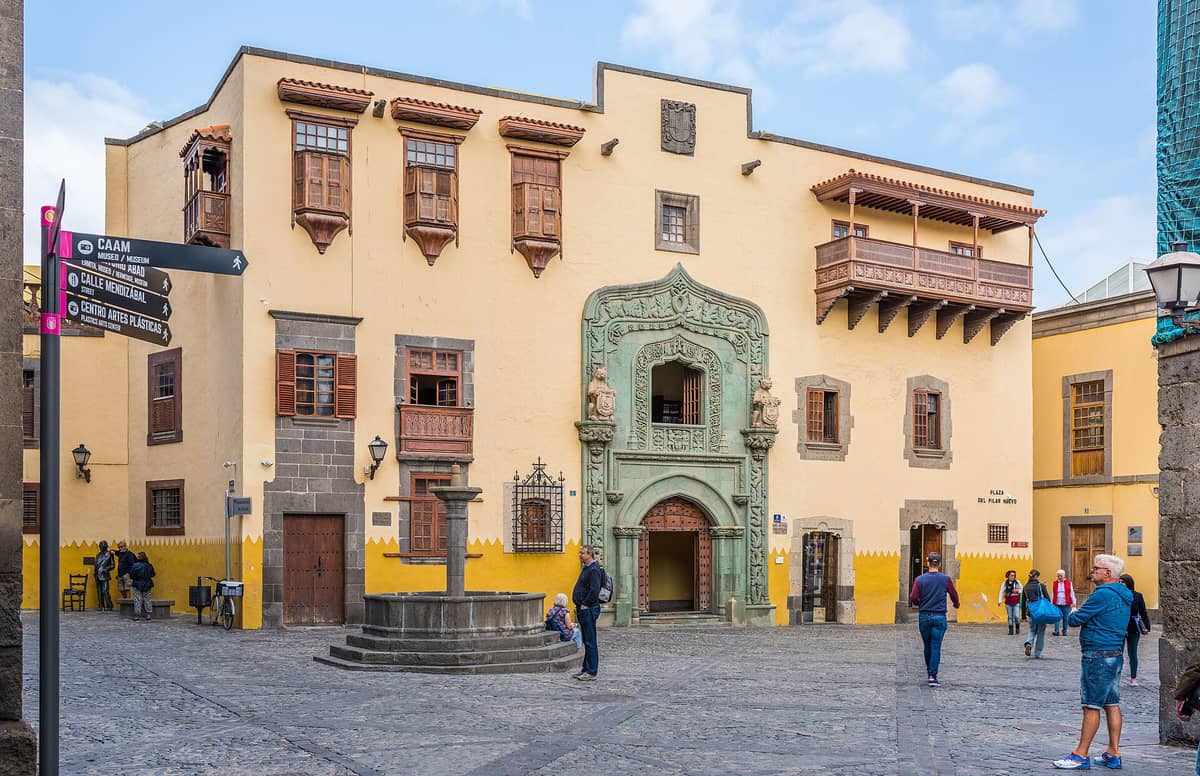
19. Walk Through the Governor's Palace Where Columbus Stopped in 1492: Casa de Colón
This restored 15th-century palace in Vegueta is where Christopher Columbus reputedly stayed before crossing the Atlantic, and now houses a well-curated museum of pre-Columbian art and Atlantic history. The building's carved Canarian wooden balconies and central courtyard alone justify the entrance fee. Free on certain days — check ahead.
Explore19. Walk Through the Governor's Palace Where Columbus Stopped in 1492: Casa de Colón
This restored 15th-century palace in Vegueta is where Christopher Columbus reputedly stayed before crossing the Atlantic, and now houses a well-curated museum of pre-Columbian art and Atlantic history. The building's carved Canarian wooden balconies and central courtyard alone justify the entrance fee. Free on certain days — check ahead.
Explore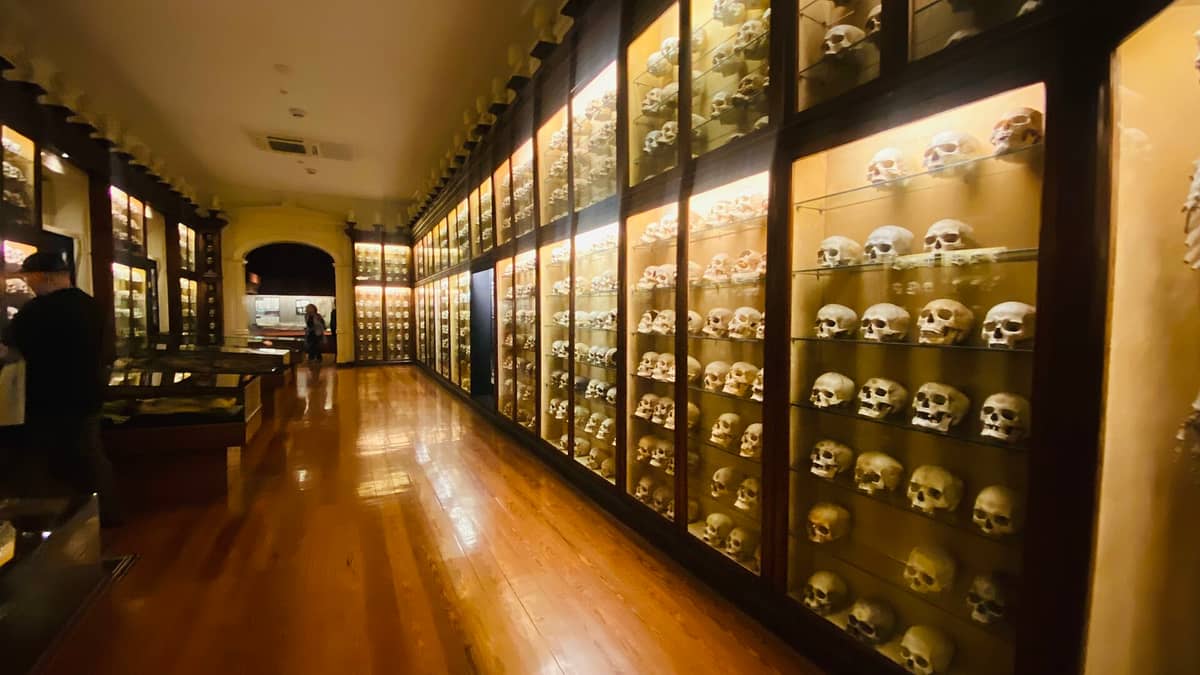
20. Understand 2,000 Years of Guanche History at the Museo Canario
The Museo Canario holds one of the world's most important collections of pre-Hispanic Guanche artefacts, including ceramics, mummies, and skulls that bring Gran Canaria's ancient past into sharp focus. It sits in Vegueta and pairs naturally with Casa de Colón and the cathedral for a full historic quarter day.
Explore20. Understand 2,000 Years of Guanche History at the Museo Canario
The Museo Canario holds one of the world's most important collections of pre-Hispanic Guanche artefacts, including ceramics, mummies, and skulls that bring Gran Canaria's ancient past into sharp focus. It sits in Vegueta and pairs naturally with Casa de Colón and the cathedral for a full historic quarter day.
Explore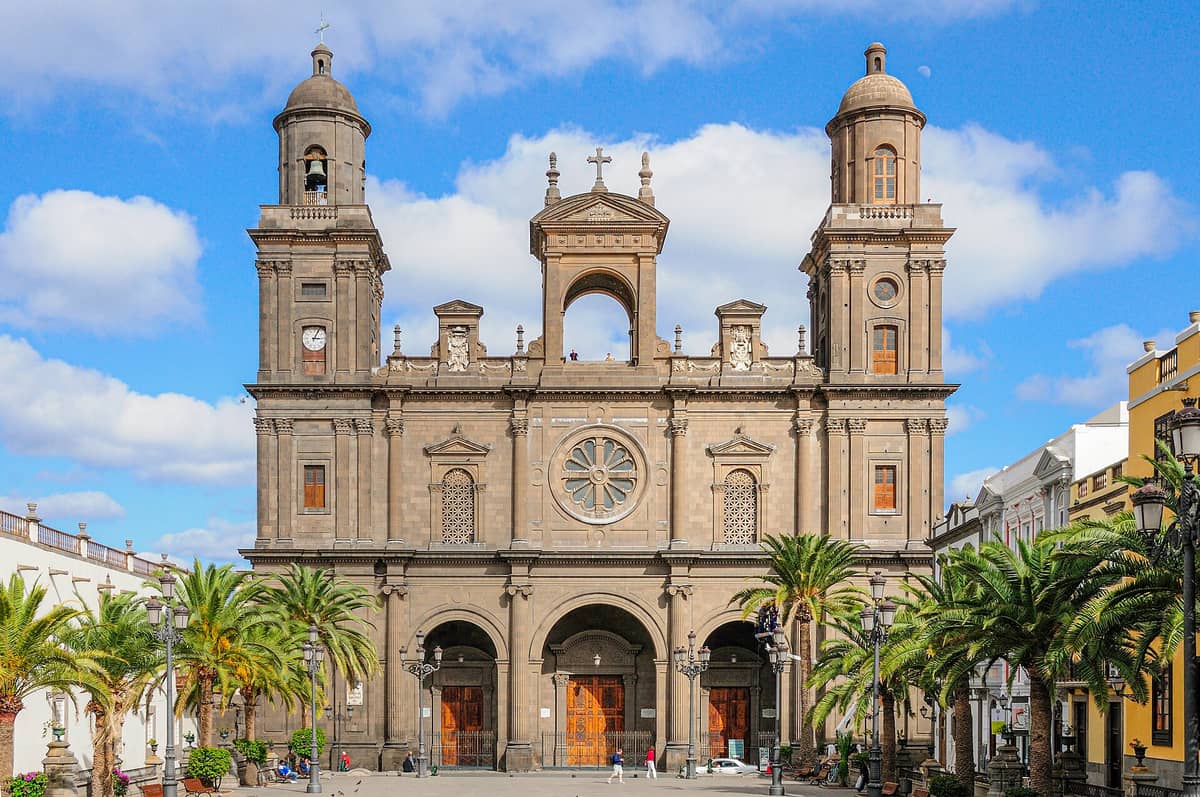
21. Climb the Tower of the Cathedral That Took Four Centuries to Finish: Catedral de Santa Ana
The grand Gothic-to-Neoclassical cathedral at the heart of Vegueta rewards those who climb its tower with sweeping views over the old town and the Atlantic beyond. The cathedral square, with its bronze dog sculptures, is one of the finest public spaces in the Canary Islands. Allow 30 to 45 minutes inside.
Explore21. Climb the Tower of the Cathedral That Took Four Centuries to Finish: Catedral de Santa Ana
The grand Gothic-to-Neoclassical cathedral at the heart of Vegueta rewards those who climb its tower with sweeping views over the old town and the Atlantic beyond. The cathedral square, with its bronze dog sculptures, is one of the finest public spaces in the Canary Islands. Allow 30 to 45 minutes inside.
Explore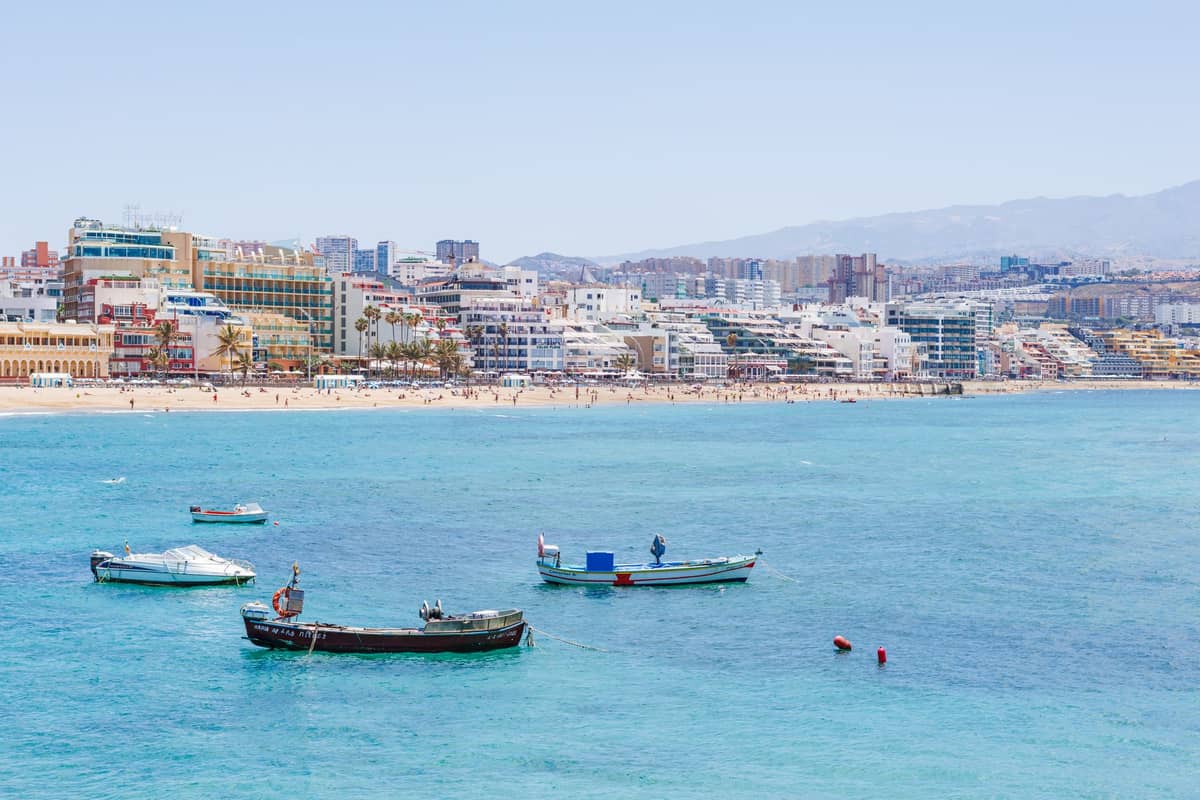
22. Spend an Afternoon on One of Europe's Best Urban Beaches: Playa de Las Canteras
The 3km arc of Las Canteras is sheltered by a natural volcanic reef and lined with cafés and restaurants on its promenade. Consistently ranked among Europe's finest urban beaches, it is calm enough for swimming and lively enough for an afternoon of people-watching. A perfect way to end a Las Palmas city day.
Explore22. Spend an Afternoon on One of Europe's Best Urban Beaches: Playa de Las Canteras
The 3km arc of Las Canteras is sheltered by a natural volcanic reef and lined with cafés and restaurants on its promenade. Consistently ranked among Europe's finest urban beaches, it is calm enough for swimming and lively enough for an afternoon of people-watching. A perfect way to end a Las Palmas city day.
Explore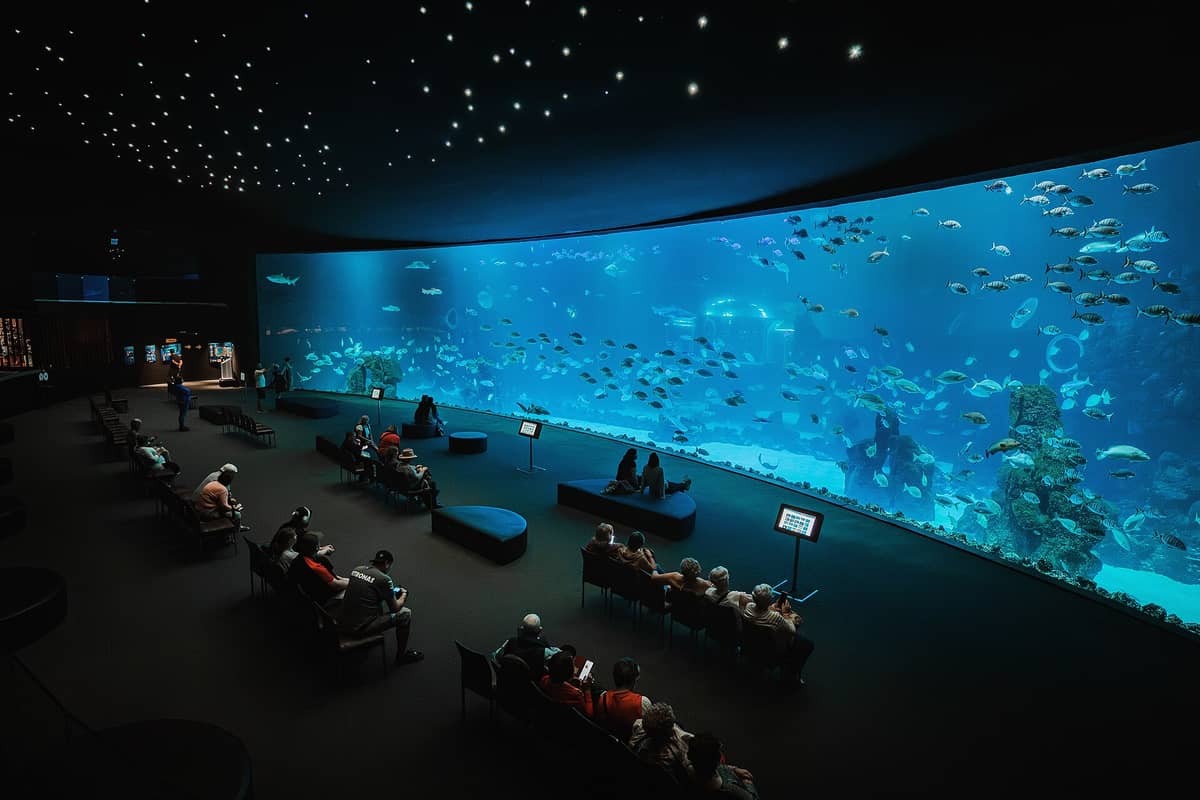
23. Descend into a Recreated Deep Atlantic at Poema del Mar Aquarium
Among Europe's most technically impressive aquariums, Poema del Mar features a 7-metre-deep panoramic tank recreating the deep Atlantic, a tropical rainforest zone, and 350-plus species of marine life. Located on the Las Palmas waterfront, it is a superb addition to any city day, especially for families or ocean-curious adults.
Explore23. Descend into a Recreated Deep Atlantic at Poema del Mar Aquarium
Among Europe's most technically impressive aquariums, Poema del Mar features a 7-metre-deep panoramic tank recreating the deep Atlantic, a tropical rainforest zone, and 350-plus species of marine life. Located on the Las Palmas waterfront, it is a superb addition to any city day, especially for families or ocean-curious adults.
ExploreNature Walks & Ravines
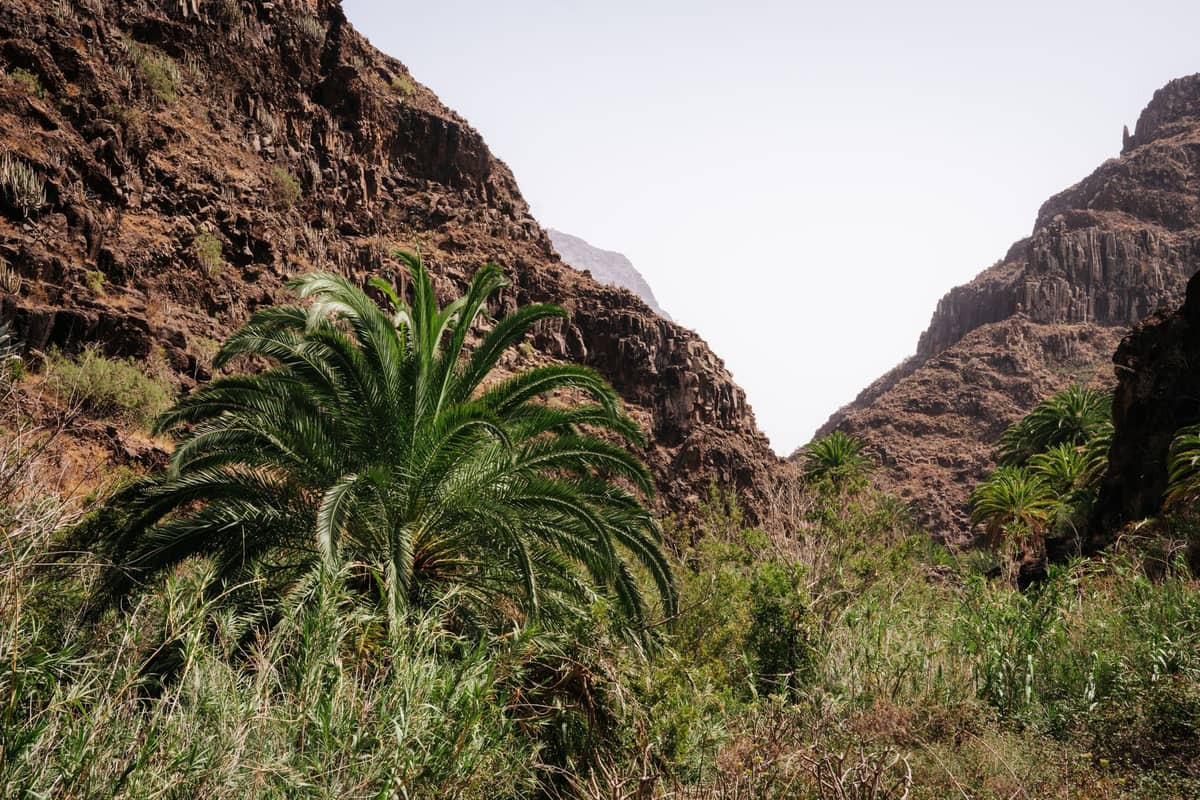
Gran Canaria's ravines (barrancos) and natural parks offer some of the most rewarding walking in the Canary Islands, with dramatically different ecosystems within short distances of each other. The island's varied microclimates mean the north and interior are often green and lush when the south is bone dry. For practical trail information and difficulty ratings, our complete hiking guide has everything you need before setting out.
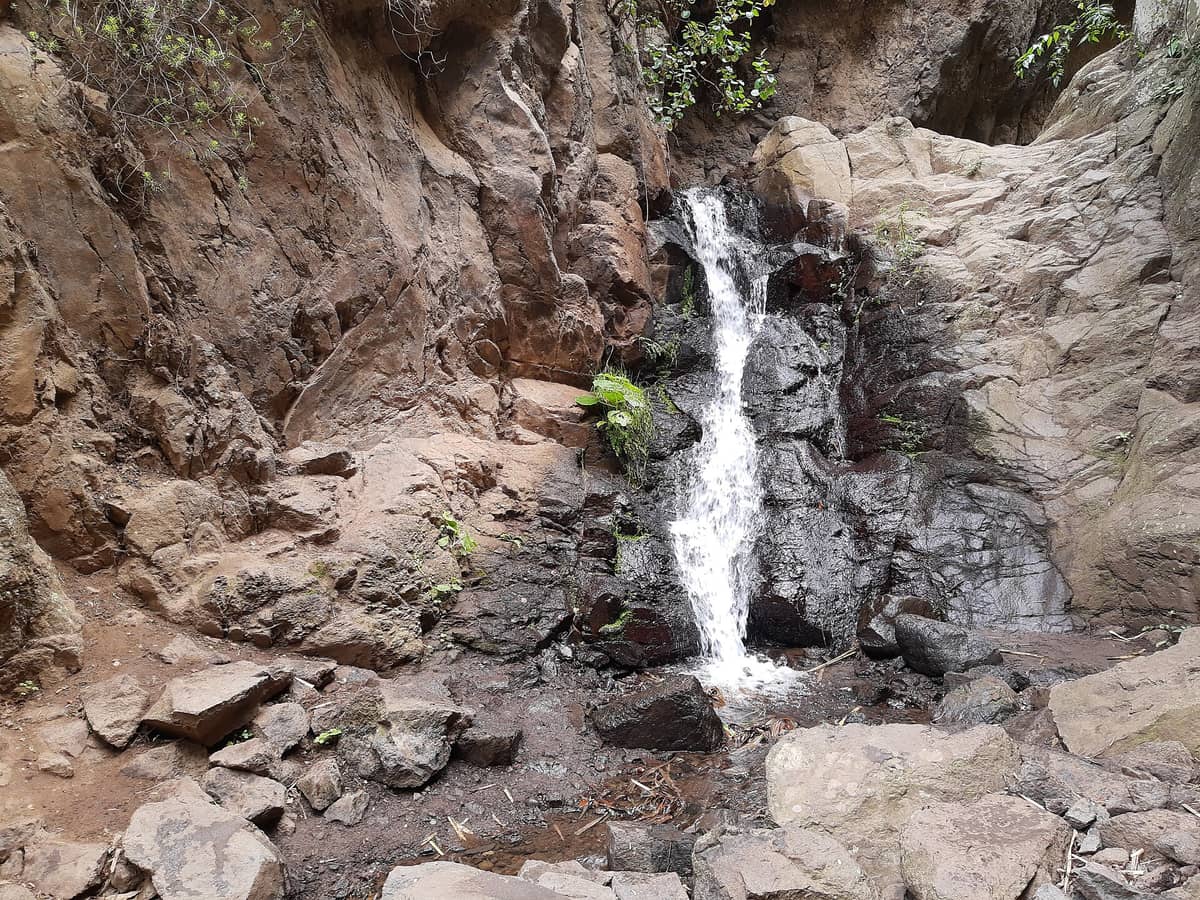
24. Follow Gran Canaria's Only Year-Round Stream Through Laurel Forest: Barranco de los Cernícalos
A gentle trail follows a watercourse through ferns, willows, and endemic laurel forest to a series of small waterfalls in this lush eastern ravine — one of the most surprisingly green walks on an island better known for desert landscapes. The path is easy and suitable for all fitness levels, with minimal elevation gain along the stream.
Explore24. Follow Gran Canaria's Only Year-Round Stream Through Laurel Forest: Barranco de los Cernícalos
A gentle trail follows a watercourse through ferns, willows, and endemic laurel forest to a series of small waterfalls in this lush eastern ravine — one of the most surprisingly green walks on an island better known for desert landscapes. The path is easy and suitable for all fitness levels, with minimal elevation gain along the stream.
Explore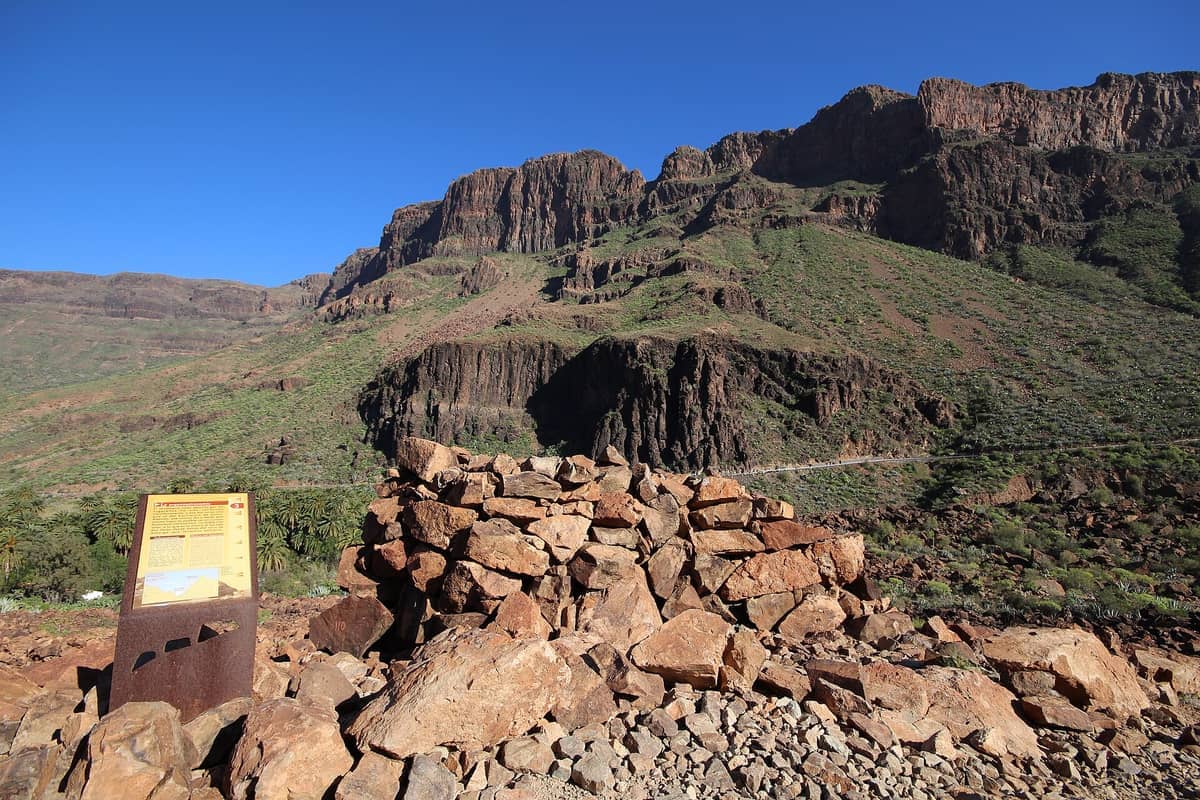
25. Find Hundreds of Guanche Tombs in a Palm Oasis: Arteara Necropolis
The largest Guanche burial site in Gran Canaria sits on a dramatic rocky hillside above the palm-filled Fataga valley, with hundreds of stone tombs scattered across the slope. It is largely overlooked by mainstream tourism, which makes the atmosphere genuinely eerie and special. Combine with Fataga village for a full valley day.
Explore25. Find Hundreds of Guanche Tombs in a Palm Oasis: Arteara Necropolis
The largest Guanche burial site in Gran Canaria sits on a dramatic rocky hillside above the palm-filled Fataga valley, with hundreds of stone tombs scattered across the slope. It is largely overlooked by mainstream tourism, which makes the atmosphere genuinely eerie and special. Combine with Fataga village for a full valley day.
Explore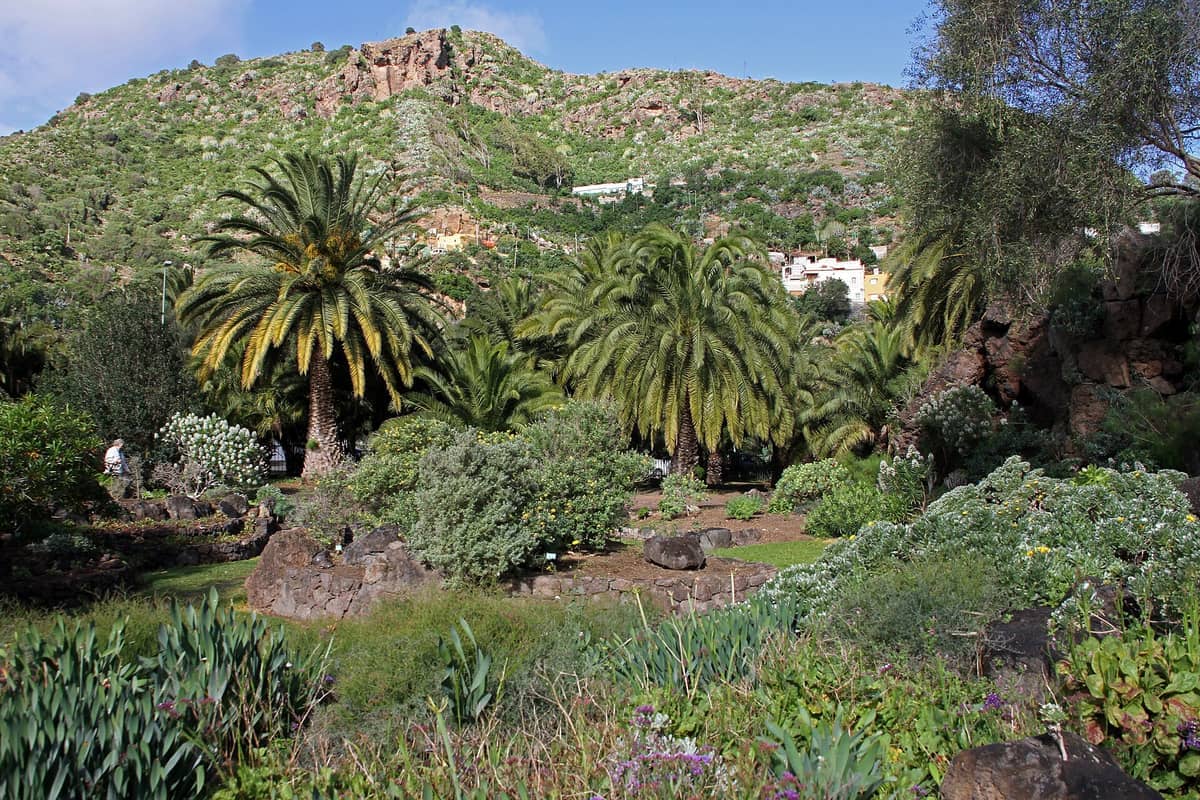
26. Explore Spain's Largest Island Botanical Garden on the Outskirts of Las Palmas
Over 500 species of Canarian endemic plants — dragon trees, giant euphorbias, rare laurel species — cascade down a ravine just outside Las Palmas. It is one of the most peaceful and beautiful green spaces in the city and completely free to enter. Allow 90 minutes to walk the full series of themed terraced gardens.
Explore26. Explore Spain's Largest Island Botanical Garden on the Outskirts of Las Palmas
Over 500 species of Canarian endemic plants — dragon trees, giant euphorbias, rare laurel species — cascade down a ravine just outside Las Palmas. It is one of the most peaceful and beautiful green spaces in the city and completely free to enter. Allow 90 minutes to walk the full series of themed terraced gardens.
Explore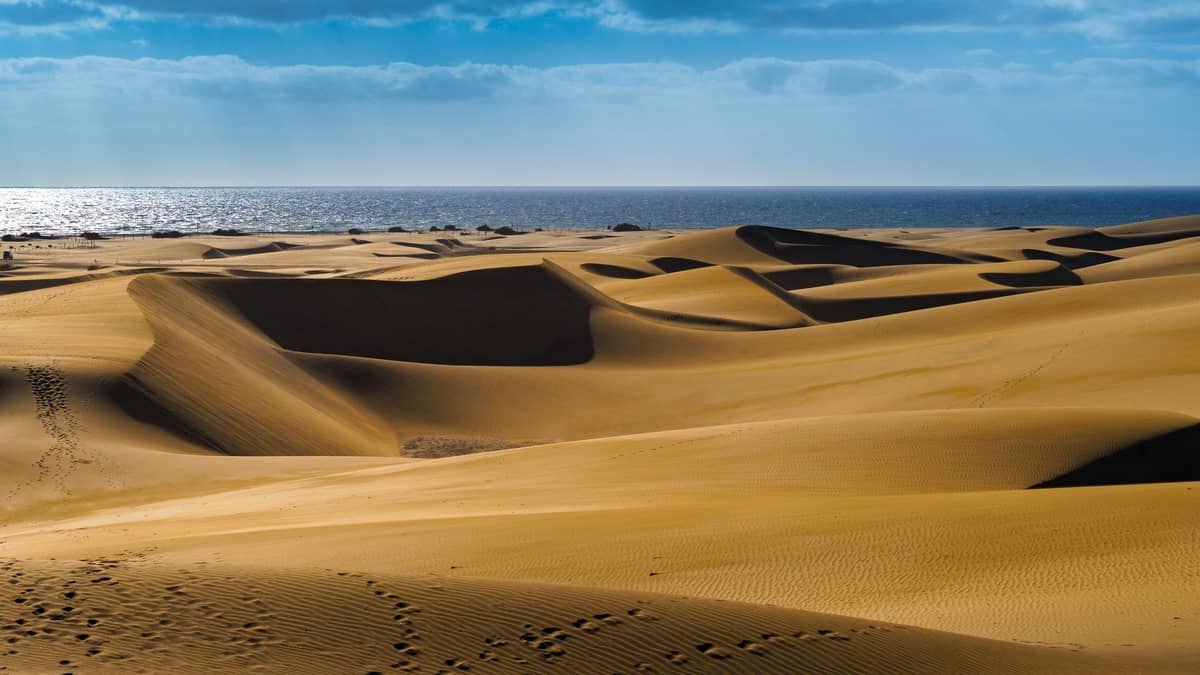
27. Walk into a Saharan Landscape That Meets the Atlantic: Maspalomas Dunes
The 400-hectare protected dune reserve at Gran Canaria's southern tip is the island's most iconic natural landmark. Walking through the dunes at sunrise or sunset, when the light is golden and the crowds are thin, is one of the most memorable natural experiences in the Canary Islands. Stay on marked paths to protect the fragile ecosystem.
Explore27. Walk into a Saharan Landscape That Meets the Atlantic: Maspalomas Dunes
The 400-hectare protected dune reserve at Gran Canaria's southern tip is the island's most iconic natural landmark. Walking through the dunes at sunrise or sunset, when the light is golden and the crowds are thin, is one of the most memorable natural experiences in the Canary Islands. Stay on marked paths to protect the fragile ecosystem.
Explore✨ Pro tip
For a day trip without a car, For a day trip without a car, Global bus Line 1 connects Maspalomas with Las Palmas in about 50 minutes. Line 30 runs from Maspalomas to Puerto de Mogán. Line 303 reaches Teror and Arucas from Las Palmas. Fares are low and buses run frequently. Verify current timetables at globalsu.net before travel.
FAQ
Do I need a car to do day trips in Gran Canaria?
Not for all of them. Not for all of them. Global buses connect Las Palmas, Maspalomas, Puerto de Mogán, Teror, and Arucas reliably. However, the west coast (Mirador del Balcón, Los Azulejos, Puerto de las Nieves), the Fataga valley, Tamadaba, and Guayadeque are much harder without a car. Renting a car for one or two days unlocks the full island.
Do I need to book Roque Nublo in advance?
Yes. The main S-70 trail from Degollada de La Goleta requires a free reservation at grancanariasenderos.com between 10:00 and 17:00 daily. Capacity is limited to 60 people per hour. You must also use park-and-ride at Tejeda or Cruz de los Llanos, as parking at the trailhead is prohibited.
How long does it take to get from the south resorts to Las Palmas?
By car, the drive from Maspalomas to Las Palmas takes about 45 to 55 minutes on the GC-1 motorway. By Global bus (Line 1), the journey is around 50 to 60 minutes. This makes Las Palmas a very practical day trip from any south coast resort.
What is the best day trip for families with young children?
Aqualand Maspalomas suits young children who want a full water park day. Poema del Mar aquarium in Las Palmas is excellent for a shorter visit. Palmitos Park, set in a lush valley above Maspalomas, works well for mixed-age families, combining tropical birds, butterflies, and dolphins in a natural setting.
Which day trips are best for seeing traditional Canarian culture?
Teror and its Basílica de Nuestra Señora del Pino is the most authentically Canarian town on the island, especially on Sunday mornings when the market runs. Arucas and its black-basalt church are close by. The Cueva Pintada in Gáldar is the finest pre-Hispanic site, while the Museo Canario in Vegueta provides the best archaeological context.