Gran Canaria Nightlife Guide: Where to Party, What to Expect, and How to Do It Right
Gran Canaria nightlife spans four distinct zones, each with its own character, crowd, and closing time. This guide breaks down every major area, from the legendary Yumbo Centre to the bar-lined streets of Las Palmas, with practical advice on pricing, timing, and getting around after dark.
TL;DR
- Gran Canaria nightlife is spread across four main zones: Playa del Inglés, Maspalomas and Meloneras, Puerto Rico, and Las Palmas de Gran Canaria.
- Bars typically run until around 02:00; clubs and discos stay open until 05:00 or 06:00.
- The south of the island dominates the party scene, but Las Palmas offers a more local, less tourist-heavy experience.
- Nightlife events and club tickets can be booked through platforms like Fever, with prices starting from around €14.50 for entry to recurring parties.
- The scene is active year-round thanks to Gran Canaria's subtropical climate, but summer brings more outdoor festivals and the south gets noticeably busier in winter.
Understanding Gran Canaria's Nightlife Landscape
Gran Canaria nightlife does not follow one template. The island operates across four geographically separate zones, each with a different vibe, crowd profile, and price point. Lumping them together is the most common mistake first-time visitors make. Knowing which zone matches what you want saves time, money, and disappointment.
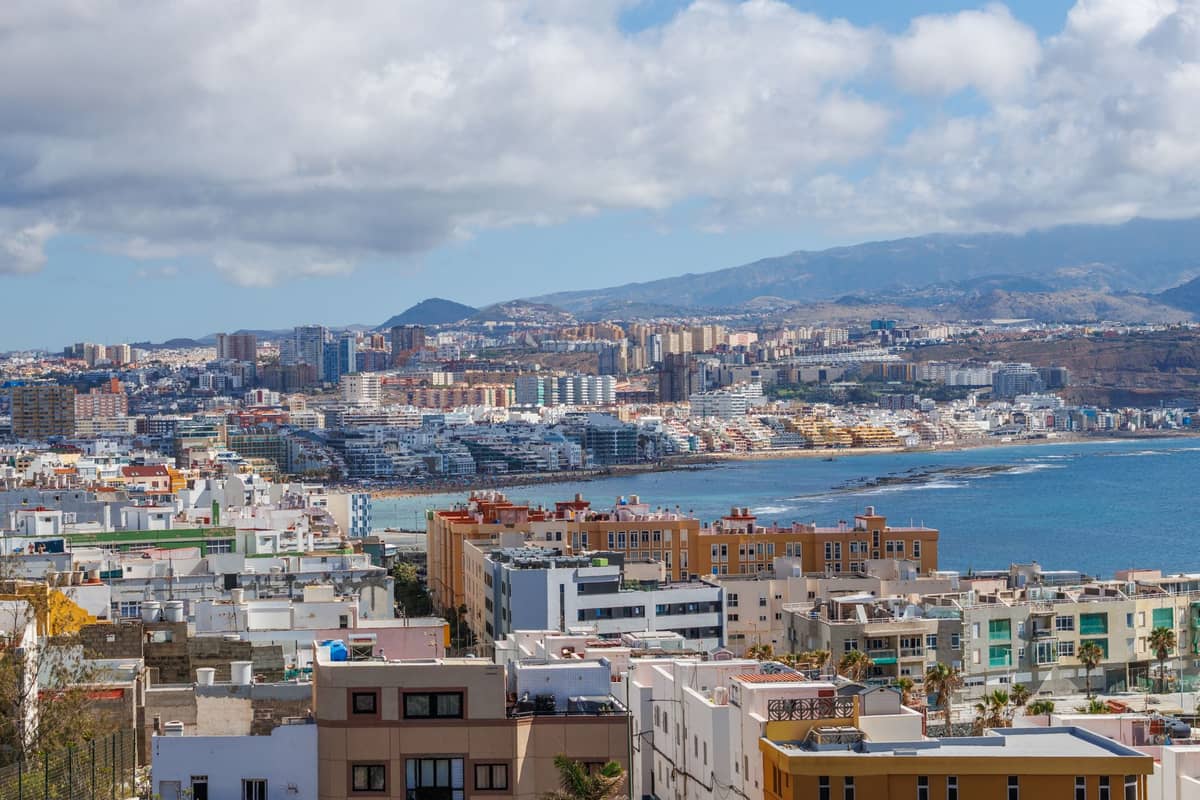
The south of the island, specifically the corridor running from Playa del Inglés through Maspalomas and into Meloneras, is where the bulk of resort nightlife happens. This is the zone that draws the biggest international crowds and has the most purpose-built entertainment infrastructure. Puerto Rico, about 20 km further west along the coast, is smaller and quieter but still has a solid bar strip. Las Palmas, 60 km north, is the island's capital city and runs a completely different scene rooted in local culture rather than tourism.
ℹ️ Good to know
Gran Canaria sits in the Atlantic at roughly UTC+0 (UTC+1 in summer), which means it runs an hour behind mainland Spain in winter. Locals and resort workers are aware of this, but party schedules published by Spanish promoters sometimes use mainland time. Always confirm event start times locally.
Playa del Inglés and the Yumbo Centre: The Heart of the South
Playa del Inglés is where Gran Canaria's reputation for nightlife was built. The Yumbo Centre, a multi-level commercial complex a short walk from the beach, is the epicentre. During the day it functions as a shopping mall. After 22:00, the bars open, the terraces fill up, and it transforms entirely. By midnight, several floors are packed with clubs playing everything from commercial dance to harder electronic sets.
The Yumbo is particularly well known as one of Europe's most prominent LGBTQ+ nightlife destinations. It has been a focal point of the gay scene for decades and draws visitors specifically for this reason, especially during themed events and Gran Canaria Pride (usually held in May). If this is not the scene you are looking for, the surrounding streets of Playa del Inglés have mainstream resort bars and clubs operating independently of the Yumbo.
- Opening window Bars from around 21:00; clubs from 23:00 to 00:00; closing time for clubs typically 05:00 to 06:00.
- Entry prices Many bars are free to enter; clubs charge between €10 and €25 depending on the night and event. Pre-booked tickets through platforms like Fever start from around €14.50.
- What to know The Yumbo gets genuinely crowded from midnight to 03:00. If you want a quieter drink, go before 23:00 or seek out the smaller bars on the ground floor.
- Getting there Walkable from most Playa del Inglés hotels. Taxis are plentiful outside; agree on a price or confirm the meter is running before you get in.
Maspalomas and Meloneras: A Slightly Different Tempo
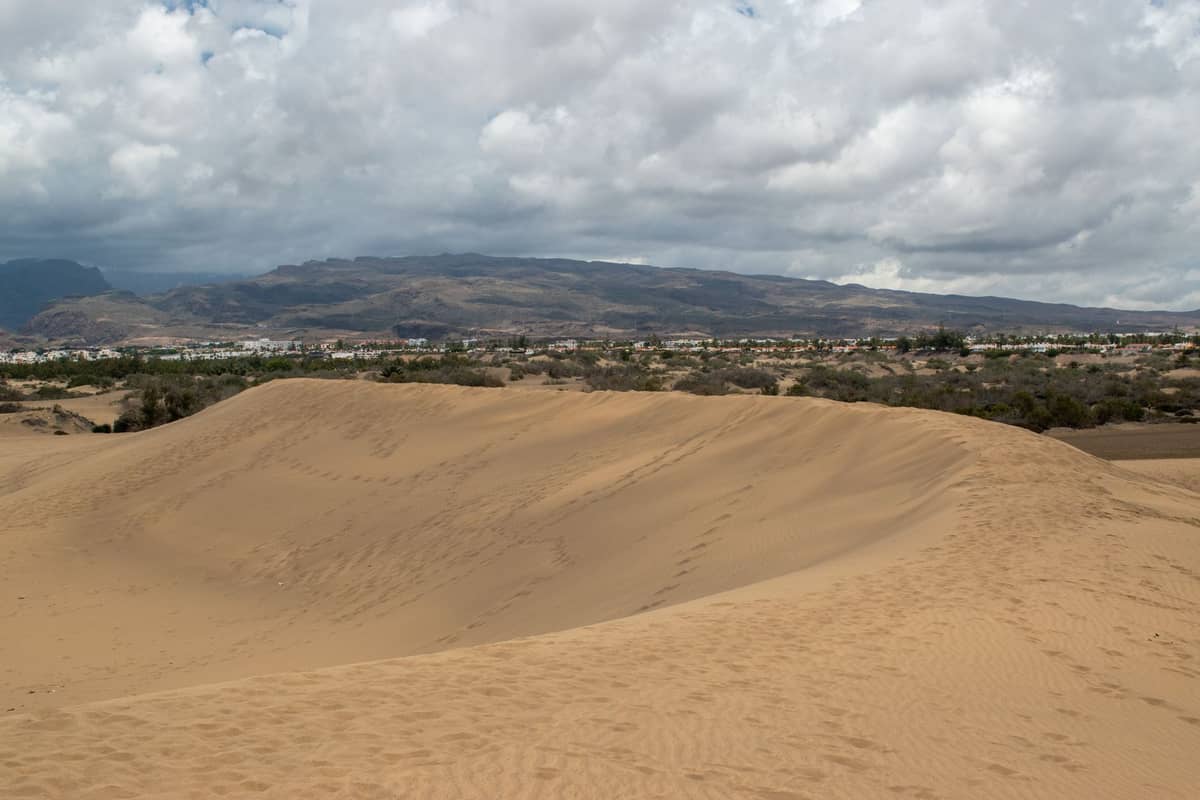
Maspalomas and the adjacent resort of Meloneras tend to attract a slightly older and more upscale crowd compared to Playa del Inglés. The nightlife here is less concentrated in one block and more spread across beachfront hotel bars, casino venues, and standalone restaurants that stay open late. Gran Canaria's official tourism resources specifically flag this area for leisure and nightlife options close to the dunes and beach.
The Maspalomas lighthouse area and the Meloneras promenade have a string of lounge bars that work well for an evening drink without the full club experience. If you want to dance, you will likely need to head to Playa del Inglés or use a taxi. The distance between the two is only about 3 km, so it is not a big commitment.
💡 Local tip
If you are staying in Maspalomas and want to hit the Yumbo, sort out your return in advance. After 02:00, taxis around the Yumbo can queue up. The Meloneras taxi rank is generally calmer and easier to access at that hour.
Puerto Rico: The Underrated Option on the West Coast
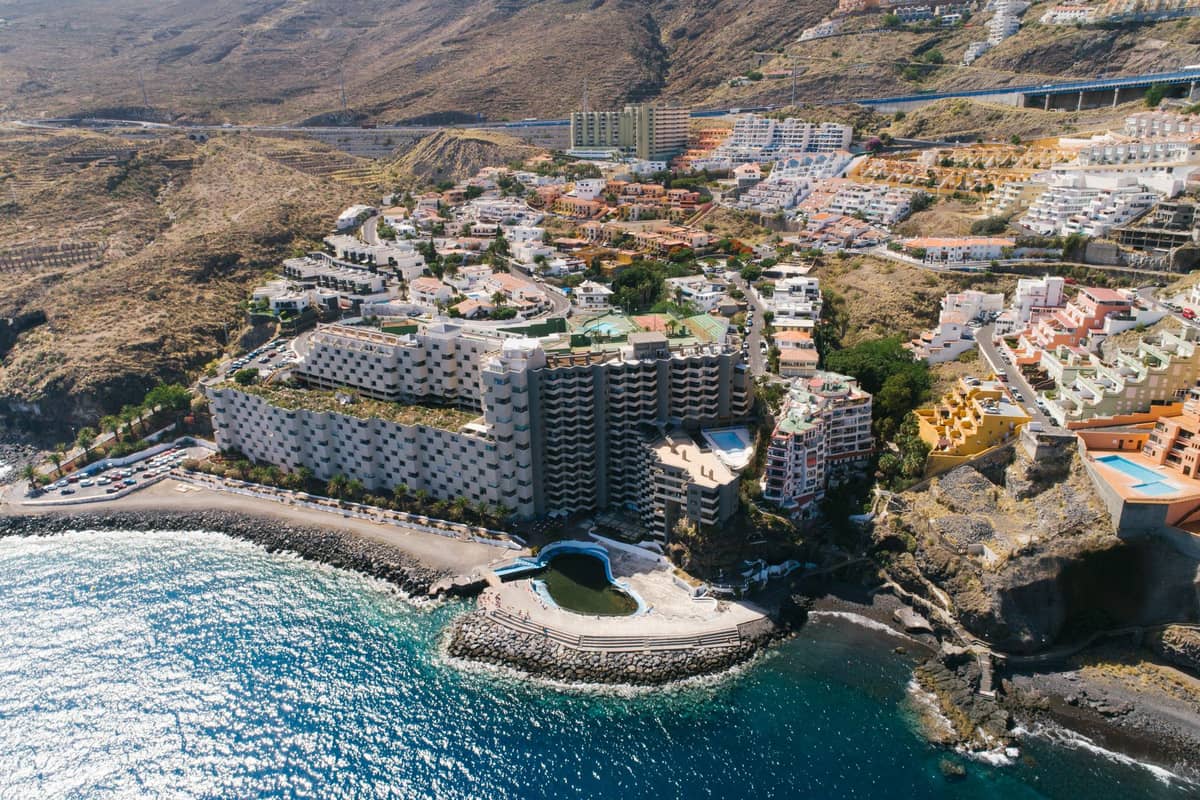
Puerto Rico Gran Canaria is often skipped in nightlife conversations, but it has a genuine bar strip along its marina and beach that suits people who want to go out without the scale of Playa del Inglés. The Puerto de Mogán marina, about 15 km further southwest, is more about sunset cocktails and dinner than late-night clubs, but the atmosphere is hard to beat as an early-evening option.
Puerto Rico works particularly well for families or mixed groups where some people want to go out while others turn in early. The bars close earlier than in Playa del Inglés, generally around 03:00. and the volume levels are lower. It is not the place for a big night out, but it is a solid choice for a relaxed evening with drinks and live music.
Las Palmas de Gran Canaria: Nightlife for People Who Hate Resort Clubs
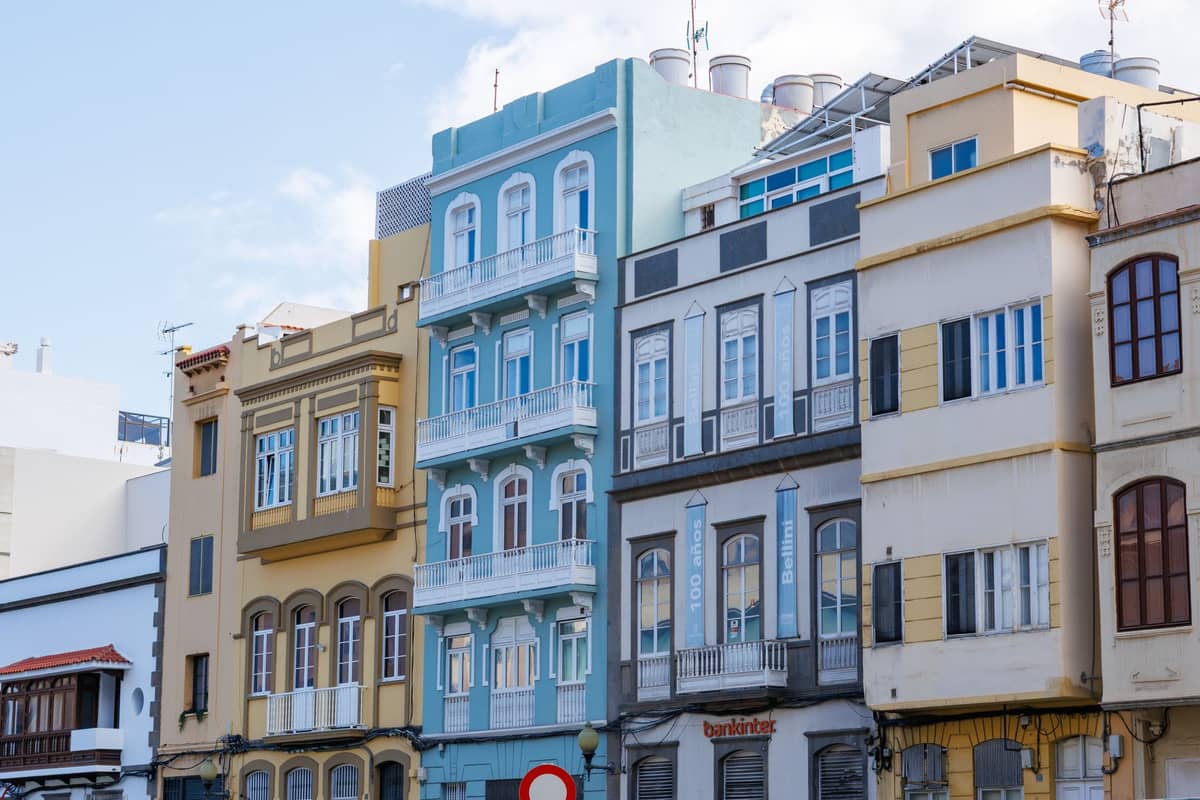
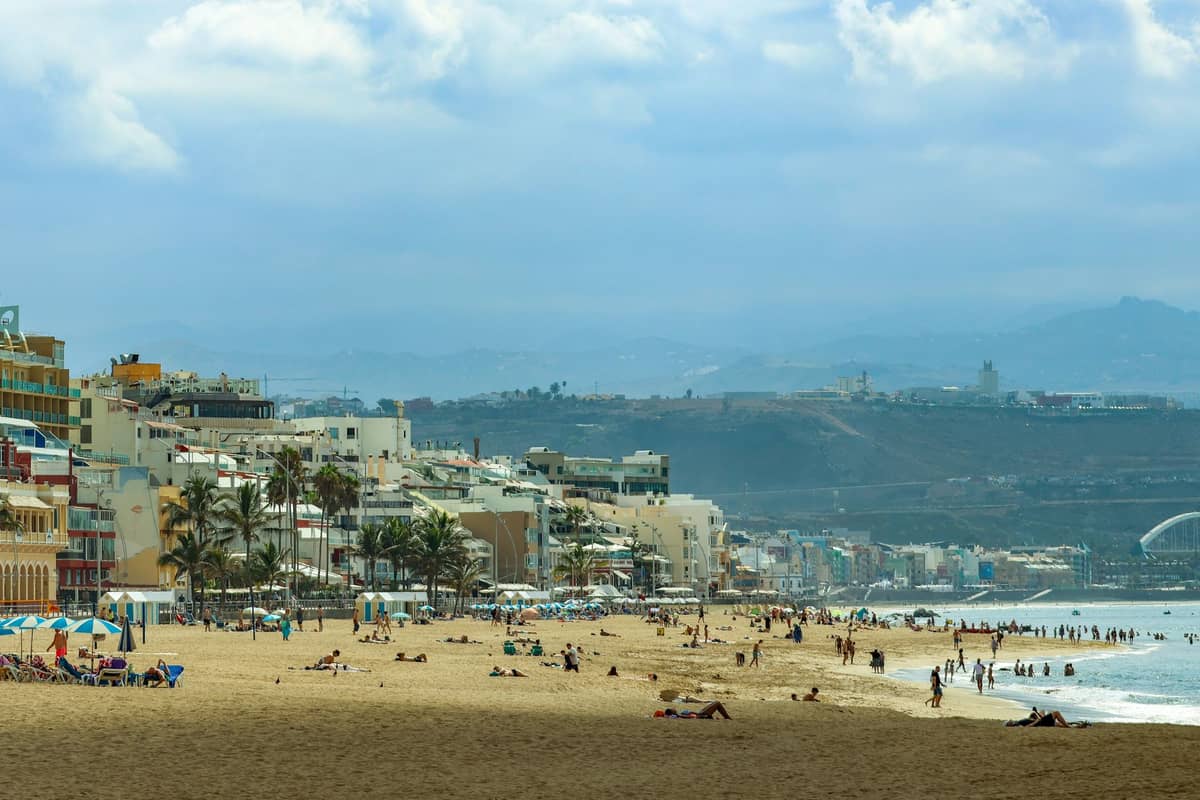
The capital's nightlife is genuinely different from anything in the south. Santa Catalina and the streets around it have a strong bar culture driven by locals, students from the university, and an increasing number of digital nomads and long-term visitors. You will find craft beer bars, live music venues, late-night cafés, and a handful of clubs that play music you will not hear in the resort circuit.
The Triana and Vegueta neighbourhoods are better for earlier evening drinks and tapas. The Vegueta historic quarter has bars set in colonial buildings that stay lively until around midnight. If you are staying in Las Palmas and want to see where the night actually goes, follow the Santa Catalina park area after 23:00.
One honest note: the nightlife in Las Palmas is not as internationally famous or as polished as the south. It is rawer, more local, and requires a bit more effort to navigate without Spanish. But if you have spent a few days in the resort zones and want something that feels real, the capital delivers in a way that Playa del Inglés simply cannot.
✨ Pro tip
Las Palmas bars tend to fill up later than you might expect, even by Spanish standards. Showing up at 22:00 often means an empty room. Plan to arrive closer to 23:30 or midnight, and factor in that buses back to tourist accommodation in the south stop running in the early hours. A taxi from Las Palmas to Playa del Inglés will cost around €40 to €55 at that hour.
Festivals, Live Events, and Seasonal Nightlife
Gran Canaria has a growing calendar of proper music and arts festivals that extend the nightlife conversation beyond bars and clubs. The Gran Canaria SUM Festival, which focuses on electronic music, has run with day-ticket prices around €55 to €65 and two-day passes around €100, though pricing changes annually so check current listings. Gran Canaria Pride in May is one of the largest events in the Canary Islands and turns the Playa del Inglés and Maspalomas area into a week-long celebration with outdoor stages and DJ sets. For context on the broader events calendar, the Gran Canaria Carnival in February is another peak nightlife moment, particularly in Las Palmas, where the street parties last until dawn.
Winter is peak season in the south, roughly November through February, and nightlife demand reflects this. Hotels fill with Northern European visitors escaping cold weather, and the Yumbo and surrounding venues operate at full capacity. If you are visiting in summer, the south is quieter (many Europeans holiday closer to home), but Las Palmas comes alive with local summer activity and outdoor events. The climate, staying warm year-round at the coast, means outdoor bars and terraces function across every month of the year.
- Gran Canaria Pride (May): Playa del Inglés and Maspalomas. One of the island's biggest annual events.
- Gran Canaria SUM Festival: Electronic music. Ticket prices typically €55-€65 per day; confirm dates and pricing each year.
- Gran Canaria Carnival (February): Las Palmas is the main hub. Street parties, parades, outdoor performances.
- Summer outdoor events (June-September): More concentrated in Las Palmas; the south slows slightly as European charter traffic reduces.
- Recurring club nights: Listed on platforms like Fever, with event tickets from around €14.50. Check weekly schedules as lineups rotate.
Practical Advice: Getting Around, Costs, and Staying Safe
Getting around after dark in Gran Canaria requires planning. The island's public bus network, operated by Global (known locally as guaguas), covers most routes during the day, but late-night services are limited. The main bus lines serving the south, including Line 1 between Las Palmas and Maspalomas, do not run around the clock. For anything after midnight, budget for taxis or make arrangements in advance. Ride-hailing apps do operate in Las Palmas, though availability varies and mainland-style coverage cannot be assumed across the whole island.
Drinks prices in the south are fairly standard for a European resort: a beer at a bar runs around €2.50 to €4.00, cocktails €7 to €12. The Yumbo Centre skews toward the higher end on busy nights. In Las Palmas, local bars are noticeably cheaper, with beers often under €2.50 and tapas-with-drinks deals common in the early evening.
Safety is not a major concern in the main nightlife areas, but standard urban precautions apply. Keep cards and phones out of sight in crowded spaces, do not leave drinks unattended, and stick to lit streets when walking back late. If you are exploring the island's broader attractions by day before going out at night, the getting around Gran Canaria guide covers transport logistics in more detail.
⚠️ What to skip
Tap water in Gran Canaria is technically safe but is largely desalinated and many locals and visitors prefer bottled water. This matters for nightlife only in that venues in tourist areas may charge more for bottled water than you expect. Hydrating between drinks is important, especially if you are dancing in a warm club environment.
FAQ
What is the best area for nightlife in Gran Canaria?
Playa del Inglés, specifically around the Yumbo Centre, has the highest concentration of bars and clubs and is the most popular area for a big night out. Maspalomas and Meloneras are better for a more relaxed evening. Las Palmas offers the most authentic local bar scene but is about 60 km from the southern resorts.
How late do clubs stay open in Gran Canaria?
Most bars close around 02:00. Clubs and discos in the south, particularly in Playa del Inglés, typically run until 05:00 or 06:00. Las Palmas venues tend to close a little earlier.
Is Gran Canaria nightlife good for the LGBTQ+ community?
Yes. The Yumbo Centre in Playa del Inglés is one of Europe's most established LGBTQ+ nightlife destinations. Gran Canaria Pride in May draws large international crowds and the area is broadly welcoming year-round.
How much does it cost to get into clubs in Gran Canaria?
Many bars have no entry charge. Clubs typically charge between €10 and €25 for entry, depending on the night and whether you book in advance. Pre-booking through platforms like Fever can bring prices down, with some events starting around €14.50.
Can I get around the nightlife areas without a car?
Within the south (Playa del Inglés, Maspalomas, Puerto Rico), taxis are the most practical option after midnight as bus services are limited. If you are based in Las Palmas, ride-hailing apps operate in the city, but for travel between the capital and the southern resorts at night, a taxi is your most reliable choice and will cost around €35 to €45.