Santa Catalina and La Isleta sit at the northern tip of Las Palmas de Gran Canaria, where the cruise port meets the city's most authentic working barrio. Between them lies Parque Santa Catalina, the city's main transport interchange, and the western edge of Playa de Las Canteras. Together they form a neighborhood that's simultaneously tourist-facing and deeply local.
Santa Catalina is the nerve center of Las Palmas de Gran Canaria: a port-adjacent square where cruise passengers disembark, guagua buses converge, and locals argue over chess under the palms. La Isleta, the volcanic peninsula directly north, is something else entirely: a tight grid of working-class streets where fishing families have lived for generations and tourists rarely wander past the first block.
Orientation
Santa Catalina sits in the middle section of Las Palmas de Gran Canaria, in the district officially known as Isleta-Puerto-Guanarteme. It's the zone where the city's long, narrow geography pinches into an isthmus connecting the main urban body to La Isleta, the volcanic peninsula that forms the northernmost point of Las Palmas. Geographically, you're about halfway up the city when you're standing in Parque Santa Catalina.
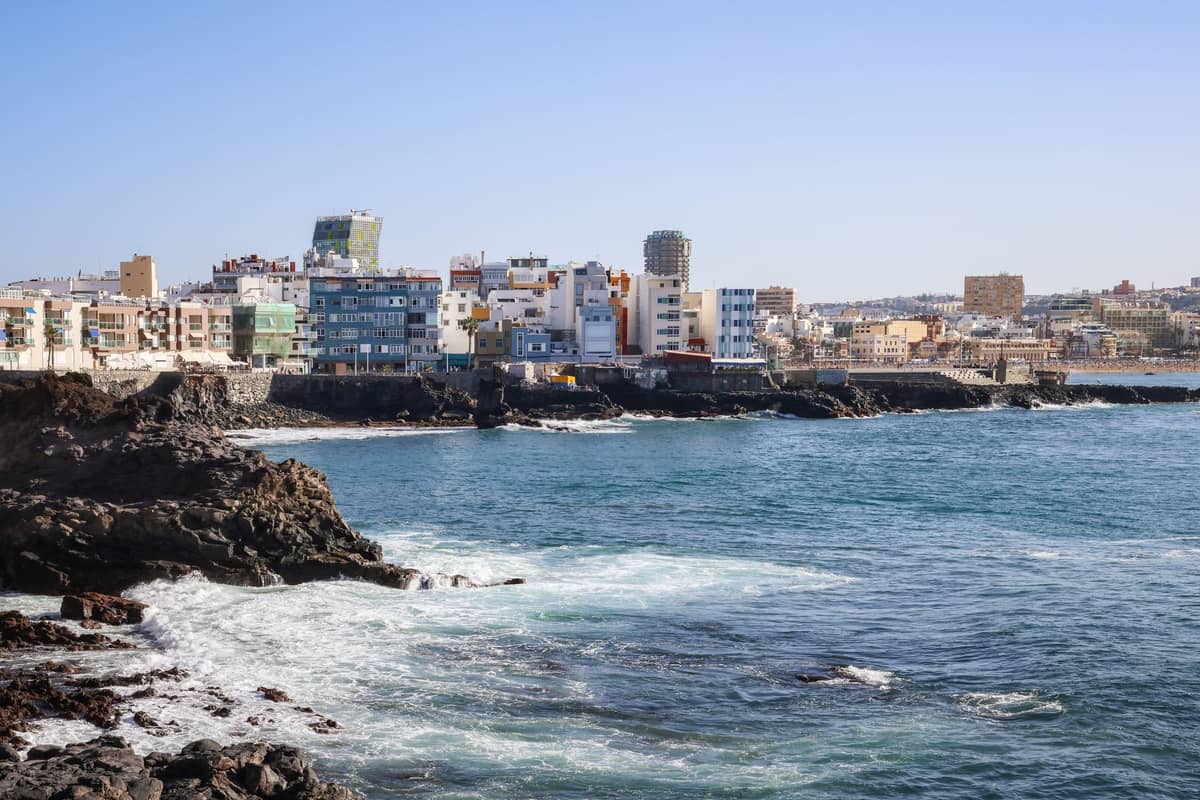
To the south and southwest, Santa Catalina borders the Guanarteme district and the promenade of Las Canteras beach. To the east, the massive Puerto de la Luz harbour forms a hard boundary. To the north, once you cross the narrow neck of the isthmus, you're in La Isleta proper: a dense residential grid climbing over volcanic rock, with the military base and old fortification remnants occupying the peninsula's northern tip.
The two neighborhoods are physically inseparable but feel like different cities. Santa Catalina is open, commercial, and transit-oriented, anchored by its namesake park and the Intercambiador bus terminal directly beside it. La Isleta turns inward: narrower streets, smaller shops, apartment buildings with laundry on the balconies, and a population that is predominantly local Canarian rather than tourist or expat.
If you're building a mental map of Las Palmas, place Vegueta and Triana at the historic southern end, then follow the city north through Guanarteme, and you arrive at Santa Catalina before the isthmus narrows and pushes you into La Isleta. The city's main beach, Playa de Las Canteras, runs along the western edge of this whole strip, with its southern half in Guanarteme and its northern end hemmed in by La Isleta's rocky coastline.
Character & Atmosphere
Parque Santa Catalina is a working square, not a decorative one. In the early morning, it belongs to older men drinking coffee at the kiosk bars, market vendors setting up nearby, and workers transferring between bus lines at the Intercambiador. The palm trees and the light at this hour are genuinely beautiful: soft Atlantic light filtering through the canopy while the port hums with container activity to the east.
By midday, the square shifts register. Cruise ship passengers in walking shoes arrive with their ship maps. Street vendors become more active. The cafés around the perimeter fill with a mix of locals on lunch breaks, backpackers consulting their phones, and the occasional chess match that seems to go on indefinitely. The noise level climbs with the temperature.
After dark, Santa Catalina has a complicated identity. The blocks immediately around the park have a concentration of bars, some catering to cruise workers and merchant sailors, others to tourists looking for a straightforward beer. It's not a dangerous area by any objective measure, but it can feel abrupt compared to the polished restaurant strips of Las Canteras, two blocks west. Use the same judgment you'd apply in any port city at night.
La Isleta has a completely different rhythm. Walk north from the park, cross the isthmus, and the tourist infrastructure drops away almost immediately. The streets are named on tiles fixed to corner walls, the bars are small and local, and the fish sold at the shops here is likely from a boat that left port that morning. It's the kind of barrio that doesn't perform for visitors, which either appeals to you or it doesn't. Weekend mornings are the best time to explore: families are out, the market activity is at its peak, and the light bouncing off the whitewashed walls and dark volcanic rock is striking.
ℹ️ Good to know
La Isleta has historically had a mixed reputation, with some safety resources flagging it as an area requiring caution and others noting a strong police presence and low crime. The honest assessment is that it's a working-class barrio with pockets that feel isolated at night. Stick to the main commercial streets after dark and you're unlikely to encounter problems, but the quieter back streets of the peninsula's interior are best explored during daylight.
What to See & Do
The most obvious starting point is Parque de Santa Catalina itself. It's less a park than a large pedestrianized square with a consistent social life, hosting the city's main carnival stage during February's celebrations and periodic cultural events year-round. The square is worth at least an hour of sitting and watching, particularly if you've just arrived in Las Palmas and want to get a sense of the city's daily pace.
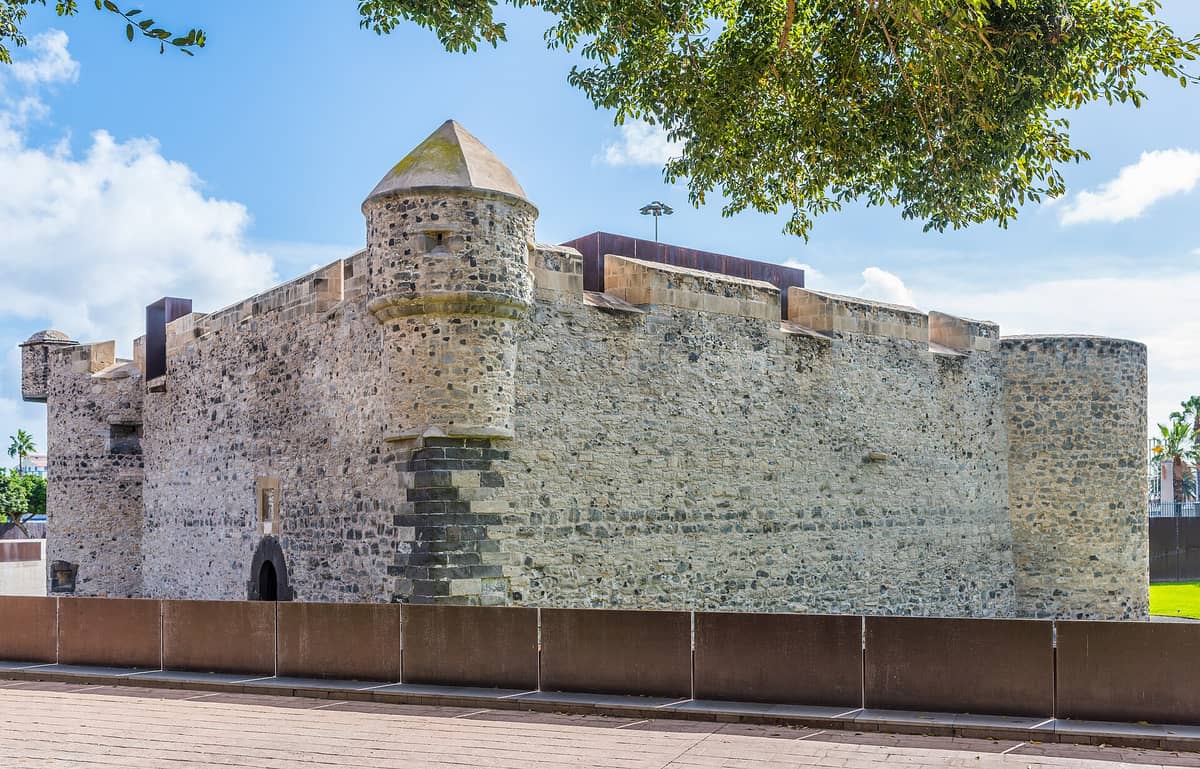
Just east of the park, the Puerto de la Luz cruise terminal handles a significant volume of Atlantic cruise traffic, and the view across the harbour from the Muelle Santa Catalina is worth a brief detour. For something more culturally substantive, the Castillo de la Luz is a 16th-century fortress located a short walk north of the park, now operating as a contemporary art space. It's one of the most architecturally interesting military structures in the Canary Islands, and the contrast between the old stone walls and modern exhibitions inside is genuinely well-handled.
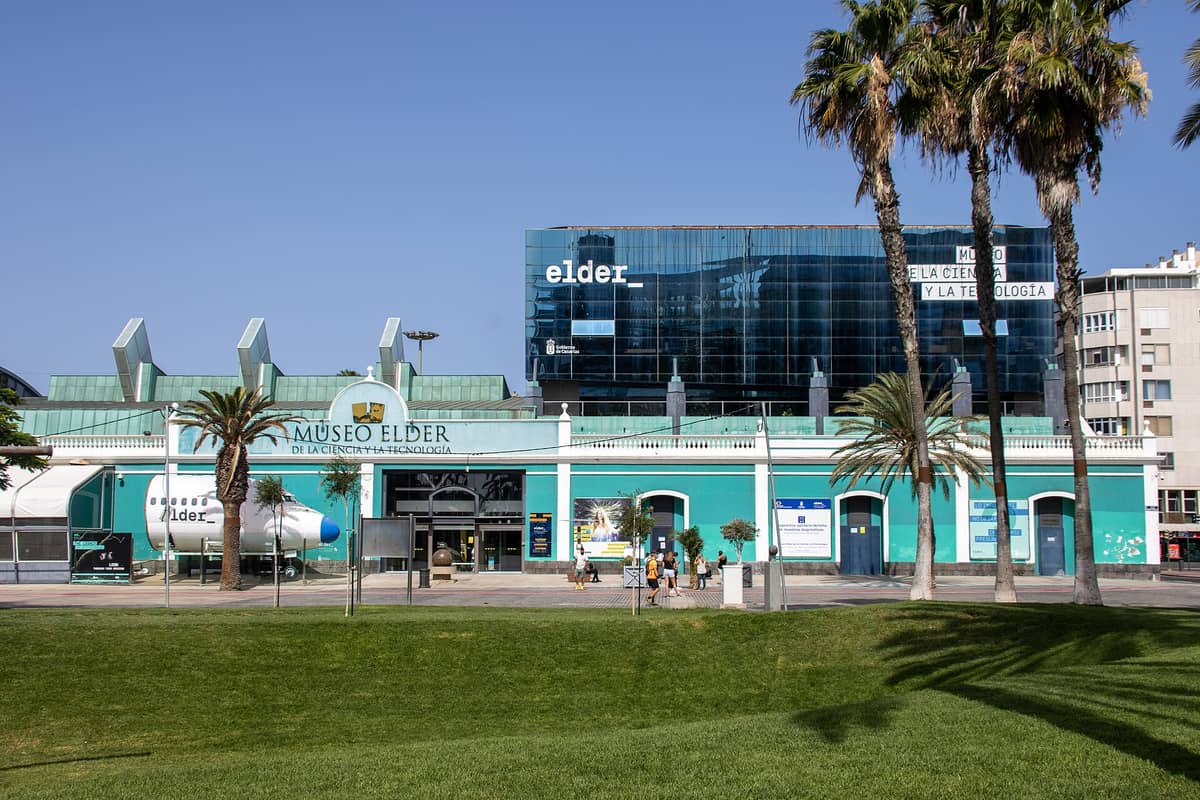
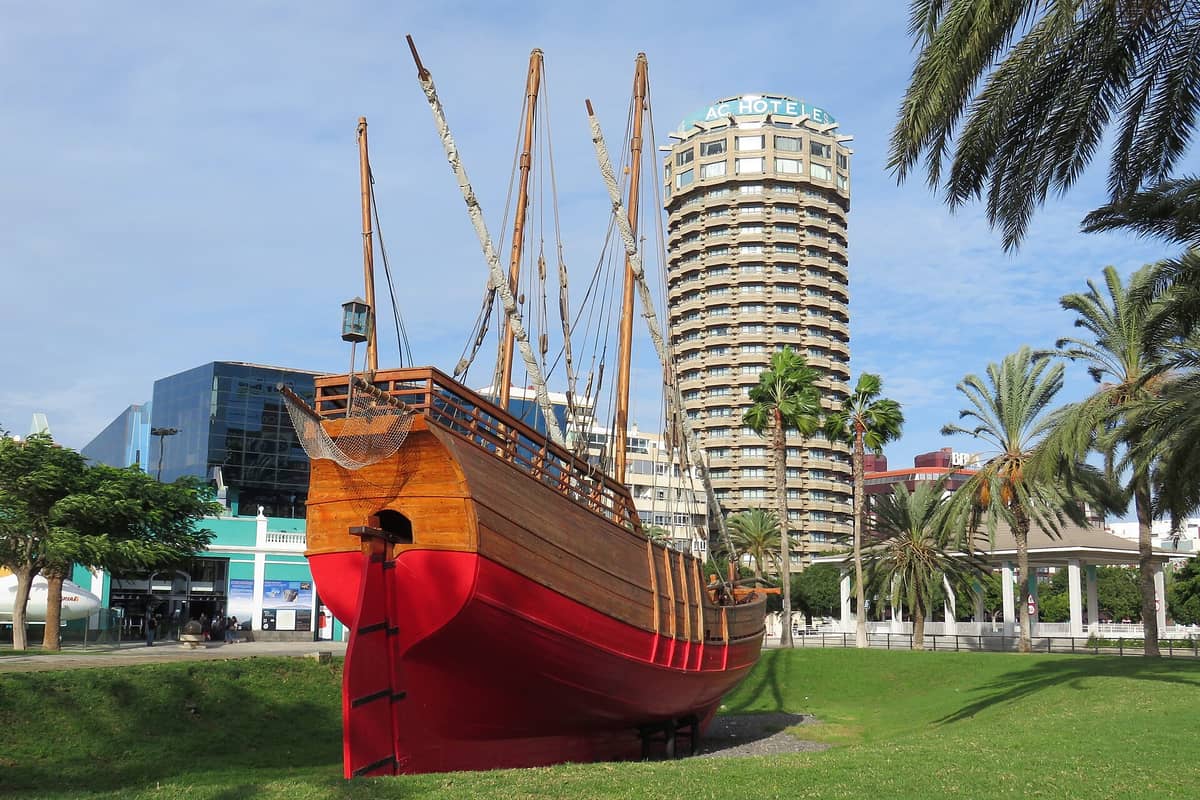
From Santa Catalina, it's a five-minute walk west to reach the northern end of Las Canteras beach, or a fifteen-minute walk south along the Paseo de Las Canteras to the main stretch. If you're interested in science and technology exhibits, the Elder Museum of Science and Technology is located in Santa Catalina's commercial district and is one of the better museum experiences in the city, particularly if you're traveling with children.
In La Isleta, the main draw is the neighborhood itself: the street grid that climbs over the volcanic rock, the small fishing boats visible in the sheltered coves on the eastern shore, and El Confital, the wild rocky beach on the peninsula's western tip that draws local surfers and has none of the groomed infrastructure of Las Canteras. It's a completely different beach experience.
Parque Santa Catalina: city square and event hub, best in morning or late afternoon
Castillo de la Luz: 16th-century fortress with contemporary art exhibitions
Elder Museum of Science and Technology: hands-on exhibits, good for families
El Confital beach: raw, rocky, and surf-friendly, on La Isleta's western coast
Puerto de la Luz waterfront: cruise port views and harbour activity
La Isleta street grid: authentic Canarian barrio walking, best on weekend mornings
Eating & Drinking
The food scene around Santa Catalina splits clearly between tourist-facing establishments on and around the park, and more genuine local eating on the streets heading north toward La Isleta. The park perimeter has cafés and kiosk bars that are fine for a coffee or a cold Tropical beer, but the menus tend toward the generic and the prices reflect the foot traffic.
For proper Canarian food, push north into La Isleta. The small bars and restaurants here serve papas arrugadas with mojo rojo and mojo verde, fresh fish grilled simply, and the kind of lunch menu del día that locals actually use. Prices are noticeably lower than in Santa Catalina or down the Canteras strip, and the atmosphere is entirely different: formica tables, the television showing football, and portions sized for people who have been working since dawn.
The streets immediately west of the park, heading toward the Paseo de Las Canteras, have a wider range of dining: everything from Canarian tapas bars to Asian restaurants to pizza places catering to the international crowd that moves between the beach and the port. For a broader overview of what to eat across Las Palmas, see our guide to what to eat in Gran Canaria, which covers the island's key dishes and where to find them.
The bar scene after dark concentrates around the park and in the blocks between Santa Catalina and Las Canteras. Several bars cater to the sailor and cruise worker crowd, which makes for a lively but occasionally rough atmosphere. There are also calmer cocktail bars and terrace spots that are perfectly comfortable. The nightlife here isn't as polished as in Triana or as international as the Yumbo Centre in the south, but it's real, local, and unpredictable in the way that port areas always are.
💡 Local tip
The best-value eating in this area is the menú del día: a set lunch including a starter, main, dessert, and bread for around €10-12, offered in most local bars in La Isleta on weekdays. Look for handwritten signs in bar windows rather than printed tourist menus.
Getting There & Around
The Intercambiador de Santa Catalina is the main bus terminal for this neighborhood and one of the most important transit hubs in Las Palmas. It's positioned directly adjacent to Parque Santa Catalina and serves both the Guaguas Municipales urban network and several intercity routes. If you're coming from another part of Las Palmas, virtually every major urban route connects through here or passes close enough to require at most one connection.
From Gran Canaria Airport (LPA), the Global interurban bus service runs direct connections to the Santa Catalina area in approximately 30 to 40 minutes, making this one of the most convenient arrival points in the city if you're using public transport. The fare is considerably less than a taxi, which would cost roughly €25-35 for the same journey depending on the time of day. Fares and route numbers are subject to change, so confirm current information at the airport or on the Global website before travel.
Getting around the neighborhood on foot is easy. Santa Catalina to the northern end of Las Canteras beach is about a five-minute walk heading west. To reach the historic districts of Vegueta or Triana to the south, a bus from the Intercambiador takes around 15 to 20 minutes, or a taxi takes under ten. Walking the full length of Las Palmas from Santa Catalina to Vegueta is around 4 to 5 kilometers and takes a little under an hour along the Canteras promenade route.
Within La Isleta, urban guagua buses penetrate the neighborhood's main streets, but the peninsula is compact enough to walk across in 20 minutes. If you're heading to El Confital on the western tip, plan for a 15-minute walk from the isthmus. Taxis and ride-hailing apps operate throughout Las Palmas, including this area. A TransGC rechargeable card reduces the per-journey cost on urban buses significantly compared to single tickets, and is worth picking up if you're spending more than two or three days in the city.
💡 Local tip
The TransGC card is sold at the Intercambiador and cuts the urban bus fare substantially versus single tickets. If you're based in Santa Catalina and planning day trips across Las Palmas, it pays for itself within a day or two.
Where to Stay
Santa Catalina makes practical sense as a base if your priority is transit convenience and access to both the port and the beach. The Intercambiador puts the entire city within easy reach, the airport connection is direct, and Las Canteras is a short walk. For travelers on a budget who want to move around Gran Canaria using buses, this is one of the most strategically useful positions on the island. See our overview of where to stay in Gran Canaria for a comparison across the island's main areas.
The accommodation stock in Santa Catalina includes a mix of mid-range hotels, hostels, and apartment rentals. Several established hotels sit close to the park or on the streets between the park and Las Canteras. Rooms facing the park itself can be noisy at night, especially on weekends or during carnival season in February. Rooms facing west, toward the beach, tend to be quieter and better ventilated in summer.
La Isleta has limited tourist accommodation, mostly apartment rentals through short-term rental platforms. Staying there puts you further from the main bus connections and requires more walking to reach Las Canteras or the city center, but offers a completely different daily experience: genuine neighborhood life, lower prices, and the kind of local texture that Santa Catalina's more commercial streets don't provide. It's not for everyone, but for travelers who prioritize authenticity over convenience, it's worth considering.
For travelers whose main goal is beach access rather than urban exploration, the southern end of Las Canteras beach, in the Guanarteme district, tends to offer quieter hotel options with more direct beach access. And if your primary destination is the resort south of the island, note that staying in Santa Catalina adds 45 to 60 minutes of transit time each way to reach places like Playa del Inglés or Maspalomas.
⚠️ What to skip
Santa Catalina is a port-adjacent neighborhood with active nightlife around the park. If you're a light sleeper, ask specifically for a room away from the square and check whether the hotel has air conditioning: summer nights can be warm, and opening windows onto the street trades heat for noise.
Is Santa Catalina & La Isleta Right for You?
This part of Las Palmas rewards travelers who want to see the city working as a city rather than as a resort. It's not polished. It's not quiet. It doesn't have the colonial grandeur of Vegueta's historic center or the refined commercial energy of Triana. What it has is the raw, functional pulse of a major Atlantic port: cruise ships, fishing boats, bus terminals, sailors, and a working-class barrio on a volcanic peninsula that has barely changed in its essential character for decades.
For travelers interested in Gran Canaria beyond the beach resorts, this neighborhood pairs well with a day trip into the island's interior or a walk through the historic south. Check our guides on things to do in Las Palmas de Gran Canaria and Gran Canaria's less-visited spots to build a fuller picture of what the island offers beyond the obvious.
TL;DR
Santa Catalina is Las Palmas' main transit hub, directly connected to the airport, the cruise port, and every major urban bus route, making it the most practical base for travelers moving around the city.
La Isleta is a genuine working Canarian barrio on a volcanic peninsula north of Las Canteras: raw, local, and largely untouched by tourist infrastructure, best explored on foot during weekend daylight hours.
The food and drink scene splits between tourist-facing cafés around the park and significantly cheaper, more authentic local bars in La Isleta: both have their place depending on what you're after.
Night-time safety requires standard urban judgment: the park area and main streets are fine, but isolated streets in La Isleta after dark warrant caution, and the port-adjacent bar scene is lively but uneven in character.
Best suited to independent travelers, urban explorers, budget travelers using public transit, and anyone interested in Las Palmas as a living city rather than a beach resort backdrop.
Three days is enough to experience Gran Canaria's remarkable range: a well-preserved colonial old town, Atlantic dune fields, volcanic mountain villages, and some of Spain's best urban beaches. This itinerary is built around real transport logistics, honest time estimates, and a deliberate mix of coast and interior.
Gran Canaria packs an extraordinary variety of beaches into one island: vast dune-backed shores in the south, a world-class urban beach in Las Palmas, sheltered family coves on the southwest coast, and raw Atlantic surf breaks in the north. This guide covers the best of all of them.
Gran Canaria earns its reputation as the 'island of eternal spring' for good reason. This guide breaks down every season, explains how the island's microclimates affect your plans, and tells you honestly when to go and when to avoid the crowds.
Gran Canaria packs extraordinary variety into 1,560 square kilometres. These are the best day trips from any base on the island, from the sacred peaks of the interior to the quiet fishing harbours of the west coast.
Gran Canaria is not a walkable island. This guide breaks down every realistic transport option, from Global bus routes and regulated taxi fares to car rental logistics and seasonal road warnings, so you can move around confidently from day one.
Gran Canaria all-inclusive resorts range from budget-friendly complexes in Playa del Inglés to upmarket retreats in Puerto de Mogán. This guide covers the best areas, realistic price expectations by season, and a clear take on when all-inclusive actually makes sense on this island.
Gran Canaria Carnival is one of Spain's biggest pre-Lent celebrations, centred on Las Palmas de Gran Canaria and running for four to five weeks each February and March. This guide covers every major event, how to get tickets, where to stay, and what first-timers consistently get wrong.
Gran Canaria has quietly become one of Europe's most practical bases for remote workers. Year-round subtropical warmth, 20+ coworking spaces, mid-range costs, and fast internet make Las Palmas de Gran Canaria a compelling alternative to Lisbon or Bali. This guide covers everything you need to plan a productive stay.
Everything you need to know about taking a ferry from Gran Canaria to the other Canary Islands. Covers the main routes, operators, realistic prices, departure ports, and the common mistakes that catch first-time travellers off guard.
Gran Canaria offers far more for couples than beach resorts. This guide covers the island's most romantic experiences, from volcanic viewpoints and wine-tasting in the interior to private catamaran trips and candlelit dinners in a harbour town that earns its 'Little Venice' nickname.
Gran Canaria packs an extraordinary amount of natural beauty, history, and culture into a single island — and a surprising amount of it is completely free. From sweeping volcanic landscapes and ancient Guanche sites to world-class urban beaches and genuinely free museums, here is how to get the most out of the island without opening your wallet.
Gran Canaria packs extraordinary variety into 1,560 square kilometres, yet most visitors see only a fraction of it. These are the volcanic ravines, pre-Hispanic ruins, wild coastlines, and slow villages that reward those willing to look beyond the southern resort strip.
December is one of the most underrated months to visit Gran Canaria. Daytime temperatures hover around 22°C, the southern beaches stay dry and sunny, and the island shifts into a relaxed festive rhythm. This guide covers the weather in detail, where to base yourself, what to do, and a few honest caveats about the rainy north.
Gran Canaria has over 130 luxury hotels spread across beach resorts, spa retreats, boutique city properties, and adults-only hideaways. This guide cuts through the marketing to tell you exactly where to stay, what to spend, and which areas suit different styles of upscale travel.
Gran Canaria nightlife spans four distinct zones, each with its own character, crowd, and closing time. This guide breaks down every major area, from the legendary Yumbo Centre to the bar-lined streets of Las Palmas, with practical advice on pricing, timing, and getting around after dark.
Gran Canaria offers genuine value if you know how to work the island's public transport network, tap into its free outdoor attractions, and eat where locals eat. This guide breaks down the real costs, the smart shortcuts, and the common mistakes that drain tourist wallets.
Gran Canaria packs semi-arid landscapes, volcanic peaks, and colonial towns into 1,560 km² — small enough to drive in a day, varied enough to spend a week exploring by car. This guide covers car rental costs, the best driving routes, the GC-200 road closure reality, and practical rules of the road so you can plan without surprises.
Both Gran Canaria and Tenerife promise year-round sunshine, dramatic scenery, and good value for European travellers. But they deliver very different holidays. This guide breaks down the real differences across beaches, landscapes, cost, family travel, and nightlife so you can stop second-guessing and start booking.
Gran Canaria's Atlantic coastline delivers world-class water sports year-round, from beginner surf lessons at Las Canteras to competition-level windsurfing at Pozo Izquierdo. This guide covers the best spots, realistic prices, seasonal conditions, and how to avoid the common pitfalls.
Gran Canaria delivers year-round sunshine, a stack of theme parks, safe beaches, and reliable public transport that make it genuinely practical for families. This guide cuts through the marketing to tell you exactly where to go, what to spend, and how to get around with children in tow.
Gran Canaria packs extraordinary hiking variety into 1,560 km². Alpine pine forests, volcanic rock formations, green ravines, and coastal cliffs are all within reach. This guide covers the best trails on the island, from quick walks to full-day mountain routes.
Gran Canaria packs an extraordinary range of landscapes, climates, and experiences into just 1,560 km². This guide cuts through the brochure language to tell you exactly who the island suits, what it does well, where it falls short, and how to decide if it belongs on your travel list.
Gran Canaria's volcanic coastline is dotted with natural sea pools carved from ancient lava flows. This guide covers the finest spots around the island, from well-equipped salinas in the northwest to wild rock pools on the west coast, with practical advice on when to go and what to expect.
Seven days is enough to experience Gran Canaria's remarkable contrasts: Atlantic beaches, volcanic peaks, colonial old towns, and quiet rural villages. This day-by-day itinerary covers the highlights without wasting a single afternoon.
Gran Canaria packs an extraordinary range of experiences into just 1,560 km². This guide covers the best things to do across the island, from world-class beaches and dramatic mountain hikes to historic old towns and boat trips, with practical advice on what's worth your time and what to skip.
Las Palmas de Gran Canaria is one of Spain's most underrated cities: a working Atlantic capital with a world-class urban beach, a remarkably preserved historic quarter, serious food culture, and year-round sunshine. This guide covers the best things to do across every corner of the city, with practical logistics, honest opinions, and no filler.
Gran Canaria's food culture runs deeper than most visitors expect. This guide covers the essential dishes, local ingredients, where to find authentic Canarian cooking, and what to skip — so you eat well from day one.
Gran Canaria divides neatly into three very different worlds: a cosmopolitan northern city, a sun-baked southern resort strip, and a rugged volcanic interior. Where you stay shapes your entire experience. This guide breaks down every main area by atmosphere, accommodation type, price range, and who it suits best.