Is Gran Canaria Worth Visiting? An Honest Assessment
Gran Canaria packs an extraordinary range of landscapes, climates, and experiences into just 1,560 km². This guide cuts through the brochure language to tell you exactly who the island suits, what it does well, where it falls short, and how to decide if it belongs on your travel list.
TL;DR
- Gran Canaria delivers genuine year-round warmth (18–25°C average), making it one of Europe's most reliable winter sun destinations.
- The island is far more than a beach resort: interior mountain villages, volcanic ridgelines, and a UNESCO-recognised historic capital (Vegueta, Las Palmas) exist alongside the southern resort strip.
- Budget travellers can manage on €60–80 per day; luxury options exist but are not the island's strongest suit compared to Tenerife or Lanzarote.
- The south coast (Maspalomas, Playa del Inglés) is package-holiday territory at its most concentrated — worth knowing before you go.
- For hiking, culture, beaches, and food in one trip, Gran Canaria outperforms most comparable Atlantic islands — see our Gran Canaria vs Tenerife comparison if you're still deciding.
What Gran Canaria Actually Is (And What It Isn't)
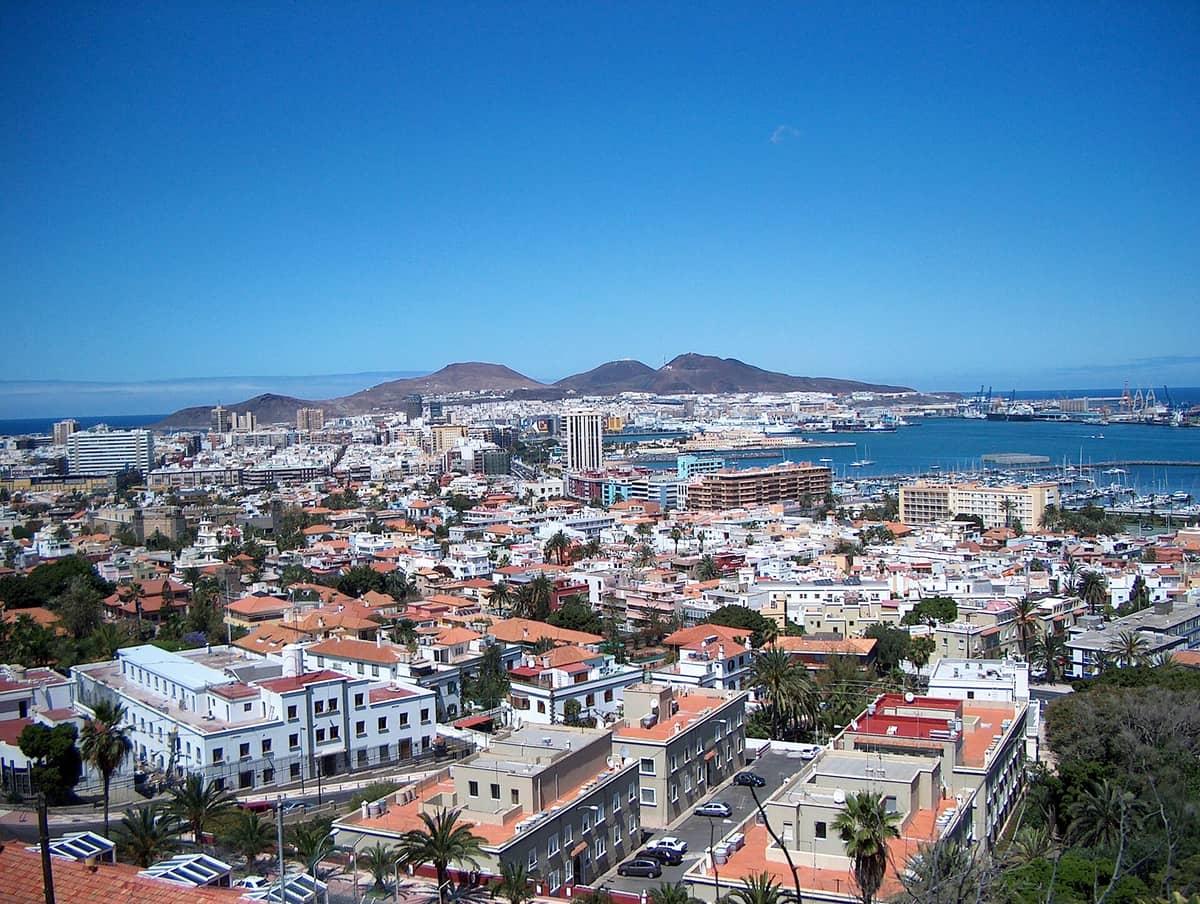
Gran Canaria is a Spanish island sitting in the Atlantic Ocean about 210 km off the northwest coast of Africa. It belongs to the Canary Islands autonomous community, covers 1,560 km², and is home to about 870,000 people. Its capital, Las Palmas de Gran Canaria, is the largest city in the Canary Islands with around 380,000 residents — a proper working city with its own cultural identity, not just a resort town.
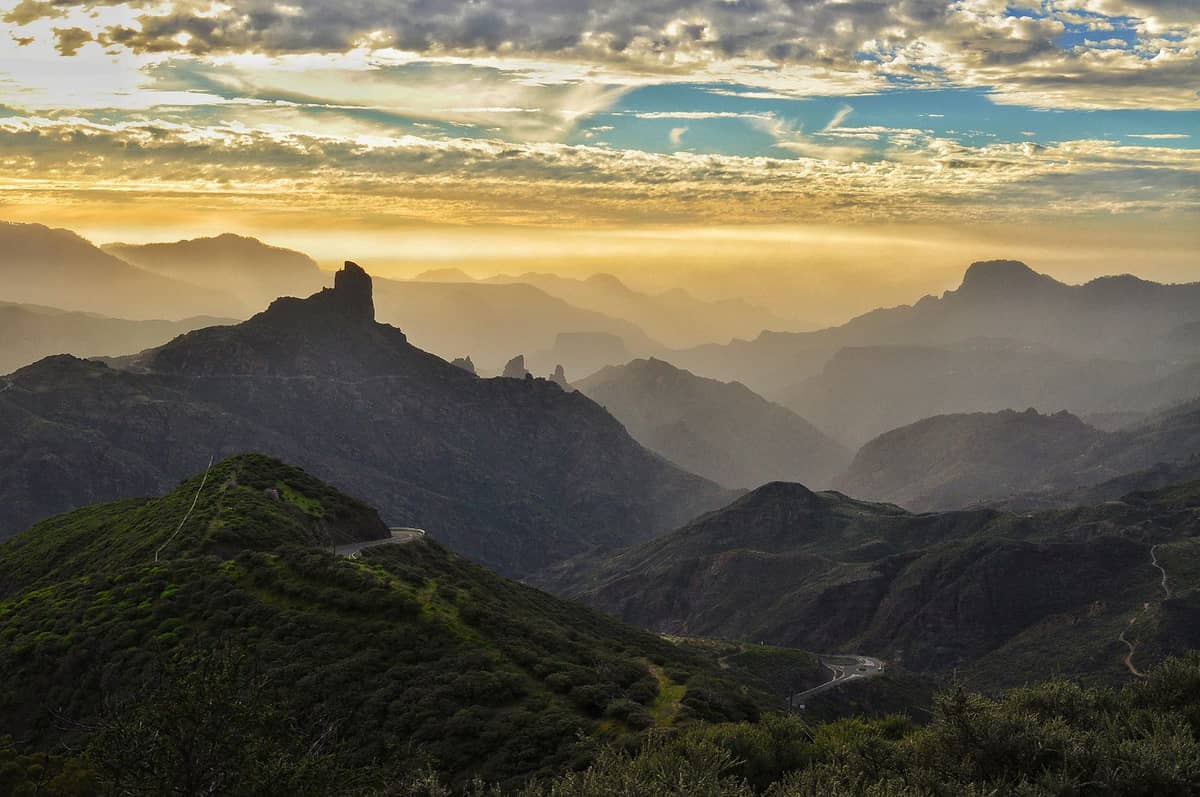
The island is often sold on its beaches, and that reputation is justified. But treating Gran Canaria as purely a sun-and-sand destination means missing the point. The interior rises to about 1,950 metres at Morro de la Agujereada, creating a dramatic landscape of pine forests, volcanic rock formations, and Canarian villages that look and feel nothing like the coastline. This geographic contrast — subtropical south coast versus cool mountain interior — is the island's most underappreciated quality.
ℹ️ Good to know
Gran Canaria is officially part of Spain and the Schengen Area, uses the Euro (EUR), and operates on Western European Time (UTC+0, UTC+1 in summer). The country dialling code is +34, and the emergency number is 112. Standard European plugs Type C and Type F (230V, 50Hz) are used throughout the island.
The Climate Case: Why People Keep Coming Back
The single strongest argument for visiting Gran Canaria is climate consistency. Average annual coastal temperatures generally sit between 19°C and 24°C. In January, daytime highs in Las Palmas reach around 21°C. July peaks at roughly 27–28°C. Rain is a minor factor for most of the year: roughly 30–35 rainy days annually at coastal stations, with July recording essentially zero. This is what makes the island an outlier in European travel — it genuinely works in December just as it works in August.
That said, timing still matters for what you do. Hiking the interior is best from November to April, when trails are cooler and the calima (Saharan dust wind) is less frequent. Beach holidays peak May to October when sea temperatures are warmest. Surfers target October to March for the Atlantic swells. The south of the island, particularly Maspalomas, is noticeably sunnier and drier than the north even in winter, due to the island's varied microclimates — a detail most package-holiday marketing conveniently glosses over. For a full seasonal breakdown, the best time to visit Gran Canaria guide covers each month in detail.
What Gran Canaria Does Better Than Comparable Destinations
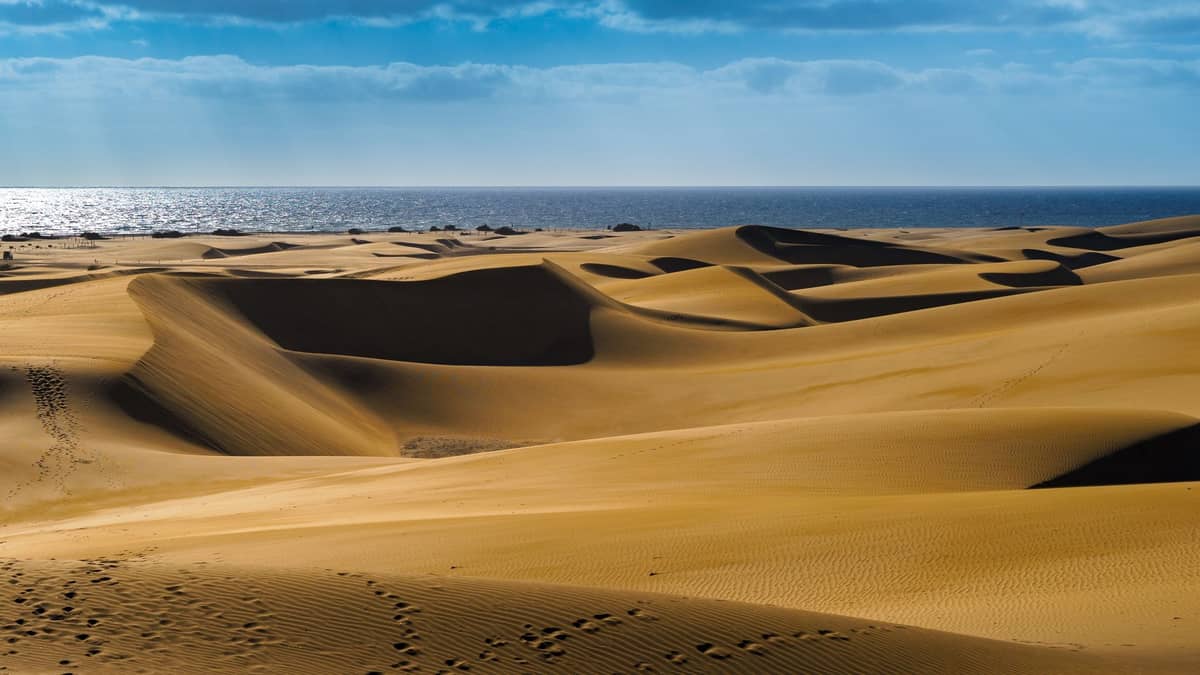
The island's main strength is variety within a small area. You can be at a volcanic sand dune system in the morning, driving through pine forest at 1,500 metres by afternoon, and eating fresh fish in a clifftop village by evening. Few Atlantic islands offer that range without a ferry or a flight.
- Beaches with real range From the urban Las Canteras in the capital — protected by a natural reef — to the 6 km dune-backed arc of Maspalomas, the island covers every beach type. There are also quieter spots along the west coast near Agaete and natural rock pools worth seeking out.
- A capital city worth your time Las Palmas de Gran Canaria has a UNESCO-listed historic quarter (Vegueta), serious food culture, and a beach running through the city. It functions as a destination in its own right, not just a transit point to the resorts.
- Accessible mountain interior Roque Nublo, Cruz de Tejeda, and the Tamadaba natural park are all reachable on day trips from either the coast or the capital. The drives alone through the central caldera are worth the rental car.
- Year-round flight connections Gran Canaria Airport (LPA) receives direct flights from across Europe throughout the year, keeping prices competitive outside peak summer. This is an underrated logistical advantage over more seasonal destinations.
- Established infrastructure without the over-development of Tenerife's south Gran Canaria's resort areas are concentrated along the southeast coast, which means the north and interior remain relatively unspoiled. This geographic containment is a genuine plus.
Where Gran Canaria Falls Short (Be Honest With Yourself)
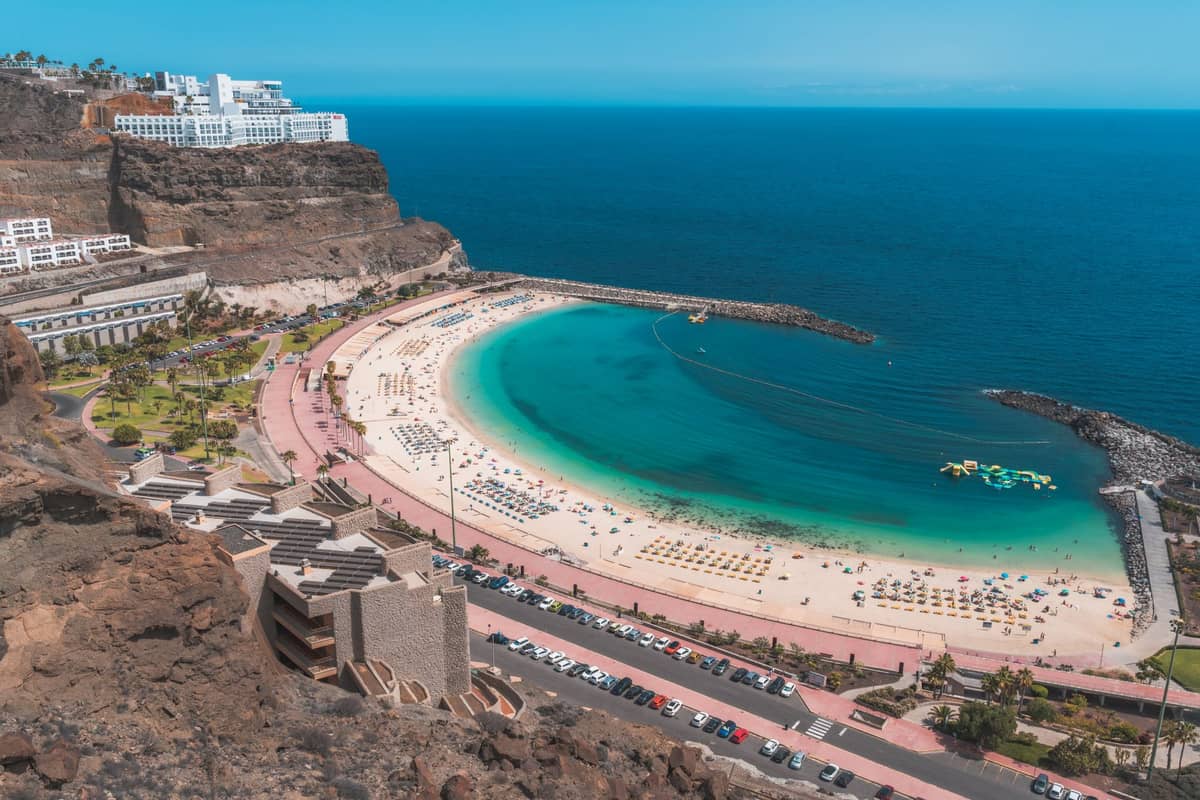
The south coast corridor between Playa del Inglés and Puerto Rico is among the most densely developed resort strips in Spain. If your image of a Canarian holiday involves quiet coves and authentic fishing villages, you will find neither in Maspalomas or Playa del Inglés. These are purpose-built tourist zones with large hotel complexes, loud strip bars, and beaches that can feel crowded from October through March when northern European visitors arrive in volume.
This is not necessarily a problem — the south delivers exactly what it promises for package holidaymakers — but it is worth understanding before you book. The Maspalomas area suits families, couples on all-inclusives, and first-time visitors to the Canaries who want reliable sun and a low-effort holiday. It is not the right base for travellers seeking cultural depth or quiet. For that, the capital or smaller villages like Agaete or Tejeda work considerably better.
⚠️ What to skip
Gran Canaria is not a luxury destination by Canary Islands standards. High-end resort hotels exist but are outnumbered by mid-range and budget-package accommodation. If five-star isolation is the priority, Lanzarote or La Gomera may suit better. Gran Canaria's strength is breadth, not exclusivity.
One more honest note: the island's tap water is technically safe but largely desalinated and often tastes flat. Most residents and long-stay visitors drink bottled water. This is a minor inconvenience but worth knowing if you are used to drinking from the tap.
Practical Logistics: Getting There and Getting Around
Gran Canaria Airport (IATA: LPA) sits on the east coast, roughly equidistant between Las Palmas in the north and Maspalomas in the south. A taxi to Las Palmas costs approximately €25–35 and takes 20–30 minutes. To Maspalomas, budget around €40–50 and 30–40 minutes. The public bus option via Global line 60 connects the airport to the Santa Catalina hub in Las Palmas for around €3, which is the budget-smart choice if you are staying in the capital.
Getting around the island independently is easiest with a rental car, especially if you want to explore the interior. Public buses (called guaguas, operated by Global interurbano) cover the main routes — airport to Las Palmas, Las Palmas to Maspalomas via the coast, and connections to mountain towns — but frequency drops significantly in rural areas. The urban guagua network within Las Palmas (Guaguas Municipales) is efficient, with single fares around €1.40; on interurban routes, costs are lower per trip with rechargeable cards such as TransGC. For a full breakdown of transport options, see the getting around Gran Canaria guide. A road trip through the interior is genuinely one of the best ways to understand the island — the Gran Canaria road trip guide maps out the best routes.
✨ Pro tip
If you are based in the south and want to reach Las Palmas or the interior without renting a car for the whole trip, Global bus line 1 runs along the east coast between Las Palmas and Puerto de Mogán in roughly 70–80 minutes for a few euros, with easy connections from Maspalomas. It is slow but covers the main corridor reliably.
Who Gran Canaria Is Right For (And Who Should Look Elsewhere)
The island works well for a specific type of traveller: someone who wants guaranteed warmth, wants options beyond the beach, and does not need a particularly exotic or undiscovered destination. It is a particularly good fit for couples combining beach time with hiking or cultural exploration, families who want calm water, reliable sun, and resort-level infrastructure, and digital nomads who base themselves in Las Palmas long-term thanks to the city's infrastructure and quality of life.
- Winter sun seekers from northern Europe: Gran Canaria is one of the most reliable warm-weather escapes from October to March within a 4-hour flight of the UK or Germany.
- Hikers and outdoor travellers: the volcanic interior, ravines like Barranco de los Cernícalos, and summit trails around Pico de las Nieves offer serious walking at all ability levels.
- City culture travellers: Las Palmas has colonial architecture, strong local food, a renowned carnival in February, and a beach within the city limits.
- Budget travellers: accommodation, food, and transport costs sit below the European mainland average, particularly outside the peak December–January and July–August windows.
- Travellers who want a mix trip: unlike a single-note beach island, Gran Canaria supports a full week of genuinely varied experiences without feeling like you are exhausting options.
Gran Canaria is less suited to travellers chasing solitude, pristine unspoiled coastline, or premium luxury. If the package-holiday atmosphere of the south is a dealbreaker and the capital's urban pace does not appeal, the island may genuinely disappoint. Consider reading about Gran Canaria's less-visited spots before writing the destination off entirely, though — the north and interior are a different world from the resort corridor.
For practical trip planning, the things to do in Gran Canaria guide covers the full activity range, while the where to stay in Gran Canaria guide helps match your base to your priorities. If budget is a constraint, the Gran Canaria on a budget guide shows how to keep daily costs under control.
💡 Local tip
The island has 30 official tourist offices plus 34 tourist information points distributed across Gran Canaria, including a dedicated office in Gran Canaria Airport arrivals. If you arrive with questions or need maps, it is one of the better-served European island destinations for on-the-ground visitor support.
FAQ
Is Gran Canaria worth visiting in winter?
Yes, particularly for northern European travellers. January daytime highs average around 21°C on the coast, with very little rain. The south of the island (Maspalomas, Playa del Inglés) is the most reliable for sunshine in winter. Note that this is peak season for package tourism, so prices are higher and beaches more crowded than in spring or autumn.
Is Gran Canaria better than Tenerife?
Depends on what you want. Gran Canaria has a stronger urban culture (Las Palmas), a more compact island interior, and better beach variety in a smaller area. Tenerife has Mount Teide, more high-end resort infrastructure, and a longer tourism tradition. For city culture and hiking combined, Gran Canaria edges ahead. For volcanic scenery and luxury resorts, Tenerife is the stronger choice.
How many days do you need in Gran Canaria?
Five to seven days is the practical minimum to experience both the coast and the interior. Three days works if you are beach-focused and staying in the south. A full week allows time for the capital, mountain day trips, and different beach areas without feeling rushed.
Is Gran Canaria safe for tourists?
Generally yes. Gran Canaria has the same safety standards as mainland Spain. Petty theft (bag snatching, pickpocketing in crowded areas) is the main risk in the resort zones and Las Palmas city centre, so standard urban precautions apply. The emergency number is 112, and English is widely spoken in tourist services and emergency response.
Do you need to speak Spanish in Gran Canaria?
In the south coast resort areas and at the airport, English and German are widely spoken. In Las Palmas and inland villages, Spanish is essential for most interactions outside hotels. Learning a few basic phrases goes a long way and is generally appreciated by locals.